The Mailbox Surprise
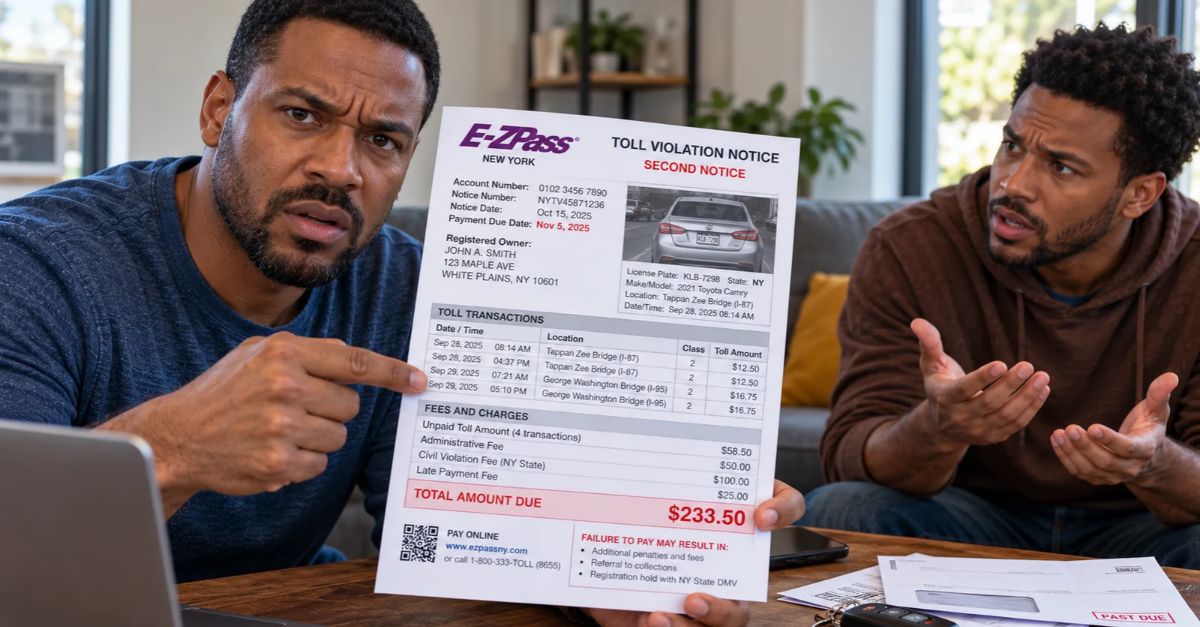
You lend your car to your brother for a weekend. A few weeks later, toll notices start showing up in your mailbox. This happens all the time, especially with family. But even though he's the one who was driving, if you're lending your brother your car, you might be taking a bigger legal and financial risk that you realize.
Your Car, Your Fine
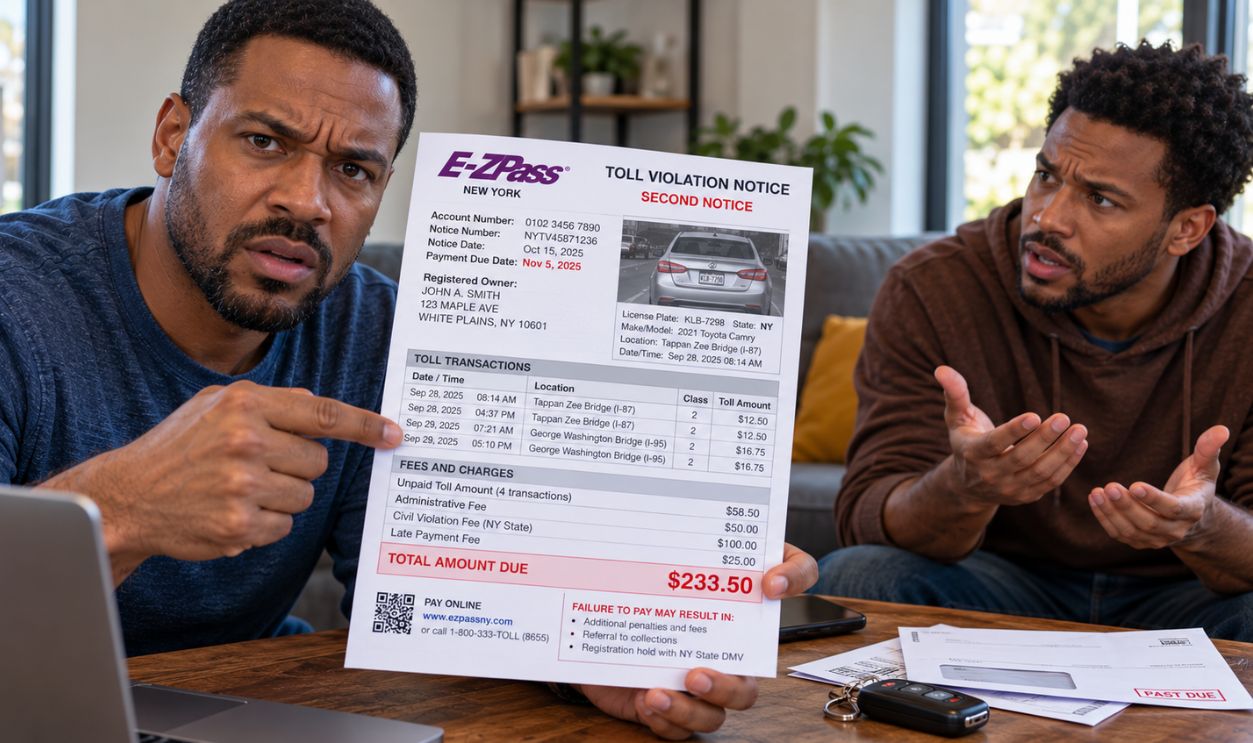
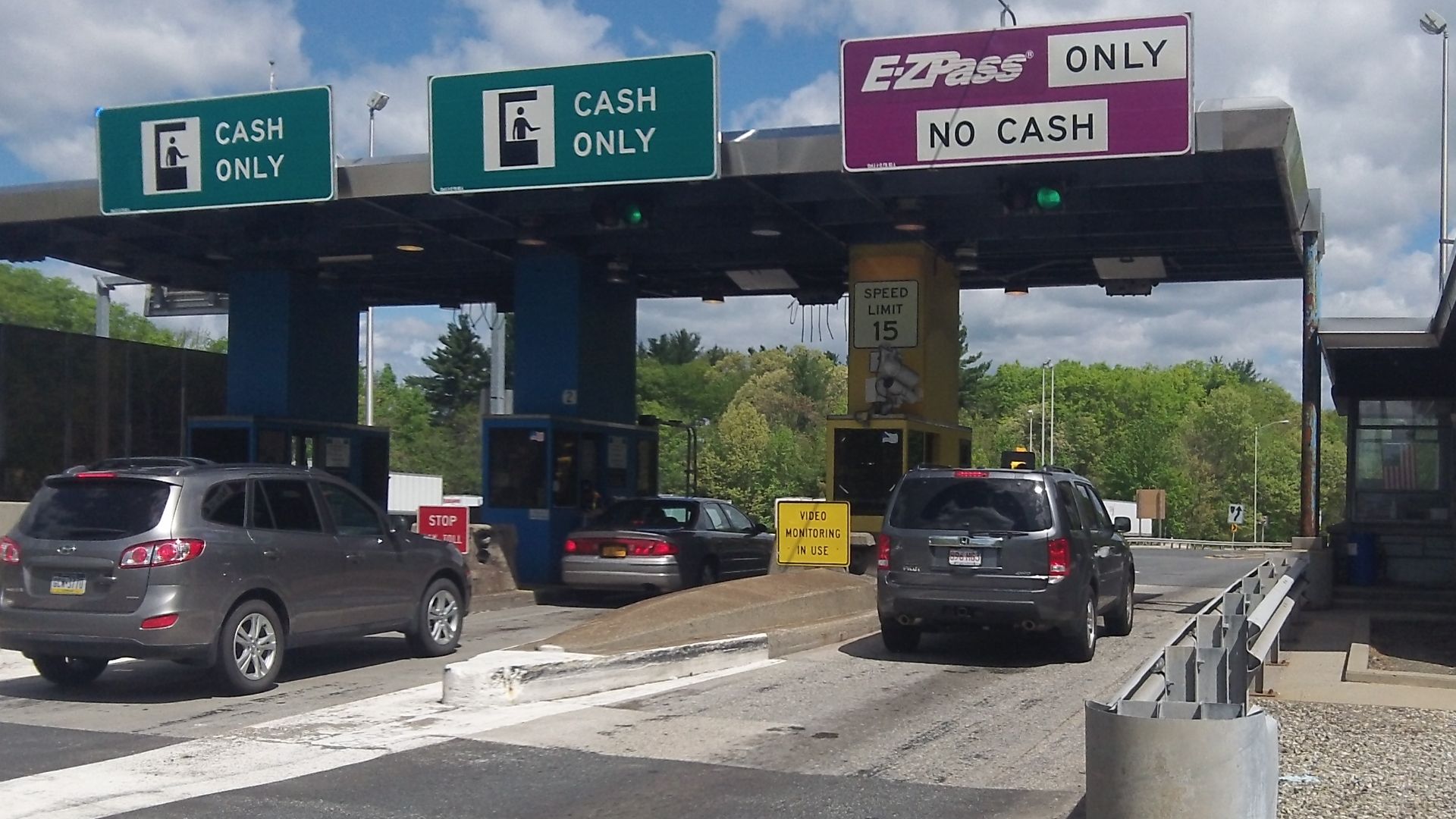
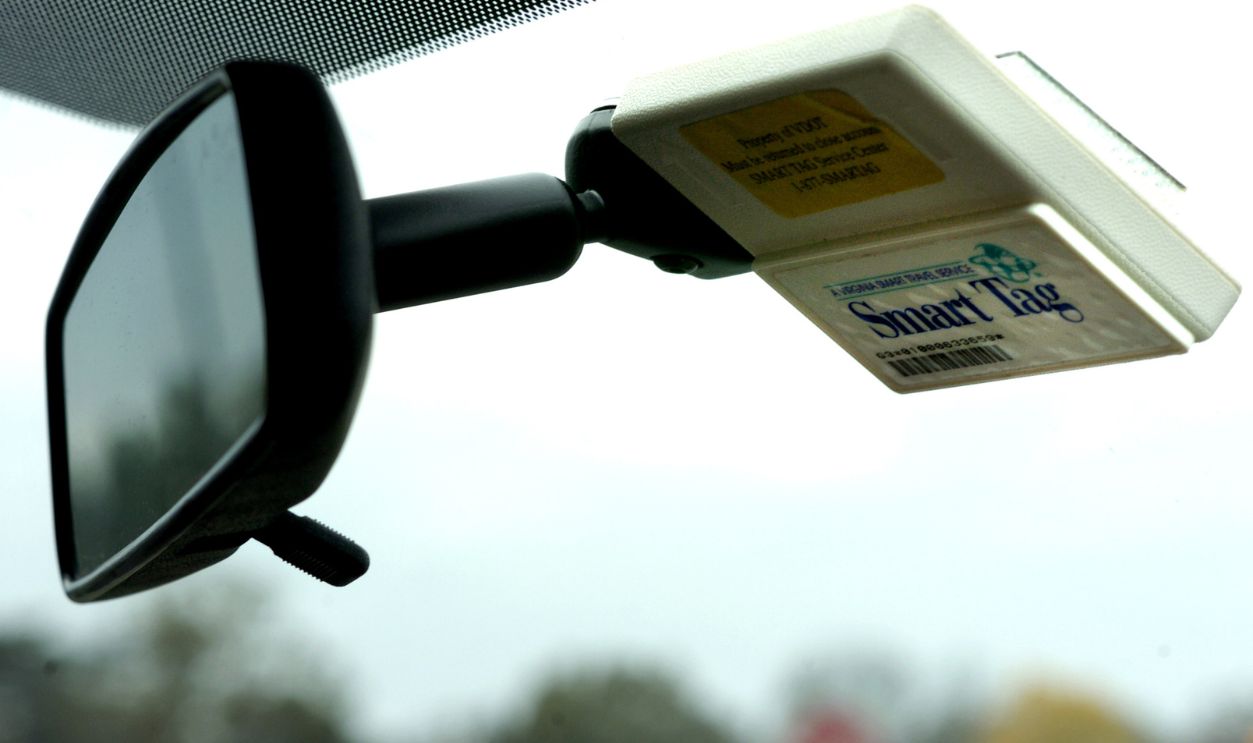
Electronic toll systems usually rely on transponders and license plate images to collect payment. If no valid payment is matched to the trip, the agency sends an invoice or violation notice to the registered owner listed in motor vehicle records. From the agency’s point of view, that is the easiest person to find—and the law backs them up.
What Toll Agencies Actually Track
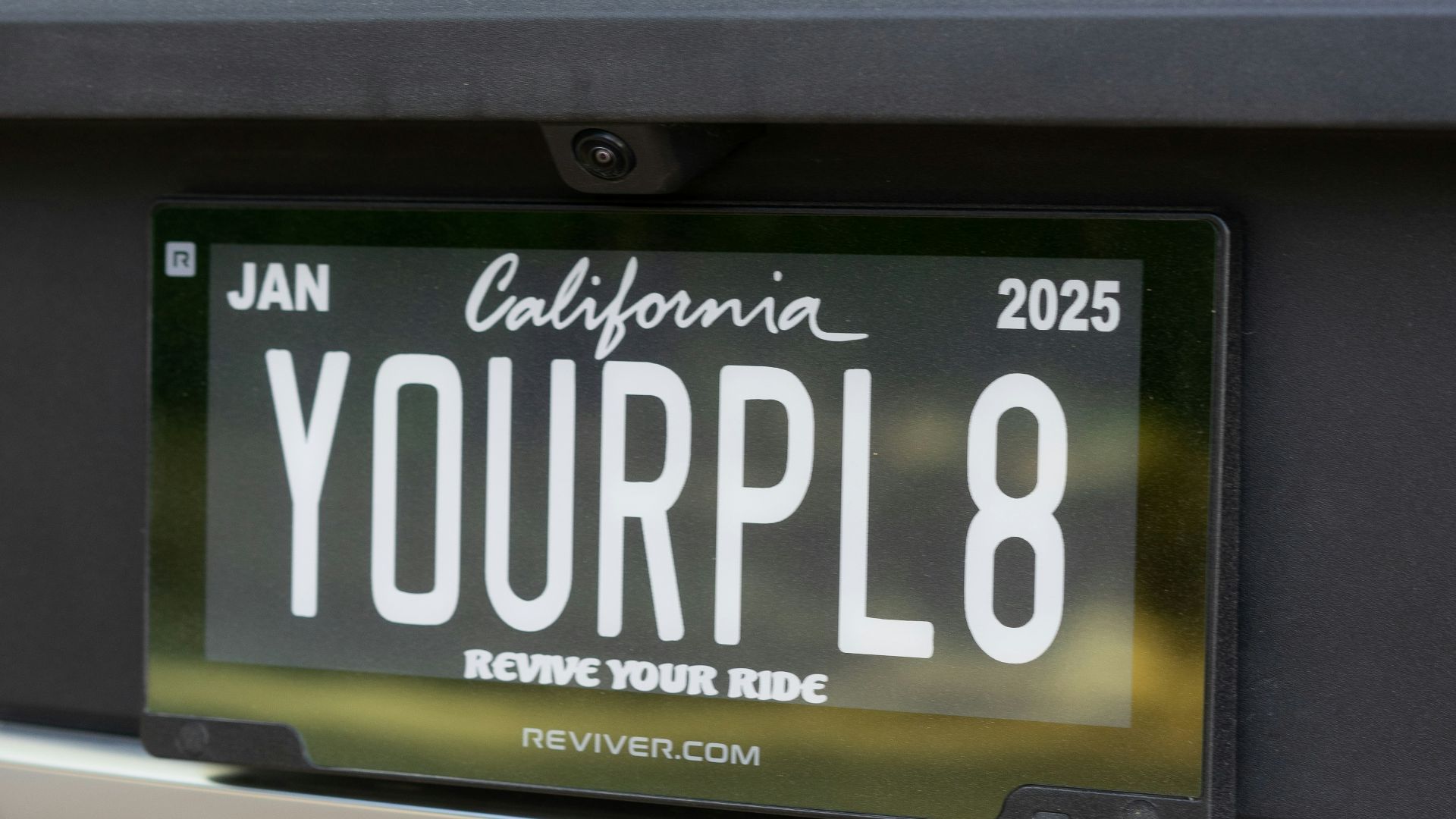
Toll roads usually log the date, time, plaza or gantry, and plate number tied to the trip. Some notices also include photos of the plate. So the record shows the vehicle was there, but it does not automatically prove who was sitting behind the wheel.
The Big Question of Responsibility
Who should pay and who has to deal with the notice are not always the same person. In basic fairness, the person who borrowed the car should obviously cover the tolls and any extra fees caused by delay. But legally, the registered owner often is required to respond first, unless the agency allows a dispute or some kind of transfer of liability.

Start With the Notice Date
Before you do anything else, check the dates on the toll notices. Agencies often give you a limited window to pay, dispute the charge, or send supporting documents. Miss that deadline and a small bill can turn into late fees, collections, or even registration trouble.

The Brother Conversation Comes First
Your quickest fix may be a direct conversation with your brother. Show him the notice, the trip dates, and the full amount due, including any admin or late fees. If he used your car, the cleanest outcome is for him to pay it fast before the cost climbs.

Do Not Assume It Is Just the Toll Amount
The toll itself is often the smallest part of the problem. Many agencies tack on admin charges, rising penalties, or civil violation fees when payment is missed. A minor unpaid toll can get expensive in a hurry.

Check Whether a Transponder Was Supposed to Be in the Car
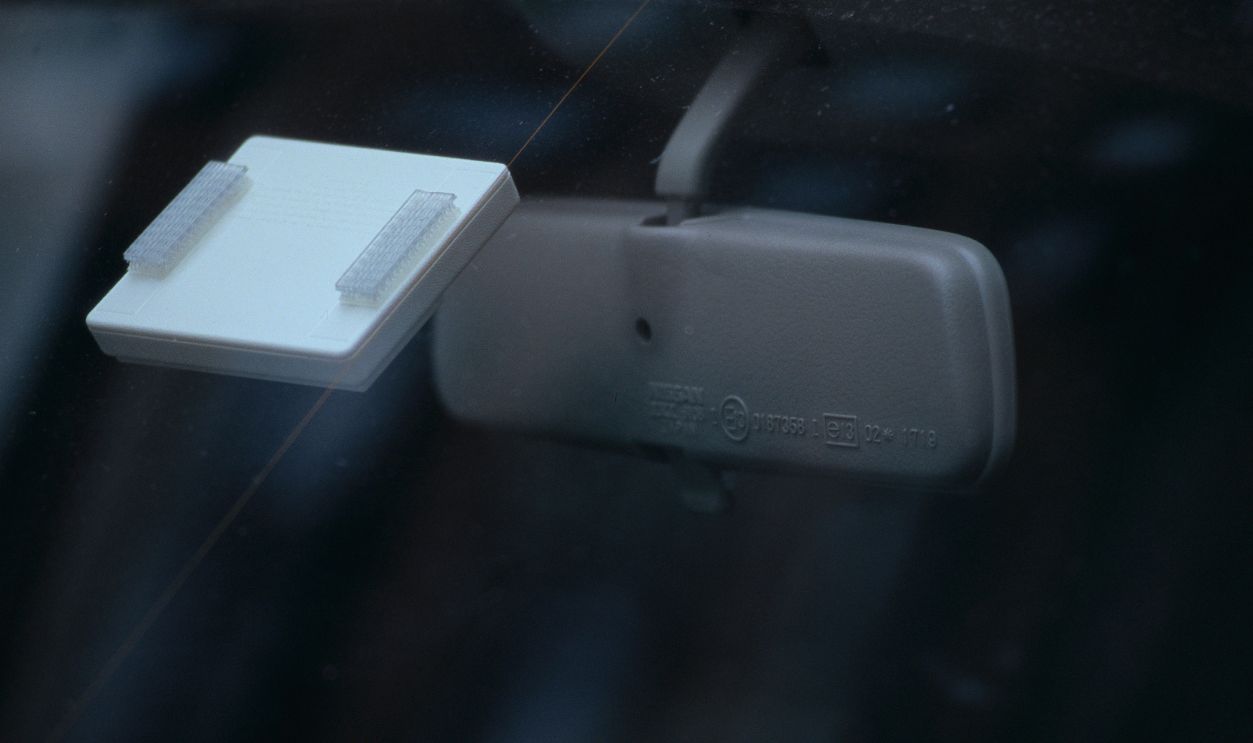
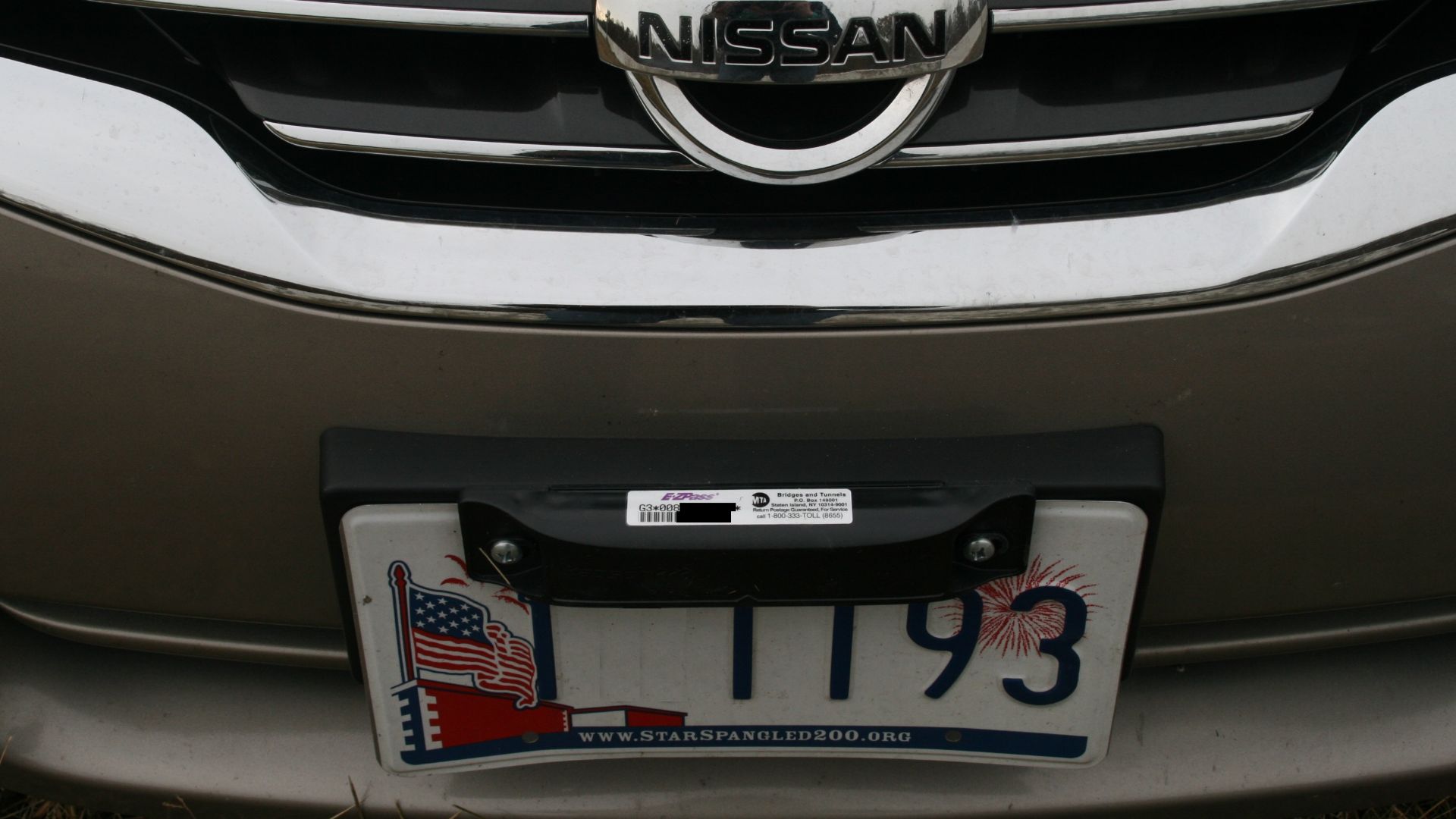
If your car normally has an E-ZPass or another transponder, make sure it was in the vehicle and working at the time. Some systems charge a higher toll-by-mail rate when the transponder is missing, unreadable, or tied to old account information. In that case, the problem may be partly about the driver and partly about your account setup.
Review Your Toll Account Right Away
Log into your toll account and look over recent trips, payment methods, and plate information. Agencies such as E-ZPass and The Toll Roads in California tell customers to keep plates, vehicle details, and payment cards up to date. An expired card or old plate can trigger invoices even when you thought the account would pay everything automatically.

Some Agencies Let You Dispute as the Owner
Many toll agencies have formal dispute or hearing processes. The New York State Thruway toll system, for example, explains how to pay or dispute toll bills and violations, and most agencies list deadlines right on the notice. Even if your brother admits he was driving, you may still need to submit the paperwork because the notice is in your name.

What Transfer of Liability Means
In some states and with some agencies, the owner can identify another responsible party, especially when the vehicle was rented, leased, or sold. Family borrowing is usually less clear, and many toll systems do not offer a simple form that lets you transfer the bill to a relative. So even if your brother plans to pay you back, the agency may still expect payment from you first.
 R Photography Background, Shutterstock
If the Car Was Stolen or Used Without Permission
This is where the situation changes. If the car was taken without permission, toll agencies may consider evidence like a police report. Some agency dispute pages list stolen vehicles or plate misuse as valid reasons to challenge a notice, but they usually require documents and a quick response.
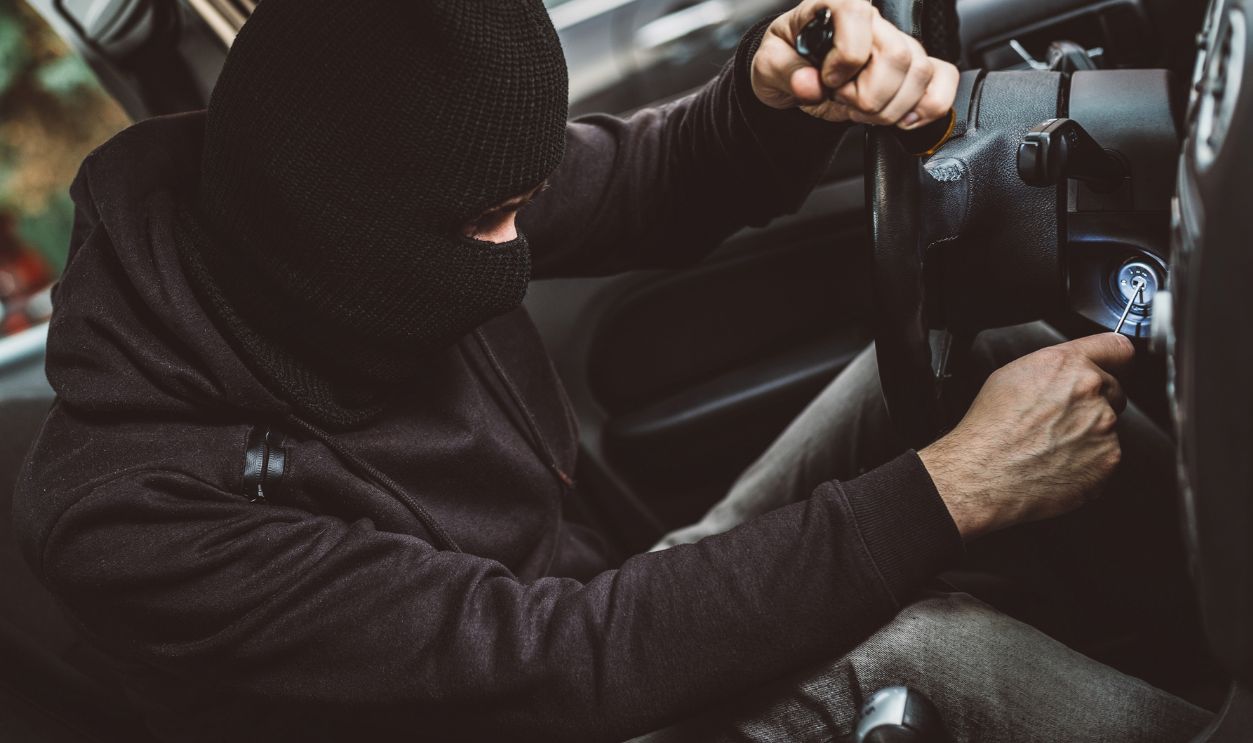
Photo Evidence Can Help or Hurt
If the notice includes a vehicle image, compare it carefully with your car and plate. Mistakes do happen. Plate readers are not perfect, especially when plates are dirty, damaged, or close to another number sequence. If the photo clearly matches your car and the date lines up with when your brother had it, that makes the reimbursement issue pretty straightforward.
Late Fees Are Where Things Get Expensive
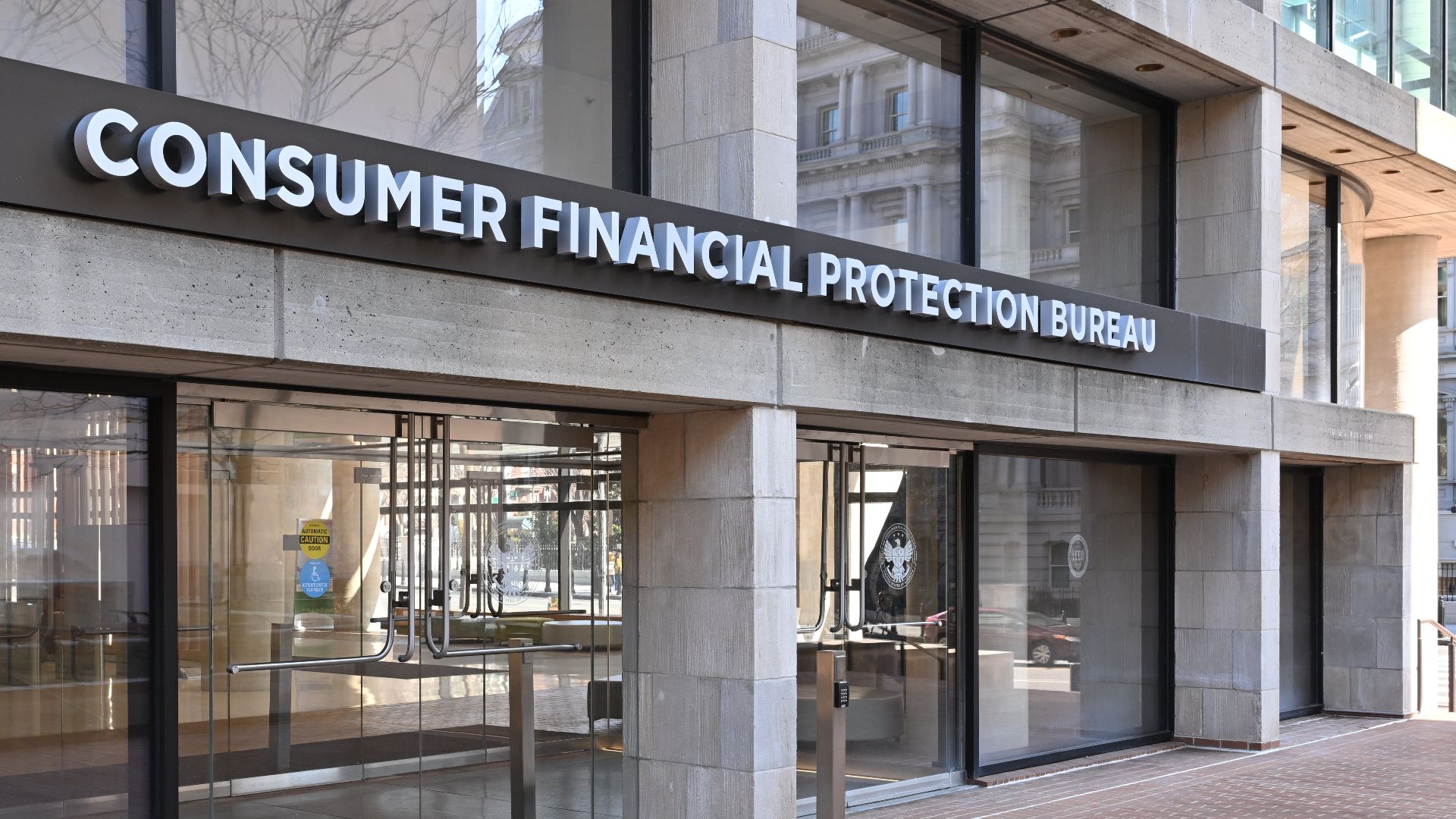
The Consumer Financial Protection Bureau warns that unpaid toll charges can snowball into debt collection problems. Once a bill is ignored, some agencies or states may send it to collections, pile on major fees, or report the debt. A simple favor to your brother can turn into a much bigger mess if nobody deals with it.
 G. Edward Johnson, Wikimedia Commons
Can They Block Your Registration
In some states, yes. Toll agencies and motor vehicle departments may be able to place registration holds or deny renewals for unpaid toll violations. That is one more reason not to sit back and wait for the borrower to get around to it.
 Oregon Department of Transportation, Wikimedia Commons
Your Best Short-Term Move
If the deadline is close, paying first and sorting it out with your brother later may be the cheapest option. It may not feel fair, but it can save you from bigger penalties or registration problems. Keep records so you can show exactly what you paid and why.

How to Ask for Reimbursement
Keep it simple and stick to the facts. Send your brother copies or screenshots of the notices, list the trip dates, and state the total amount due. If you already paid to stop more fees, include proof of payment and tell him when you expect to be paid back.
Small Claims Court Is Usually the Last Resort
If your brother refuses to reimburse you, small claims court may be an option depending on the amount and the rules in your state. Useful evidence would usually include the toll notices, proof of payment, messages showing he borrowed the car, and any admission that he took the toll road. At that point, the dispute is less about the agency and more about getting your money back from the person who caused the charge.

Family Loans Need Clear Ground Rules
This kind of situation is a good reminder that casual car borrowing can come with real costs. It helps to tell any borrower up front that they are responsible for tolls, tickets, parking, fuel, and any fees caused by delay. A quick text before handing over the keys can save you a much uglier talk later.
Insurance Usually Does Not Help Here
Auto insurance is usually not the answer for unpaid tolls. Toll invoices and civil penalties are not the kind of loss a normal policy is meant to cover. Do not count on your insurer to step in just because another permitted driver used the car.

Rental Car Rules Show the Same Basic Principle
Rental companies make this very clear, and their policies show how the system usually works. The company gets billed first because it owns the car, then it charges the renter for the tolls plus service fees. Your situation with a family member is less formal, but the same basic chain of responsibility often shows up at the start.
Watch for Plate and Account Errors
Sometimes the borrower is not the whole story. A notice can also come from an old plate still attached to your account, a replacement plate that was never added, or a transponder assigned to the wrong vehicle class. Checking those details can tell you whether you are dealing with a borrowing problem, an account problem, or both.
Do Not Ignore Collection Letters
If the matter has already moved beyond the original toll agency, read every letter carefully. The CFPB tells consumers to verify the debt, dispute mistakes, and act quickly when a collector gets involved. Waiting only shrinks your options and can make the problem harder to fix.

What If Your Brother Says He Never Took That Route
That is when details matter. Compare the date and time on the notice with his travel plans, texts, receipts, or location history if he is willing to share it. If the facts do not match up, you may have a reason to challenge the notice instead of just sending him the bill.

The Practical Answer to Who Pays
In everyday terms, your brother should pay because he used the road and triggered the charge. In legal and admin terms, you may still be the one who has to answer the notice first because the car is registered to you. So the practical answer is usually this: the owner deals with the agency, and the borrower pays the owner back.
 https://kaboompics.com/, Pexels
How to Protect Yourself Next Time
Before lending your car again, make sure your toll account is current and your transponder works. Tell the borrower in writing that they are responsible for tolls and any related fees. If you want the lowest-stress option, do not lend the car unless you are prepared to front the bill and collect later.
 The Washington Post, Getty Images
The Bottom Line
Unpaid toll notices usually go to the vehicle owner first because that is who toll systems can identify from registration records. That does not automatically mean the owner should end up stuck with the cost when a family member borrowed the car. If you move fast, keep good records, and push for reimbursement, you can usually stop a small toll bill from turning into a much bigger problem.