The Parts Argument Gets Heated Fast
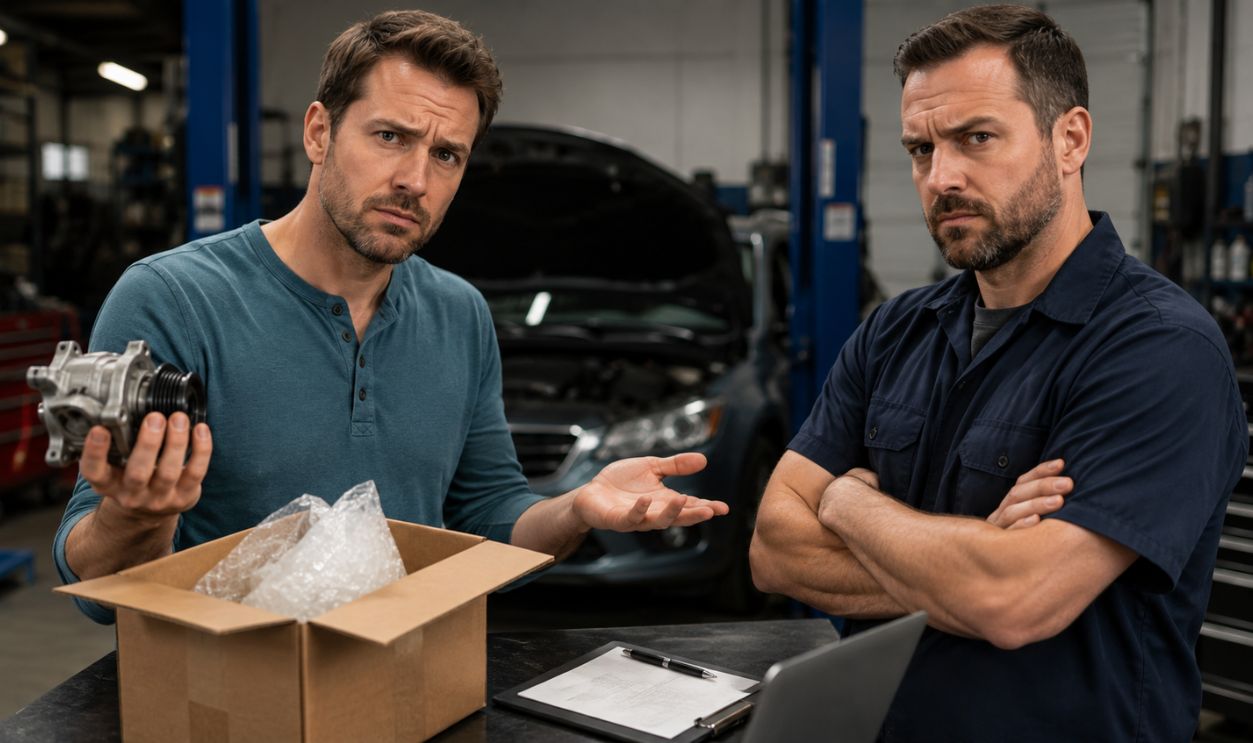
You find a part online for less, but you tell your mechanic and he says don't bother even bringing it in. If you took time to find the part, you're going to be frustrated, but that doesn't mean he's wrong. In many cases, that warning is not just about markup—but it's also not quite as simple as the shop makes it sound.
Why This Feels Suspicious To Drivers
From the customer side, the math looks easy. Online sellers can offer a water pump, brake rotor, or sensor for much less than the price on a repair estimate. That gap makes a lot of drivers wonder whether the shop is protecting quality or protecting profit.
There Is A Real Business Reason Shops Push Back
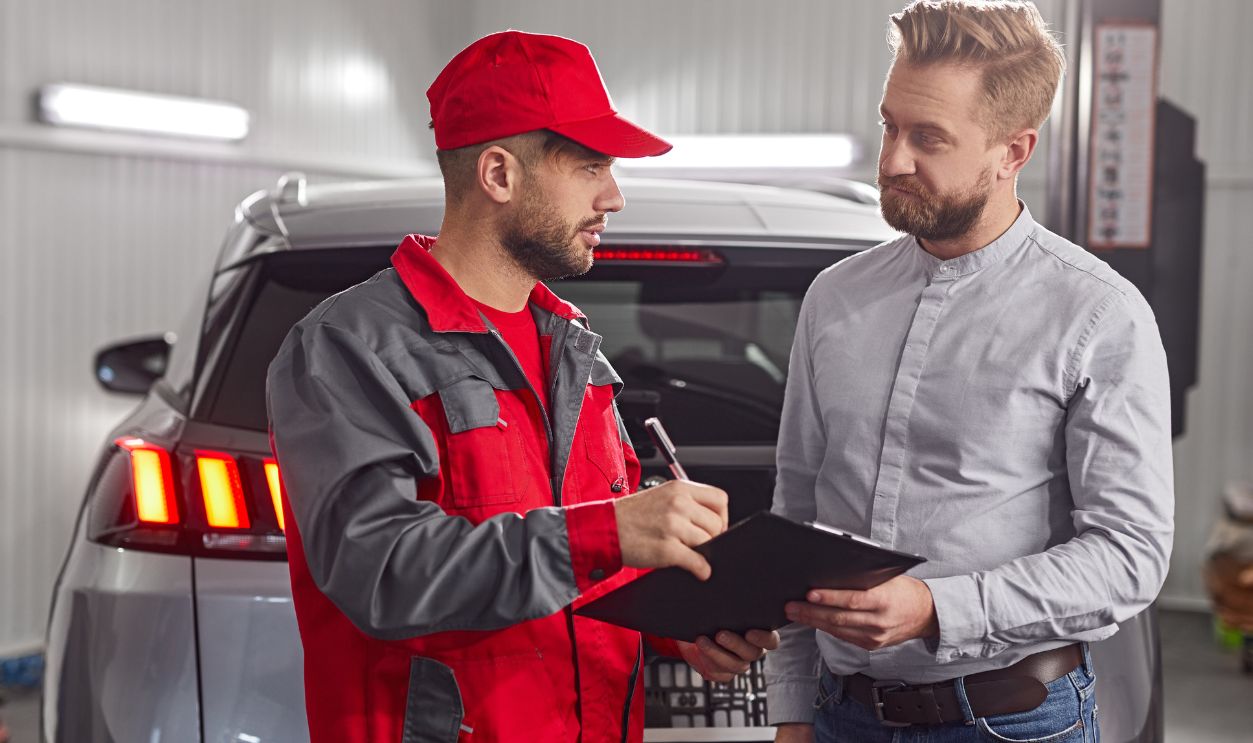
Repair shops do not just sell labor. They also take on the risk of diagnosing the problem, getting the right part, installing it, and handling the comeback if something fails. The Automotive Service Association says many shops avoid customer-supplied parts because they cannot verify the source, condition, or warranty backing them.
Warranty Is The First Big Flashpoint
When a shop supplies the part, it can usually offer a labor-and-parts warranty as one package. AAA notes that many approved repair facilities back repairs for a set period, but that protection depends on the shop controlling the parts chain. If you bring your own part, the shop may have no practical way to cover the labor if that part turns out to be defective right out of the box.
A Cheap Part Can Become An Expensive Repair Twice
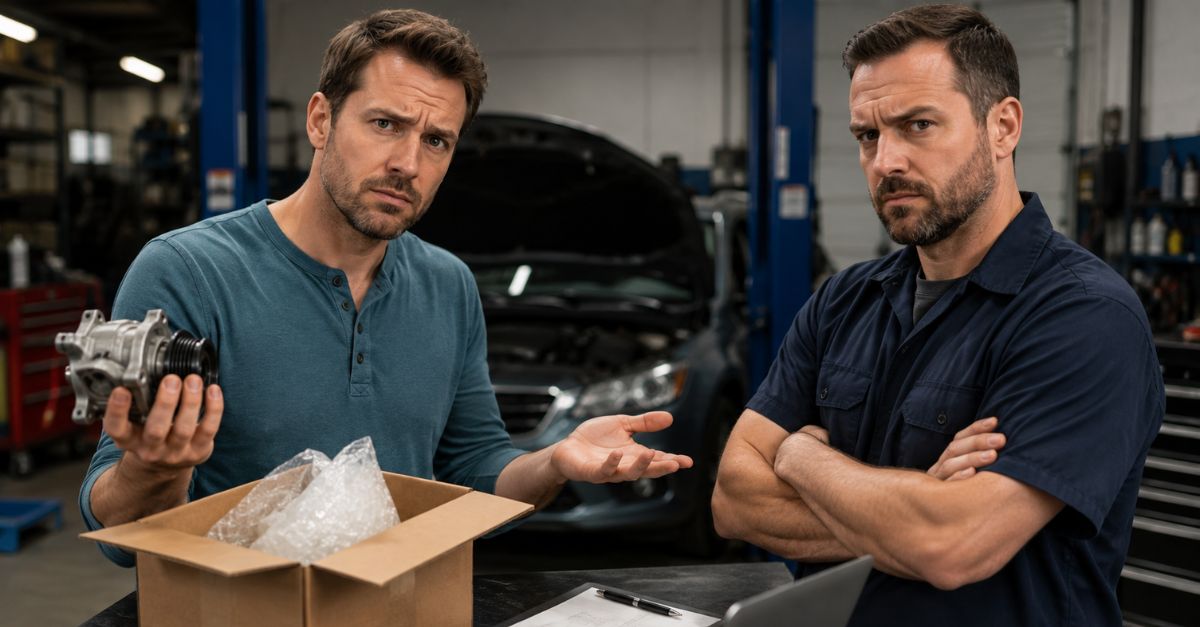
This is where things get painful. If an online part fails right away or turns out to be the wrong one, the installer may have to remove it and do the job all over again. Most shops will not absorb that labor cost, because the problem came from a part they did not choose.
Counterfeit Parts Are Not A Myth
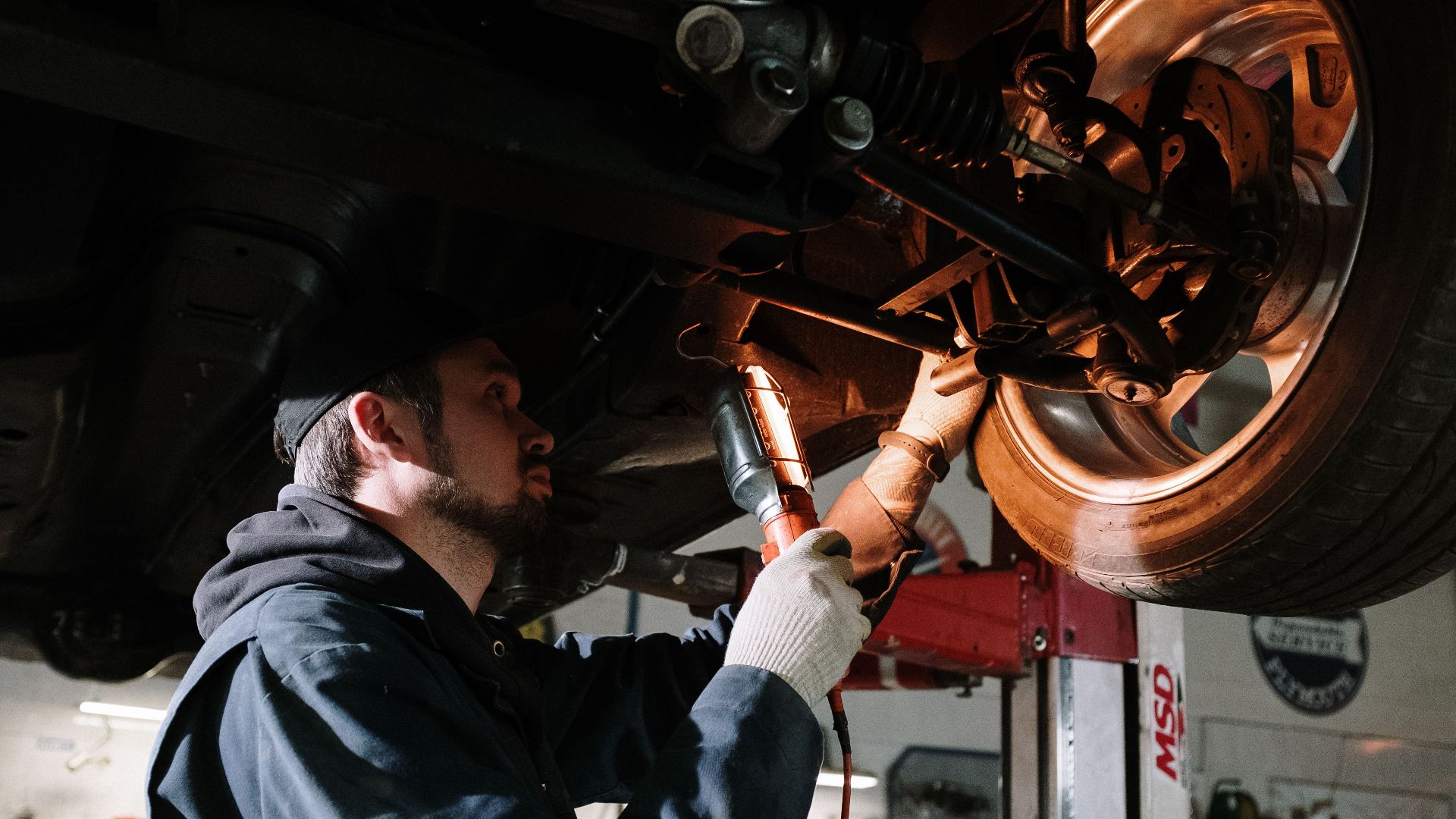
The Federal Trade Commission has warned consumers about counterfeit auto parts sold online, including parts that can look convincing but perform badly or even dangerously. The issue is not limited to trim pieces or accessories. Safety parts and electronic components can also be faked, which is a big reason many mechanics do not trust unknown online sellers.
 StockPhotoDirectors, Shutterstock
The Government Has Seen This Problem Up Close
U.S. Immigration and Customs Enforcement has repeatedly announced seizures of counterfeit automotive parts entering the market. That matters because it shows this is not just shop talk. Fake parts have been serious enough to trigger federal investigations, seizures, and public warnings.

Fitment Data Online Is Better Than Before But Not Perfect
Online catalogs have gotten much better, but mistakes still happen. One model year can have different engine codes, production dates, trim levels, and supplier changes that affect what actually fits. A shop that orders through its own channels often has access to better catalog support and easier returns, which makes those mistakes less painful to fix.

Diagnosis Can Get Blurry When Customers Supply Parts
Sometimes the bigger problem is that the customer buys a part before the issue is fully confirmed. A warning light might point toward one component, but the real cause could be wiring, software, corrosion, or a different failed part. If the wrong part gets installed, both sides can lose time and money while the car is still not fixed.
 Jose Ricardo Barraza Morachis, Pexels
Labor Warranty Is Where Shops Draw The Line
This is often the strongest part of the mechanic's argument. If a shop installs your online alternator and it fails a week later, someone has to pay to remove it and install another one. Many shops say the customer has to cover labor again, and from a risk standpoint that is easy to understand.

What Federal Warranty Law Actually Says
The Magnuson-Moss Warranty Act is often misunderstood in arguments like this. The FTC explains that a manufacturer generally cannot require branded parts or service to keep a warranty valid unless it provides them for free or gets a waiver. That protects consumers from blanket claims that only one brand can be used, but it does not force an independent repair shop to warranty a part it did not sell.

Your New Car Warranty Is Not The Same Thing As The Shop's Policy
This distinction matters. Federal warranty law limits what automakers can demand when your vehicle is under warranty. It does not mean a local repair shop has to accept every part a customer orders online and then stand behind the whole repair.
 Antoni Shkraba / AI25.studio, Pexels
Shops Also Face Administrative Headaches
When a shop orders a part through a trusted supplier, it usually has a direct line for support, returns, and warranty claims. If the customer brings in a part from an online marketplace seller, the shop may have no account, no rep, and no quick replacement path. That can tie up a service bay and frustrate everyone involved.
Margin Is Part Of The Story Too
It would be naive to pretend profit is not part of this. Parts margin is a normal piece of how many repair shops stay in business, just like restaurants mark up ingredients and pharmacies mark up products. If a customer supplies every part, the shop loses a source of revenue that helps cover overhead, staff, equipment, and warranty risk.

That Does Not Automatically Make The Shop Wrong
Markup by itself is not proof of bad faith. A shop-supplied part may come with faster availability, better warranty support, and less risk of a costly mismatch. The real question is whether the shop is being honest about those reasons or hiding behind vague scare tactics.
Quality Differences Can Be Huge
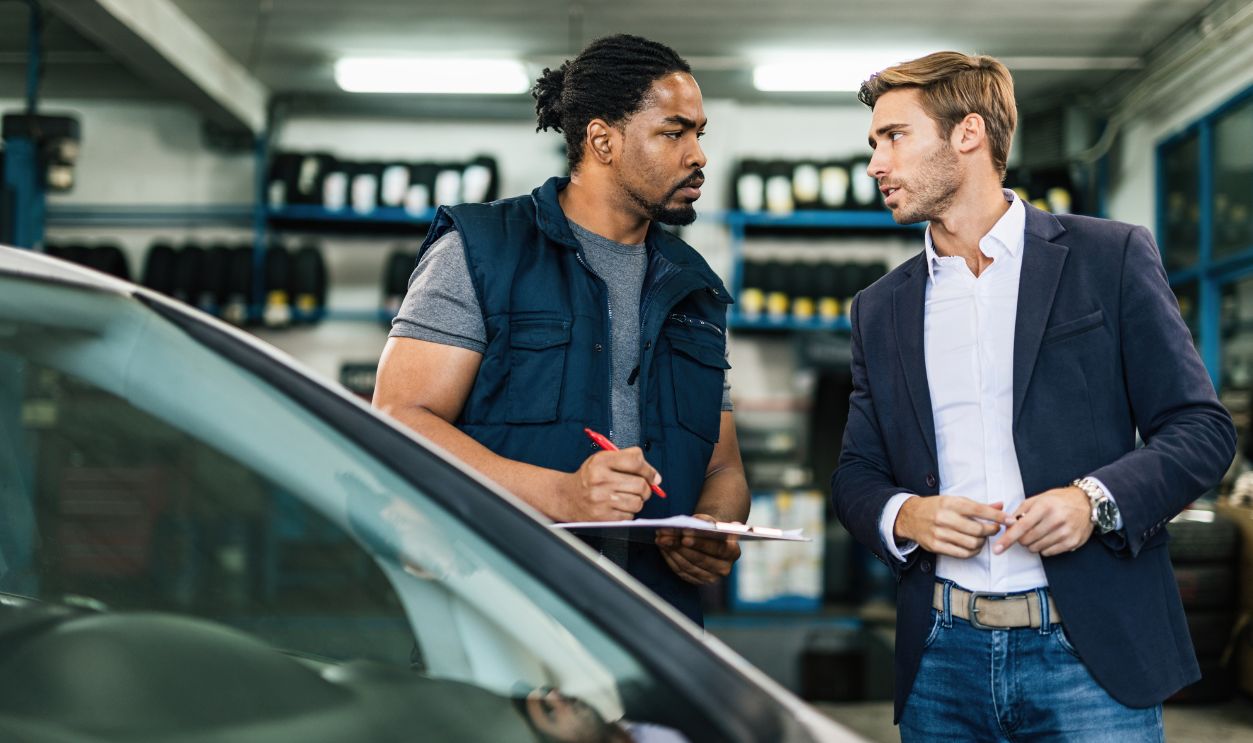
Not all parts with the same label are equal. OEM, OE supplier, premium aftermarket, budget aftermarket, remanufactured, and used parts all carry different levels of risk. Consumer Reports has advised car owners to understand those differences before chasing the lowest price, especially for major repairs.

Safety Parts Deserve Extra Caution
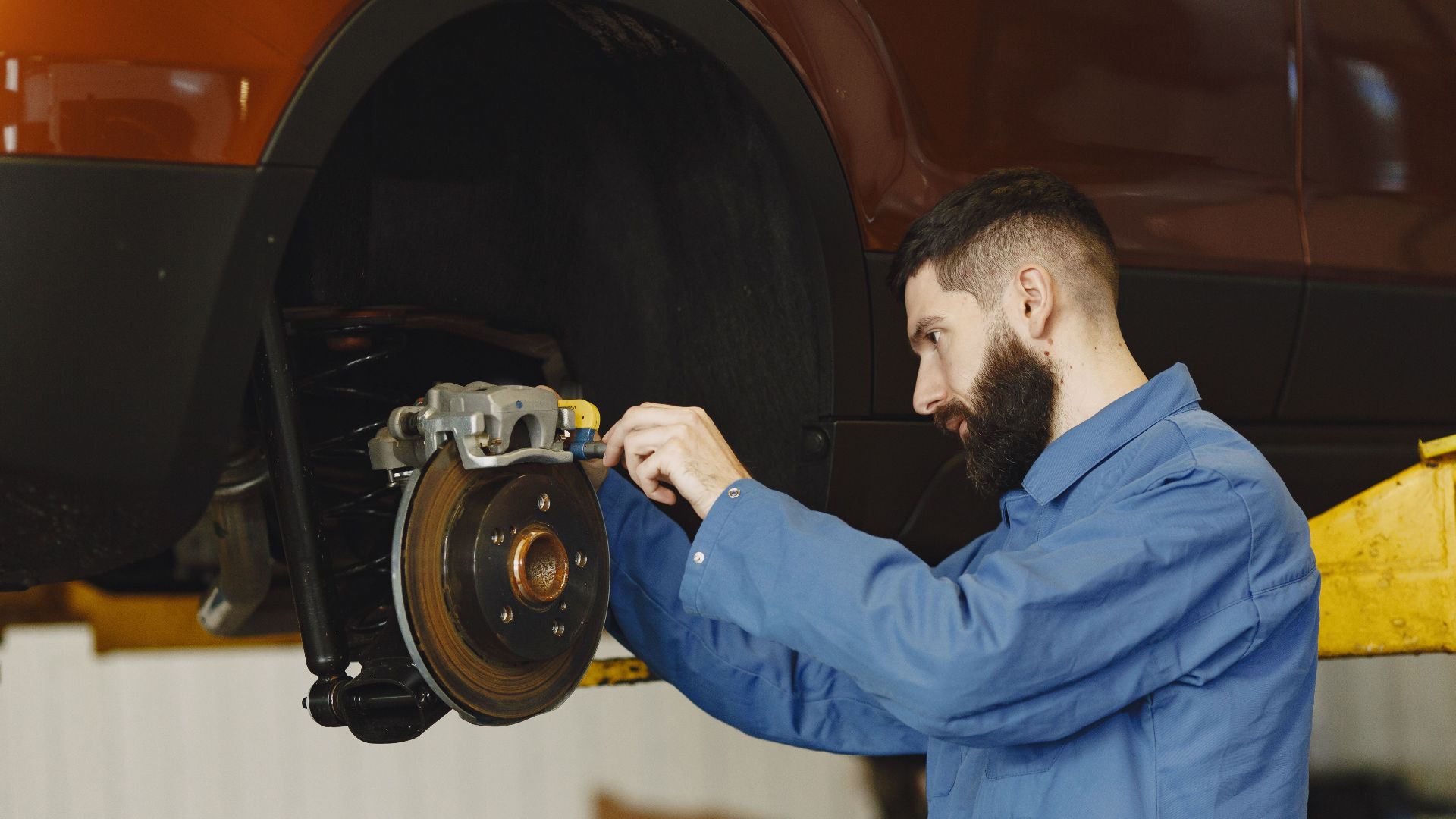
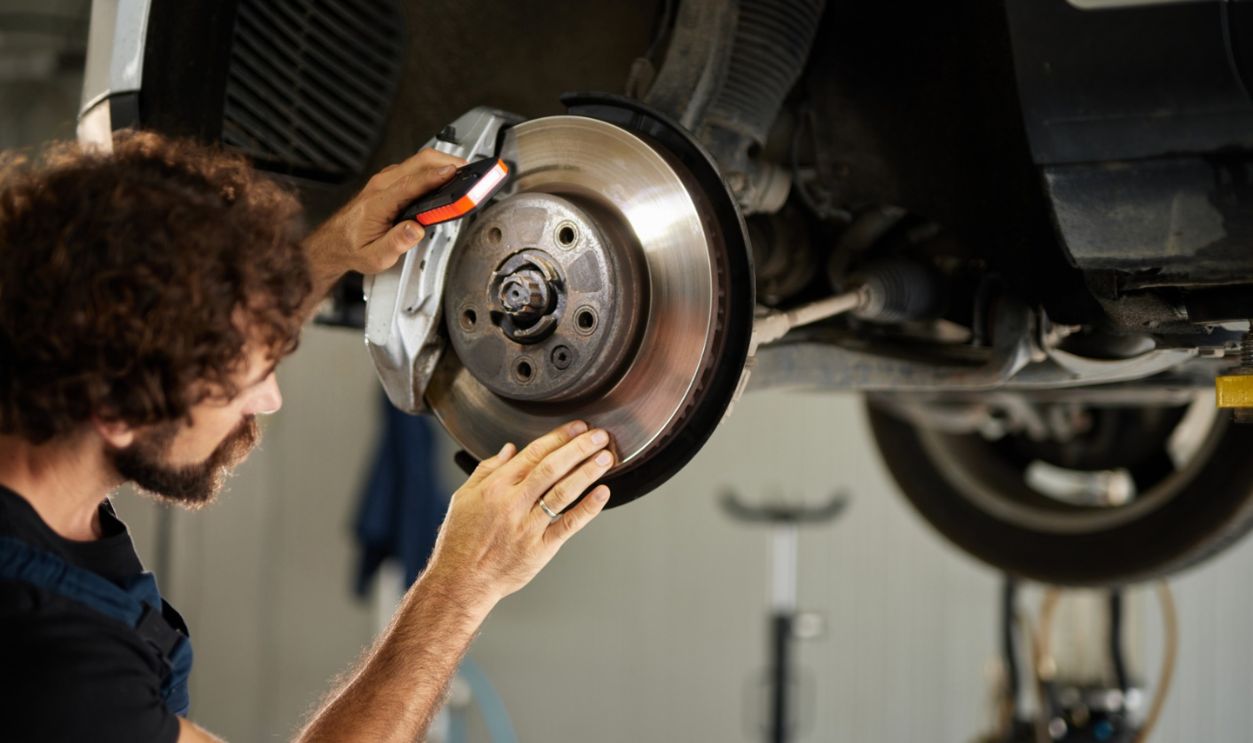
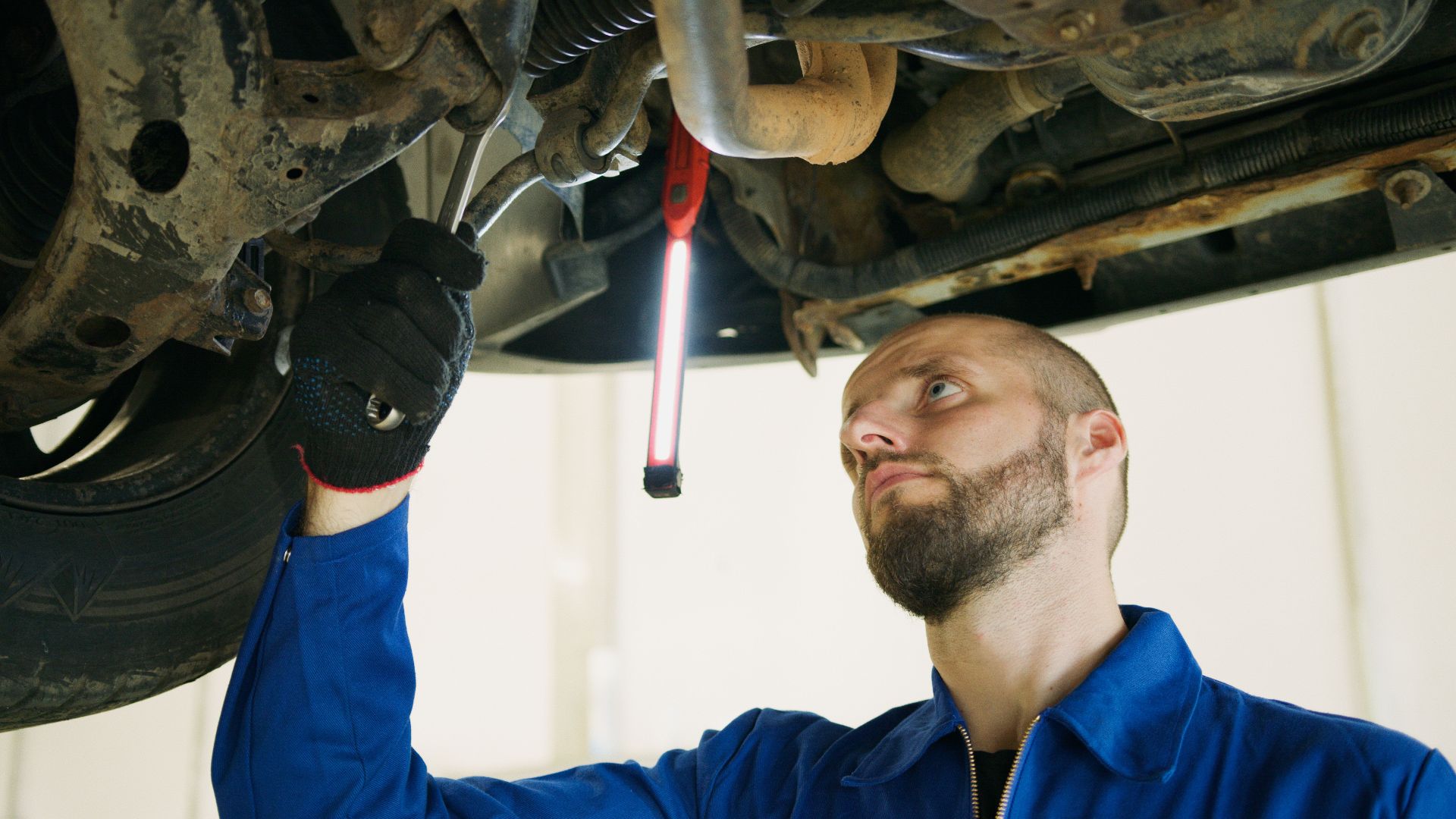
Brakes, steering, suspension, airbags, and structural parts are not areas where it makes sense to gamble on an unknown seller. NHTSA has long stressed the importance of properly working safety systems and correct repairs after crashes. Even if a bargain part bolts on, poor quality here can lead to much bigger problems than a noisy ride.
Electronics Make The Problem Trickier
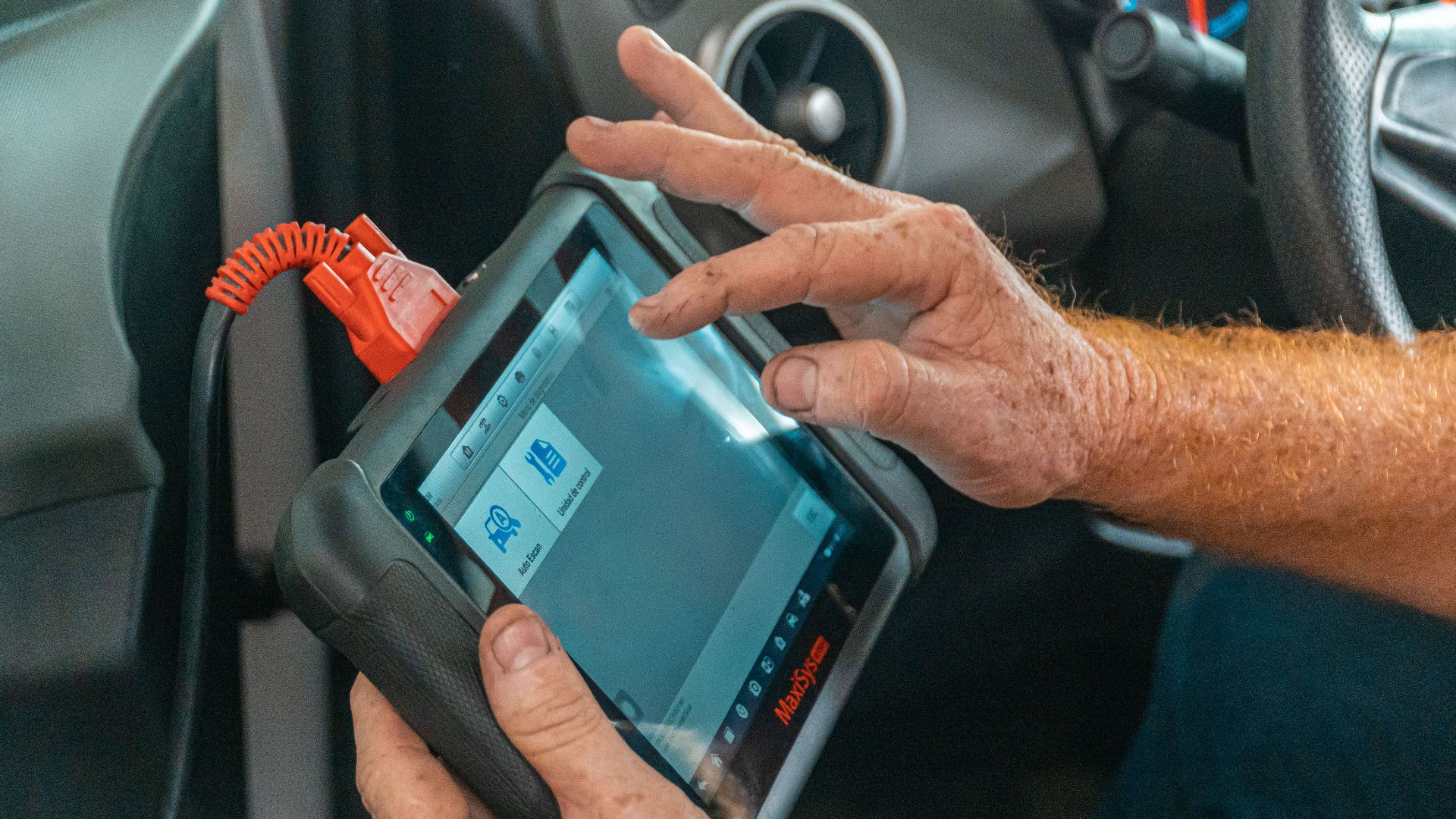
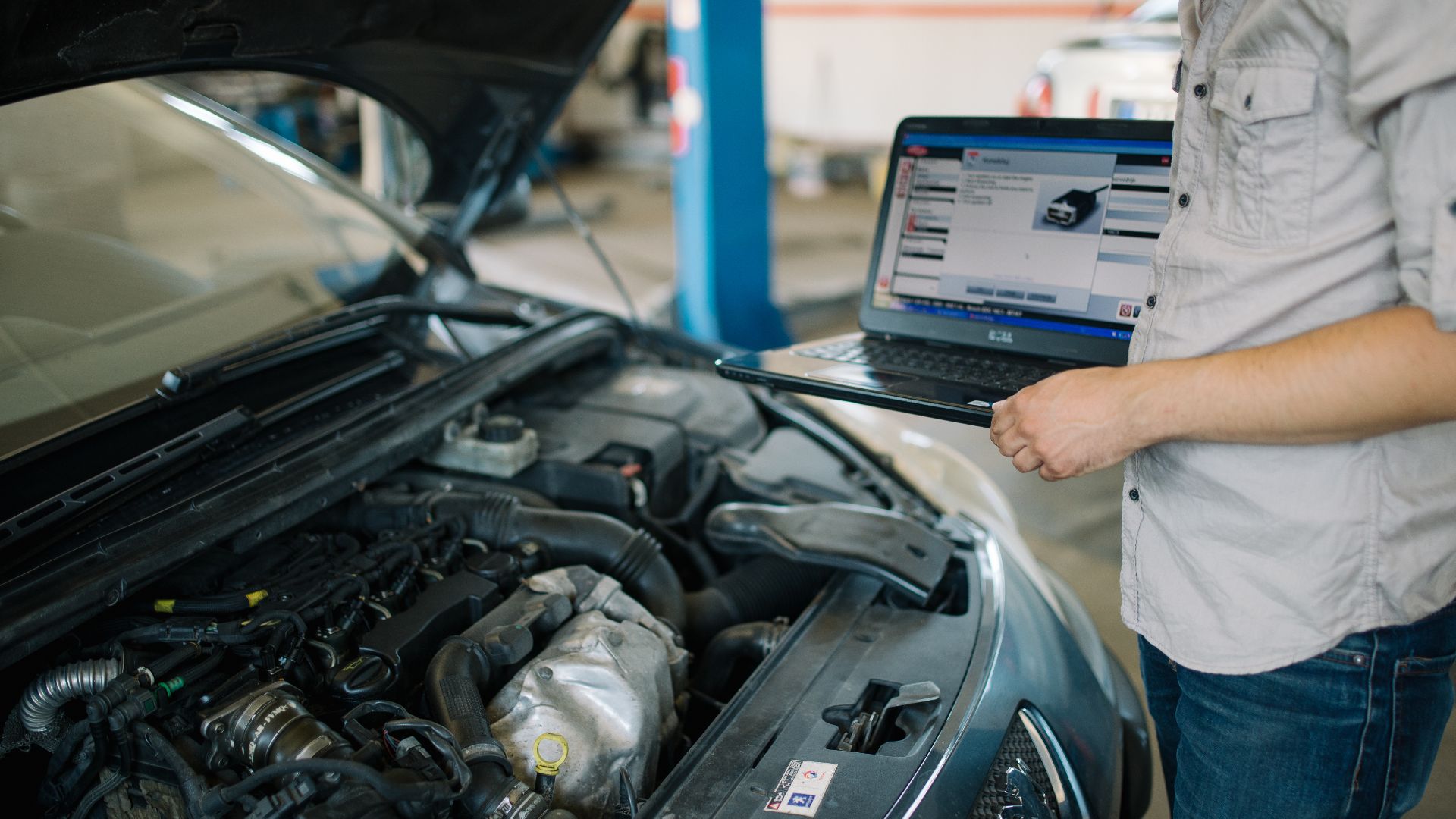
Modern vehicles are packed with sensors, modules, and software-sensitive parts. A part can be physically correct and still need programming, calibration, or exact internal specs to work the right way. That is one reason shops often prefer known brands and trusted distributors for newer electronic repairs.
 Shixart1985, Wikimedia Commons
Some Online Sources Are Safer Than Others
Buying online is not automatically reckless. Manufacturer-branded parts sites, established warehouse distributors, and reputable retailers with clear return policies are very different from anonymous marketplace listings. The closer you get to a traceable supply chain, the more reasonable customer-supplied parts become.
There Are Times Bringing Your Own Part Makes Sense
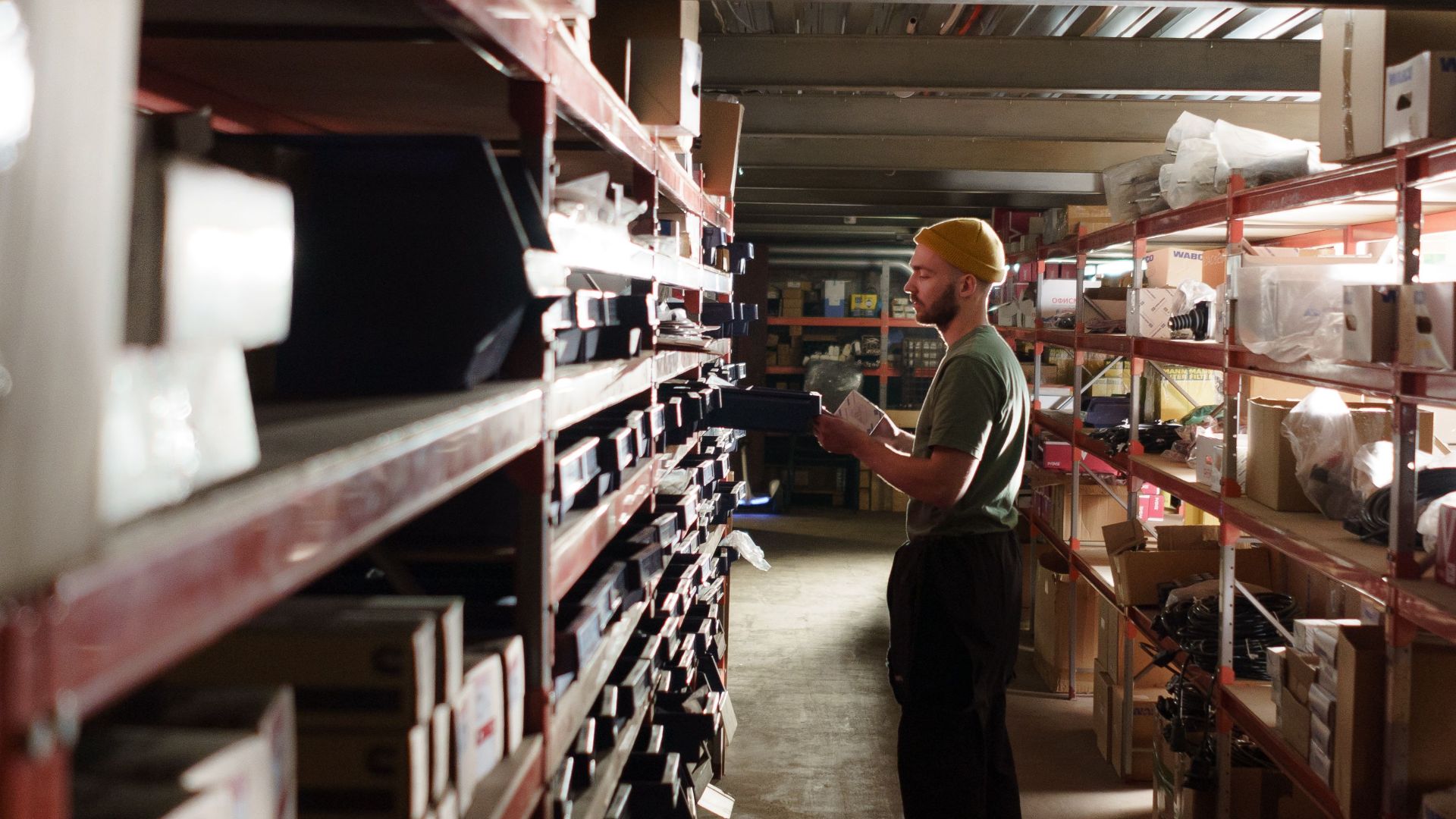
It can make sense for older vehicles, hard-to-find parts, enthusiast builds, or cosmetic items where the owner wants a specific brand. It can also make sense when the shop agrees in advance, the part is clearly correct, and everyone understands the warranty limits. The key is sorting that out before the repair starts, not after.

Ask The Shop One Simple Question
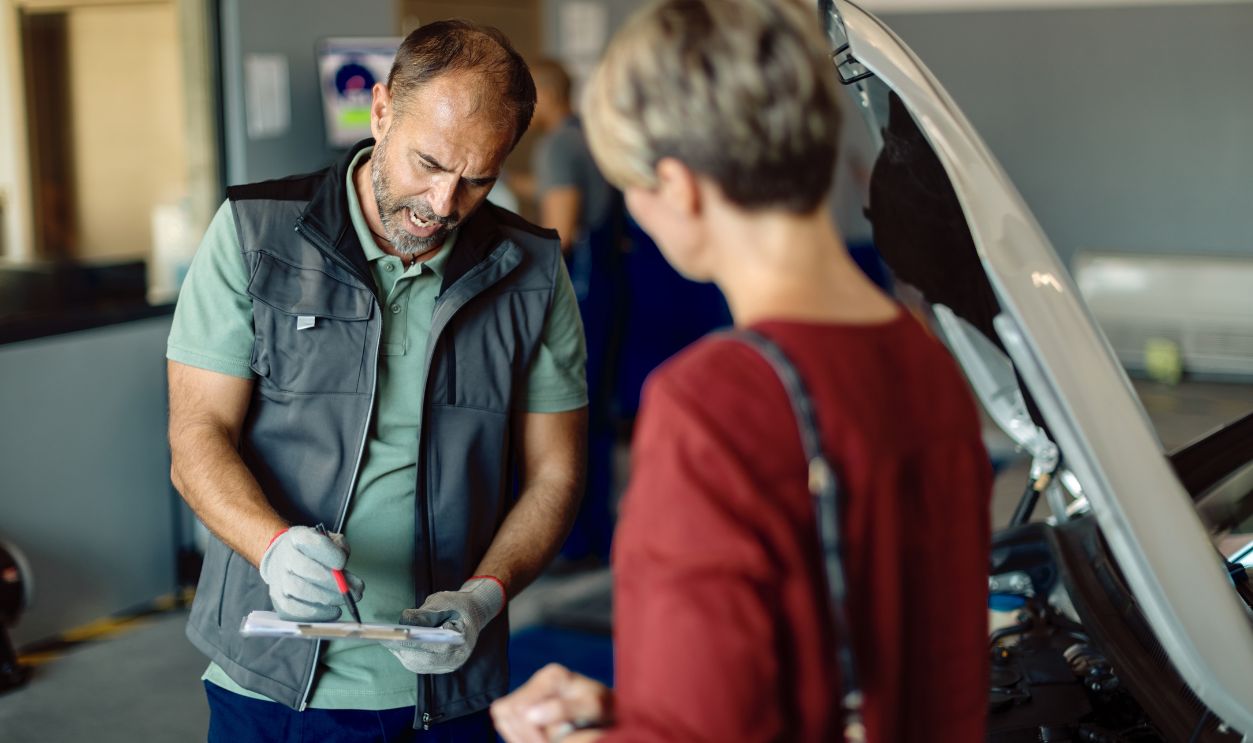
Instead of arguing about price first, ask what happens if the part is wrong or fails early. A good shop should be able to explain its labor policy, whether it will install customer parts at all, and how warranty coverage changes. That answer tells you more about whether the rule is fair than the first no ever will.

Good Shops Put The Policy In Writing
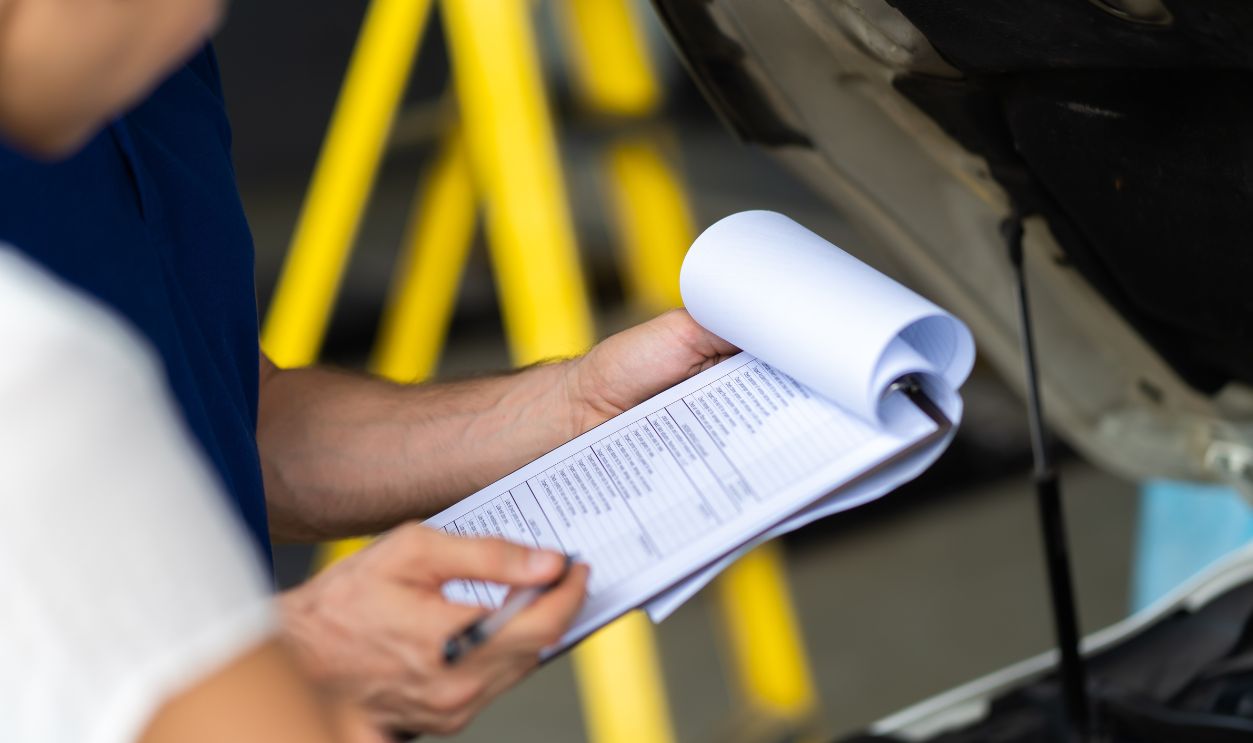
AAA advises consumers to get repair estimates and warranty terms in writing. That matters even more when outside parts are involved. If the shop says labor is not covered on customer-supplied parts, you want that spelled out before you approve the work.
The Best Mechanics Usually Explain, Not Just Refuse
A flat no can be frustrating, but a clear explanation is usually a sign of a professional shop. Places that explain sourcing risks, warranty limits, and fitment concerns are usually giving you real-world reasons. Shops that only say trust me may still be right, but they are not making the case very well.
Consumers Should Watch For Red Flags Too
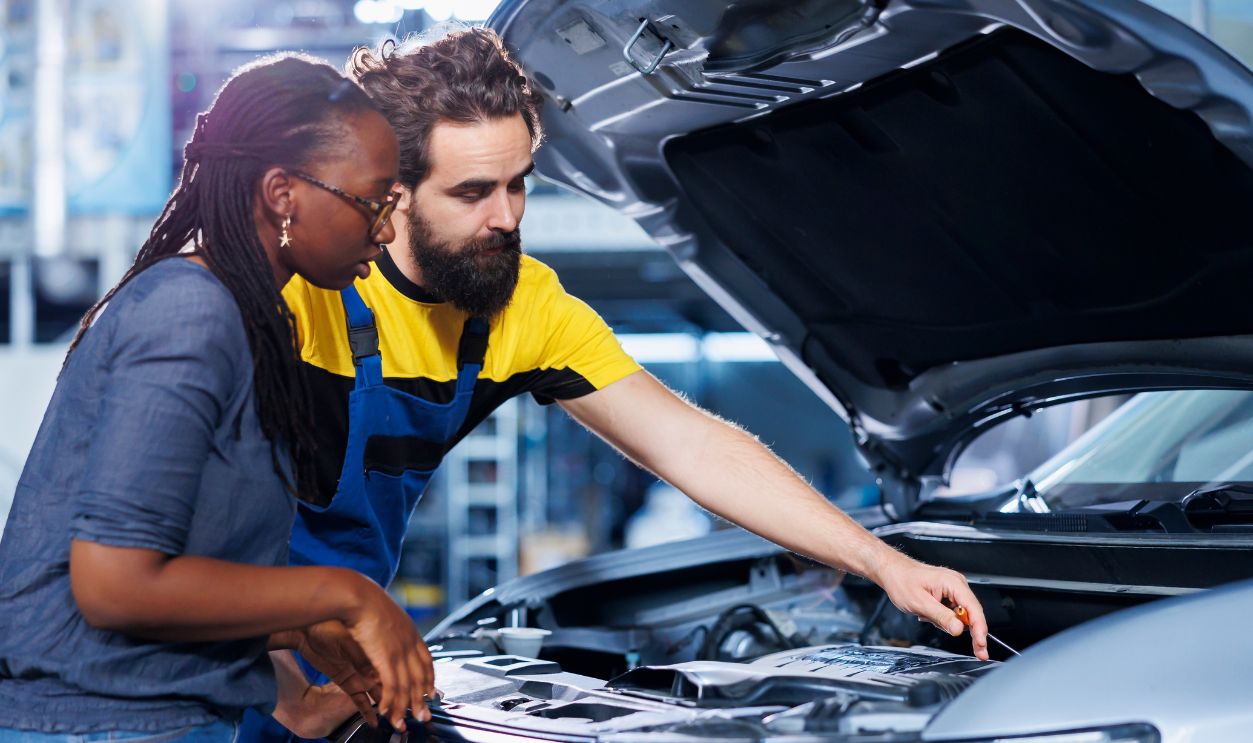
If a shop insists that only its own branded part can possibly work, that deserves a closer look. The FTC has repeatedly warned against deceptive warranty claims that suggest independent parts or service automatically void coverage. Reasonable caution is one thing, but absolute scare language can be a red flag too.

The Fair Middle Ground Is Pretty Clear
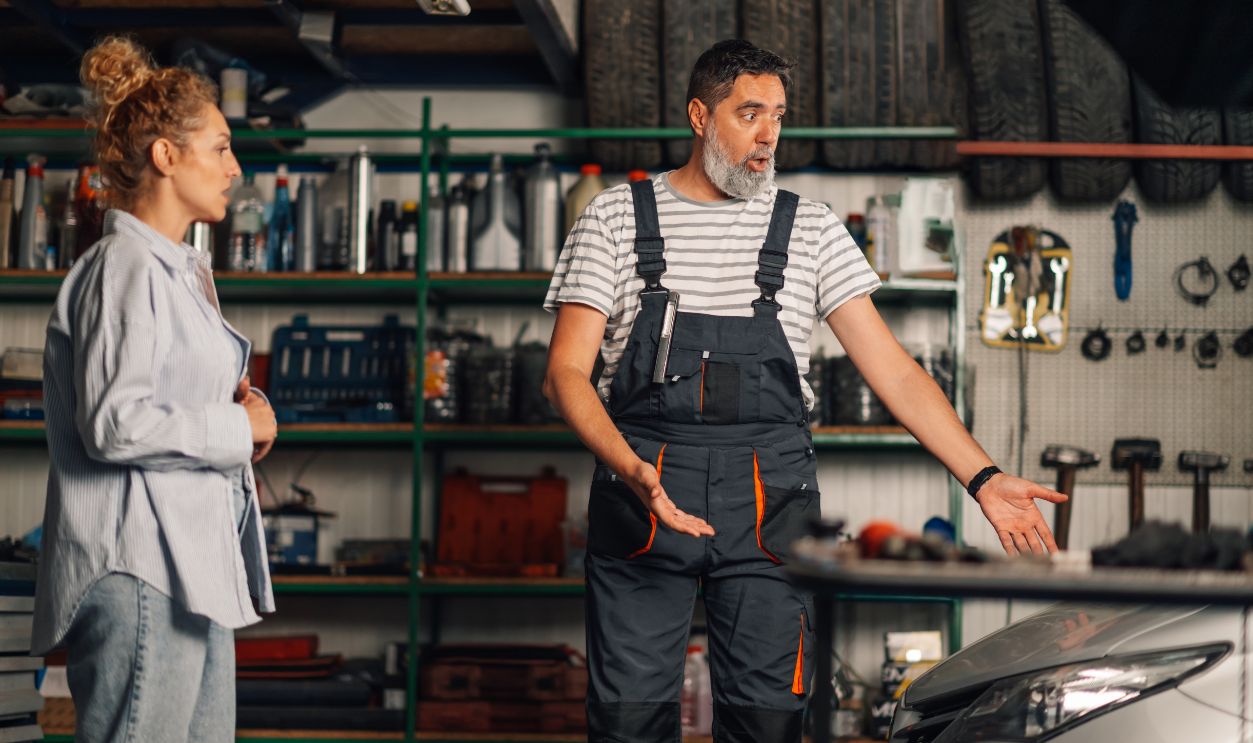
Shops are on solid ground when they say they cannot fully guarantee parts they did not source. They are also being reasonable when they charge labor again if a customer-supplied part fails. Where things get murky is when that valid concern turns into exaggerated fear or a refusal to discuss options.
 Zamrznuti tonovi, Shutterstock
How Drivers Can Protect Themselves
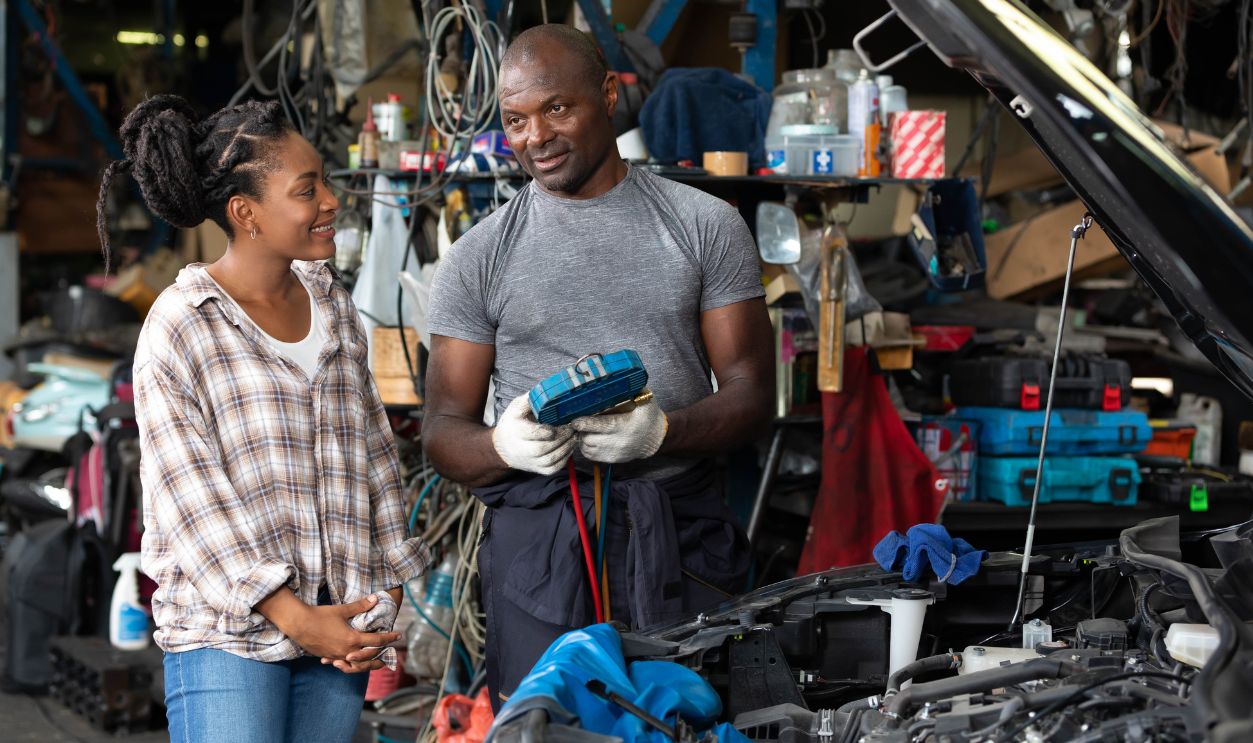
If you want to bring your own part, talk to the shop before ordering anything. Ask for the exact brand, part number, and any build-date or VIN-specific notes, then confirm the labor warranty in writing. If the job involves a safety system or the diagnosis is still uncertain, letting the shop source the part is often the smarter move even if it costs more.
 Mangkorn Danggura, Shutterstock
The Bottom Line On Your Mechanic's Warning
Your mechanic is not necessarily hiding behind markup when they say they will not guarantee online parts. The concern is rooted in warranty risk, counterfeit parts, fitment mistakes, and the cost of doing the same repair twice. Profit is still part of the picture, so the most honest answer is this: the warning is often reasonable, but it should come with a clear explanation and a fair written policy.