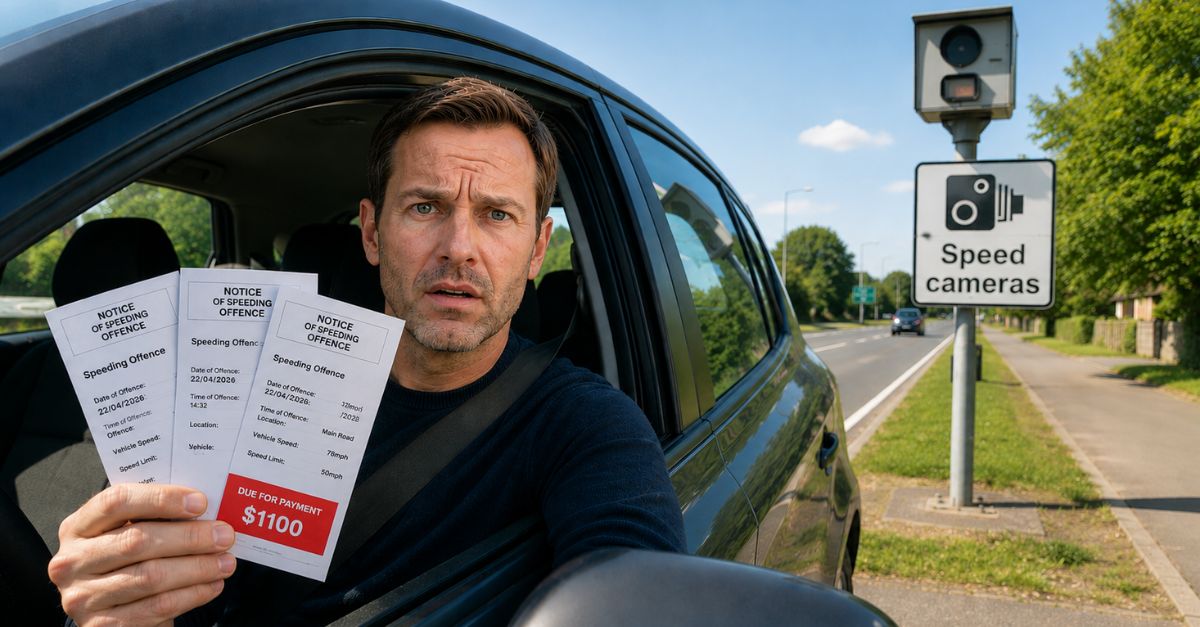
The Ticket Streak That Feels Personal
Three tickets in a month can make any driver feel singled out. When speed cameras suddenly appear on a route you know by heart, it is natural to wonder what's really going on. Are they there to slow people down, or to bring in more money. The honest answer is usually both, but how much of each depends on how the city set the program up.
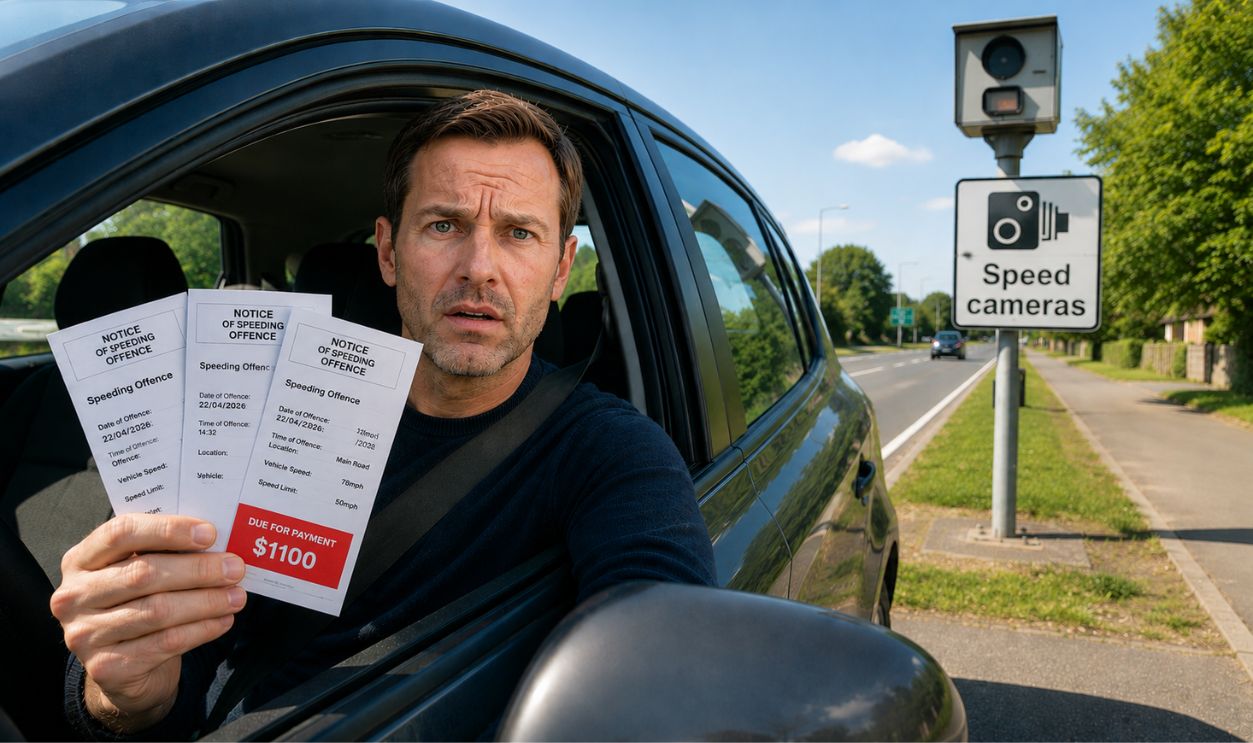
Why Speed Cameras Keep Starting Arguments
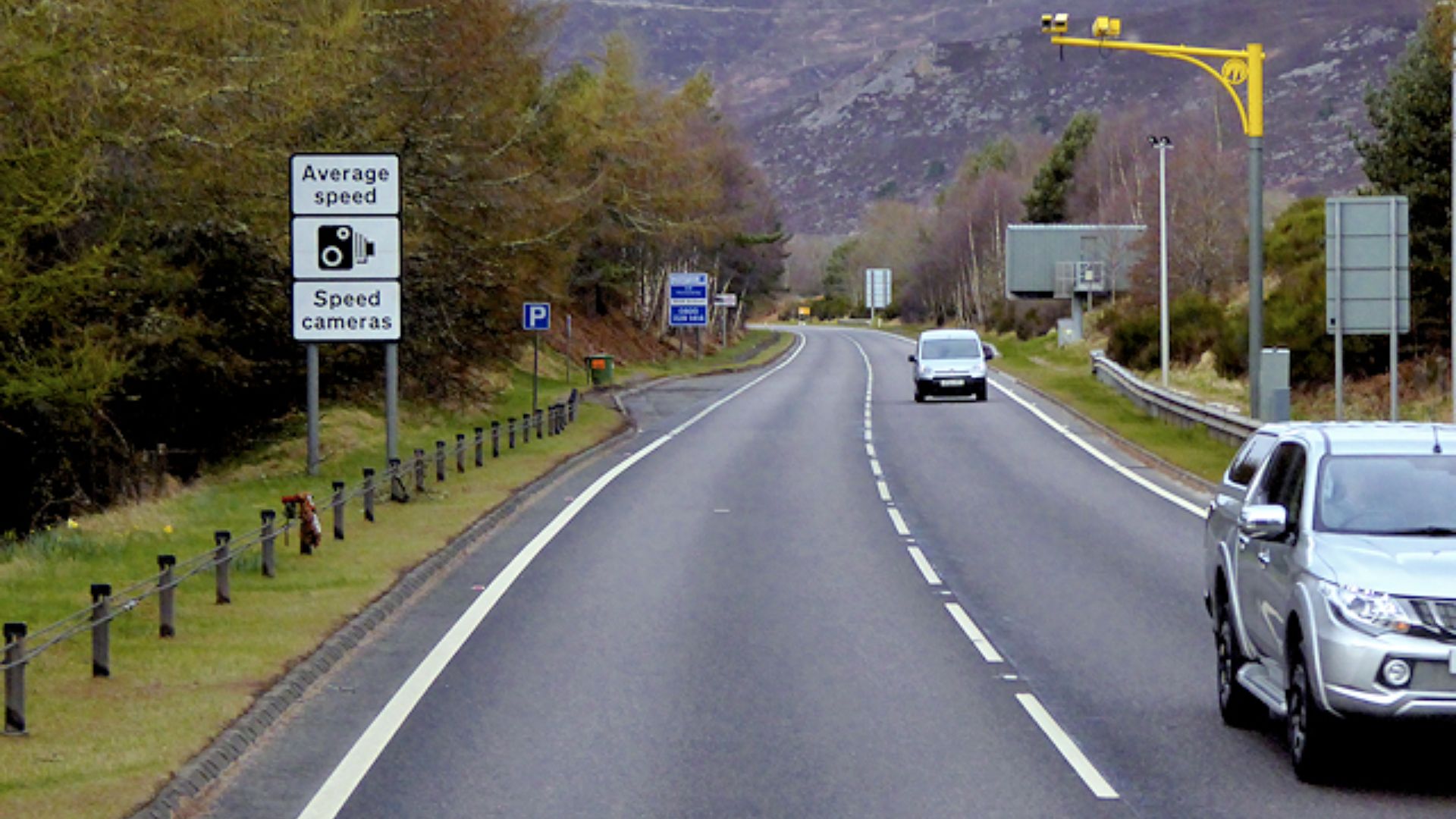
Speed cameras sit in a gray area between public safety, driver habits, and city budgets. Supporters point to lower speeds, fewer crashes, and safer streets. Critics point to ticket spikes, suspicious camera placement, and revenue reports that make the whole system look more like a money maker than a safety tool.
 David Dixon , Wikimedia Commons
What The Evidence Shows Up Front
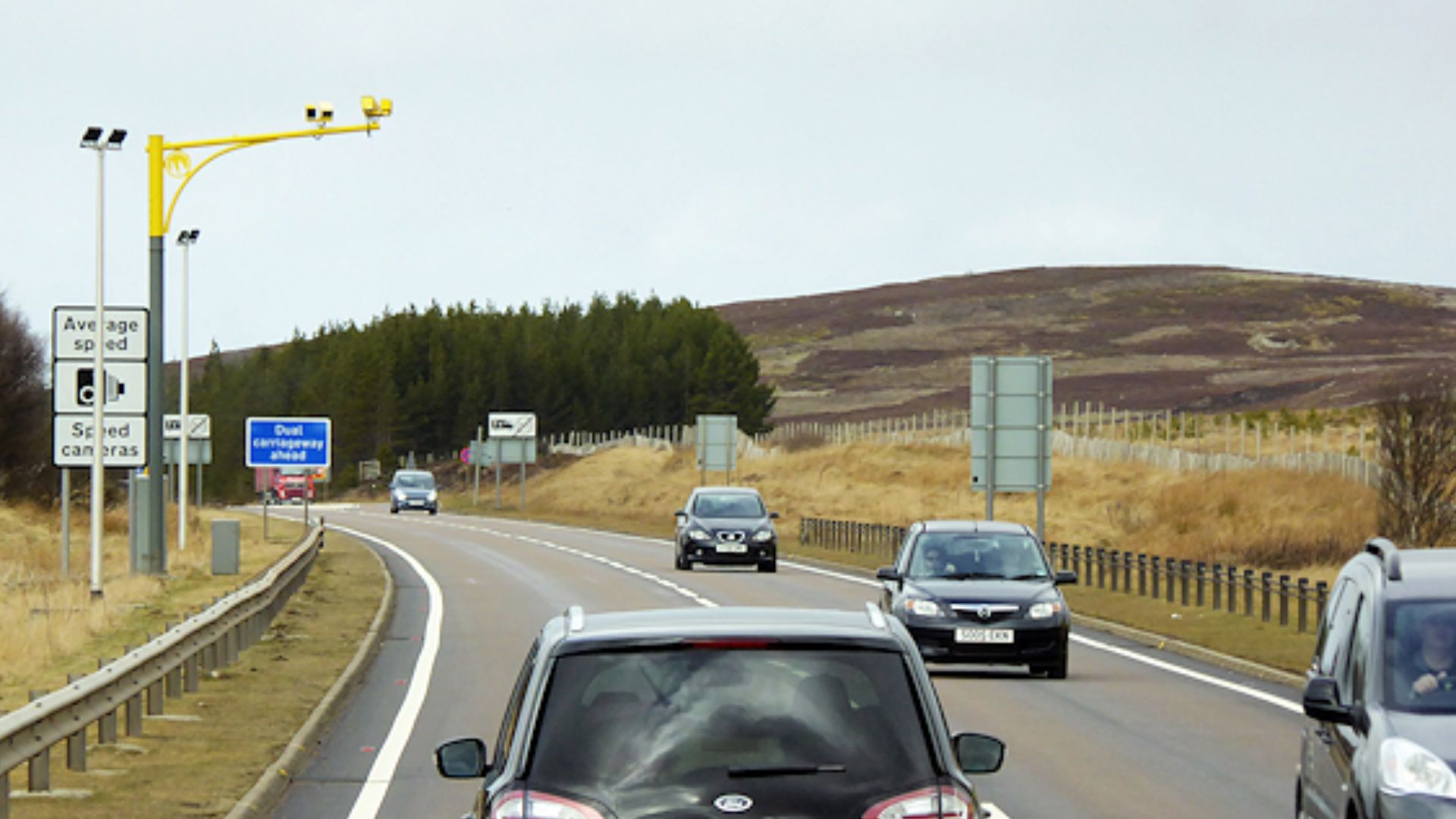
Most of the research points in the same direction: speed cameras can improve safety when they are used well. The Insurance Institute for Highway Safety has reported that camera programs have cut the share of drivers going far over the speed limit in several places. The Federal Highway Administration has also reviewed studies showing that speed cameras can reduce crashes and lessen injury severity, especially in areas where speeding is a real problem.
 David Dixon , Wikimedia Commons
New York City Is One Of The Best-Known Examples
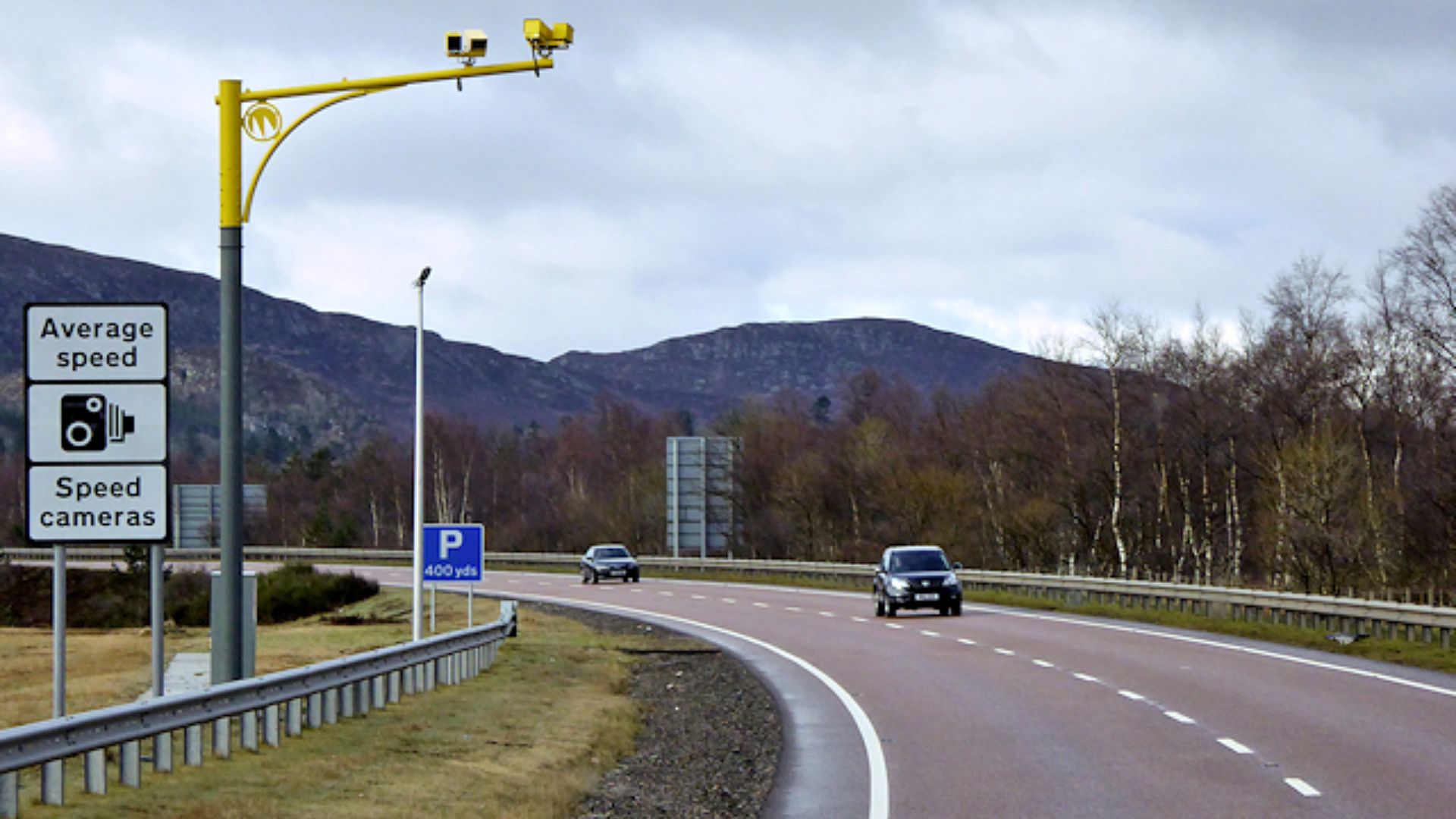
New York City has some of the most watched speed camera results in the country. The city says camera locations have seen clear drops in speeding and traffic injuries, and school zone cameras have become a major part of its Vision Zero effort. The program has also grown over time, which means more data and more public attention.
 David Dixon , Wikimedia Commons
What New York Has Reported
According to updates from the New York City Department of Transportation, speeding violations at camera locations have gone down over time as drivers change their behavior. The city has also reported declines in injuries and deaths at those sites compared with earlier years. That does not settle the whole debate, but it does give supporters something stronger than a slogan.
 Hayden Soloviev, Wikimedia Commons
Chicago Shows Why People Get Wary
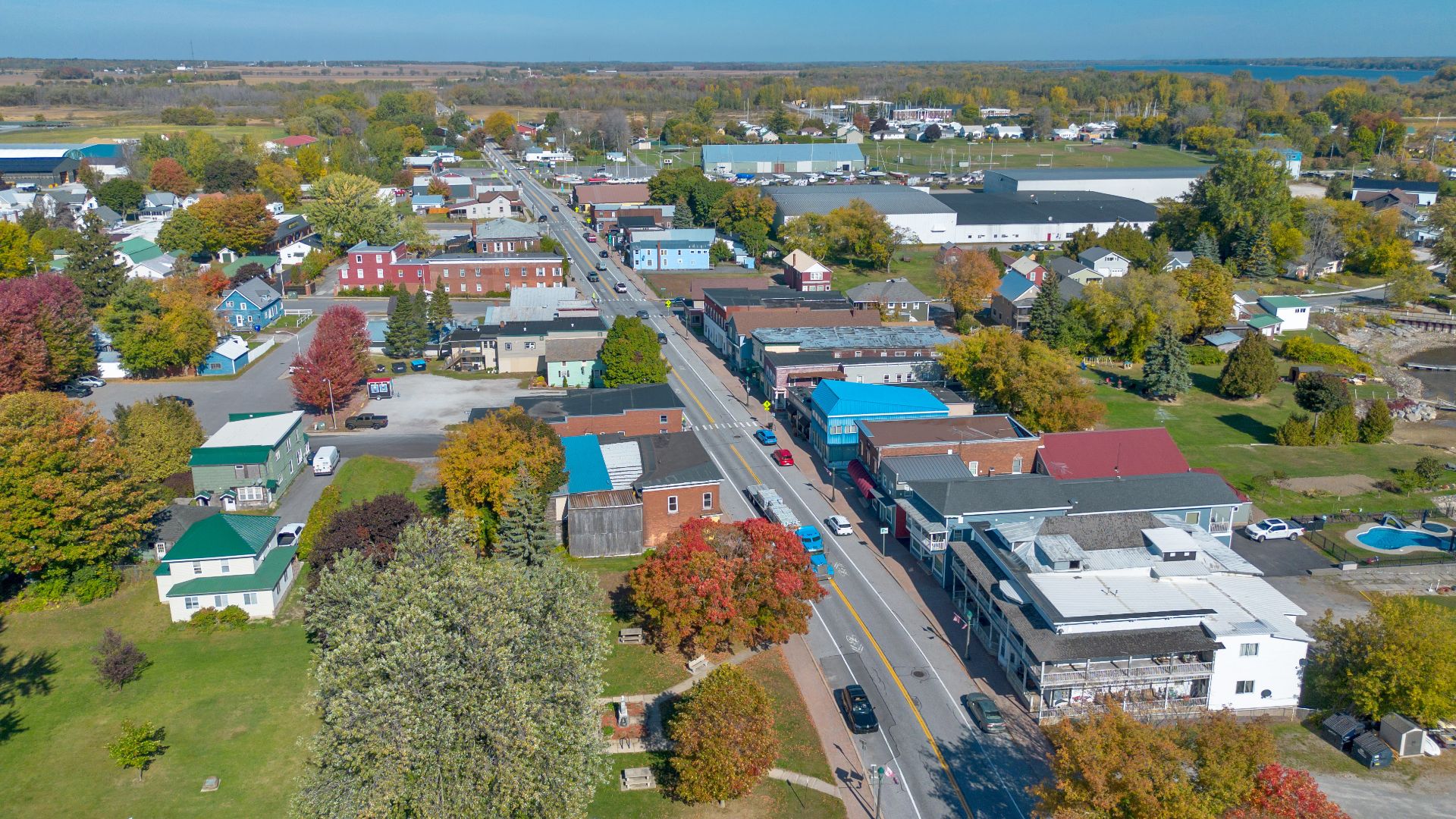
Chicago has been one of the most controversial camera cities in the United States. Investigations by the Chicago Tribune drew attention to how ticketing affected lower-income neighborhoods and how city officials handled oversight. Once reporting starts tying camera enforcement to equity concerns and huge ticket totals, the safety message gets a lot harder to trust.

Washington, DC Tells A Similar Story
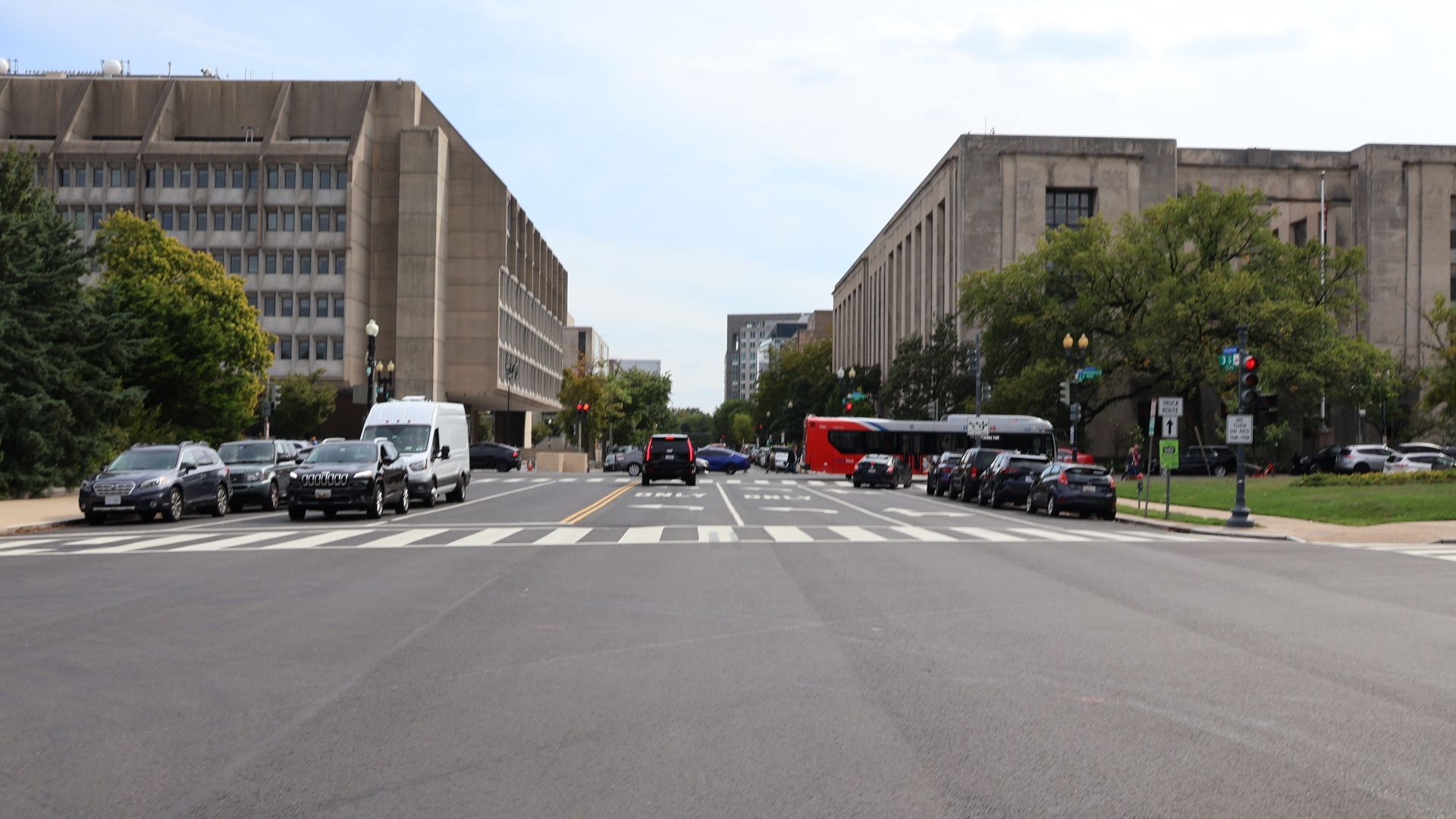
Washington, DC has built one of the largest automated traffic enforcement systems in the country. The District says cameras reduce dangerous speeding and help protect roads with crash histories. At the same time, the program brings in major fine revenue, which keeps the money question alive no matter what the safety data says.
Revenue Is Part Of The Story
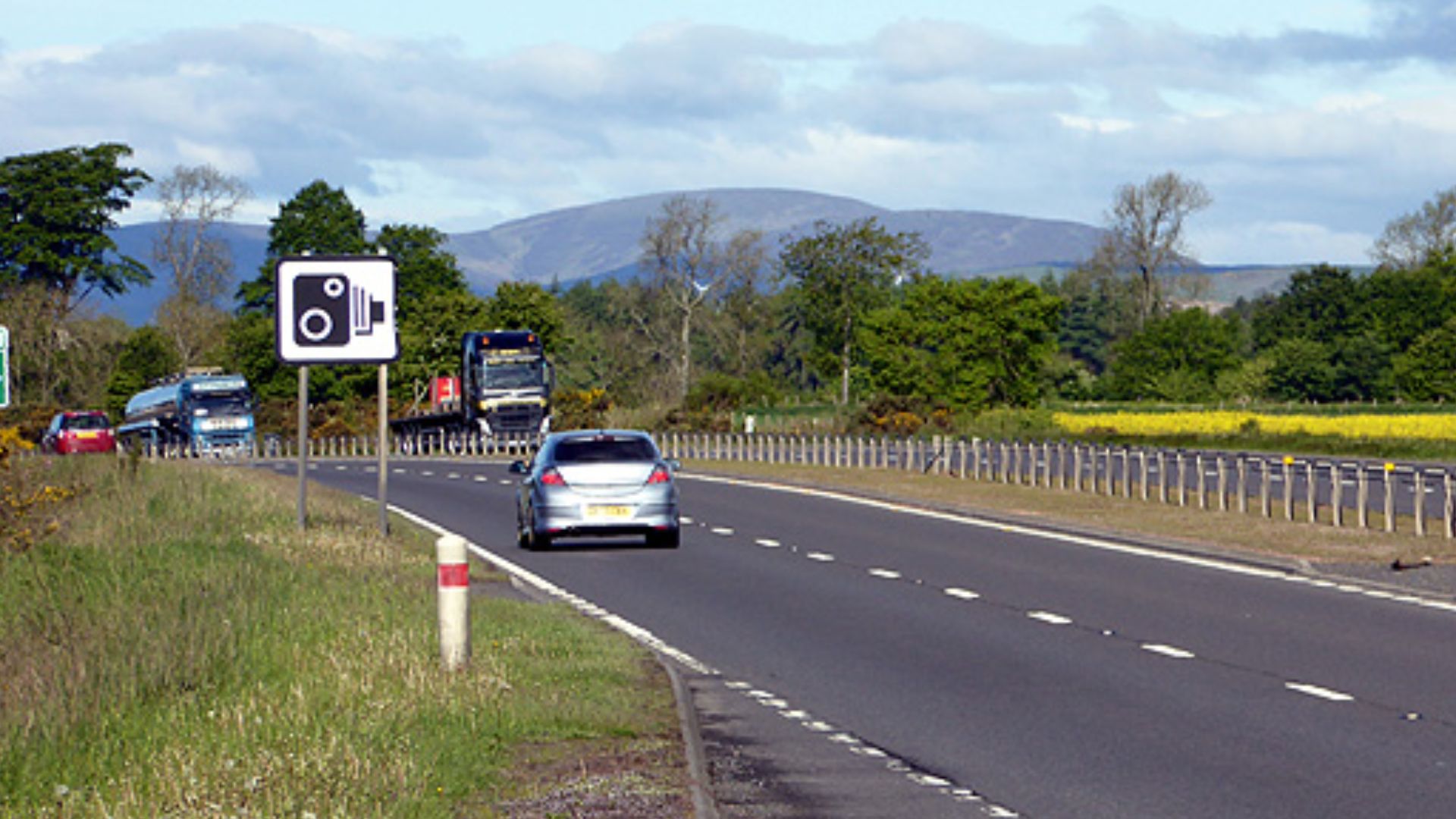
This is the part cities sometimes soften. Camera programs can bring in millions of dollars, especially right after they expand, when drivers have not yet adjusted. That does not automatically mean the system is a cash grab. It does mean any serious conversation has to admit that money is part of the picture.
 John Lucas , Wikimedia Commons
Why Ticket Numbers Often Spike At First
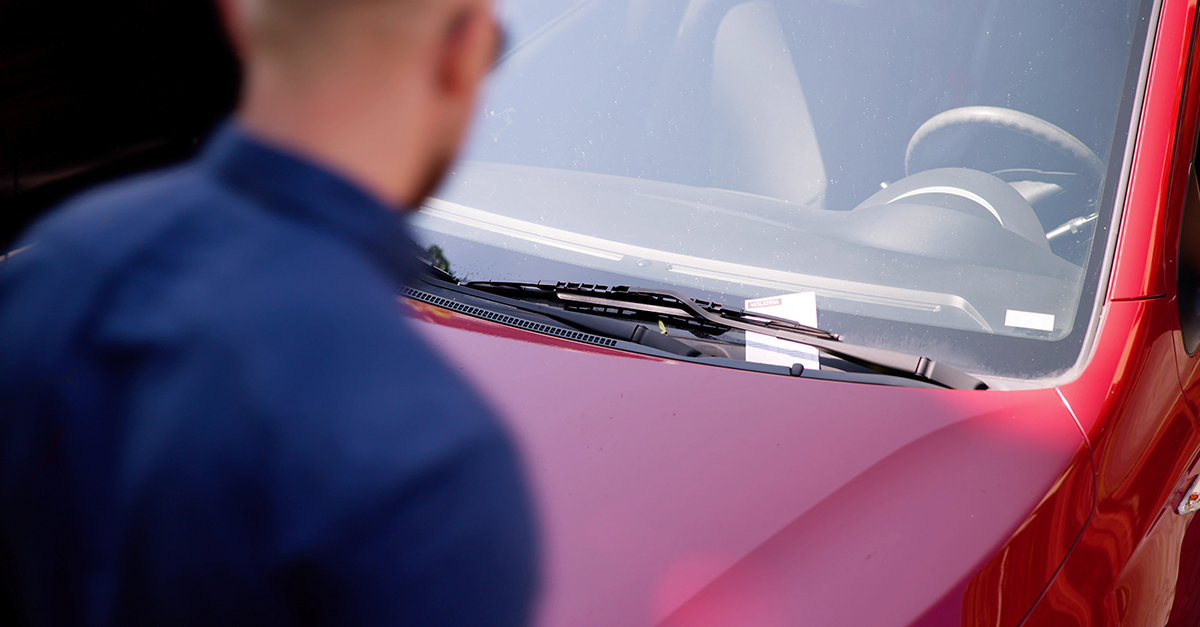
If your route suddenly turned into a string of fines, that pattern is not unusual. Researchers and transportation departments have found that new cameras often produce a rush of early tickets, followed by a drop as regular drivers slow down. So a burst of citations can point to aggressive enforcement, but it can also be exactly what a city expected before driver behavior changed.
Where Cameras Go Matters More Than Anything
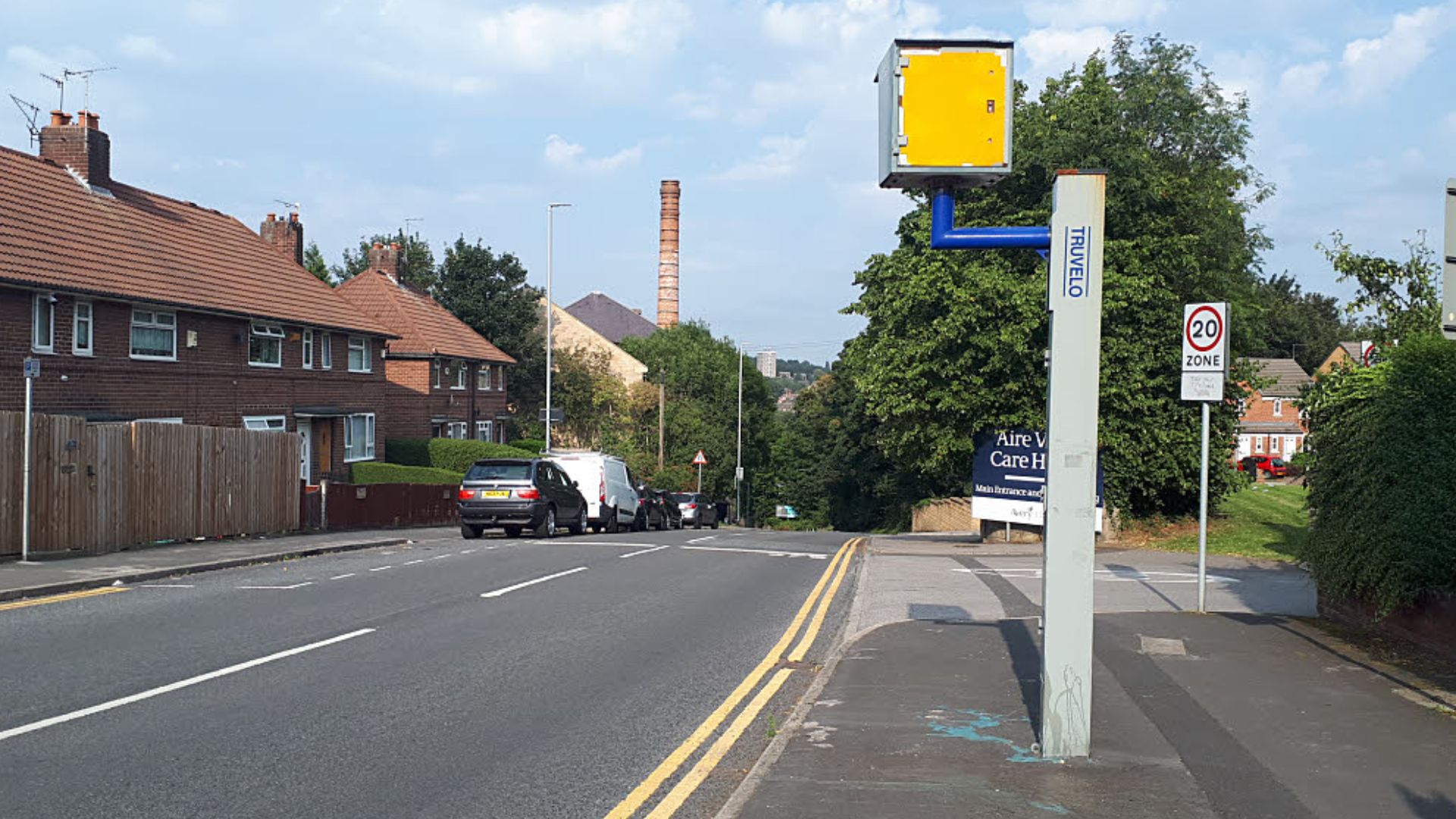
The biggest clue is placement. A camera near a school zone, on a road with a crash record, or along a stretch known for high speeds has a clear safety case behind it. A camera where the speed limit drops suddenly or signs are confusing is much more likely to look like a trap.
 Stephen Craven , Wikimedia Commons
School Zones Changed The Debate
Many cities have found school zones to be the easiest place to justify camera enforcement. New York City, for example, built a major share of its automated speed enforcement around school zones, where the case for slowing drivers is hard to argue with. Protecting children on the way to school is a much easier sell than cameras everywhere.
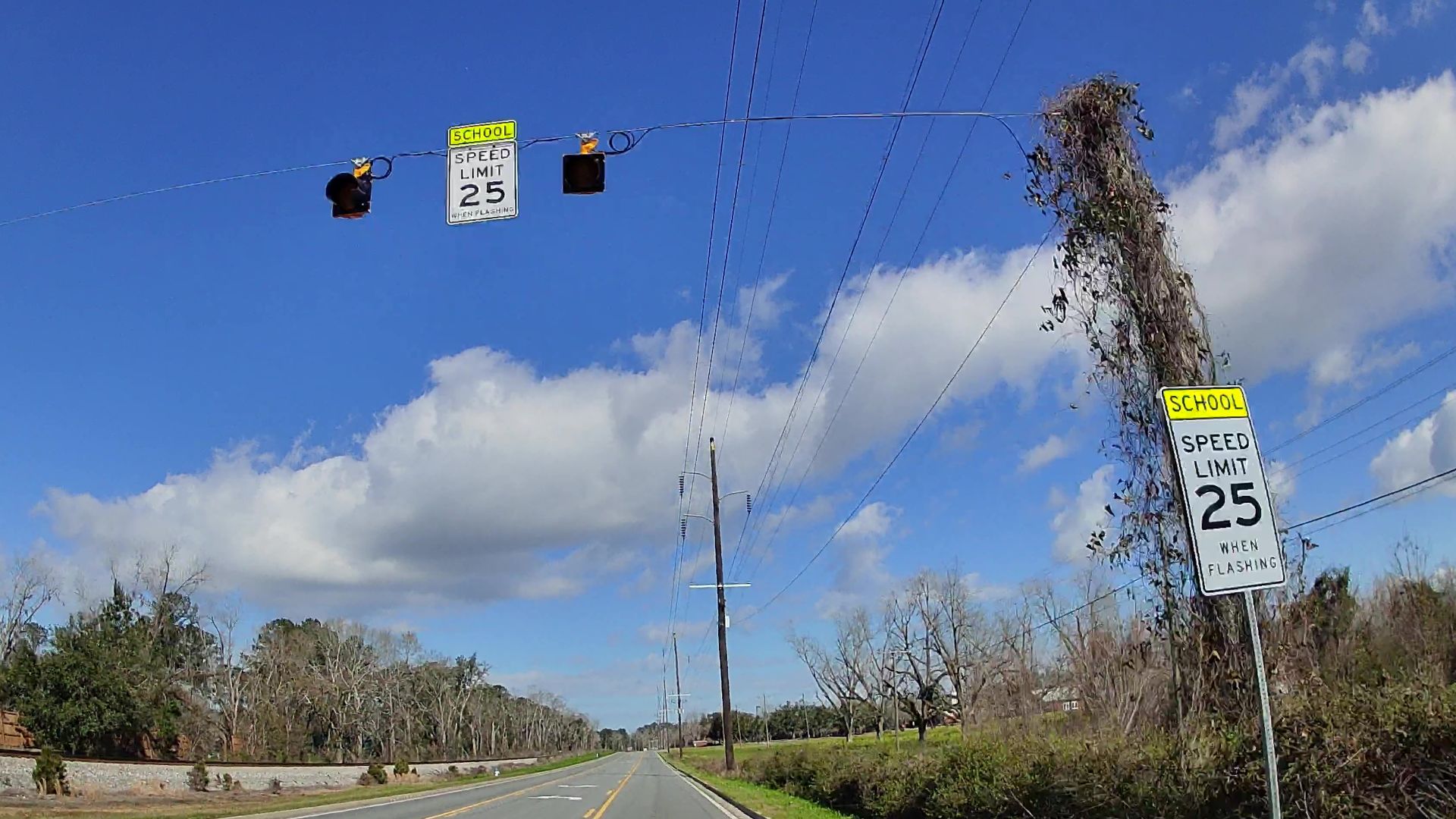
Federal Agencies Support Automated Enforcement
The National Highway Traffic Safety Administration has backed automated enforcement as part of a larger effort to reduce speeding. The agency has stressed that speeding raises both the risk of a crash and the severity of one. That is a big reason cities keep turning to cameras even when drivers push back.
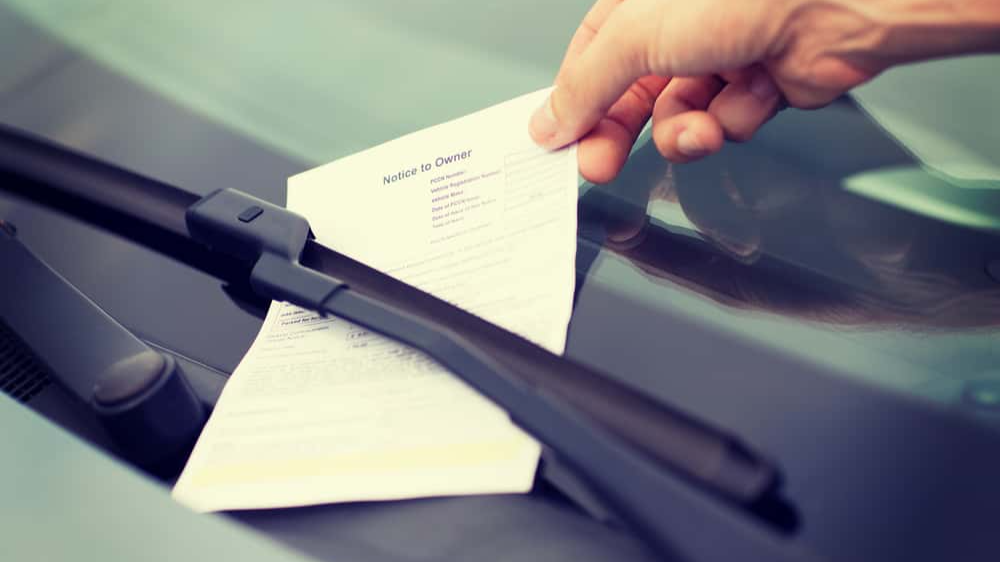
The Federal Highway Administration Has Been Direct
The Federal Highway Administration has published guidance and research summaries showing drops in average speeds, extreme speeding, and some kinds of crashes after speed cameras are introduced. It does not say every program works perfectly. It does say that well-designed camera systems can produce real safety gains when cities use clear signs, open rules, and data-based site selection.
 David Lally, Wikimedia Commons
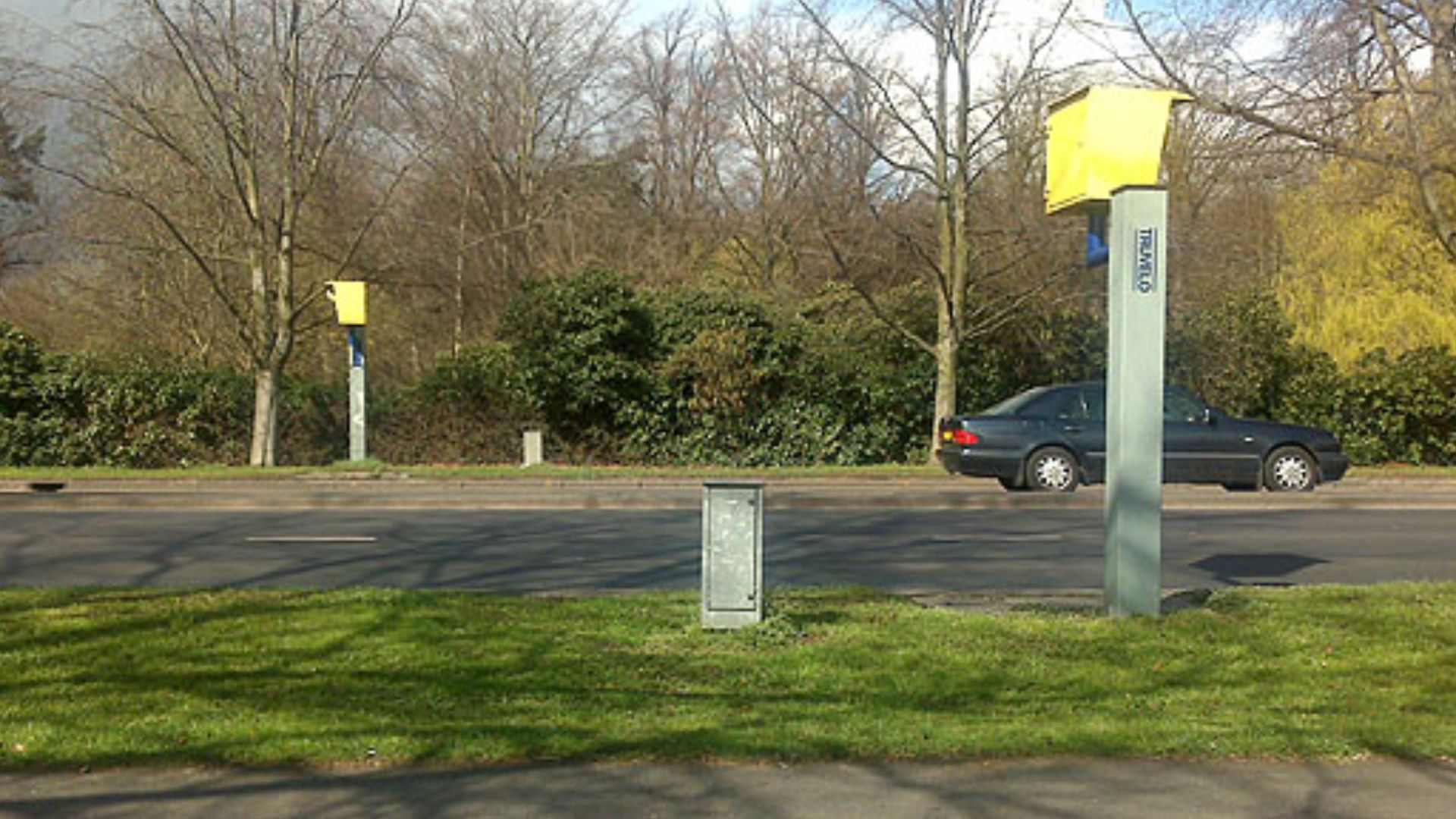
IIHS Has Found The Same Pattern
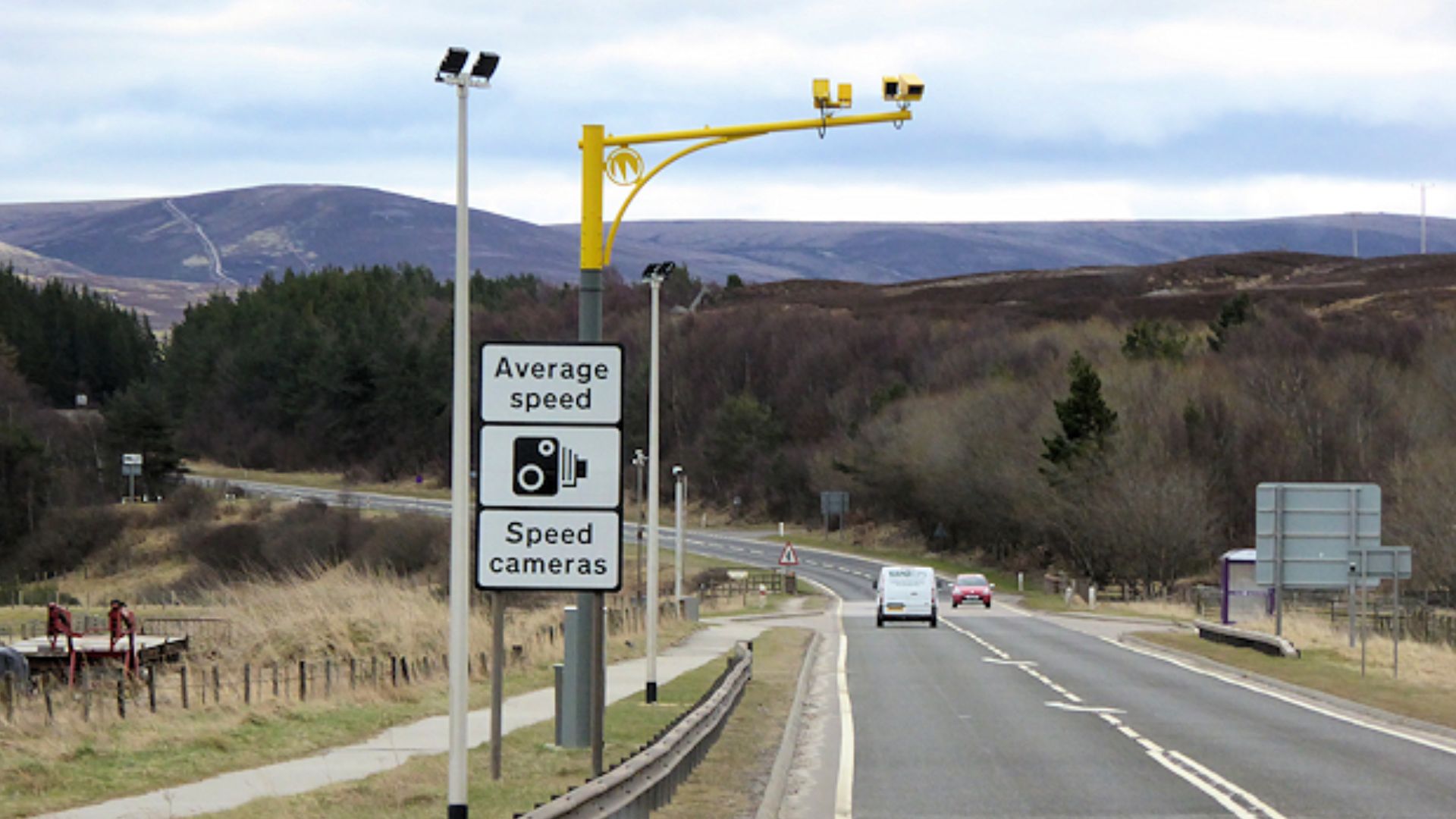
The Insurance Institute for Highway Safety has tracked camera programs for years and found evidence that they reduce dangerous speeding. IIHS has also said public support tends to rise when programs are clearly tied to crash reduction and when warning signs make enforcement obvious. That matters, because a visible camera that changes behavior is easier to defend than a hidden one that mostly collects fines.
 David Dixon , Wikimedia Commons
Trust Depends On Transparency
If a city cannot explain why a camera was installed, what the crash history was, and what changed afterward, people have every reason to be skeptical. A solid camera program should publish site criteria, warning policies, citation thresholds, and before-and-after safety data. Without that, drivers are being asked to trust a system that also takes their money.

The Ticket Threshold Matters
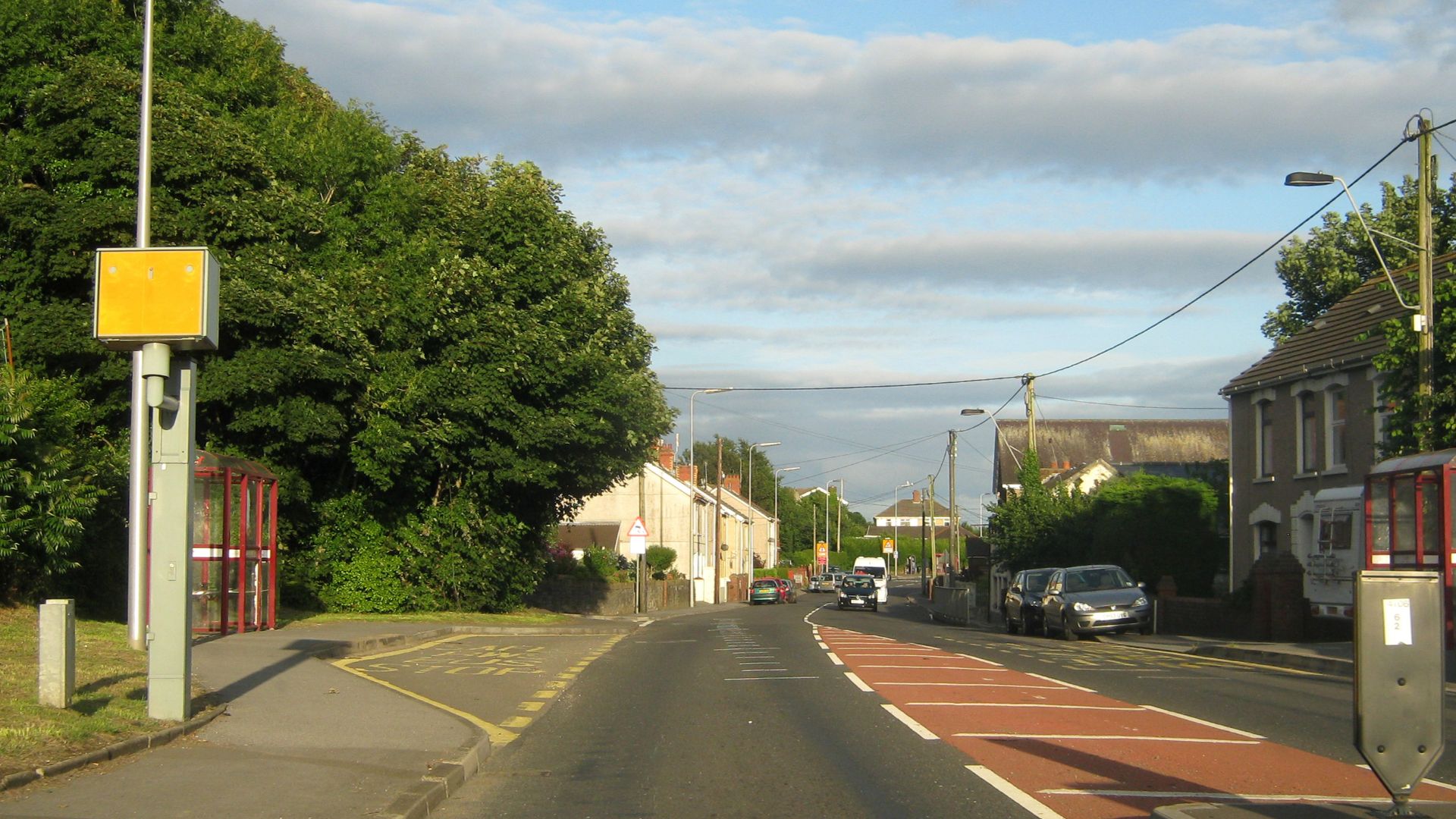
Many drivers assume cameras trigger a ticket at just one mile per hour over the limit, but that is often not how it works. Cities usually set a buffer above the posted speed before a citation is issued, and that threshold varies from place to place. If that trigger speed is not clearly explained, confusion turns into anger fast.
 Peter Kazmierczak , Wikimedia Commons
Warning Periods Show Good Faith
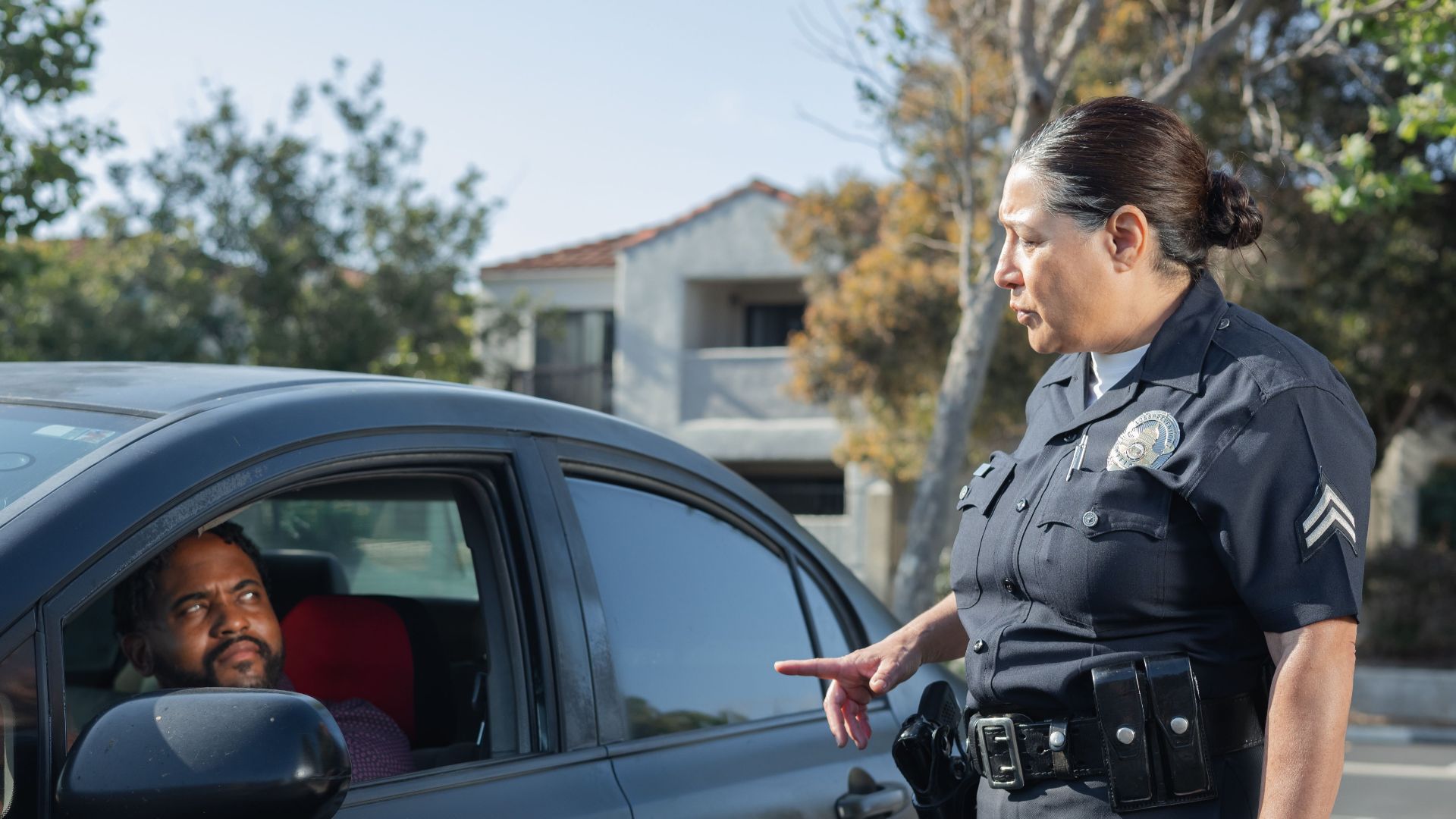
One of the clearest signs of a safety-first approach is whether a city starts with warnings instead of fines. A warning period gives drivers time to notice the cameras and adjust. Cities that skip that step and start ticketing right away make it much easier for people to believe revenue was the real goal.
Signs Should Be Clear, Not Sneaky
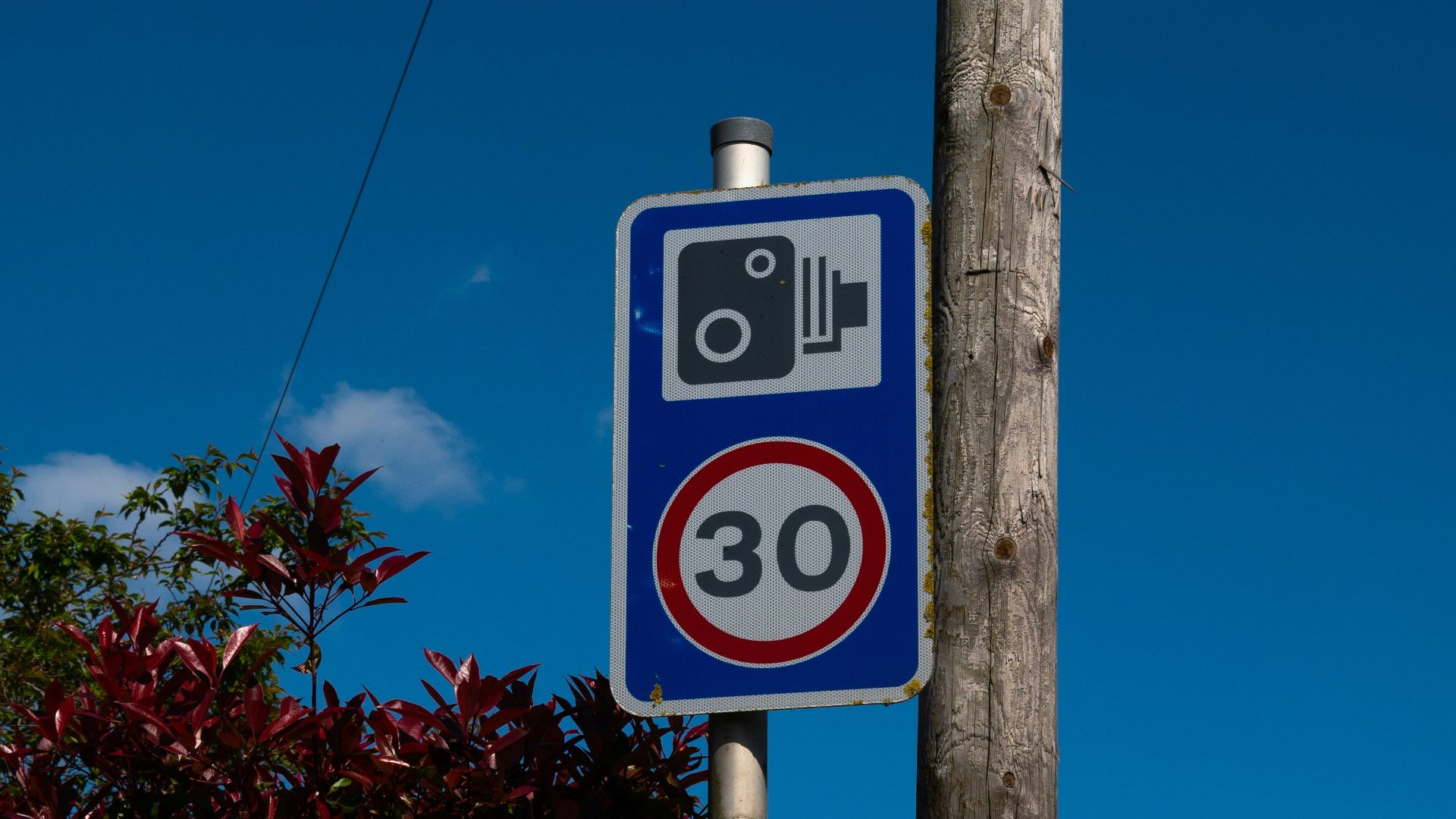
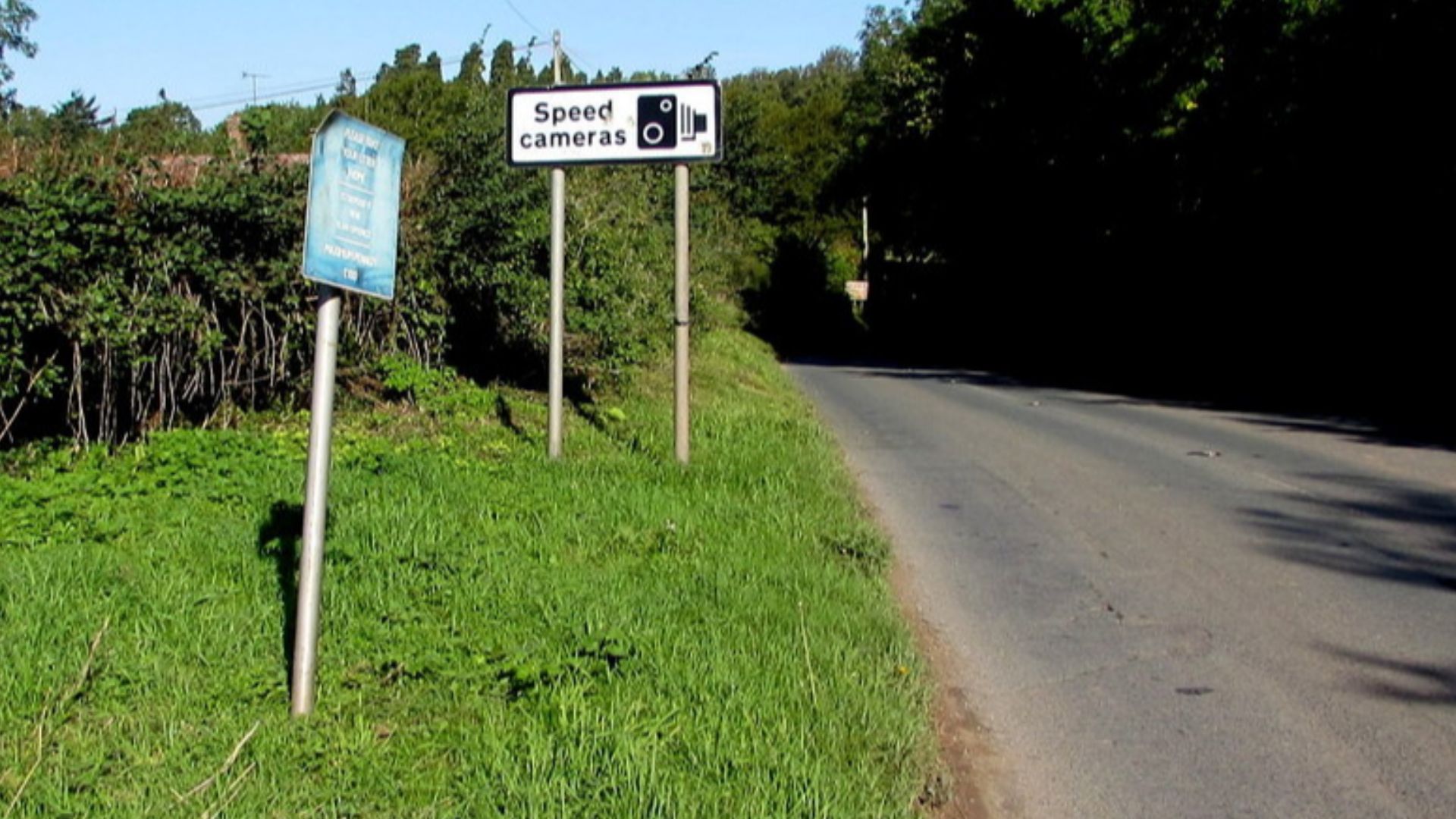
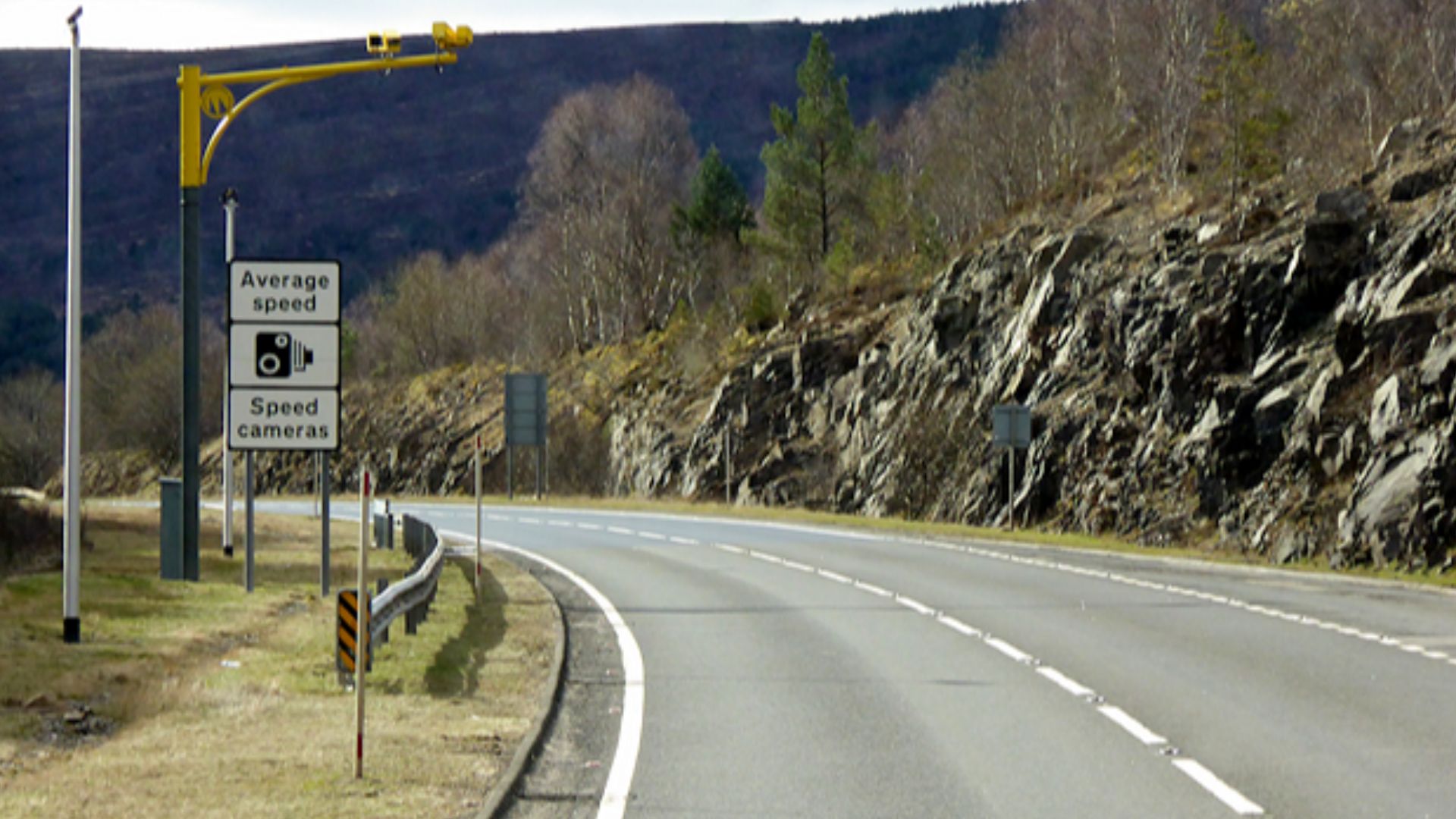
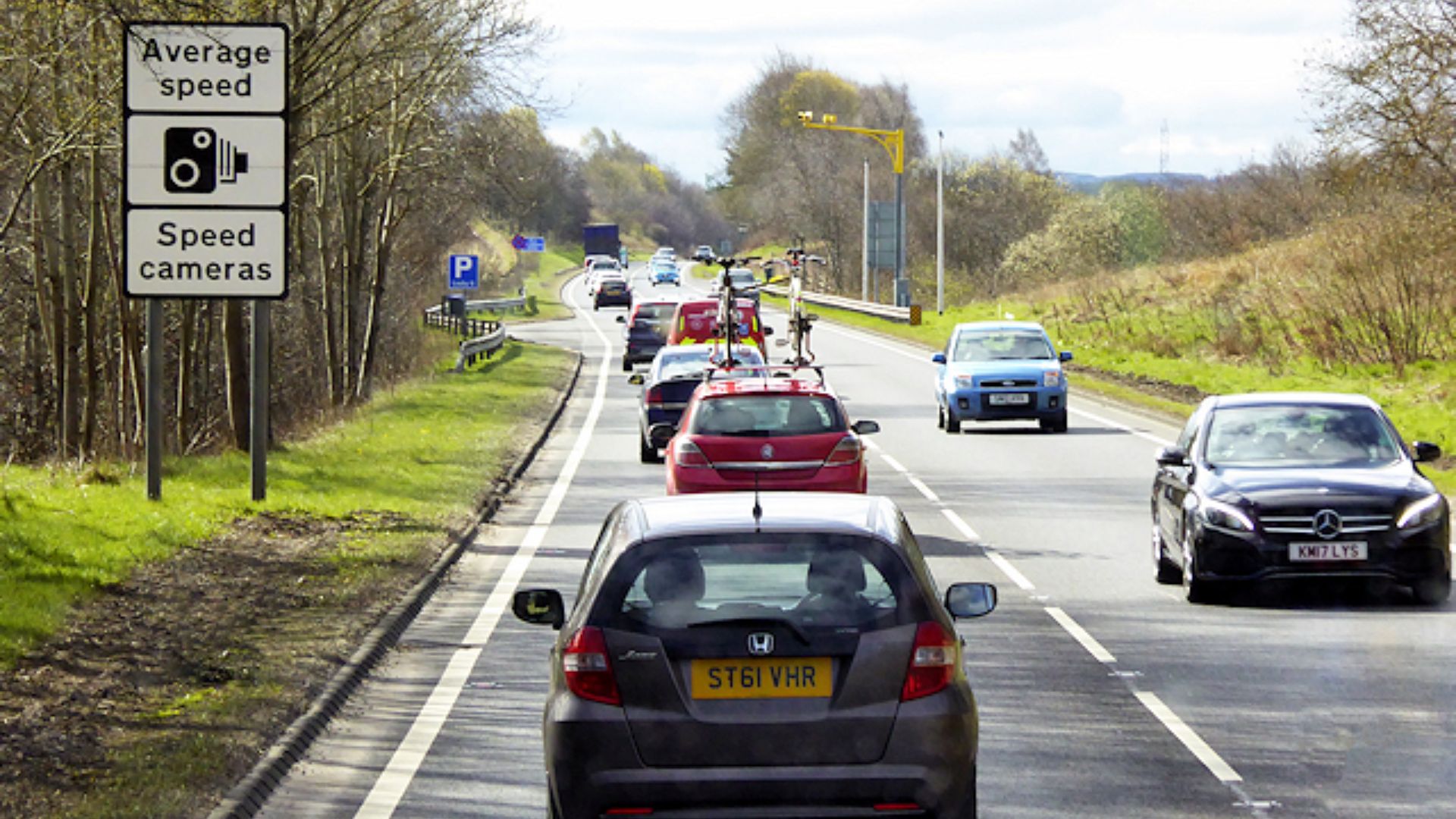
Drivers should not have to guess when a camera zone is coming. Clear signs ahead of enforcement areas are standard best practice and appear in many state and local camera policies. If a road suddenly becomes a ticket pipeline because signs were weak or confusing, that is not a strong look for a safety program.
Equity Concerns Are Central
Camera enforcement can hit lower-income drivers especially hard because fixed fines do not hurt everyone the same way. Investigations and policy reviews in places like Chicago pushed that issue into the open. A city can honestly want safer streets and still build a system that creates unequal hardship, which is why payment plans, fine reform, and careful site placement matter.

Do Cameras Actually Change Behavior
The evidence suggests they often do, especially for repeat commuters who drive past the same spots every day. New York City has said that most drivers who get one speed camera ticket do not get another. That points to behavior change, not endless punishment, and it gets at the strongest argument for cameras: not the tickets they write, but the speeding they prevent later.

Annoying Is Not The Same As Unfair
Most people do not like being watched on the road, and cameras can feel invasive even when they are legal and effective. But feeling irritated is not the same thing as proving a program is illegitimate. The better question is whether the city can show lower speeds and fewer injuries after the cameras went live.
What To Look Up In Your Own City
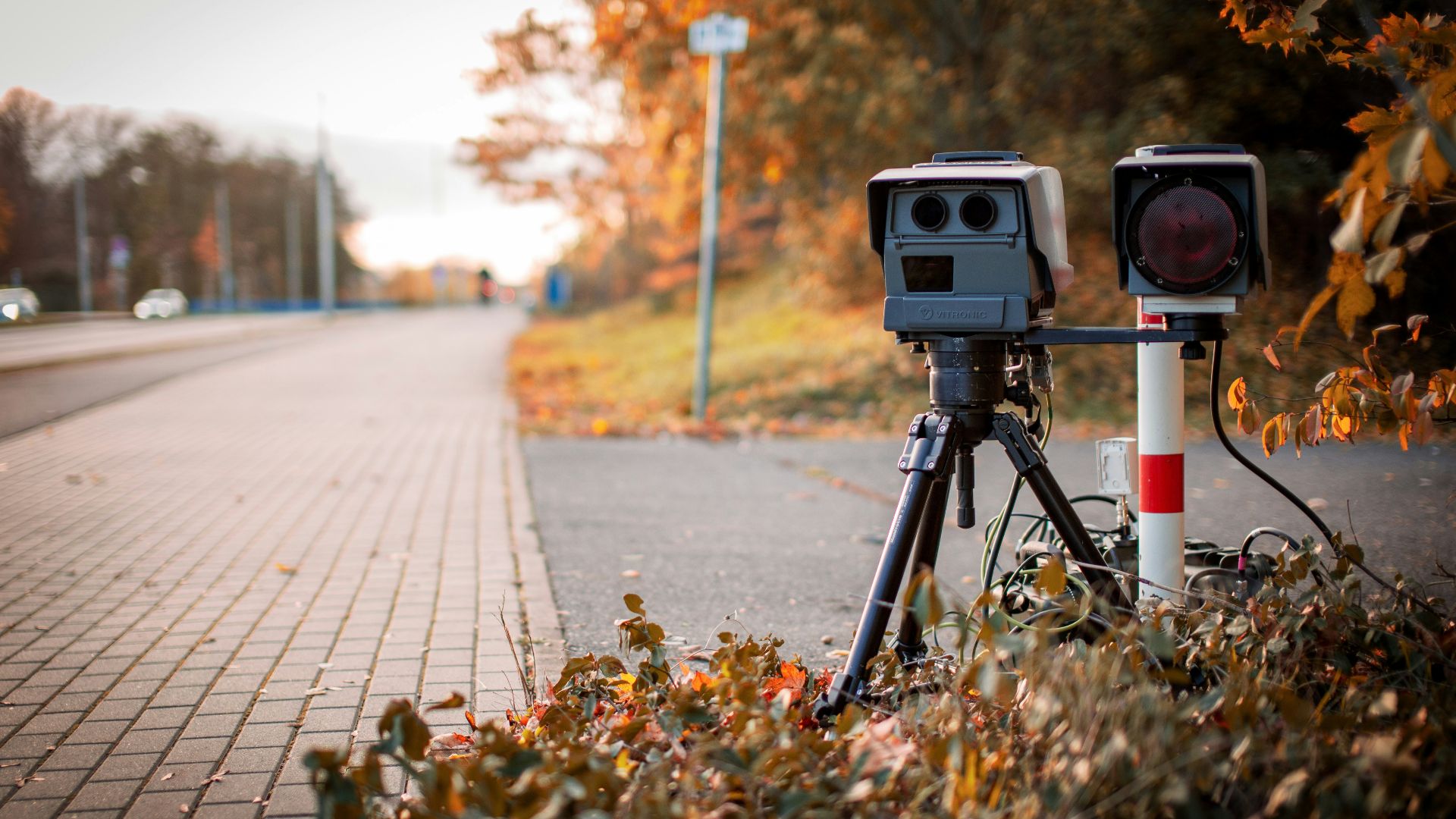
Start with your city transportation department, police department, or the local law that created the program. Check the launch date, the exact camera locations, the reason each site was chosen, whether warnings were issued, and whether speed and crash data have been published. If those basics are hard to find, that tells you something by itself.

How To Spot A Revenue Machine
Warning signs include cameras clustered where speed limits change abruptly, poor or missing signs, no warning period, vague site selection rules, and budget language that treats ticket income like a dependable stream of operating money. Another red flag is when officials brag about citation totals but say much less about crash reductions. Drivers notice when the money gets more attention than the safety outcome.

How To Spot A Real Safety Program
Better signs include clear warnings, documented crash histories, school zones or known high-injury corridors, public reporting, and violation counts that drop over time as drivers adapt. A city that shares before-and-after speed data is doing the kind of work critics should ask for. The most convincing safety program is one that becomes less profitable as people slow down.
What To Do If You Already Got The Tickets
First, check the citation details, including the date, time, location, posted speed limit, and measured speed. Then see whether your city allows appeals based on bad signage, wrong vehicle identification, or equipment problems. Even if the tickets hold up, one lesson is hard to miss: once cameras are on your route, small habits matter a lot more.

The Straight Answer
So are speed cameras about safety or revenue. In many cities, they are both. The strongest evidence says they can improve safety, but the strongest criticism is that some governments roll them out in ways that make the money motive impossible to ignore.
 David Dixon , Wikimedia Commons
What Drivers Should Expect
Drivers should not expect a free pass for speeding, but they should expect a transparent system. That means visible signs, clear thresholds, warning periods, public crash data, and proof that camera sites were chosen because people were getting hurt there. If a city cannot provide that, its safety argument starts to wear thin.
 David Dixon , Wikimedia Commons
Your Commute Is A Useful Test
If you picked up three tickets in a month, the frustration makes sense. But your route is also a good case study. Check the local data, read the city policy, and look closely at where those cameras are placed and what happened after they went in. The facts may show a real safety effort, or they may show that revenue has become too hard to separate from the public interest.