The Sap On Your Hood Is Annoying, But The Law Cares More About Damage
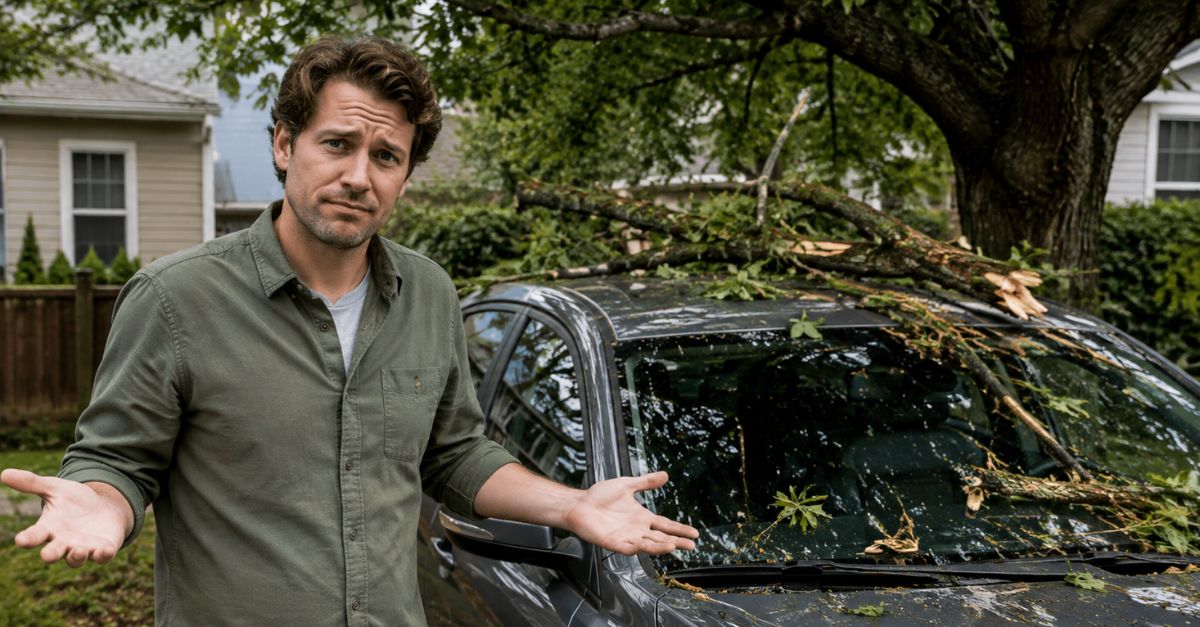
A neighbor’s tree can leave your parked car covered in sticky sap, and falling branches can do much worse. The frustrating part is that who pays is usually not automatic. In most cases, it comes down to negligence, not just whose yard the tree stands in.
Start With The Basic Rule
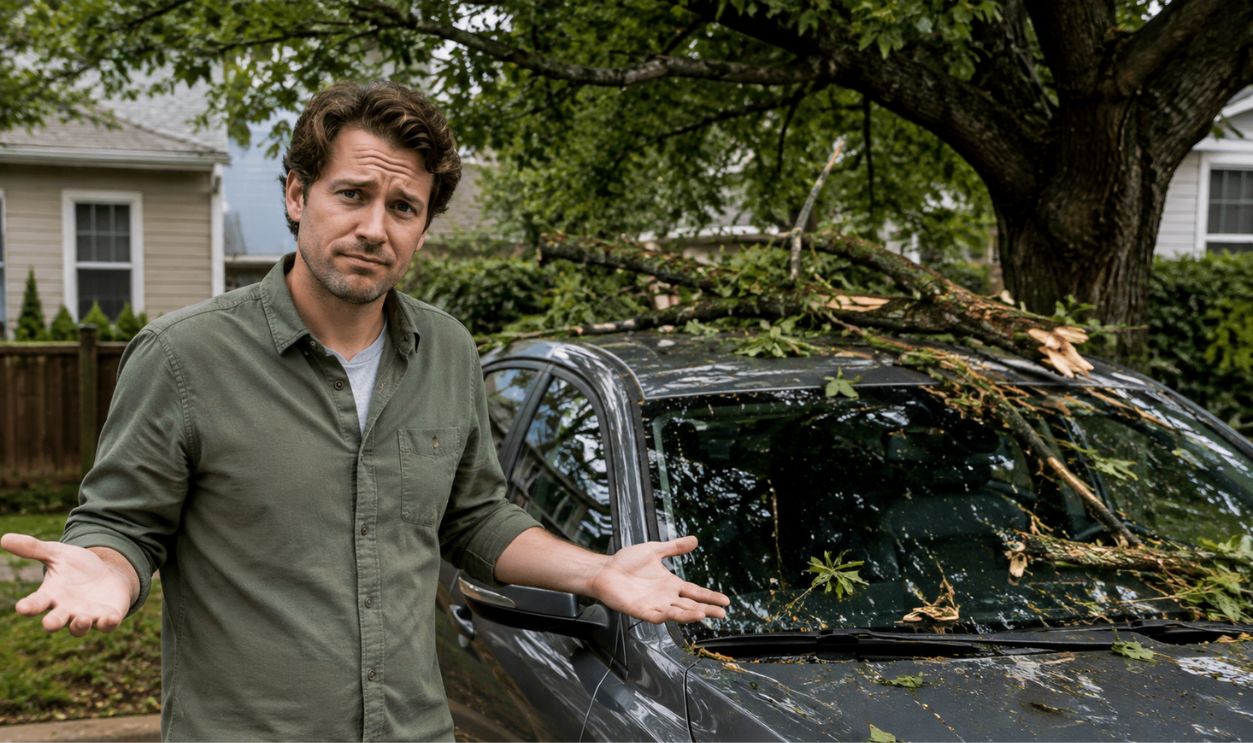
In many parts of the United States, damage from a healthy tree that drops limbs or sap under normal conditions is often treated as the loss of the person who got hit with it. That means your own auto insurer, especially if you carry comprehensive coverage, may be the first place to turn. If negligence can be proven, though, the tree owner may be on the hook.
Healthy Tree, Sudden Branch, Different Result
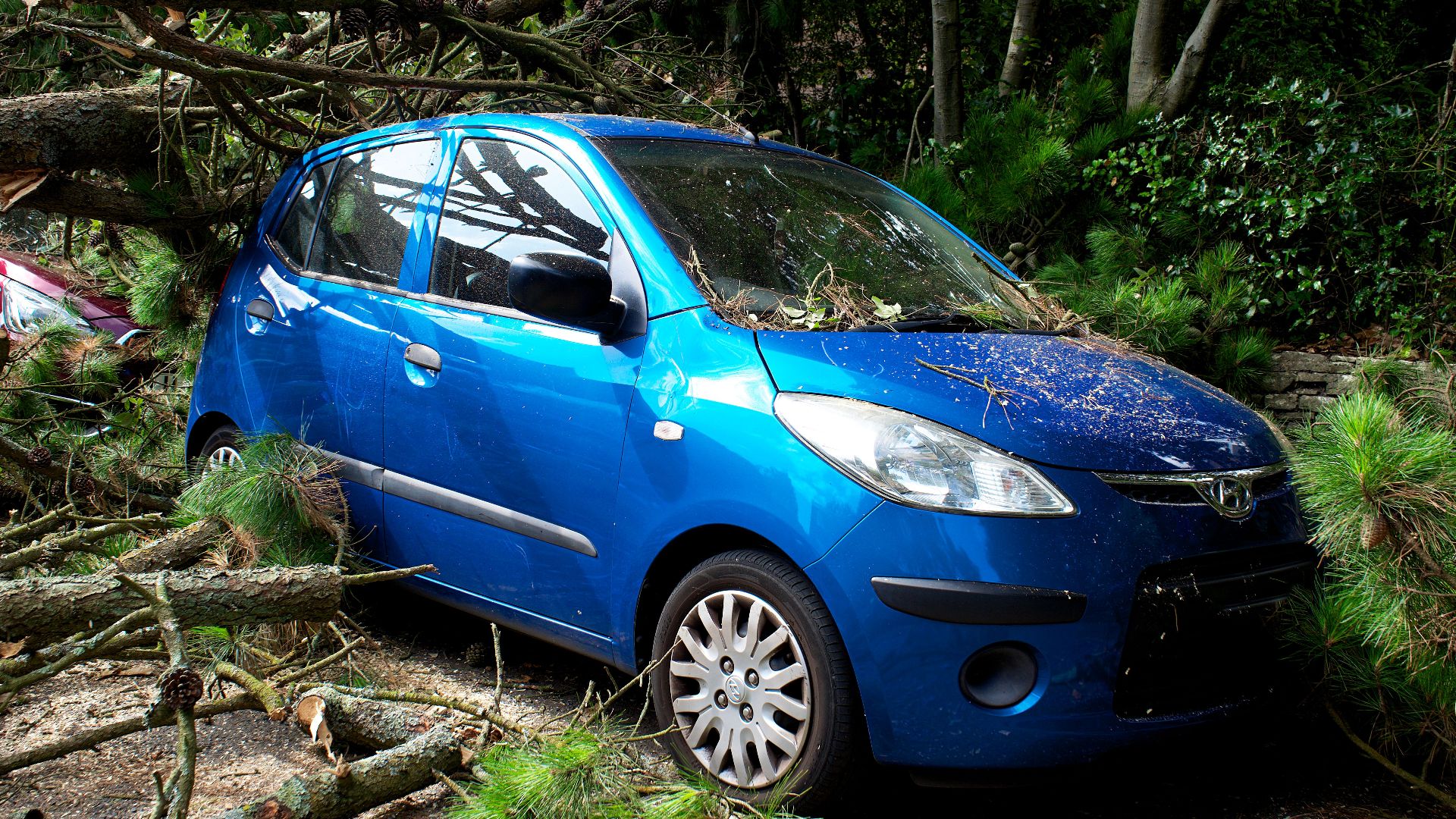
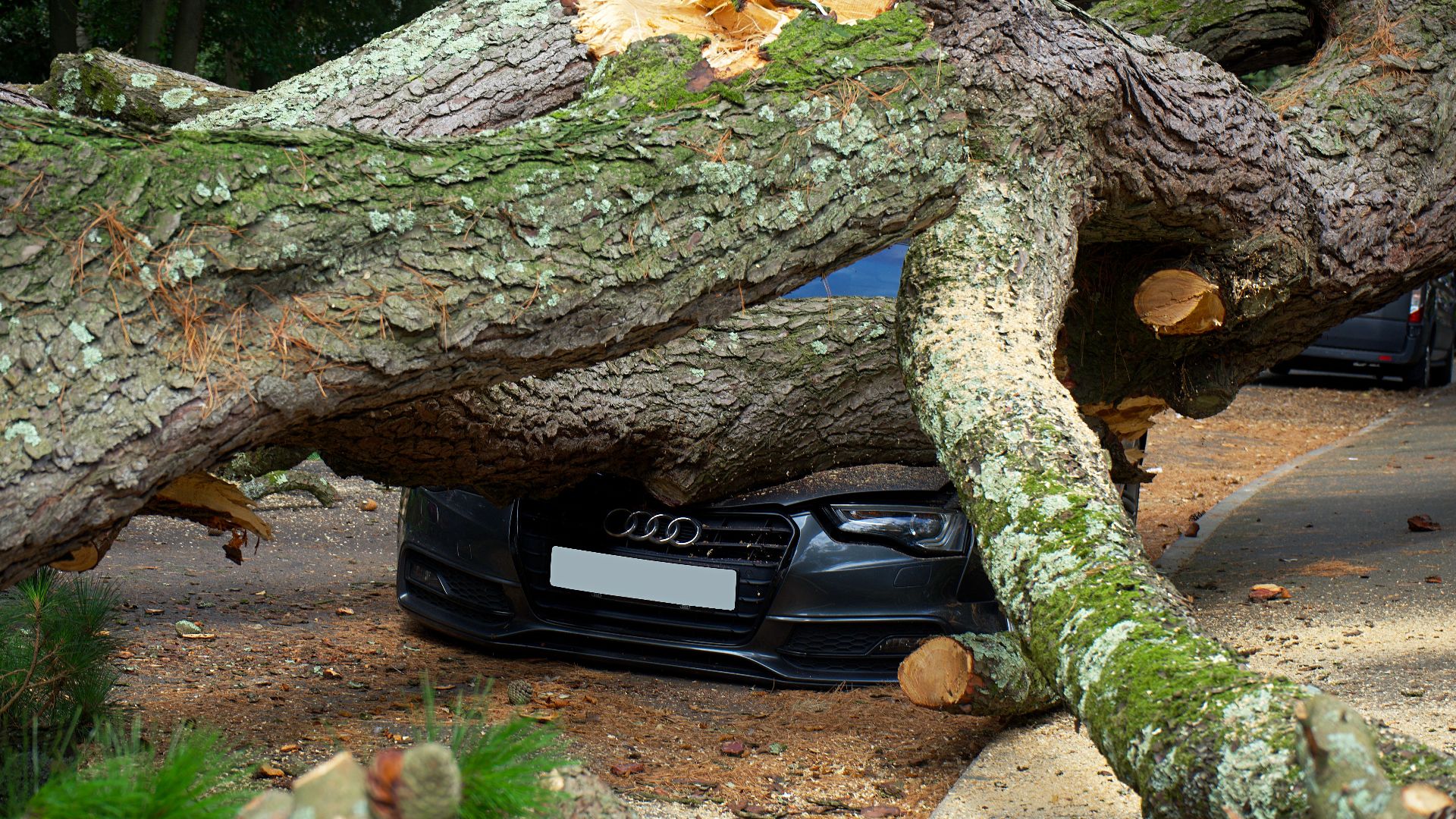
If a branch falls from a tree that looked healthy and showed no warning signs, insurers and courts often treat it as an unexpected event. People casually call that an act of God. In that situation, your comprehensive coverage usually matters more than whether your neighbor wants to help.
Negligence Is The Real Turning Point
The big legal question is usually whether your neighbor knew or should have known the tree was dangerous. If the tree was dead, diseased, clearly rotting, or had already dropped large limbs, that can change everything. Ignoring obvious warning signs can become the key fact in the case.
What Counts As Notice
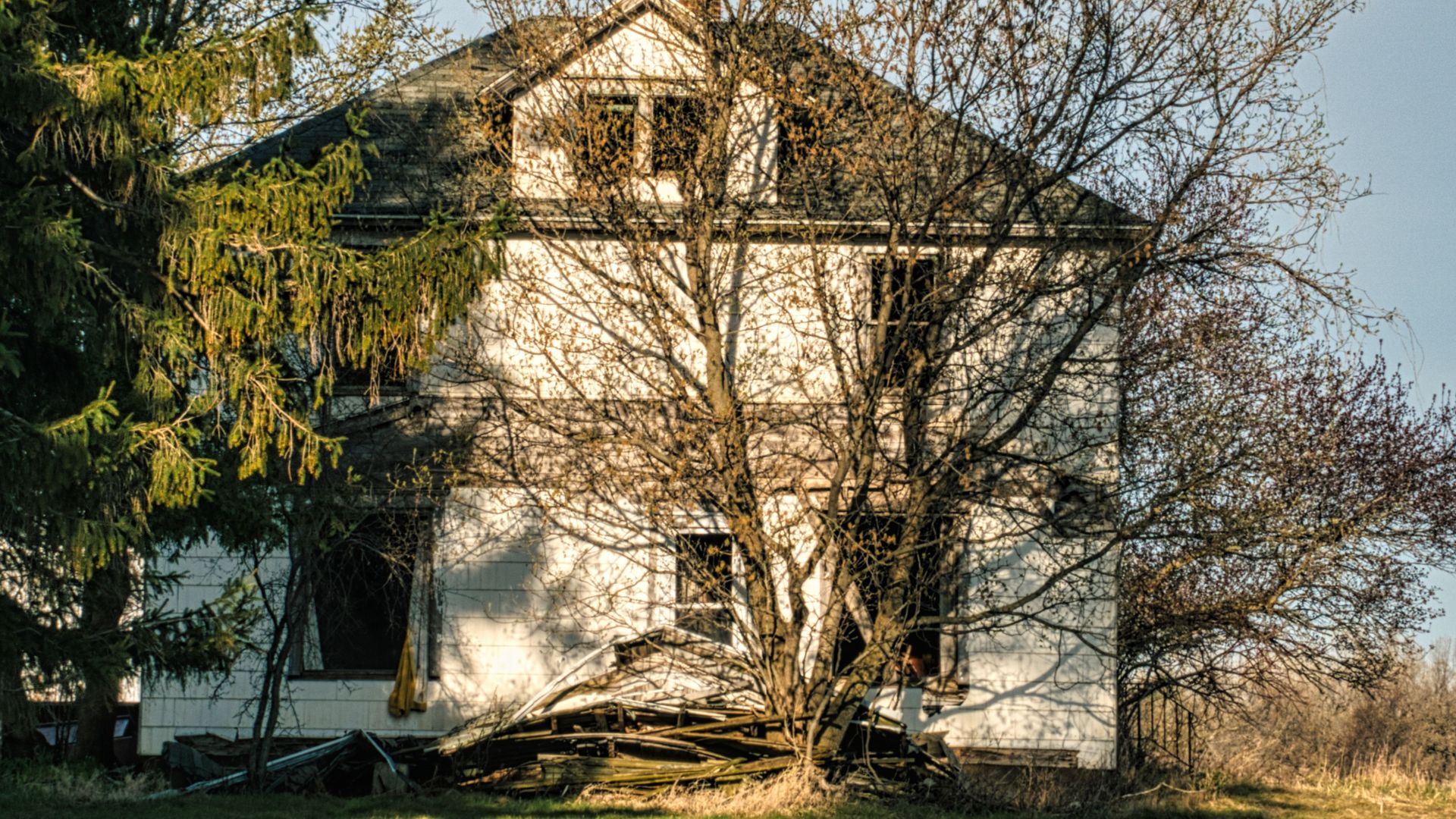
Notice means the owner was aware, or reasonably should have been aware, that something was wrong. That can include visible rot, a split trunk, earlier falling limbs, or written complaints from neighbors. Photos, texts, emails, and certified letters can all help show notice if damage happens later.

You Usually Can Trim What Crosses The Line
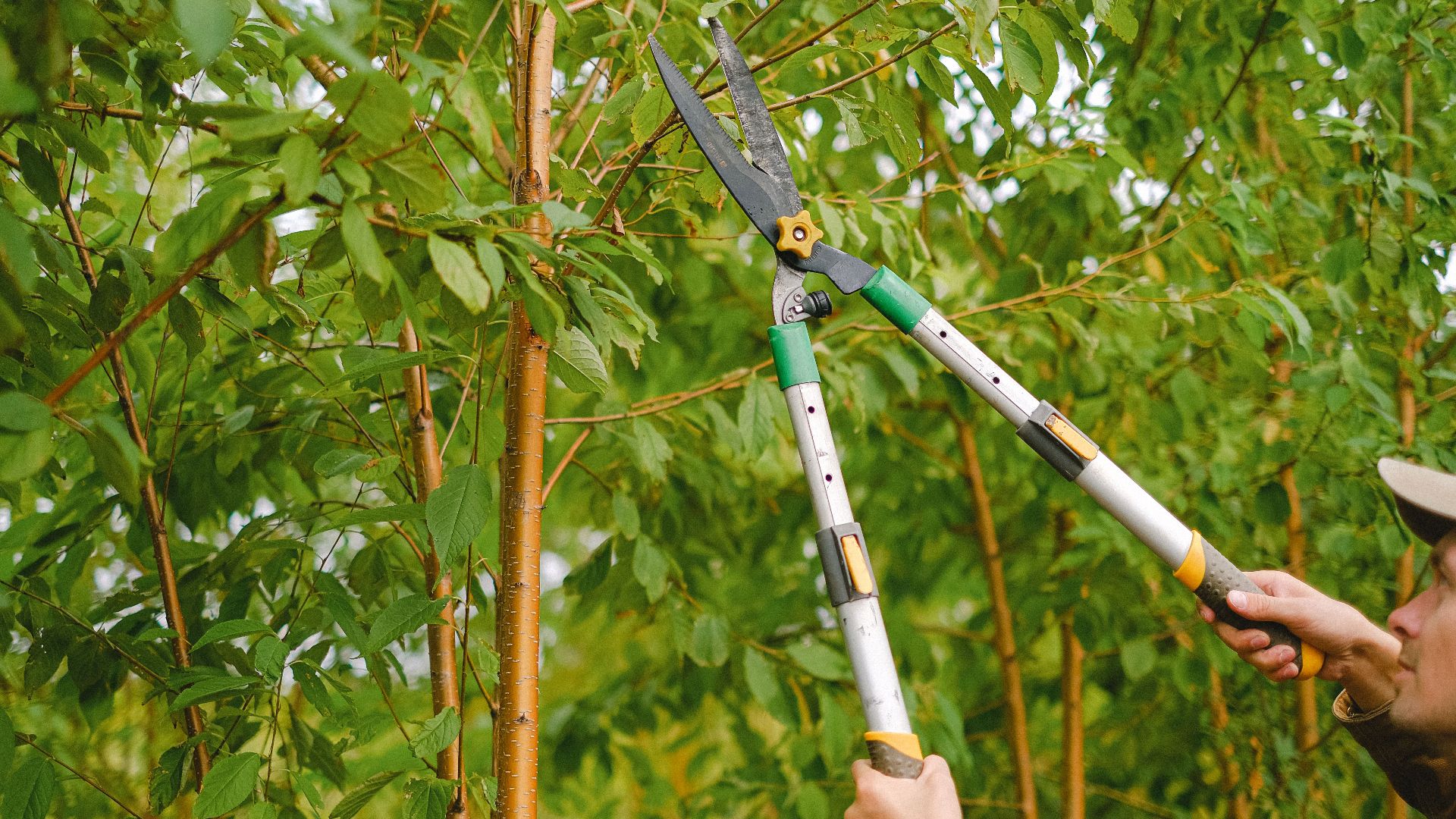
In many states, property owners can trim branches and roots that cross onto their side of the property line. The catch is that the trimming usually cannot kill the tree or seriously damage it. State and local rules vary, so it is smart to check the standard where you live before doing major cutting.
Sap Is Miserable, But Harder To Turn Into A Claim
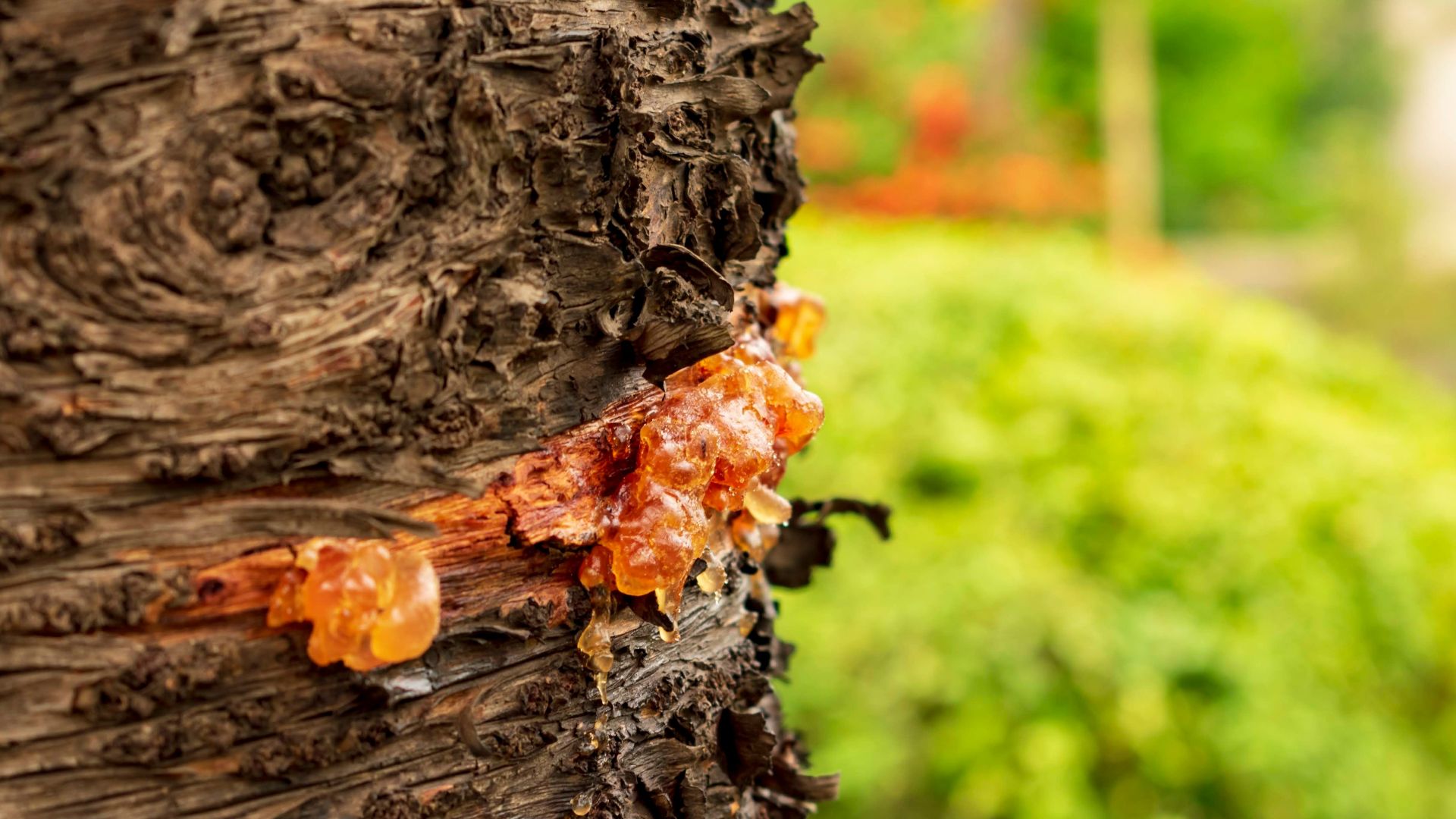
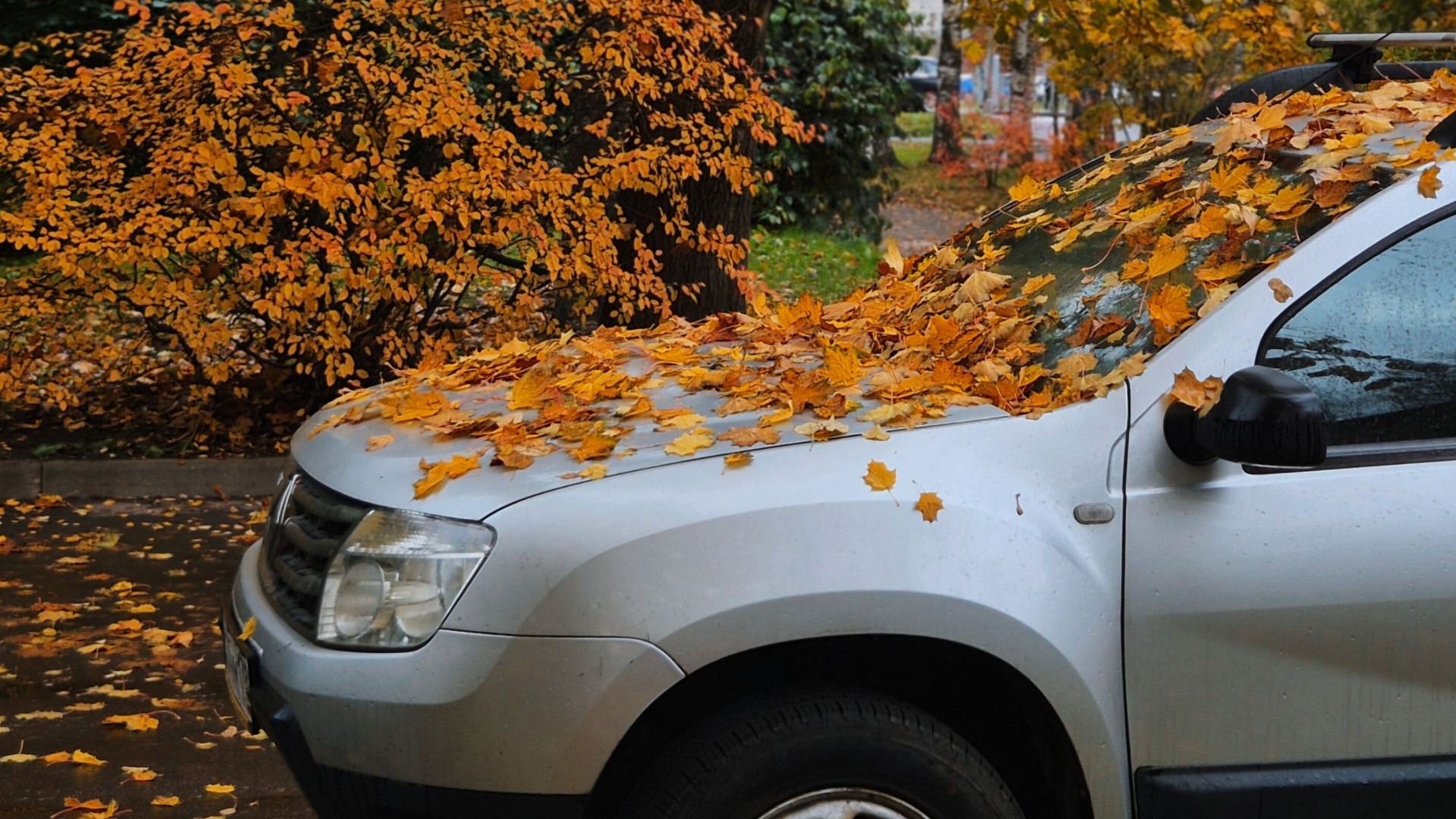
Sap can stain paint, trap dirt, and damage a car’s finish if it sits too long in the heat. Even so, normal sap drop from an otherwise healthy tree is often treated as a maintenance problem, not legal fault by the tree owner. A negligence claim is usually easier when there is an actual tree defect and clear damage, not just routine debris.
Branches Are A Bigger Deal Than Needles And Leaves
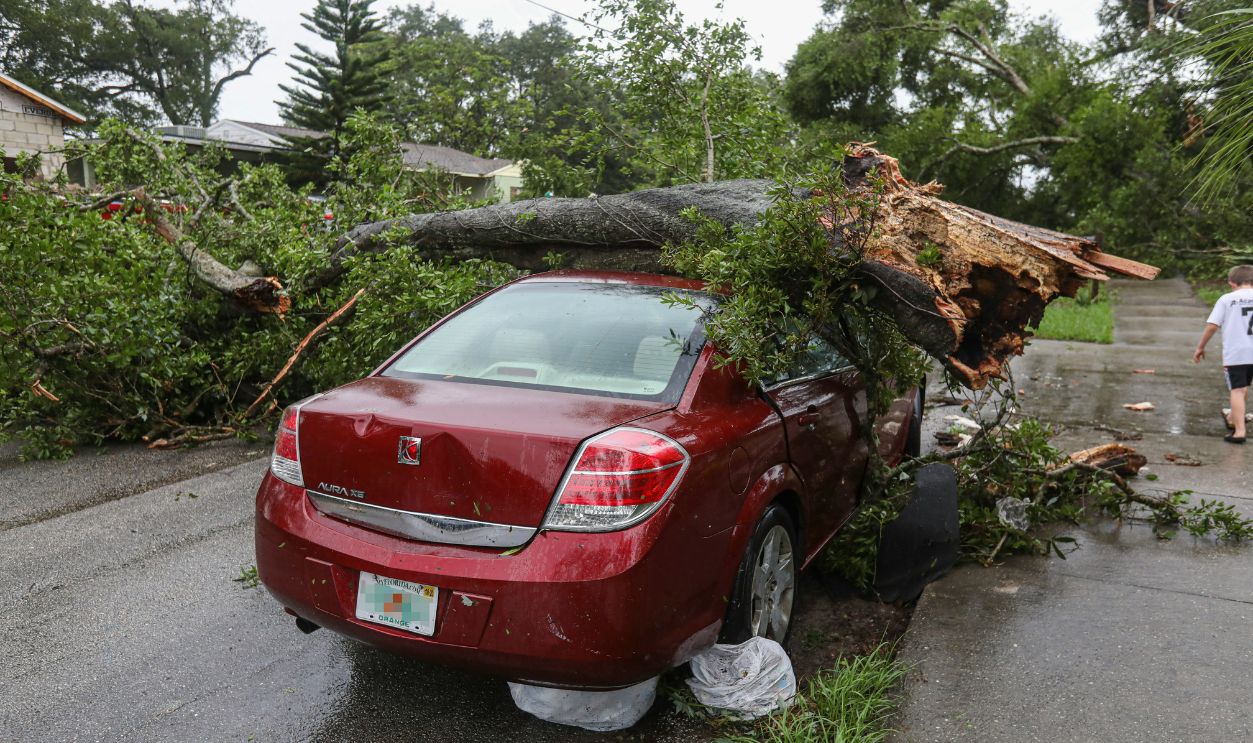
Leaves, acorns, seed pods, berries, and sap are annoying, but large branches can cause immediate and expensive damage. A dented roof, smashed windshield, or broken mirror creates the kind of loss insurers can measure fast. That is when the condition of the tree before the fall starts to matter a lot.
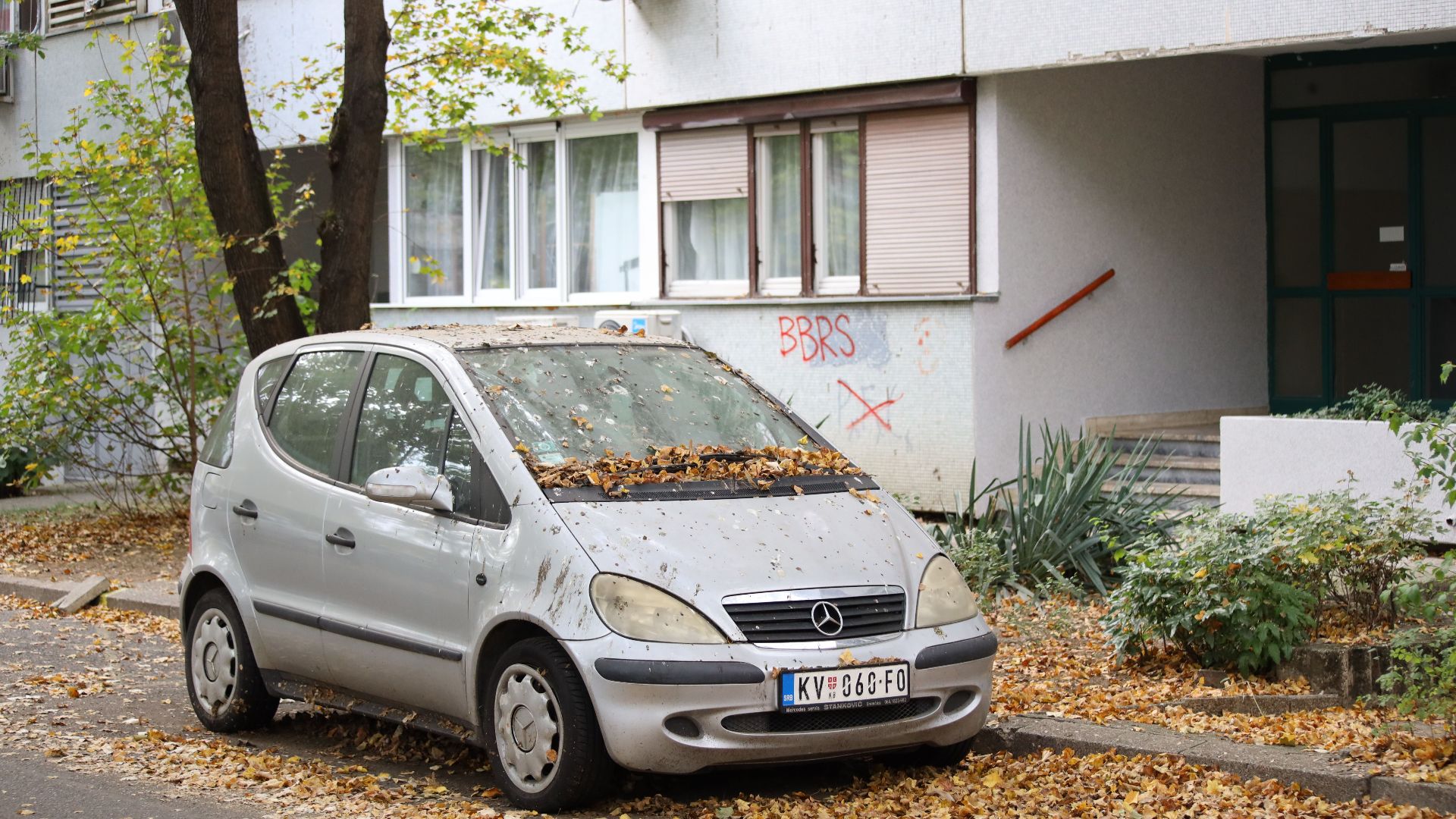
Your Car Insurance May Be The Fastest Path
If you have comprehensive coverage, falling objects are commonly covered. The Insurance Information Institute explains that comprehensive insurance generally helps pay for damage from things like falling objects, theft, fire, and weather-related events. You would still owe your deductible, but the claim can get your car fixed without waiting on a fight with the neighbor.

What If You Only Carry Liability Coverage
Liability-only insurance usually does not pay to repair your own vehicle after a branch falls on it. In that case, getting money from the neighbor may mean proving negligence or suing in small claims court, depending on the amount involved. It is a rough reminder of what comprehensive coverage is actually for.
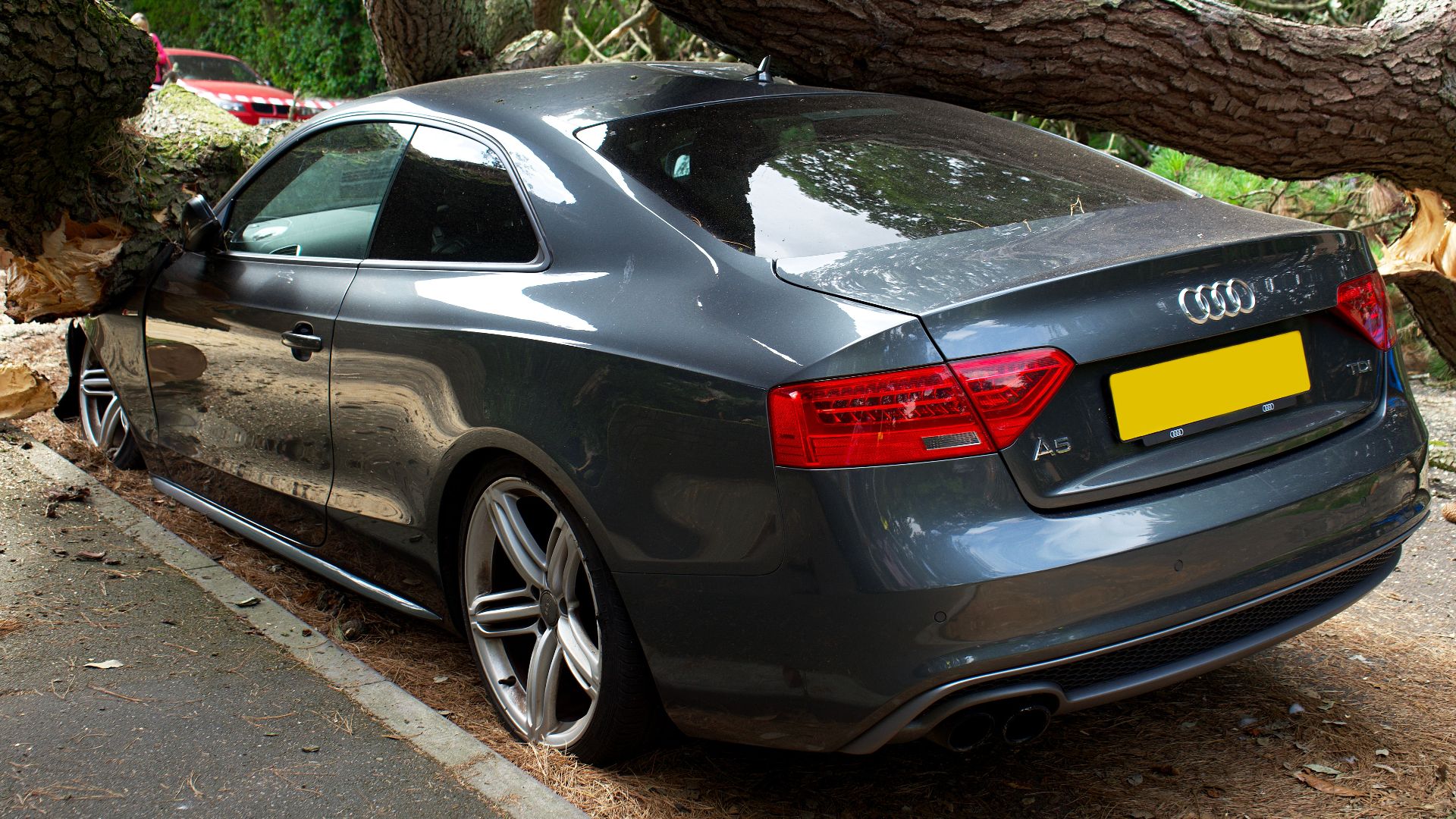
Home Insurance Can Enter The Picture Too
If a neighbor’s tree damages your house, fence, or garage, homeowners insurance often becomes part of the story. For car damage, though, auto insurance is usually the main policy involved. That difference matters because people often assume every tree problem automatically goes through the tree owner’s homeowners carrier, and that is not always how claims start.

The American Bar Association Points To A Common Rule
The American Bar Association has noted that if a healthy tree falls during a storm, the loss often lands with the property owner who suffered the damage. That reflects the idea that no one was necessarily at fault. If the tree was unhealthy and the owner failed to deal with it, the answer can change.

Storm Damage Does Not Automatically Let A Neighbor Off The Hook
Bad weather does not wipe away negligence if the tree was already dangerous before the wind picked up. A storm may be the trigger, but a dead limb, visible decay, or earlier warnings can still matter. If the hazard was obvious and ignored, the owner may still be liable.
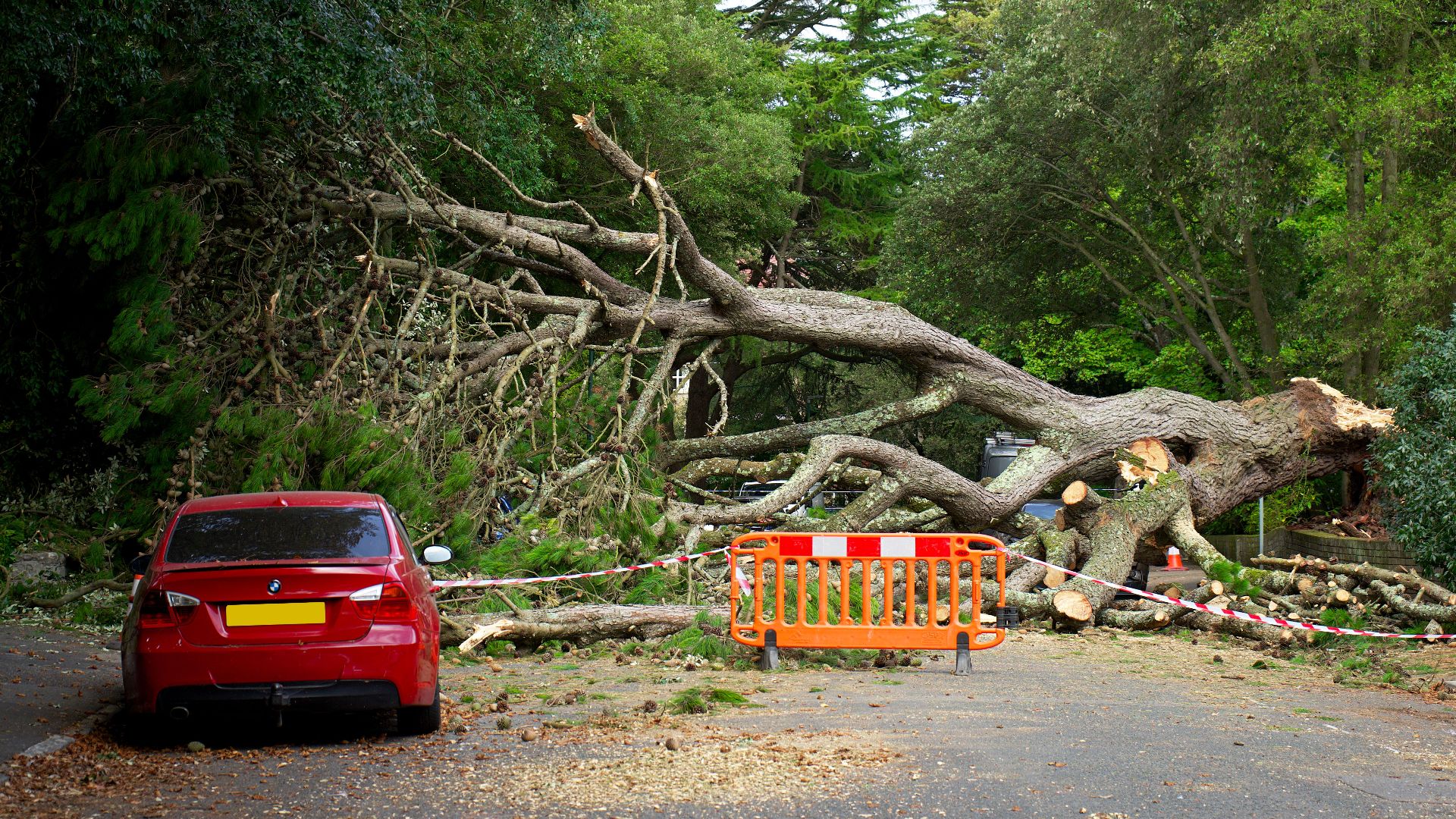
Document The Tree Before Anything Falls
If you are worried a branch could hit your car, start taking dated photos now. Capture dead limbs, leaning sections, cracks, fungus growth, hollow spots, and the distance from the tree to your parking area. If you later need to prove negligence, before-and-after evidence is much stronger than memory.

Put The Concern In Writing
A calm written note can do more than an argument in the driveway. Explain what you have seen, ask that the tree be inspected, and keep a dated copy. Sending it by certified mail can help show that the neighbor was clearly warned.

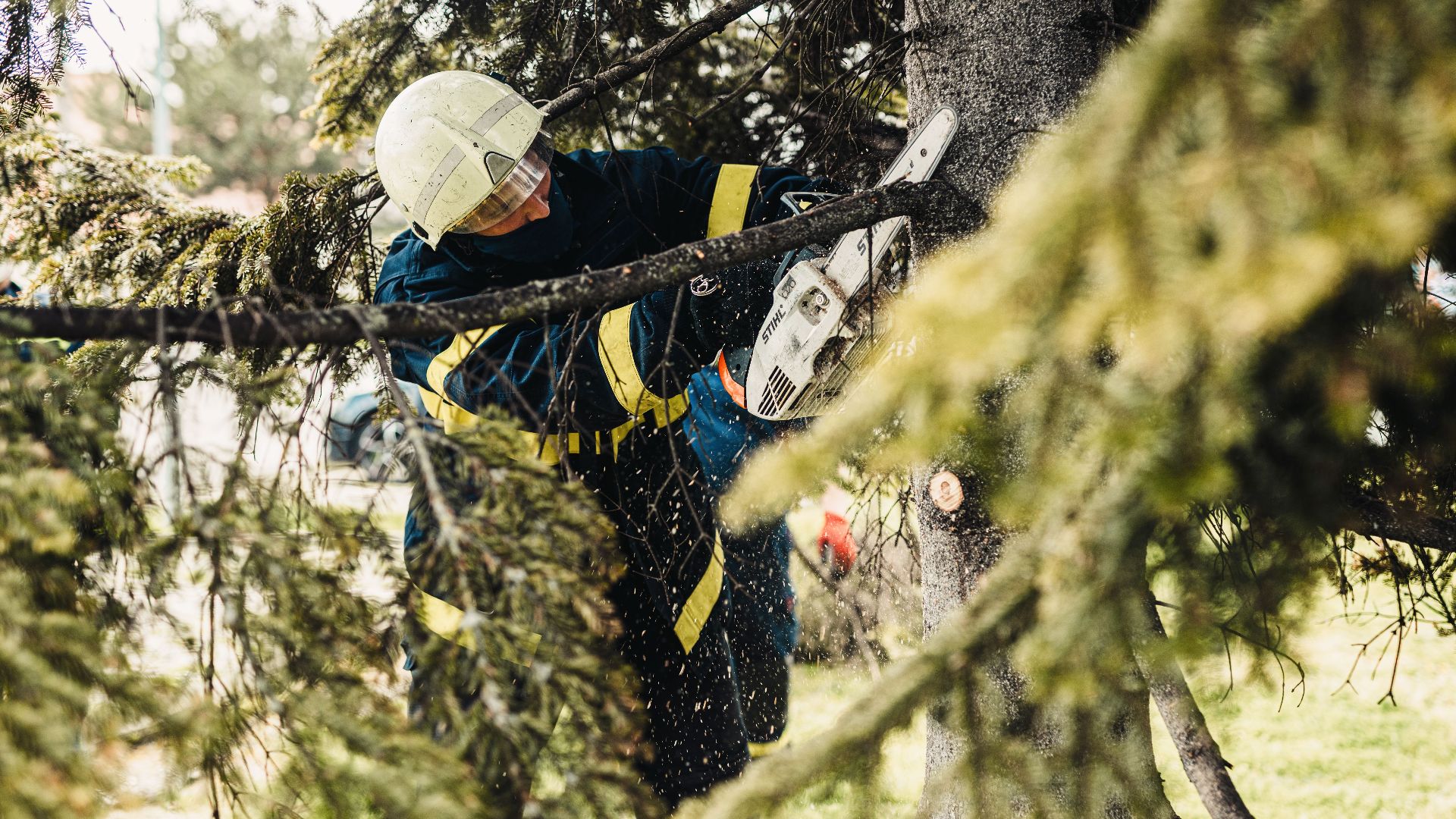
An Arborist Can Change The Whole Conversation
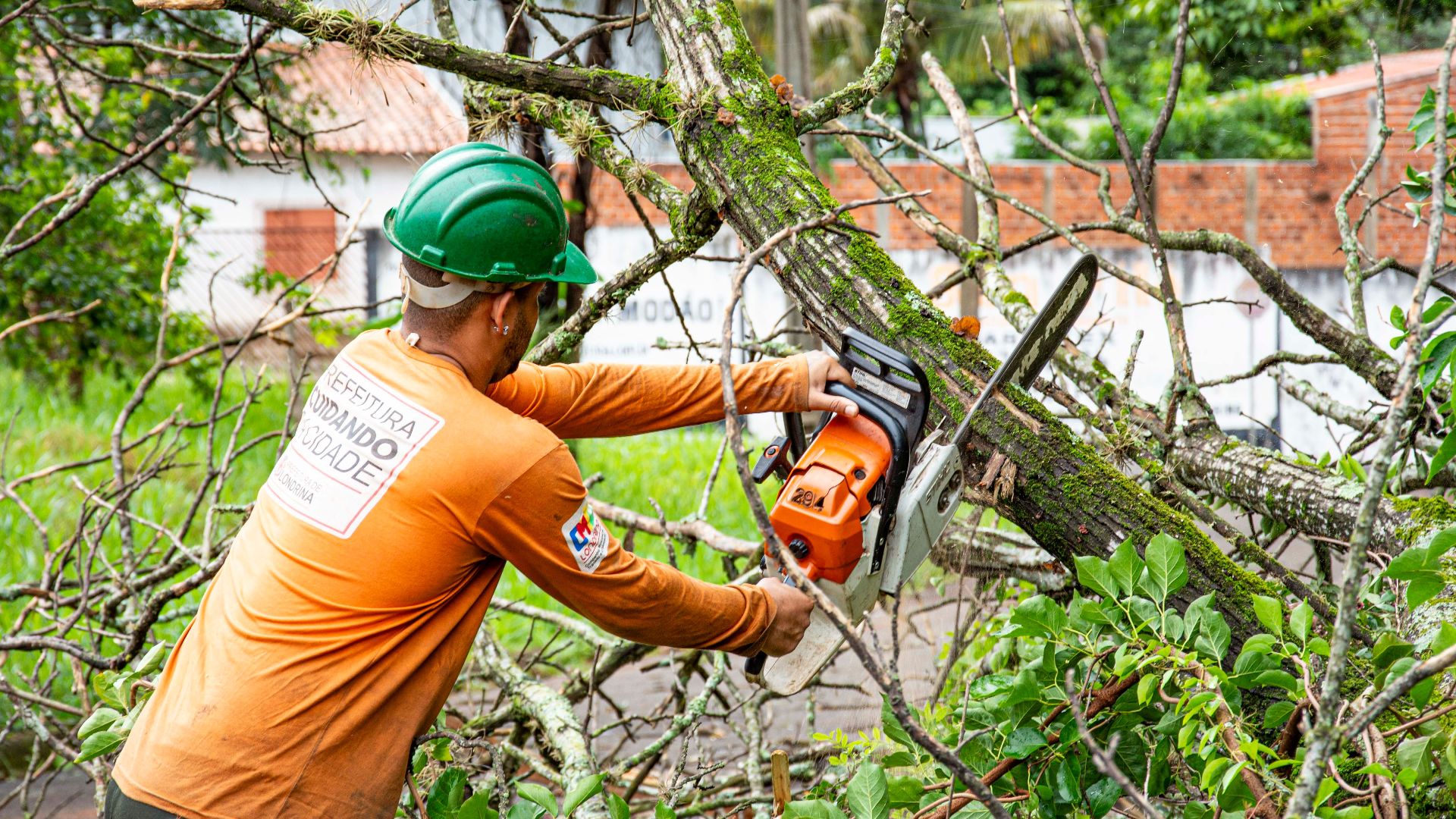
A certified arborist can assess whether a tree is dead, diseased, unstable, or badly in need of pruning. A professional report gives you something solid if the owner insists there is no problem. It can also help an insurer, mediator, or judge decide whether the danger was obvious before the damage happened.
 Helena Jankovičová Kováčová, Pexels
Municipal Rules Can Matter More Than You Think
Some cities and counties have nuisance or dangerous-tree rules that require owners to deal with hazardous trees. If the tree threatens public safety or neighboring property, local code enforcement may be able to inspect it or issue a notice. This varies a lot by location, so checking your local government website is worth the time.
Do Not Trespass To Solve It Yourself
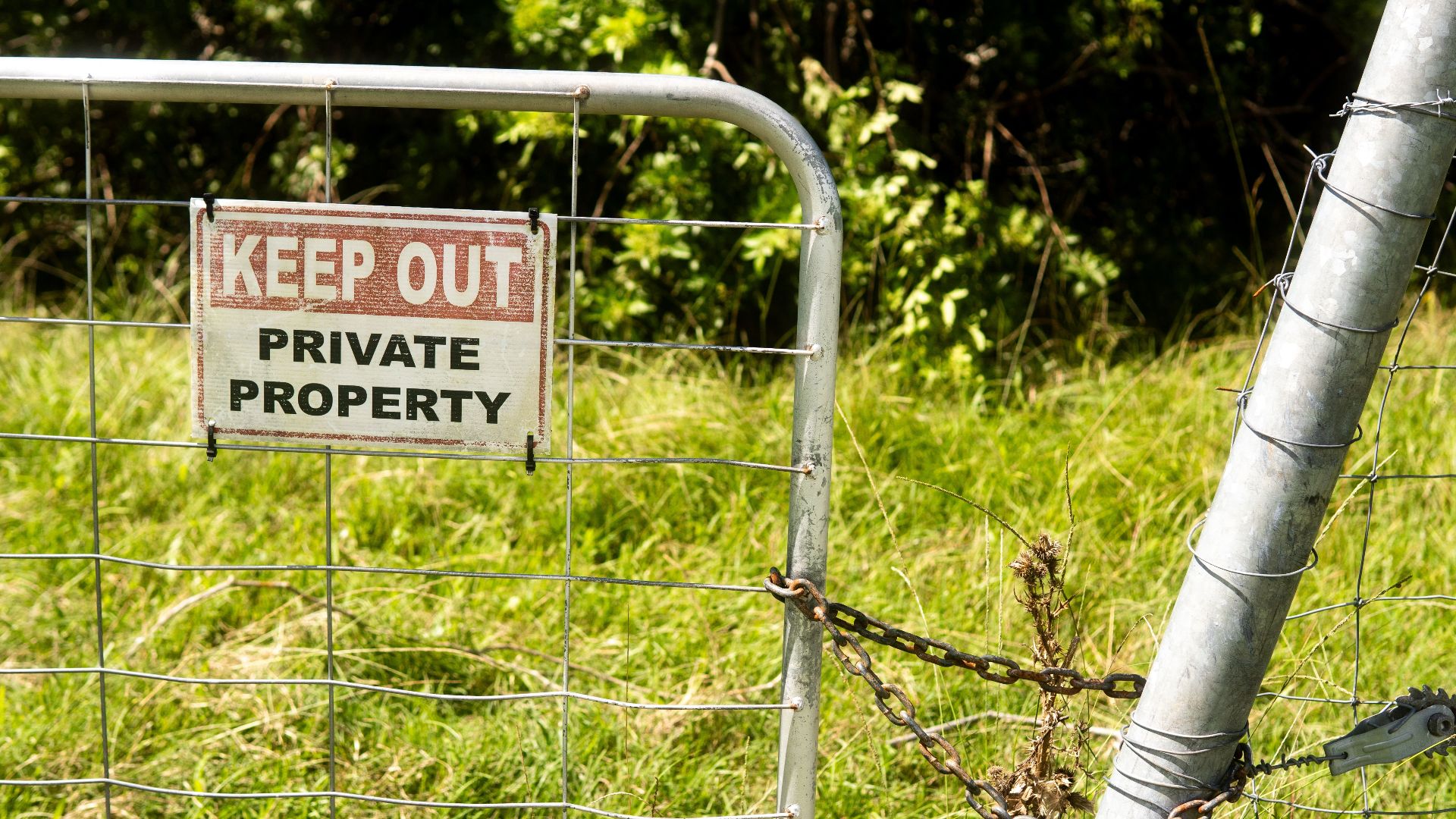
It is tempting to step onto the neighbor’s side and cut the branch yourself, but that can create a second dispute. In many places, your self-help rights stop at the property line. If the work requires entering the yard or climbing the tree, get permission or use legal channels.
If Damage Happens, Move Fast
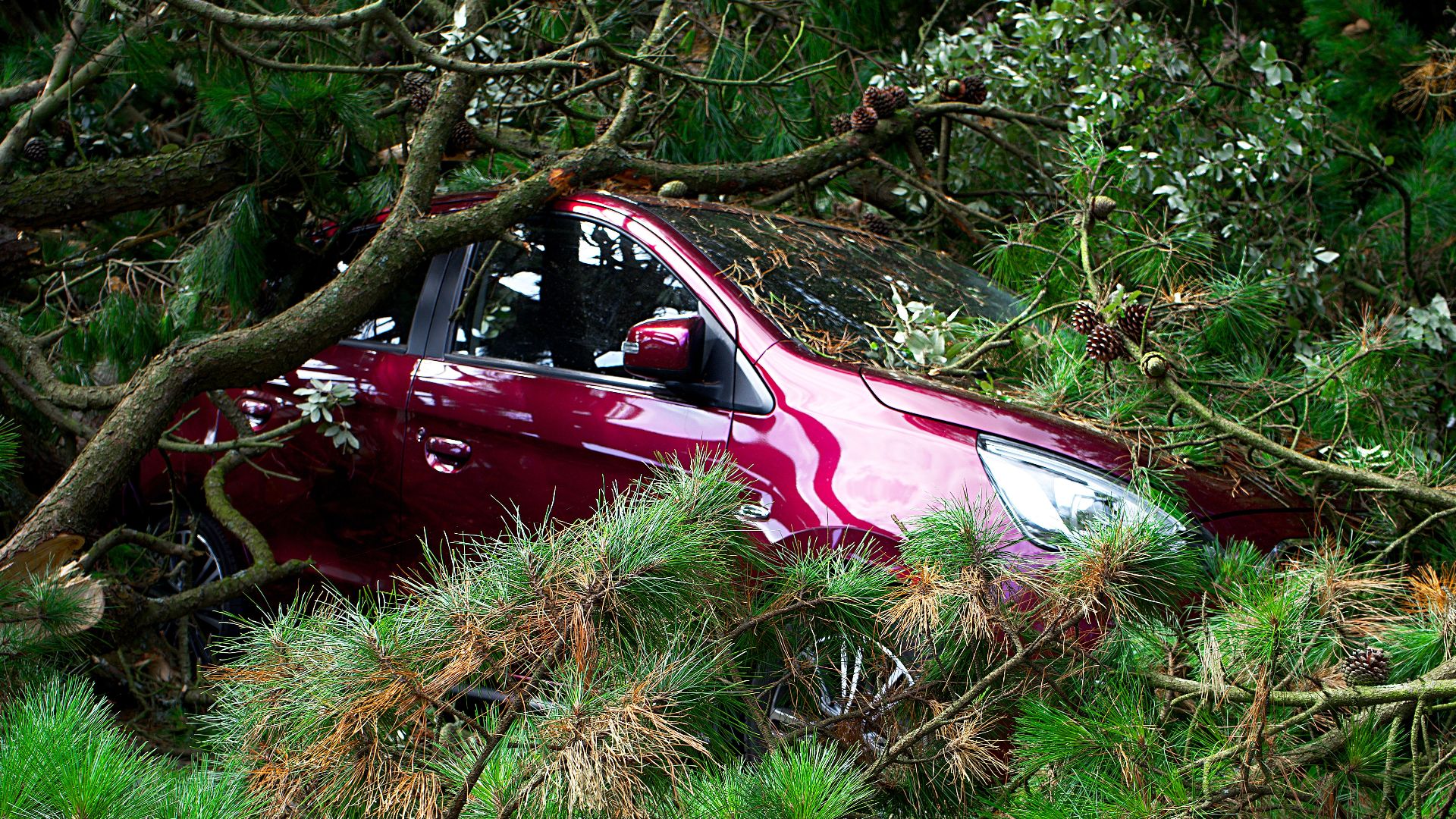
Take photos right away, including the car, the branch, the whole tree, and the surrounding area. Save any messages you already sent about the tree and note the date and time of the incident. Then contact your insurer and ask what they want documented before cleanup removes the evidence.
Ask Your Insurer About Subrogation
If your insurer pays your comprehensive claim and later decides your neighbor was negligent, the company may try to recover from the neighbor or the neighbor’s insurer. That process is called subrogation. If it works, you may even get your deductible back, though that depends on the facts and the insurer’s result.
 Natthawadee Jana, Shutterstock
Small Claims Court Is Often The Backup Plan
If your losses fall under your state’s small claims limit, that court can be a practical option. You will still need evidence that the neighbor knew or should have known the tree was dangerous and did nothing about it. Bring photos, repair estimates, arborist opinions, and copies of your written warnings.
Sap Damage Needs Proof Too
If sap etched your paint or damaged the clear coat, get a written estimate from a reputable body shop or detailer. Ask them to explain what they found and whether the damage fits prolonged sap exposure. That does not guarantee recovery from the neighbor, but it helps turn a complaint into documented loss.
Parking Somewhere Else May Be The Smartest Short-Term Move
It is not the answer most drivers want, but prevention is cheaper than a claim or a lawsuit. If you know the tree is dripping sap onto your car or looks unstable, moving the car can limit the damage while the dispute plays out. Judges and insurers usually like to see that you tried to reduce avoidable loss.
What Courts Often Want To See
Courts usually focus on condition, notice, and reasonableness. Was the tree defective, was the owner aware of the danger, and did they fail to act like a reasonable property owner would? Those questions matter more than the simple fact that the trunk stands in your neighbor’s yard.

Your Neighbor Refusing To Trim Is Not Always Enough By Itself
A refusal can sound outrageous, but legally it does not automatically create liability. If the tree is healthy and the issue is ordinary debris, many claims go nowhere. The refusal matters more when it comes with visible danger, earlier limb drops, or expert warnings.

The Bottom Line On Who Pays
If a healthy tree suddenly drops a branch, your own comprehensive auto insurance often pays first, subject to your deductible. If the tree was hazardous and your neighbor ignored warning signs or written notice, the neighbor may be liable for the damage. For sap alone, recovery is tougher unless you can show negligence and real, documented harm.
The Best Practical Playbook
Photograph the tree, notify the neighbor in writing, check local rules, and consider an arborist if the condition looks bad. Review whether your car has comprehensive coverage before anything happens, not after. In tree disputes, paperwork and preparation usually matter more than driveway arguments.