Every Visit Brings Another Expensive Surprise
I brought my car in for a routine oil change, expecting a straightforward appointment. Instead, my mechanic found several additional problems and handed me an estimate that was much higher than expected. This wasn't the first time it happened, and now I'm wondering whether my car really needs all this work or whether someone is taking advantage of my trust.
Is This Actually Normal?
Finding additional problems during a service appointment isn't automatically suspicious. Mechanics often inspect multiple vehicle systems while performing maintenance, which can reveal issues unrelated to the original complaint. AAA acknowledges that legitimate additional repairs sometimes become necessary after a vehicle reaches the shop. The important question is whether those recommendations are supported by evidence and explained clearly.

Why Problems Sometimes Appear Together
Vehicle components don't all wear out according to the same schedule, but several can require attention around the same time. Tires, brakes, suspension components, and fluids are all subject to inspection and maintenance requirements. AAA recommends asking repair shops for a schedule of upcoming services and their estimated costs. That information can help distinguish predictable maintenance from genuinely unexpected discoveries.

The Difference Between Finding And Fixing
A mechanic identifying a potential problem doesn't necessarily mean it must be repaired immediately. AAA advises drivers to ask questions and understand the urgency of recommended work before authorizing repairs. Some issues require prompt attention, while others can be monitored or scheduled for a future visit. Understanding that distinction can prevent an expensive appointment from becoming even more costly.
Ask Them To Show You The Problem
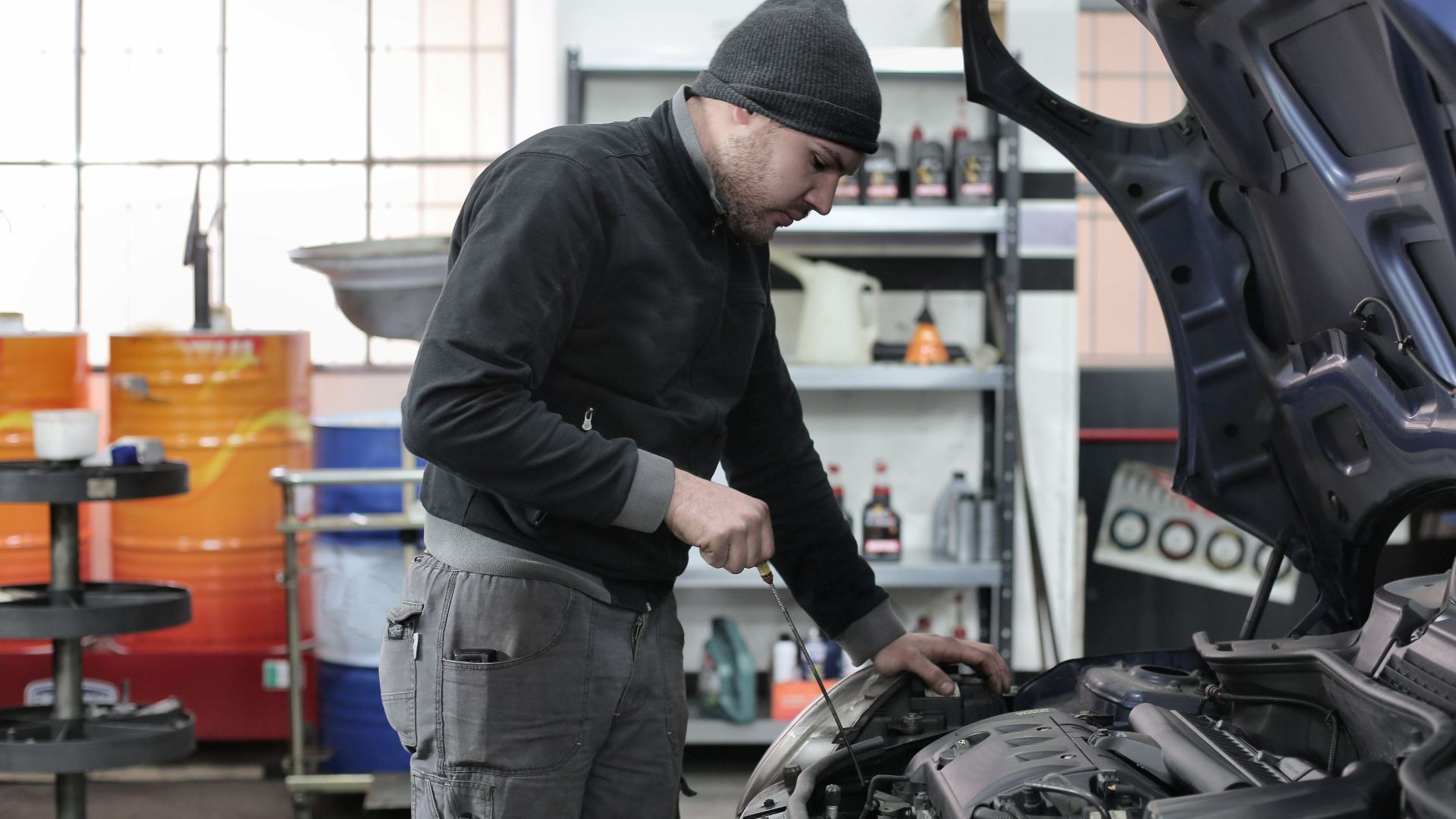
One of the simplest ways to evaluate a repair recommendation is to request visible evidence. AAA identifies a mechanic's unwillingness to show worn parts or explain the problem as a potential warning sign. Depending on the issue, the shop may be able to demonstrate excessive wear, show a leak, or provide photographs. A trustworthy explanation should make the diagnosis easier to understand rather than more confusing.

The Urgency Test Reveals A Lot
A repair shop should be able to explain why a particular problem requires immediate attention. Safety-related defects deserve serious consideration, but not every maintenance recommendation represents an emergency. AAA encourages customers to ask whether suggested work can wait and what consequences delaying it might have. If every recommendation is presented as an immediate crisis without supporting evidence, seeking another opinion becomes particularly important.
Beware Of The Pressure To Decide Immediately
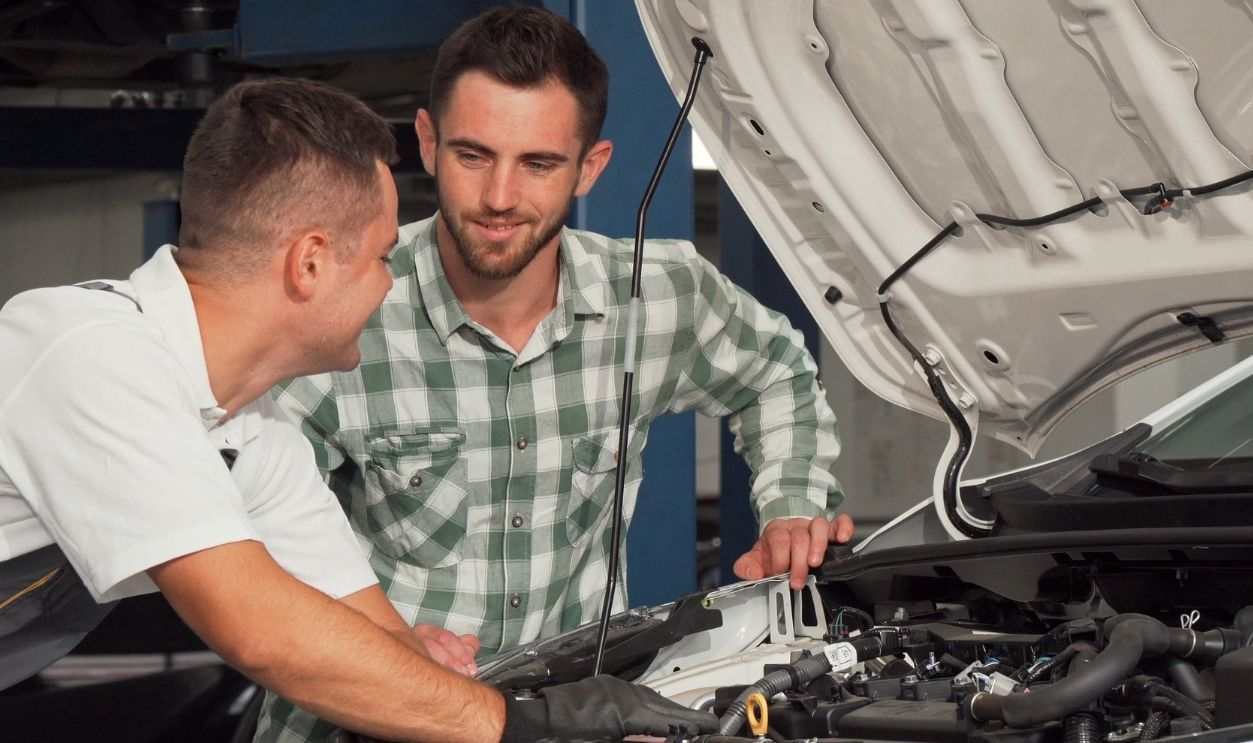
Being told that a vehicle needs expensive repairs can be stressful, especially when the mechanic insists on an immediate decision. AAA identifies high-pressure sales tactics as a warning sign when evaluating repair recommendations. Customers generally have the option to ask questions, request written documentation, and seek another opinion before approving nonemergency work. A mechanic who becomes hostile when questioned is giving you another reason to reconsider the relationship.

A Written Estimate Changes The Conversation
Verbal explanations are easy to misunderstand, particularly when several repairs are being discussed. The Federal Trade Commission recommends obtaining a written estimate identifying the problem, required parts, and expected labor charges. AAA also recommends itemized estimates that separate parts and labor costs. Having those details in writing makes it easier to compare recommendations and identify unexpected additions.

Don't Authorize Unlimited Repairs
A vague instruction to fix whatever is wrong can leave customers exposed to an unexpectedly large bill. AAA recommends establishing a clear spending limit and requiring the shop to obtain approval before exceeding it. The FTC similarly advises that written estimates should specify when additional authorization is required. Setting those boundaries before work begins gives customers more control over the final cost.

The Surprise Phone Call From The Shop
Imagine dropping off your car for a $150 service and receiving a call about another $900 in repairs. Additional problems may genuinely have been discovered, but that doesn't mean the work should automatically proceed. California's Bureau of Automotive Repair requires shops to obtain documented authorization before performing additional repairs beyond the original estimate. Other jurisdictions have different rules, so understanding local consumer protections is important.

Check What Your Owner's Manual Actually Says
Not every maintenance recommendation is based on the vehicle manufacturer's service schedule. The FTC advises consumers to consult their owner's manual when evaluating routine maintenance recommendations. Manufacturers specify service requirements according to mileage, time, and sometimes operating conditions. Comparing a mechanic's recommendations with those instructions can help identify services that may be premature or unnecessary.

Watch For Repeated Service Recommendations
If a mechanic recommends the same service shortly after it was supposedly completed, it's reasonable to ask why. The FTC recommends keeping detailed maintenance records, including repair dates, work performed, and costs. Those records make it easier to recognize duplicated recommendations or determine whether a new problem is genuinely different. Before approving another service, ask the shop to review the previous invoice.

Diagnostic Fees Aren't Automatically Suspicious
Modern vehicles can require substantial diagnostic work before a technician identifies the cause of a problem. The FTC explains that many repair shops charge for diagnostic time, even when the customer ultimately decides to have repairs performed elsewhere. The fee itself isn't evidence of dishonesty. What matters is whether the charge was disclosed and whether the diagnosis provides useful information about the problem.

But Guessing With Expensive Parts Is Different
A repair recommendation should be based on a reasonable diagnosis rather than an unexplained assumption. The FTC advises consumers to ask questions about proposed repairs and seek another opinion when the work is expensive or complicated. If a mechanic repeatedly replaces parts without resolving the original complaint, request an explanation of the diagnostic process. Paying for additional parts without understanding why they are needed can become an expensive pattern.

A Second Opinion Can Save Real Money
When a repair estimate becomes unusually expensive, getting another mechanic's assessment can be worthwhile. Both AAA and the FTC recommend second opinions for complicated or costly repairs. An independent technician might confirm the original diagnosis, identify a different problem, or suggest a less expensive solution. Even if another inspection costs money, it could prevent a much larger unnecessary expense.

Compare Diagnoses, Not Just Prices
Two repair shops might quote different prices because they use different parts, labor rates, or repair methods. The FTC explains that some shops charge standardized labor times while others bill according to actual time worked. A lower estimate isn't necessarily better if it covers less work or uses different components. Ask both mechanics to explain exactly what they intend to replace and why.

Those Replacement Parts Deserve Attention
Customers often focus on the total repair price without asking what parts will actually be installed. The FTC distinguishes between new, rebuilt, remanufactured, and salvage components, which can have different costs and warranty coverage. Understanding these differences makes it easier to evaluate whether a particular estimate is reasonable. A shop should be willing to explain its parts choices before the customer approves the repair.

Ask To See The Old Parts
Requesting replaced components can provide another layer of accountability. The FTC recommends asking for old parts after repairs, although state laws and certain exchange arrangements may affect whether they can be returned. Examining a worn component won't always establish whether replacement was necessary, but it creates an opportunity for explanation. Making the request before repairs begin also helps avoid confusion afterward.

A Good Mechanic Should Welcome Questions
Customers shouldn't need extensive automotive knowledge to understand why their vehicles require repairs. AAA recommends looking for shops that explain proposed work clearly, provide written estimates, and discuss costs openly. A mechanic who patiently answers questions is demonstrating a useful level of transparency. Consistent communication can be just as important to a long-term customer relationship as technical expertise.

Certifications Help, But They Aren't Everything
Professional qualifications can provide useful information when evaluating a repair shop. The FTC identifies Automotive Service Excellence certification as one indication that technicians have met established knowledge and experience standards. However, the agency also cautions that certification alone doesn't guarantee honest or satisfactory work. Experience with your particular vehicle and a history of clear communication still matter.

Your Repair Records Could Reveal A Pattern
Keeping every invoice can help establish whether a mechanic is repeatedly recommending the same work. The FTC advises customers to obtain completed repair orders listing the services performed, parts installed, labor charges, and vehicle mileage. Reviewing those documents over time may reveal duplicated services, recurring complaints, or repairs that failed to solve the original problem. Organized records also make it easier for another mechanic to evaluate the vehicle.

Check Whether The Repair Is Covered
Before approving another expensive repair, investigate whether the vehicle has applicable warranty coverage. The FTC recommends checking whether a repair shop will honor the vehicle's warranty and comparing warranty policies for replacement parts and labor. Some recently installed components may also remain covered under the shop's own repair guarantee. Reviewing previous invoices could prevent paying twice for a problem that should already be covered.
 Quality Stock Arts, Shutterstock
Know Your Rights Before Paying
Consumer protections for automotive repairs vary by state and province. California, for example, requires repair shops to document customer authorization before performing additional work, while Ontario generally limits final charges to 10% above a written estimate unless different arrangements are properly made. These protections can be important when unexpected repairs appear on a bill. Checking the rules in your jurisdiction helps establish whether a shop followed the required procedures.

When It's Time To Find Another Shop
A single disagreement over a repair estimate doesn't necessarily justify abandoning a mechanic. However, repeated unexplained charges, pressure to authorize work, and resistance to providing documentation are legitimate warning signs. AAA recommends evaluating customer reviews, technician qualifications, written estimates, and the shop's willingness to answer questions. If those basic expectations consistently aren't being met, finding another repair facility may be the sensible choice.

So Am I Actually Being Taken Advantage Of?
A mechanic finding additional problems during multiple visits isn't proof of dishonesty, particularly when the vehicle has legitimate maintenance needs. But recurring expensive recommendations without convincing explanations deserve closer examination. The FTC and AAA both recommend written estimates, clear authorization procedures, and independent opinions when repair recommendations seem questionable. I'd start by requesting documentation and having another qualified mechanic inspect the car before approving more non urgent work.

You May Also Like: