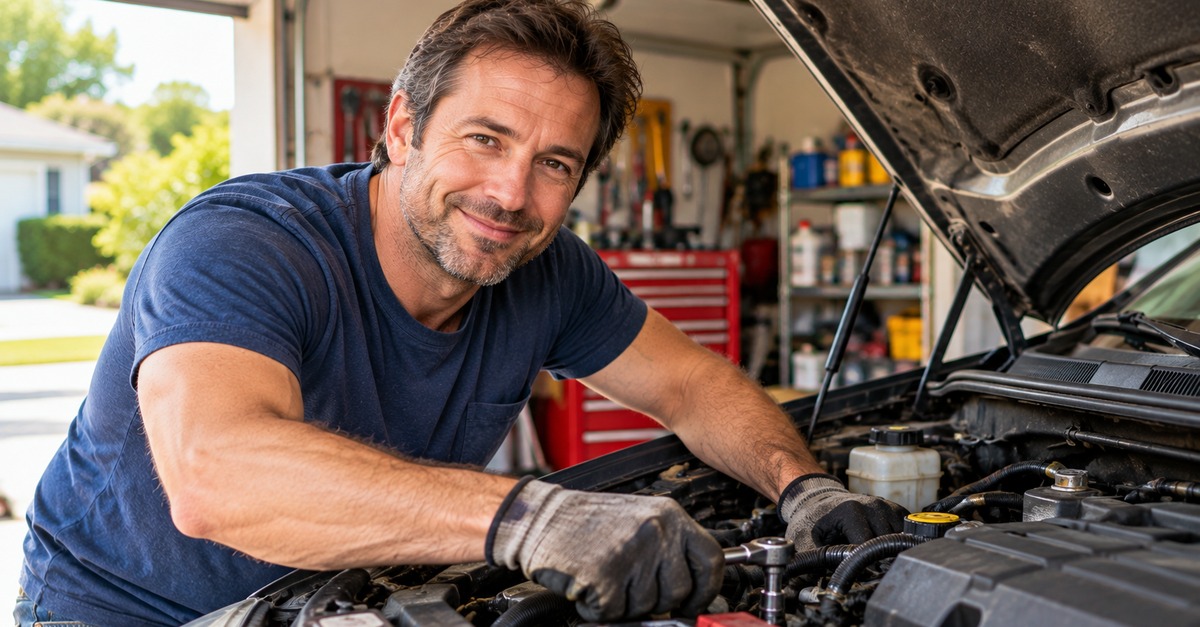
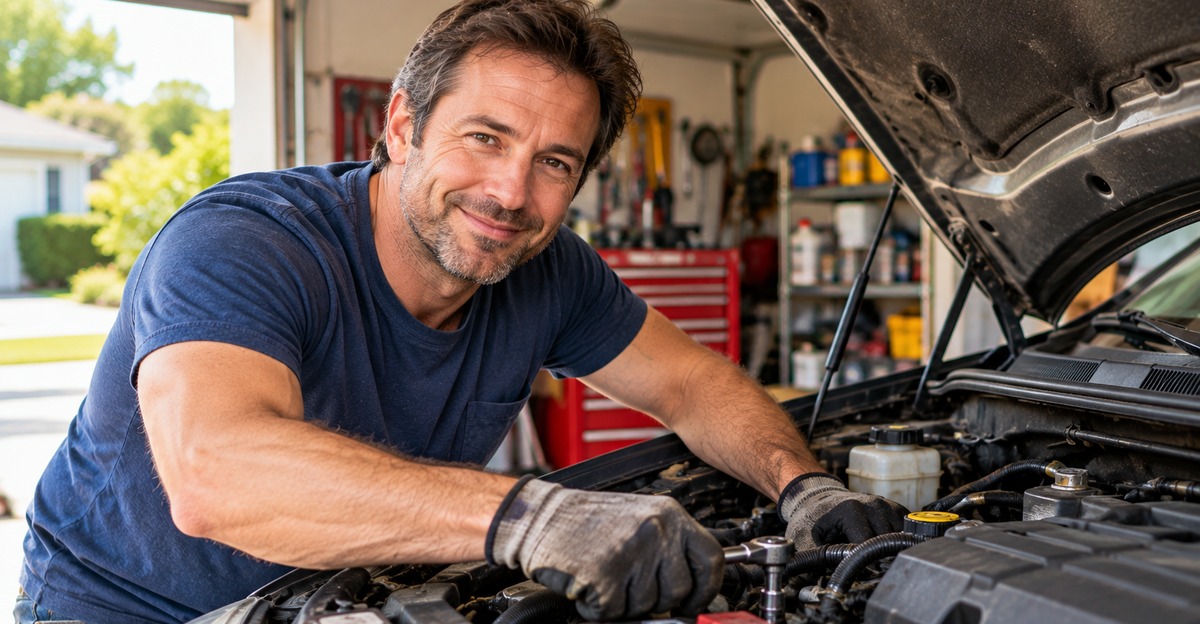
Stop Paying Dealership Prices For Simple Maintenance
Taking your car to the dealership for routine maintenance can get expensive surprisingly quickly. AAA's 2026 research estimates that owning and operating a new vehicle costs American drivers an average of $12,863 annually, including maintenance and other ownership expenses. While professional mechanics are essential for complicated repairs, many everyday maintenance tasks require only basic tools and a little patience. Learning which jobs you can safely handle yourself could save money throughout the year.
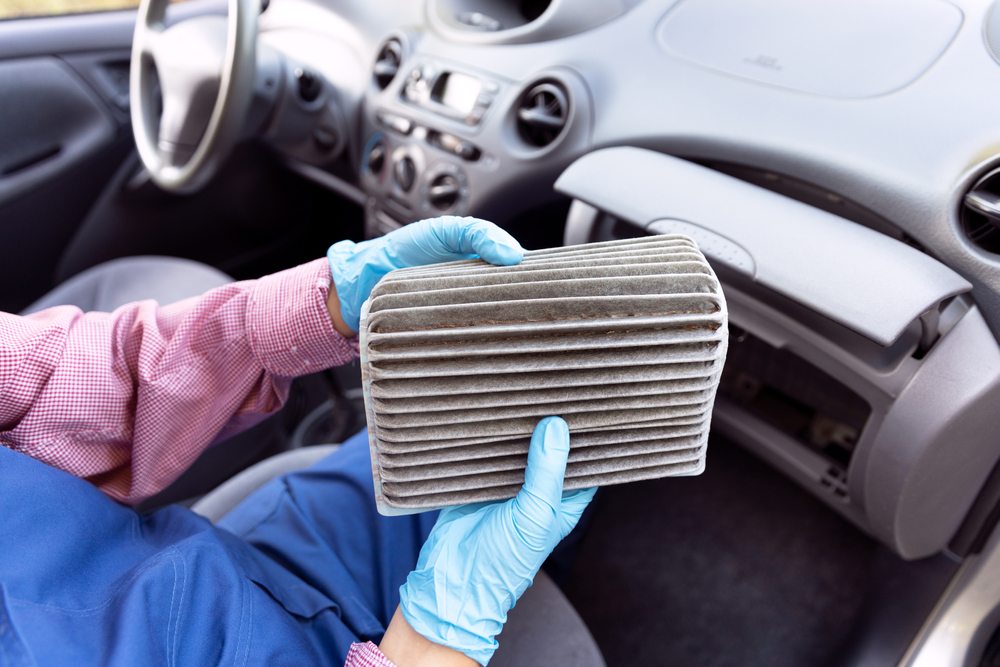
Replacing The Cabin Air Filter
The cabin air filter helps trap dust, pollen, and other airborne particles before they enter your vehicle's passenger compartment. On many cars, this filter sits behind the glove box or beneath an accessible dashboard panel. Replacing it generally involves opening the filter housing, removing the old element, and installing a compatible replacement. Before paying dealership labor charges, check your owner's manual to see how accessible yours is.
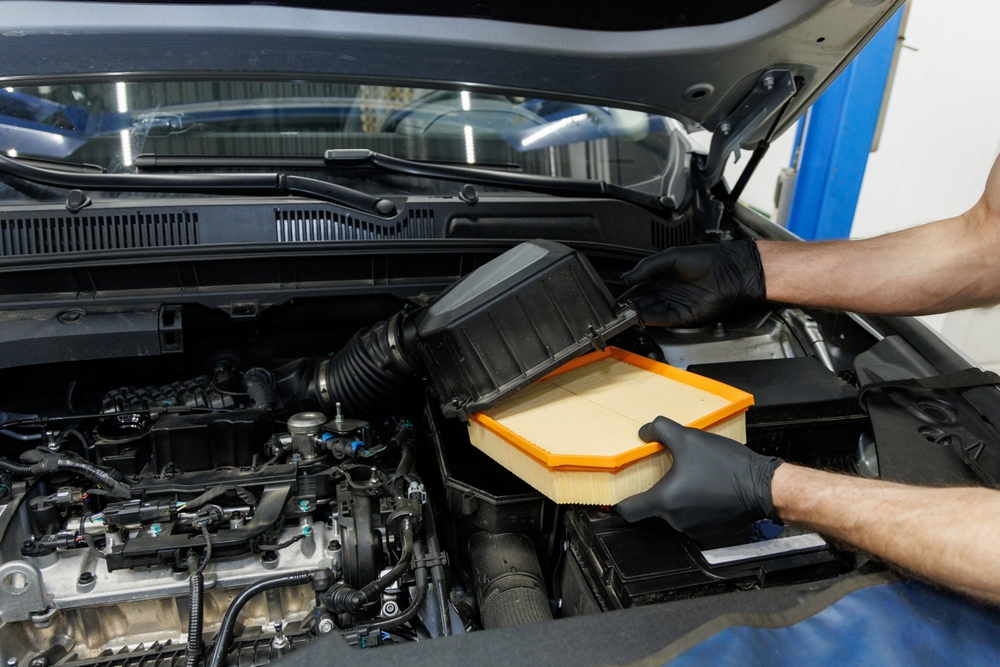
Changing The Engine Air Filter
Your engine's air filter prevents dirt and debris from entering the intake system. On many vehicles, it sits inside a plastic housing secured by clips or screws, making replacement relatively straightforward. The Federal Trade Commission recommends following the manufacturer's maintenance schedule rather than automatically accepting more frequent service recommendations. If your filter is due for replacement, doing the job yourself can eliminate a separate labor charge.
Replacing Windshield Wiper Blades
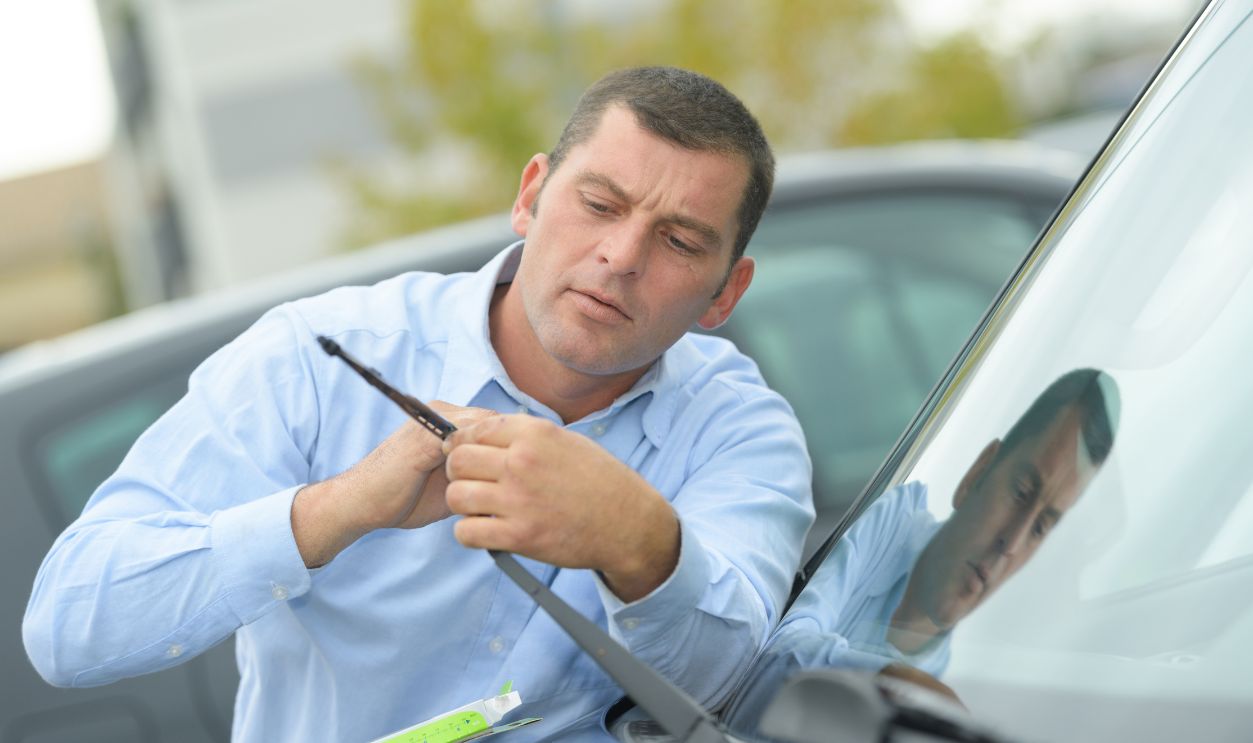
Windshield wipers gradually lose their ability to clear rain, dirt, and road spray effectively. Many replacement blades use quick-release attachments that allow owners to install them without specialized tools. The important part is selecting the correct blade lengths and connector type for your particular vehicle. With compatible replacements and the manufacturer's instructions, this is one dealership service most drivers can skip.
Changing The Key Fob Battery
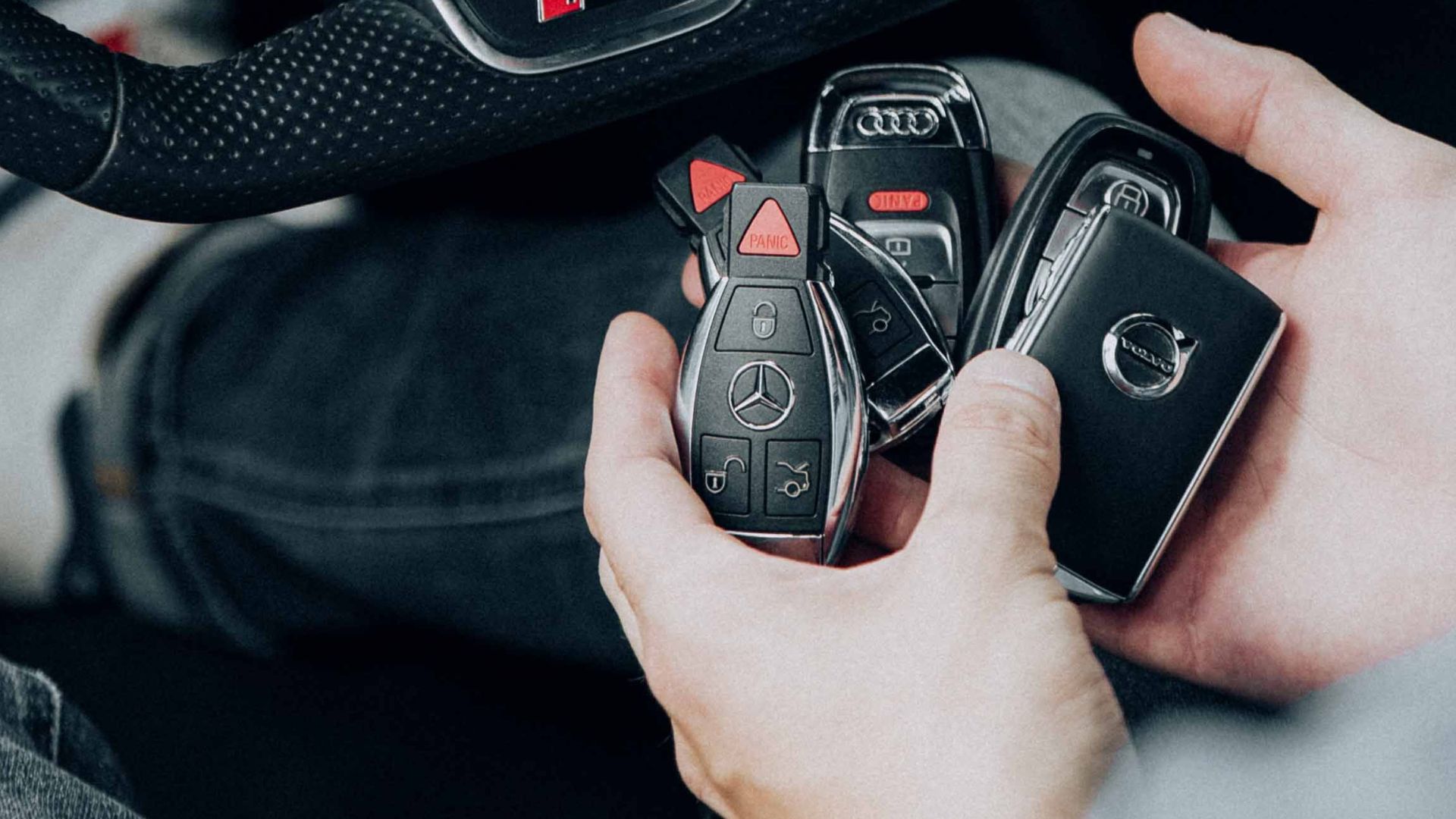
A remote key fob that works only at close range may simply need a fresh battery. Many fobs contain replaceable coin-cell batteries that can be accessed by opening the casing carefully. Your owner's manual should identify the correct battery type and explain how to open the remote without damaging it. Some smart keys require additional care, but a routine battery replacement rarely justifies an expensive service appointment when the design is owner-serviceable.
Refilling Windshield Washer Fluid
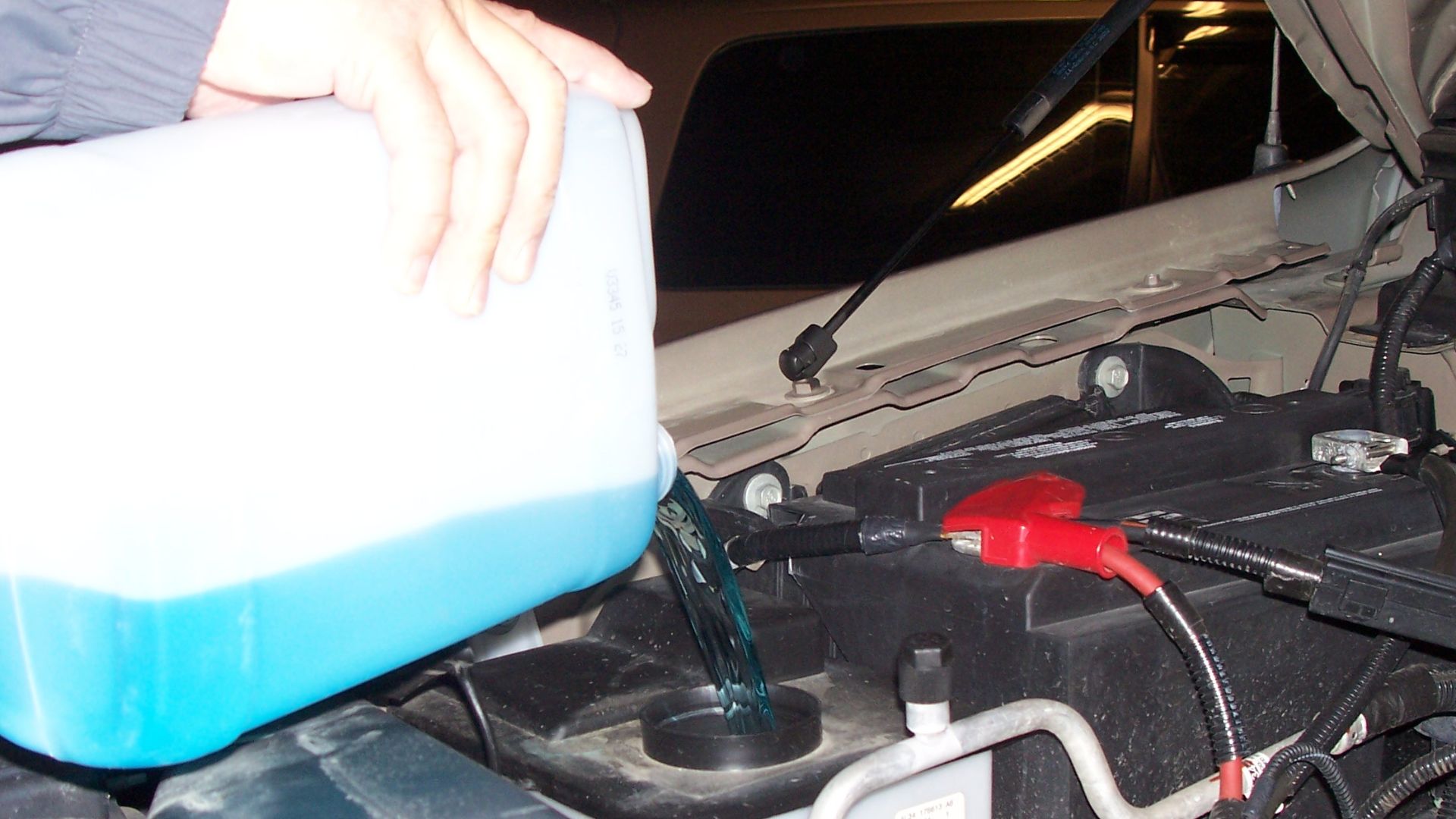
Running out of windshield washer fluid can make driving in rain, snow, or road grime unnecessarily difficult. Fortunately, the washer reservoir is usually accessible beneath the hood and marked with a recognizable windshield symbol. Owners can purchase appropriate washer fluid and refill the reservoir without special equipment. In colder American states, choosing a winter-rated formula is especially important because ordinary fluid may freeze.
 Hamedog at English Wikipedia, Wikimedia Commons
Checking And Adjusting Tire Pressure
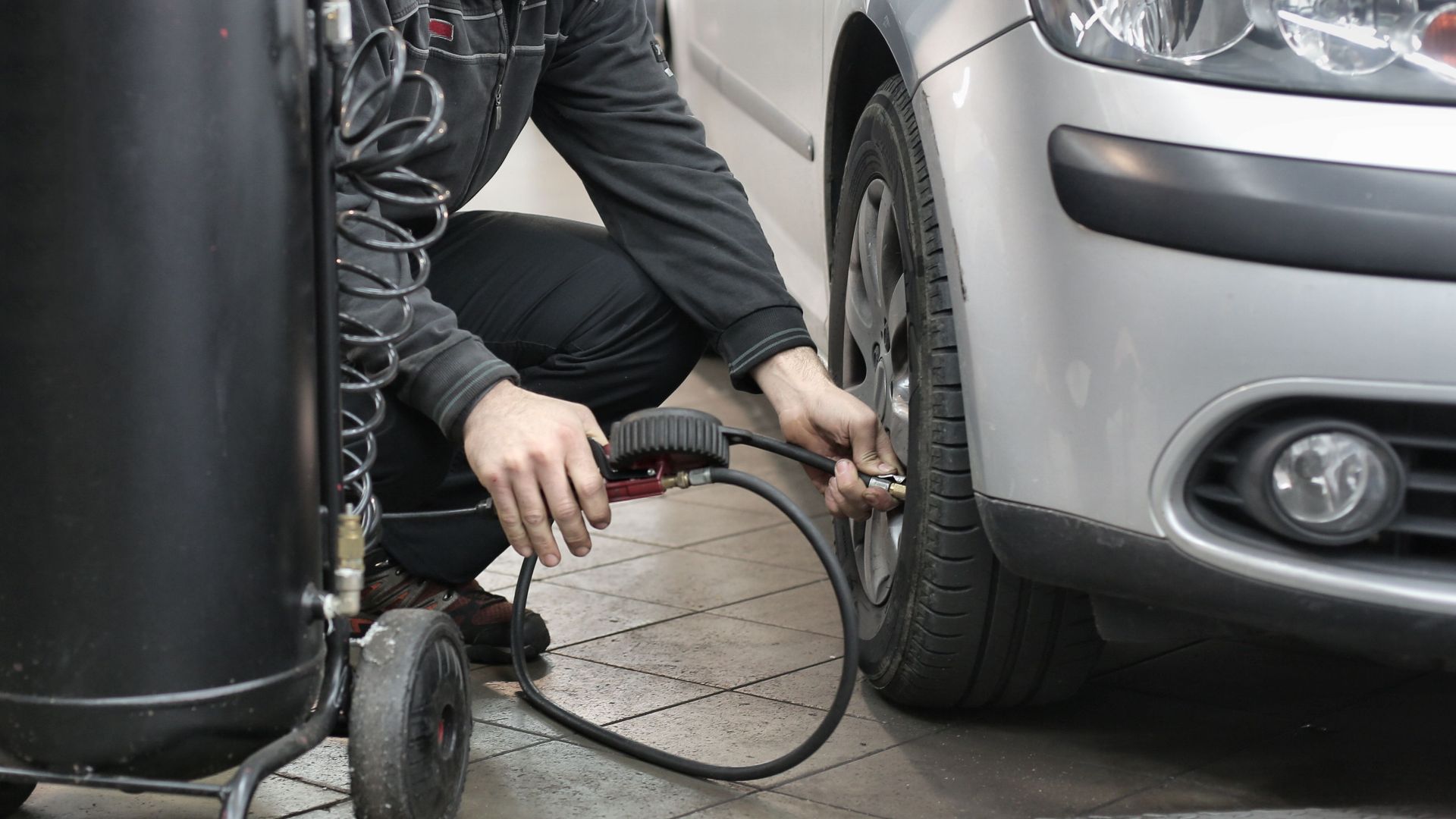
Incorrect tire pressure can affect handling, tire wear, and fuel economy. The National Highway Traffic Safety Administration recommends checking tires when cold and using the pressure specified by the vehicle manufacturer. That information is generally found on the driver's doorjamb label or in the owner's manual, not on the tire sidewall. An inexpensive pressure gauge and access to an air compressor are usually all you need.
Measuring Tire Tread Depth
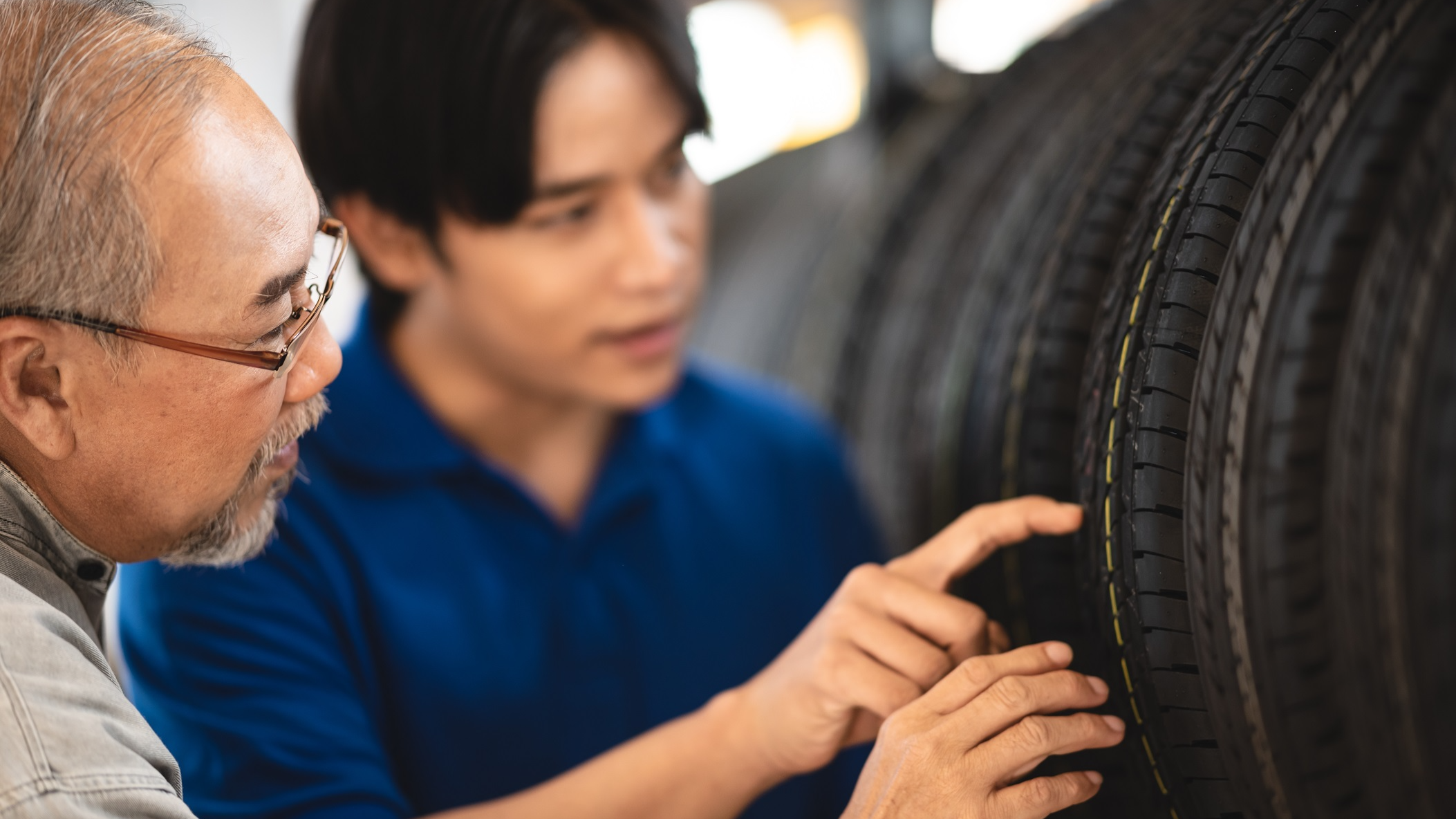
You don't need a dealership inspection to perform a basic check of your tires' remaining tread. NHTSA recommends inspecting tires for wear, damage, and other conditions that could affect safety. A tread-depth gauge provides a more precise measurement than simply looking at the rubber. Uneven wear, exposed cords, or suspicious bulges should prompt a professional inspection rather than continued driving.
 Chokniti-Studio , Shutterstock
Replacing Conventional Headlight Bulbs
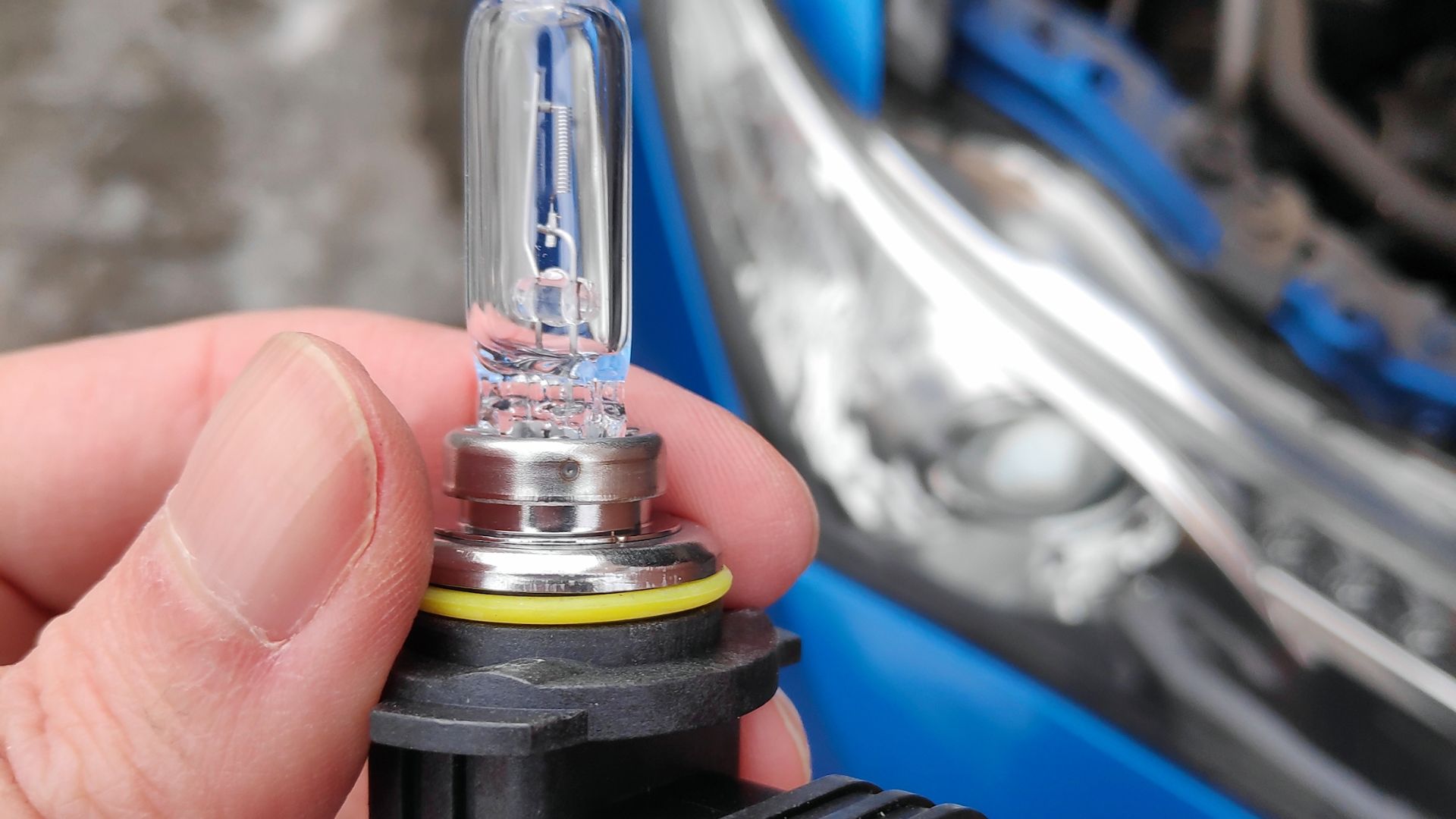
A burned-out headlight can sometimes be fixed without paying a technician. Many older vehicles use replaceable halogen bulbs that owners can access from behind the headlight assembly. The exact procedure varies, and some models require removing additional components before reaching the bulb. Cars with sealed LED assemblies or complex adaptive lighting systems may require professional service instead.
 Marek Ślusarczyk (Tupungato) Photo portfolio, Wikimedia Commons
Changing Brake Light And Taillight Bulbs
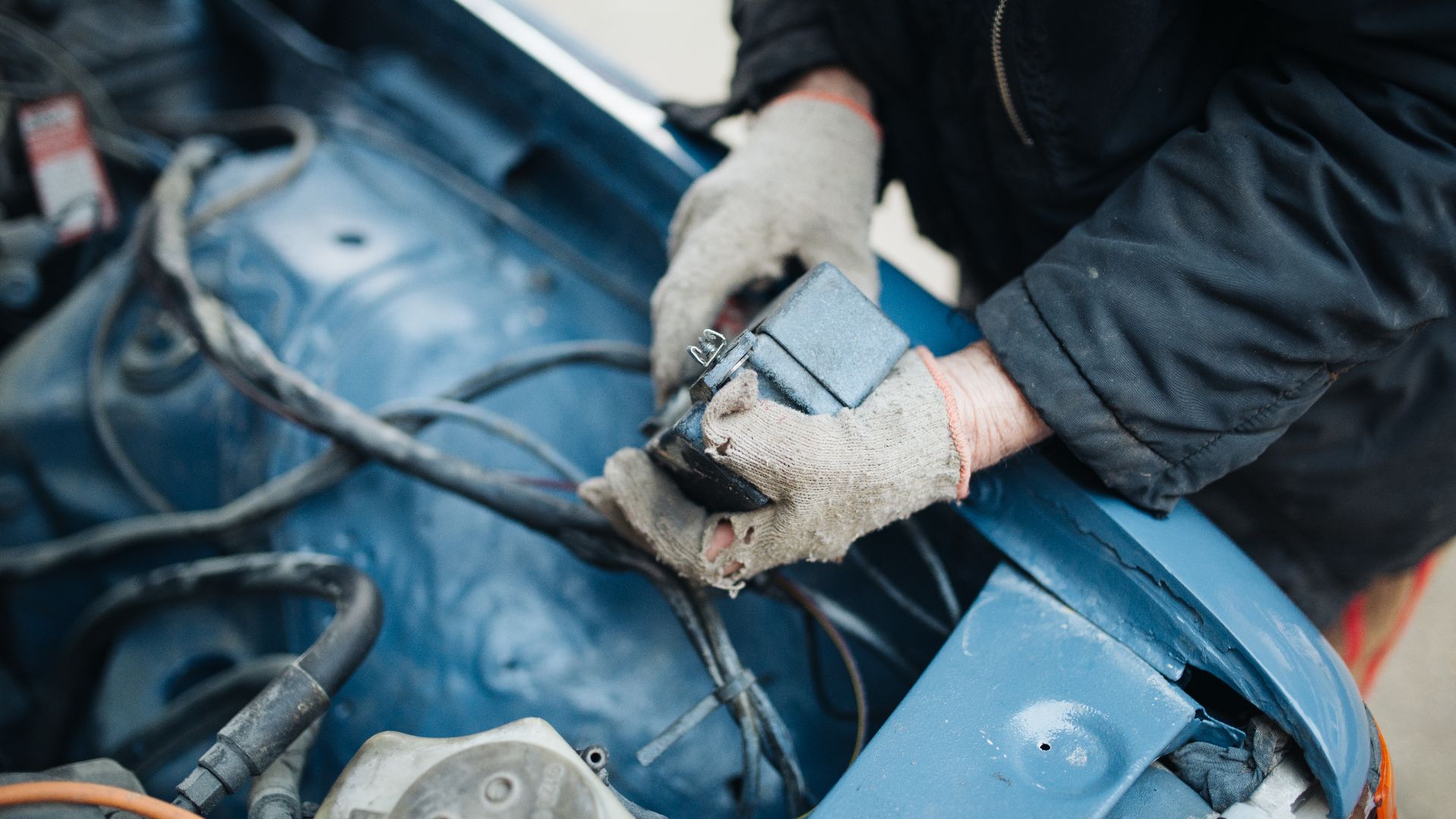
A burned-out brake light can create a safety problem and potentially attract unwanted attention from law enforcement. Many vehicles with conventional bulbs provide access through the trunk lining or a removable rear lamp housing. Owners can follow the manufacturer's instructions to install the correct replacement bulb and test the light afterward. Integrated LED assemblies are a different matter and may not offer a simple bulb replacement option.
 Shixart1985, Wikimedia Commons
Replacing The 12-Volt Car Battery
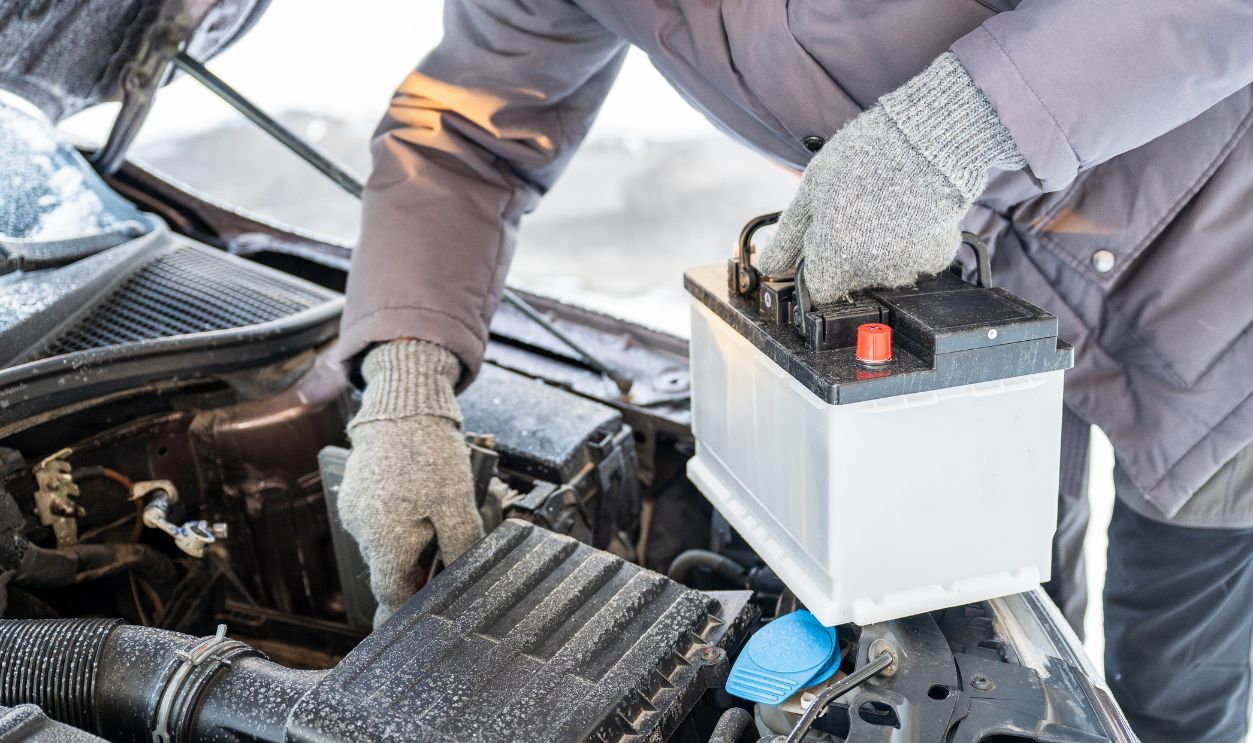
A failing battery can leave you stranded, but replacing one isn't always a complicated repair. Some vehicles have conventional 12-volt batteries that can be replaced with basic tools and appropriate safety precautions. However, newer vehicles may require battery registration, specialized procedures, or additional electrical system checks. Before attempting the job, confirm that your vehicle supports owner replacement and that you have the correct battery specifications.
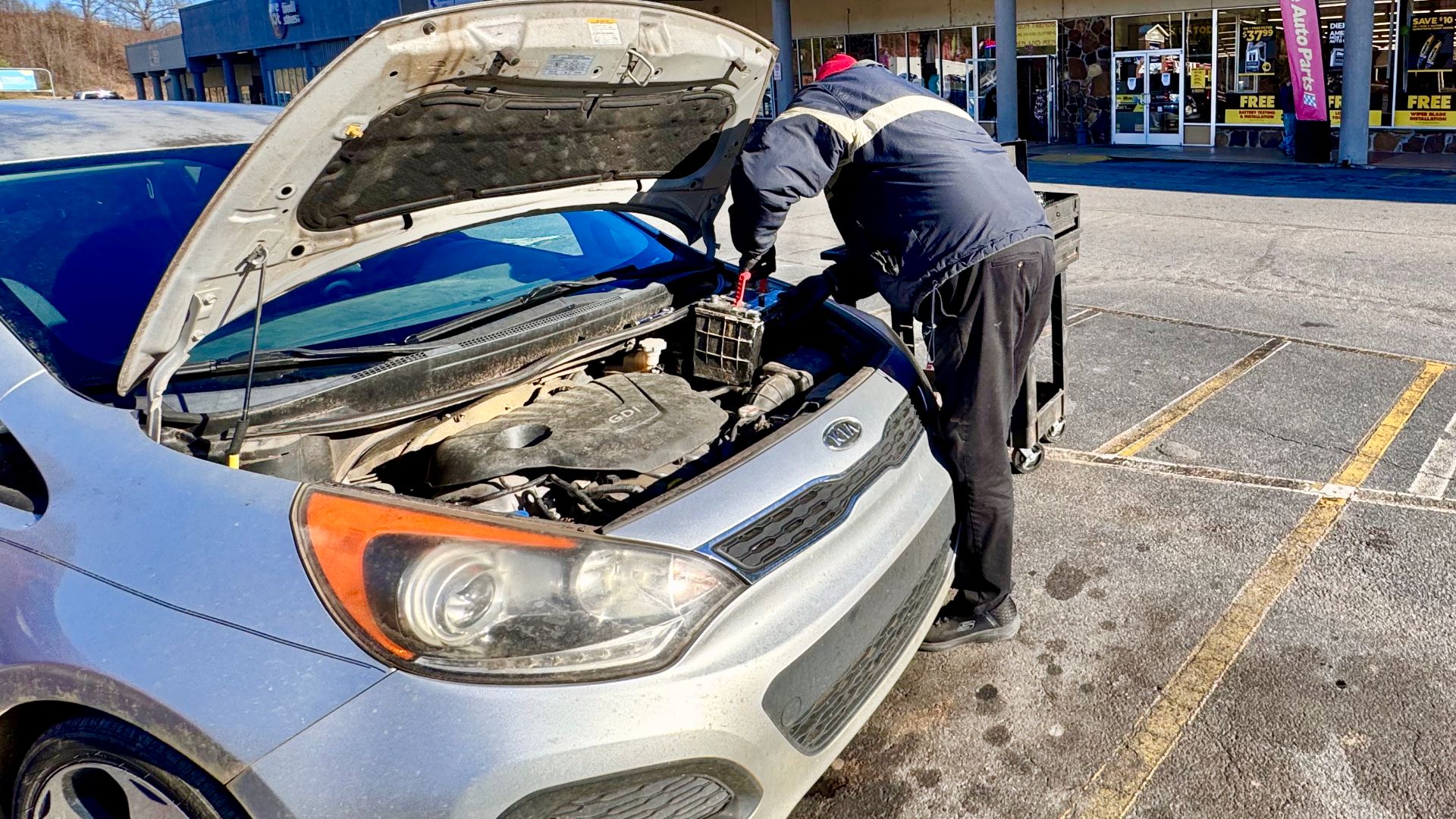
Cleaning Corroded Battery Terminals
White or bluish corrosion around battery terminals can interfere with electrical connections. The FTC identifies loose or corroded battery connections as possible causes of starting problems that might otherwise be mistaken for a defective battery. On suitable vehicles, owners can clean accessible terminals using appropriate protective equipment and manufacturer-approved procedures. If the battery is leaking, the cables are damaged, or the problem keeps returning, professional diagnosis is the safer option.
 Harrison Keely, Wikimedia Commons
Checking And Topping Off Engine Oil
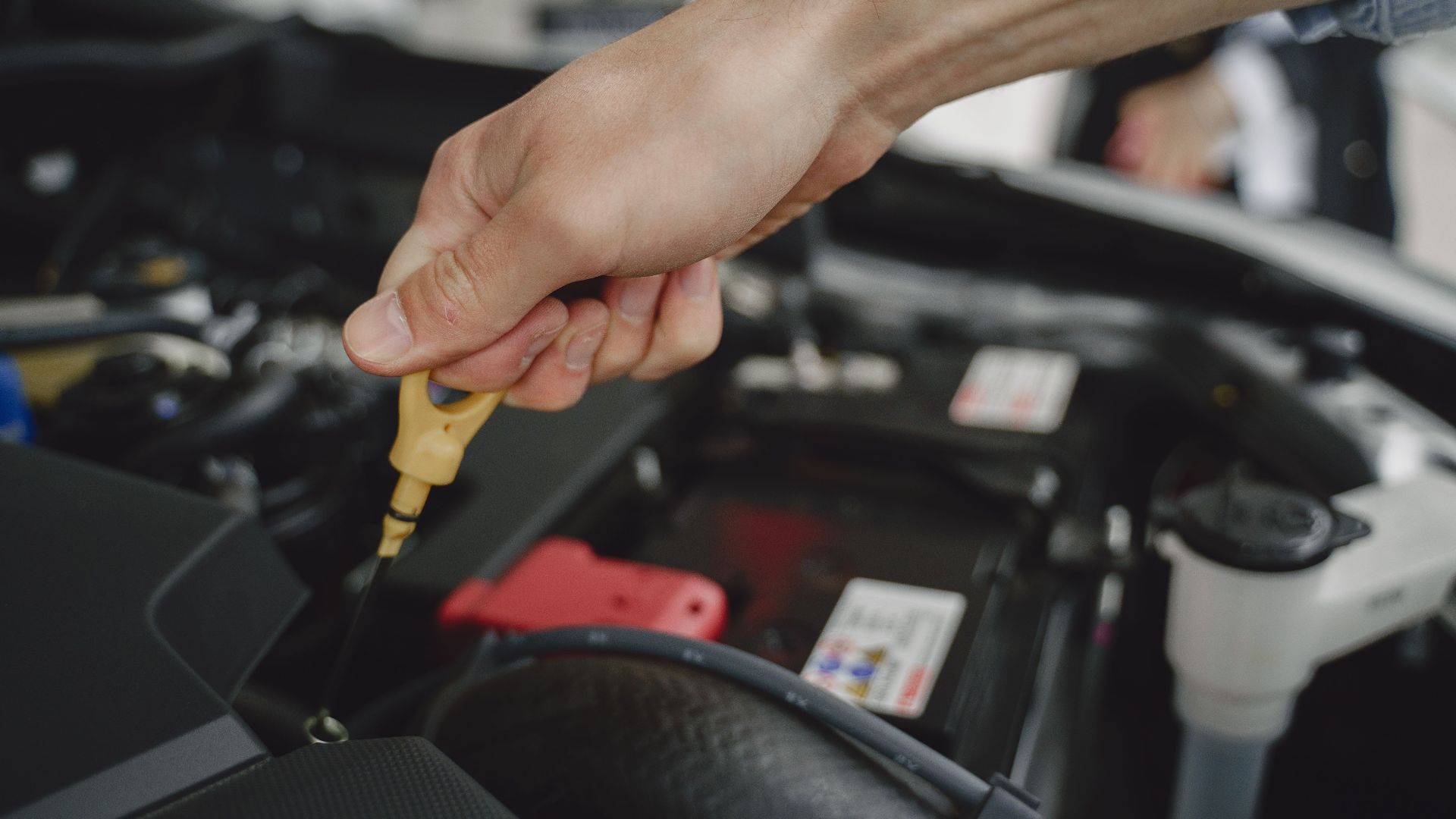
Checking your engine oil is one of the simplest ways to monitor an important maintenance item. Many vehicles have a dipstick that allows owners to verify the level without removing mechanical components. The FTC warns that neglecting basic maintenance, including oil checks, can contribute to expensive engine problems. Follow your owner's manual for the correct checking procedure, oil specification, and refill amount.
Changing Your Own Engine Oil
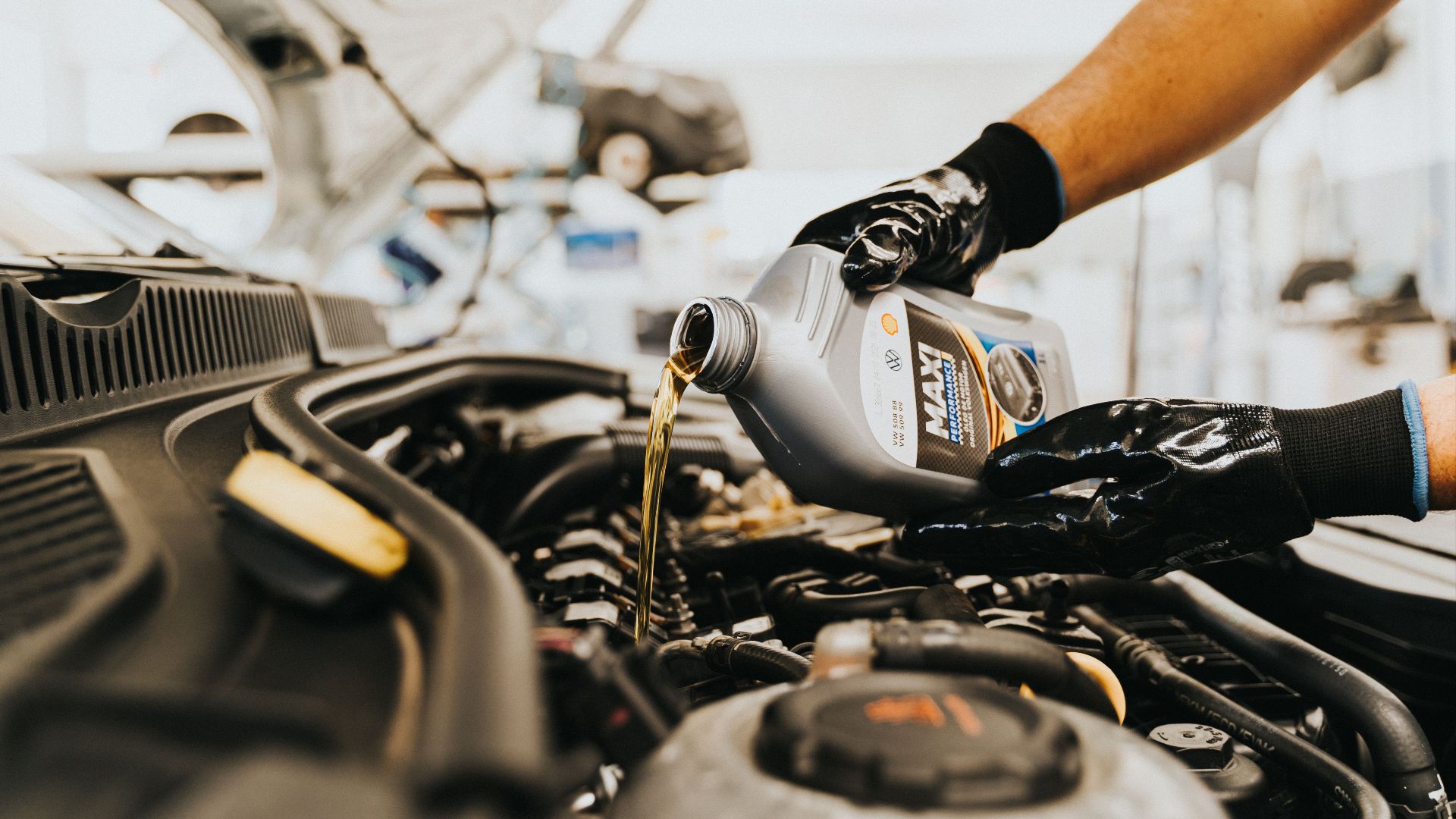
An oil change is more involved than checking the dipstick, but experienced DIY owners can perform it with suitable equipment. The process requires the correct oil, a compatible filter, appropriate tools, and a safe method of accessing the drain plug. Used motor oil must be collected and taken to an appropriate recycling location rather than poured into household drains or discarded with ordinary trash. If safe vehicle lifting or correct installation is uncertain, a professional oil change is worth the cost.
Restoring Cloudy Headlight Lenses
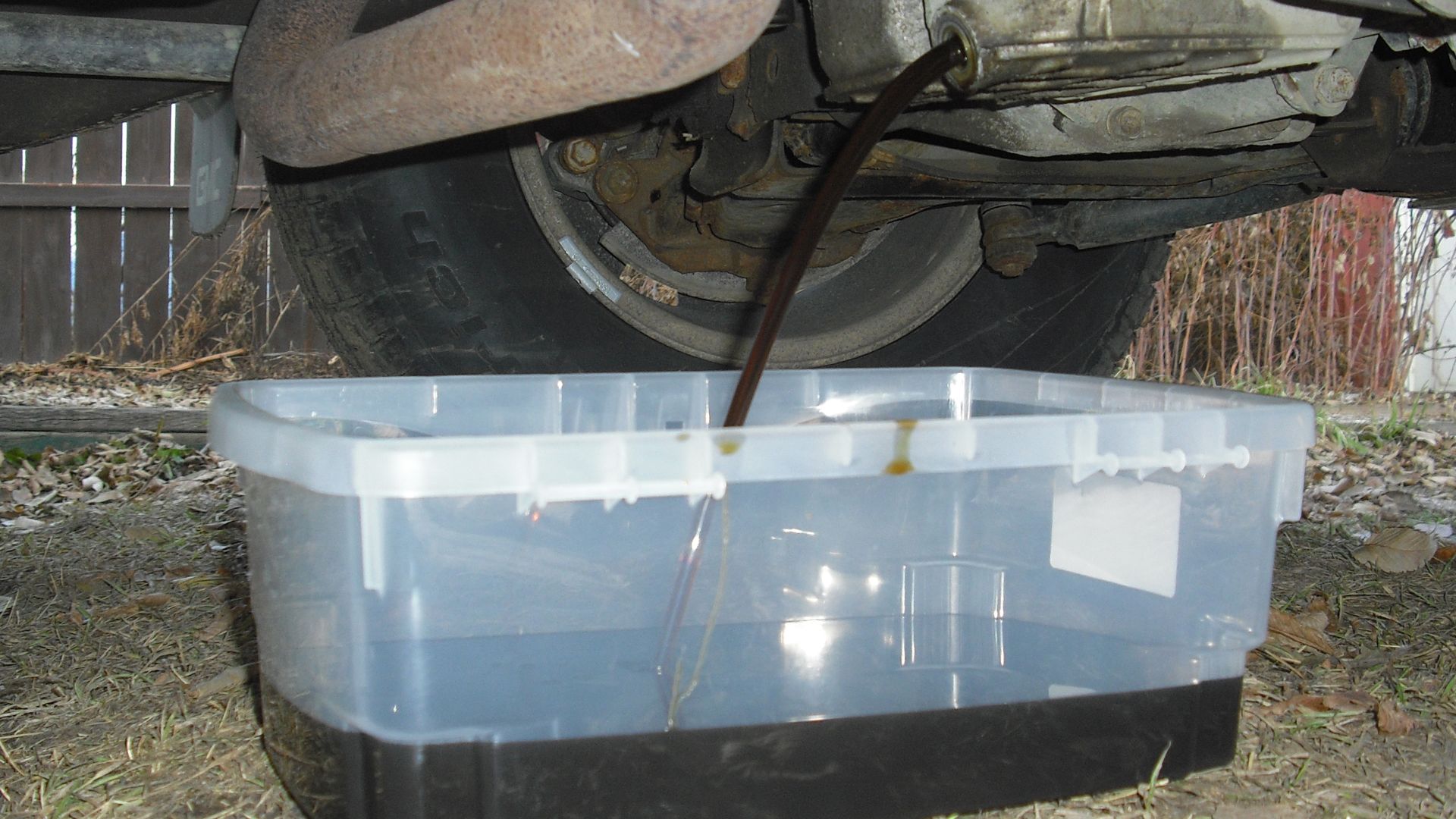
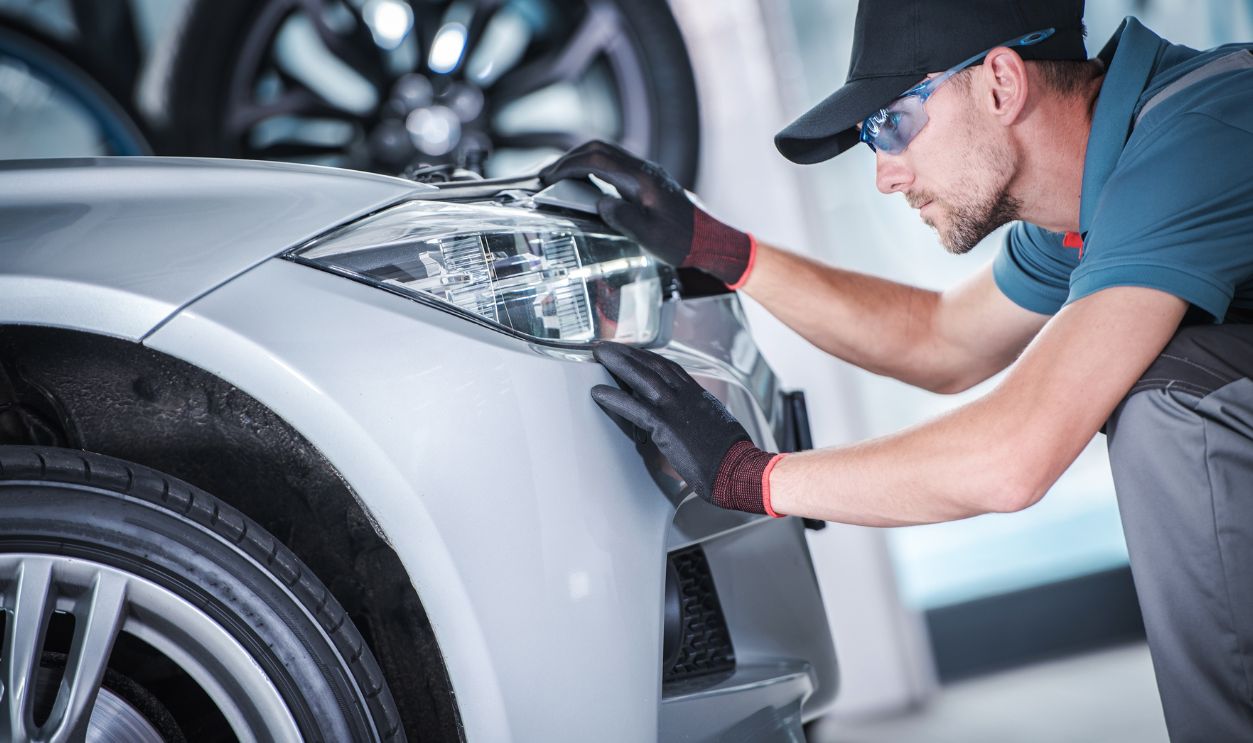
Yellowed or cloudy headlight lenses can seriously reduce nighttime visibility. AAA's research found that badly deteriorated headlights can produce just 20% of the light output of new headlights. Fortunately, automotive stores sell restoration kits designed to remove surface oxidation and restore clarity. Choose a kit with UV protection, follow the instructions carefully, and seek professional help if the lenses are cracked or severely damaged.
Replacing A Blown Fuse
A power outlet, interior light, or other electrical accessory that suddenly stops working may have a blown fuse. Many vehicles have accessible fuse boxes with diagrams identifying the circuits they protect. Owners can sometimes replace a failed fuse using the exact amperage and type specified by the manufacturer. If the replacement immediately blows again, stop replacing fuses and have the underlying electrical problem diagnosed.

Washing Your Car Properly
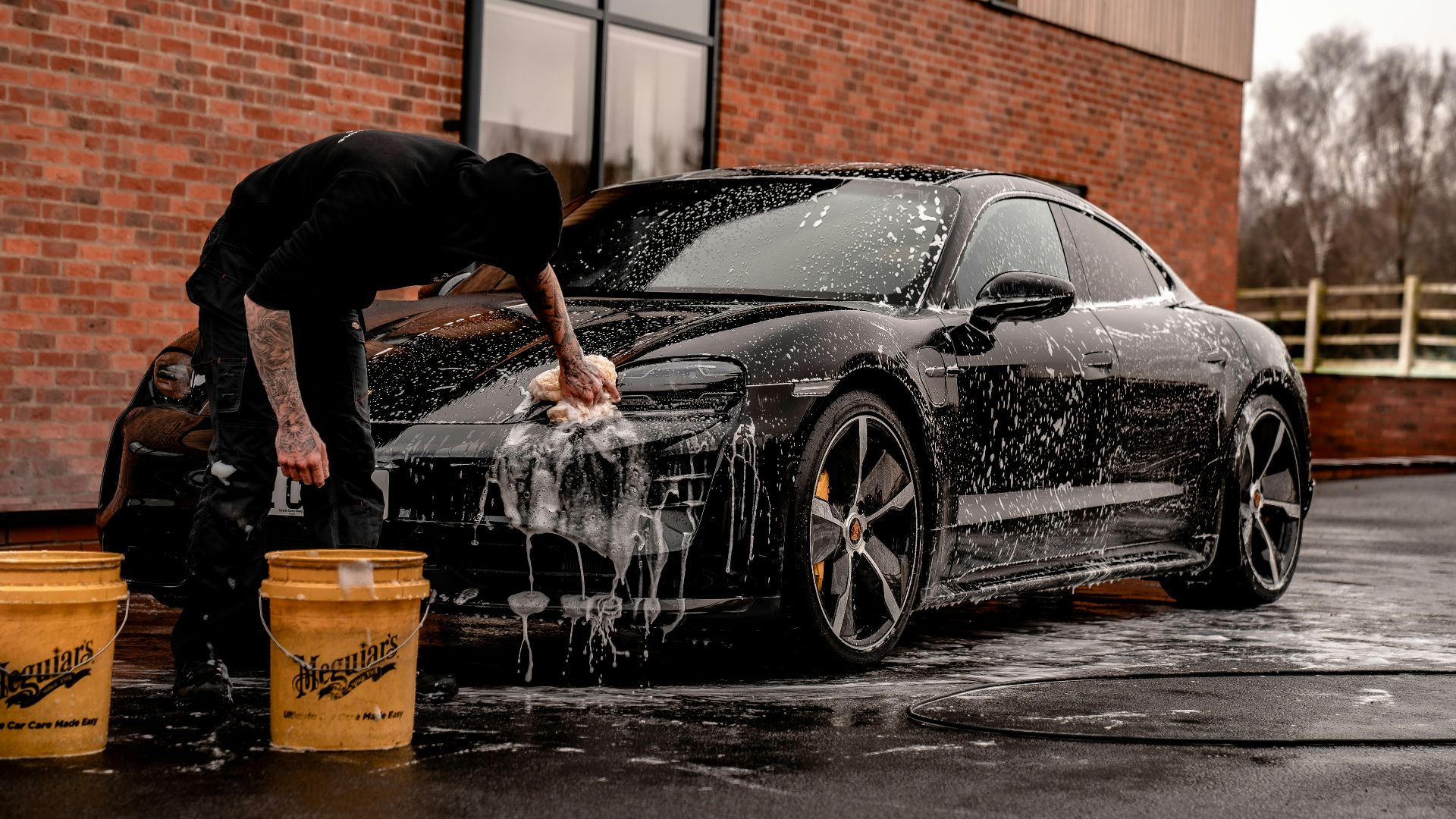
Dealership detailing packages can be expensive, but routine exterior cleaning doesn't require professional equipment. Washing with automotive shampoo, clean water, and suitable microfiber materials helps remove dirt and road contaminants. Pay particular attention to lower body panels and wheel areas after driving on salted winter roads. Avoid harsh household cleaners that could damage paint protection or exterior trim.
Applying Wax Or Paint Protection
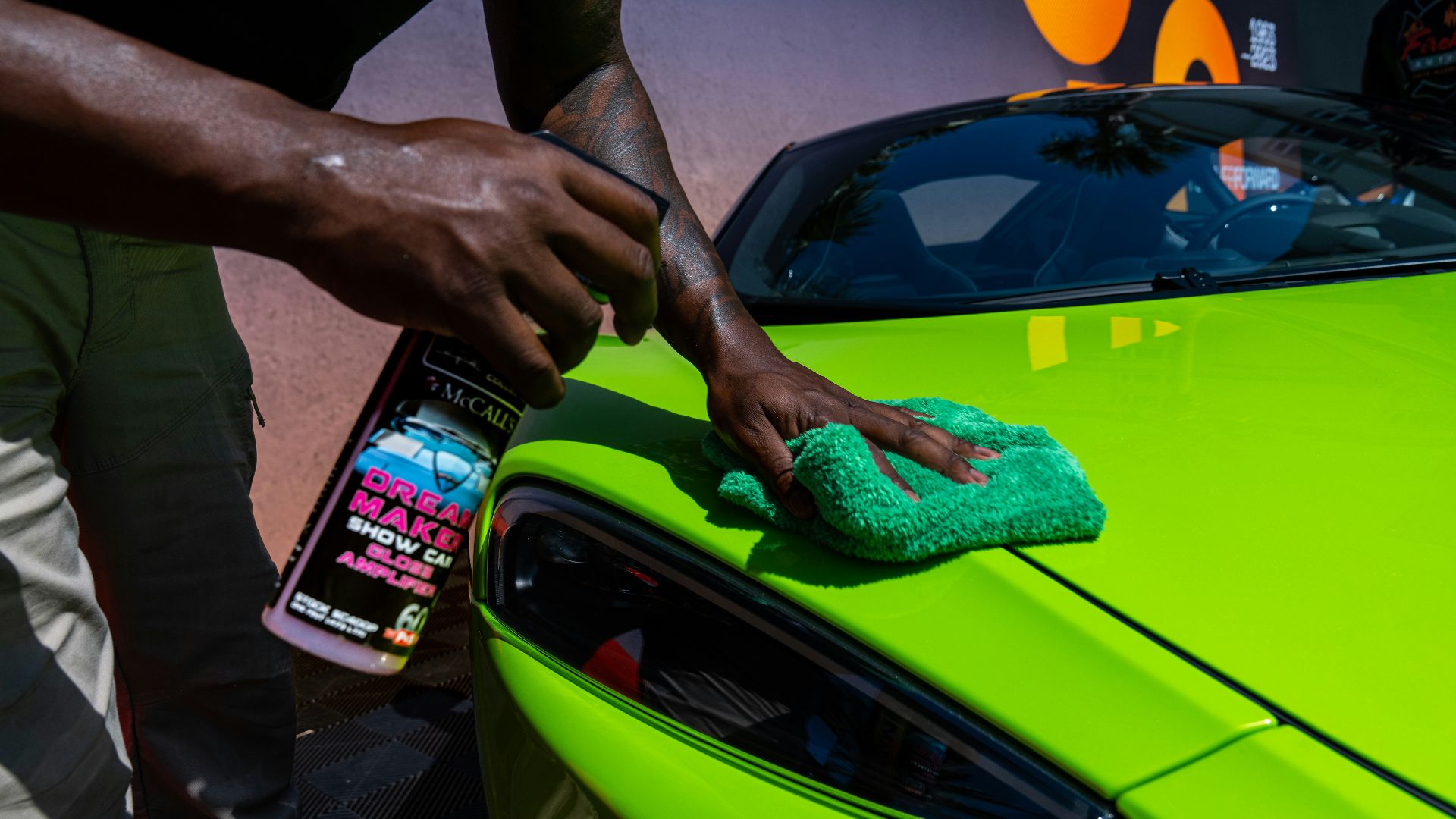
Maintaining your vehicle's exterior finish is another job many owners can handle themselves. AAA recommends appropriate protective treatments to help preserve the appearance of automotive surfaces exposed to sunlight and weather. Traditional wax and consumer paint sealants can be applied at home when the vehicle is clean and the product instructions are followed. Professional paint correction and specialized coatings are different services that may require more experience.
Cleaning The Interior Yourself
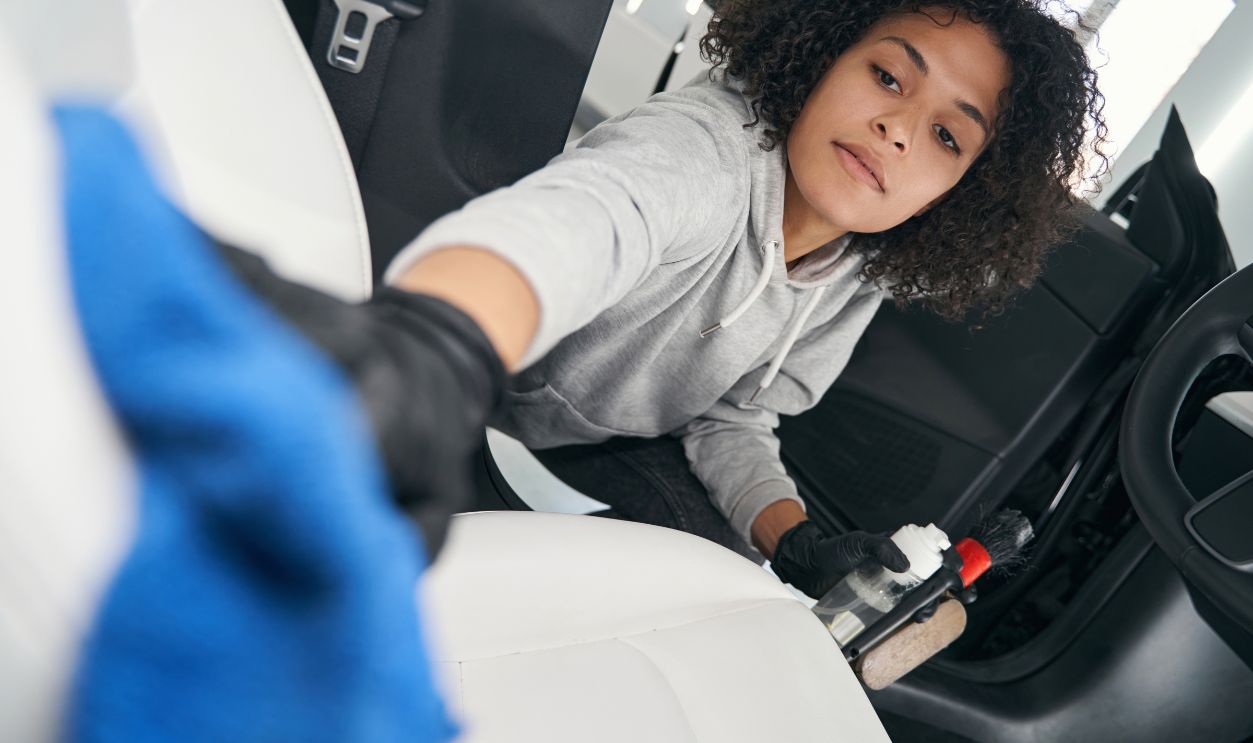
An interior detailing appointment may include work that doesn't require professional equipment. Vacuuming carpets, cleaning floor mats, wiping dashboard surfaces, and removing accumulated debris are manageable home-maintenance tasks. Use cleaners approved for the vehicle's materials, especially around touchscreens, leather, and delicate trim. Regular cleaning can reduce the need for expensive professional detailing packages.
 YAKOBCHUK VIACHESLAV, Shutterstock
Checking Engine Coolant Levels
Engine coolant helps regulate operating temperature, and insufficient coolant can lead to serious mechanical problems. The FTC identifies neglected cooling-system maintenance as one potential contributor to expensive breakdowns. Many vehicles have translucent coolant reservoirs that allow owners to inspect fluid levels without opening the system. Check the level when the engine is cold, use only manufacturer-approved coolant if topping off is permitted, and never open a hot pressurized cooling system.
Inspecting Belts And Hoses
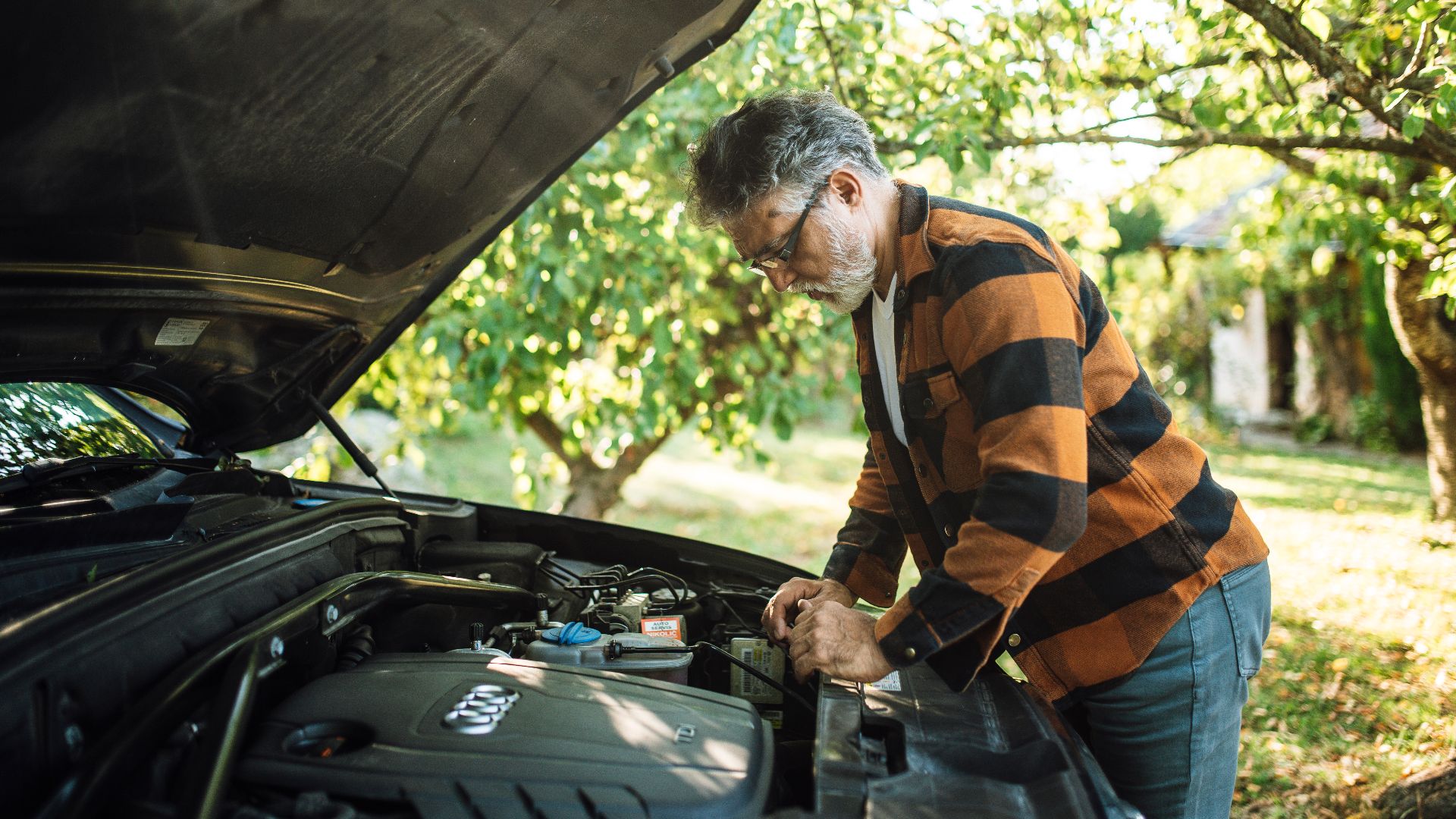
A visual inspection under the hood can sometimes reveal developing maintenance problems. Cracked hoses, visible leaks, and fraying accessory belts are warning signs that deserve attention. The FTC identifies worn belts and other engine components as possible causes of unusual operating noises. Owners can perform basic visual checks, but replacing complex belts or diagnosing pressurized cooling-system problems is better left to qualified technicians.
 Shixart1985, Wikimedia Commons
Checking The Spare Tire
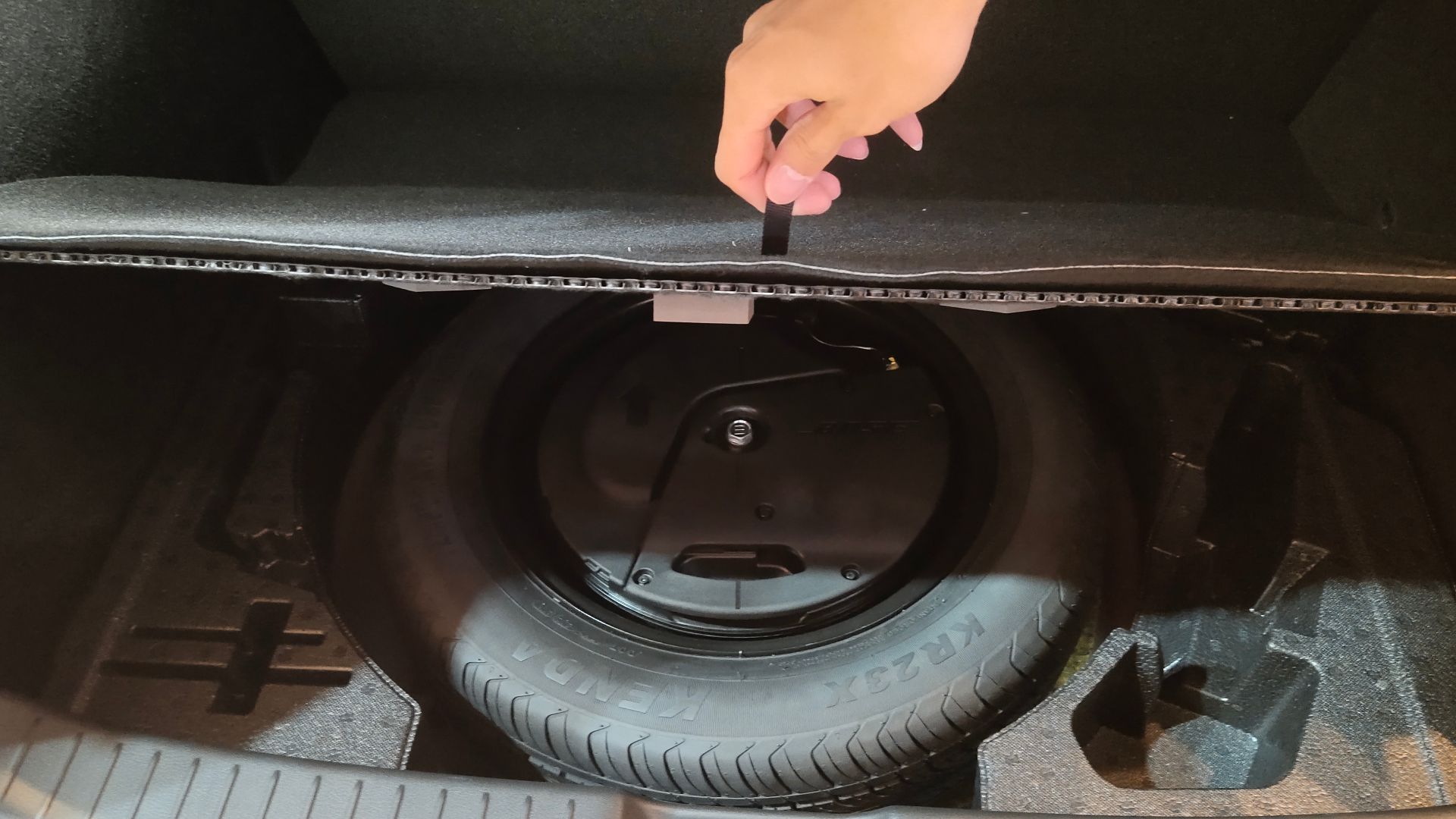
The spare tire is easy to forget until an emergency makes it essential. NHTSA recommends checking spare tire pressure and condition as part of routine tire maintenance. Owners should also confirm that the necessary wheel-changing tools are present and accessible. Remember that temporary spare tires have specific speed, distance, and inflation requirements that differ from ordinary road tires.
Rotating Tires At Home
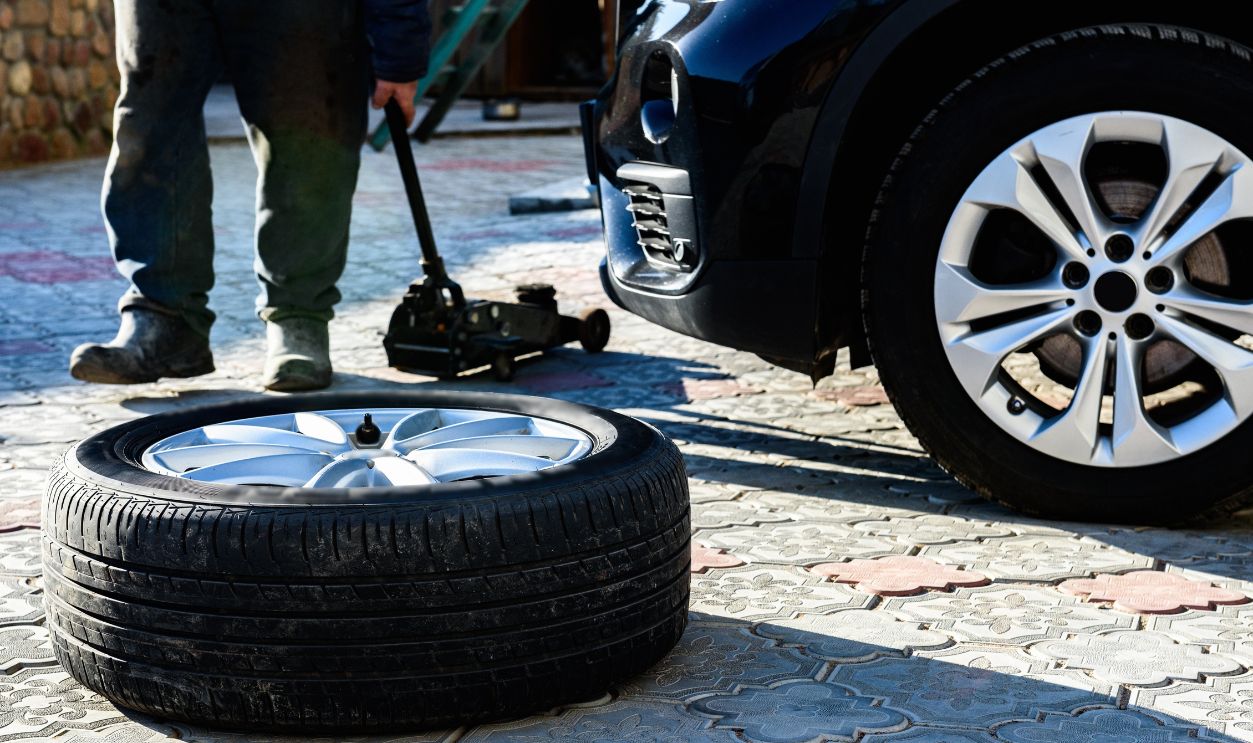
Tire rotation helps distribute wear and can extend the useful life of a tire set. NHTSA recommends following the manufacturer's rotation pattern and maintenance schedule. Experienced owners with proper lifting equipment, jack stands, and a torque wrench may be able to handle the job themselves. Incorrect lifting or wheel installation can be dangerous, so this is one task that beginners should approach cautiously.
 Natallia Ploskaya, Shutterstock
Resetting The Maintenance Reminder
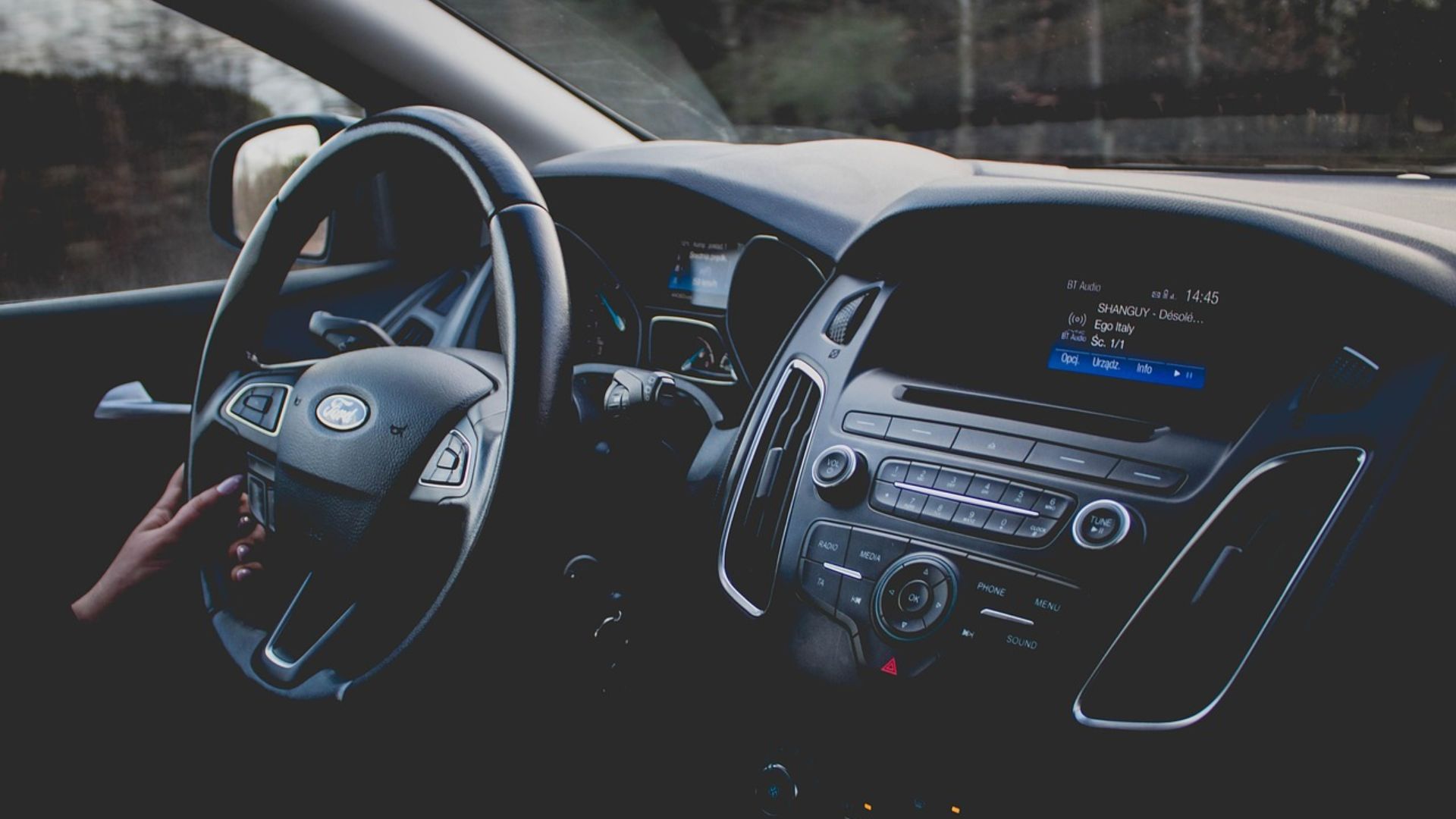
Some vehicles display an oil-life or maintenance reminder even after the required service has been completed. Many manufacturers provide dashboard-control procedures for resetting these reminders without dealership equipment. The instructions are often available in the owner's manual, although certain models require specialized electronic tools. Only reset the indicator after completing the corresponding maintenance, since clearing the reminder doesn't actually service the vehicle.
Checking All Your Exterior Lights
A basic lighting inspection can help identify burned-out bulbs before they create problems on the road. Owners can check headlights, turn signals, hazard lights, and taillights without scheduling a dealership appointment. A second person can help verify brake light operation while the driver presses the pedal. Any failed light should be repaired promptly, with professional assistance for electrical faults or non-serviceable LED assemblies.

Your Owner's Manual Could Save You Money
One of the easiest ways to avoid unnecessary maintenance charges is to understand what your vehicle actually requires. The FTC warns that some repair shops recommend service schedules more frequent than those specified by the manufacturer. Comparing dealership recommendations with the owner's manual can help identify work that isn't yet due. If a service advisor recommends additional maintenance, ask for a clear explanation before approving it.

DIY Maintenance Won't Automatically Void Your Warranty
Some American drivers avoid DIY maintenance because they worry about losing their factory warranty. The FTC explains that manufacturers generally cannot deny warranty coverage simply because an owner or independent mechanic performed routine maintenance. However, damage caused by incorrect installation, improper servicing, or defective parts may not be covered. Keeping receipts, documenting mileage, and recording completed maintenance can help protect your interests if a warranty question arises.
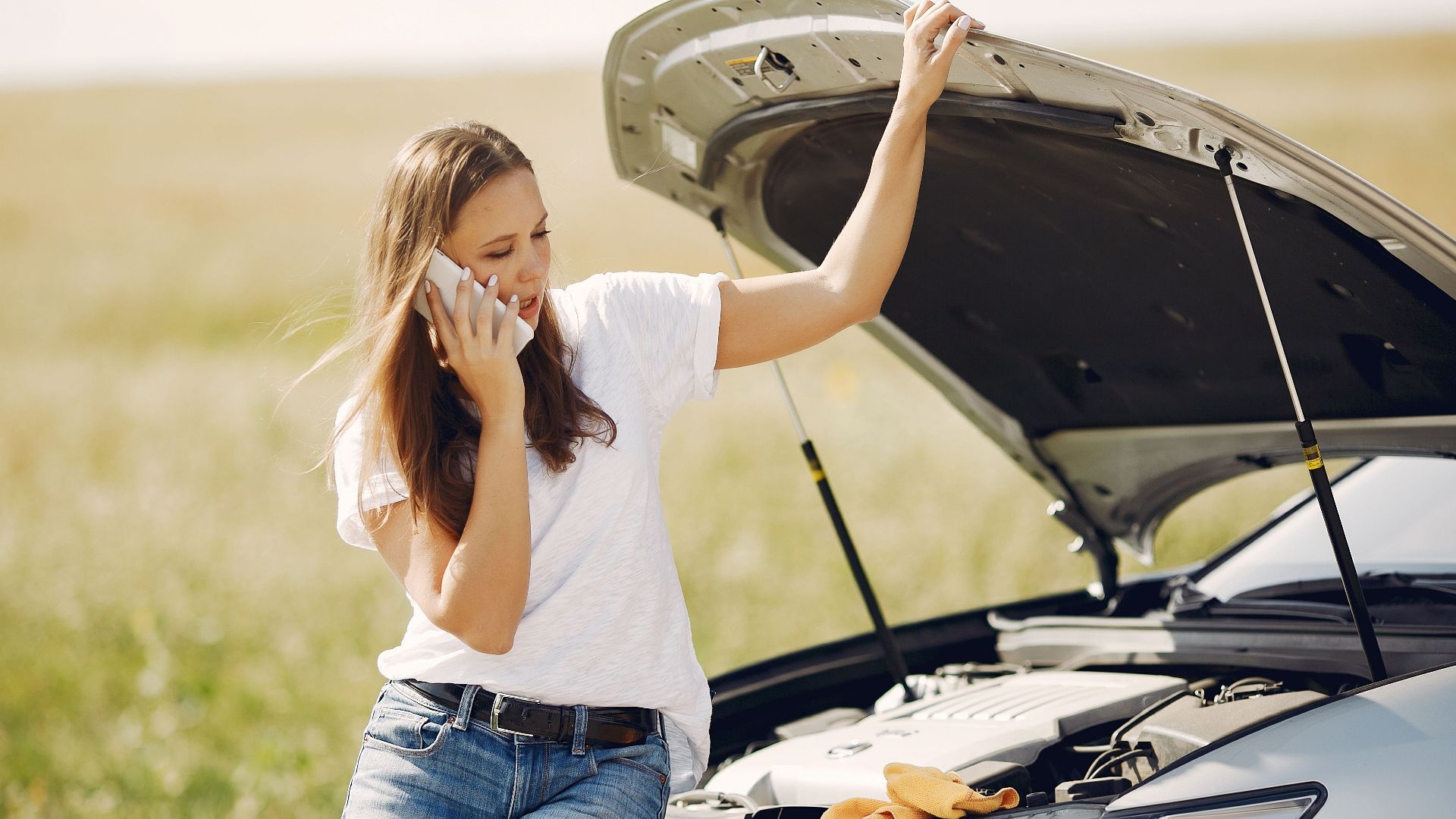
Know Which Repairs To Leave To Professionals
Saving money on maintenance is worthwhile, but not every automotive job is suitable for a home garage. The FTC recommends obtaining qualified professional assistance for complicated repairs and investigating serious mechanical symptoms. Brake hydraulic repairs, airbag systems, high-voltage hybrid components, and major transmission work involve risks that go well beyond ordinary filter replacements. The smartest approach is to perform simple maintenance confidently while recognizing when professional expertise is worth paying for.

You May Also Like:
Classic Truck Features That Drivers Miss Now That Pickups Have Gone Luxury