That Glitter in the Drain Pan Can Mean Very Different Things
Finding metal shavings in engine oil is never something to brush off. Even if the engine sounds normal and the car still drives fine, metal in the oil means something inside the engine has been wearing enough to shed material. But how serious it is right now depends on how much metal was found, what kind it is, and where it came from.

Yes, You Should Take It Seriously
If your mechanic found visible metal flakes, do not ignore it just because the engine still runs well. Modern engines can keep going for a while even after internal damage starts, which is why an engine can seem perfectly fine right up until it suddenly is not. A smooth-running engine is a good sign, but it is not proof that everything inside is okay.

Not All Metal in Oil Means the Same Thing
A tiny amount of metallic material can sometimes show up during engine break-in or in certain wear situations, but chunks, glitter, or magnetic debris are a different matter. The size, color, and amount of metal help tell the story. Fine nonferrous material can point one way, while larger ferrous particles can point another.

What the Oil Filter Often Reveals
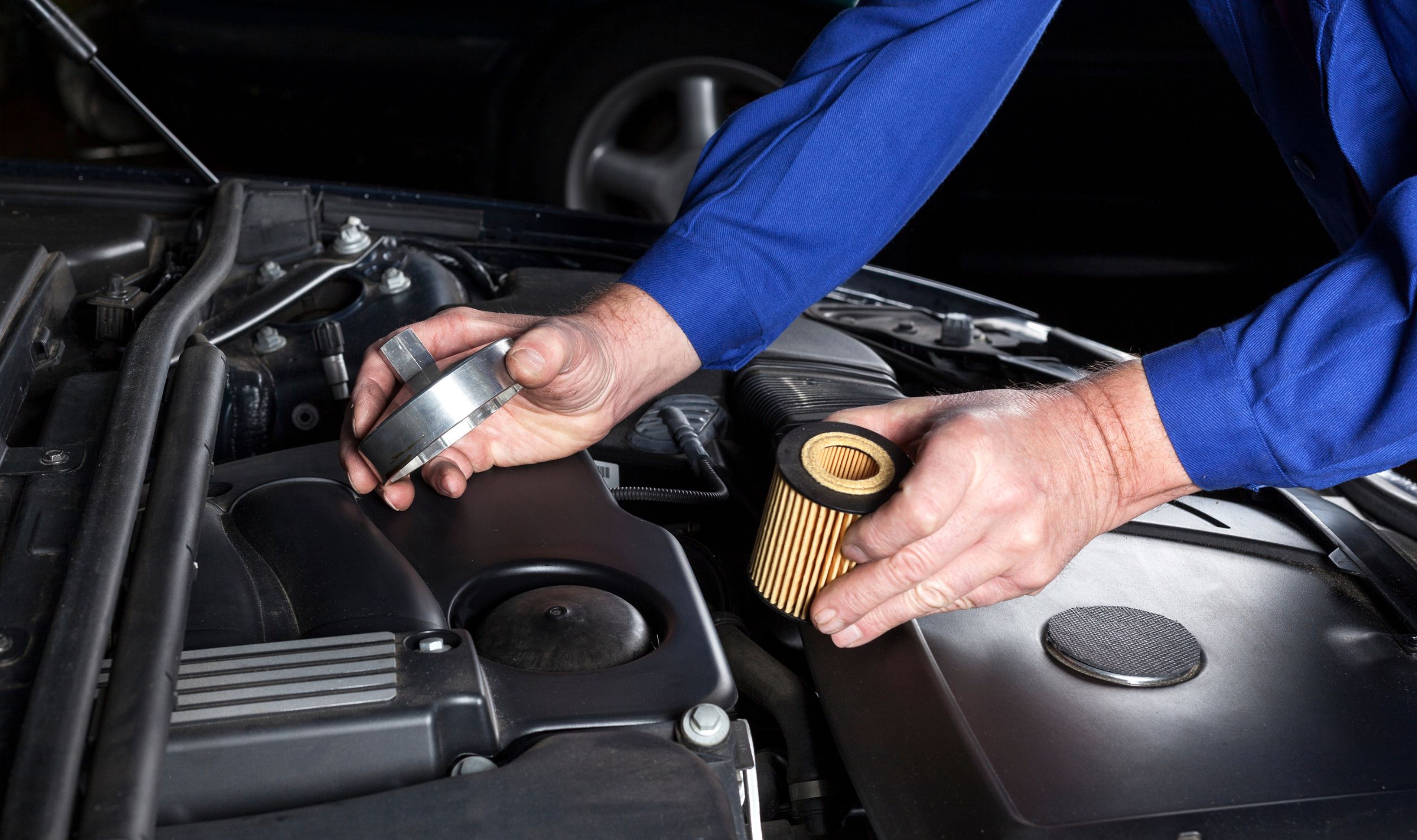
One of the best next steps is cutting open the oil filter and checking the filter media. Mechanics and oil analysts use the trapped debris to see whether the engine has been circulating damaging particles or just showing a small amount of residue. If the filter is full of shiny flakes, that is a much stronger warning than a random speck in the drained oil.
Why the Engine Can Still Sound Normal
Engines do not always announce early bearing or valvetrain wear with loud knocks right away. Oil pressure, computer controls, and sound insulation can hide problems for a while. That is why a vehicle can idle smoothly while internal parts are quietly wearing themselves down.

Ferrous Versus Nonferrous Matters
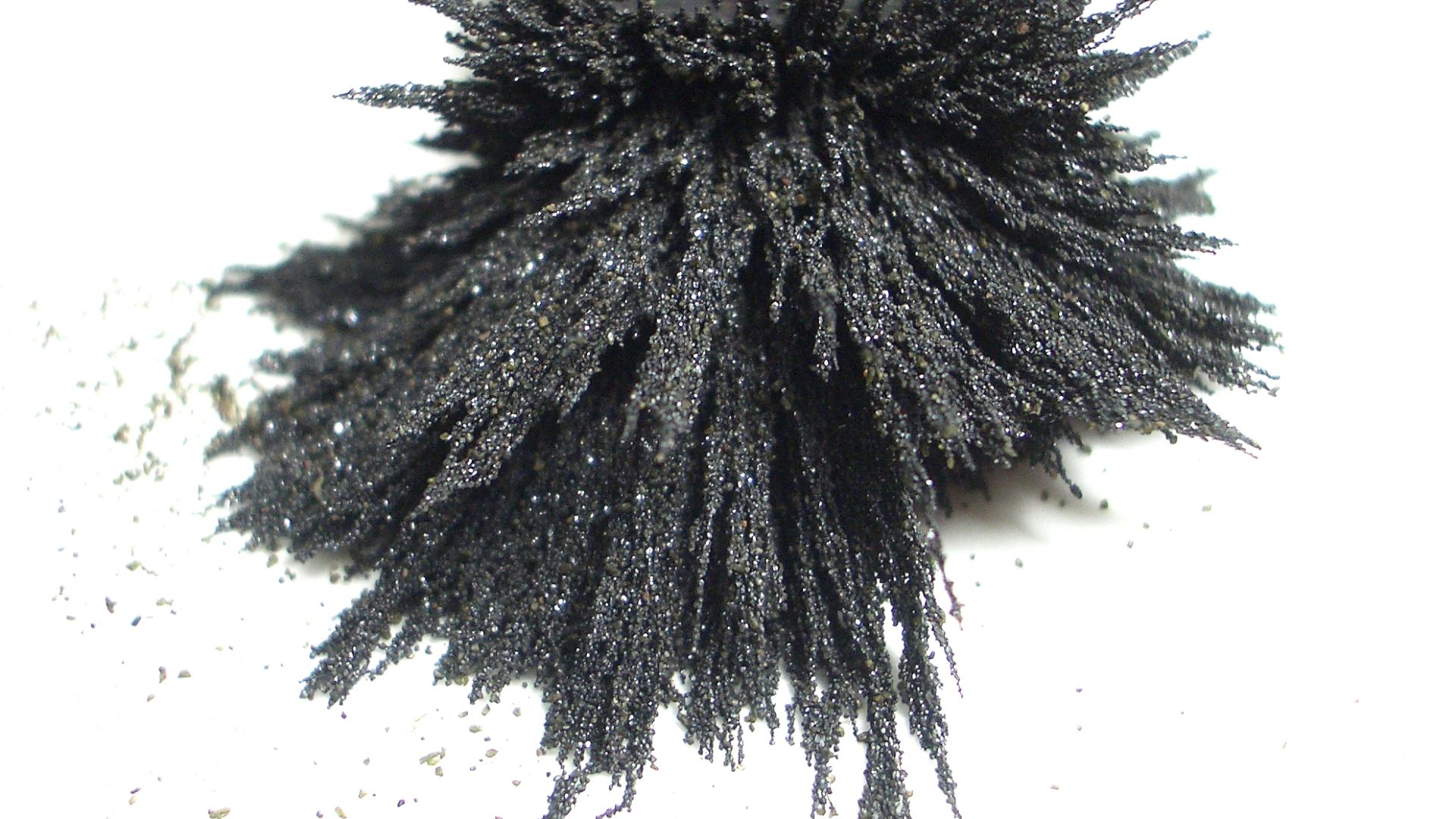
A magnet is a simple but useful clue. If the particles stick to a magnet, they likely came from iron or steel parts such as the crankshaft, camshaft, timing components, or cylinder walls. If they do not, the source may be aluminum, copper, brass, or bearing material, which points to a different kind of internal wear.
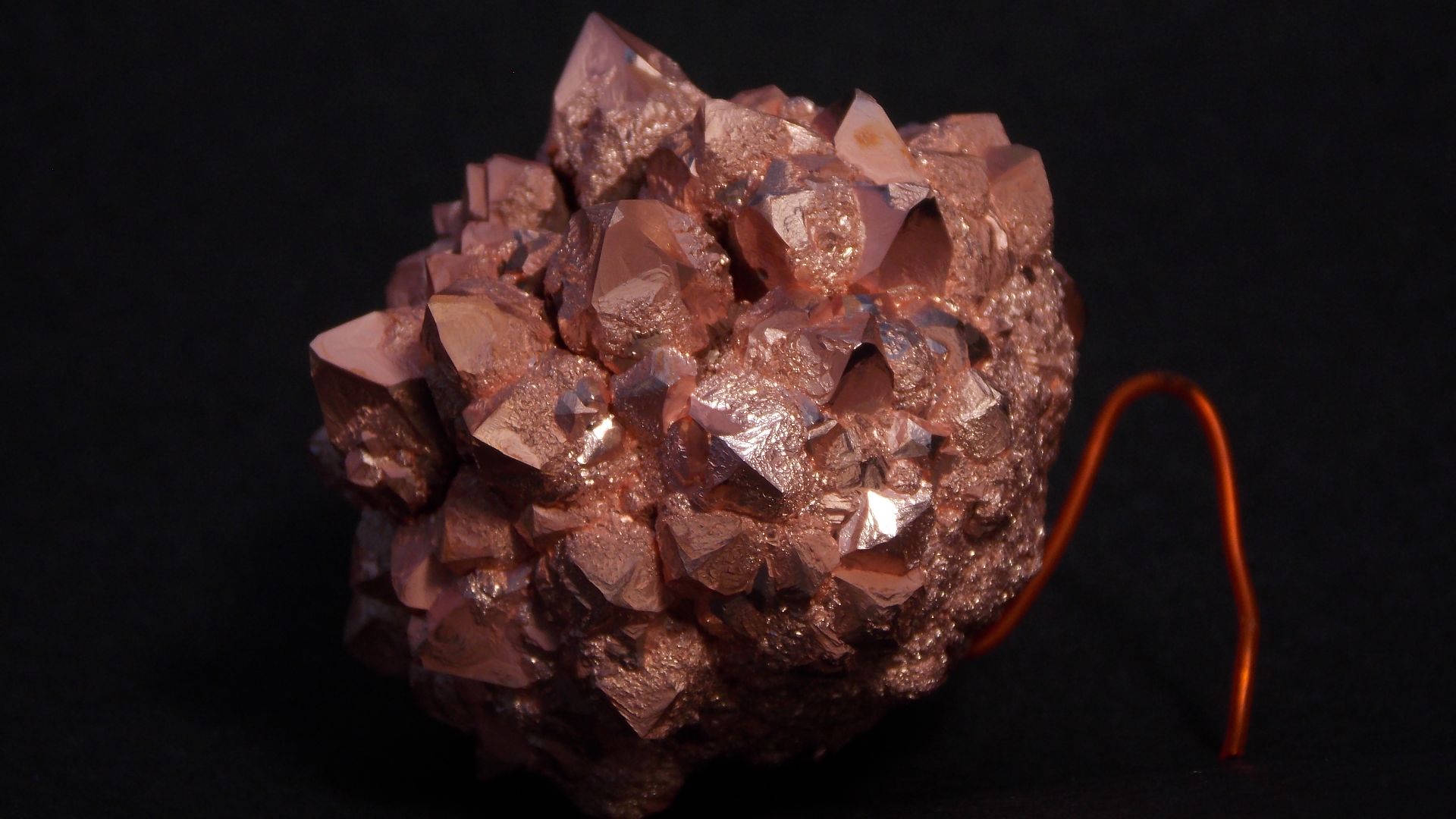
Copper-Colored Debris Is a Red Flag
Copper- or bronze-colored particles can point to bearing wear because many engine bearings use layered materials that include copper. Once bearing material starts breaking down, things can get worse fast. An engine may keep running at this stage, but continued driving raises the odds of a spun bearing or a major failure.
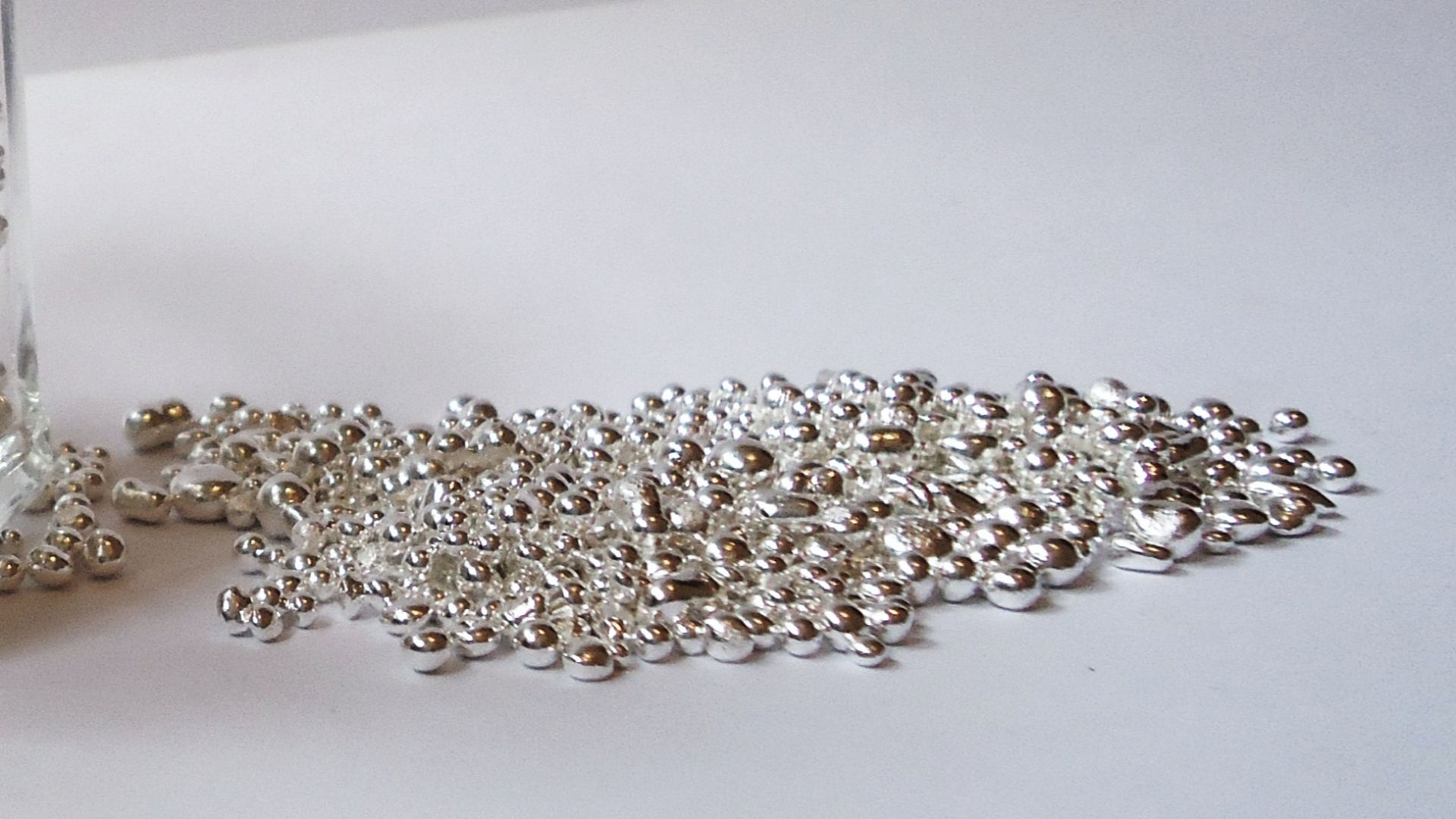
Silver Glitter Often Points to Aluminum
Bright silver glitter can sometimes mean aluminum wear from pistons, timing covers, or other soft metal parts. That can happen after lubrication problems, foreign object damage, or serious internal contact. The exact source still needs to be confirmed, but it is never something to ignore.
 Mauro Cateb, Wikimedia Commons
Magnetic Steel Particles Raise Different Suspicions
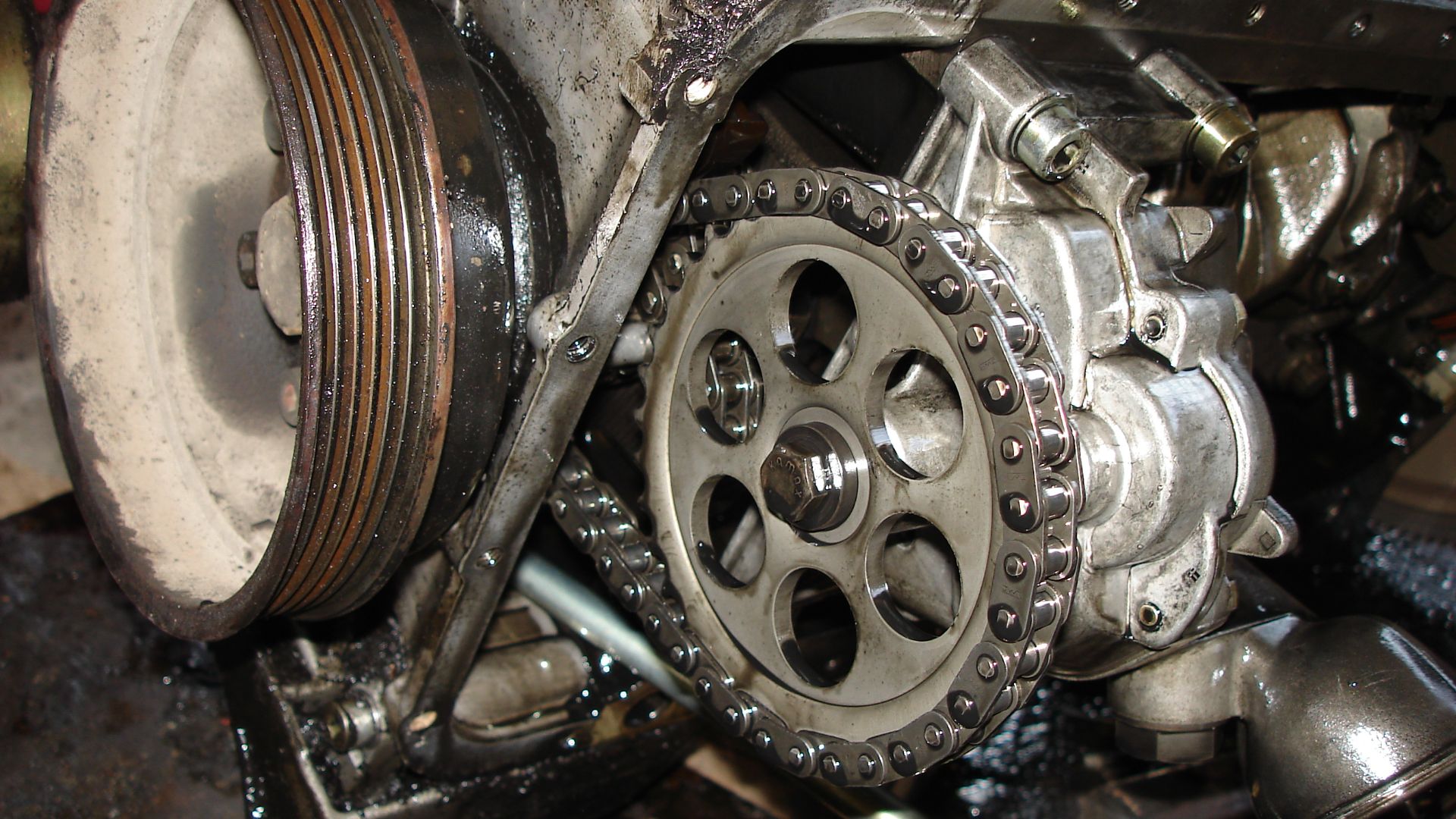
Magnetic particles can suggest wear from steel parts such as cam lobes, lifters, crankshaft surfaces, timing chains, or oil pump internals. If enough of that material is circulating, it can start damaging other parts as the oil carries it through the engine. One failing part can quickly start taking others down with it.
 Aney~commonswiki, Wikimedia Commons
The Oil Pump Is Part of the Story Too
Metal in the oil does not just reflect damage. It can also cause more of it by passing through the oil pump and hurting lubrication quality. Once particles start circulating, they can score surfaces and speed up wear in bearings and journals that were not the original problem.
What Automakers and Experts Look For
Engine wear analysis is not just guesswork. Labs and maintenance specialists use oil analysis, filter inspection, and particle identification to figure out where debris is coming from. Groups such as Shell, machinery diagnostic labs, and heavy-equipment maintenance experts have long treated unusual wear metals in oil as an early warning sign worth paying attention to.

Used Oil Analysis Can Give You Real Answers
A used oil analysis can identify wear metals such as iron, aluminum, copper, chromium, lead, and tin. That helps turn a vague warning into something more specific. If your mechanic has not already sent a sample to a lab, asking for oil analysis is one of the smartest next steps.

Blackstone and Other Labs Track These Metals Routinely
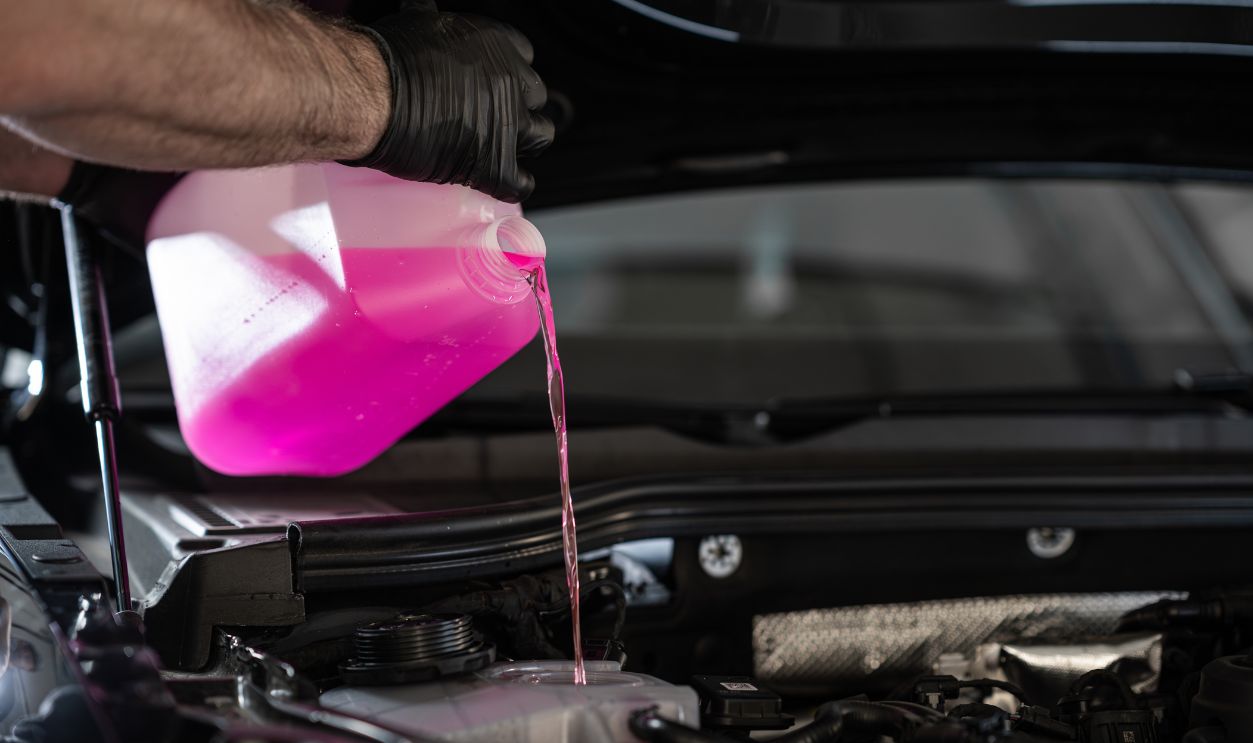
Oil analysis labs regularly measure wear metals and compare them with expected ranges for the engine type and oil interval. They also check for fuel dilution, coolant contamination, viscosity, and insolubles, all of which can help explain why metal is showing up. A lab report will not fix the engine, but it can narrow down the problem fast.
 WATCH_MEDIA_HOUSE, Shutterstock
The Oil Filter Inspection Is Often More Important Than the Drain Pan
Drained oil can make a small amount of sparkly residue look worse than it really is. The filter, on the other hand, shows what has actually been circulating through the engine over time. That is why experienced technicians often want to inspect the filter media before deciding whether the problem is minor, moderate, or urgent.
If the Engine Is Under Warranty, Stop Guessing
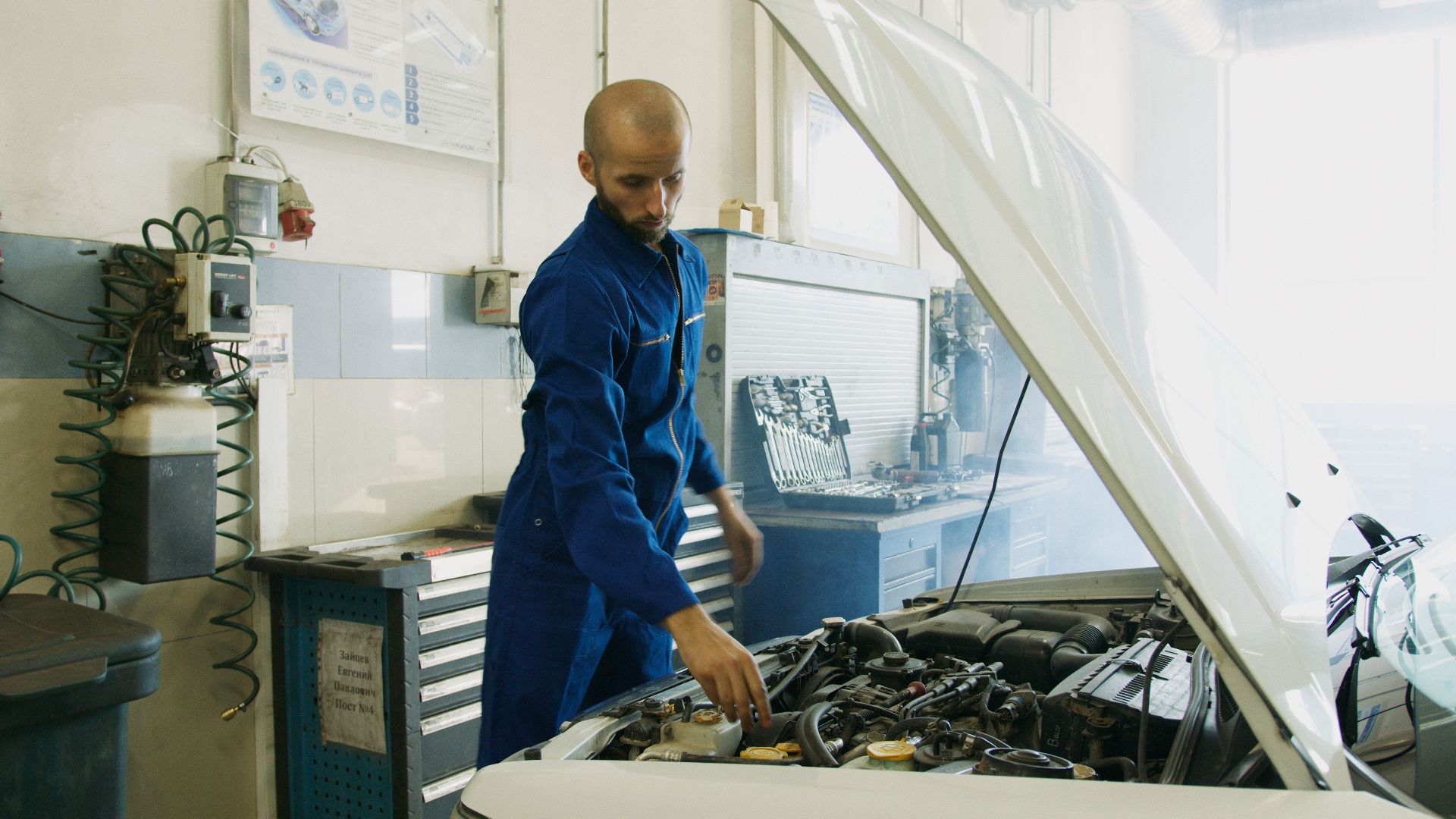
If your vehicle is still covered by a powertrain warranty, document everything right away. Ask for photos of the metal, a written inspection note, and the mechanic's exact recommendation. Continuing to drive after being told there is internal engine debris can complicate a warranty claim if the manufacturer later says you made the damage worse.

Driving It Home Is Different From Driving It for Weeks
There is a big difference between moving the car a short distance and using it for normal commuting. If the amount of debris is unknown and no diagnosis has been made, long trips, towing, hard acceleration, and highway miles are risky. If you have to move the vehicle, the safest choice is usually the shortest possible trip or a tow.

When You Should Stop Driving Right Away
Stop driving immediately if the engine has low oil pressure, knocking, ticking that is getting louder, a misfire tied to mechanical damage, or metal chunks large enough to feel between your fingers. Also stop if the oil filter is full of debris or the mechanic suspects bearing material. Those are not wait-and-see warning signs.

When a Limited Short-Term Drive Might Be Defensible
If the engine is quiet, oil pressure is normal, the amount of debris is extremely small, and a trusted mechanic thinks the source may be minor or old, a very limited drive to a specialist may be reasonable. That does not mean everything is fine. It just means you are making a temporary move while you confirm what is really going on.
 https://kaboompics.com/, Pexels
Ask Your Mechanic These Questions First
Ask whether the particles are magnetic, what color they are, how much was found, and whether the oil filter was opened. Ask whether the engine has any oil pressure codes, timing correlation faults, misfires, or unusual noises. Then ask which parts are most likely shedding material and whether a borescope or oil analysis is recommended.

Recent Engine Work Changes the Context
If the engine was recently rebuilt, had timing components replaced, or suffered a previous failure, leftover debris is possible if the system was not cleaned thoroughly. In that case, the metal may be old contamination rather than fresh damage. Even then, that needs to be proven, not assumed, because leftover debris can still ruin a healthy replacement part.

Break-In Debris Is Real but Often Overused as an Excuse
Fresh engines can shed small amounts of material during early operation, which is why many builders recommend an early oil and filter change. But break-in does not explain obvious glitter, chips, or repeated debris findings over multiple oil changes. If the engine is not brand new or newly rebuilt, break-in is usually not a convincing answer.
Low Oil Pressure History Makes Metal More Concerning
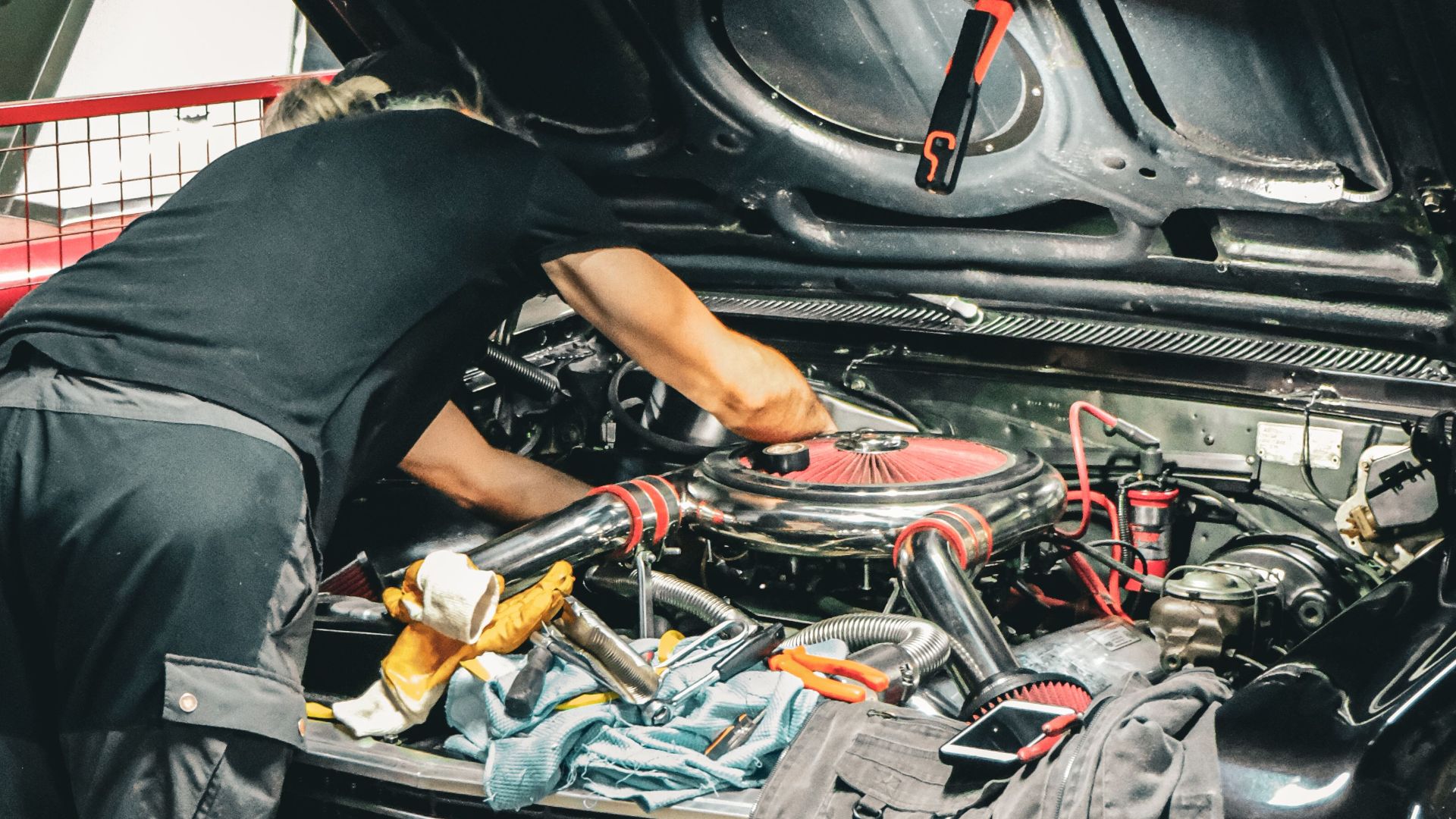
If the vehicle has ever run low on oil, overheated badly, or shown low oil pressure warnings, metal in the oil becomes even more concerning. Bearings and cam surfaces are especially vulnerable to lubrication loss. The engine may have survived the original event, but the wear can keep showing up later in the oil.

Turbo Engines Add Another Risk
On turbocharged engines, metal contamination can threaten the turbocharger along with the engine itself. Turbo bearings depend on clean oil and high-speed lubrication. If debris is circulating, the repair bill can quickly grow from one failing assembly to two.
 Hatsukari715, Wikimedia Commons
Do Not Let a Fresh Oil Change Create False Confidence
Changing the oil may quiet noises for a while or make the dipstick look clean, but it does not fix the source of the wear. It can also reset the clock on symptoms and delay a real diagnosis. Clean oil is good, but clean oil in a damaged engine is still a problem.
The Smartest Diagnostic Path Is Pretty Straightforward
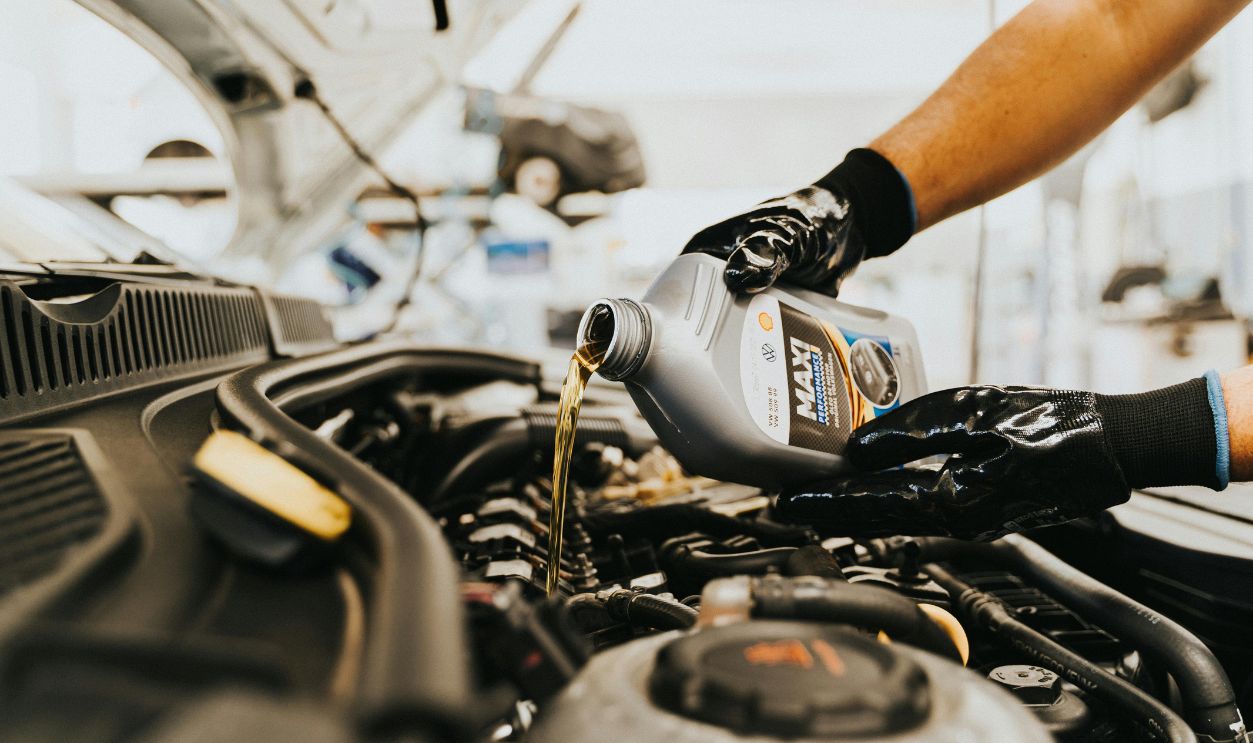
Start by documenting the debris, checking for codes, and cutting open the oil filter. Then follow up with oil analysis and a mechanical inspection of likely wear points such as bearings, valvetrain parts, timing components, and cylinder walls. If the evidence points to internal failure, continued driving becomes a gamble with bad odds.

So Should You Stop Driving
In most cases, yes, or at least stop driving it normally until the source is identified. Metal shavings in engine oil are a sign of wear that is already happening, not a harmless quirk. If the finding was more than a trace amount, the safest and cheapest move is to pause, diagnose it properly, and avoid turning a repairable issue into a destroyed engine.

The Bottom Line for Drivers
If your mechanic found metal in the oil, remember this: an engine that still runs fine can still be in real trouble, and metal in the oil is one of the clearest warnings you can get before a major failure. Treat it like an early alarm, not a green light to keep driving.