Clean Coolant Can Still Be Past Due
If your mechanic recommends a coolant flush but the fluid in the reservoir still looks bright and clean, it's fair to wonder why. But any mechanic knows that coolant can look fine and still be worn out, contaminated, or past the service interval set by the carmaker.

Color Is Not A Reliable Health Report
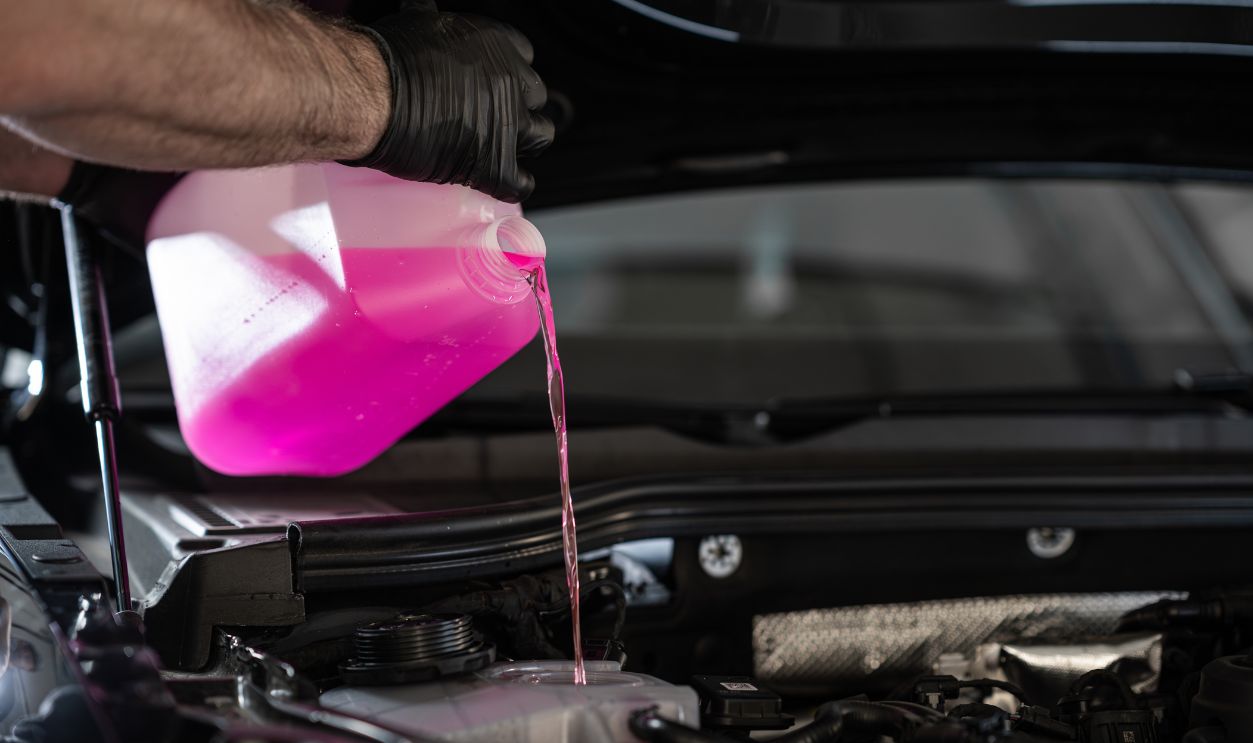
Coolant color stands out because it is easy to see, but it does not tell you much by itself. Valvoline notes that dye is added mainly for identification and leak tracing, not as an exact sign of condition. Coolant can stay green, orange, pink, or blue even after its protective additives have started to wear out.

What Coolant Is Actually Supposed To Do
Coolant does more than keep an engine from freezing in winter. It also helps prevent boiling, fights corrosion, lubricates the water pump, and protects metal parts, seals, and gaskets throughout the cooling system. That means the real story is in the chemistry, not just in how the fluid looks.

Why Mechanics Look Beyond The Reservoir
The coolant in the overflow tank does not always reflect what is happening through the whole system. A mechanic may be thinking about the car’s age, mileage, service history, known issues with that model, or test results you cannot see with the naked eye. In other words, the recommendation may be based on maintenance timing, not on some obvious visual problem.

Manufacturers Set Intervals For A Reason
Automakers give coolant replacement intervals because the additive package wears out over time and use. Many owner’s manuals call for replacement by years or mileage, not because the coolant is expected to look bad first. If your car has reached that point, a flush or drain-and-fill may make sense even if the fluid still looks fine.
 WATCH_MEDIA_HOUSE, Shutterstock
GM Help Says Follow The Owner’s Manual
General Motors is direct about coolant service. GM owner support says coolant replacement is a maintenance item and tells owners to follow the schedule in the owner’s manual. That is a reminder that this kind of service is not based only on what you can see in the tank.

The Additives Are The Real Stars
What usually wears out in coolant is the additive package, especially the corrosion inhibitors. These chemicals help protect aluminum, cast iron, steel, solder, and other metals inside the system. Once those inhibitors are used up, coolant may still look clean while the system becomes more at risk for corrosion and deposits.
Ford Points To Coolant Chemistry
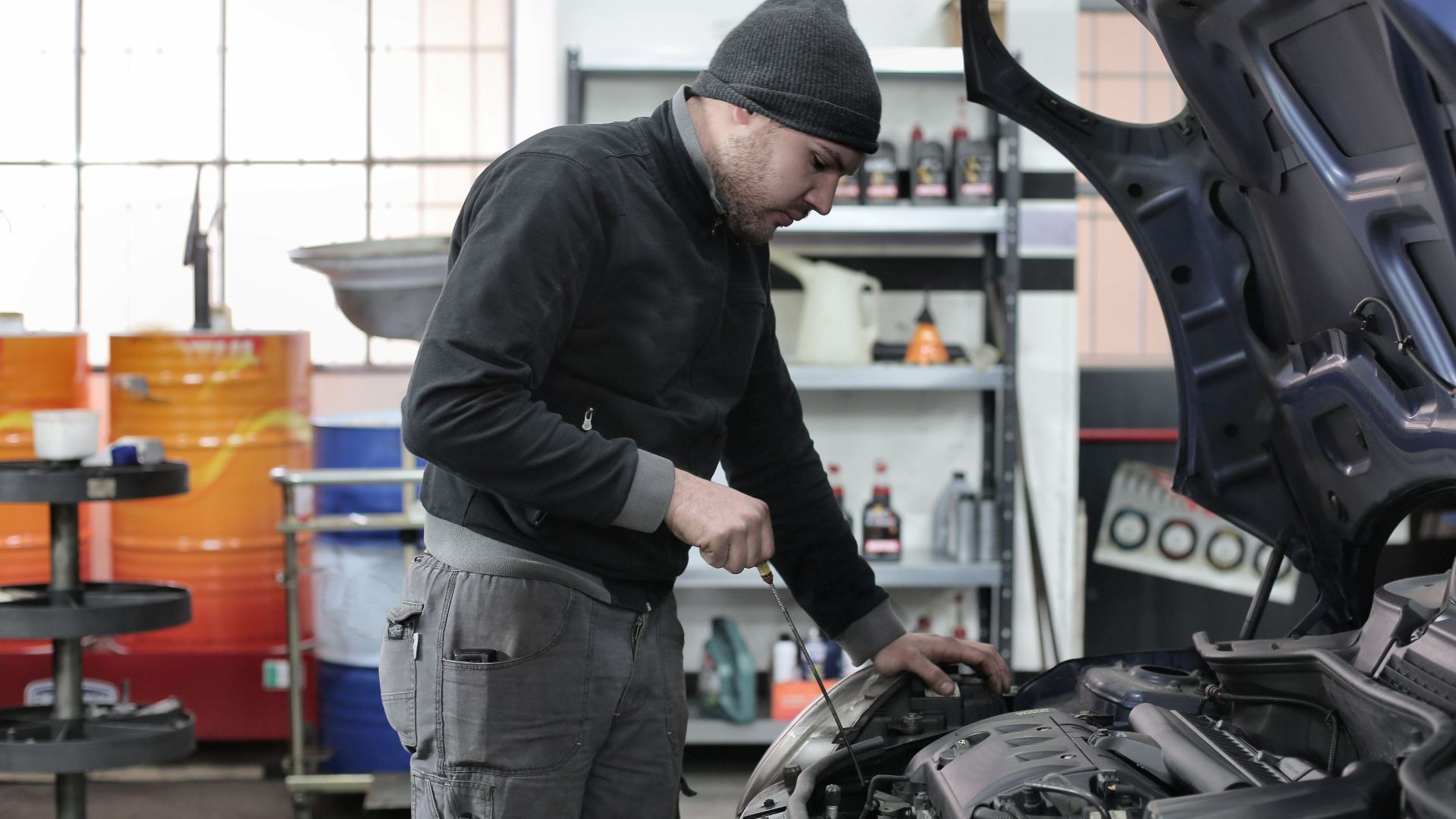
Ford has published guidance stressing that coolant protection depends on using the right fluid and keeping the chemistry in spec. The company also warns against mixing the wrong products. That matters because the wrong coolant, or old coolant, can lose corrosion protection long before it starts looking bad.
 Dave Parker, CC BY 3.0, Wikimedia Commons
Looks Can Hide Acidity Changes
One reason appearance only tells part of the story is that coolant can change chemically without changing much visually. Its pH can drift out of range, and reserve alkalinity can drop as it ages. Those changes affect corrosion resistance, but most drivers are not going to spot that by peering into a plastic tank.

Contamination Is Not Always Obvious
Coolant can be contaminated by hard-water minerals, leftover old coolant, sealants, or the wrong top-off fluid. None of that has to create sludge or cloudiness right away. So even clean-looking coolant can still be diluted, compromised, or less effective than it should be.
A Flush And A Drain Are Not Always The Same Thing
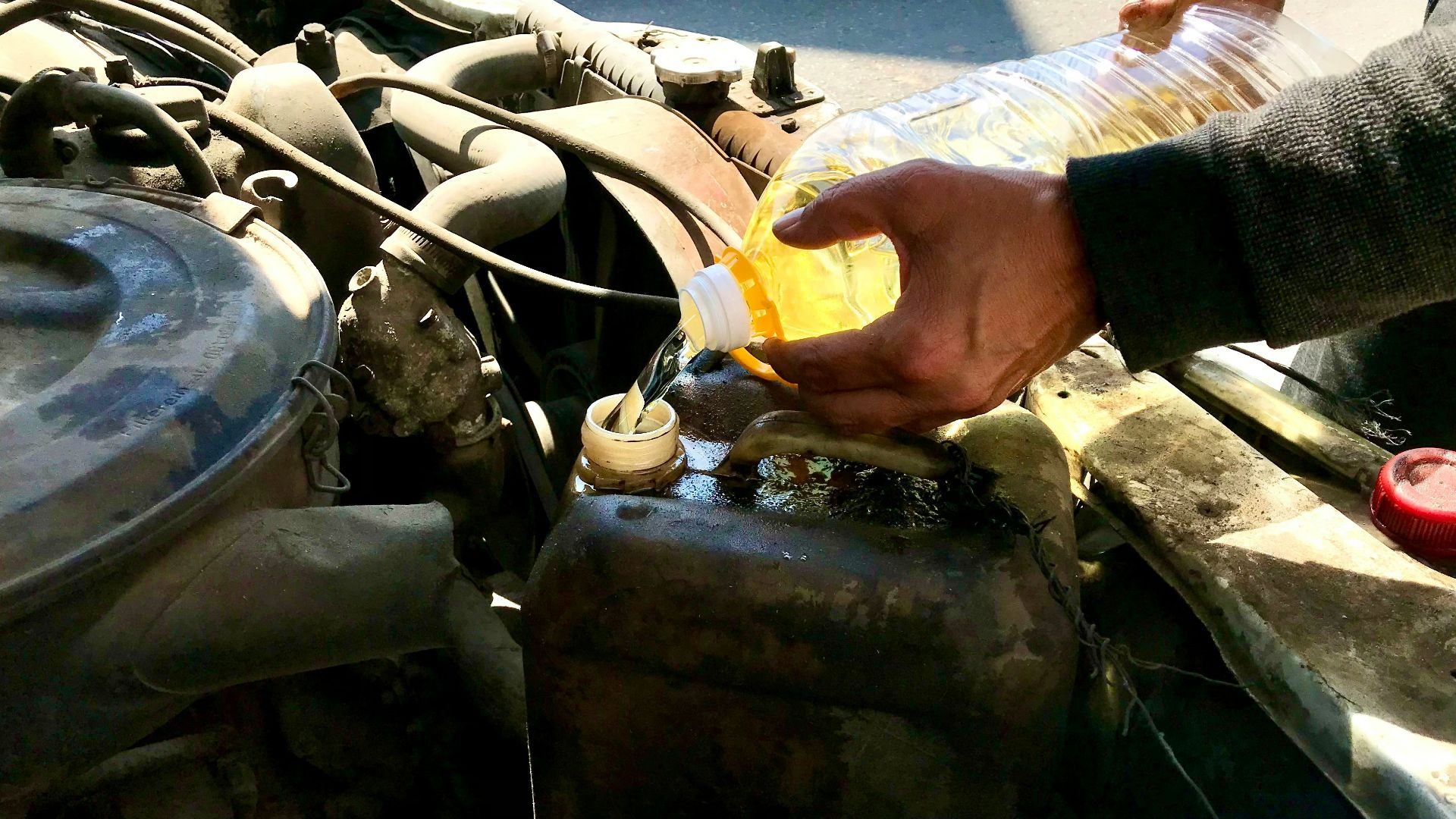
Drivers often hear the word flush used for any coolant service, but the terms are not always the same. A drain-and-fill removes part of the old coolant and replaces it. A full flush is meant to exchange more of the old fluid and, in some cases, clean the system depending on the process and equipment used. Which one makes sense depends on the vehicle, its service history, and whether contamination is suspected.

Not Every Car Needs An Aggressive Flush
This is where it helps to ask a few basic questions. If the coolant is simply due by time or mileage and there is no sign of contamination, some vehicles may only need the service method the manufacturer calls for, not an aggressive chemical flush. A good shop should be able to explain why it is recommending a flush specifically.
Ask What Schedule They Are Following
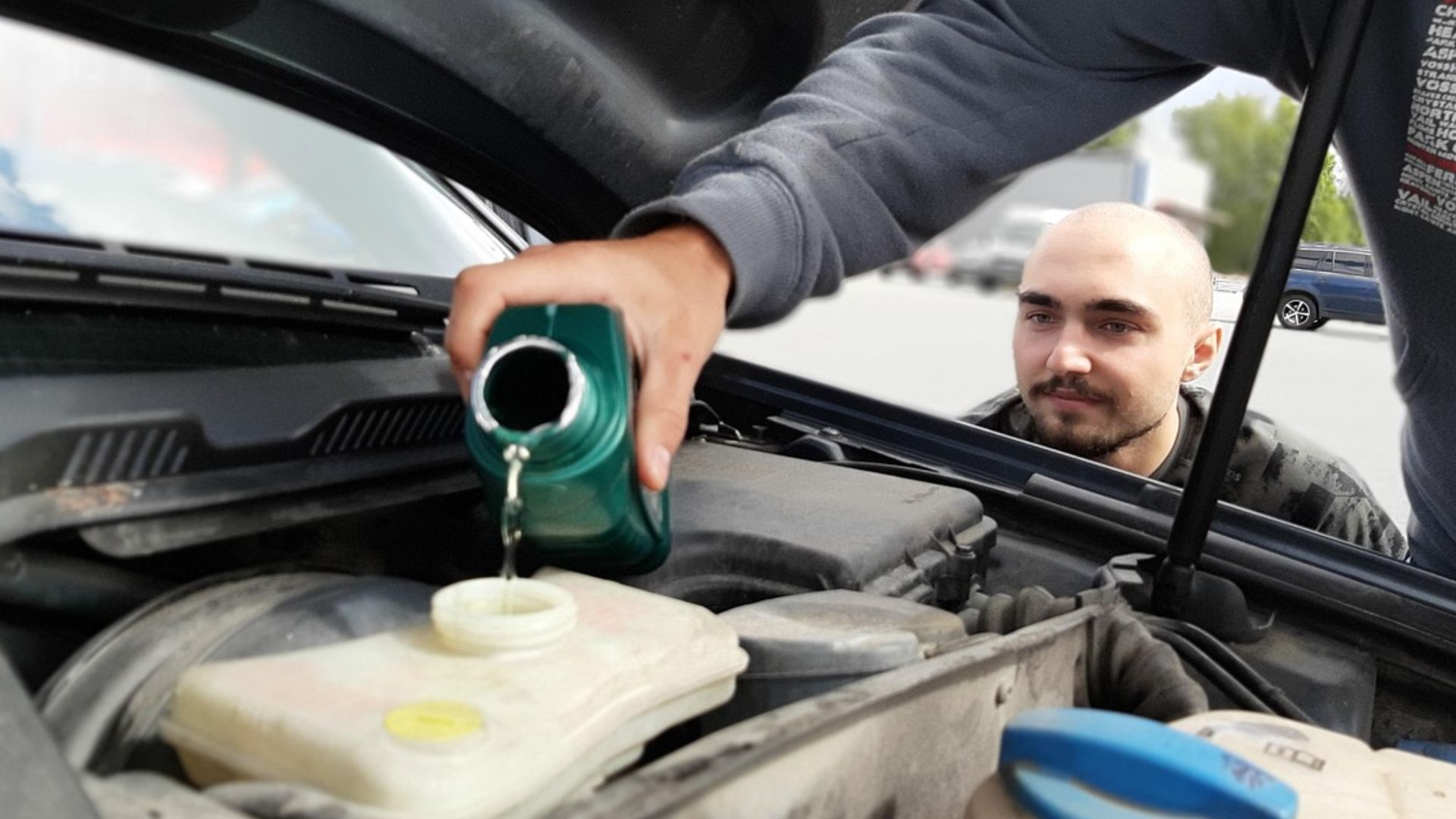
A good first question is simple: ask whether the recommendation is based on the owner’s manual schedule, a coolant test, or a visible problem. If the answer points to a real maintenance interval or a measured result, that is a lot more convincing than a vague claim that it just seems due.

Test Strips And Meters Tell More Than Your Eyes
Shops can use test strips, refractometers, and other tools to check freeze protection and, in some cases, coolant condition. A freeze-point test is common, but it does not fully measure the health of the additive package. Even so, an actual test result tells you far more than color and clarity alone.
 Santeri Viinamaki, Wikimedia Commons
Why Time Matters Even If Mileage Is Low
Some cars do not rack up a lot of miles, but coolant still ages with time. Heat cycles, oxidation, and slow chemical breakdown keep happening even in lightly driven vehicles. That is why maintenance schedules often list both years and mileage, and why a weekend car can still be due for coolant service.

Different Coolants Age Differently
Modern vehicles use different coolant types, including IAT, OAT, and HOAT formulas. They do not all last the same amount of time, and they are not all interchangeable. Prestone and other coolant makers stress using the spec called for by the automaker because each formula is built for a certain kind of system.
Mixing Coolants Can Create Trouble
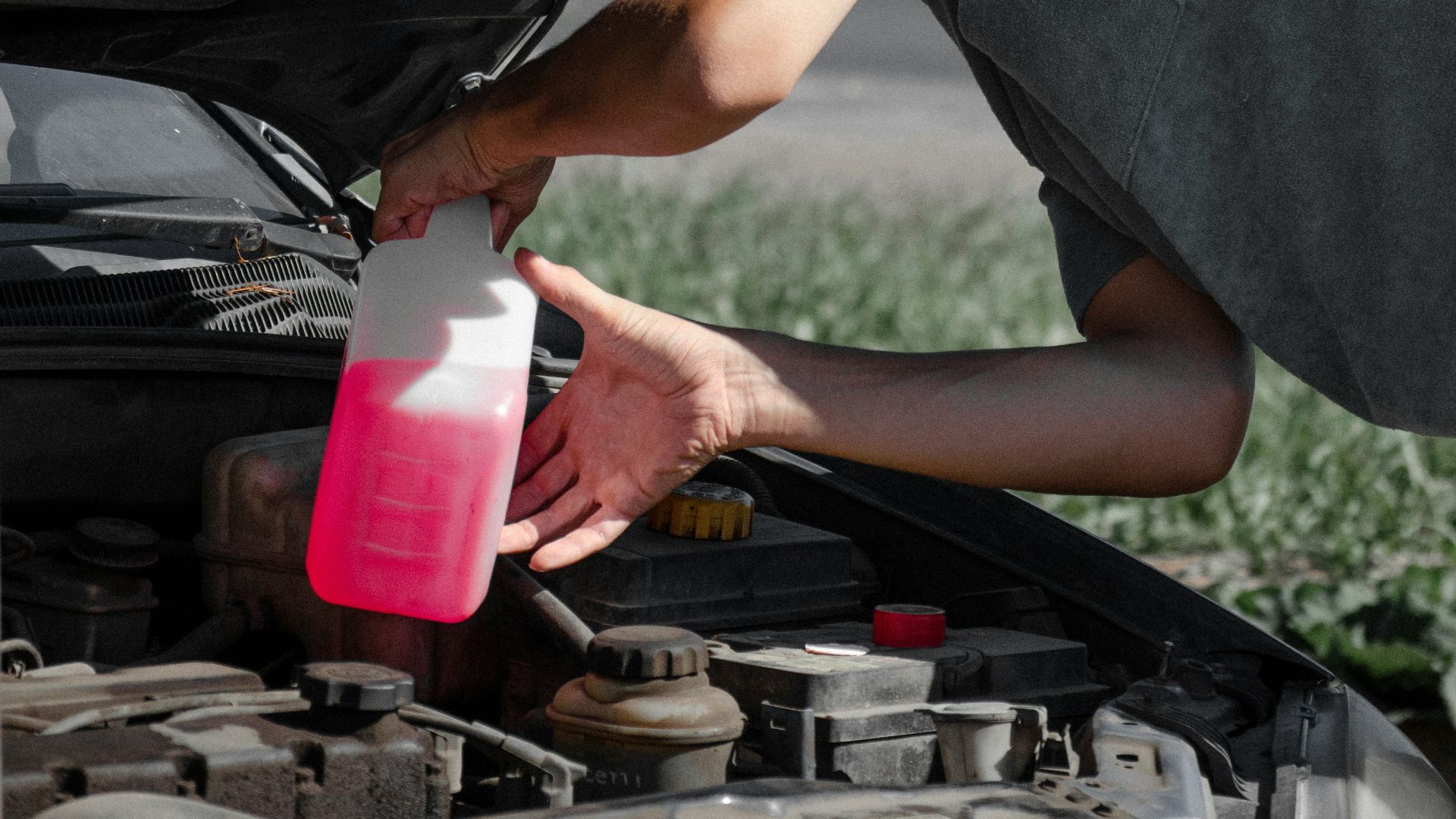
One of the quickest ways to shorten coolant life is to mix products that do not belong together. Even if the mixture does not gel right away, corrosion protection can still be reduced or changed. That means a reservoir full of bright-looking fluid may be hiding a chemistry mismatch that only shows up later as deposits, leaks, or worn parts.
Water Quality Matters More Than Many Drivers Realize
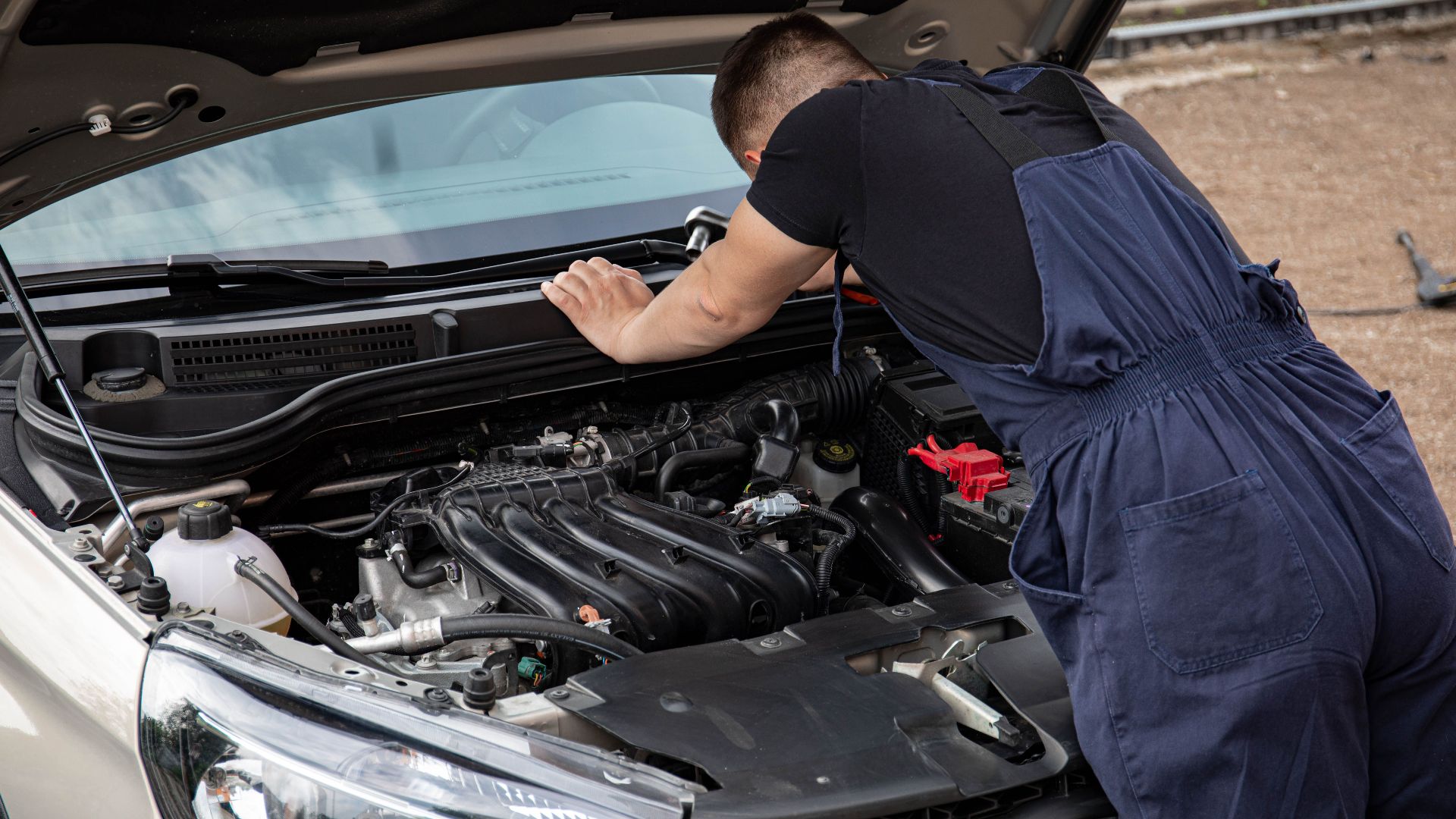
If coolant concentrate is mixed with tap water that contains minerals, those minerals can lead to scale and hurt heat transfer. That is why distilled or deionized water is often recommended. You may never see dirt floating in the coolant, but deposits can still build up where they do the most harm.
Corrosion Starts Small And Gets Expensive
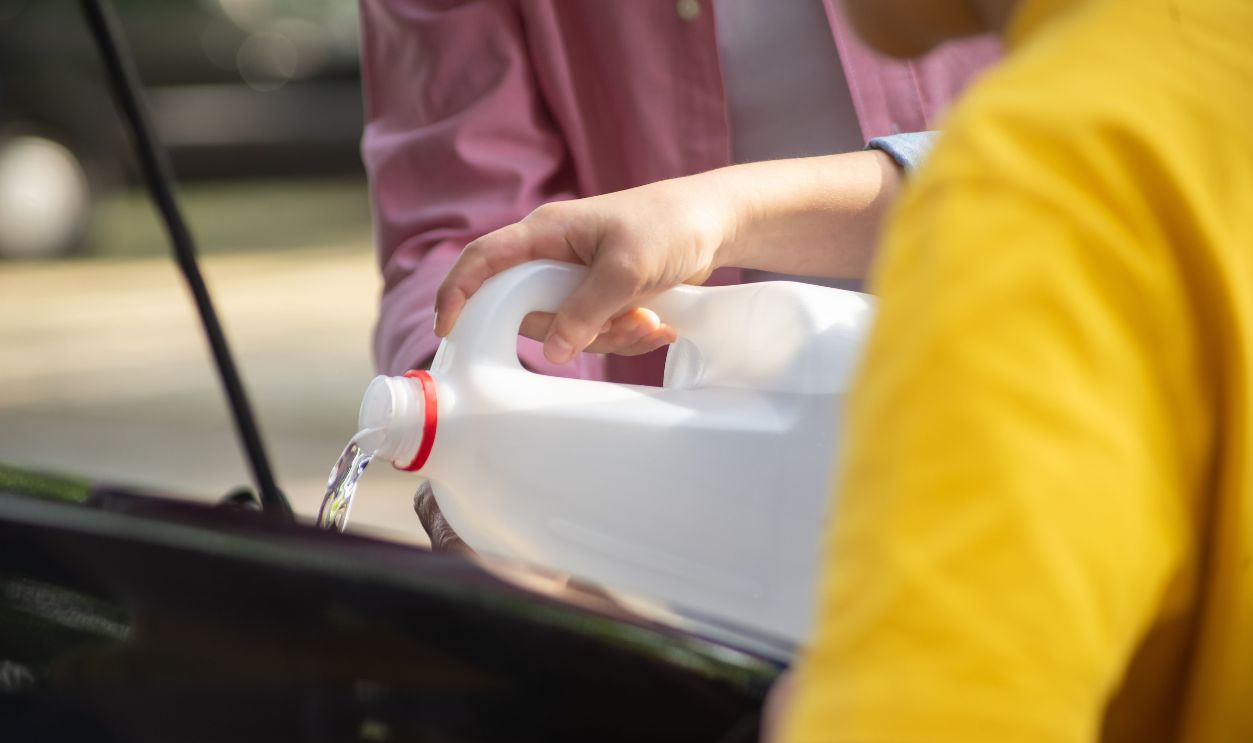
Shops do not recommend coolant service just to sell fluid. Old coolant can help cause radiator trouble, heater core restrictions, water pump wear, gasket problems, and internal corrosion. Those repairs cost a lot more than routine maintenance, and by the time symptoms show up, the damage may already be in motion.

Overheating Is The Nightmare Scenario
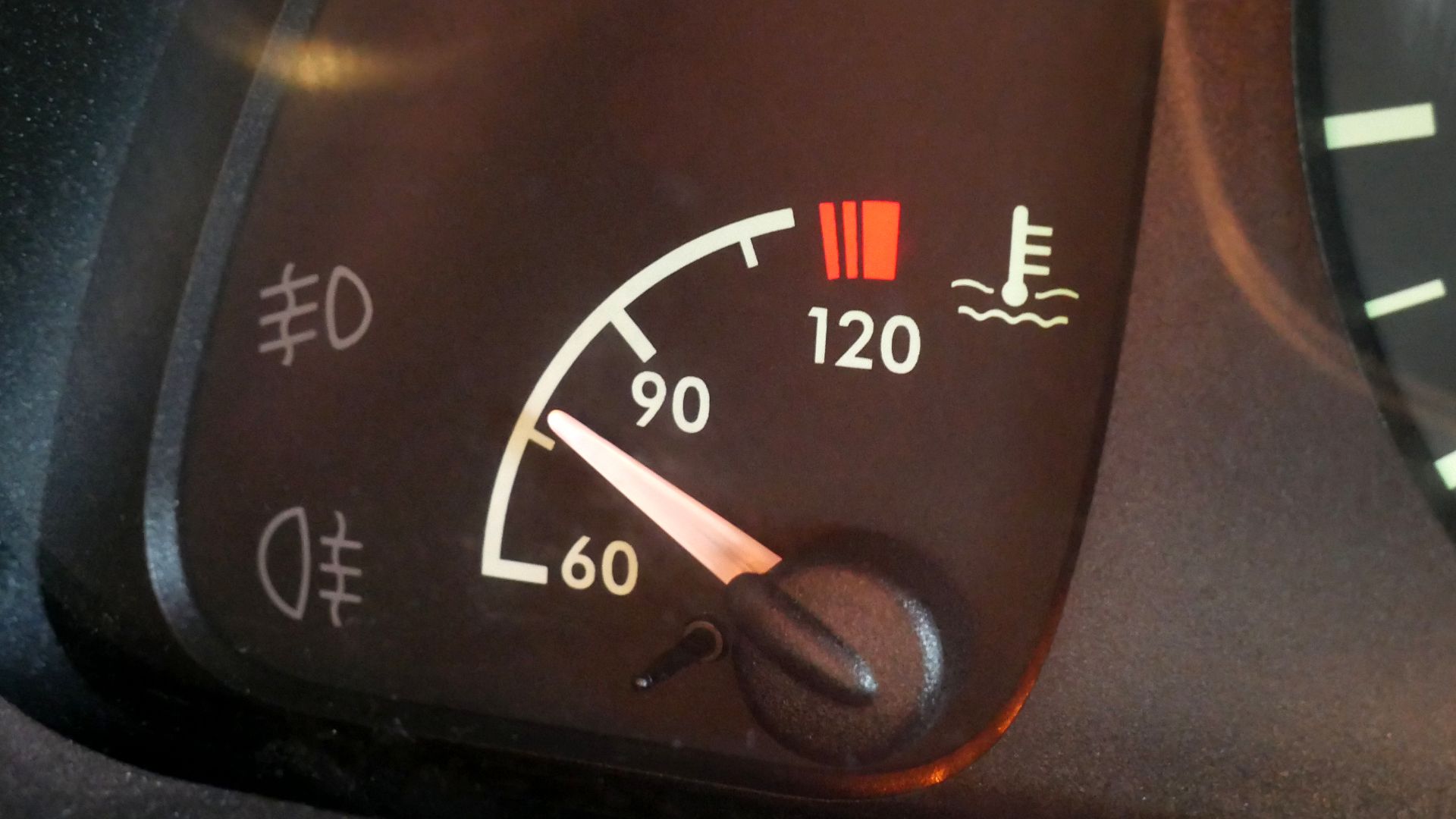
Cooling systems do not have much room for error when an engine is working hard in traffic, hot weather, or towing conditions. If old or compromised coolant loses effectiveness or allows deposits to build up, heat transfer can suffer. That can turn a routine maintenance choice into an overheating problem on the side of the road.

Reservoir Sight Checks Still Have Value
None of this means visual checks are useless. If coolant looks rusty, milky, oily, sludgy, or full of debris, that is a clear warning sign that needs attention. Appearance matters as a way to spot obvious trouble, but it is not a reliable way to prove coolant is still healthy.

What Clean-Looking Coolant Can Tell You
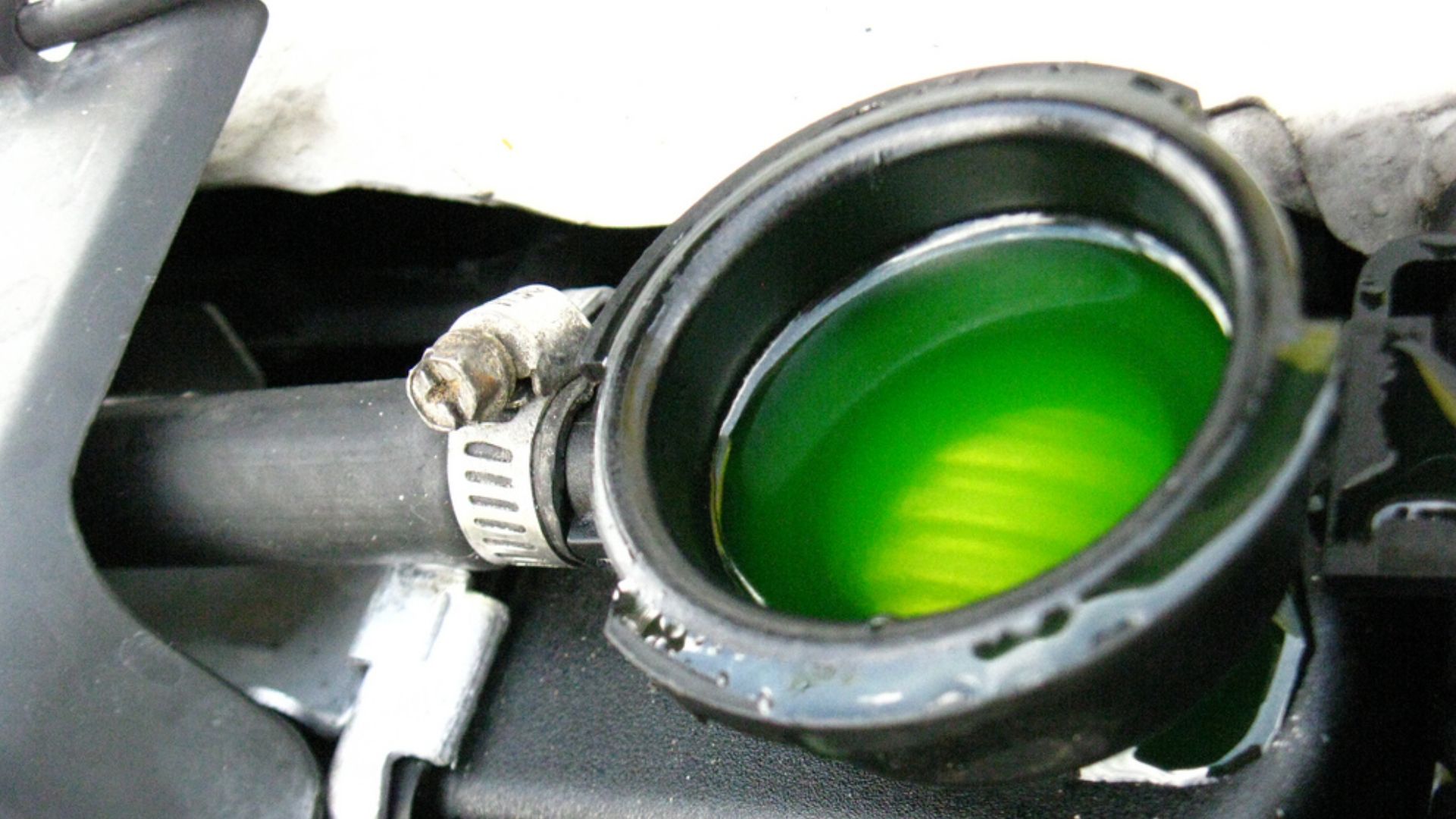
Clean-looking coolant usually means there is no obvious severe contamination at the moment. That is good news, but it does not prove that the corrosion inhibitors are still strong or that the fluid is still within its intended service life. Think of appearance as one clue, not the final answer.
 EvelynGiggles, Wikimedia Commons
What To Ask Before You Approve The Work
Ask your mechanic what coolant your vehicle requires, what interval the manufacturer recommends, and whether there is a test result or observed issue behind the recommendation. Ask whether the shop plans to do a drain-and-fill or a flush, and why that method fits your vehicle. A reputable shop should be able to answer clearly and directly.

Check Your Owner’s Manual Before Deciding
The most useful move is to check the cooling system maintenance schedule in your owner’s manual or on the manufacturer’s owner site. That is the baseline your mechanic should be working from. If the car is due by time or mileage, the recommendation is probably reasonable even if the reservoir still looks clean.

When A Second Opinion Makes Sense
If the shop cannot explain the recommendation, cannot identify the right coolant spec, or wants to sell a flush much earlier than the maintenance schedule suggests, get a second opinion. Cooling system service should be straightforward and based on evidence. Asking for a reason is not being difficult. It is just being smart.

The Bottom Line On Appearance
Does appearance matter? Yes, but only up to a point. Clean coolant is reassuring, but it does not override manufacturer service intervals, proper testing, or the fact that additives can wear out long before the fluid looks bad.
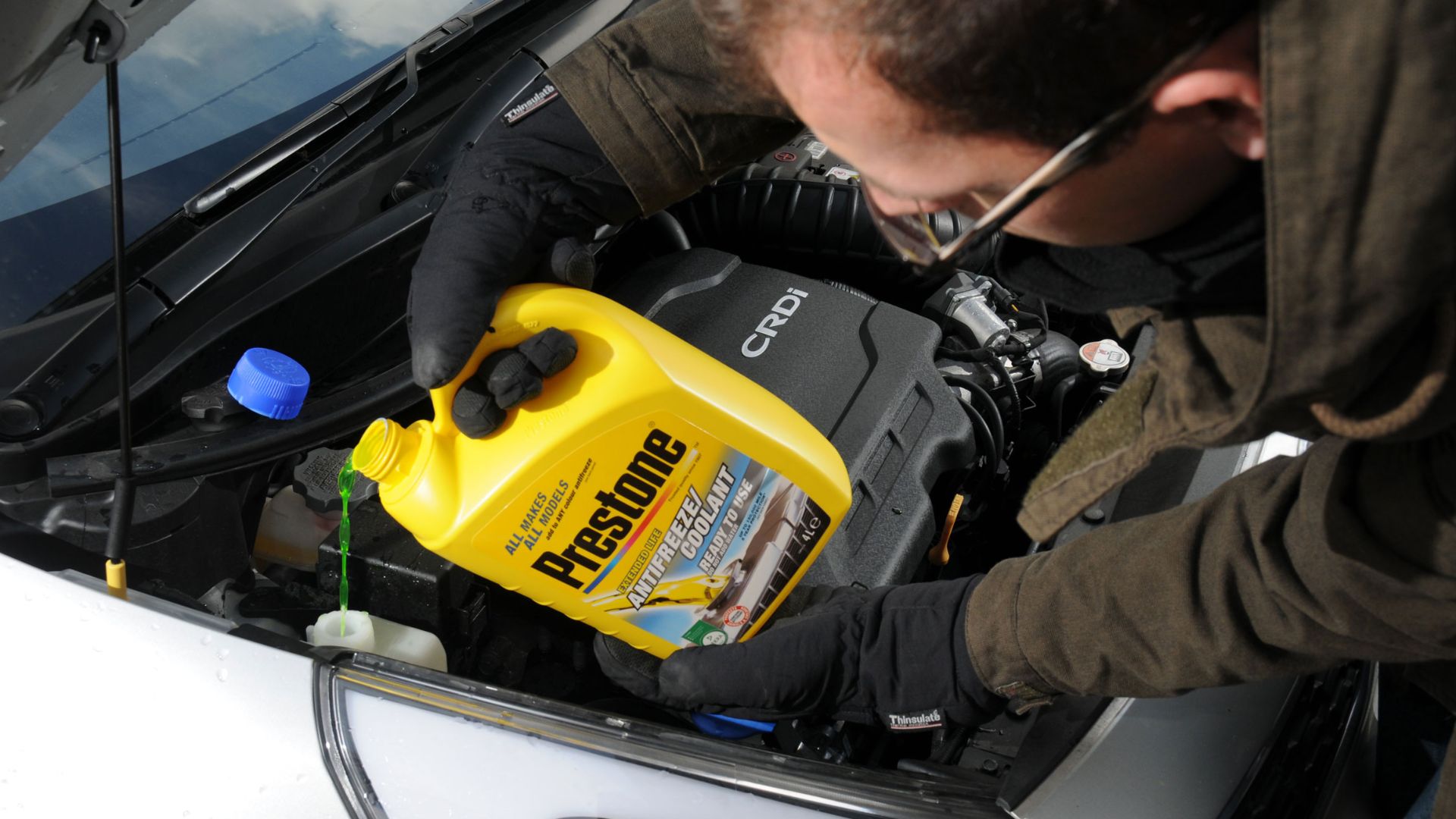 Gasper12345, Wikimedia Commons
Your Best Rule Of Thumb
If the coolant is the correct type, the system is clean, and the car is still within the factory service interval, appearance alone is not a reason to flush it early. If the coolant is overdue by time or mileage, though, it usually should be serviced whether it looks good or not. In a cooling system, chemistry fades quietly, and that is exactly why clear-looking coolant can still be ready for replacement.
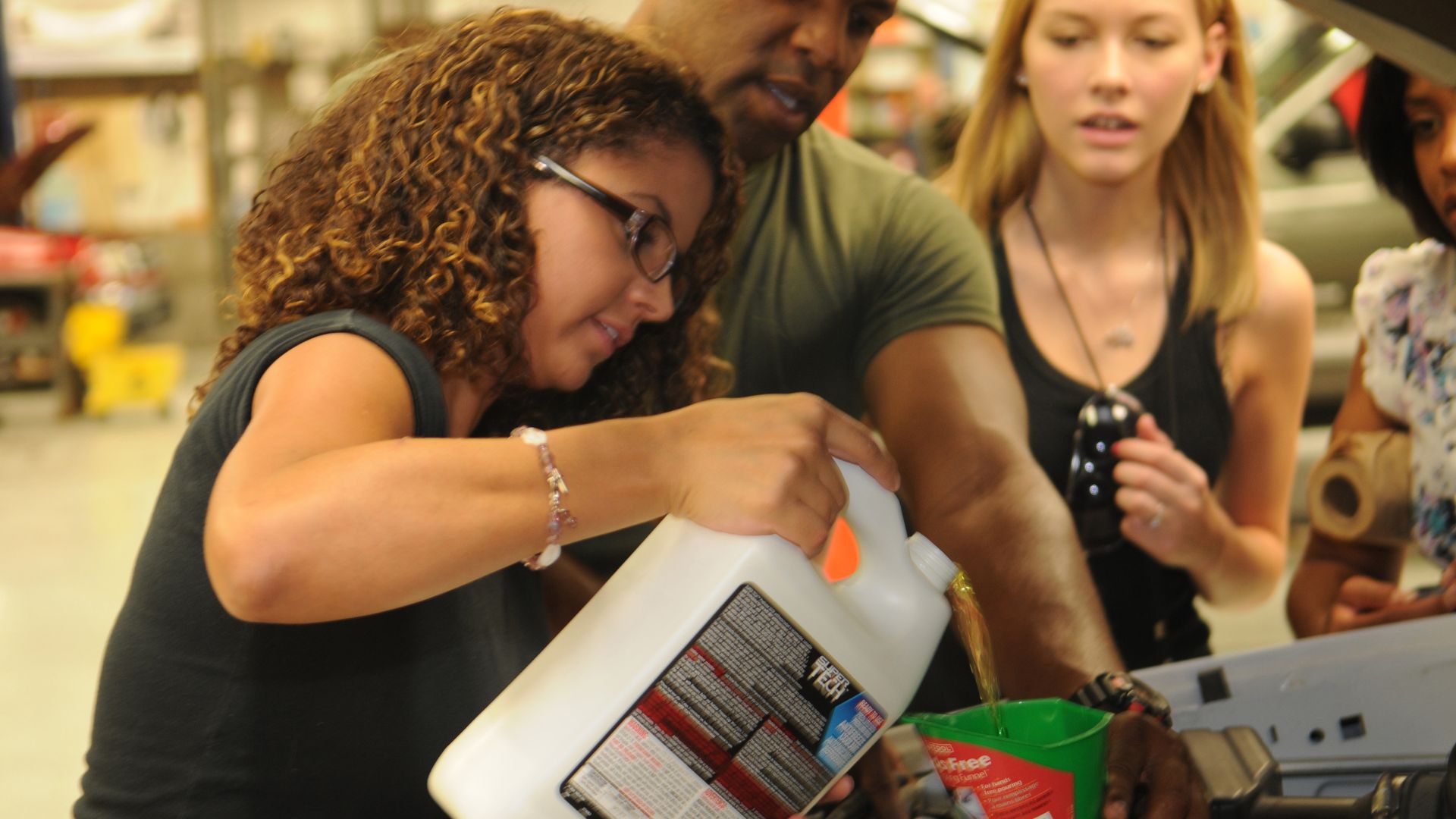 Lance Cpl. Sean Dennison, Wikimedia Commons