That Silence From The Other Driver Can Bring Everything To A Crawl
If your insurer says your claim is delayed because the other driver will not answer calls, frustration is justified. In a lot of claims, the insurer wants a statement from the other driver before it decides fault or pays certain parts of the claim. But that does not mean the company can drag this out forever. State insurance rules and policy deadlines still apply.
The First Thing To Know About A Delay
A delay is not automatically bad faith. Insurers usually get time to investigate, especially when fault is disputed or the company is waiting on statements, police reports, photos, or medical records. The real question is whether the company is actually moving the claim forward within your state’s deadlines and telling you what it still needs.
 Tualek Photographer, Shutterstock
Your State Usually Controls The Timeline
There is no single national rule that says exactly how many days an insurer gets when the other driver goes quiet. States set claim-handling rules through insurance regulations and unfair claims practices laws. Those rules often require prompt acknowledgment, a timely investigation, and a decision within a set time unless the insurer has a valid reason for needing more time.

California Has Some Of The Clearest Deadlines
California’s Department of Insurance says insurers must acknowledge receipt of a claim within 15 calendar days and accept or deny the claim, in whole or in part, within 40 days after receiving proof of claim. If more time is needed, the insurer must send notice every 30 days explaining the delay. Those rules come from California’s Fair Claims Settlement Practices Regulations, which are among the clearest consumer-facing rules in the country.
Texas Also Sets Firm Deadlines
Texas gives consumers another solid benchmark. The Texas Department of Insurance says an insurer generally must tell you within 15 business days that it received your claim, start its investigation, and ask for any needed items. After it gets all required documents, it usually has 15 business days to accept or reject the claim, with a possible extension to 45 days in some cases if it explains why.
Florida Requires Quick Acknowledgment And Prompt Payment After Settlement
Florida has its own timetable. Under Florida law, insurers generally must review and acknowledge communications about claims within 14 calendar days, unless payment is made in that time or factors outside the insurer’s control prevent it. Once there is an agreement to settle, payment is supposed to follow within the time limits set by state law.
New York Also Requires Prompt Communication
New York’s Department of Financial Services publishes claim guidance that calls for prompt acknowledgment and investigation. The exact timing can depend on the kind of claim and the information already received, but the bigger rule is the same. An insurer cannot simply say the other driver is ignoring us, so nothing can be done.

The Other Driver’s Silence Hits Some Claims Harder Than Others
If you are filing a claim against the other driver’s insurer, that company’s main contractual duty is to its policyholder, not to you. In practice, that means the carrier may be more careful about paying before it hears from its insured. If you are using your own collision coverage, your insurer usually has more room to pay under your policy and sort out fault later through subrogation.

Collision Coverage Can Be The Way Out
If you have collision coverage, this is often the fastest way to get your car fixed. Your insurer can pay for covered damage, minus your deductible, and then go after the at-fault driver’s insurer later. If your company gets reimbursed, you may get your deductible back, though that can take a while.
Liability Claims Usually Move More Slowly
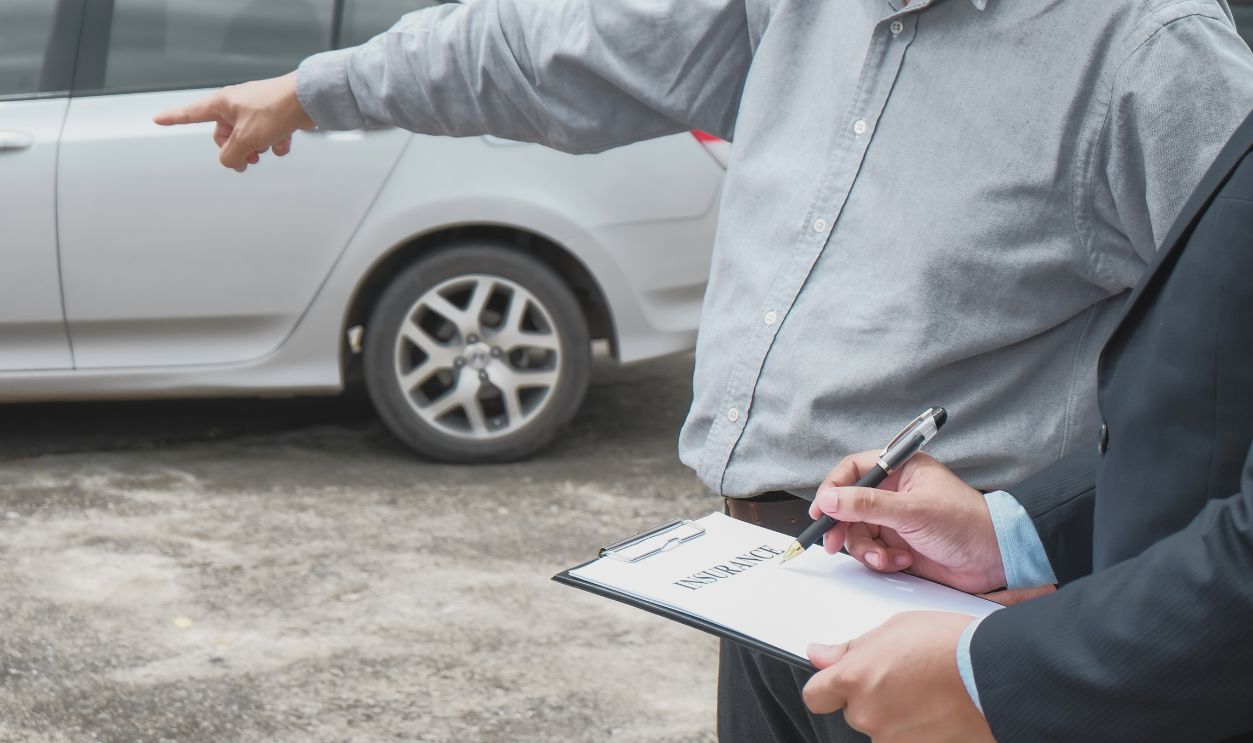
Third-party liability claims are usually where things bog down. The at-fault driver’s insurer often wants to confirm how the crash happened, whether its insured had permission to drive the vehicle, and whether any coverage issues might apply. If its own customer will not return calls, the carrier may hold back before accepting full liability.

A Police Report Can Break The Standoff
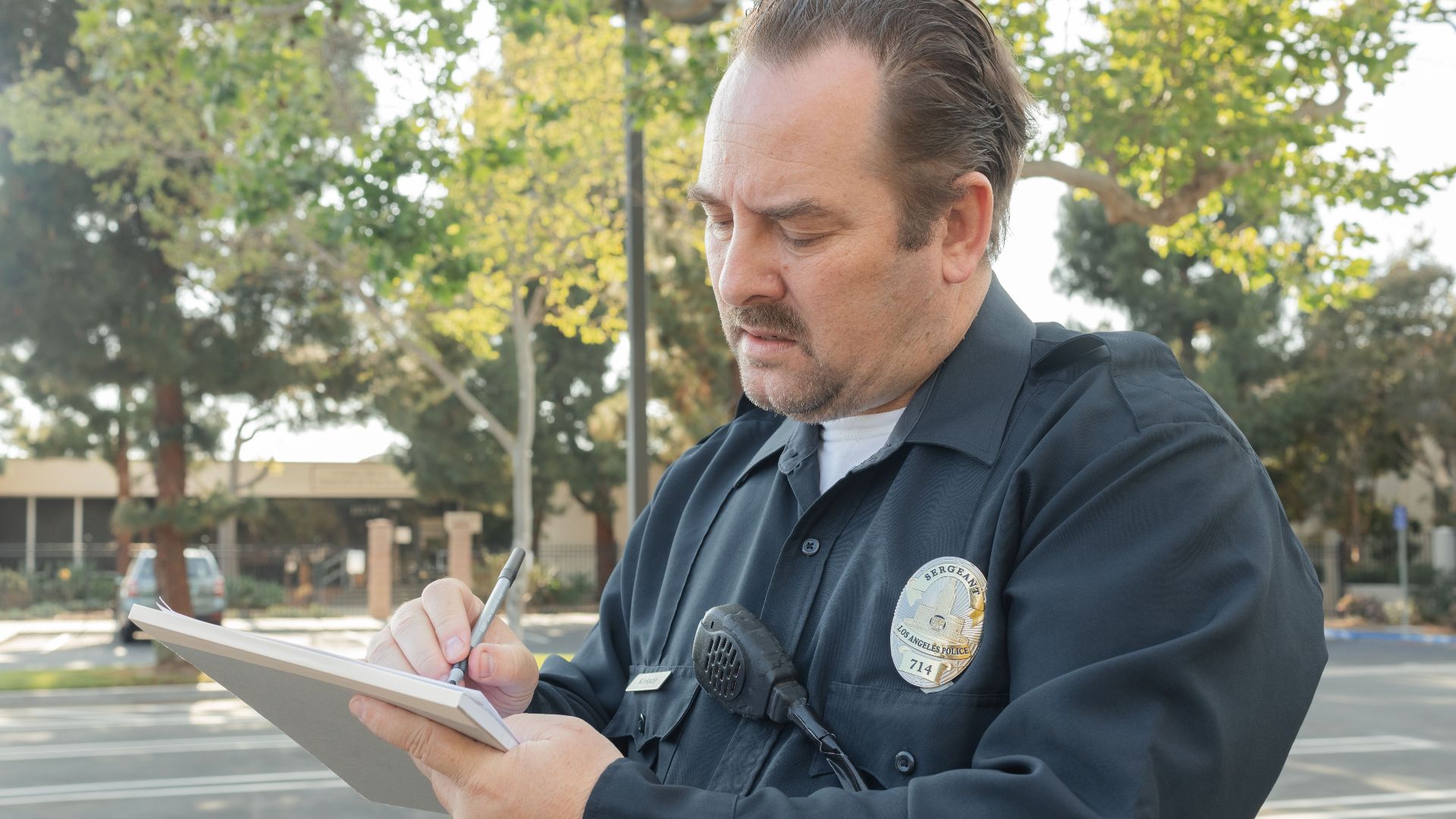
If police responded, the report can give the investigation something more than two competing stories. It may include diagrams, witness names, weather, road conditions, and any citations issued. The report does not decide civil liability by itself, but it often gives adjusters enough to move the claim instead of waiting only on an unresponsive driver.
Witnesses Can Change The Whole Claim
Independent witnesses can be the difference between a claim that drags on and one that gets resolved. A neutral bystander who saw the lane change, red light, or rear-end impact can help an insurer decide fault without depending entirely on the missing driver’s side of the story. If you have names, phone numbers, or dashcam footage, send them in early.

Photos And Video Leave Less Room For Excuses
Damage photos, intersection images, surveillance footage, and dashcam clips can all help push a claim forward. They give the adjuster hard evidence about vehicle positions and impact points. When the other driver disappears, that kind of evidence matters even more.

Do Not Gloss Over The Phrase Proof Of Claim
Some state deadlines start only after the insurer receives the information it reasonably needs, often called proof of claim. That can include repair estimates, photos, medical bills, loss details, and signed forms. If the company says it is waiting on the other driver, ask whether your file is otherwise complete and what exact items are still missing.

Ask For The Delay In Writing
One of the smartest things you can do is ask your adjuster to explain the delay by email or letter. Ask for the date your claim was opened, what steps have been taken, what information is still needed, and what deadline applies in your state. A written record makes it much easier to tell the difference between a normal investigation and a stall.

There Is A Big Difference Between Investigating And Going Silent
Insurers can investigate. They generally cannot just disappear. Many state rules require periodic updates when a claim is still unresolved, and that is often where weak claim handling starts to show.

California’s 30-Day Update Rule Shows How This Should Work
In California, if the insurer cannot accept or deny the claim within 40 days after proof of claim, it must give written notice explaining why. After that, it must send updates every 30 days explaining the ongoing reasons for the delay. If all you are getting is a vague comment that the other driver is not answering, that may not be enough under the regulation.

Texas Gives You Another Good Script
In Texas, if the insurer needs more time after receiving all required items, it generally must tell you why and explain that it needs more time. The Department of Insurance lays out a process that is not supposed to leave consumers guessing. That gives you a strong basis for pushing back.

If You Only Have The Other Driver’s Insurance, Patience Still Has A Limit
When you are not using your own collision coverage, you may have fewer options. Even so, you can ask the liability carrier to make a decision based on the evidence it already has if its insured stays unreachable. Some companies will deny liability, some may accept partial liability, and some will keep investigating, but they should still be able to tell you where the claim stands.
 Andrii Iemelianenko, Shutterstock
Do Not Miss Deadlines In Your Own Policy
While you are waiting on the other side, make sure you are not missing deadlines under your own policy. Prompt notice requirements, rental reimbursement rules, and time limits for sending documents can all affect your rights. A slow claim is bad enough without creating a second problem.

Rental Car Costs Can Become The Real Problem
The repair check is not always the biggest issue. If your car cannot be driven, rental costs can stack up fast while insurers argue over fault. Ask both your insurer and the other driver’s insurer, in writing, whether they will approve rental coverage while the investigation continues.

Total Loss Claims Add Even More Delay
If the vehicle may be totaled, the insurer may also need title documents, lienholder information, mileage confirmation, and valuation support. That paperwork can slow things down even when liability is clear. If liability is not clear and the other driver is missing, a total loss claim can drag even longer unless you use your own coverage.

You Can Escalate Before Filing A Complaint
Start by asking for a supervisor or claims manager. Calmly lay out the facts, list the dates of your prior contacts, and ask for a written status update along with the state deadline that applies. Escalating within the company often works faster than going straight to a regulator.

When A State Insurance Complaint Makes Sense
If the insurer is not acknowledging communications, is missing legal deadlines, or keeps repeating the same vague excuse without showing real progress, a complaint to your state insurance department may make sense. Regulators usually will not decide who caused the crash, but they can review whether the company followed claim-handling rules. Sometimes that is enough to get a real answer.
 Vukasin Ljustina, Shutterstock
Bad Faith Is A Legal Claim, Not Just A Feeling
People often use the phrase bad faith to describe any irritating delay, but legally it is more specific. A company usually crosses the line when it unreasonably fails to investigate, communicate, or pay a covered claim without proper cause. The fact that the other driver is not answering can be a real issue, but it is not a free pass for an endless delay.

Here Is The Practical Timeline To Keep In Mind
In many states, you should expect acknowledgment of the claim within about two weeks. A coverage or liability decision may come within a few more weeks once the insurer has enough information, though the exact deadline depends on the state and whether the file is complete. If months are passing with no clear written explanation and no periodic updates, that is usually the point where you need to push harder.
The Fastest Route Is Usually Evidence Plus Your Own Coverage
If you want the short version, here it is. Give the insurer photos, witness details, the police report number, repair estimates, and any video as soon as possible. If you have collision coverage, using it often gets you back on the road faster while the insurers argue over reimbursement behind the scenes.

What To Say On Your Next Call
Ask three simple questions. What specific state deadline applies to my claim, what information are you still waiting for, and when will I receive the next written update. Those questions turn a vague delay into something concrete, and that is where you start to gain leverage.

You Do Not Have To Wait Forever
The other driver’s refusal to answer calls can slow a claim, but it does not erase the insurer’s duty to investigate and communicate. State rules in places like California, Texas, Florida, and New York show that insurers are expected to keep claims moving and explain delays with real detail. If your claim has gone stale, the next step is not more guessing. It is getting the timeline and the reason in writing.