The Track Day Surprise Nobody Wants
You lend out your keys for a quick errand, then find out your brother took your car to a racetrack. That is the kind of news that makes any owner’s stomach drop. The big question is whether one track day can wreck your insurance coverage, your factory warranty, or both.

Yes, One Track Day Can Cause Problems
A single track day can create real trouble, but it does not automatically wipe out your entire insurance policy or your whole warranty. The answer depends on the wording in your insurance policy, the kind of event it was, and the terms in your vehicle’s warranty. The key point is simple: insurers and automakers often treat track use very differently from normal street driving.
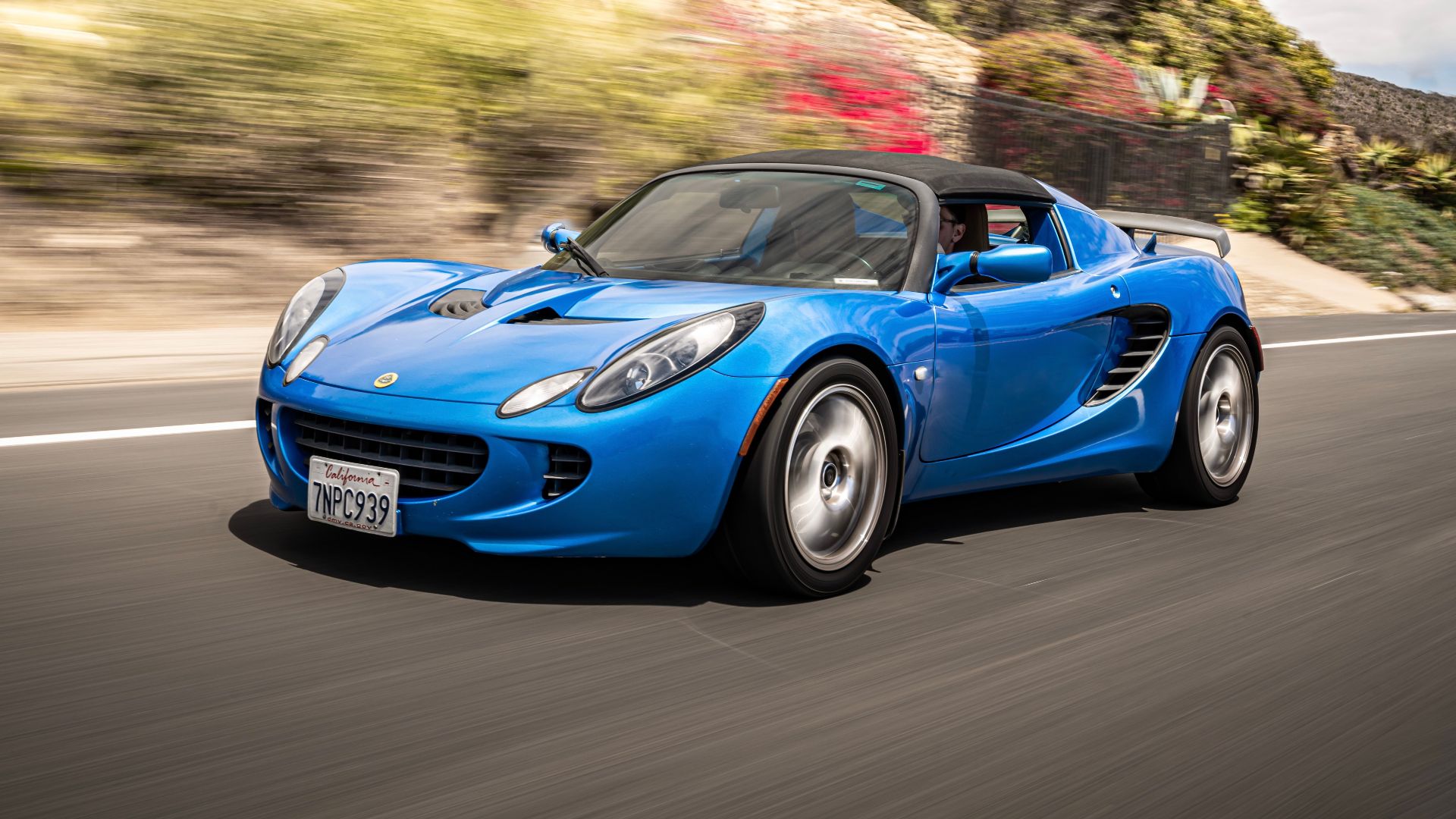
Insurance Usually Draws A Clear Line
Many personal auto insurance policies exclude damage that happens while a car is being used in a race, speed contest, or on a racetrack. That is not some rare exception buried in fine print. Major insurers and consumer guides regularly warn that a standard personal policy may not cover incidents at organized track events, even if the event is called a driver education day instead of a race.
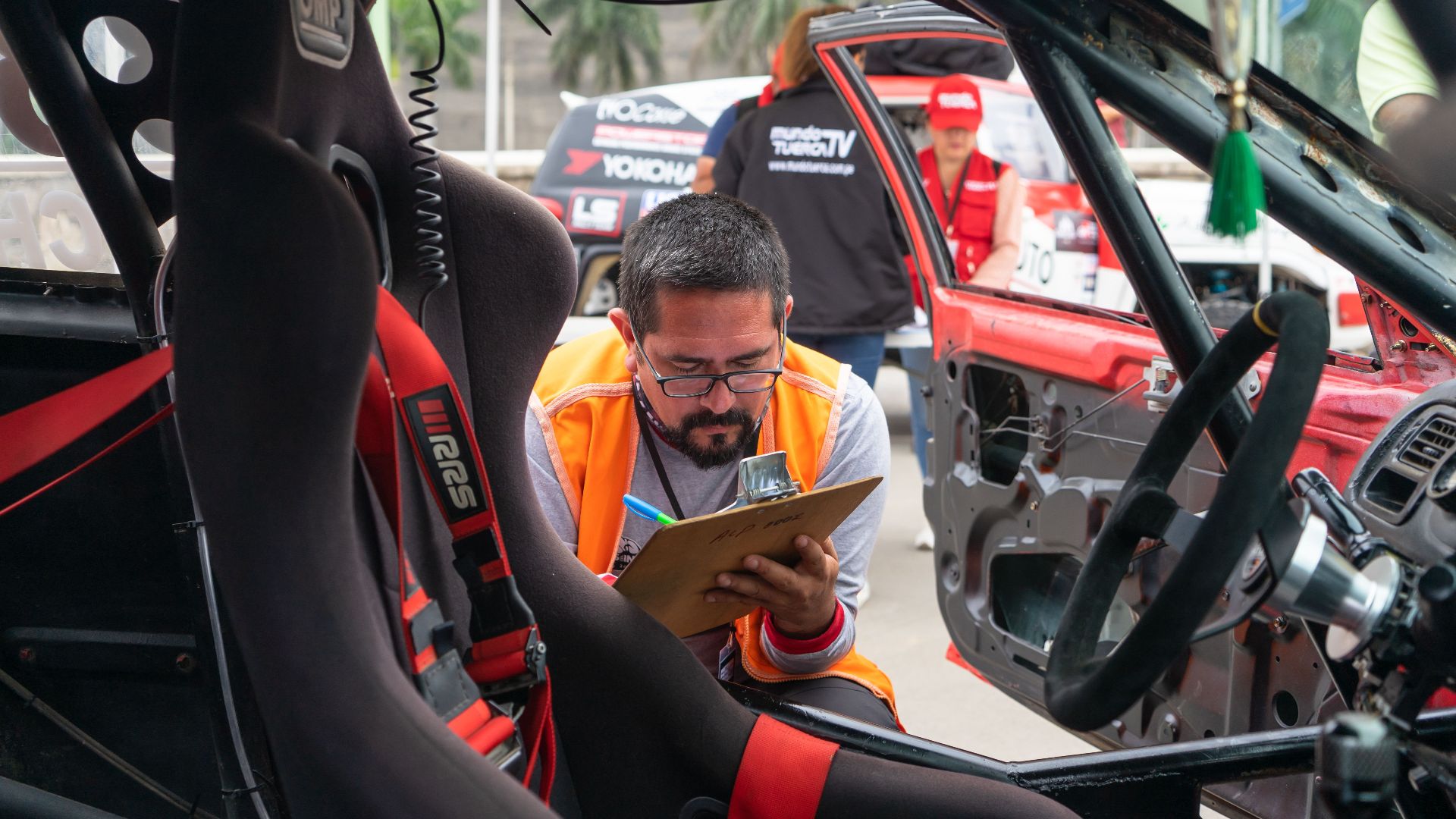
State Farm Says To Read The Policy First
State Farm’s guidance says some auto policies may exclude coverage for racing or track events, and it tells drivers to review their policy before taking part. That matters because a denied claim can leave you paying the full repair bill yourself. If your brother damaged the car at the track, the insurer is going to start with the exact words in the policy.

Progressive Gives A Similar Warning
Progressive says track days and racing activities are often not covered by standard car insurance. That is an important difference, because many drivers assume a noncompetitive event is still just driving. Insurers often do not see it that way, since the risk is much higher on a closed course.

Noncompetitive Does Not Always Mean Covered
One of the biggest misunderstandings is thinking that if there were no trophies and no timing, insurance must still apply. In reality, many policies use broad language that goes beyond wheel-to-wheel racing. Terms like speed contest, prearranged race, timed event, or operation on a track can all make a difference.

There Is A Reason Track Day Insurance Exists
Specialty insurers sell track day insurance because normal street coverage often leaves a big gap once a car goes on track. Hagerty offers Track Day Insurance for exactly that reason. If regular auto policies clearly covered on-track damage, there would be much less need for separate event coverage.
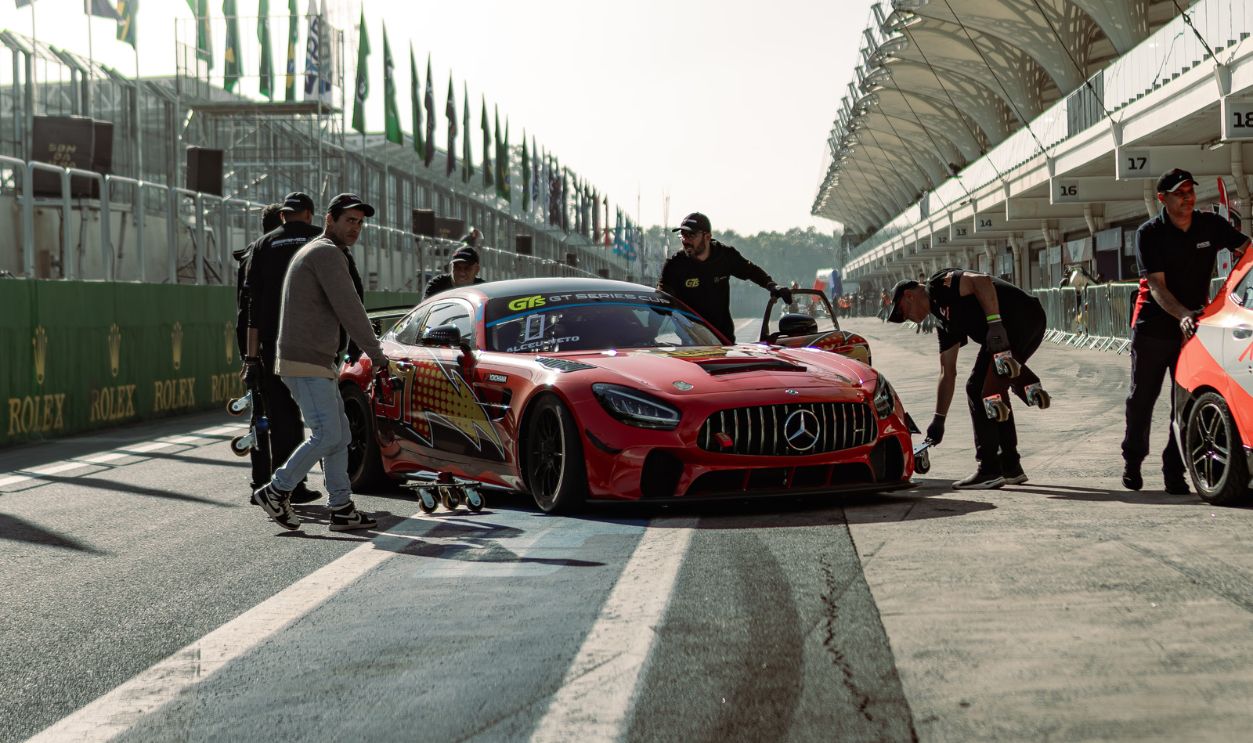
What Track Day Insurance Usually Covers
Track day policies are generally meant to cover physical damage to the insured car during a high-performance driving event. Hagerty says its product is for non-timed HPDE events, not racing. That shows how sharply the industry separates recreational track driving from everyday road use.
Liability Is A Different Issue
Even if there is some damage coverage through a specialty policy, liability can work very differently at a racetrack. Many events require waivers, and organizers often set things up so drivers accept a lot of the risk themselves. So the usual assumptions about injury and property damage claims may not work the same way they would after a normal street accident.
Who Owns The Car Matters Less Than What The Policy Says
If your brother had permission to drive your car on the street, that does not automatically mean he had permission to use it on a track. But even before that family argument starts, the first real question is whether the loss happened in a situation excluded by the policy. If it did, the claim can be denied no matter who was driving.

The Warranty Question Is Different
Warranty worries are not the same as insurance worries. Insurance is about whether damage from the event is covered. A warranty is about whether the manufacturer has to fix defects in materials or workmanship, and whether it can refuse repairs tied to abuse, misuse, or excluded uses like competition driving.
One Track Day Usually Does Not Kill The Whole Warranty
People often say one modification or one hard day can void an entire warranty, but that is usually too broad. The Federal Trade Commission explains that under the Magnuson-Moss Warranty Act, manufacturers generally cannot cancel your entire warranty just because of aftermarket parts or unsupported assumptions. They still have to justify denying a specific repair.

But A Specific Repair Can Be Denied
If the engine overheated after repeated hot laps, or the brakes got cooked on track, the automaker may argue that the failure came from excluded use rather than a factory defect. In that case, the company may deny that particular repair under the written warranty terms. That is very different from wiping out all of your coverage forever.
Chevrolet Has Been Clear About Corvette Track Use
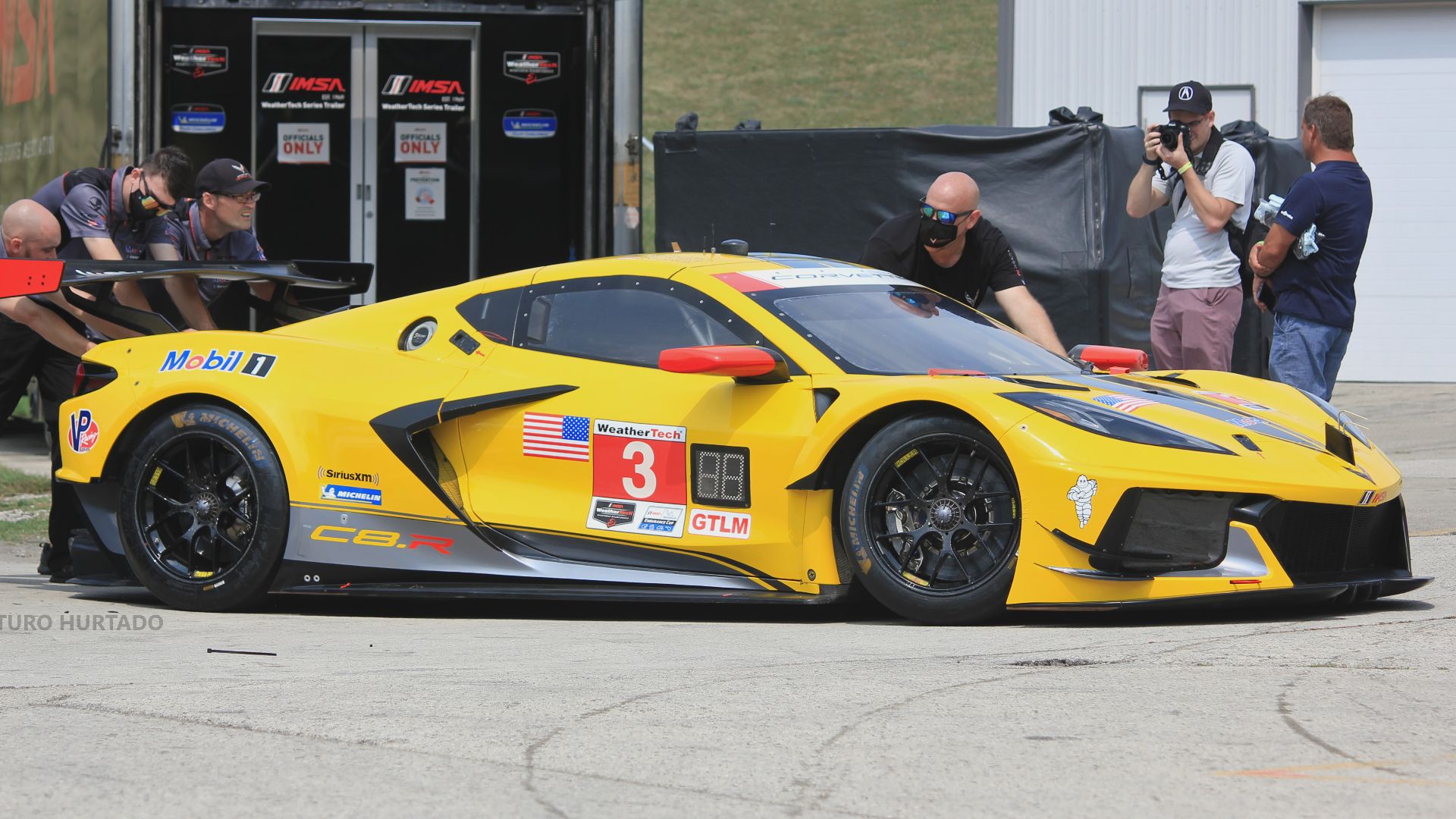
General Motors has published clear guidance for Corvette owners saying track events can affect warranty coverage. In C8 Corvette owner materials, GM talks about track preparation, but it also says damage caused by track events, competitive driving, or racing is not covered by the vehicle warranty. That is a reminder that a car can be built for the track while still carrying strict warranty limits.
 Arturo Hurtado, Wikimedia Commons
Ford Has Used Similar Language
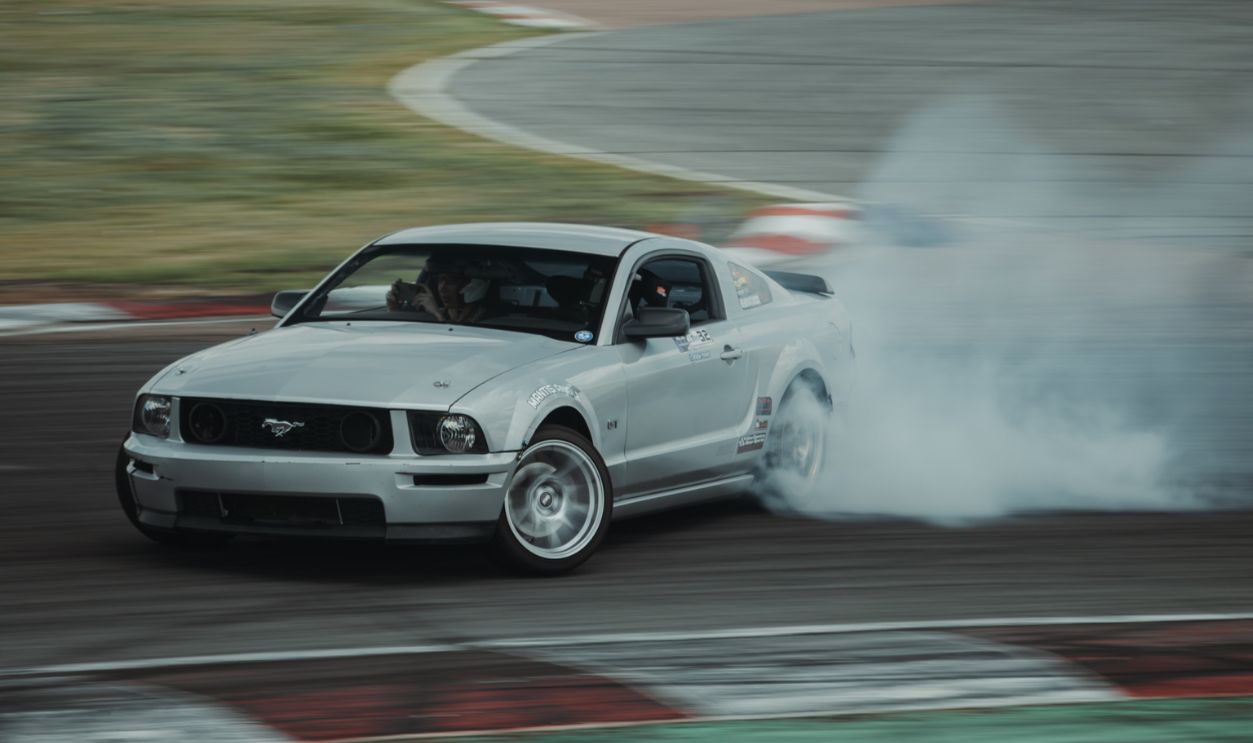
Ford’s warranty materials have long included exclusions tied to racing or competition. On performance models in particular, owner documents and warranty guides usually draw a line between factory defects and damage caused by misuse, racing, or off-road or track activity outside covered use. In plain English, the car may be fun, but the warranty still has limits.
Porsche Draws The Same Line
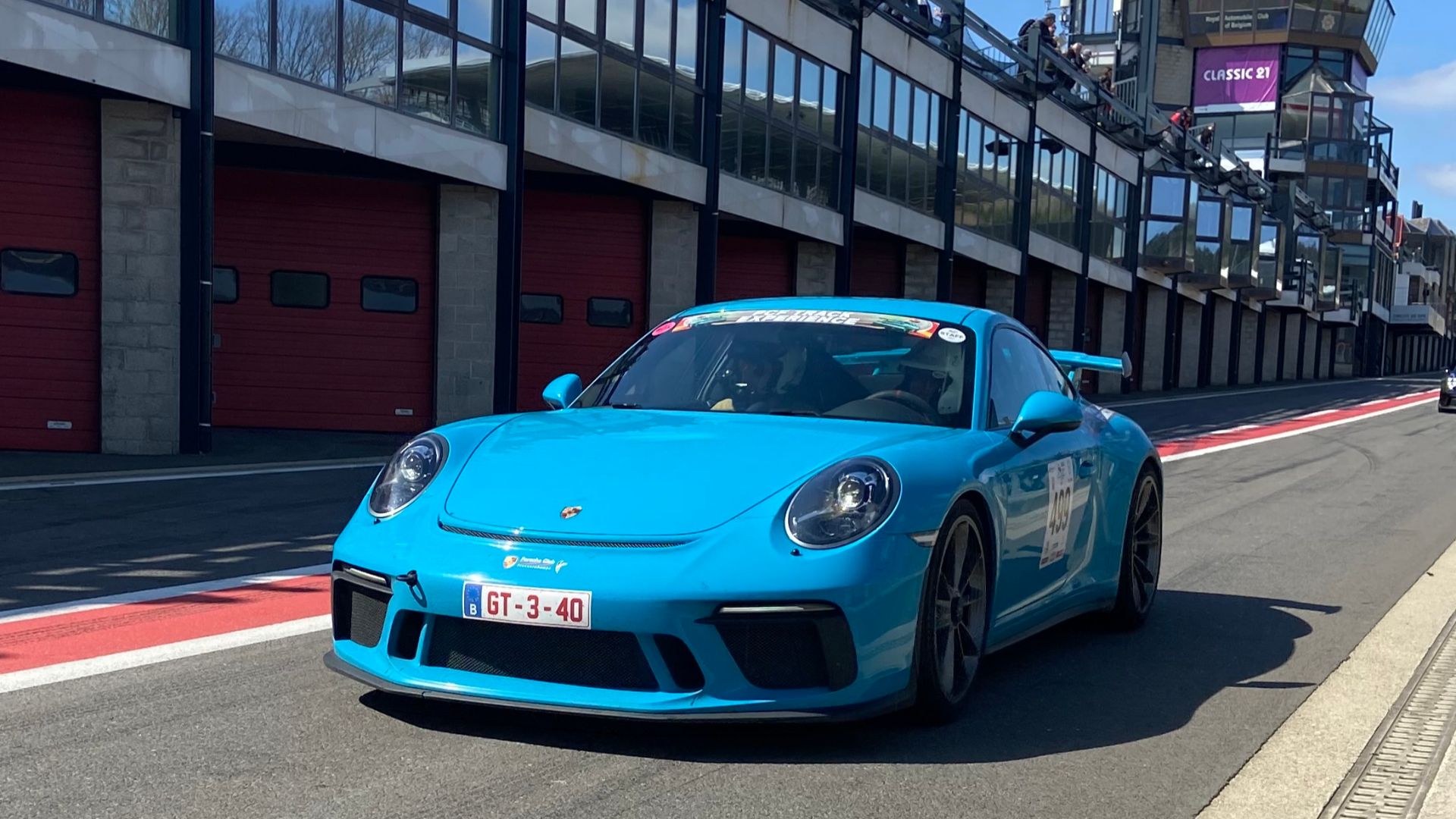
Porsche’s warranty documentation has also warned that damage caused by racing or competitive driving is excluded. That matters because Porsche openly embraces performance driving culture, yet still makes a legal distinction between spirited driving and warranty-covered defects. A manufacturer can build a track-ready car and still refuse to pay for track-caused failures.
 ContextCreator, Wikimedia Commons
Dealers Can Often See More Than Owners Think
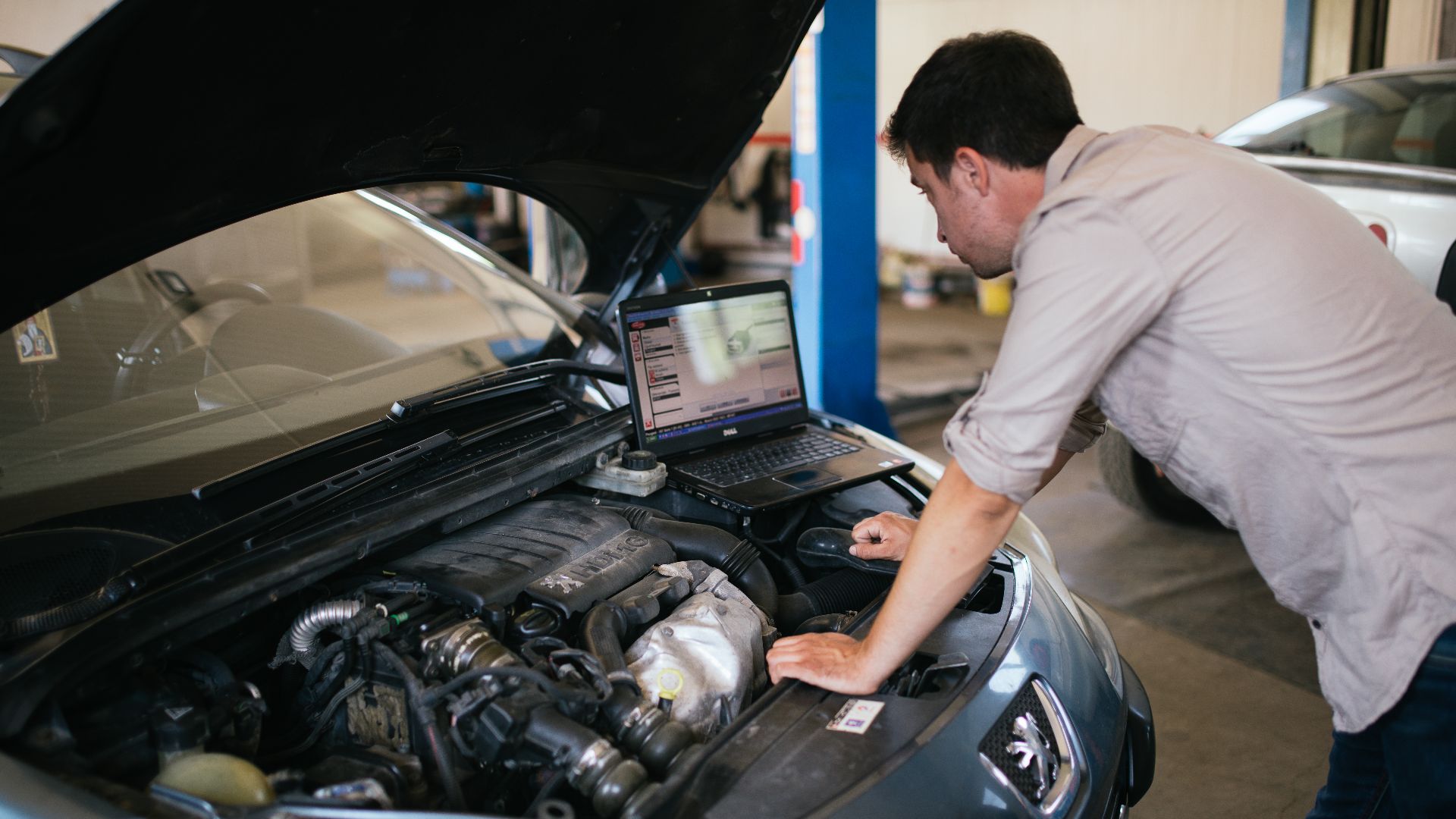
Some owners assume a brief track visit will go unnoticed. Modern cars store a lot of data, and service departments may be able to review over-rev events, temperature history, launch counts, trouble codes, and other operating info. If a major failure shows signs of heavy high-load use, an automaker may take a very close look before approving a warranty repair.
 Shixart1985, Wikimedia Commons
That Does Not Mean Every Service Visit Turns Into An Investigation
Not every routine visit leads to a deep dive into vehicle data. Plenty of maintenance appointments come and go without much scrutiny. But if the car shows up with a blown differential, scorched brakes, or engine trouble after a suspected track outing, expect a lot more attention.
The Brother Problem Adds Another Layer
Since your brother took the car without asking, there is another issue besides track use. Insurance claims often depend on whether the driver had permission. If he did not have permission to use the car at all, or only had limited permission that clearly did not include a racetrack, that can make the claim even messier.

Unauthorized Use Does Not Automatically Mean A Payout
Some owners think that if they say, “I never allowed this,” the insurer will treat it like theft and pay the claim. It is usually not that simple. Insurers look at things like household access, past borrowing habits, where the keys were kept, and whether there was implied permission. The details matter a lot.

No Crash Does Not Mean No Problem
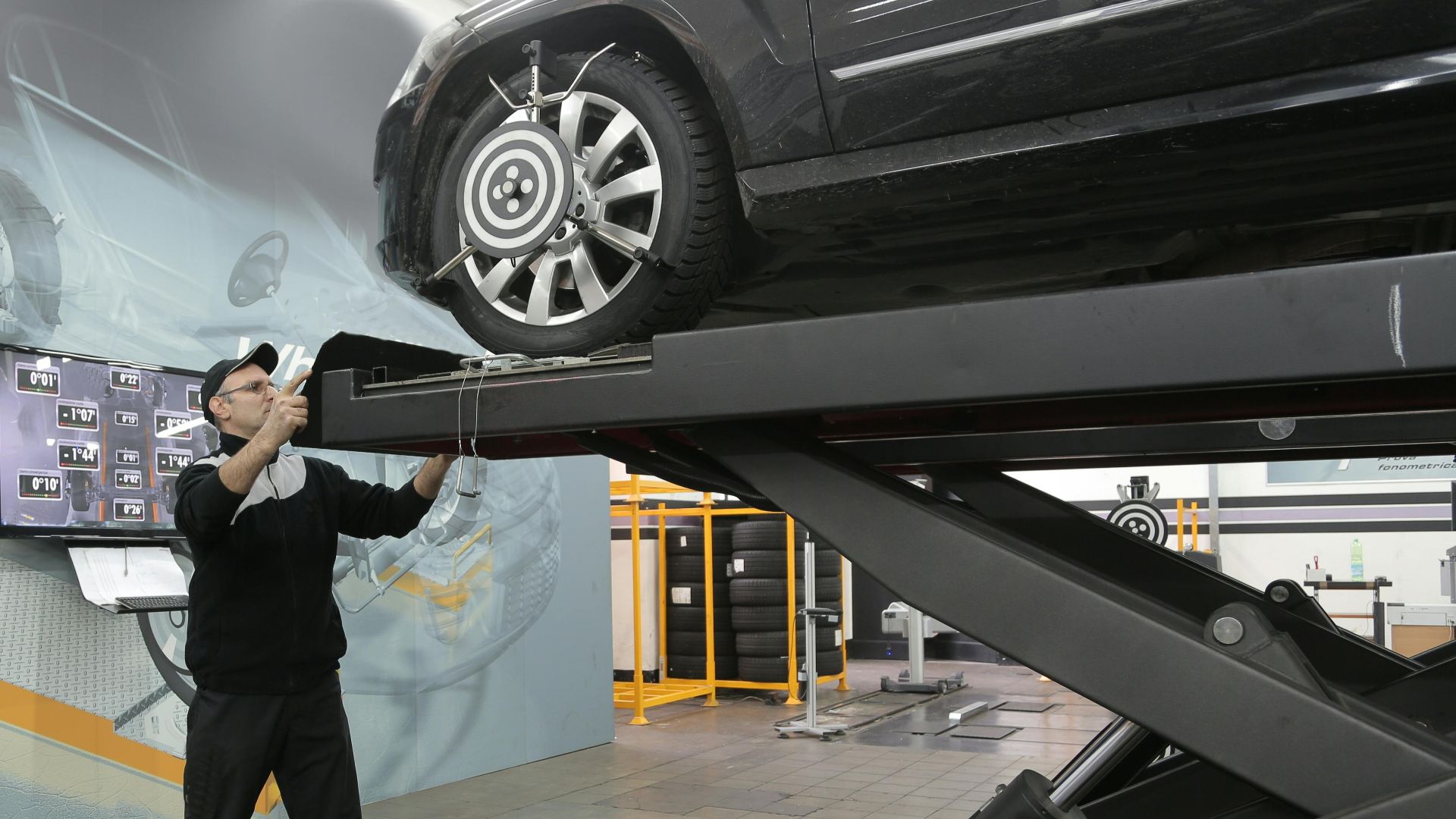
Maybe your brother brought the car home without hitting anything. You still could be dealing with extra wear on the tires, brakes, clutch, fluids, and possibly the powertrain. Those problems may not show up right away, which can make any later fight with a dealer or insurer much harder to sort out.

Tires And Brakes Usually Show It First
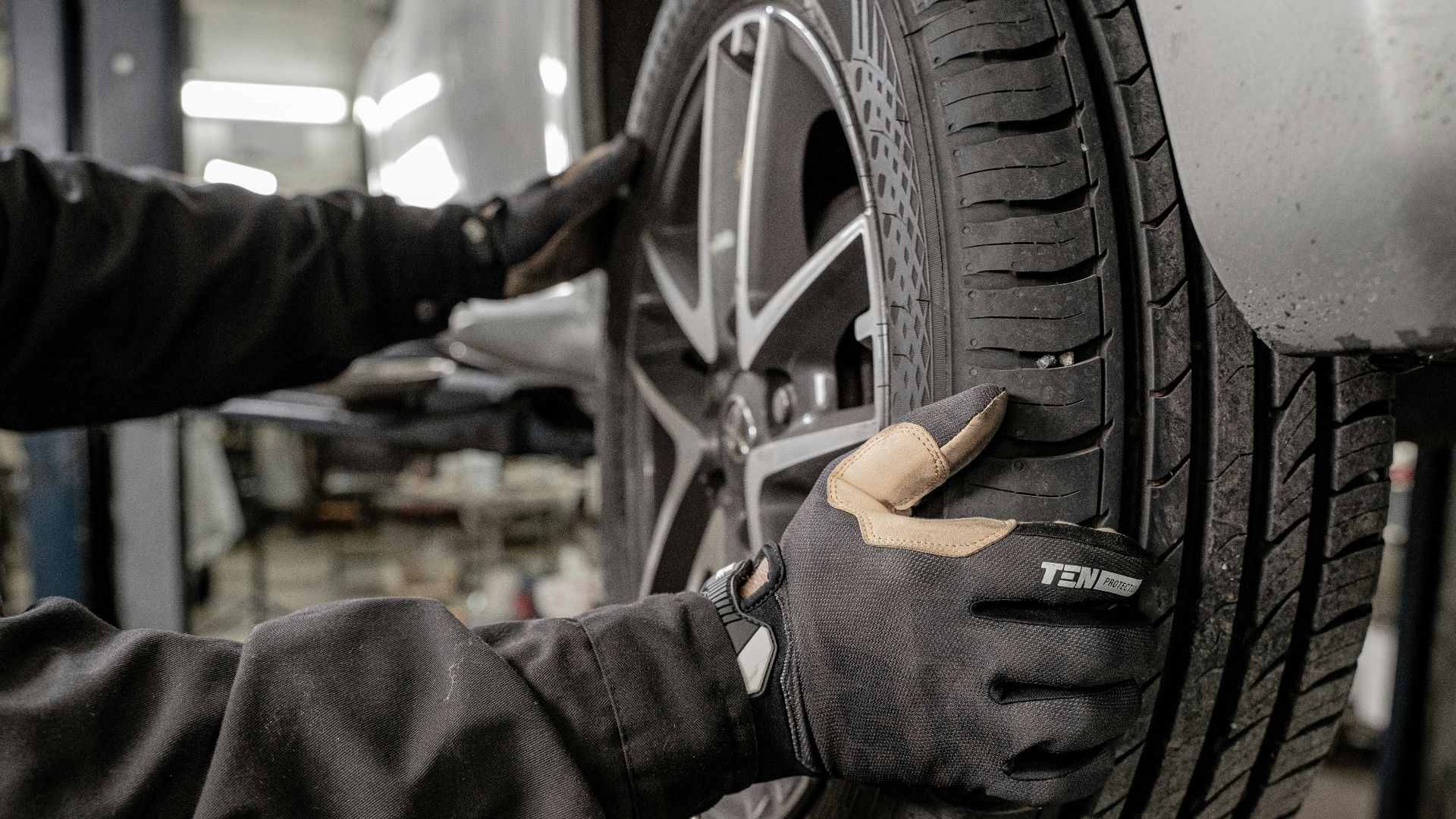
One track day can chew through street tires and overheat pads and rotors far faster than normal road driving. If the car now has strange tire wear, brake vibration, or discolored fluid, document it right away. Those details can help you piece together what happened before memories fade and receipts vanish.
What To Do Right Away
Start by finding out exactly where the car went, what kind of event it was, and whether there was any contact, off-track moment, warning light, mechanical issue, or tow. Gather texts, registration emails, track photos, timing app screenshots, and fuel or tire receipts if they exist. Early facts are much more useful than guesses made later.

Read These Two Documents Before You Panic
Pull out your auto insurance declarations page and full policy, then get the warranty booklet and owner’s manual for your specific car. Search for words like racing, racetrack, speed contest, timed event, competition, misuse, abuse, and exclusions. Those terms will usually tell you pretty quickly whether the risk is minor or very real.

Call Your Insurer Carefully And Honestly
If there was damage, ask your insurer how the policy handles noncompetitive track events and unauthorized use by a family member. Be accurate and honest. A misleading statement during a claim can create a bigger problem than the track day itself.

Talk To The Dealer In Terms Of Symptoms
If the car now has a problem, describe the symptoms clearly and let the diagnosis start there. Do not make up a cleaner story, but do not start guessing either. If the manufacturer asks about track use, answer honestly, because false statements can ruin any chance of goodwill.

The Bottom Line
One track day usually does not erase your entire insurance policy or your entire factory warranty in one shot. But it absolutely can lead to a denied insurance claim for on-track damage and a denied warranty repair if the failure is tied to track use or another exclusion. If your brother borrowed your car for a simple errand and ended up chasing apexes, the financial damage can be very real after just one day.