The Cheap-To-Run EV Claim Sounds Great, But There’s A Catch
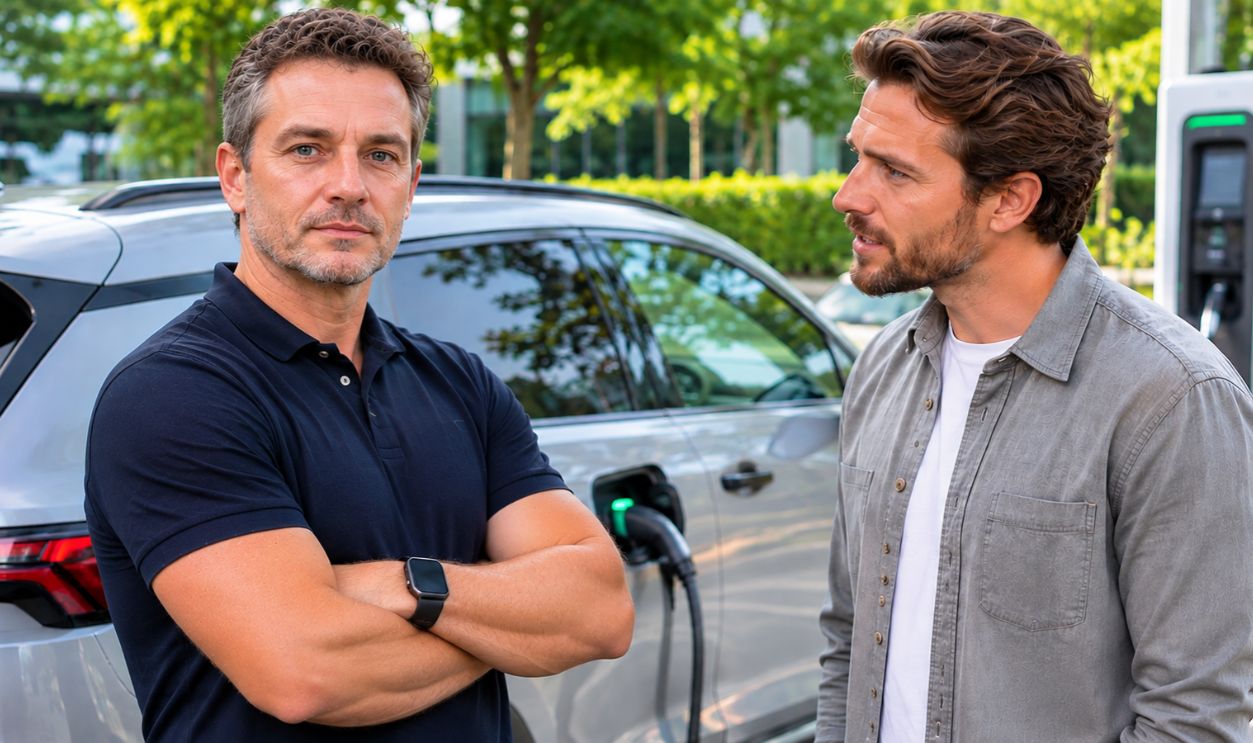
EVs have earned their reputation for lower maintenance, and that part is mostly true. They do not need oil changes, and they usually have fewer moving parts than gas cars. But your friend is not wrong to bring up tires and insurance, because both can cost more on some EVs and cut into those savings.
What Experts Found About EV Maintenance
Consumer Reports said in 2020 that owners of all-electric vehicles paid about half as much for maintenance and repair as owners of similar gas-powered cars. The finding came from member data on real ownership costs. The reasons were simple: no oil changes, fewer fluids, and less brake wear thanks to regenerative braking.
Fewer Moving Parts Is Not Just Marketing
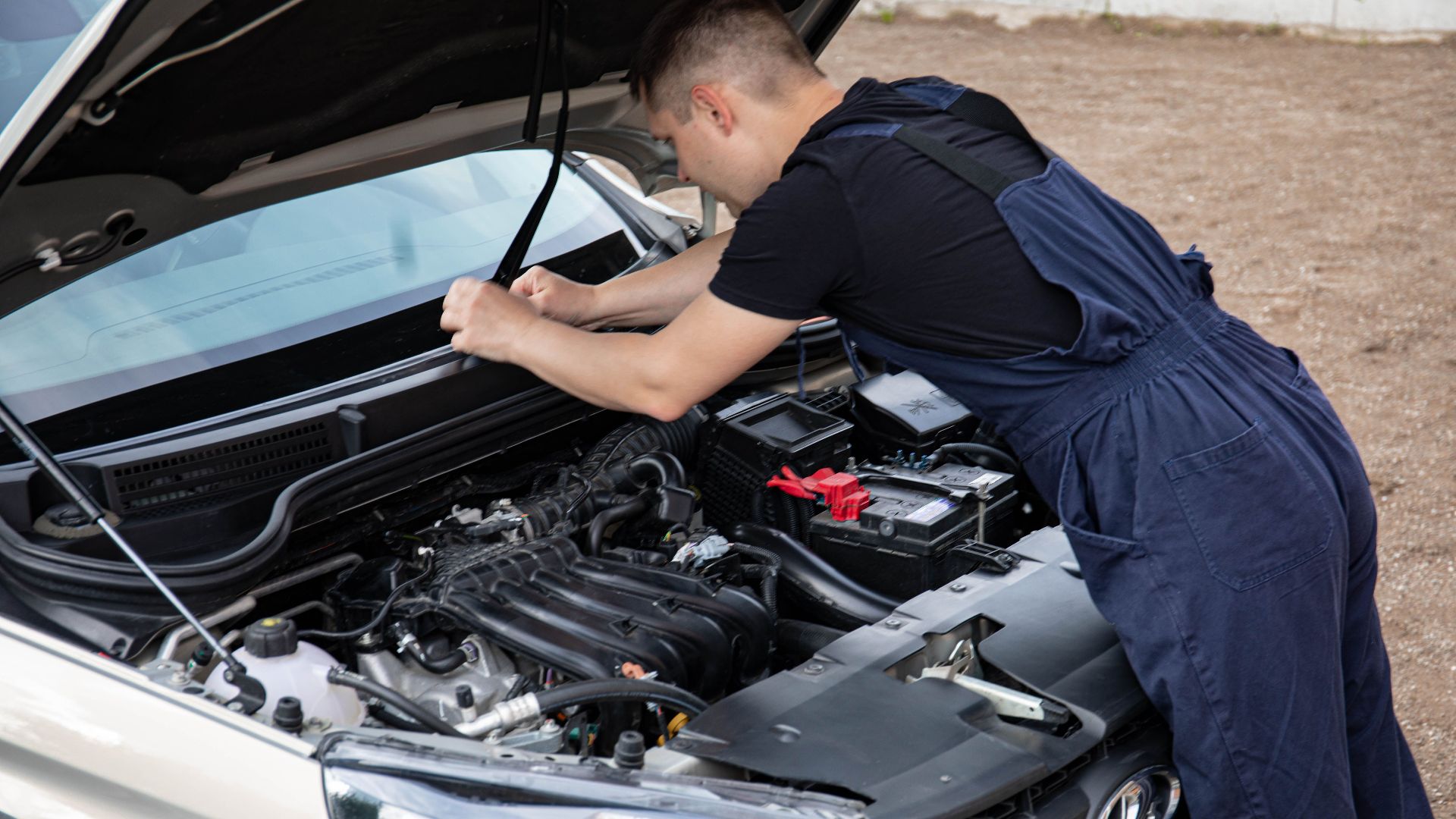
A gas car has an engine, transmission, exhaust system, fuel system, and a long list of parts that need service over time. A battery-electric vehicle skips many of those parts altogether. The U.S. Department of Energy says EVs usually need less maintenance because they have fewer fluids to change and fewer moving parts to service.
 Tomás Freres, Wikimedia Commons
Oil Changes Disappear Right Away
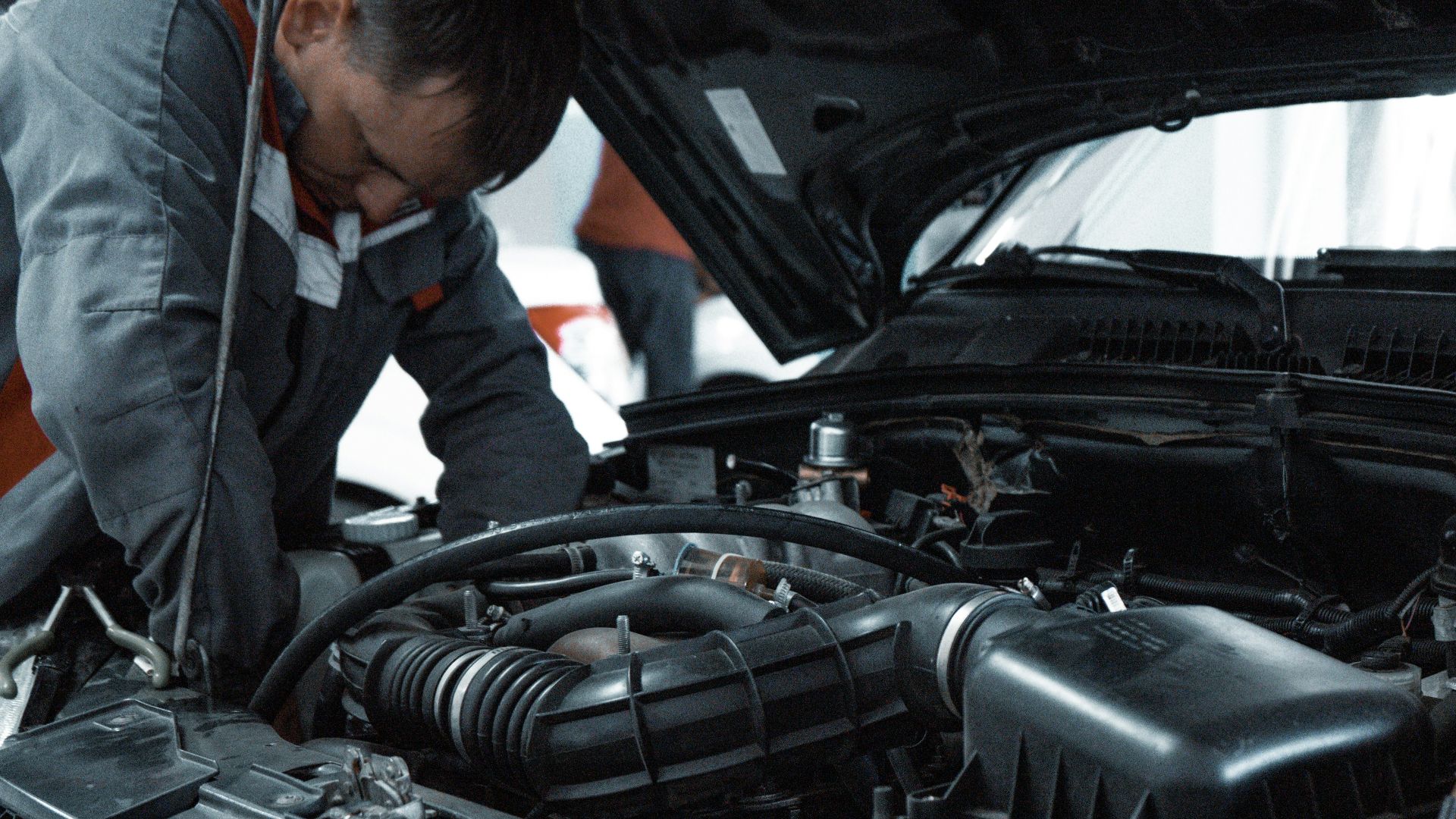
This is the easiest saving to understand. A battery-electric vehicle does not use engine oil, so there are no oil changes, oil filters, spark plugs, timing belts, or emissions-system repairs tied to combustion. Over a few years, that wipes out a lot of routine shop visits and a steady stream of small bills.
Brakes Often Last Longer In EVs
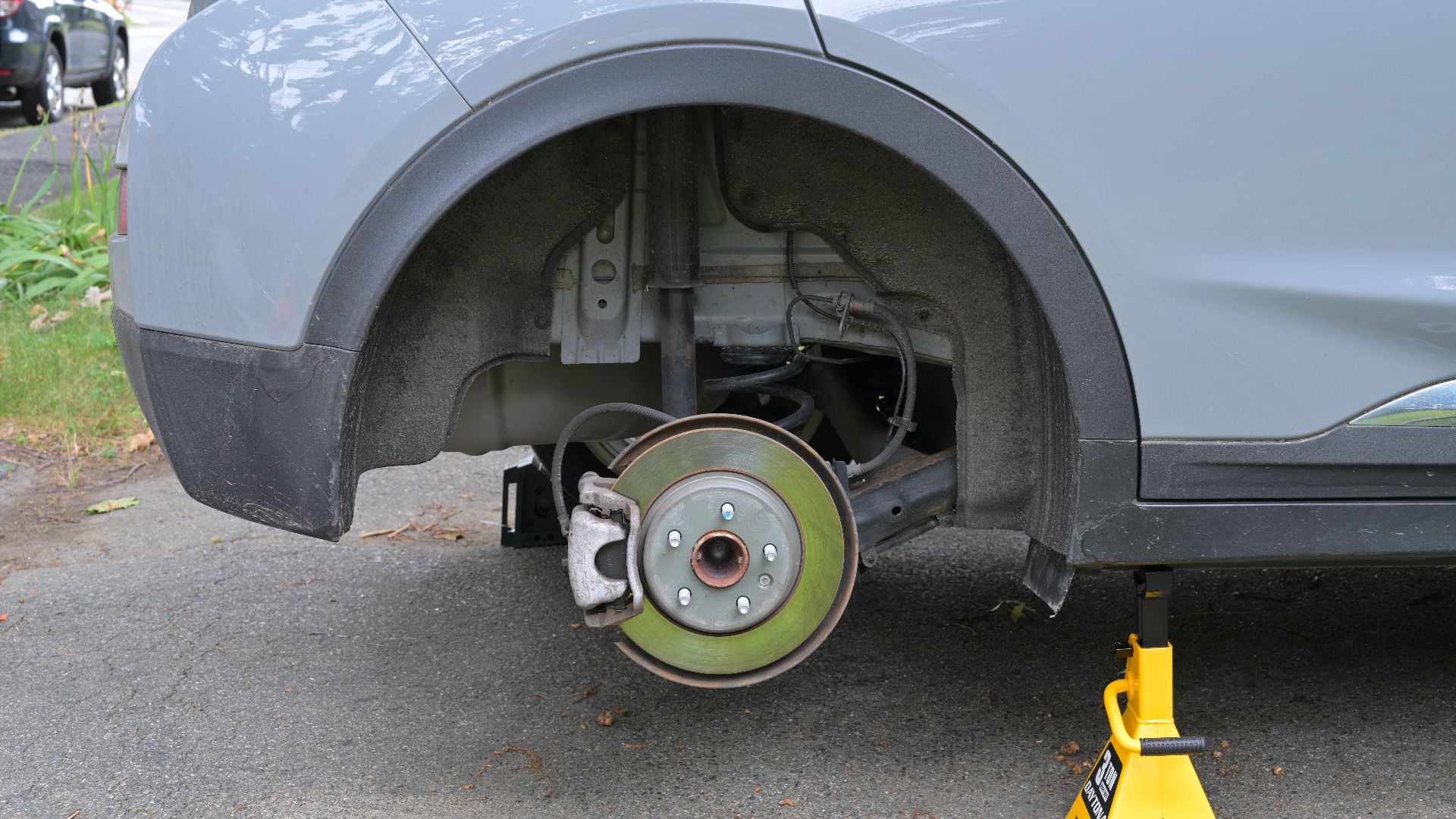
Regenerative braking slows the car by using the motor to send energy back into the battery. That means the friction brakes get used less in normal driving. The Department of Energy has pointed out that this can reduce brake wear, which is one reason many EV owners go longer before needing pads and rotors.
 4300streetcar, Wikimedia Commons
AAA Put Dollar Figures On Ownership Costs
AAA’s 2024 Your Driving Costs study found that EVs had the second-lowest maintenance, repair, and tire costs among the vehicle types it measured, behind hybrids. In that study, EVs came in at 10.13 cents per mile for maintenance, repair, and tires combined. Gas vehicles were higher, which supports the broad idea that EVs are usually cheaper to keep up mechanically.
 en:User:Coolcaesar, Wikimedia Commons
The Tire Problem Is Real
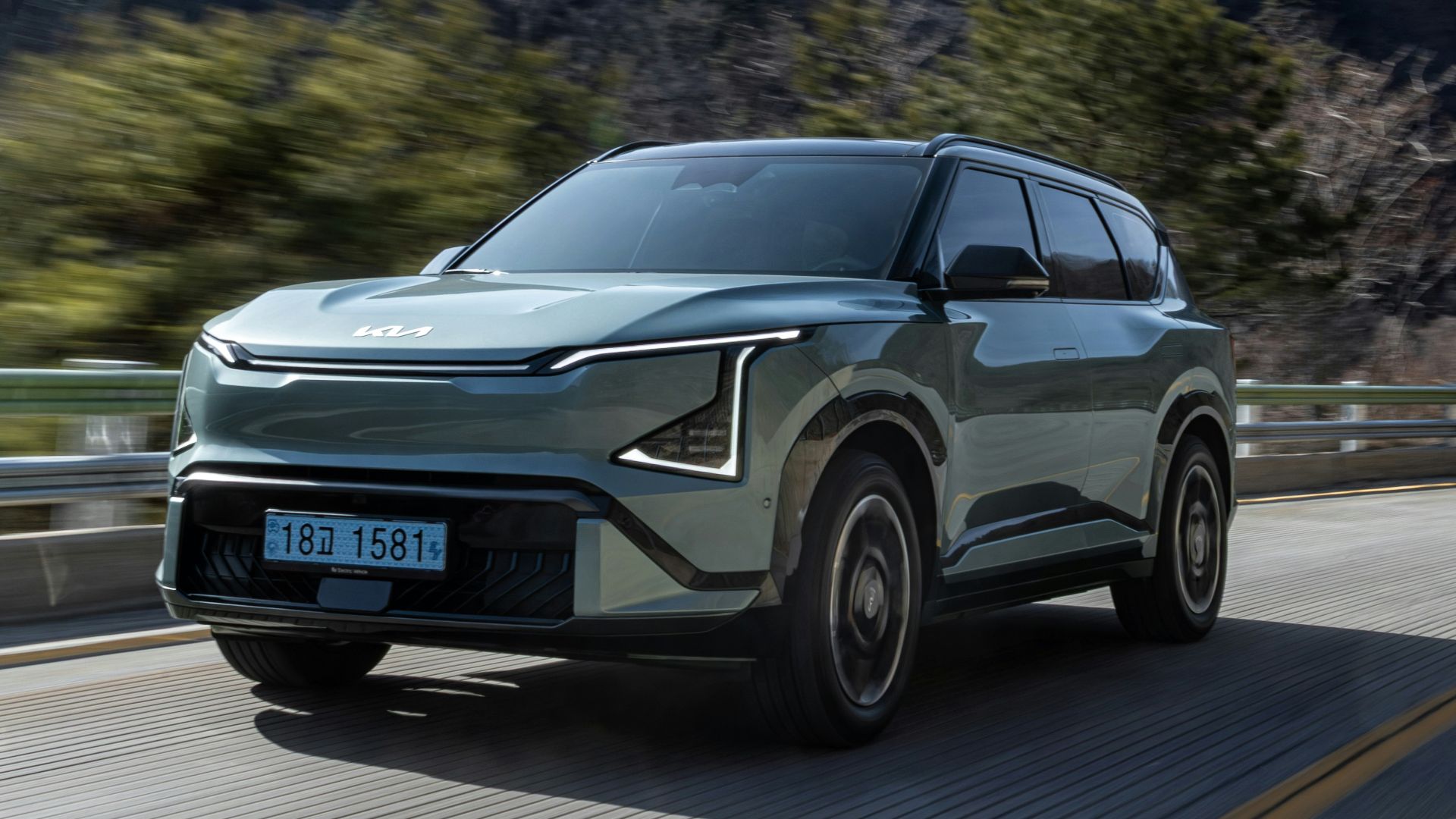
This is where your friend’s warning starts to make sense. EVs are often heavier than similar gas vehicles because of their battery packs, and they also deliver instant torque. That mix can wear tires faster, especially if the driver likes quick launches or if the vehicle rides on large, expensive low-profile tires.
Why EV Tires Can Cost More
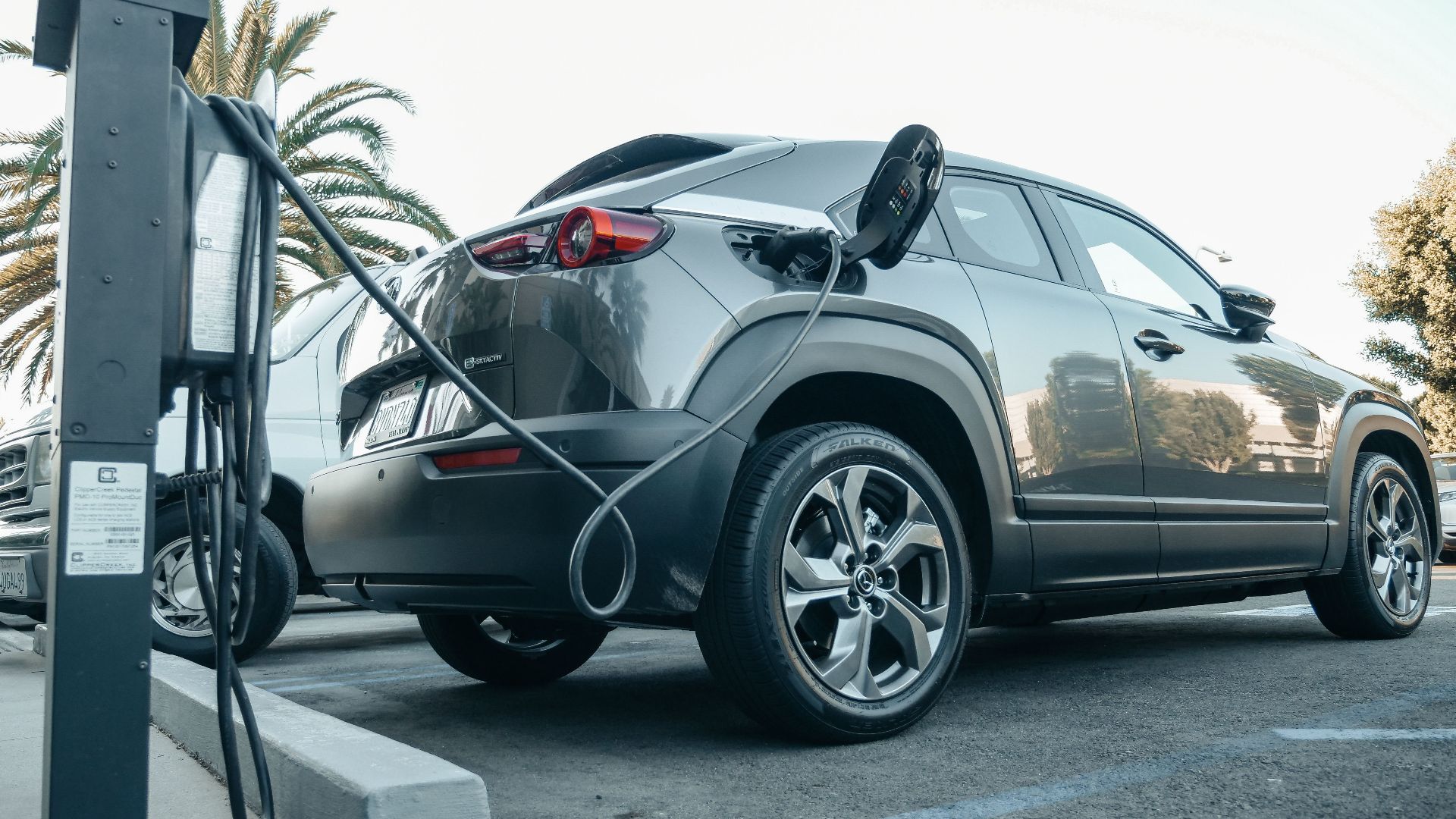
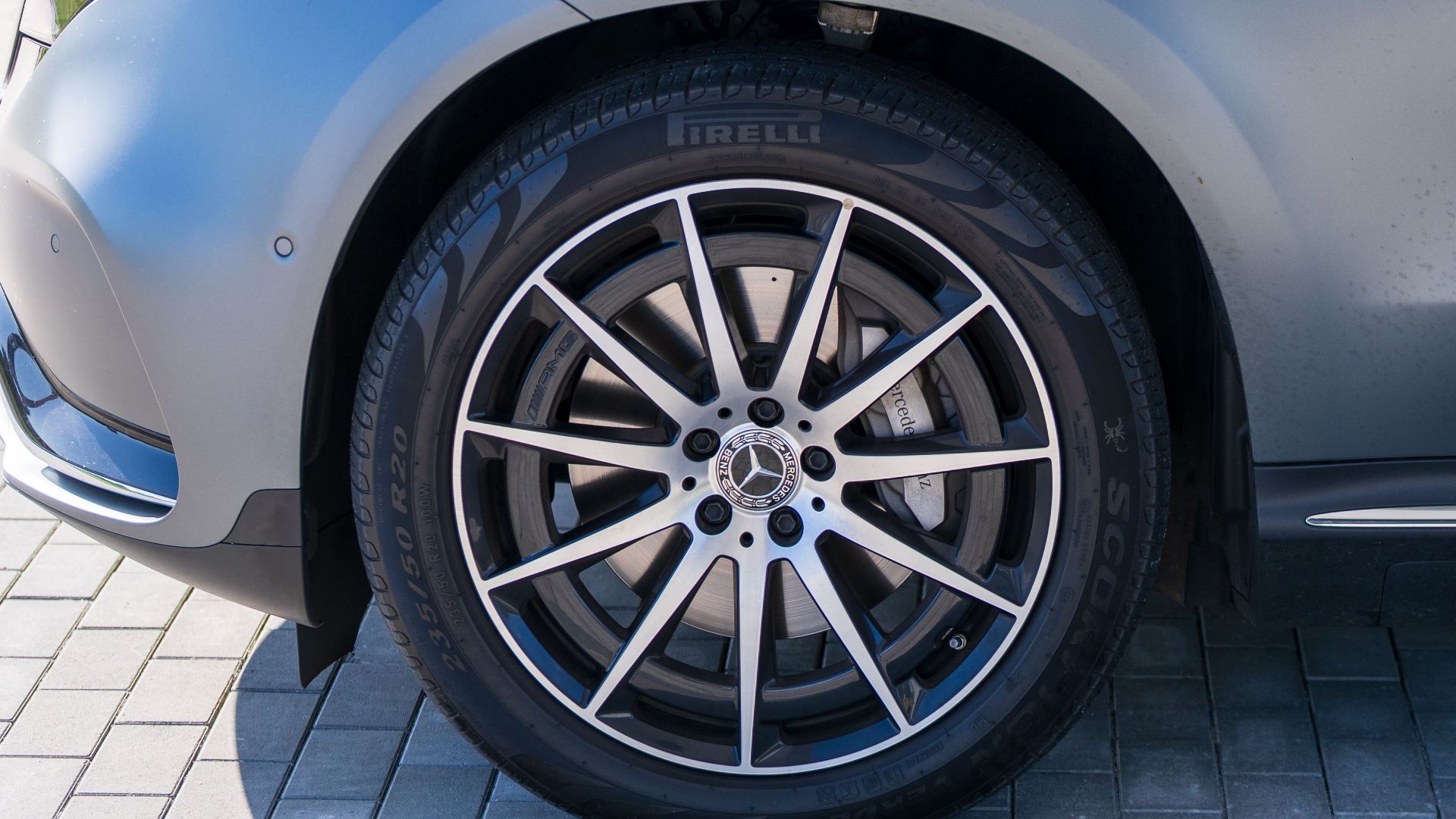
It is not just about faster wear. Many EVs use special tires made for low rolling resistance, quiet operation, and high load capacity. Those tires can cost more than standard all-season tires, and if the car uses an unusual size, owners may not find many cheap options.
Edmunds Saw The Same Pattern
Edmunds has also noted that EV maintenance can be lower overall, but tires can stand out as a bigger expense because EVs tend to be heavier and tougher on them. That matches what many owners and tire shops have been seeing in recent years. The lower-maintenance story is real, but tires are one of the biggest exceptions.
Insurance Is Another Legitimate Pain Point
Insurance has become one of the most frustrating parts of EV ownership. Bankrate reported in 2024 that full-coverage insurance for EVs was often higher than for gas-powered alternatives. Repair complexity, costly battery-related parts, and higher sticker prices all help explain why premiums can run higher.
 Natthawadee Jana, Shutterstock
Why Insurers Charge More For Some EVs
Insurance companies care about repair costs, replacement parts, and the risk of a total loss. EVs often have advanced driver-assistance hardware, large battery packs, and model-specific body parts that can be expensive to replace. If a minor crash turns into a big repair estimate, that risk shows up in the premium.

Not Every EV Gets Hammered Equally
There is no single insurance price for EVs. Rates vary by driver age, location, vehicle model, repair network, and claim history, just like they do with gas cars. A mainstream EV with a strong safety record and moderate repair costs may be much easier on your wallet than a luxury EV with hard-to-find parts.
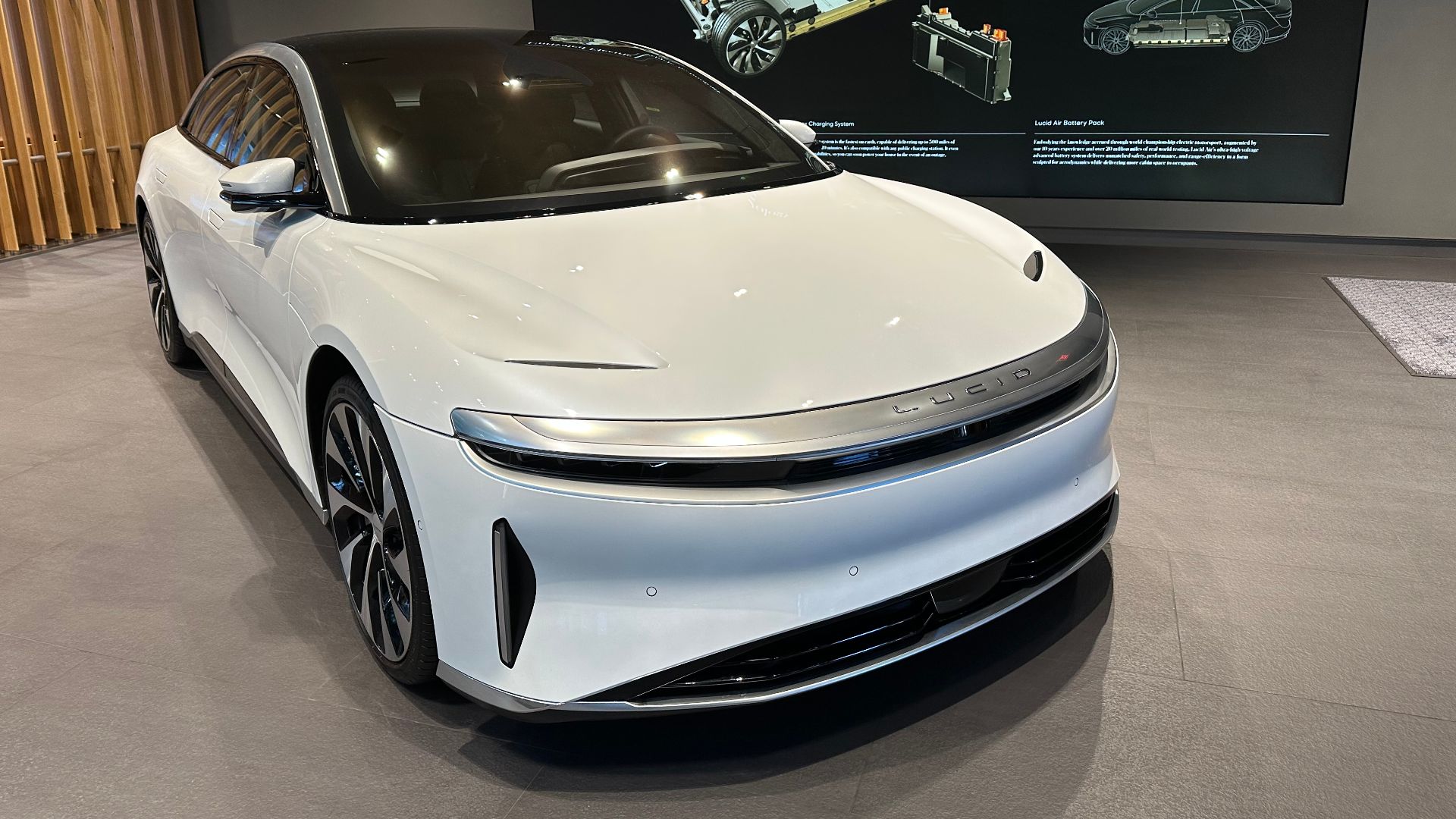 Phillip Pessar, Wikimedia Commons
Registration Fees Can Sneak Into The Math Too
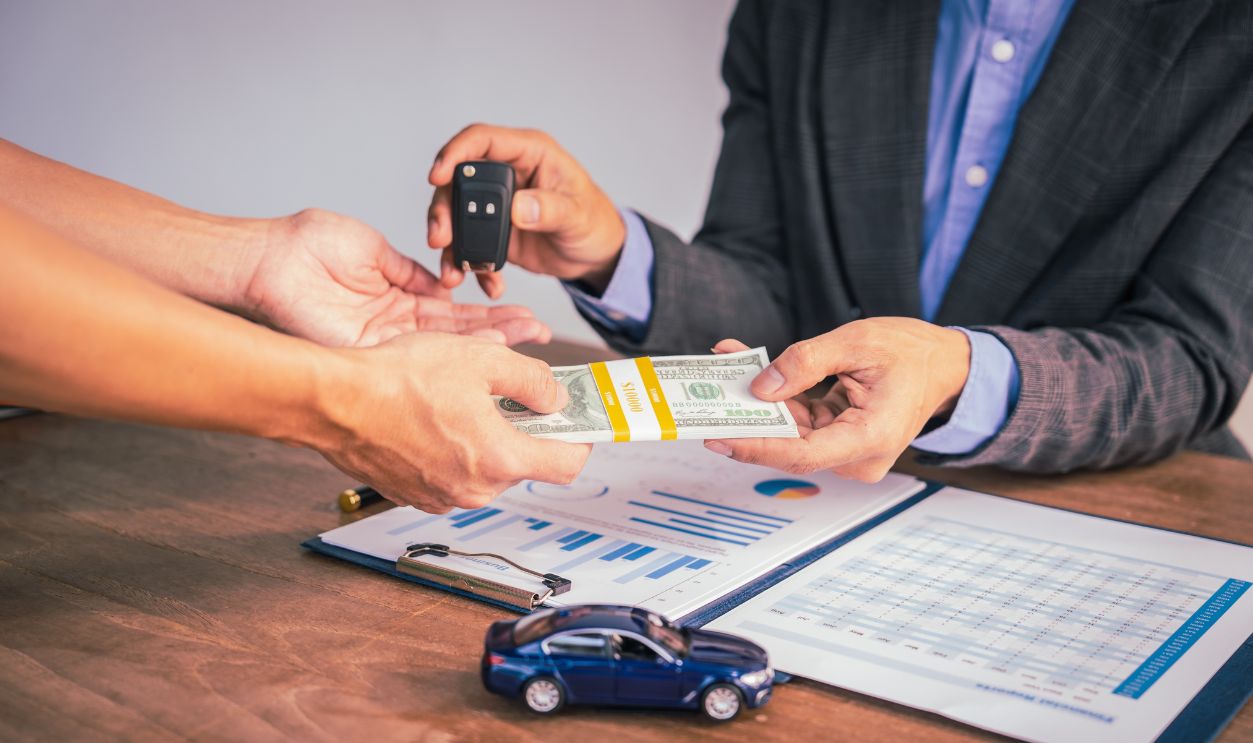
Many states now charge special registration fees for EVs to make up for gas-tax revenue they do not collect from electric drivers. The National Conference of State Legislatures has tracked these policies, and they are now common. These fees do not wipe out the benefits of owning an EV, but they do belong in an honest cost comparison.
 R Photography Background, Shutterstock
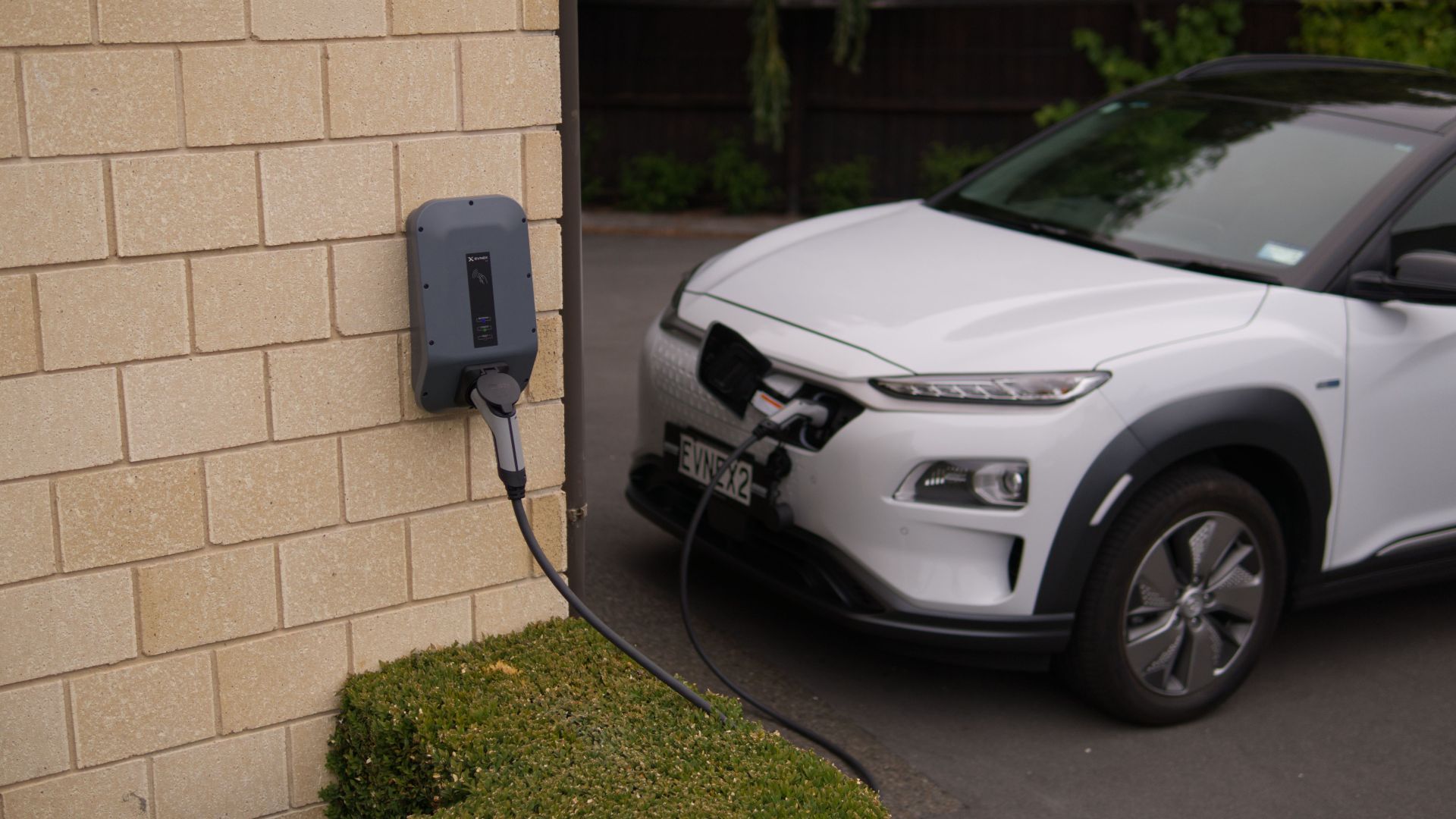
Charging At Home Still Delivers A Big Advantage
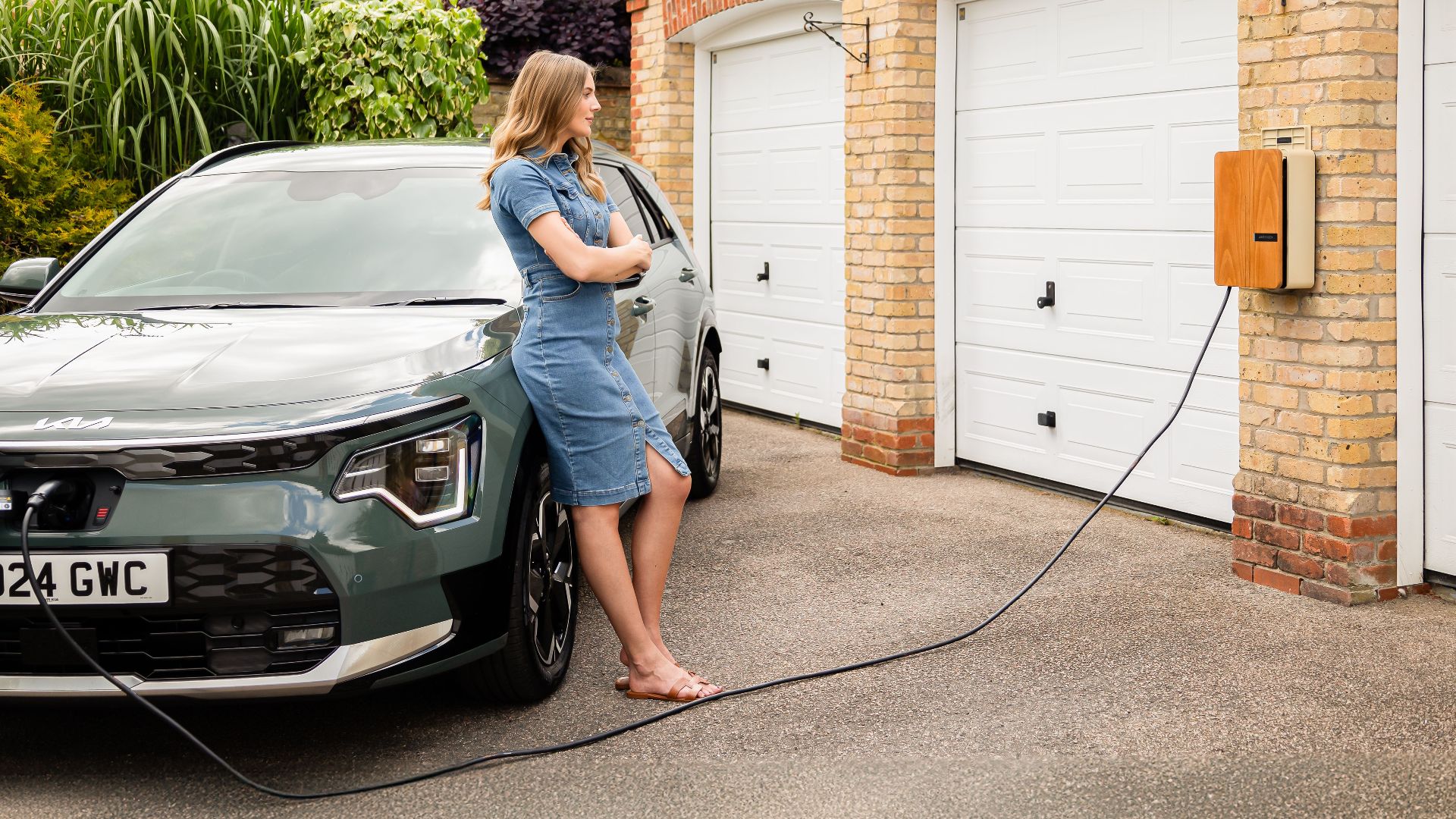
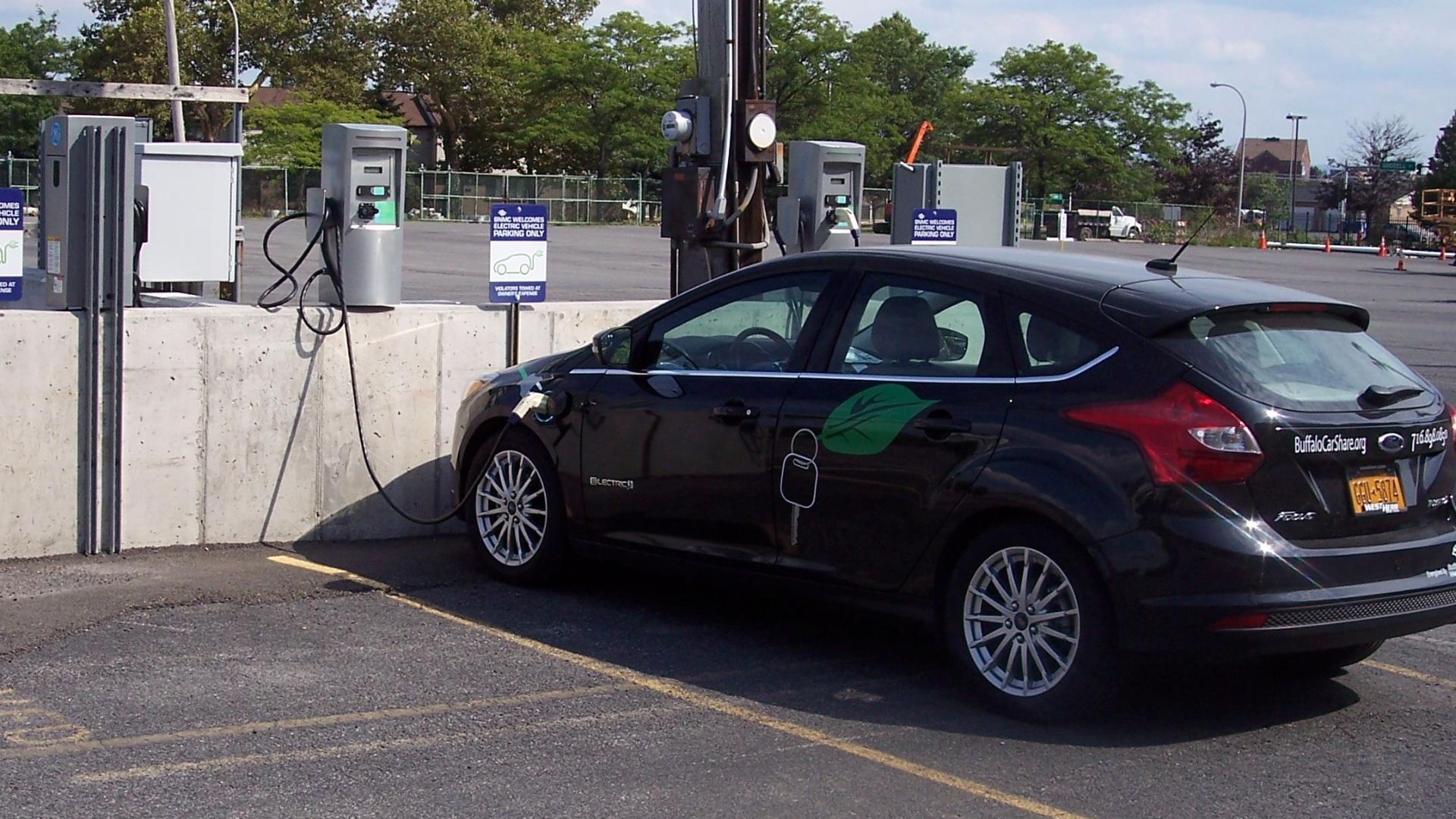
For many drivers, the biggest EV savings come from charging at home. The Department of Energy has long said electricity prices are usually more stable than gas prices, and home charging can be cheaper than filling a tank. If you can charge during off-peak hours, the savings can get even better.
Public Fast Charging Changes The Equation
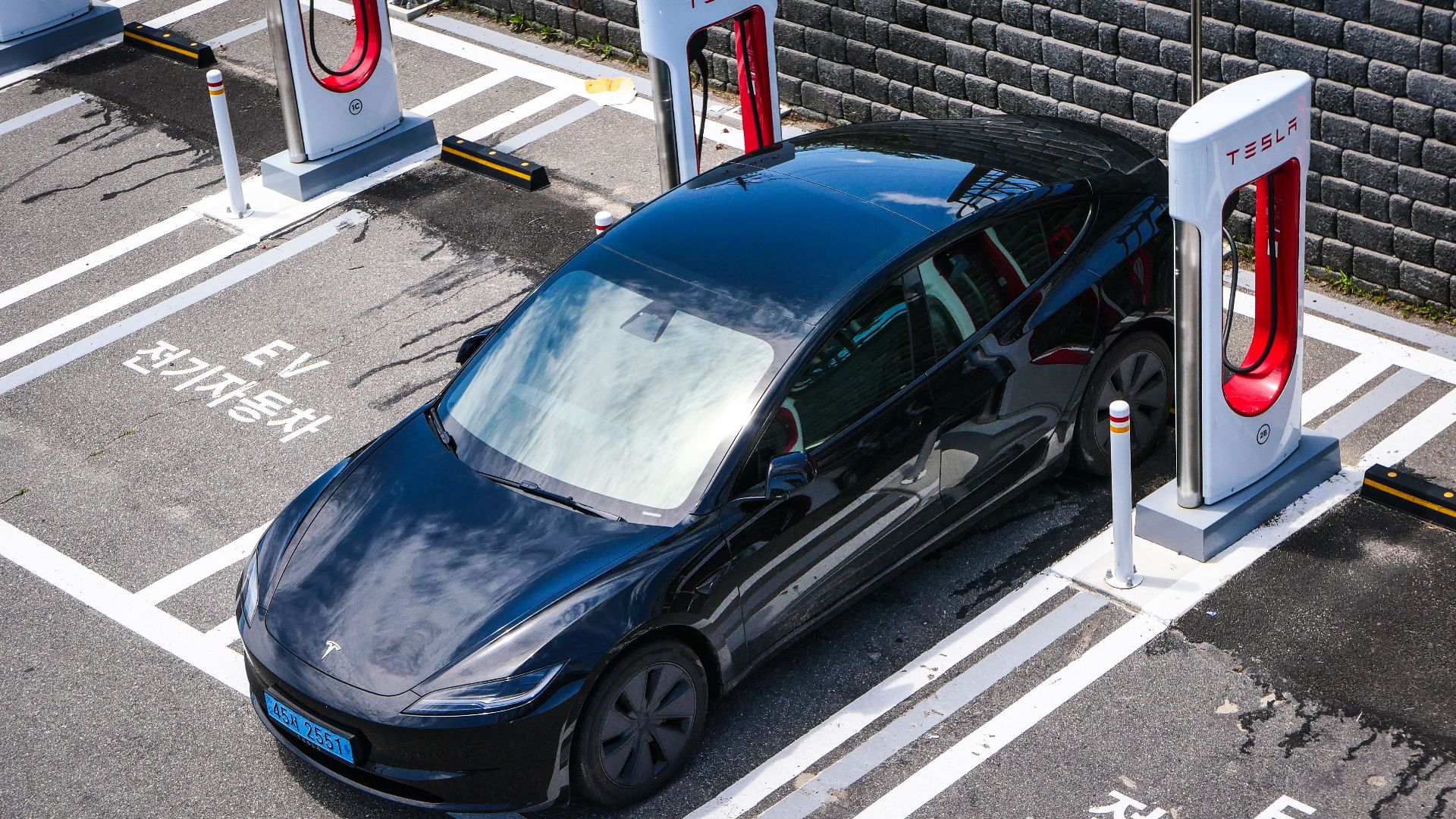
If you depend heavily on public DC fast charging, EV savings can shrink. Fast charging usually costs more than home charging, and in some places it can get close enough to gas costs that the gap stops looking dramatic. Drivers who cannot charge at home need to run the numbers carefully.
Depreciation Has Been A Wild Card
Depreciation is not a maintenance cost, but it matters a lot for total cost of ownership. Used EV prices moved sharply in 2023 and 2024 as Tesla cut new-car prices and the market adjusted. That helped some used buyers, but it also hurt some owners who expected stronger resale values.
 Fortunate4now, Wikimedia Commons
Battery Fear Gets More Attention Than It Deserves
Battery replacement is often treated like the giant hidden EV bill. In reality, federal law requires EV batteries to be covered for at least 8 years or 100,000 miles, and some automakers offer more coverage than that. Battery failures do happen, but they are not a routine maintenance item in the way critics often make them sound.
Repair Costs Are Not The Same As Maintenance Costs
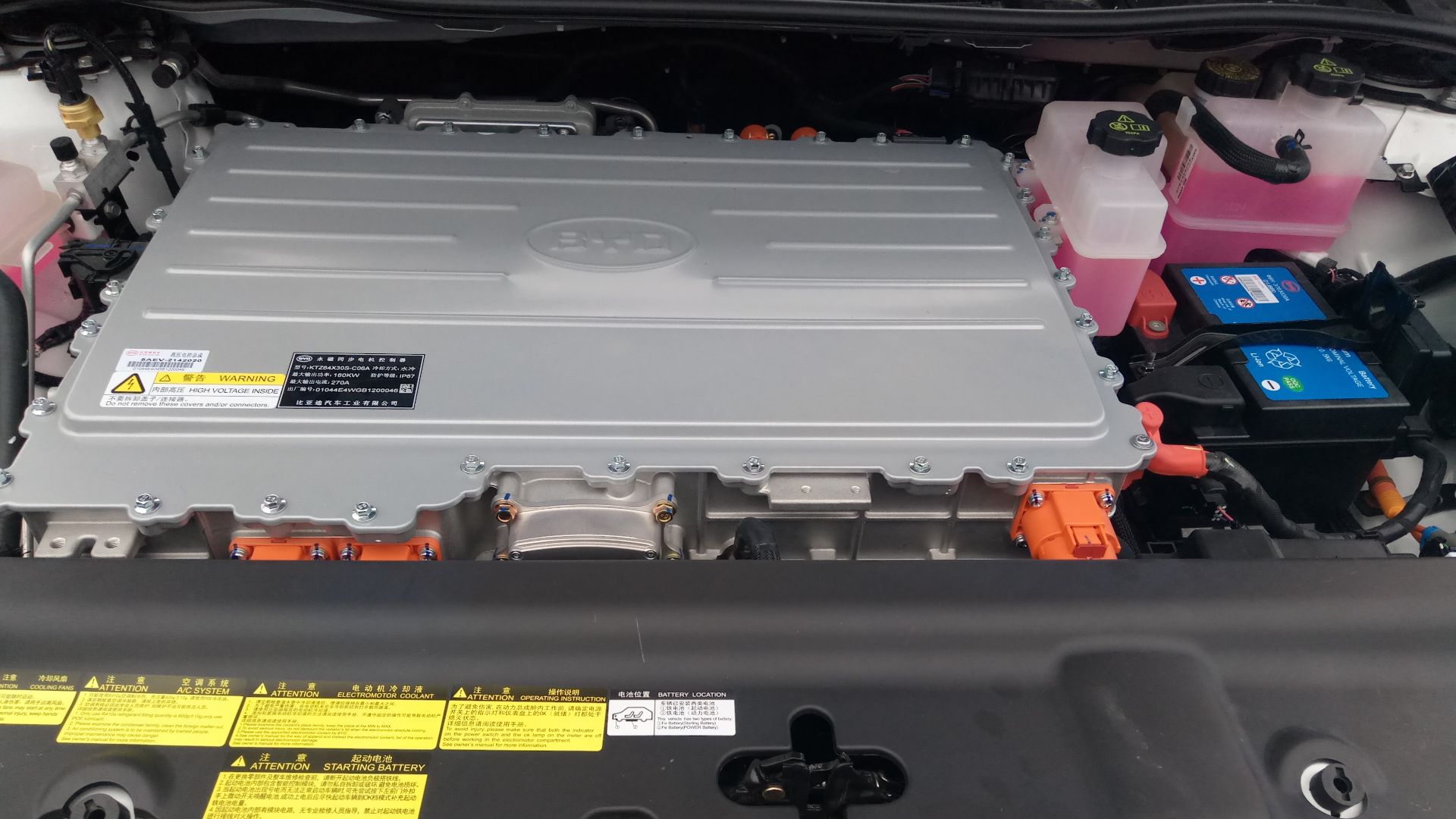
This distinction matters. EVs usually win on routine maintenance because there is simply less scheduled service to do. But when something does break, especially after a crash, the repair bill can be steep. That is one reason insurance companies price them the way they do.
Luxury EVs Can Distort The Conversation
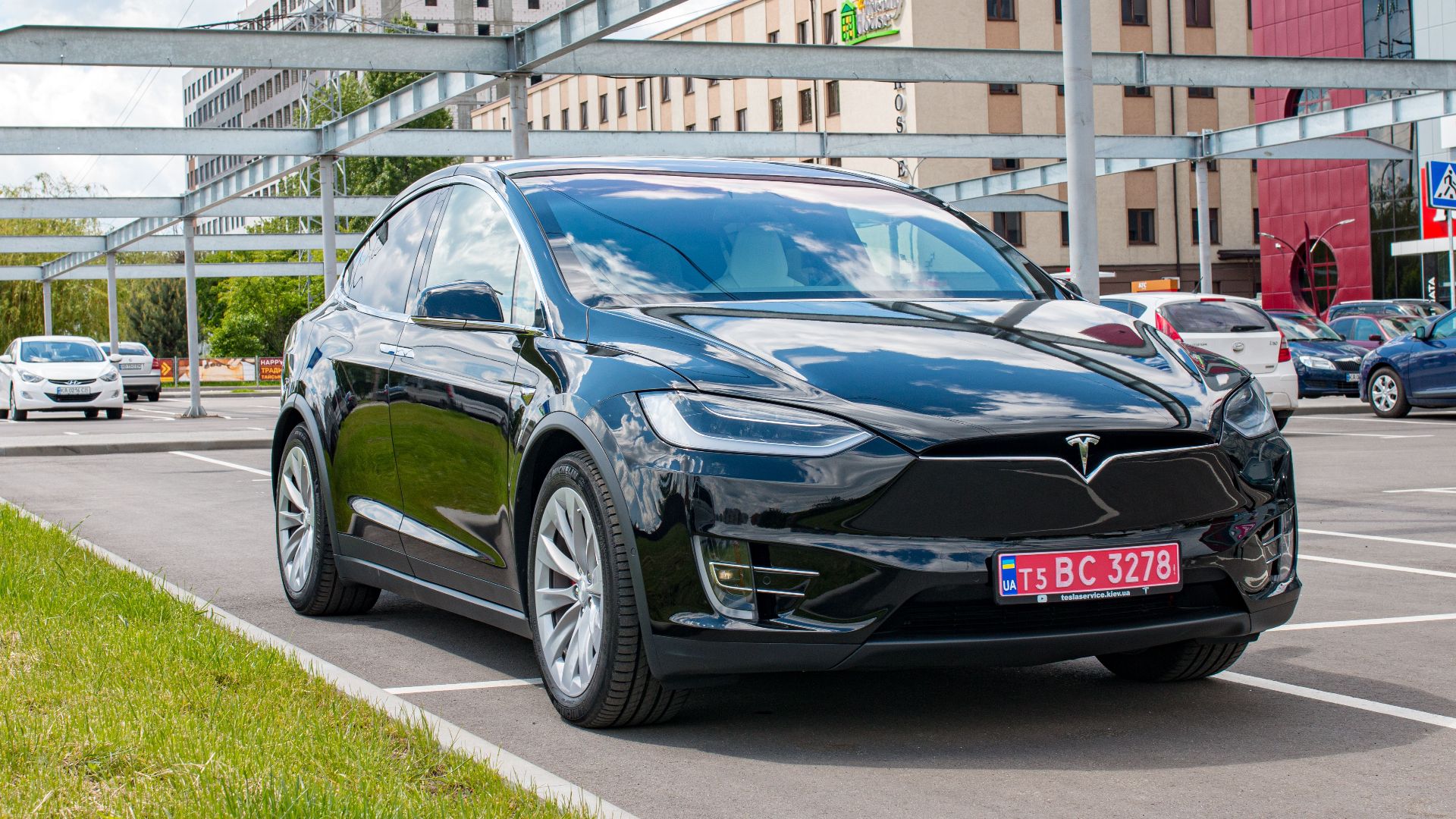
A lot of the stories about sky-high insurance and costly tires come from premium models with huge wheels, heavy curb weights, and expensive body repairs. That does not always reflect what happens with smaller, more mainstream EVs. Shoppers should compare the exact vehicle they want, not treat the whole category as one thing.
Driving Style Has A Huge Effect On Tire Costs
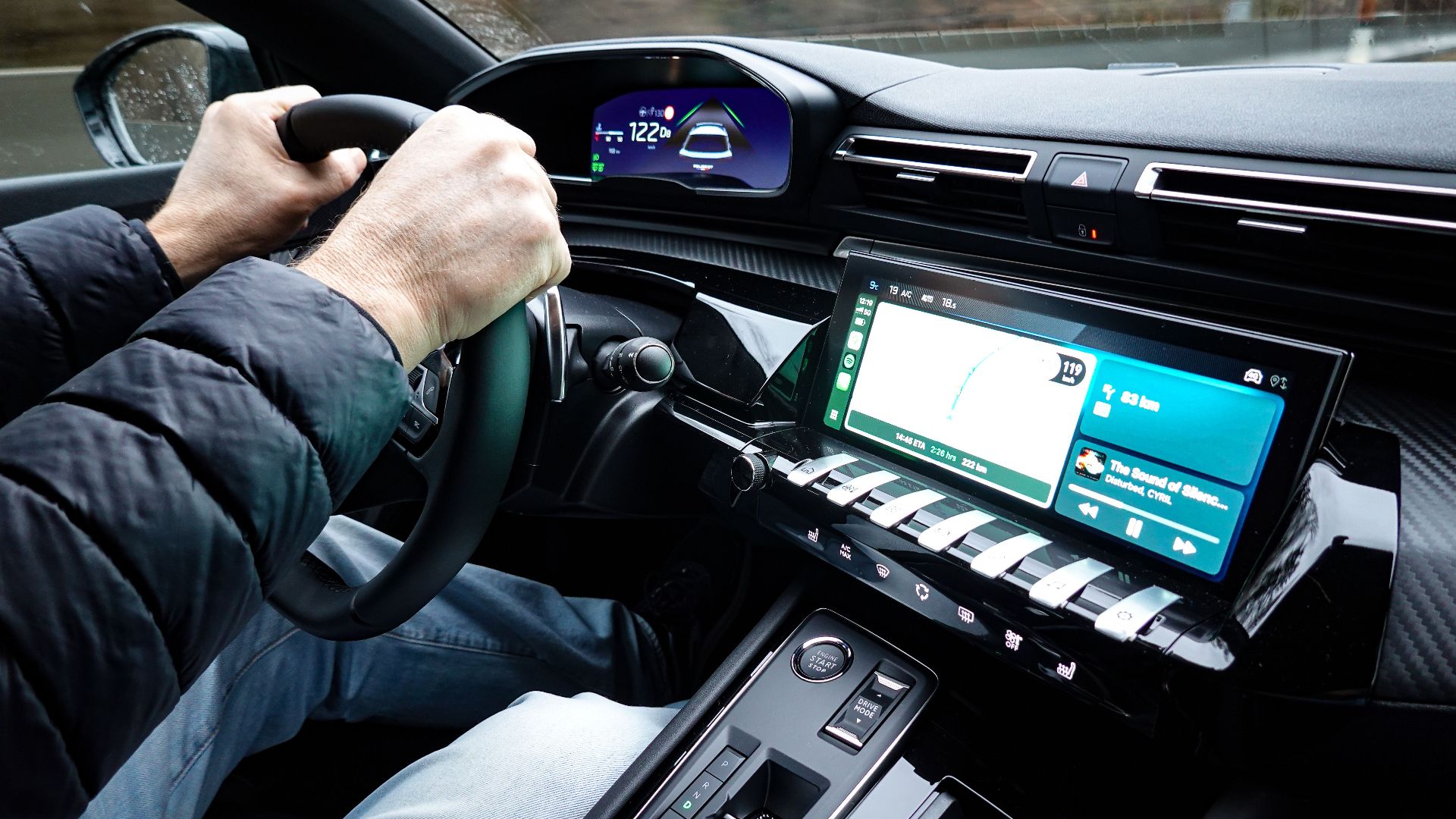
Instant torque is one of the most fun parts of driving an EV. It can also burn through tires if the driver keeps doing hard launches and aggressive cornering. If an owner drives smoothly and keeps tire pressures where they should be, the tire penalty may be noticeable but not severe.
Weight Matters, But So Does Tire Choice
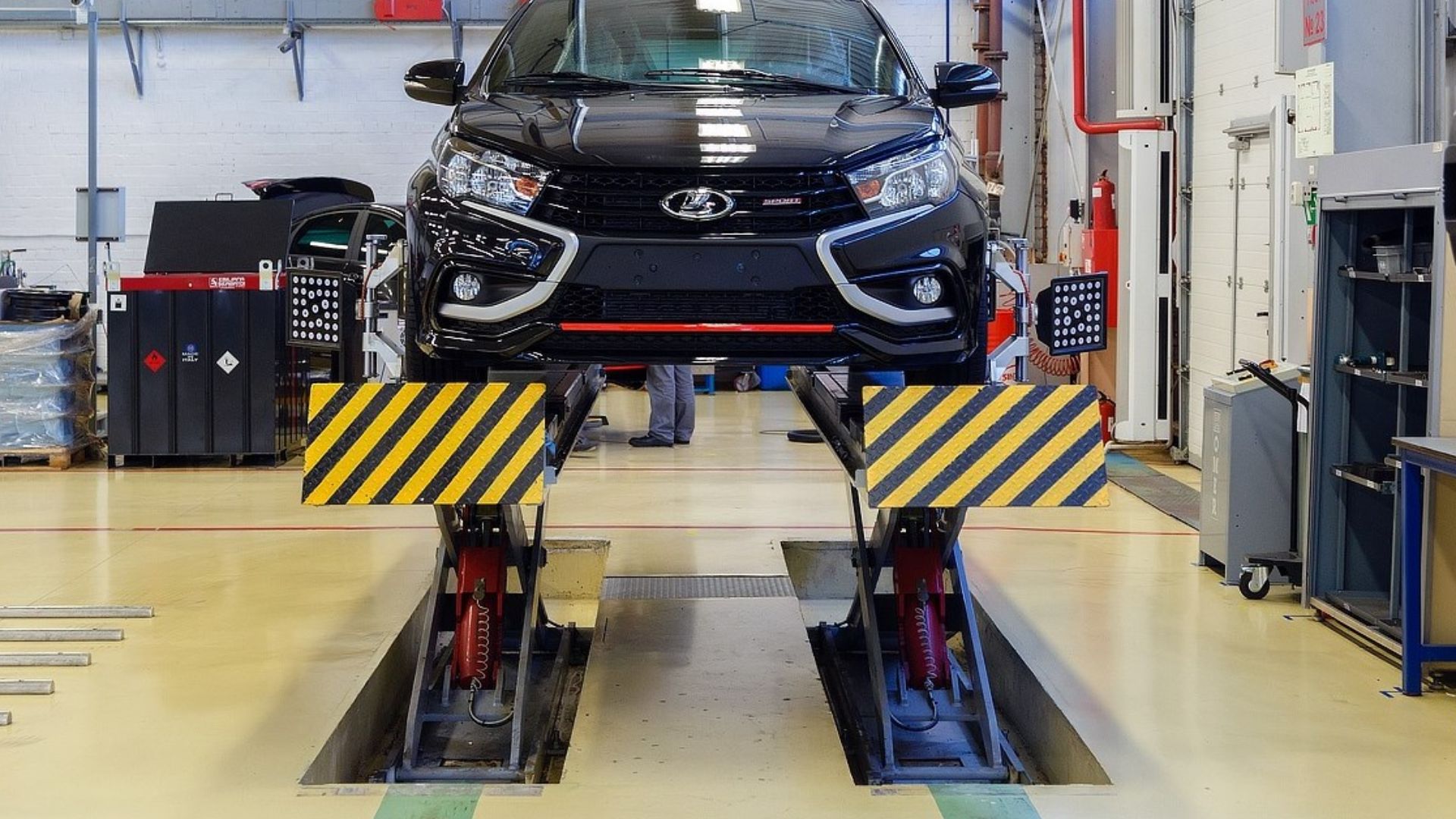
Heavier vehicles put more load on tires, and many EVs are heavy. But tire life also depends on alignment, tire compound, rotation schedule, and inflation, not just curb weight. A well-chosen replacement tire can sometimes last longer, though owners need to be careful not to give up efficiency or load rating.
 Dmitry Racer, Wikimedia Commons
Routine Service Is Still Not Zero
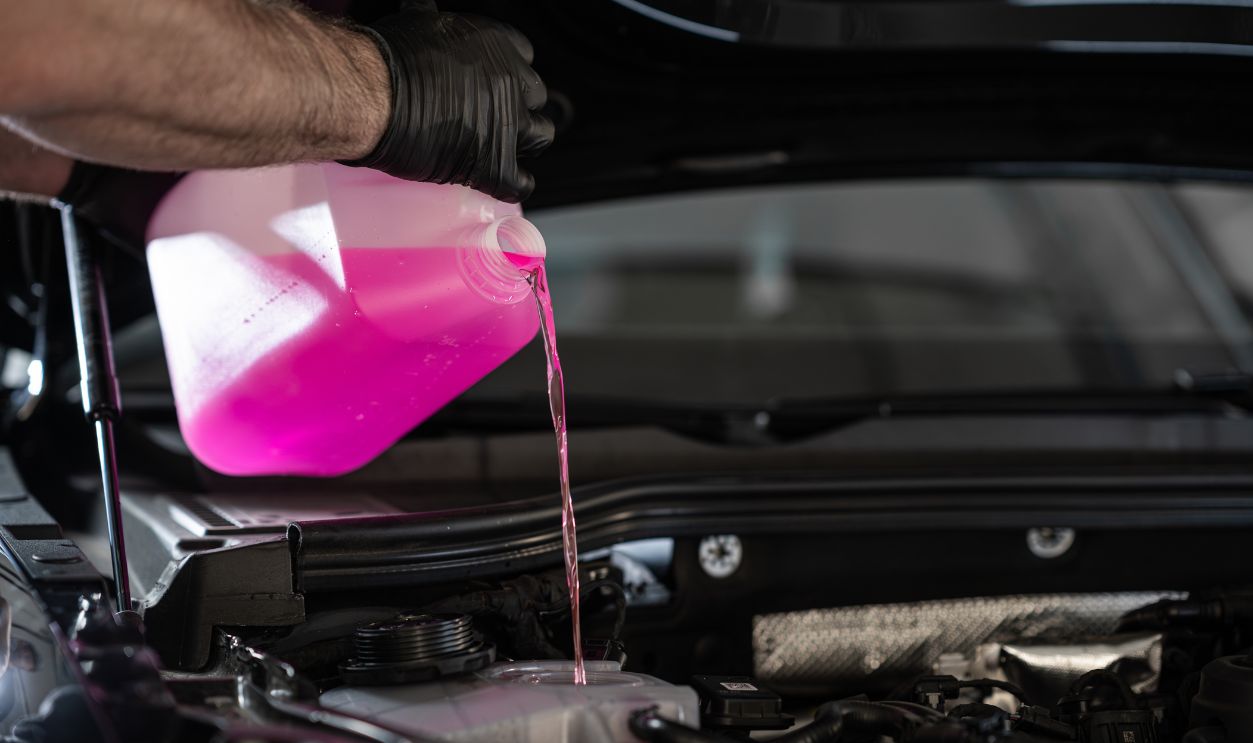
EVs still need cabin air filters, windshield wipers, tires, brake fluid checks, coolant service for some systems, and suspension work as they age. They are not maintenance-free. The point is that the to-do list is usually shorter, and service intervals can be easier than with internal-combustion vehicles.
 WATCH_MEDIA_HOUSE, Shutterstock
Consumer Reports Also Flagged Tire Wear
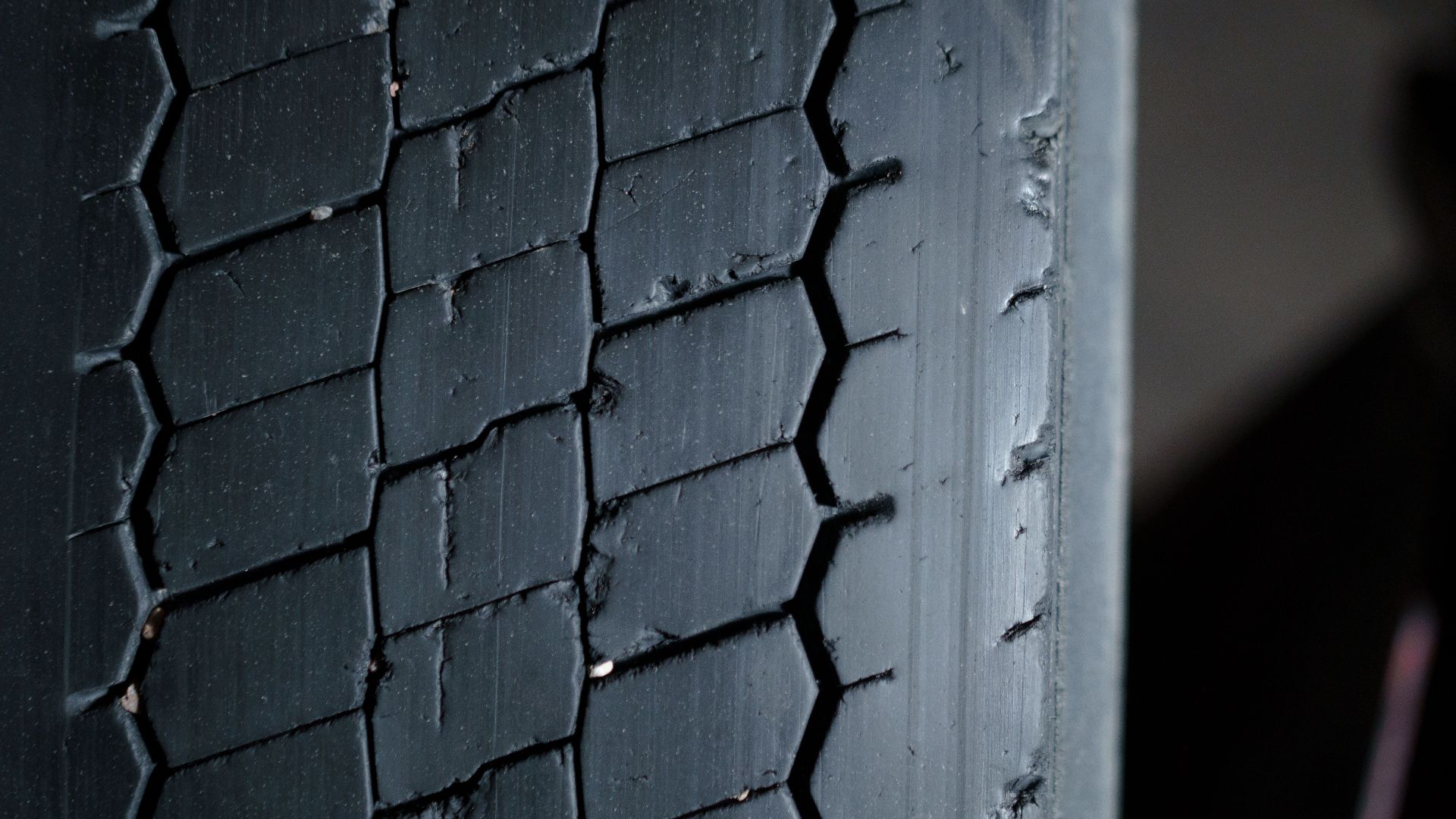
Even while praising EVs for lower maintenance and repair costs, Consumer Reports has also said tires can wear more quickly on some models. That matters because it shows both sides can be true at the same time. EVs can be cheaper overall to maintain while still being harder on tires.
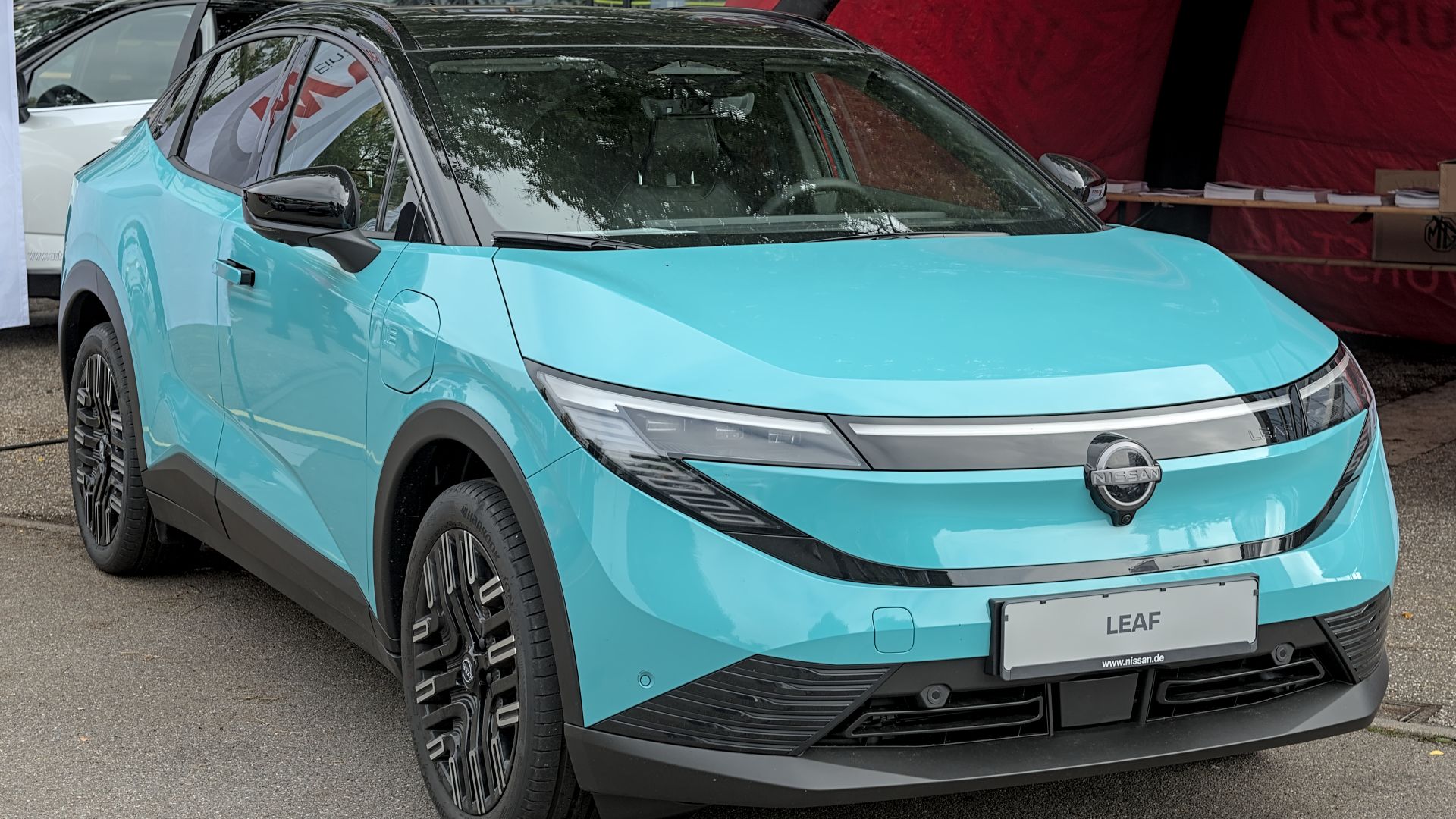
The Cheapest EV Is Not Always The Cheapest To Insure
Sticker price and insurance price do not always move together. Some EVs with modest MSRPs can still be expensive to insure if parts are costly or body repairs take a long time. Before buying, it makes sense to get insurance quotes for the exact trim level and ZIP code you plan to use.
 Alexander Migl, Wikimedia Commons
So Does Tire And Insurance Cost Erase The Savings
Usually, no. But sometimes those costs can narrow the advantage enough to make the answer less clear than EV fans suggest. If you charge at home, drive a mainstream model, and avoid pricey wheel-and-tire packages, EV maintenance and fuel savings often still come out ahead. If you rely on public fast charging, pay very high insurance premiums, and wear out expensive tires quickly, the advantage can shrink a lot.
The Best Answer Depends On Your Use Case
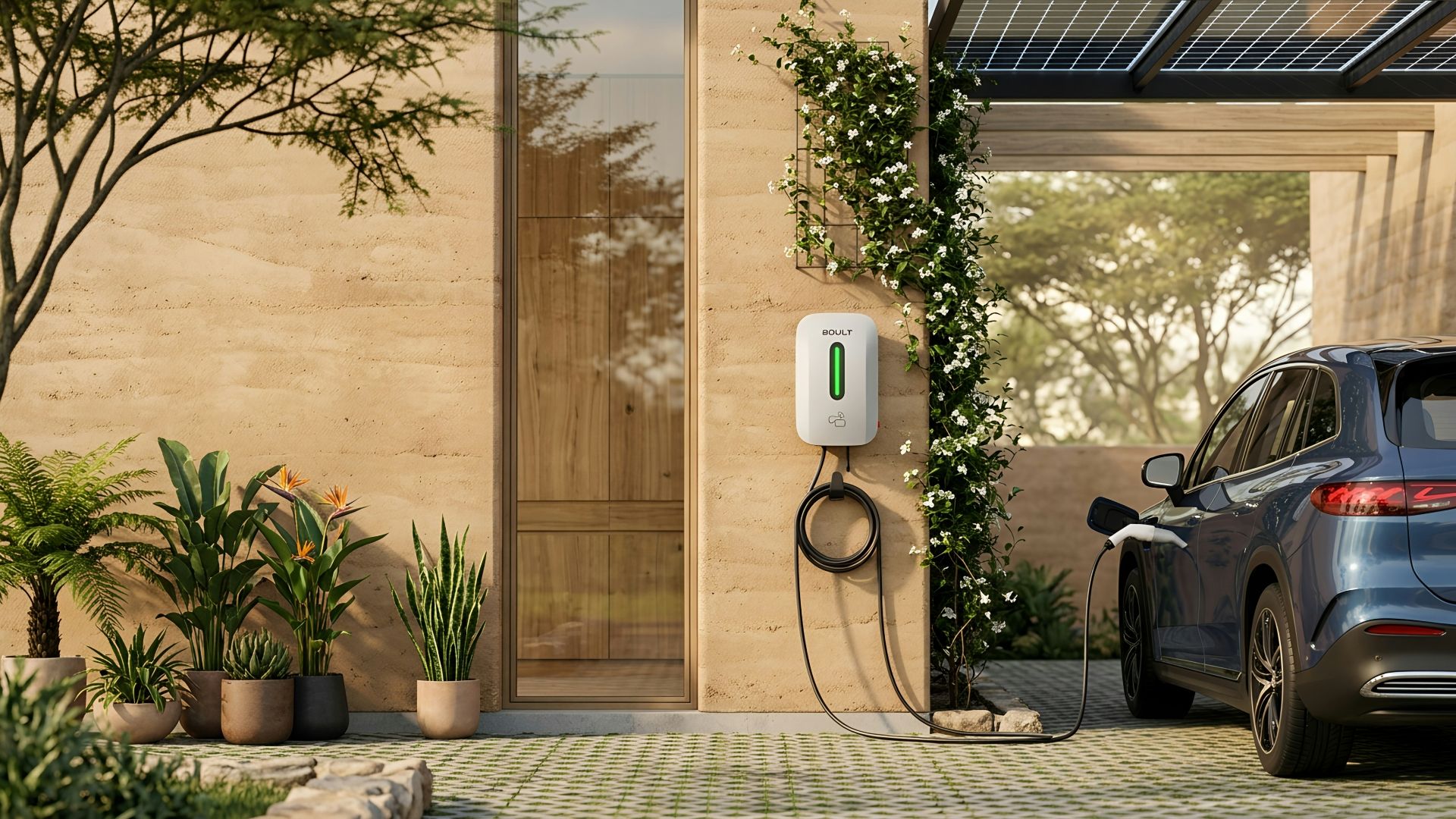
A commuter with home charging and moderate annual mileage may save a meaningful amount with an EV. A driver in a high-premium insurance market who likes performance tires and has no home charging may not. The truth depends heavily on where you live and how you drive.
 Christian Rebero Twahirwa, Unsplash
What Smart Shoppers Should Check Before Buying
Get an insurance quote before you buy. Price out a replacement set of tires in the factory size, and see whether the model has a reputation for wearing them quickly. Then compare your local electricity rates, public charging options, registration fees, and the maintenance schedule in the owner’s manual.

Your Friend Is Not Wrong, But He Is Not Fully Right Either
EVs really are cheaper to maintain in the normal scheduled-service sense, and several respected sources have found that. Tires and insurance are the biggest counterweights, and on some models they are substantial. The practical answer is that EV savings are real, but they are not automatic, and the fine print matters.