The Surprise Charge That Can Catch Drivers Off Guard
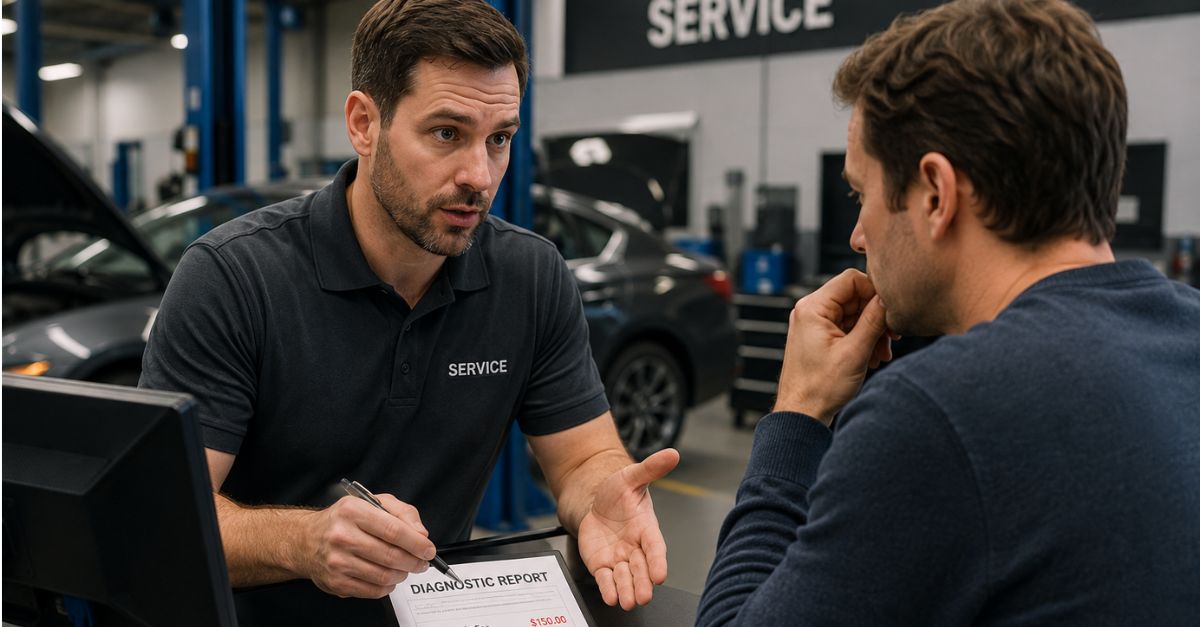
You bring your car in for a problem that seems like it should be covered, and then the service advisor mentions a diagnostic fee. Feels like a classic bait and switch. Well, the short answer is yes, this is quite normal. But whether you should actually have to pay depends on what the dealer finds and what your warranty says.
Why Dealerships Charge Diagnostic Fees In The First Place
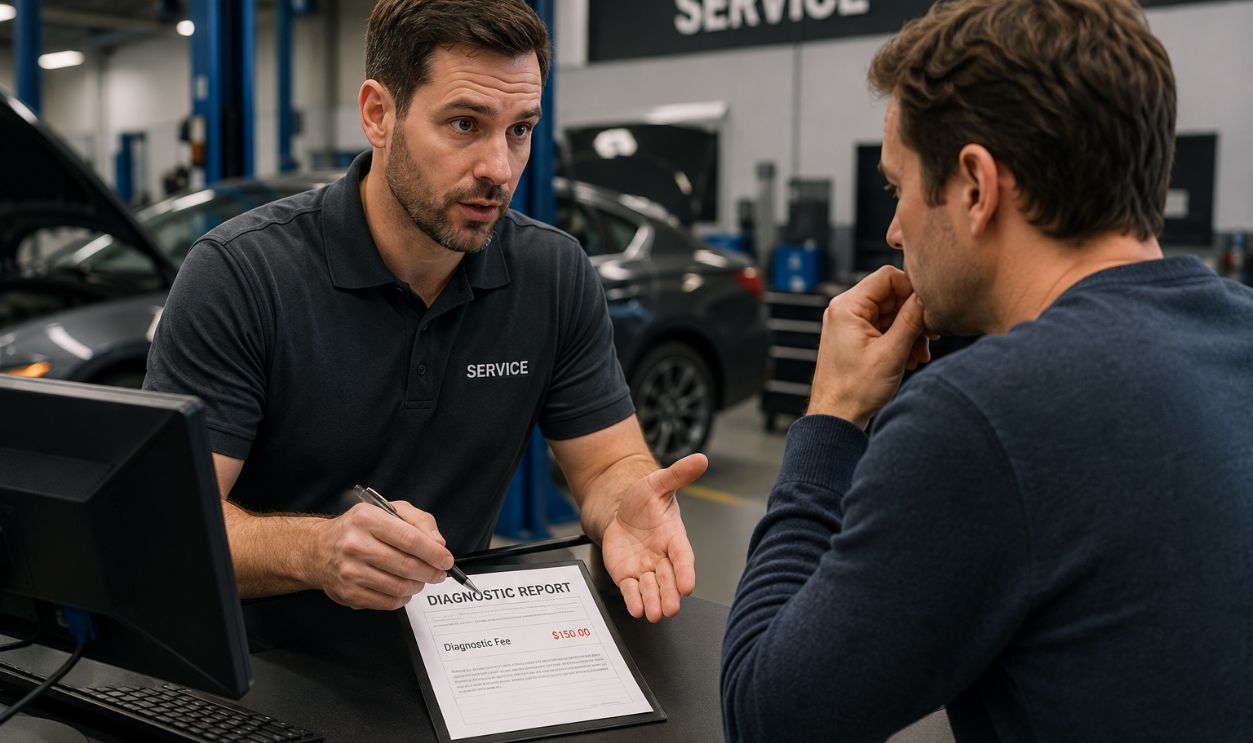
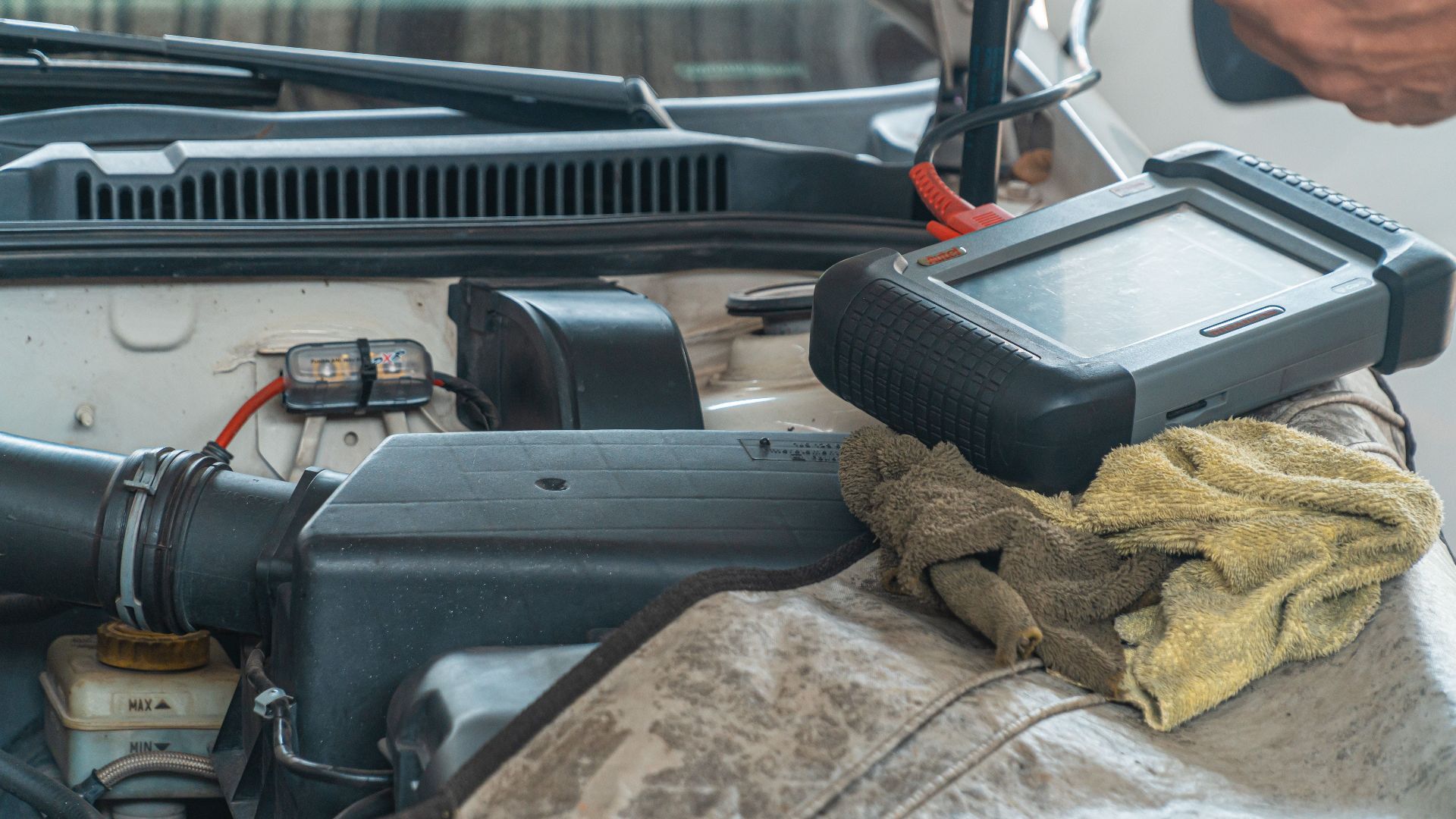
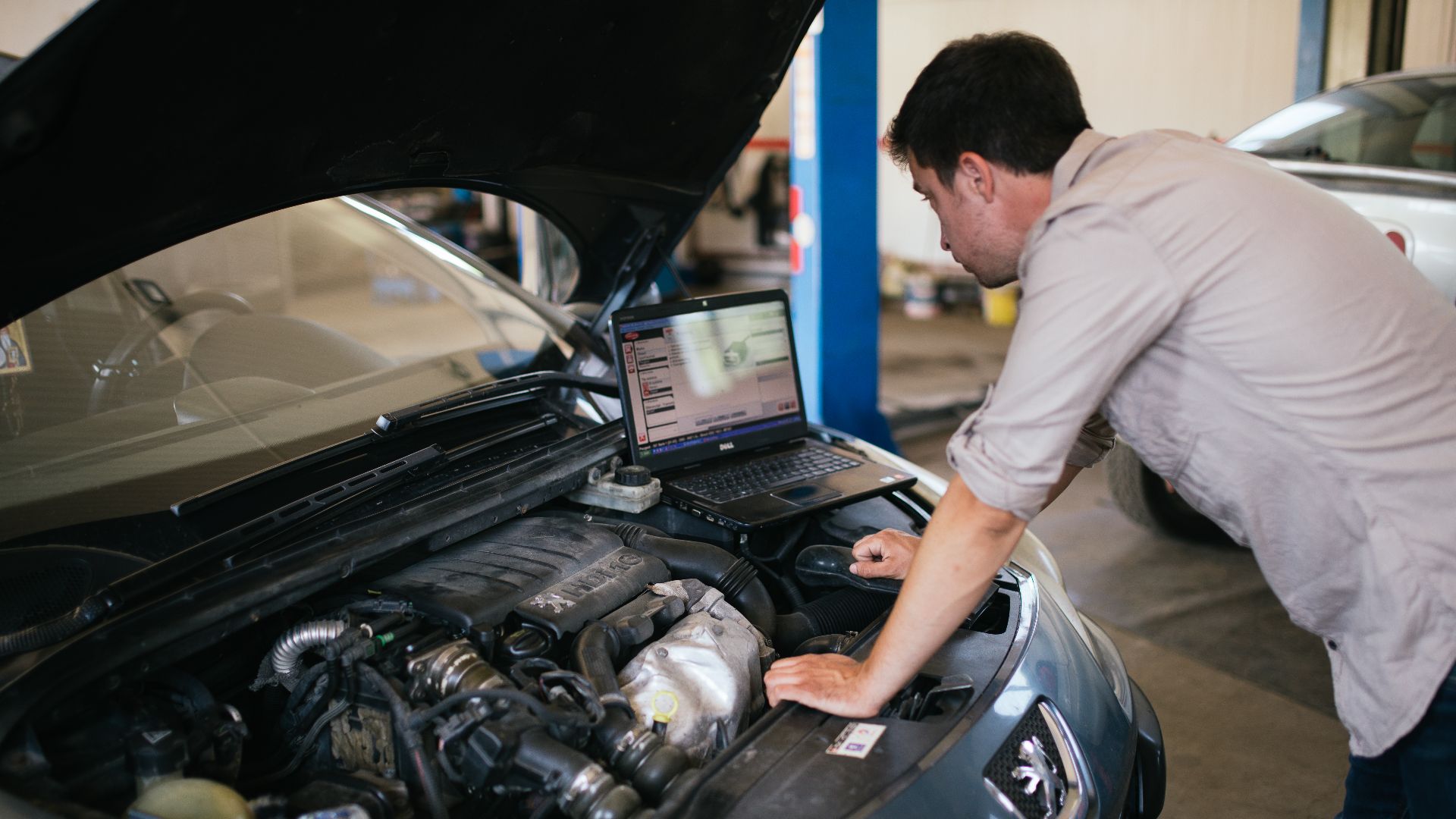
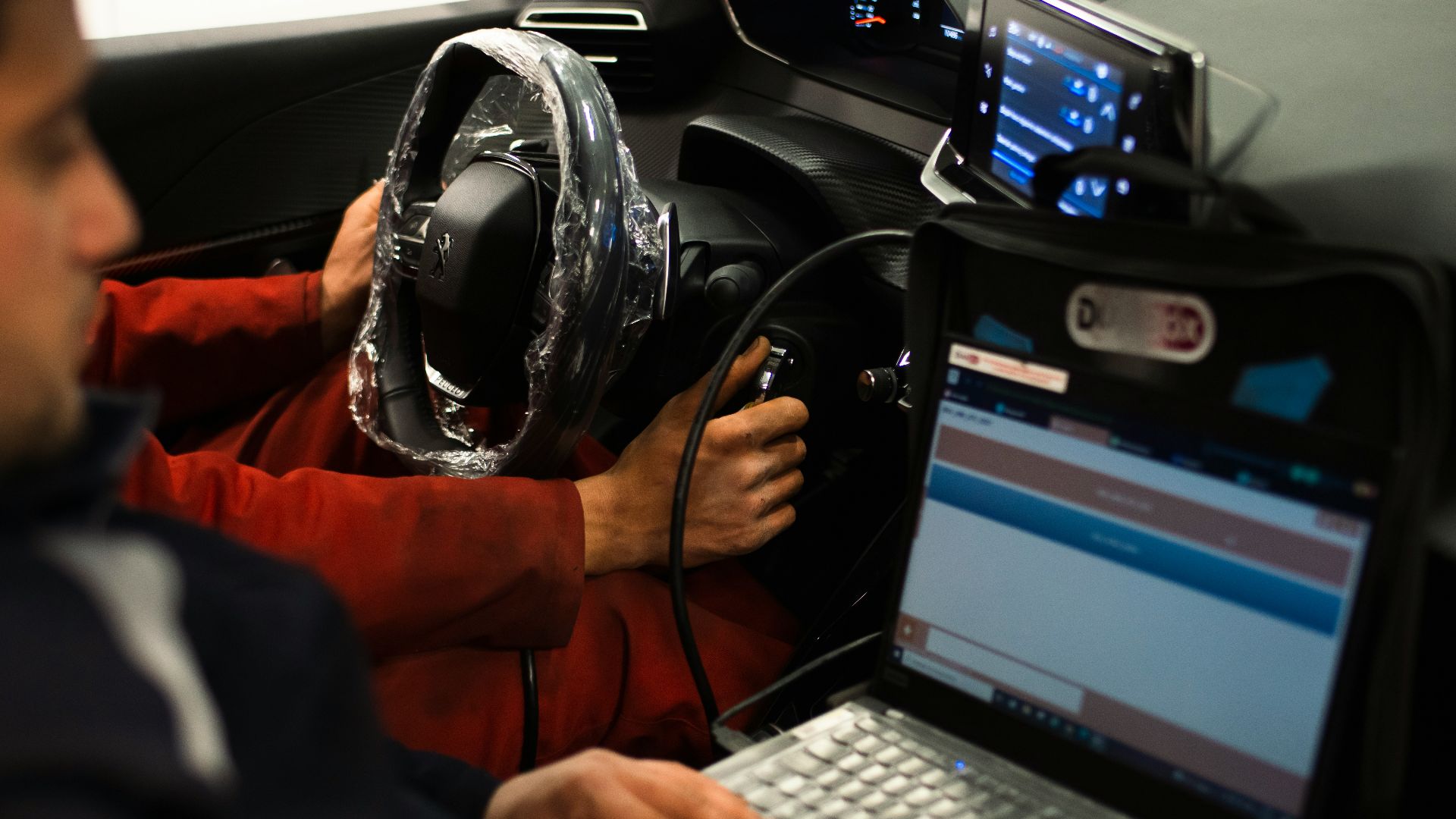
A diagnostic fee is usually the labor cost for figuring out what is wrong with the car. Modern vehicles are full of computers, sensors, and software, so tracking down a problem can take real time even before any repair starts. Dealers often separate that work from the repair itself because diagnosis is still labor, whether the final fix is covered or not.
 Jose Ricardo Barraza Morachis, Pexels
The Main Question That Decides Who Pays
The big issue is not just whether the car is still under warranty. It is whether the specific problem is covered by that warranty. If the dealer finds a defect that falls under the manufacturer’s warranty, diagnostic labor is often included in the covered repair. If the cause falls outside warranty, the customer may be billed for the time spent finding it.

What Federal Warranty Law Actually Covers
The Magnuson-Moss Warranty Act is the main federal law for consumer product warranties, including car warranties. The Federal Trade Commission says warranties must be available for consumers to read, and companies must follow the terms they offer. But that law does not create a blanket rule that every dealership diagnosis must be free just because a customer believes the issue should be covered.
 Shixart1985, Wikimedia Commons
What The FTC Warned Automakers About
In July 2022, the FTC sent warning letters to major companies about warranty practices that could break the law, especially language suggesting people would lose coverage just for using third-party parts or independent repair shops. The agency also made clear that companies generally cannot void a warranty just because someone else handled maintenance. That matters because some drivers are wrongly told they must pay or risk losing coverage when the written warranty may say otherwise.
 BuickCentury04, Wikimedia Commons
Your Warranty Booklet Matters More Than The Service Counter
The most important document in this situation is usually your warranty booklet, not whatever someone says at the desk. Manufacturer warranties spell out what parts are covered, how long coverage lasts, and what exclusions apply. Many also explain that diagnosis tied to covered repairs is paid by the manufacturer, which is why reading the actual terms can quickly change the conversation.

What Covered Repairs Usually Include
If the dealer finds a warrantable defect, factory warranties often cover both parts and labor needed to fix it. In many cases, that includes the diagnostic work needed to identify the defect in the first place. That is why some service departments tell customers they will only owe the diagnostic fee if the problem turns out not to be covered.
When A Diagnostic Fee Is More Likely To Be Legit
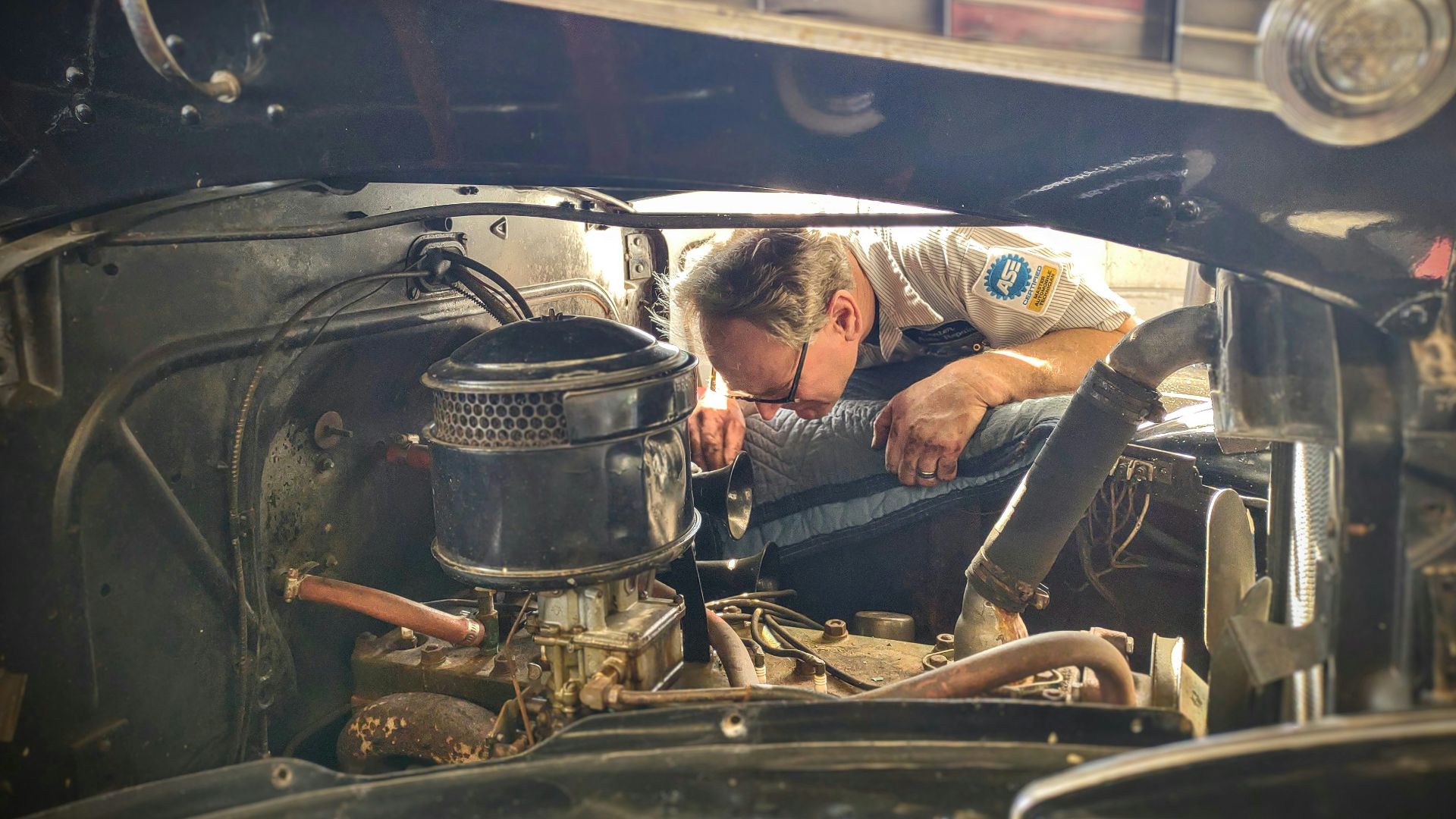
If the problem is caused by damage, misuse, wear items, missed maintenance, or something outside the warranty period, the dealer may reasonably charge diagnostic time. The same can happen if the complaint cannot be duplicated and the technician still spent time checking the car. That does not automatically mean the dealer is right, but it does mean the fee is not suspicious on its face.

Wear Items Are A Common Trouble Spot
Brakes, tires, wiper blades, clutch linings, and similar wear items are often excluded from factory bumper-to-bumper coverage unless a defect caused the failure. A customer may think a problem should be covered because the vehicle is still fairly new, but the warranty may treat that part differently. When diagnosis shows normal wear instead of a manufacturing defect, the cost can shift back to the owner.

Maintenance Problems Can Shift The Cost To You
Manufacturer warranties usually exclude problems caused by lack of maintenance or failure to follow the owner’s manual. If a warning light turns out to be related to low fluid, dirty oil, or skipped service, the dealer may decide the problem is not warrantable. In that case, charging for diagnosis is often in line with the written warranty terms.

Aftermarket Parts Do Not Automatically Void Coverage
This is where a lot of drivers get bad information. According to the FTC, a manufacturer or dealer generally cannot void your warranty just because you used aftermarket parts or had work done by an independent shop. They still can deny a specific repair if they can show that the aftermarket part or outside work caused the problem, and diagnosis may be part of proving that.

The Advisor’s Exact Wording Matters
Some dealerships explain this clearly by saying there is a diagnostic charge only if the issue is not covered. Others simply ask for approval for one hour of diagnostic time and leave the details fuzzy. Before you sign anything, ask whether the fee will be waived if the problem is confirmed as a warranty defect.
Get The Estimate In Writing Before Anything Starts
The FTC’s guidance on auto repair stresses the value of getting a written estimate and understanding charges before authorizing work. If the dealer wants approval for diagnosis, ask the service advisor to write down the amount, the hourly rate, and the conditions under which you would owe it. A short note up front can save a long argument later.

State Law Can Add Another Layer Of Protection
On top of federal warranty law, many states regulate repair estimates, approvals, and final billing. Those rules can require shops to disclose charges and get approval before going over an estimate. That means the legality of a surprise diagnostic fee may depend not just on the warranty, but also on your state’s repair laws.

What To Ask Before You Hand Over The Keys
Ask whether the symptom is likely covered, whether diagnosis is covered if a warranty defect is found, and whether there is a maximum amount you are authorizing. Also ask what happens if the technician cannot duplicate the complaint. These are simple questions, but they quickly show whether the service lane is being clear or just moving things along.

Why “No Trouble Found” Can Still Cost You
Intermittent problems are hard for both technicians and customers. If the dealer spends time road-testing and scanning the car but cannot reproduce the issue, they may still charge for diagnostic labor. That can feel unfair, but from the shop’s side, time was still spent even without a clear answer.
Technical Service Bulletins Can Change The Discussion
A Technical Service Bulletin, or TSB, is guidance from the manufacturer about known problems and repair procedures. A TSB is not the same as a recall, but it can help show that your complaint matches a documented defect pattern. If your vehicle has a TSB for the symptom, mention it, because it may make warranty coverage easier to confirm.
 f.t.Photographer, Shutterstock
Recalls Are Different From Warranties
If the issue is covered by a safety recall, the repair should not depend on your normal warranty status. Recalls follow a different set of rules, and the manufacturer is generally responsible for the recall fix. If the dealer is charging diagnosis for a symptom directly tied to an open recall, ask them to explain exactly why.
 Hugh Venables , Wikimedia Commons
Extended Warranties And Service Contracts Play By Their Own Rules
Not every plan sold in the finance office is a manufacturer warranty. Many are vehicle service contracts with separate terms, deductibles, exclusions, and pre-authorization requirements. Those contracts may handle diagnosis differently, so a fee that would be covered under a factory warranty might still be billed under a third-party plan.
Pre-Authorization Can Make Or Break Coverage
Some service contracts require the shop to contact the plan administrator before teardown or deeper diagnosis begins. If that step is skipped, coverage fights can start fast. Ask who is responsible for getting approval and whether you are authorizing any charges that are not guaranteed to be reimbursed.

Documentation Is Your Best Backup
Keep copies of the repair order, estimate, warranty booklet, maintenance records, and any texts or emails from the dealership. If the service advisor says diagnosis will be covered if the problem is warrantable, get that in writing. Paperwork is boring until it saves you money.

If You Think The Fee Is Wrong, Escalate Calmly
Start with the service advisor, then ask for the service manager if the explanation still does not add up. If you hit a wall, contact the manufacturer’s customer assistance center and refer to the repair order number and the warranty language. Staying calm and specific usually works better than threatening a lawsuit right away.

There Are Outside Options If You Need Help
The FTC advises consumers to dispute problems they cannot resolve directly and to consider state or local consumer protection resources. The Better Business Bureau’s Auto Line program also handles certain warranty disputes for participating manufacturers. If the amount is large enough, your state attorney general’s office or a private attorney may also be worth contacting.
 MatthiasK 1412, Wikimedia Commons
Watch For The Red Flags
A dealership should not refuse to explain the fee, pressure you to approve an open-ended amount, or claim your warranty is void just because someone else changed your oil. Those are signs to slow down and ask harder questions. Honest shops usually have no trouble explaining when diagnosis is covered and when it is not.

What A Fair Diagnostic Policy Usually Sounds Like
A fair policy is usually simple. The dealer may say there is a standard diagnostic charge, but if the issue is confirmed as a defect covered by the manufacturer’s warranty, that charge is folded into the warranty repair and you do not pay it. If the cause is not covered, no problem is found, or the warranty no longer applies, then you pay for the diagnostic time you approved.

How To Protect Yourself In One Sentence
Before any work starts, ask this exact question: “If the technician confirms this is a warranty defect, will the diagnostic charge be covered and show as zero on my final bill?” It is polite, direct, and hard to misunderstand. That one sentence can save you from one of the most common dealership misunderstandings.
The Bottom Line For Drivers
Yes, it is normal for a dealership to mention a diagnostic fee even when you think the repair should be covered by warranty. No, that does not automatically mean you will owe it. If the diagnosis confirms a covered defect, the manufacturer often pays. But if the issue is excluded, cannot be duplicated, or was caused by something outside the warranty, the fee can land on you.