The Argument A Lot Of Couples Are Having
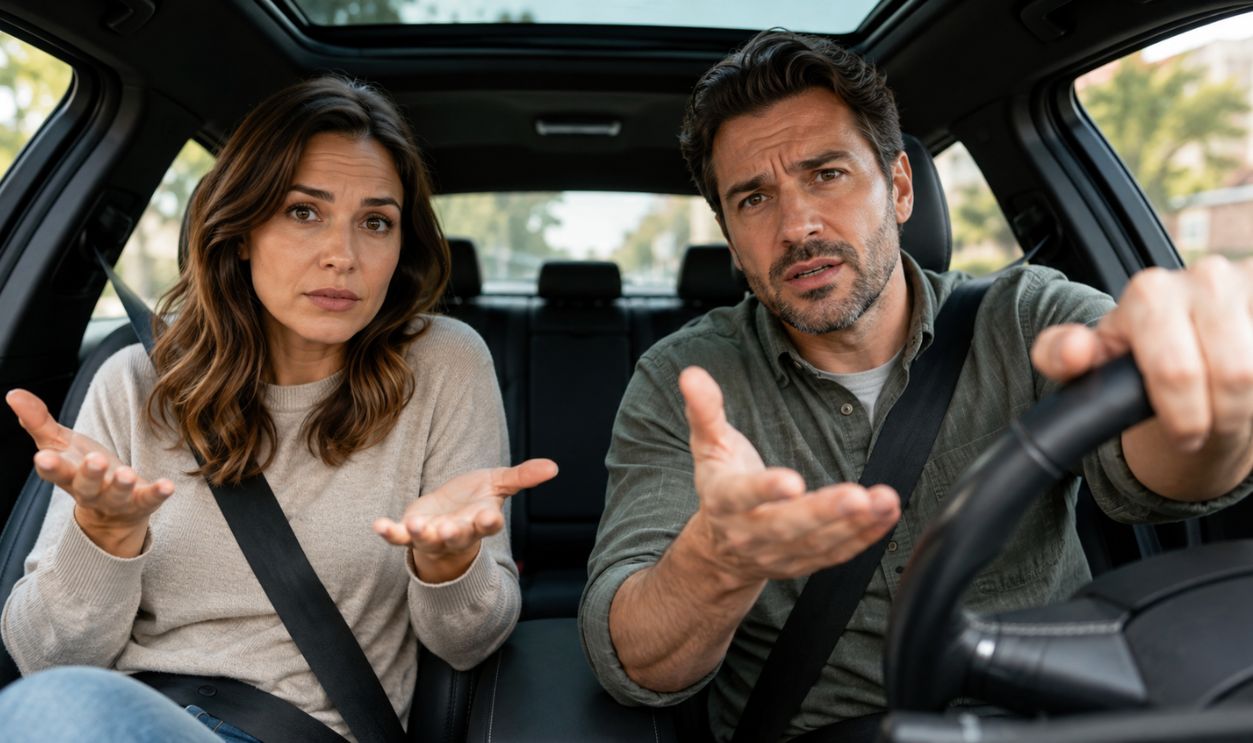
Driver-assistance tech can feel like a guardian angel or an annoying backseat driver, depending on who's behind the wheel. Saying these systems make people worse drivers is getting at a real debate that safety researchers, regulators, and carmakers have been sorting through for years. The short answer is that it's not completely wrong, but the bigger picture is more interesting.
What Counts As Driver-Assistance Features
We are talking about systems like automatic emergency braking, lane-keeping assist, adaptive cruise control, blind-spot warning, rear cross-traffic alert, and hands-on highway assist. These are usually called ADAS, short for advanced driver assistance systems. They are meant to reduce crashes or make crashes less severe, not turn a regular car into a self-driving one.
The Biggest Thing To Know Right Away
Most of the evidence shows that several common driver-assistance features do improve safety when people use them the way they are supposed to. That is especially true for automatic emergency braking and blind-spot related features. But there is also evidence that some systems can lead to overreliance, distraction, or confusion, which can make drivers act worse in certain situations.

Safety Gains Are Not Just Marketing Copy
The Insurance Institute for Highway Safety has published some of the clearest real-world findings on this. In 2022, IIHS reported that front crash prevention systems cut rear-end crashes by about half, and cut rear-end crashes with injuries by 56 percent. That is a strong case for keeping at least some assistance features turned on.
 https://kaboompics.com/, Pexels
Automatic Emergency Braking Has A Strong Case
Automatic emergency braking, often paired with forward collision warning, is one of the clearest success stories. The National Highway Traffic Safety Administration has repeatedly pointed to the crash-reduction potential of this tech, and the agency pushed a major rule in 2024 requiring AEB on new passenger vehicles. Regulators do not take that step unless the safety case is strong.
When The Government Drew A Harder Line
In April 2024, NHTSA finalized a federal motor vehicle safety standard requiring automatic emergency braking and pedestrian AEB on all new passenger cars and light trucks by September 2029. The rule also requires systems to work at higher speeds than many current systems handle well. That matters because it shows the government sees AEB as core safety equipment, not a gimmick.
Blind Spot Tech Also Looks Pretty Convincing
IIHS has also found strong evidence for blind-spot detection and related lane-change support. In a 2023 study, vehicles equipped with blind-spot detection had fewer lane-change crashes, especially when paired with lane-keeping features. For everyday drivers dealing with crowded highways and fast traffic, that is a real benefit.

Rear Cross-Traffic Alert Helps In The Real World
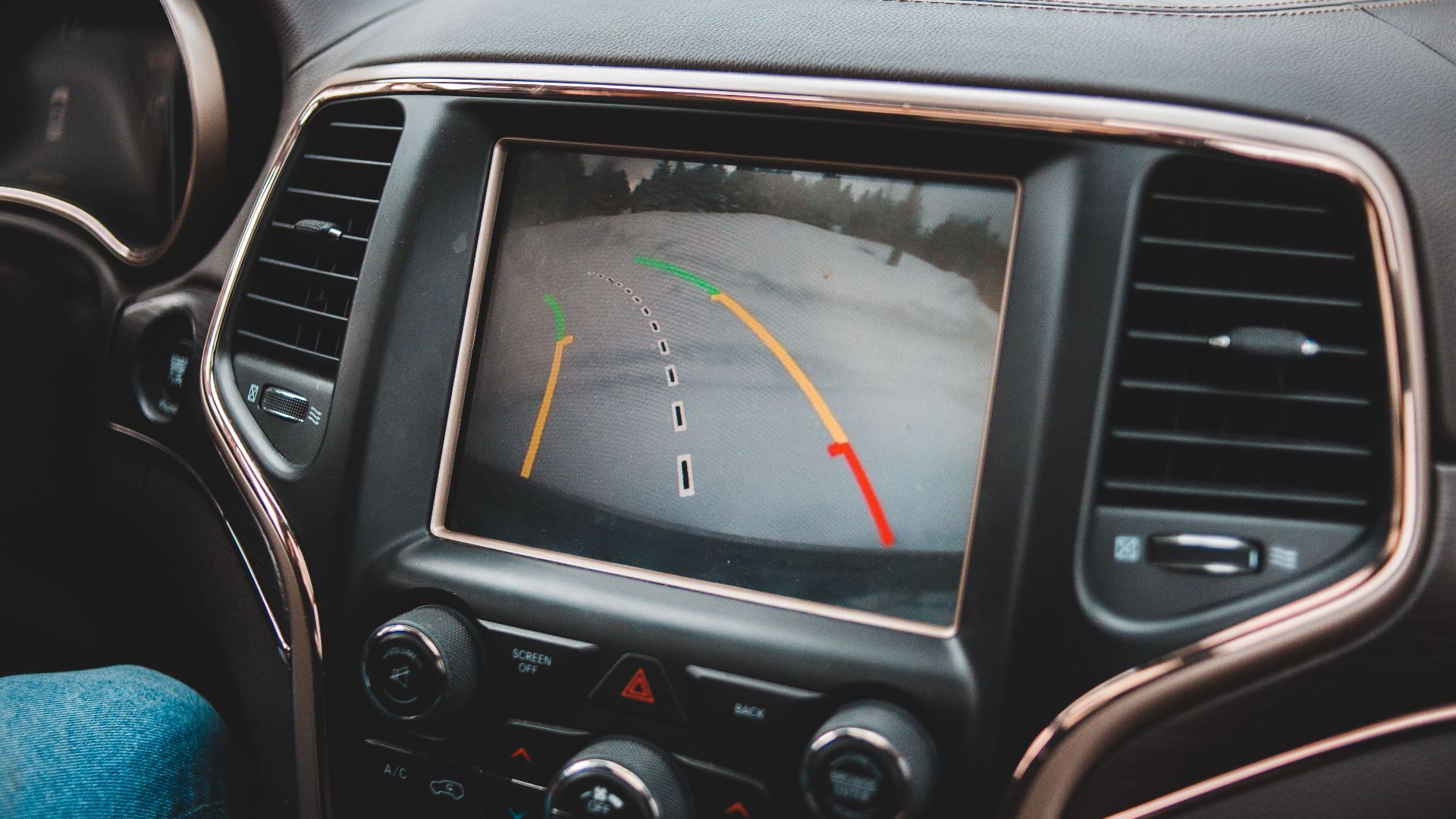
Backing out of parking spaces is one of those everyday moments when visibility can be terrible. IIHS research published in 2021 found that rear automatic braking reduced backing crashes, while rear cross-traffic alert also showed measurable benefits. These are the kinds of low-speed incidents many drivers shrug off until one turns expensive or dangerous.
So Why Do Some Drivers Hate These Systems
Part of the backlash comes from poor tuning and annoying alerts. A lane-keeping system that tugs the wheel on a narrow road or beeps too often can make even a careful driver want to shut it off. If the system feels clumsy, people stop trusting it, even if the basic safety idea is solid.
There Is A Real Risk Of Overreliance
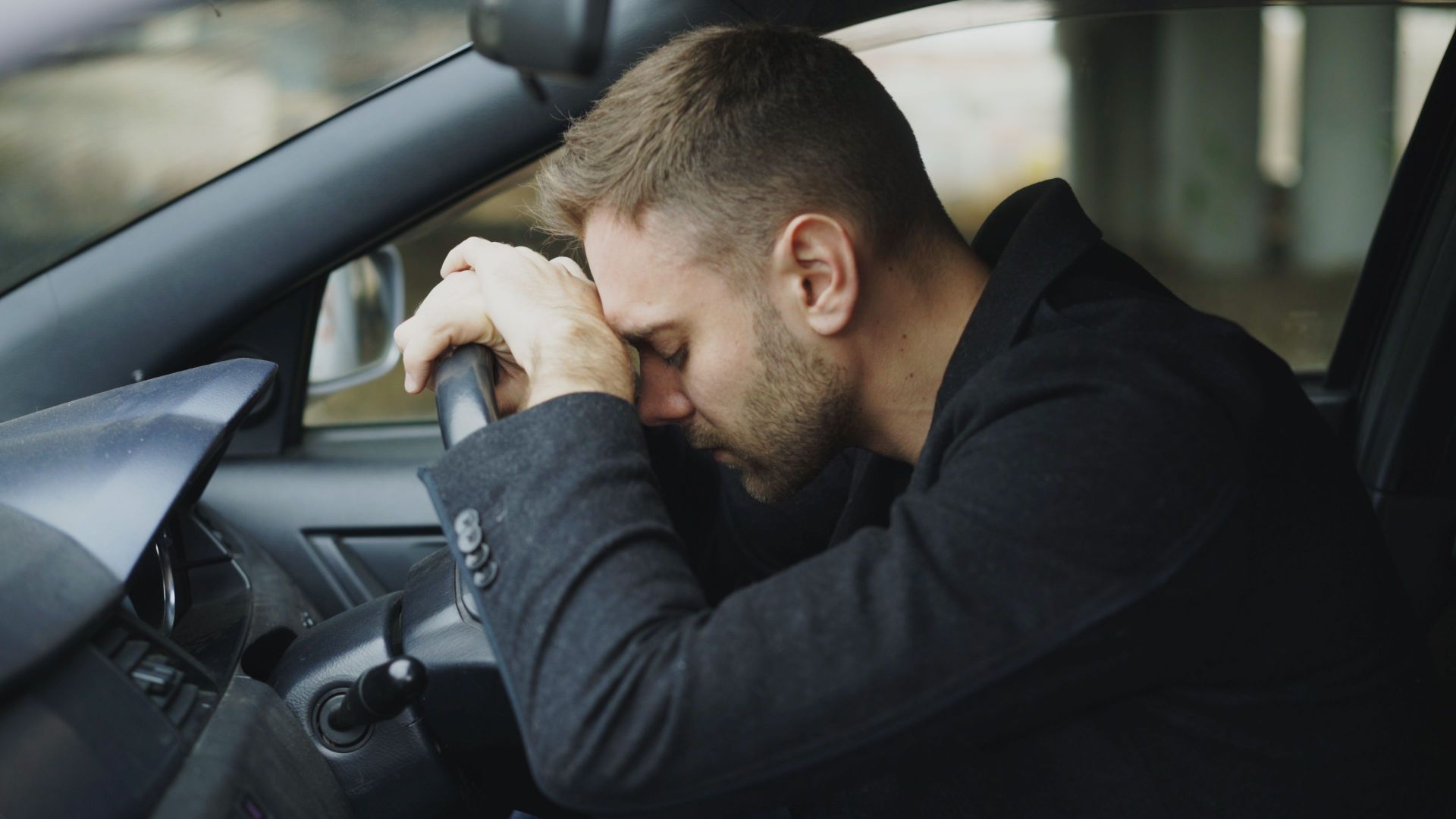
The concern your husband is raising does have support in research on driver behavior. The National Transportation Safety Board has repeatedly warned that partial automation can lead drivers to get complacent or assume the car can do more than it really can. In plain English, some people pay less attention when the car starts to seem too smart.

The Tesla Investigations Put This In The Spotlight
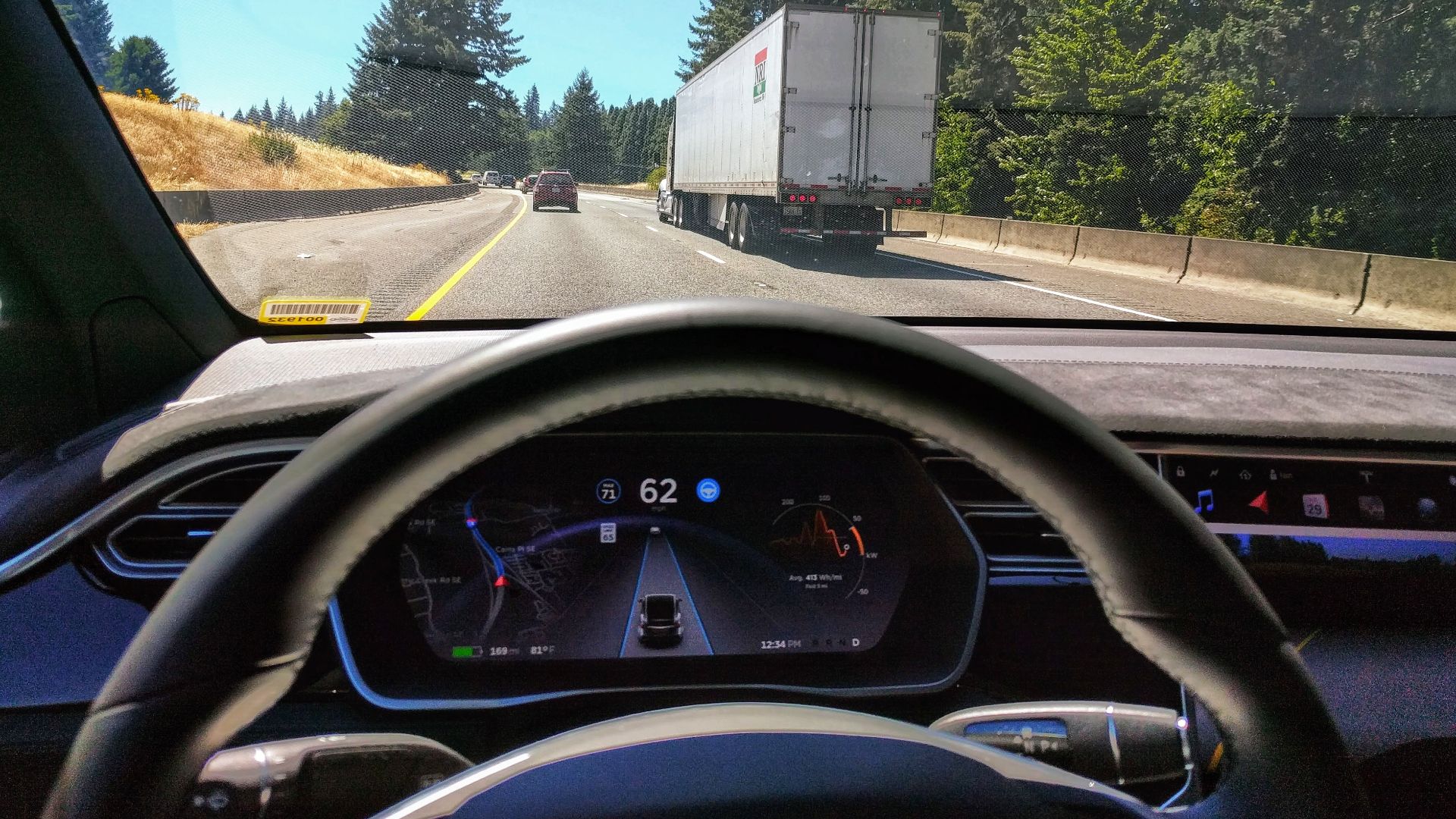
One reason this debate got so heated is Tesla Autopilot and similar hands-on driver-assist systems. NHTSA has investigated crashes involving Autopilot, and in April 2024 the agency said Tesla’s recall remedy for driver monitoring had shortcomings after a long defect investigation. The issue was not that assistance is always bad, but that drivers can misuse it when the system’s limits are unclear or too easy to ignore.
 Ian Maddox , Wikimedia Commons
What NTSB Found In High-Profile Crashes
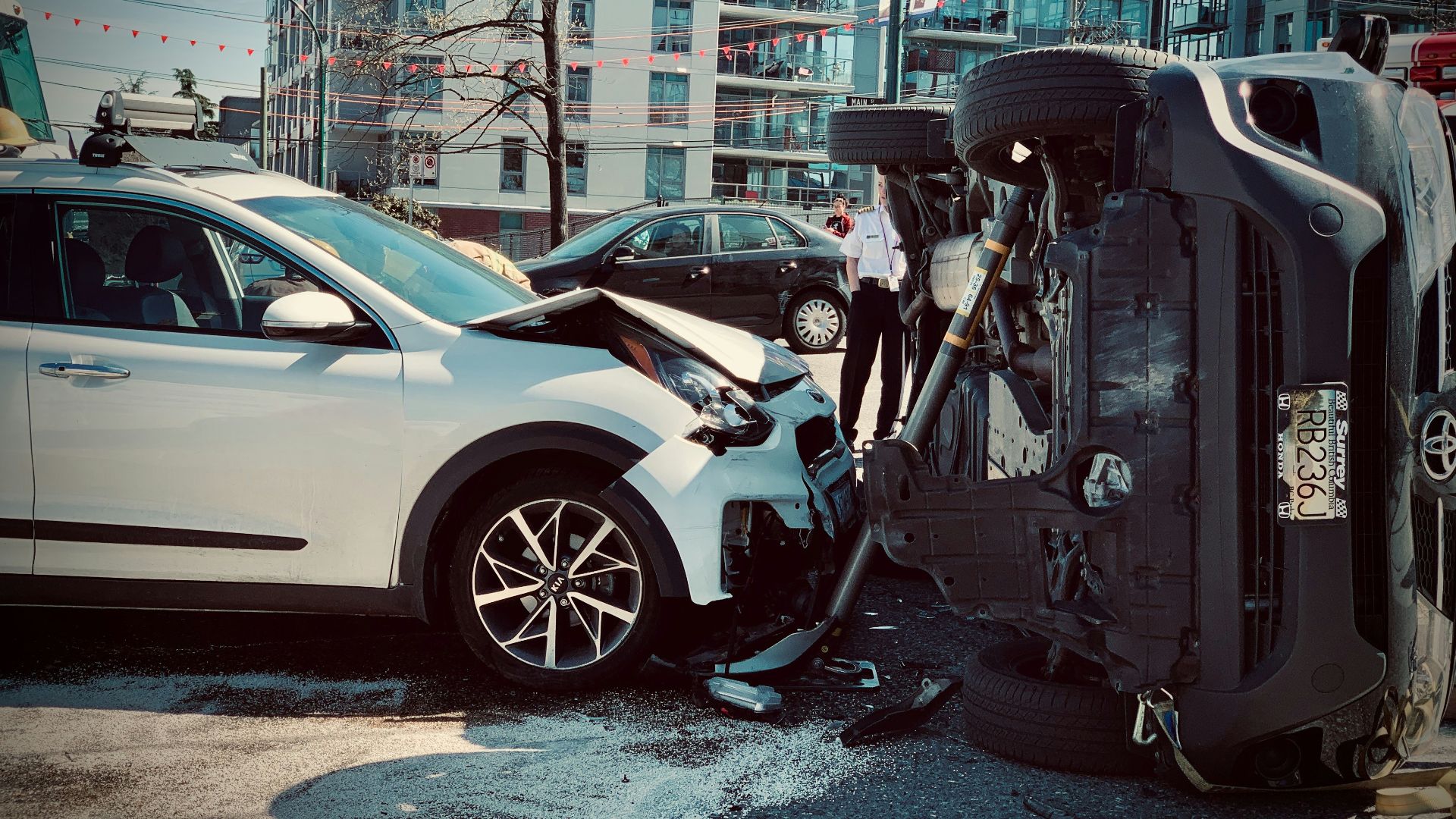
The NTSB has investigated several serious crashes involving driver-assist systems and found a familiar pattern. Drivers relied too heavily on automation, failed to watch the road, and misunderstood what the system could do. The board has also criticized automakers and regulators for not doing enough to make those limits impossible to miss.
Human Nature Is Part Of The Problem
Researchers have long studied something called behavioral adaptation or risk compensation. The basic idea is simple: when people feel safer, some of them take more risks or pay less attention. That does not cancel out the value of safety tech, but it helps explain why a useful feature can still lead to bad habits in some drivers.
AAA Found Drivers Often Misunderstand ADAS
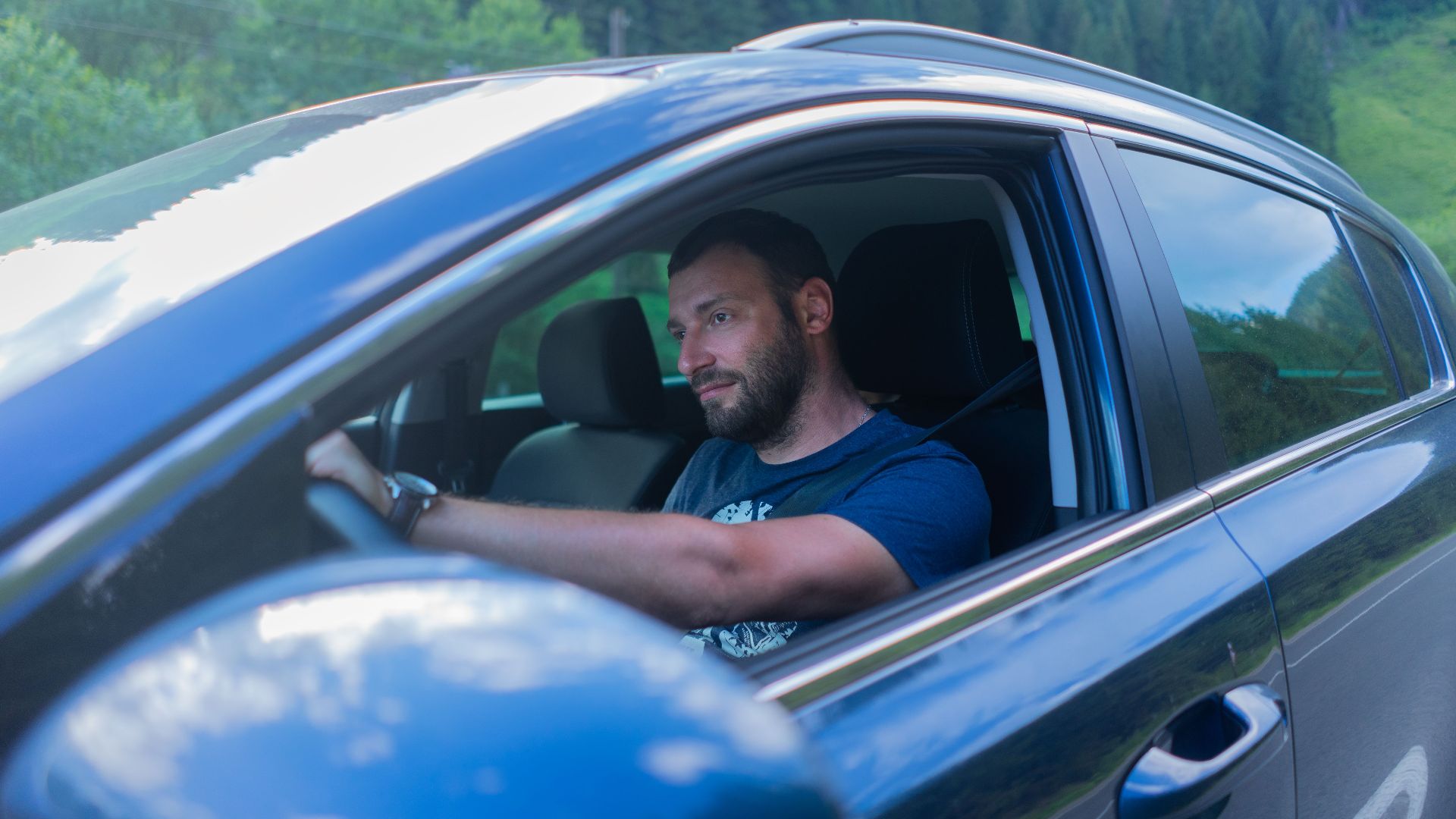
AAA has published multiple studies showing that many drivers do not really know what their assistance systems can and cannot do. People may assume lane centering can handle every curve or that emergency braking will always stop the car in time. That confusion matters because false confidence is one of the fastest ways for good tech to become dangerous tech.
Names Matter More Than You Might Think
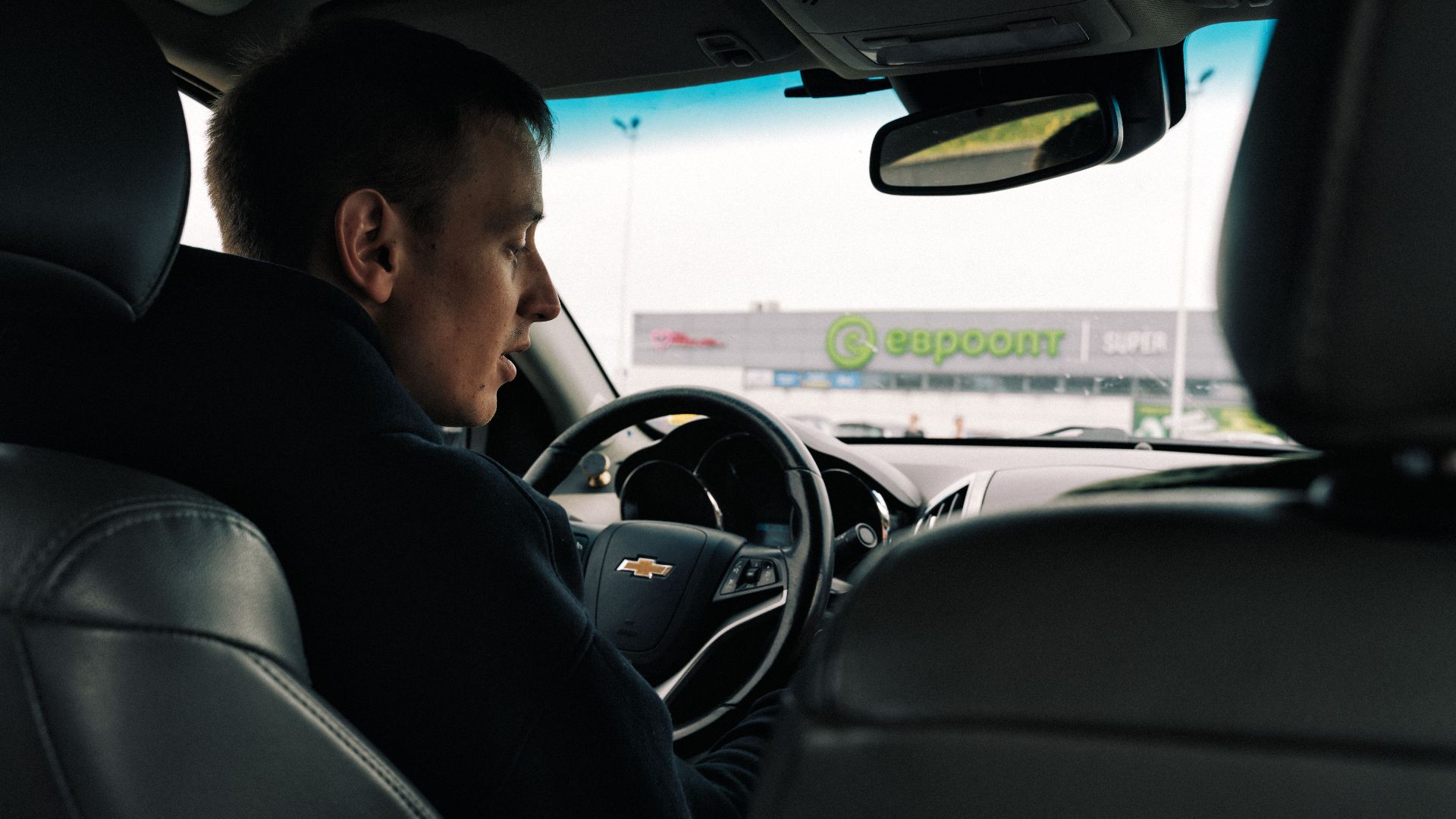
A misleading name can set the stage for misuse. Terms like Autopilot, ProPilot, or Highway Assist can sound more capable than the systems really are, even when the owner’s manual explains the limits. The AAA Foundation for Traffic Safety and other safety advocates have warned that branding can shape expectations in risky ways.

Not All Driver-Assistance Features Are Equally Useful
This is where the conversation gets practical. Automatic emergency braking and blind-spot warning have some of the strongest real-world safety evidence behind them. By contrast, more comfort-focused systems like lane centering and adaptive cruise control can be helpful, but they may also be the features most likely to tempt drivers into mentally checking out if they treat them like a substitute for attention.
False Alarms Can Train People To Ignore Warnings
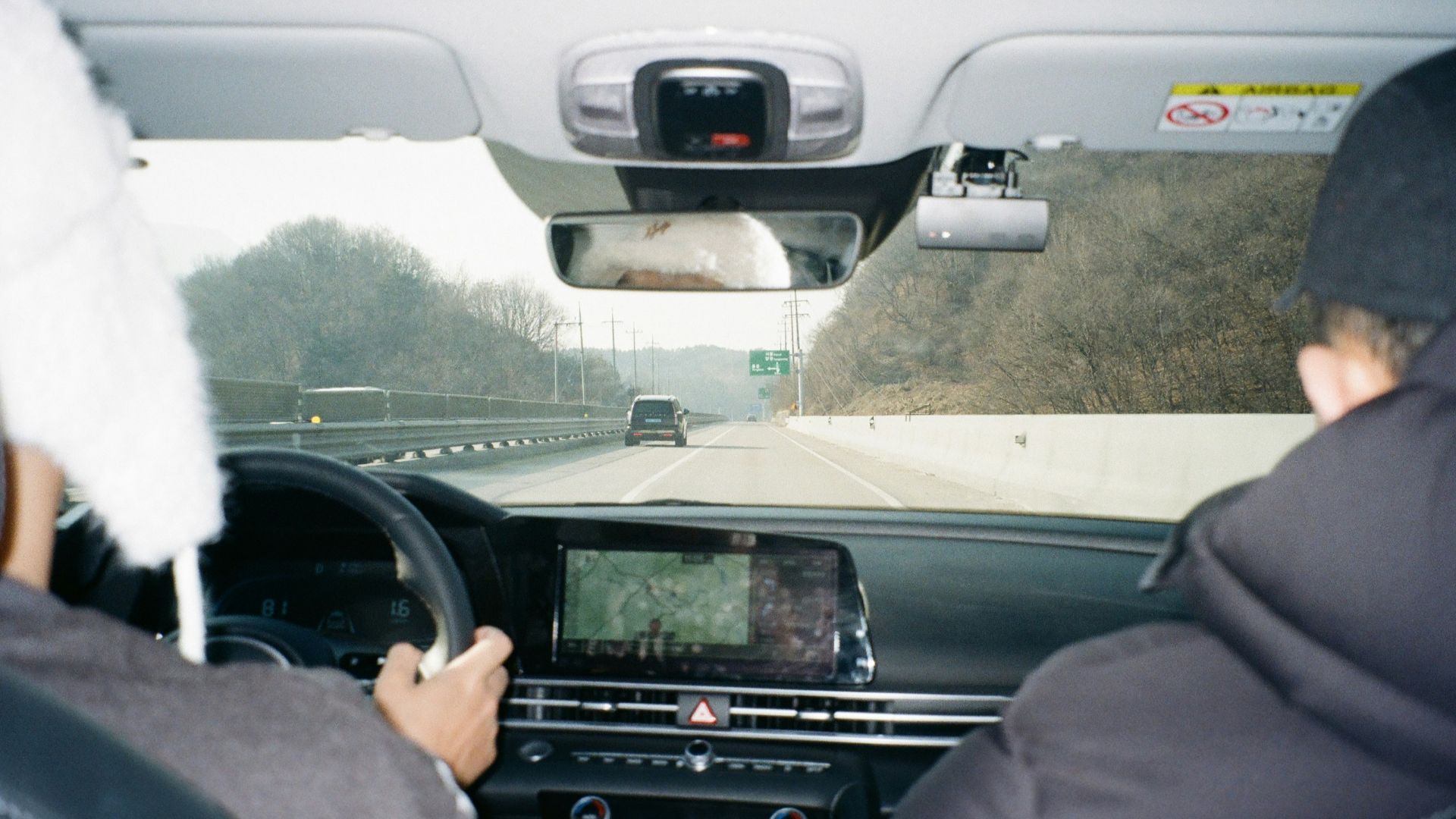
There is another problem that frustrates both drivers and safety engineers. If a system beeps too often, brakes unexpectedly, or jumps in when nothing seems wrong, drivers can start tuning it out. A warning that gets ignored because of too many nuisance alerts is much less useful when a real emergency shows up.
Design Quality Makes A Huge Difference
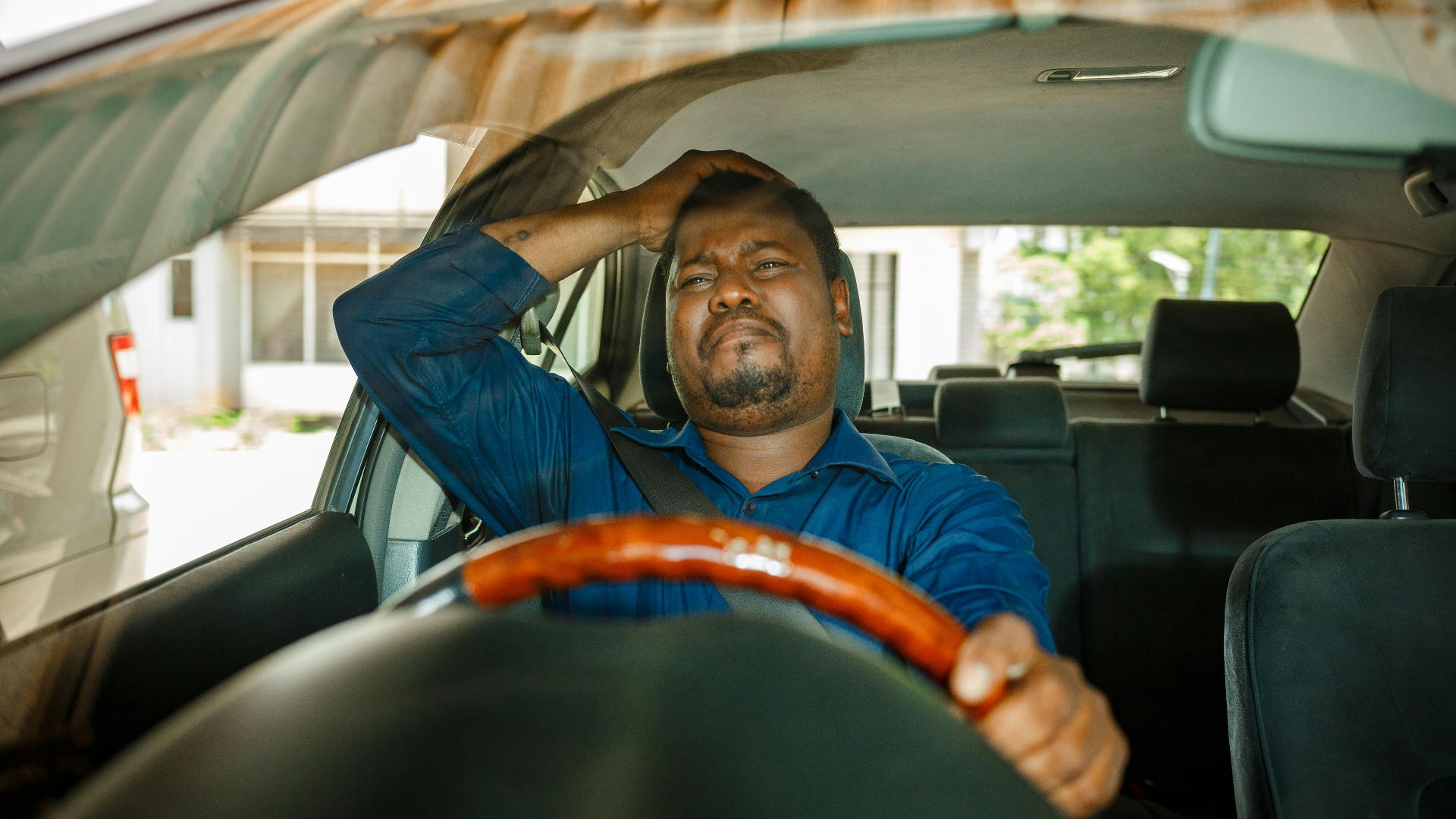
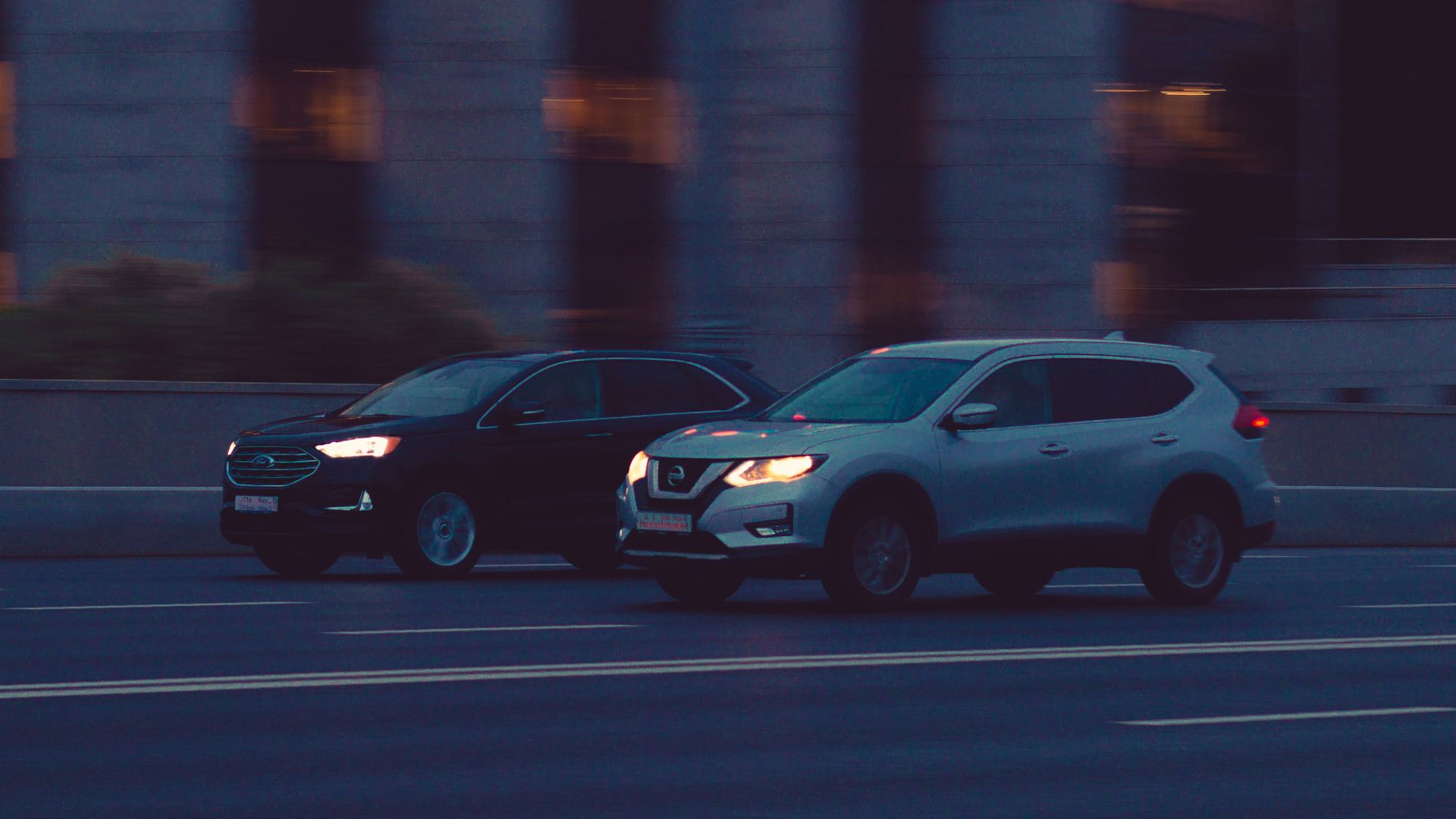
Two cars can both claim to have the same feature and still behave very differently. One lane-keeping system may feel smooth and predictable, while another bounces between lane lines or gives up with little warning. That means the answer is not just about the feature itself, but about how well a specific carmaker built it.
The Best Systems Support The Driver Instead Of Replacing The Driver
Good ADAS design keeps the driver involved and steps in mainly when needed. That usually means clear alerts, obvious handoff of responsibility, and strong driver monitoring if the system controls speed or steering for long stretches. The safer idea is assistance, not automation theater.

Turning Everything Off Is Usually The Wrong Move
If the question is whether you should disable all driver-assistance features, the evidence says no. Turning off proven systems like AEB or blind-spot warning can remove a safety net that has been shown to prevent crashes. That would be like refusing anti-lock brakes because some people still drive too fast in the rain.
But Leaving Everything On By Default Is Not Always Ideal Either
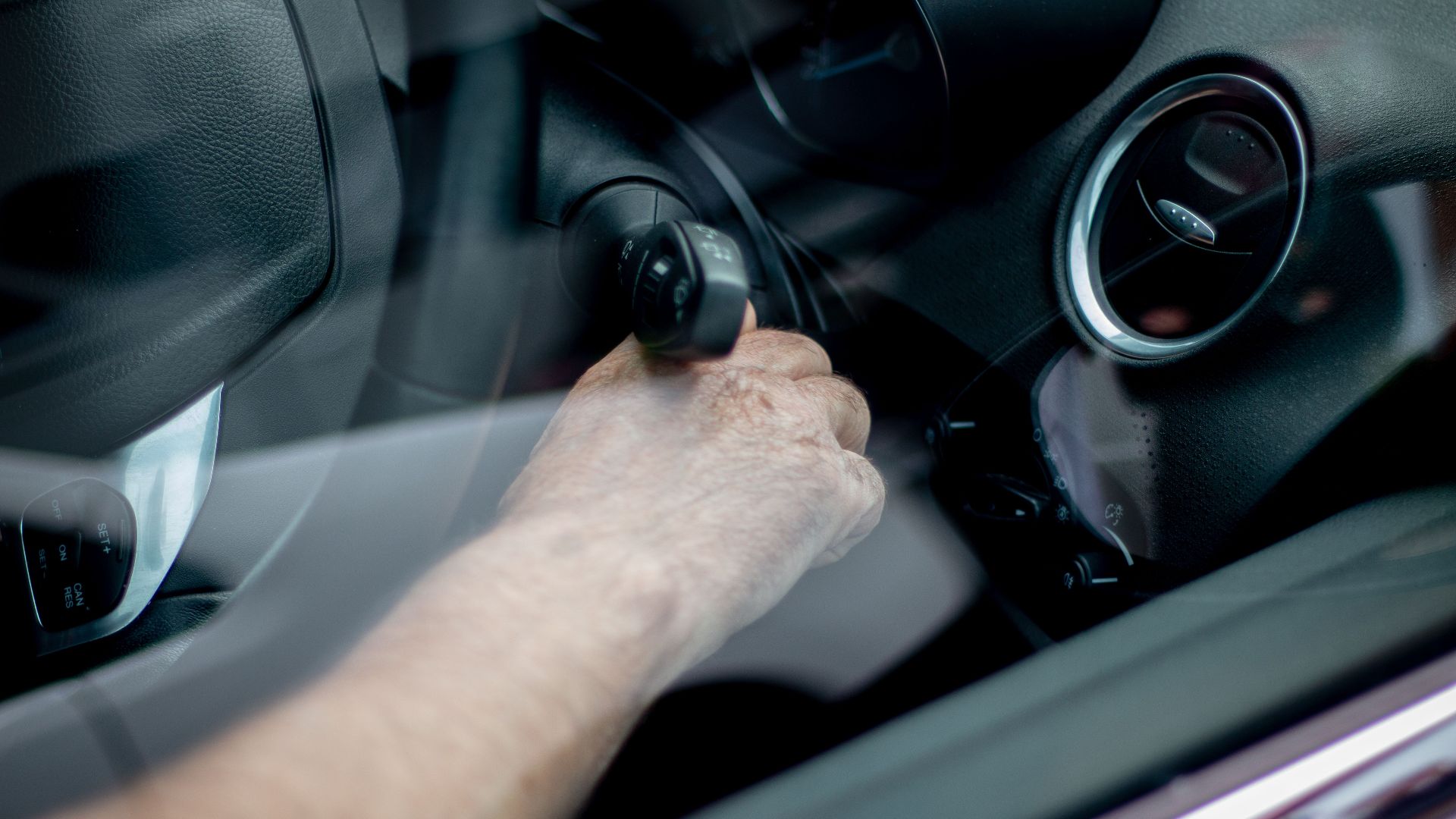
Some owners do better by customizing the setup. If a particular lane-keeping feature is intrusive on local roads, it may make sense to adjust the sensitivity or save it for highway use if the vehicle allows that. The smart approach is to separate high-value crash-prevention systems from features that are mostly about comfort or convenience.
The Practical Middle Ground For Couples
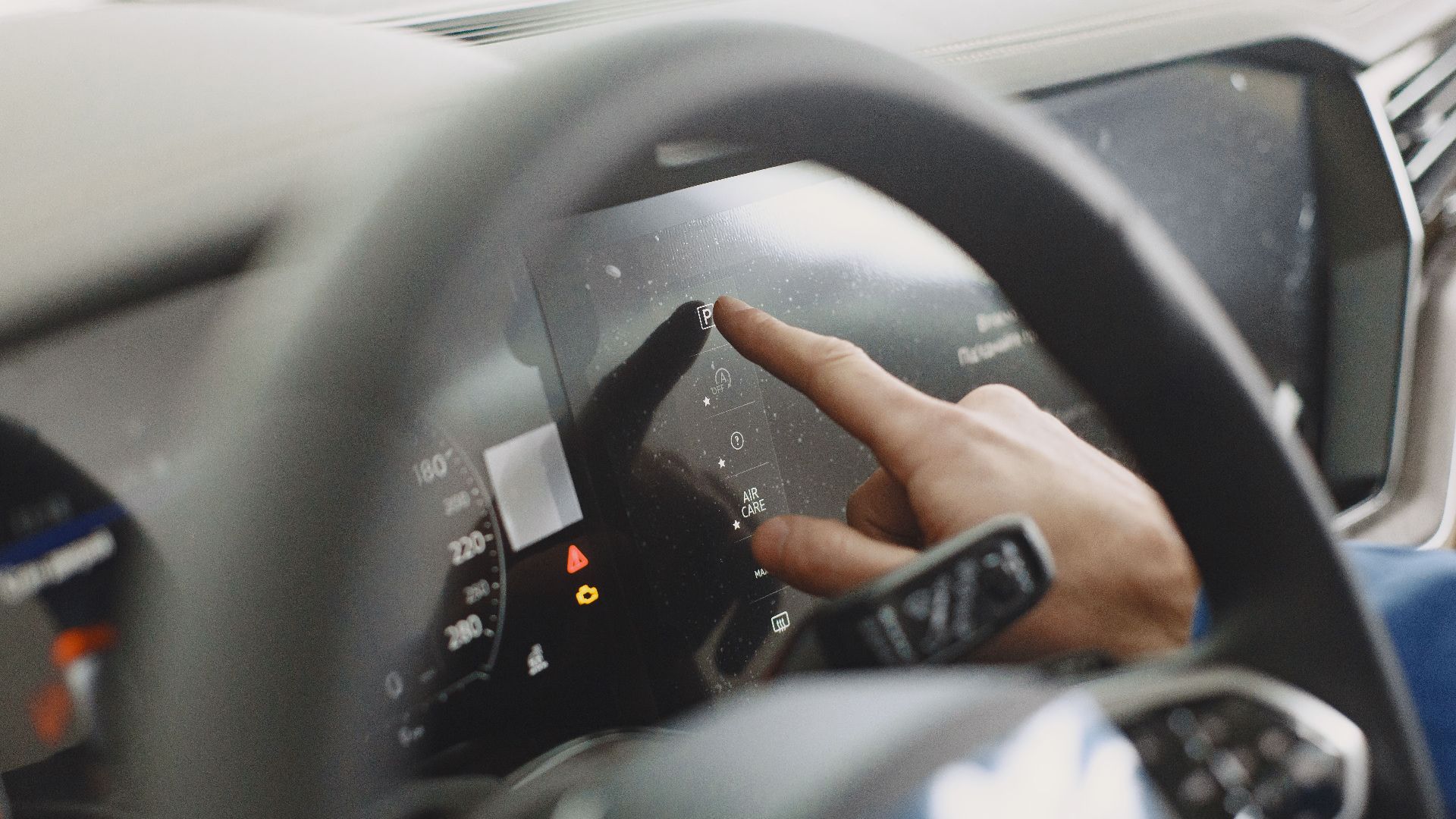
If you and your husband disagree, start with a feature-by-feature conversation instead of turning it into an all-or-nothing fight. Keep automatic emergency braking, forward collision warning, blind-spot monitoring, and rear cross-traffic alert active unless there is a very specific reason not to. Then try the lane and cruise-related features together and decide which ones actually help without encouraging laziness.

Read The Manual, Even If That Sounds Boring
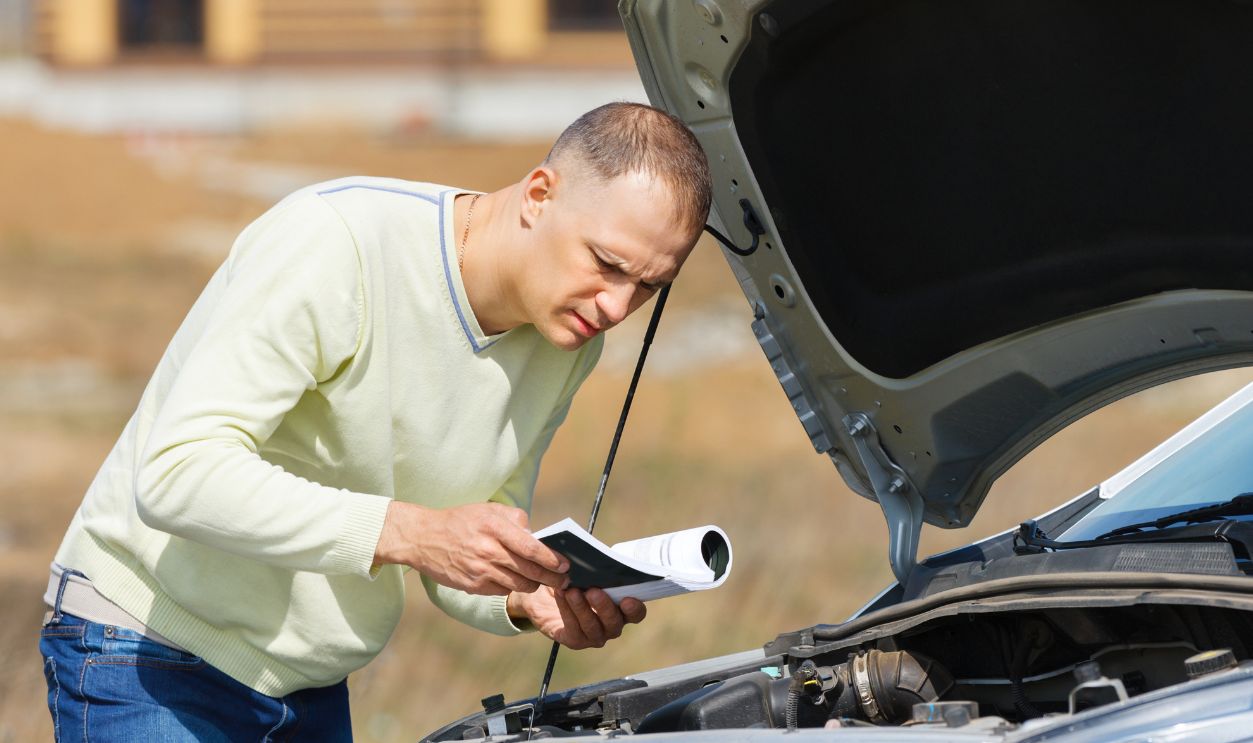
This is one of those rare times when the owner’s manual can save money and maybe even a life. It explains when sensors may not work well, such as in heavy rain, snow, glare, dirty camera lenses, or faded lane markings. A lot of frustration with ADAS comes from drivers expecting perfect performance in conditions where the system already warns it may struggle.
Know The Conditions That Trip Systems Up
Cameras can be blinded by sun or grime, radar has its limits, and lane markings can disappear in construction zones. Even very good systems can struggle on sharp curves, at high closing speeds, or when another vehicle suddenly cuts in. That is why safety agencies keep repeating the same point: the driver has to stay fully engaged.

Driver Monitoring Is Becoming A Bigger Deal
One lesson from recent investigations is that a car should not quietly let a driver drift into daydream mode while assistance features are active. Carmakers are increasingly using camera-based driver monitoring to check whether the driver is watching the road. That trend reflects a simple truth: the technology works best when it also keeps an eye on the human using it.
What The Evidence Really Says
Your husband is right that some driver-assistance features can make some people worse drivers if they encourage complacency, confusion, or too much trust. He is wrong if he means that driver-assistance systems are broadly harmful or should all be shut off. The best evidence says several features prevent crashes in the real world, while the biggest danger comes from misunderstanding what the car can actually do.

The Bottom Line For Your Car
Think of ADAS as a backup for your attention, not a replacement for it. Keep the proven crash-prevention tools on, learn the limits of the more hands-on systems, and do not let convenience features trick you into checking out. That is the balanced answer, and it is much closer to the facts than either blind faith in technology or blanket rejection of it.