When Low Beams Feel Like High Beams
You know you did not touch the high beams. Yet another irritated driver flashes you from across the road, raising an awkward question about what is actually happening at the front of your car.
Yes, Factory Headlights Can Cause Glare
A factory-installed headlight can comply with federal requirements and still feel uncomfortably bright to another driver in certain circumstances. Federal rules regulate headlamp performance through requirements that include minimum and maximum light intensity at specified test points. Real roads introduce hills, curves, different vehicle heights, changing loads, and drivers sitting at different eye levels.

Legal Does Not Mean Glare-Free
Federal Motor Vehicle Safety Standard No. 108 establishes performance requirements for automotive lighting. Compliance does not mean another driver can never experience glare from the headlights. Even IIHS testing allows a headlight system to receive some glare demerits without automatically receiving the worst overall rating.
Drivers Really Are Complaining About This
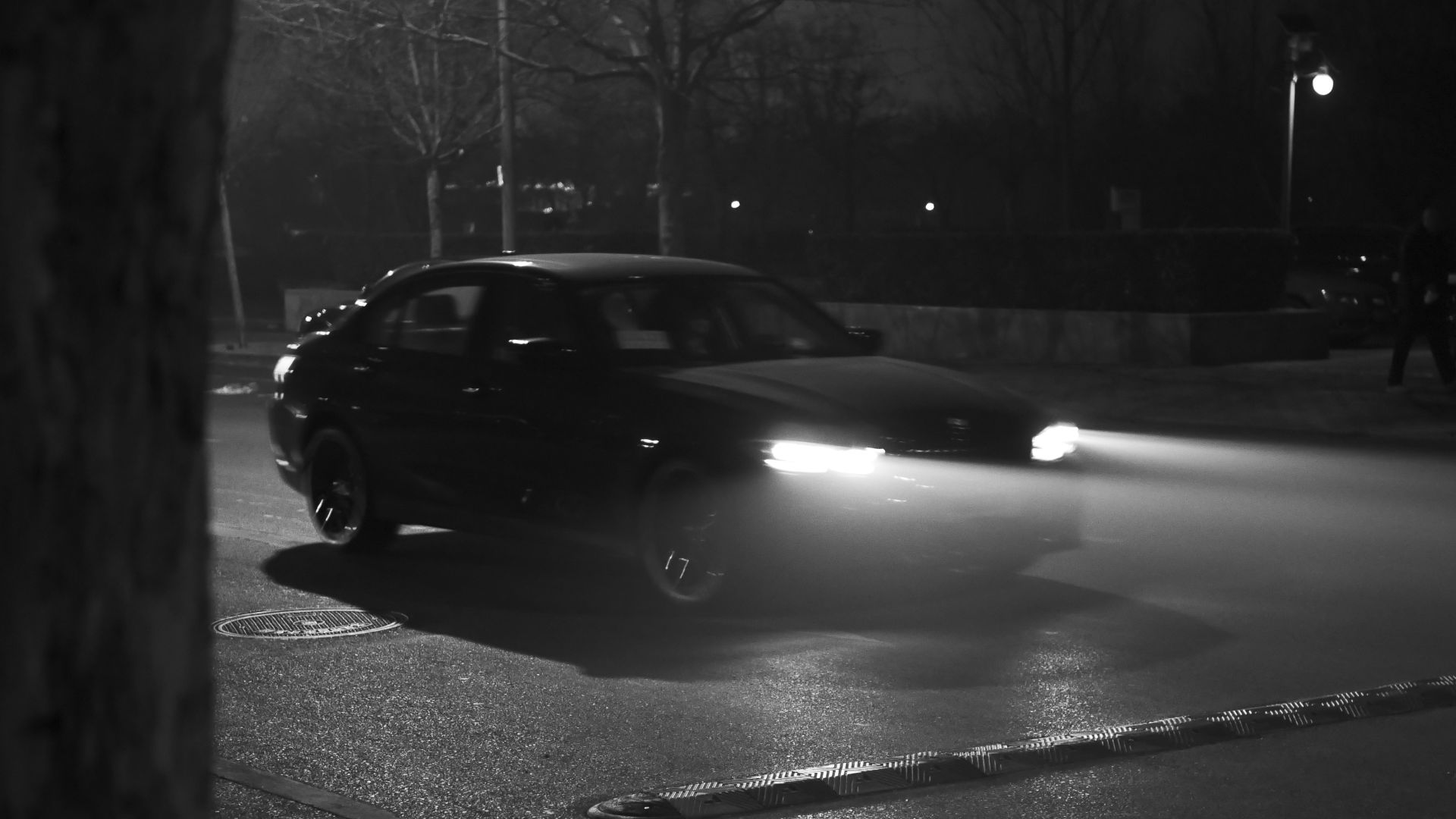
If you think headlight glare has become more noticeable, you have plenty of company. A 2026 AAA survey found that six in ten U.S. drivers considered headlight glare a problem after dark. Among respondents bothered by glare, nearly three-quarters believed the problem had worsened over the previous decade.
 Linoleum Creative Collective, Unsplash
Most Complaints Involve Oncoming Cars
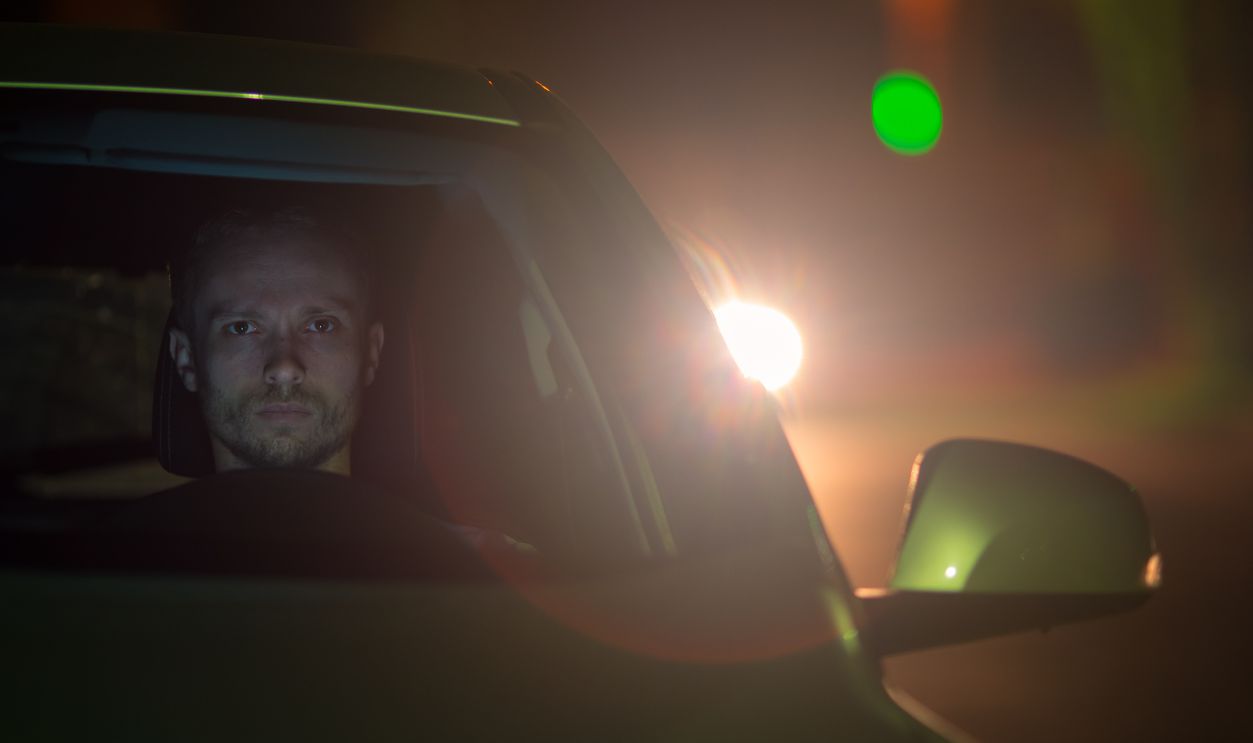
AAA found that 92 percent of drivers who experienced problematic glare identified oncoming headlights as their main concern. About one-third also reported problems with light reflected through rearview or side mirrors. That means glare can be irritating whether the bright vehicle is approaching or following you.
LEDs Are Legal In Factory Headlights
LED technology itself is not prohibited. NHTSA says LEDs can legally serve as the light source in certain integral-beam headlamps when the complete assembly satisfies applicable requirements under FMVSS No. 108. The federal standard evaluates the performance of the complete headlamp rather than simply declaring one lighting technology acceptable and another unacceptable.
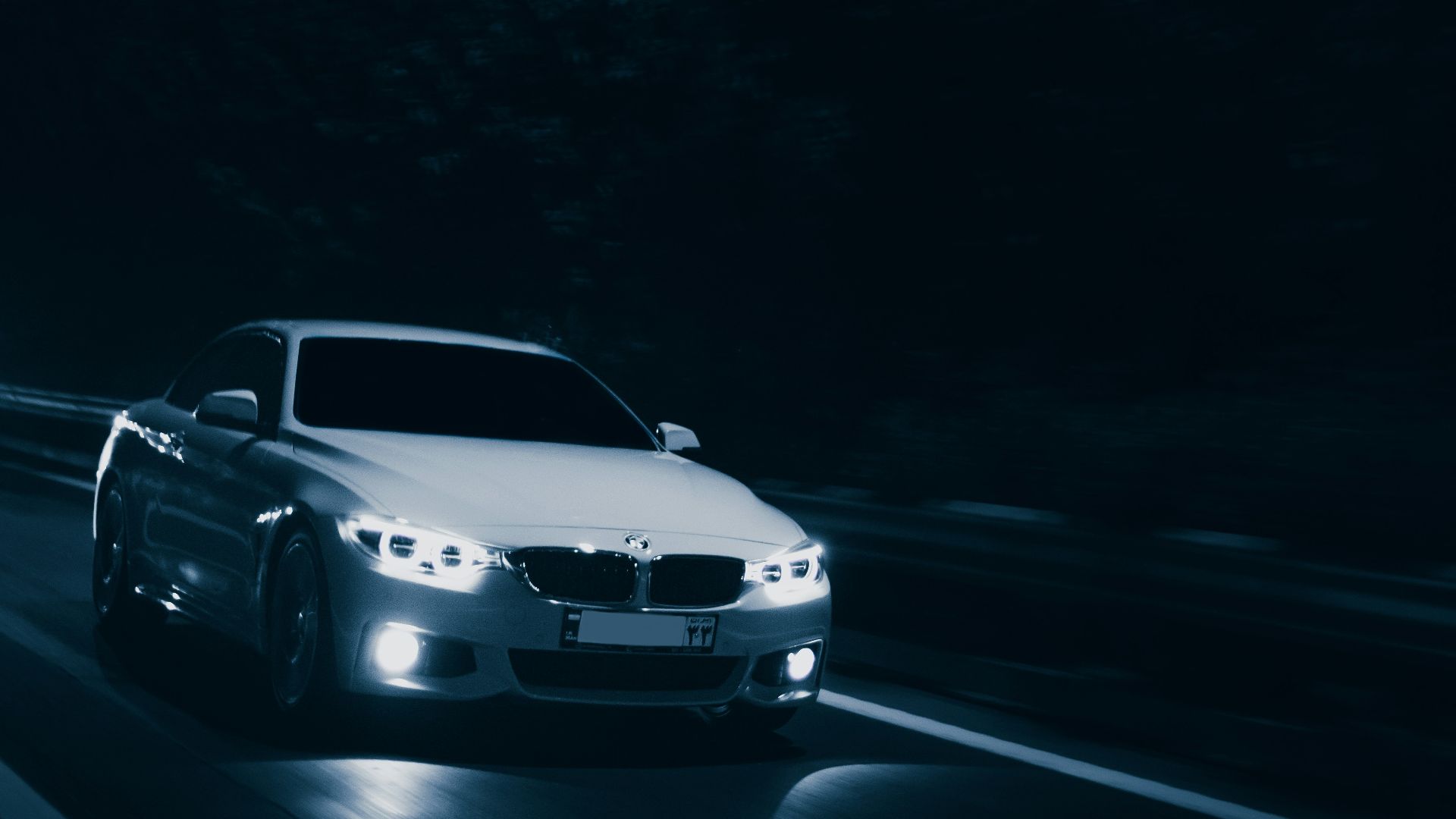
LEDs Are Not Automatically The Villain
It is tempting to blame every uncomfortable headlight encounter on LEDs. IIHS evaluates headlights without favoring halogen, HID, or LED technology, and examples of poorly performing systems exist across different lamp types. A well-designed LED system can therefore perform better than a poorly designed older system.
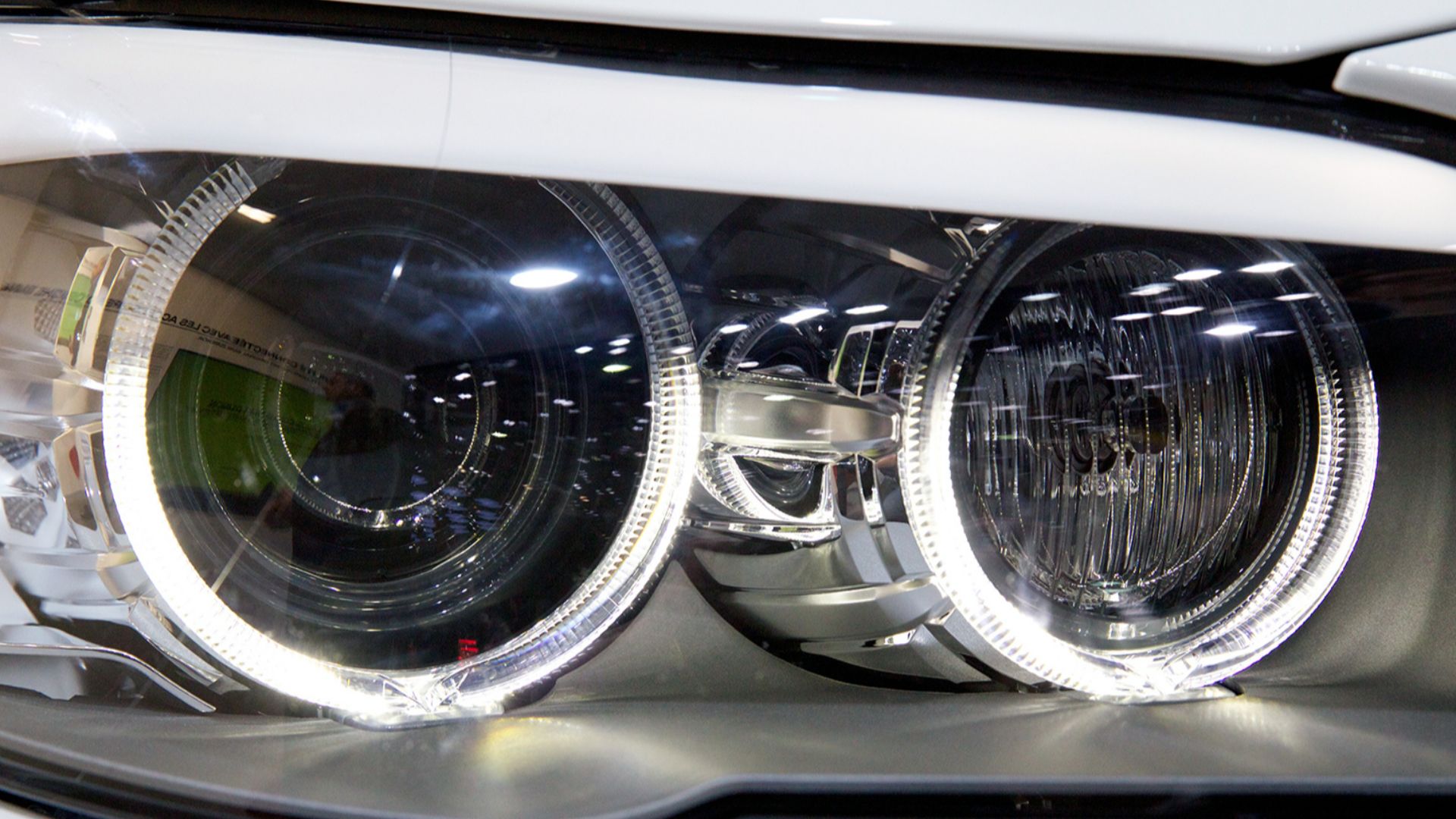
Modern Light Can Look Very Different
Drivers accustomed to older halogen headlights may immediately notice the appearance of modern HID and LED lighting. NHTSA's rules permit headlamps to produce white light across boundaries that can include white perceived with yellow or blue tints. The visual character of the light can therefore differ considerably between vehicles while remaining within regulatory requirements.
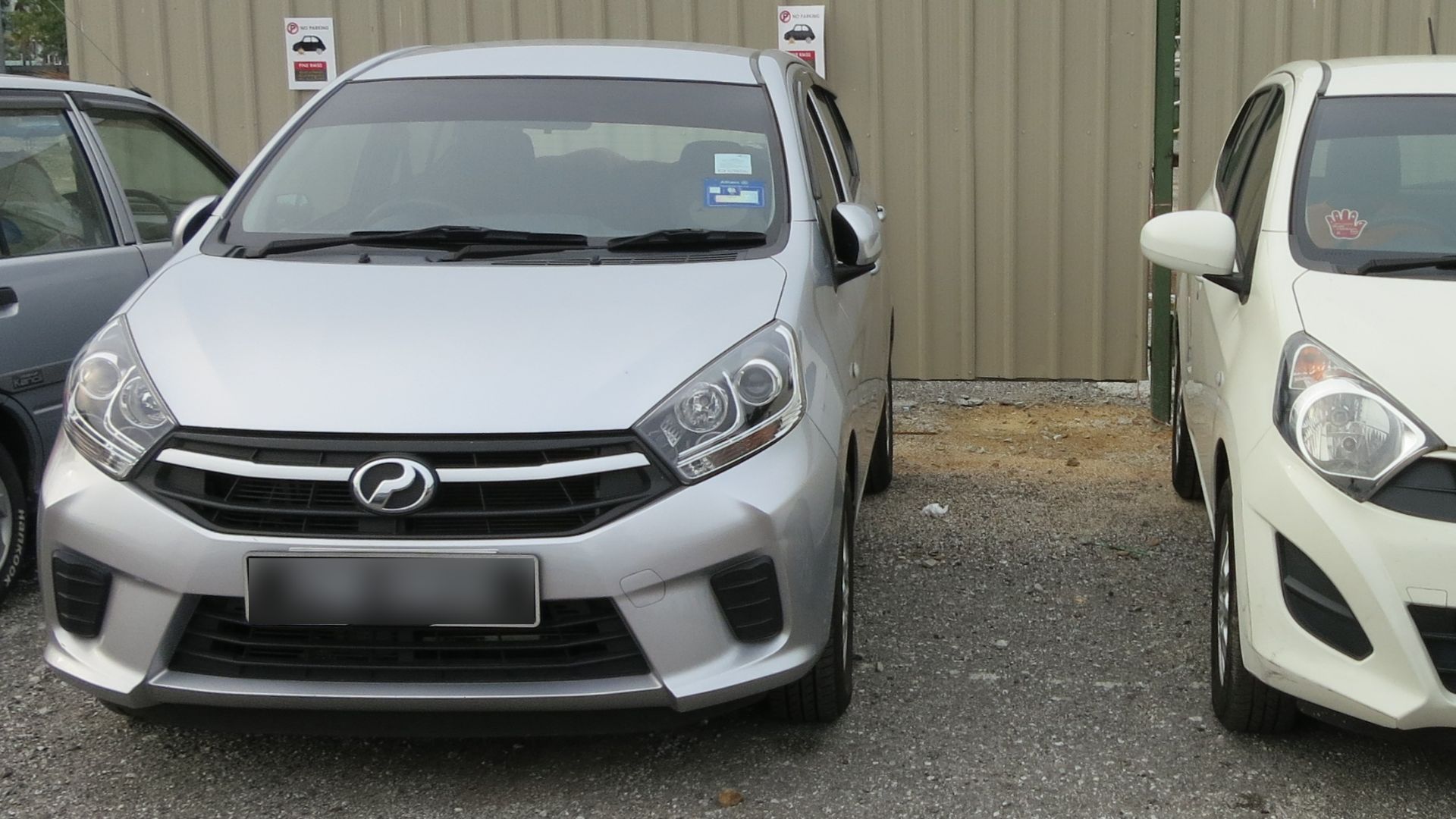 Bindydad123, Wikimedia Commons
The Beam Pattern Matters Enormously
Brightness at the light source is only part of what determines what another driver experiences. The headlamp's optics determine where that light goes, which is why federal requirements specify photometric performance at numerous points. A powerful lamp that keeps its beam properly controlled can create a very different experience from one directing excessive light toward another driver's eyes.

Aim Can Make Or Break A Headlight
A good low beam is supposed to illuminate the road without sending excessive light toward approaching motorists. IIHS specifically measures glare when it evaluates headlights, and headlight aim is an important part of that performance. Even excellent lighting technology becomes troublesome if too much of its output ends up above the intended beam pattern.
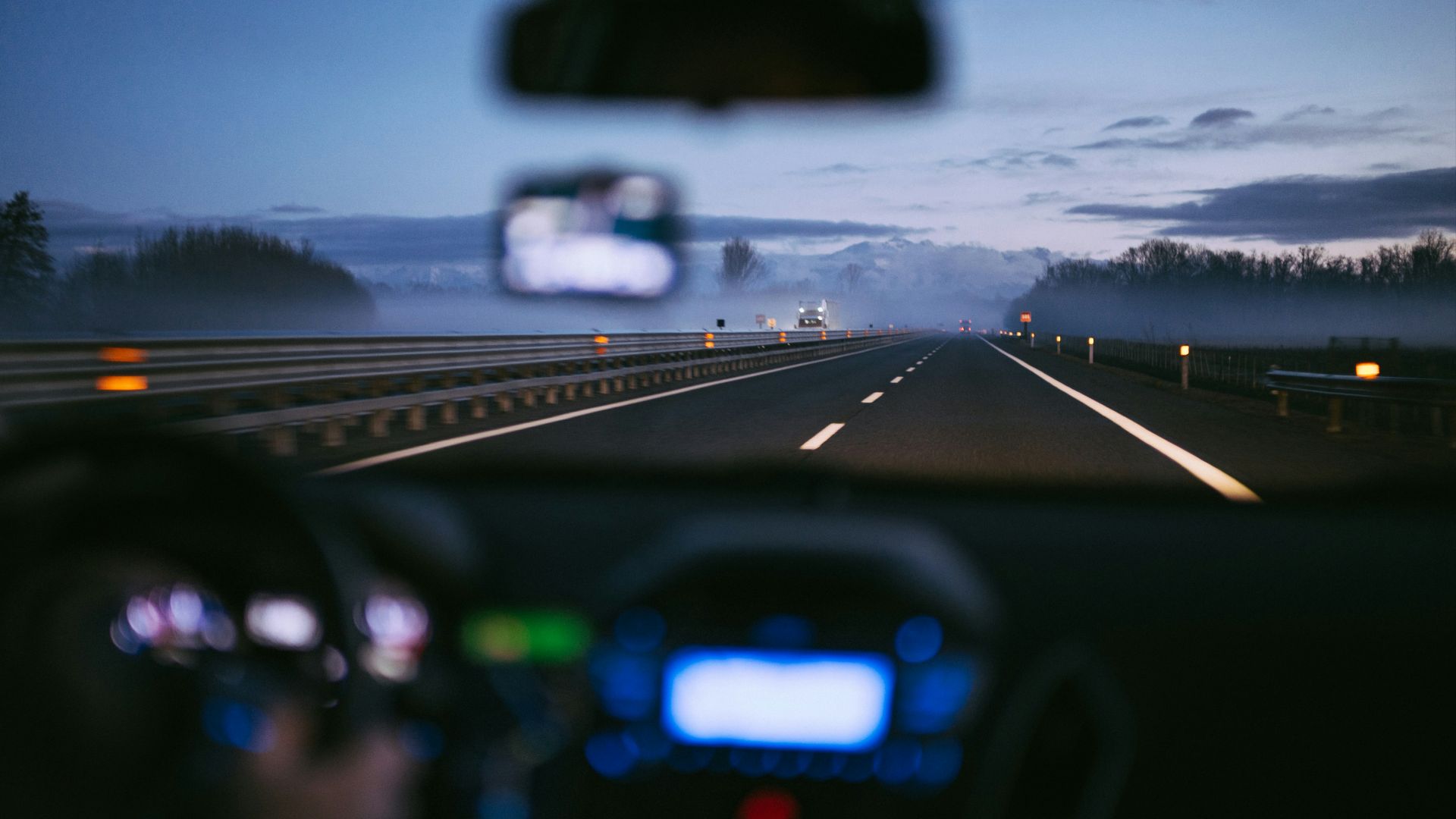 Samuele Errico Piccarini, Unsplash
Factory Does Not Mean Permanently Perfect
The fact that your car left the assembly line with compliant headlights does not guarantee that their aim will remain unchanged forever. Repairs, component replacement, suspension changes, vehicle condition, and adjustments can affect lighting performance. AAA recommends professional headlight inspections and aim adjustments for drivers concerned about glare or nighttime visibility.
IIHS Tests Cars Exactly As They Arrive
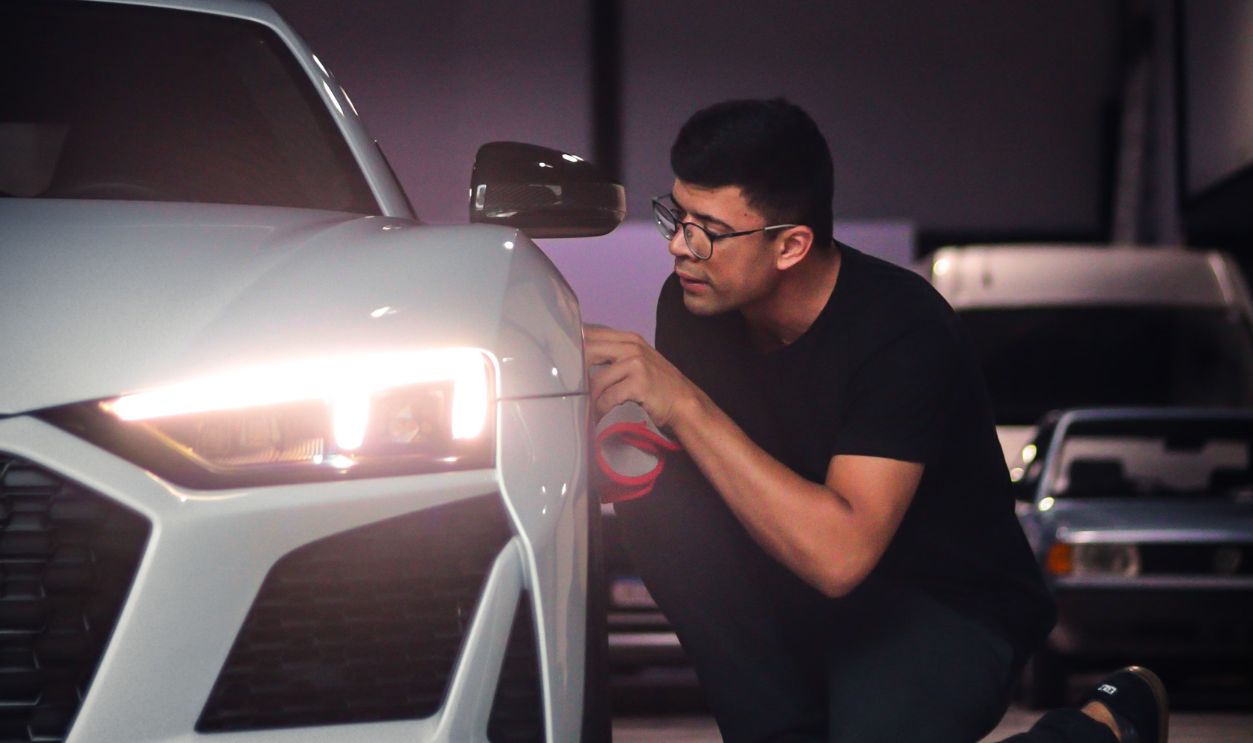
IIHS does not normally adjust a vehicle's headlights before performing its evaluation. The organization tests vehicles as received from the dealer because most owners never manually adjust their headlights. That approach reveals meaningful differences in the real-world performance of factory-installed systems.
Some Factory Systems Have Produced Excessive Glare
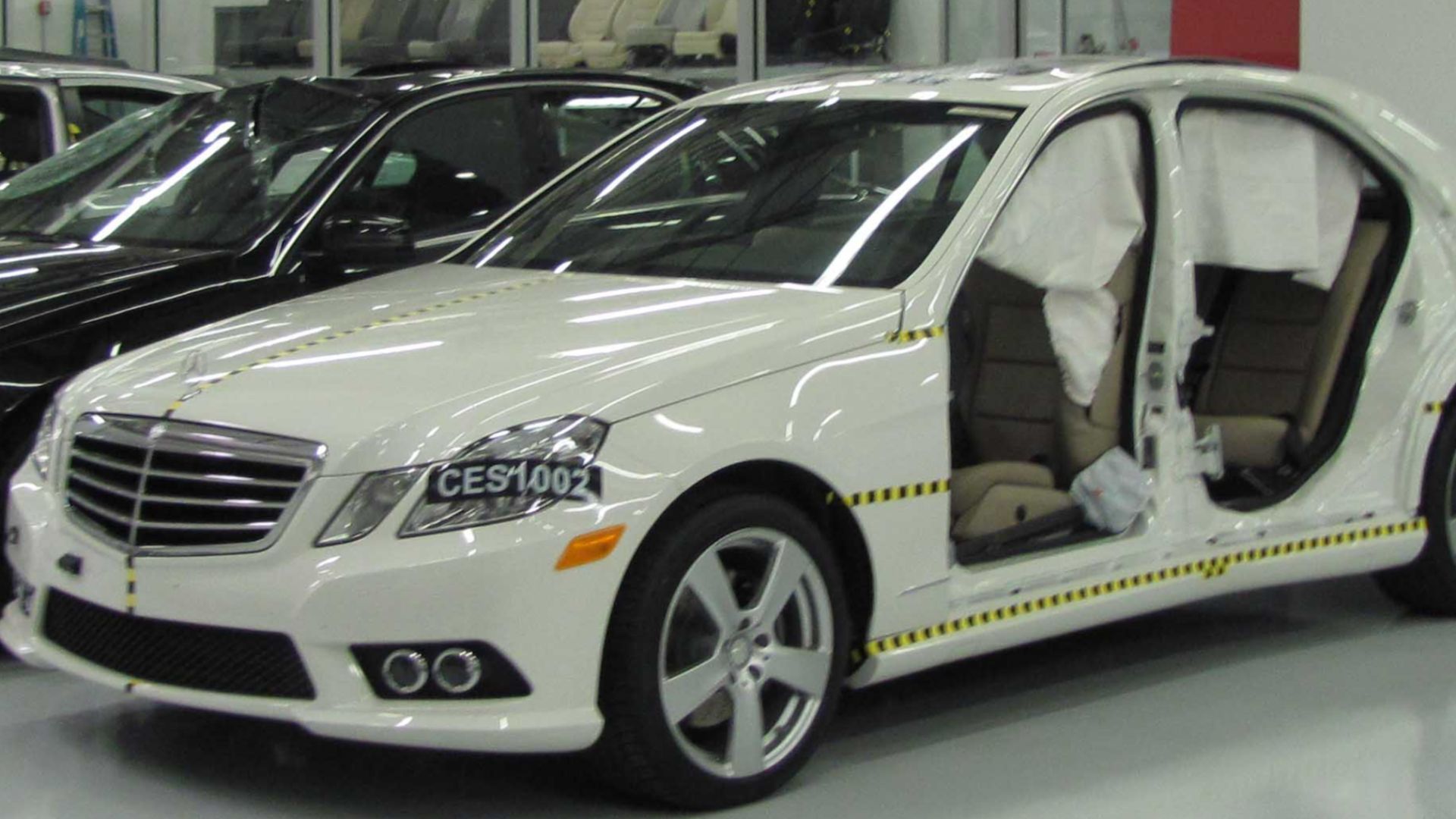
IIHS has found excessive low-beam glare in production headlight systems during its testing. For model year 2026 vehicles, around 5 percent of the systems IIHS tested produced excessive glare. That was a substantial improvement from model year 2017, when the figure was 21 percent.
 Ricardo Martínez González, Pexels
Headlight Design Has Improved
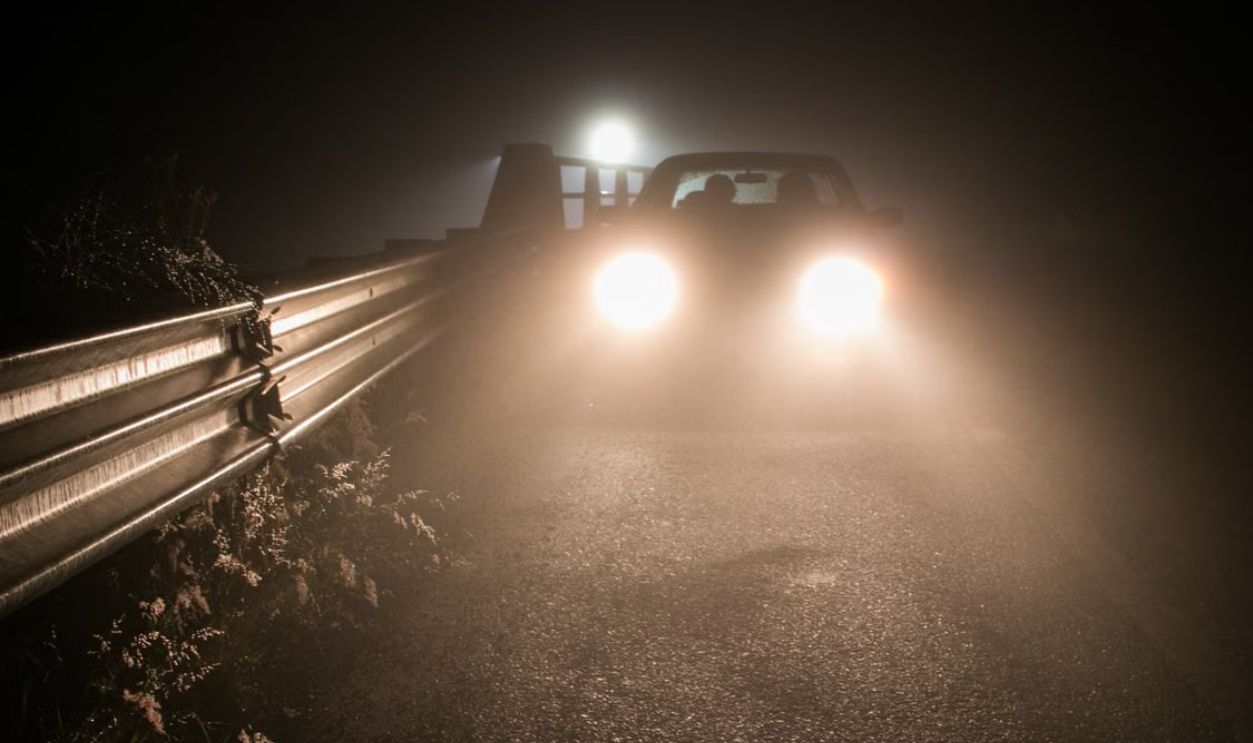
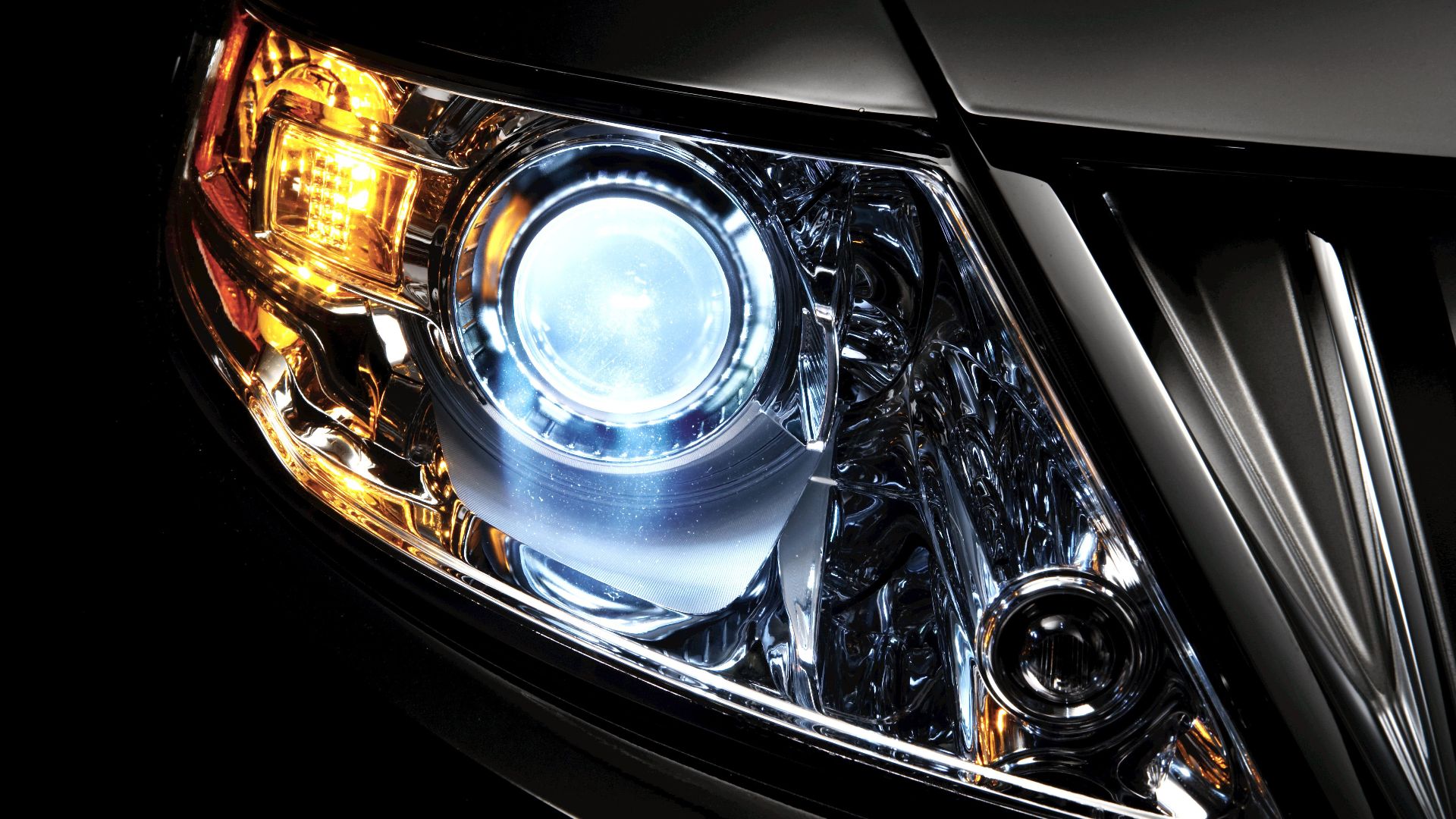
Manufacturers have responded to increased scrutiny of both visibility and glare. IIHS began rating headlights in 2016 and penalizes systems that send excessive low-beam light toward oncoming drivers. The declining share of tested systems producing excessive glare suggests manufacturers have become better at controlling it.
 Ford Motor Company from USA, Wikimedia Commons
A Taller Vehicle Changes The Encounter
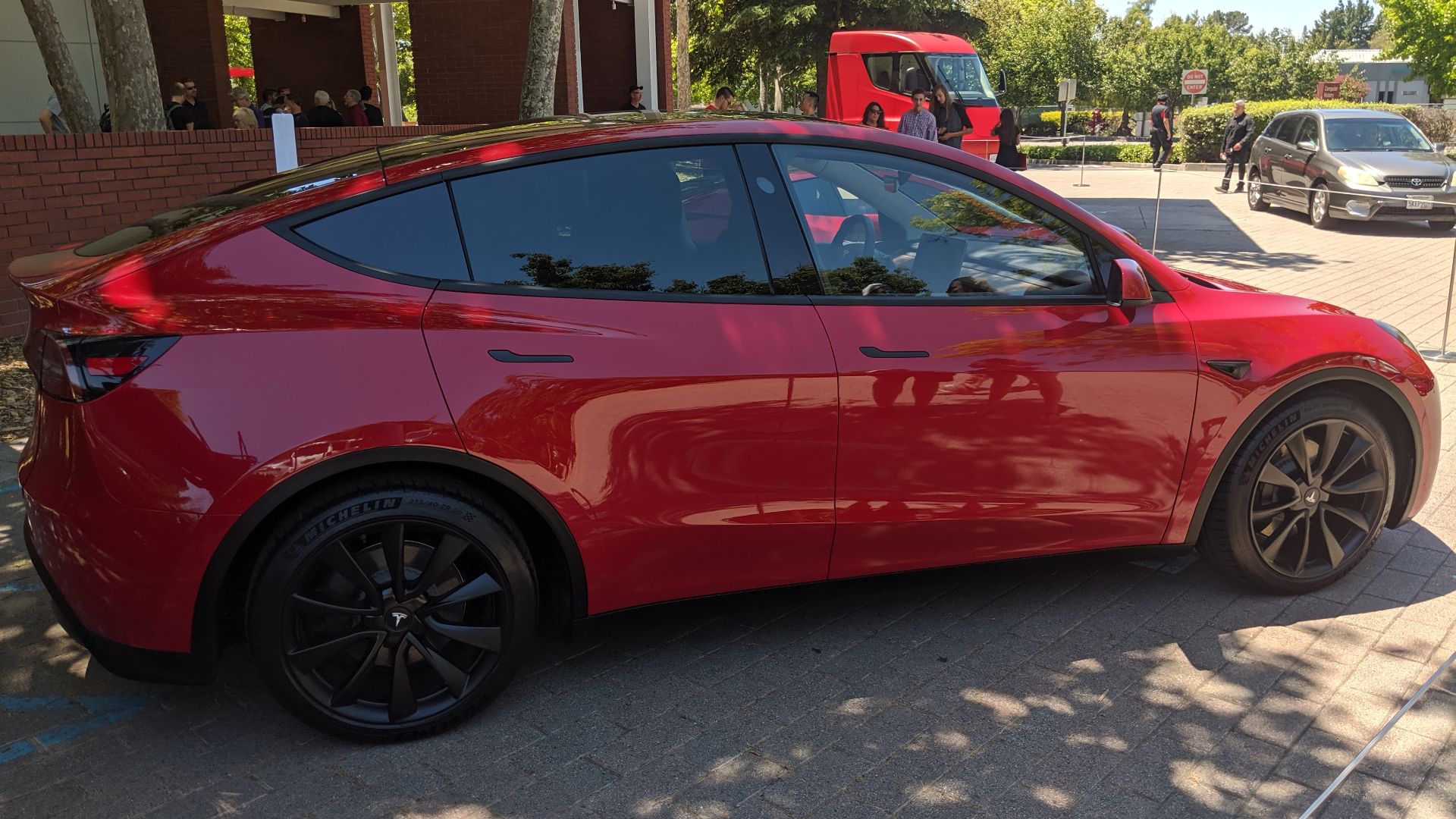
Headlamp mounting height is one of the factors NHTSA has studied when investigating glare. AAA also points to taller vehicle designs as one contributor to current concerns about nighttime glare. A driver sitting low in a passenger car can experience the lights of a taller vehicle differently from someone sitting at a similar height.
 Daniel.Cardenas, Wikimedia Commons
Hills Can Make Low Beams Look Like High Beams
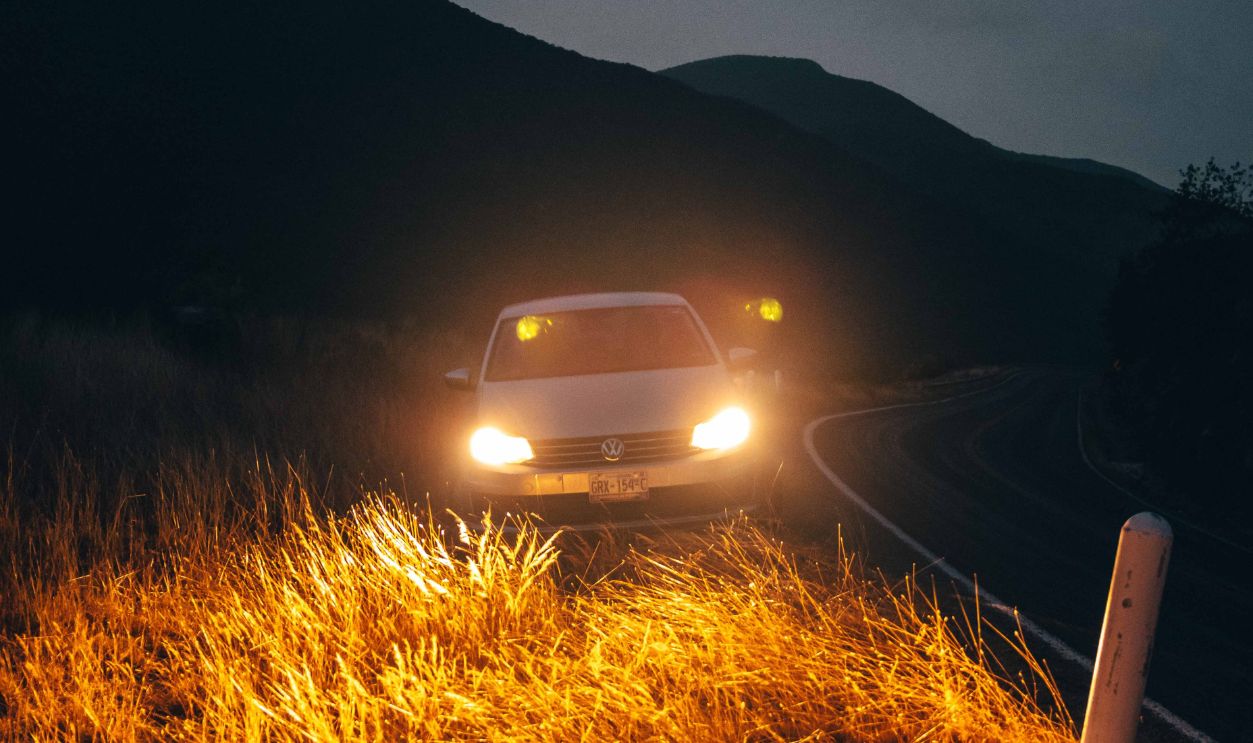
A low beam is aimed relative to the vehicle, but roads are rarely perfectly flat. As vehicles crest hills, descend grades, or encounter changes in road geometry, their orientation relative to other motorists changes. That can temporarily put more light into an approaching driver's field of view even when the high beams are not switched on.
 Ricardo Martínez González, Pexels
Vehicle Pitch Matters Too
Headlamp aim can also be affected by the orientation of the entire vehicle. NHTSA research has identified acceleration and the weight and distribution of cargo as factors that can influence vehicle pitch and therefore headlamp aim. A car's lights do not exist independently from what the suspension and body are doing.

That Flash Might Be About Your Aim
If multiple strangers repeatedly flash their high beams at you, dismissing every one of them may be premature. Checking the headlight aim is a sensible first step, especially if the vehicle has undergone front-end repairs, suspension work, or headlamp replacement. AAA specifically recommends professional aim checks as a way to address glare concerns.
But Do Not Aim Them Too Low
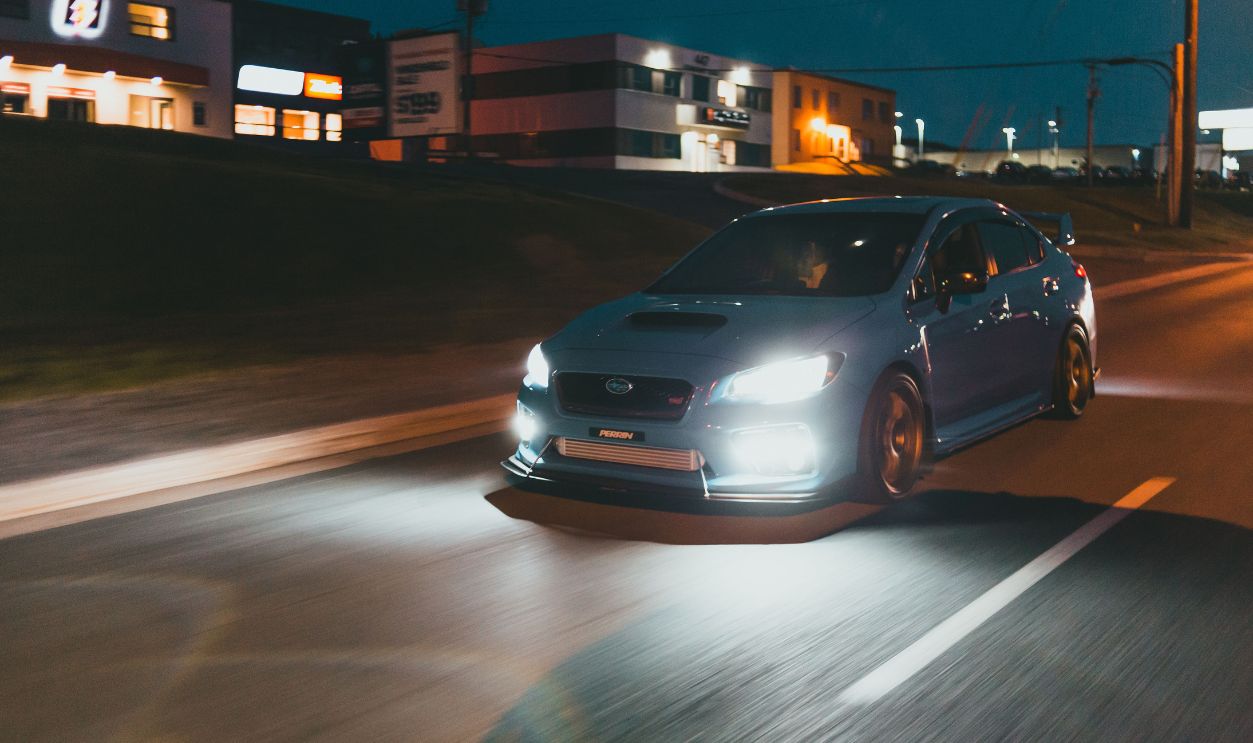
Simply pointing the headlights farther downward is not necessarily safer. IIHS has warned that manufacturers can reduce glare by aiming lamps low at the expense of the driver's own visibility. Headlight design therefore involves balancing sufficient seeing distance with limiting unwanted light reaching other motorists.

Poor Visibility Is A Safety Problem Too
Headlights have to do more than avoid annoying people. IIHS found that vehicles with headlights rated good for visibility had fewer nighttime single-vehicle and pedestrian crashes than vehicles with poor-rated headlights. Making every headlight extremely dim would solve one complaint while creating another serious problem.
Headlights Still Vary Dramatically
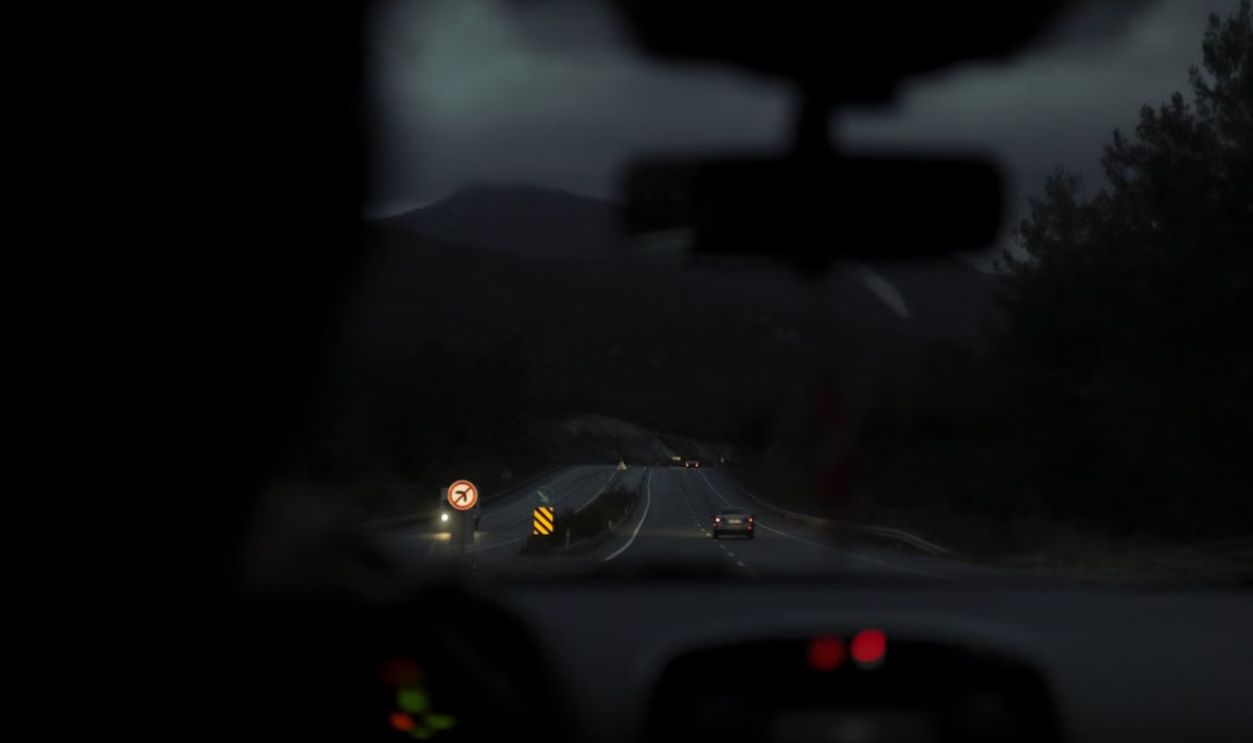
Modern cars do not all provide the same nighttime visibility. IIHS testing measures how far low and high beams adequately illuminate straight roads and several types of curves. The organization has repeatedly found large differences among headlight systems, including different systems available on versions of the same vehicle.
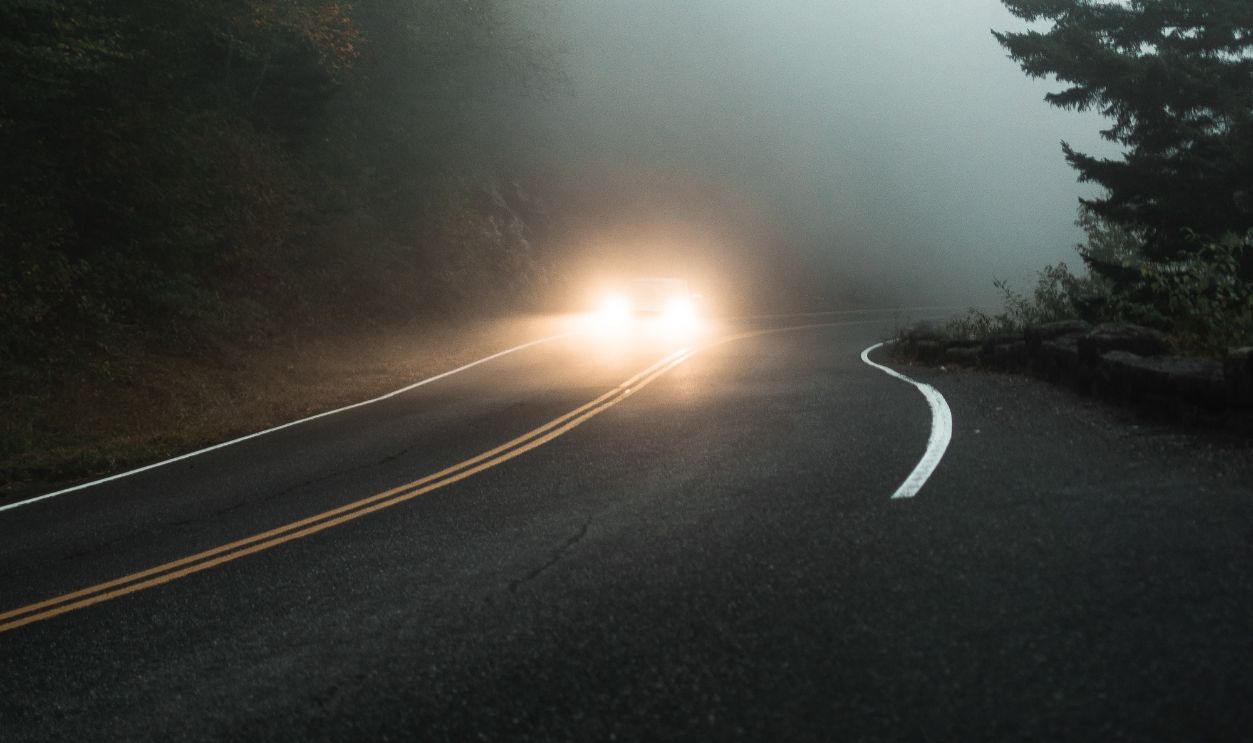
High Beams Are In Another League
There is an important difference between a bright low beam and an actual high beam. High beams deliberately send much more useful light farther down the road when other traffic is absent. IIHS research has found that drivers often underuse them, which is one reason automatic high-beam assist has become increasingly common.
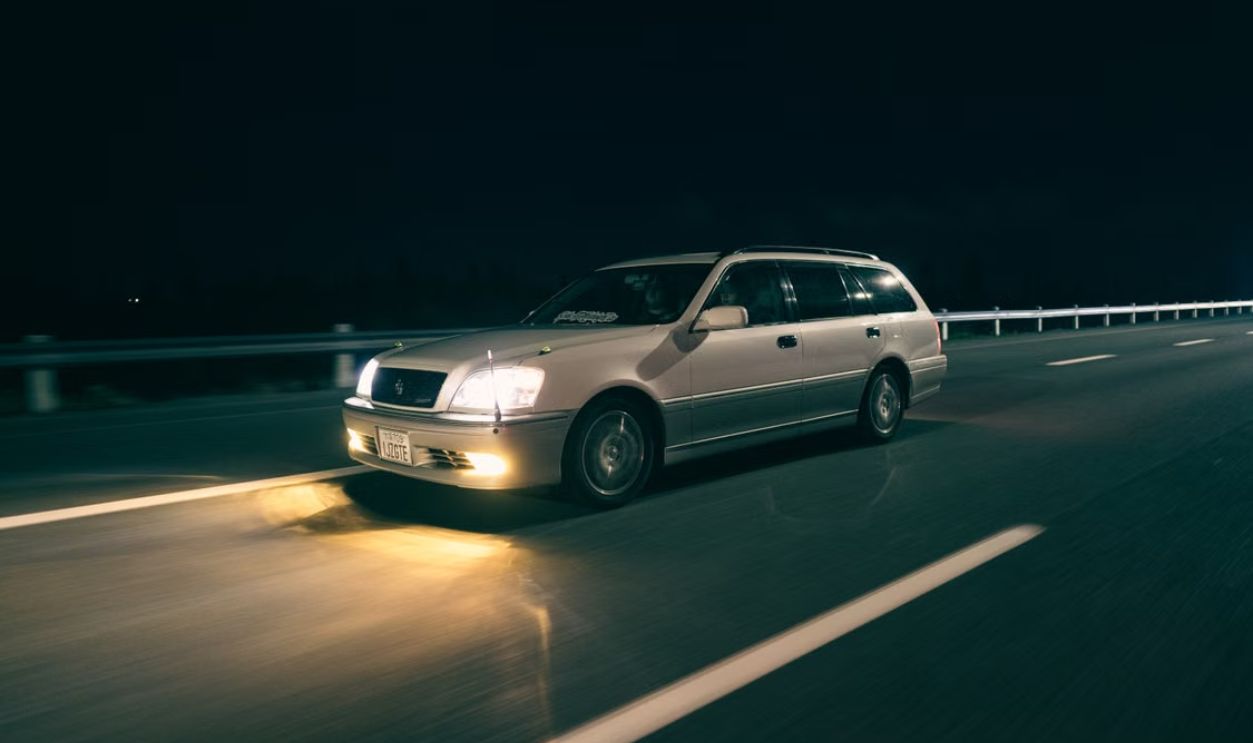
Automatic High Beams Can Make Mistakes
High-beam assist uses sensors or cameras to determine when other vehicles are present and automatically switches between high and low beams. The driver retains the ability to control the beams manually. If you suspect your car is actually flashing or holding its high beams at inappropriate times, checking the operation and settings of this system is worthwhile.
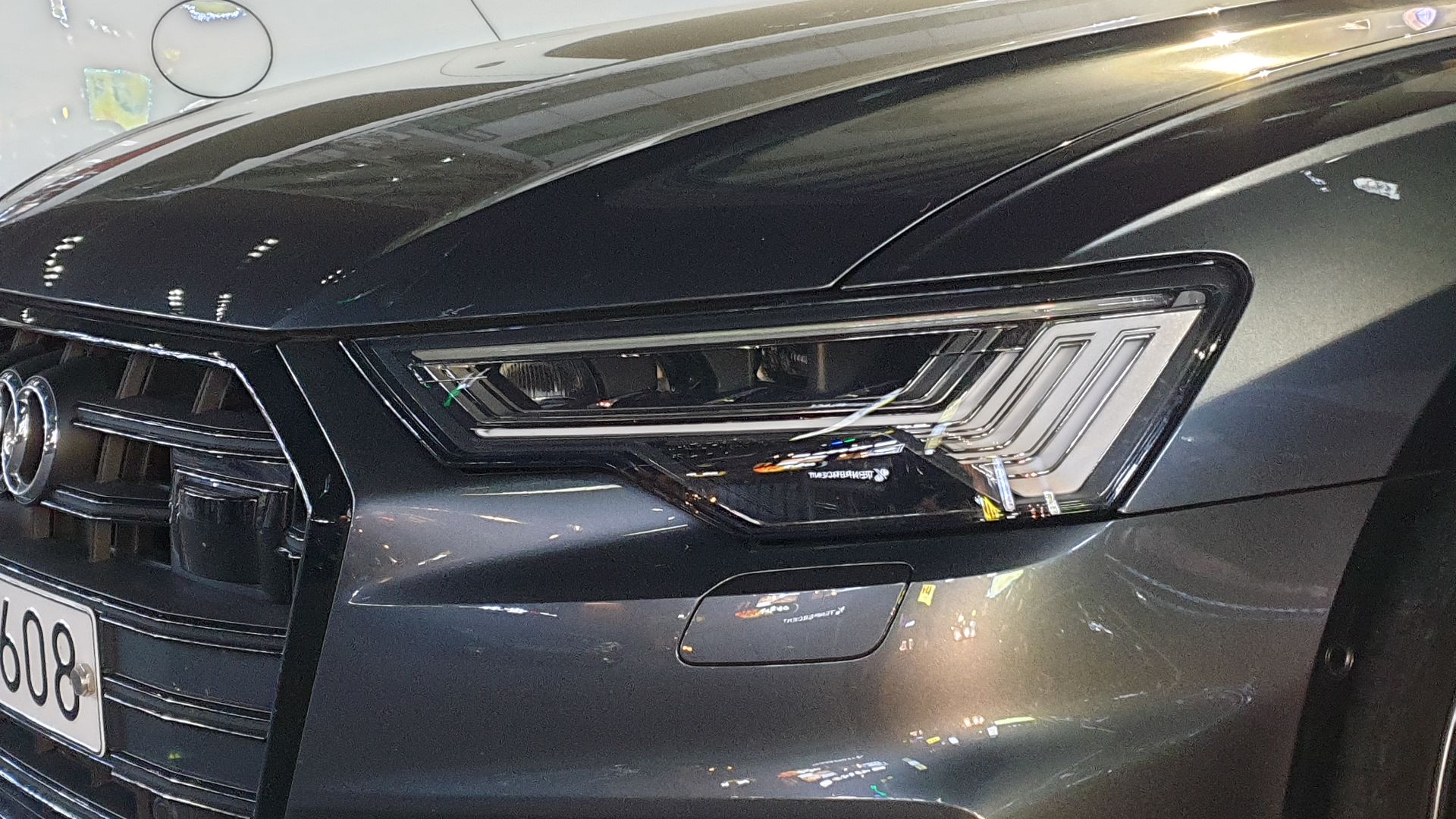 Damian B Oh, Wikimedia Commons
Adaptive Beams Offer A Smarter Solution
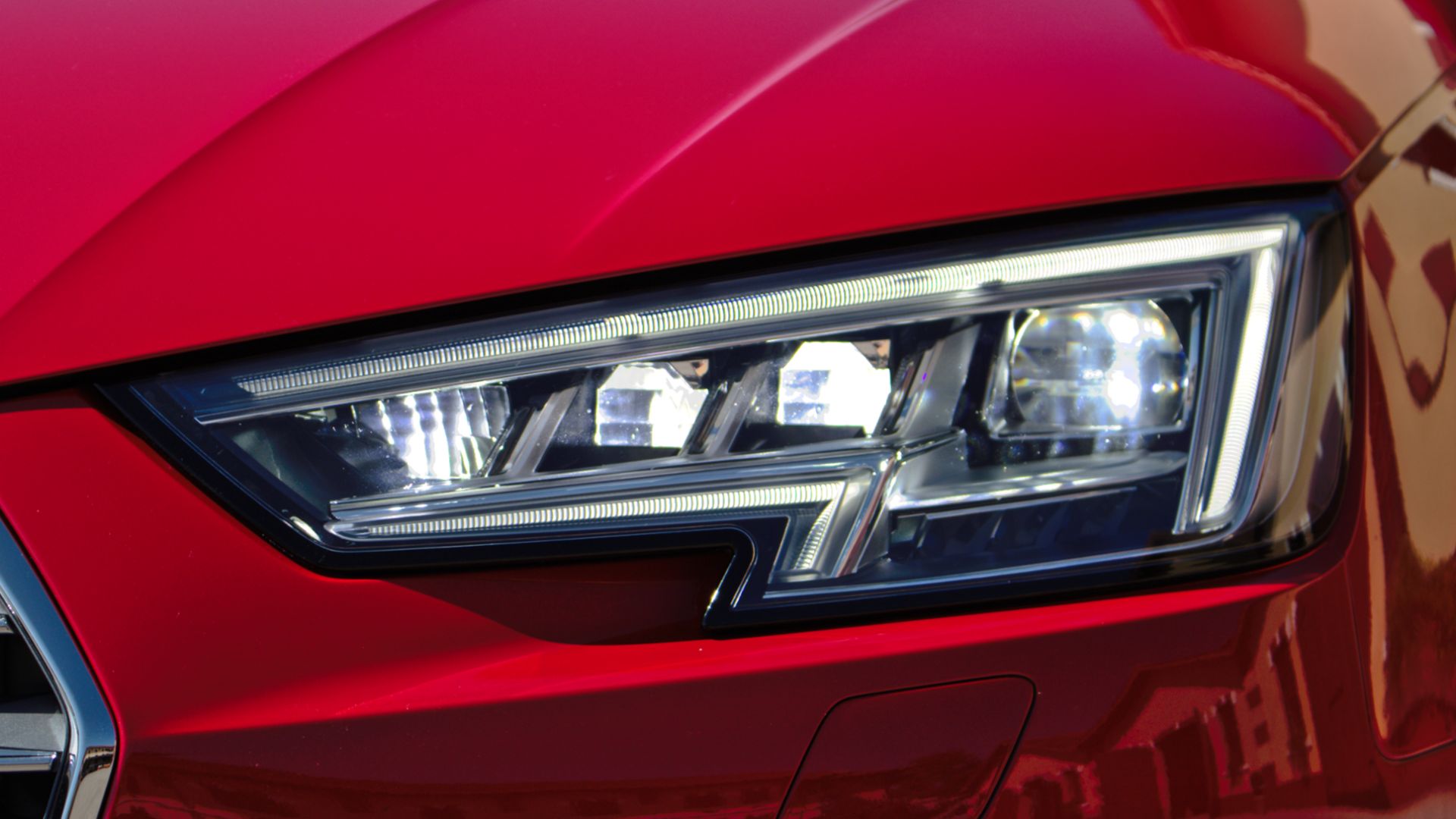
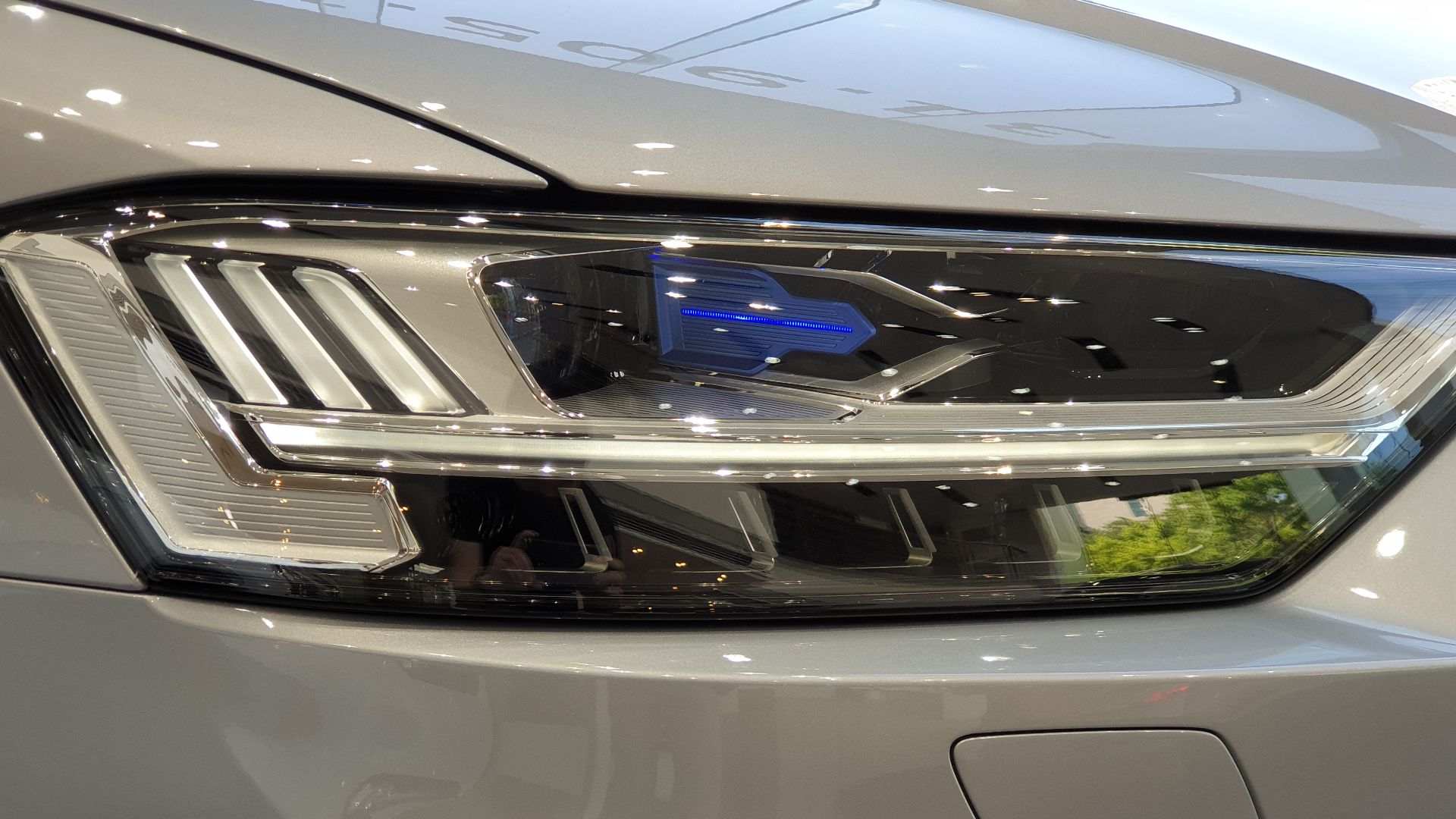
Adaptive driving beam headlights go further than automatic high beams. Instead of switching the entire high beam on and off, these systems alter the pattern to create a darker area around detected vehicles while preserving stronger illumination elsewhere. The idea is to give the driver more useful light without directing the same intensity toward other road users.
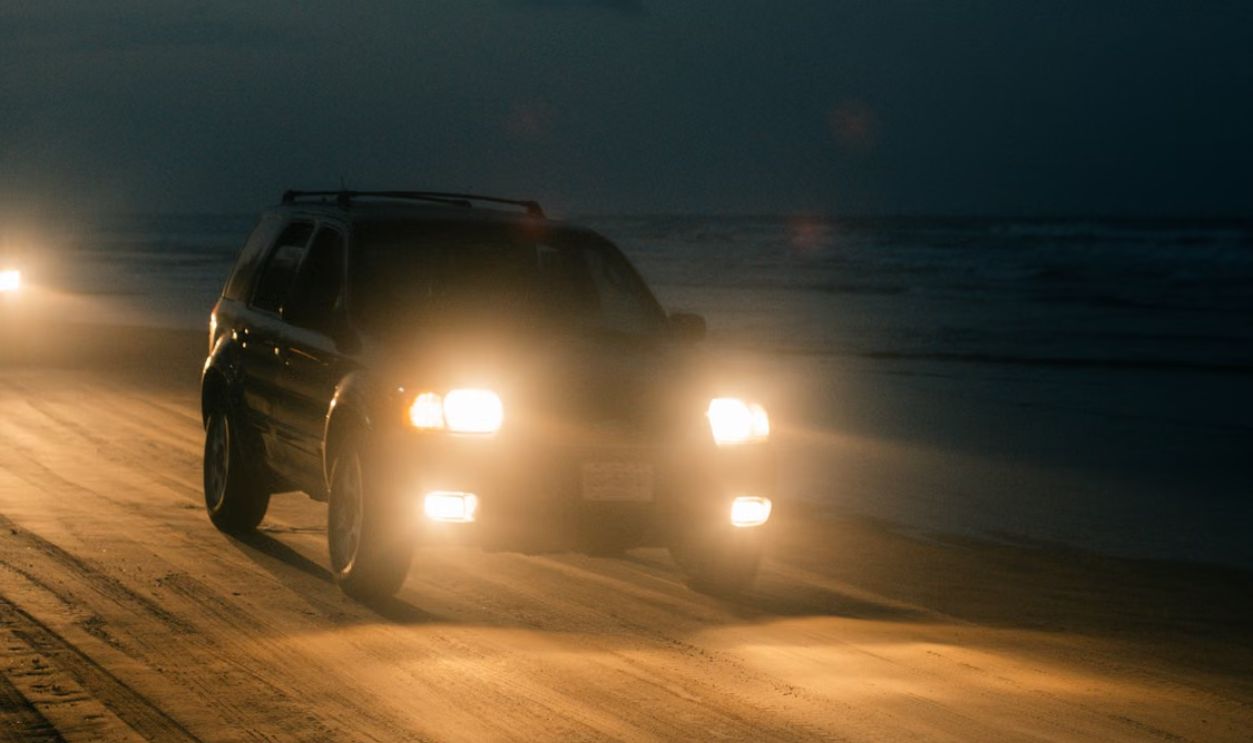
America Only Recently Allowed Them
Adaptive driving beams had been available overseas long before they were permitted under U.S. regulations. NHTSA amended FMVSS No. 108 in 2022 to allow manufacturers to certify ADB systems for American vehicles. Adoption has remained limited, and IIHS says only a few manufacturers currently offer ADB headlights in the U.S.
 Kickaffe (Mario von Berg), Wikimedia Commons
Adaptive Lighting Can Reduce Glare
IIHS has tested adaptive driving beam technology against conventional lighting. In one study, glare from an ADB-equipped vehicle was significantly lower than glare from the comparison SUV with HID low beams and a sedan with curve-adaptive HID low beams. The technology demonstrates that improved nighttime visibility and glare reduction do not necessarily have to work against each other.
 Damian B Oh, Wikimedia Commons
Be Careful With Aftermarket LED Bulbs
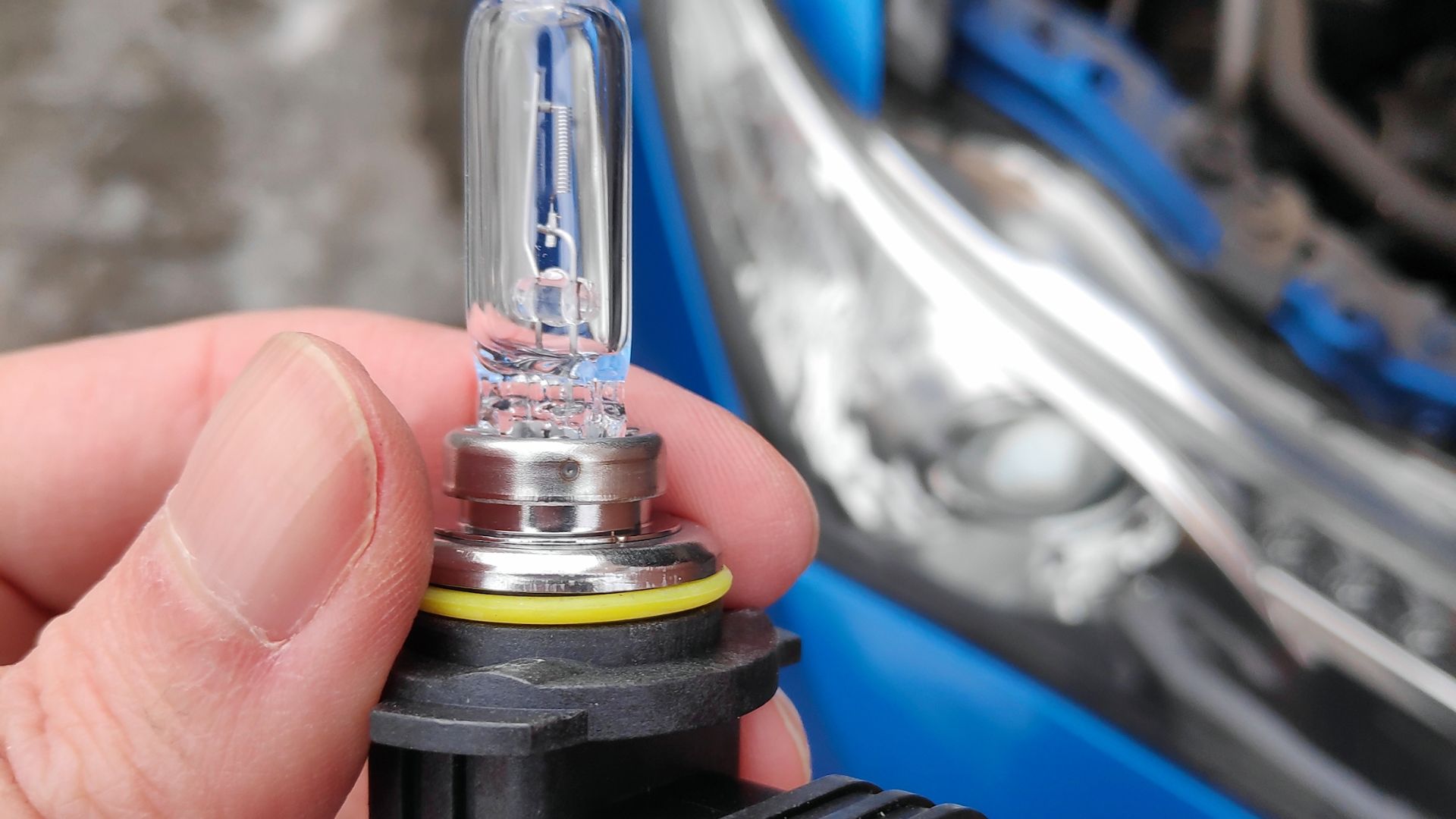
Factory LEDs and aftermarket LED replacement bulbs are not the same regulatory question. In a 2024 interpretation, NHTSA said no LED light source was then permitted for use as a replacement light source in a replaceable-bulb headlamp under the federal requirements it discussed. The agency noted that noncompliant LED replacement products nevertheless remain available for consumers to purchase.
 Marek Ślusarczyk (Tupungato) Photo portfolio, Wikimedia Commons
A DOT Mark Is Not Government Approval
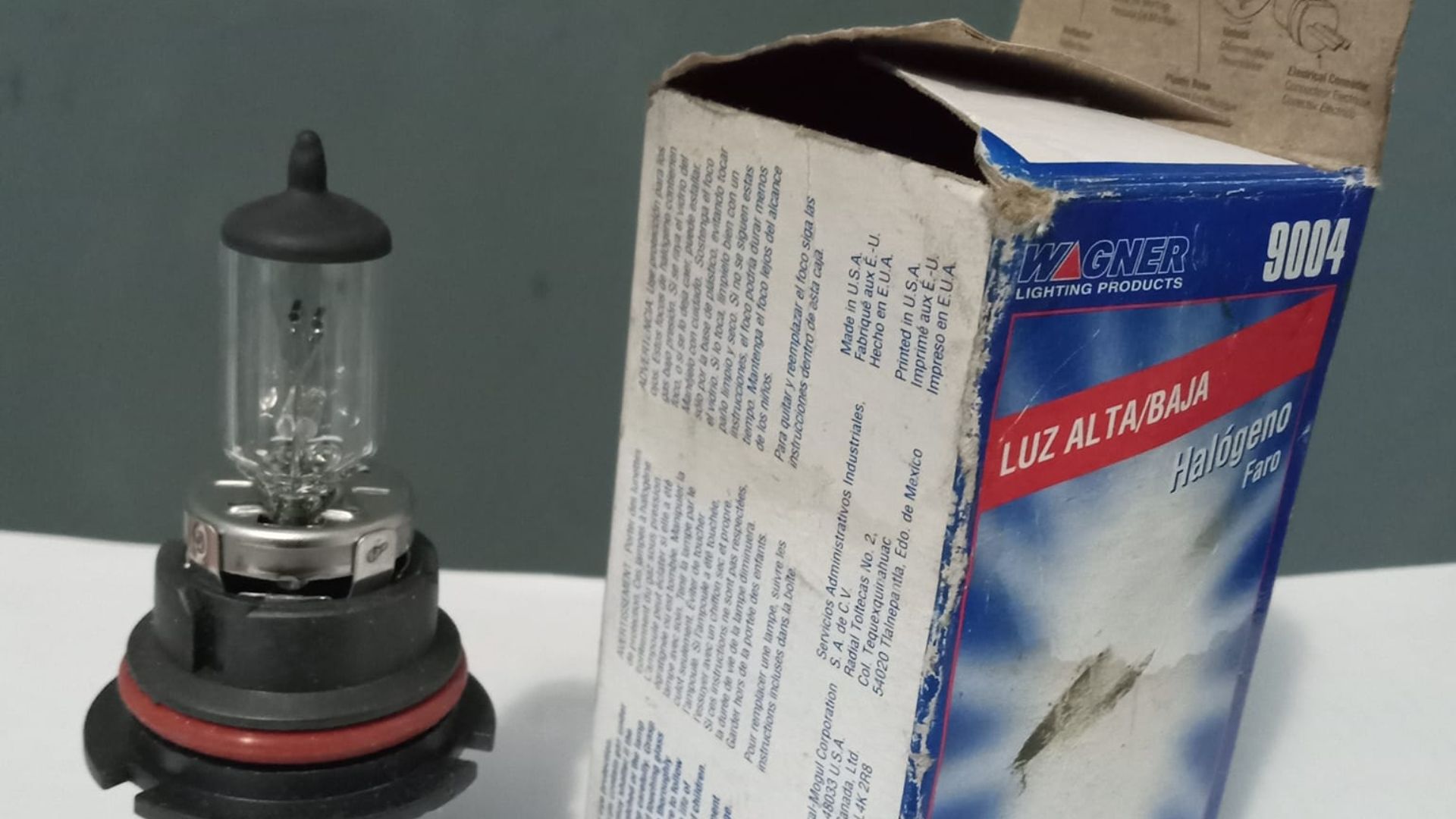
Lighting terminology can also confuse owners shopping for replacement equipment. NHTSA has explained that a DOT marking on replacement lighting equipment represents the manufacturer's certification of compliance rather than individual government approval of that product. Changing bulbs or headlamp assemblies therefore deserves more research than simply looking for a DOT marking on the package.
 Antonio cruz wiki, Wikimedia Commons
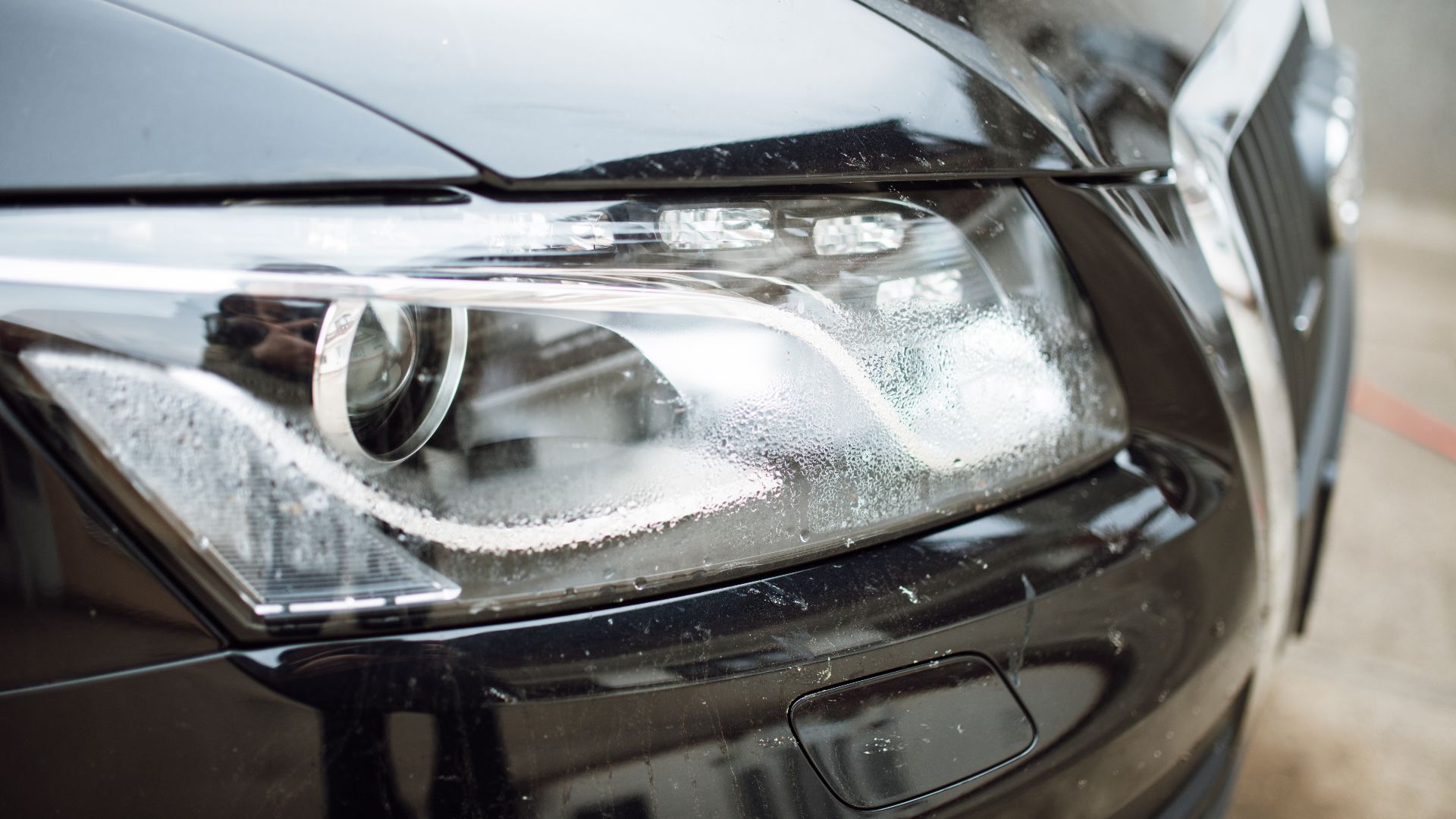
Cloudy Lenses Can Create Their Own Problems
Older headlights can produce another form of unwanted glare. AAA testing found that deteriorated plastic headlight lenses reduce useful light output while increasing light scatter. Restoring deteriorated lenses in AAA's testing doubled maximum light intensity and reduced glare-producing scatter by as much as 60 percent.
 Shixart1985, Wikimedia Commons
Glare Feels Common, But Crash Data Add Context
Headlight glare is a genuine source of discomfort and frustration, but IIHS has found it is recorded as a contributing factor in only a small fraction of nighttime crashes. Its latest analysis found glare mentioned in roughly one or two of every 1,000 nighttime crashes. Inadequate nighttime visibility remains a larger documented crash problem.
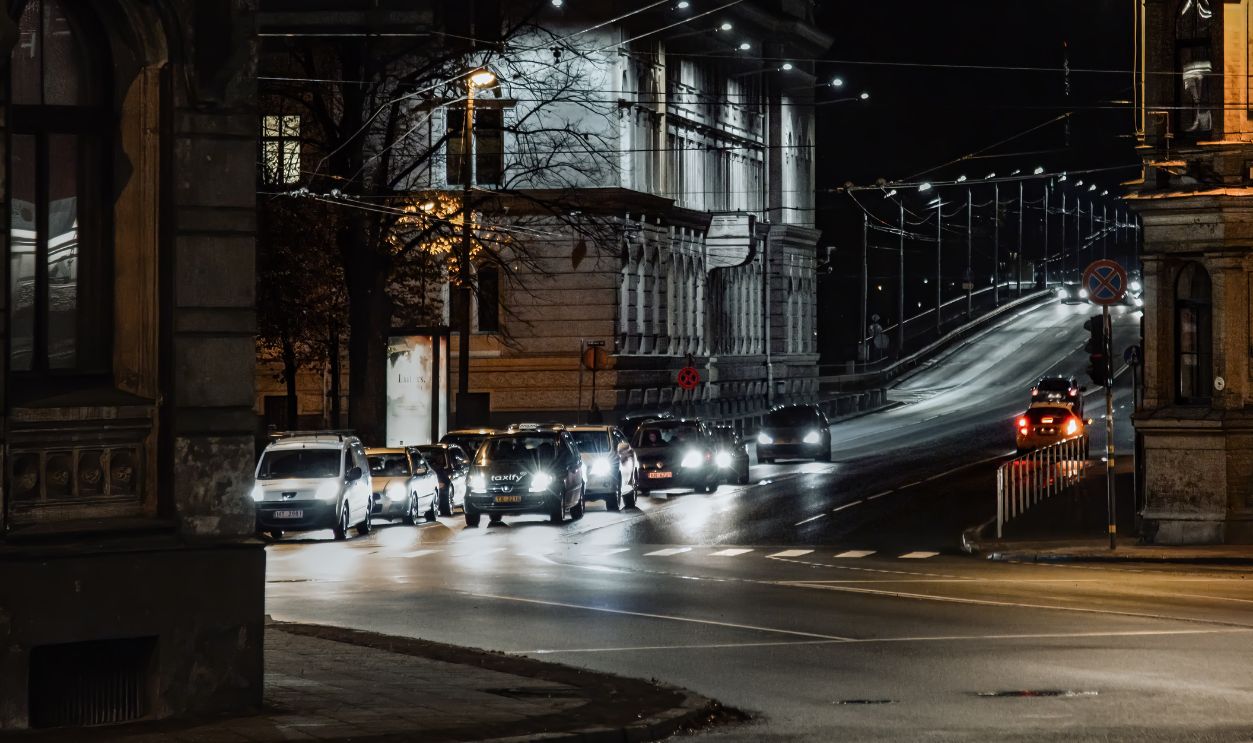
Getting Flashed Repeatedly Is Still Worth Investigating
Your headlights can be factory-installed, federally compliant, and still create uncomfortable glare under some real-world conditions. If flashing from other drivers becomes a pattern, have the lamps, aim, vehicle ride height, lenses, and automatic lighting functions inspected rather than immediately assuming everyone else is mistaken. The goal is not to make your headlights weak, but to put useful light on the road instead of into somebody else's eyes.
You May Also Like:
Classic Cars That Were Found In Barns, Then Set Auction Records
Electric Cars With The Fastest 0–60 Times
Three Cars On The Verge Of Extinction
Sources: 1, 2, 3, 4, 5, 6, 7, 8, 9, 10, 11, 12, 13, 14, 15, 16