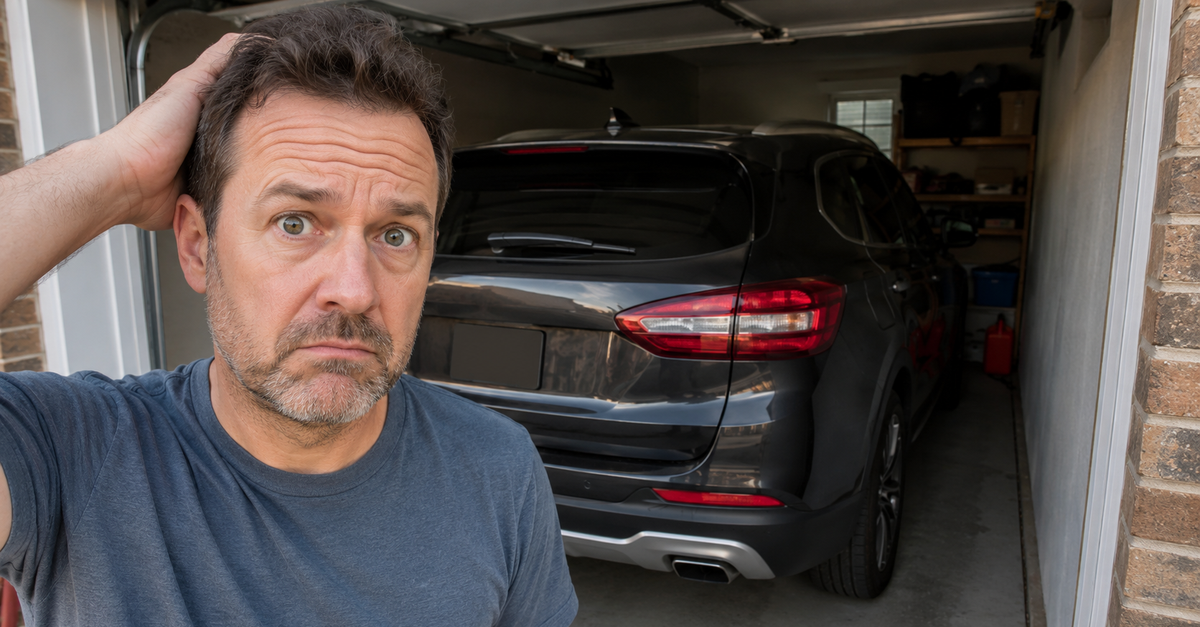
My Garage Suddenly Feels Tiny
When my house was built, the garage seemed perfectly adequate for the family cars of the day. Today, squeezing inside often feels like a puzzle. That raises an interesting question. Have garages stayed the same while vehicles kept growing?
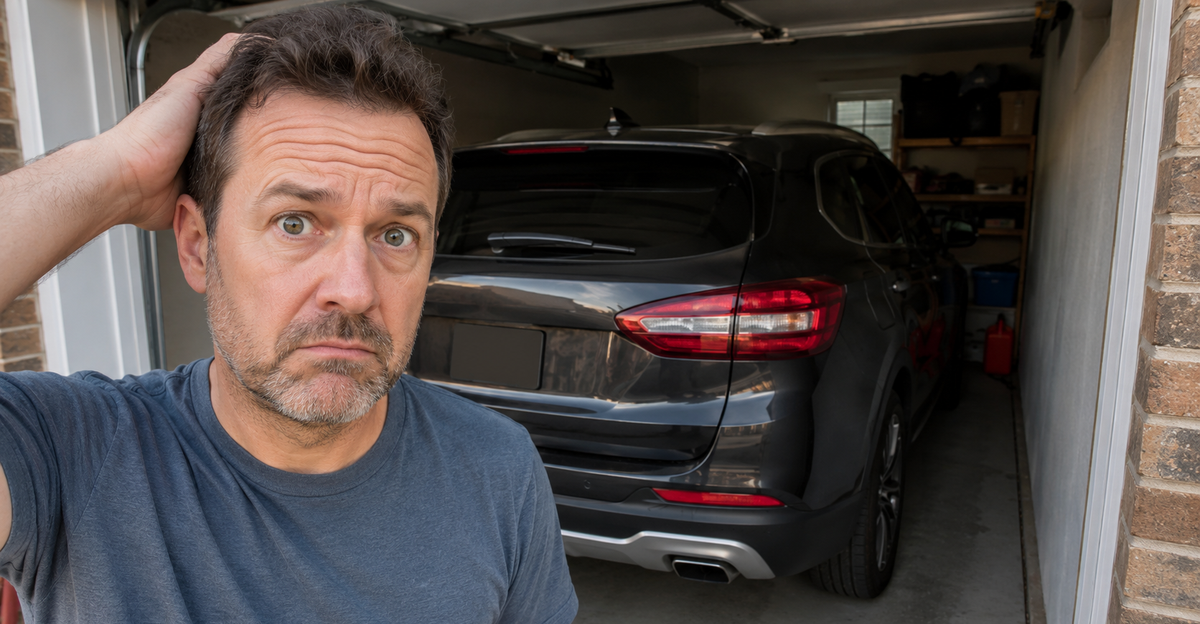
You Are Not Imagining It
Many drivers have noticed that newer vehicles seem larger than older ones. Research confirms that the average size, weight, and footprint of new vehicles have generally increased over the past two decades. Much of that growth comes from the popularity of SUVs and pickups, along with changing consumer preferences.
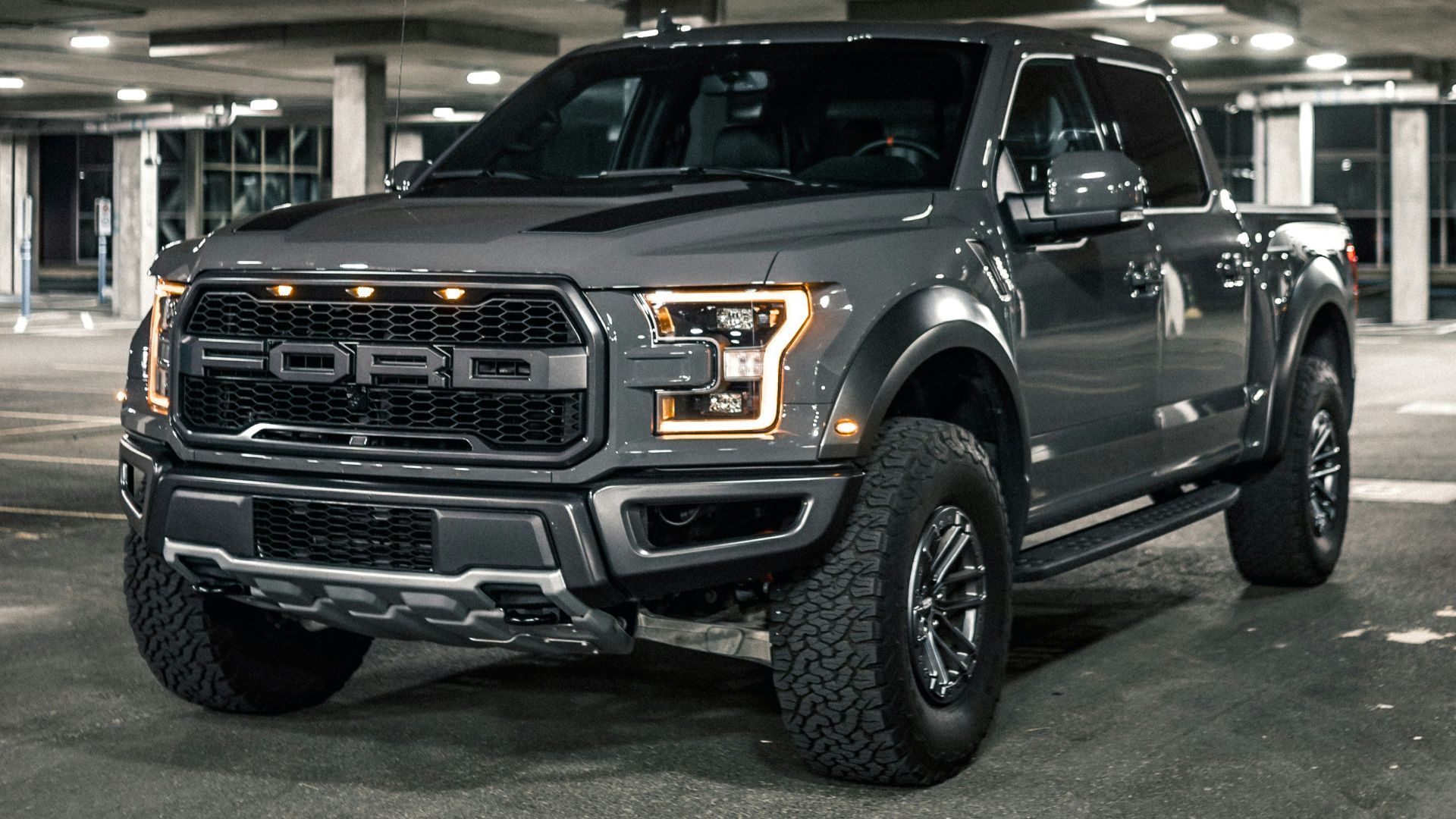
The Rise Of The SUV
SUVs have gone from a niche option to one of the most popular vehicle types in North America. Many buyers appreciate their higher seating position, cargo space, and versatility. As automakers expanded their SUV lineups, the average vehicle on the road naturally became larger.
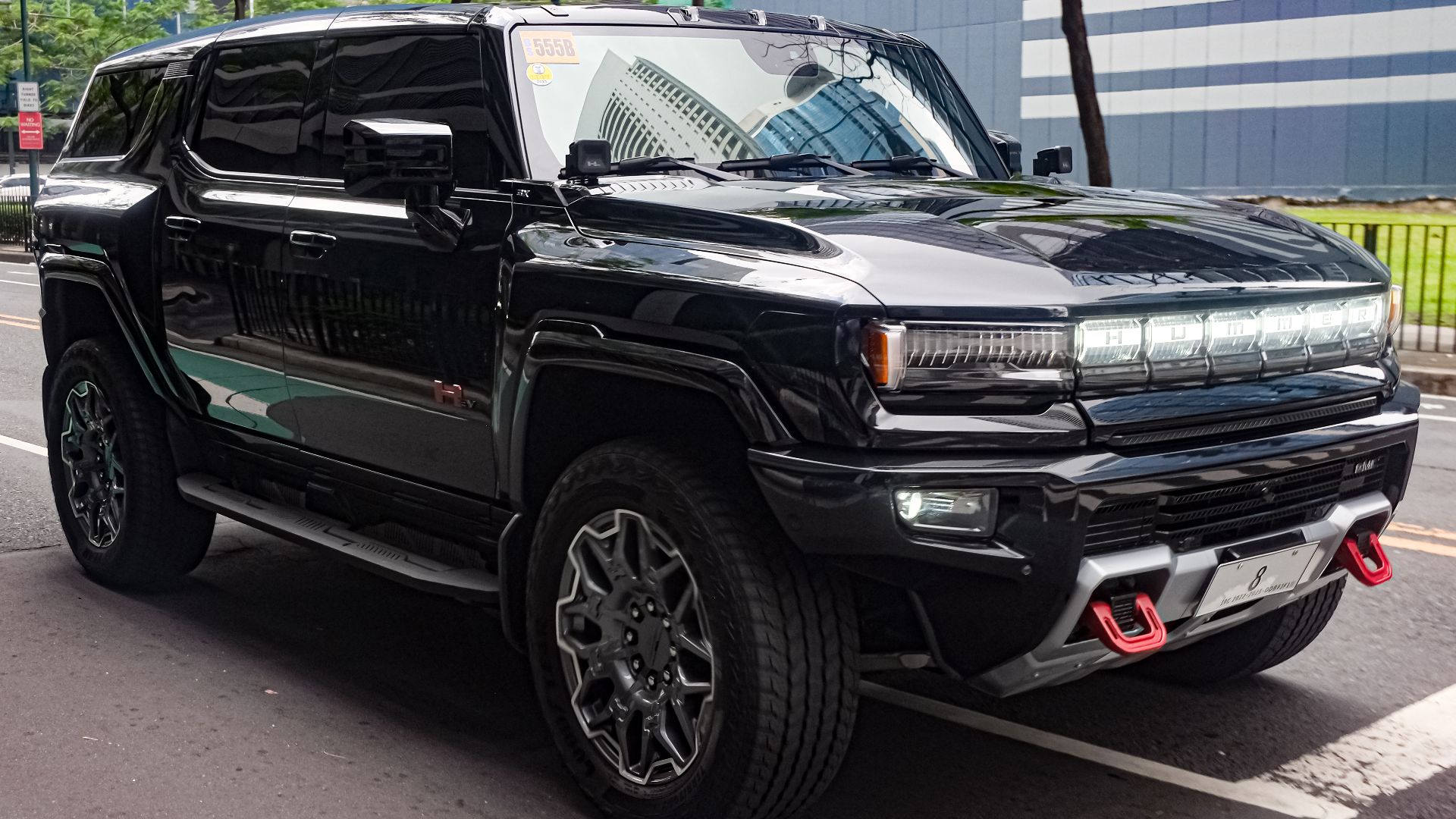 Ethan Llamas, Wikimedia Commons
Bigger Does Not Always Mean Longer
Some vehicles have gained more height and width than length. Wider doors improve side-impact protection, while taller roofs create more headroom. These changes make vehicles feel roomier inside, but they also require more space in garages and parking lots.
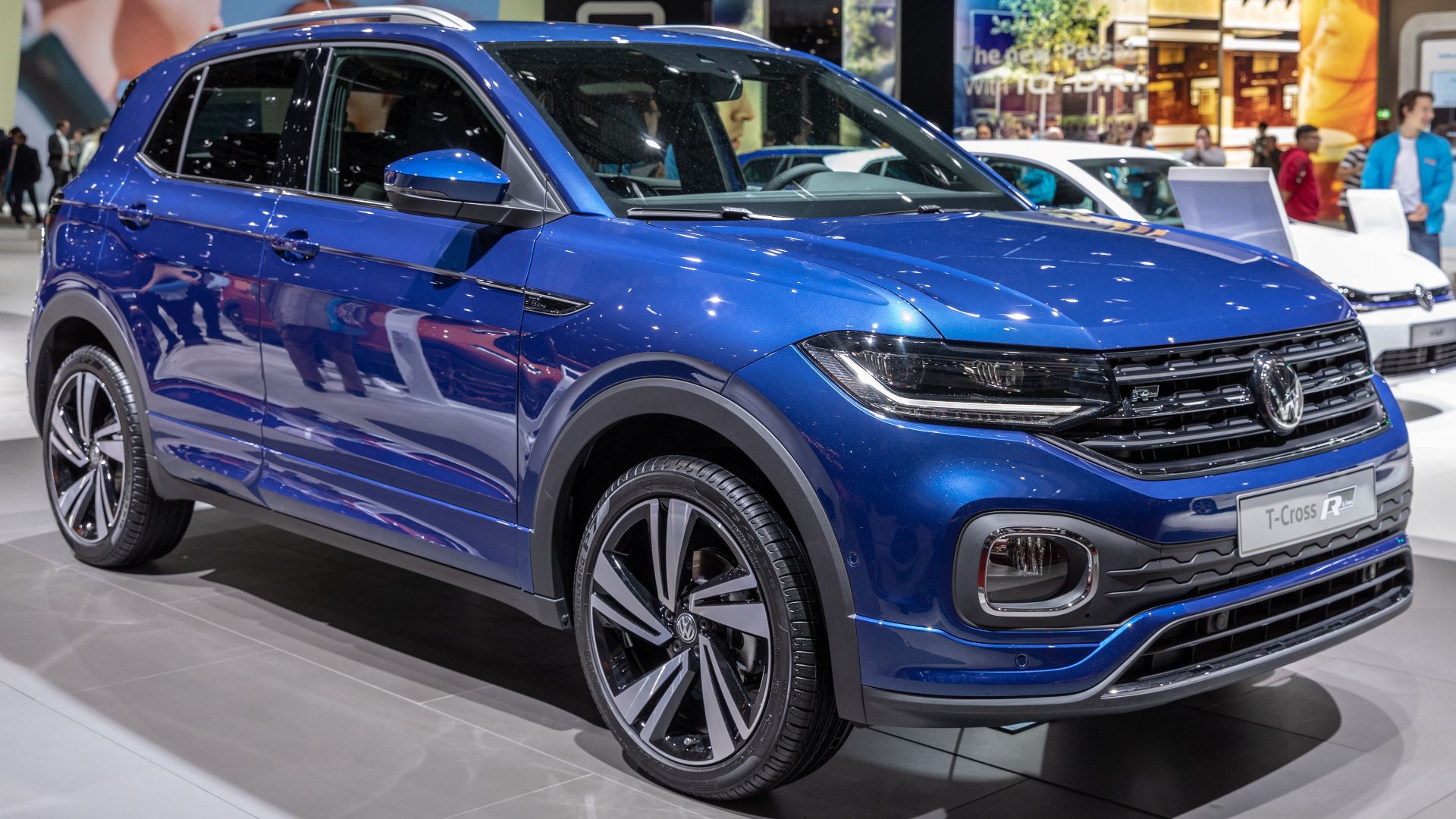 Matti Blume, Wikimedia Commons
Safety Played A Major Role
Modern vehicles contain reinforced structures designed to protect occupants during crashes. Side-impact beams, stronger pillars, and larger crumple zones all require additional space. Safety improvements have contributed to vehicle growth over several decades.
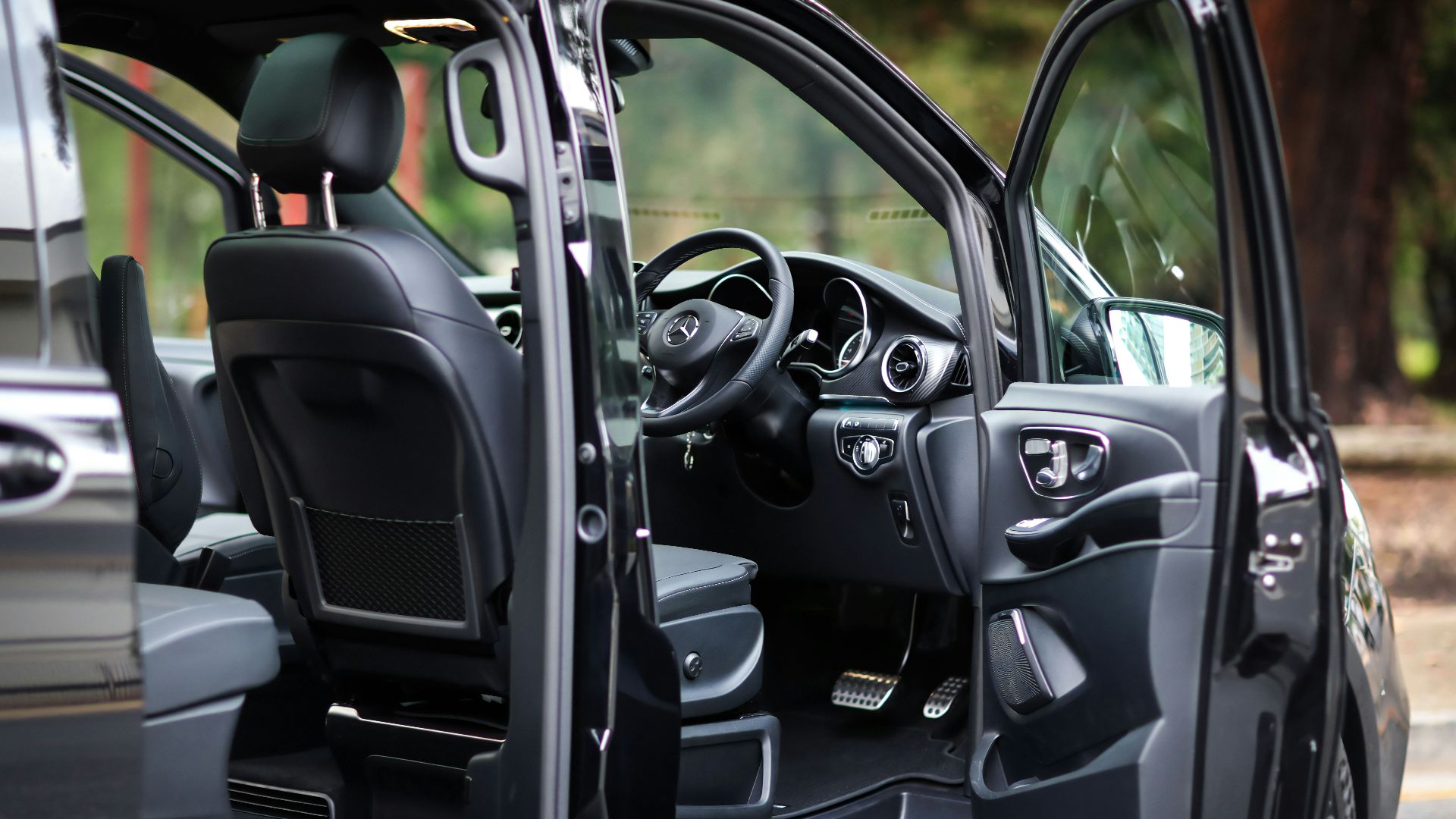
Families Wanted More Space
Consumer demand also changed dramatically. Buyers increasingly preferred vehicles with room for children, pets, sports equipment, and luggage. Larger cabins and flexible cargo areas became major selling points for manufacturers.

Technology Added Extra Bulk
Modern cars contain far more equipment than vehicles built in the 1980s or 1990s. Multiple airbags, advanced driver assistance systems, larger infotainment displays, and electric seat mechanisms all add weight. Some technologies also require additional structural support.
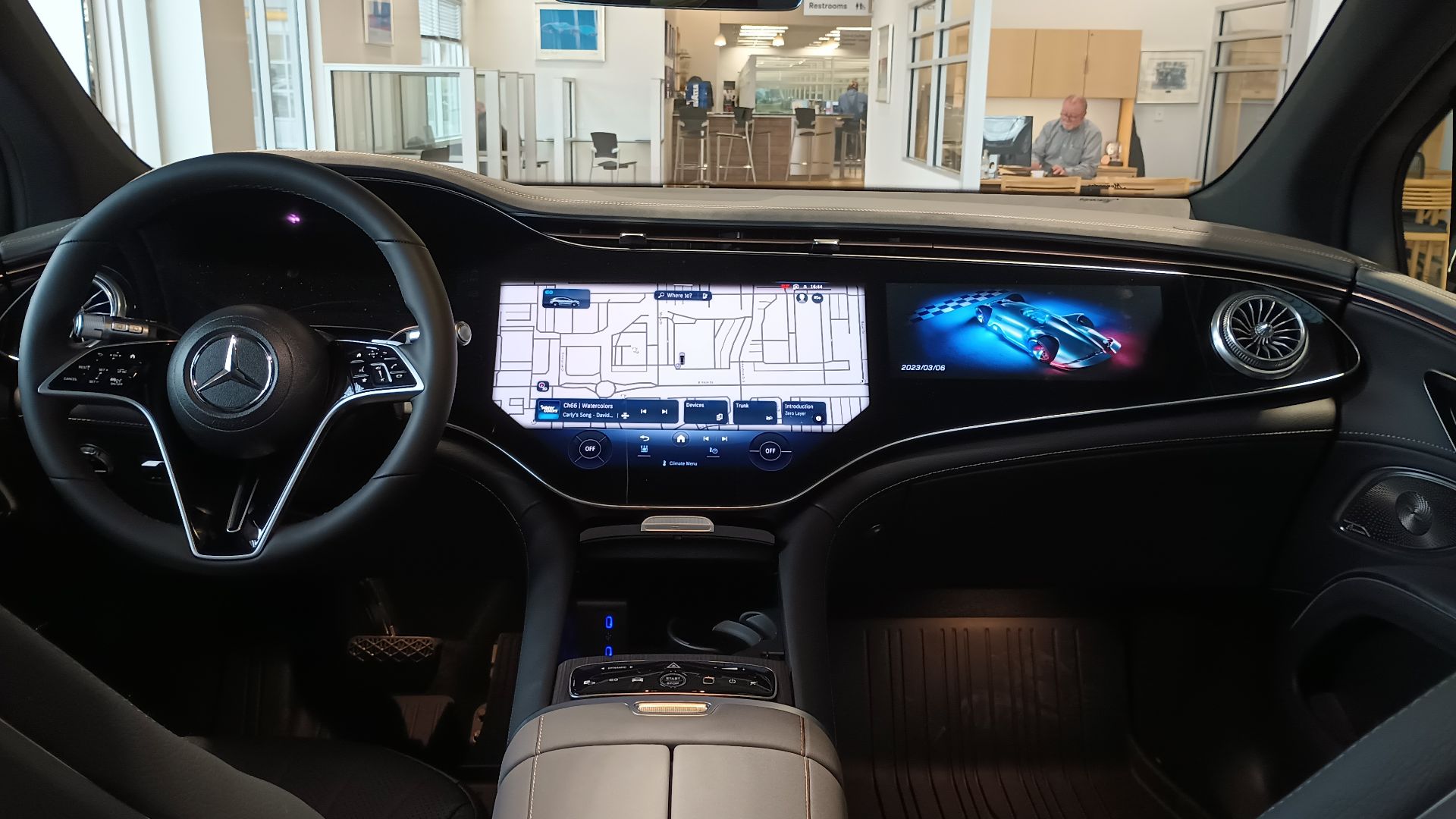 deathpallie325, Wikimedia Commons
Electric Vehicles Introduced New Challenges
Battery packs are heavy and usually mounted beneath the floor. While many electric vehicles have excellent performance and safety ratings, their batteries often increase total vehicle weight. Designers also package those batteries into crossover and SUV body styles that are already larger than traditional sedans.
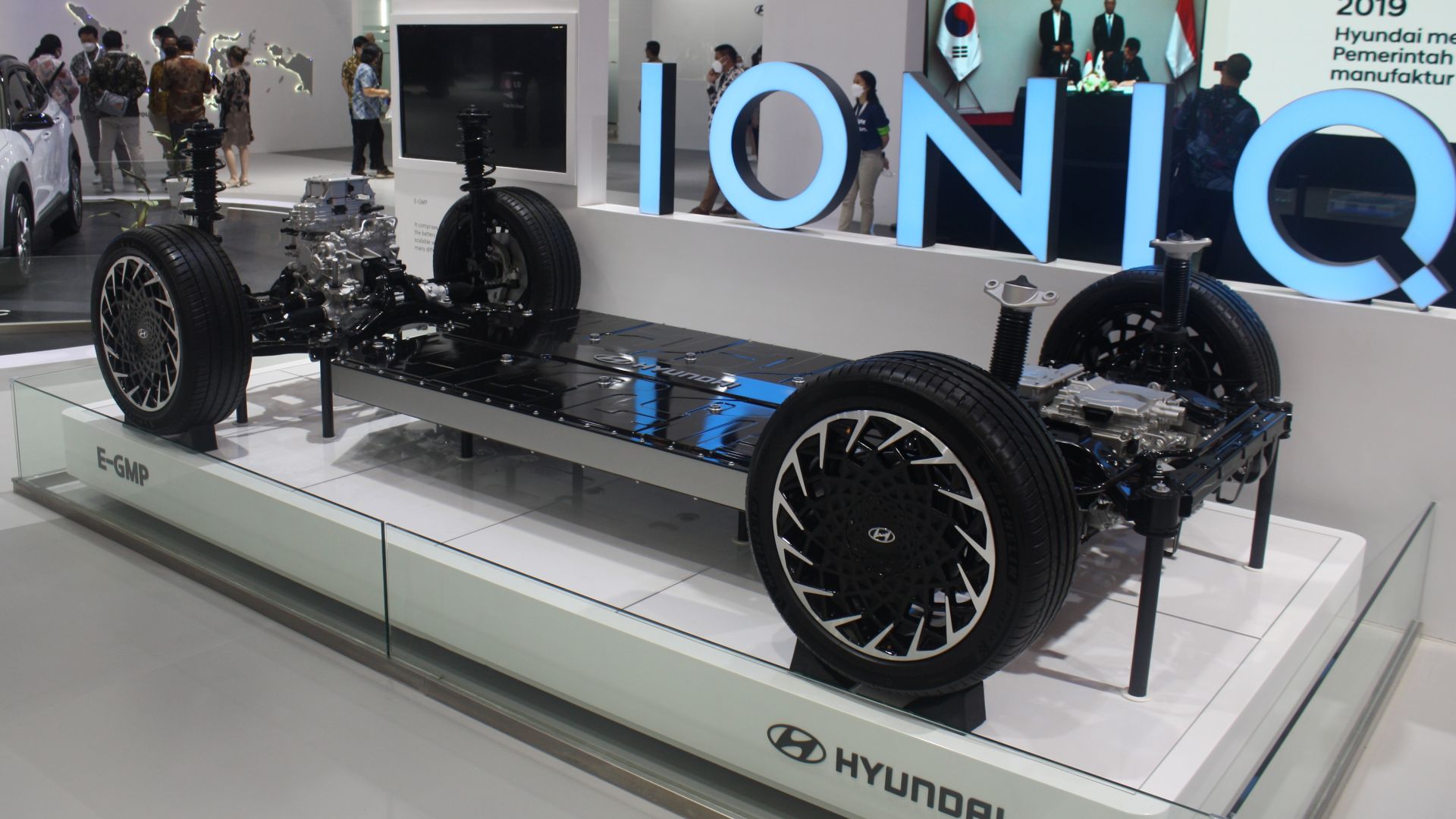 Andra Febrian, Wikimedia Commons
Parking Spaces Have Not Kept Pace
Many parking lots and residential garages were designed decades ago. Their dimensions reflected the vehicles commonly sold at the time. As today's vehicles have become larger, those same spaces often feel much tighter.
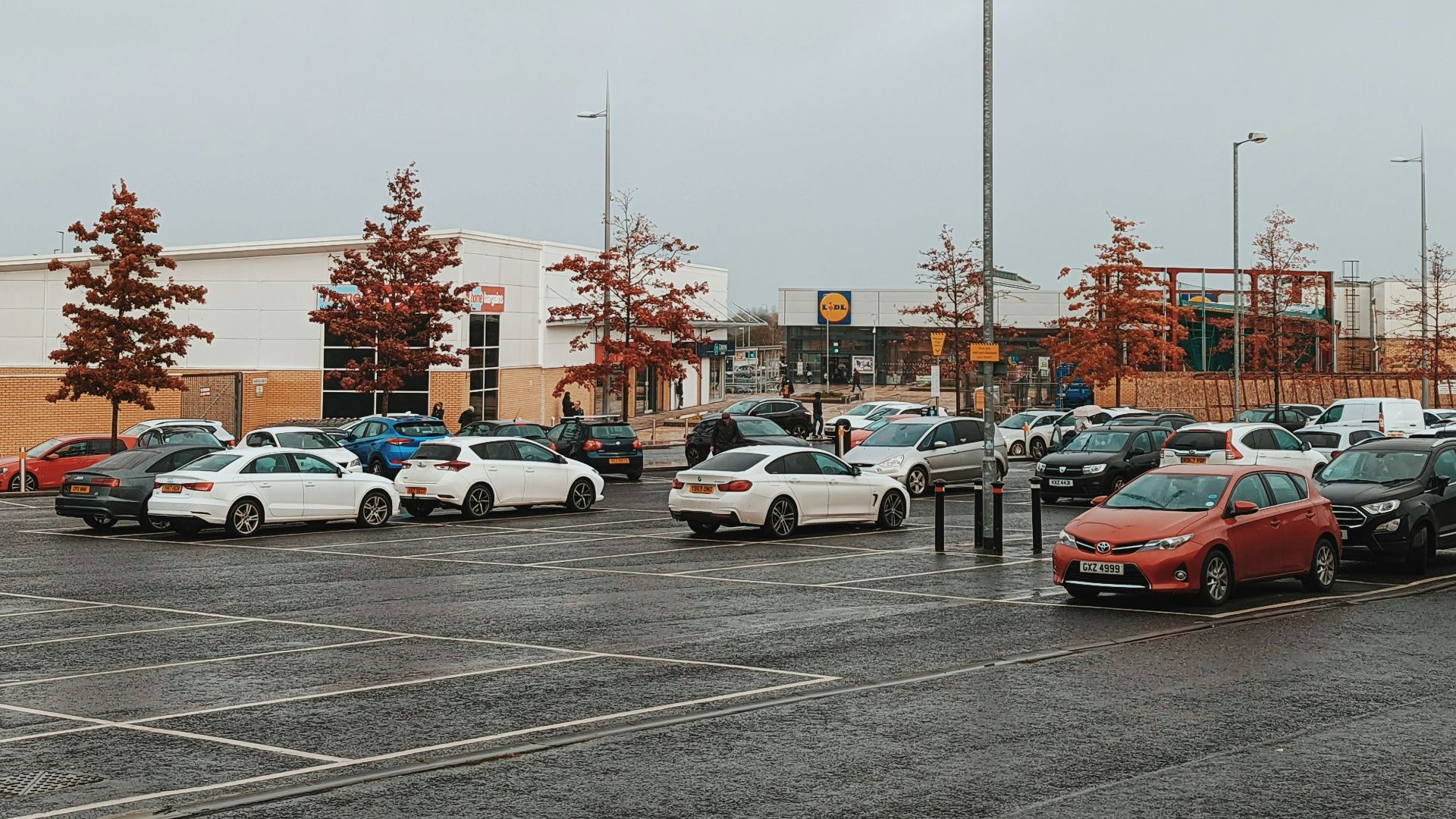
Opening The Door Becomes A Workout
Even if a vehicle technically fits, getting out comfortably can be difficult. Drivers frequently find themselves squeezing between the door and the garage wall. That daily inconvenience explains why so many homeowners feel their garage has mysteriously shrunk.

Width Is Often The Real Problem
Many people focus on vehicle length, but width creates just as many headaches. Wider mirrors, doors, and body panels reduce clearance in garages and parking spaces. This leaves less room to walk around the vehicle after parking.
Pickups Have Also Grown
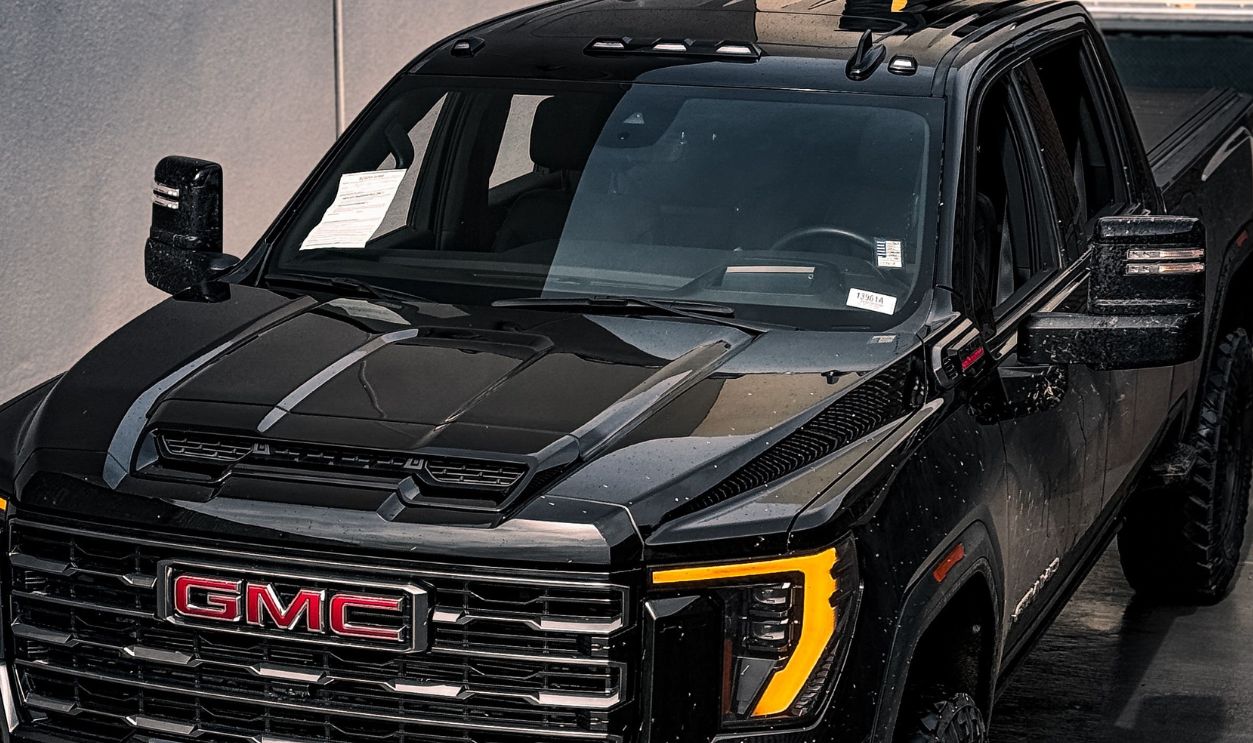
Modern pickup trucks are generally taller, wider, and heavier than earlier generations. Many now offer spacious crew cabs with four full-size doors. While these features improve comfort, they also make older garages feel much smaller.
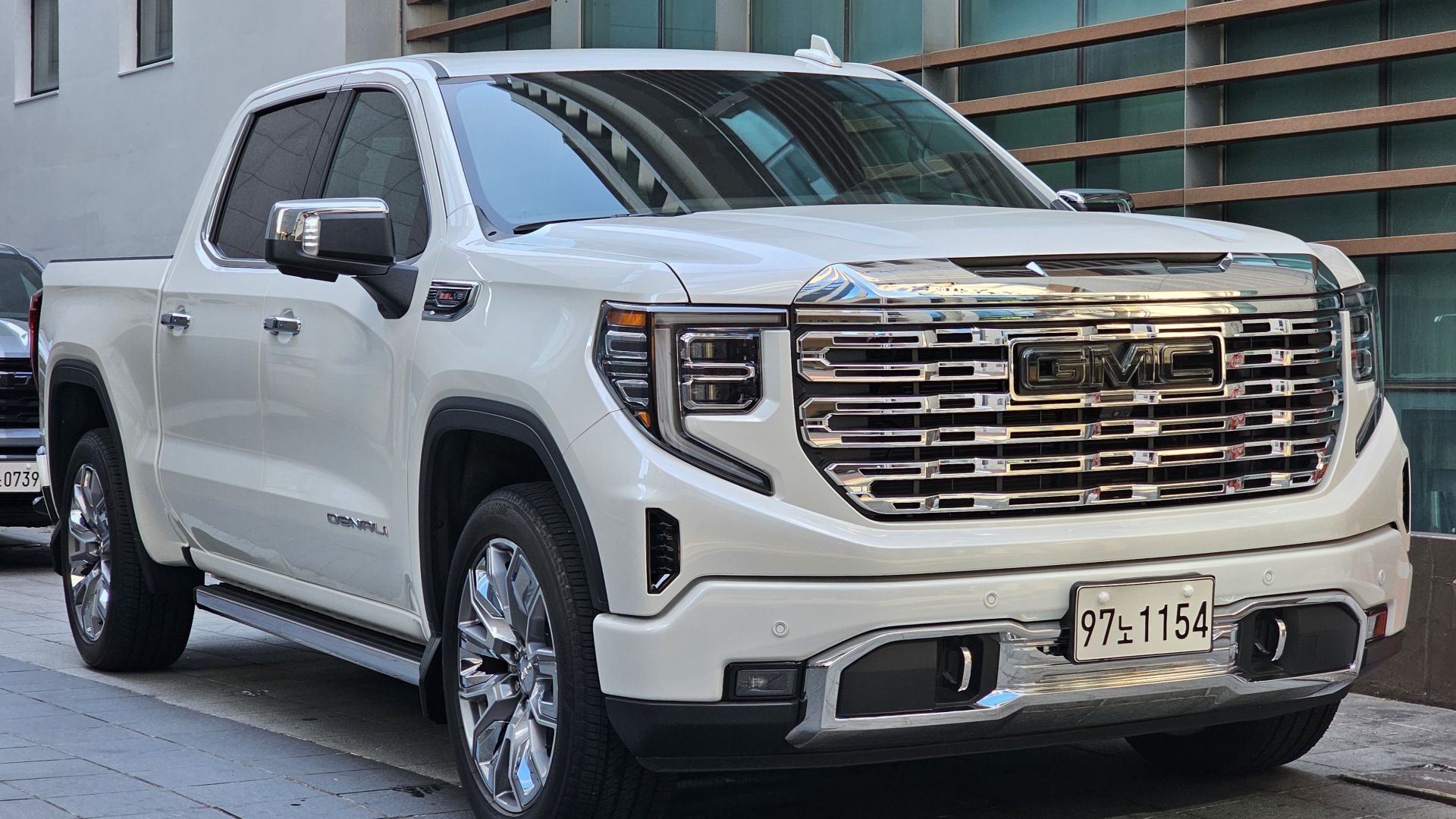 Damian B Oh, Wikimedia Commons
Bigger Vehicles Affect Everyone
A large SUV parked beside a compact car changes how easily both drivers can enter and exit. Wider vehicles reduce usable space throughout parking lots. Even careful drivers may struggle in older parking facilities.
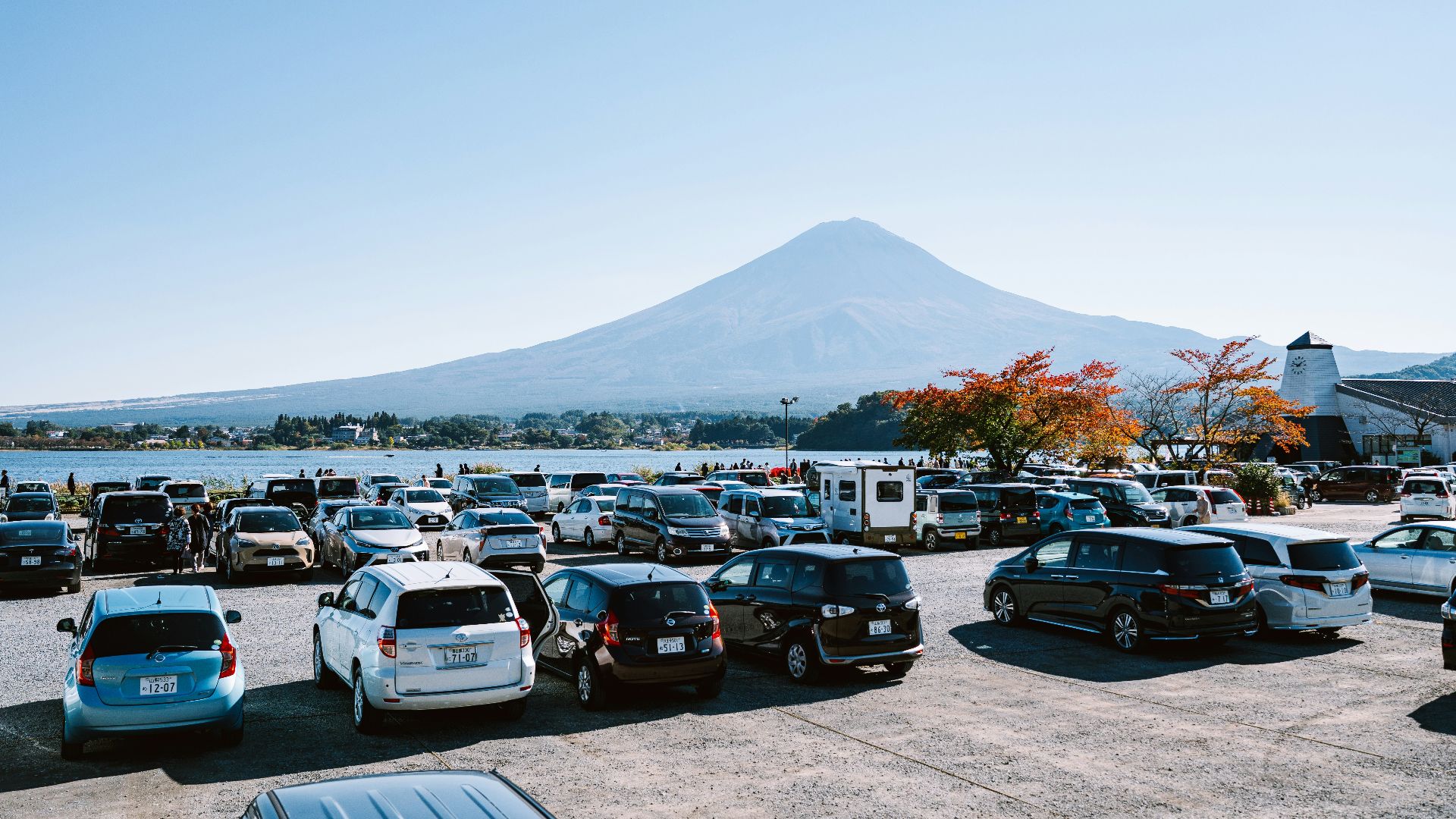
Visibility Has Changed Too
Taller front ends and higher seating positions provide drivers with a commanding view of traffic. At the same time, researchers continue studying how larger vehicle designs affect visibility around pedestrians and cyclists. These design tradeoffs remain an active area of safety research.
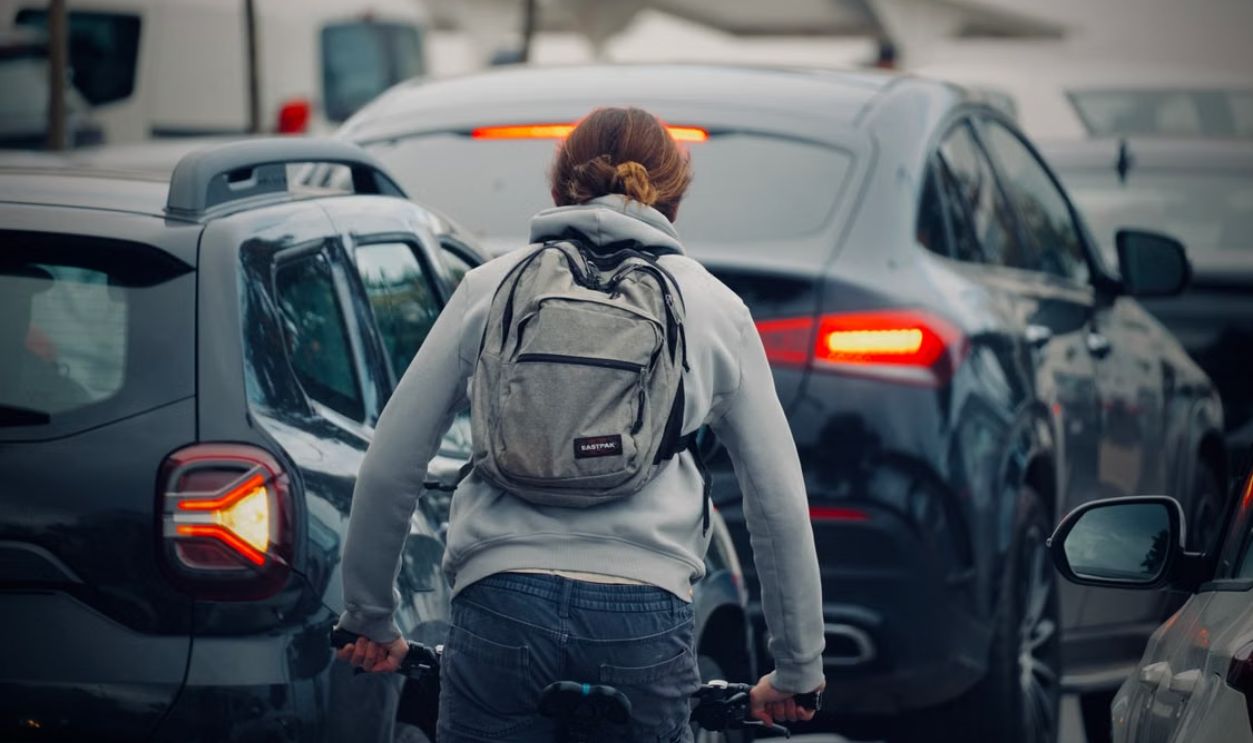
Bigger Is Not Automatically Safer
Many buyers assume that the largest vehicle available always provides the greatest protection. However, recent Insurance Institute for Highway Safety research found that safety benefits level off once vehicles exceed average fleet weight. Additional weight beyond that point offers relatively little extra protection for occupants while increasing risks to others in certain crashes.
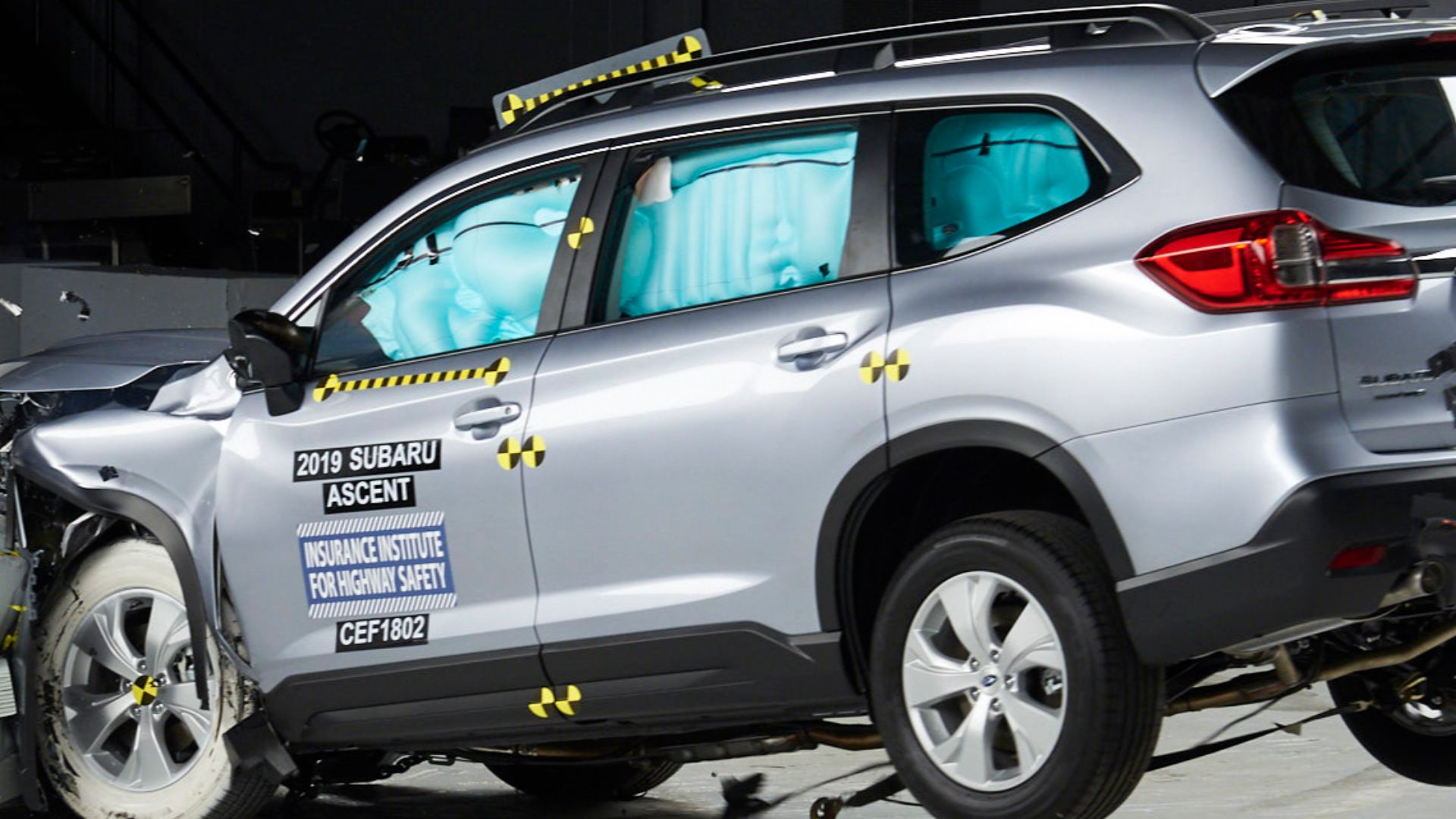 Insurance Institute for Highway Safety, Wikimedia Commons
Fuel Economy Improved Anyway
Despite larger vehicles becoming more common, engineering improvements have boosted fuel economy over time. Better engines, transmissions, aerodynamics, and hybrid technology have helped offset some of the efficiency losses caused by additional weight. Electric vehicles have further influenced recent fuel economy trends.
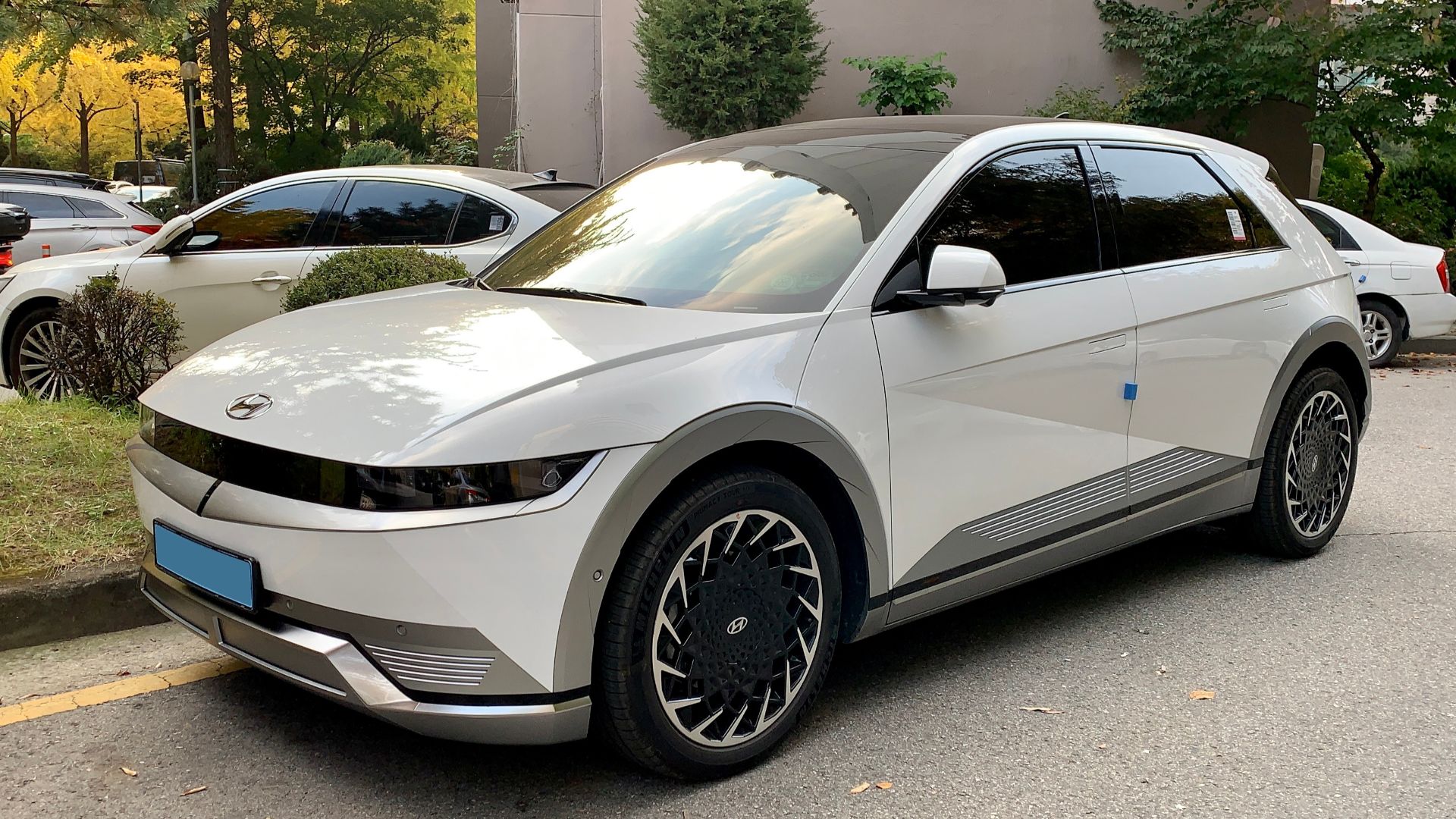
Manufacturers Follow Customer Demand
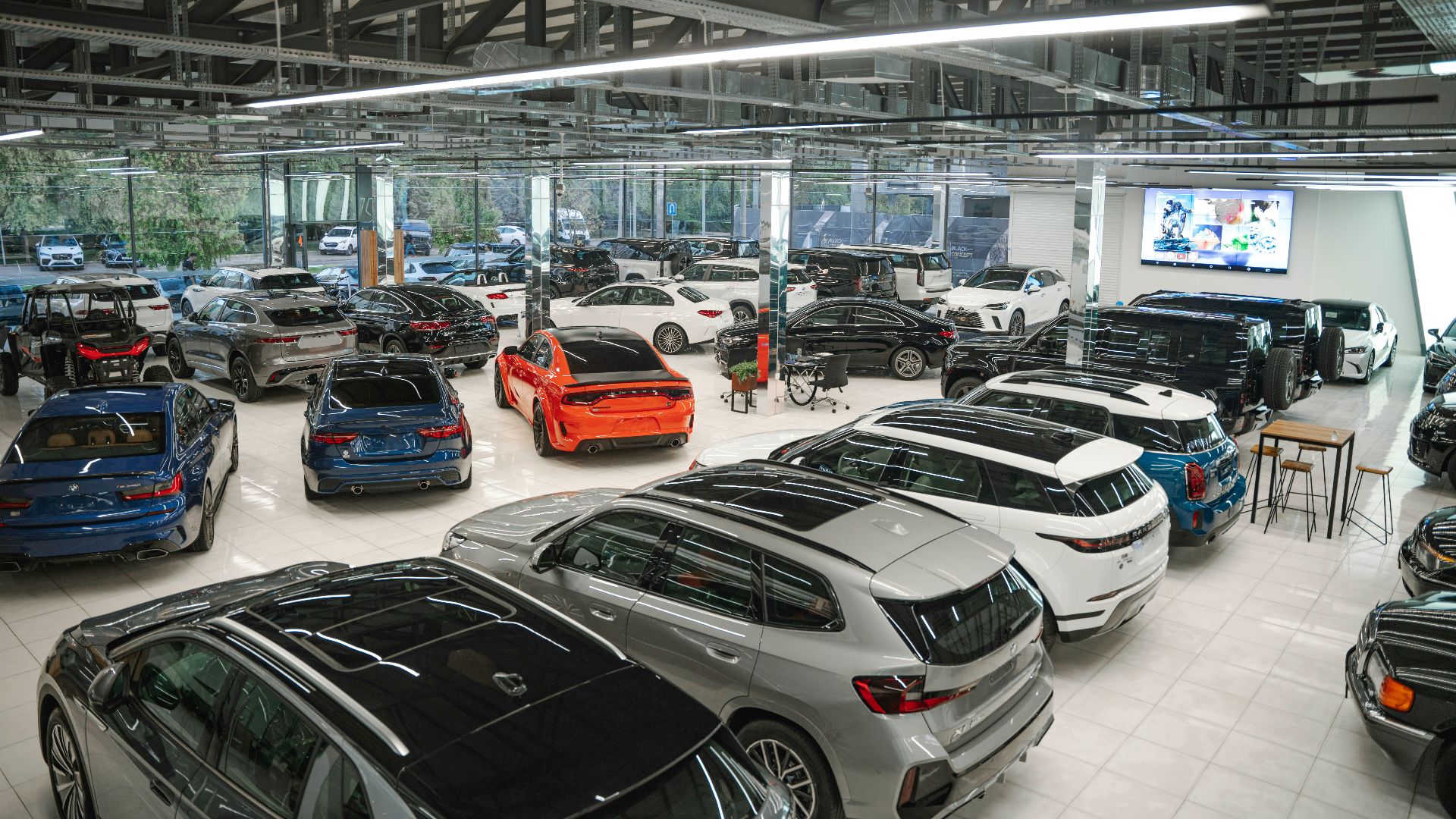
Automakers build what buyers are willing to purchase. As crossover and SUV sales increased, companies shifted more production toward those categories. Smaller sedans gradually became a smaller share of the market.
Home Builders Faced Different Assumptions
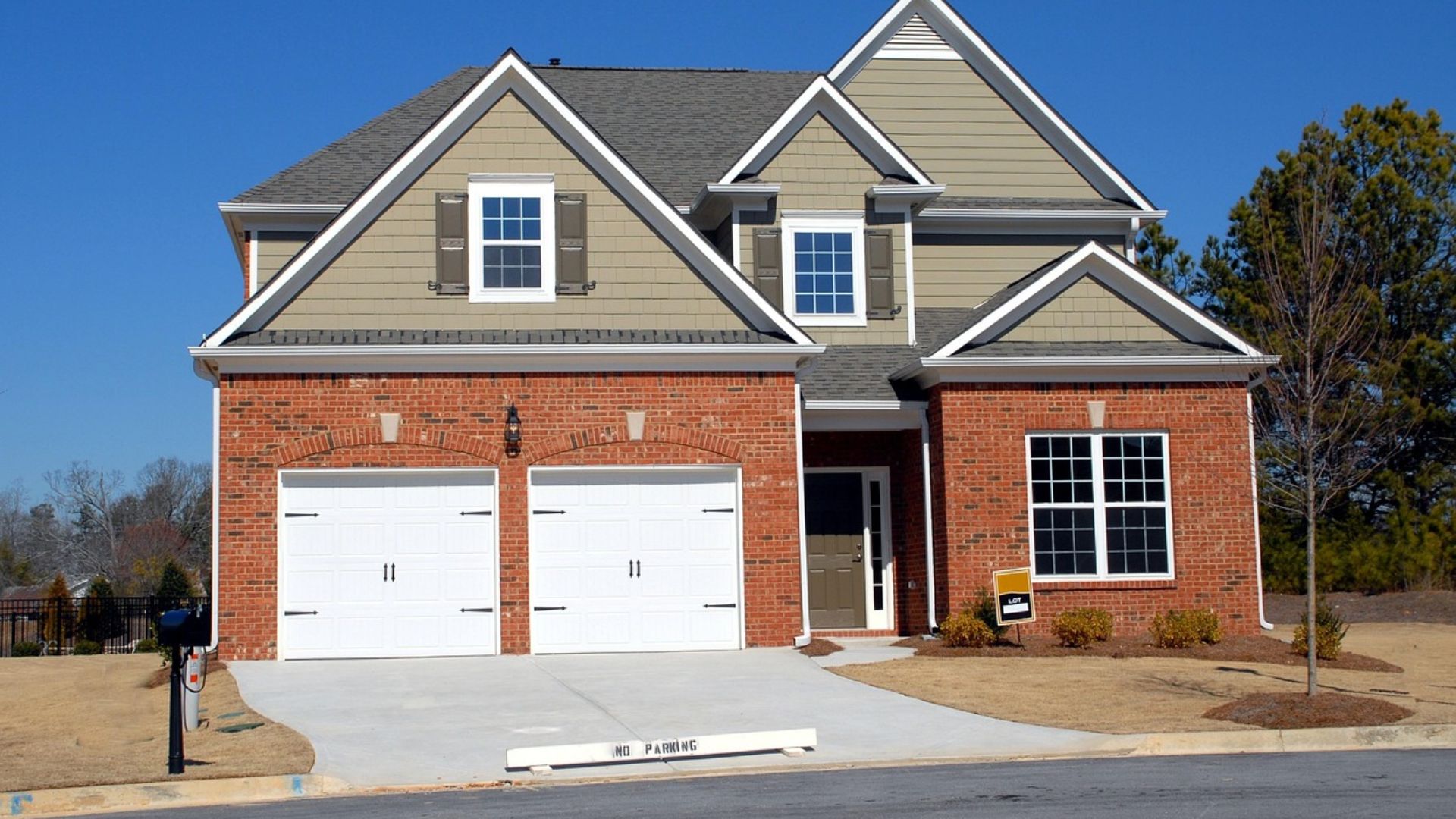
Many suburban homes built decades ago were designed around compact sedans. Builders had little reason to anticipate today's larger crossovers and pickups. As a result, older garages often provide minimal clearance for modern vehicles.
Urban Parking Faces Even More Pressure
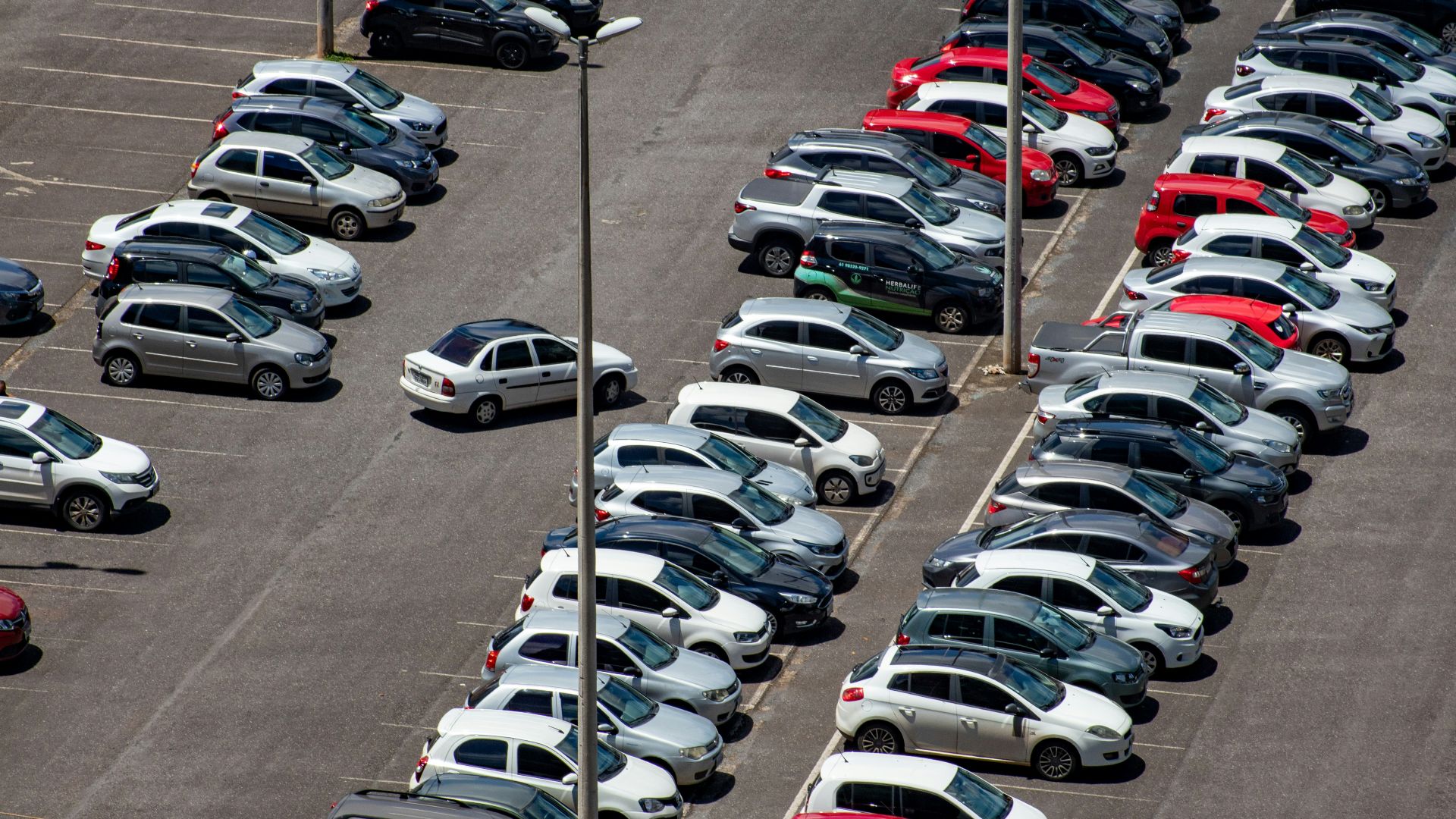
Cities have limited space for expanding roads and parking lots. Larger vehicles occupy more room whether parked or moving through narrow streets. Several European cities have begun discussing parking policies that account for vehicle size or weight.
Why Compact Cars Are Harder To Find
Compact cars still exist, but consumers now purchase far more crossovers than traditional small sedans. Some manufacturers have reduced or eliminated certain compact models in response to declining demand. That leaves shoppers with fewer truly small options.

The Garage Has Not Changed
It is easy to blame the garage when parking becomes frustrating. In reality, the building probably has the same dimensions it always had. The vehicle itself is often the biggest difference.
Careful Shopping Matters More Than Ever
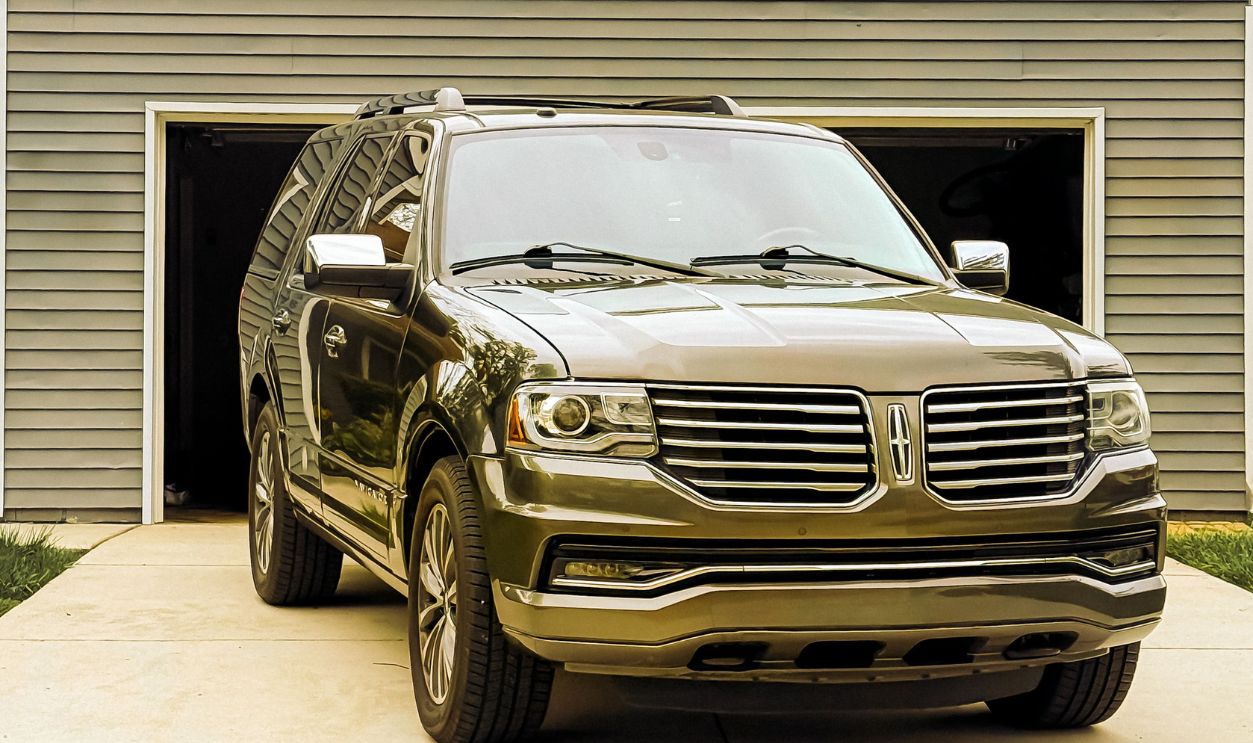
Many buyers focus on cargo space, horsepower, and technology during the shopping process. Fewer remember to measure their garage before signing the paperwork. Taking those measurements can prevent years of parking frustration.

Mirrors Can Make The Difference
Foldable side mirrors have become increasingly common on newer vehicles. Folding them before entering a narrow garage may provide valuable extra inches. That simple habit can reduce accidental scrapes and make parking less stressful.
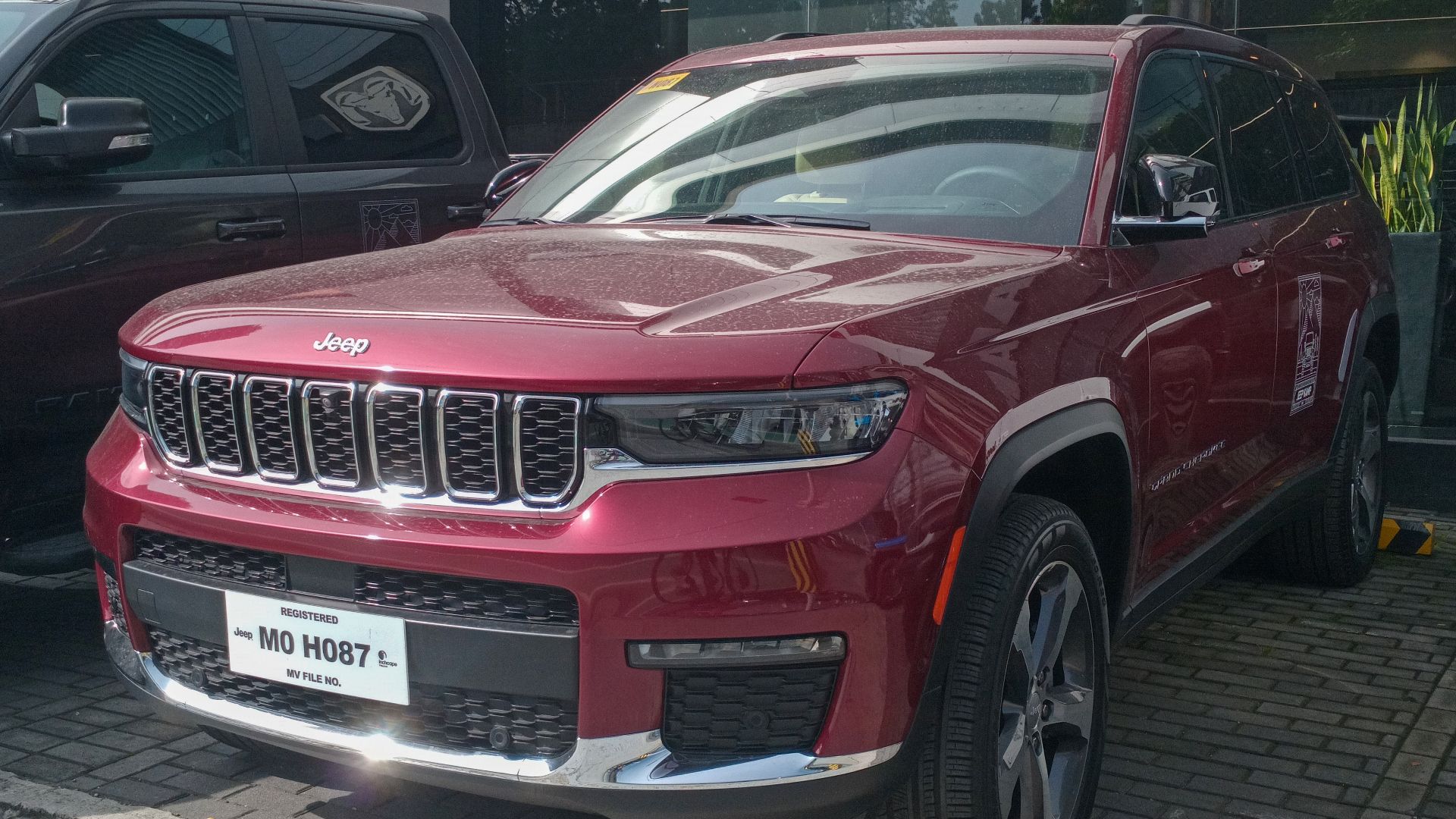 Ethan Llamas, Wikimedia Commons
Downsizing Can Be Surprisingly Practical
Many households no longer need the largest vehicle available. A compact crossover or sedan may comfortably handle daily commuting while fitting more easily into existing garages. Smaller vehicles can also simplify parking throughout town.
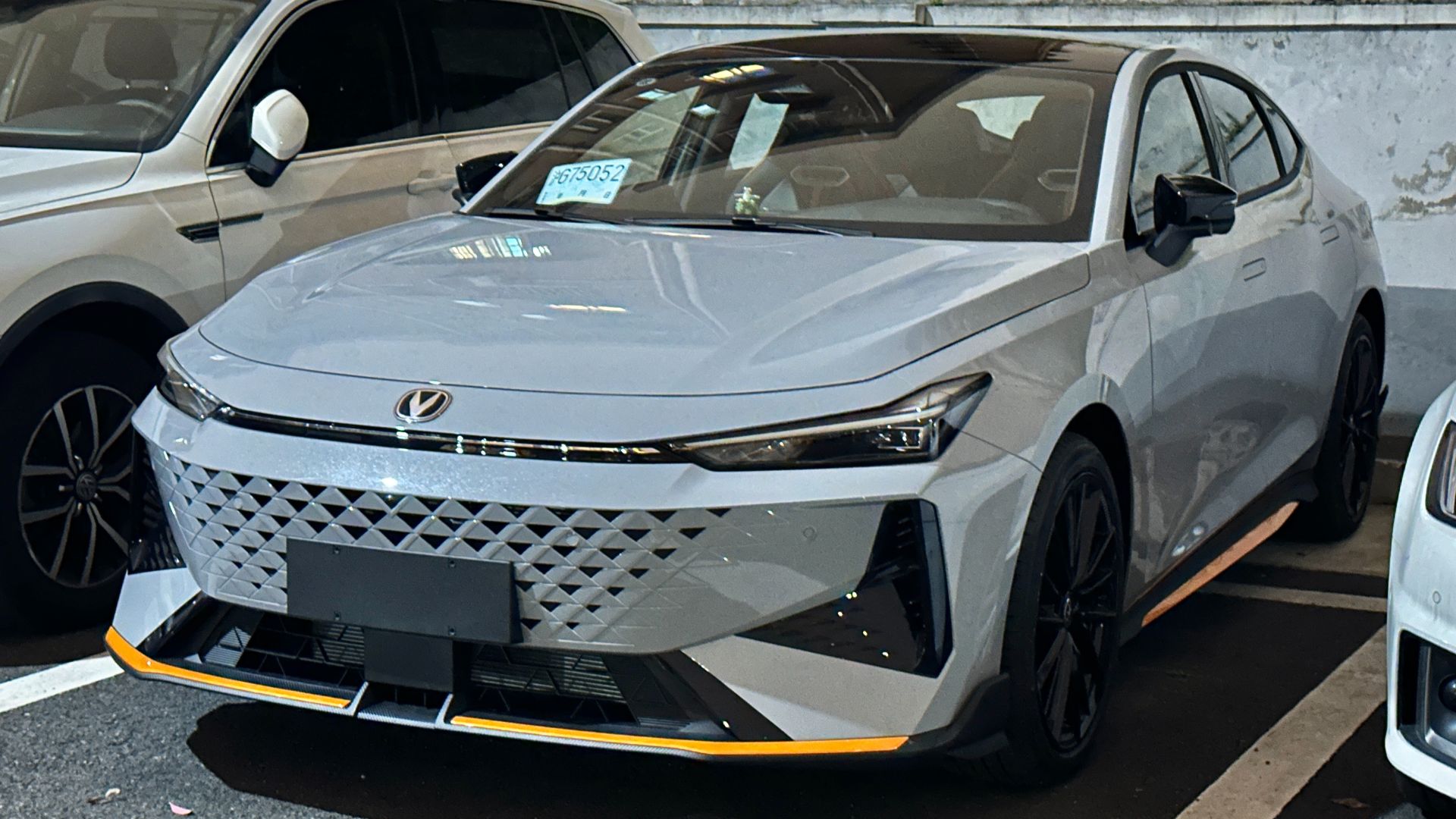 JustAnotherCarDesigner, Wikimedia Commons
Automakers Continue Balancing Priorities
Engineers must satisfy safety regulations, customer expectations, fuel economy standards, and performance goals all at once. Every improvement involves tradeoffs involving size, weight, cost, and practicality. That balancing act explains why vehicle design keeps evolving.
So, Are Cars Really Getting Too Big?
The evidence shows that modern vehicles have generally become larger, heavier, and more SUV-focused than earlier generations. Older garages and parking spaces were never designed with many of today's vehicles in mind. If parking suddenly feels more difficult than it did years ago, it is probably not your imagination.
You May Also Like:
The Most Overrated Cars Today, According To Car Enthusiasts
People With The Largest Car Collections In The World