The Nightly Charging Myth Won’t Die
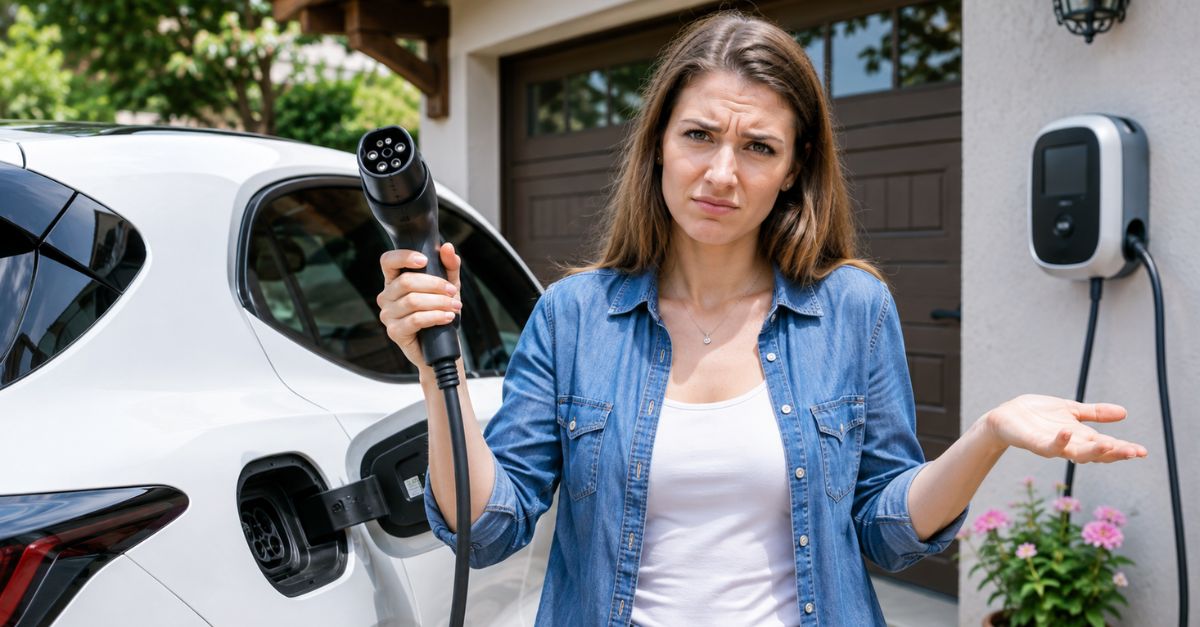
You've probably heard that plugging in an EV every night will ruin the battery. It sounds plausible—batteries lose charge over time, after all—but it leaves out the parts that actually matter. For most drivers, daily charging isn't just fine; It's often exactly what automakers recommend.
What Actually Wears Out an EV Battery
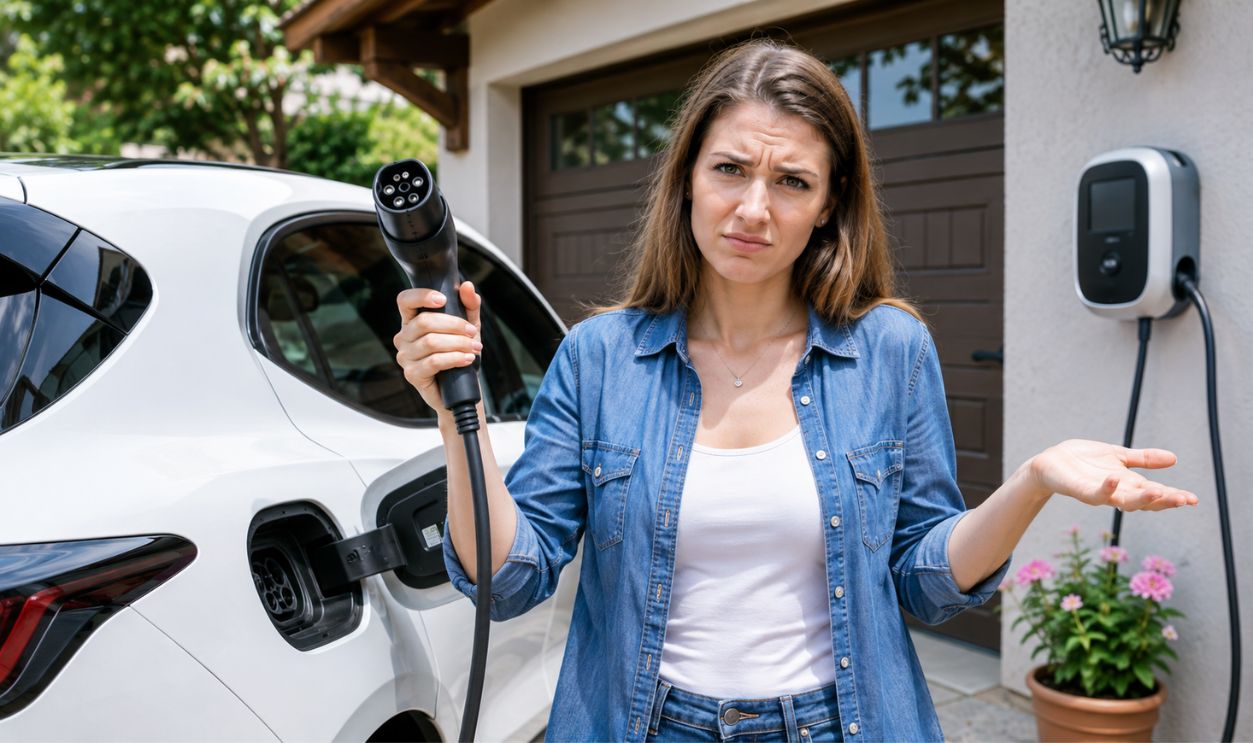
Battery degradation has more to do with heat, time spent sitting at a very high charge, repeated fast charging in some situations, and plain old aging than with how often you plug in. Lithium ion batteries wear down from both use and time. So the big issues are how full the battery stays and how hot it gets, not whether you connected the cable last night.

Where the Confusion Comes From
A lot of people apply old advice from phones and laptops to EVs. That does not work very well. Car batteries are used differently, and modern EVs have software and thermal systems built to manage charging and battery health. They are not magic, but they are a lot smarter than the gadgets that shaped most battery myths.
Automakers Have Been Pretty Clear About This
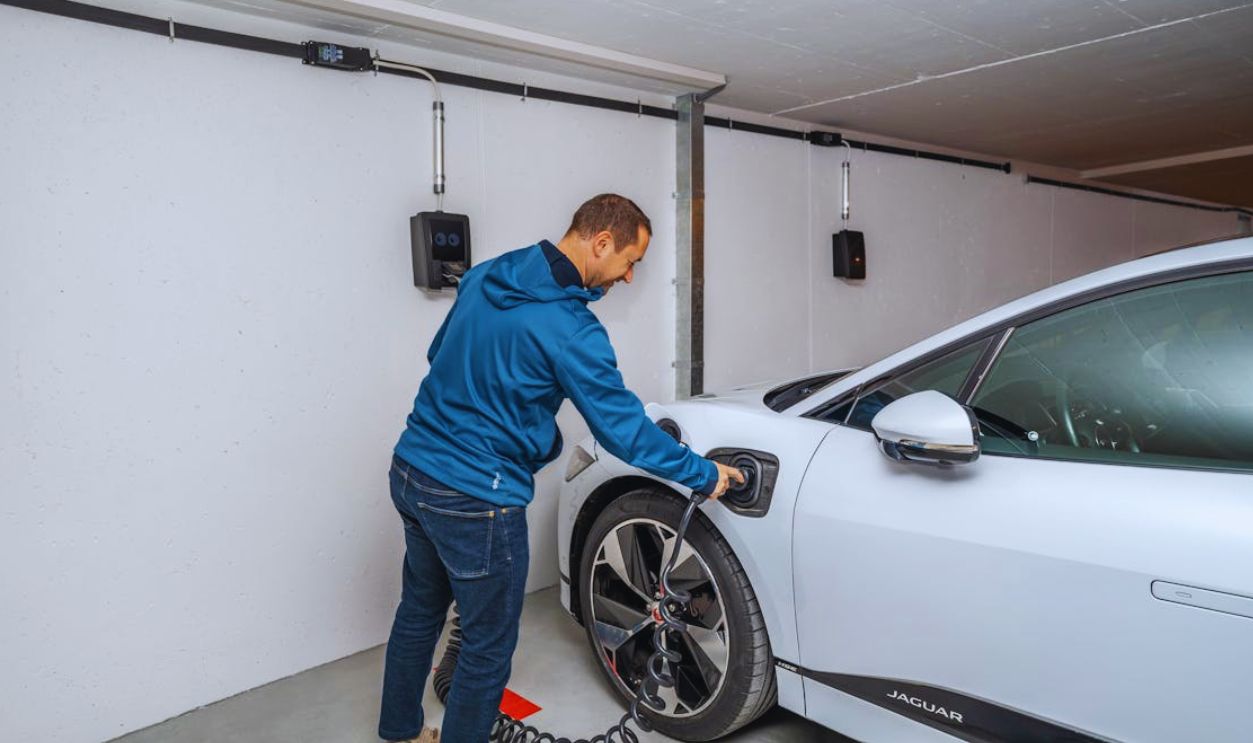
Major EV makers have spent years saying that routine charging is normal. Ford says frequent overnight charging can help keep the battery at an optimal charge and support battery life. General Motors also says the easiest way to charge is overnight, while noting that charging to 100% every day is usually not necessary unless your driving needs call for it.
Tesla’s Advice Is More Specific Than the Myth
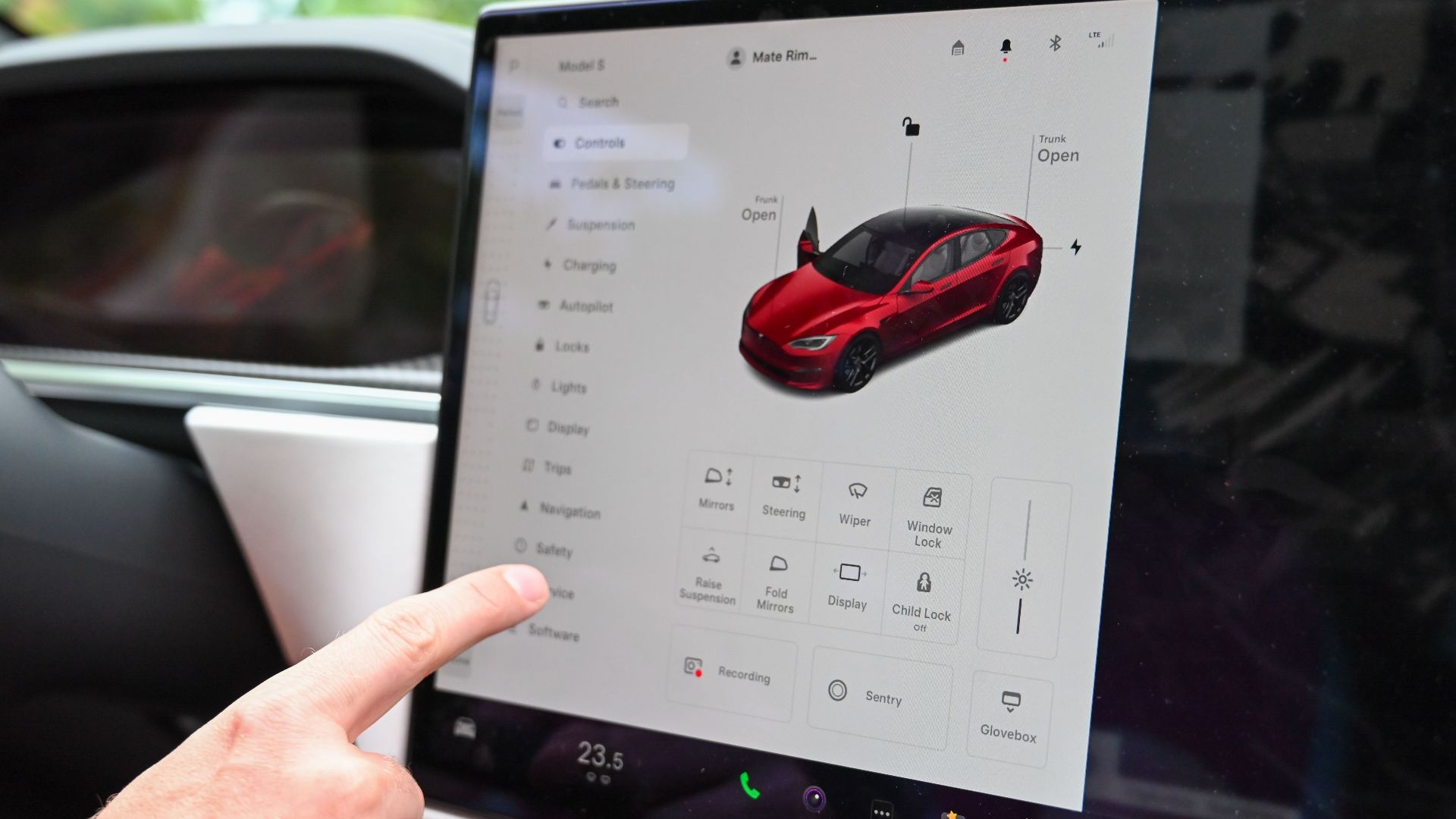
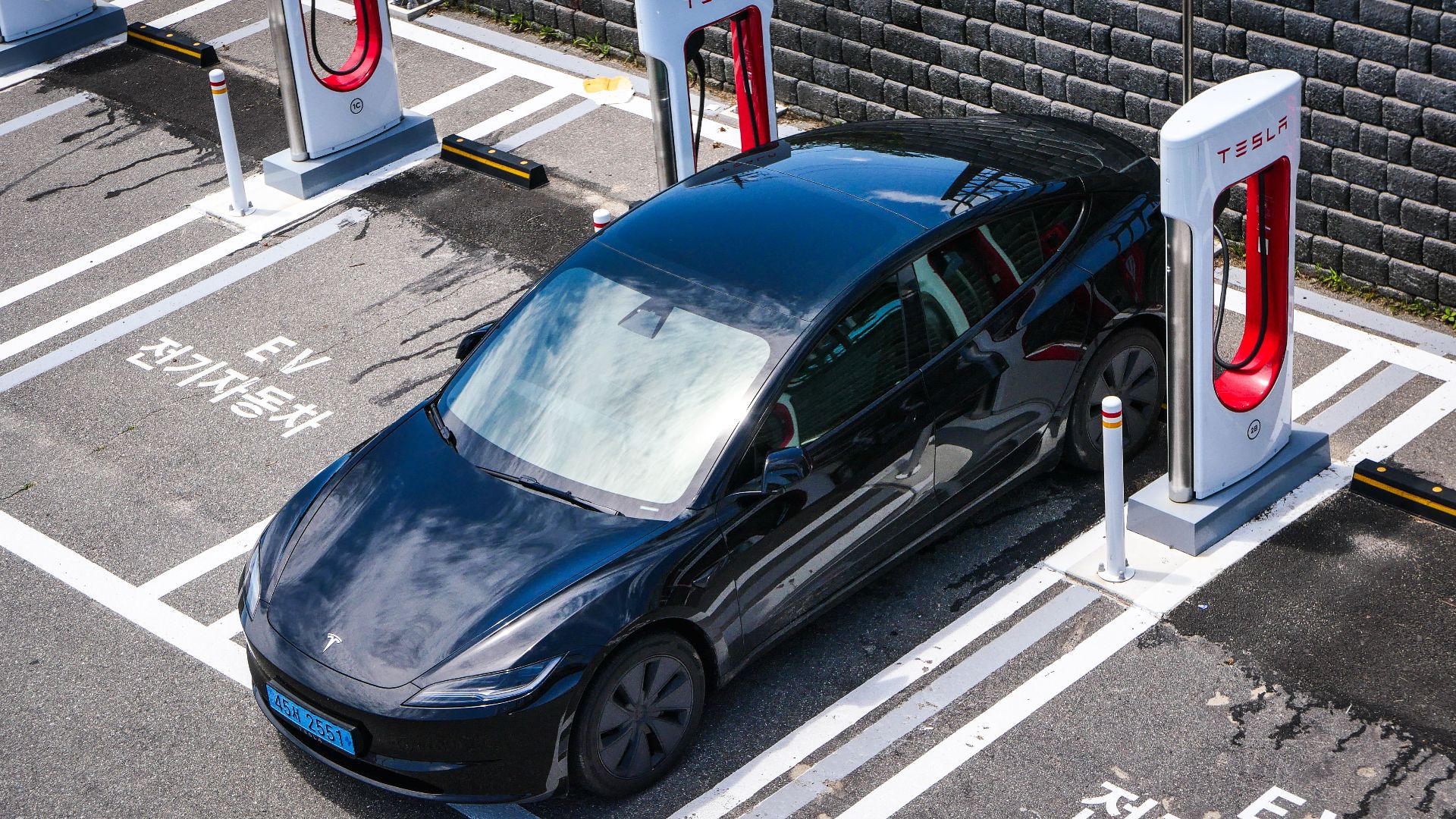
Tesla does not tell owners to avoid plugging in every day. It tells them to keep the vehicle plugged in when possible and to use a daily charge limit that fits the vehicle and battery type. Tesla also warns that leaving the battery at 100% for long stretches can speed up degradation. That is a very different claim from saying nightly charging itself is bad.
Rivian Says Much the Same
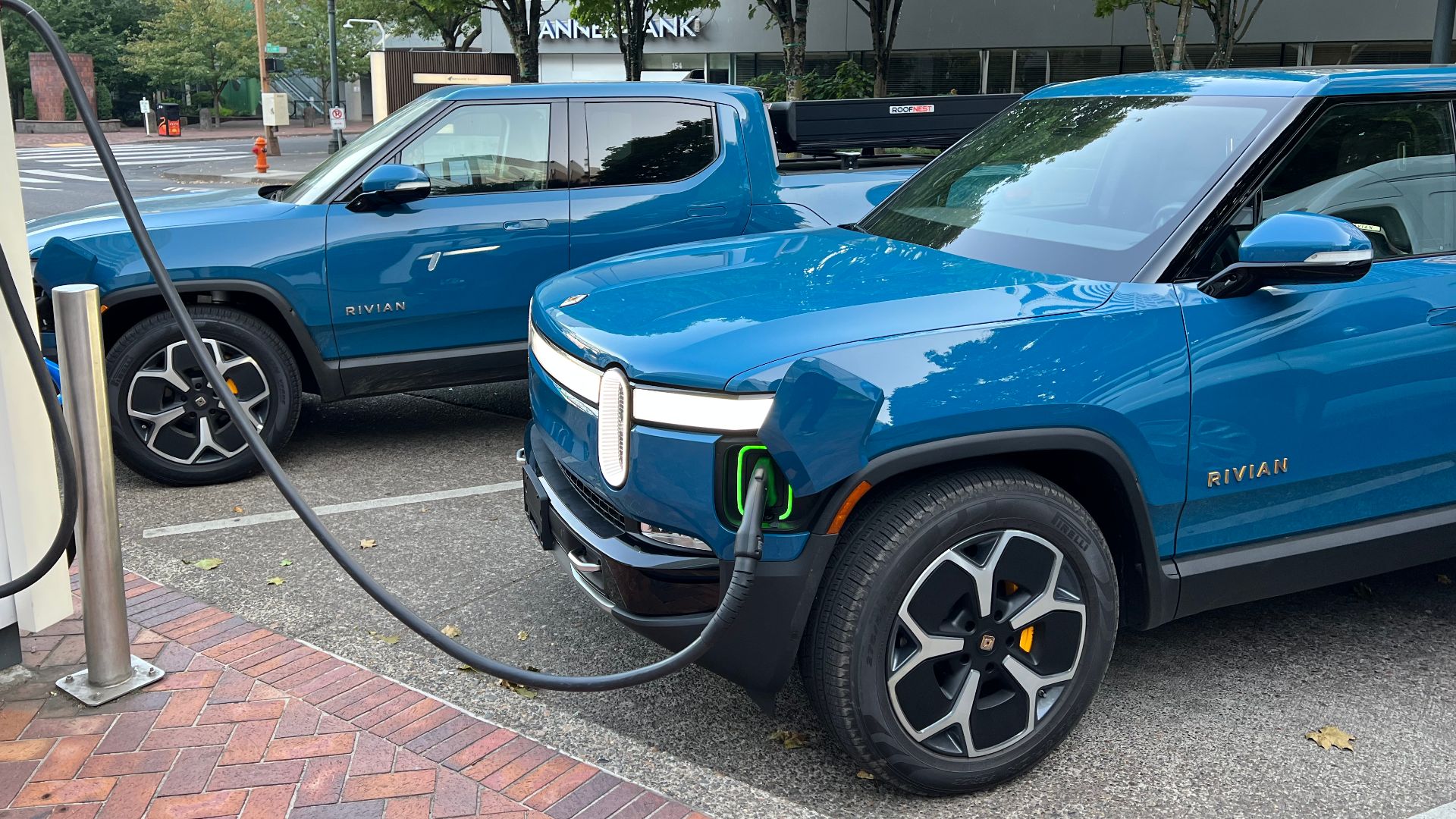
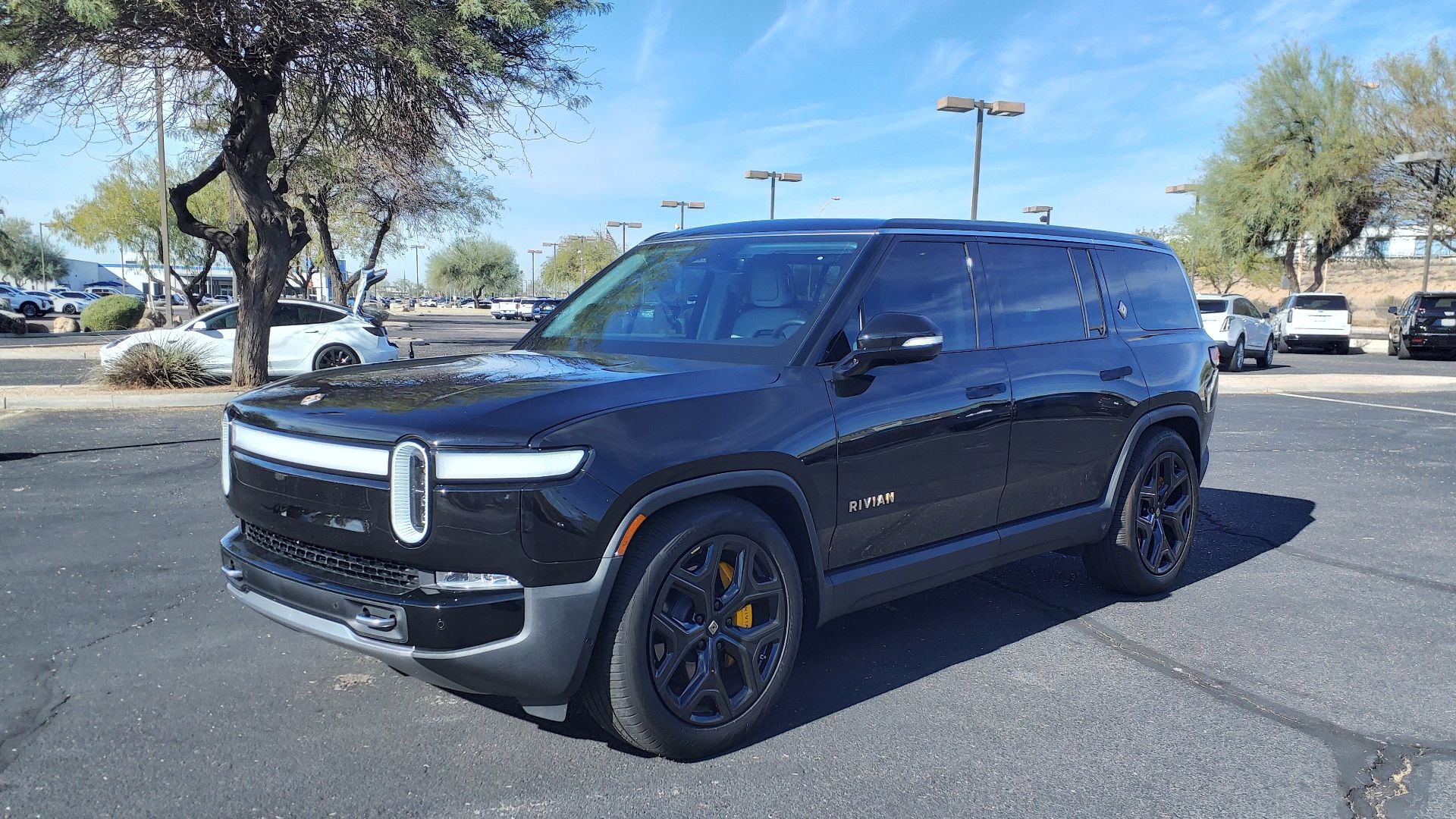
Rivian’s guidance follows the same basic idea. The company says regular charging should match daily driving needs, and it advises owners to use a lower charge setting for everyday use instead of always charging to the maximum. That is the simple takeaway most drivers need.
 Benjamin Hollis from Seattle, WA, USA, Wikimedia Commons
The Bigger Problem Is Letting the Battery Sit Full
Battery researchers have long found that high states of charge put more stress on lithium ion cells. The U.S. Department of Energy’s Alternative Fuels Data Center notes that battery life can be affected by how long a battery stays at 100%, especially in hot conditions. In other words, charging every night is not the real issue. Letting the car sit fully charged for days in the heat is more of a concern.
Why the 80% Rule Keeps Showing Up
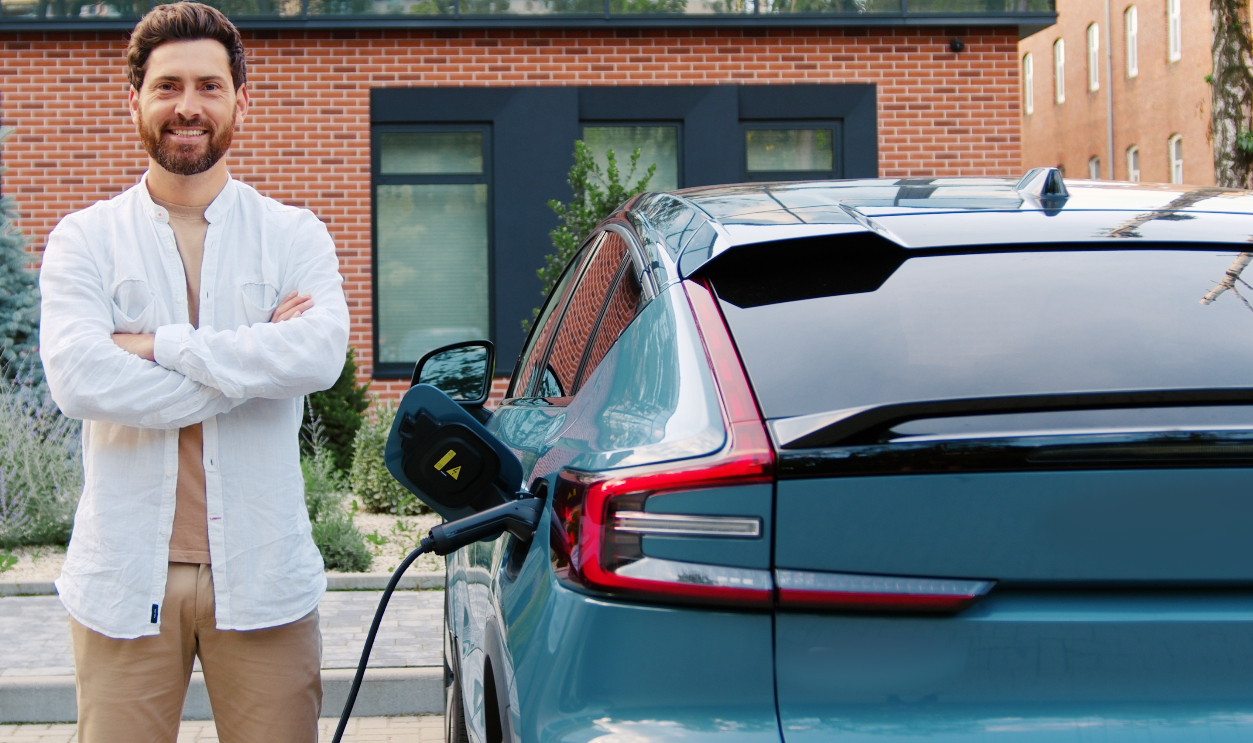
The familiar 80% advice comes from battery chemistry and manufacturer recommendations. Many EVs now let drivers set a daily charging limit, often somewhere between 70% and 90%, because that range is usually a good balance between everyday range and long term battery health.
Researchers Figured This Out Long Ago
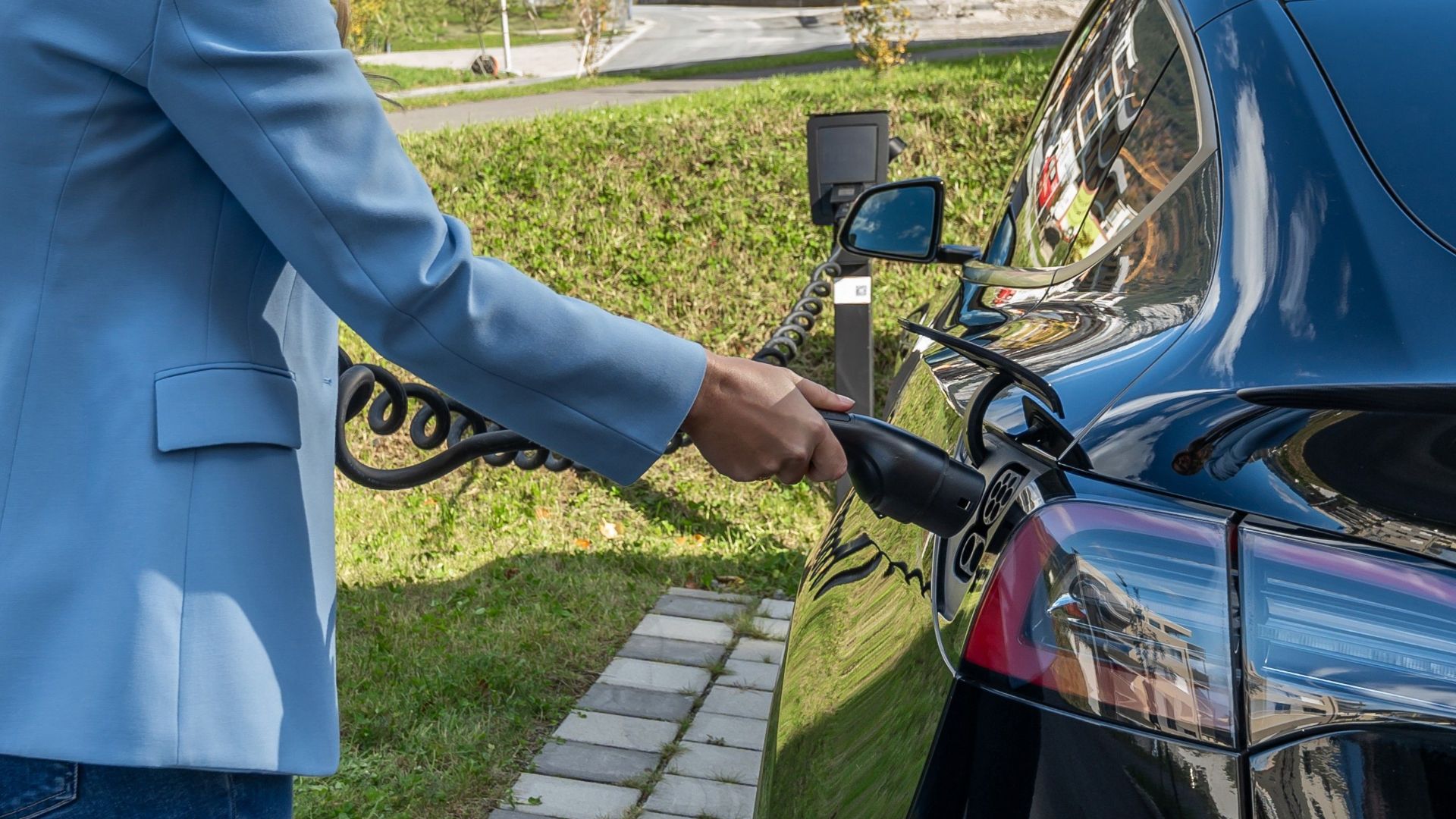
Scientists have been studying lithium ion battery aging for decades, long before EVs went mainstream. A widely cited 2013 study by researchers at Dalhousie University and Tesla, published in the Journal of The Electrochemical Society, looked at how cycling and storage conditions affect battery degradation. The key takeaway was not “never charge daily.” It was that voltage, temperature, and time all matter.
Heat Is One of the Biggest Enemies
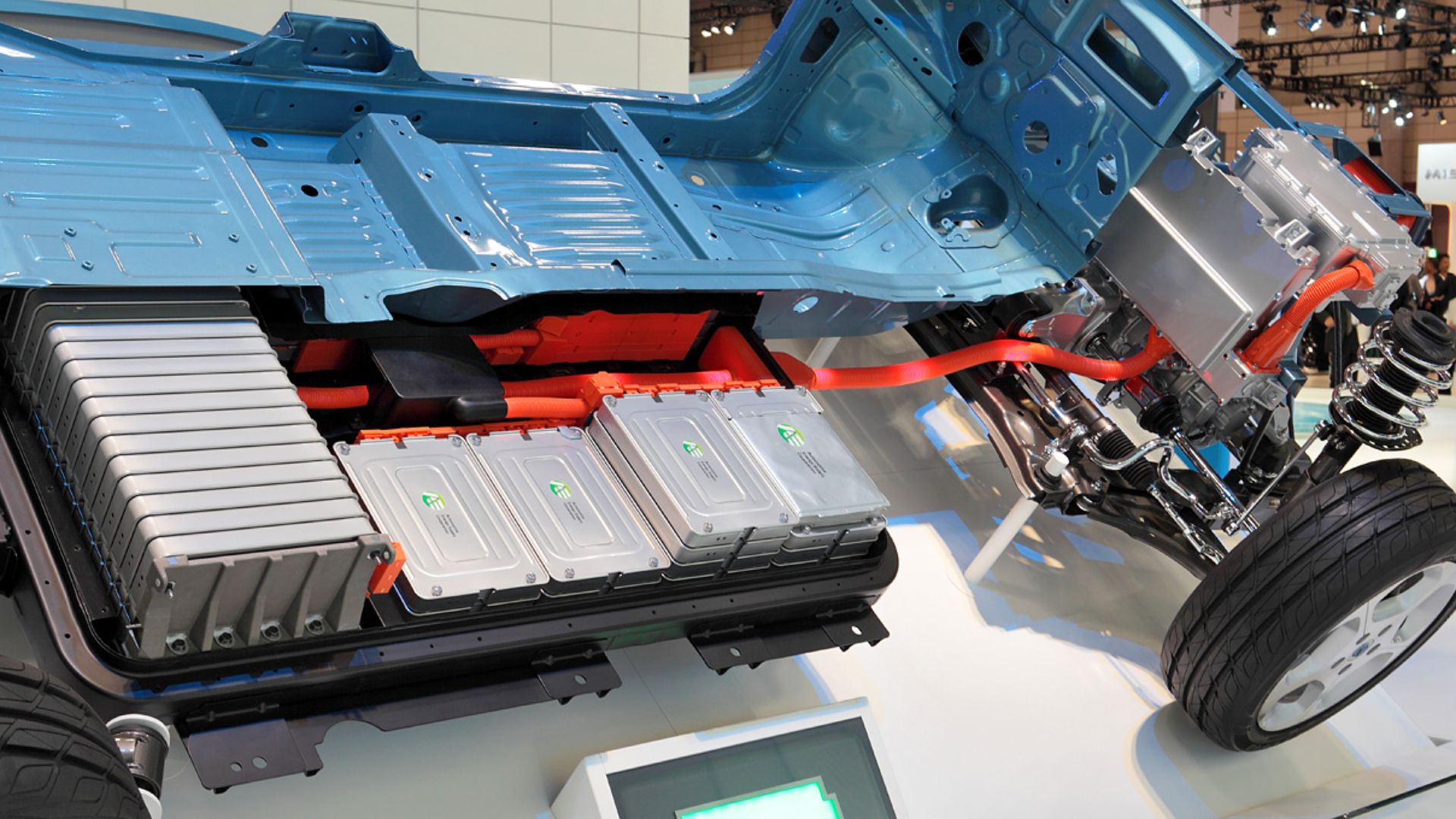
High temperatures are rough on battery life. The Department of Energy has long said that heat speeds up battery degradation, which is one reason modern EVs use thermal management systems. If your car cools or warms the battery while plugged in, that can actually help battery health rather than hurt it.
Why Home Charging Is Usually Gentle
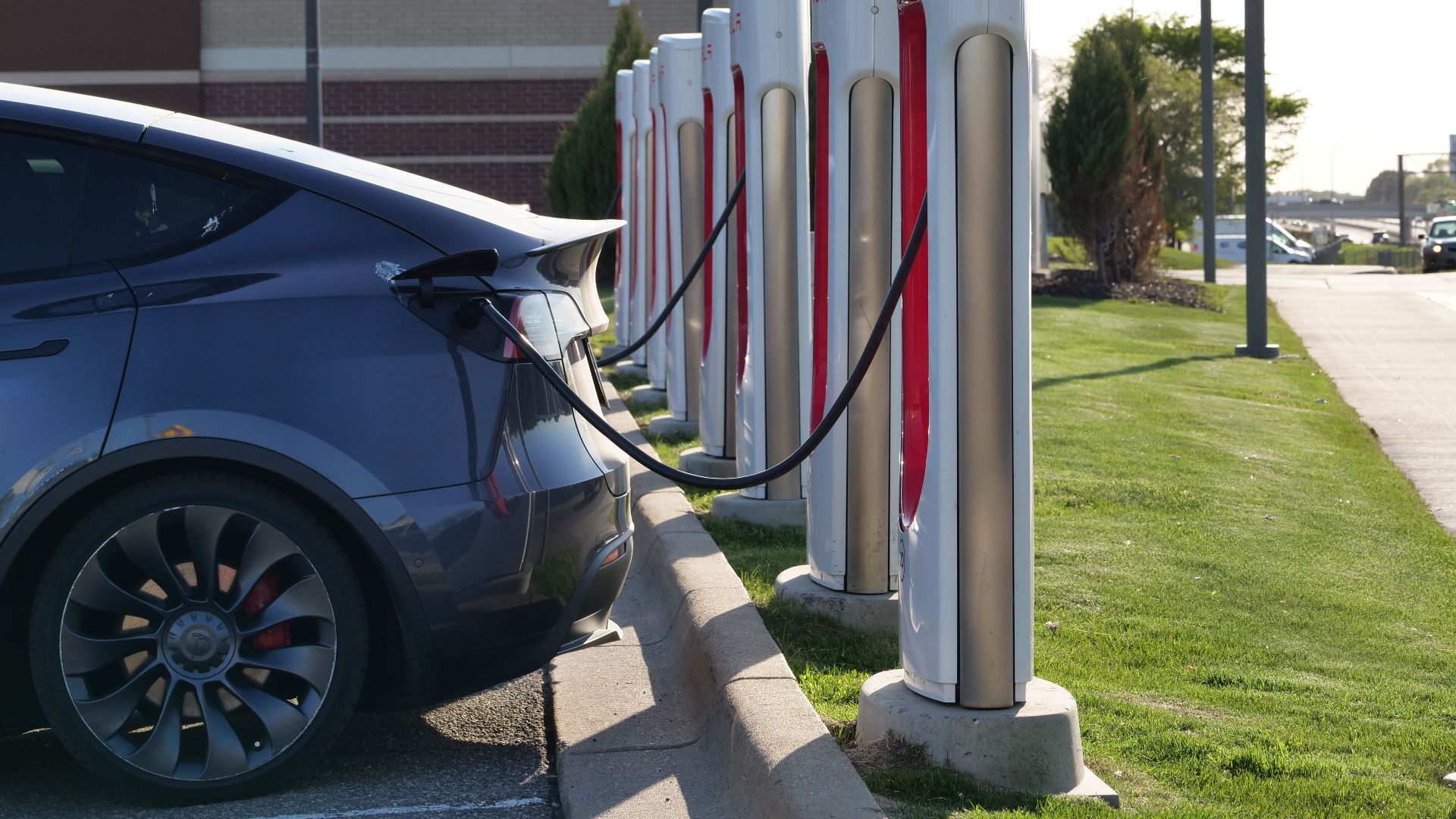
Level 1 and Level 2 charging at home are generally easier on a battery than frequent DC fast charging. Slower charging usually creates less heat and less stress in normal conditions. That is one reason overnight home charging became the standard advice as EVs spread into the mainstream.
Fast Charging Gets More Scrutiny for a Reason
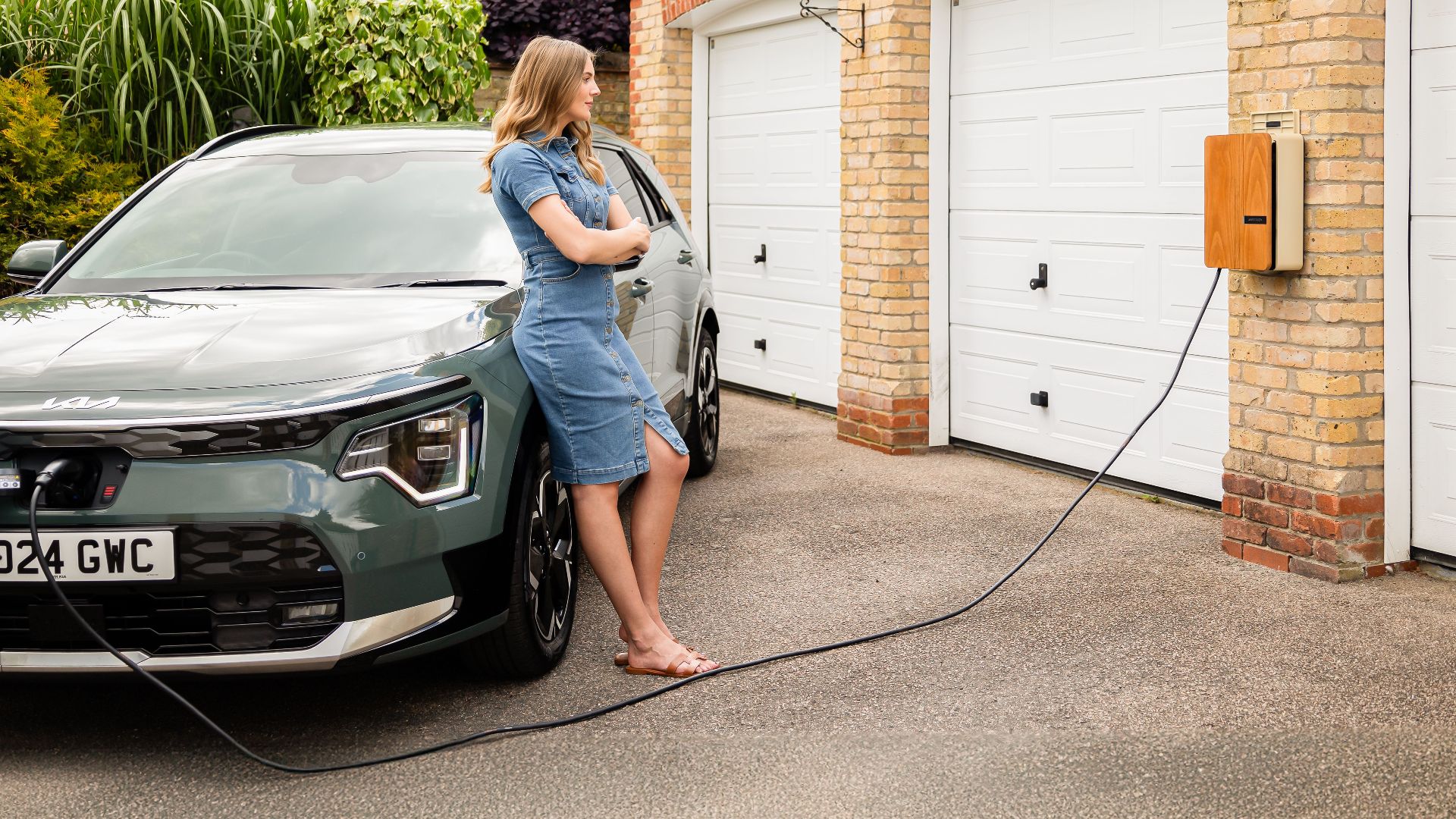
Automakers and researchers pay close attention to DC fast charging because high charging power can raise battery temperature and cell stress. That does not mean the occasional fast charge is harmful or off limits. It just means that using fast charging every day, when slower charging is available, may not be the best choice for long term battery health.
Modern EVs Also Protect Themselves
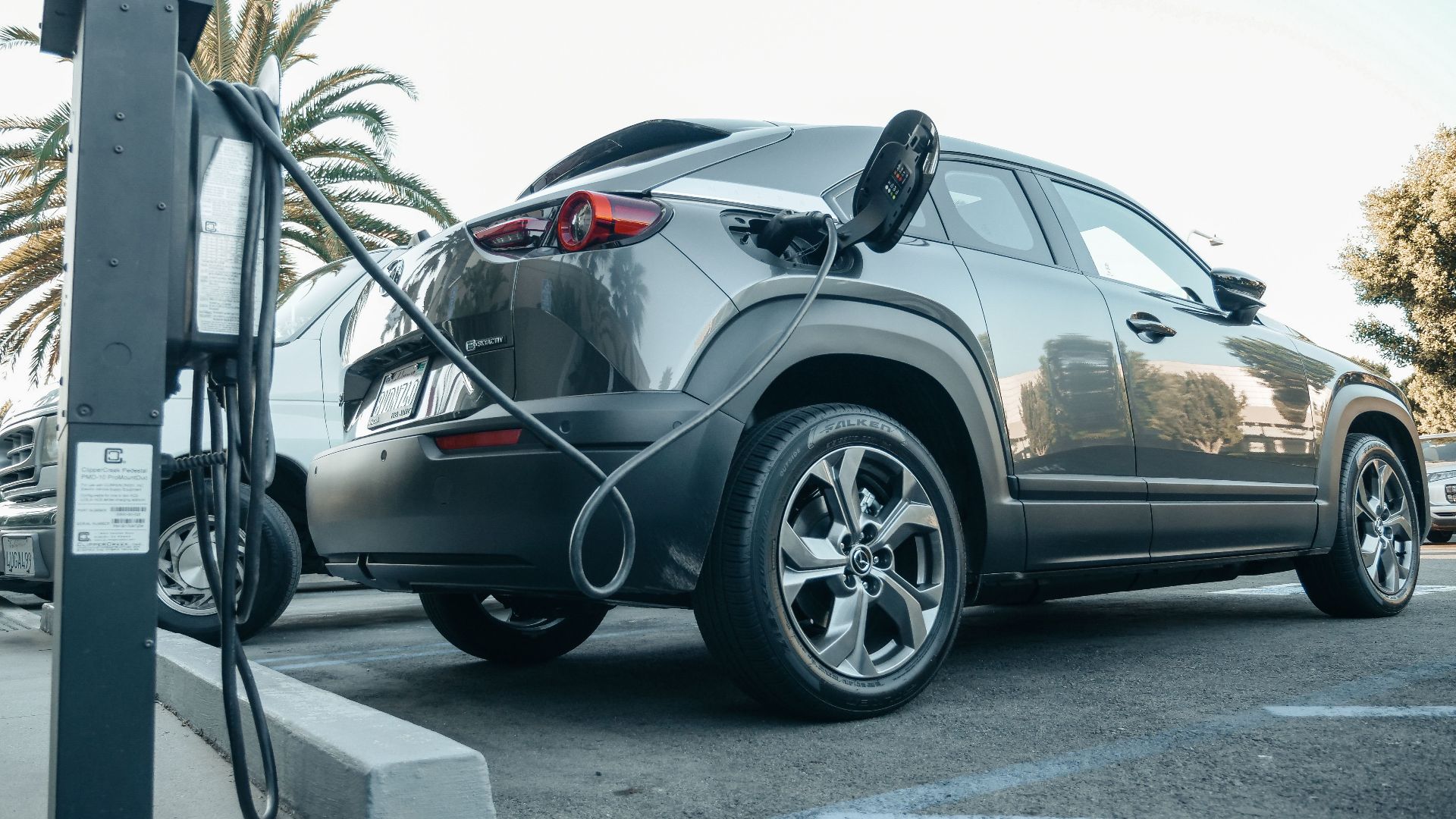
Battery management systems are always working in the background. They control charging speeds, monitor temperature, and maintain buffer zones that drivers never see. So when an owner says the battery is at 100%, that usually does not mean the cells are at their absolute chemical maximum.
Why Plugging In Can Actually Be Helpful
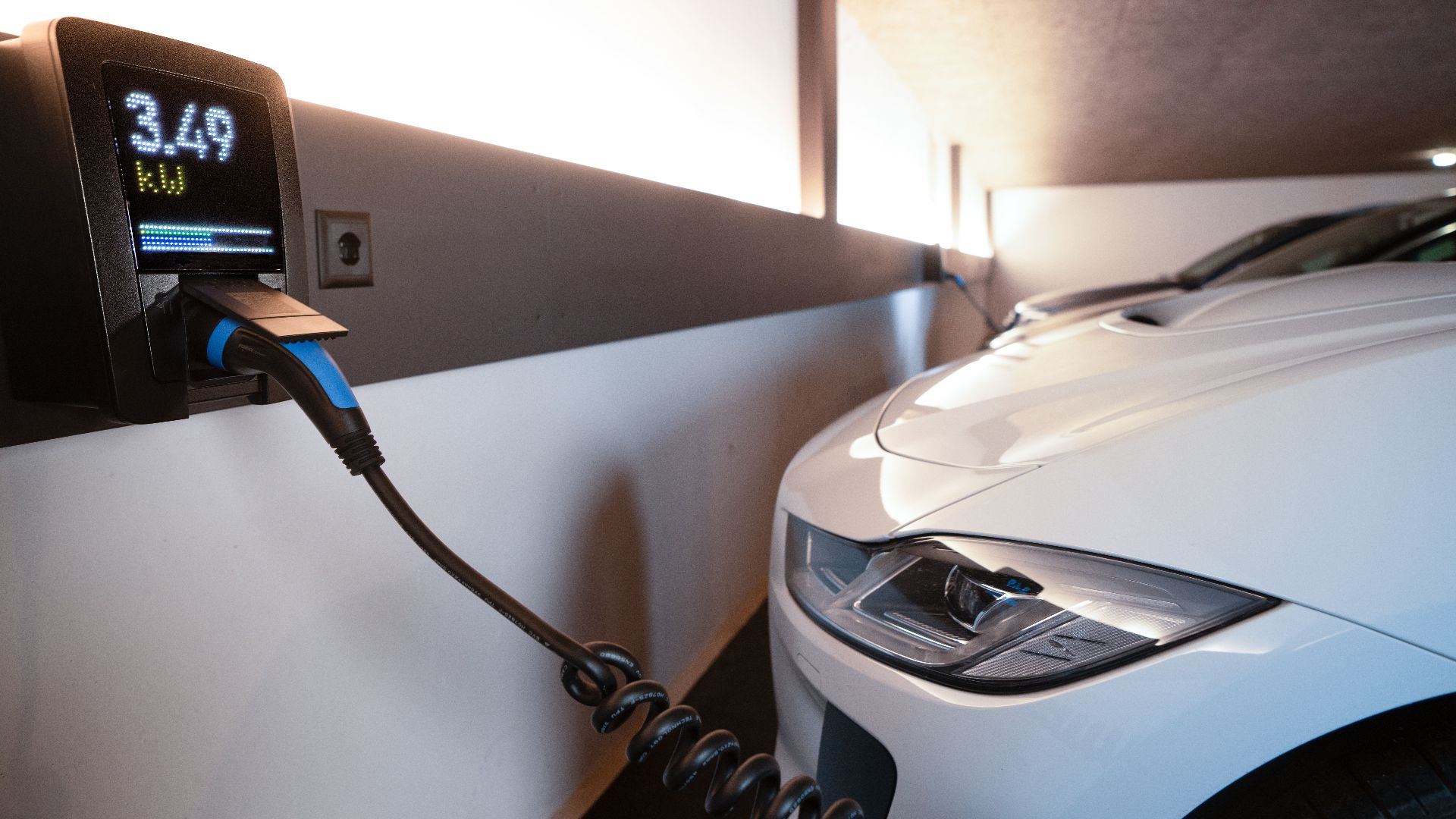
Keeping an EV plugged in lets the car manage battery temperature using power from the wall instead of draining the battery itself. That can reduce strain in very hot or very cold weather. It also helps with preconditioning and cabin comfort before you leave.
Batteries Age Even When You Are Not Driving
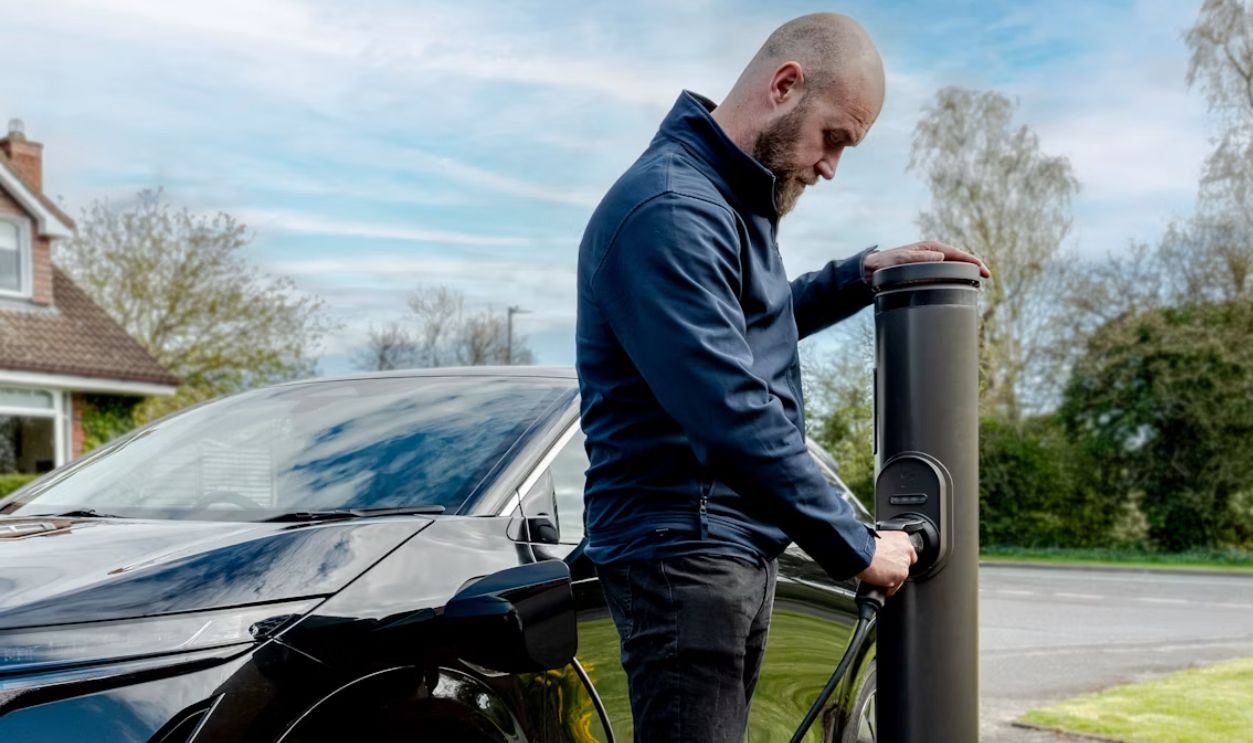
One of the least obvious facts about batteries is that they keep aging even when the car is parked. Researchers call this calendar aging, and it depends a lot on storage temperature and state of charge. So an EV that sits at 100% during a hot summer can age less gracefully than one that is driven often, charged sensibly, and kept cooler.
What Real World Data Shows
Real world EV battery data has generally been reassuring. Industry tracking from companies like Geotab has shown that average battery degradation is usually modest from year to year, though it varies by vehicle, climate, and use. That does not mean every charging habit is equal, but it does weaken the claim that nightly charging is a battery killer.

The 100% Rule Needs Some Context
Some drivers hear “avoid 100%” and take that to mean they should almost never fully charge the battery. That goes too far. GM says charging to 100% can make sense for long trips, and many automakers allow or recommend a full charge before departure when you need the extra range, as long as the car does not sit full for too long.

Different Batteries Get Different Advice
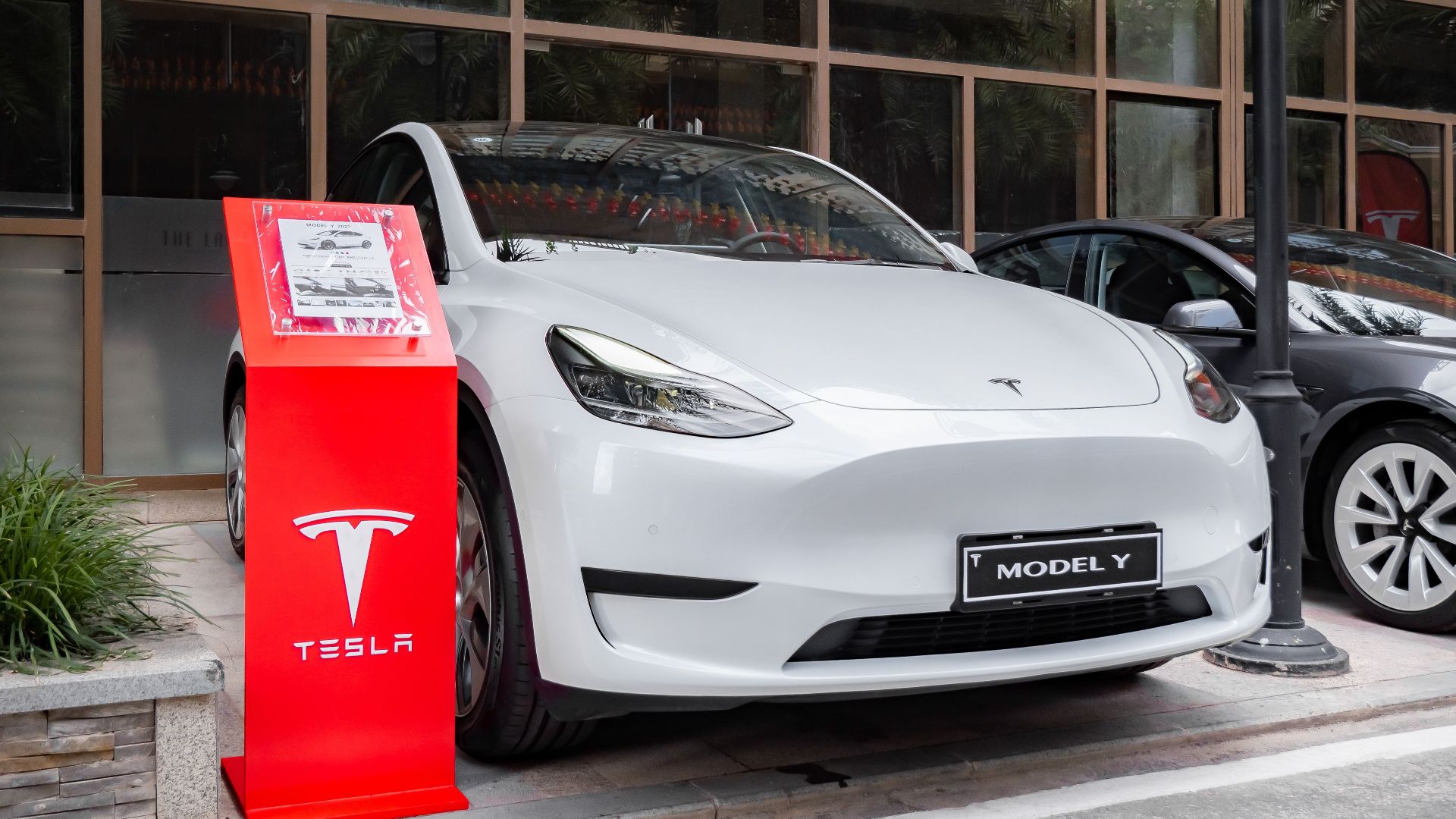
Not every EV battery behaves the same way. Tesla says some vehicles with lithium iron phosphate batteries should be charged to 100% at least once a week, which is different from the guidance for many nickel based battery packs. It is a good reminder that the owner’s manual matters more than blanket internet advice.
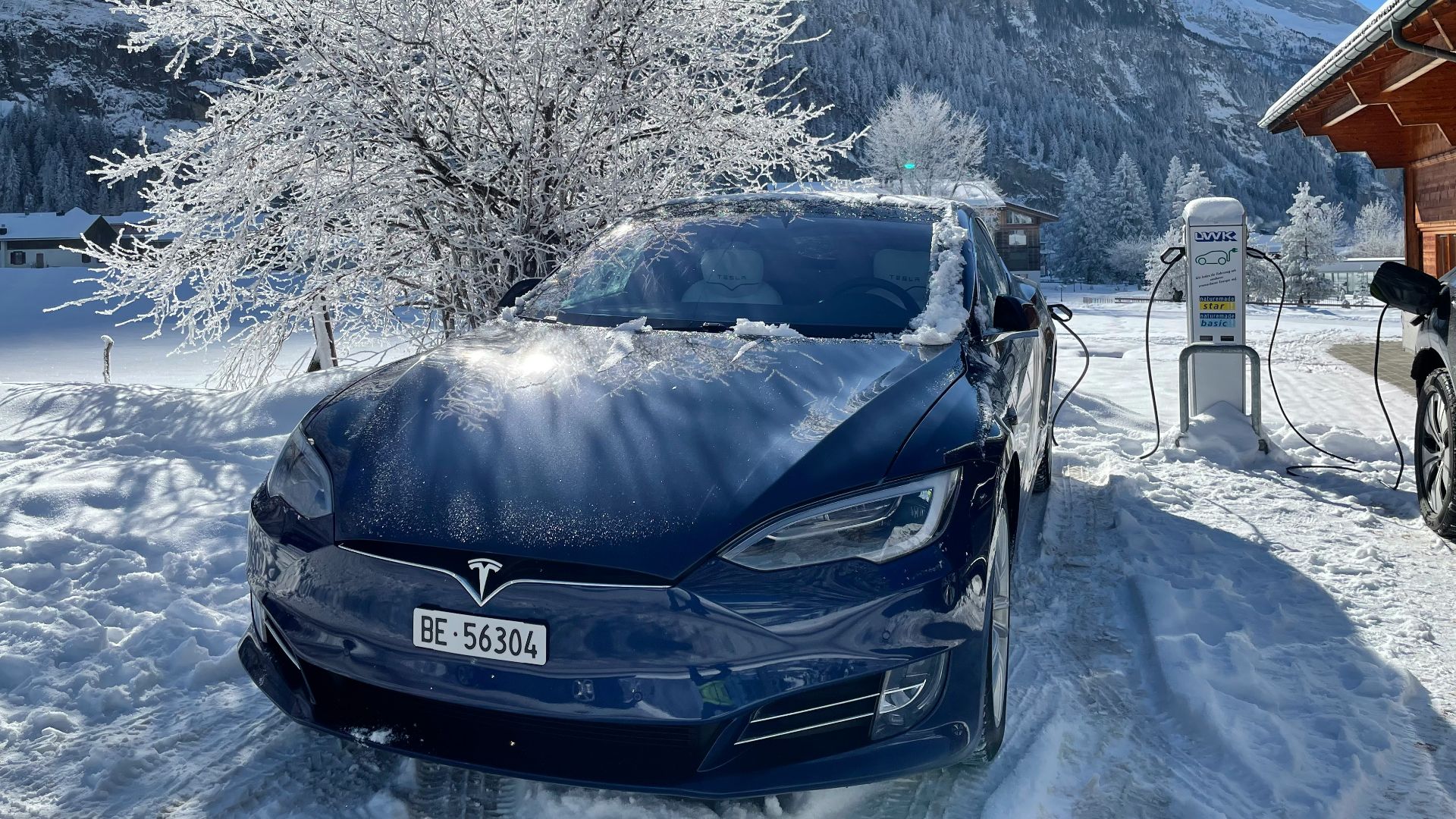
Cold Weather Changes Things Too
Winter can make charging look odd, but that does not mean anything is wrong. In low temperatures, EVs may limit charging speed or use energy to warm the battery before charging harder. Plugging in every night during cold weather can actually be useful because it helps keep the battery ready for the next day.
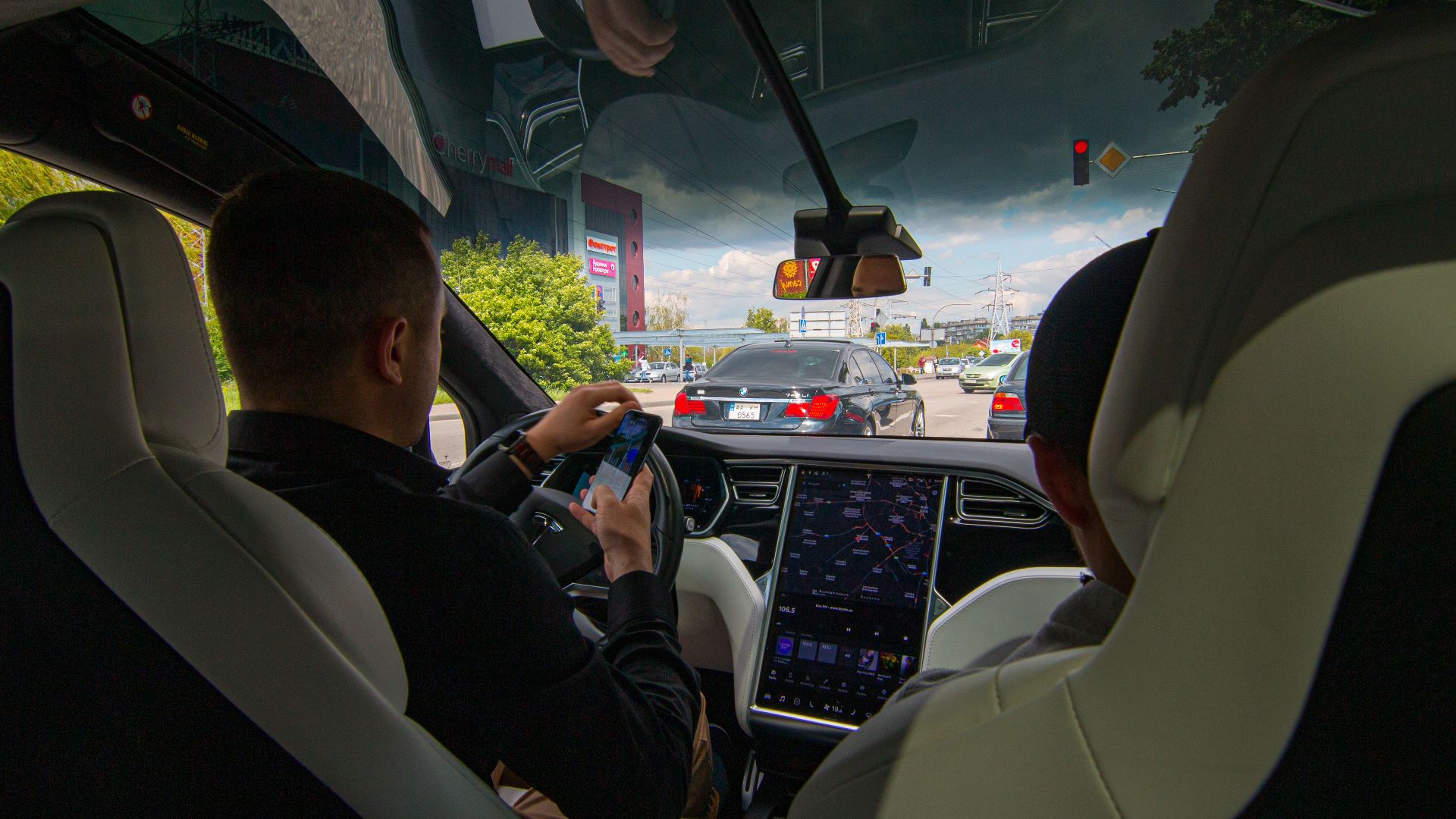
How This Charging Advice Took Shape
The modern charging playbook came from a mix of lab research, field data, and automaker experience over the past two decades. Researchers showed how lithium ion batteries age under different temperatures and voltages. Automakers then turned that into practical advice such as setting a daily charge limit and charging regularly at home.

The Best Routine for Most Drivers Is Pretty Simple
For most owners, the battery friendly routine is straightforward. Charge at home as needed, use the daily charge limit your automaker recommends, and save 100% charges for when you actually need the extra range. It is not flashy, but it is much more useful than battery folklore.

If You Drive Very Little, You Have Flexibility
If your commute uses only a small part of the battery, you do not need to top off every single night. Charging every few days to a moderate limit can make just as much sense. The point is not to follow some ritual. It is to use the battery in a sensible way.
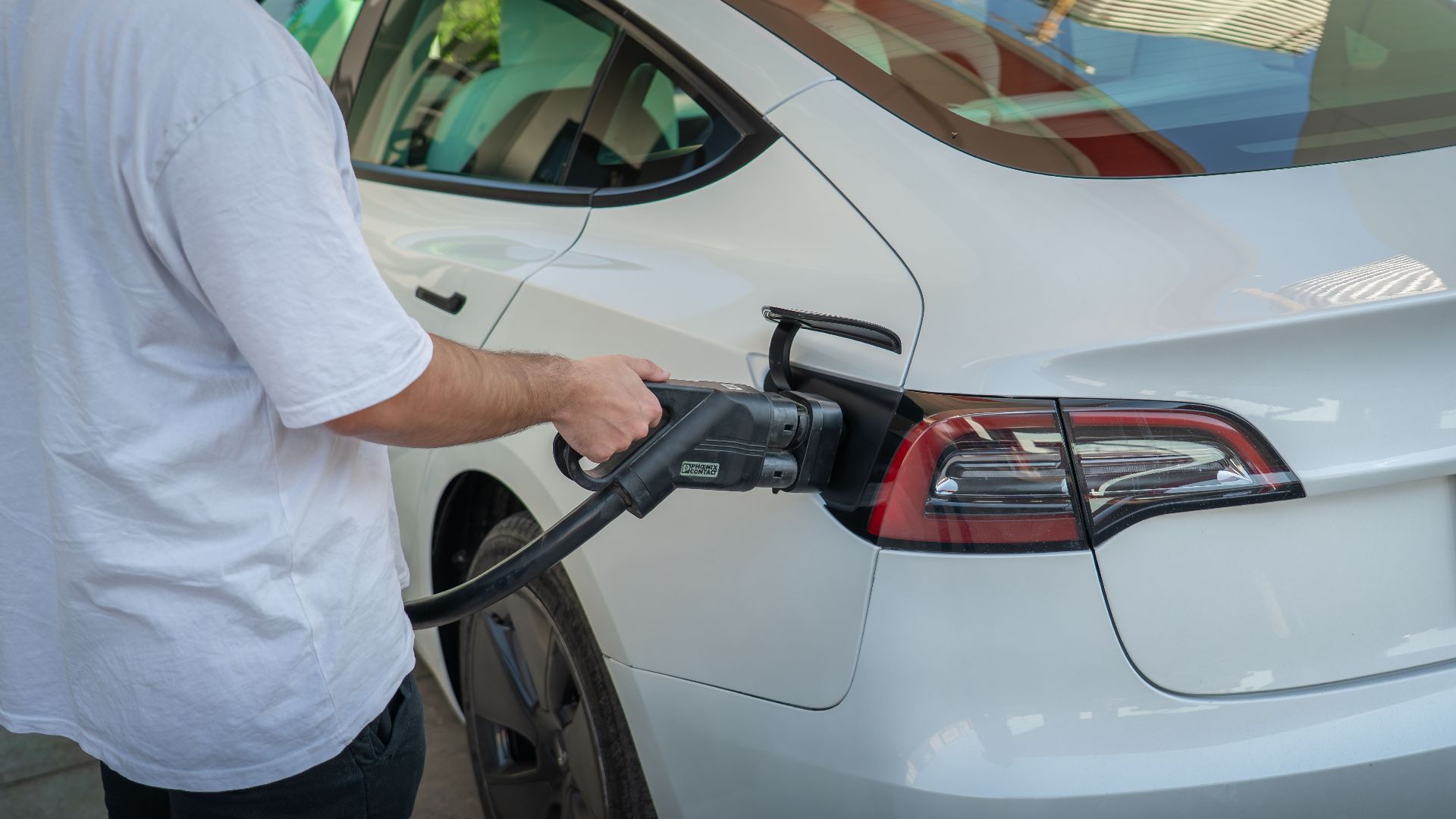
If You Drive a Lot, Nightly Charging Makes Sense
Drivers with longer daily commutes may find that plugging in every evening is the easiest and most practical routine. It helps avoid range anxiety and usually keeps the battery in a healthy operating window. In many cases, the charging habit that makes life easiest is also the one the car was built around.
What to Avoid If You Want the Battery to Last
Avoid leaving the battery at a very high charge for long periods, especially in hot weather. Avoid depending on DC fast charging as your only charging method if slower home charging is available. And avoid ignoring the charge settings and scheduling tools built into the car, because they are there for a reason.
What to Do Before a Long Trip
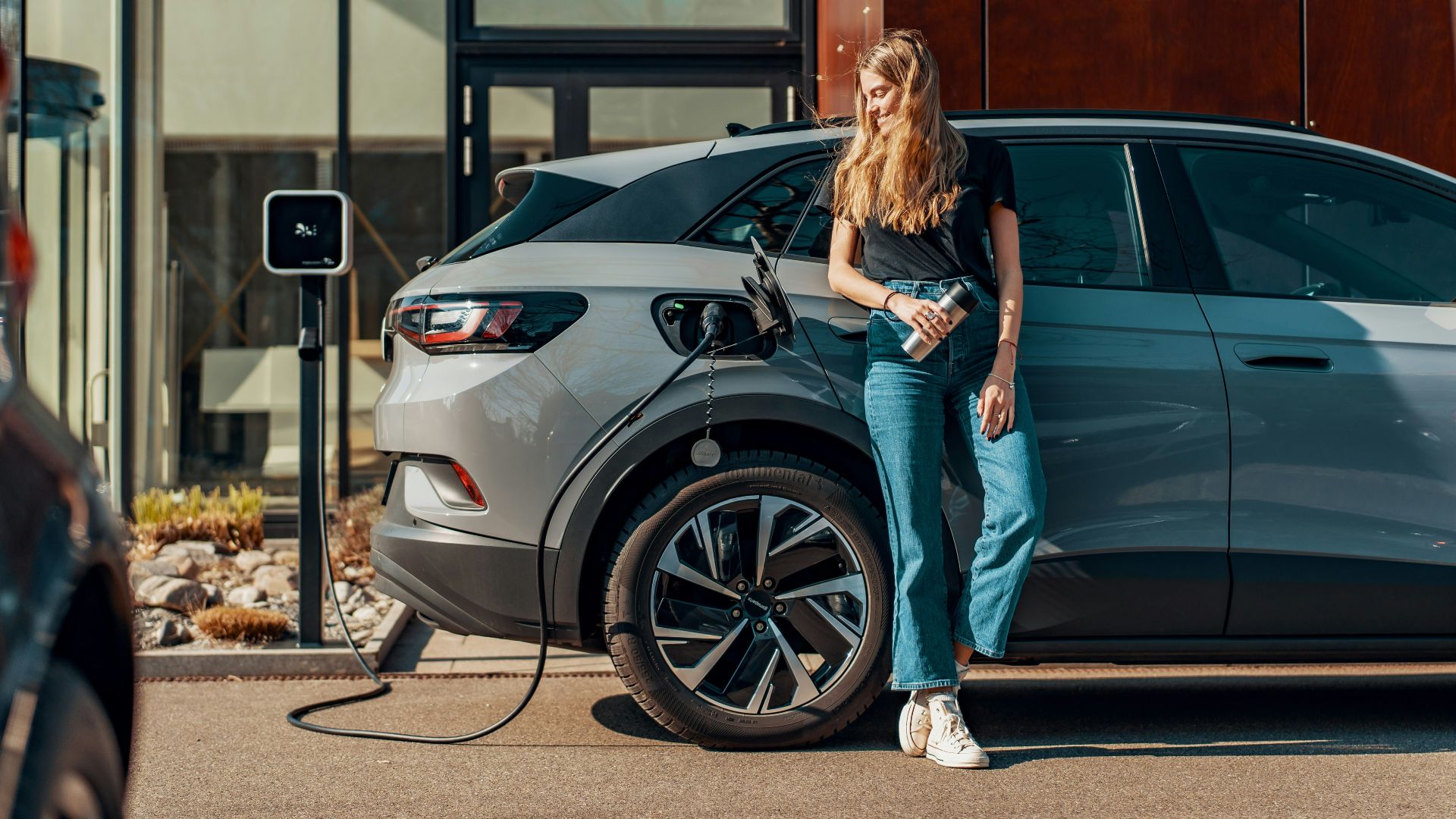
If you need maximum range, schedule charging so the car reaches a high charge shortly before you leave. That cuts down on the time the battery spends sitting completely full. Many EVs make this easy with charging timers and departure scheduling.

The Owner’s Manual Still Matters Most
This may not be the most thrilling answer, but it is the right one. Battery chemistry, software, and thermal systems vary by model and by year. The best charging advice for your specific EV comes from the manufacturer, not from a one size fits all myth.

So Is Daily Charging Actually Bad
No, not by itself. Daily charging is usually normal and often recommended, especially with Level 1 or Level 2 home charging and a sensible charge limit. What really matters is how high you charge, how long the battery stays there, how hot it gets, and whether you are following the guidance for your particular EV.
The Bottom Line for Real World Owners
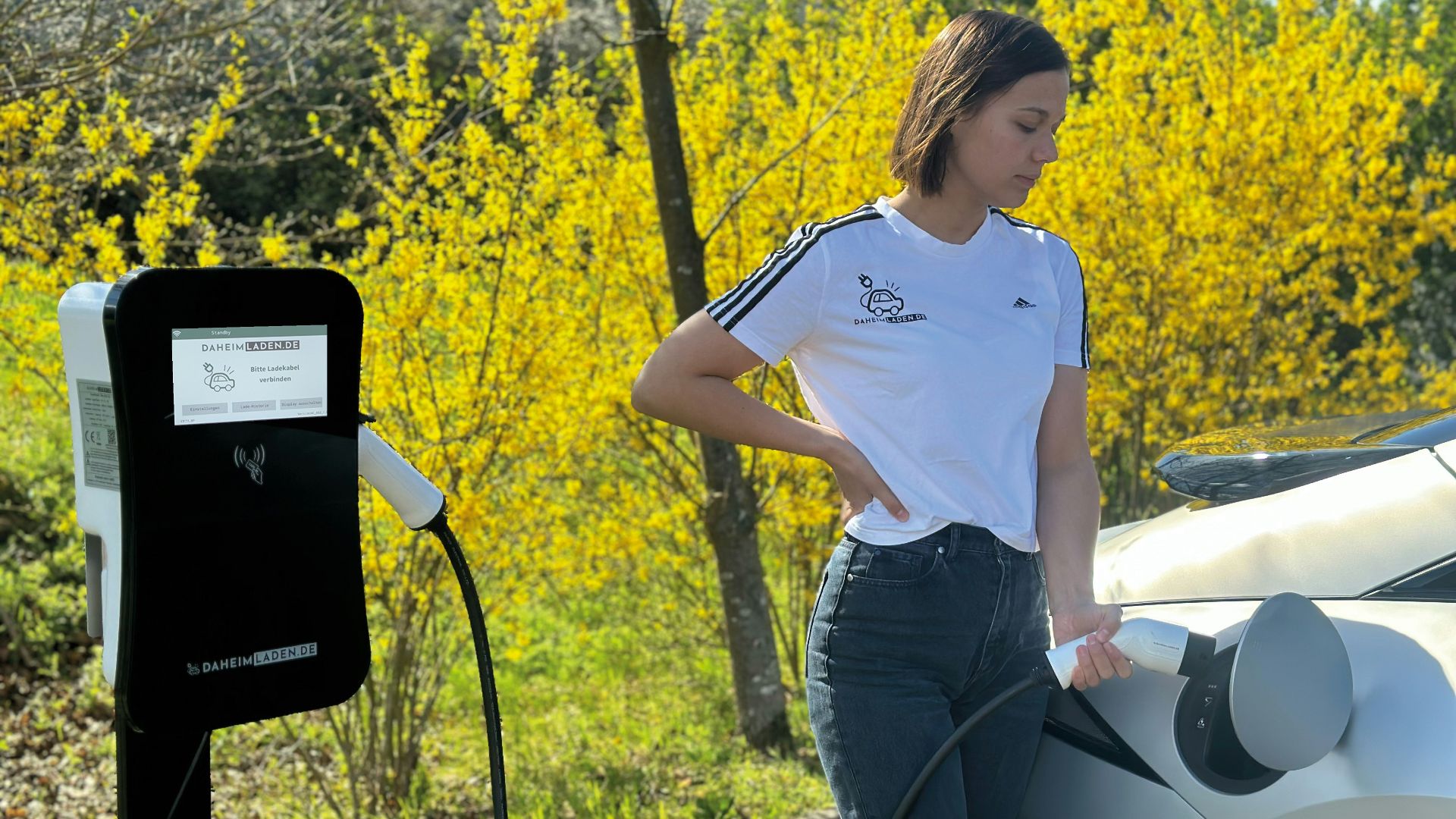
If plugging in every night fits your routine, you are probably not harming your EV battery by doing it. Set the charge limit your automaker recommends for everyday use, charge to 100% only when needed unless your battery chemistry calls for something else, and let the car manage itself. Based on current evidence and automaker guidance, that is usually the smart move.