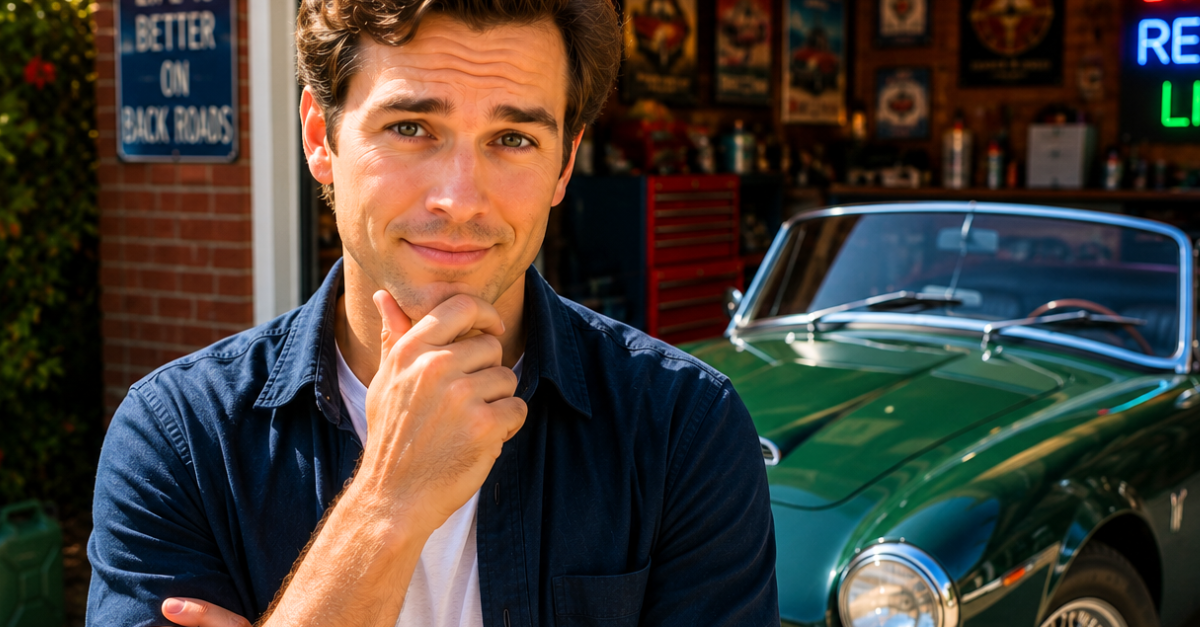
The Joke Contains A Little Truth
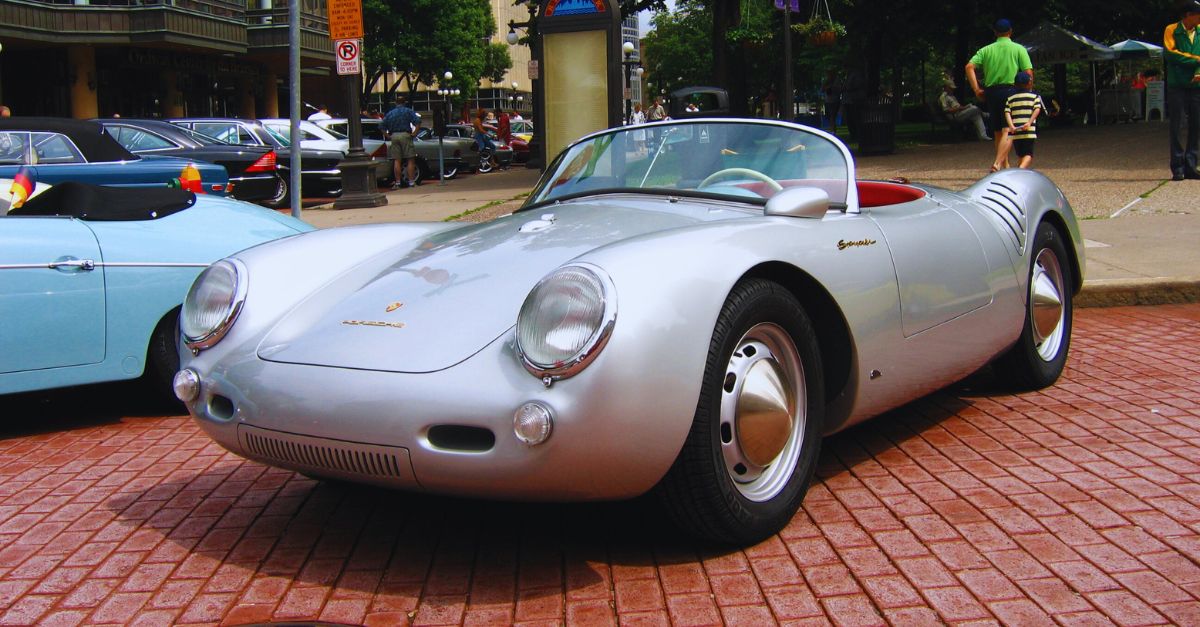
Calling an old sports car “therapy” is enthusiast shorthand for the pleasure of escaping routine and doing something personally meaningful. Research has linked enjoyable leisure activities with positive mood and broader well-being, although that does not turn a hobby into clinical treatment. Your friend is exaggerating, but he may be describing a real emotional benefit.
A Car Cannot Replace A Therapist
Psychotherapy is a structured treatment intended to help people identify and change troubling thoughts, emotions, and behaviors. It is typically delivered by a licensed mental-health professional and supported by a substantial body of evidence. A sports car may brighten an afternoon, but it cannot perform the same clinical role.

Hobbies Still Matter
The National Institute of Mental Health describes self-care as activities that can help people manage stress, support treatment, and improve physical and mental well-being. A recent review of hobby research found recurring themes involving stress, quality of life, social connection, and emotional health. That gives the old-car argument a reasonable foundation, provided nobody mistakes recreation for medical care.
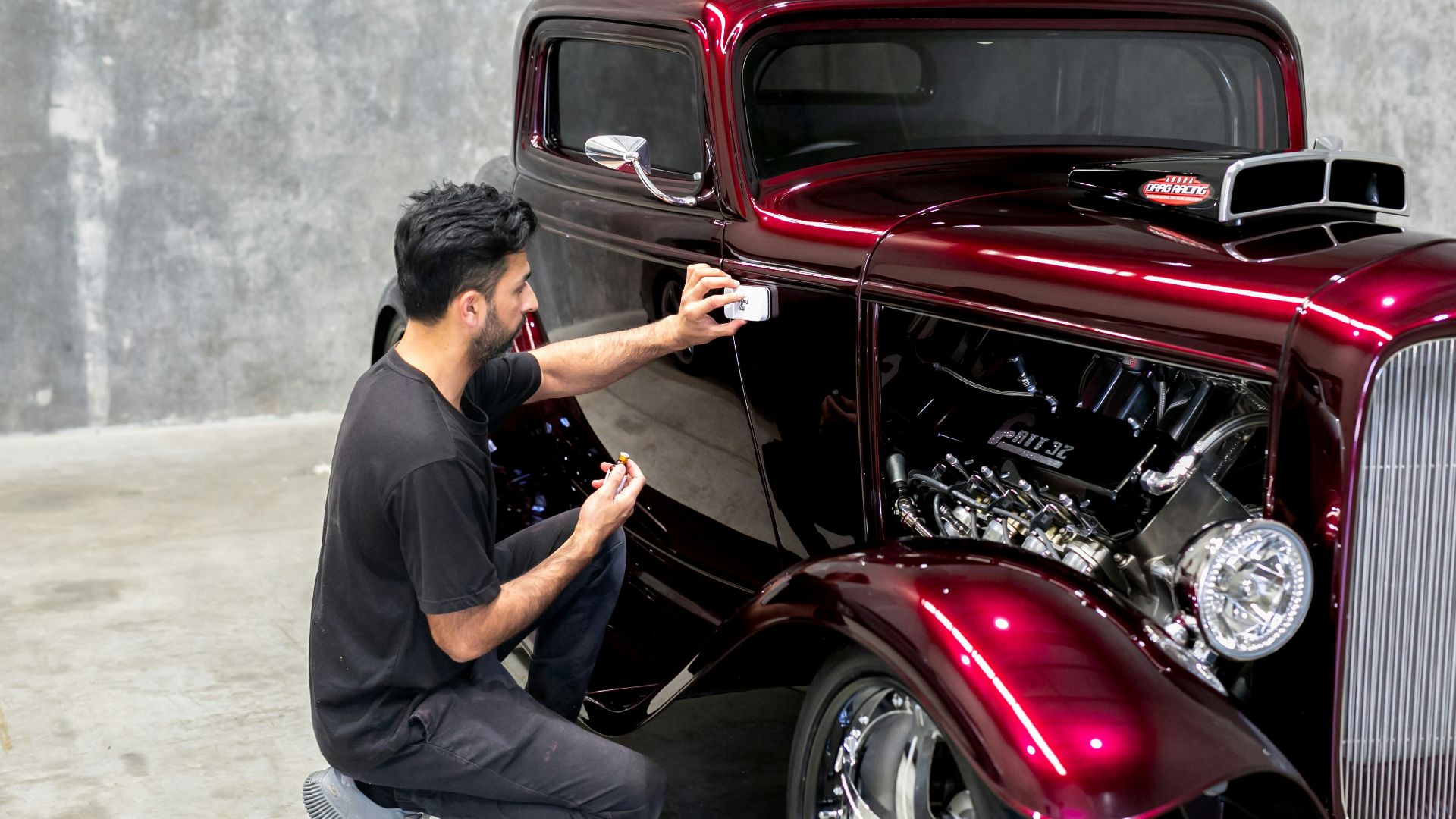 Fine Automotive Detailing, Unsplash
Enjoyment Is Not A Trivial Benefit
Adults often treat enjoyable activities as optional luxuries that should come after every chore is finished. Research suggests that participation in enjoyable activities can produce immediate increases in positive affect. A sunny drive in a responsive little roadster may therefore have genuine value even when it accomplishes nothing practical.

Driving Can Demand Full Attention
An engaging sports car requires the driver to watch the road, judge speed, choose gears, and respond to the machine. That concentration can temporarily push work emails and household worries into the background. Researchers studying flow describe the state as involving clear goals, immediate feedback, and a balance between skill and challenge.
The Machine Gives Immediate Feedback
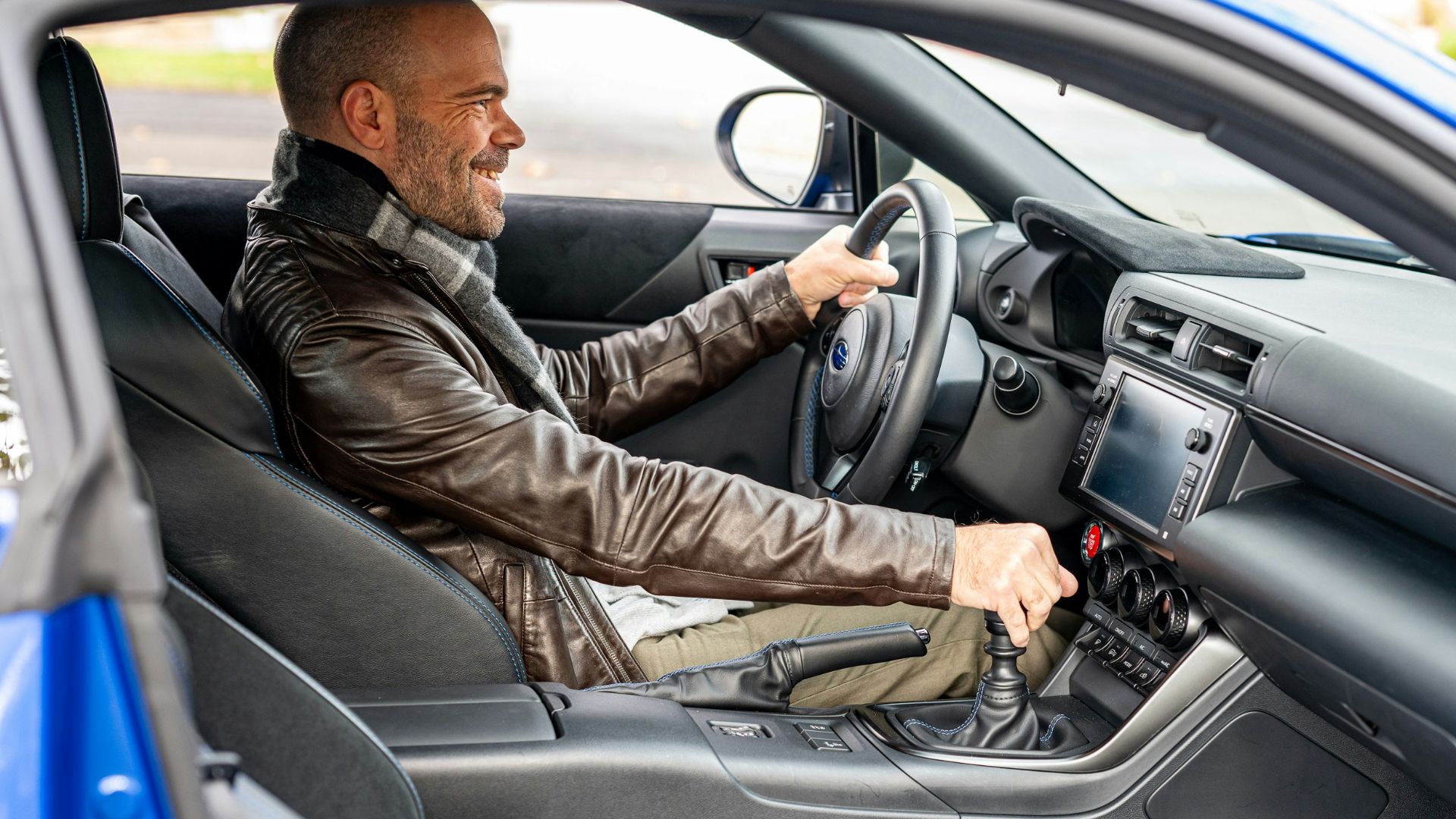
A mechanical sports car responds directly to steering, throttle, braking, and gear changes. The driver can feel whether an input was smooth, rushed, or poorly timed without waiting for a performance review. That immediate feedback is one reason a focused drive can feel absorbing and satisfying.
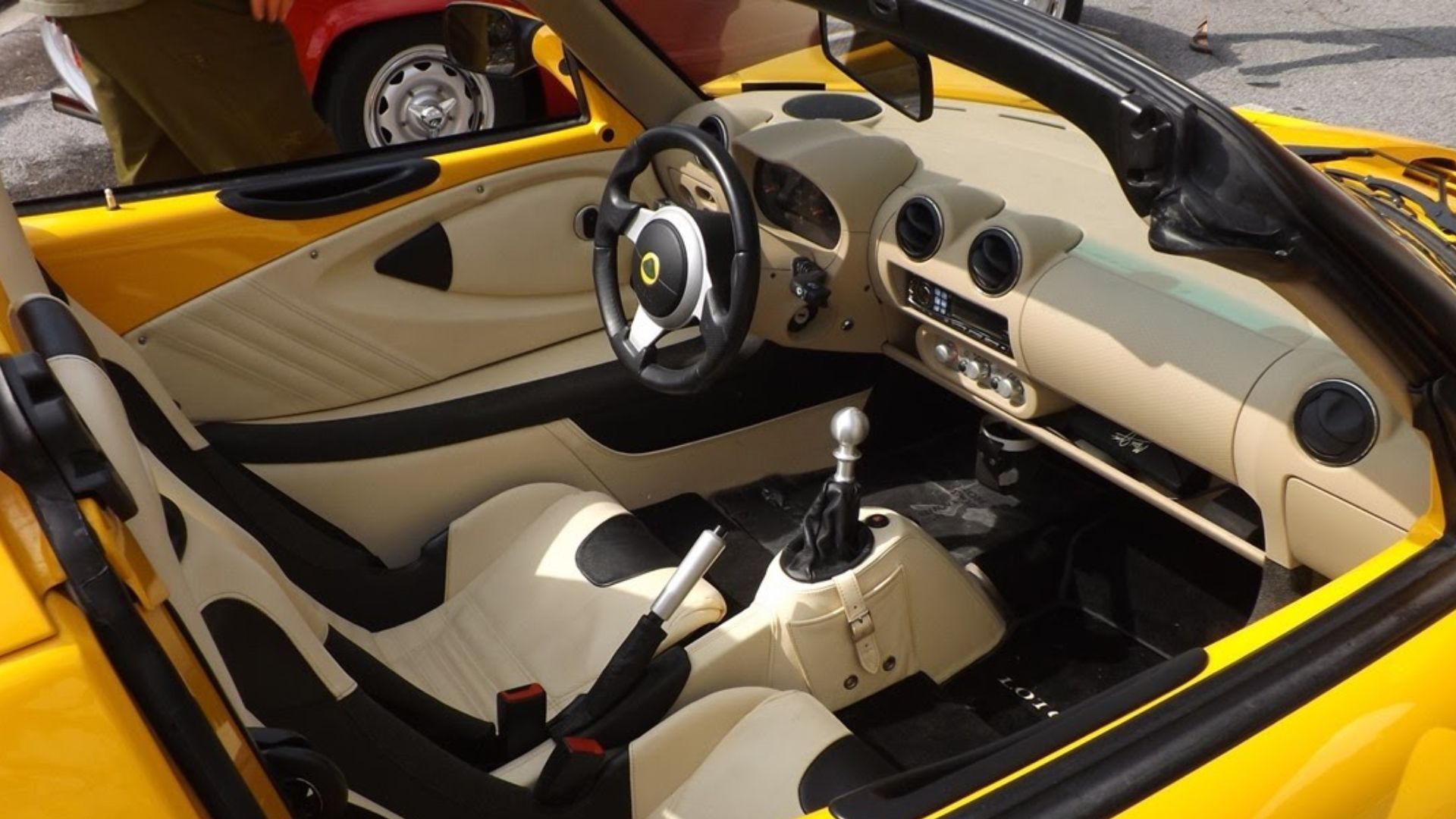
Wrenching Can Be Part Of The Appeal
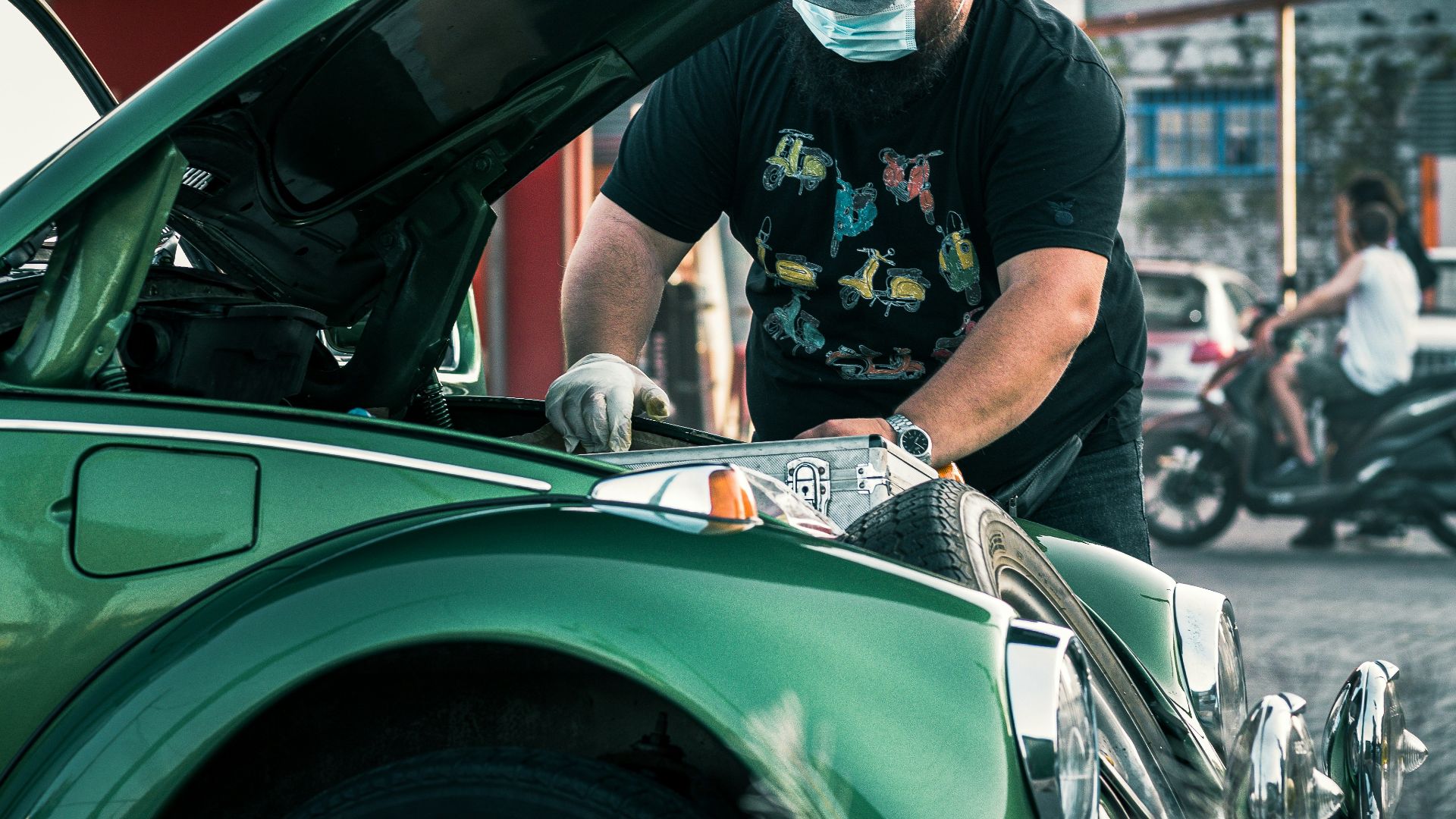
For many owners, the emotional reward begins before the car leaves the garage. Cleaning components, diagnosing a fault, or completing a tune-up provides a visible problem with a concrete solution. Classic-car maintenance also requires regular attention, which can create a recurring hands-on ritual rather than a one-time purchase.
Small Victories Feel Surprisingly Good
A successful repair produces an unmistakable result. The engine starts, the leak stops, or the shifter finally moves as intended. Those victories can provide a sense of competence that is harder to find in jobs where progress is abstract or delayed.

The Garage Can Become A Quiet Refuge
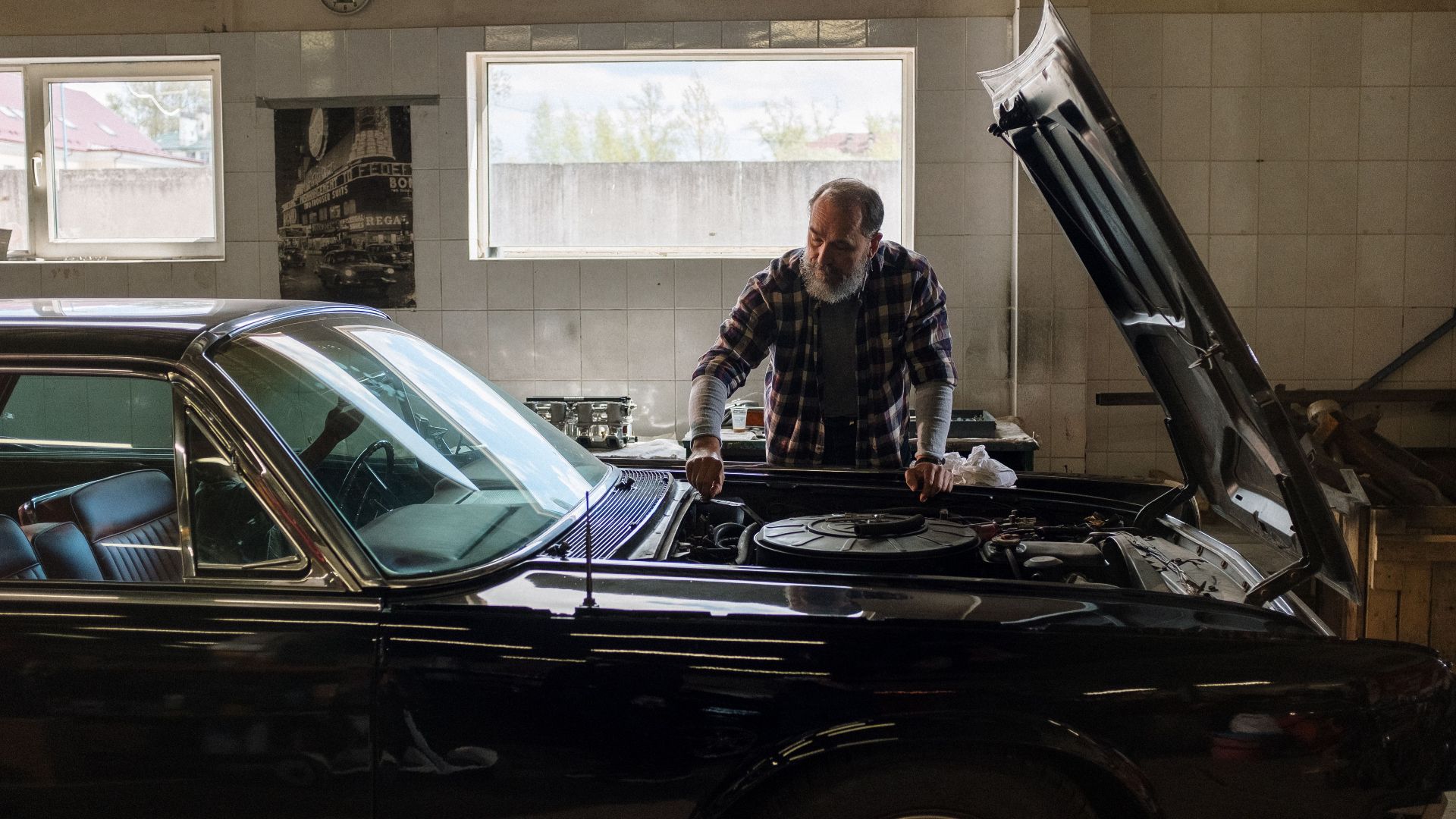
Working on a car offers time away from screens, meetings, and constant digital notifications. The activity has a defined physical setting and a limited set of problems to solve. That separation can make the garage feel restorative, although it becomes less peaceful when every project is urgent or beyond the owner’s abilities.
Old Cars Also Create Community
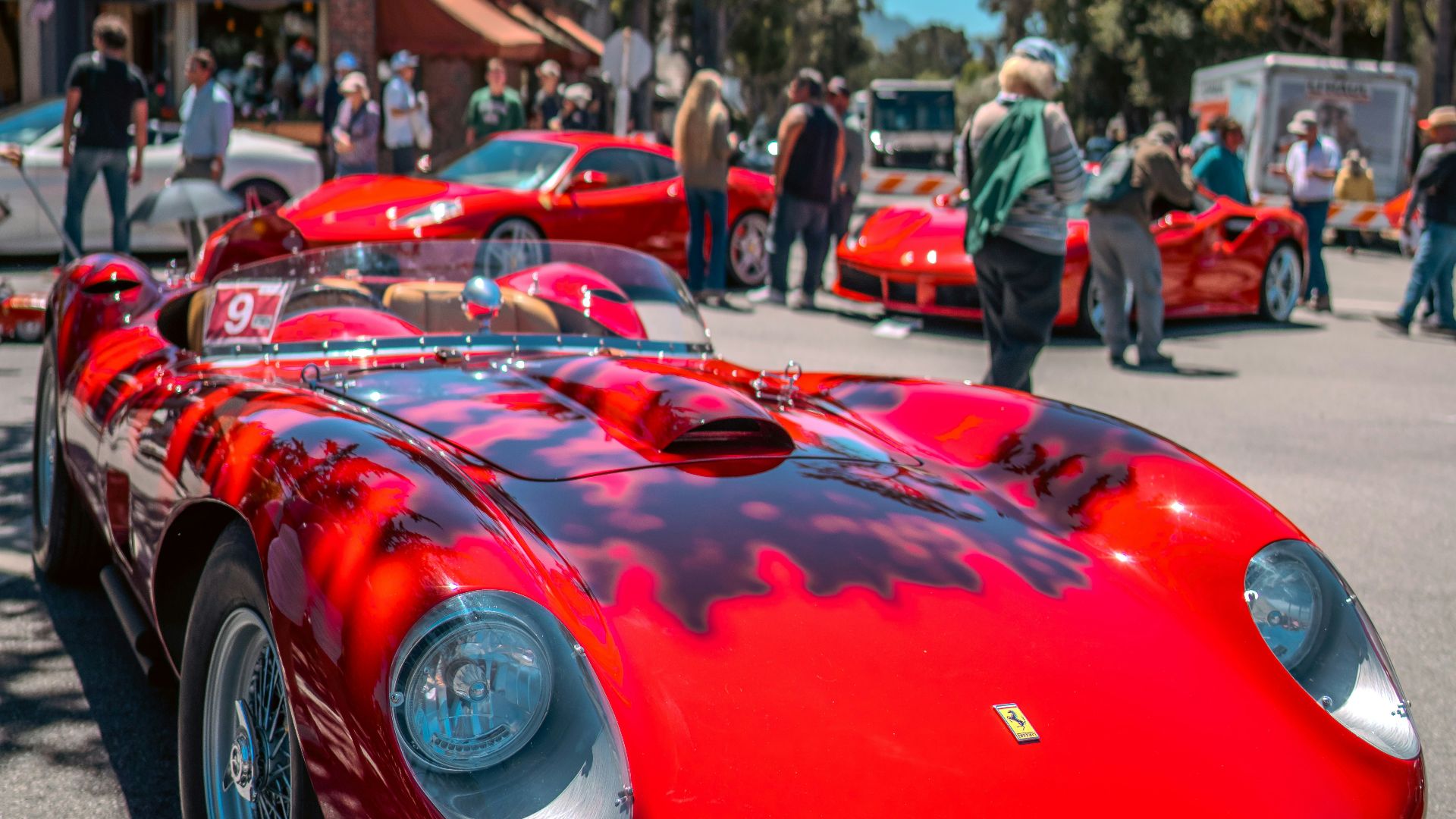
Ownership can lead to club meetings, repair sessions, tours, shows, and conversations with people who share the same interest. Psychological research consistently identifies social support as an important resource for handling stress. The car may be the introduction, but the friendships can become the more valuable part of the hobby.
The Sunday Drive Creates A Ritual
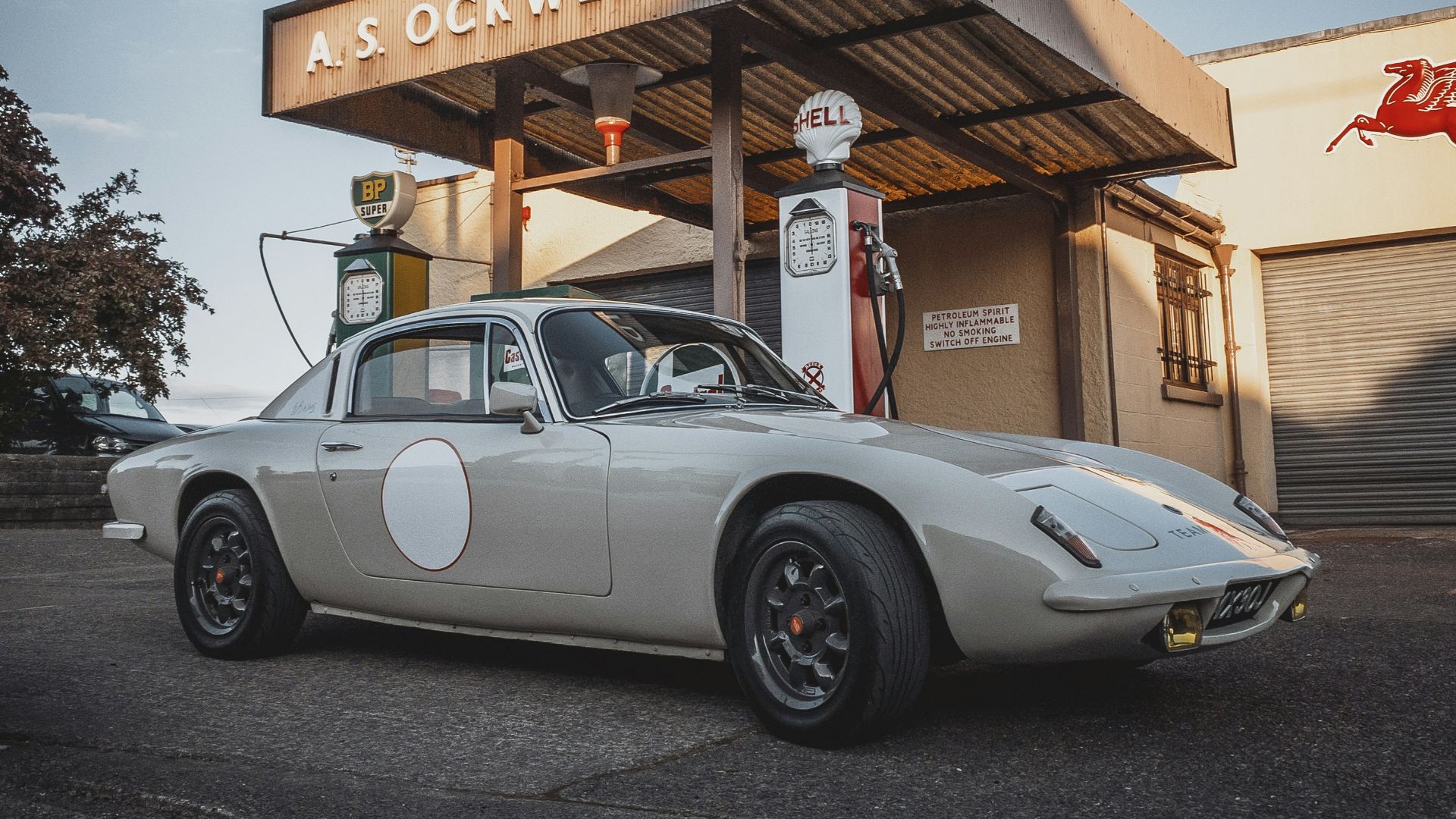
A short weekend drive can provide structure and anticipation during a demanding week. The route, fuel stop, breakfast destination, and familiar roads may become a personal routine. Pleasant activities do not need to be grand adventures to create meaningful emotional breaks.
Nostalgia Adds Another Layer
An older sports car may remind its owner of childhood, a parent, an admired movie, or a period when driving seemed exciting and unrestricted. That emotional connection can make the car feel more personal than an ordinary consumer purchase. However, nostalgia can also make buyers ignore corrosion, poor repairs, and unrealistic asking prices.
Simplicity Can Feel Refreshing
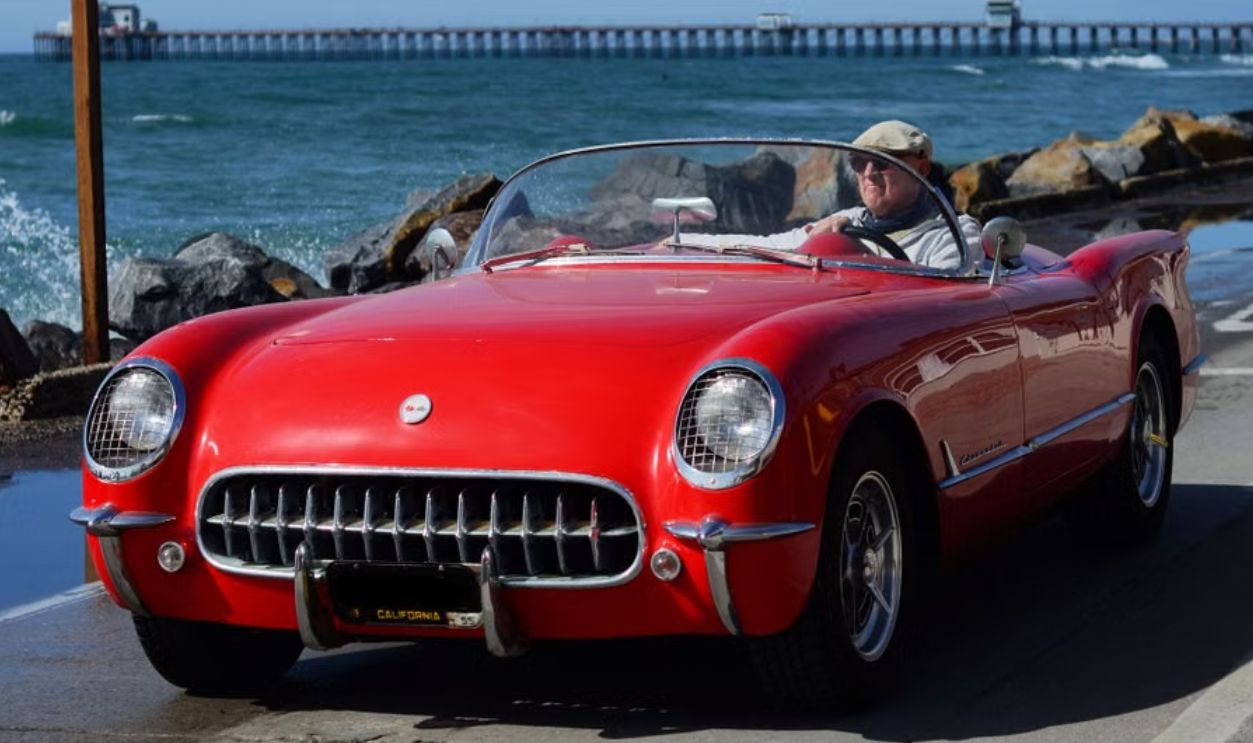
Many older sports cars lack touchscreens, configurable drive modes, driver-monitoring cameras, and layers of electronic menus. Their controls may feel direct because the vehicle asks the driver to operate the machine rather than manage an interface. That simplicity can be enjoyable, but it may also mean giving up modern convenience and safety systems.
The Sound And Motion Matter
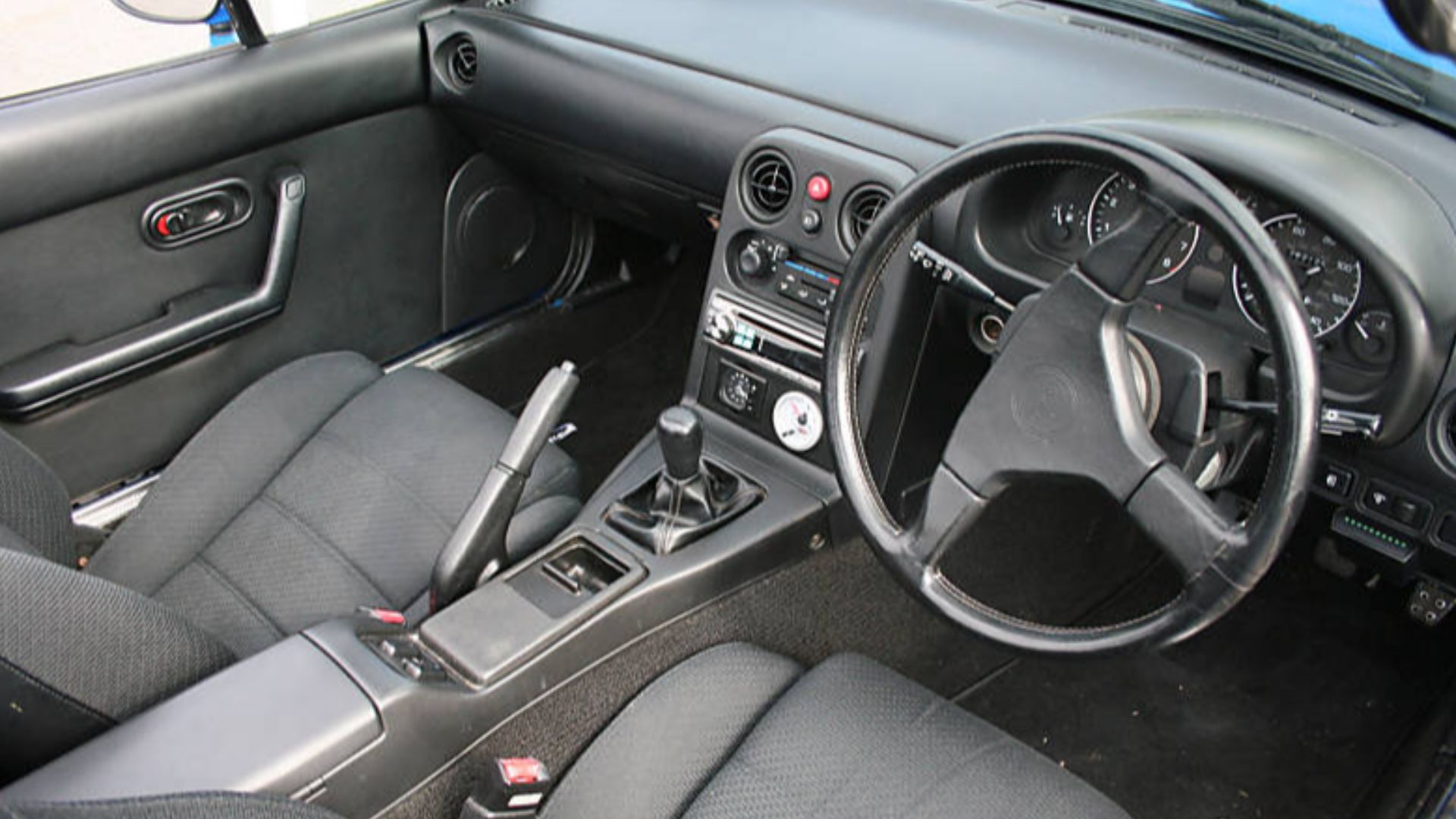
Engine noise, wind, steering effort, vibration, and the movement of a manual shifter create a highly sensory experience. Those sensations are often central to why enthusiasts prefer older cars despite their objective disadvantages. The same qualities can become tiring during traffic, extreme weather, or a long highway trip.

Therapy And Recreation Solve Different Problems
Therapy is designed to address emotional distress, behavior patterns, relationships, mental-health conditions, and other specific concerns. Driving and wrenching are forms of recreation and self-care that may improve mood or provide temporary relief. A person can benefit from both without pretending one replaces the other.

The Purchase Price Is Only Admission
An inexpensive old sports car can appear cheaper than years of professional services when the buyer looks only at the classified advertisement. Ownership also brings registration, insurance, storage, fuel, tires, maintenance, repairs, tools, and depreciation or restoration costs. AAA’s ownership-cost framework illustrates how many expenses exist beyond a vehicle’s purchase price, even though its figures are based on newer vehicles.

An Inspection Protects The Fantasy
The Federal Trade Commission recommends obtaining a vehicle-history report, checking for recalls, and arranging an independent inspection when buying a used car. Hagerty likewise recommends using a marque expert because old vehicles can hide body filler, previous damage, poor repairs, and mechanical problems. Spending money before the purchase can prevent a much larger emotional and financial headache afterward.
Rust Can Turn Joy Into Surgery
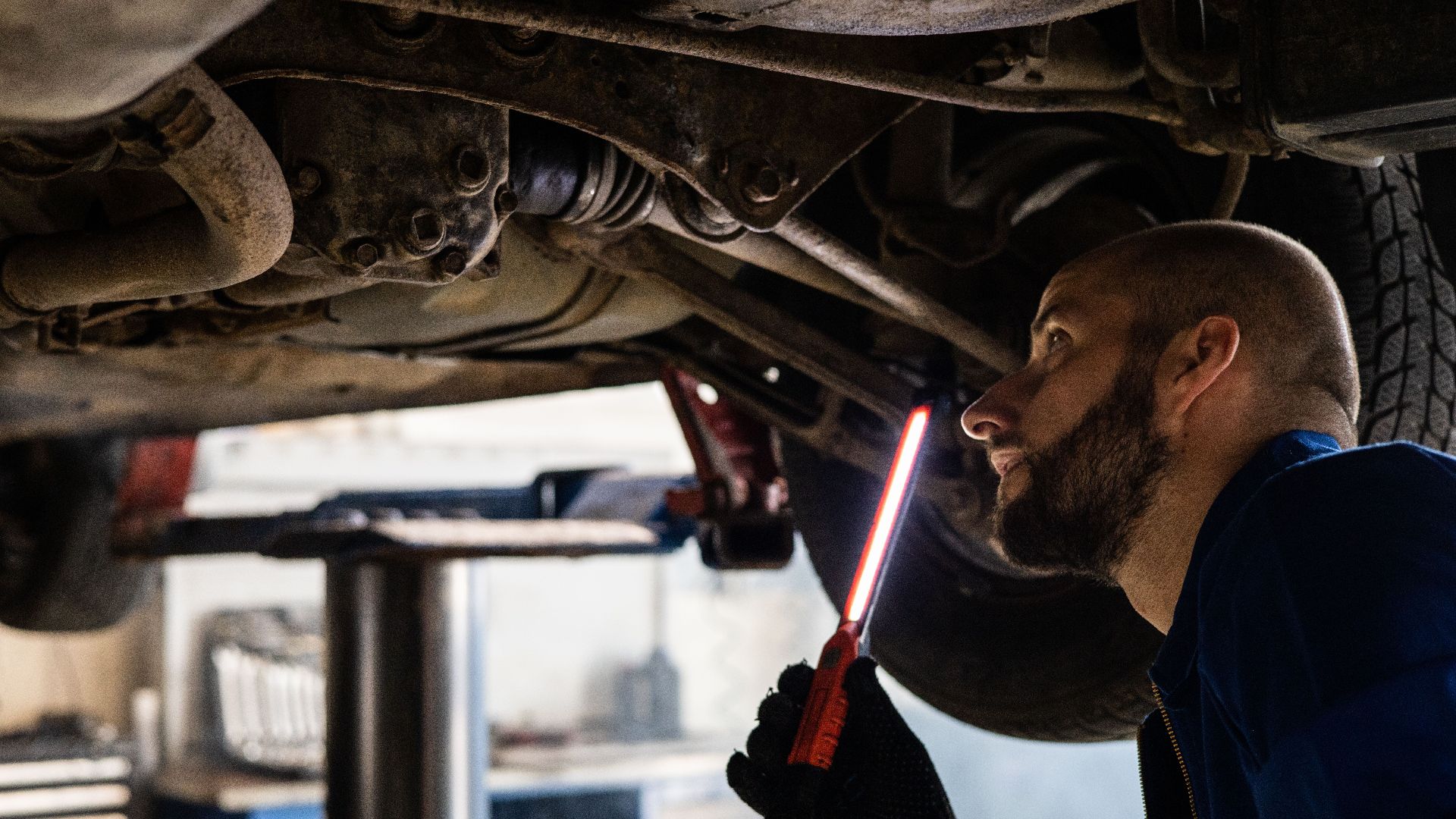
Surface rust may be manageable, but structural corrosion can require extensive cutting, fabrication, and welding. Road salt and moisture attack body panels, floors, suspension mounting areas, brake lines, and other vulnerable components. A shiny exterior is therefore not proof that an old sports car is sound underneath.
Deferred Maintenance Always Collects
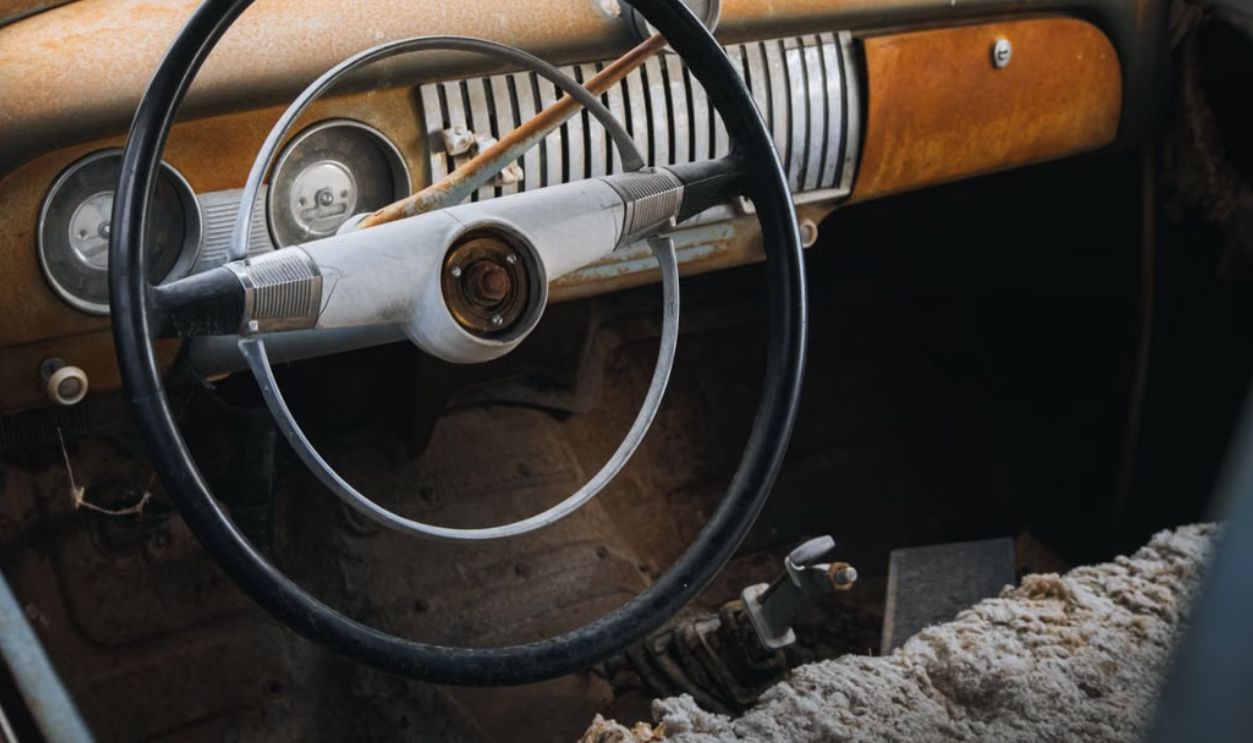
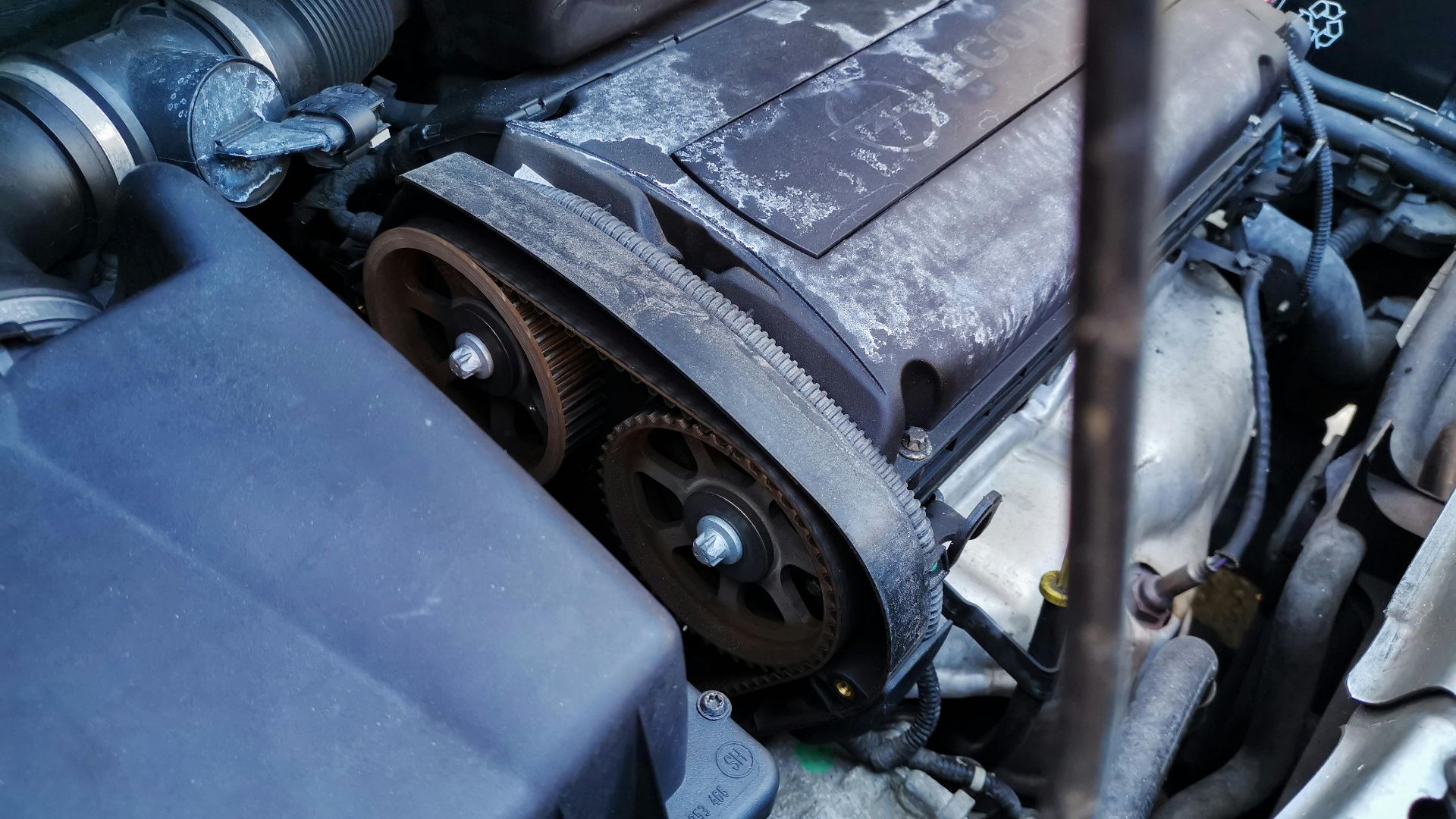
Older cars may need frequent attention to fluids, ignition components, filters, belts, hoses, brakes, cooling systems, and lubrication points. Hagerty notes that some older maintenance schedules called for tune-up work and oil changes far more frequently than modern drivers expect. A neglected bargain can quickly demand years of missed service all at once.
 Frederick Adegoke Snr., Pexels
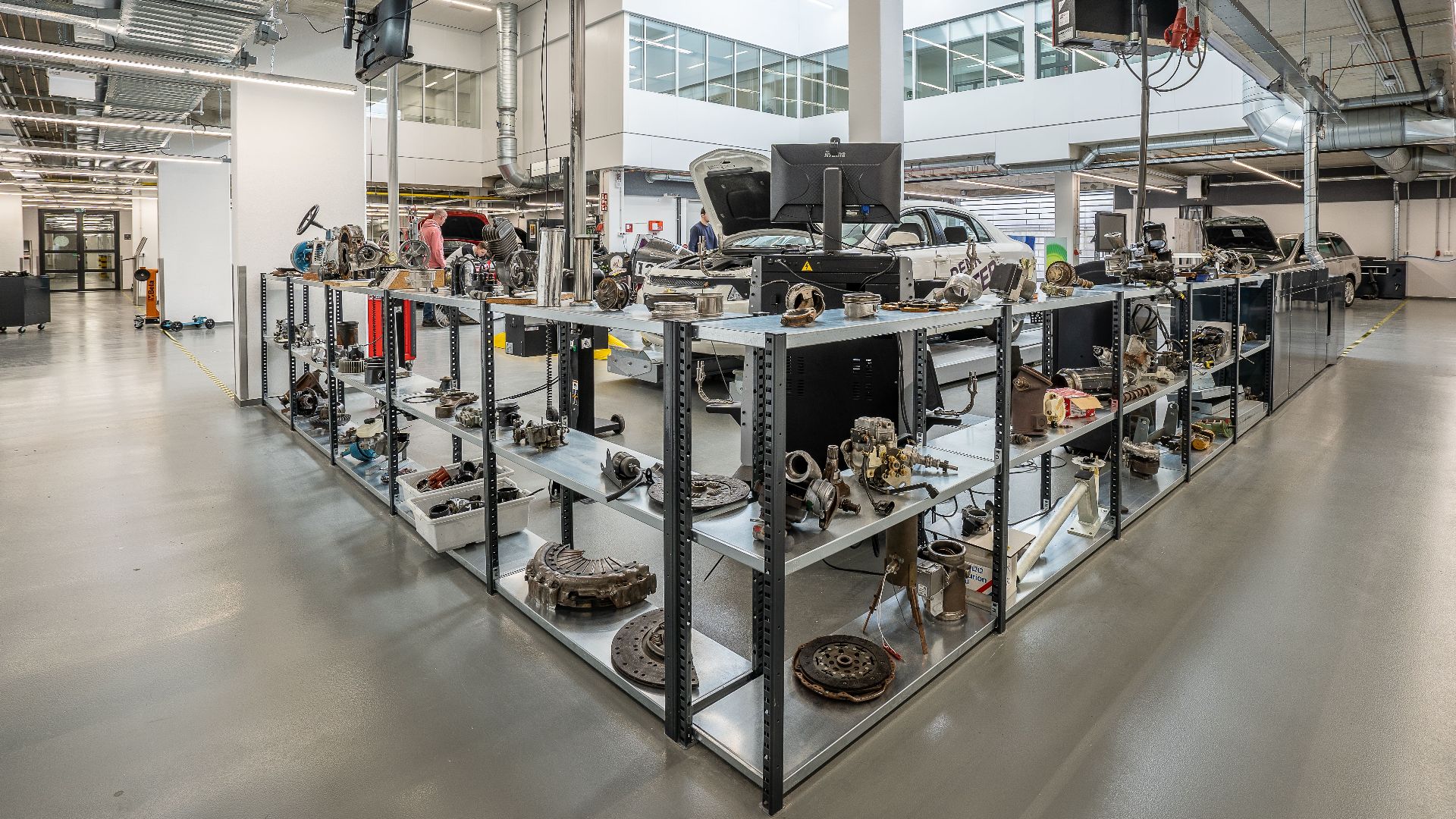
Parts Availability Changes Everything
A popular model with strong specialist support is generally easier to keep running than a rare car with little aftermarket backing. Hagerty has documented shortages and quality concerns involving replacement parts for some European classics. Before buying, owners should investigate whether essential mechanical, electrical, trim, and body components are actually obtainable.
 Mike van Schoonderwalt, Pexels
Do-It-Yourself Work Has Limits
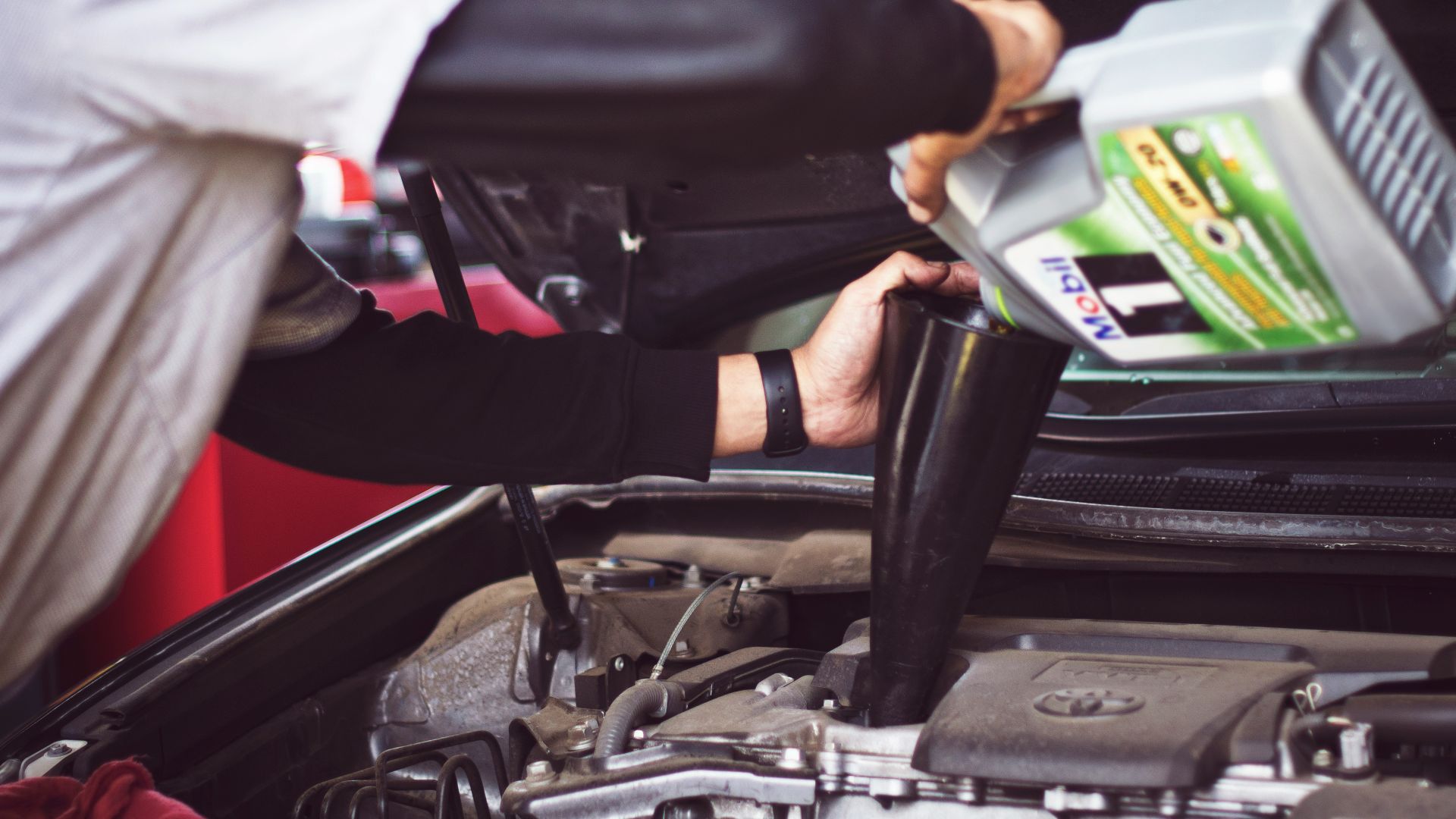
Changing oil, replacing simple ignition parts, or adjusting minor components can make ownership more affordable and rewarding. Brake, steering, structural, fuel-system, and electrical work can create serious hazards when performed incorrectly. A sensible owner knows when a project is educational and when it requires professional expertise.
Specialty Insurance Has Rules
Collector-car insurance can cost less than ordinary coverage in some circumstances because these vehicles are often driven less and stored carefully. Eligibility may require a separate daily-use vehicle, secure storage, a suitable driving record, and restrictions on how the classic is used. Owners must compare the actual policy terms rather than assuming every old sports car qualifies for a cheap premium.

Modern Cars Usually Protect You Better
An older sports car may lack side airbags, electronic stability control, advanced seat-belt technology, strong modern crash structures, and collision-avoidance systems. IIHS evaluates both crashworthiness and technology that can prevent or reduce a collision, and its research has noted that outdated vehicles often lack important protective features. The joy of vintage driving should be balanced against the safety compromises.
Breakdowns Can Reverse The Effect
A minor failure at home may create an enjoyable Saturday project. The same failure at night, in bad weather, or far from home can produce anxiety, towing costs, and missed obligations. The hobby works best when the owner accepts that inconvenience is part of the experience and has another dependable transportation option.
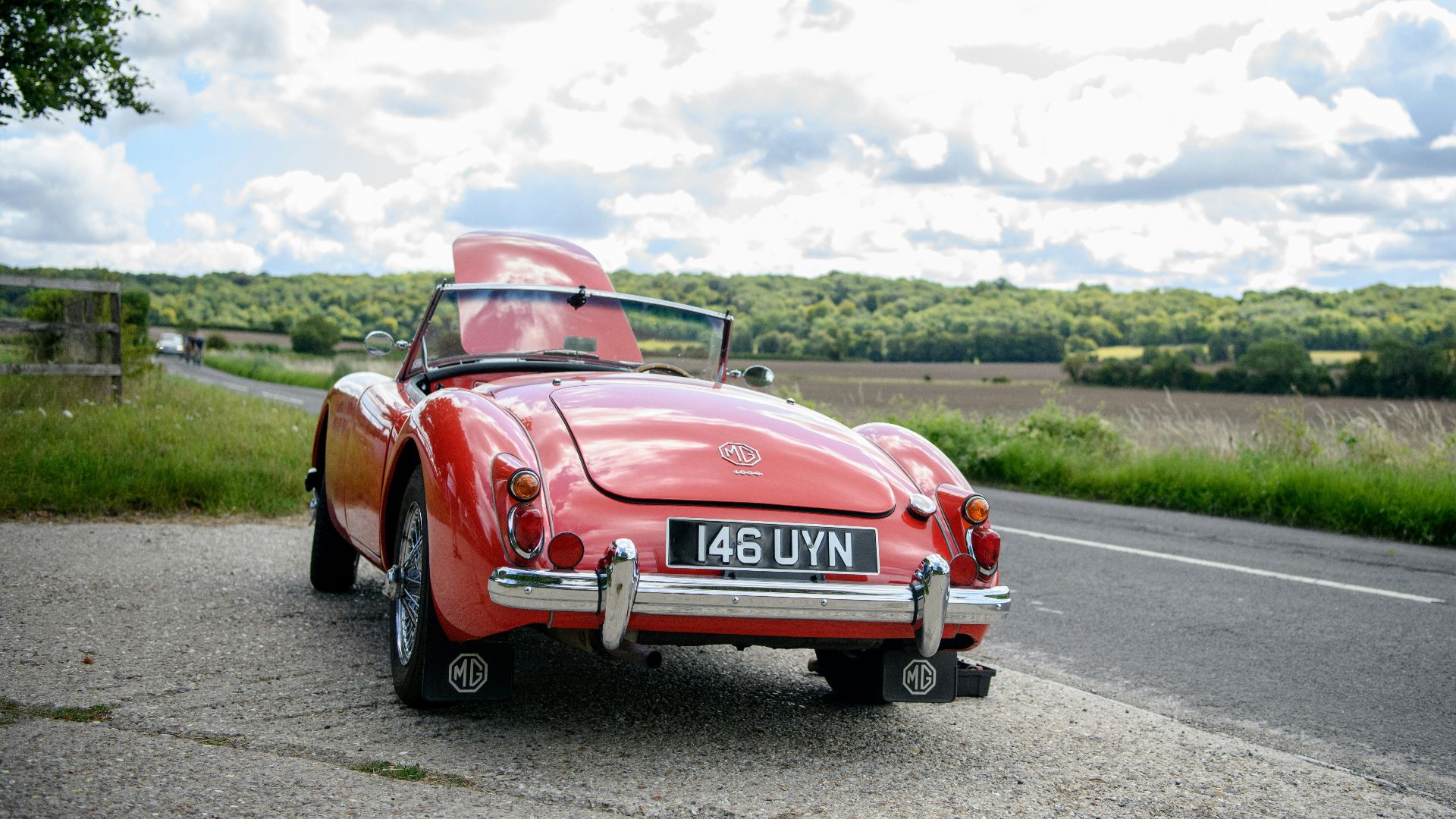
Financial Stress Ruins The Medicine
The emotional benefit disappears quickly when repair bills compete with rent, debt payments, emergency savings, or family needs. The Consumer Financial Protection Bureau defines financial well-being partly as being able to meet obligations, feel secure about the future, and make choices that allow enjoyment. A car that undermines those conditions is unlikely to remain therapeutic.

Buy The Car That Fits Your Reality
The best first old sports car is rarely the rarest, fastest, or most prestigious option. A common model with available parts, knowledgeable mechanics, active owner groups, and a reputation for understandable maintenance may provide more driving and less frustration. Condition should usually matter more than finding the lowest asking price.
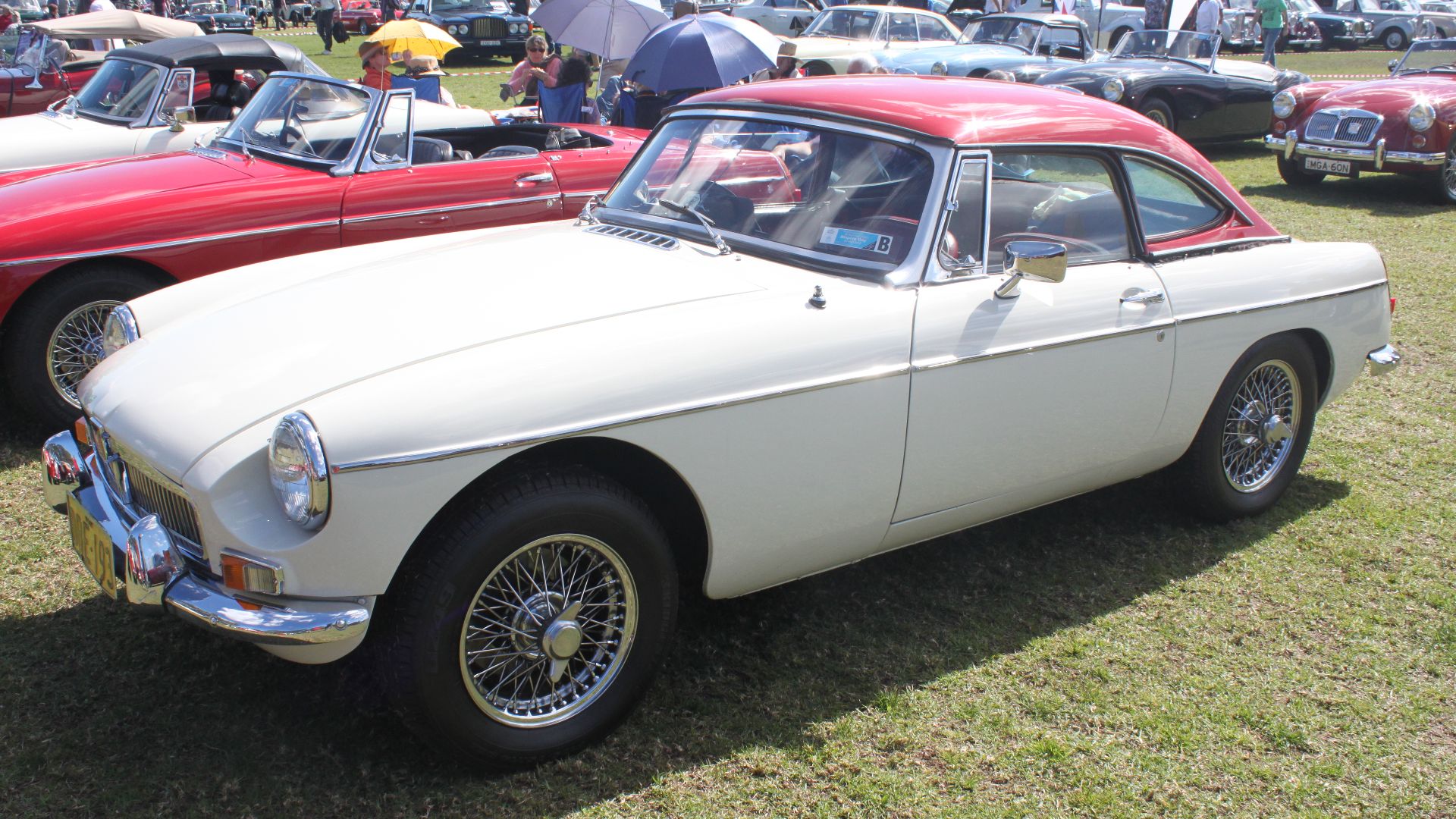 Jeremy from Sydney, Australia, Wikimedia Commons
He Is Joking, But Not Completely
An old sports car may provide focus, mastery, friendship, anticipation, and genuine pleasure. It is not therapy, and it stops feeling restorative when the purchase creates unsafe driving, constant breakdowns, or financial strain. The healthiest interpretation is that a well-chosen car can be an excellent hobby while professional care remains the right tool for problems that require professional care.

You May Also Like:
Accessible Classic Sports Cars For The Budget-Conscious Enthusiast Who Just Wants To Go Fast
Sports Cars That Were So Powerful It Was Almost A Problem
Sources: 1, 2, 3, 4, 5, 6, 7, 8, 9, 10, 11, 12, 13, 14, 15, 16, 17, 18, 19, 20, 21, 22, 23