Cheap Thrills Guaranteed
Classic sports cars don't have to cost a fortune. Seriously. The market's packed with affordable legends that deliver genuine thrills without requiring trust fund money. Think Japanese roadsters, American V8 muscle, and even budget Porsches.
Mazda MX-5 Miata (NA/NB)
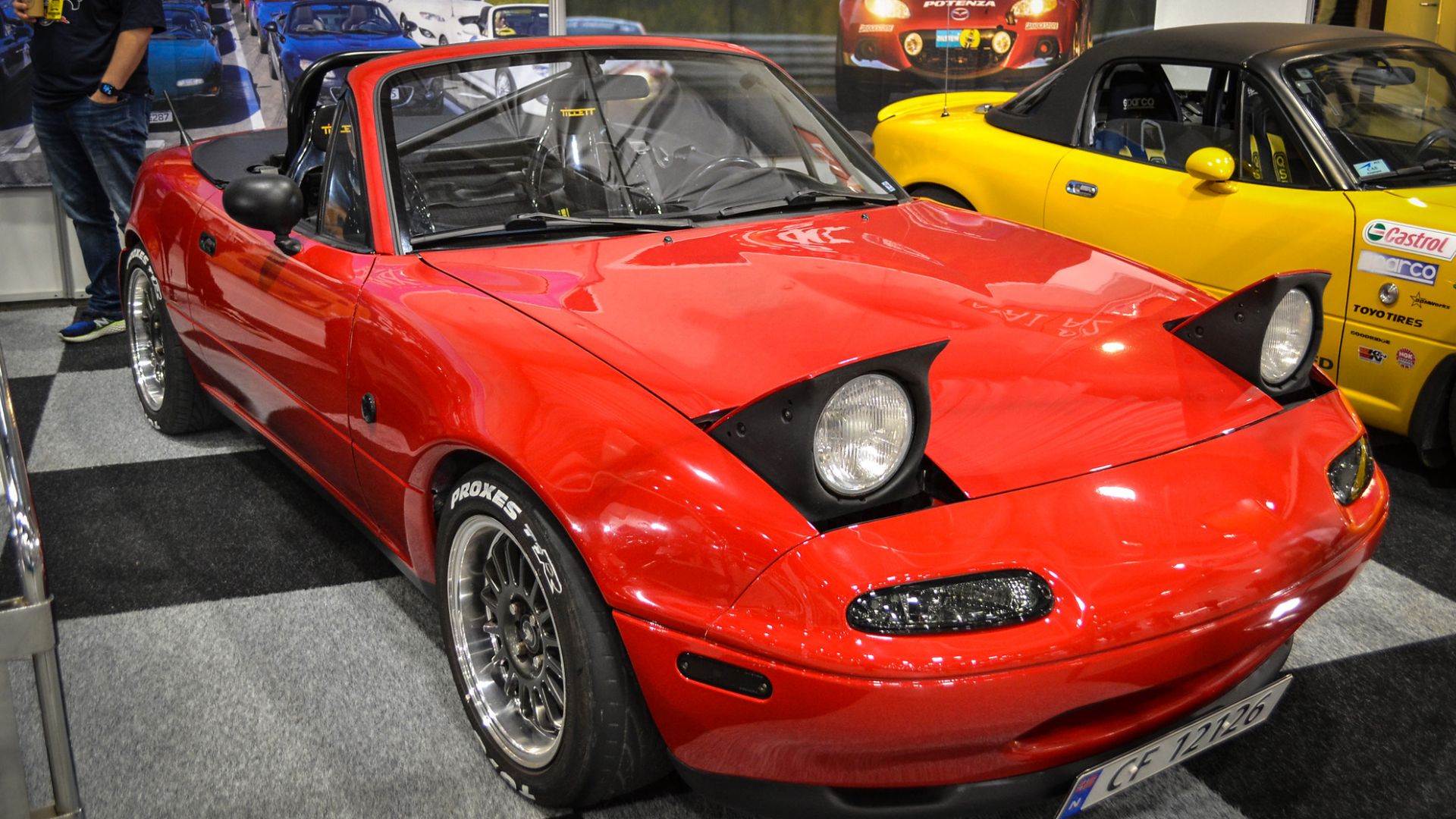
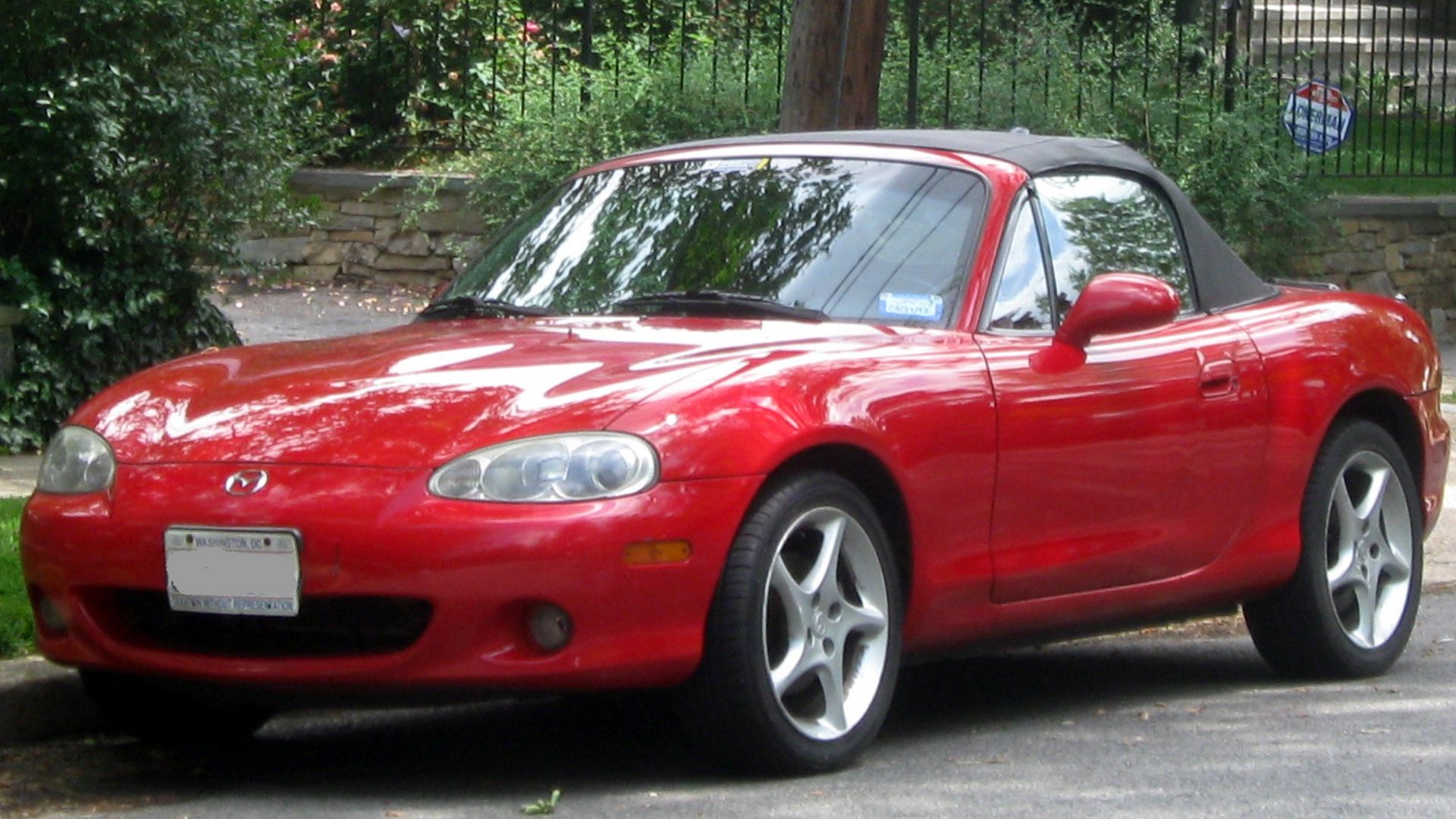
When Mazda introduced the first-generation MX-5 Miata in 1989, nobody could have predicted it would become the world's best-selling two-seat roadster. The NA generation debuted with a modest 116 horsepower from its 1.6-liter four-cylinder engine, later upgraded to a 1.8-liter with 128 horsepower in 1994.
Mazda MX-5 Miata (Cont.)
The secret wasn't brutal power—it was the car's lightweight philosophy, tipping the scales at just 2,182 pounds, creating an intoxicating power-to-weight ratio that made every corner feel like a victory lap. Today, clean NA and NB (1999–2005) Miatas hover around $10,000 to $18,000.
Datsun 240Z/260Z/280ZX
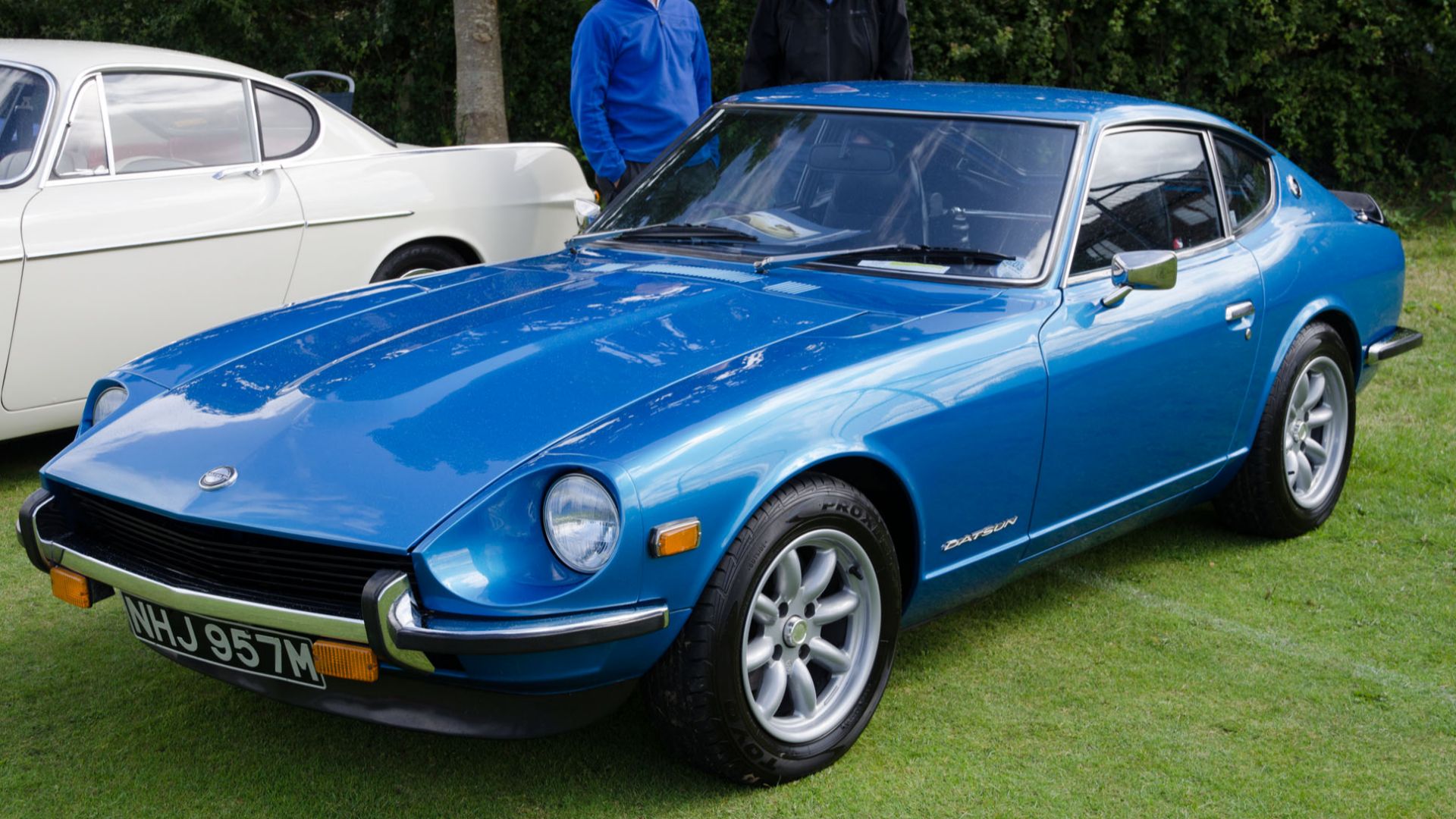
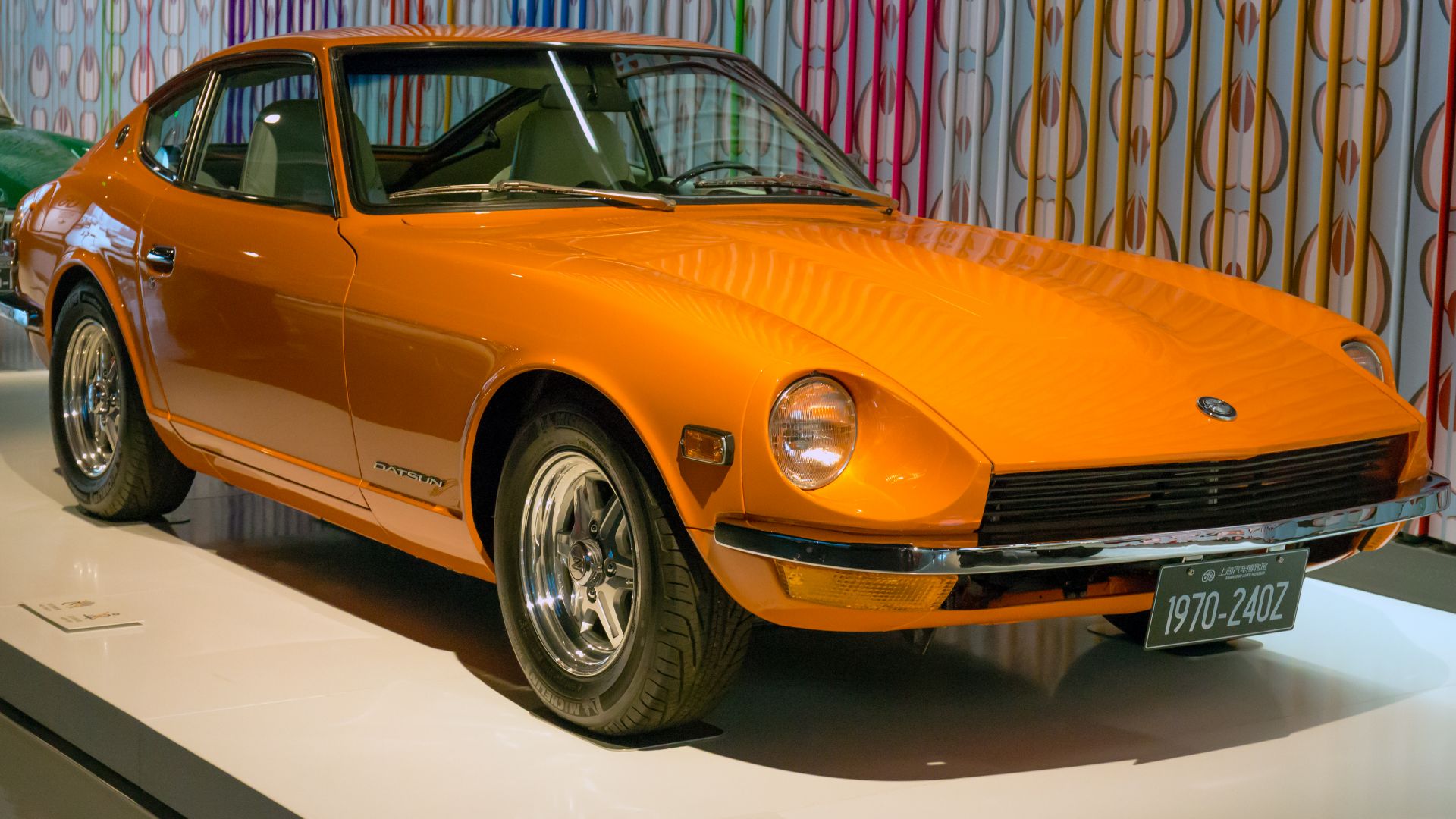
In 1970, Datsun dropped a stunner called the 240Z with a $3,526 price tag. That's roughly half what you'd pay for a comparable European sports car, yet this Japanese upstart packed a silky 2.4-liter inline-six producing 151 horsepower and could hit 125 mph.
Datsun 240Z/260Z/280ZX (Cont.)
Sports Car International later crowned it the second-best sports car of the 1970s, falling only behind the Ferrari Daytona. Fast forward to today, and you'll find decent examples ranging from $13,500 to $40,000 depending on condition. The latter 280ZX models offer even better value.
Pontiac Fiero GT
America's first mass-produced mid-engine sports car suffered a rocky start in 1984, but by the time the GT model arrived in 1985, Pontiac had turned it into something genuinely special. The GT's 2.8-liter V6 delivered 140 horsepower. The 1988 models are the holy grail.
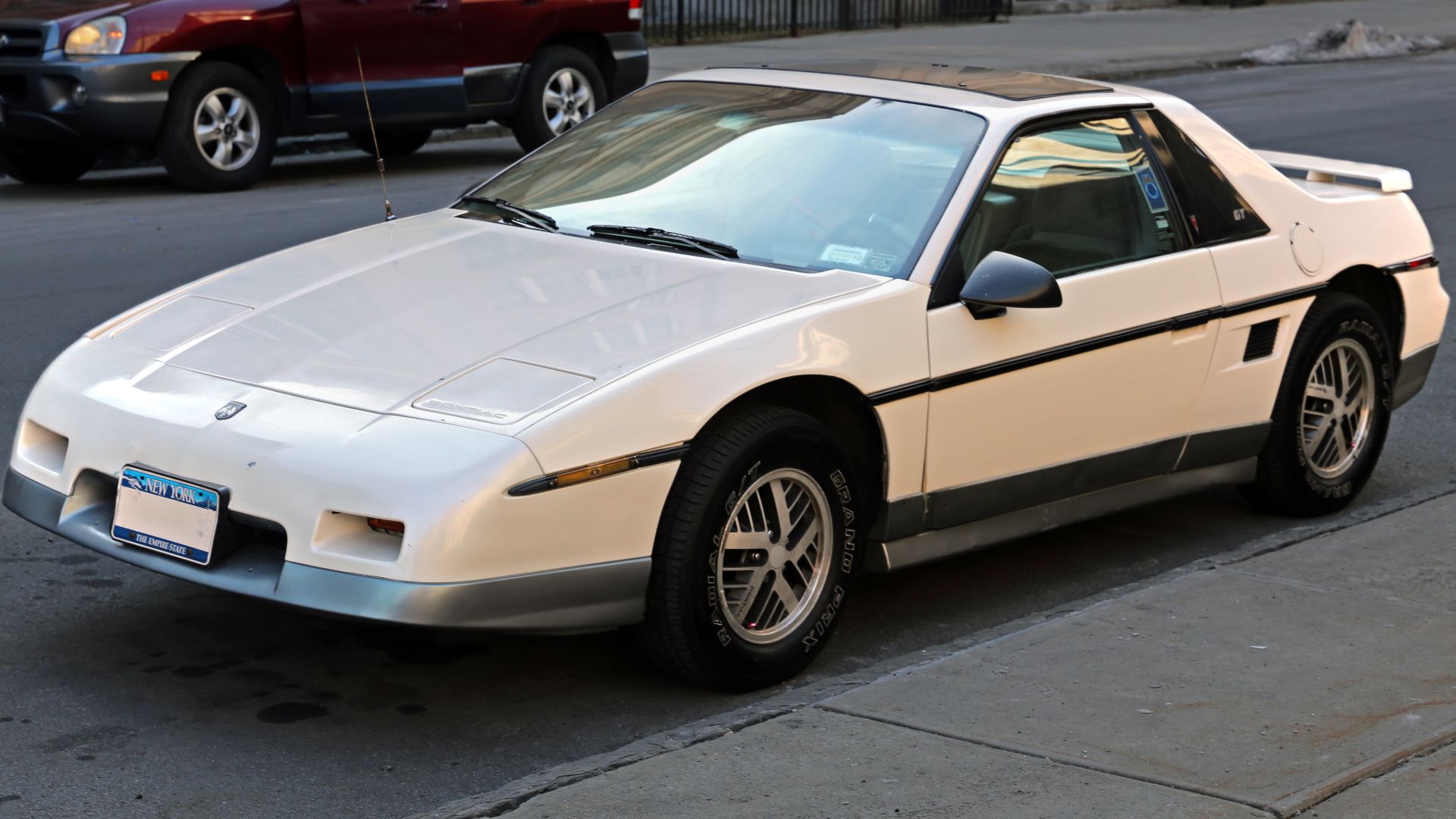 Mr.choppers, Wikimedia Commons
Pontiac Fiero GT (Cont.)
These rides featured the suspension engineers had designed from day one, but GM delayed them for cost reasons. Here's the kicker: Fiero GTs can be found between $7,500 and $15,000, with mint low-mileage examples occasionally hitting $26,000. The car's plastic body panels mean no rust worries.
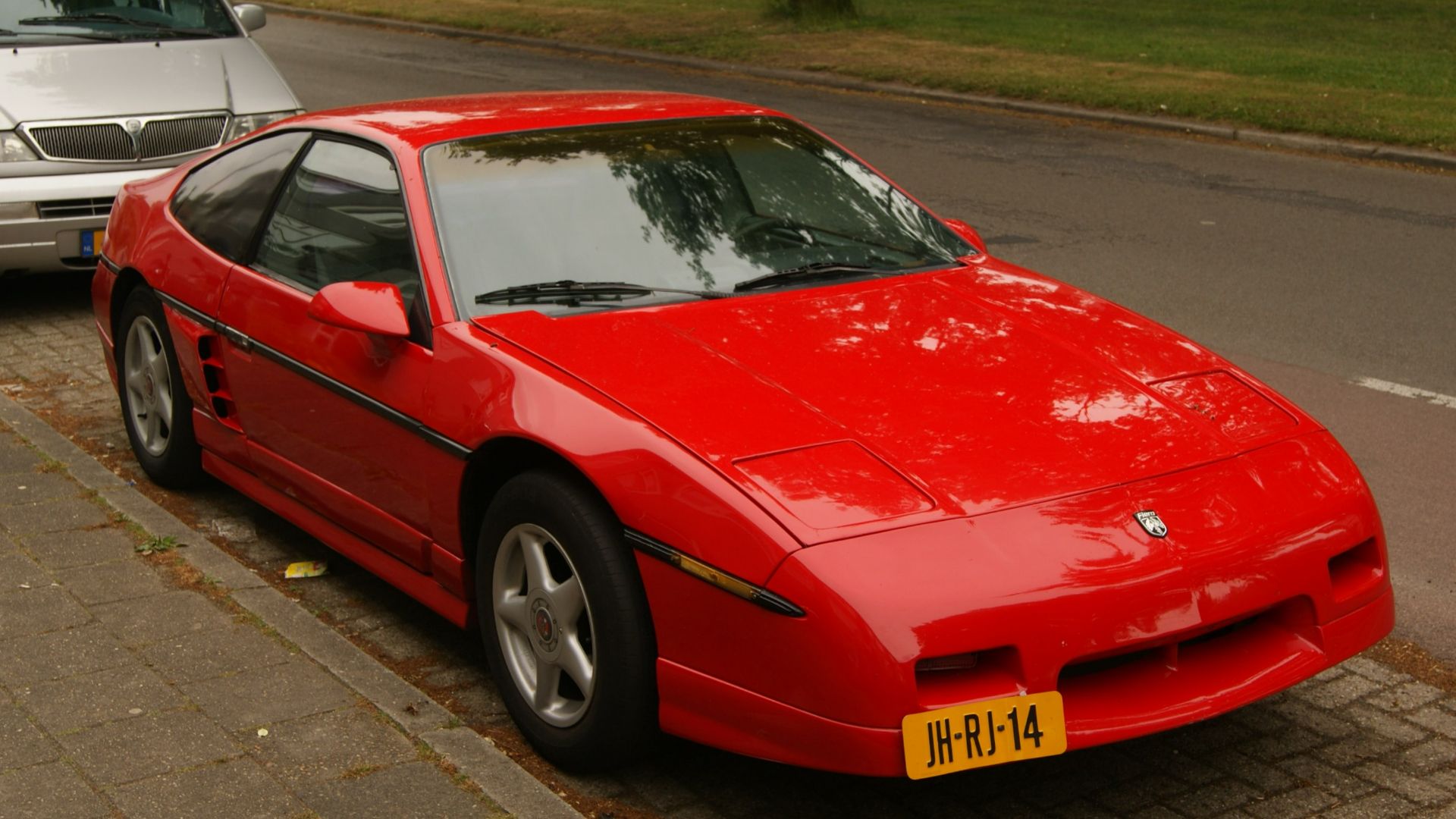 Niels de Wit from Lunteren, The Netherlands, Wikimedia Commons
Porsche 944
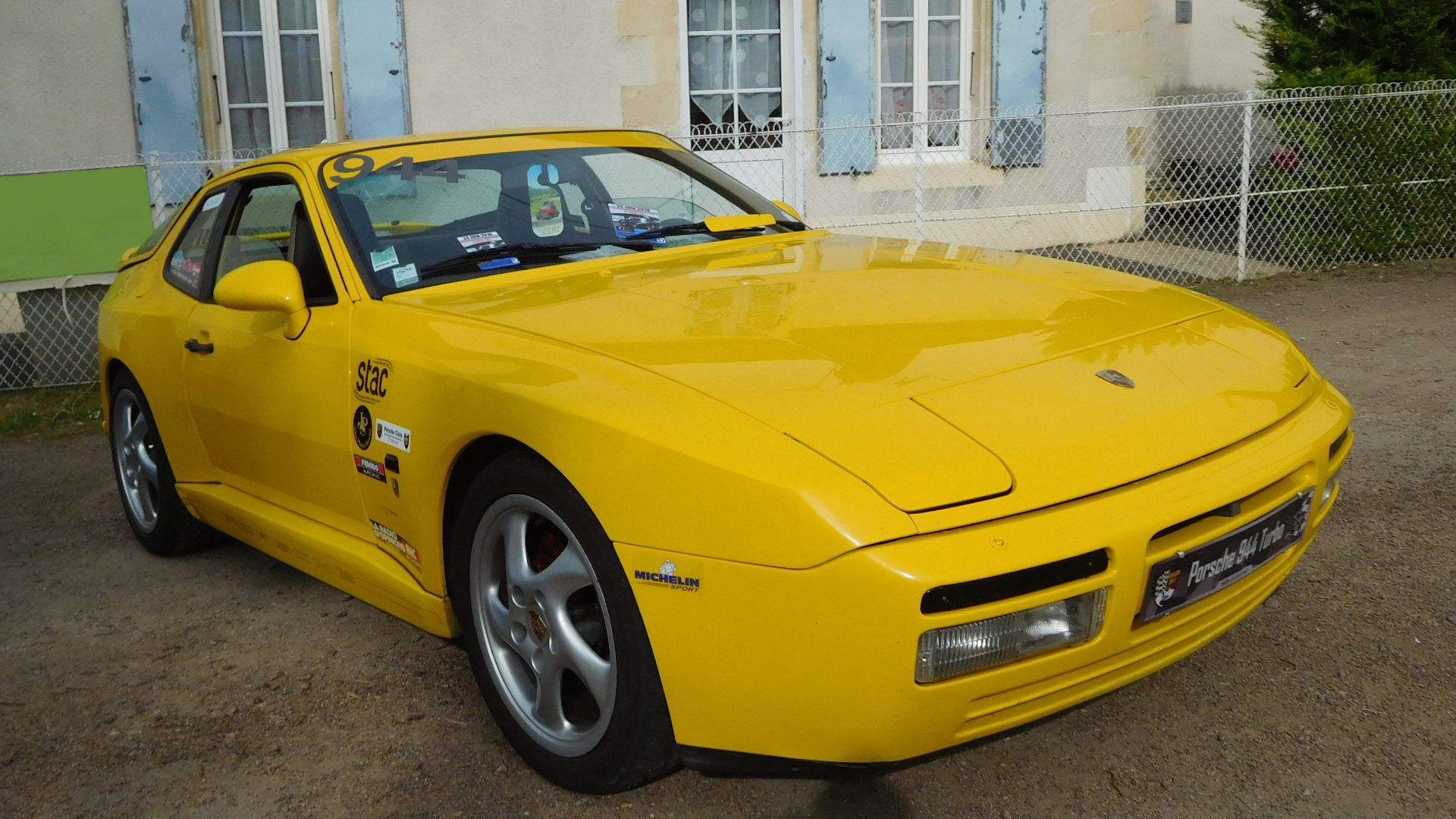
Over 163,000 units rolled off production lines between 1982 and 1991, making this Porsche's most successful sports car until the Boxster arrived. Average prices hover around $22,546, with clean driver-quality examples available between $10,000 and $15,000.
Porsche 944 (Cont.)
This car’s front-engine, rear-transaxle layout delivered near-perfect 50/50 weight distribution, while the 2.5-liter inline-four used Mitsubishi-licensed balance shafts to create surprising smoothness. Base models started at 143 horsepower, but the 944 Turbo packed 217 horsepower and could sprint to 60 mph.
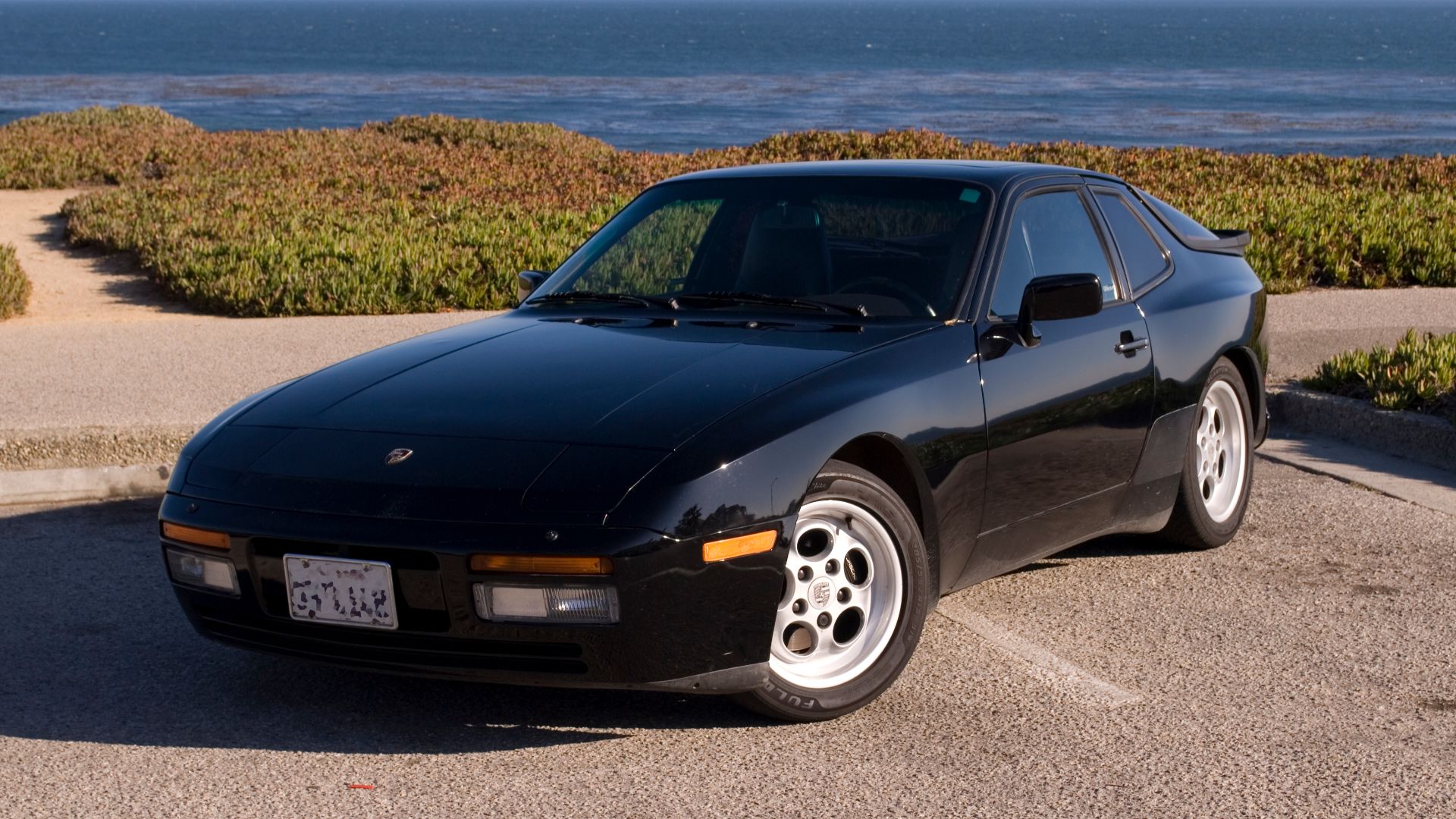 Daniel J. Leivick, Wikimedia Commons
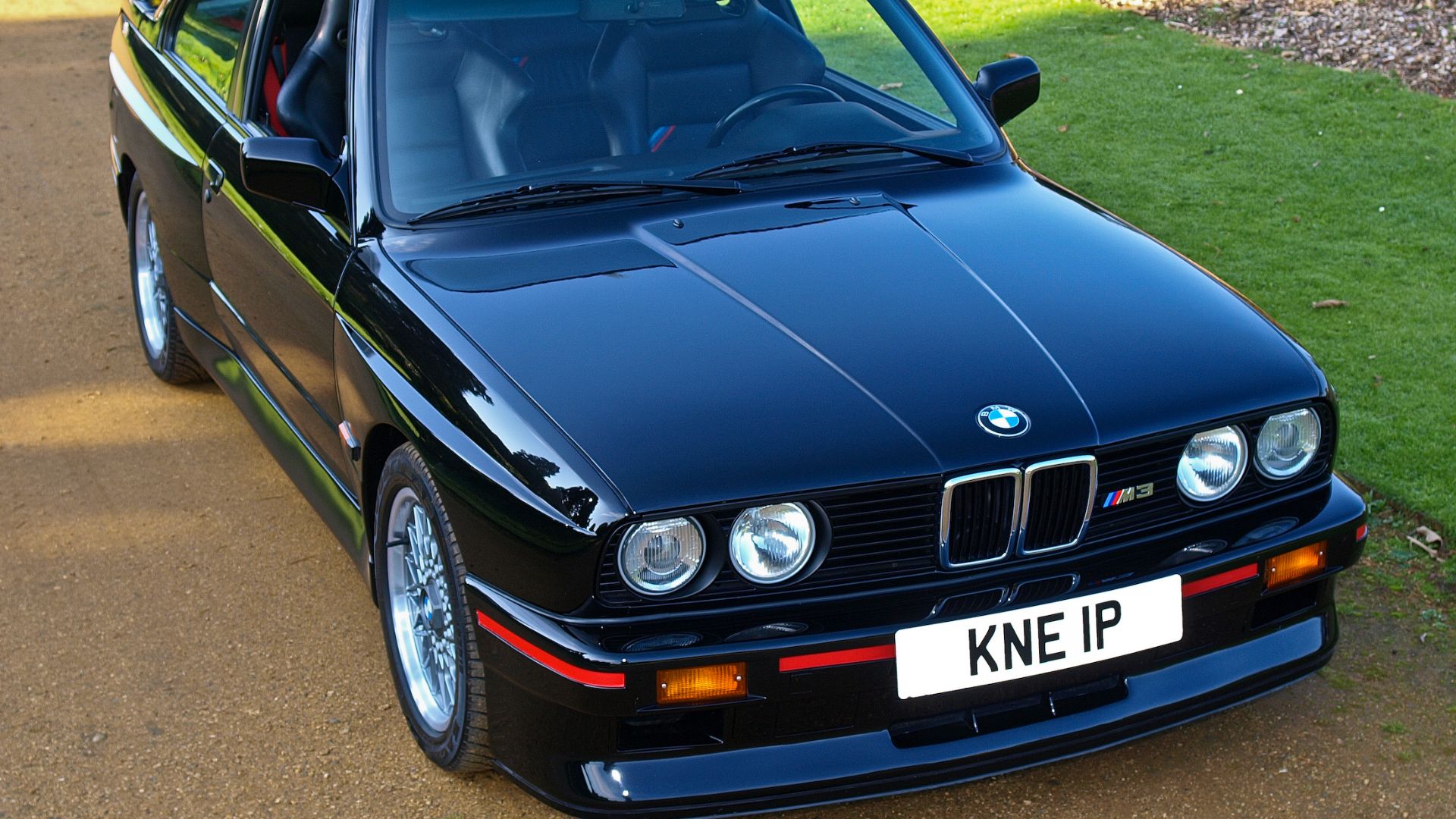
BMW E30 3-Series (318i/325i)
BMW's E30 generation, produced from 1982 to 1994, cemented the 3-Series' reputation as the “Ultimate Driving Machine”. The 325i remains the sweet spot, packing a silky-smooth 2.5-liter inline-six producing 168 horsepower and 164 pound-feet of torque. This iron-block beauty delivers refined power.
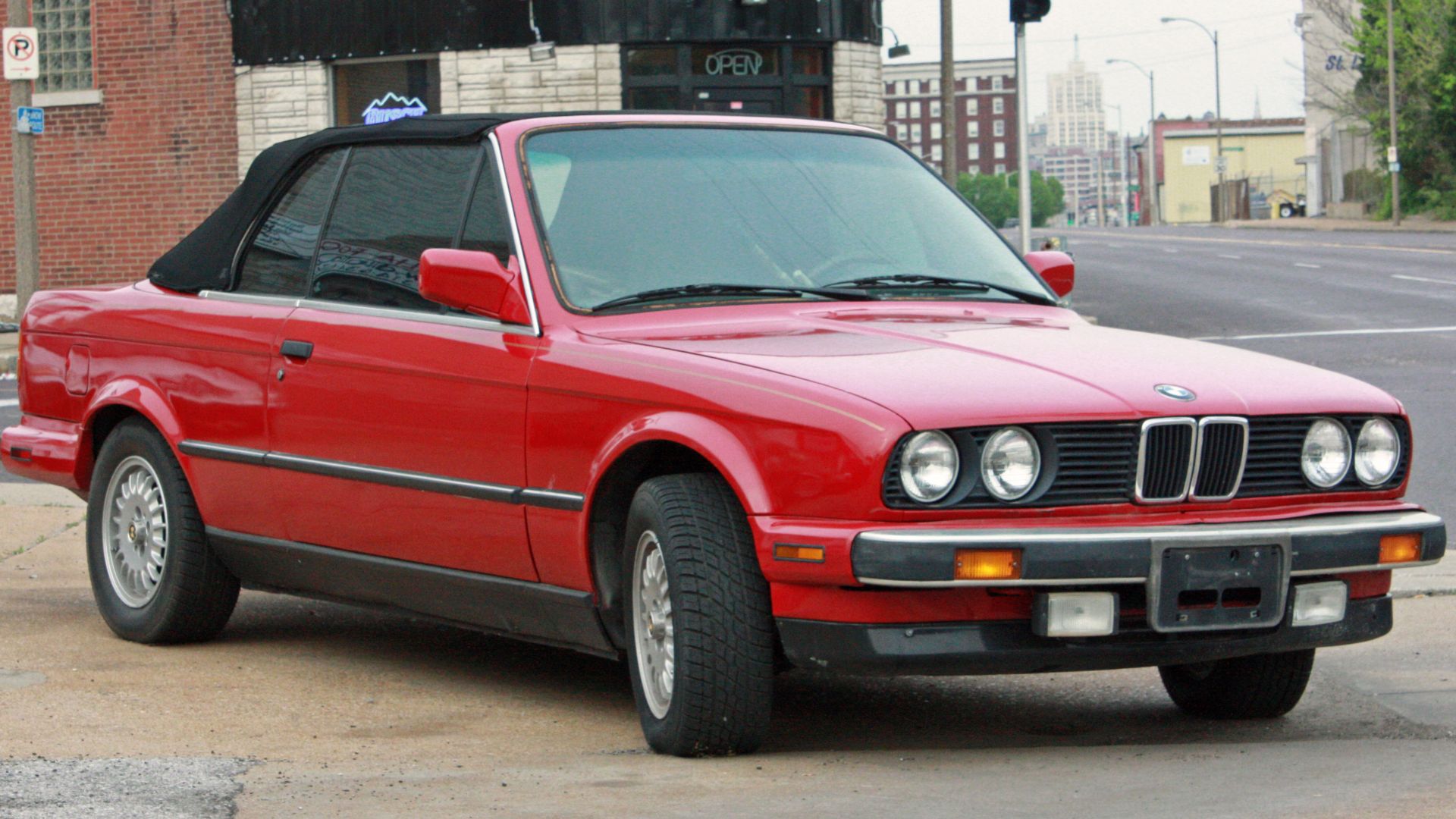 Ryanandlenny, Wikimedia Commons
BMW E30 3-Series (318i/325i) (Cont.)
The E30's MacPherson strut front suspension and semi-trailing arm rear setup created a near-perfect balance between comfort and sporting dynamics. Values currently range from $5,000 to $10,000 for solid drivers, with pristine examples commanding $20,000-plus.
Chevrolet Corvette C4
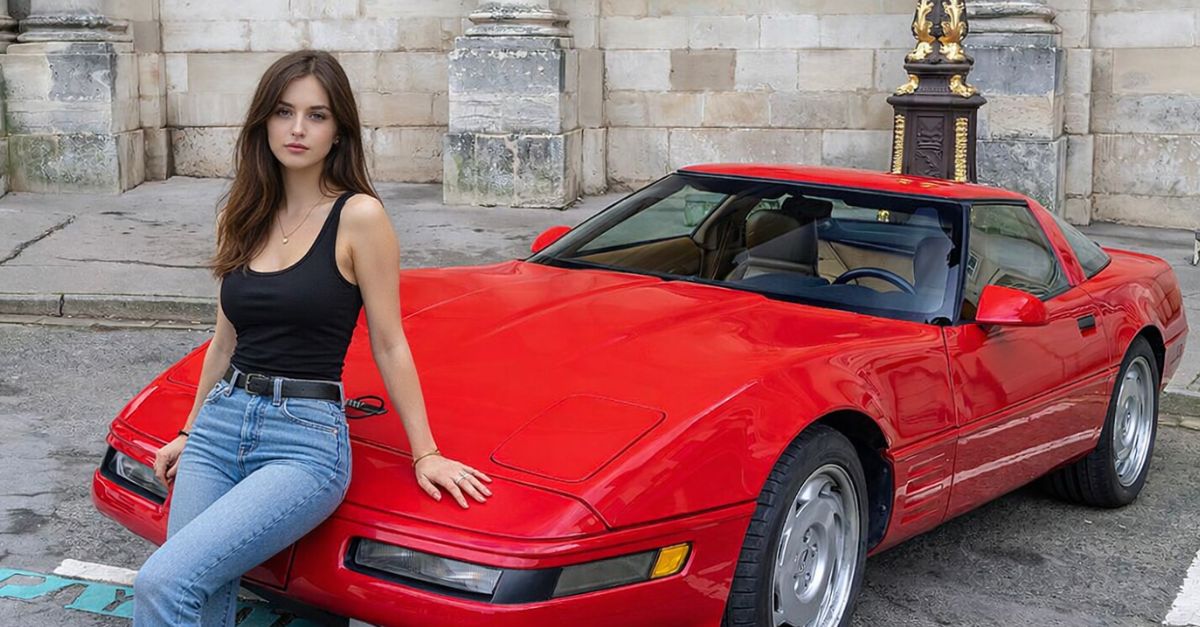
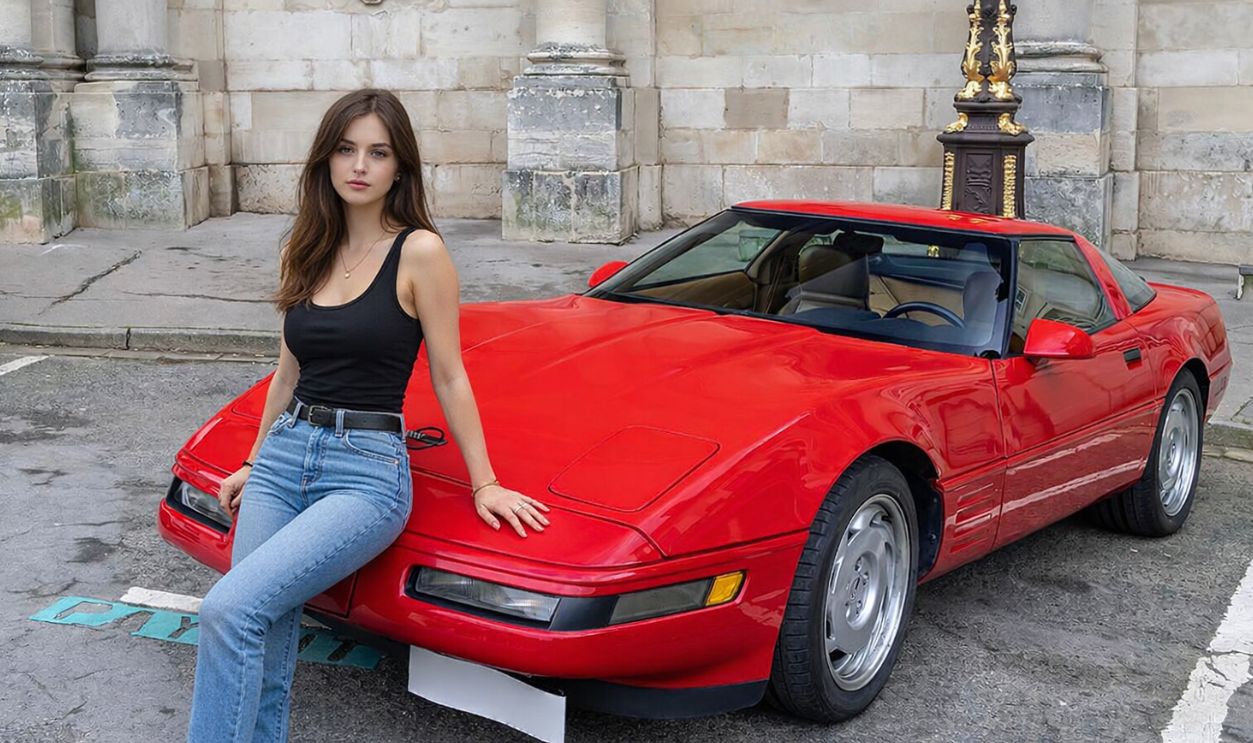
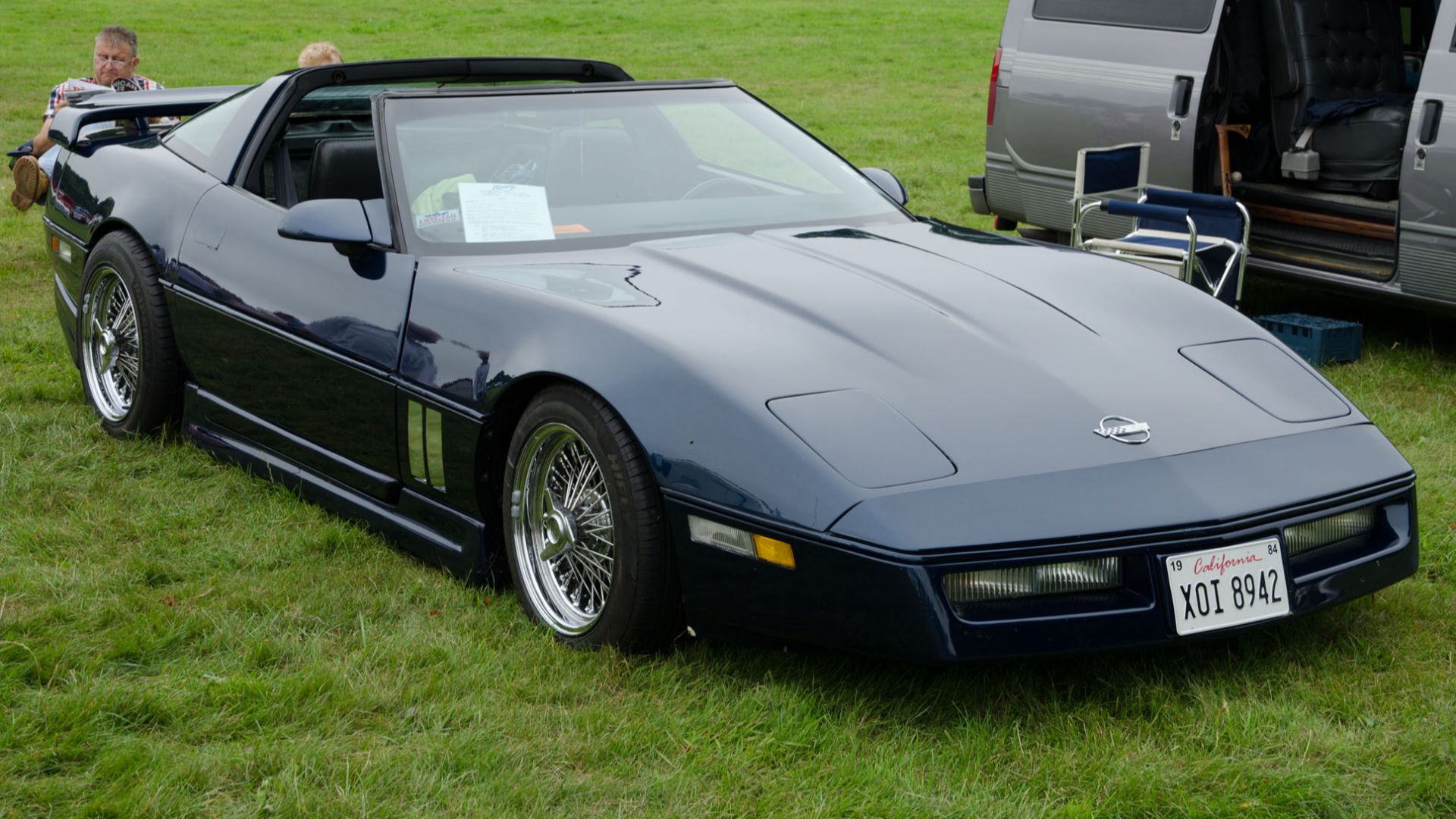
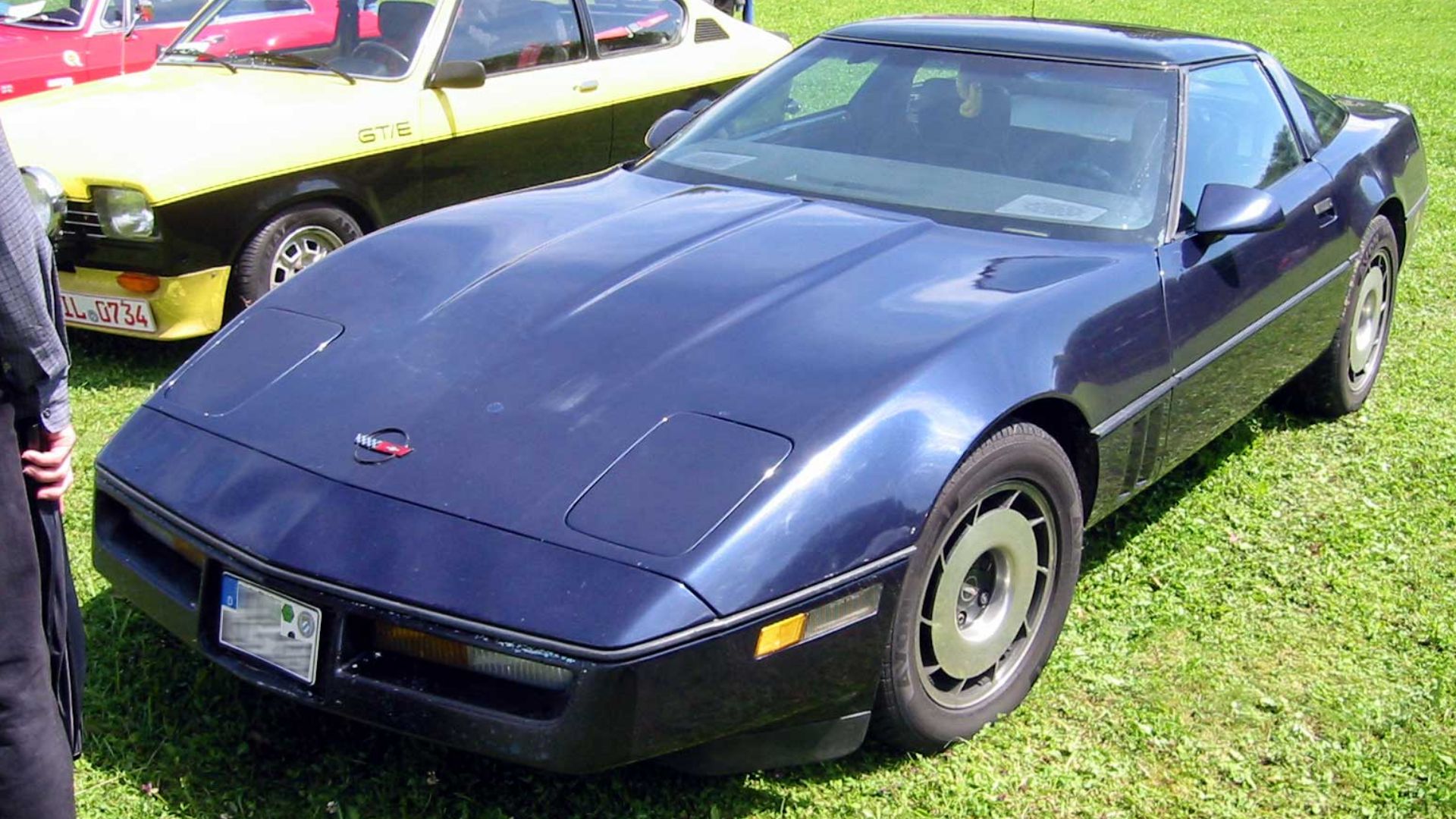
Here's something most people don't realize: you can own America's sports car icon for less than a used Honda Civic. The C4 Corvette, manufactured from 1984 to 1996, has become the bargain of the century for V8 enthusiasts. Every single C4 came with a powerful 5.7-liter V8 engine.
Chevrolet Corvette C4 (Cont.)
What makes the C4 special is its lightweight construction at just 3,200 pounds and advanced engineering, like its aluminum suspension components and available six-speed manual transmission. The 1996 models represent the pinnacle with refined suspension, better electronics, and the excellent LT4 engine.
Mazda RX-7 (FB/FC)
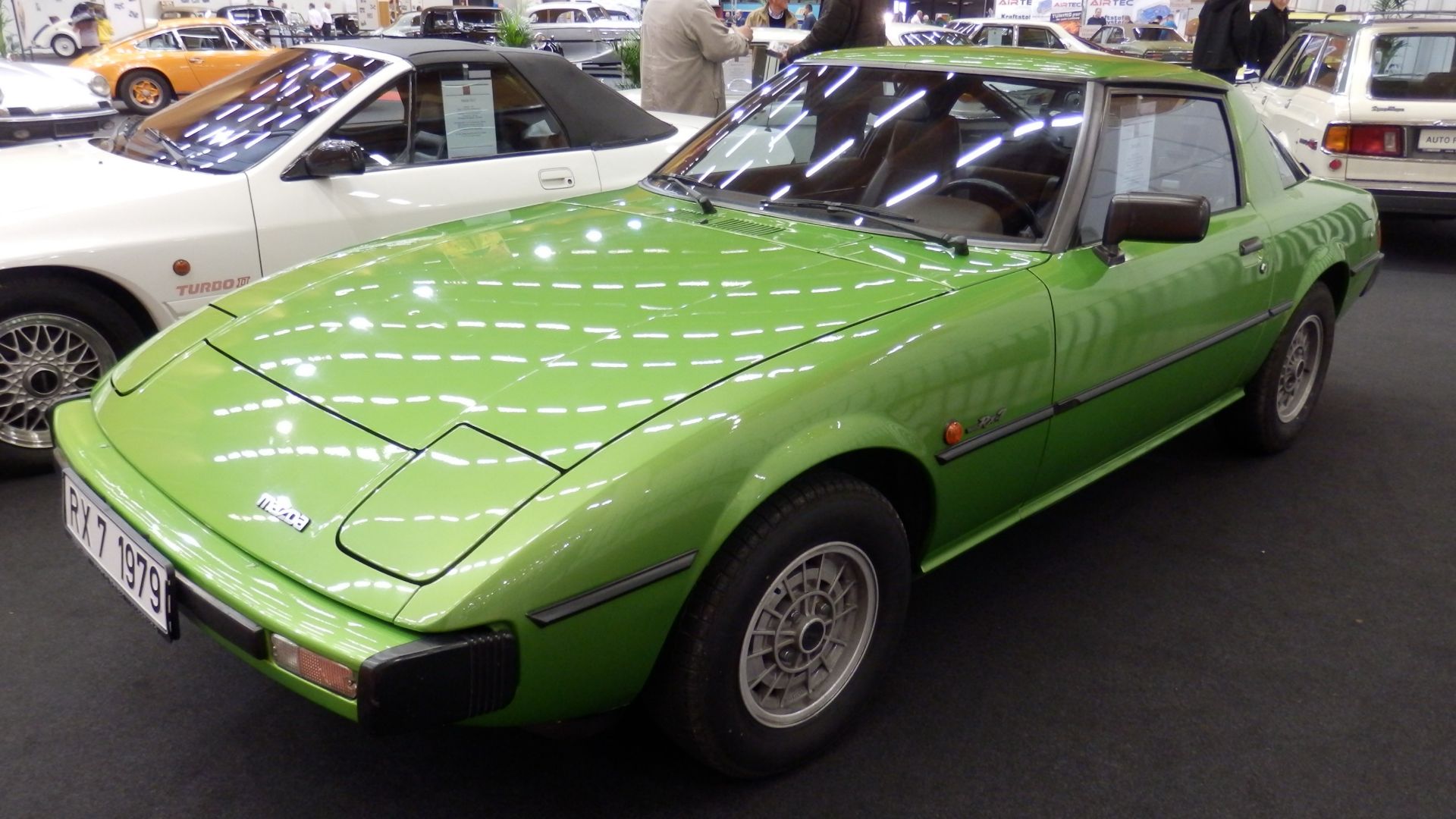
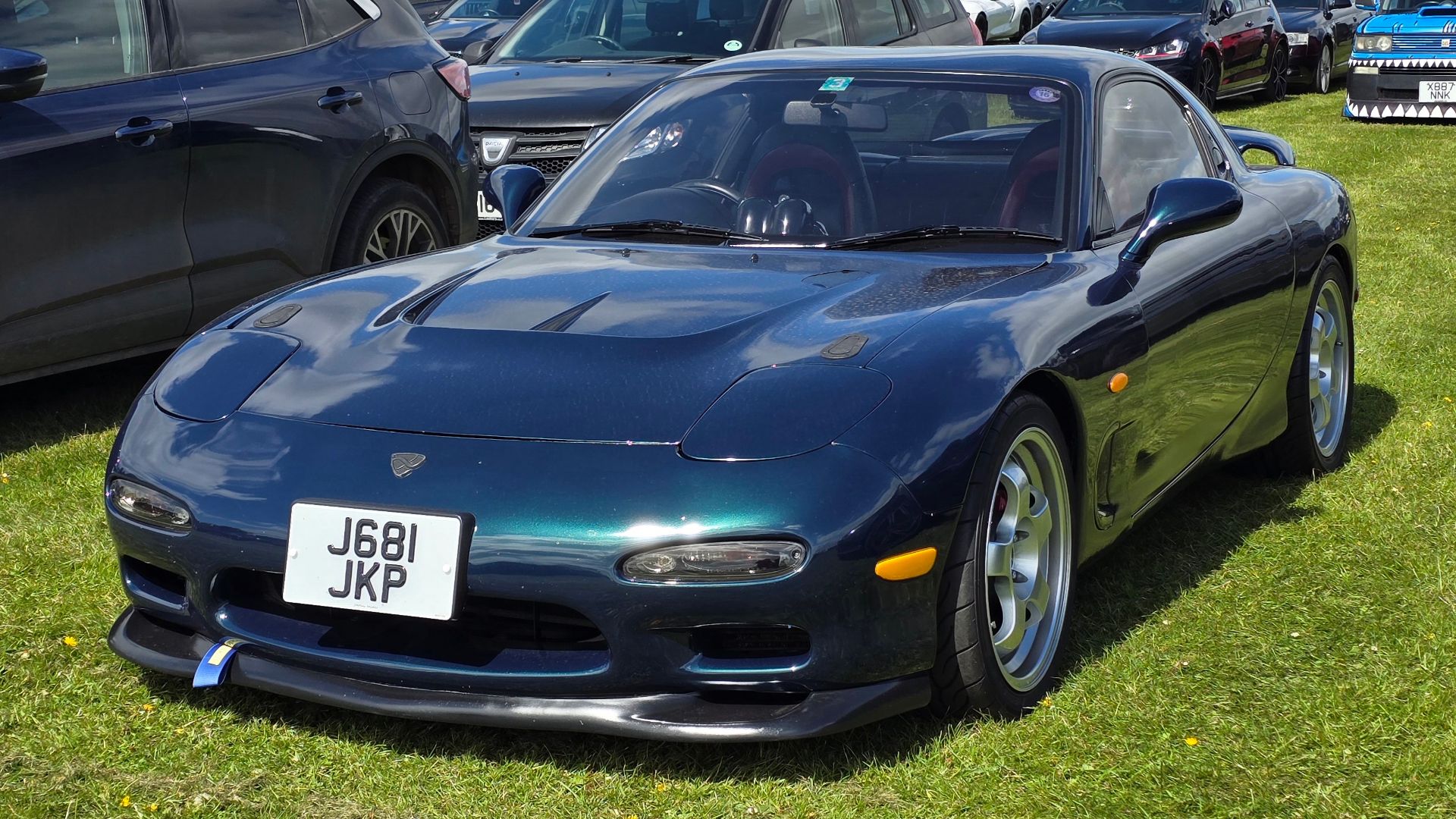
The FB generation (1979–1985) introduced the world to Mazda's refined rotary sports car concept, while the FC generation (1986–1991) elevated everything with turbocharger options and sleeker styling. These weren't just different—they were revolutionary, using a tiny 1.3-liter rotary engine that revved to 7,000 rpm.
Mazda RX-7 (FB/FC) (Cont.)
Weighing around 2,700 pounds, these lightweight coupes offered phenomenal handling thanks to near-perfect weight distribution and sophisticated suspension. Today, clean FB models start around $8,000, while FC examples range from $6,000 to $18,000 depending on turbo configuration and condition.
Nissan 240SX
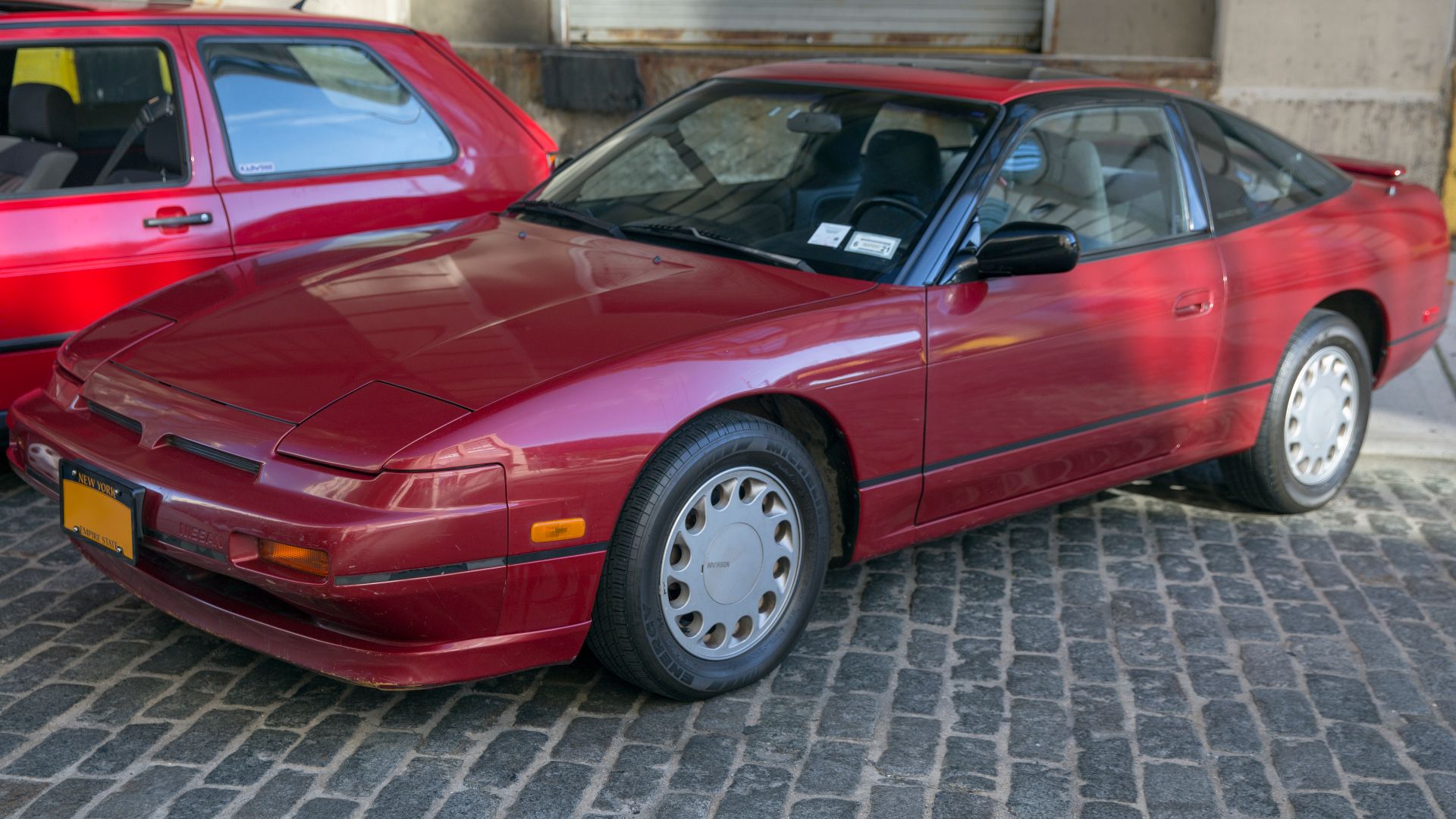
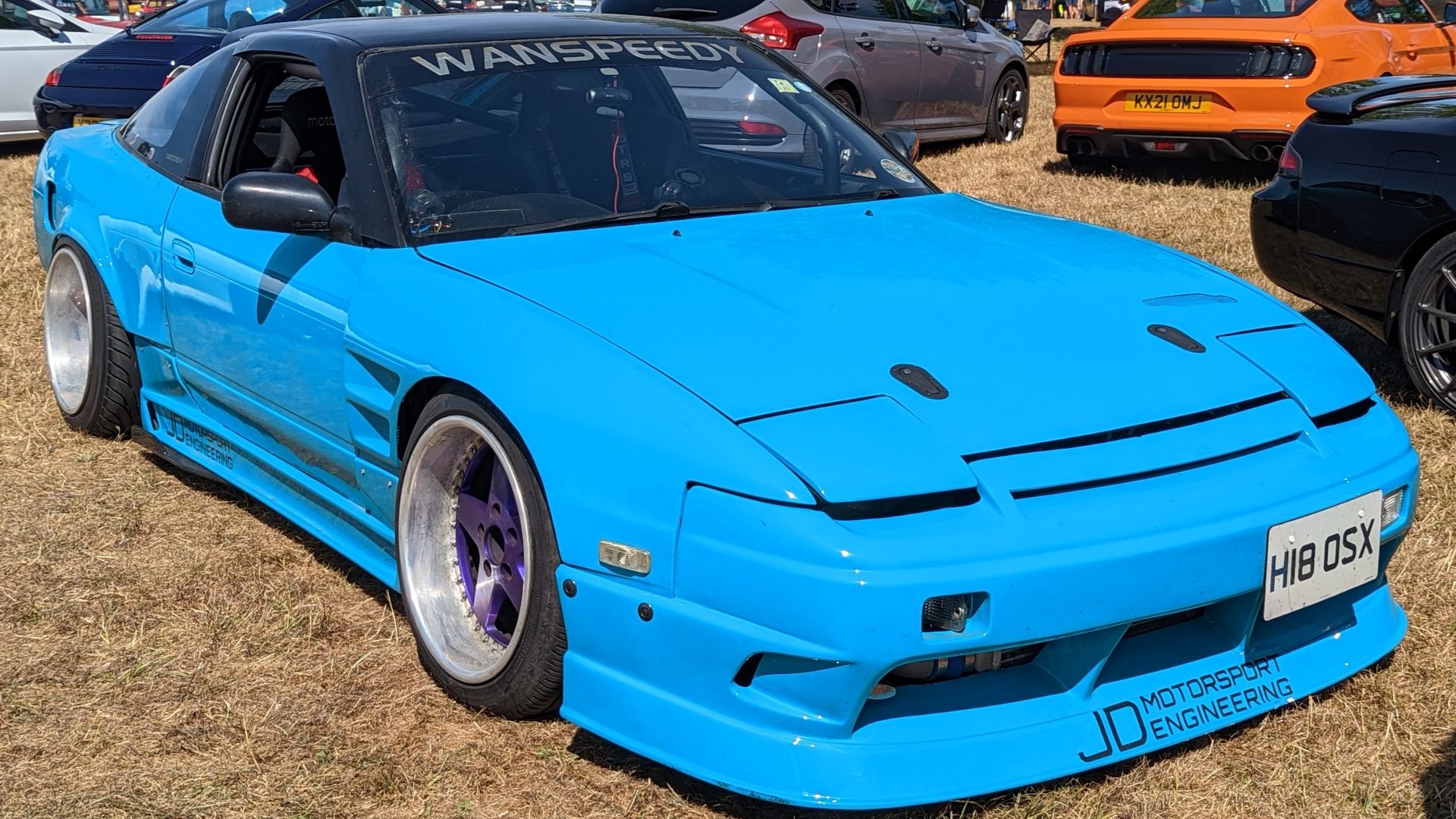
Drift culture converted the humble Nissan 240SX from an affordable sports coupe into a legendary tuner platform, but you don't need to smoke tires to appreciate its brilliance. Built from 1989 to 1998 in the United States, the 240SX featured rear-wheel drive, a naturally balanced chassis, and double-wishbone front suspension.
 Mr.choppers, Wikimedia Commons
Nissan 240SX (Cont.)
Prices have climbed due to drift tax and JDM nostalgia, with clean examples ranging from $8,000 to $20,000, though truly pristine cars command premiums. Patient buyers can still manage to find solid drivers that haven't been beaten on racetracks.
Toyota MR2 (Second Generation)
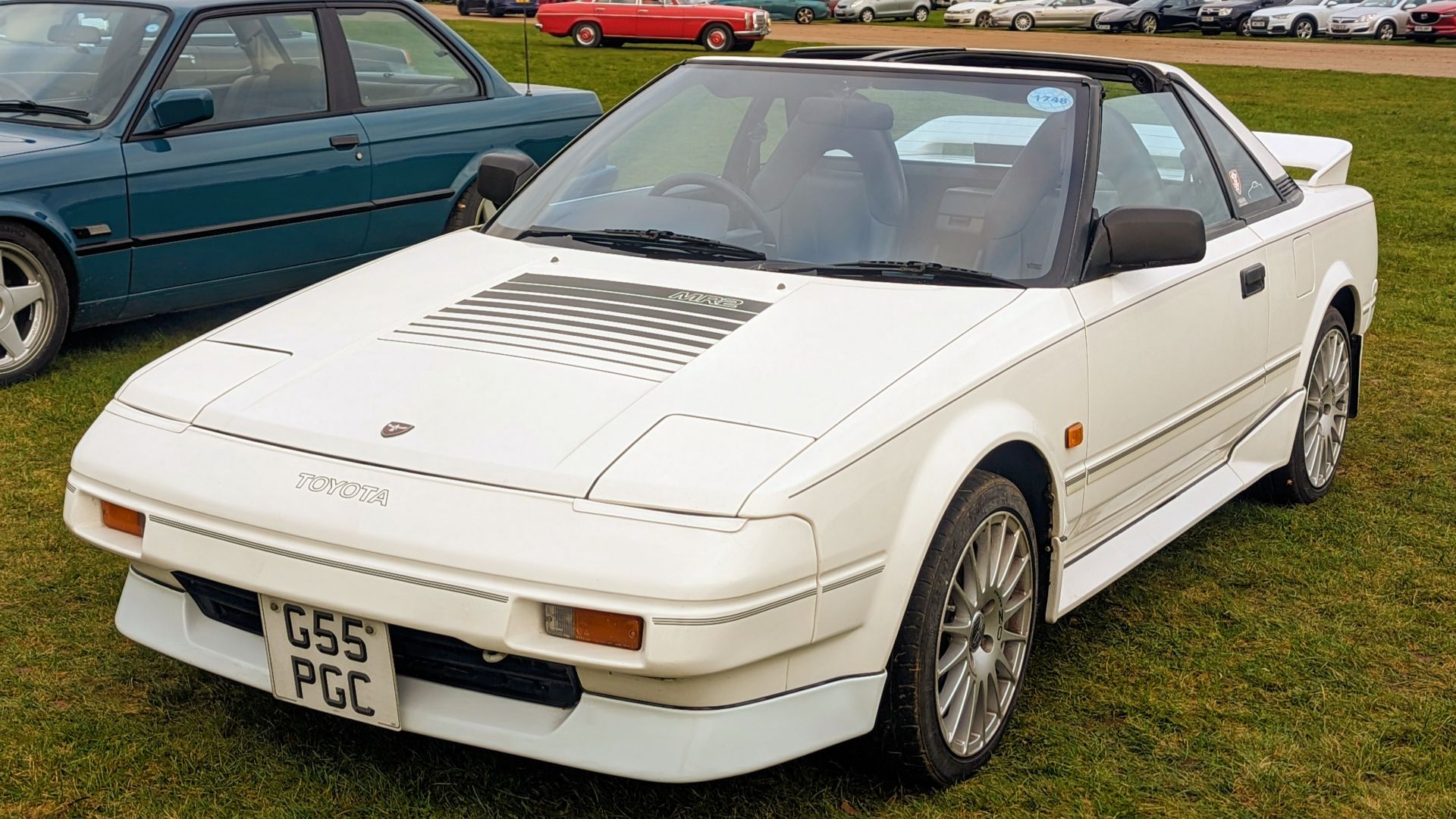
Mid-engine exotics usually cost six figures, but Toyota democratized the layout with its second-generation MR2, offering Ferrari-style engineering at Camry pricing. Produced from 1990 to 1999, the SW20 MR2 positioned its engine directly behind the driver for phenomenal balance and razor-sharp handling dynamics.
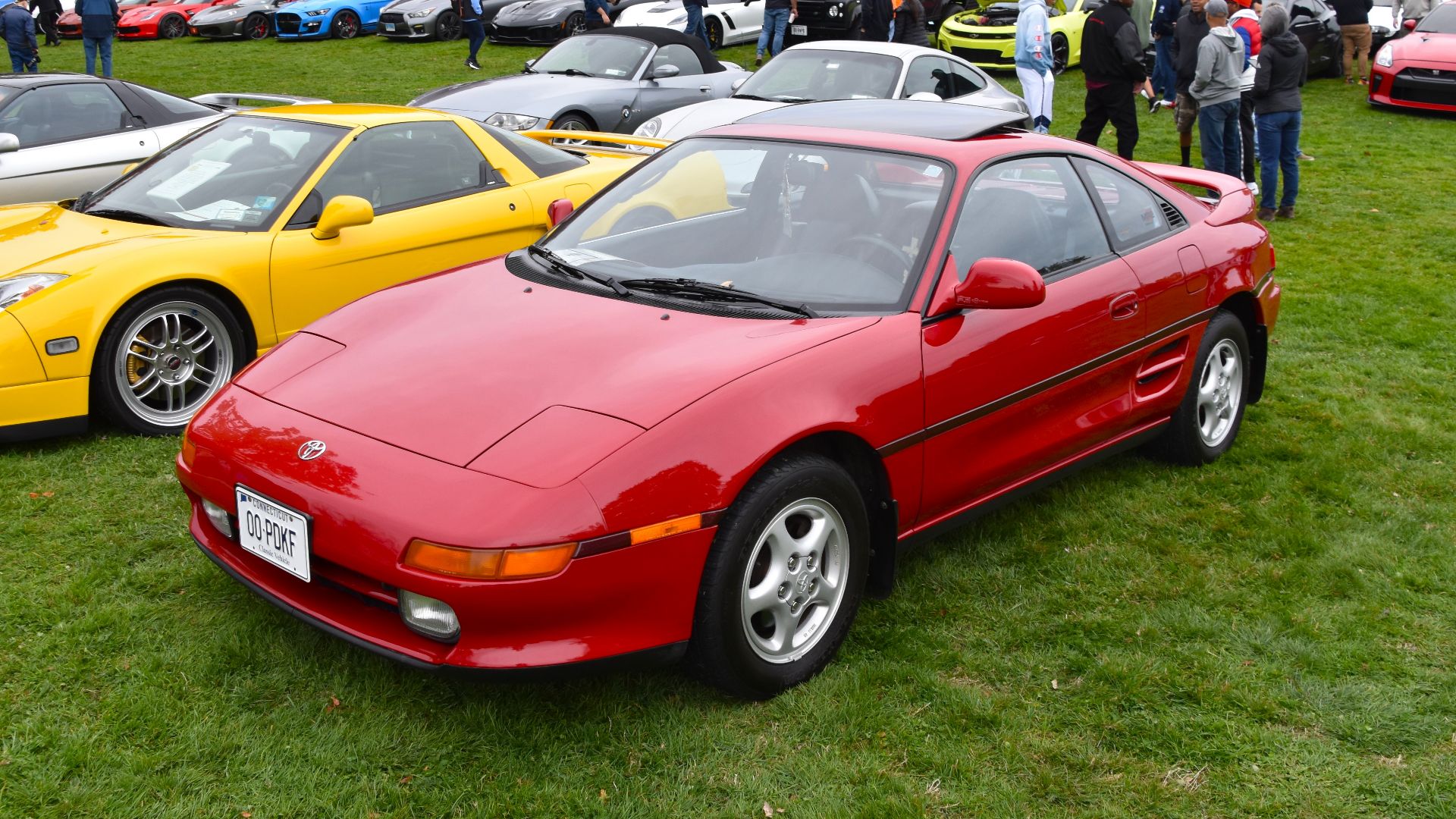 Charles from Port Chester, New York, Wikimedia Commons
Toyota MR2 (Second Generation) (Cont.)
The MR2's wedge-shaped styling still turns heads today, with pop-up headlights and aggressive fender flares that scream 1990s sports car cool. Current market prices range from $8,000 to $18,000 for naturally aspirated models, with turbo variants commanding $15,000 to $30,000 depending on condition.
Ford Mustang (Fox Body)
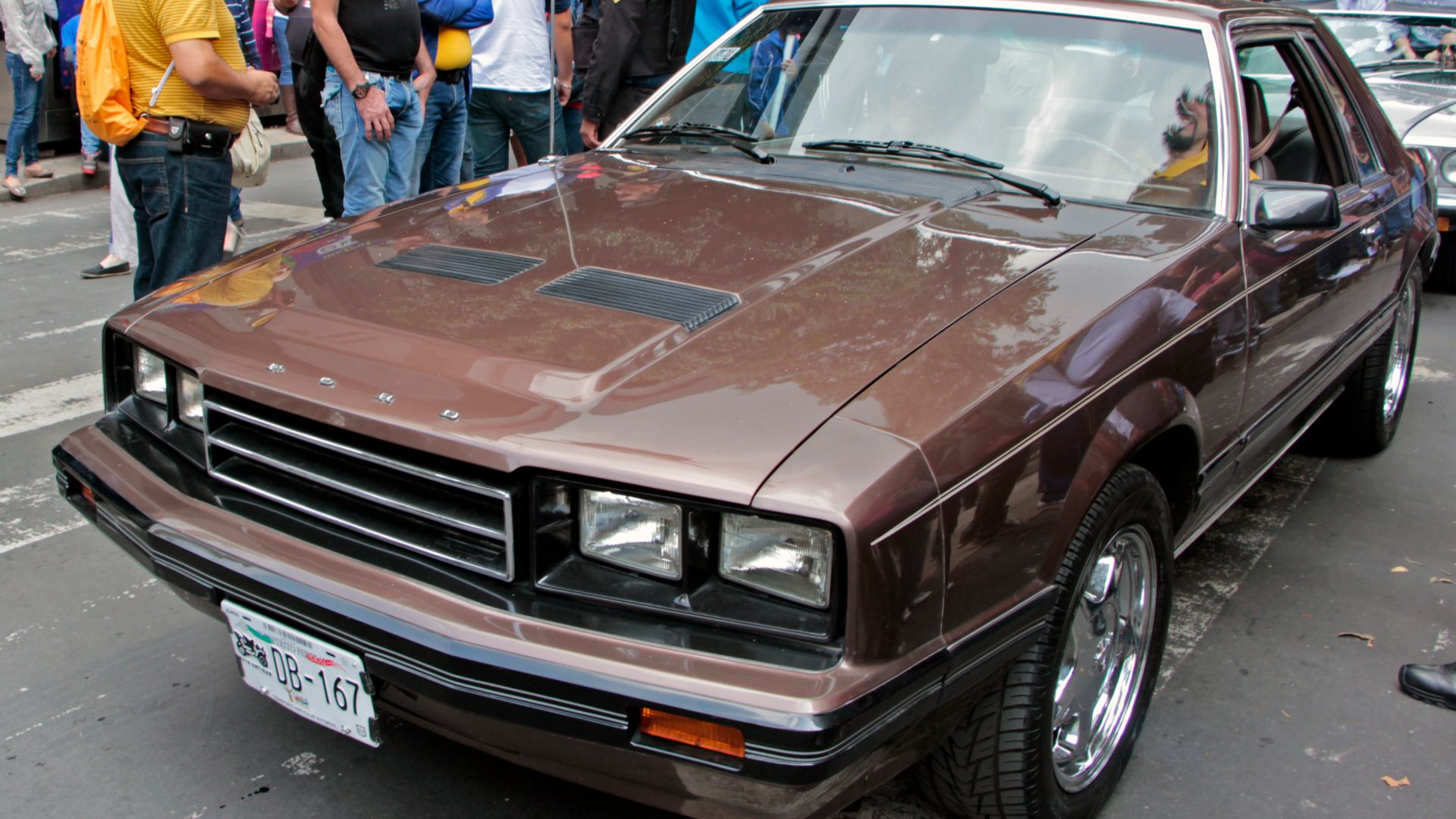
While early models were strangled by emissions equipment, the 5.0-liter V8 introduced in 1982 changed everything—157 horsepower might seem modest now, but in a lightweight 3,100-pound coupe with rear-wheel drive and a five-speed manual, it delivered tire-shredding acceleration and genuine American muscle character.
Ford Mustang (Fox Body) (Cont.)
What separates the Fox Body from other classics is the absolutely massive aftermarket. You can build virtually any engine combination imaginable, from mild street cruiser to 1,000-horsepower drag monster, with readily available parts. Clean GT models range from $8,000 to $20,000.
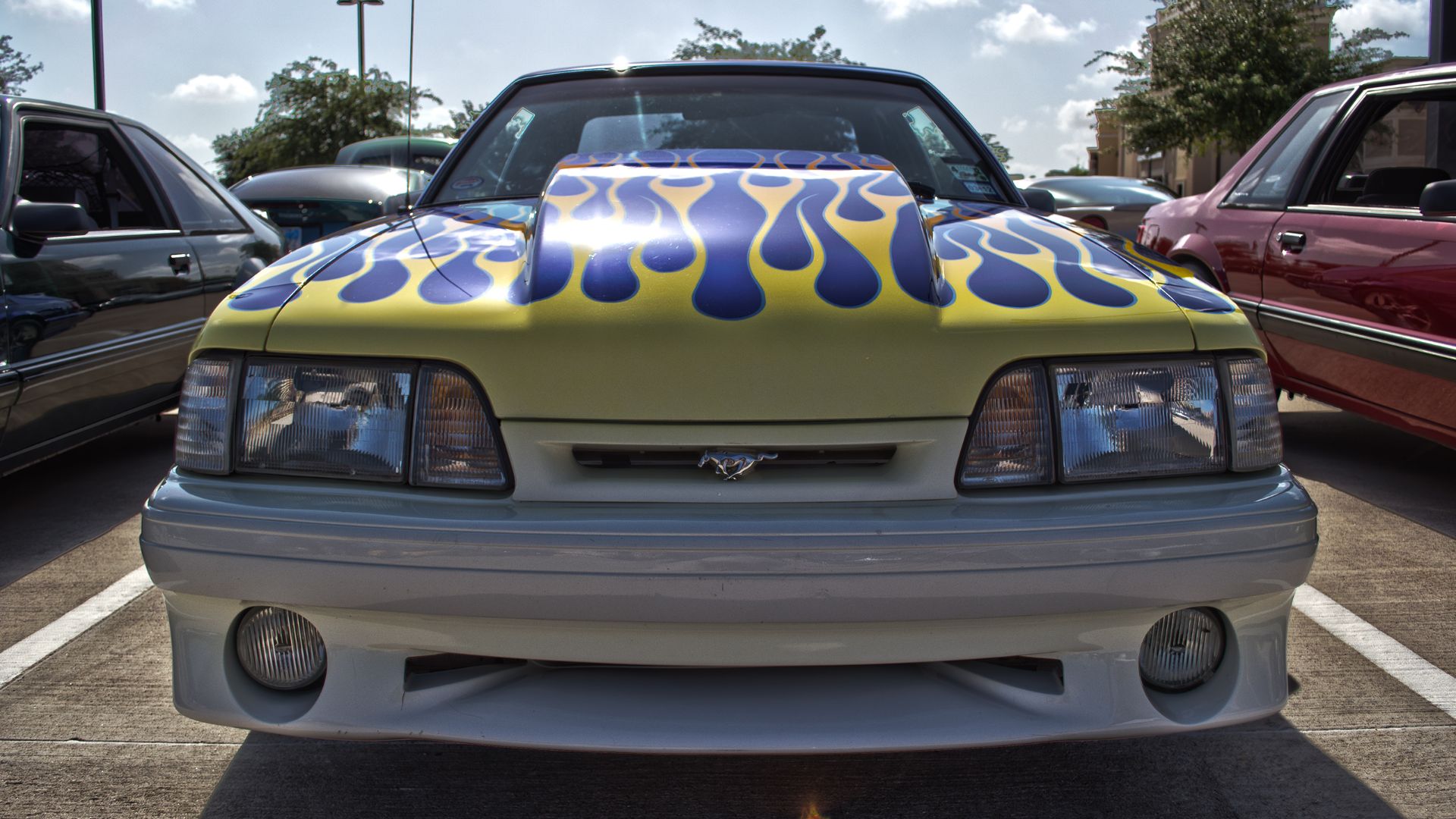 Michael Price, Wikimedia Commons
Acura Integra
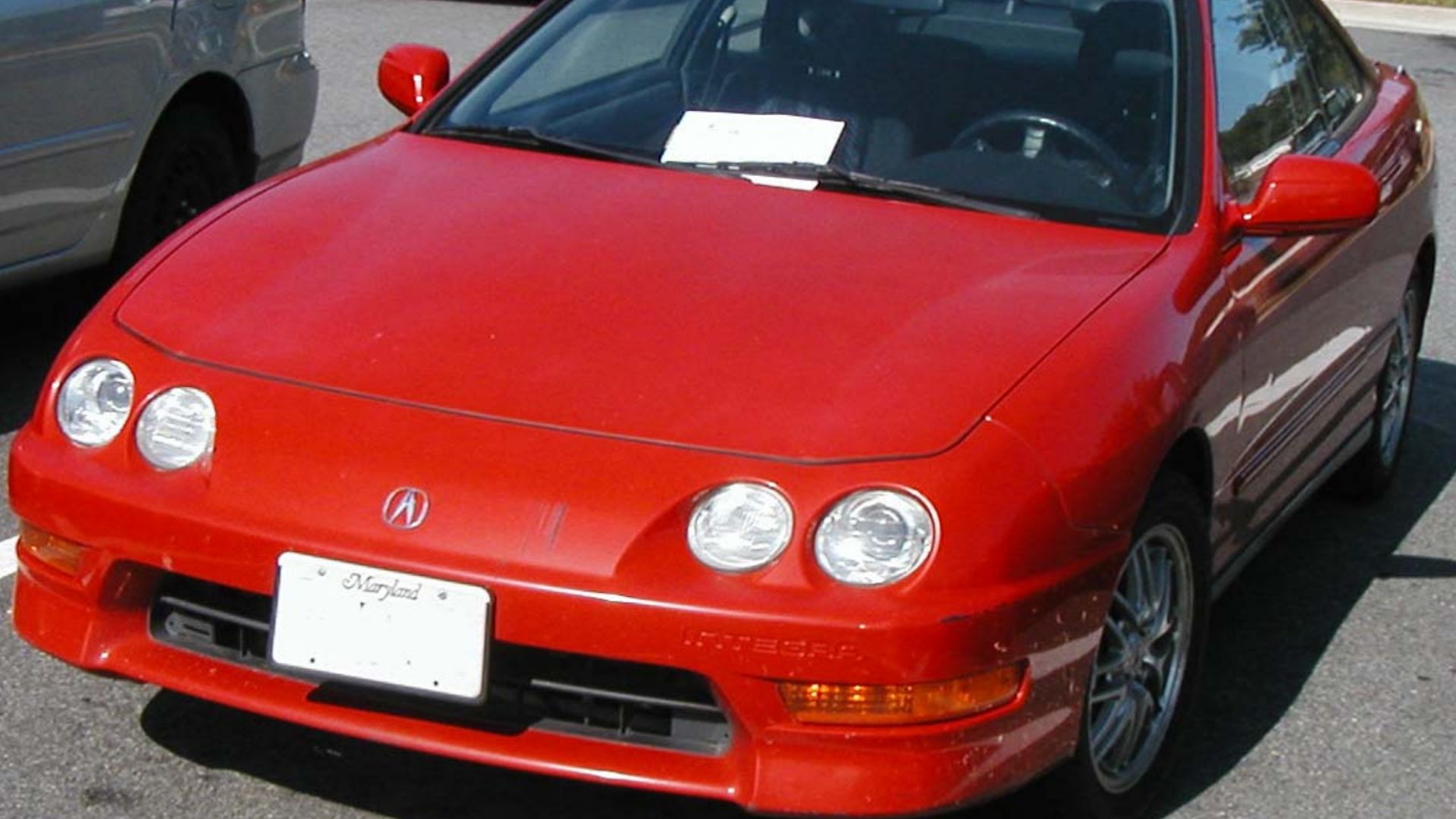
Before the Integra became a tuner legend, it started life as Honda's answer to European sport compacts—and it succeeded brilliantly. Current pricing ranges from $6,000 to $15,000 for clean examples, though the legendary Type R commands $30,000-plus and continues climbing.
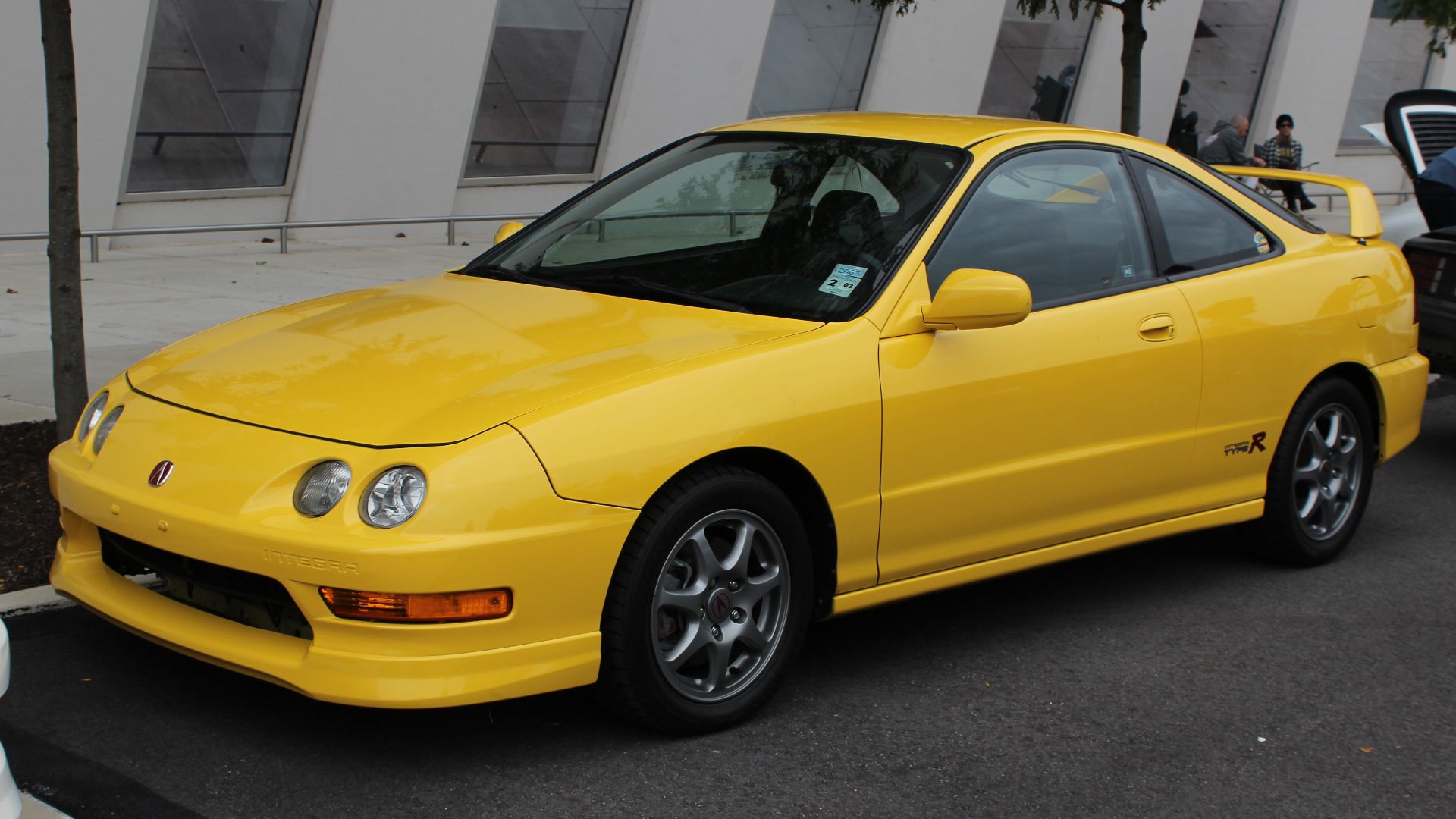 Jacob Frey 4A, Wikimedia Commons
Acura Integra (Cont.)
The third-generation Integra (1994–2001) represents the sweet spot, combining Honda's legendary VTEC technology with front-wheel-drive dynamics that defied physics. The base RS model came with a 142-horsepower 1.8-liter four-cylinder. Apparently, the beauty of Integra ownership lies in Honda's bulletproof reliability.
Porsche 924
Often dismissed as the "other" Porsche, the 924 deserves respect as an engineering marvel that made Stuttgart performance accessible to enthusiasts on a budget. Launched in 1976 as a joint venture with Volkswagen, the 924 featured a front-mounted 2.0-liter four-cylinder producing just 95 horsepower initially.
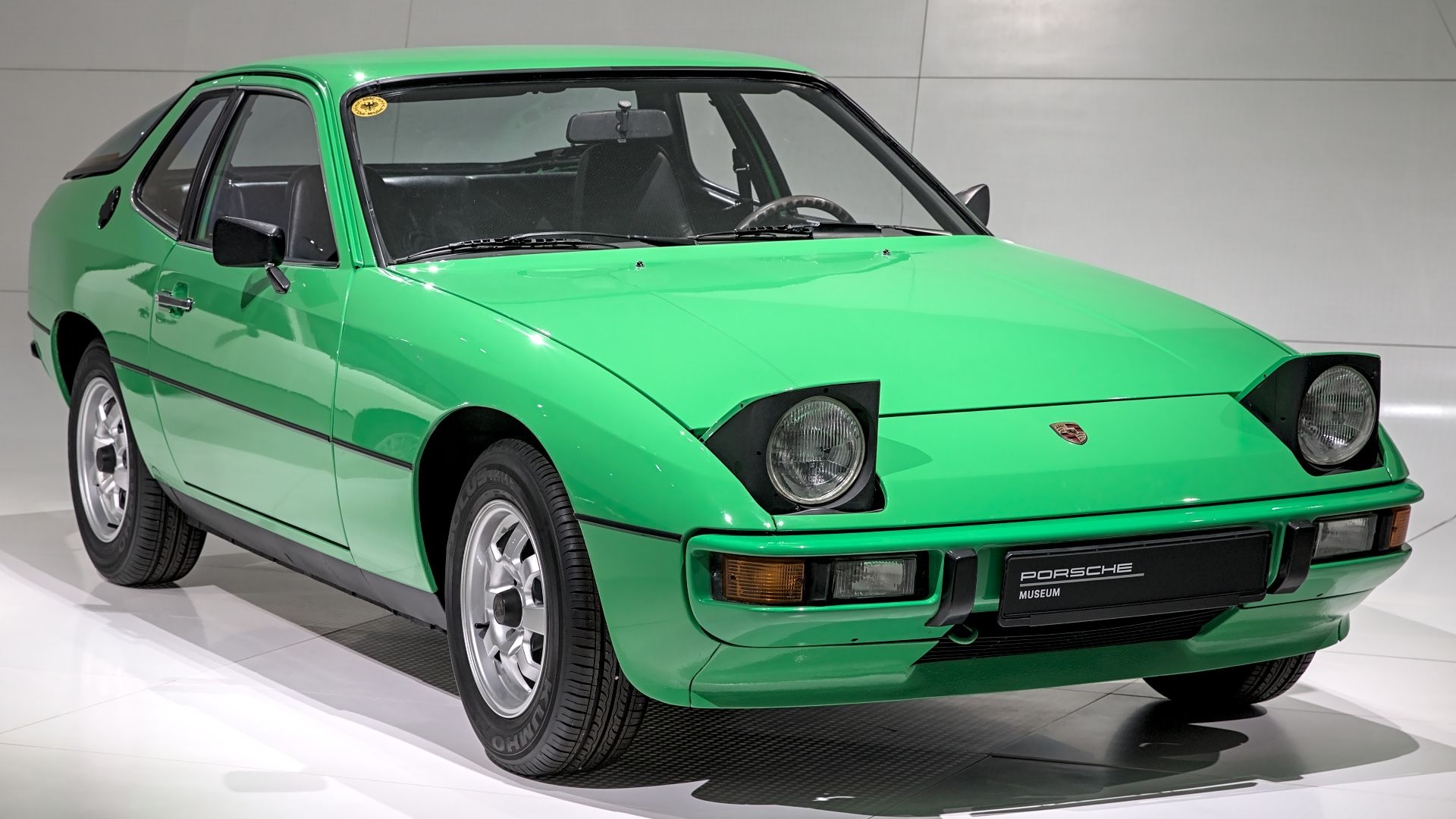 Alexander Migl, Wikimedia Commons
Porsche 924 (Cont.)
The 924's pop-up headlights and wedge profile aged gracefully, and the later Turbo models transformed performance with 143 horsepower. Today's market values the 924 between $8,000 and $18,000 for solid examples.
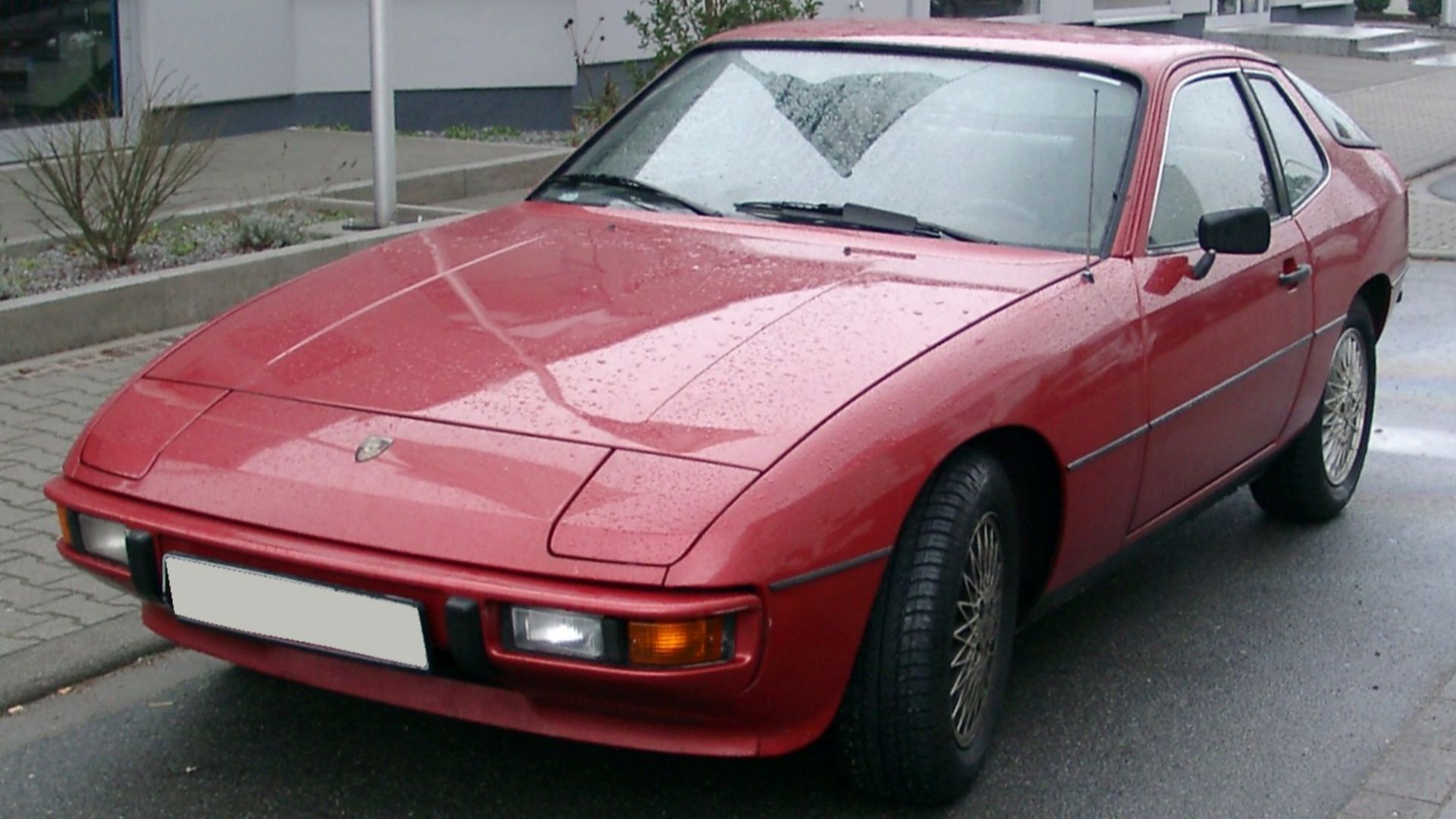 Rudolf Stricker, Wikimedia Commons