The One-Owner Myth Has Some Truth To It
A one-owner car can sound like the jackpot in the used-car market. And to be fair, the idea is not nonsense. Fewer owners can mean a simpler history and fewer chances for neglect or abuse. But it's definitely not a rule, and there's a reason why.
No matter what you hear, the paperwork and the car’s condition matter a lot more than how many names were on the title.

People Love Their One-Owner Cars
The appeal is pretty obvious. A one-owner car may have had more consistent maintenance, steadier driving habits, and a cleaner paper trail. Services like CARFAX even let shoppers filter for one-owner vehicles because the label helps sell cars.
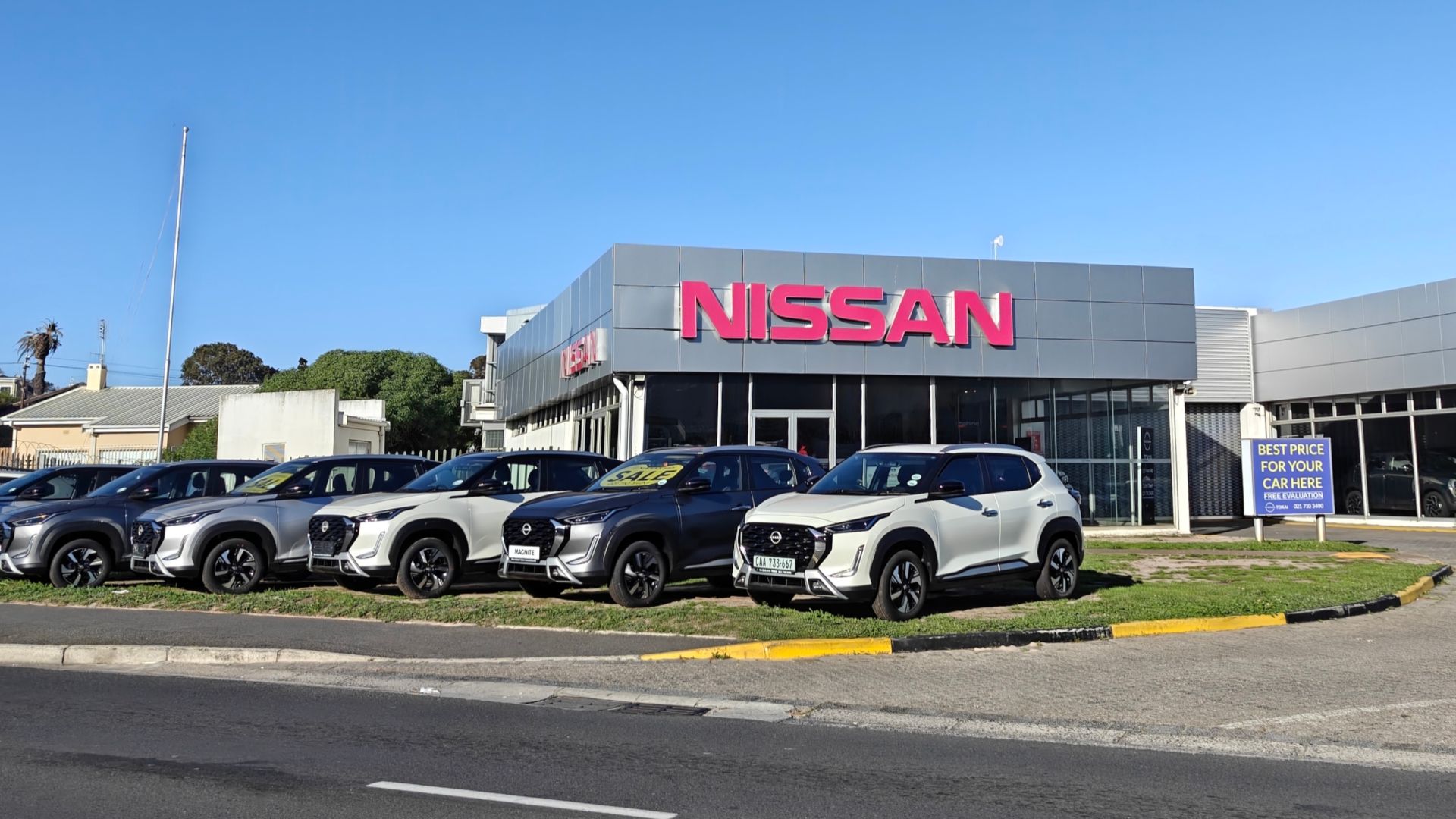
What “One-Owner” Really Means
At its most basic, a one-owner car is a vehicle that had one registered owner in title and registration records. Simple enough, but that label does not tell you how the car was treated. One careful owner is great. One careless owner can still hand you a very expensive mess.

What Three Owners Actually Means
A three-owner car is not automatically bad news. It may just mean the car changed hands over time for normal reasons like moves, family changes, or lease buyouts. If each owner took care of it, a three-owner car can easily be the better buy.

Maintenance History Matters More Than Owner Count
If there is one thing to remember, it is this: service history usually beats owner count. Consumer Reports has long advised used-car shoppers to focus on reliability, inspections, and maintenance records instead of catchy labels. A stack of service receipts can tell you far more than a one-owner badge.

A Clean Title Matters More Than A Short Owner List
Before you get sold on the one-owner story, make sure the title is clean. The National Insurance Crime Bureau offers free VIN checks for vehicles reported stolen or branded as salvage by participating insurers. A one-owner car with a branded history can be a much worse gamble than a well-kept three-owner car with a clean title.

Vehicle History Reports Help, But They Miss Things
Vehicle history reports from companies like CARFAX and AutoCheck can show title transfers, accident reports, odometer issues, and some service entries. They are useful, but only as complete as the records that get reported. The Federal Trade Commission warns buyers not to rely on a history report alone.

Service Records Tell The Real Story
Oil changes, brake work, transmission service, tire rotations, and recall repairs paint a much clearer picture than owner count. A car serviced on time is usually a safer bet than one with a fuzzy past. Missing records do not always mean the car was neglected, but complete records are a big plus.

Short-Term Ownership Can Be A Warning Sign
If a car had three owners in four years, it is worth digging deeper. Fast turnover can be harmless, but it can also point to repeat problems, unhappy owners, or repair bills that made people walk away. The timing matters as much as the number.

Long-Term Multi-Owner Cars Can Be Great
A 12-year-old car with three owners may have changed hands at perfectly normal points. One owner may have leased it, the next may have kept it for seven years, and the third may have traded it in for something newer. That kind of history is a lot less scary than the raw number makes it seem.
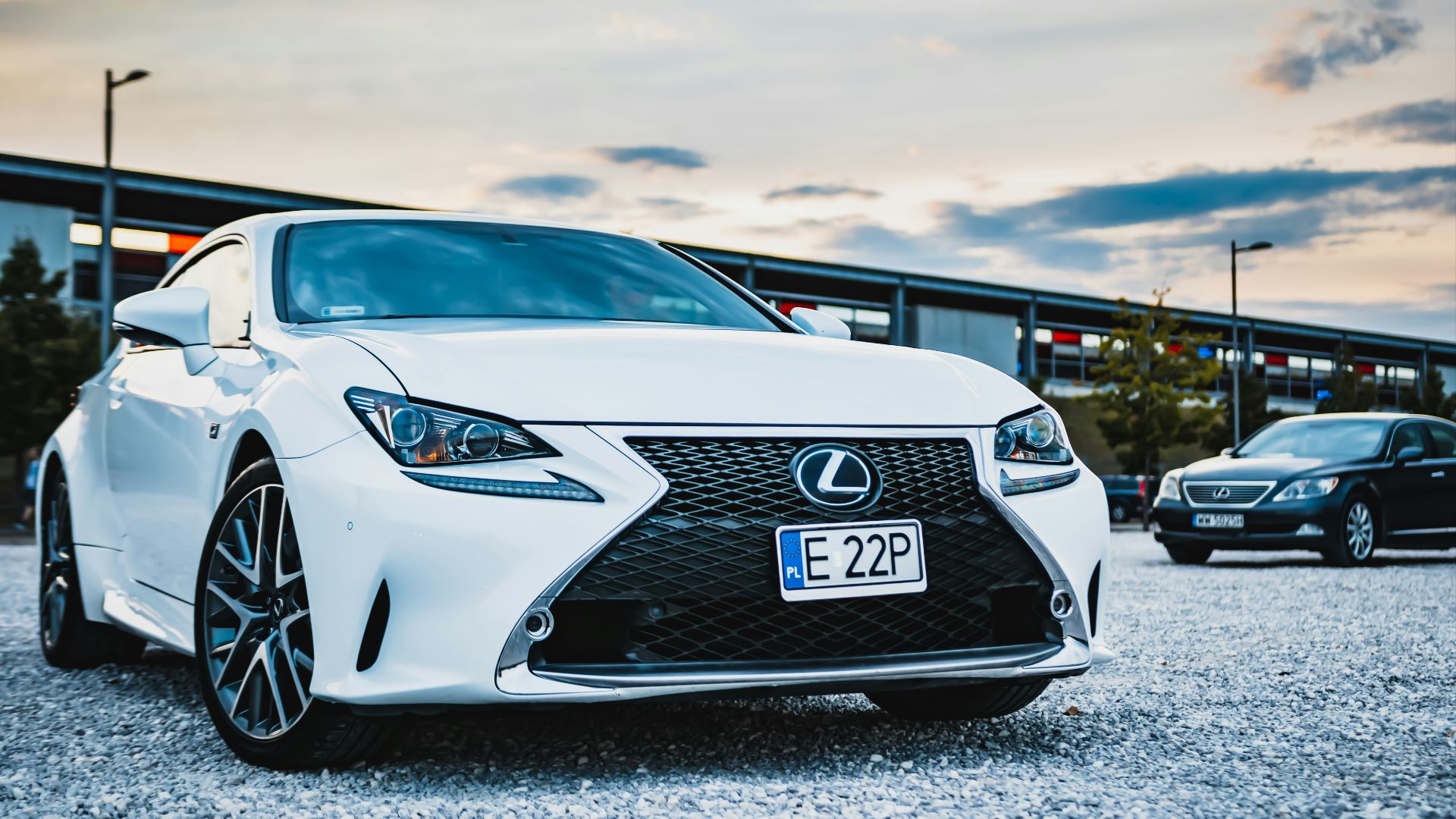
Where The Car Lived Matters Too
A one-owner car from an area with heavy road salt can have worse rust than a three-owner car from a dry climate. Flood risk, heat, humidity, and harsh winters all shape a car’s long-term condition. Owner count tells you none of that by itself.

Accident History Matters More Than Ownership Count
A three-owner car with no serious accidents may be the smarter choice than a one-owner car with crash damage in its past. The Insurance Institute for Highway Safety notes that proper repairs matter, but old damage still deserves a close look. Ask for repair records and get any repaired car inspected carefully.

Independent Inspections Level The Playing Field
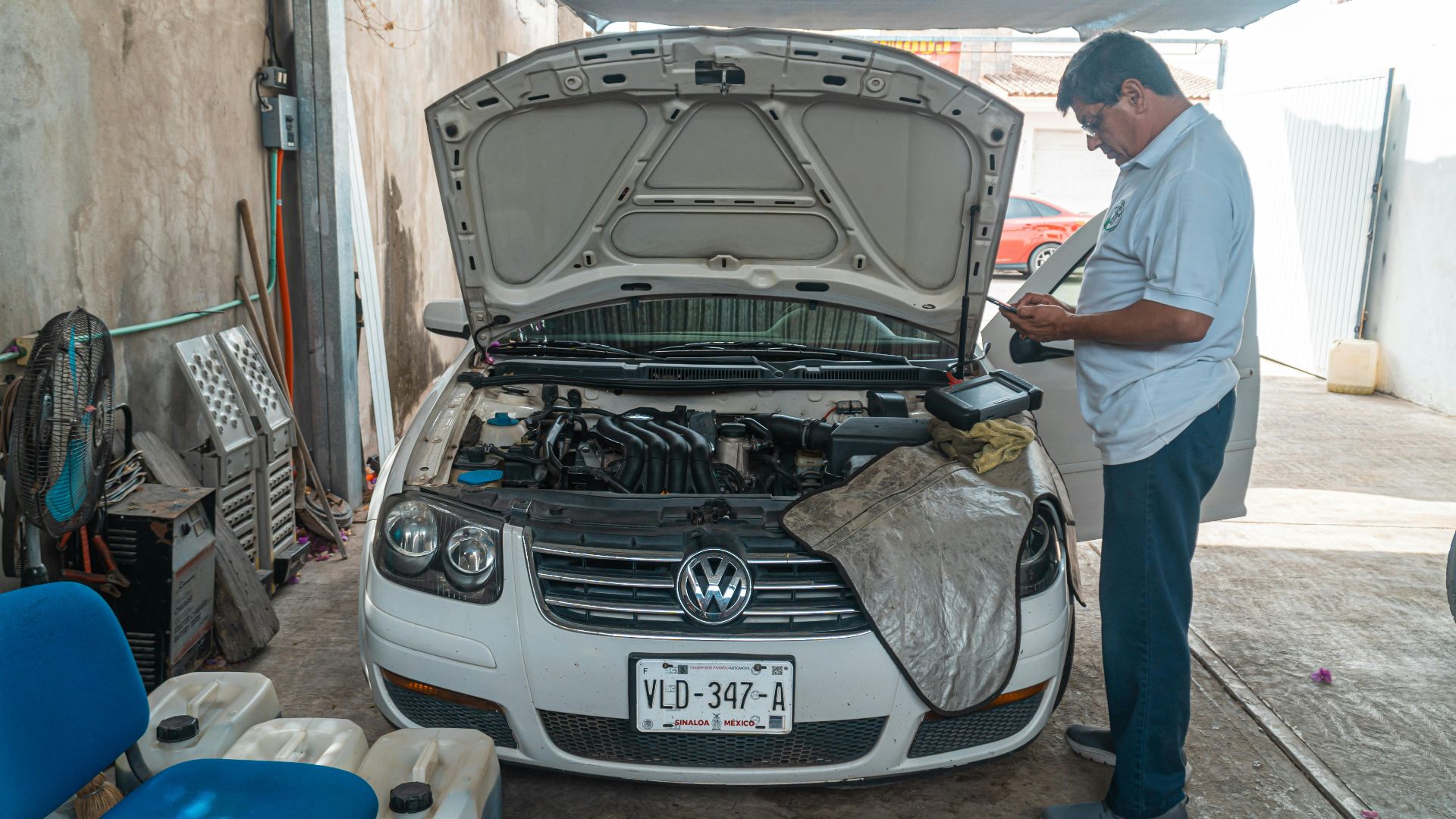
A pre-purchase inspection from an independent mechanic can cut through the sales pitch fast. AAA and Consumer Reports both recommend getting one before buying a used car. For a fairly small fee, you can uncover leaks, worn suspension parts, hidden crash repairs, and upcoming maintenance costs.
 Jose Ricardo Barraza Morachis, Pexels
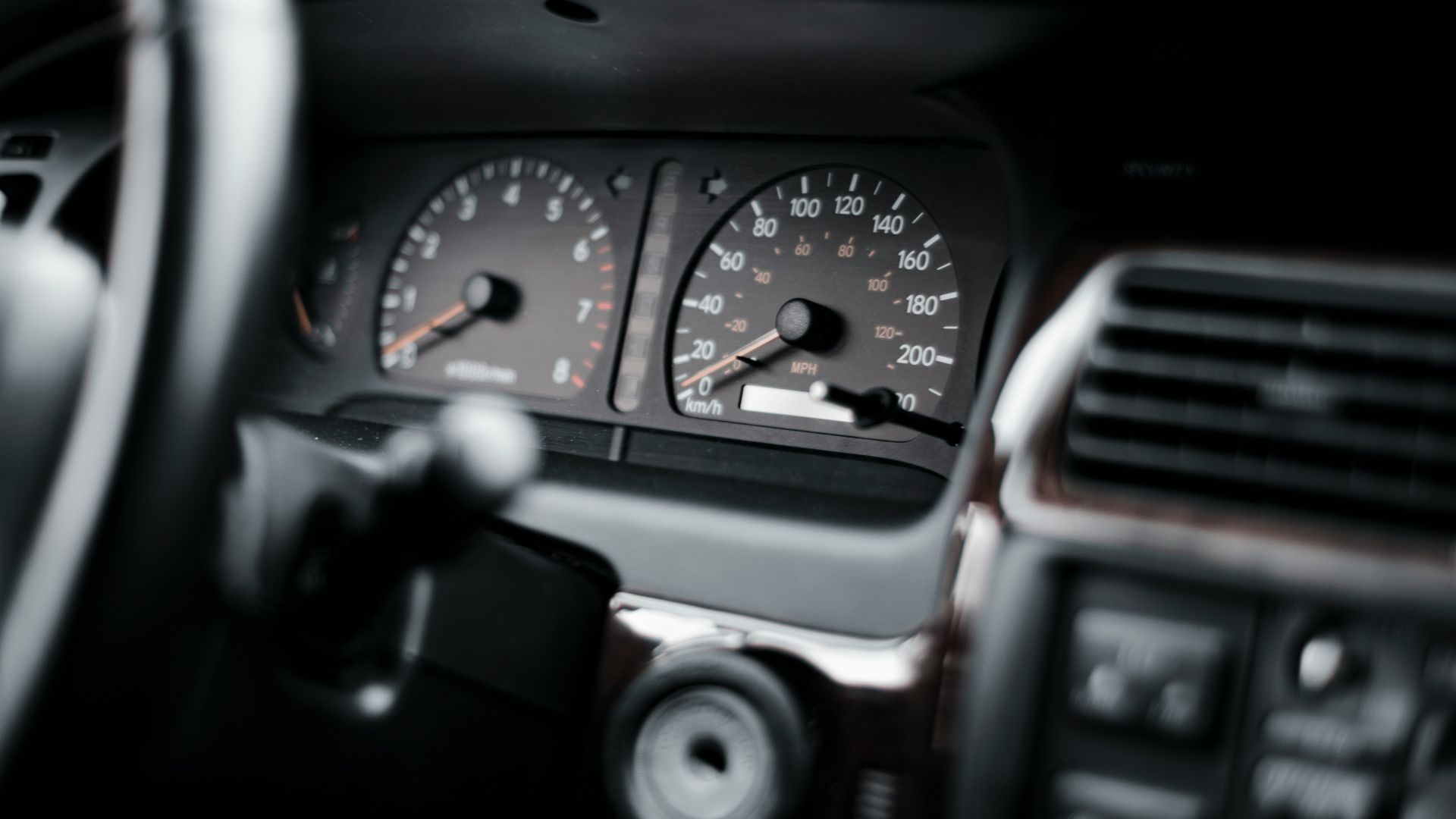
Odometer Reading Needs Context
Low mileage looks great on paper, but it does not always mean the car is better. A one-owner car with very low mileage may have spent long stretches sitting, which can lead to problems with seals, tires, batteries, and fluids. A three-owner car with steady, documented highway use can sometimes be in better shape than a barely driven garage queen.
Check Recalls No Matter How Many Owners It Had
Open recalls can affect safety and resale value, and they have nothing to do with owner count. The National Highway Traffic Safety Administration offers a free VIN lookup so buyers can see whether recall work is still open. It is one of the easiest checks you can do before buying.

Certified Pre-Owned Can Change The Math
If a used car is sold as certified pre-owned through a manufacturer-backed program, it has usually passed an inspection and comes with warranty coverage. That does not make it flawless, but it can lower the risk. In that case, whether the car had one owner or three may matter less than the strength of the certification and warranty.

Lease Cars Can Make The History Look Strange
Sometimes a car’s ownership history looks busier than it really was. A leased vehicle can be titled to a leasing company, then transferred when it is sold, creating entries that make shoppers nervous. Read the report closely instead of reacting to the owner total by itself.
 Jose Ricardo Barraza Morachis, Pexels
Fleet And Rental Use May Matter More
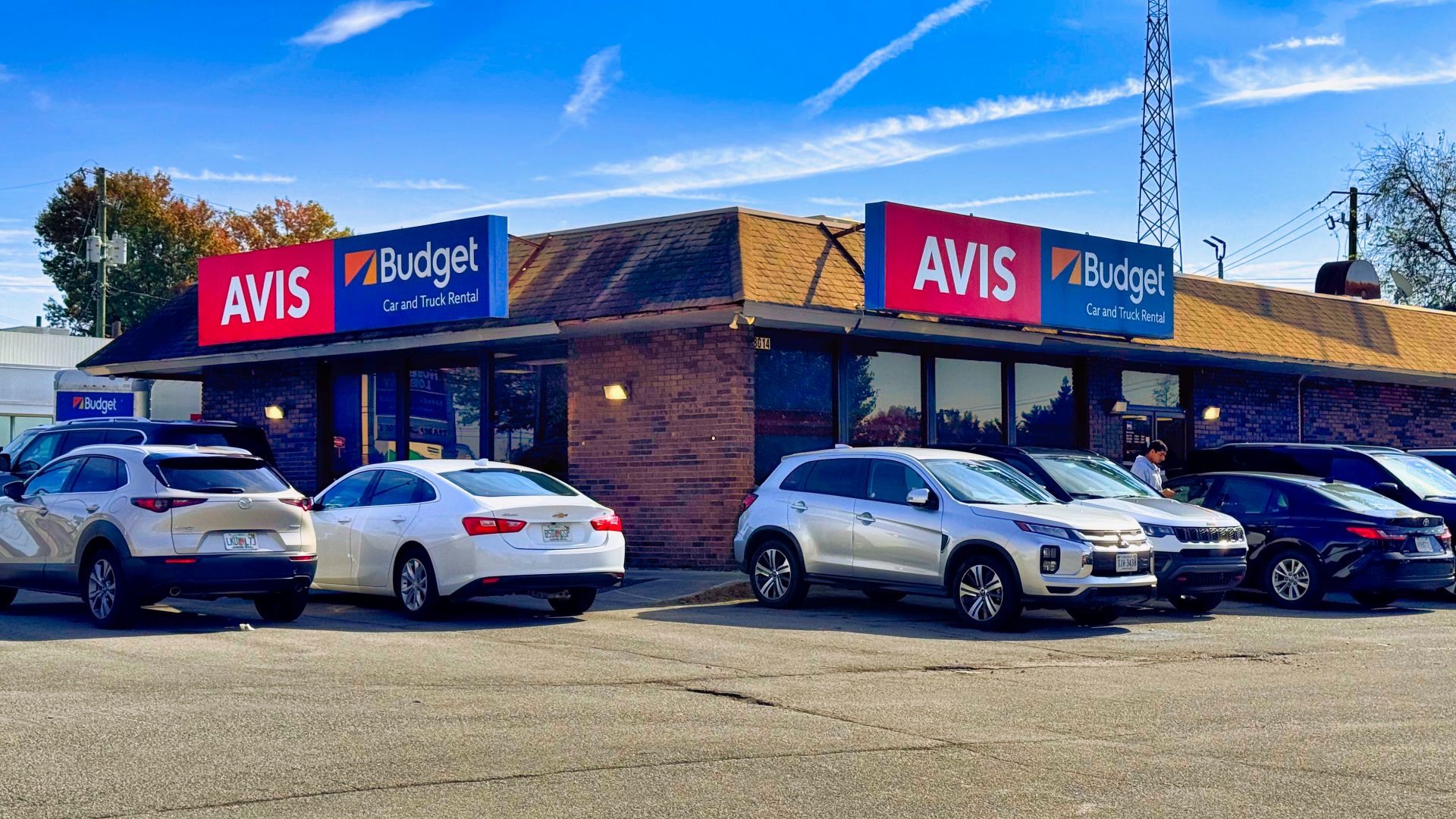
A one-owner vehicle that spent its early life as a rental or fleet car may have had a rougher time than a privately owned three-owner car. Some rental cars are maintained on schedule, but they also get driven by lots of different people with lots of different habits. How the car was used matters at least as much as how many owners it had.
 Harrison Keely, Wikimedia Commons
Luxury Cars Need Extra Care
With an older luxury car, owner count can distract from the bigger issue: skipped maintenance. A one-owner European luxury car with missed services can turn into a money pit fast. A three-owner version with strong records and recent major work might be the safer move.

Enthusiast Cars Can Go Either Way
Sports cars and enthusiast models often move between owners faster than everyday commuter cars. That is not automatically a problem, but it does make a careful inspection even more important. Tire wear, brake condition, aftermarket parts, and signs of track use matter more here than the simple owner tally.

The Best Question To Ask The Seller
Do not stop at “How many owners?” Ask what maintenance has been done, what repairs were needed, whether service records are available, and why the car is being sold. Good sellers usually answer clearly. Vague answers often tell you more than the owner count ever will.

Paperwork Shows Who Really Cared
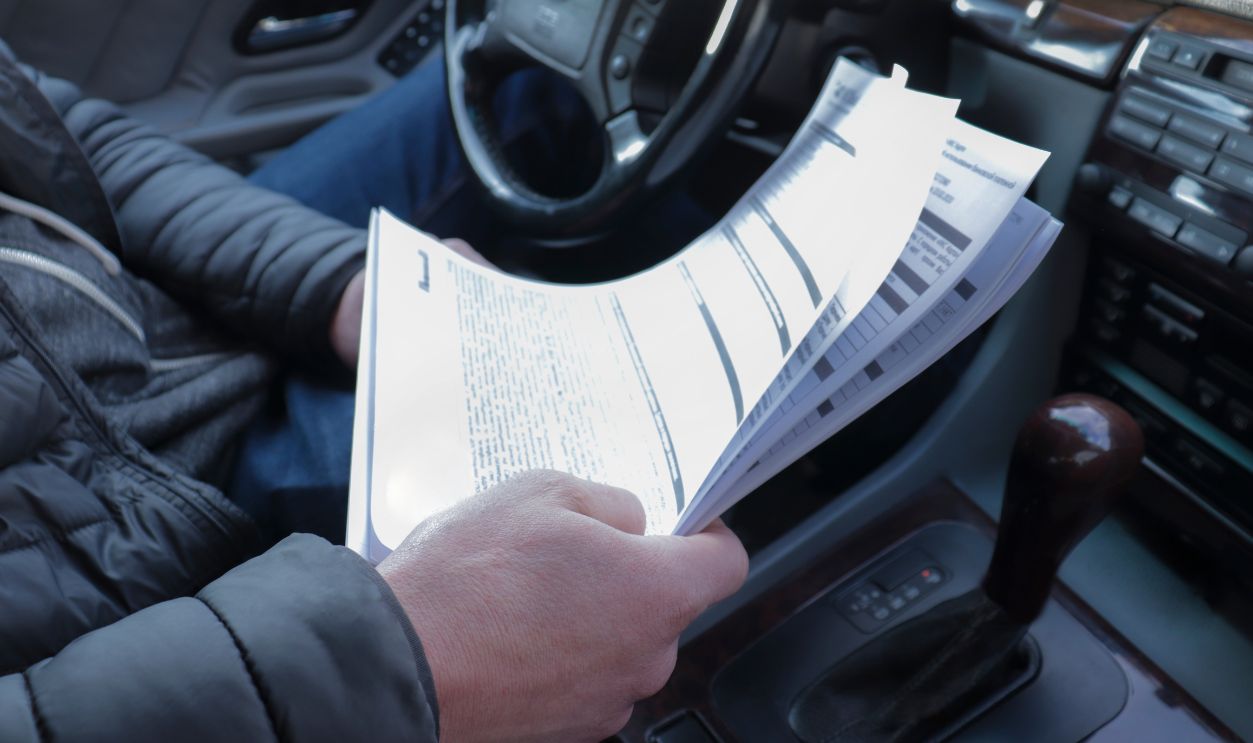
Look for receipts, stamped maintenance booklets, inspection reports, and even tire purchase records. Those details can show whether the car was cared for on schedule and with some pride. A multi-owner car with organized paperwork can inspire a lot more confidence than a one-owner car with nothing to back up the story.
 Natallia Ustsinava, Shutterstock
Price Should Reflect The Whole Picture
Dealers and private sellers often use the one-owner label to ask more money. Sometimes that extra cost makes sense, especially if the car also has complete records and excellent condition. But paying extra for owner count alone is usually not a smart move.

So, Does It Matter?
Yes, but not in the simple way people often think. One-owner status is useful because it can mean a cleaner history and fewer unknowns. It is still just one clue, and it should never matter more than inspection results, service history, title status, accident history, and overall condition.

How Smart Buyers Break The Tie
If you are choosing between a one-owner car and a three-owner car, compare records, condition, inspection results, and total ownership costs. Check the VIN, look up recalls, study the service trail, and have both cars inspected. The better car is the one that was cared for, not the one with the cleaner headline.

The Bottom Line For Used-Car Shoppers
A one-owner car can be better, but it is not automatically better. The used-car market is full of clean-sounding stories that fall apart under a close look, and overlooked cars with multiple owners that turn out to be excellent buys. Buy the history, the condition, and the inspection report. Treat owner count as just one piece of the puzzle.