
Dad Always Pumped The Gas First
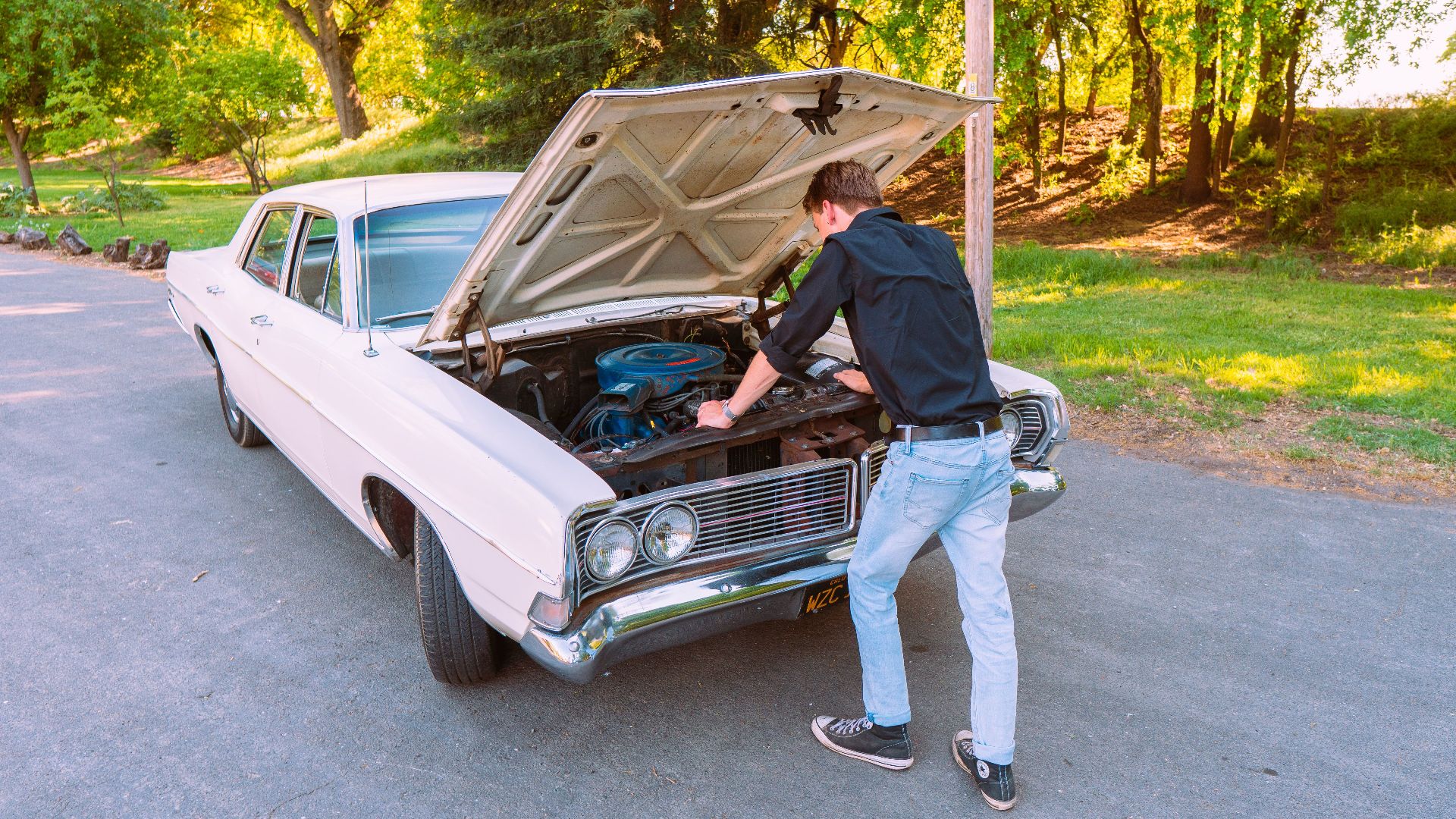
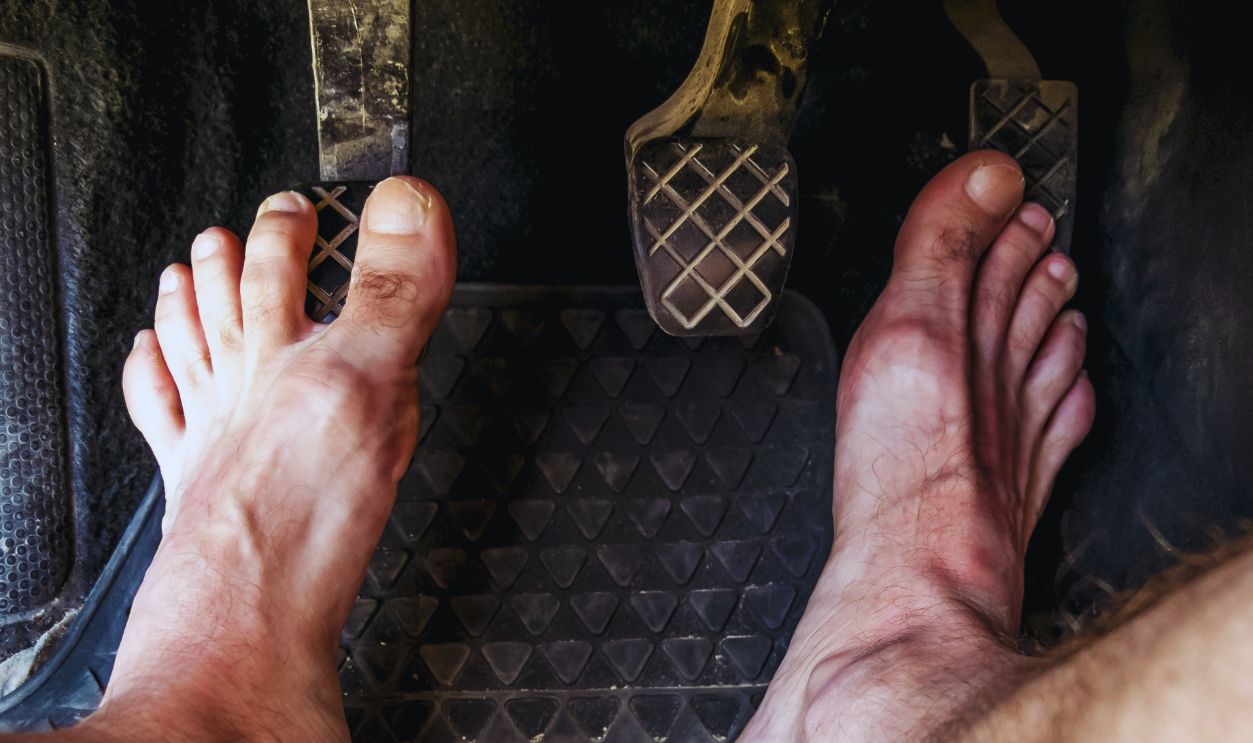
If you grew up in the 1960s or 1970s, you probably remember your father pumping the gas pedal before starting the car on a cold morning. He insisted it helped the engine start, and for many older cars, he was absolutely right. But try that same trick in a modern car, and it serves little purpose.
So what changed under the hood that made this once-familiar habit unnecessary?

It All Came Down To The Carburetor
Before fuel injection became widespread, most American gasoline-powered cars relied on carburetors. These mechanical devices mixed gasoline with incoming air before the mixture entered the engine. They worked well, but starting a cold engine often required some help from the driver.
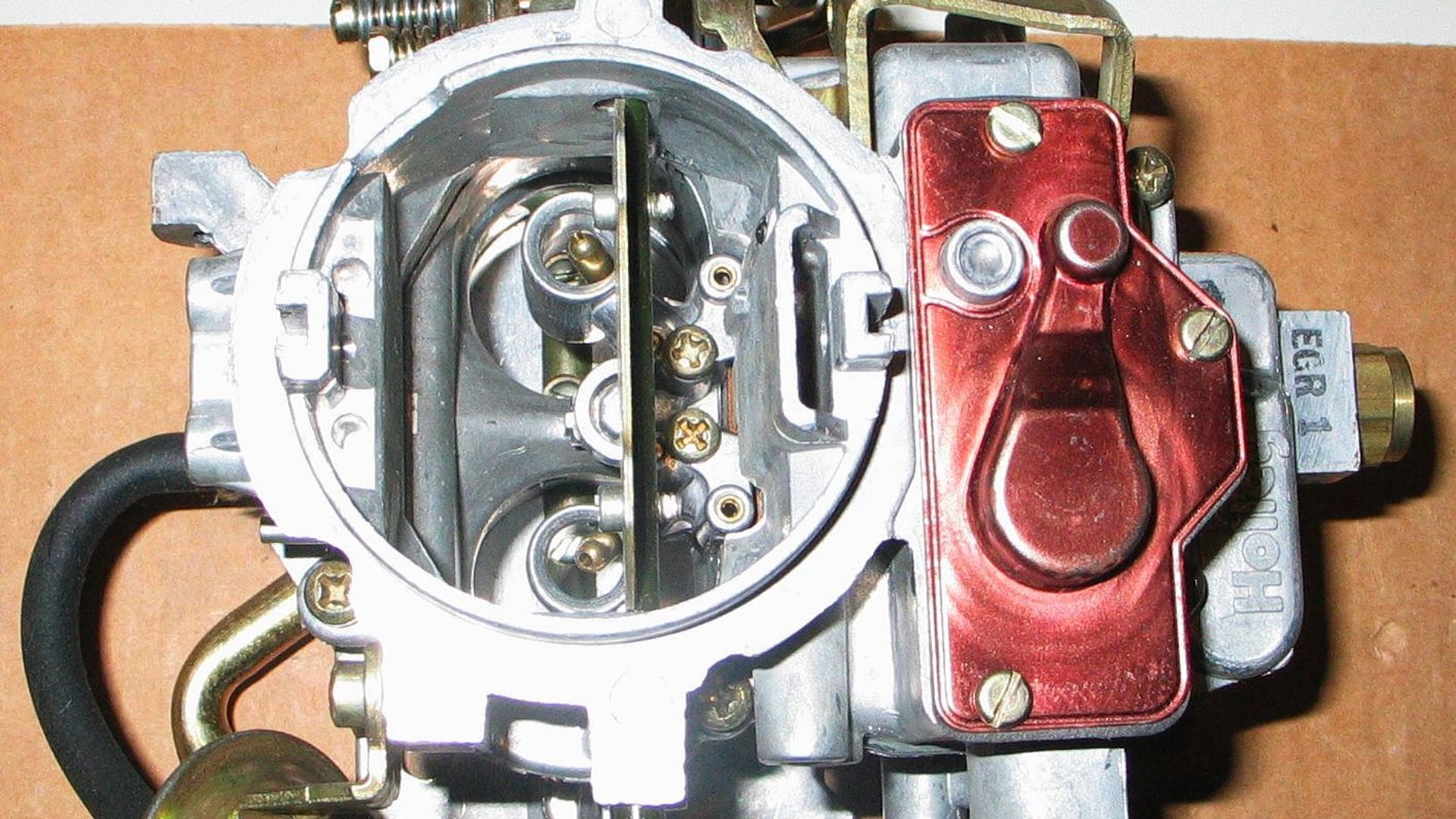 Scheinwerfermann, Wikimedia Commons
Cold Engines Needed Extra Gasoline
Gasoline doesn't vaporize as easily when temperatures drop. In a cold engine, some fuel remains in liquid form instead of mixing properly with the incoming air. To compensate, the engine needs a richer fuel mixture during startup.

Pumping The Pedal Delivered Extra Fuel
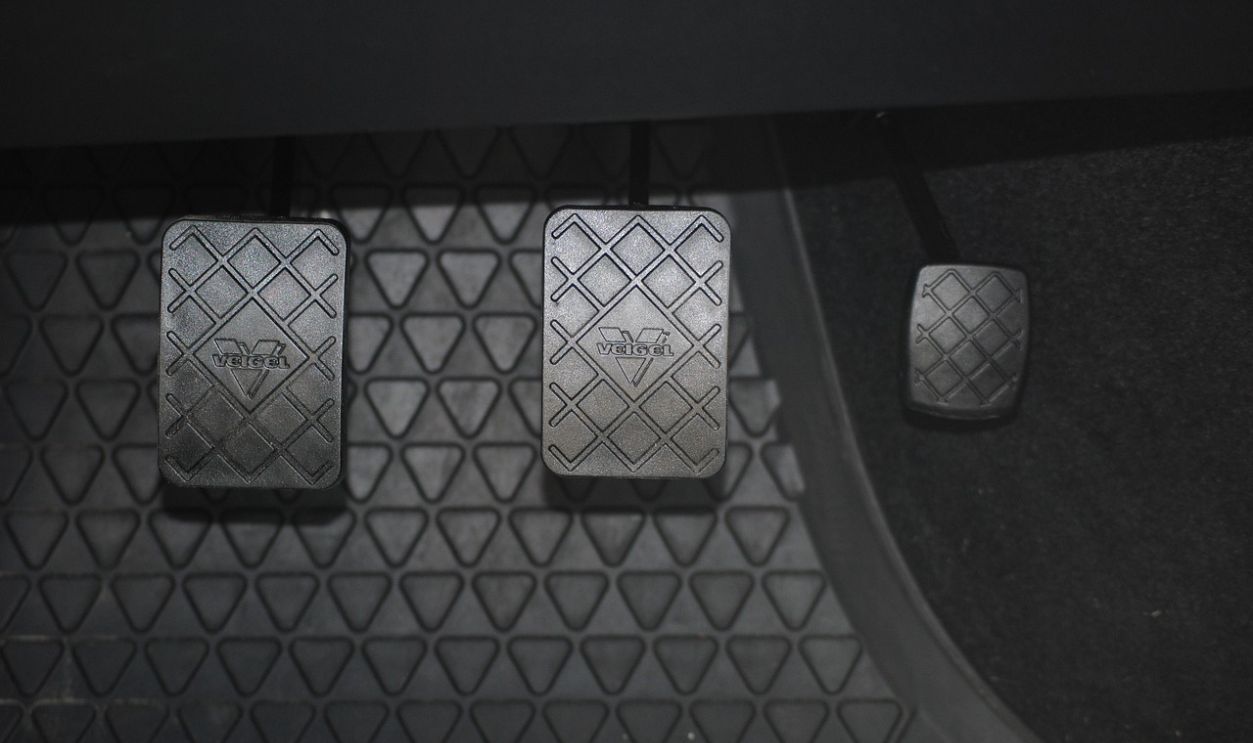
Most traditional automotive carburetors contained a device called an accelerator pump. Pressing the gas pedal activated this pump, squirting a small amount of gasoline into the carburetor's airflow. That extra fuel could help prepare the engine for a cold start.

But The Pedal Did Something Else
On many carbureted cars, pressing the accelerator also helped activate the automatic choke. This mechanism controlled how much air entered the carburetor when the engine was cold. Setting it correctly was often just as important as delivering that initial shot of gasoline.
The Choke Was Essential
A choke worked by restricting incoming air, creating the richer fuel mixture needed for cold starting. As the engine warmed, the choke gradually opened to restore a more normal mixture. Without a properly functioning choke, an older car could struggle to start or keep running.
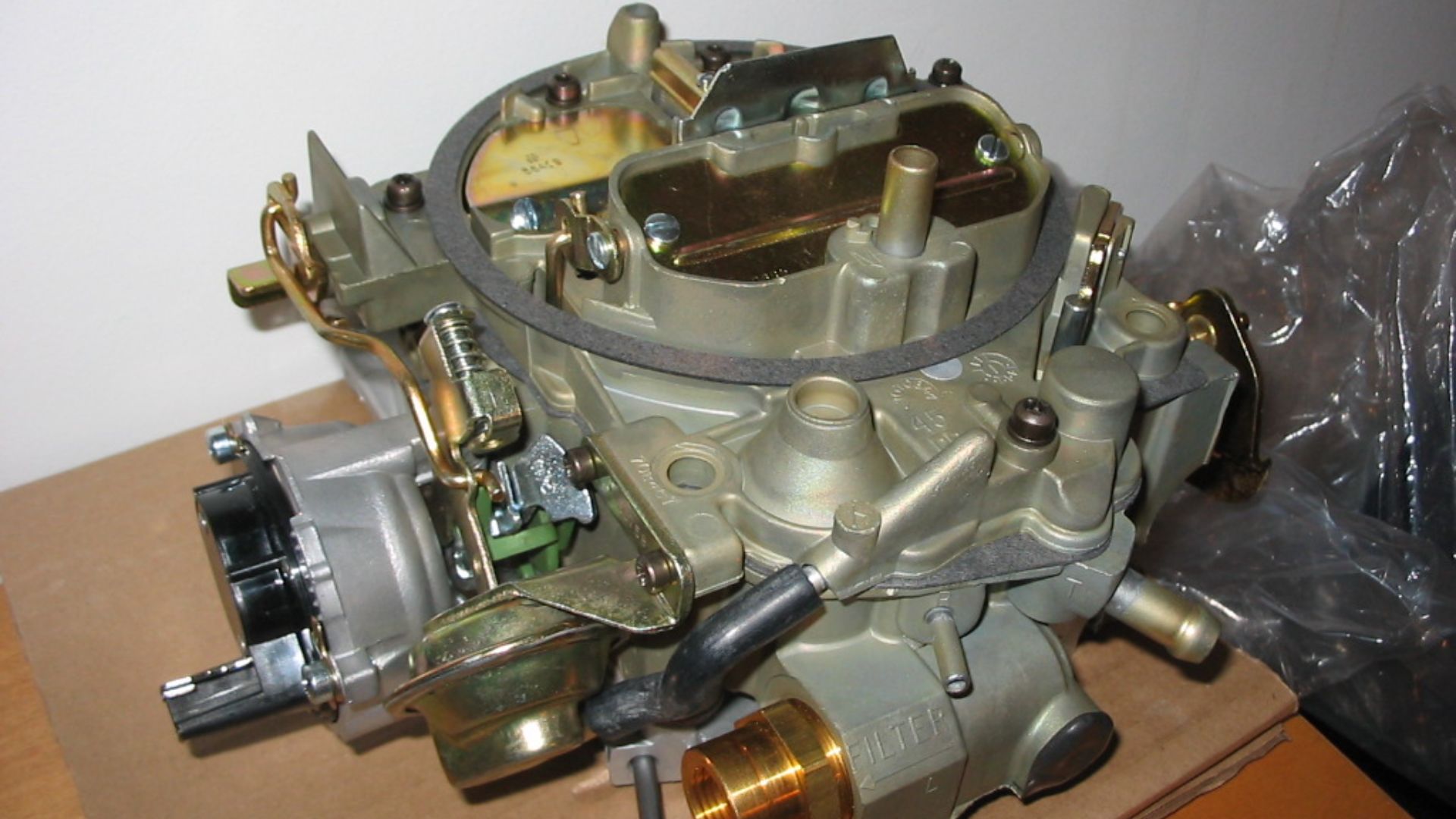 Craigblock at English Wikipedia, Wikimedia Commons
One Press Could Do The Trick
Some carburetors required only one full press and release of the accelerator before starting. Holley's instructions for its Model 4165 specifically describe this procedure to supply fuel and set the choke. The driver was then supposed to crank the engine with their foot off the pedal.

Not Every Car Started The Same Way
The correct starting procedure depended on the carburetor and choke system. Some engines responded well to one pedal press, while others had different manufacturer-recommended routines. That's why the advice your father followed wasn't necessarily identical to what another family used.
The Fast Idle Was Another Trick
Many automatic chokes also operated a fast-idle mechanism that kept the engine running at a higher speed during warm-up. A stepped cam held the throttle slightly open until the engine warmed sufficiently. Pressing the accelerator before starting could help engage this mechanism.
Some Cars Had Manual Chokes
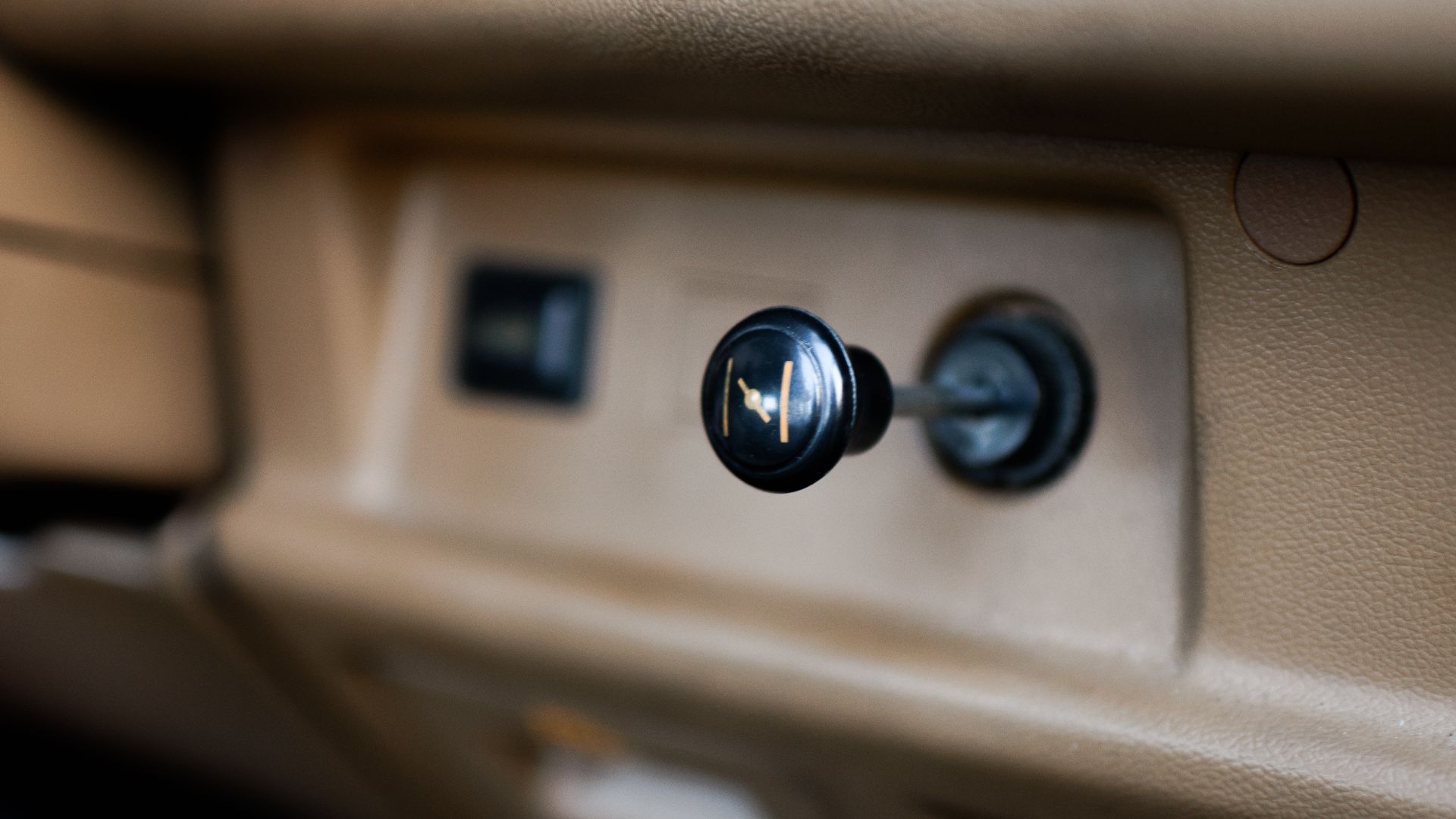
Not every older vehicle could set its choke automatically. Some used a dashboard-mounted knob that allowed the driver to control the choke through a cable. Starting these cars required adjusting the choke manually, then gradually opening it as the engine warmed.
Getting Started Was Only Half The Battle
Even after a carbureted engine fired up, it wasn't necessarily ready for normal driving. A cold engine might hesitate or stall if the throttle was opened too aggressively. Drivers often allowed it to warm up briefly before pulling away.

Too Much Pumping Could Backfire
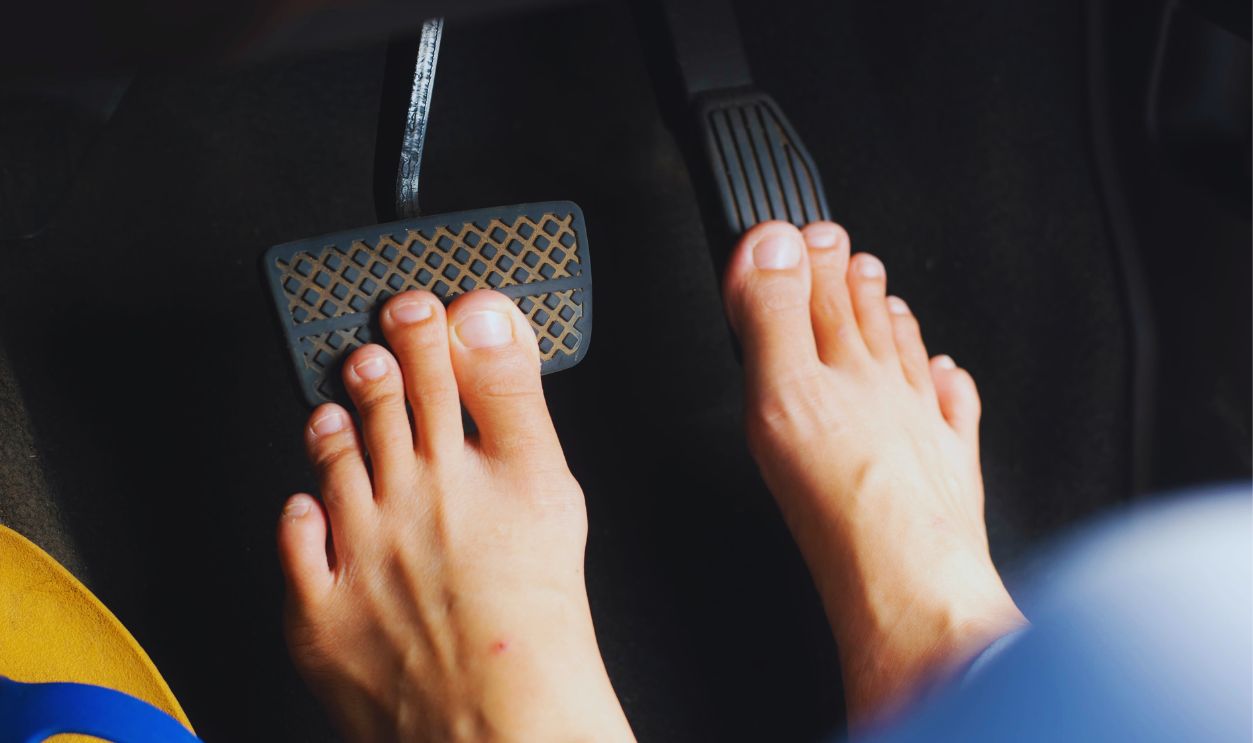
Pumping the accelerator repeatedly wasn't always helpful. Each movement could deliver another shot of gasoline, potentially making the mixture excessively rich. Instead of starting more easily, the engine might become harder to ignite.
 Parkin Srihawong, Shutterstock
That's How You Flooded The Engine
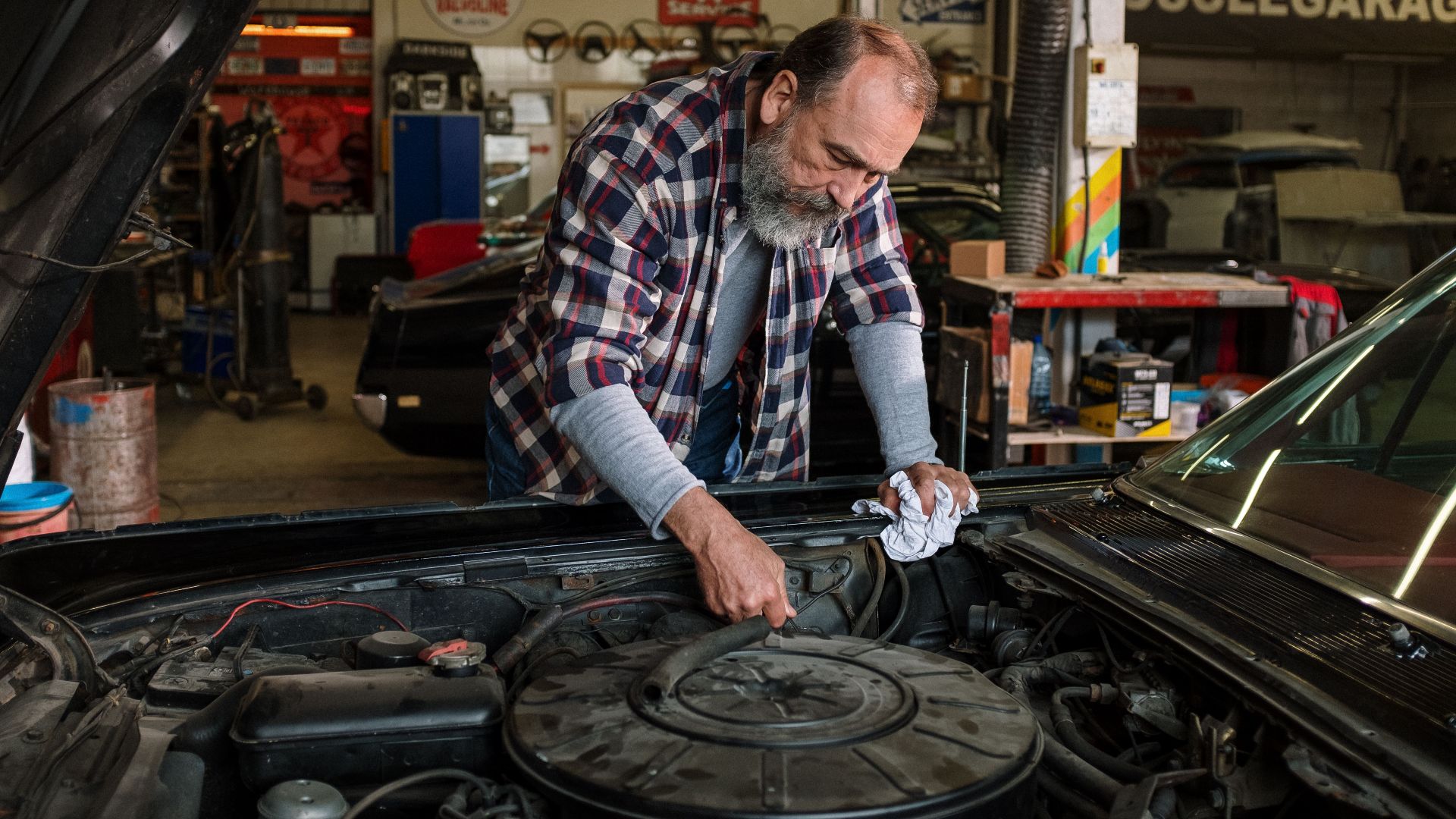
An engine becomes flooded when too much gasoline interferes with normal ignition. On older carbureted vehicles, excessive pedal pumping could contribute to this problem. Drivers sometimes had to stop cranking and give the excess fuel time to clear.
There Was A Trick For That Too
Some carburetors had a choke-unloader mechanism that responded to a fully depressed accelerator. Holding the pedal down could partially open the choke and allow additional air into the engine. This was different from pumping the pedal to prepare for a normal cold start.
Then Fuel Injection Took Over
Electronic fuel injection gradually replaced carburetors across the American automotive market, particularly during the 1980s. By 1988, fuel injection was standard on almost all U.S.-manufactured vehicles, according to historical technical training material. This change transformed how engines received gasoline.
Fuel Injection Worked Differently
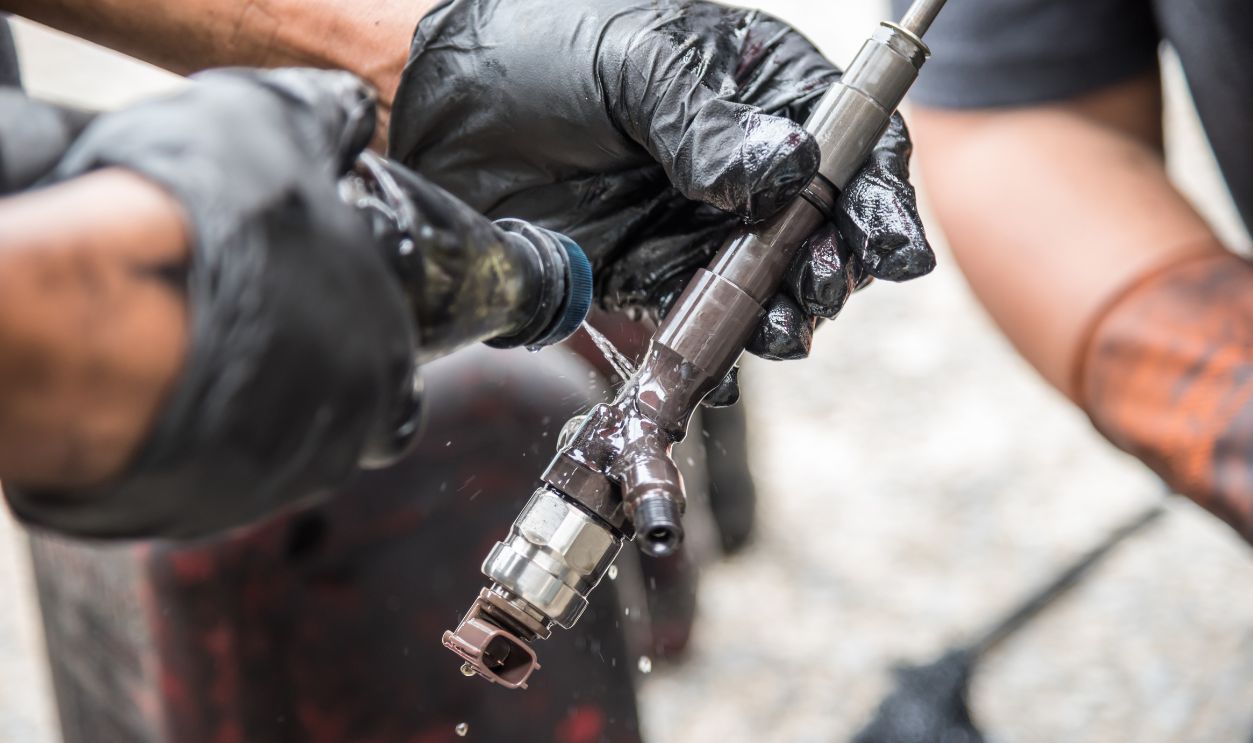
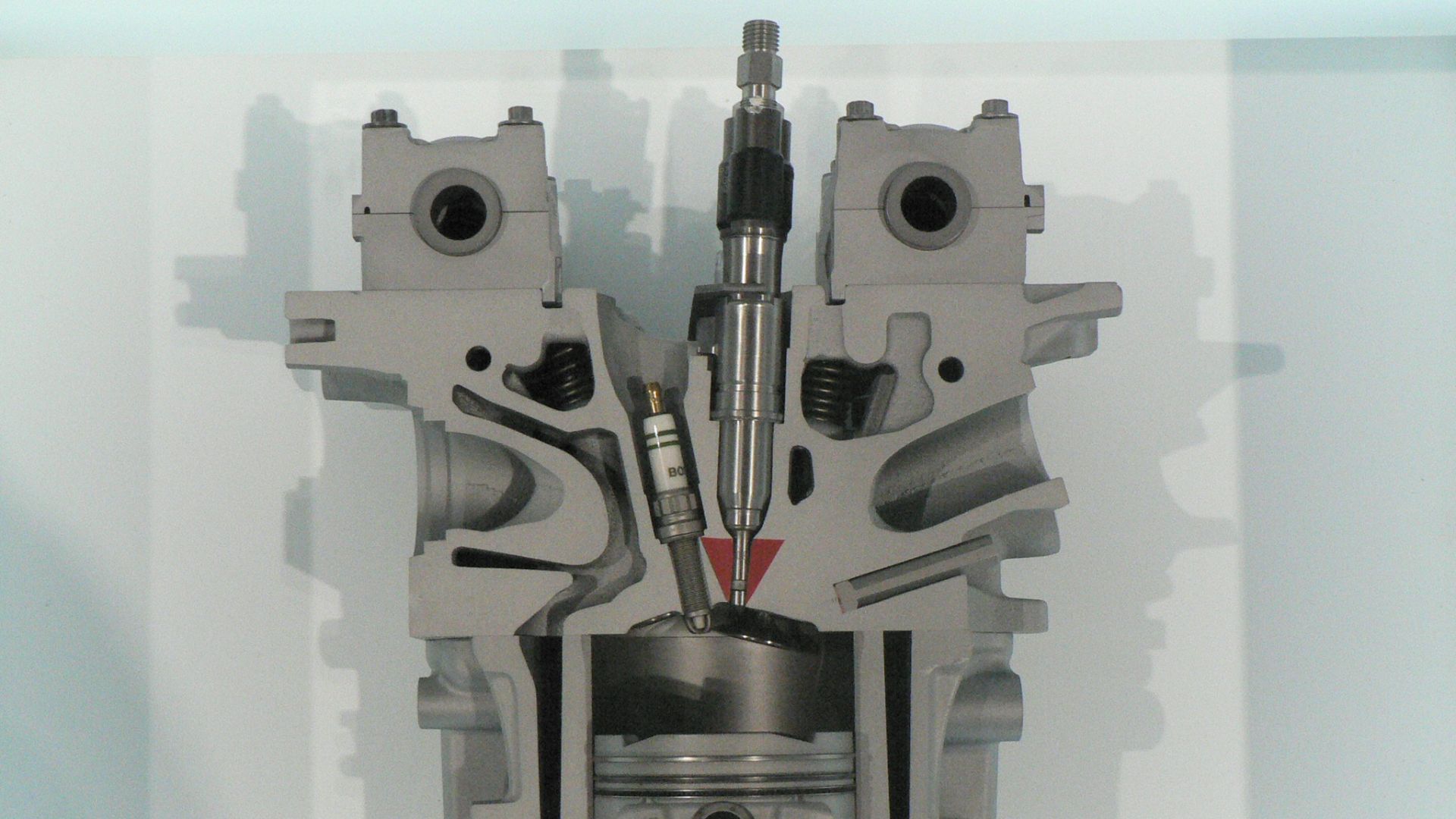
Instead of relying on a carburetor to draw gasoline into the airflow, fuel-injected engines use electronically controlled injectors. These devices deliver measured amounts of fuel at specific times. The engine-management system determines how much gasoline is needed.
 Ton1~commonswiki, Wikimedia Commons
Even The Fuel Pump Changed
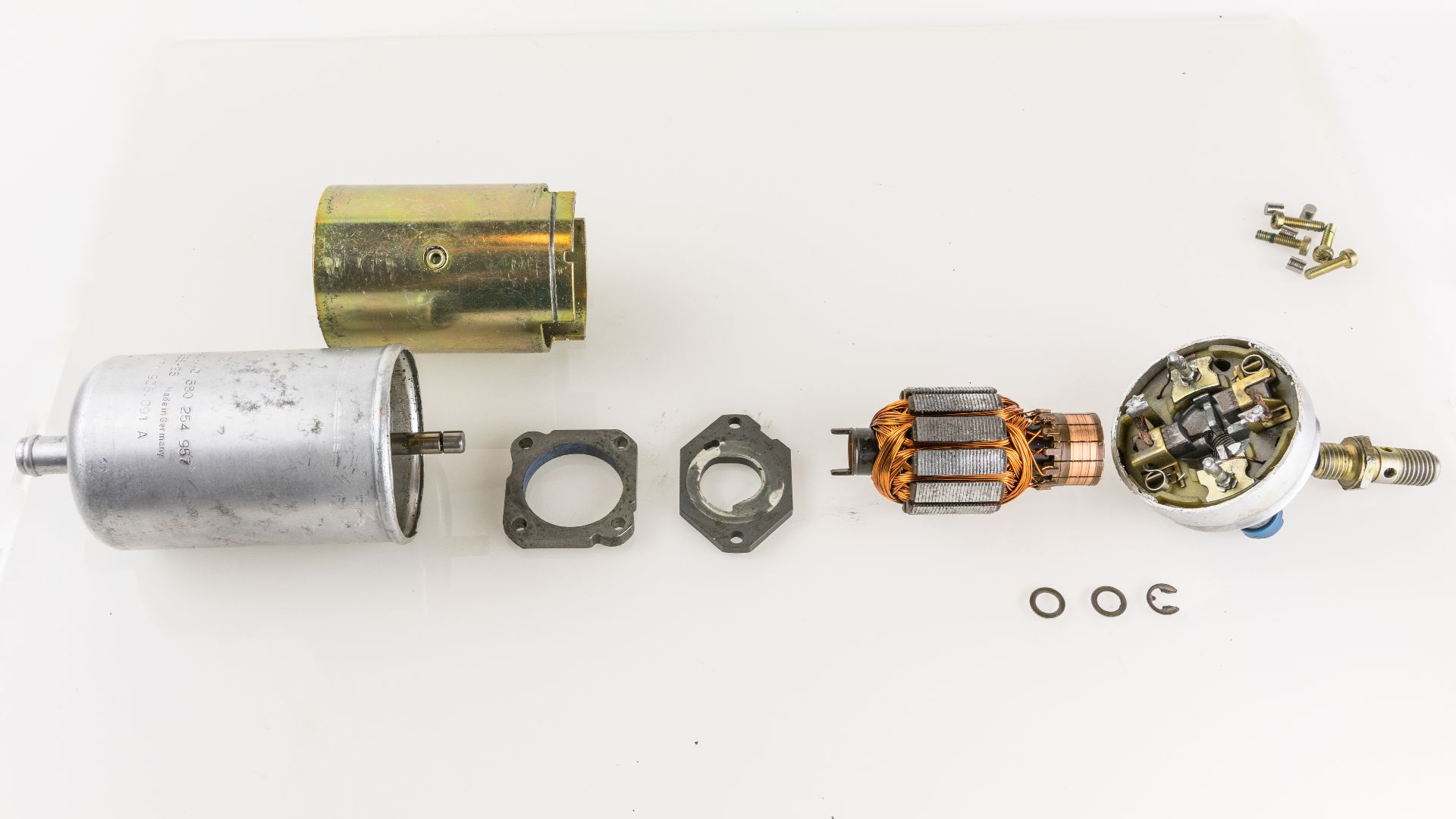
Older carbureted vehicles commonly used mechanical fuel pumps to supply gasoline to a carburetor's fuel bowl. Modern fuel-injection systems generally use electric pumps to deliver fuel under pressure. That pressurized supply allows the injectors to meter gasoline electronically.
 Raimond Spekking, Wikimedia Commons
The Computer Took Over Dad's Job
Modern engines use an electronic control unit to manage fuel delivery. Instead of depending on the driver to prepare the mixture manually, the computer adjusts injection according to engine conditions. It handles the additional fueling required during a cold start.
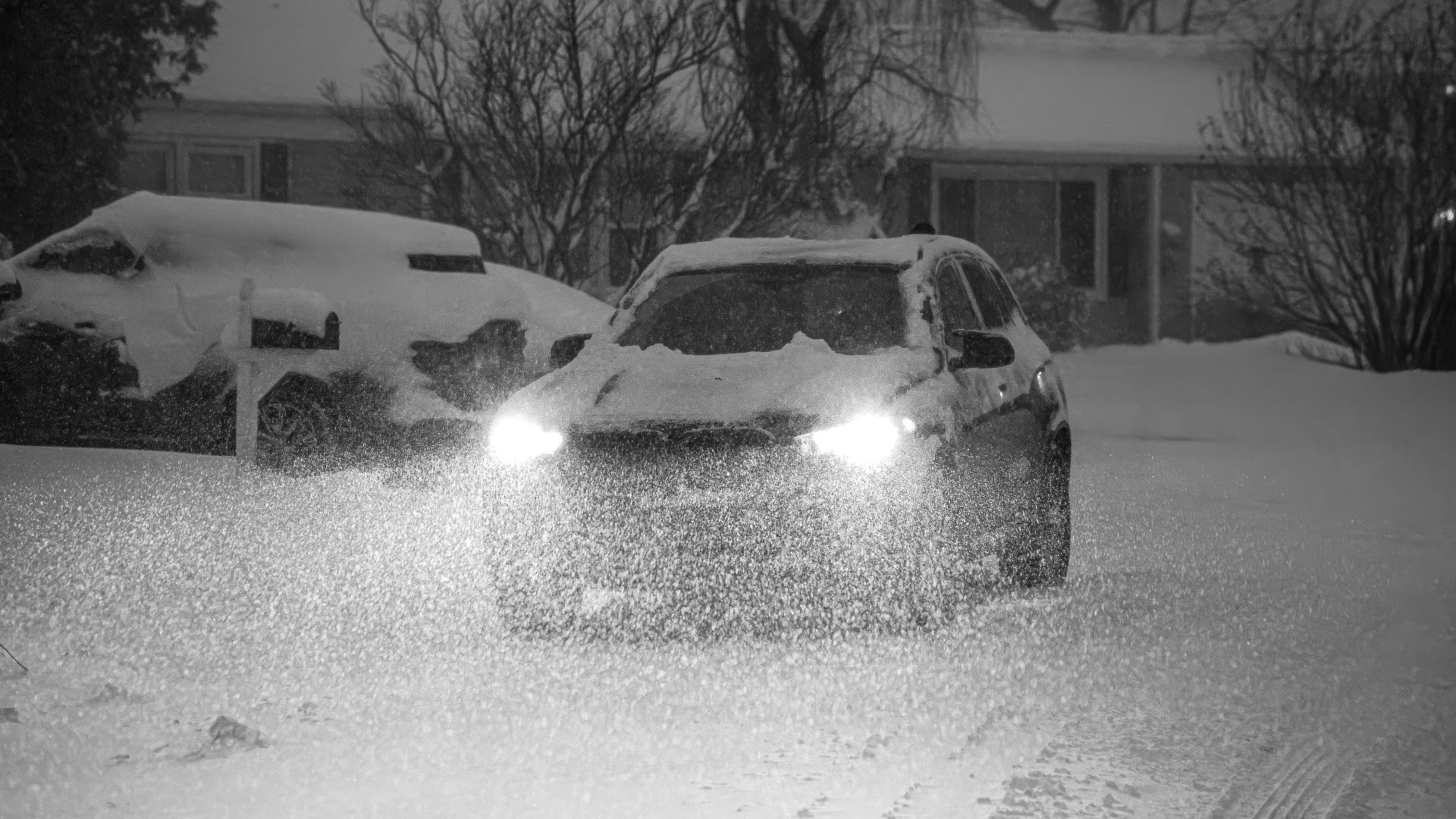
Sensors Tell The Computer It's Cold
One important component is the engine coolant temperature sensor. It helps the computer determine whether the engine is cold, warming up, or operating at its normal temperature. The computer uses that information to adjust fuel delivery automatically.
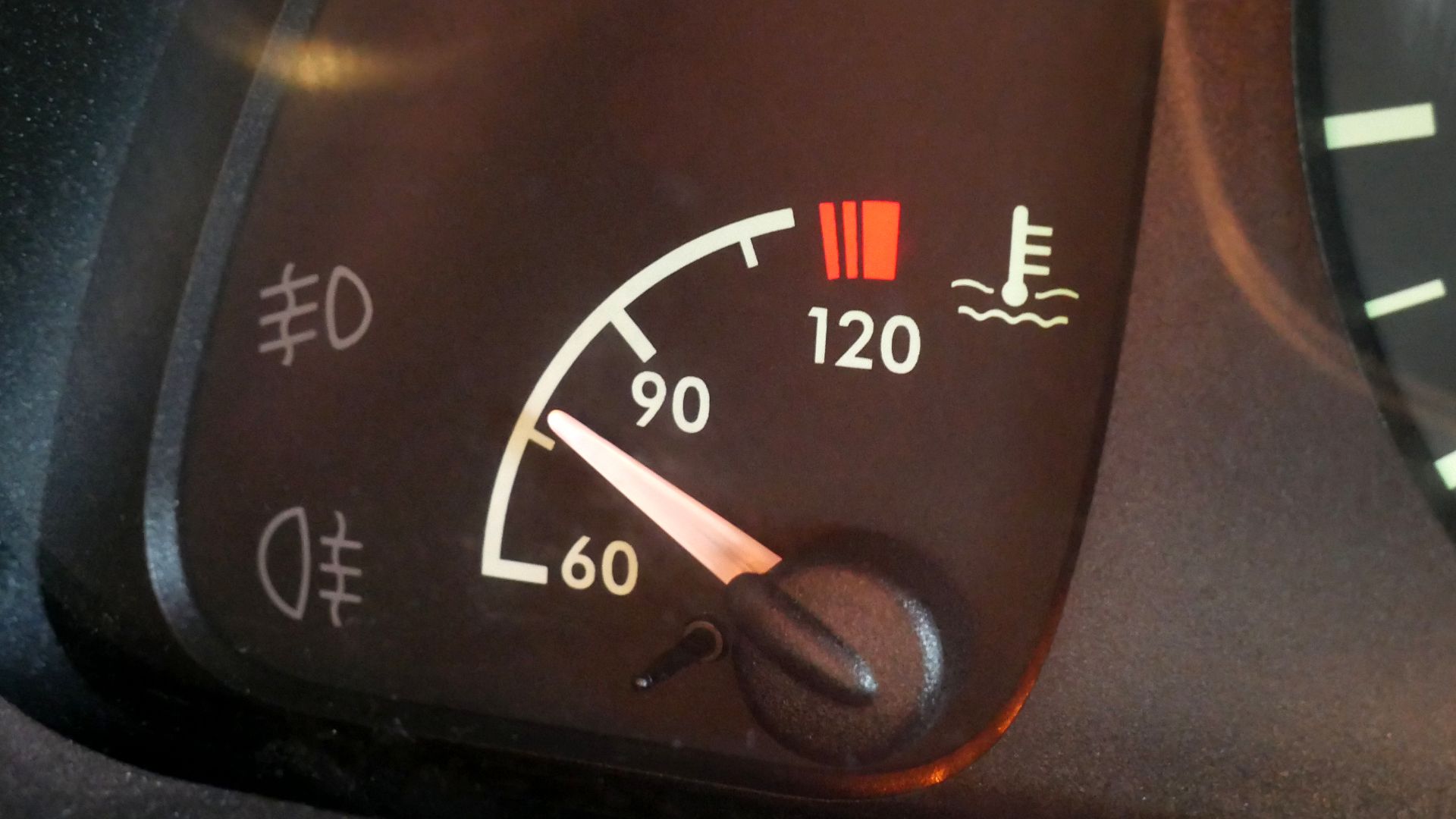 Santeri Viinamaki, Wikimedia Commons
The Engine Enriches Its Own Mixture
When a modern fuel-injected engine starts cold, its computer can increase fuel delivery to compensate for poor vaporization. As temperatures rise, the system progressively adjusts the mixture. This performs the basic cold-start fueling function once handled by carburetor chokes.
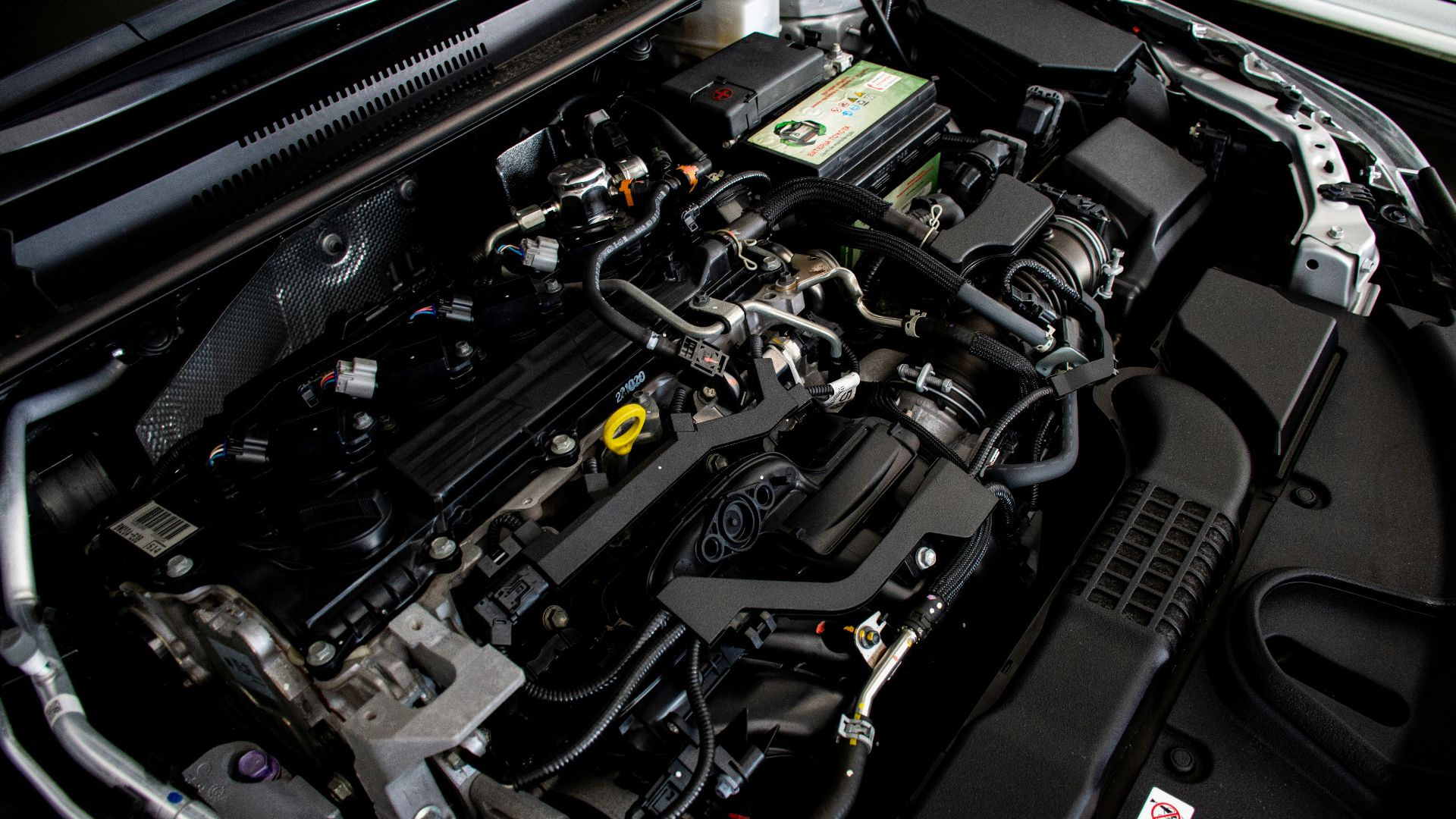
Modern Cars Adjust Their Own Idle Speed
Today's engine-management systems can also raise idle speed automatically after a cold start. Ford's documentation explains that idle speed varies with engine temperature, outside temperature, and electrical demands. The driver no longer needs to engage a mechanical fast-idle cam.

Your Gas Pedal Has Changed Too
Many modern cars use electronic accelerator pedals instead of traditional throttle cables. A sensor detects pedal movement and sends that information to the engine-management system. The computer then determines the appropriate response, rather than relying on a direct mechanical connection to the throttle.

Pumping It Doesn't Prime The Engine
Pumping the accelerator in a modern fuel-injected car doesn't mechanically squirt gasoline into the engine like an old carburetor's accelerator pump. Instead, the pedal communicates with the engine computer, which controls fuel delivery. During a normal cold start, that computer already knows how to supply the necessary gasoline.
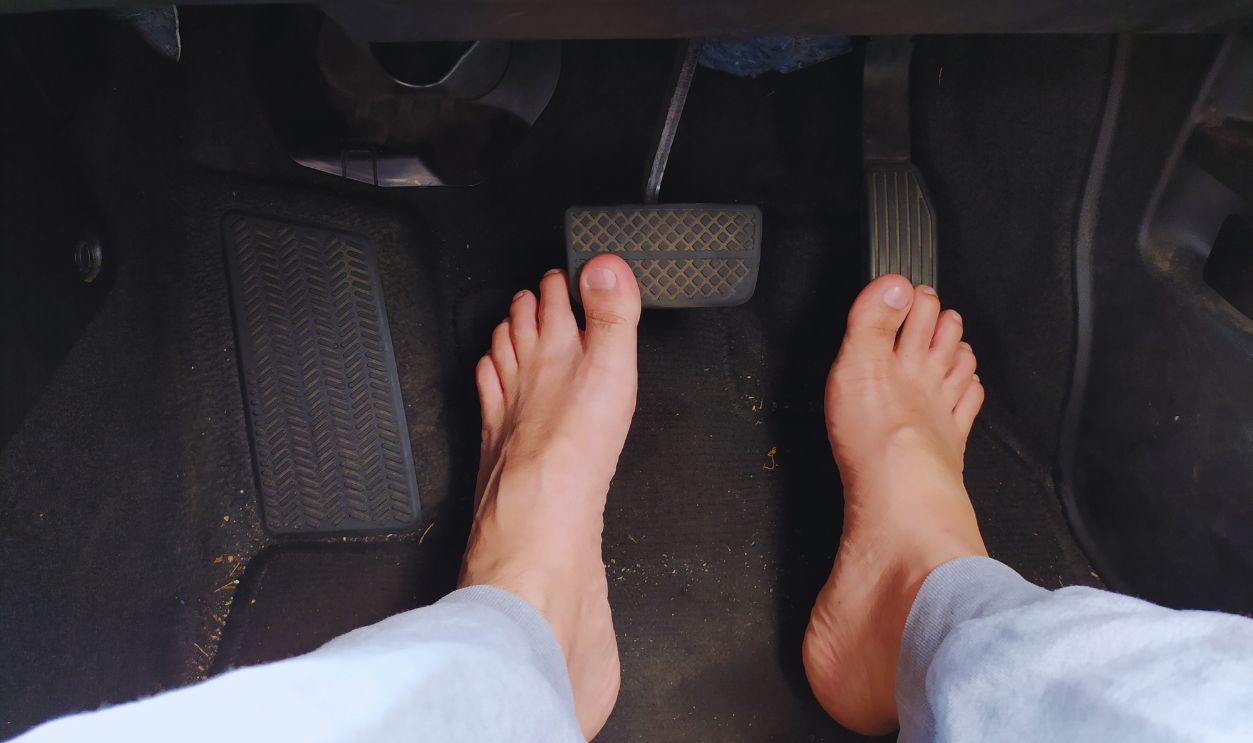
Even Direct Injection Does It Automatically
Many newer gasoline engines use direct injection, delivering fuel straight into the combustion chambers. These systems operate at much higher pressures than traditional port fuel injection. Despite the different hardware, cold-start fueling remains electronically controlled.

Manufacturers Tell You To Leave It Alone
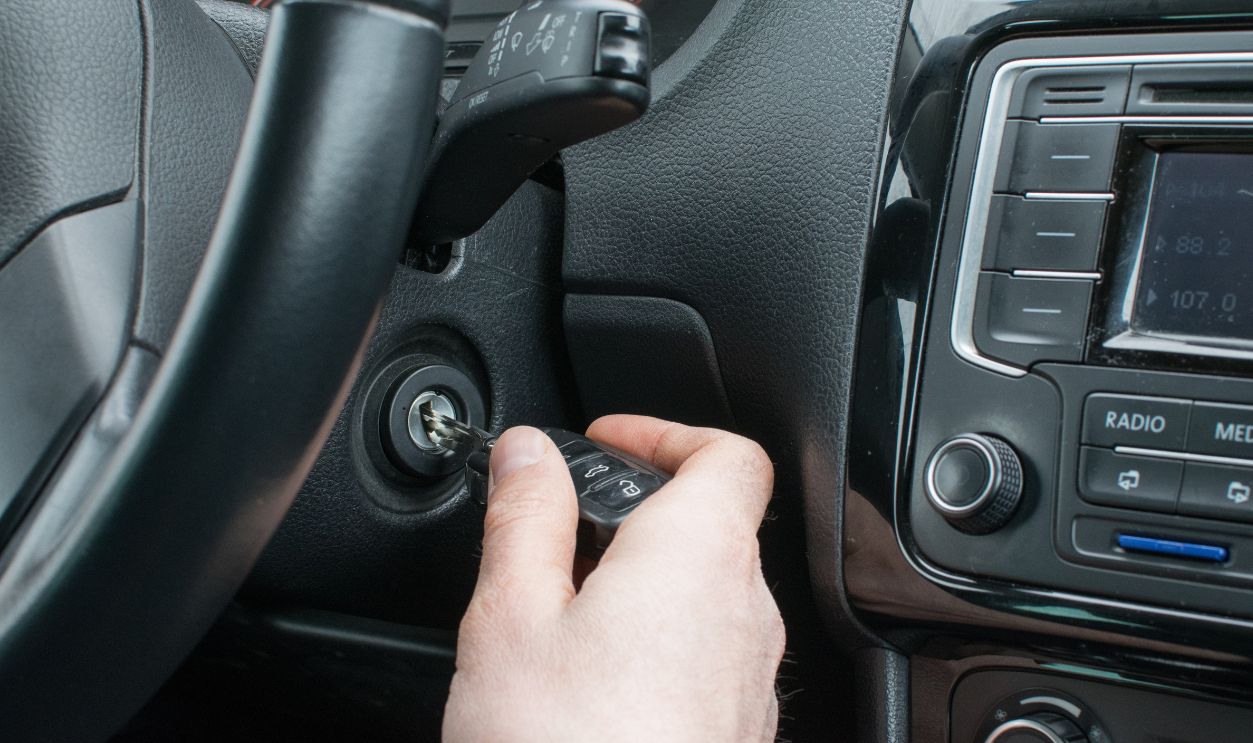
Many modern owner's manuals specifically instruct drivers not to touch the accelerator when starting the engine. Ford's starting instructions, for example, apply this advice to both cold and warm engines. Under normal conditions, the driver simply follows the vehicle's starting procedure and lets the computer handle the fuel mixture.

But Extreme Cold Can Be Different
There are exceptions to the usual advice. Some Ford manuals instruct drivers having difficulty starting below -13°F to press the accelerator halfway down and try again. This is a manufacturer-specific procedure for extremely cold conditions, not a reason to pump the pedal every morning.
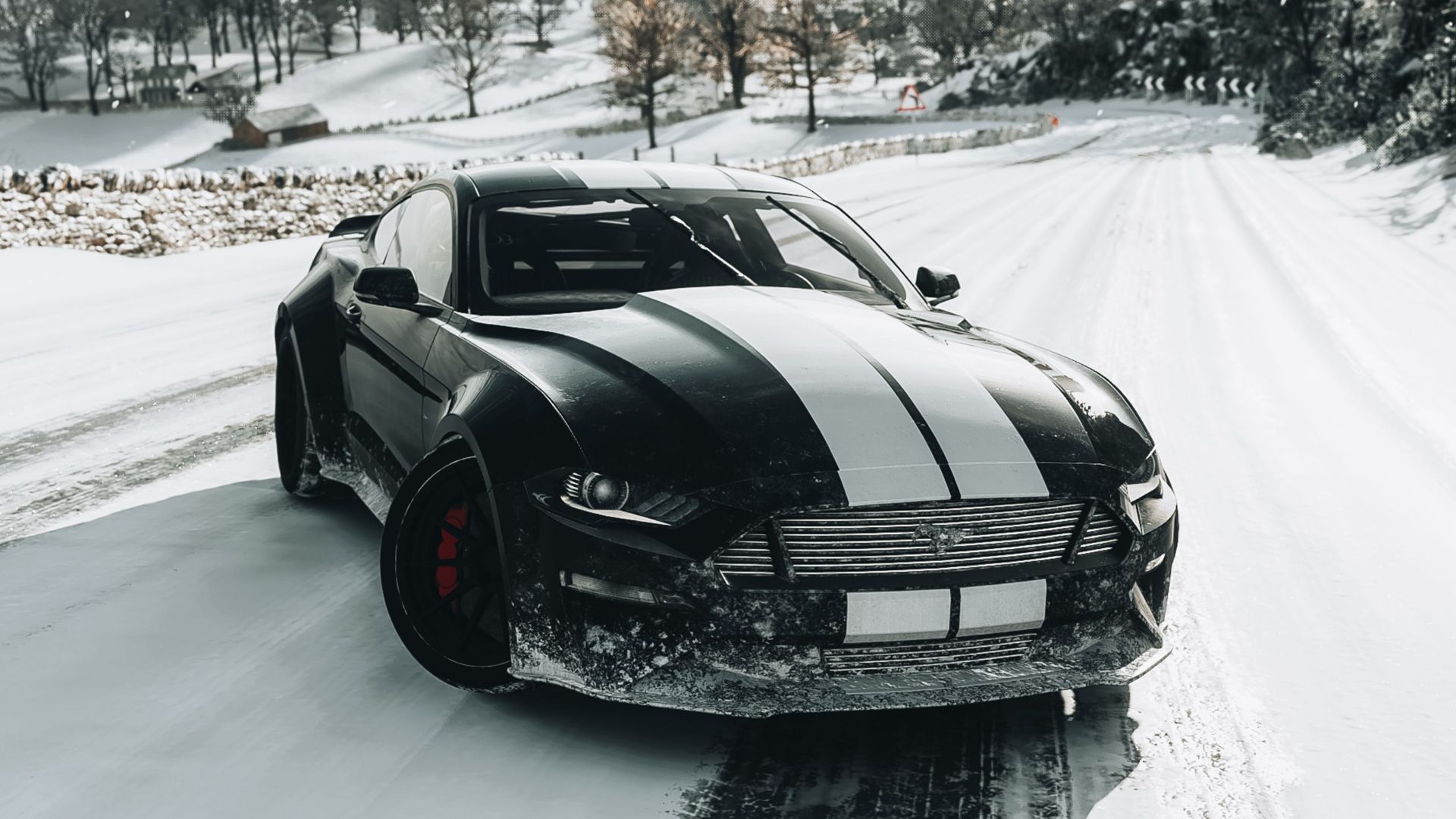
The Pedal Can Still Help A Flooded Engine
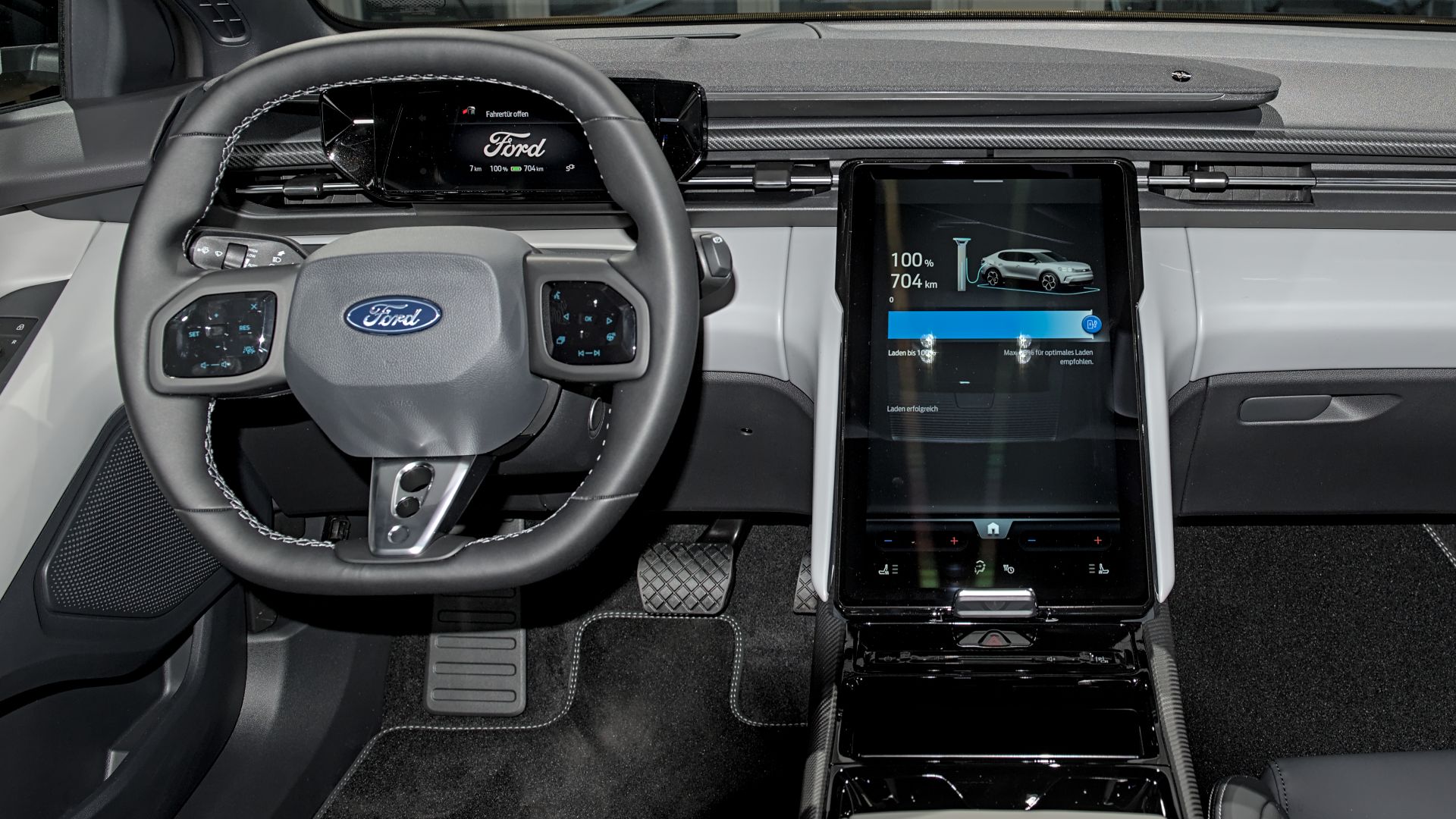
Some modern fuel-injected engines also have a special starting procedure for flooding. Ford instructs drivers to hold the accelerator fully depressed while cranking under certain flooded-engine conditions. Unlike the old starting ritual, this isn't intended to squirt extra gasoline into the engine.
 Alexander-93, Wikimedia Commons
You Don't Need A Long Warm-Up Either
Your father may also have insisted on letting the engine idle for several minutes before driving. Modern gasoline-powered cars generally don't require that lengthy warm-up. AAA recommends allowing the engine to run briefly before driving gently, while making sure your windows are clear for safe visibility.

Your Father Was Right All Along
Pumping the accelerator made mechanical sense for the carbureted engines your father grew up driving. It could deliver extra gasoline, set the choke, and prepare the engine for a cold start. Modern fuel injection has automated those jobs, making the old routine largely unnecessary. Your father wasn't wrong about starting a car; the technology simply changed.

You May Also Like: