The Heater Did Not Suddenly Break Your Battery
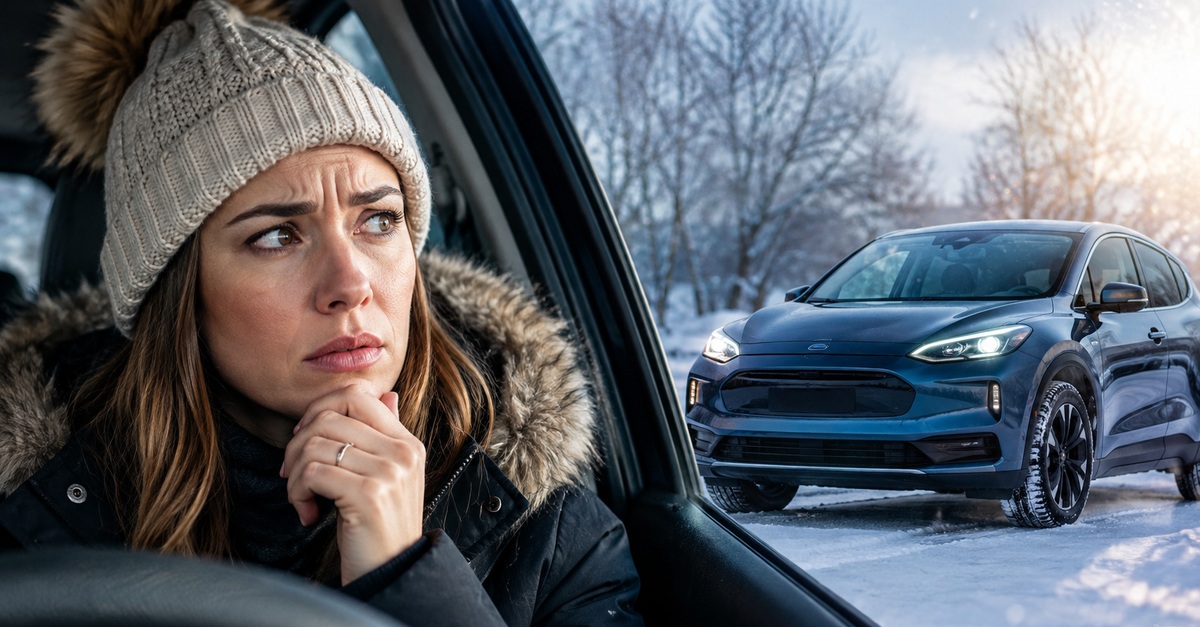
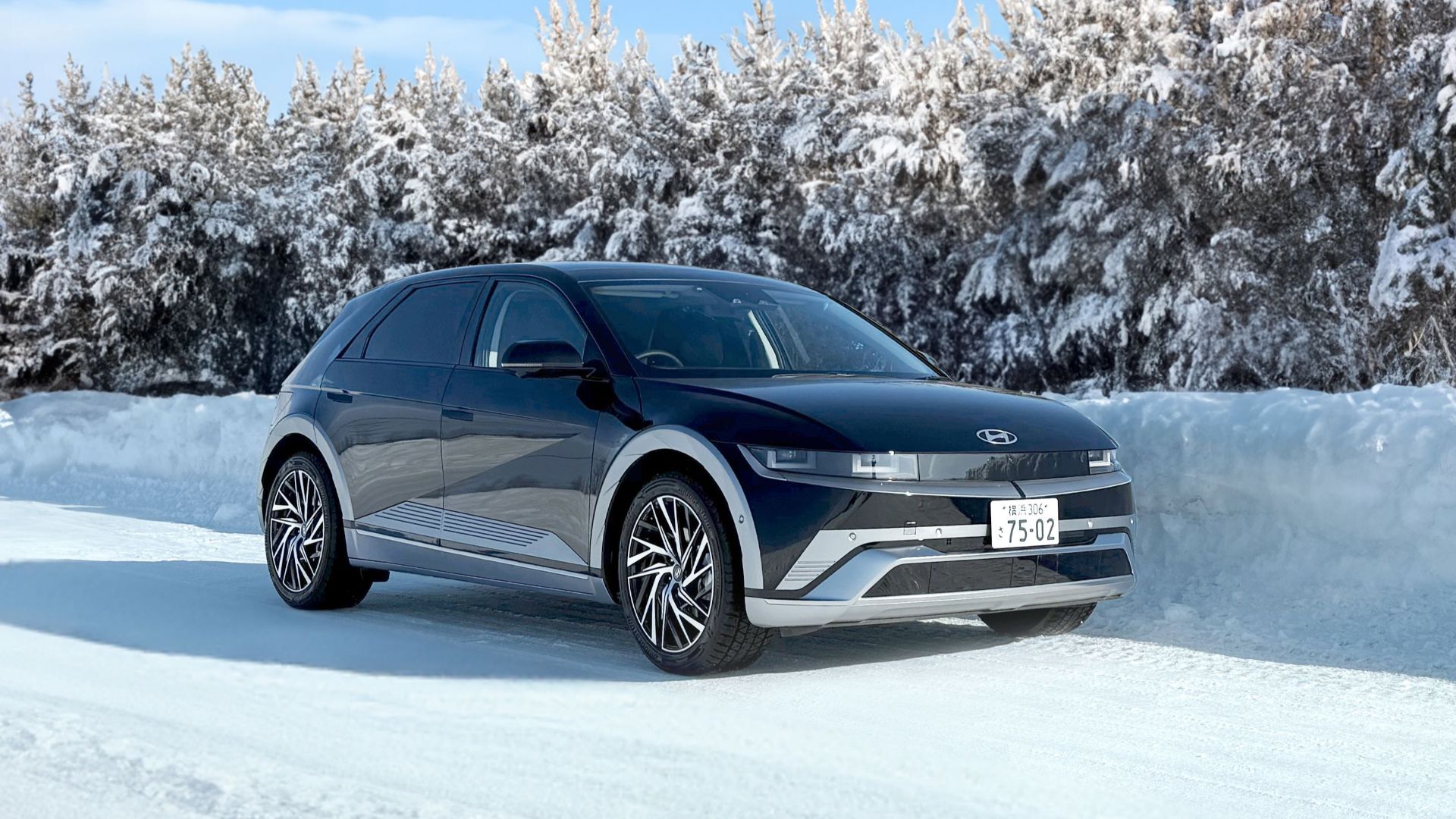
Watching an EV's predicted range fall after switching on the heater can be alarming, especially when the estimate looked comfortable moments earlier. The change usually reflects the car recalculating how much energy it expects to consume, not a sudden loss of battery capacity. Cold weather increases energy demand for cabin heating while also making the battery itself less efficient.
Winter Range Really Is Lower
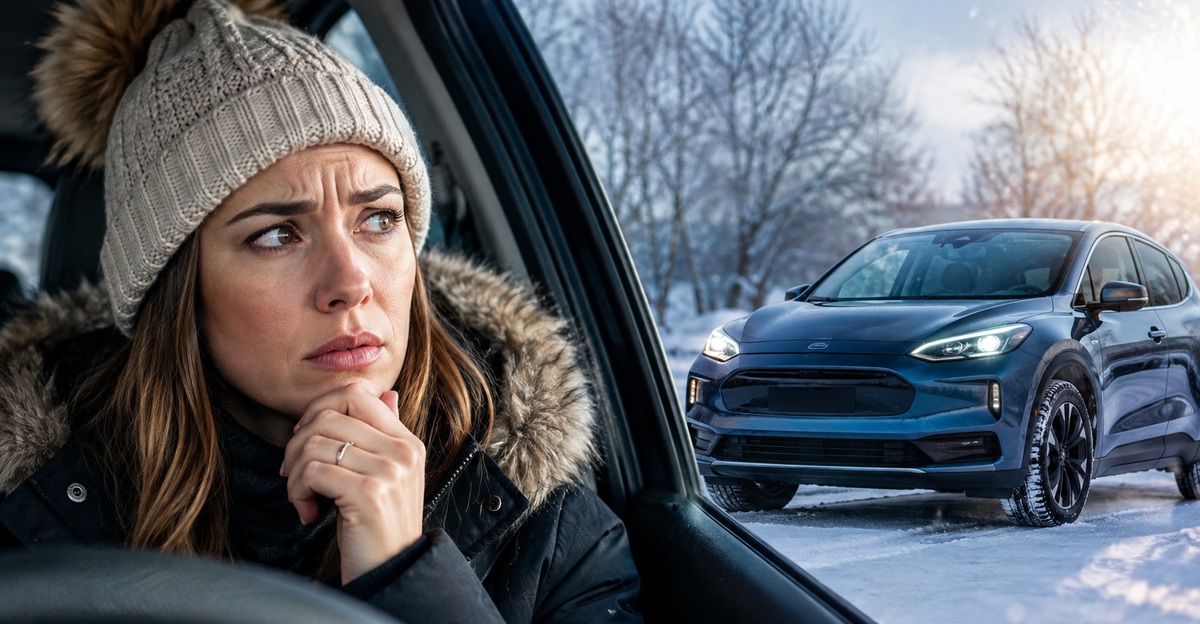
Electric vehicles generally travel fewer miles per charge in cold weather than they do in moderate temperatures. In AAA's 2026 laboratory testing, three EVs experienced an average 39 percent reduction in calculated driving range at 20°F compared with testing at 75°F while cabin temperature was maintained at 72°F. The size of the loss varies considerably with the vehicle, temperature, driving conditions, and heating technology.
The Heater Is Only Part Of The Story
It is easy to blame the cabin heater because the range display may change immediately when climate control is activated. However, the U.S. Department of Energy identifies two major cold-weather penalties: the electricity consumed by the HVAC system and reduced battery-cell performance at low temperatures. Both effects can occur at the same time.
EVs Cannot Borrow Free Engine Heat
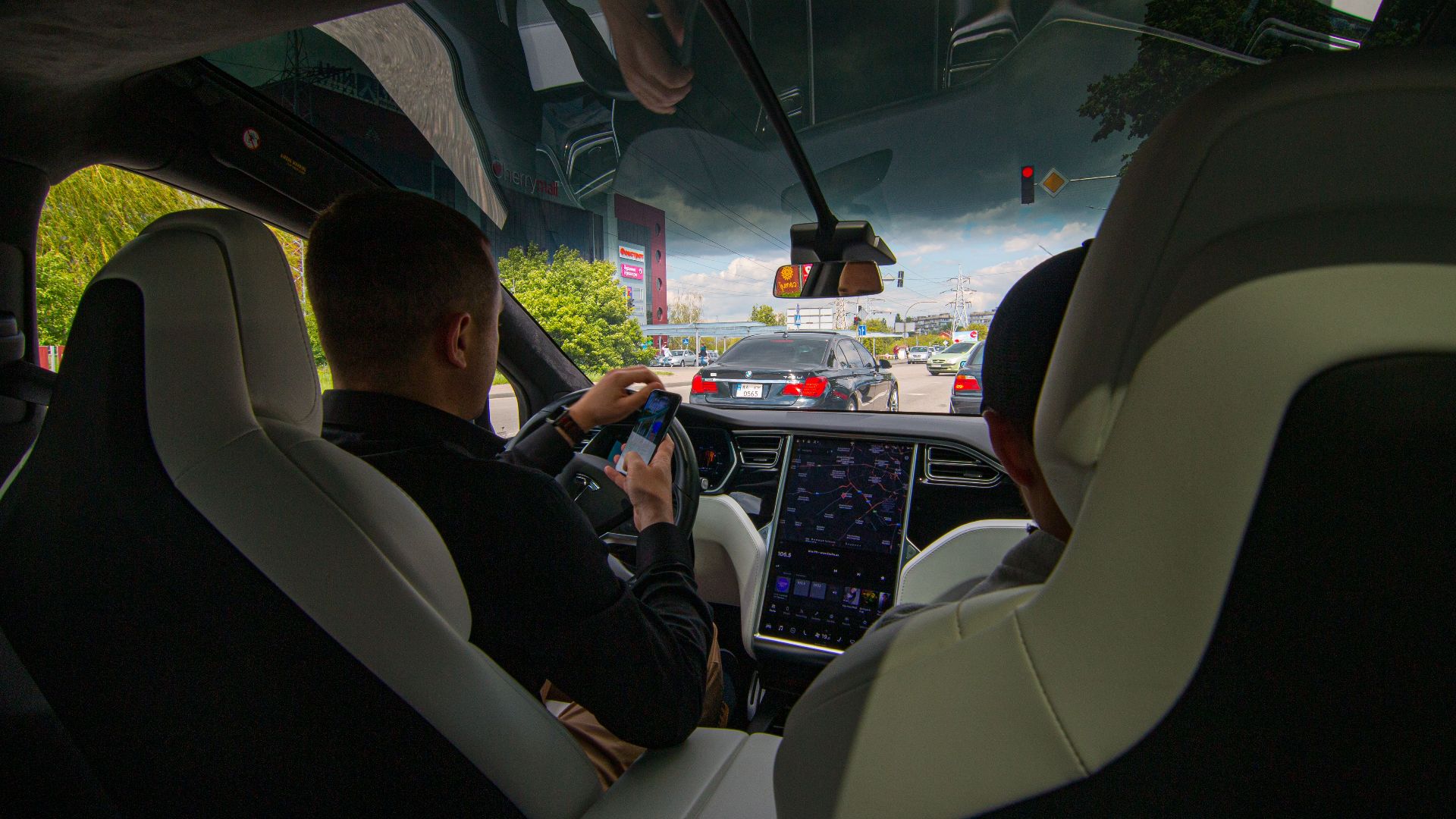
A gasoline vehicle can warm its cabin using heat that its engine already produces as a byproduct of combustion. An EV has a much more efficient powertrain and therefore produces far less waste heat that can simply be redirected into the passenger compartment. Cabin warmth often has to be produced using electricity stored in the traction battery.
Cold Batteries Behave Differently
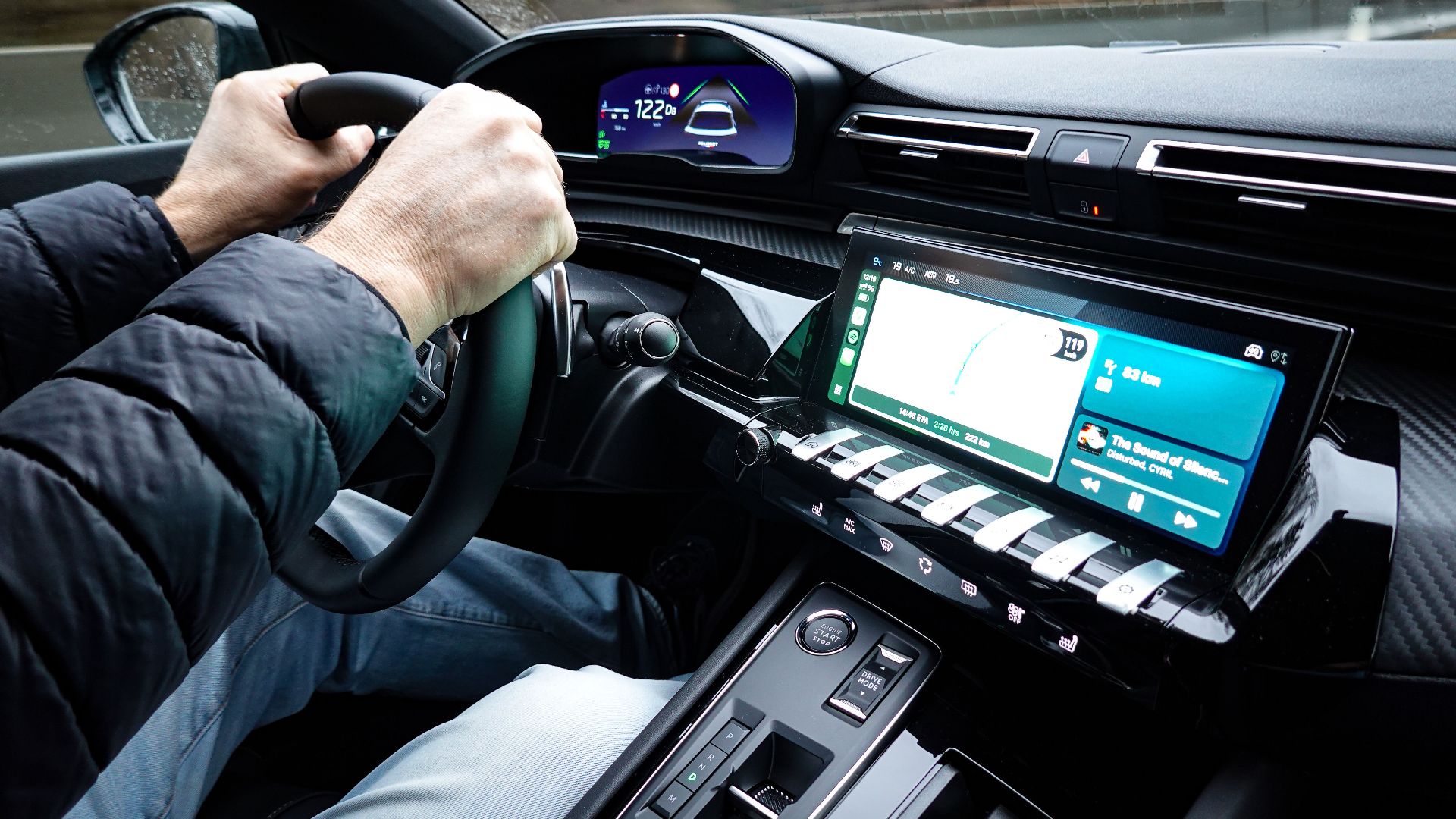
Low temperatures slow the chemical processes inside lithium-ion battery cells. DOE research says this can reduce output voltage and the amount of usable battery energy, particularly in extreme cold. Modern EVs often use battery heating systems to reduce the effect, but heating the battery also requires energy.
Your Dashboard Is Making A Prediction
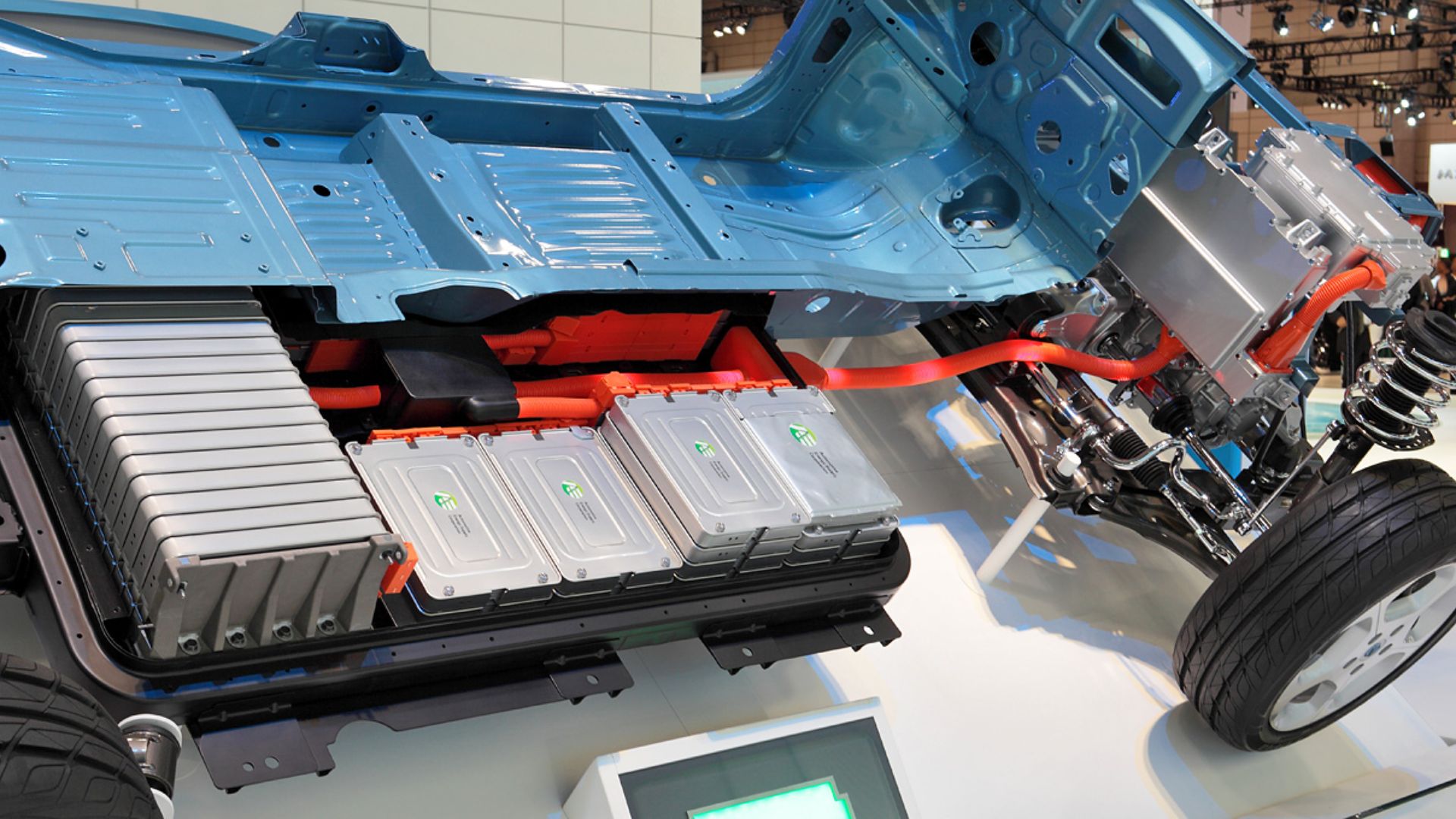
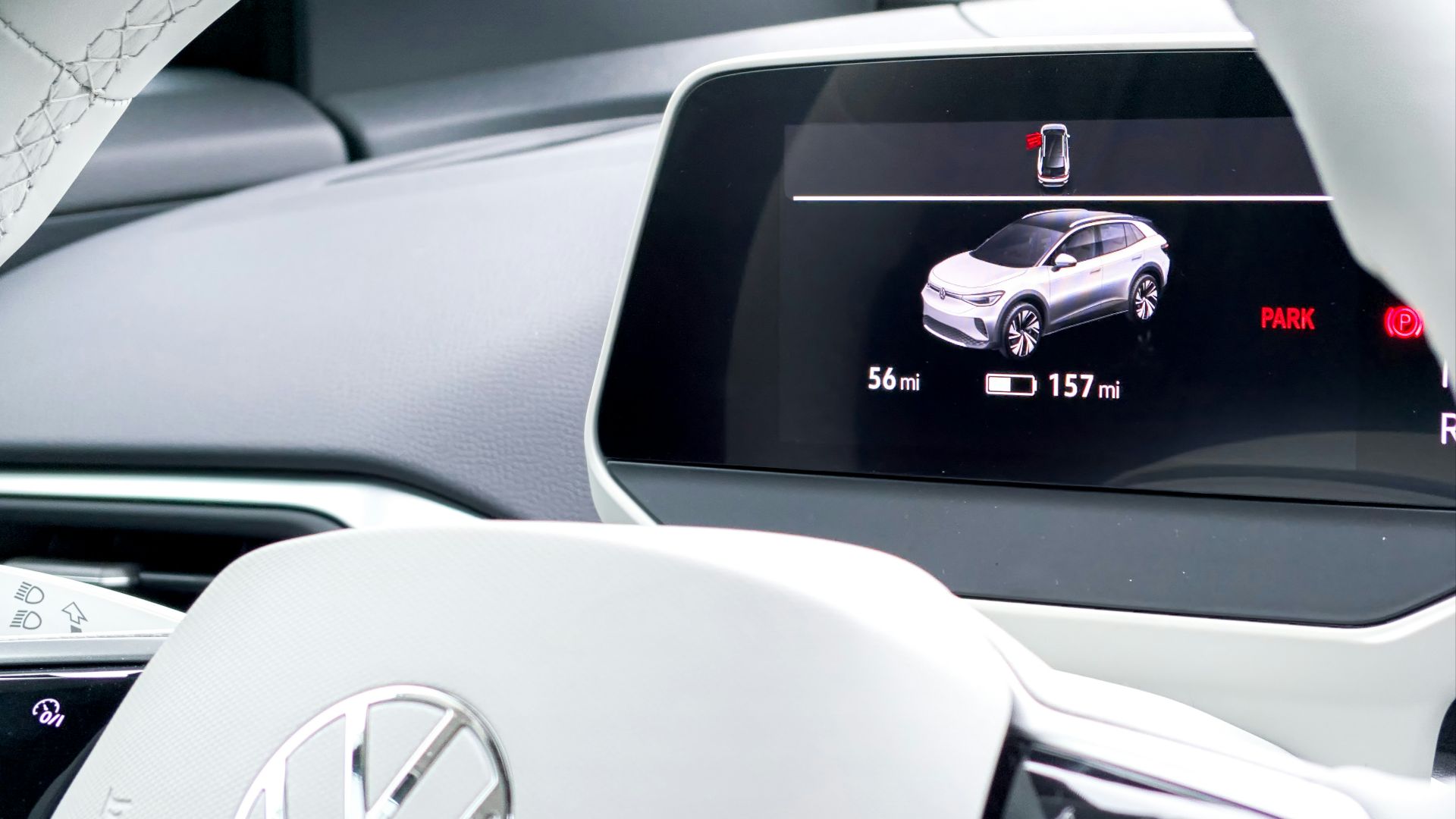
The mileage displayed beside an EV's battery indicator is an estimate rather than a promise about exactly how far the vehicle will travel. Actual range depends on factors such as temperature, vehicle speed, hills, acceleration, climate-control use, and other energy demands. That is why the figure can change as the vehicle learns more about the conditions of the trip.
Turning On Heat Changes The Math
Heating the cabin creates an additional electrical load, so a vehicle that accounts for current energy consumption can revise its range prediction downward. The effect is especially noticeable when the cabin is very cold and the heating system is initially working hard to reach the selected temperature. DOE testing identifies HVAC consumption as the largest contributor to reduced EV range under cold conditions.
The EPA Number Is Not A Winter Guarantee
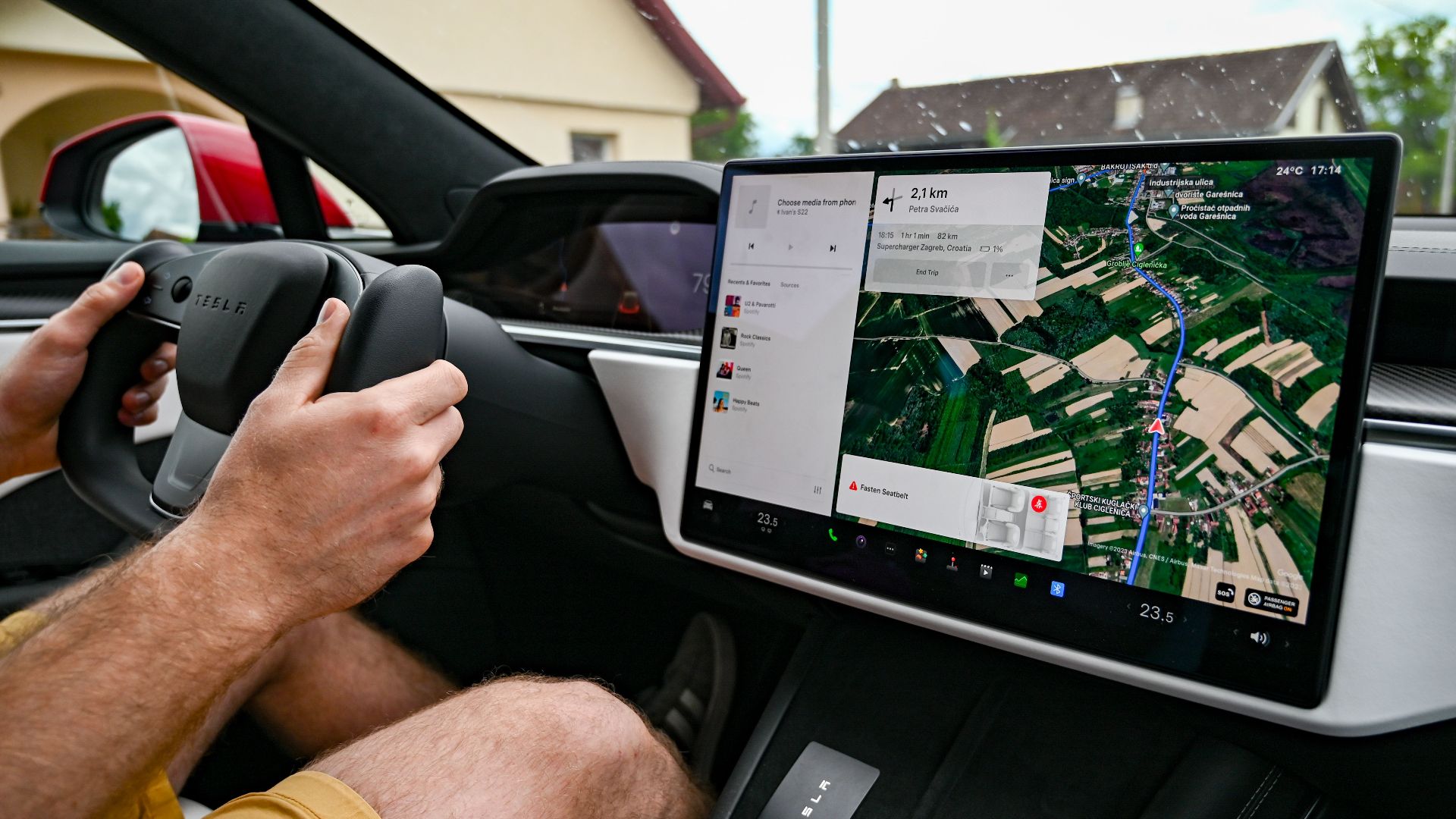
The range printed on an EV's U.S. fuel-economy label is designed primarily as a standardized comparison figure. EPA says its final EV range values are adjusted to account for real-world influences including cold temperatures, air conditioning, higher speeds, aggressive driving, and other conditions. The label cannot predict the exact weather, route, heater setting, or driving style an individual owner will encounter.
EPA Testing Does Consider Cold Weather
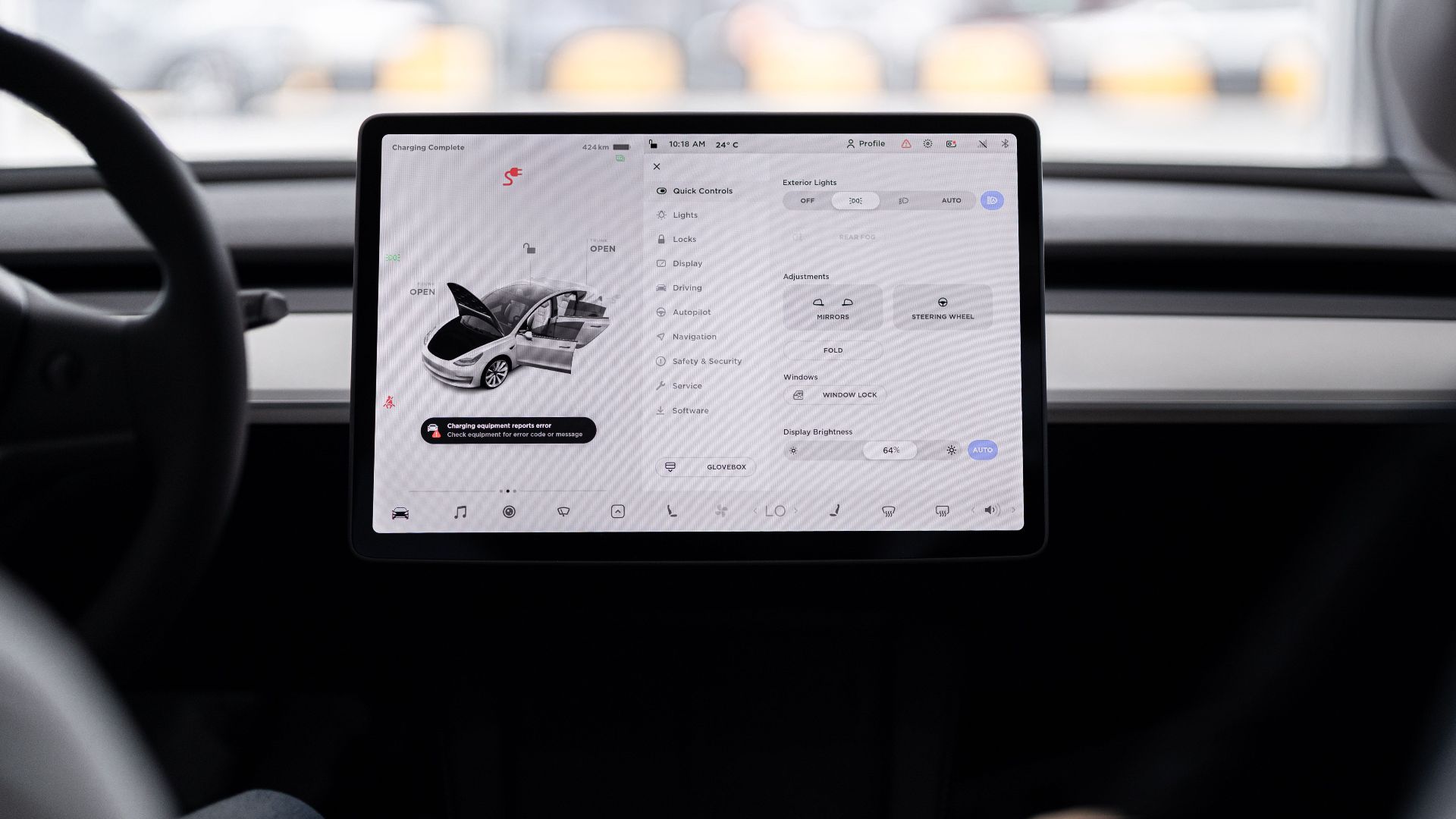
It is inaccurate to say that government vehicle testing completely ignores winter conditions. EPA's broader fuel-economy procedures include a cold test at 20°F with specified heat and defrost settings, alongside city, highway, high-speed, and hot-weather testing. For EV range labeling, laboratory results are adjusted to account for factors including cold temperatures and HVAC use.
Standardized Testing Has A Different Job
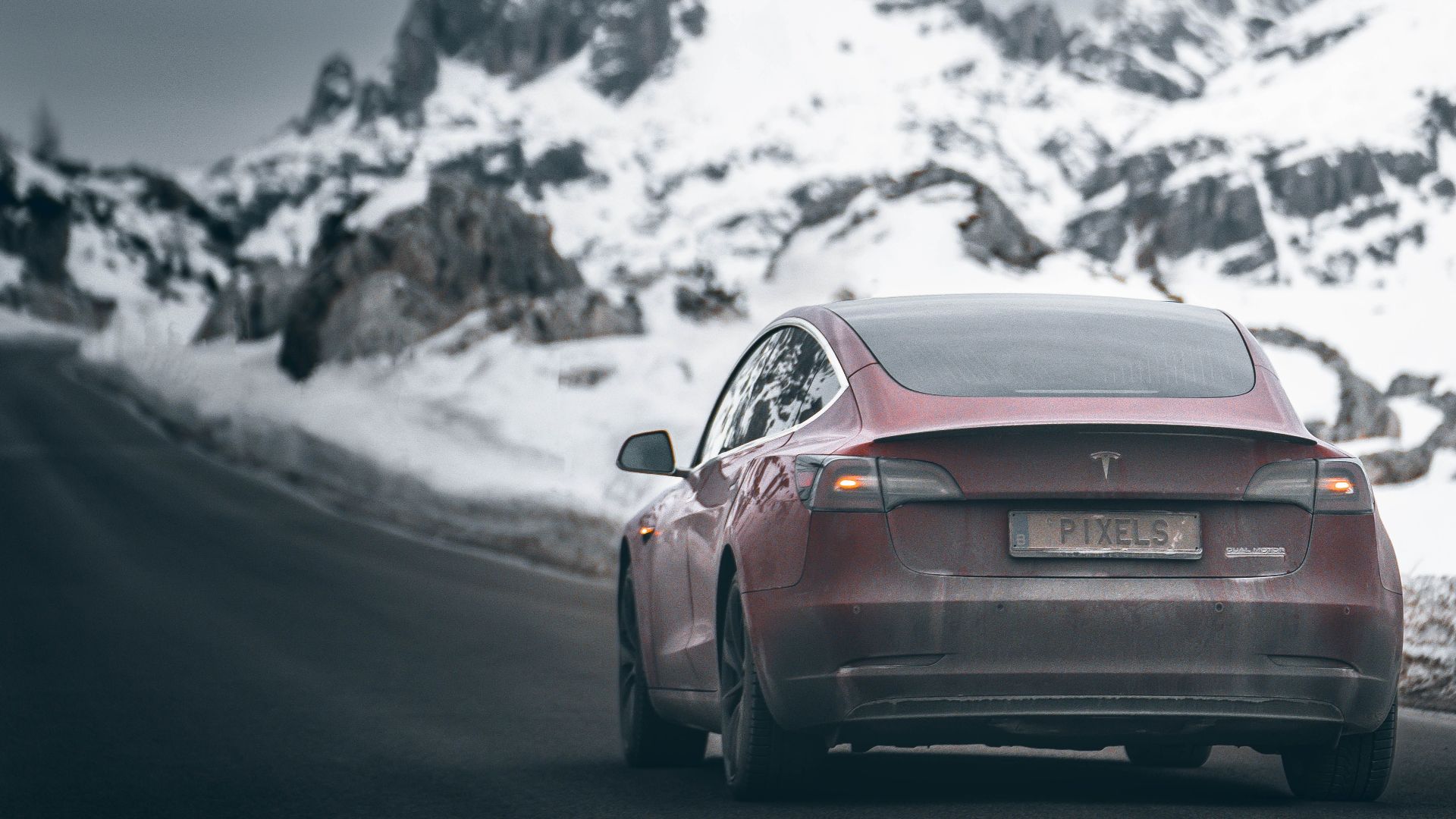
EPA testing is intended to give buyers a consistent way to compare vehicles under controlled procedures. EPA explicitly warns that real-world mileage can vary with driving behavior, road conditions, and weather. A standardized label therefore answers a different question from the one drivers often ask on a freezing morning.

Extreme Cold Can Produce A Big Difference
DOE's analysis of laboratory and real-world data found substantial range losses when temperatures became severe. In Argonne testing summarized by DOE, average EV range at 20°F was 41 percent lower than at the 72°F reference condition with the cabin maintained at 72°F. At 0°F, the average loss across the tested driving conditions was about 50 percent.
Short Winter Trips Can Be Especially Tough
Repeated short trips can make heating disproportionately expensive because the vehicle may need to warm the passenger compartment again after each stop. Consumer Reports found particularly large winter losses during short trips involving frequent stops and cabin reheating. Longer continuous drives can spread the initial heating demand across more miles.
Highway Driving Creates Another Challenge
Cold weather is not the only reason an EV may fall short of its advertised range on a winter road trip. DOE notes that speed, acceleration, road grade, and other operating conditions affect energy use, while the Alternative Fuels Data Center explains that highway travel generally requires more energy because aerodynamic drag increases at higher speeds. Fast winter highway driving can therefore combine several range penalties at once.
Not Every Heater Works The Same Way
Some EVs rely heavily on electric resistance heating, while others use heat pumps or a combination of the two. A resistance heater converts electrical energy directly into heat, while a heat pump moves heat and can use substantially less electricity in suitable conditions. DOE recommends considering a heat-pump-equipped EV when shopping for a vehicle that will regularly face cold weather.
Heat Pumps Can Protect More Range
DOE's 2024 analysis found that EV heat-pump systems typically consume substantially less power than systems relying solely on resistance heating. The report says heat-pump-equipped EVs can be three to four times more efficient for heating than vehicles using radiant resistance heating under relevant conditions. Less electricity spent warming the cabin leaves more battery energy available for propulsion.
Heat Pumps Have Their Limits
A heat pump does not eliminate the winter penalty entirely. DOE notes that heat pumps become less effective in extreme cold as extracting useful heat from outside air becomes more difficult. Some manufacturers therefore combine a heat pump with resistance heating so the car can maintain cabin comfort across a broader range of temperatures.
Modern EVs Can Perform Very Differently
There is no single percentage that accurately describes winter range loss for every electric vehicle. Battery chemistry, thermal management, heating hardware, aerodynamics, software, and driving conditions all influence the result. DOE found meaningful differences among tested EVs specifically because their battery and HVAC technologies were not identical.
Real-World Data Shows That Variation
Recurrent's analysis of 34 popular EV models found that they averaged about 78 percent of their maximum range at 32°F, with substantial differences among models. Its 2025 analysis reported individual results ranging from about 69 percent to 88 percent at that temperature. Those numbers are not interchangeable with EPA ratings because Recurrent is comparing observed winter performance with each vehicle's maximum-range behavior under better conditions.
Preconditioning Can Make A Noticeable Difference
Preconditioning allows an EV to warm its cabin and, on many models, its battery before the driver leaves. DOE recommends doing this while the vehicle remains connected to a charger because energy for the initial warm-up can then come from the electrical supply instead of solely from the traction battery. That leaves more stored energy available once the trip begins.
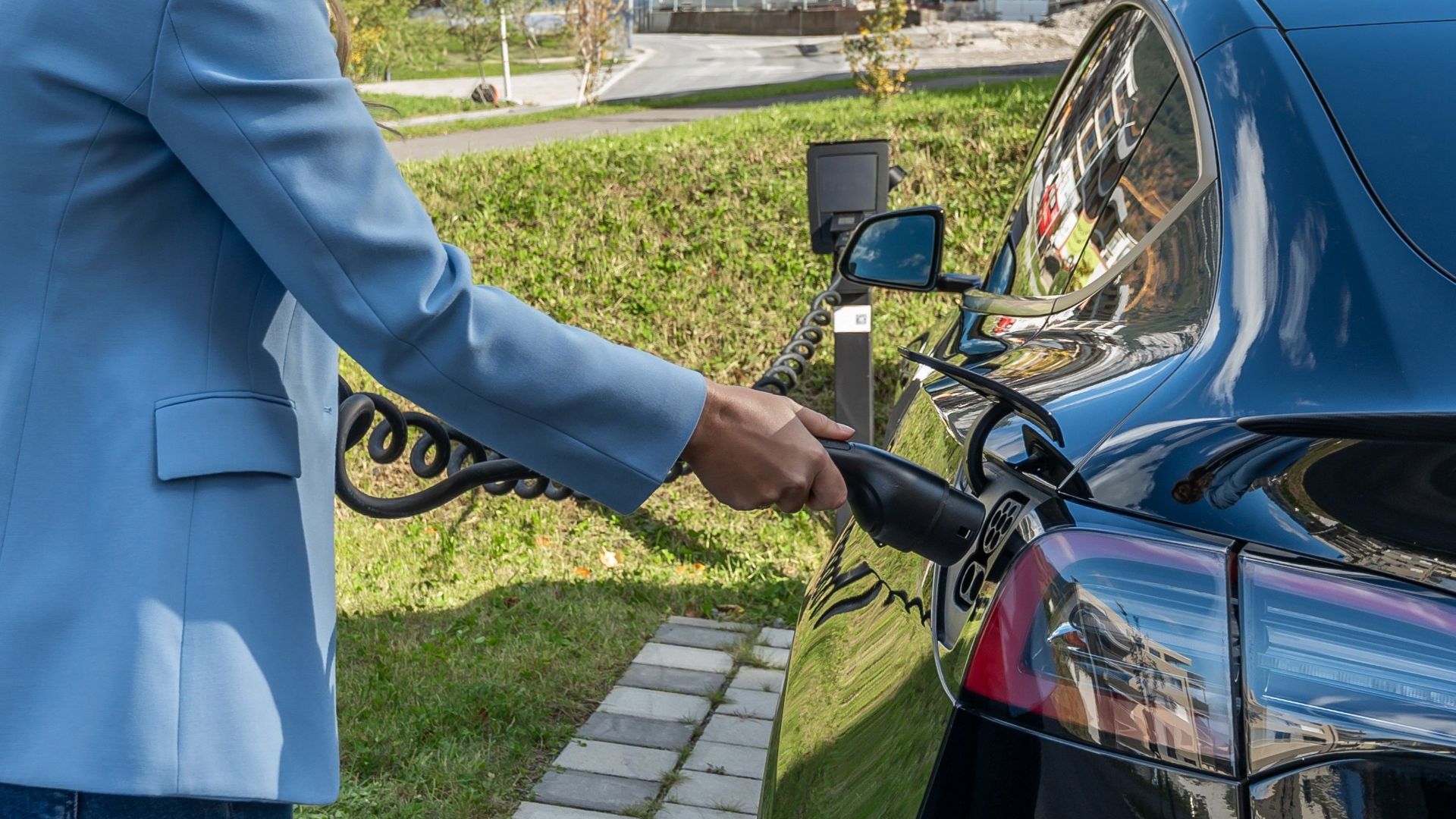
Plug In Before A Cold Morning
Several automakers specifically encourage owners to leave EVs connected when practical during very cold weather. Tesla says leaving the vehicle plugged in allows the charging system rather than the battery alone to help keep the battery warm. Ford similarly advises plugged-in preconditioning through its scheduled departure feature to improve cold-weather performance.
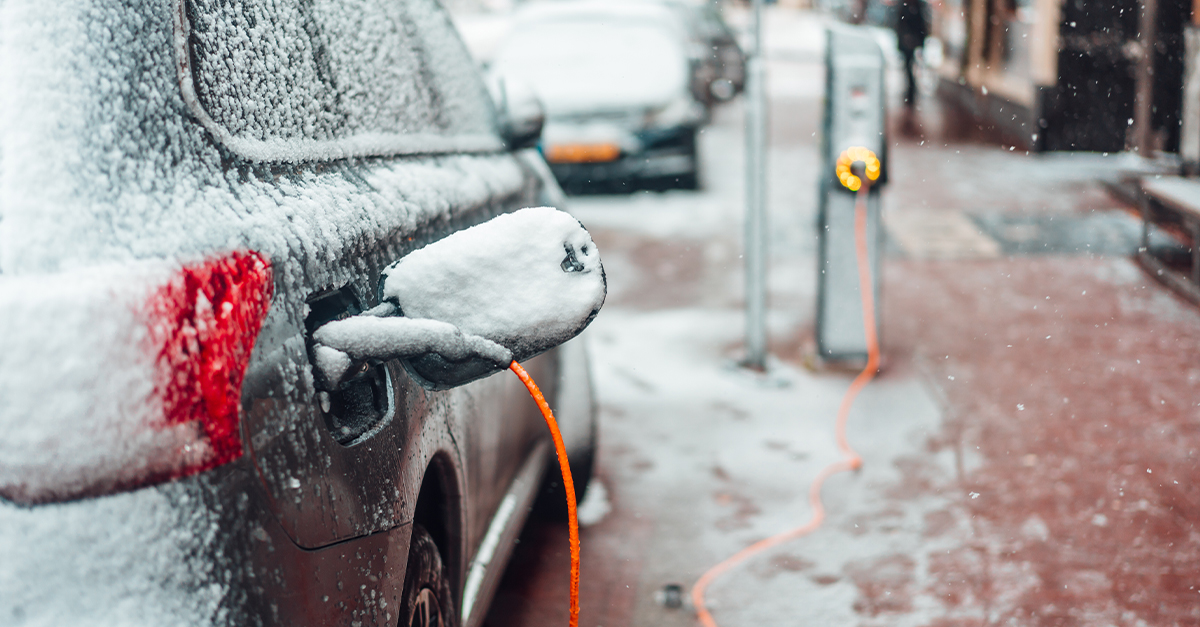 Hrecheniuk Oleksii, Shutterstock
Heated Seats Are Surprisingly Useful
Keeping every cubic foot of cabin air very warm requires more energy than warming the people sitting inside the vehicle directly. Tesla recommends using seat heaters while lowering the cabin temperature because seat heaters consume less energy than the main cabin heater. Ford gives similar advice for heated seats and heated steering wheels when drivers want to reduce HVAC consumption.
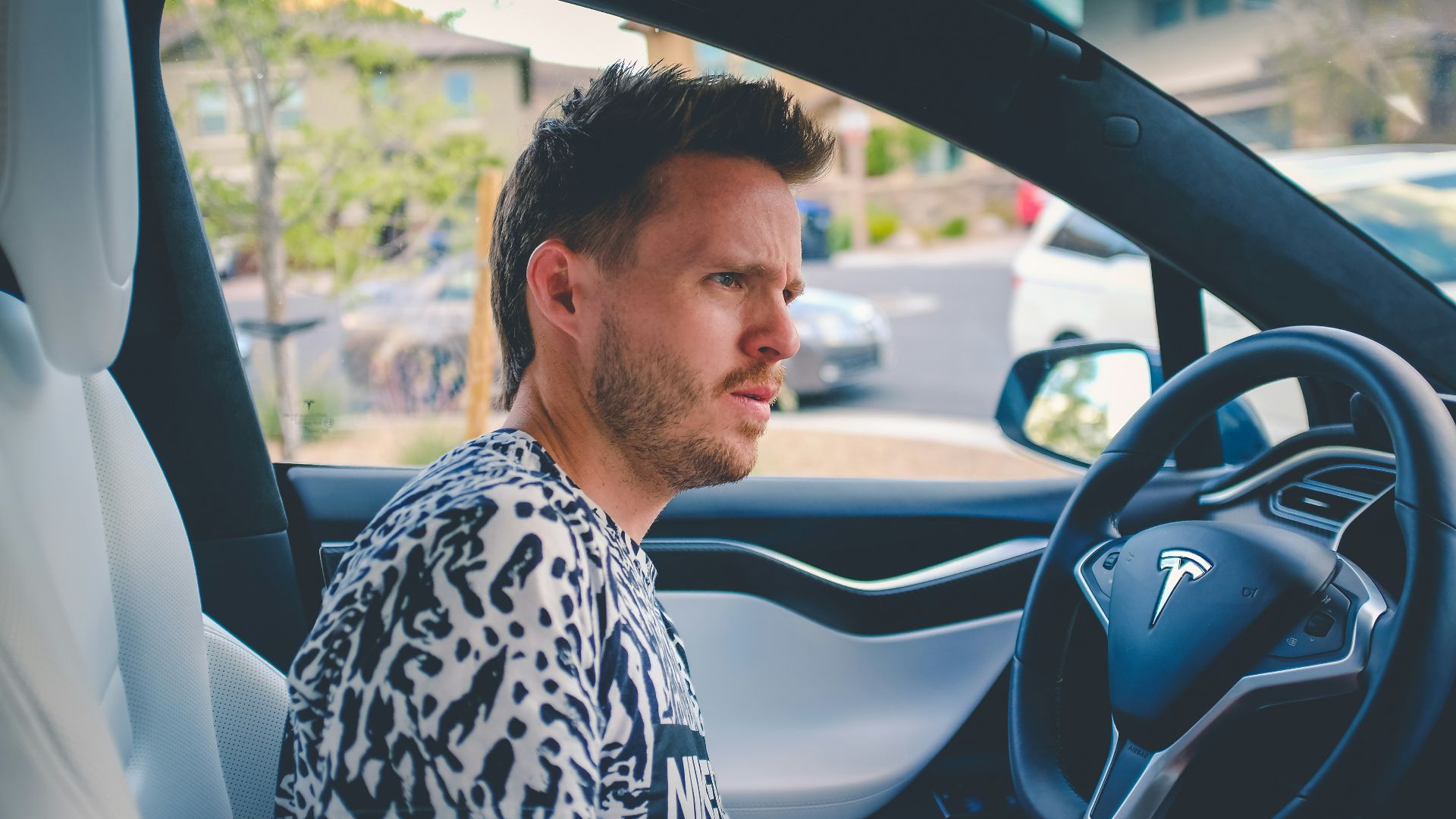
Do Not Sacrifice Visibility For Range
Energy conservation should never mean driving with a fogged or iced windshield. Defrosting equipment is part of the vehicle's safety system, and winter efficiency tips should be used only when they do not interfere with visibility or comfort needed for safe driving. The sensible target is reducing unnecessary heating rather than avoiding climate control completely.
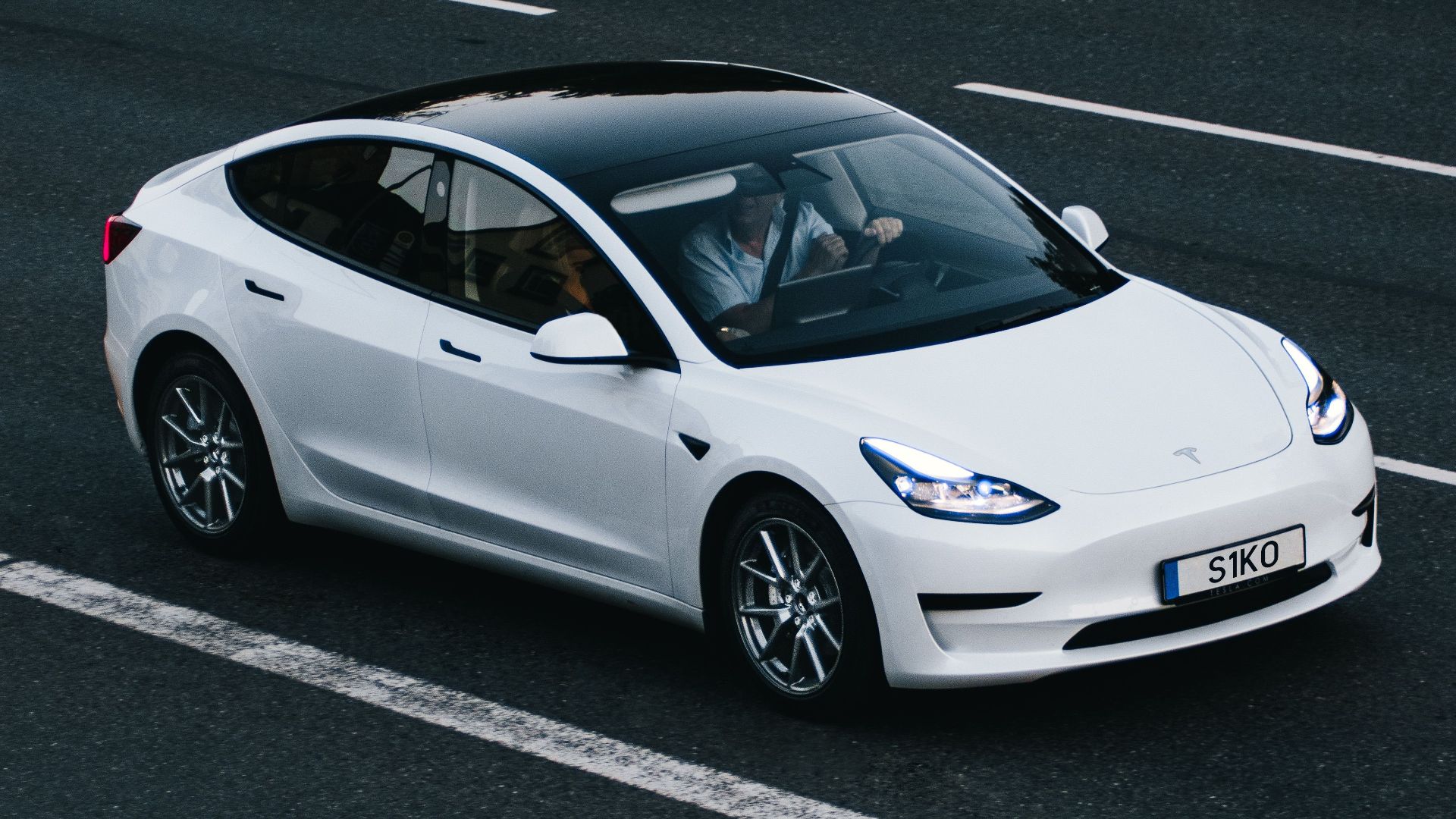
Tire Pressure Matters More In Winter Too
AAA recommends maintaining proper tire inflation as one way to improve real-world EV efficiency during temperature extremes. Cold conditions can reduce tire pressure, while improperly inflated tires can increase rolling resistance. Checking pressures against the vehicle manufacturer's recommended specifications is therefore a useful part of winter preparation.
Leave Yourself More Charging Margin
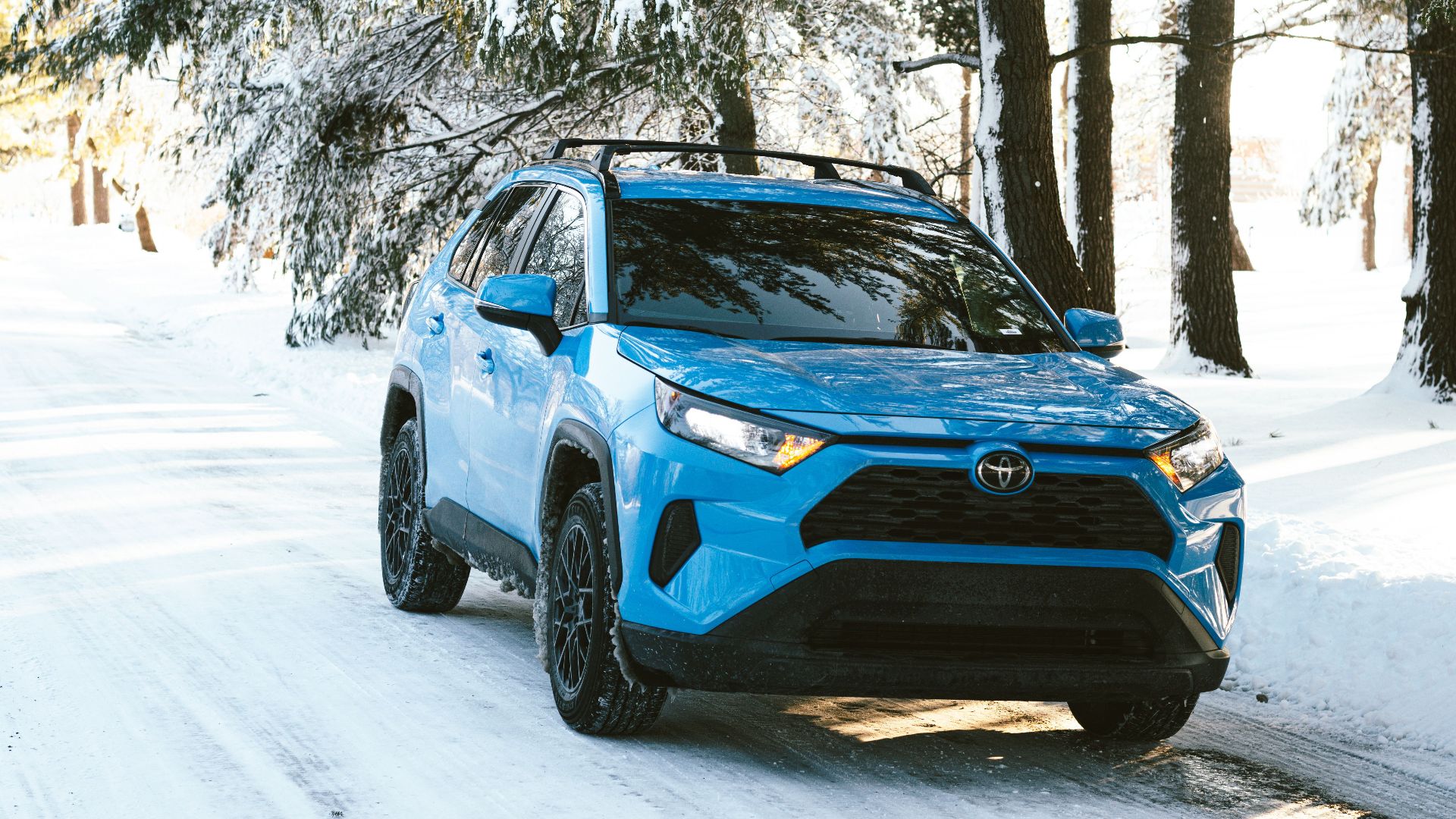
Drivers who normally arrive with only a small battery reserve may want a larger cushion during cold weather. Consumer Reports recommends charging more frequently in winter because weather, speed, traffic, climate settings, and other conditions can make actual range less predictable. The colder or more remote the trip, the more useful that reserve becomes.
Fast Charging Can Slow Down In The Cold
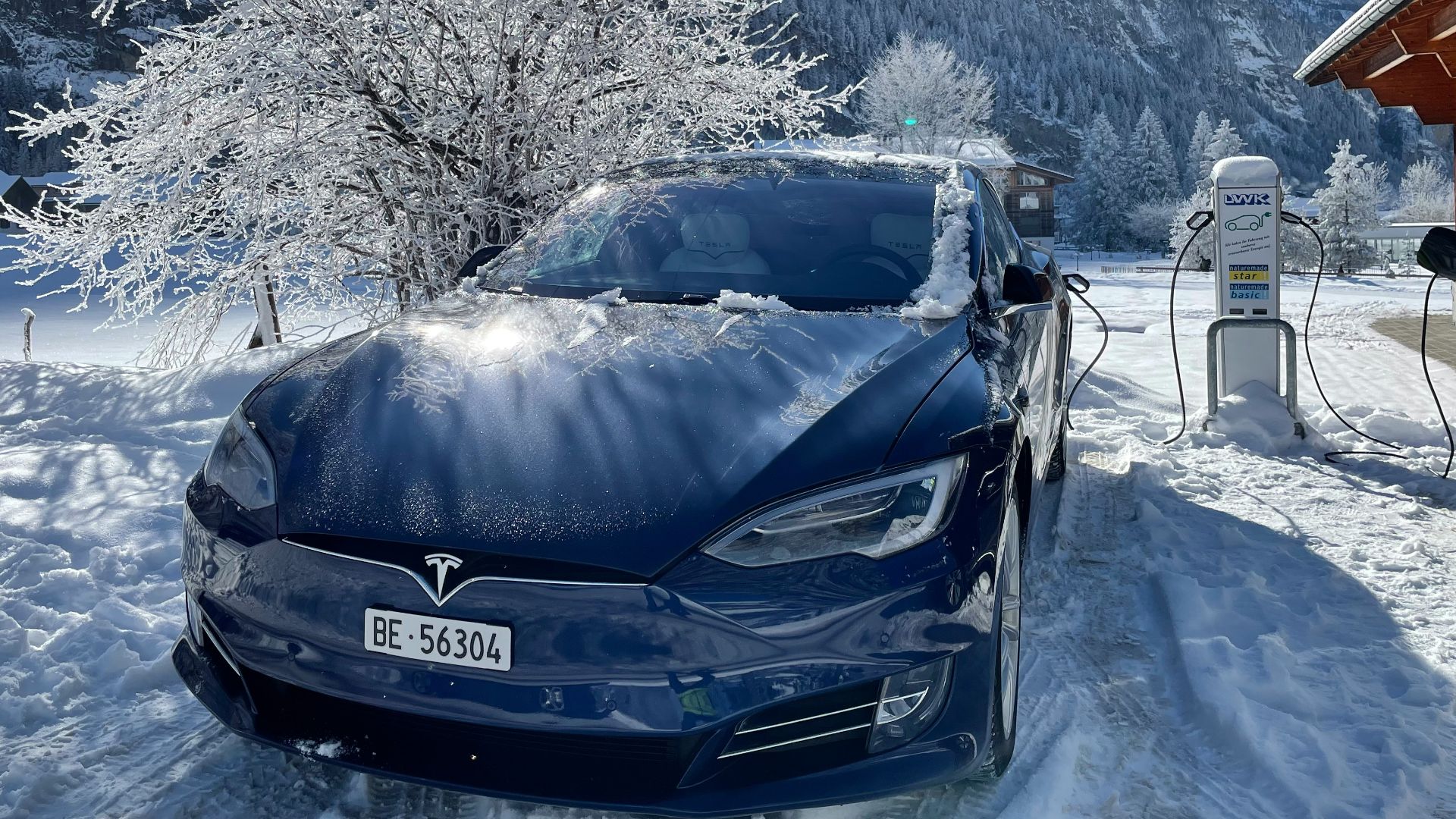
Cold batteries can also affect charging performance, not just driving range. Tesla notes that charging rates may be limited while its high-voltage battery is cold, and the vehicle can warm the pack before arriving at a fast charger when navigation and battery-preconditioning features are used. Drivers should check the instructions for their own model because battery preparation strategies differ among manufacturers.
The Range Display Should Become More Useful
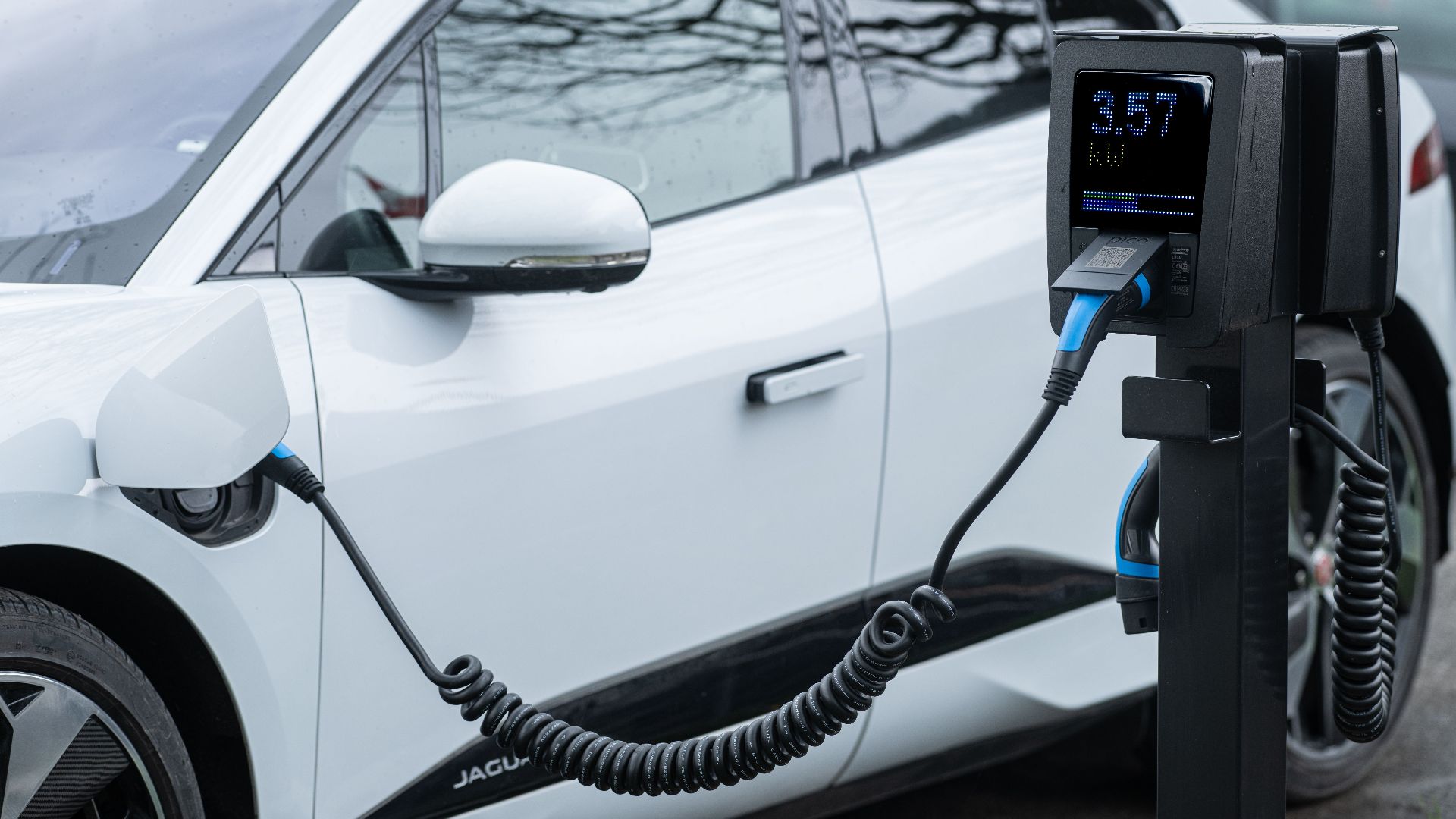
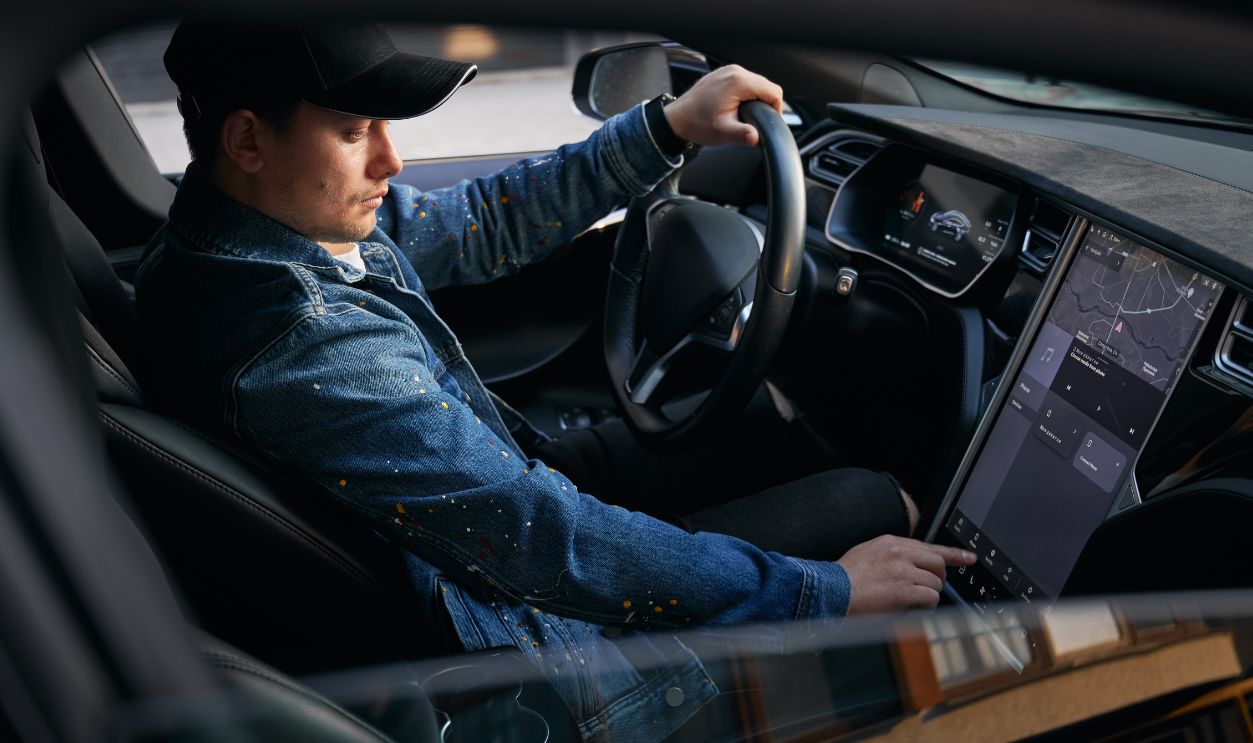
A vehicle's remaining-range estimate is most valuable when treated as a changing forecast rather than a fixed specification. Climate use, temperature, speed, terrain, and recent efficiency can all make the real outcome different from the number seen at the beginning of a trip. Drivers who watch battery percentage and recent energy consumption alongside the mileage estimate can better understand what the car is telling them.
So Are Winter Estimates Misleading?
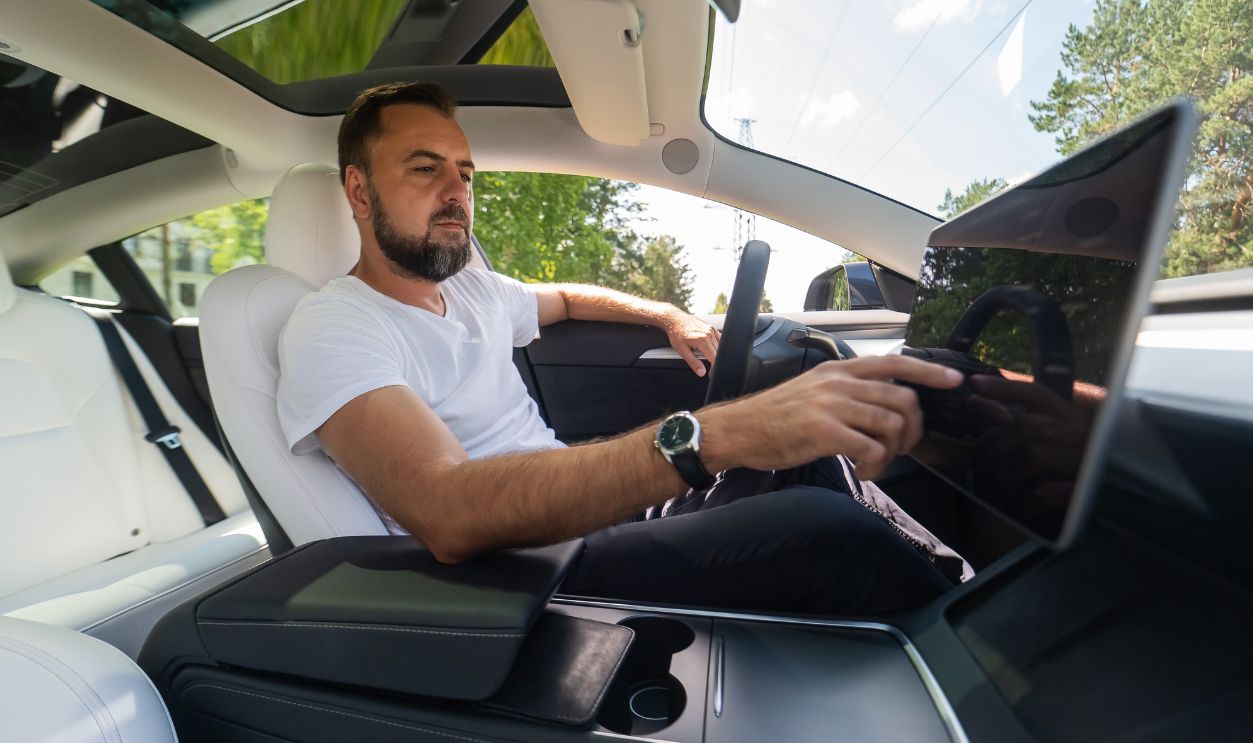
Winter range estimates are not necessarily misleading, but a single advertised range number cannot describe every temperature and heating scenario a driver might encounter. EPA ratings already incorporate adjustments intended to make laboratory figures more realistic, yet both government testing and independent research show that severe cold can still produce much larger losses in specific conditions. The surprising heater-induced drop on the dashboard is often the car giving you a more realistic prediction based on what is happening right now.
Plan Around Winter Instead Of Fighting It
Cold-weather range loss is a normal characteristic of current EV technology rather than proof that the vehicle's advertised range was meaningless. Preconditioning while plugged in, using targeted seat and steering-wheel heat, keeping tires properly inflated, moderating highway speed, and maintaining a larger charging reserve can make winter driving more predictable. Once drivers begin treating range as a condition-dependent estimate rather than a guaranteed number, that dramatic heater-induced change becomes much easier to understand.
You May Also Like:
The Most Overrated Cars Today, According To Car Enthusiasts
People With The Largest Car Collections In The World