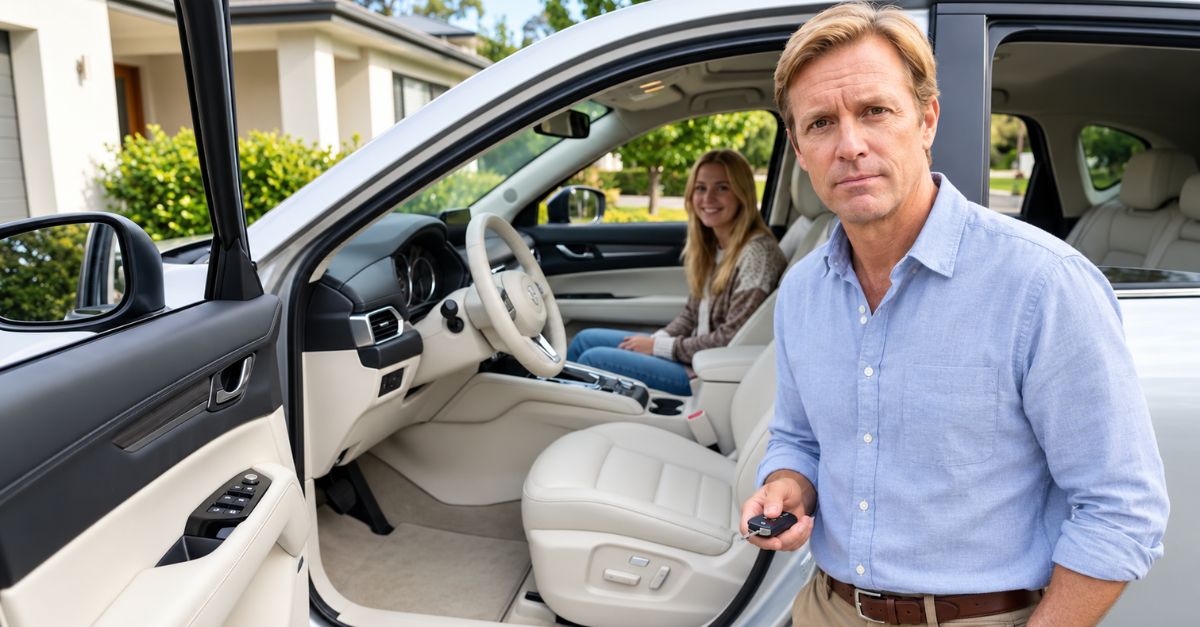
The White Interior Question Every Parent Gets
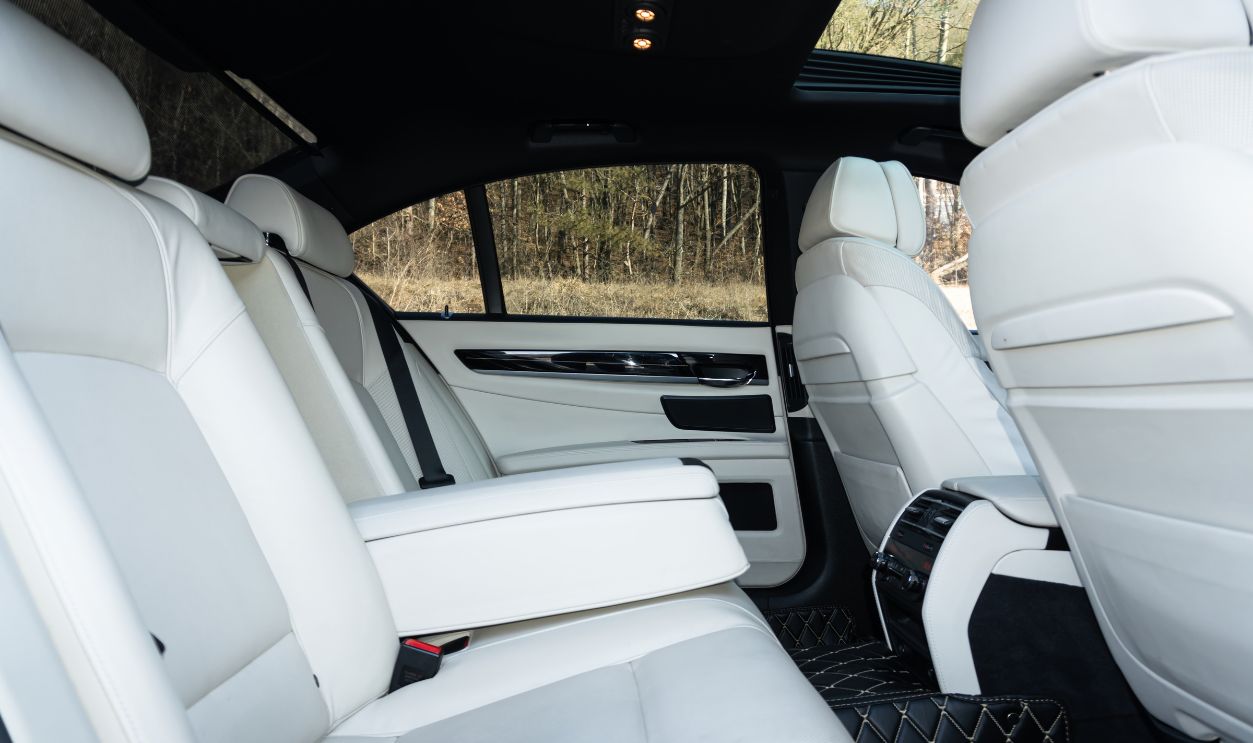
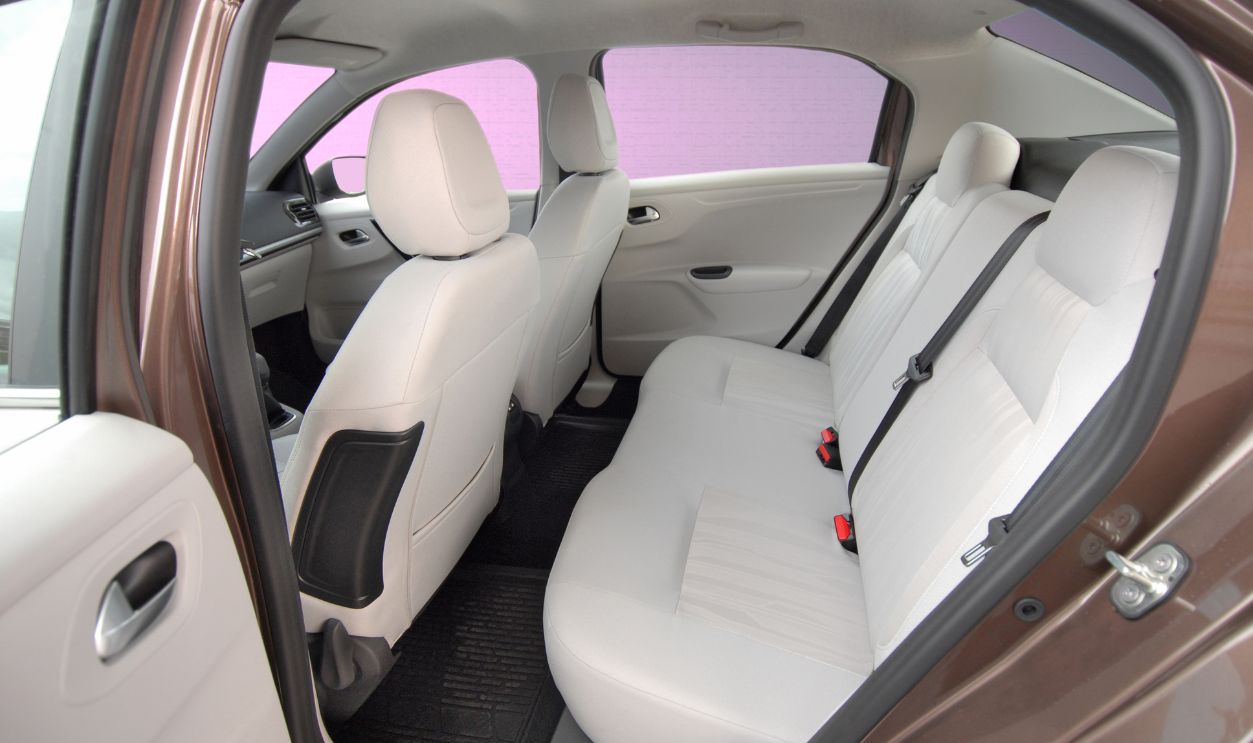
A bright white cabin looks great in a showroom, which is exactly why so many people want one. The worry comes later, once coffee, denim, sunscreen, and muddy shoes enter the picture. The good news is that light-colored upholstery does not automatically turn into a mess after a few years, but it does need more care than a darker interior.

Why White Cabins Are So Appealing
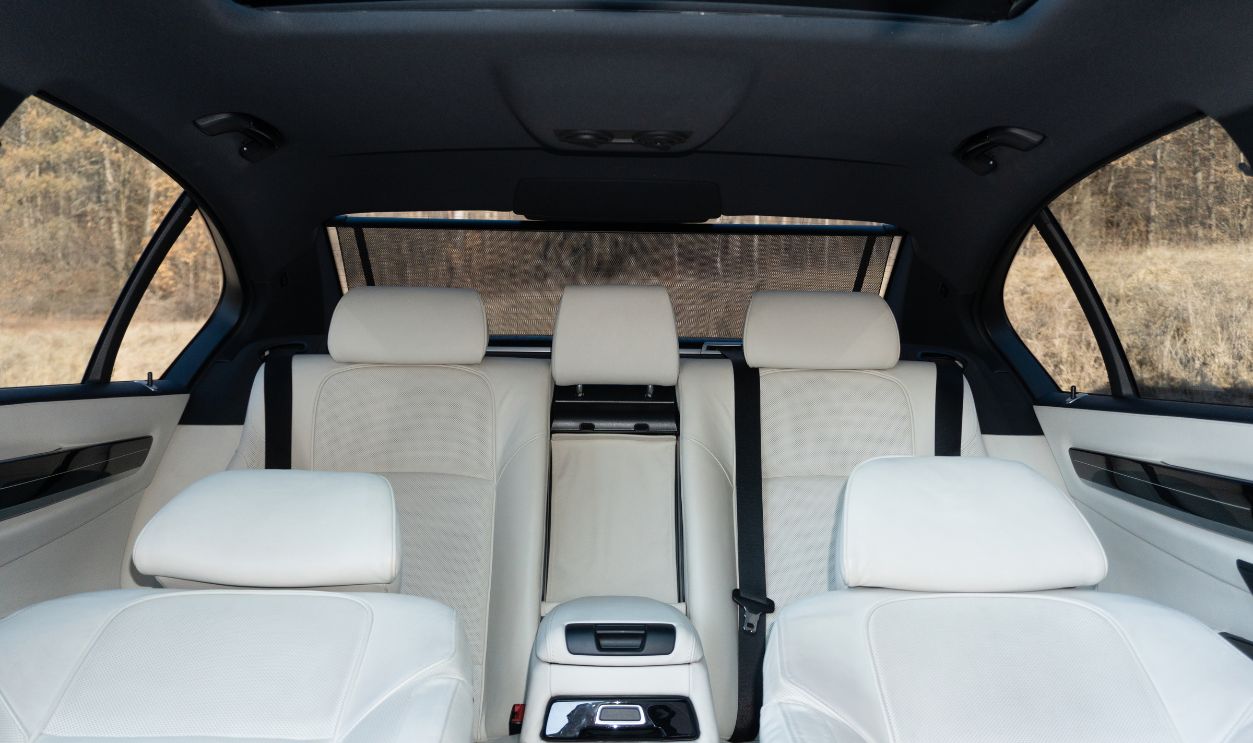
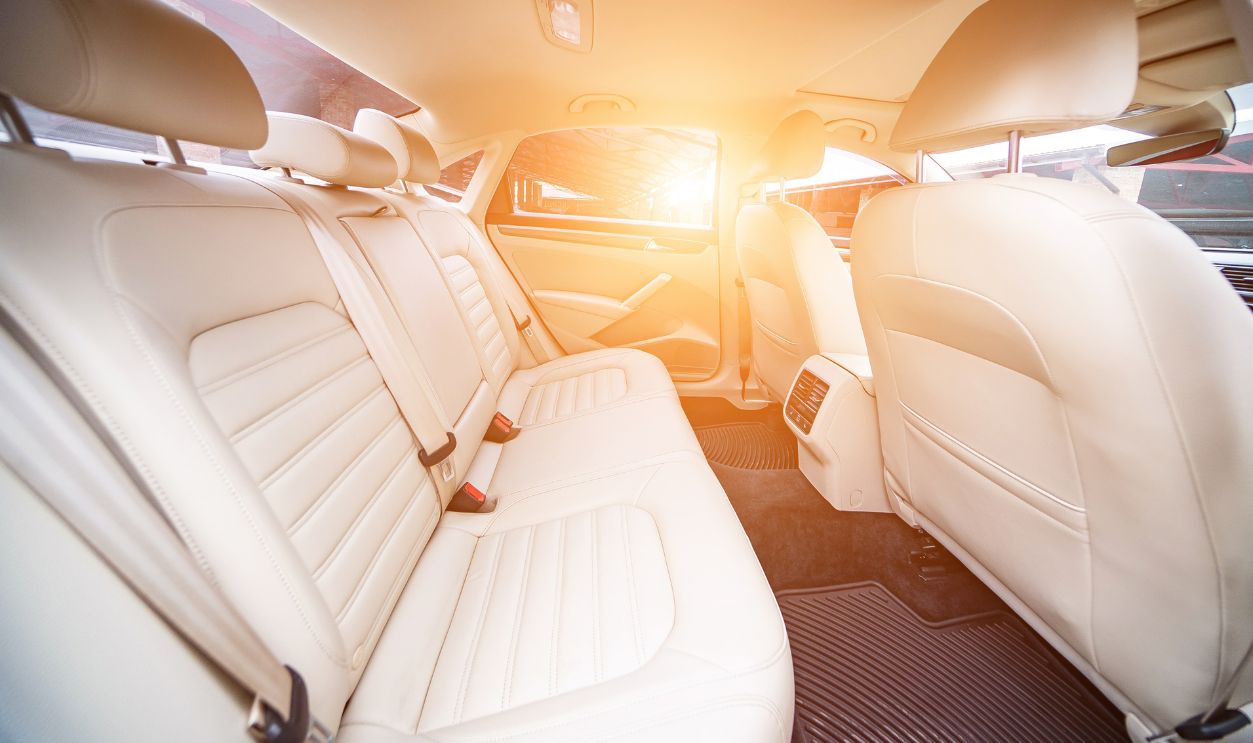
Automakers and buyers like white and cream interiors because they make a cabin feel open, upscale, and modern. Tesla helped push that look into the mainstream by offering a stark White interior option on high-volume models in the late 2010s. Since then, a lot of luxury and near-luxury brands have leaned harder into pale upholstery, especially in EVs and premium trims.

What Owners Usually Mean By Disaster
Most people are not talking about the seats falling apart. They mean visible dye transfer, dirty bolsters, stained seat bottoms, yellowing, and grime stuck in stitching or perforations. Those problems are real, but they vary a lot depending on whether the seats are leather, synthetic leather, vinyl, or cloth.
Material Matters More Than Color
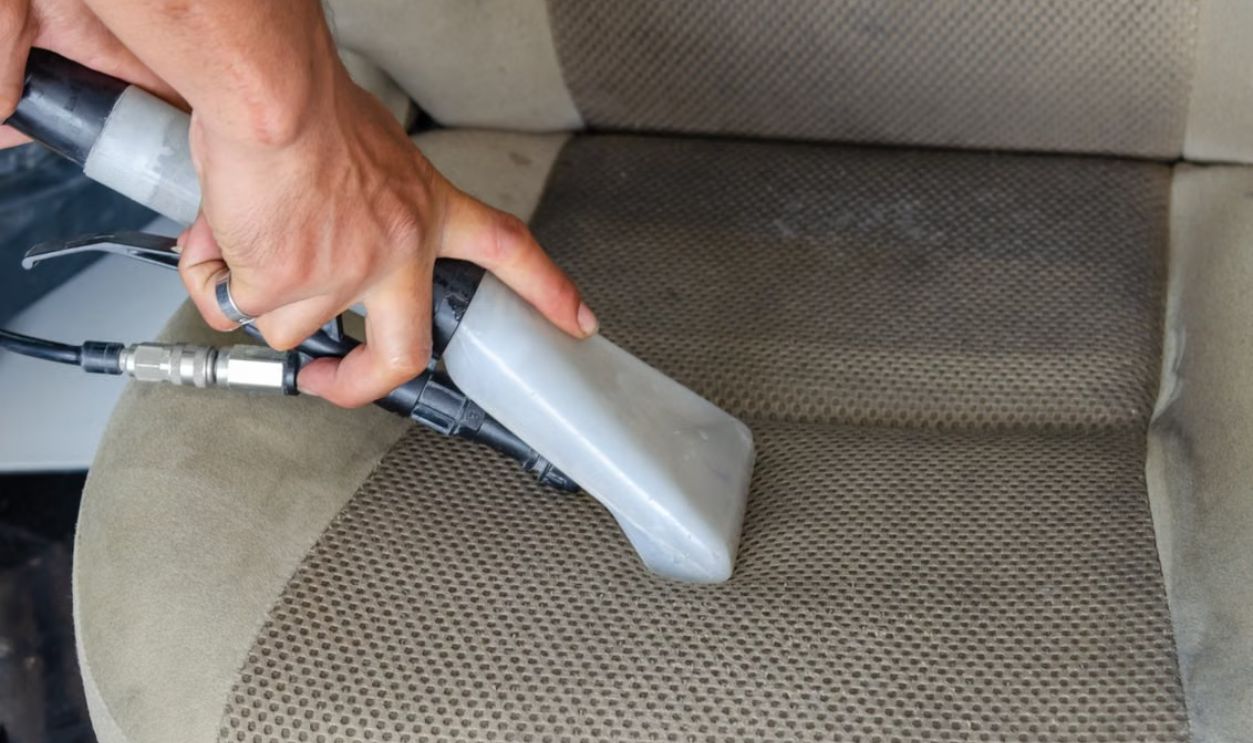
A white cloth seat and a white coated leather seat do not age the same way. The easy-to-clean reputation mostly belongs to coated leather and modern synthetic upholstery, because both have a surface layer that handles spills better than porous fabric. White cloth is usually the riskier pick for a daily driver because it can hang onto stains and grime much more stubbornly.
What Leather Care Experts Have Said For Years
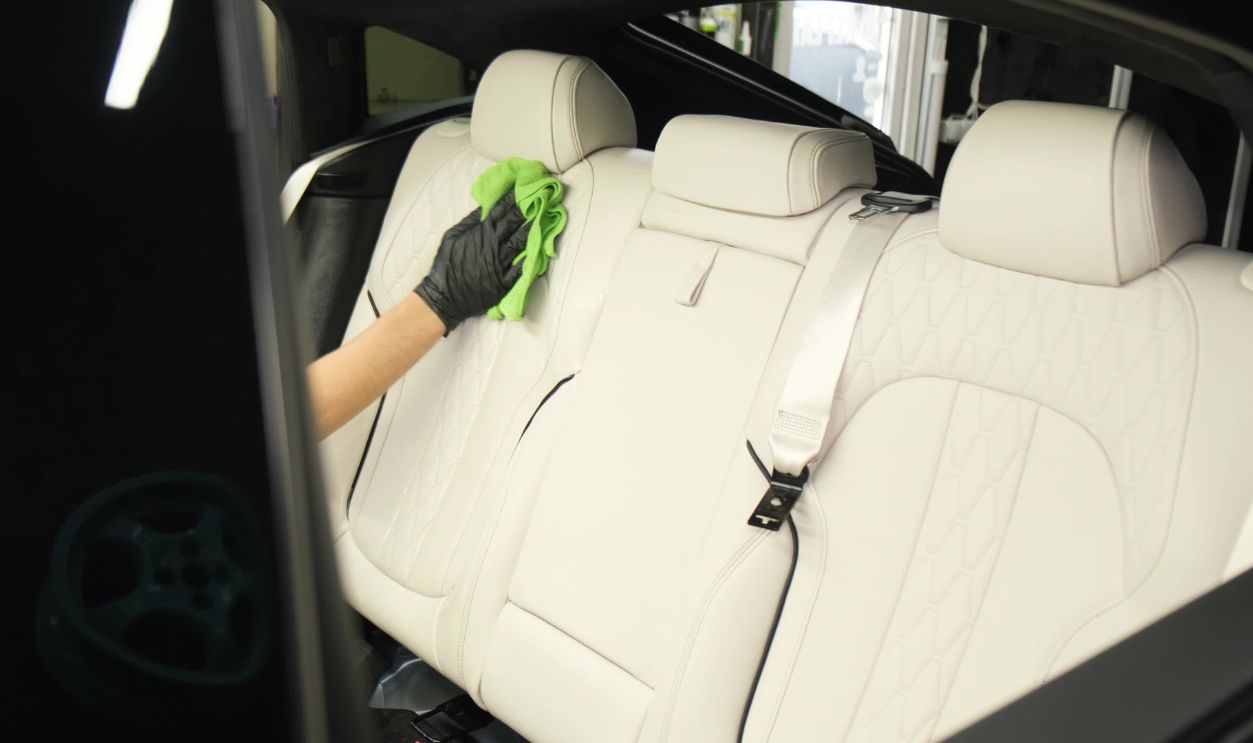
Leather care companies and detailing pros have long warned that light leather shows transfer and dirt faster, not because it is weaker, but because it hides less. Colourlock, a well-known leather care specialist, specifically notes that jeans can transfer dye onto light leather and synthetic leather. That is one of the most common complaints owners report after just months, not years.
Denim Is Usually The Main Problem
If your daughter wears dark jeans a lot, this is the biggest practical issue. Blue dye transfer onto light seats is so common that many detailing guides treat it as routine upkeep, not some rare mishap. It is not limited to one brand or one model, and it can happen on leather, vinyl, and synthetic seat surfaces.

Heat And Sun Make Things Worse
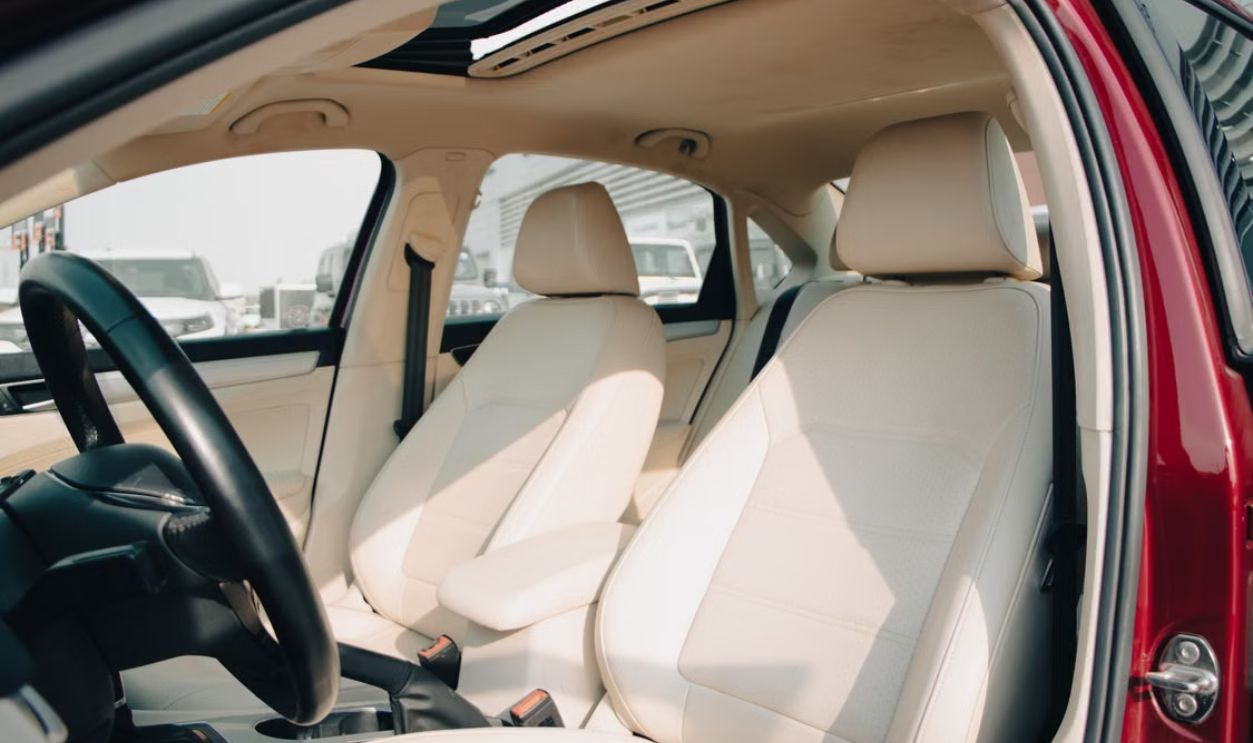
Sunlight wears on any interior, but very light upholstery can show discoloration in ways that are easy to spot. The U.S. Environmental Protection Agency has long explained that ultraviolet radiation contributes to fading and material breakdown on exposed surfaces. Put simply, a garage-kept white interior will usually age better than one that sits in open parking lots every day.
The UV Problem Is Real
The U.S. Department of Energy’s National Renewable Energy Laboratory has also published research on how solar radiation heats vehicle cabins and affects interior materials. That work is often discussed in terms of cabin temperature and efficiency, but it points to the same conclusion. Sun exposure is not just a comfort issue. It is part of long-term interior wear.
 Lvivjanochka Photo, Shutterstock
Automakers Test For This
Manufacturers do not just guess how upholstery will hold up. Companies such as Ford and Toyota have publicly described durability testing that includes abrasion, temperature cycling, UV exposure, and stain resistance. That does not mean every white interior will stay looking new forever, but it does mean modern seat materials are built with real-world abuse in mind.
 Wirestock Creators, Shutterstock
Tesla Put White Seats In The Spotlight
Tesla’s White interior became a major test case because so many owners documented the seats online. In 2020, Consumer Reports looked at owner concerns around Tesla’s white seats and noted that upkeep was manageable for many owners, though regular cleaning still mattered. The biggest takeaway was not that white seats fall apart. It was that neglect shows up faster.

Luxury Brands Have Dealt With This For Decades
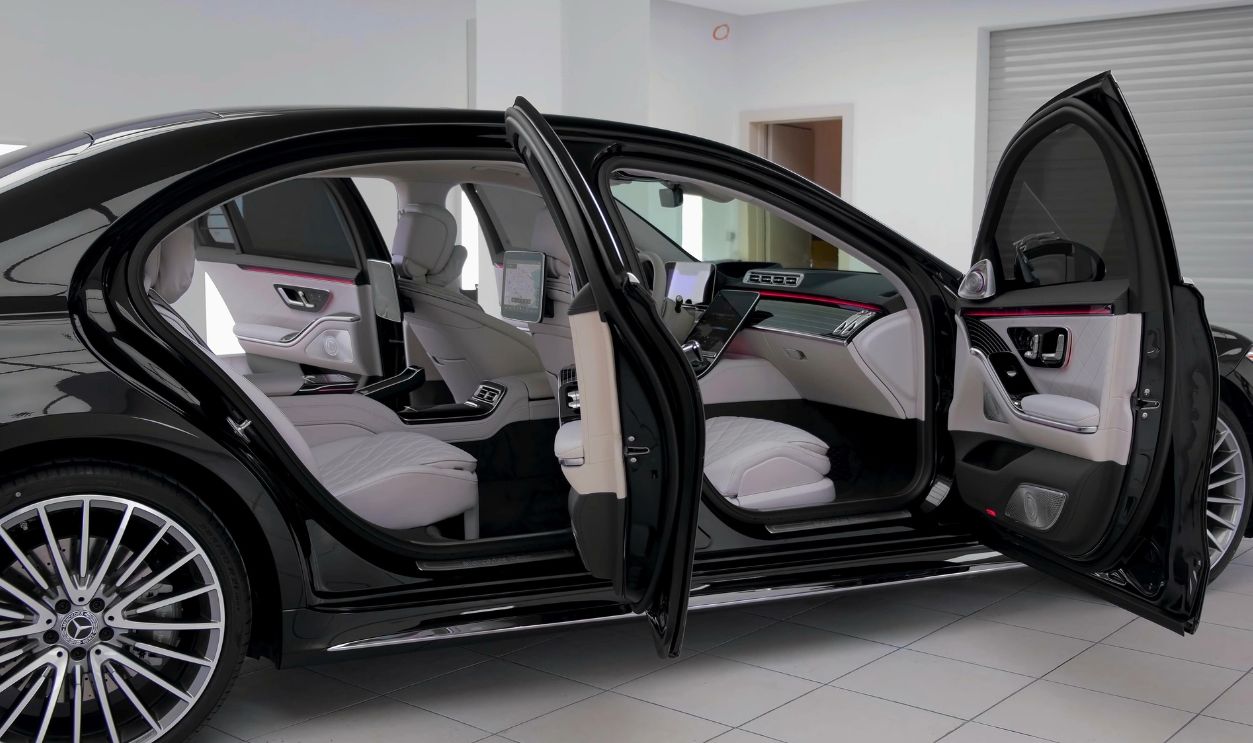
Long before white EV interiors became trendy, Mercedes-Benz, BMW, Lexus, and Audi were offering beige, ivory, and cream cabins in luxury sedans and SUVs. Those interiors did not all turn into horror stories after three years. The tradeoff has always been pretty simple. Light colors can age well if cleaned regularly, but they punish laziness much faster than black or gray.
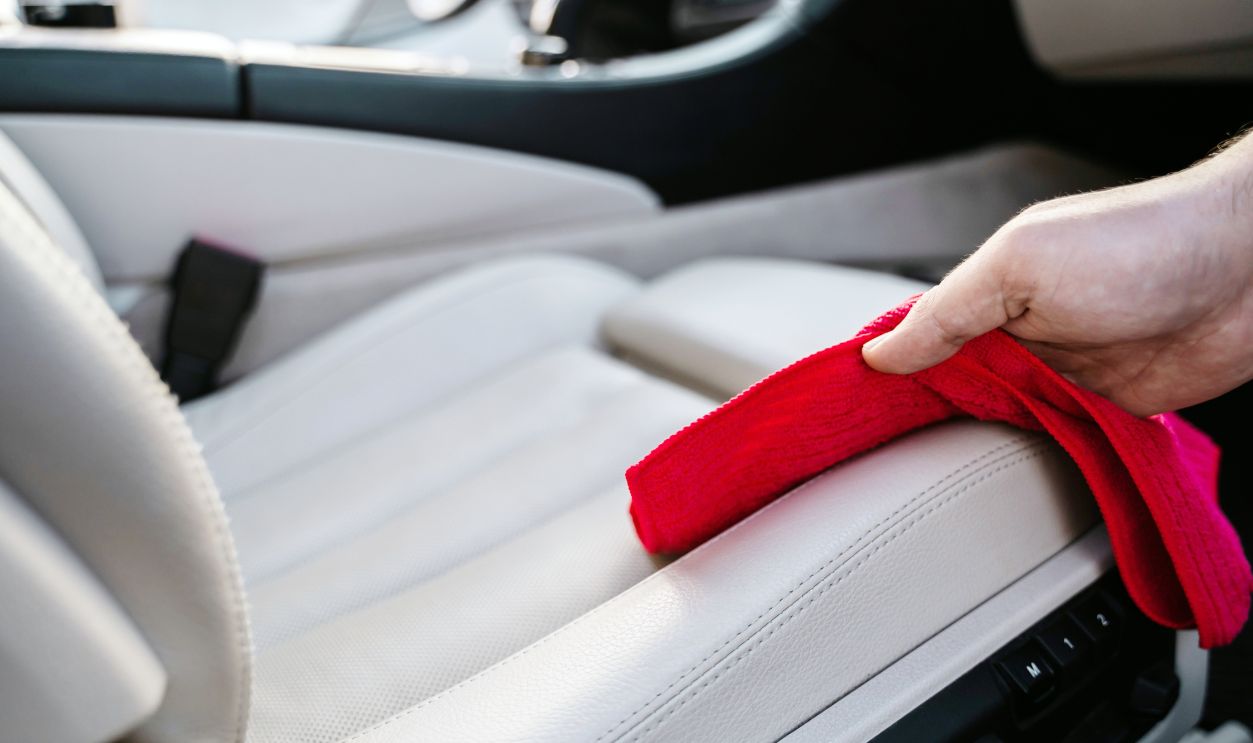
Leather Is Not Maintenance Free
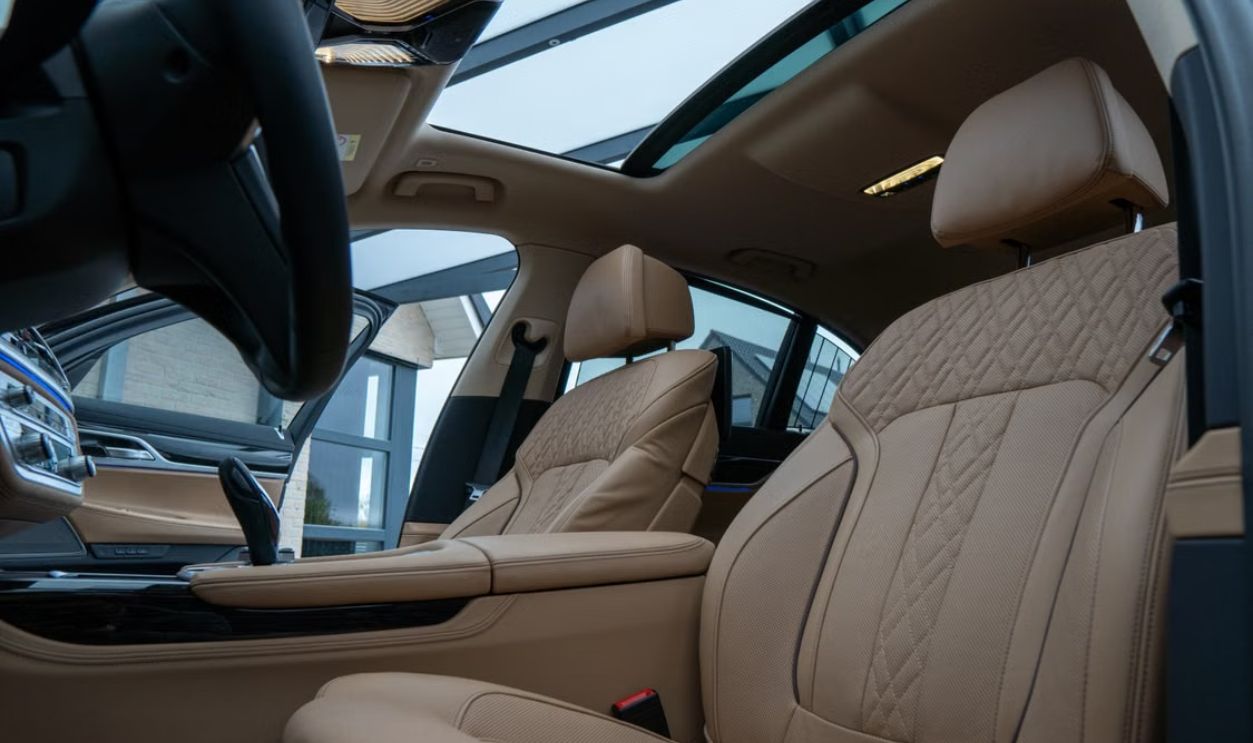
Some buyers assume leather means wipe it once in a while and forget about it, but that is wishful thinking. Research from the Leather Research Laboratory at the University of Cincinnati has shown that finishing and protective coatings matter a lot in how leather performs and ages. Modern automotive leather is usually coated, which helps with stain resistance, but that coating still needs gentle cleaning so grime does not build up and wear it down early.
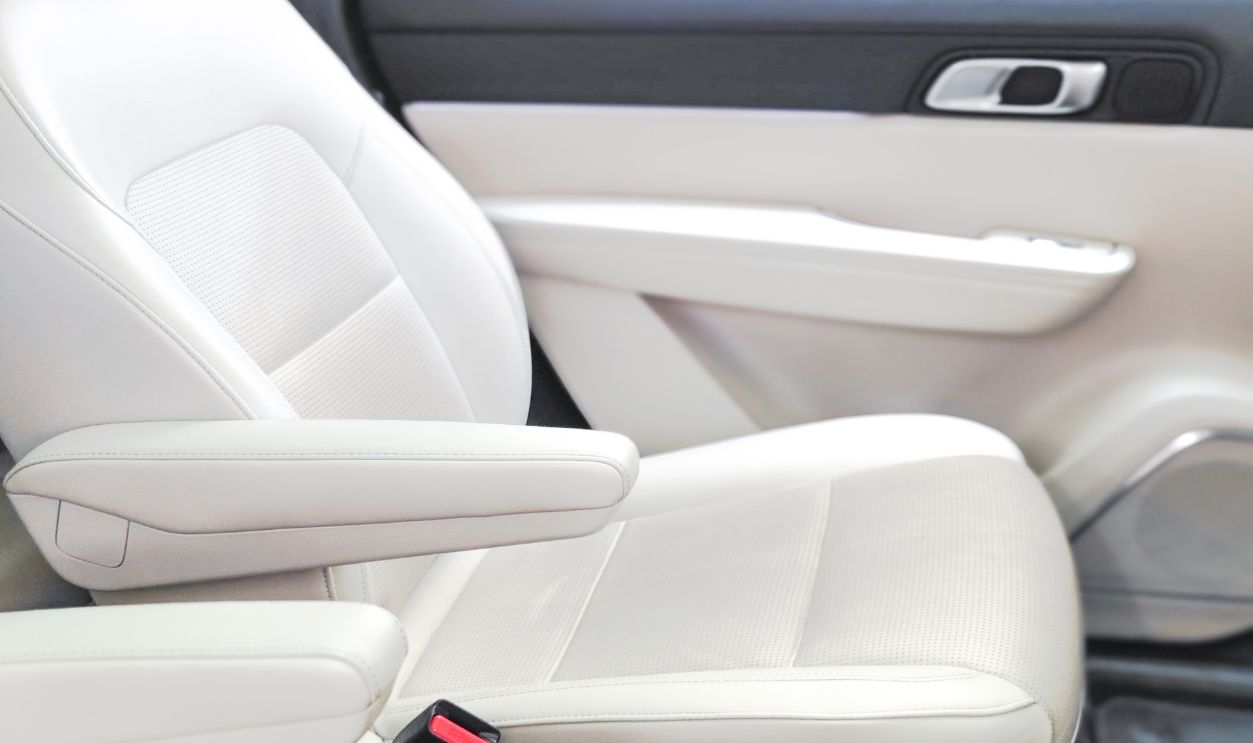
Synthetic Leather Can Be A Smart Middle Ground
Many daily drivers now use synthetic upholstery sold under brand names like SofTex, Sensatec, MB-Tex, and StarTex. These materials are meant to resist spills and make cleanup easier, which can make a white or cream cabin less stressful than traditional cloth. Toyota specifically markets SofTex as easier to clean than traditional leather, and that fits the broader reputation of coated synthetic seat surfaces.
Cloth Is Where The Risk Goes Up
If the white interior in question is actual cloth, be more careful. The American Cleaning Institute notes that fabrics can absorb soil and stains much more easily than hard or coated surfaces. That is not a dealbreaker, but it does mean food spills, sweat, and grime are more likely to leave lasting marks unless they are cleaned quickly.

Kids, Pets, And Commutes Change Everything
A white interior in a second car driven by one careful adult is one thing. A white interior in a daily commuter filled with backpacks, takeout, dogs, sports gear, and rushed parking-lot exits is something else. Real-world use matters more than the brochure photos, and families should be honest about how the car will actually be used.

The Seat Bolster Usually Tells The Truth
The outer bolster on the driver’s seat is usually the first spot that starts looking rough. That is where clothing rubs during entry and exit, and where dark dye transfer often shows up first on light upholstery. If you are shopping used, that bolster tells you more than the middle of the seat cushion.
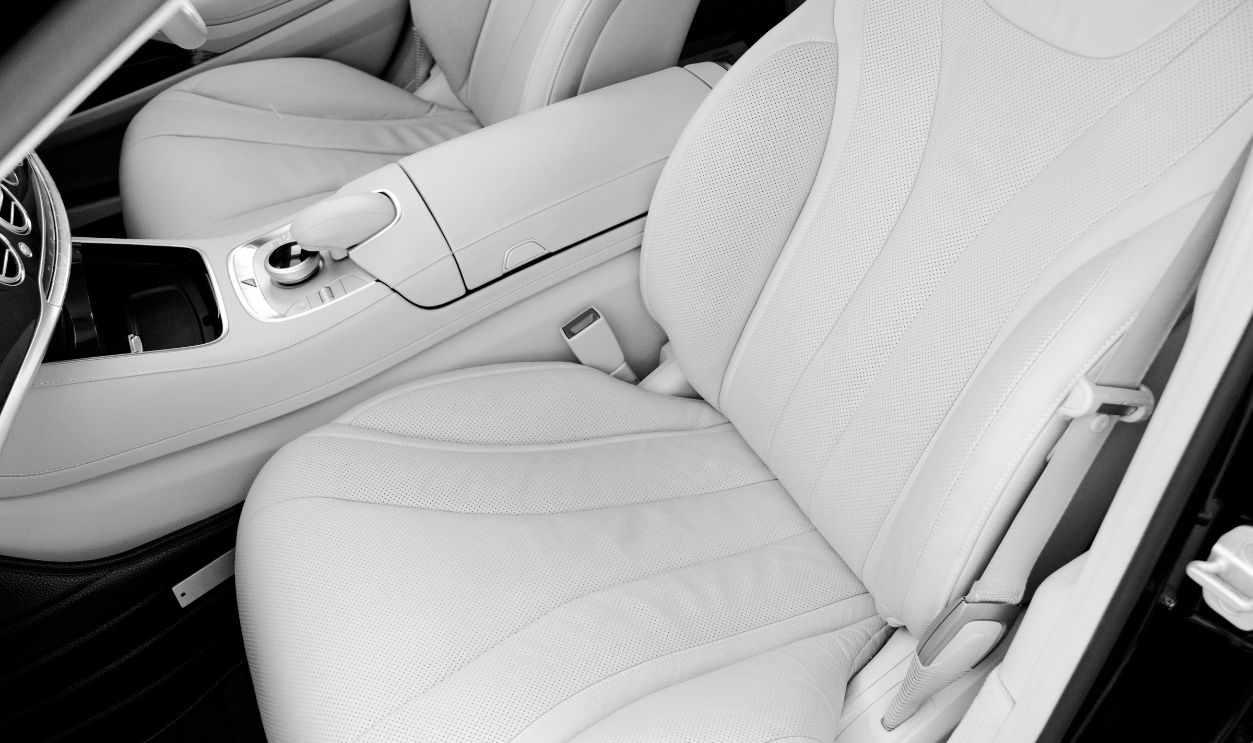
Stitching And Perforations Need More Care
White seats with contrast stitching or perforated ventilation holes look great, but they also create more places for grime to settle. Detailing pros often point out that perforations can trap cleaner residue if too much product is used. In other words, white interiors are not just about cleaning more often. They are also about cleaning more carefully.
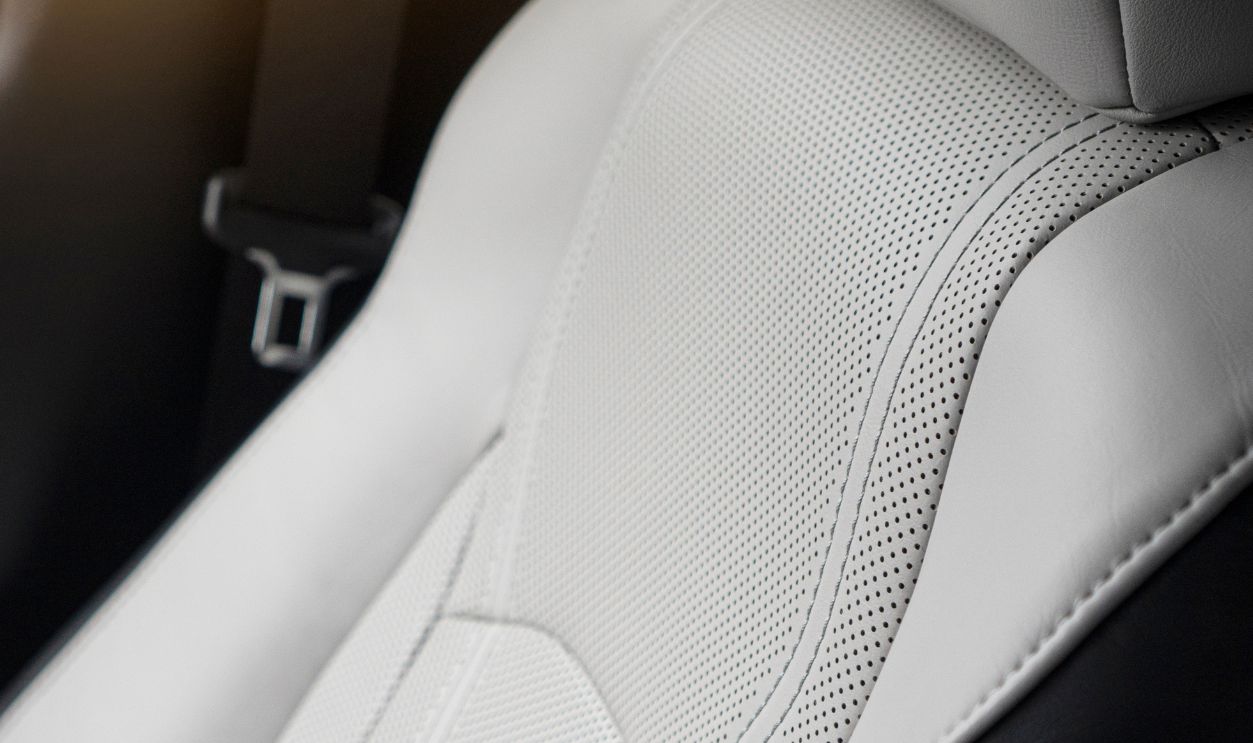
What A Few Years Usually Looks Like
After three to five years, a well-kept light interior usually looks a little less crisp, not ruined. Expect some darkening on touch points, some dye transfer if it was not cleaned quickly, and normal creasing on high-contact areas. The real horror stories usually come from long neglect, heavy denim use, frequent eating in the car, or cloth upholstery.
Resale Can Go Either Way
A clean white interior can impress a buyer and make a car feel newer and more upscale than its age suggests. A dirty one does the exact opposite because every flaw jumps out right away. That means resale value depends heavily on condition, not just on having a light interior.

Cleaning Frequency Is The Real Price
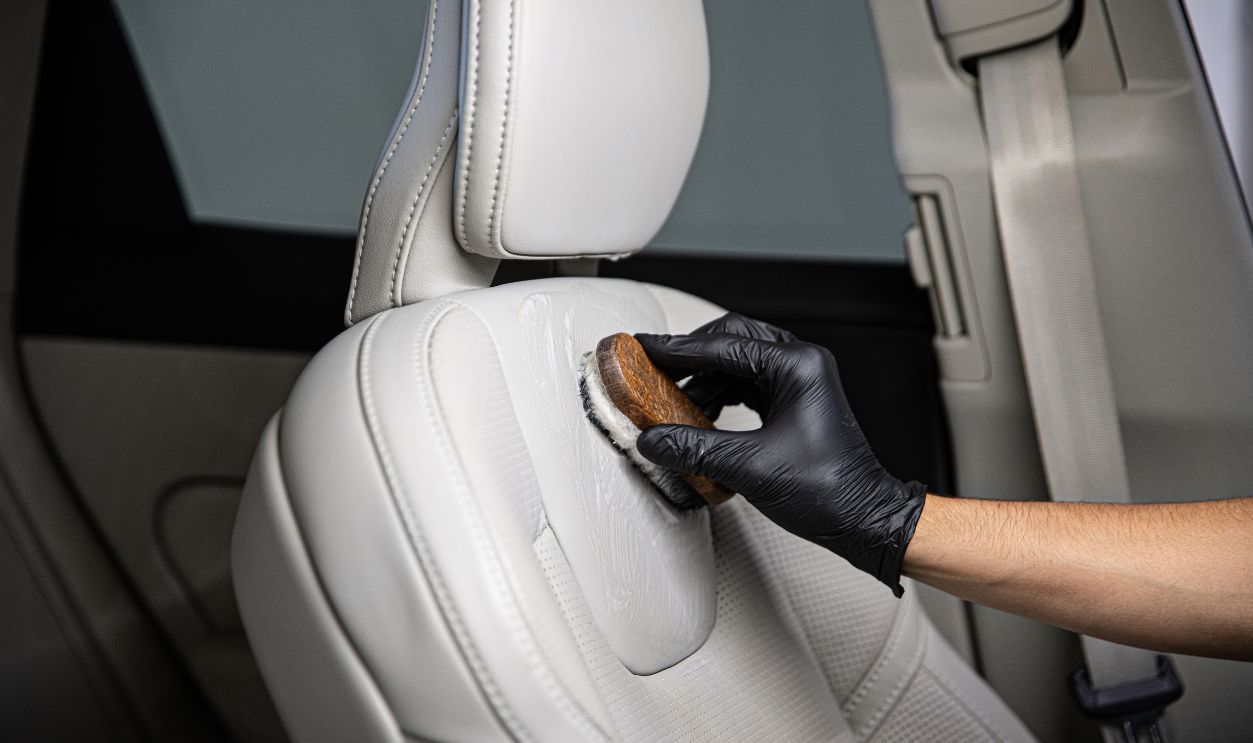
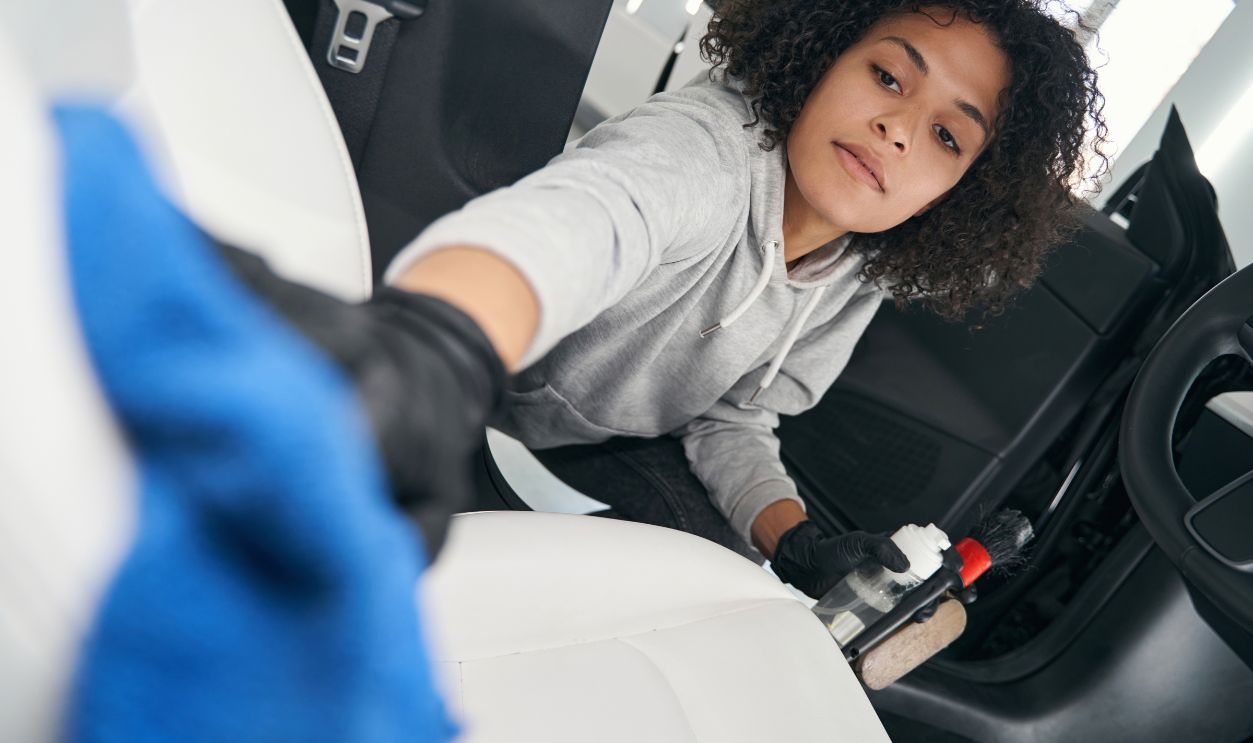
The biggest long-term downside is not that the interior will fail. It is that you or your daughter will need to wipe it down more often. A quick weekly clean and a fast response to spills can be the difference between a cabin that still looks sharp and one that starts looking tired too soon.
The Right Products Matter
Both automakers and detailing specialists warn against using harsh household cleaners on automotive upholstery. Gentle cleaners made for leather or car interiors are the safer choice, especially on coated leather and synthetic materials. Aggressive scrubbing can damage the finish, which is exactly what helps the seat resist stains in the first place.
 YAKOBCHUK VIACHESLAV, Shutterstock
Prevention Works Better Than Deep Cleaning
Regular upkeep is a lot easier than trying to undo months of grime. Parking in the shade, using window shades, avoiding wet or dye-heavy clothing when possible, and wiping seats down before residue builds up all help. This is one of those cases where boring habits save money and headaches.
Seat Protectors Are Not Just For Little Kids
If your daughter is worried about ruining the look, removable seat covers or protectors for higher-risk situations can help. They are especially useful for road trips, pets, gym clothes, or hauling dirty gear. They do not have to stay on all the time, so the interior can still look clean and bright during normal use.

There Is A Climate Upside Too
Light interiors can feel less brutal in hot weather because they reflect more light and often seem cooler, even if the actual temperature difference is not huge. NREL research has shown how dramatically vehicles heat up in the sun, and color is part of that picture. White upholstery will not make a parked car cool in July, but it can feel more pleasant than a black interior when you first get in.

So Does White Upholstery Become A Disaster
Usually, no. It becomes a maintenance commitment. In coated leather or synthetic materials, a light interior can still look very good after several years if the owner cleans it regularly and does not ignore dye transfer or spills.

When I Would Say Yes
I would be comfortable with a white interior if the car has coated leather or a good synthetic surface, if your daughter is reasonably tidy, and if someone is willing to clean it often. It is also a better bet if the car will spend at least some time in a garage or shade. In that setup, the risk is manageable and the payoff is a cabin that still feels special every day.

When I Would Push For Something Darker
I would steer her toward gray, tan, or black if the seats are cloth, if she practically lives in dark denim, if the car will haul lots of friends and gear, or if cleaning is not going to happen consistently. White interiors are least forgiving when life gets messy and nobody stays ahead of it. For a lot of families, the smartest middle ground is a medium-tone interior that still feels bright without showing every stain.
 Artpose Adam Borkowski, Shutterstock
The Bottom Line For A Daily Driver
Light-colored upholstery is not doomed. It just tells on you faster. If your daughter loves the look and understands the upkeep, a white interior can handle daily-driver life just fine for years, especially in modern coated leather or synthetic materials. If she wants something she can completely ignore, this is probably not the color to choose.