The Car Wash Fight Refuses To Die
Spend enough time around car people and you will hear it: Automatic car washes wreck your paint, and only a careful hand wash is safe. That idea didn't come from nowhere, but it's definitely not the full story anymore. But the real issue isn't automatic versus hand wash: It's what touches the paint, how dirty it is, and how well the wash is maintained.
Why This Idea Won’t Go Away
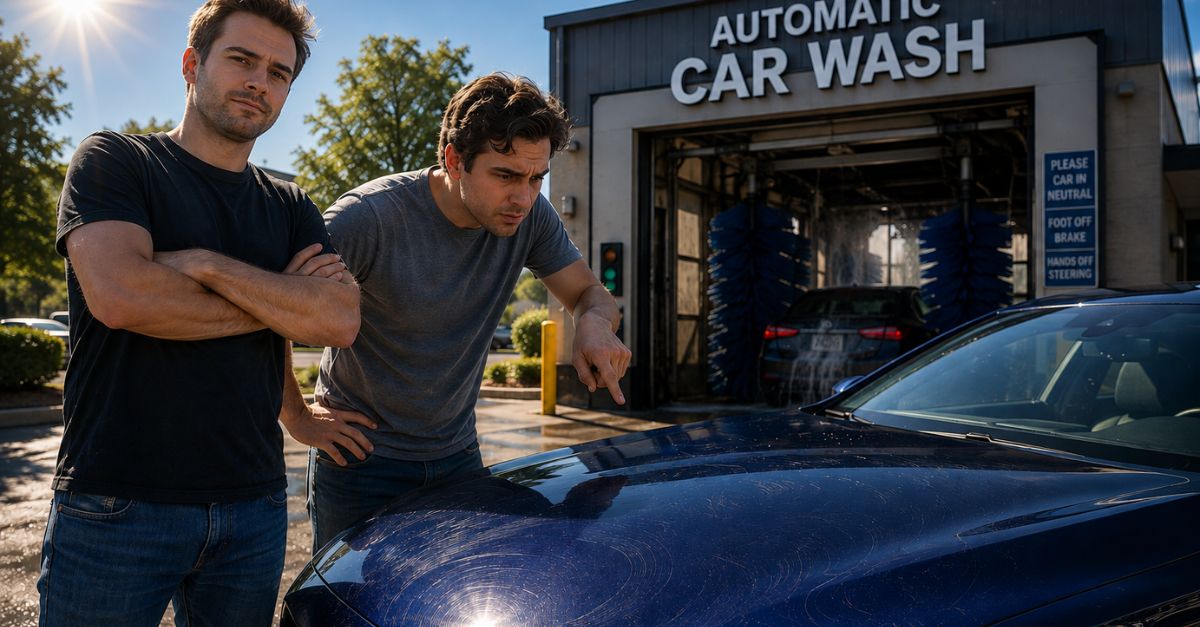
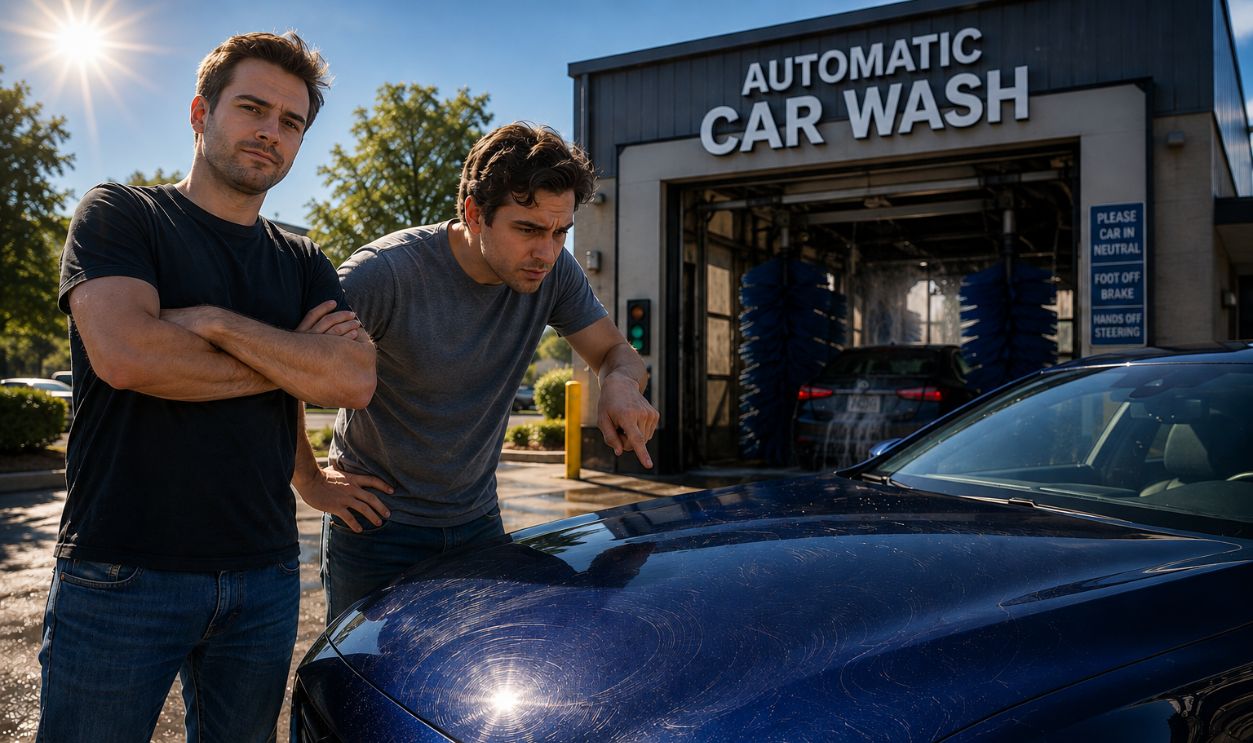
The claim sticks because scratched paint is easy to spot and hard to forget. Anyone who has owned a dark-colored car has probably seen swirl marks in the sun and blamed the last wash. That makes the warning feel timeless, even though both car washes and paint have changed a lot over the years.
When The Warning Was Actually True
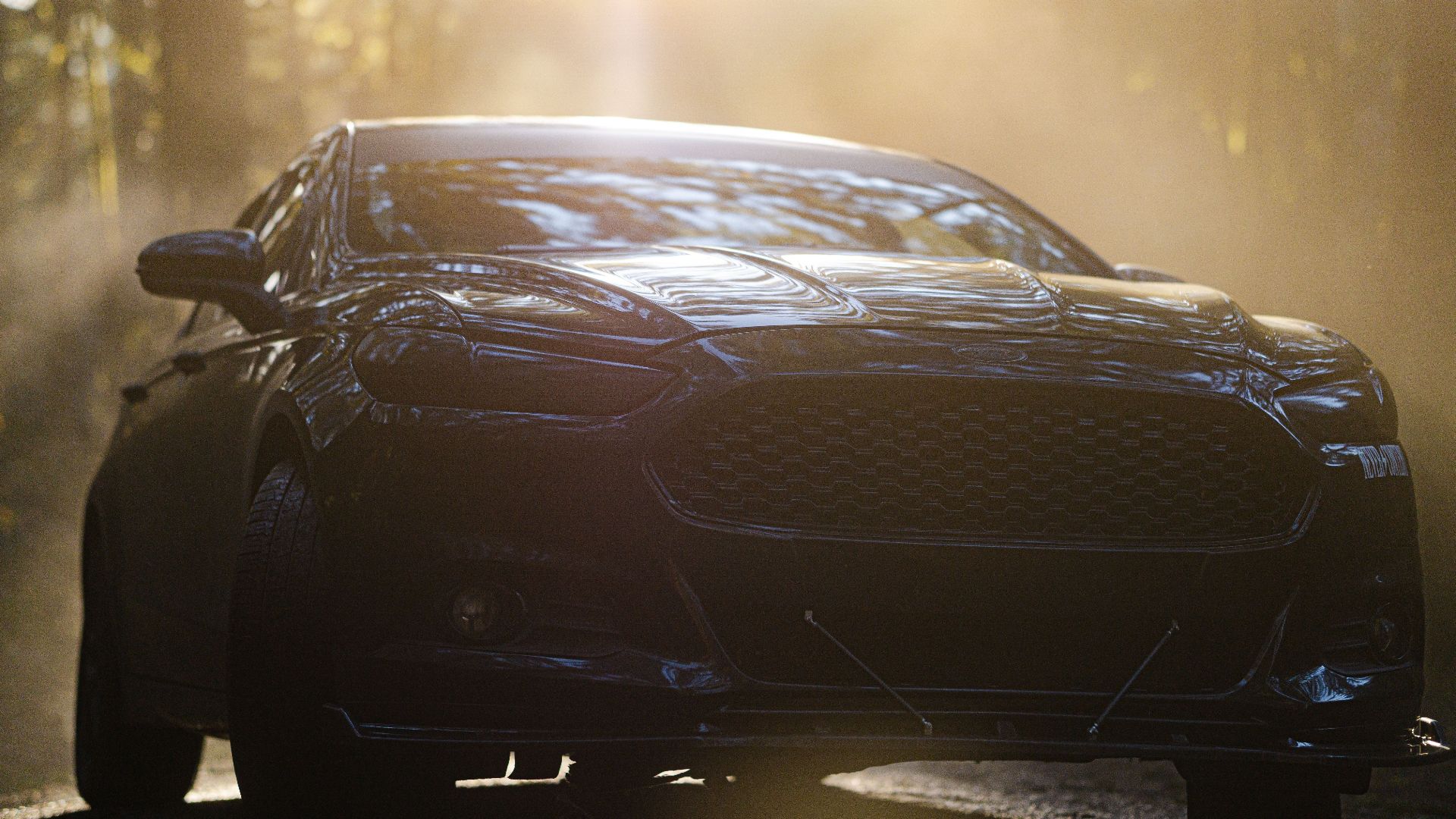
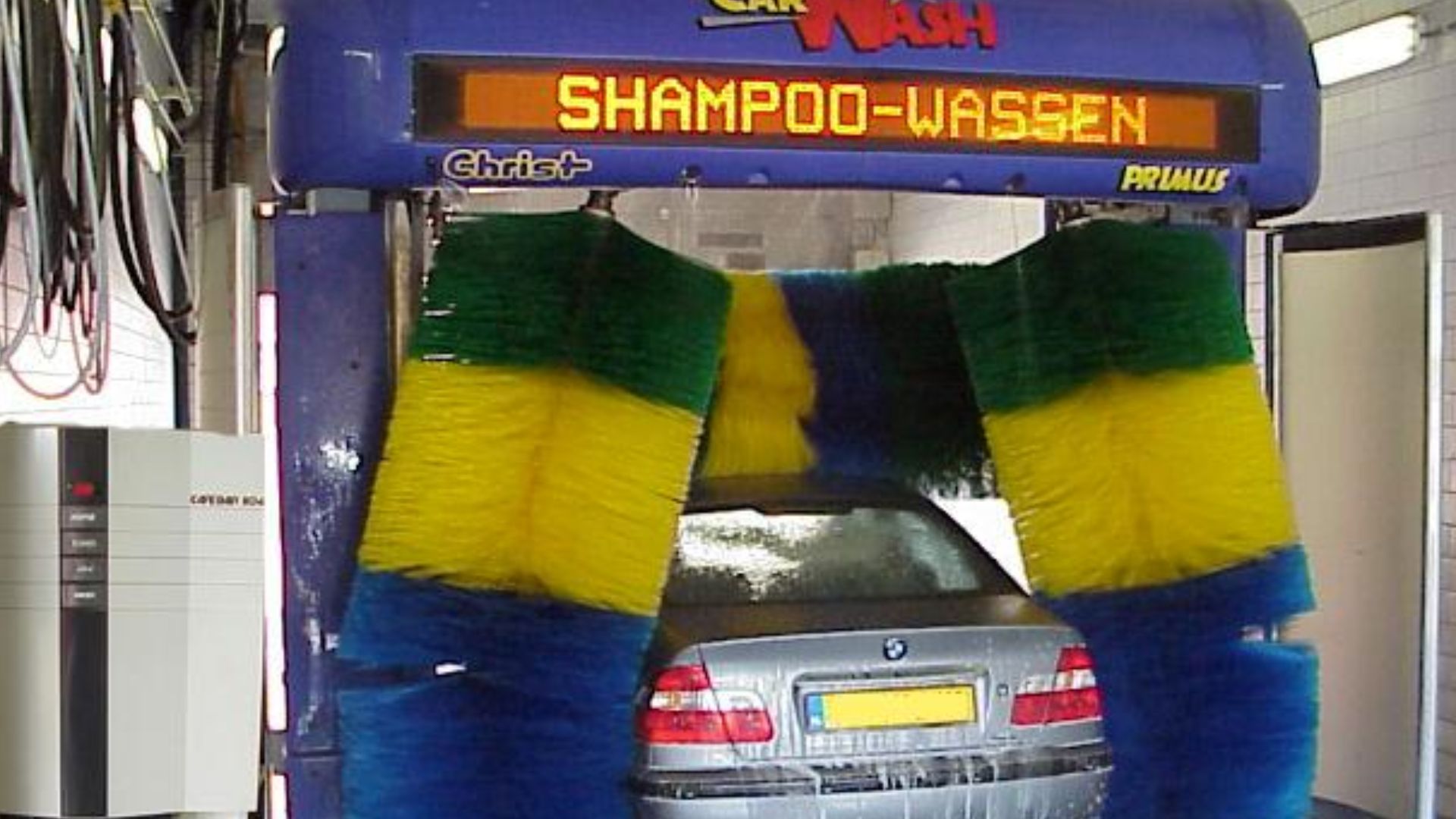
Older automatic washes often used stiff nylon or other rough brush materials that could trap dirt and drag it across the paint. Consumer Reports noted that old-style washes with abrasive bristles can leave behind the small scratches people call swirl marks. So if someone picked up this opinion years ago, they were reacting to a real problem.
 User:Michiel1972, Wikimedia Commons
Modern Clear Coat Changed The Story
Most modern cars use a basecoat-clearcoat paint system, with the clear coat adding gloss and protection over the color layer. That does not make paint scratch-proof, but it does mean the damage people usually notice after washing is often in the clear coat. The main question is whether the wash creates friction with trapped grit, because that is what causes marring.
What Really Causes Swirl Marks
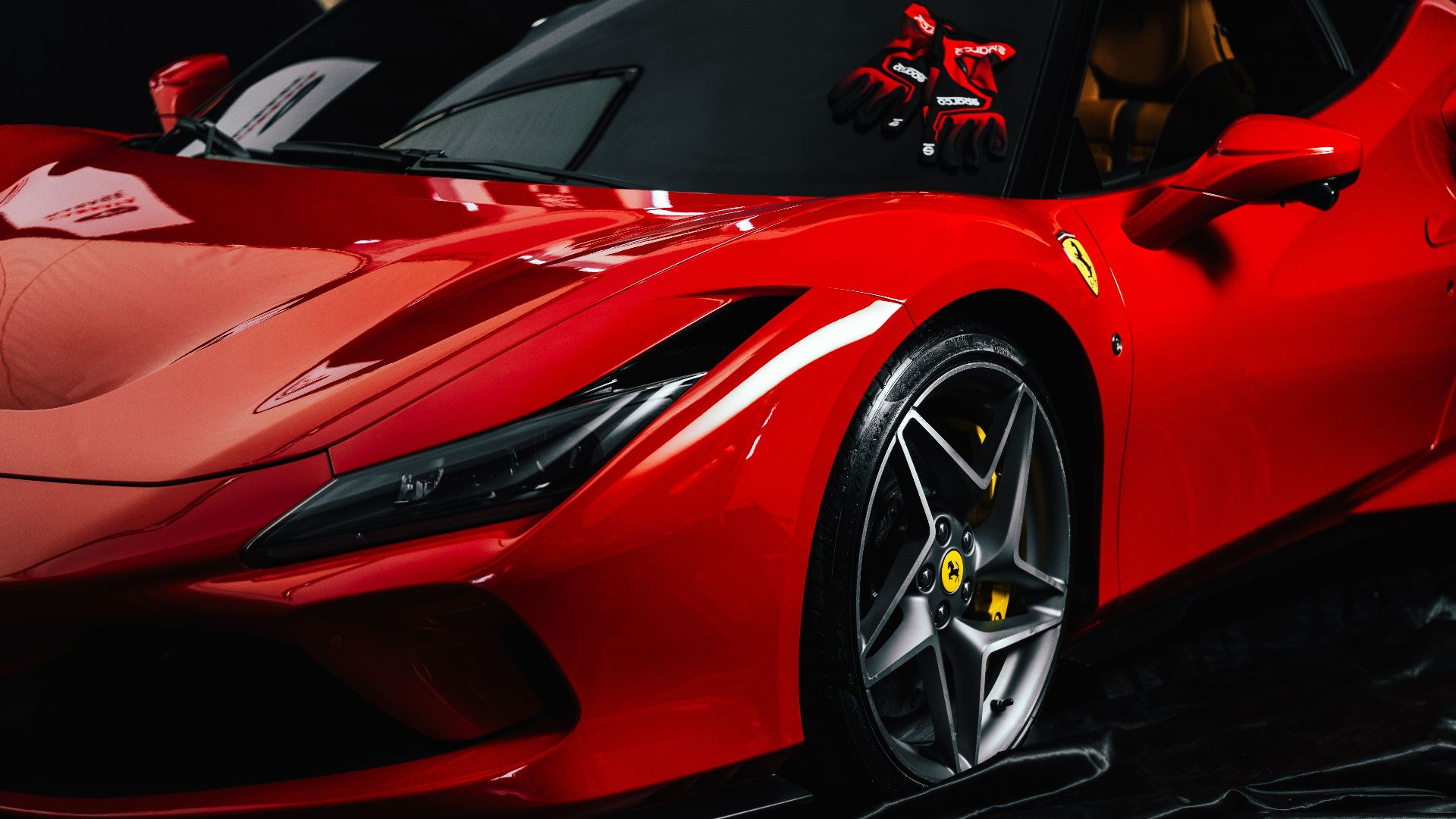
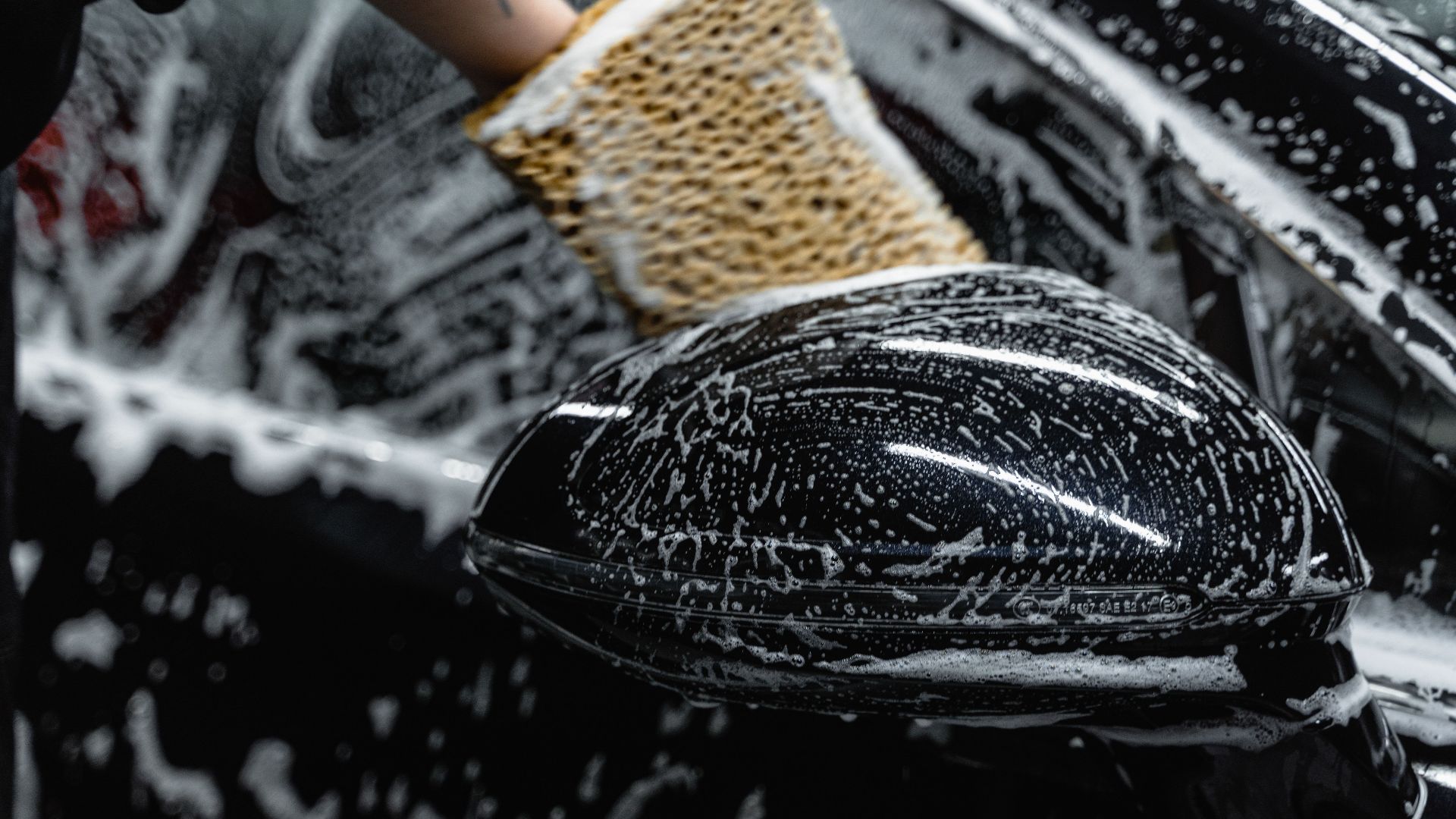
Swirl marks are usually fine scratches in the clear coat that show up under direct sun or bright lights. The International Carwash Association says these marks often come from friction between dirt particles and the paint, not from soap itself. Put simply, dirty wash material is the problem, whether it is a tunnel brush or a sponge in your driveway.
Hand Washing Is Not Automatically Safe
This is where the old advice starts to break down. A hand wash with one bucket, a gritty sponge, and a towel that hit the ground can scratch paint fast. The car-care experts at Meguiar’s have long warned that bad washing and drying habits are a major cause of swirl marks, even on cars that never go through an automatic wash.
Your Hose And Sponge Can Do Plenty Of Damage
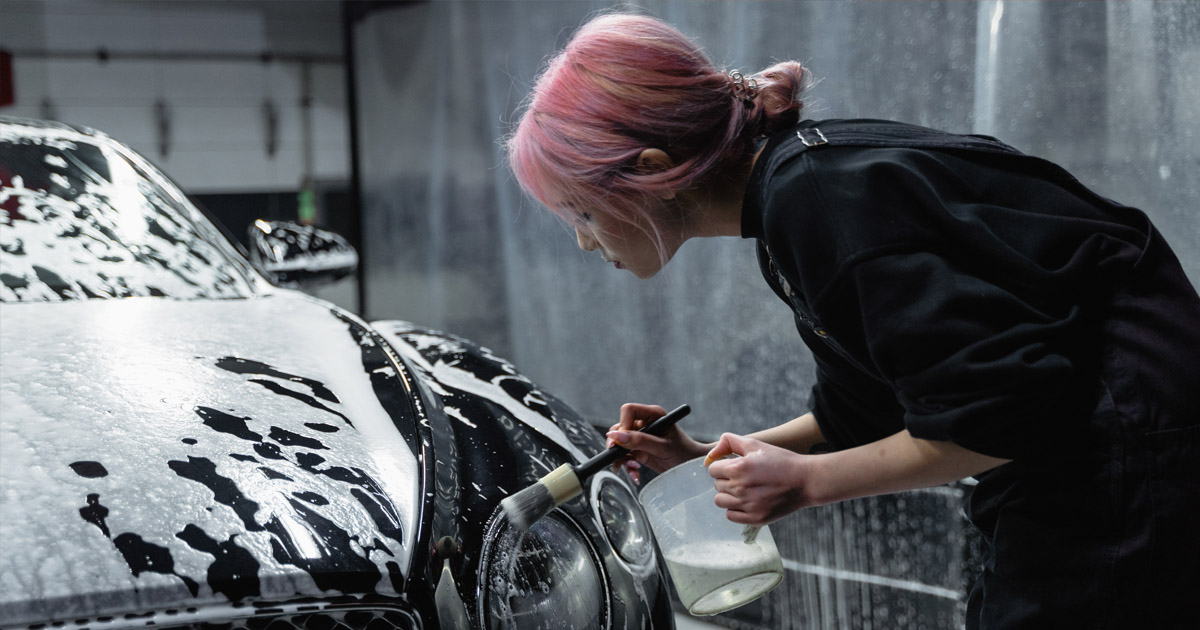
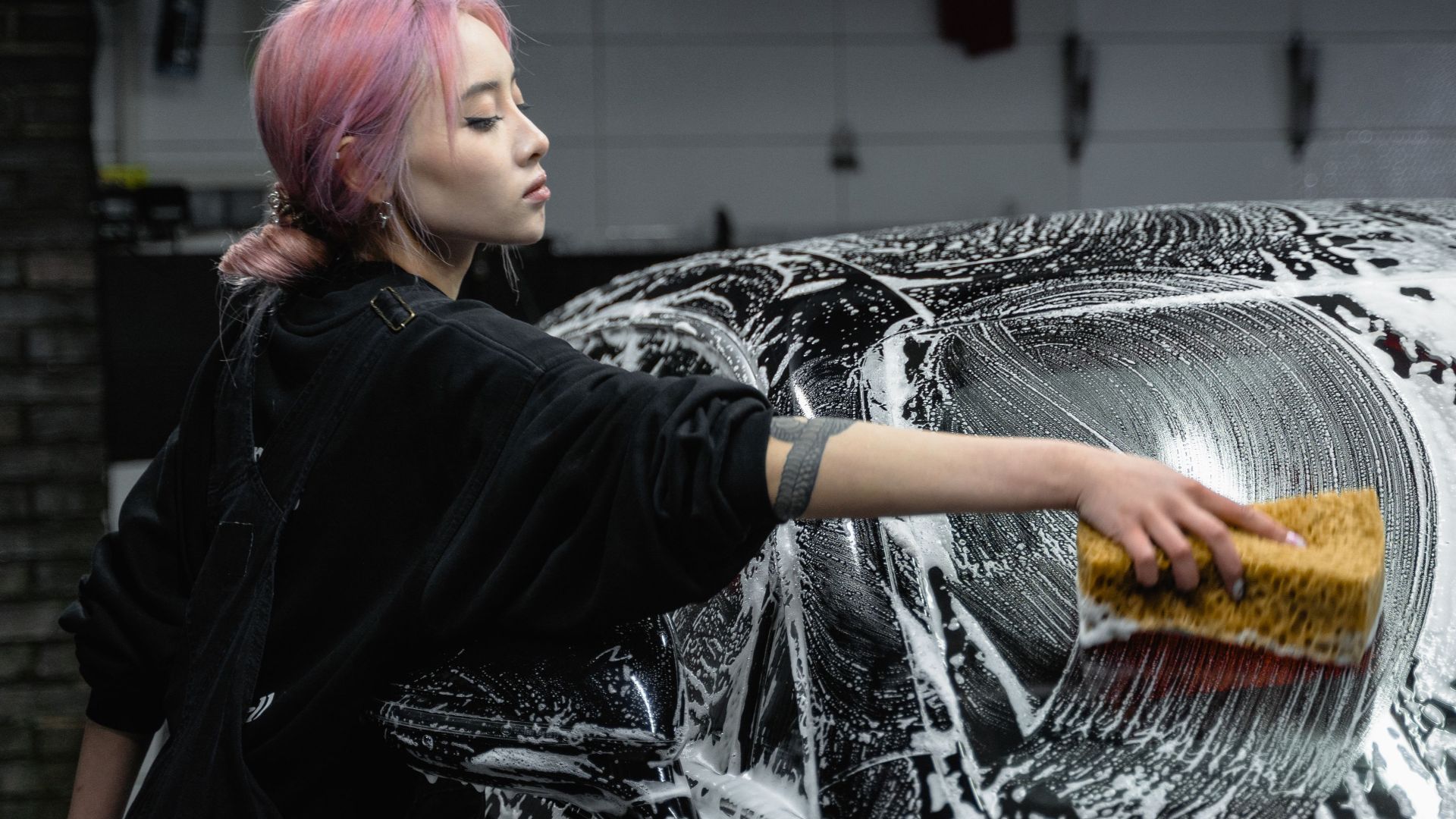
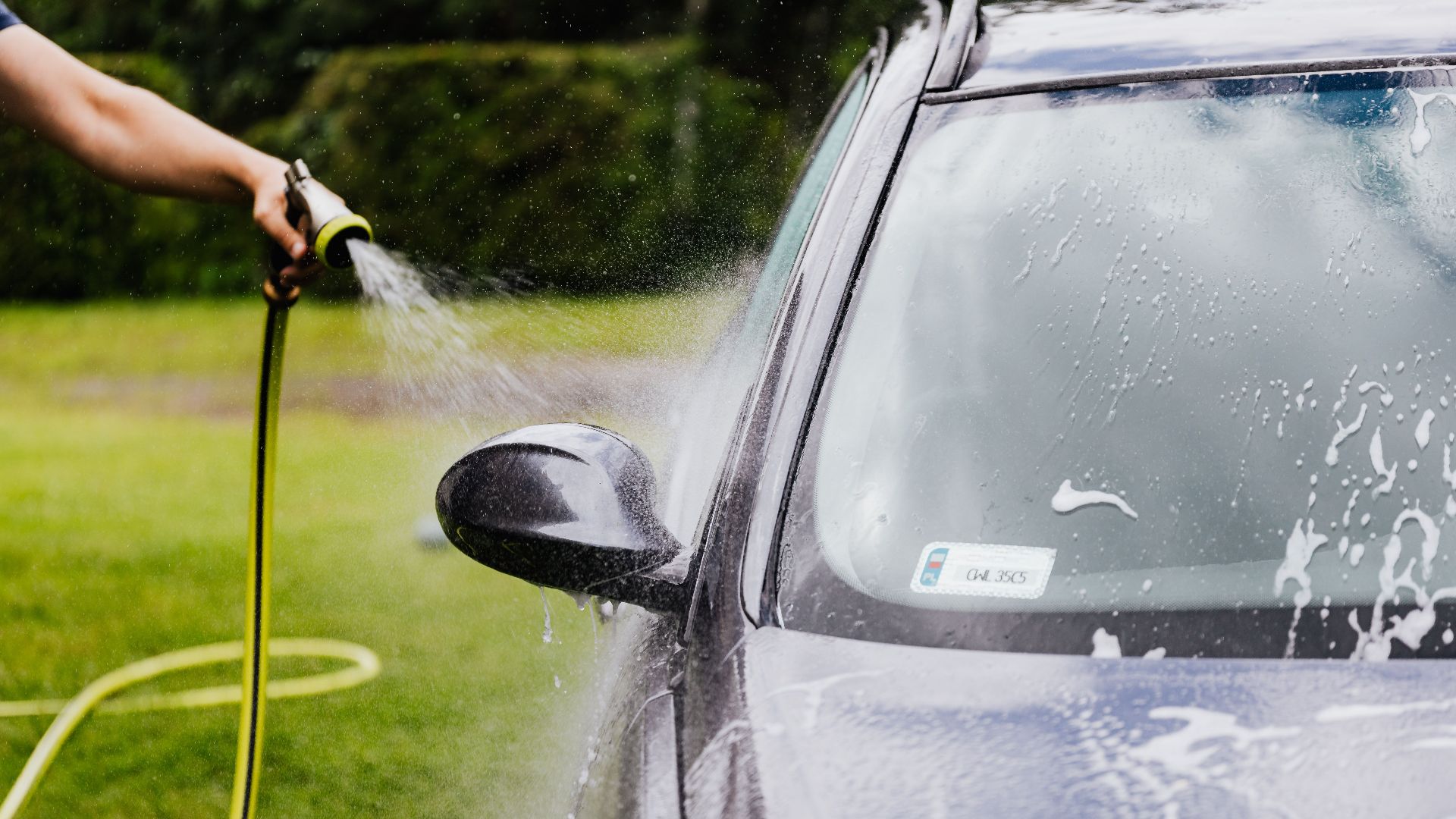
When you wash by hand, you have full control, but you can also make every mistake yourself. Using household cleaners, reusing dirty wash mitts, and rubbing dry dust into the paint are all common ways to mark up the finish. A bad hand wash is not a charming alternative to a tunnel wash. It is just another way to grind dirt into the clear coat.
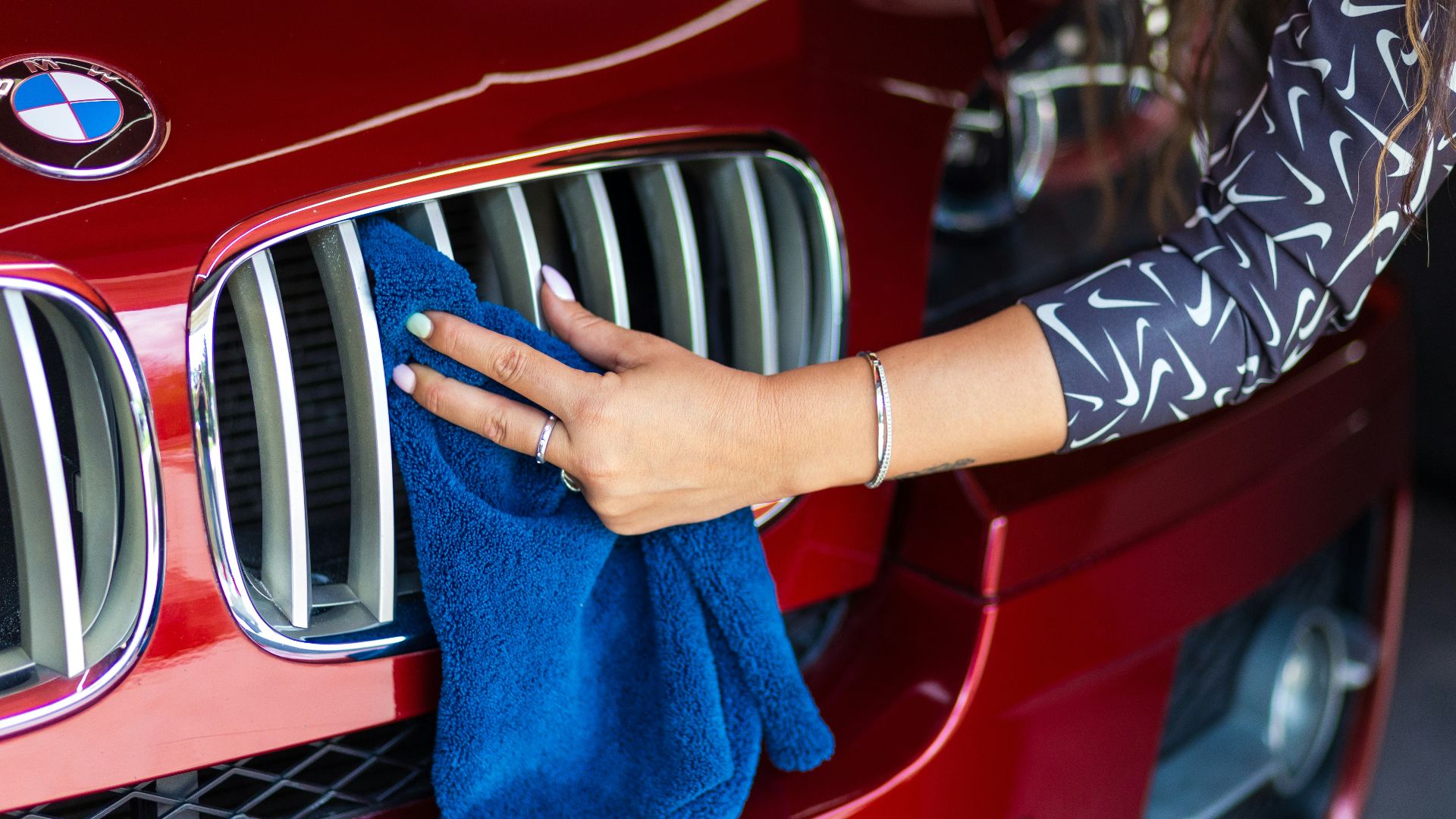
 https://kaboompics.com/, Pexels
The Safer Automatic Choice Usually Stands Out
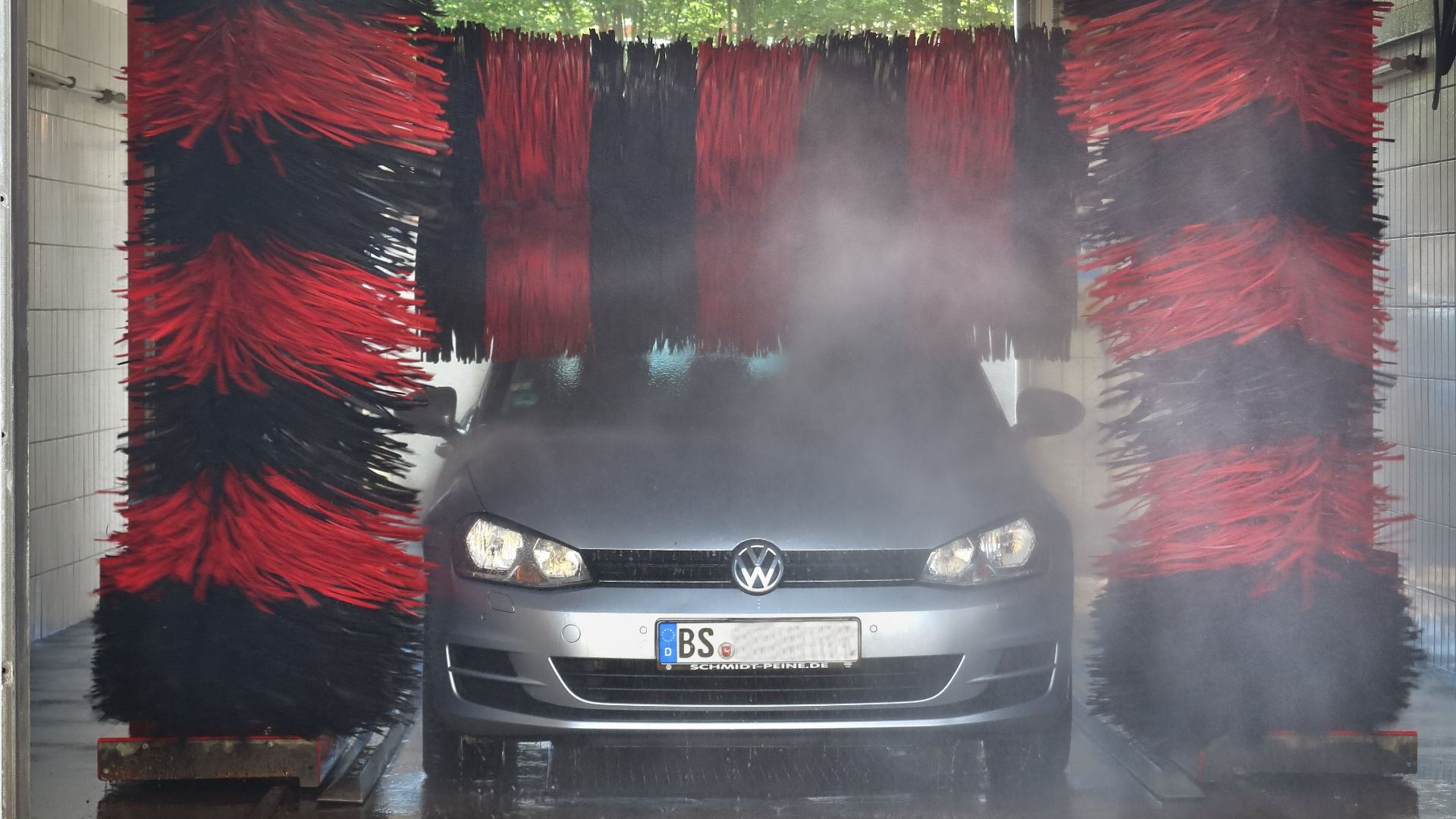
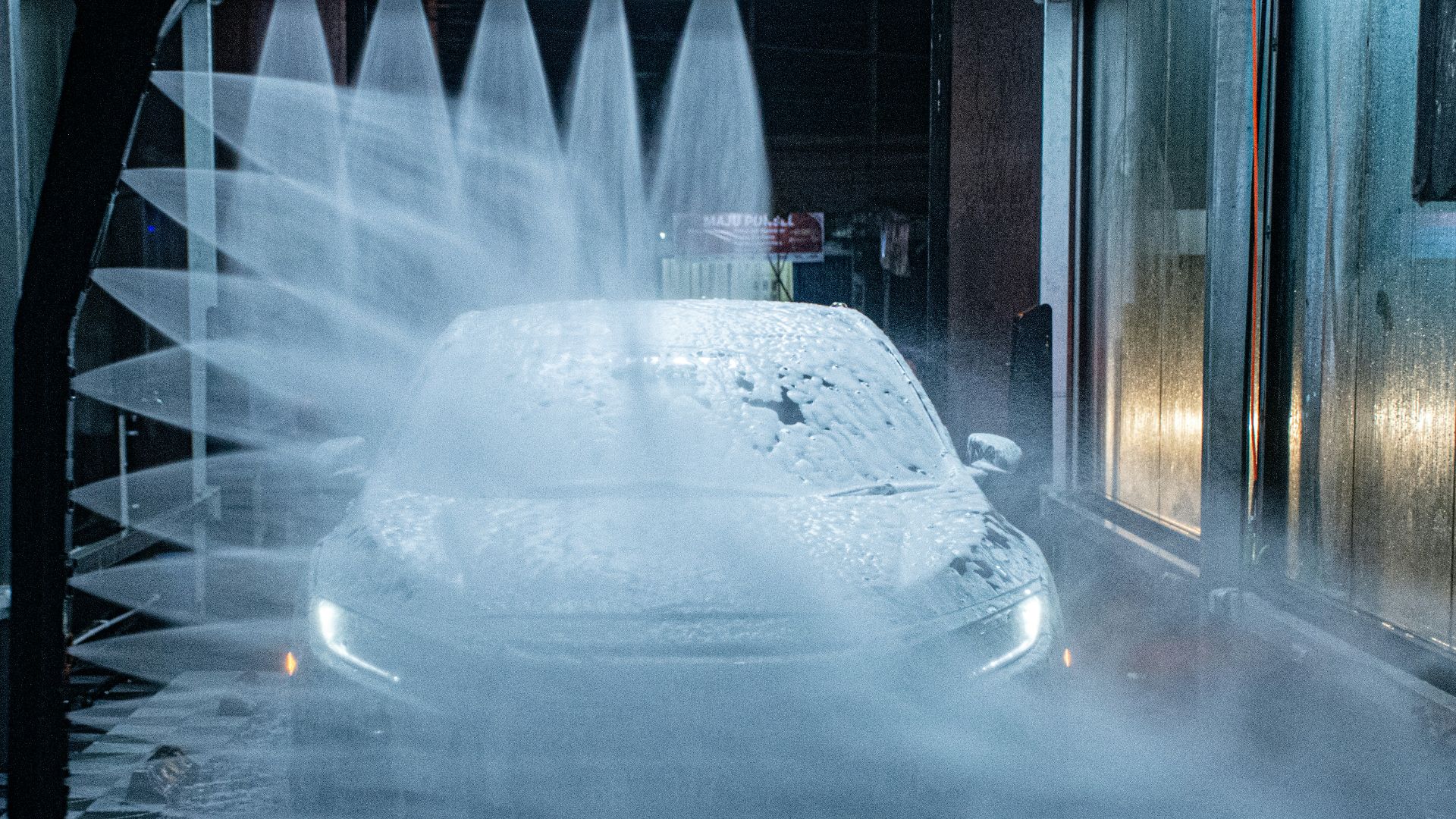
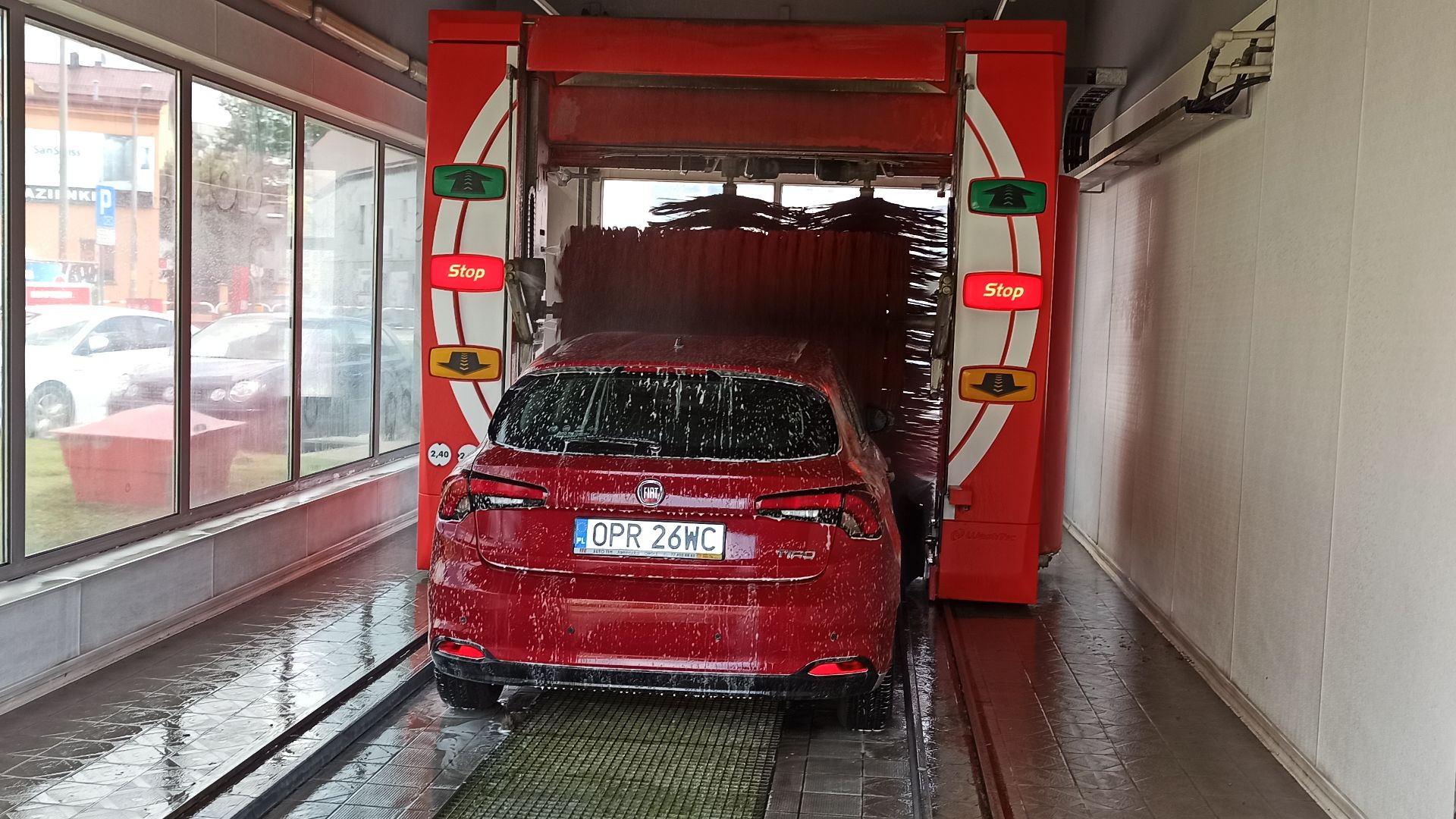
If you want to use an automatic wash, the safer bet is usually a touchless wash or a well-kept soft-cloth wash. Consumer Reports specifically recommended touchless washes for people worried about scratching. Touchless systems still rely on strong detergents and high-pressure water, but they avoid the brush contact that gave older tunnel washes such a bad name.
Touchless Still Has A Downside
There is a tradeoff. Because touchless washes depend on chemistry and water pressure instead of friction, they may use stronger detergents to loosen grime. That can wear down wax or other protective products over time, which is why many detailers see touchless as a solid maintenance choice, not a perfect answer.
Soft Cloth Is Not The Same As The Old Horror Stories
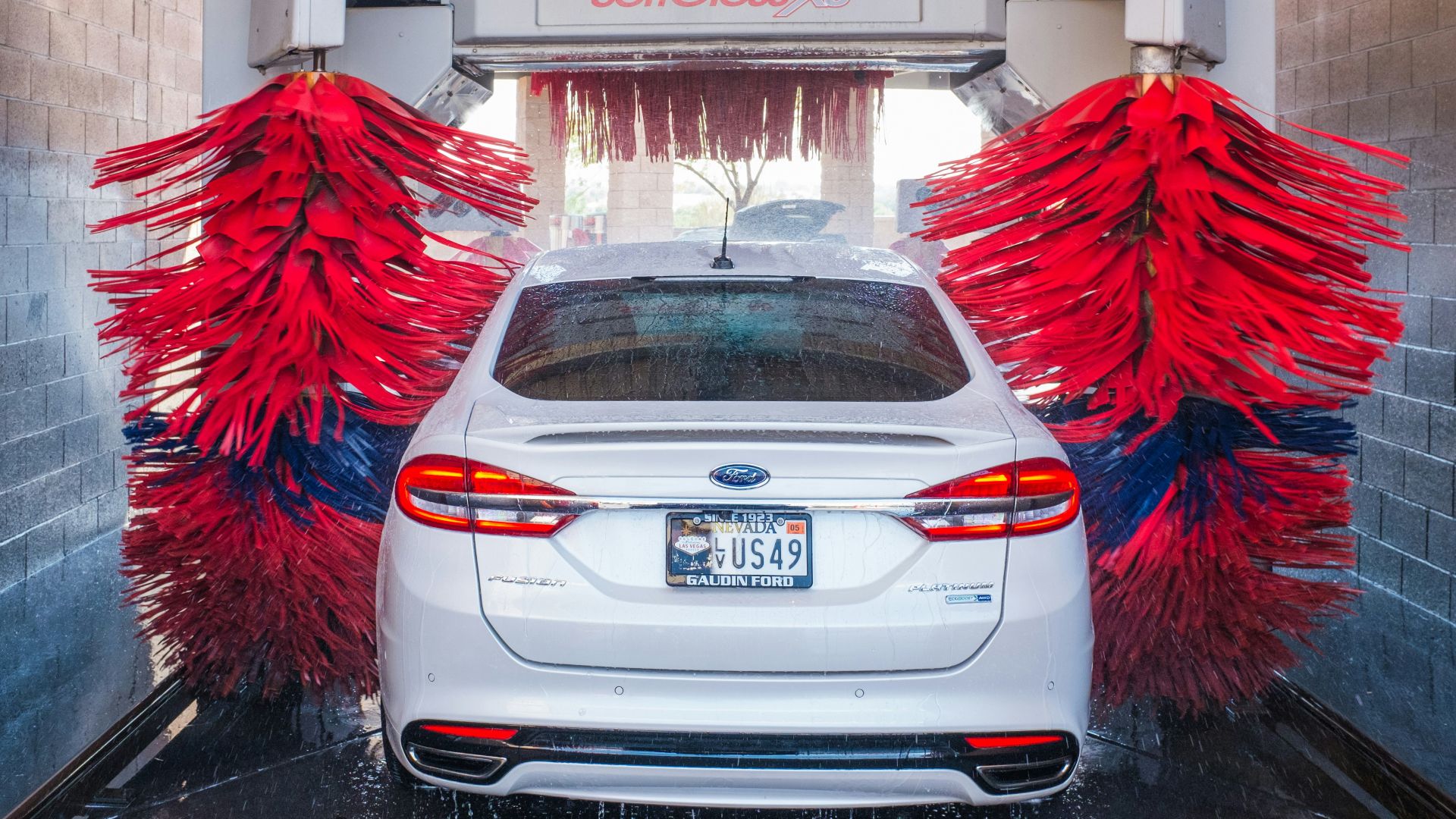
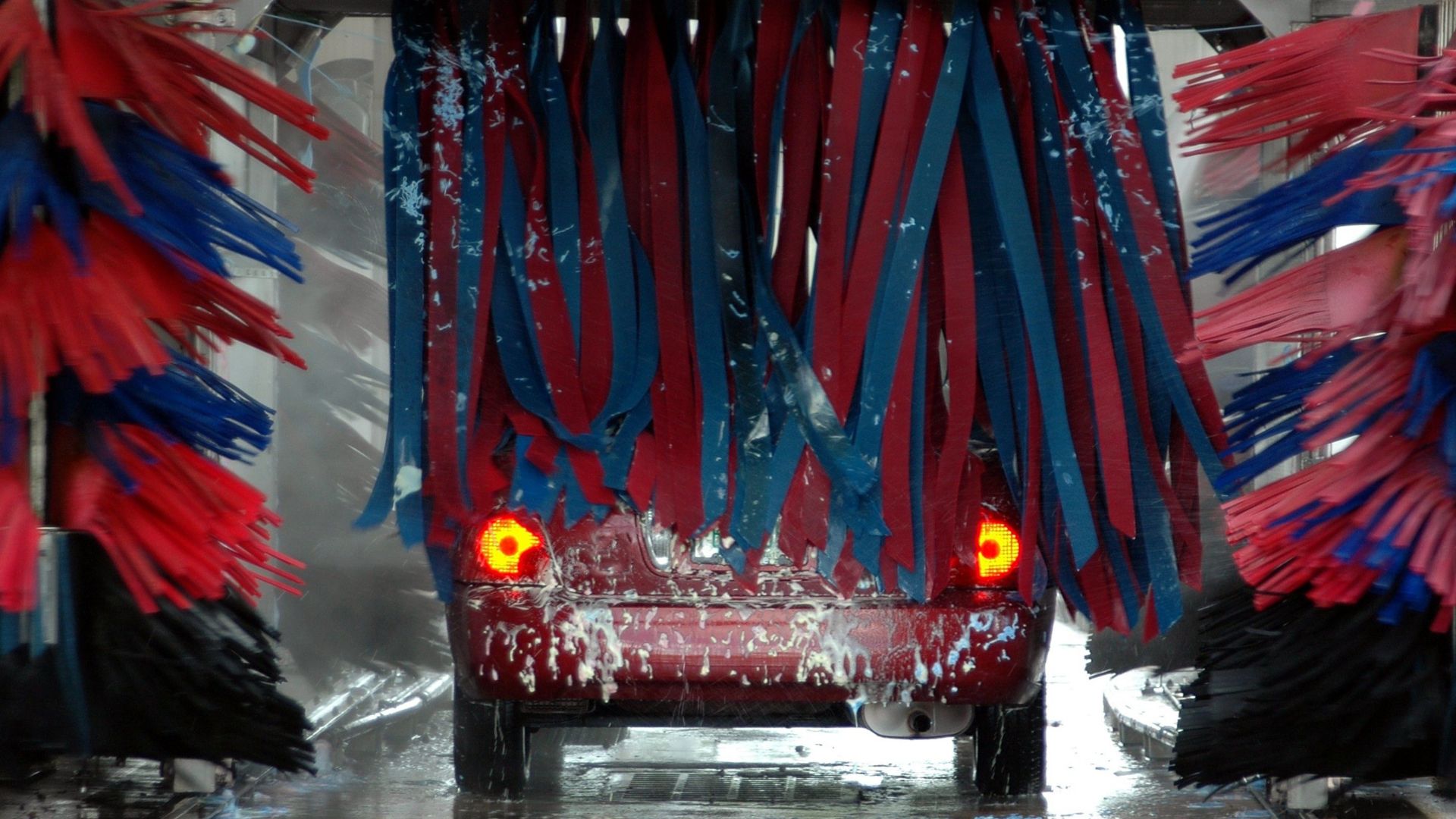
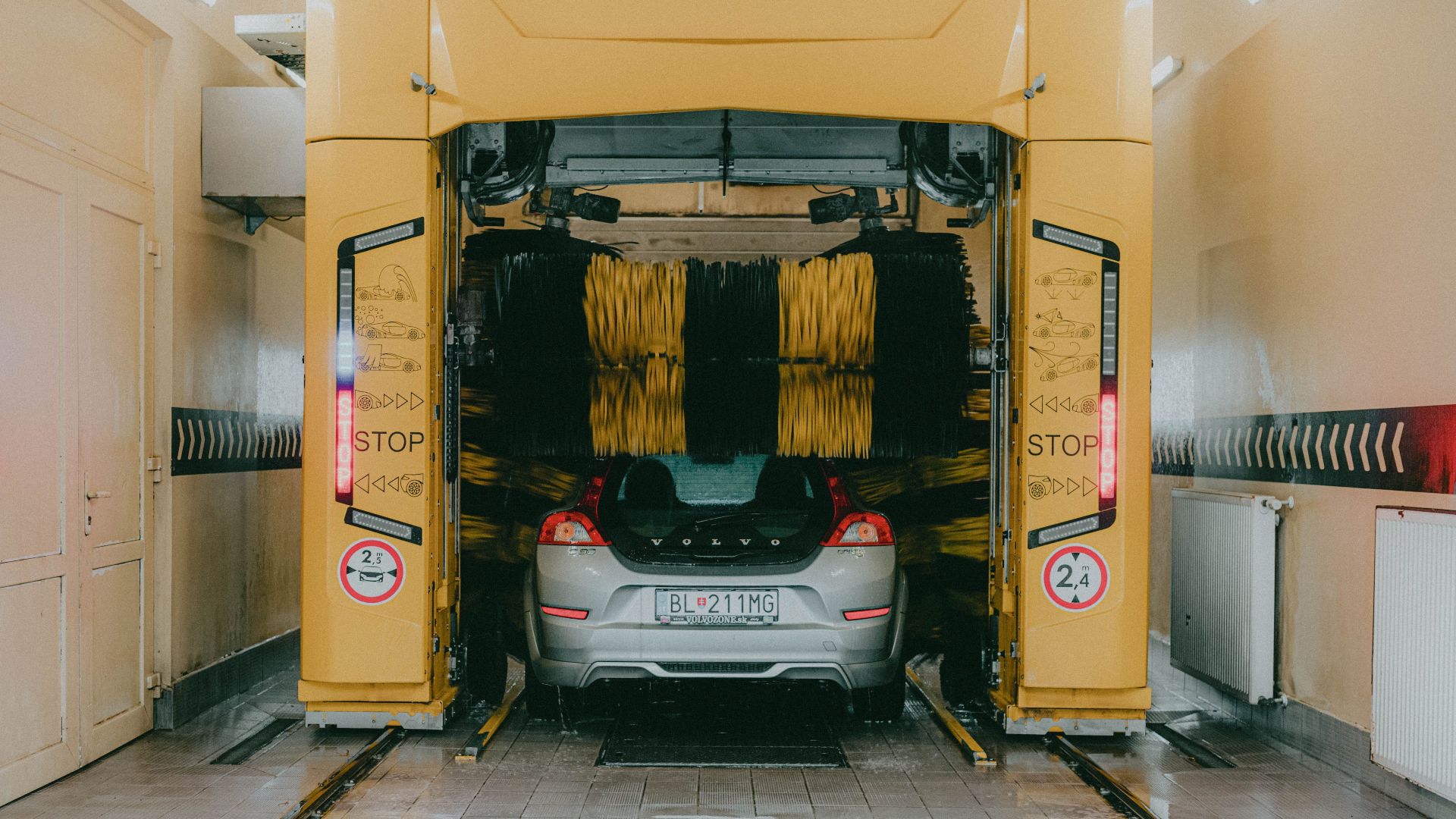
Many modern tunnel washes no longer use the harsh brush designs that built the automatic-wash reputation decades ago. Instead, they use softer foam or cloth materials made to cut down on abrasion. The International Carwash Association says modern equipment and cleaning methods have greatly lowered the risk of paint damage compared with older systems.
Upkeep Matters More Than The Sign Outside
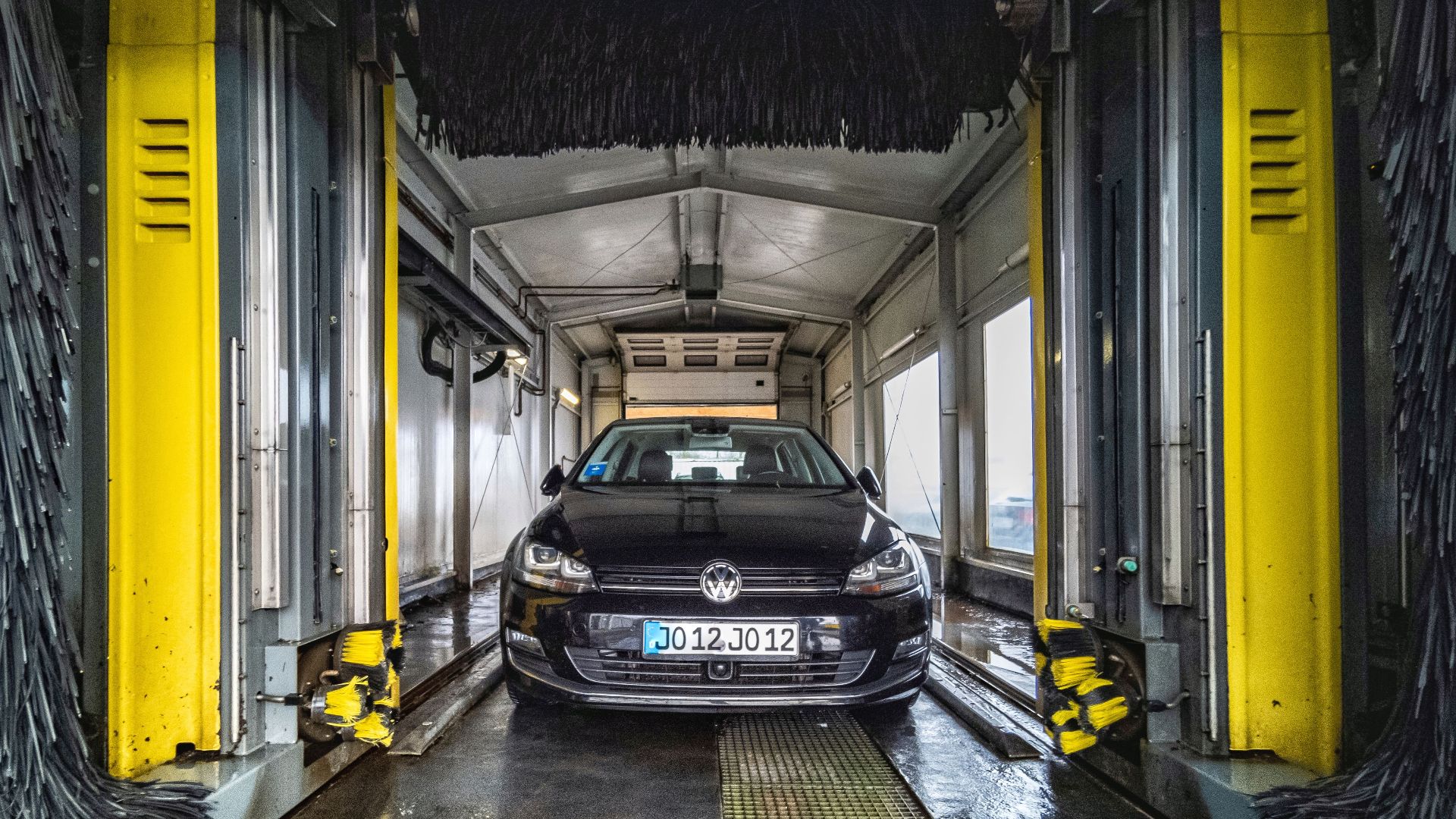
A sloppy hand wash can scratch paint, and so can a neglected automatic wash with filthy equipment. A clean, well-maintained wash that services its machinery regularly is far less risky than a bargain place that lets dirt build up. In other words, the word “automatic” is not the deciding factor. Cleanliness and maintenance are.
Even Automakers Do Not Give One Simple Answer
Owner’s manuals often warn about damage from harsh brushes or dirty wash equipment, but they do not all say that every automatic wash is off-limits. Some manufacturers give special warnings for accessories, matte finishes, decals, or already damaged paint. That alone shows the issue is more complicated than the blanket claim people repeat.
Matte Paint Changes The Equation
If your vehicle has a matte or satin finish, the old warning becomes much more relevant. BMW and other automakers with matte-paint care guides warn owners to avoid certain polishing and washing methods because matte surfaces cannot simply be buffed back to a uniform shine. For those finishes, careful hand washing is often the safer move.

Aftermarket Parts Can Change The Answer Too
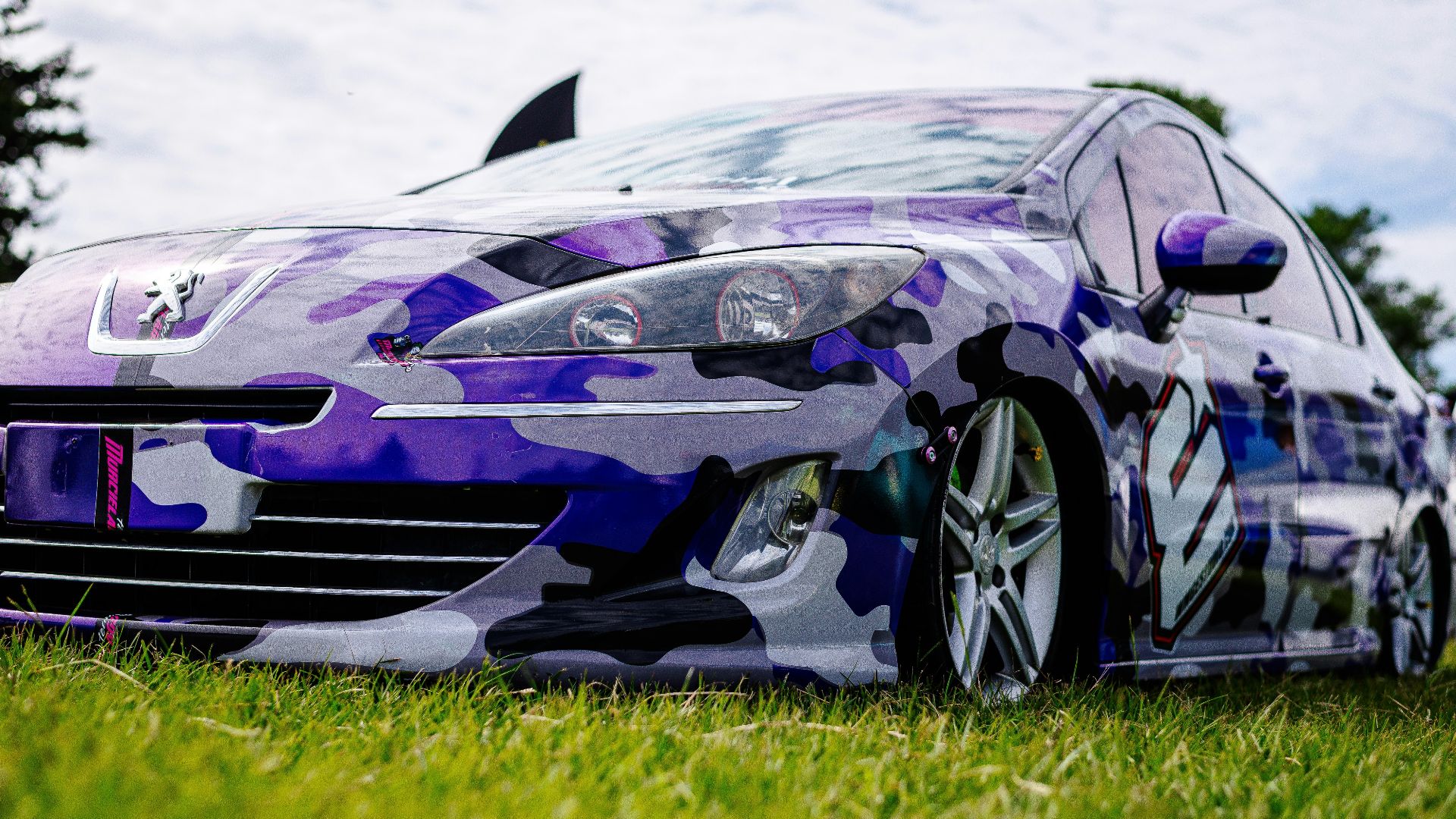
Big spoilers, decorative wraps, loose trim, light bars, and some aftermarket antennas can all be more vulnerable in an automatic wash. This is less about paint and more about the reality of spinning equipment or high-pressure spray. If your vehicle has delicate add-ons, reading the wash’s posted restrictions is just smart.
Ceramic Coatings Are Not Magic
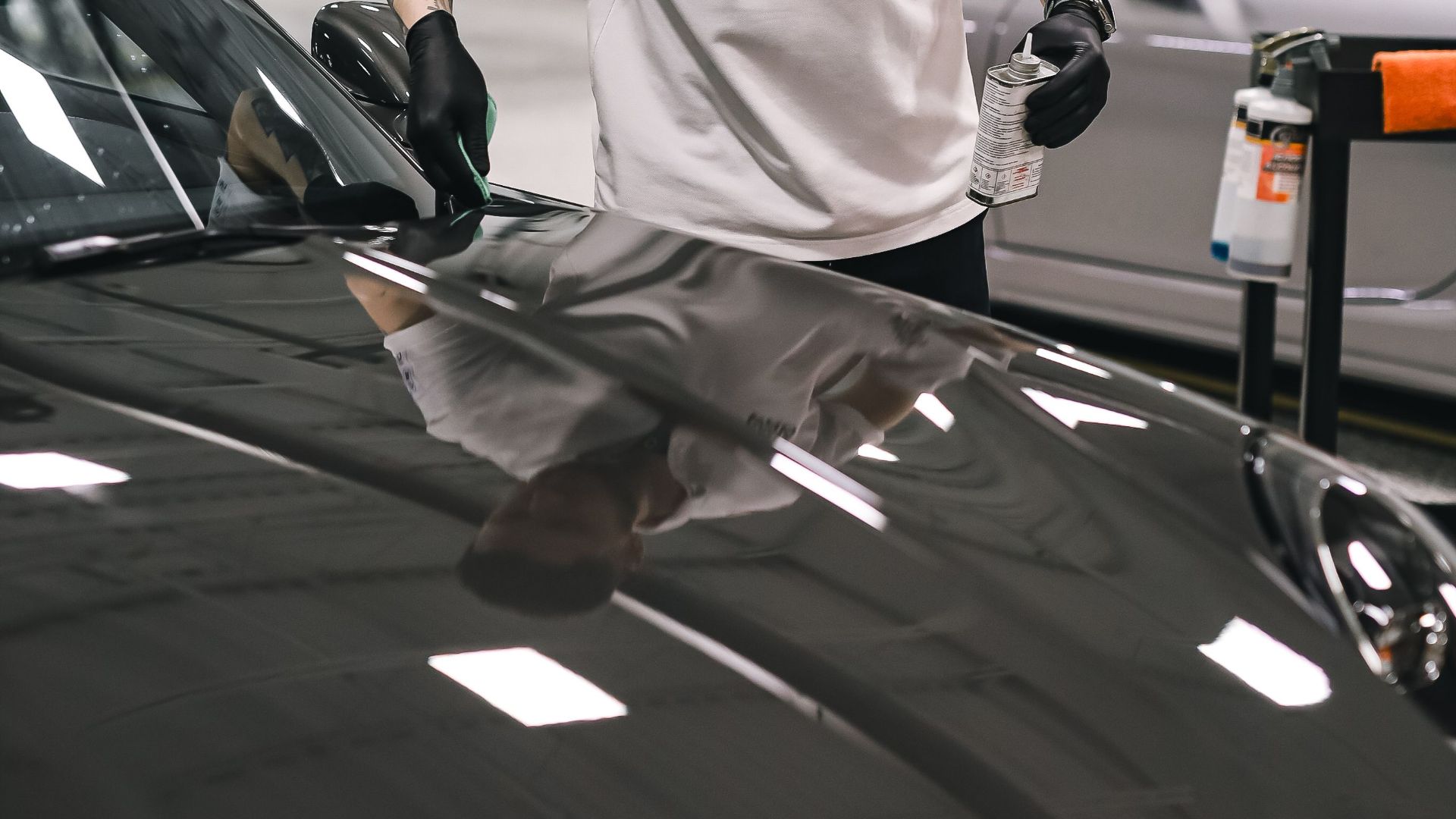
Ceramic coatings can make washing easier because dirt tends to release more easily, and that can reduce the need for heavy scrubbing. But coatings do not make a car impossible to scratch. If dirty wash material drags grit across coated paint, the coating and possibly the clear coat underneath can still be marked.
The Big Advantage Of Hand Washing Is Control
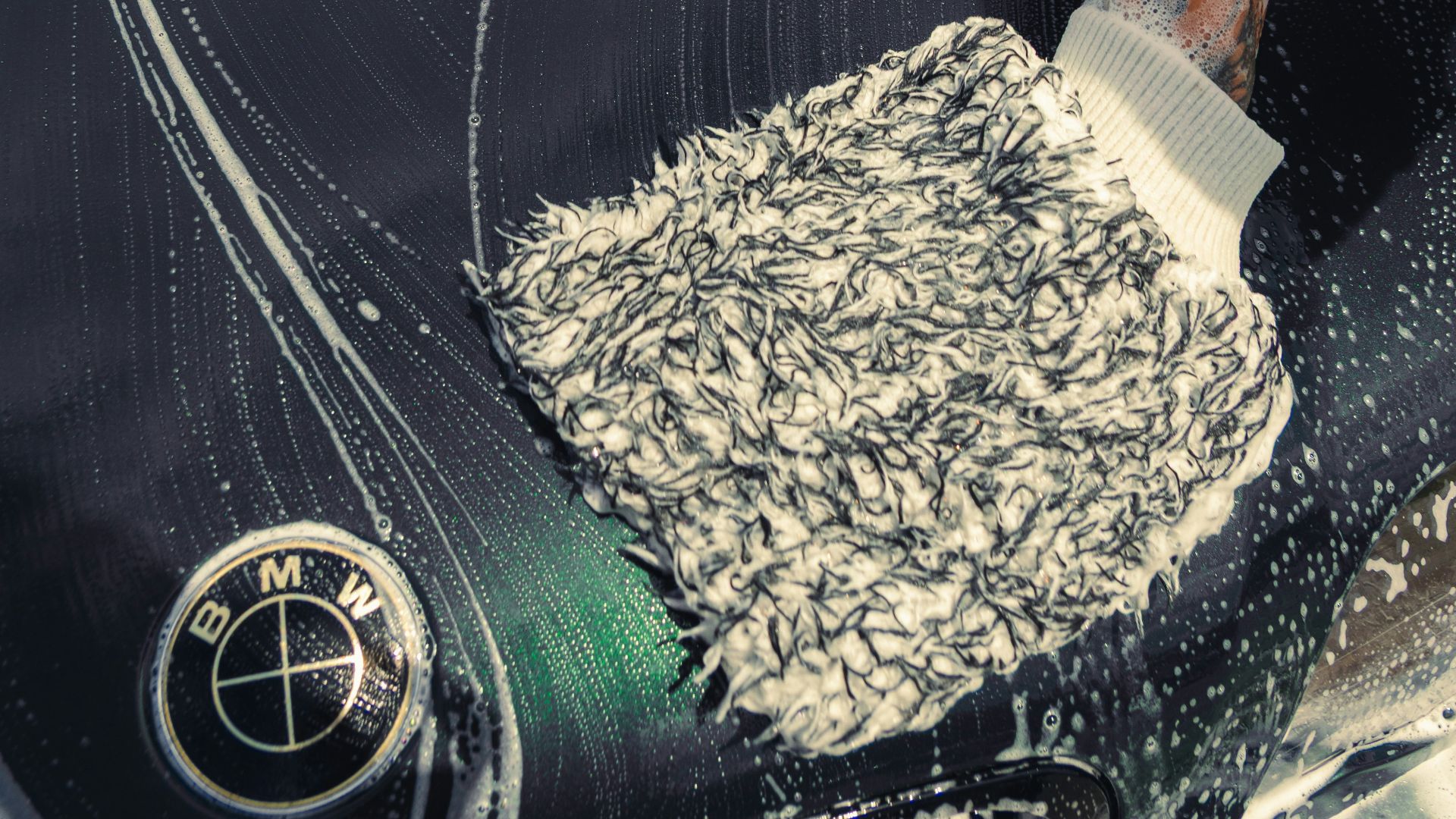
A careful hand wash lets you pre-rinse the car well, save the dirtiest lower panels for last, and check your wash mitt as you go. Those steps help keep grit from being rubbed over the same surfaces again and again. That is why skilled detailers still prefer hand washing when they want to protect paint as much as possible, especially on black cars or freshly corrected finishes.
The Big Advantage Of Automatic Washes Is Consistency
A good automatic wash can be more consistent than a rushed driveway wash done with the wrong tools. It uses measured chemicals, repeatable water pressure, and the same process every time. For many drivers, that consistency means a cleaner car with fewer mistakes caused by the owner.
How Often You Wash Can Matter More Than How
Letting road salt, bird droppings, bug splatter, and industrial fallout sit on paint for long periods is also harmful. Bird droppings and bug remains can etch into the finish if they sit too long, especially in hot weather. A reasonably safe wash done sooner can be better for your paint than waiting weeks for the perfect hand wash.
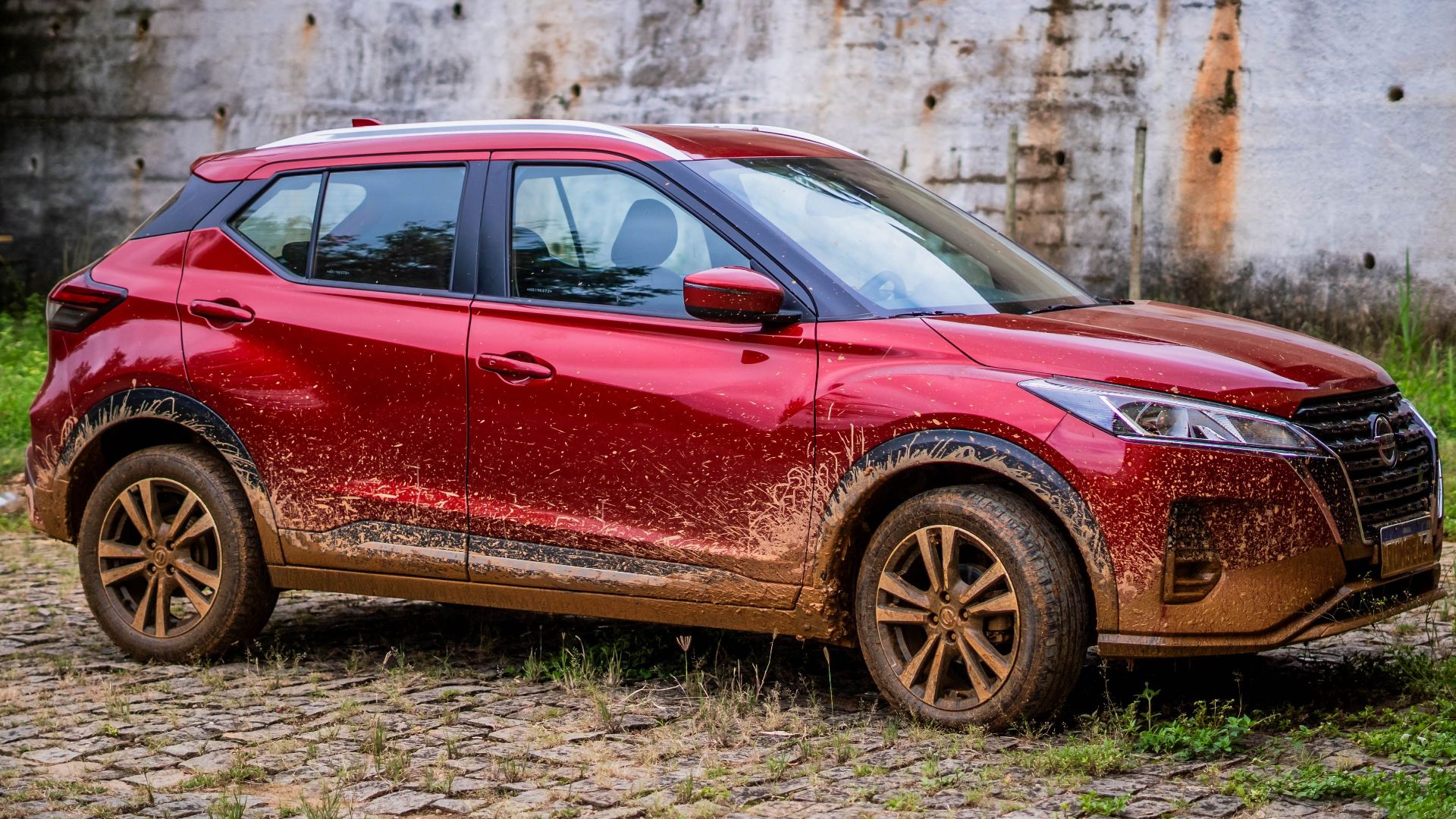
Winter Is Where This Debate Gets Serious
In snowy places, the value of automatic washes becomes hard to ignore. Salt and brine can speed up corrosion underneath the car and quickly coat the paint in grime. Many drivers use automatic washes in winter because removing that contamination, especially from the underbody when possible, can matter more than chasing a flawless finish.
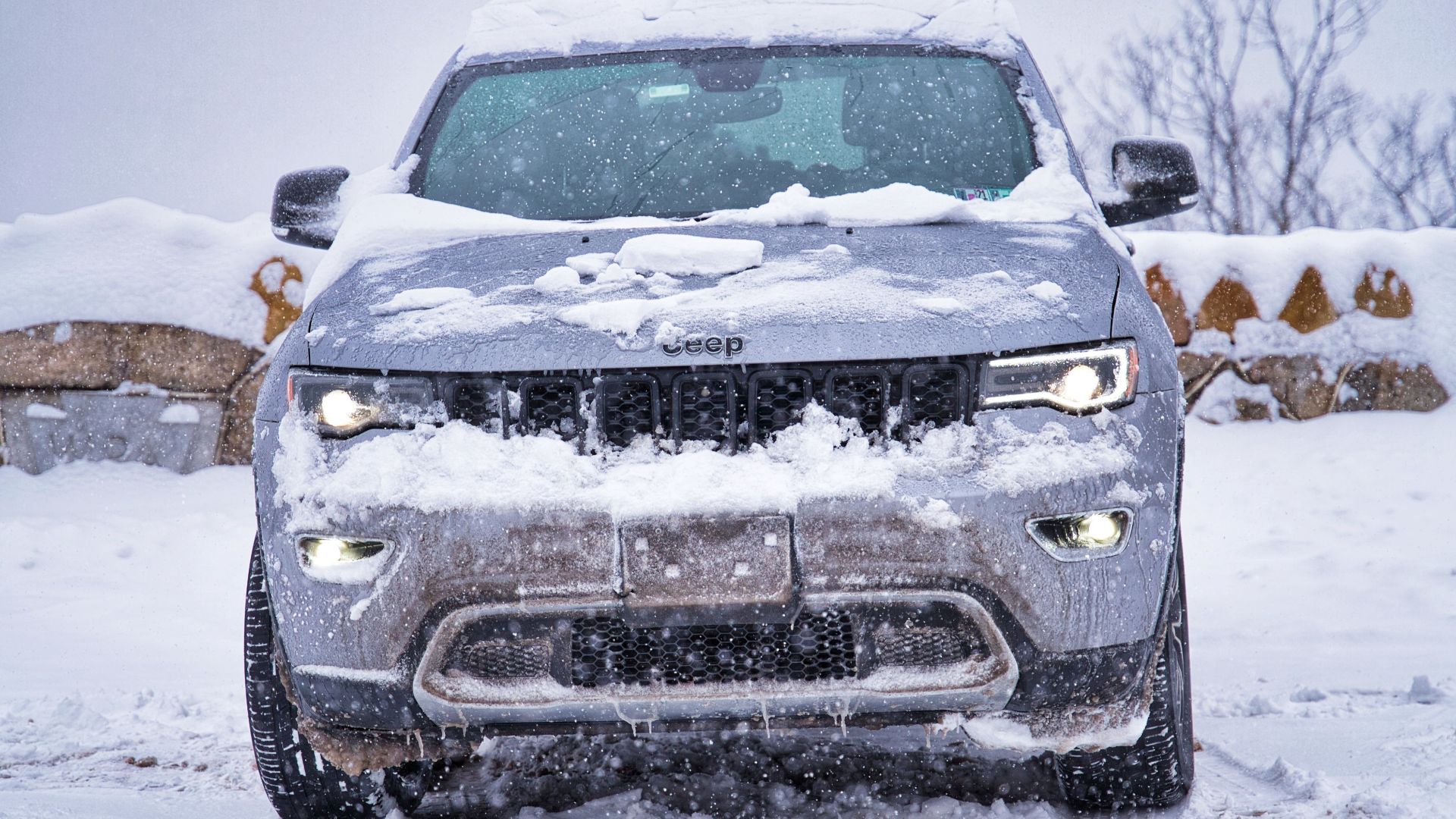
Undercarriage Washes Have A Real Advantage
This is one area where a tunnel wash often beats the driveway. A proper underbody rinse can help clear away salt and grime from spots most owners cannot easily reach with a garden hose. If you live where roads are heavily treated in winter, that extra cleaning can be genuinely useful.
A Lot Of Paint Damage Happens During Drying
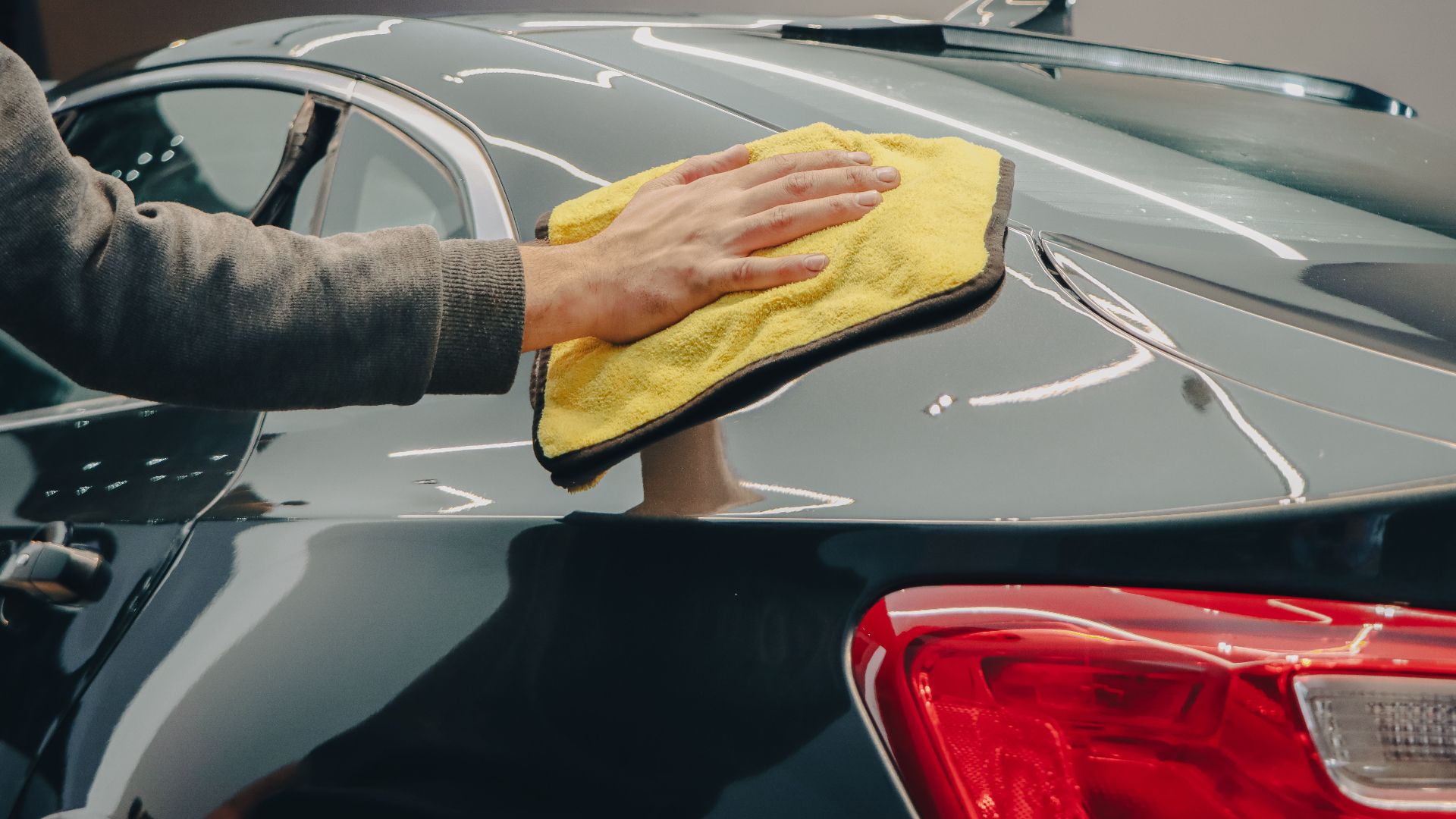
People tend to focus on the wash itself and forget that drying can create just as many fine scratches. Rubbing a dirty bath towel over the paint is an easy way to ruin a careful wash. Clean microfiber drying towels or touch-free air drying are much safer options.
Cheap Products And Shortcuts Usually Cause The Trouble
The old warning is still around because plenty of bad washes still exist, both automatic and by hand. Dirty reused rags, harsh chemicals, worn-out equipment, and rushed workers are not things of the past. If a wash looks neglected, your paint may pay for it no matter what kind of wash it is.
Dark Paint Gives Everything Away
Black, dark blue, and other deep colors make swirl marks much easier to see. That can make people think one wash destroyed the finish, when in reality that wash may have added only a little marring to scratches that were already there. Lighter colors hide defects better, which is one reason this argument gets louder among owners of dark cars.
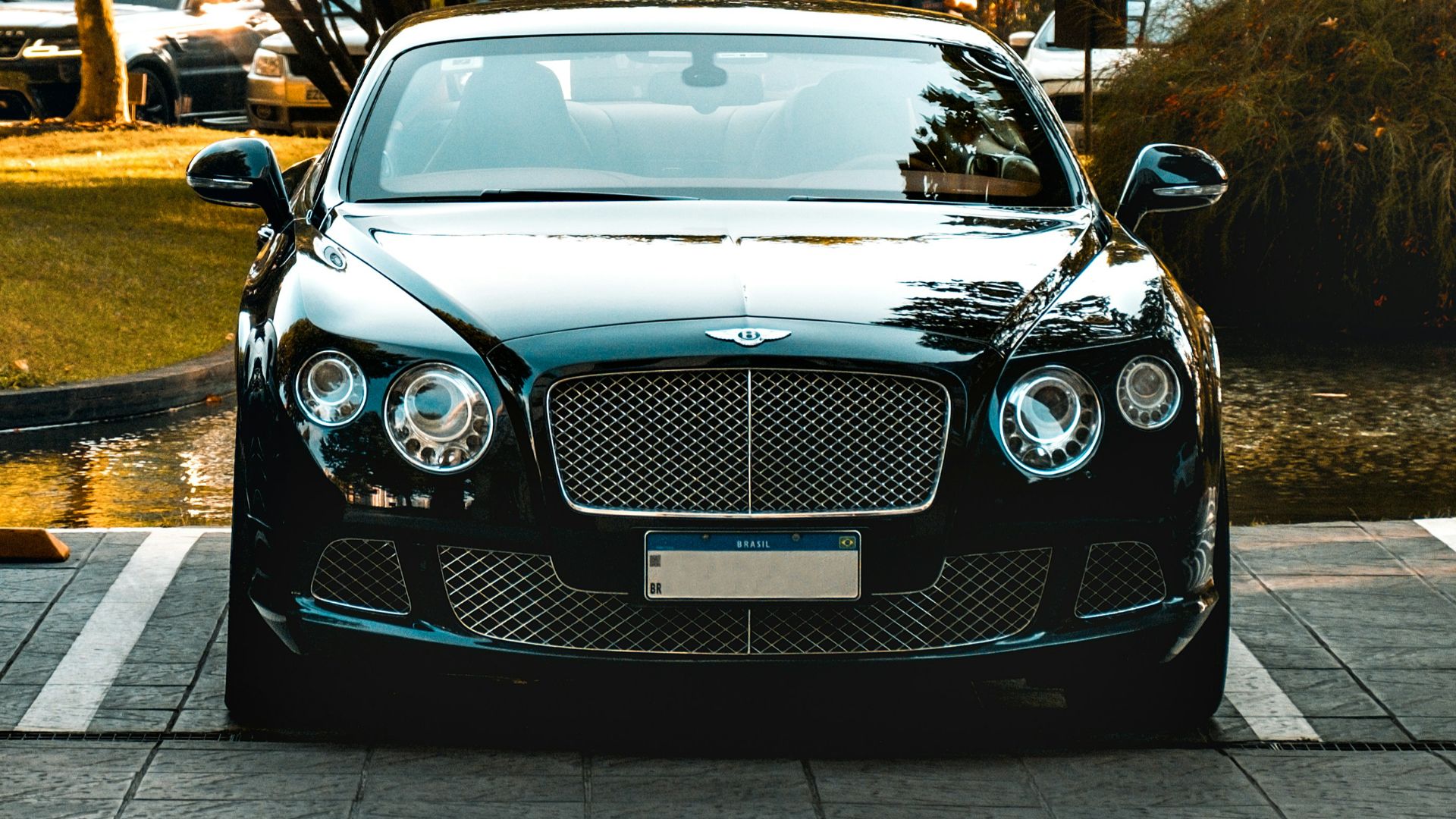 Joao paulo m ramos paulo, Unsplash
How To Pick A Safer Automatic Wash
Look for a newer place that seems clean, busy, and well maintained. If you can, choose touchless or a reputable soft-cloth wash with good reviews and visible upkeep. Avoid washes with clearly worn equipment, muddy tracks, or any sign that maintenance is an afterthought.
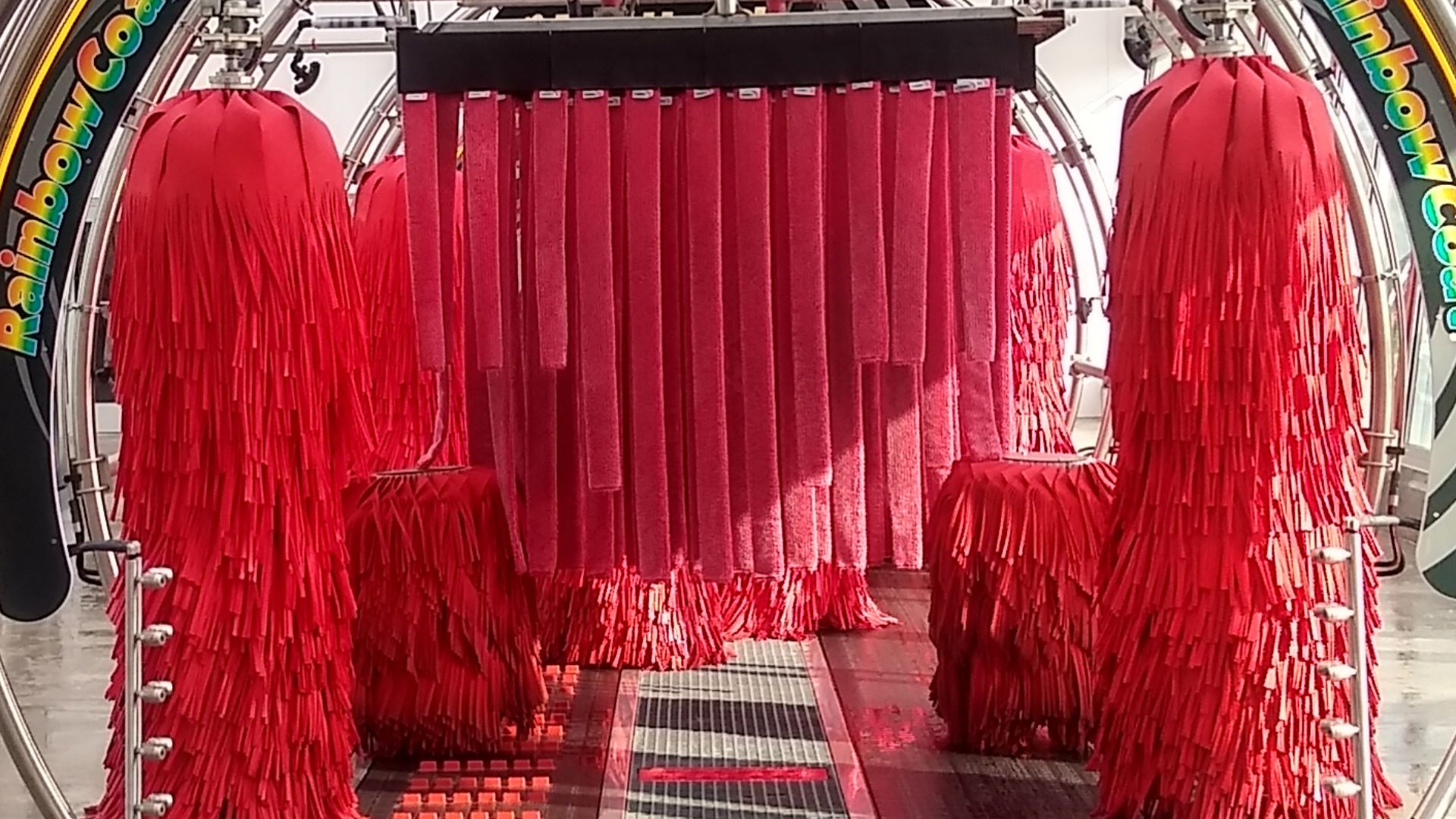 Cleanbean123, Wikimedia Commons
How To Make Hand Washing Safer
Use a pH-balanced car shampoo, quality microfiber or lambswool wash tools, and clean drying towels. The two-bucket method with grit guards is still popular because it helps keep dirt out of the wash media before it goes back onto the paint. A good pre-rinse and lots of lubrication matter more than hard scrubbing.
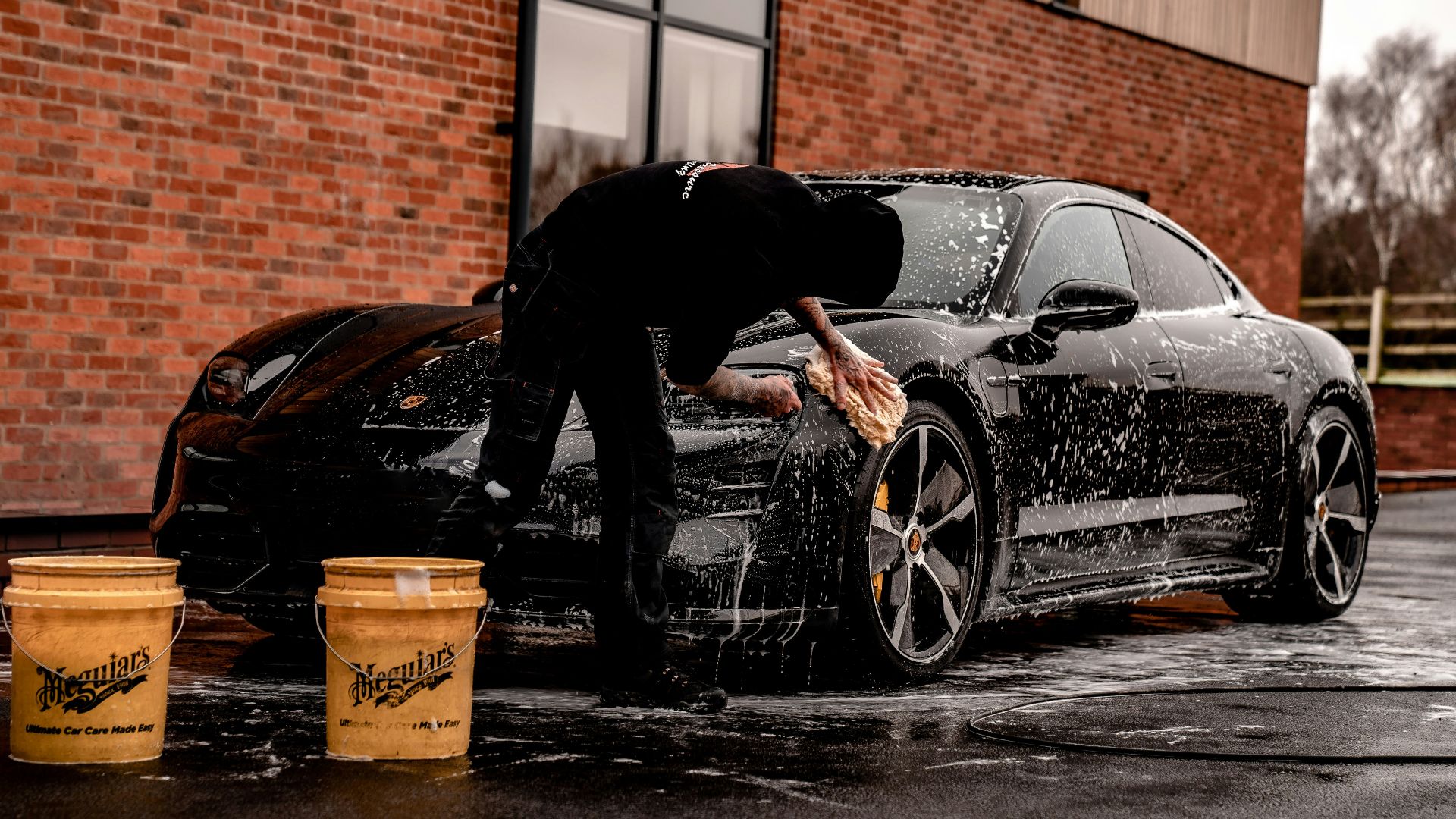
What Pros Usually Mean By “Hand Wash Only”
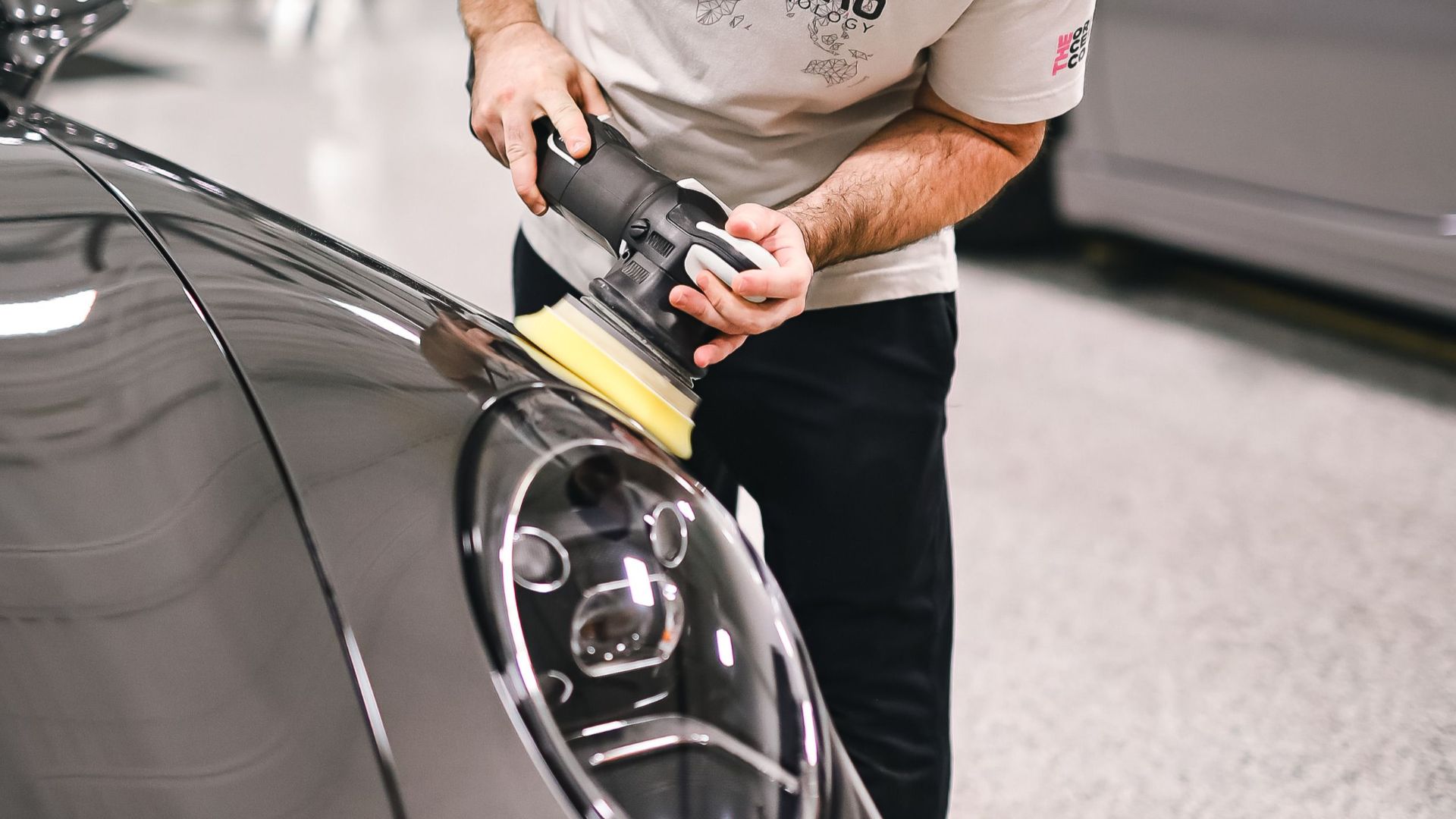
Detailers often say “hand wash only” because they are aiming for the best cosmetic result, not because every automatic wash is a disaster. If they just polished the paint to remove swirls, they know any future friction can bring back fine marring. Their advice is usually about preserving a nearly perfect finish, not just keeping a daily driver presentable.
So Is Your Friend Stuck In The Past
Partly, yes. The blanket claim that automatic car washes destroy paint and only hand washing is safe is outdated, because modern touchless and well-maintained soft-cloth washes are generally much safer than the old brush systems that earned that reputation. But the claim is not completely wrong either, because bad automatic washes can still scratch paint, and a careful hand wash is still the best way to reduce marring.

The Practical Bottom Line For Most Drivers
If you want to keep your car clean without turning every weekend into a detailing job, a reputable automatic wash is usually fine. If your car has delicate matte paint, fresh paint correction, fragile accessories, or you are aiming for show-car perfection, careful hand washing is still the better choice. For everyone else, the smartest rule is simple: use clean equipment, wash often enough to remove harmful buildup, and remember that bad technique matters more than the label on the wash.
 Helena Jankovičová Kováčová, Pexels