
The Mystery Warning Light
Your check engine light comes on, so you plug in a code reader expecting bad news. Instead, it simply says “EVAP leak.” Your car starts normally, idles smoothly, accelerates just fine, and gets the same gas mileage as always. There's no smoke, strange noise, or noticeable performance problem. So what exactly is wrong, and is fixing it worth the money?
What Does EVAP Mean?
EVAP stands for evaporative emission control system. Its job is to prevent gasoline vapors from escaping your fuel tank into the atmosphere. Instead, those vapors are stored temporarily in a charcoal canister and eventually drawn into the engine to be burned. A leak warning means your car has detected a problem containing or controlling those vapors, not necessarily a problem with the engine itself.

Why Your Car Runs Fine
Unlike a failing ignition coil or clogged fuel injector, a small EVAP leak usually doesn't interfere with normal engine operation. That's why your vehicle might drive perfectly despite the illuminated warning light. However, some EVAP faults, particularly malfunctioning purge valves, can cause rough idling, difficult starting, or other symptoms. The absence of symptoms is reassuring, but it doesn't prove every component is functioning correctly.

How Code Readers Work
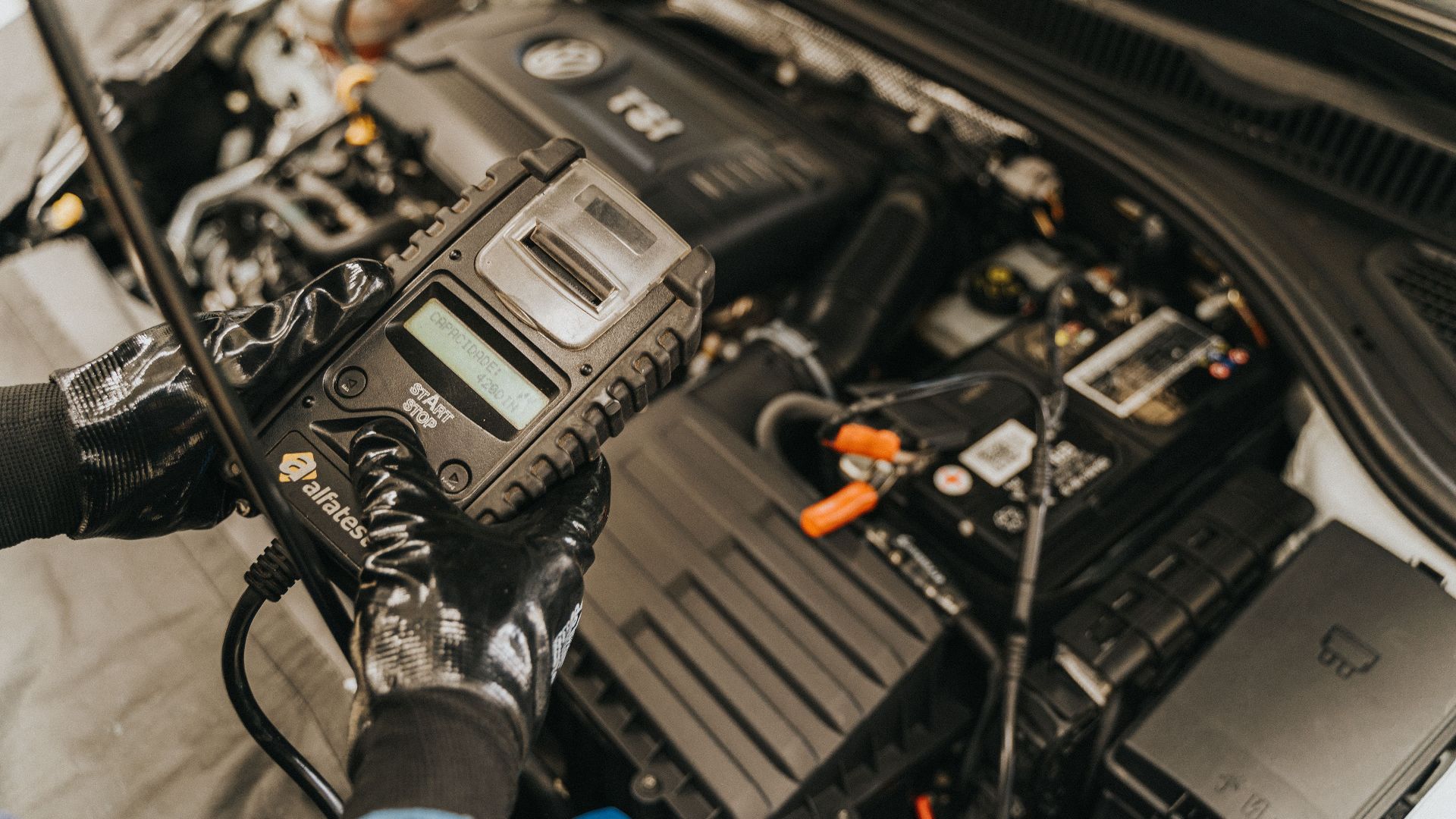
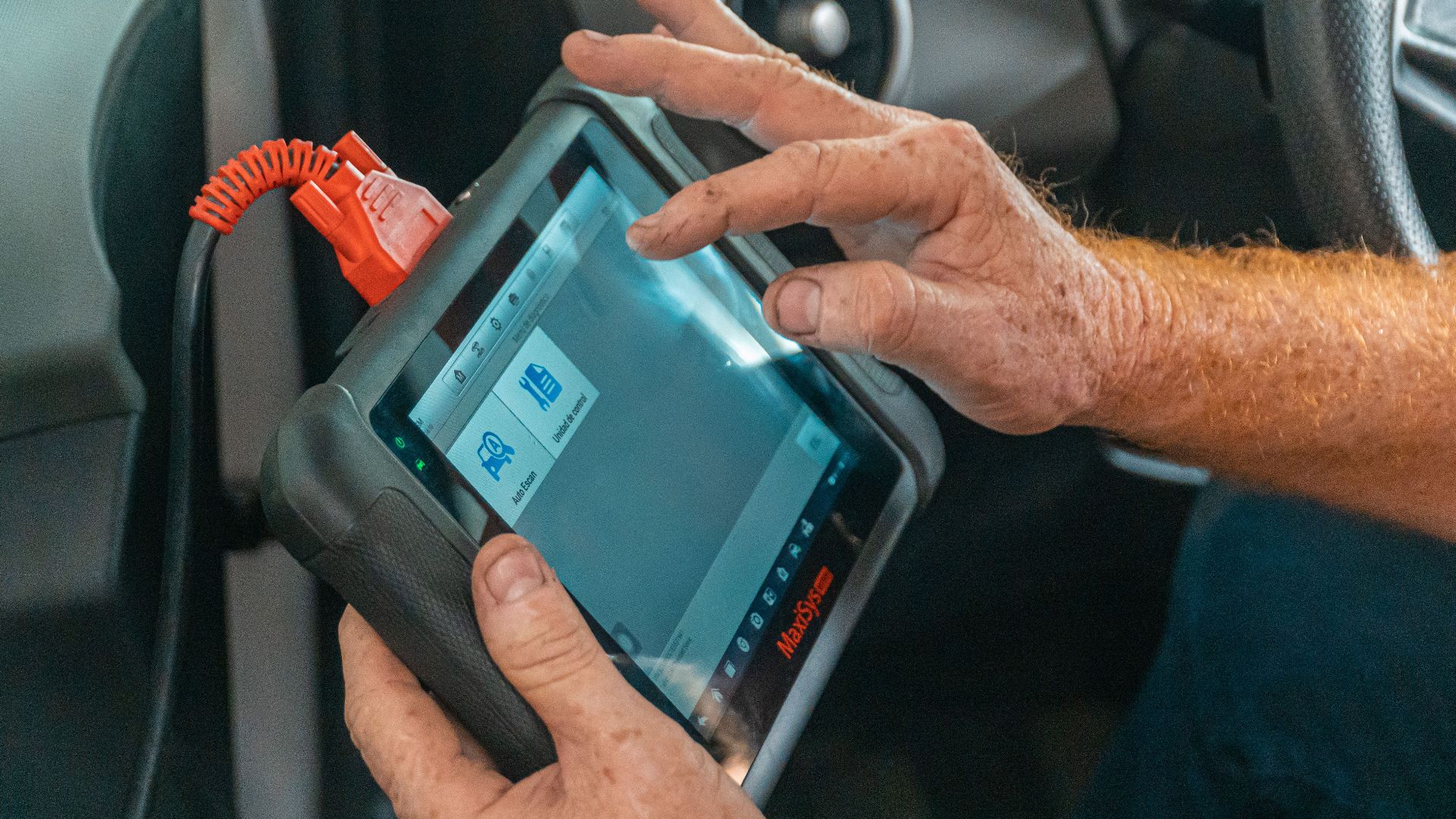
Most modern vehicles use an onboard diagnostic system called OBD-II. When the computer detects certain faults, it stores a diagnostic trouble code and may illuminate the check engine light. A code reader plugs into a connector, usually beneath the dashboard, and retrieves those codes. Basic readers translate them into brief descriptions, but they generally cannot identify exactly which component has failed or where a leak is located.
Read The Actual Code
The words “EVAP leak” aren't specific enough to make a repair decision. Look for the actual trouble code, such as P0442 for a small leak or P0455 for a large leak. P0456 often indicates a very small leak. Other codes, including P0441 or P0446, may point toward purge-flow or vent-control problems. Write down every code before doing anything else, since different codes require different diagnostic approaches.

The Loose Gas Cap
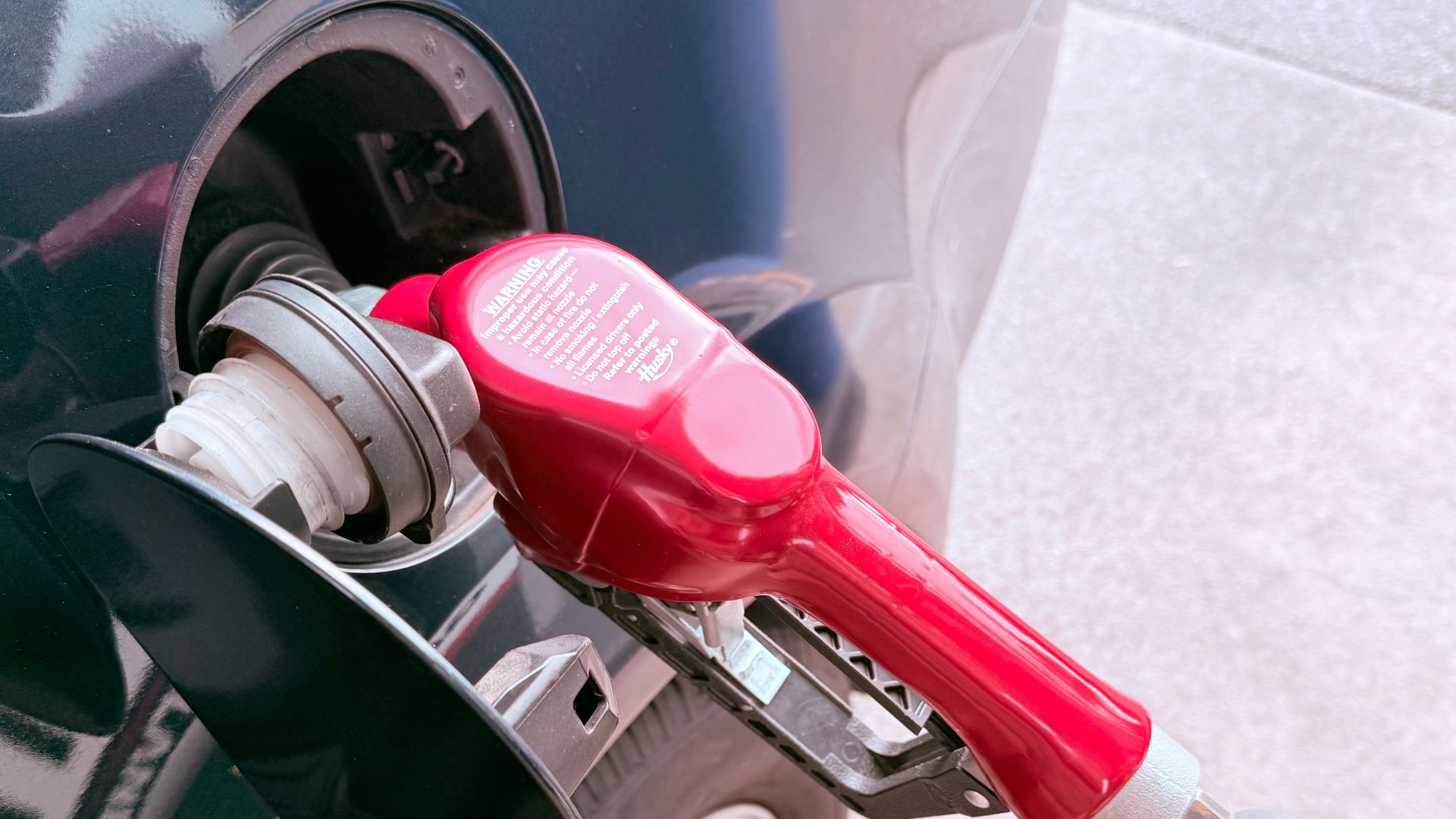
One of the simplest explanations is a loose gas cap. If you recently filled your tank, remove the cap, inspect it, and reinstall it according to your owner's manual. A poorly tightened cap can allow fuel vapors to escape and trigger an EVAP warning. If that was the problem, the light may disappear after the vehicle successfully completes several diagnostic checks.
An Aging Gas Cap
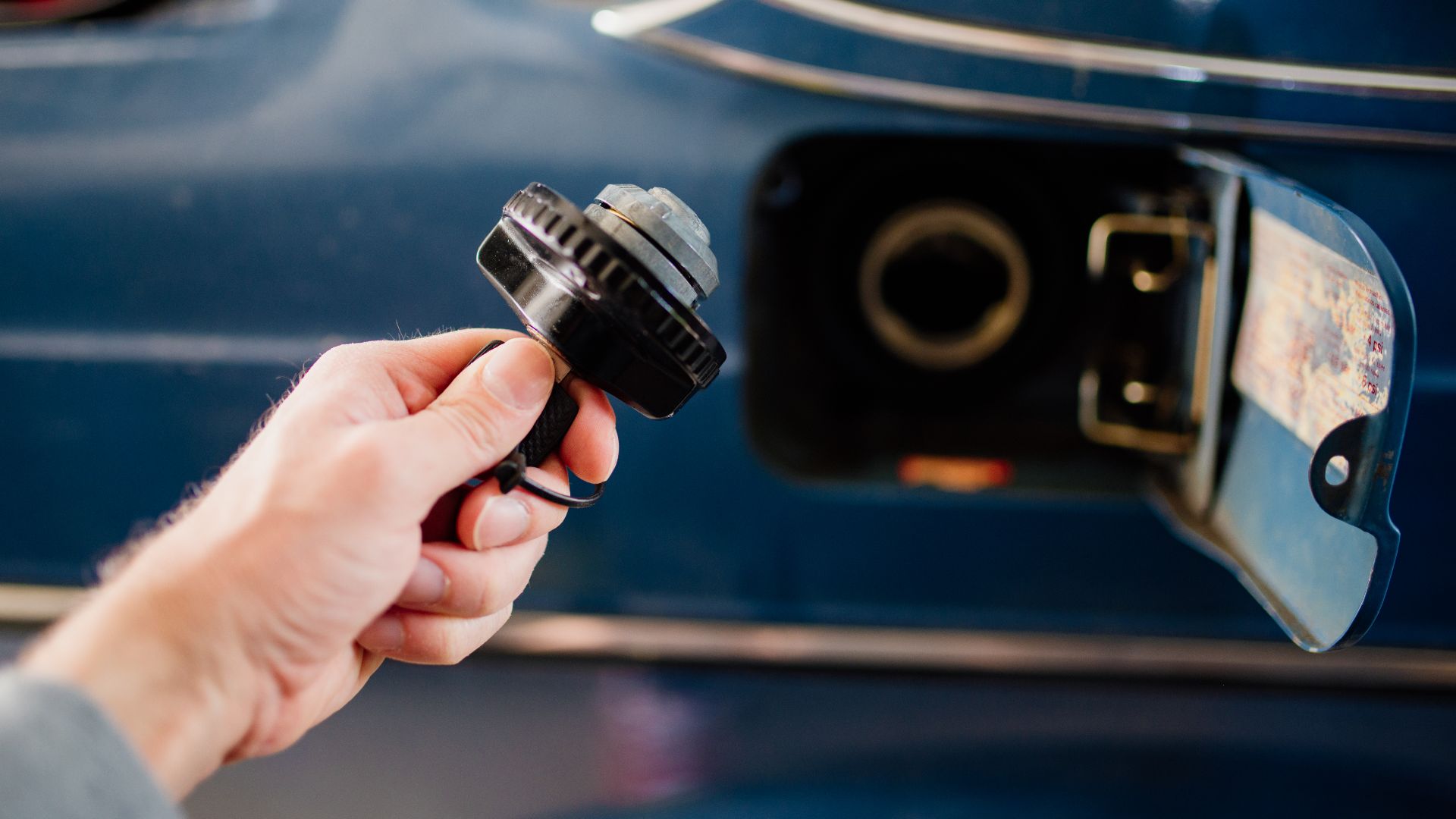
Even when your gas cap feels tight, its rubber seal might be cracked, hardened, or damaged. The cap itself can also develop problems that prevent it from maintaining the required seal. Replacing a conventional gas cap is often one of the least expensive potential fixes. However, don't automatically buy one without checking its condition, especially if your vehicle uses a capless fuel-filler system.
 Shixart1985, Wikimedia Commons
The Capless Filler Problem
Some newer vehicles don't have a traditional removable gas cap. Instead, they use a spring-loaded sealing mechanism inside the fuel filler neck. Dirt, debris, or damage can prevent this mechanism from closing properly. If your vehicle has a capless system, follow the manufacturer's cleaning and inspection instructions. Forcing tools into the opening can damage the seal and turn a minor problem into an expensive repair.
Cracked Vapor Hoses
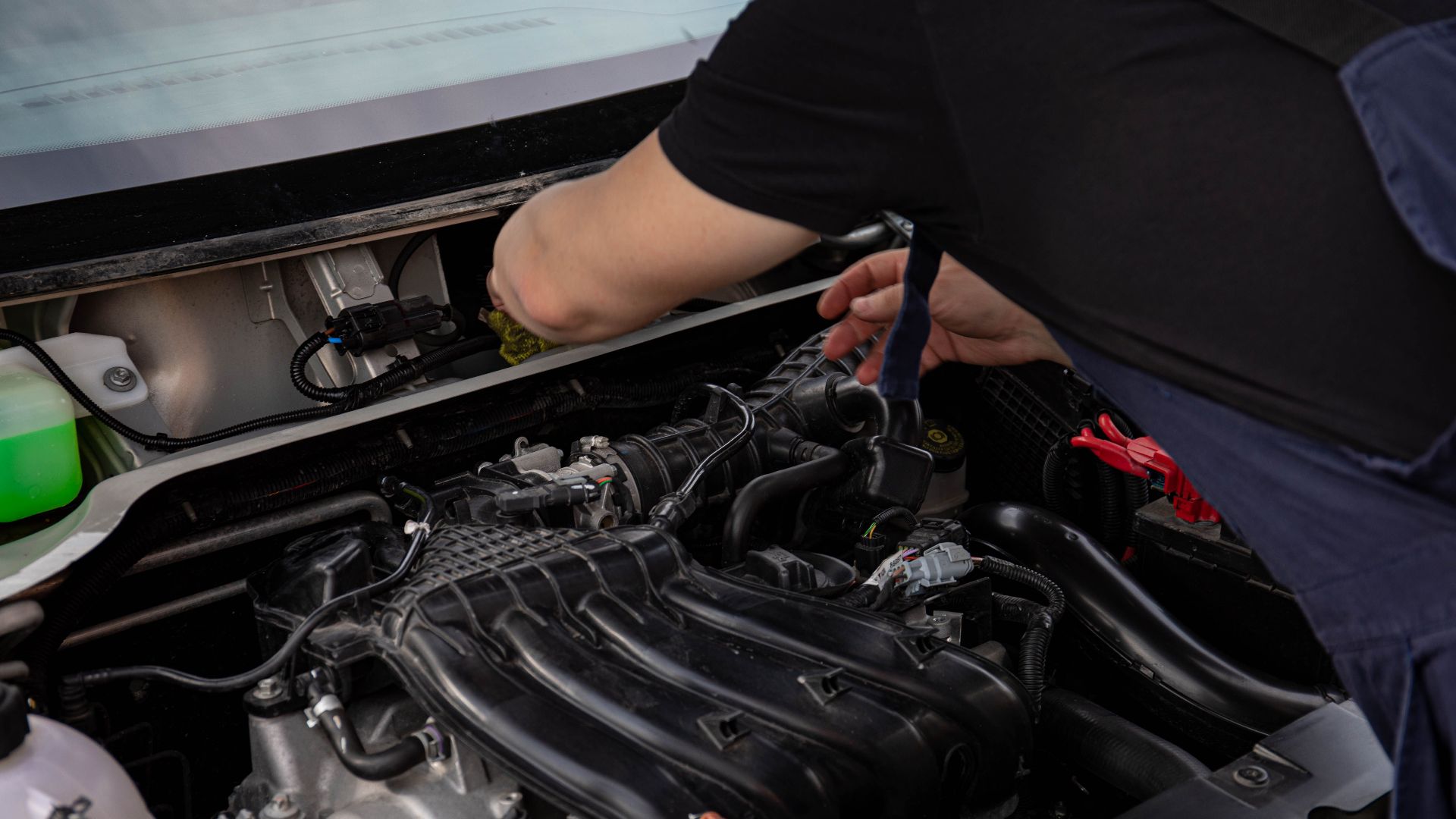
Your EVAP system contains hoses and plastic lines connecting the fuel tank, charcoal canister, and engine. Over time, heat, vibration, road debris, and aging can cause these components to crack or disconnect. A small split might release enough vapor to trigger a warning without affecting how the car drives. Accessible hoses may be inexpensive to replace, although finding the damaged section can take considerable time.
The Charcoal Canister
The charcoal canister captures gasoline vapors until the engine can safely burn them. Canisters can crack, become damaged by road debris, or develop internal problems. Repeatedly topping off the fuel tank after the pump shuts off can also contribute to canister problems on some vehicles. Replacement costs vary considerably because some canisters are easily accessible, while others are buried beneath the vehicle.
A Faulty Purge Valve
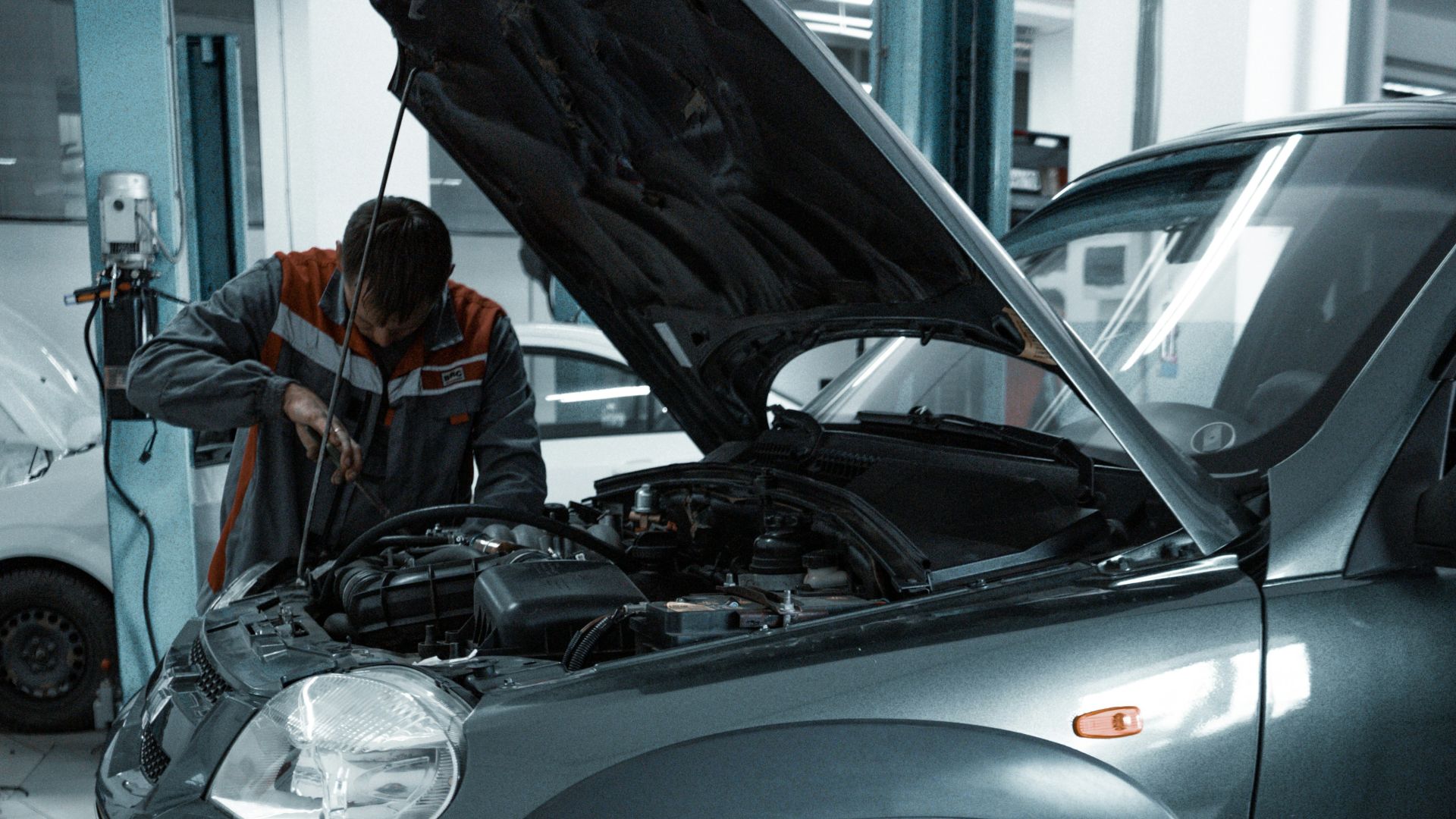
The purge valve controls when stored gasoline vapors enter the engine. If it sticks open, it can create an unintended flow path and sometimes cause hard starting after refueling or rough idling. If it fails to open properly, the computer may detect incorrect purge operation. These faults aren't always physical leaks, which is another reason to identify the exact trouble code before replacing anything.
The Vent Valve
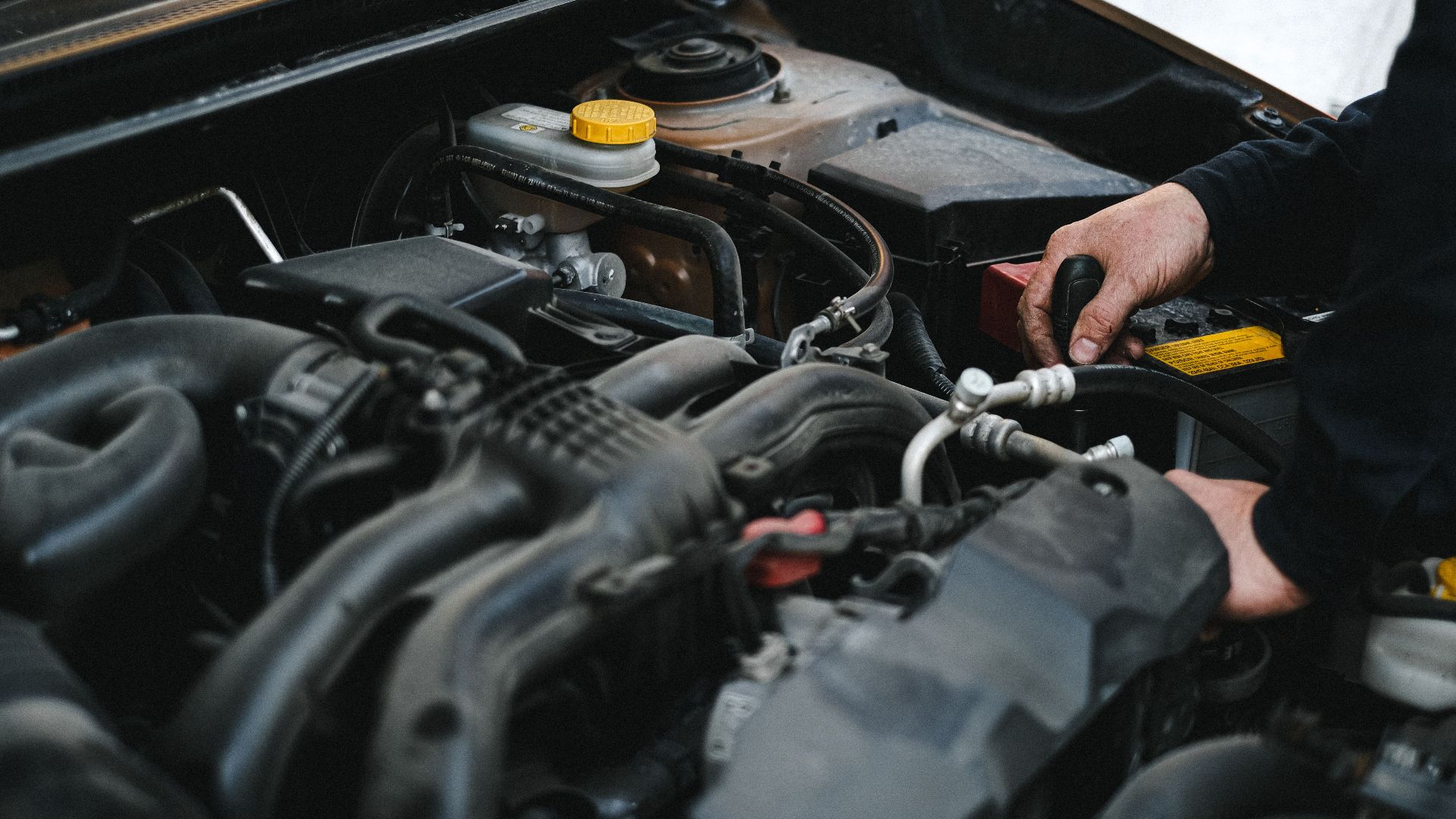
Your EVAP system also uses a vent valve to control airflow during normal operation and diagnostic testing. If the valve sticks open or cannot seal, the computer may interpret the condition as a leak. Dirt, moisture, and corrosion can contribute to vent-valve failures. Depending on the vehicle, replacing the valve might be relatively straightforward, or it might require removing components near the fuel tank.
The Fuel Tank Itself
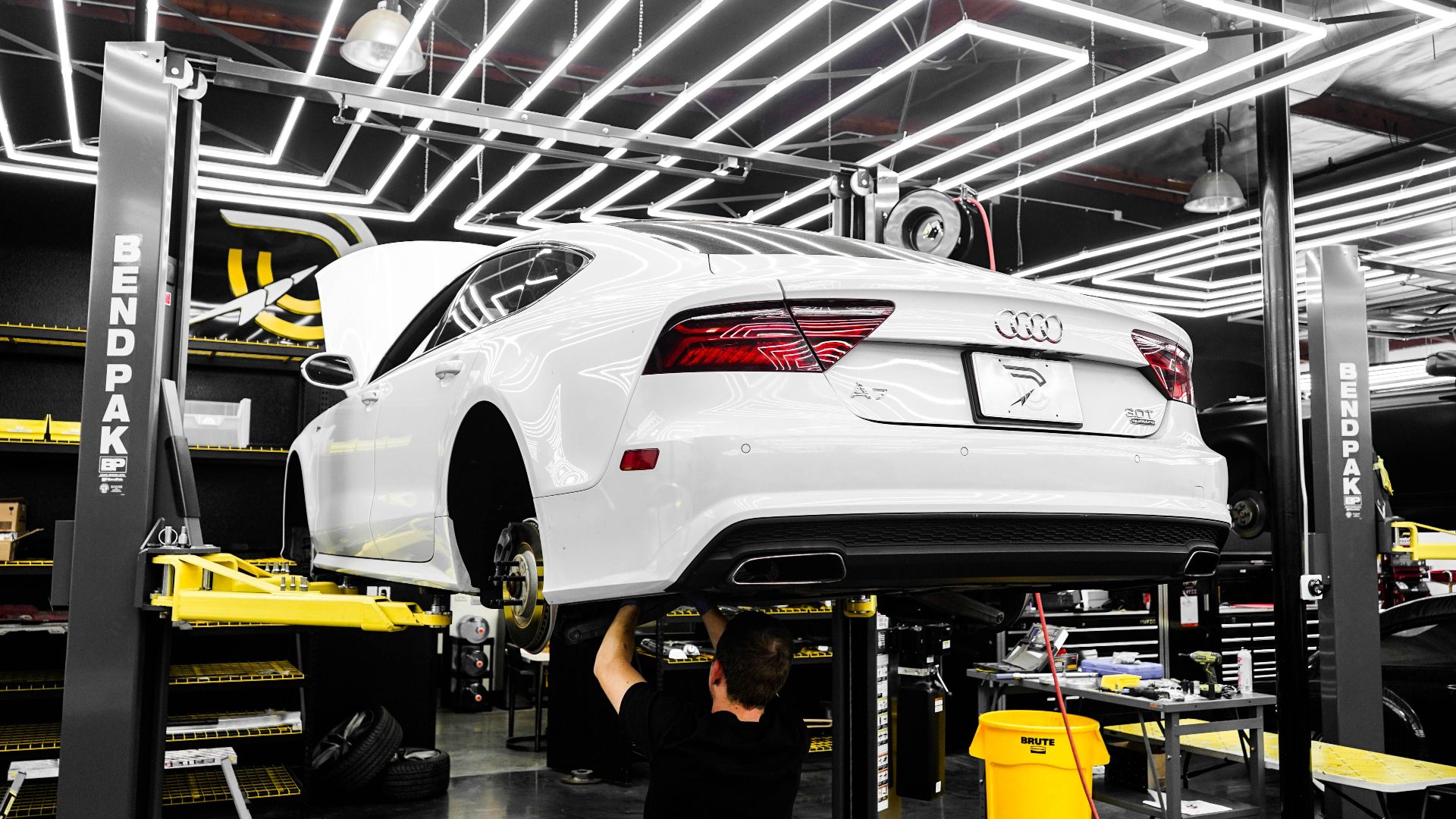
Sometimes the leak originates around the fuel tank rather than the hoses or valves. A damaged tank seal, cracked plastic fitting, or deteriorated connection can allow vapors to escape. These repairs can become expensive because accessing the problem may require lowering the fuel tank. If you notice actual liquid gasoline leaking, however, that's a different and much more urgent problem that needs immediate attention.
The Fuel Pump Seal
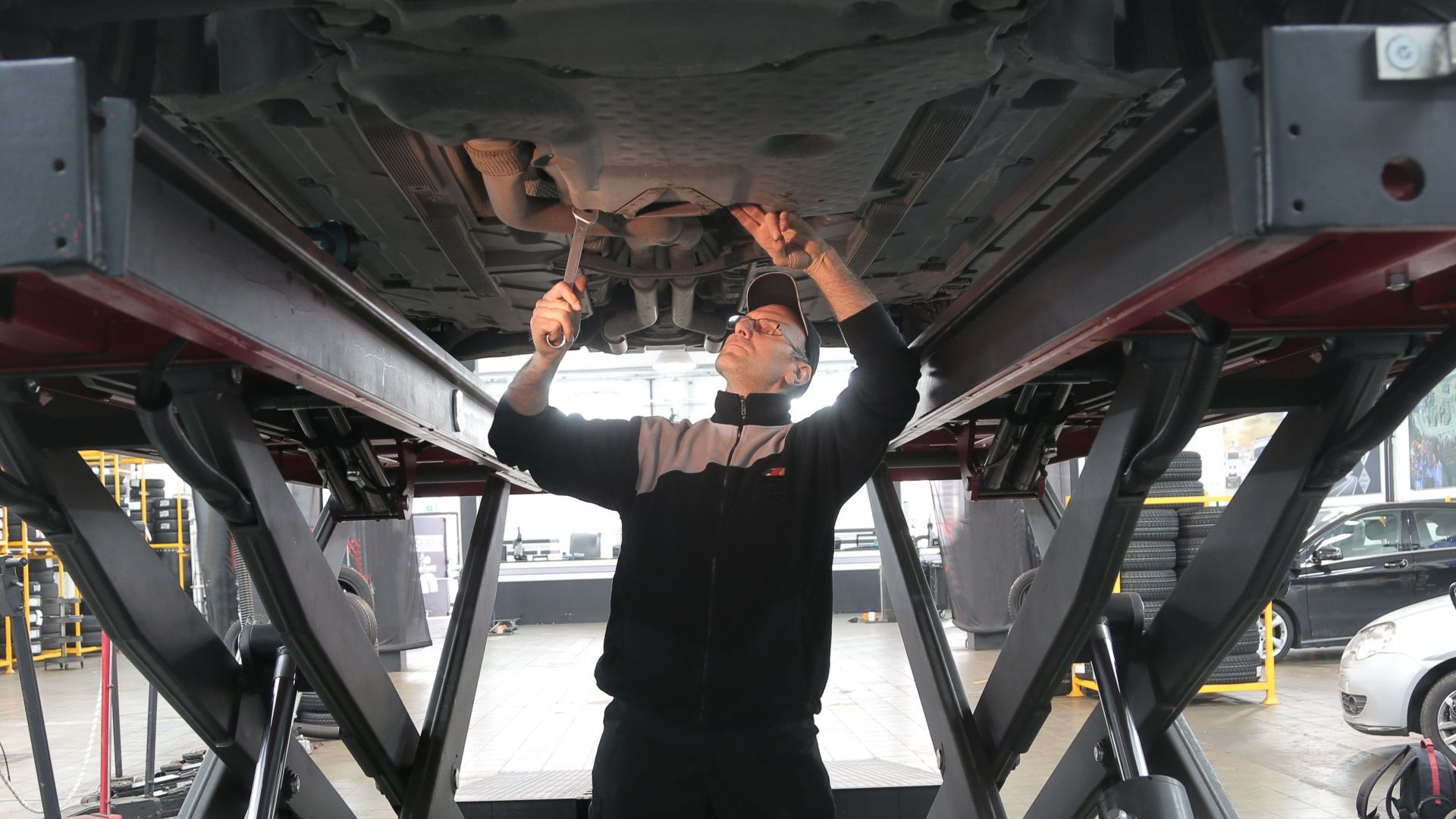
The fuel pump assembly commonly sits inside the fuel tank, with a sealing ring around its mounting opening. As the vehicle ages, this seal can deteriorate or become damaged, allowing fuel vapors to escape. The part itself might be relatively inexpensive, but reaching it can require substantial labor. This is one reason an apparently harmless EVAP code can occasionally produce a surprisingly large repair estimate.
Why Tiny Leaks Matter
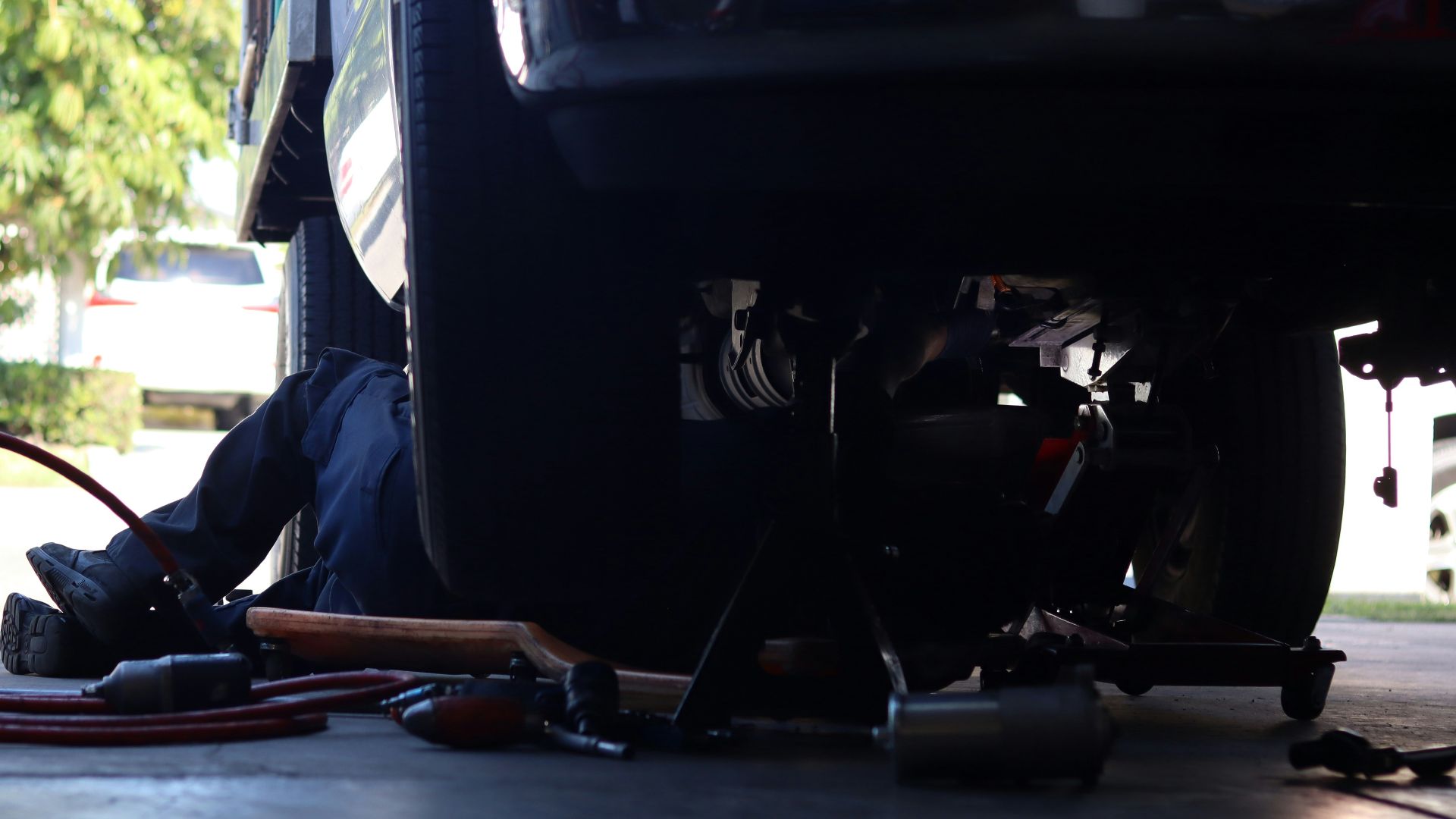
Your vehicle's diagnostic system can detect extremely small evaporative emissions leaks, sometimes equivalent to an opening just 0.020 inches in diameter. That's smaller than many people would expect. Such a leak might produce no detectable smell or driving symptoms whatsoever. However, the system is designed to limit hydrocarbon emissions, so even a tiny opening can trigger a warning light.

What About Smoke Testing?
If a visual inspection reveals nothing, a mechanic may recommend an EVAP smoke test. Specialized equipment introduces diagnostic smoke into the system under controlled conditions, allowing the technician to look for escaping vapor. Proper testing may also require electronically closing certain valves. This can identify leaks that would otherwise be almost impossible to find. A code reader alone generally cannot pinpoint their location.

Diagnosis Can Cost Money
Before authorizing repairs, ask the shop for a diagnostic estimate. You might pay for inspection and smoke testing only to discover that the actual repair costs considerably more. Labor rates vary by region, and difficult-to-access components can increase the bill. Request a written estimate separating diagnostic labor, replacement parts, and repair labor. That information helps you decide whether further investigation makes financial sense.

Don't Replace Parts Randomly
An EVAP code doesn't automatically mean you need a new gas cap, charcoal canister, or purge valve. Replacing parts based solely on a generic code description can quickly become an expensive guessing game. A technician should use the code, manufacturer-specific diagnostic procedures, component tests, and sometimes smoke testing to narrow down the cause. Spending money on proper diagnosis can be cheaper than buying several perfectly good replacement parts.

Consider Your Car's Age
Suppose your vehicle is 18 years old, has 220,000 miles, and is worth approximately $1,500. Spending $700 to eliminate a tiny vapor leak might not seem worthwhile, especially if you're planning to replace the car soon. On the other hand, a newer vehicle worth $18,000 deserves a different calculation. Its resale value, remaining useful life, and emissions requirements make resolving the problem a more obvious priority.

Think About Resale Value
A persistent check engine light can make a used car difficult to sell, even when the underlying problem is minor. Prospective buyers don't necessarily know whether the warning indicates a loose gas cap or a failing catalytic converter. They may assume the worst and reduce their offers accordingly. Repairing a relatively inexpensive EVAP problem before selling could preserve more value than the repair costs.

Emissions Testing Changes Everything
If you live somewhere that requires OBD-II emissions inspections, ignoring the warning might not be a realistic option. An illuminated check engine light indicating an emissions malfunction generally means the vehicle will fail that portion of the inspection. Requirements vary by state, county, vehicle age, and model year. Check your local rules before deciding to postpone repairs, especially if registration renewal is approaching.

Clearing Codes Isn't Repairing
Your code reader probably includes an option to erase stored trouble codes and switch off the warning light. That doesn't fix the underlying problem. Clearing codes also resets certain emissions readiness monitors, which may leave your vehicle temporarily unable to pass an inspection. Those monitors must complete their diagnostic checks again, and the light may return if the fault remains. Simply erasing the warning isn't a reliable solution.
 Jose Ricardo Barraza Morachis, Pexels
Could You Miss Something Worse?
One overlooked consequence of ignoring an EVAP warning is that your check engine light is already illuminated when another problem develops. The computer can store additional codes, but you might not notice a new warning. A developing misfire or other emissions-related fault could therefore go unrecognized. If you're postponing repairs, periodically scan for additional codes rather than assuming the original EVAP problem explains everything.

When Driving Becomes Unsafe
A steady check engine light accompanied only by a confirmed minor EVAP fault generally isn't an immediate reason to stop driving. However, a flashing light, rough running, loss of power, smoke, or unusual odors changes the situation. If you smell strong gasoline fumes or see liquid fuel leaking, stop safely, shut off the engine, and arrange professional assistance. Don't assume every warning is harmless simply because the first code mentioned EVAP.

A Sensible Repair Budget
If your car is older and otherwise running well, start with the inexpensive checks. Inspect the gas cap or filler seal, record the exact codes, and look for obvious damaged hoses. If the problem persists, consider paying for a diagnosis before authorizing repairs. Set a realistic spending limit based on the vehicle's condition and value, but remember that emissions compliance and any genuine fuel-safety concerns may make repairs necessary.
So Can You Ignore It?
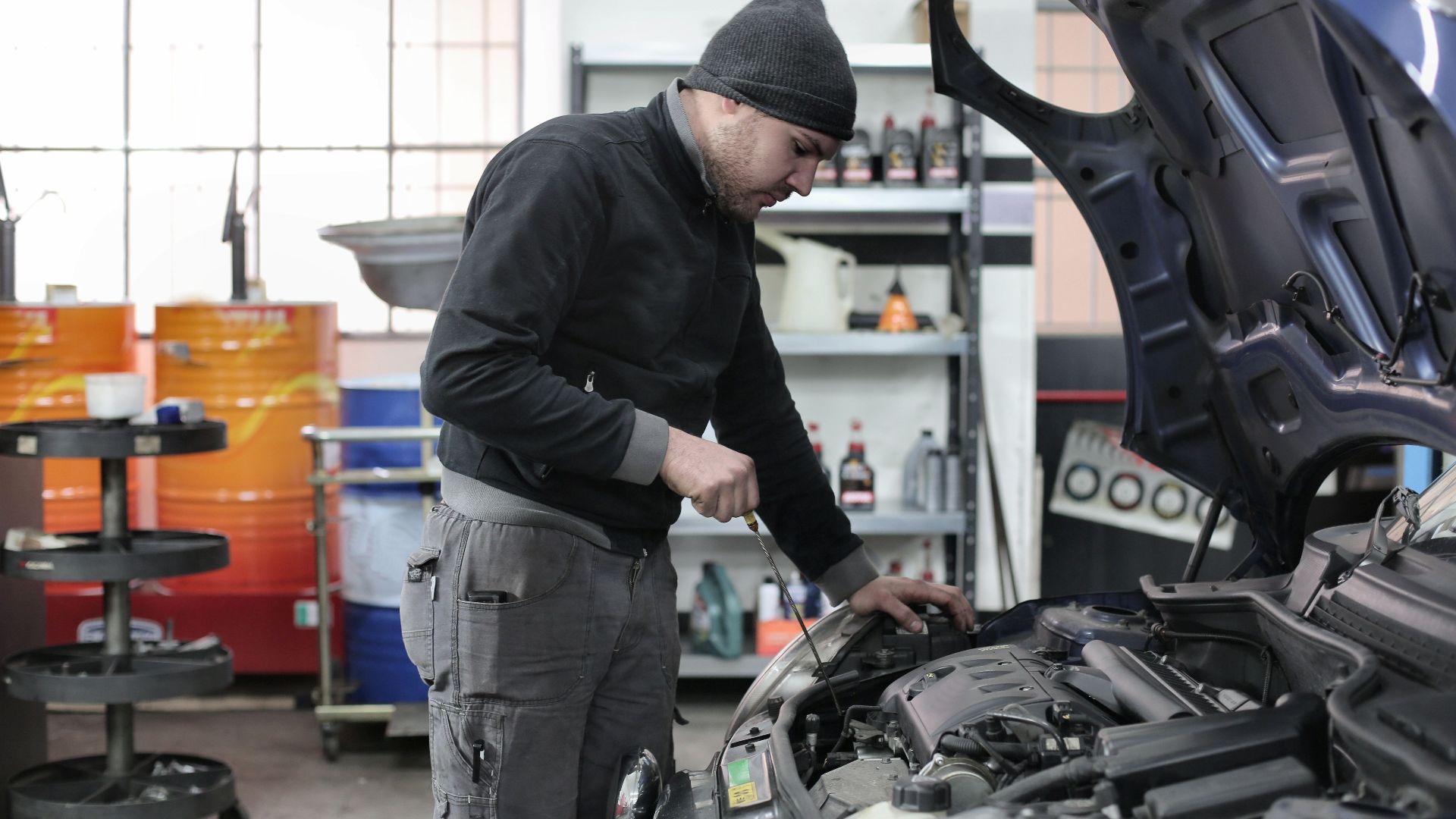
You probably don't need to panic over a steady check engine light caused by a confirmed small EVAP leak, particularly when your car runs normally. But ignoring it indefinitely isn't the best approach. The problem could be inexpensive, prevent an emissions inspection, or conceal a more serious warning later. Identify the exact fault, rule out safety concerns, and compare the repair estimate with your vehicle's value. Then make an informed decision rather than simply hoping the light goes away.

You May Also Like:
Simple Things Mechanics Wish Every Driver Would Check Before They Bring In Their Car