Why A Parked Trailer Can Be A Bigger Problem Than It Looks
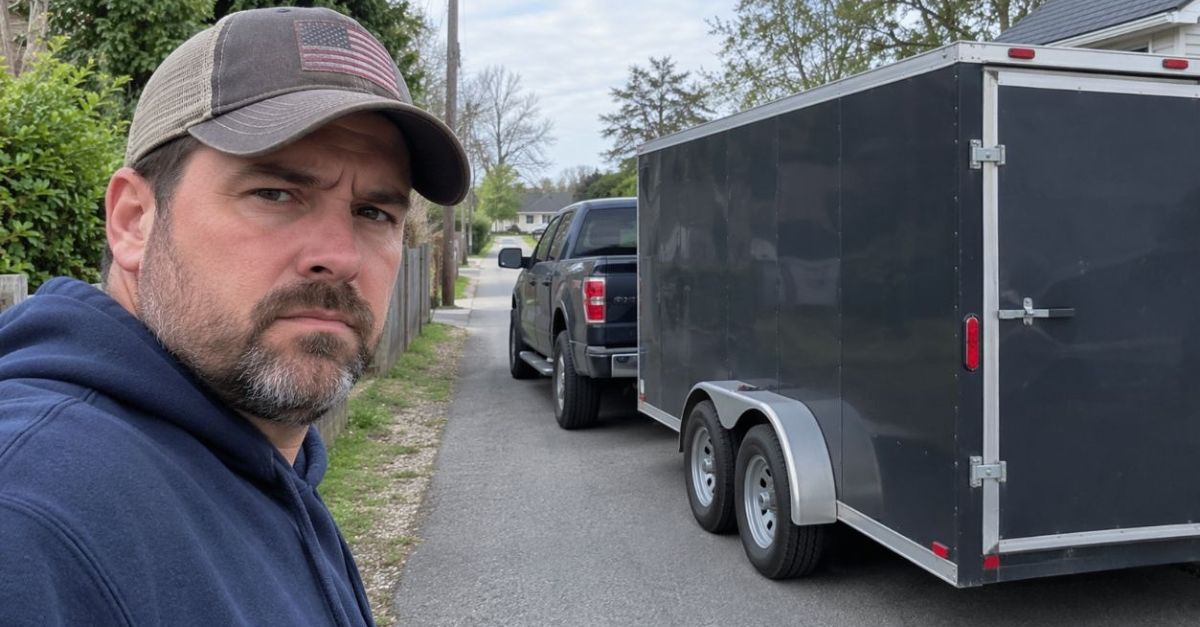
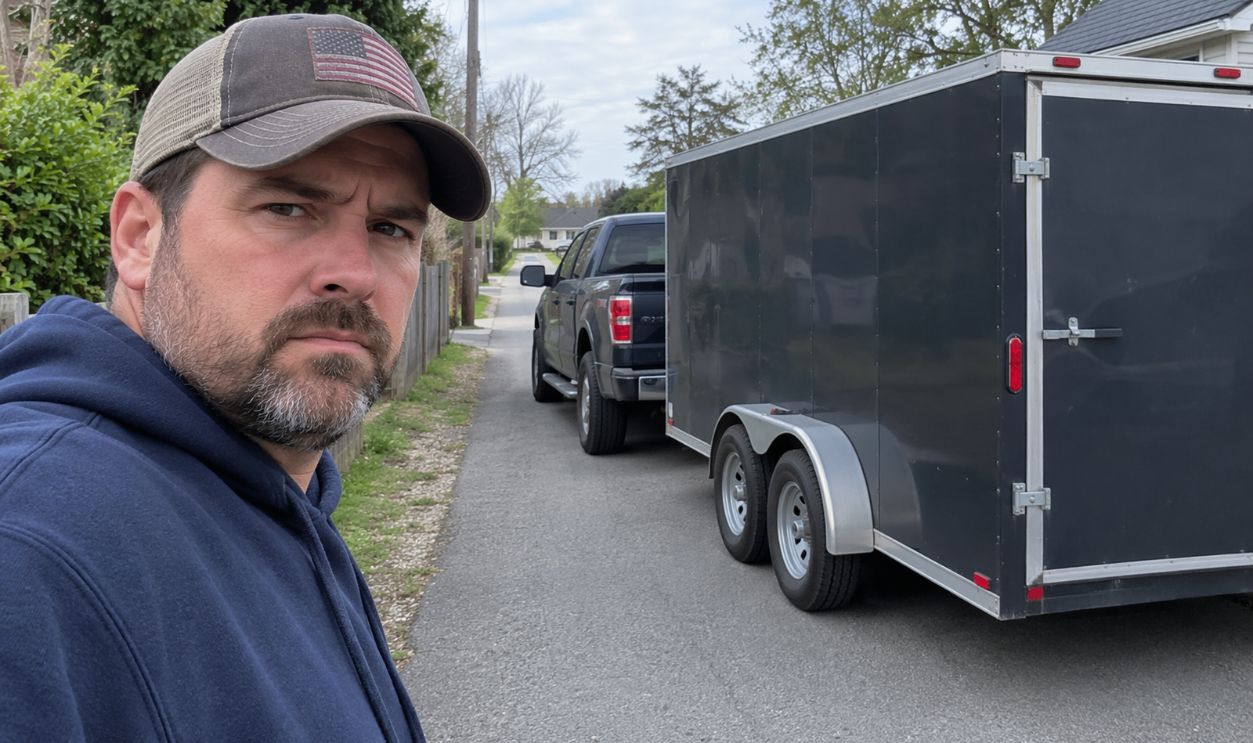
On a narrow street, a trailer hitched to a pickup can do more than annoy the neighbors. It can block sight lines for drivers pulling out, make it harder to spot kids or cyclists, and shrink the usable width of the road. In most cases, that's enough to justify getting them to move—but the fact is that you're bound to local parking laws, which vary heavily from place to place.
The Trailer Is Definitely A Problem
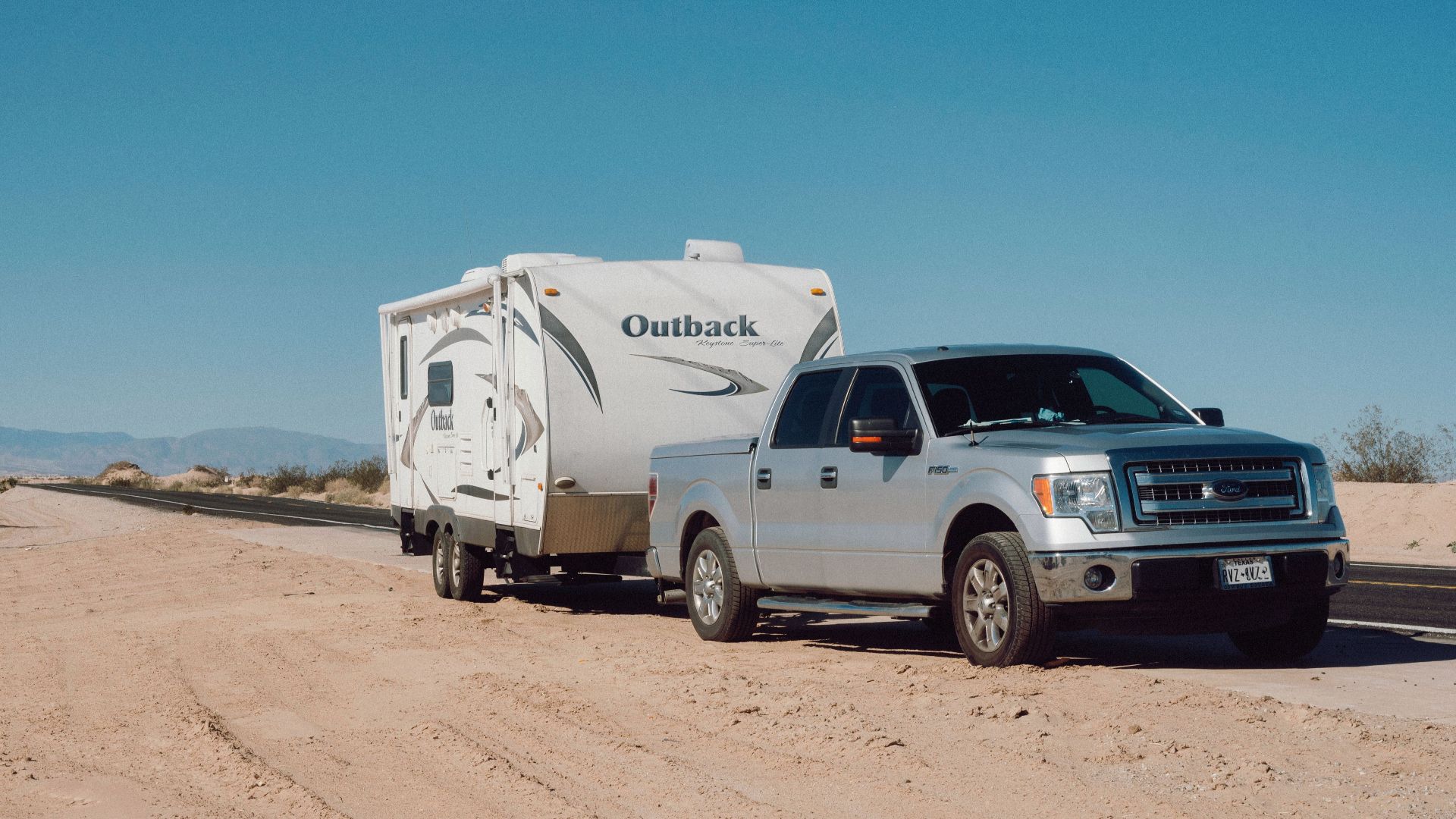
Yes, a trailer attached to a truck can absolutely block visibility. Whether that makes it illegal depends on several factors, like local parking bylaws, the street layout—not to mention how close the vehicle is to driveways, corners, crosswalks, or intersections.
In many places, the law focuses specifically on the safety risk, not just the fact that the trailer is attached.
What Safety Experts Mean By Visibility
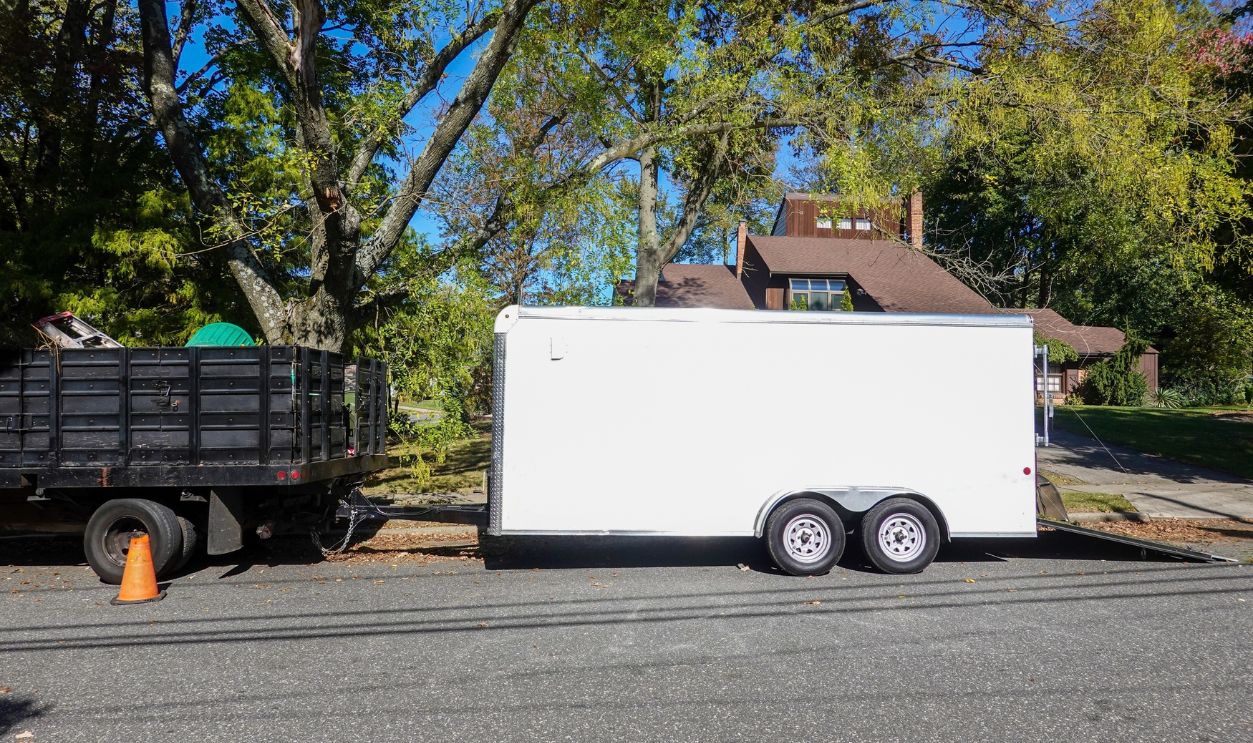
Visibility is about what drivers, pedestrians, and cyclists can actually see in time to react. A long truck-and-trailer setup can create a solid visual barrier that hides approaching traffic or people entering the street. On a narrow residential block, that lost reaction time is where the real danger starts.
Why Narrow Streets Make The Problem Worse
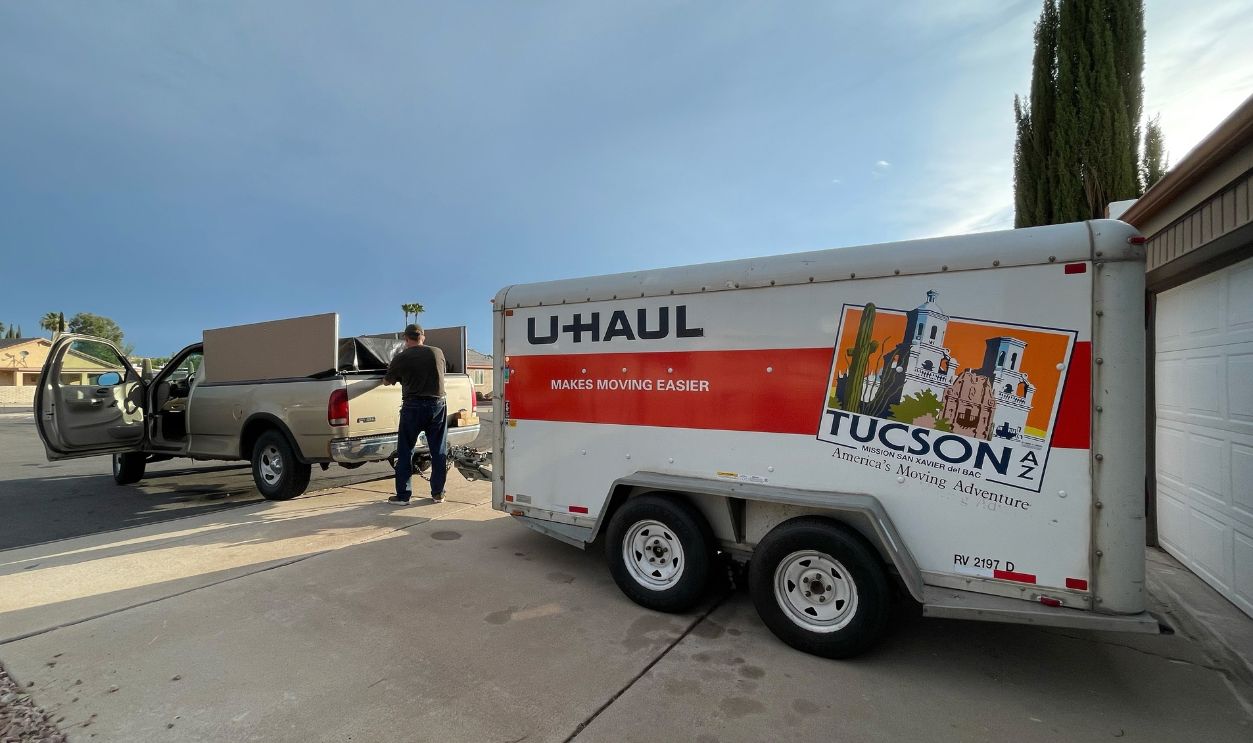
Wide roads give drivers some room to work with. Narrow streets do not. A parked trailer can force cars to drift toward the middle of the road or pull out farther before they can see around it. That raises the odds of side-swipes, near misses, and conflicts with oncoming traffic.

Intersections Are Usually Where Trouble Starts
One of the biggest concerns is parking too close to an intersection. The National Highway Traffic Safety Administration says limited visibility near corners can play a role in crashes because drivers need a clear view of cross traffic and pedestrians. A trailer can act like a fence right where that view matters most.
Crosswalks And Corners Need Clear Sight Lines
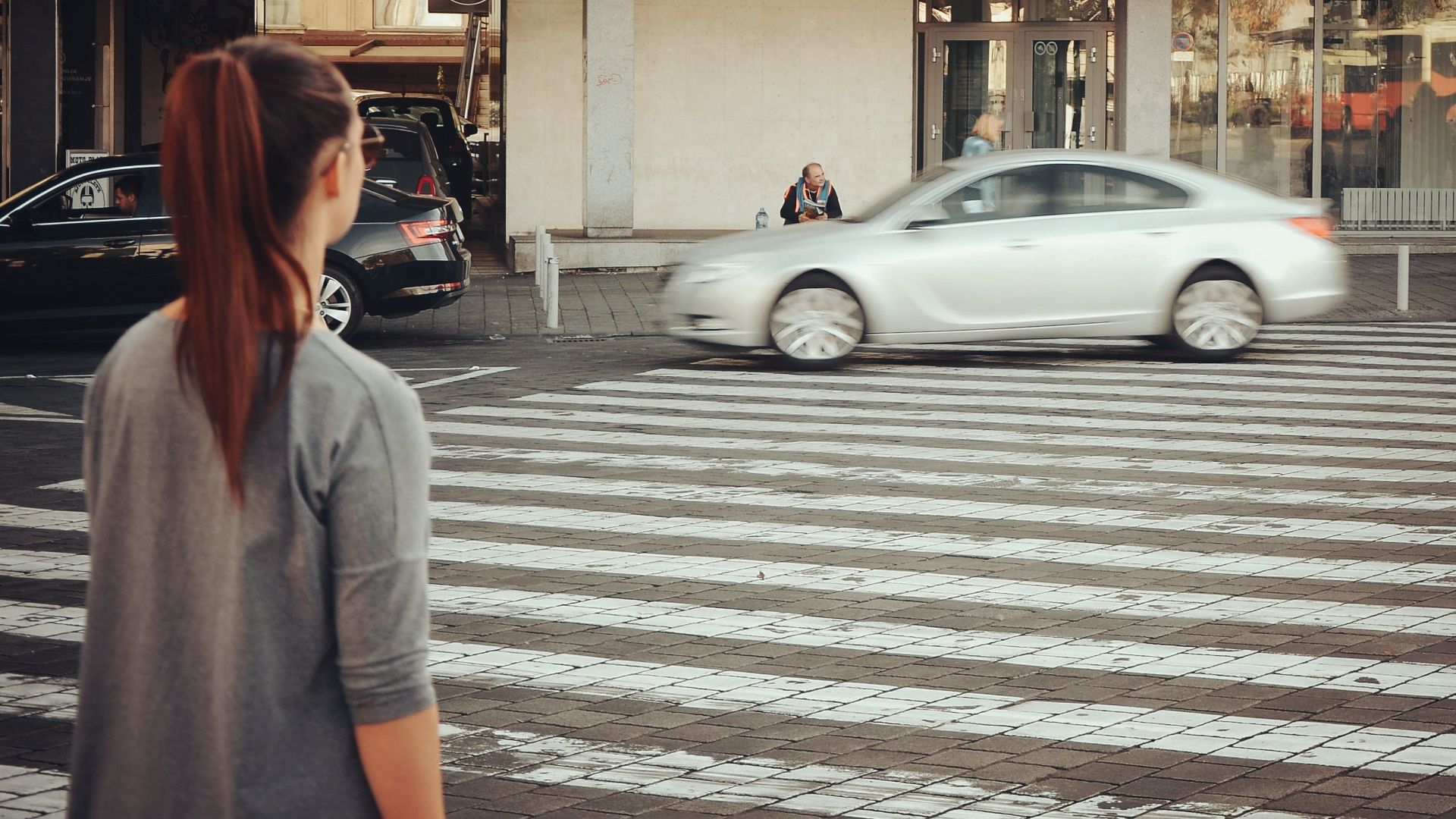
The Federal Highway Administration has pushed the idea of daylighting, which means keeping the area near intersections and crosswalks clear of parked vehicles so people can see each other. In 2023, the FHWA published guidance on safer street design and sight distance around crossings. A truck with a trailer can work against that goal if it is parked too close to the corner.
State Driver Manuals Often Say This Plainly
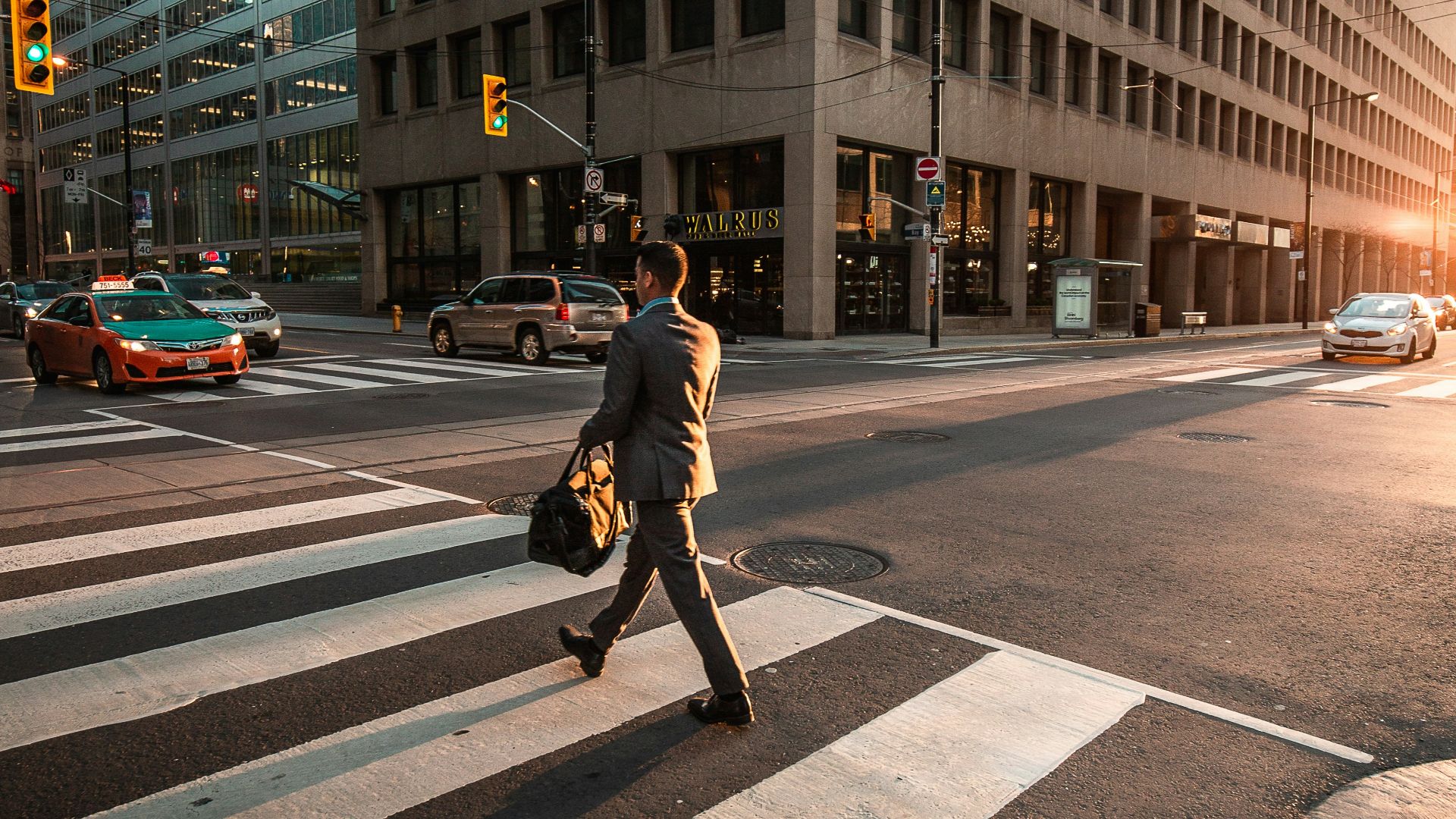
Many state driver handbooks tell motorists not to park where they block visibility near intersections, driveways, or crosswalks. California's Driver Handbook, for example, warns drivers not to park where they block the view of other drivers. Even if your state uses different wording, the basic idea is common across the country.

Local Codes Often Matter More Than Statewide Rules
This is the part many neighbors miss. Trailer parking rules are often set by city code, not just state law. One town may allow a hitched trailer on a residential street for a limited time, while another may ban it overnight or forbid it if it blocks traffic or visibility.

Some Cities Regulate Trailers Specifically
City codes often have special rules for trailers, semitrailers, RVs, and other equipment. These rules can limit how long they may stay on the street, where they may park, or whether they can be stored in residential areas at all. If your neighbor leaves the trailer there all the time, those time-limit rules may matter just as much as the sight-line problem.
Driveways Are Another Common Flash Point
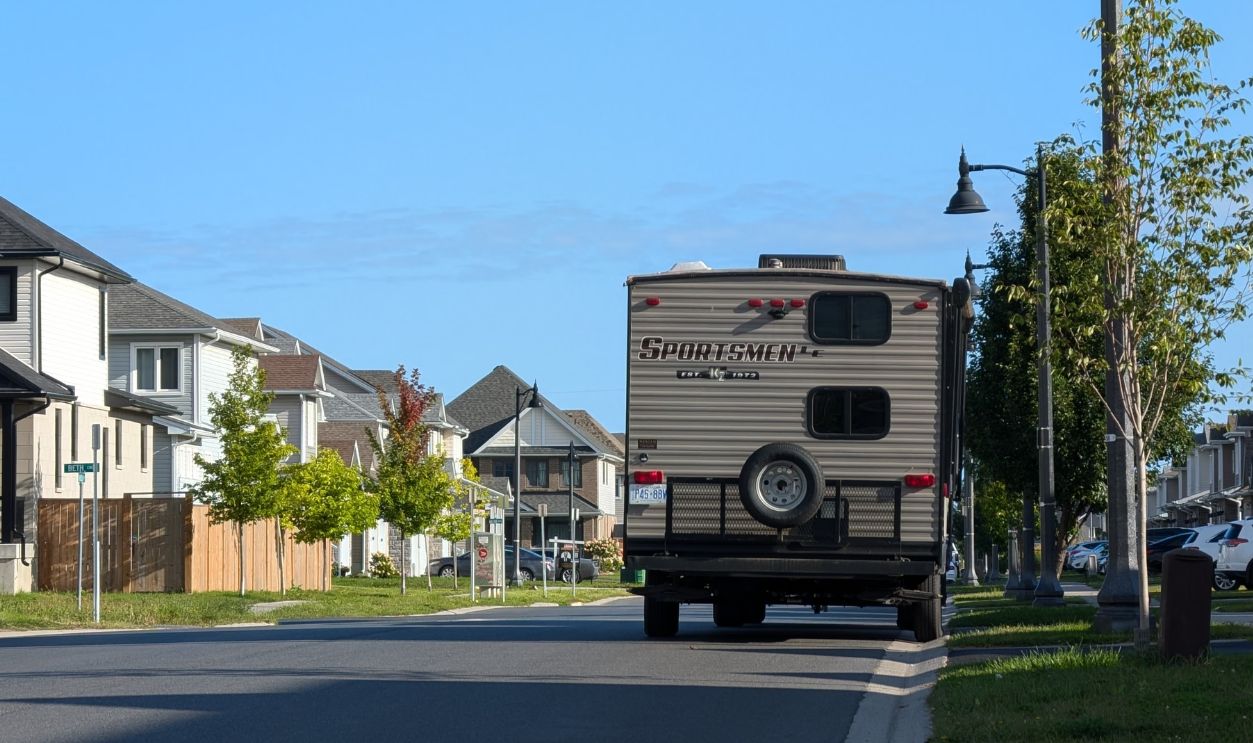
A trailer parked near a driveway can make it hard for residents to see traffic before backing out. That is not just annoying. Blocked driveway sight distance is a real safety issue. If the trailer is so close that you have to nose into the road to see, it may violate local parking rules or support a complaint to parking enforcement.

It Can Also Affect Emergency Access
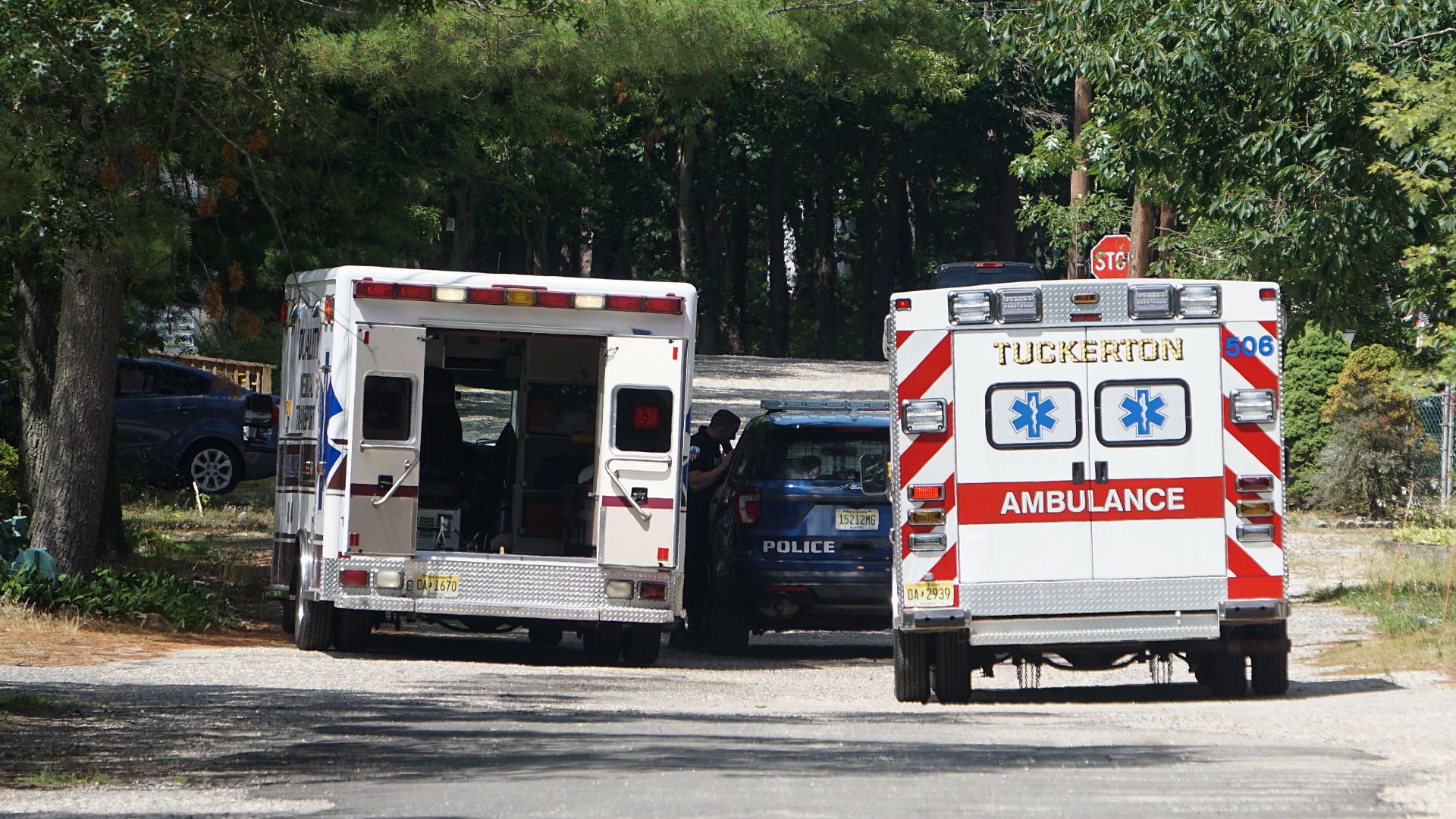
Residential streets need enough open width for fire trucks, ambulances, and sanitation vehicles. The International Fire Code, which many communities adopt in some form, generally requires fire apparatus access roads to keep an unobstructed width. A truck with a trailer on a narrow street can create a real access problem even if it looks technically parked.
Width Matters More Than Many Drivers Think
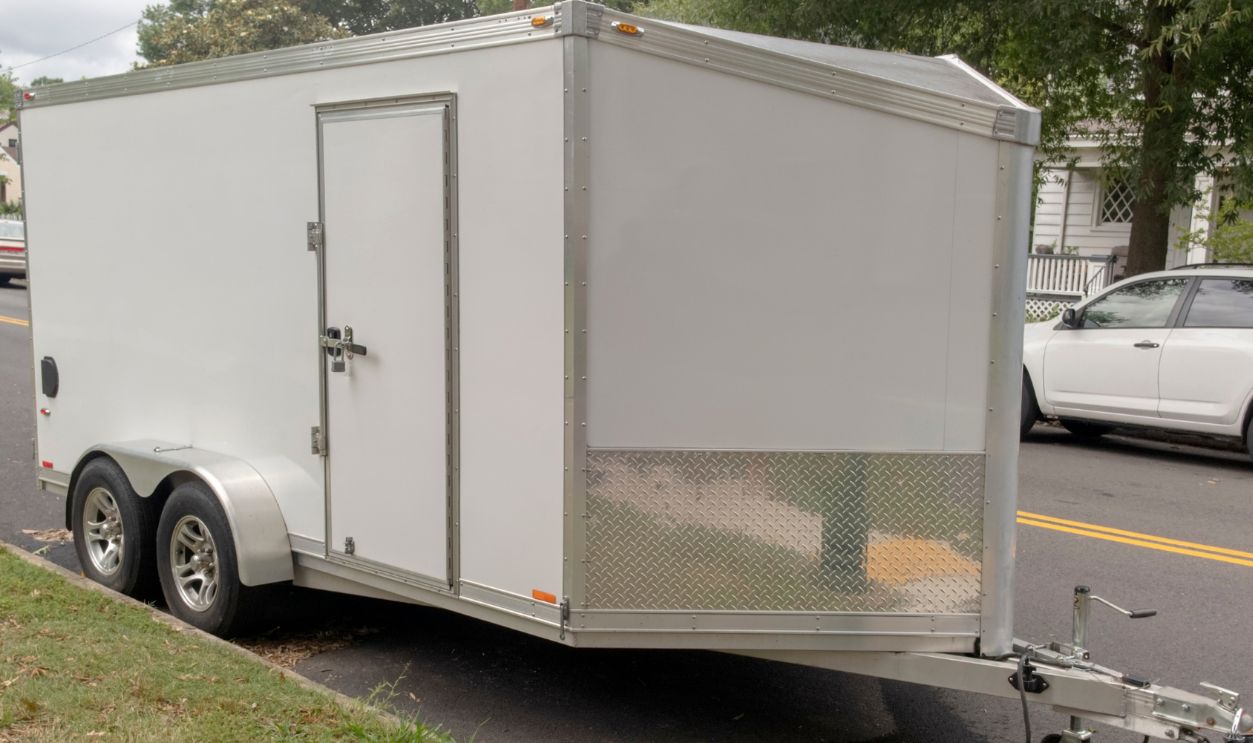
A pickup and trailer take up a lot of curb space and can stick farther into the lane than a normal passenger car. On a tight block, that can force vehicles coming from opposite directions to squeeze around it one at a time. If school buses, delivery vans, or larger SUVs use the street, the bottleneck gets worse fast.
Children And Cyclists Are Especially Hard To See
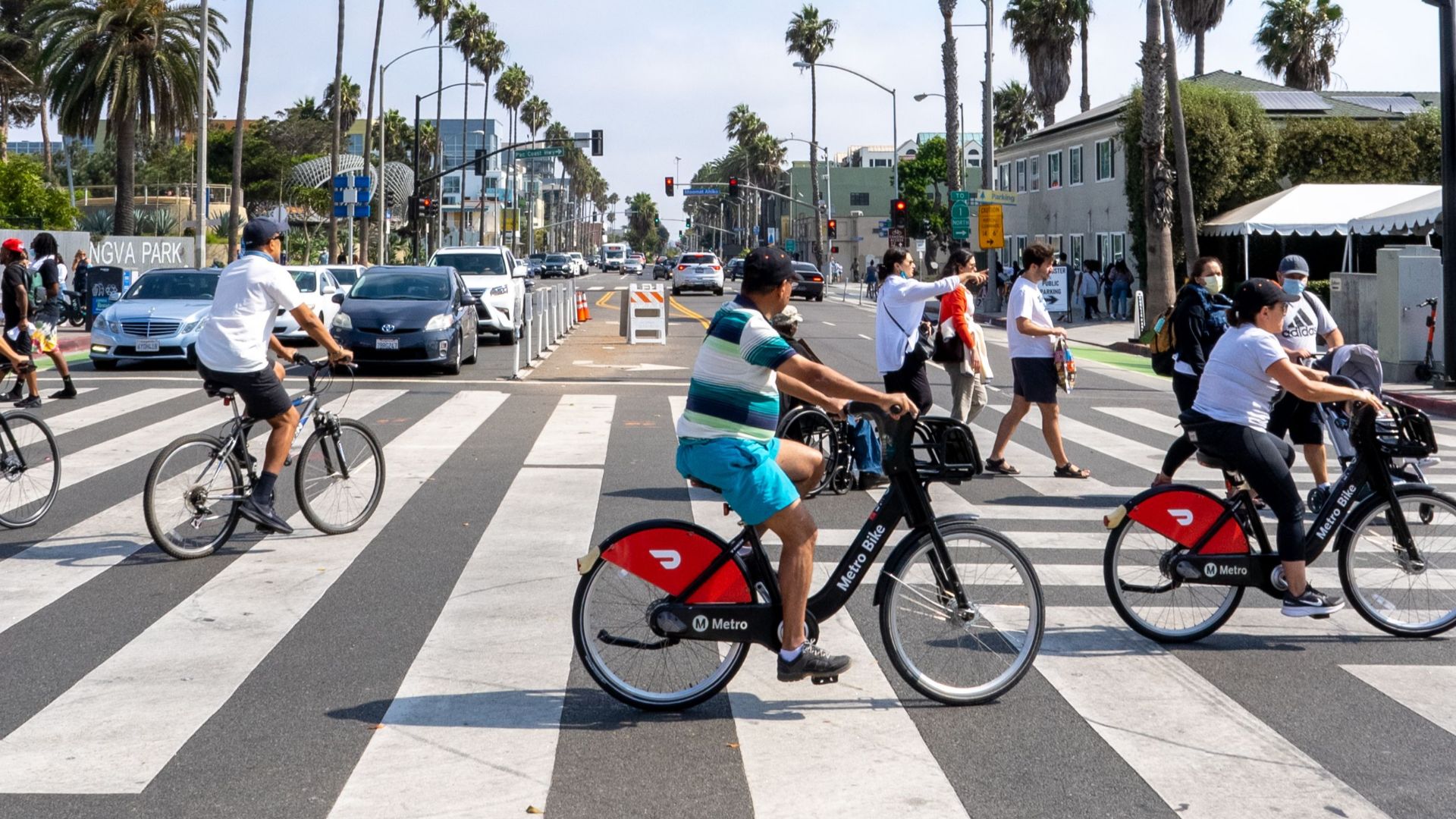
Tall or long parked vehicles can hide small children stepping off the curb and cyclists coming from behind. Safety agencies and researchers have warned again and again that large parked vehicles reduce visibility in exactly these situations. A trailer does not have to be moving to create a dangerous blind spot.
Being Attached To The Truck Does Not Automatically Make It Fine
Some people assume that if the trailer is attached to the truck, it counts as one vehicle and that ends the discussion. In practice, that is not how many parking and safety rules work. If the combined vehicle blocks sight lines, narrows the street too much, or breaks local trailer parking rules, attachment does not fix the problem.
How To Tell If Visibility Is Really Being Blocked
Check from the driver's seat, not the sidewalk. Sit in your car at the driveway or near the intersection and see whether you can spot oncoming traffic, pedestrians, or cyclists without creeping dangerously forward. If the trailer forces you to inch into the street just to get a clear view, that is a strong sign the setup is unsafe.

Take Notes Before You Take Action
Document what is happening with photos, times, and locations. Note how close the truck and trailer are to the corner, driveway, hydrant, or crosswalk, and whether the street becomes too narrow for normal two-way traffic. Good documentation makes it easier for parking enforcement, code officers, or a homeowners association to judge the problem.

Measure The Distance If You Can
Many parking laws are written around exact distances, especially near intersections, stop signs, and driveways. A tape measure or a phone measurement app can help you estimate whether the trailer is parked inside a restricted zone. That is much more useful than saying it just seems too close.
 ANTONI SHKRABA production, Pexels
Check Your City Code First
This is usually the fastest way to turn frustration into facts. Search your city or county website for terms like trailer parking, visibility obstruction, intersection parking, oversized vehicle, and street storage. If the code is clear, you will know whether this is mostly a courtesy issue or a ticketable one.

Police Are Not Always The First Call
In many communities, parking enforcement, code compliance, or public works handles these complaints before police do. A non-emergency line can still point you to the right office if you are not sure who is in charge. If the blockage creates an immediate safety hazard, that is when urgent reporting makes more sense.

A Friendly Conversation Can Still Work
Before it turns into a neighborhood standoff, a calm conversation may solve the problem. Your neighbor may not realize the trailer blocks your view when you pull out or makes the street too tight for larger vehicles. Stick to clear safety concerns instead of accusations, and you are more likely to get a useful response.

Homeowners Associations May Have Their Own Rules
If you live in an HOA community, there may be private rules that are stricter than city law. Some associations ban trailer parking on streets or limit how long trailers can stay visible from the road. That does not replace public law, but it can give you another way to deal with the issue.

What If The Trailer Is Only There Sometimes
Short-term parking for loading or unloading may be treated differently from regular storage. Cities often allow more flexibility for temporary use, especially if the vehicle is active and attended. Repeated overnight parking, long-term curb storage, or day-after-day obstruction is usually when enforcement gets much more interested.
When Visibility Problems Turn Into Liability Problems
If a parked truck and trailer help cause a crash by blocking a reasonable view, the legal and insurance fallout can get messy. Fault in any specific crash depends on the details, but blocked sight lines are not a small issue. That is one more reason to treat this as a safety problem, not just a fight between neighbors.

Do Not Overlook Crosswalk And School Route Risks
If the street is near a school, bus stop, park, or busy walking route, the stakes go up. Drivers need extra visibility in places where children may appear suddenly. A parked trailer near these areas can turn an already tight street into a real hazard.

What Officials Usually Look For
Enforcement officers usually check the distance from intersections and driveways, whether the vehicle is legally registered and operable, whether the trailer is allowed on the street, and whether traffic can still pass safely. They may also consider complaints about repeated obstruction and whether large vehicles have trouble getting through. In short, they look at how the situation works in real life, not just how it looks on paper.

The Most Practical Next Step
If your neighbor leaves a trailer attached to a truck on a narrow street and it blocks your view, start by checking the local rule and documenting the problem. Then try a polite conversation or file a non-emergency complaint with the right local department. The law may vary by city, but the safety concern is real, and yes, it can absolutely block visibility.
 Supavadee butradee, Shutterstock