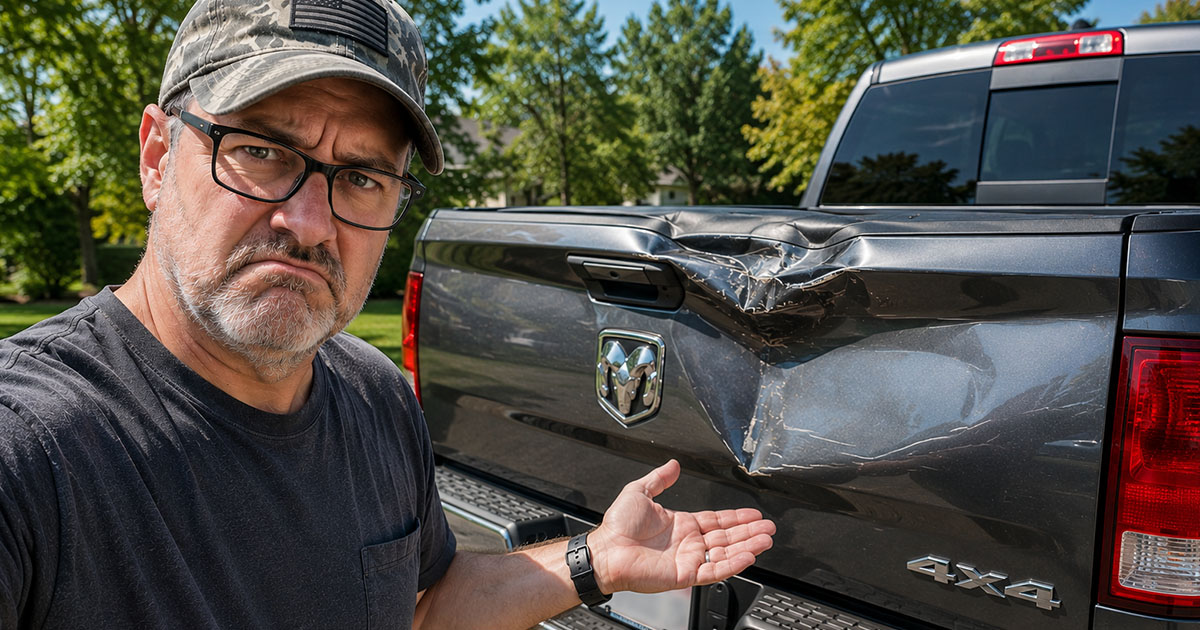
The Sinking Feeling Of A Parking Lot Surprise
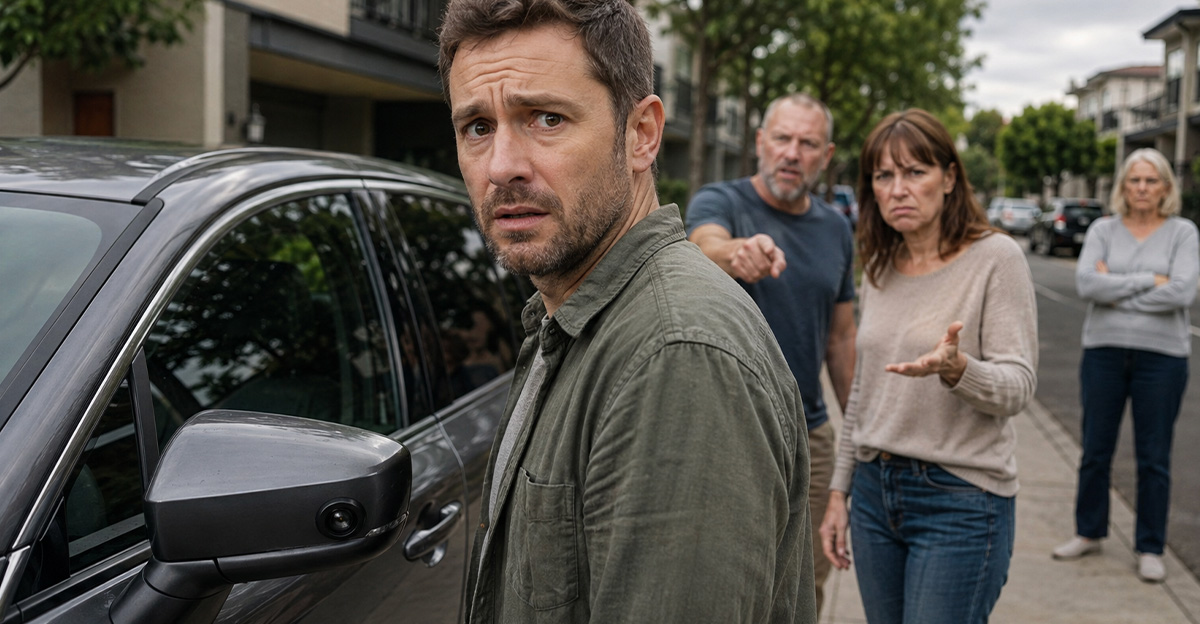
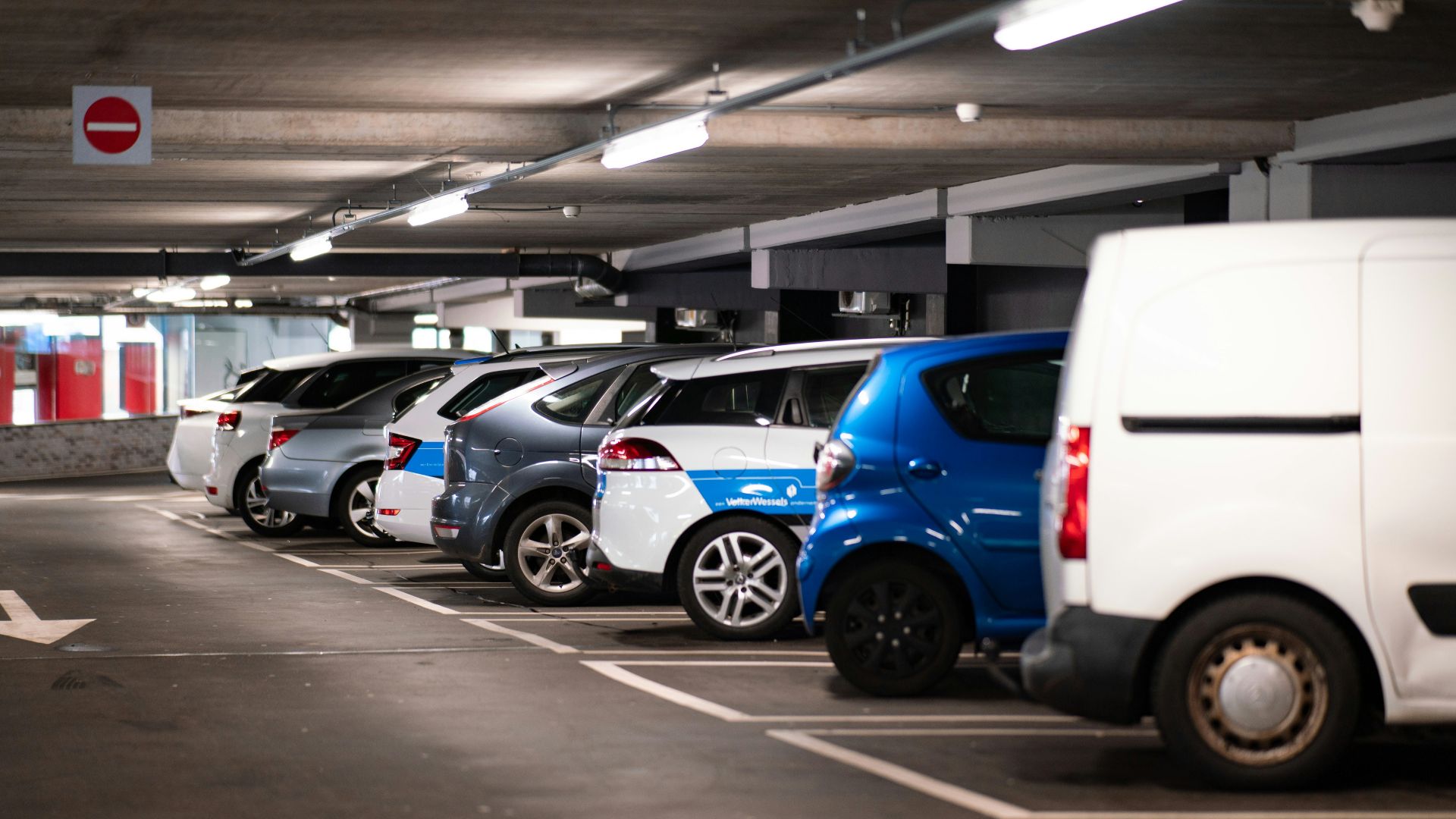
You come back to your car, see a fresh dent or an ugly scrape, and there’s no note anywhere. It’s frustrating, and it can make you wonder if you’re stuck paying for everything yourself. The good news is that security footage can sometimes help show what happened and who did it. The tougher part is that getting and using that footage usually takes quick action—and probably a little patience.
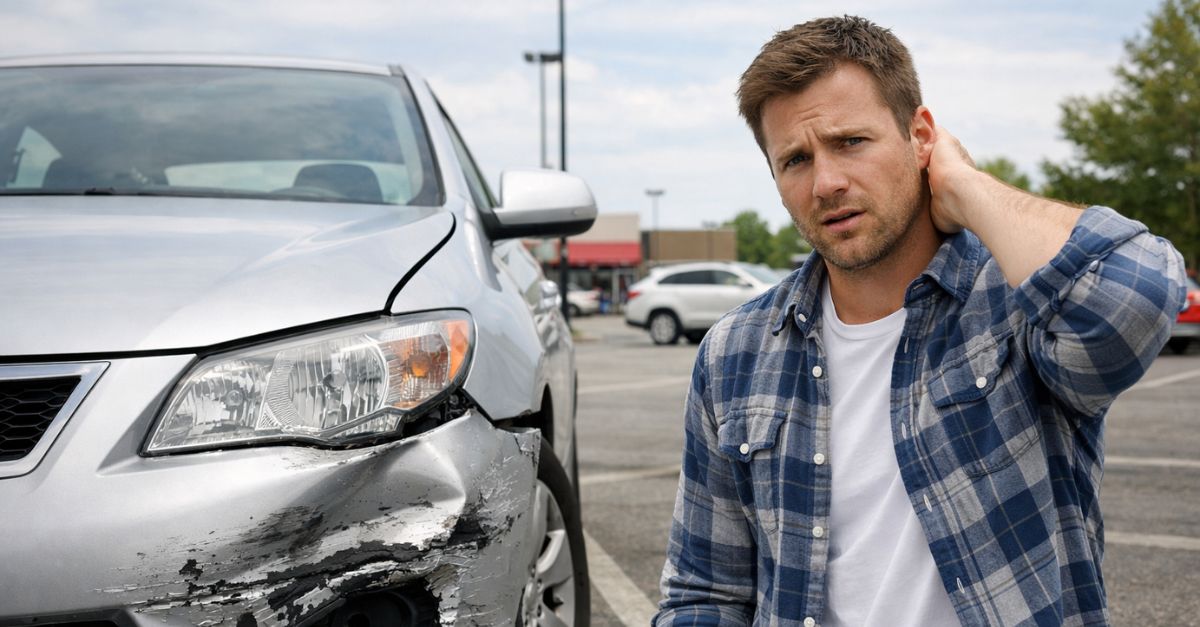
Yes, Cameras Can Help
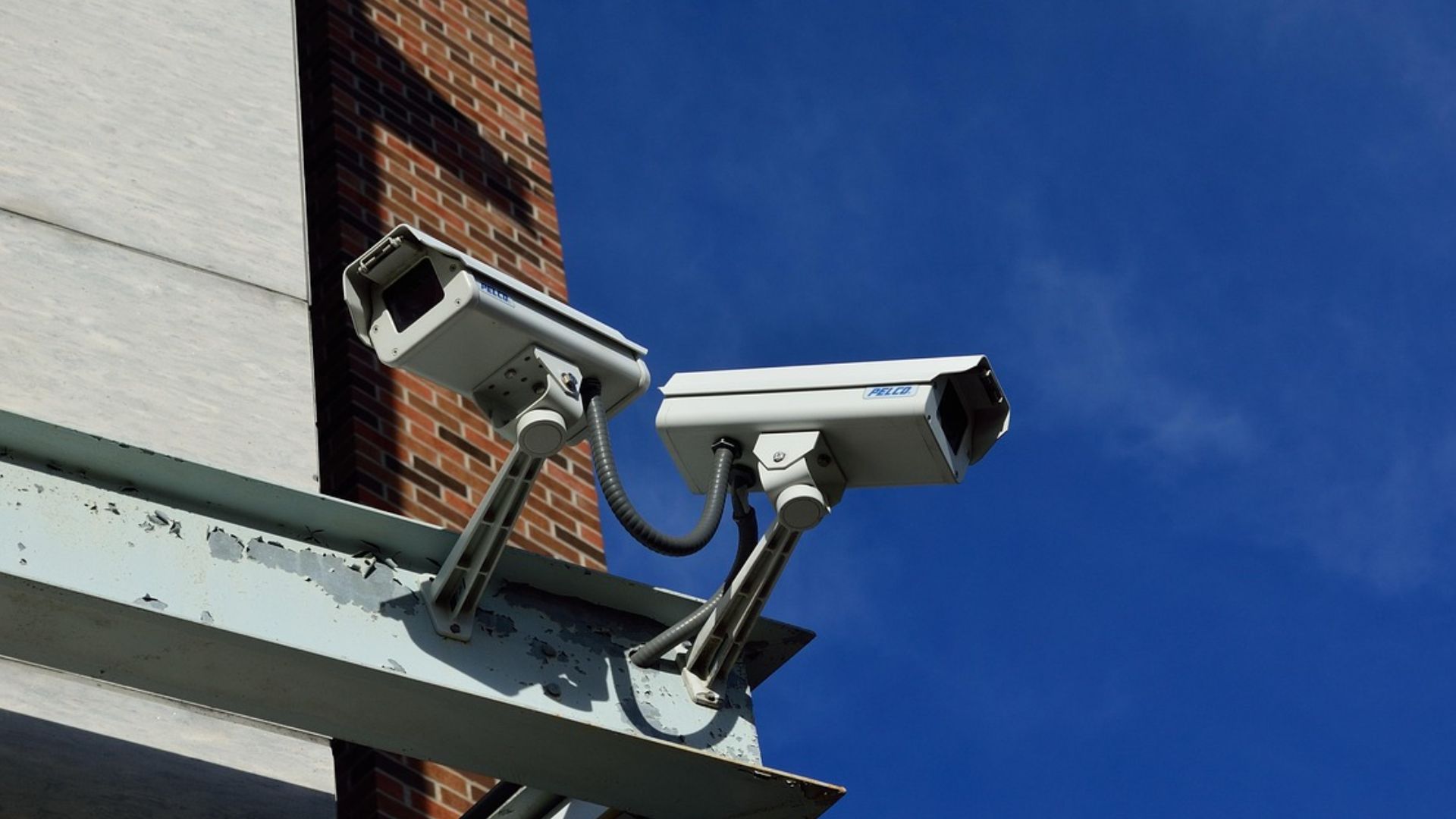
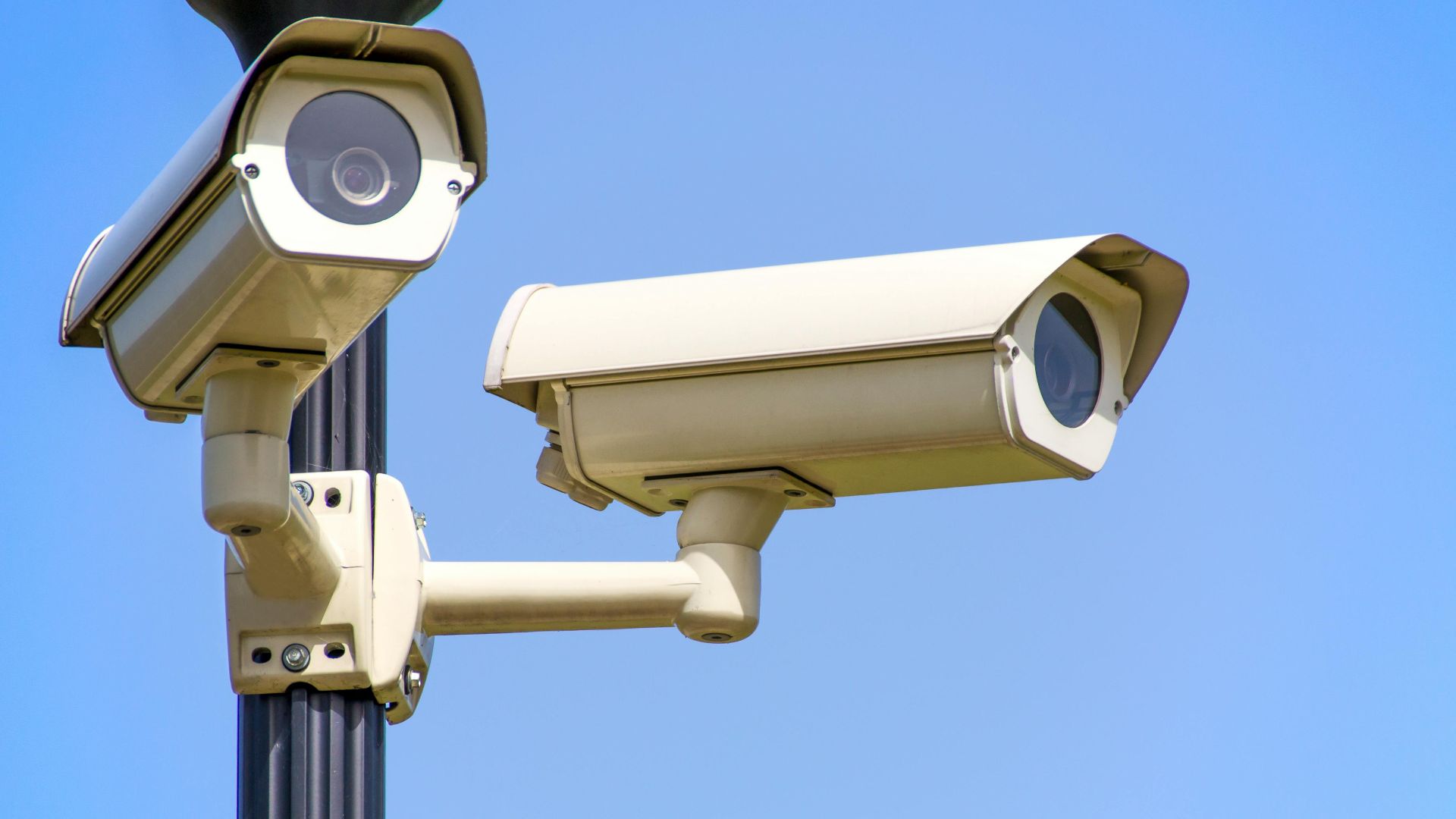
If the parking lot has working cameras pointed at the right spot, video may show the hit, the other vehicle, or at least when the damage happened. That can matter a lot when you file a police report or insurance claim. Sometimes the footage catches a license plate clearly enough to identify the driver. Even when it does not, it may still back up your side of the story and show the damage was not already there.
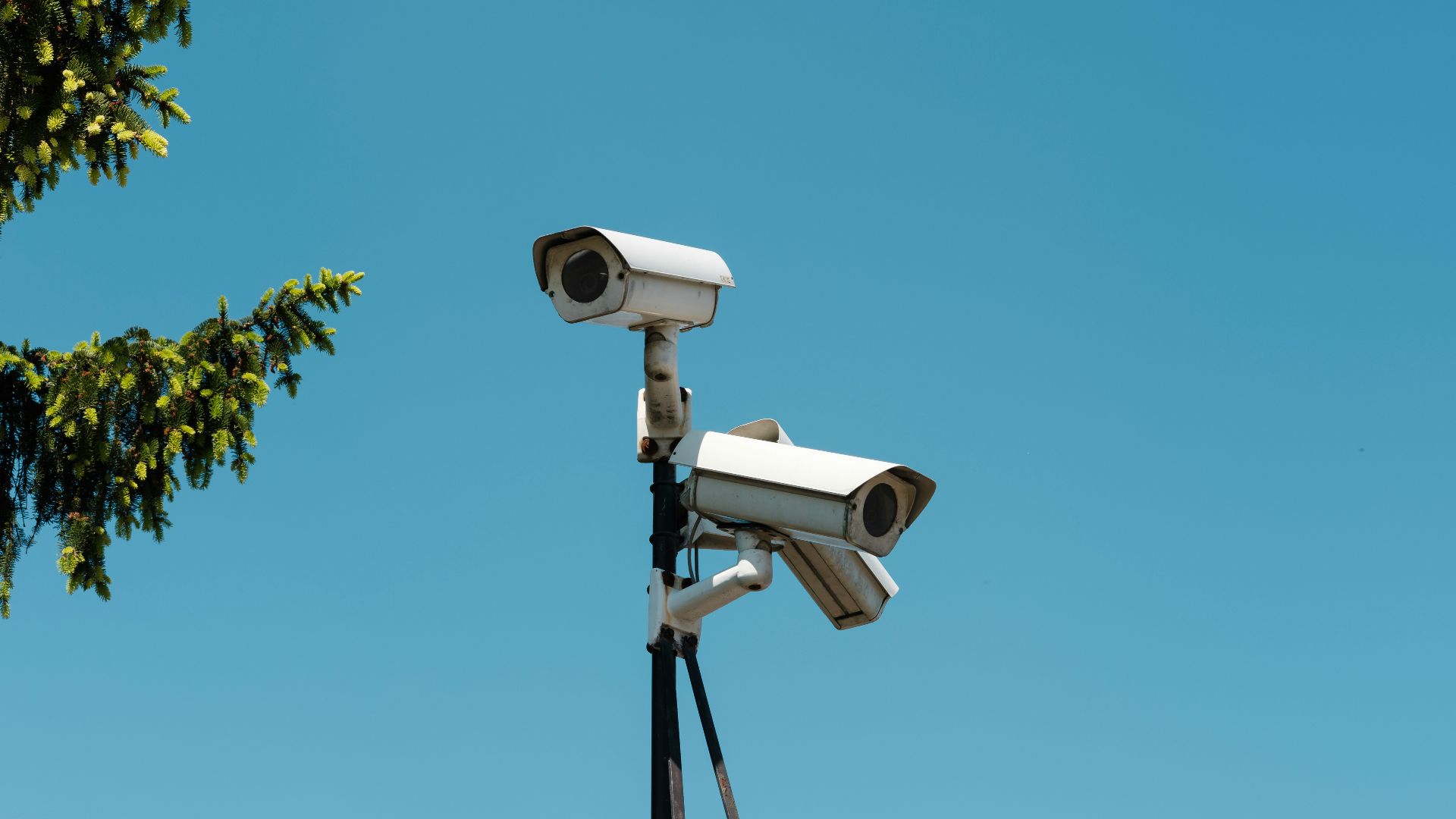
But Don’t Count On Perfect Video
Security cameras can help, but they do not solve everything. Some systems record blurry footage, some delete video after a short time, and some cameras do not cover every parking space. Rain, glare, darkness, and bad camera angles can also make details hard to make out. That is why it helps to move fast if you think cameras may have caught it.
Start By Documenting Everything Right Away
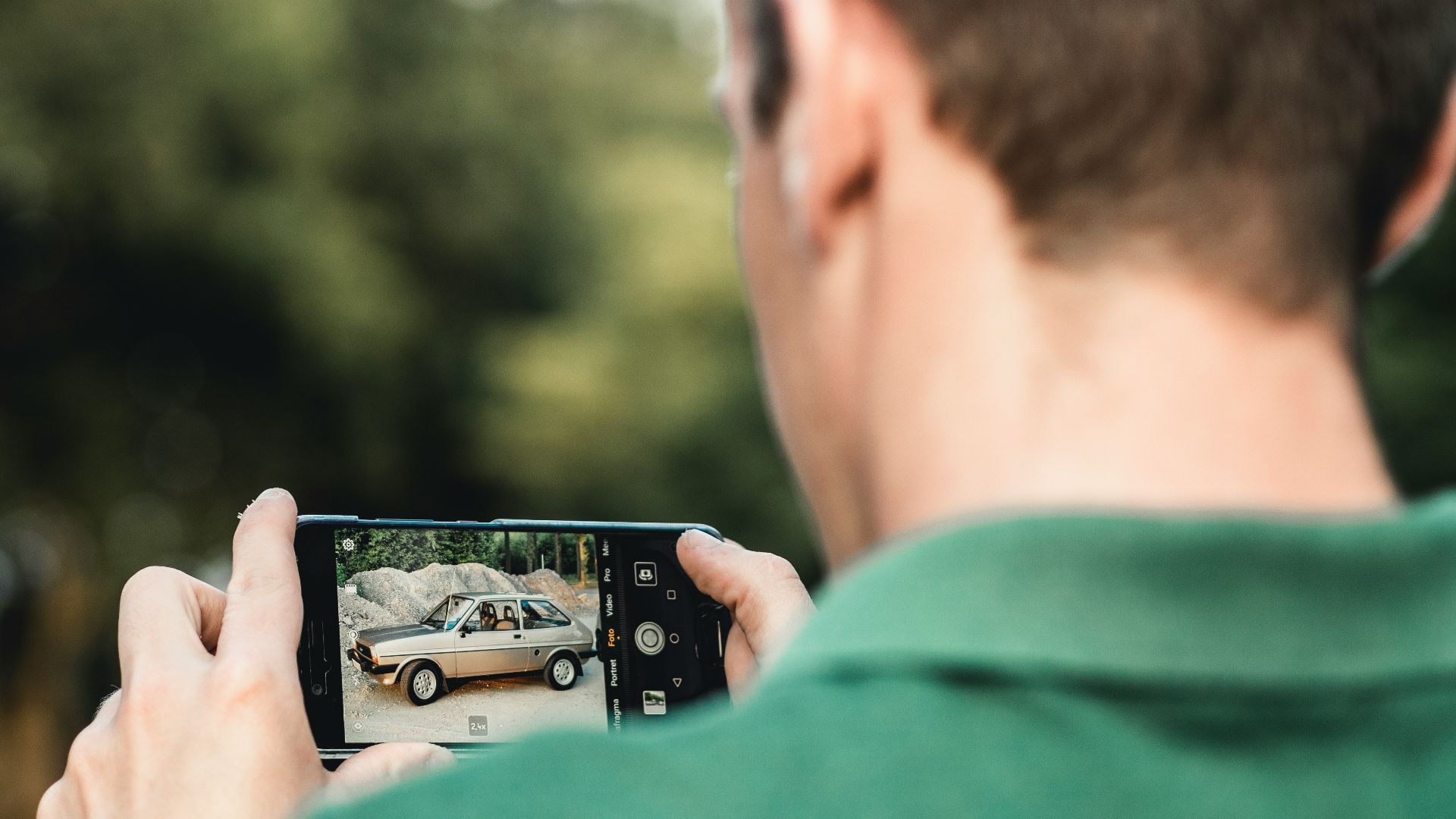
Before you leave the lot, take clear photos and video of the damage from a few angles. Get wider shots too so it is obvious where your car was parked and where any nearby cameras are. If there are paint marks, broken plastic, or other pieces left behind, get photos of those as well. This can help police, your insurance company, and the property owner piece together what happened.
Look Around For Witnesses
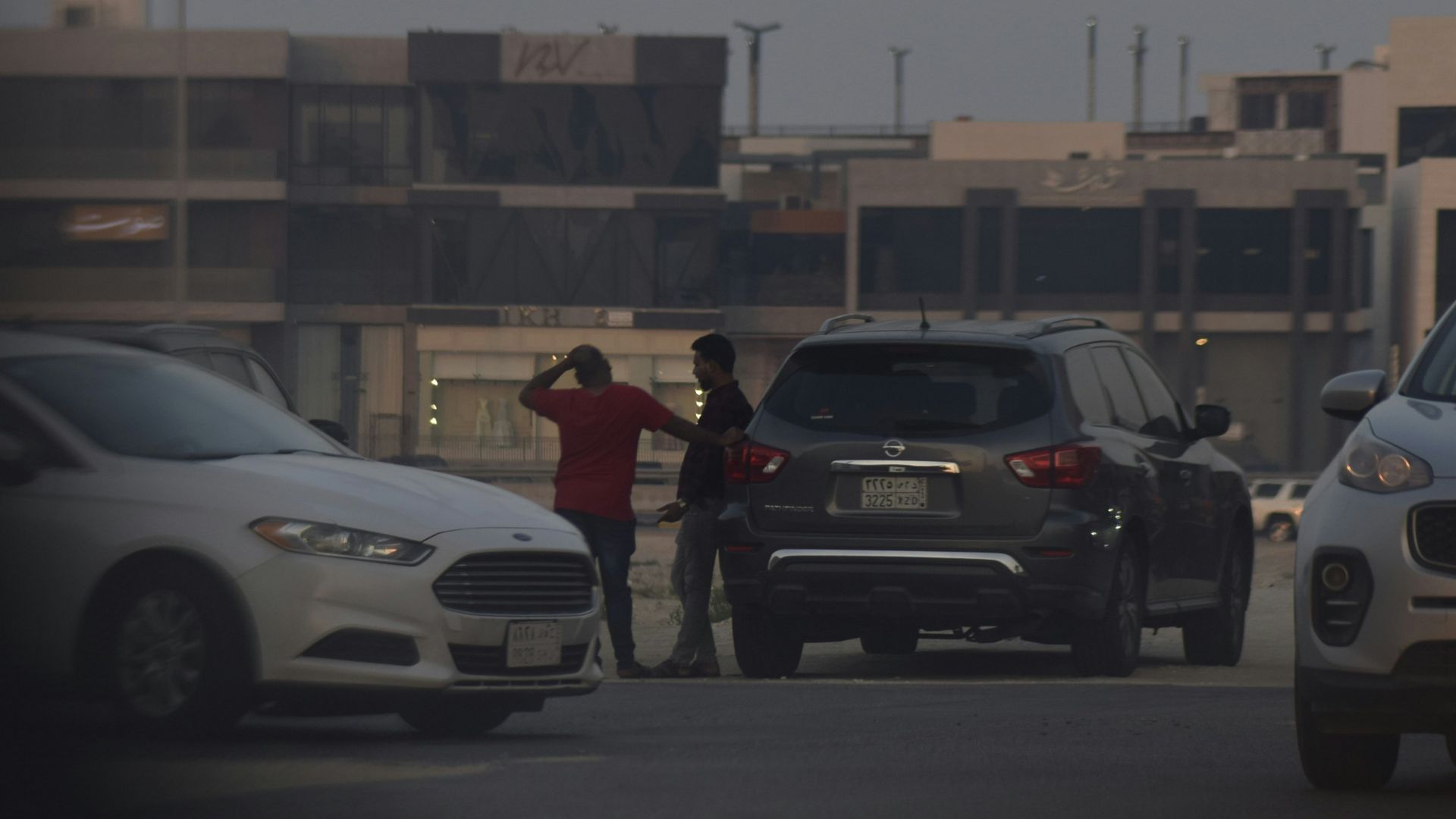
Sometimes the best proof is not on video at all but from a person nearby who saw the crash. Ask people in the area if they noticed anything, and check with nearby businesses to see if an employee was outside. If someone saw it, get their name and contact information right away. A witness can help support your claim if the video is missing or unclear.
Report It To The Property Owner Or Store Manager
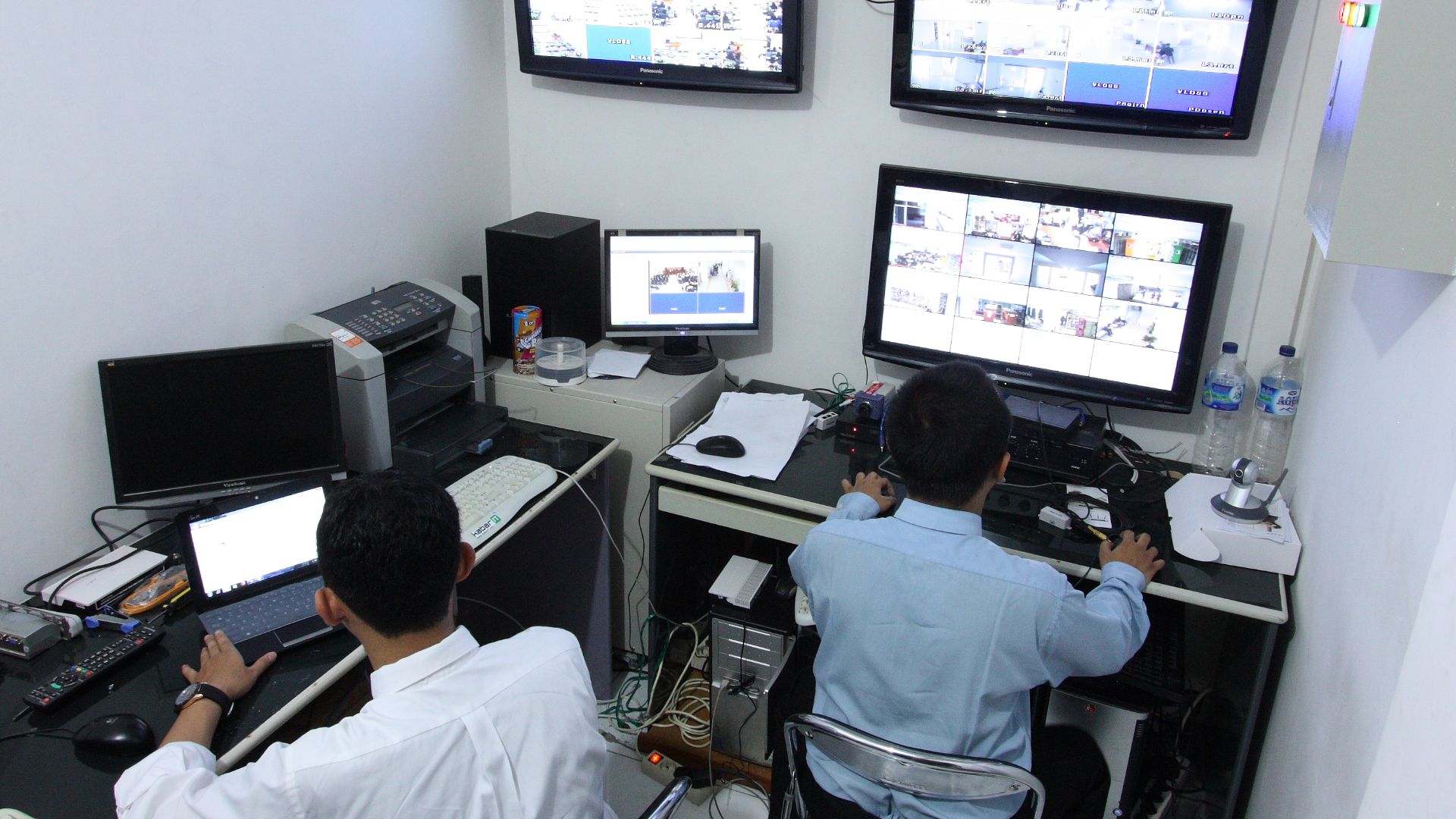
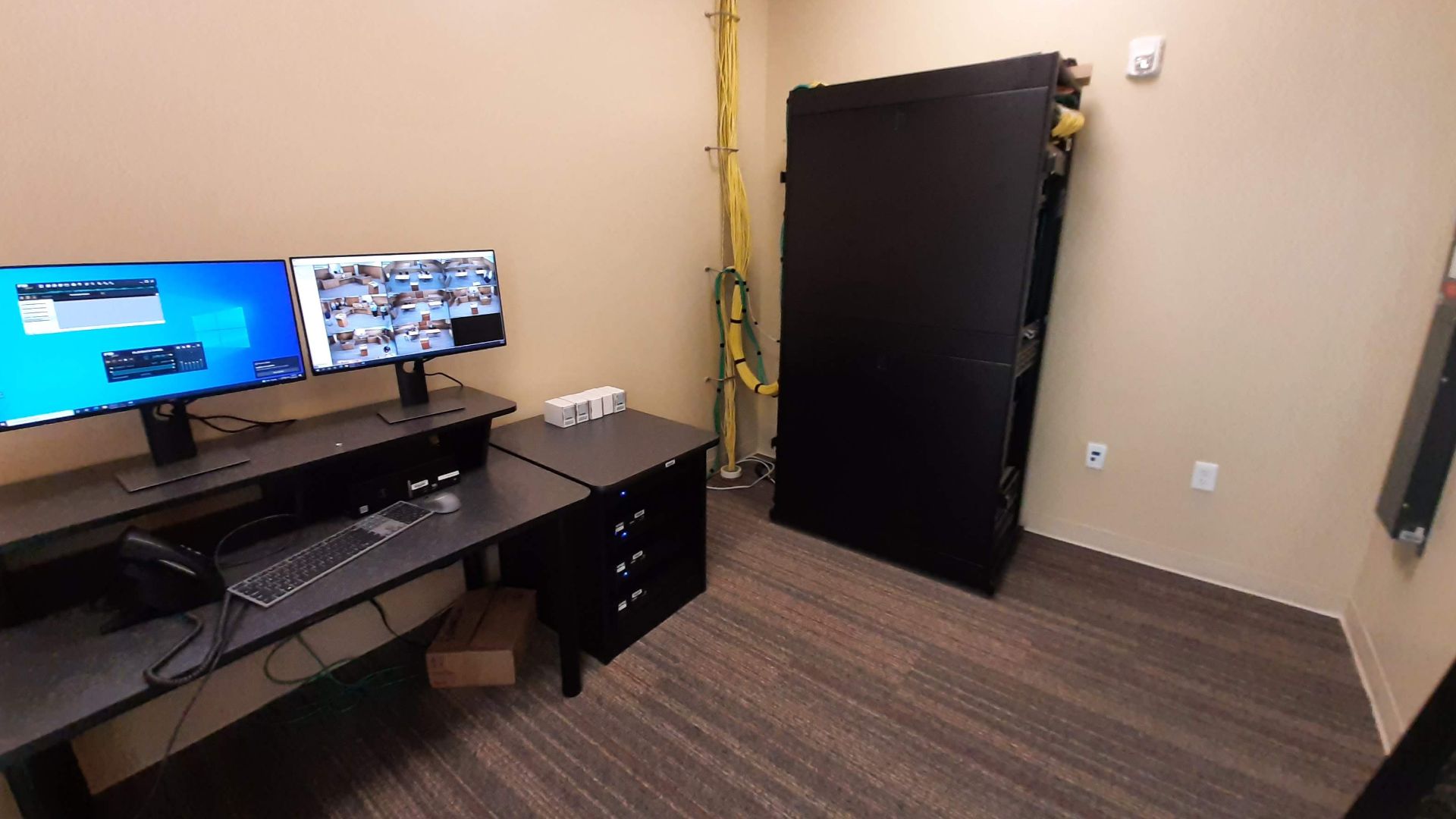
If the damage happened in a retail lot, apartment complex, office park, or garage, tell management as soon as you can. Ask if the property has cameras and if they can save the footage before it gets deleted. Many systems automatically record over old video after a few days or weeks, and some keep it for even less time. A quick request can make a big difference.
 LinkedIn Sales Navigator, Pexels
You Usually Can’t Demand Footage On The Spot
This is the part many drivers do not expect: businesses often will not just hand security footage to a customer. Privacy rules, company policy, and ongoing investigations can limit direct access. In many cases, management may only share footage with police, a lawyer, or an insurance investigator. That does not mean the video cannot help. It just means you may need to go through the usual channels.
Filing A Police Report Is Often A Smart Move
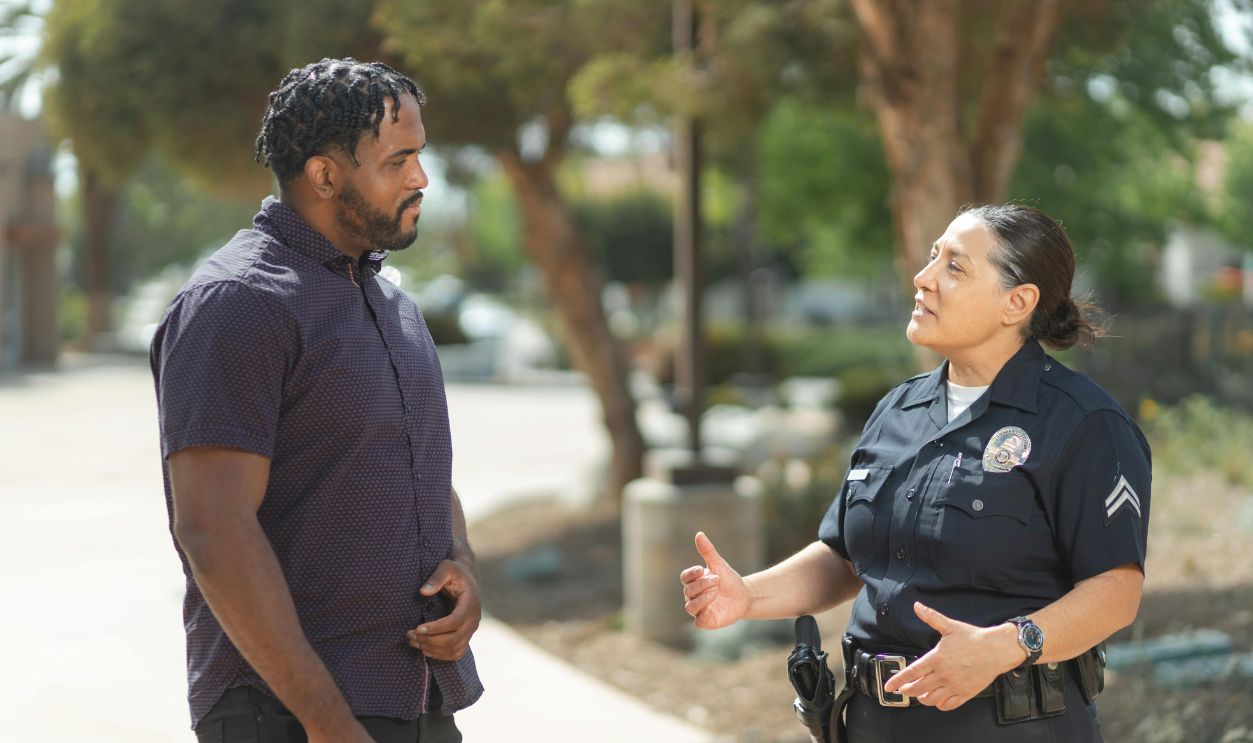
A hit-and-run involving a parked car is usually worth reporting to police, especially if the other driver left without leaving any information. A police report creates an official record and may help when asking a business to save or share video. It also gives your insurer proof that the damage happened in a specific incident. Depending on state law, leaving after hitting a parked car can lead to penalties.
Insurance Can Be Your Fastest Path Forward
If you have collision coverage or uninsured motorist property damage coverage where it is available, your insurer may be able to help investigate. Insurance companies often know how to request footage, gather statements, and figure out whether the other driver can be identified. Even if that person is never found, your policy may still help cover repairs, depending on your deductible and policy terms. Check your policy or call your insurer so you know what applies.

What The Footage Needs To Show
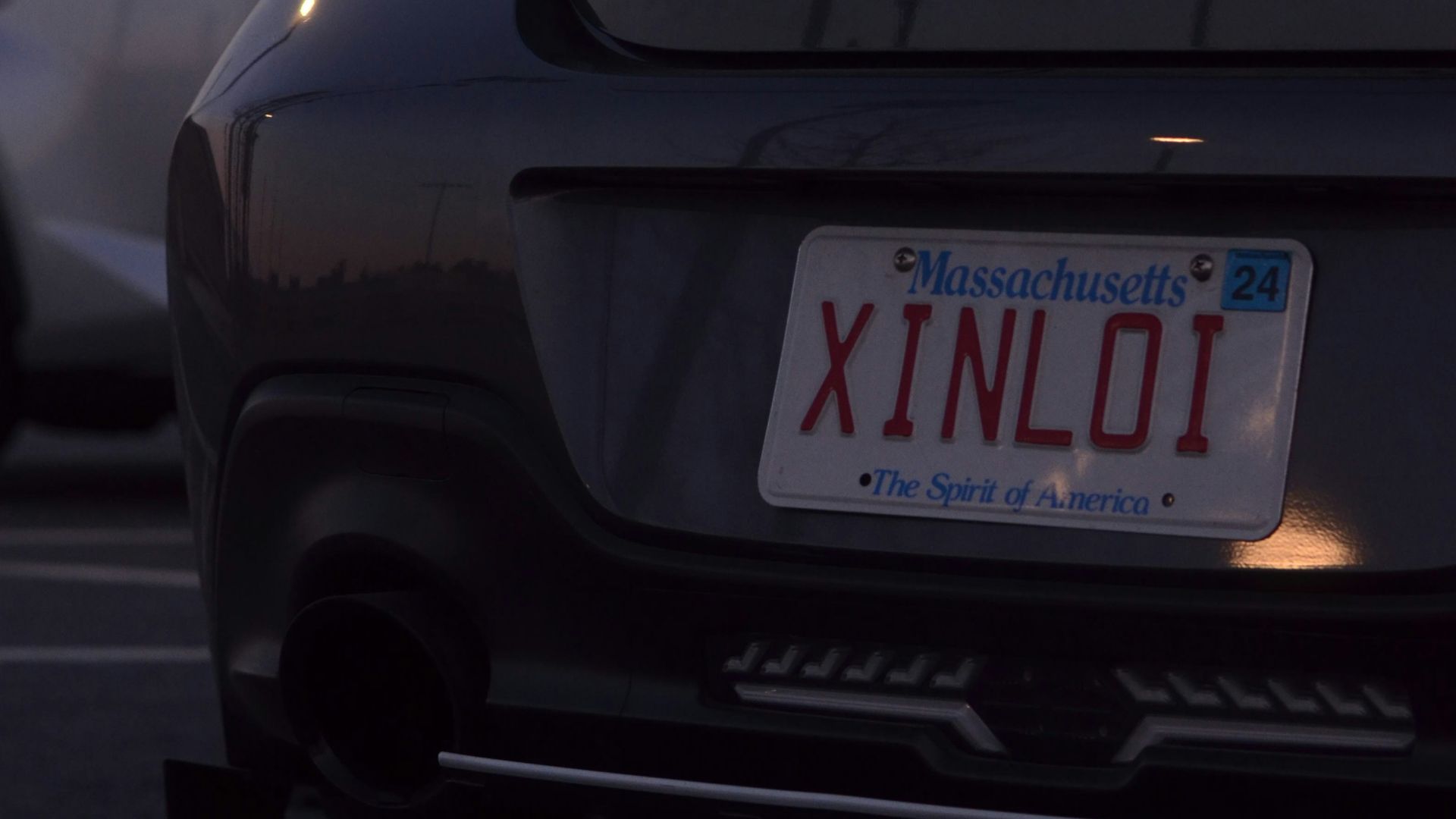
The best video evidence clearly shows the other vehicle hitting yours and then leaving. A readable license plate is great, but footage can still help if it shows the make, model, color, time, and direction of travel. That may be enough for police to keep looking, especially if there were not many cars around. Sometimes video and witness statements together fill in the gaps.
 Aaron Lucas, Wikimedia Commons
License Plates Are Helpful, But Not Always Required
People often think the case is over if the plate is blurry, but that is not always true. Noticeable damage, business logos, bumper stickers, or a very specific vehicle color can help narrow it down. If the lot has more than one camera, one view may miss the plate while another catches the car driving in or out. That is why it helps to ask about cameras at entrances, exits, and nearby storefronts too.
Time Matters More Than Most People Think
Many surveillance systems do not keep video for very long. Some automatically record over old footage after a set time, and busy systems can erase data quickly. The sooner you report the damage and ask that the video be saved, the better your chances. Waiting even a few days can mean the key footage is gone.

Ask For Preservation, Not Just A Copy
When you talk to a manager or property owner, ask them to preserve footage from the right time period, not just to “check the cameras.” Be ready with the date, rough time, exact parking area, and a description of your vehicle. That makes it easier for staff to find the right clip and keep it from being deleted. If police or your insurer gets involved later, saved footage is much easier to review.
Private Lots Have Different Rules Than Public Areas
Most store and apartment parking lots are private property, which means the owner or operator controls the camera system. They usually decide who can see the footage, subject to privacy laws and police requests. Public garages or city-owned lots may have different rules for getting records or video. Knowing who owns the lot tells you who to contact first.
Your Own Car Might Be A Witness Too
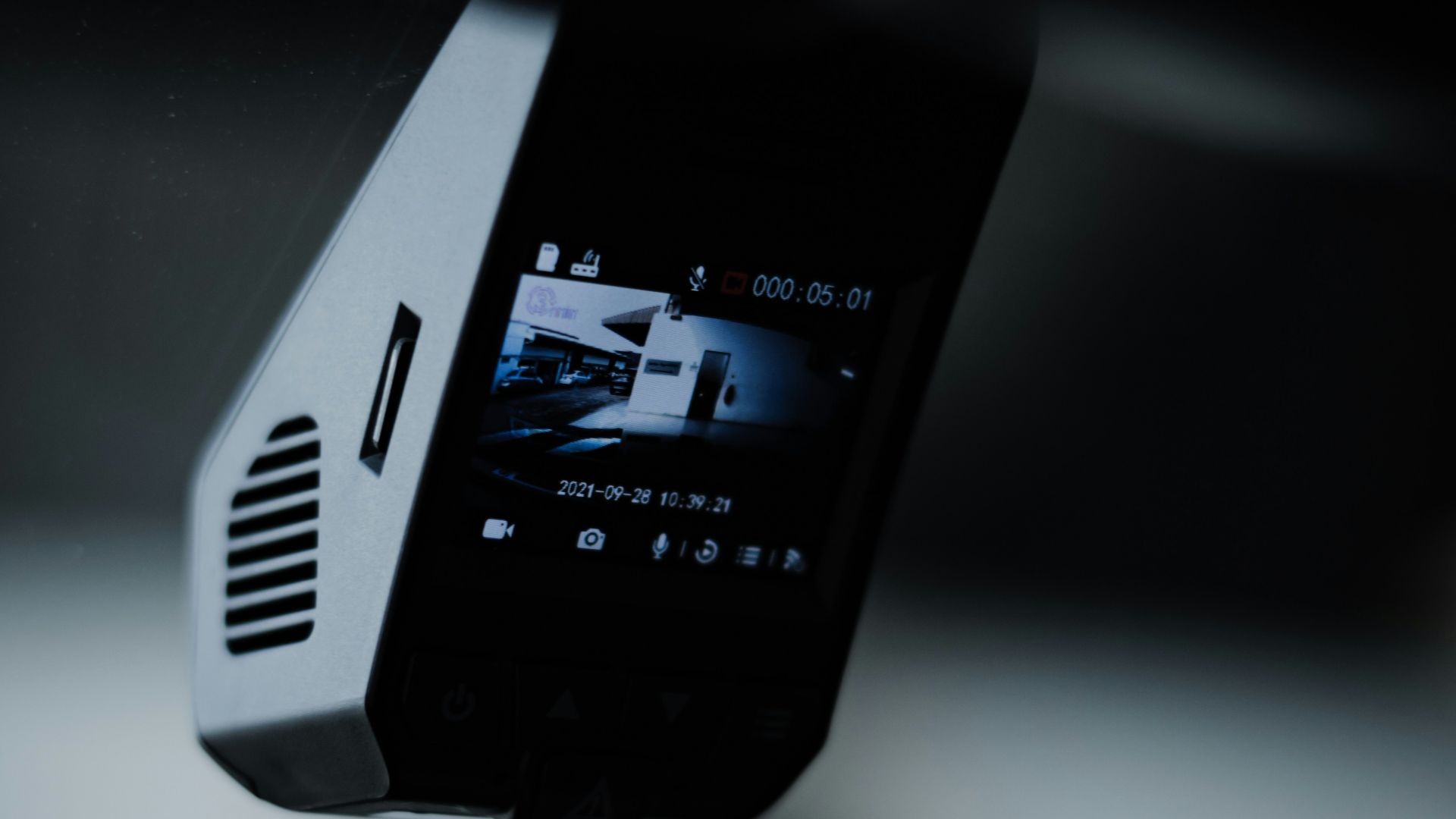
If your car has built-in cameras, sentry mode, or a dash cam with parking recording, check that footage right away. Your own camera may have a better view than a far-off security camera. It might also capture sound, motion alerts, or the exact time of the hit. Just keep in mind that some systems save over old clips unless you lock or save them manually.
Nearby Businesses May Have Better Angles
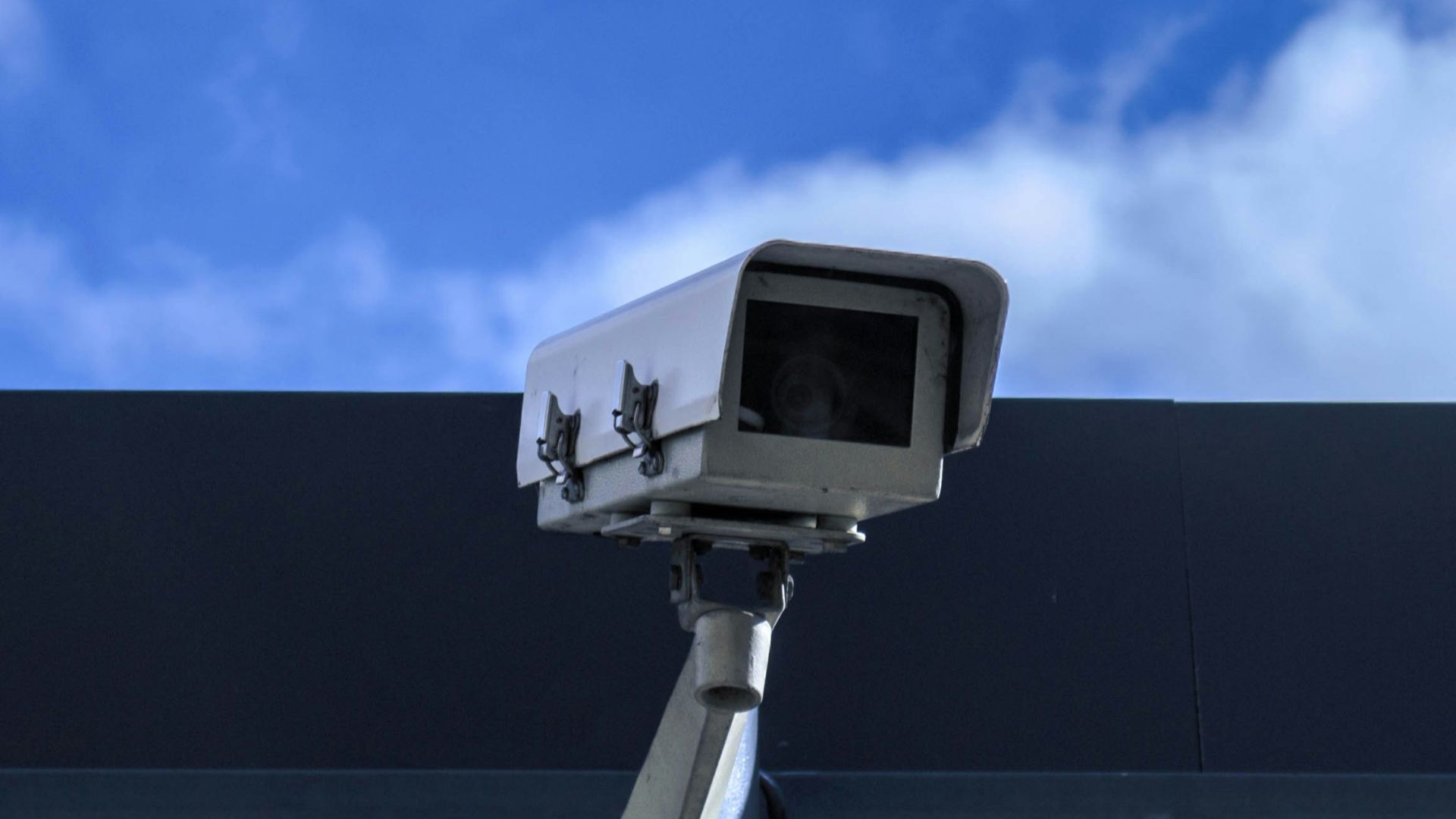
Even if the lot owner says their cameras did not catch anything, it is worth checking nearby businesses. A restaurant, bank, gas station, or storefront facing the lot may have outside cameras that show the area or the exit route. Those businesses may also keep footage for only a short time, so ask quickly. One clip of the other car leaving with fresh damage can be very useful.
What If The Property Owner Refuses To Help?
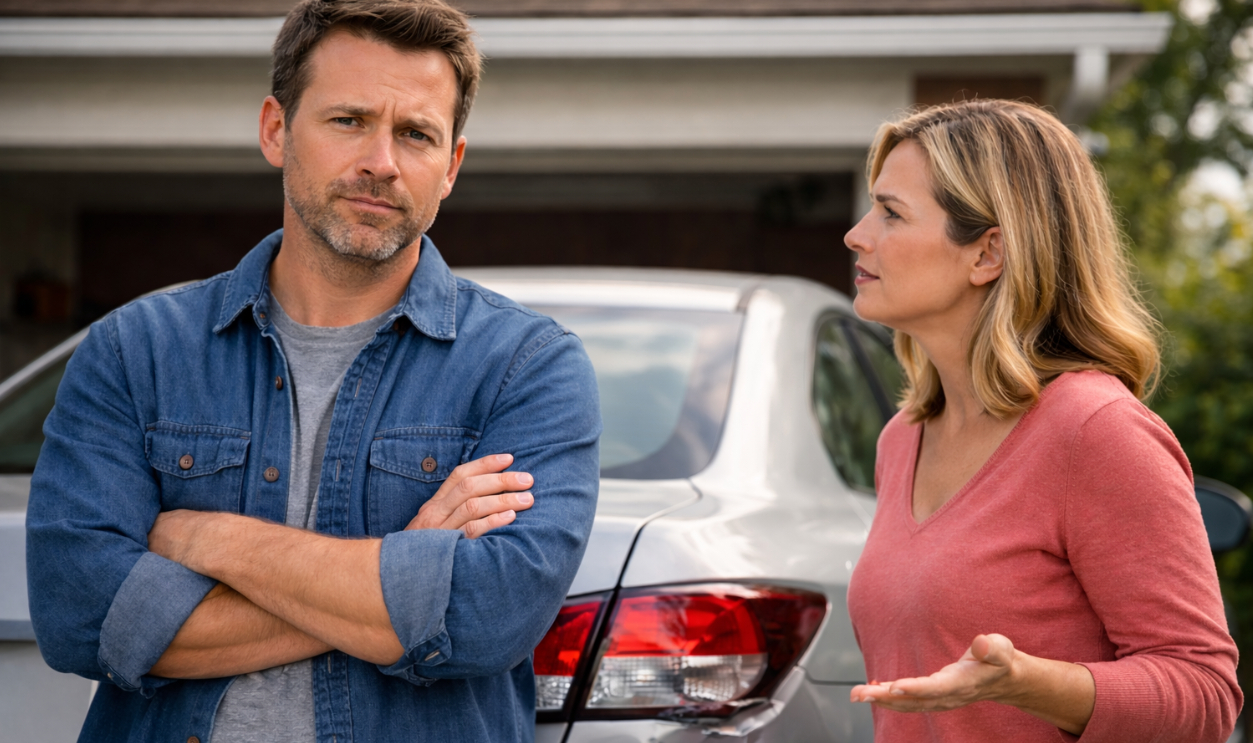
A business is not always legally required to hand footage directly to you, and some will simply say no. If that happens, ask politely whether they will work with police or your insurance company and whether they can at least save the video. In bigger or more serious cases, a lawyer may be able to seek the footage through formal legal steps. The main thing is not to let the footage disappear while everyone goes back and forth.

Can You Force Someone To Pay?
Security footage can help hold someone responsible, but the video by itself does not automatically get you paid. Usually, it is evidence used by police, insurers, or a court to identify the driver and show fault. Once that person is identified, their insurance may pay, or you may need to seek payment through your own policy or small claims court. The footage often starts the process. It usually does not finish it.

Hit-And-Run Laws Can Help Your Case
In every state, drivers generally have duties after a crash, including stopping and giving information, though the exact rules vary. Hitting a parked car and leaving without trying to find the owner or leave your information can lead to penalties. That matters because a driver caught on camera leaving the scene may face more than just a repair bill. It also gives police and insurers a clearer way to look at what happened.

When Small Claims Court Might Make Sense
If the other driver is identified but insurance does not fully fix the problem, small claims court may be an option depending on the amount of damage and your state’s rules. Photos, repair estimates, witness statements, the police report, and security footage can all help your case. Court is not always the fastest option, but it can work well for a straightforward property damage dispute. Check your local court’s filing rules and dollar limits first.
What To Do If No One Is Ever Identified
Sometimes, even if you do everything right, the footage is missing, too blurry, or just not clear enough. If that happens, your choices usually come down to using your own insurance or paying out of pocket. Comprehensive coverage usually does not apply to a crash with another vehicle, so many drivers look to collision coverage for this kind of damage. It is not ideal, but knowing your policy details early can save time and stress.

A Quick Checklist For The Next Hour
Take photos and video of the damage, your parking spot, and any nearby cameras. Ask around for witnesses and get names if anyone saw anything. Report the incident to the property manager, file a police report, and contact your insurance company as soon as possible. Then ask that any relevant footage be preserved before it is deleted.

The Bottom Line On Parking Lot Camera Footage
Yes, security footage can help you hold someone responsible after your parked car is damaged and no note is left. It may identify the vehicle, support your police report, and strengthen your insurance claim or court case. But it only works if the timing, camera quality, and access all line up. The short version is simple: move fast, document everything, and treat any possible footage like evidence that may not be there for long.