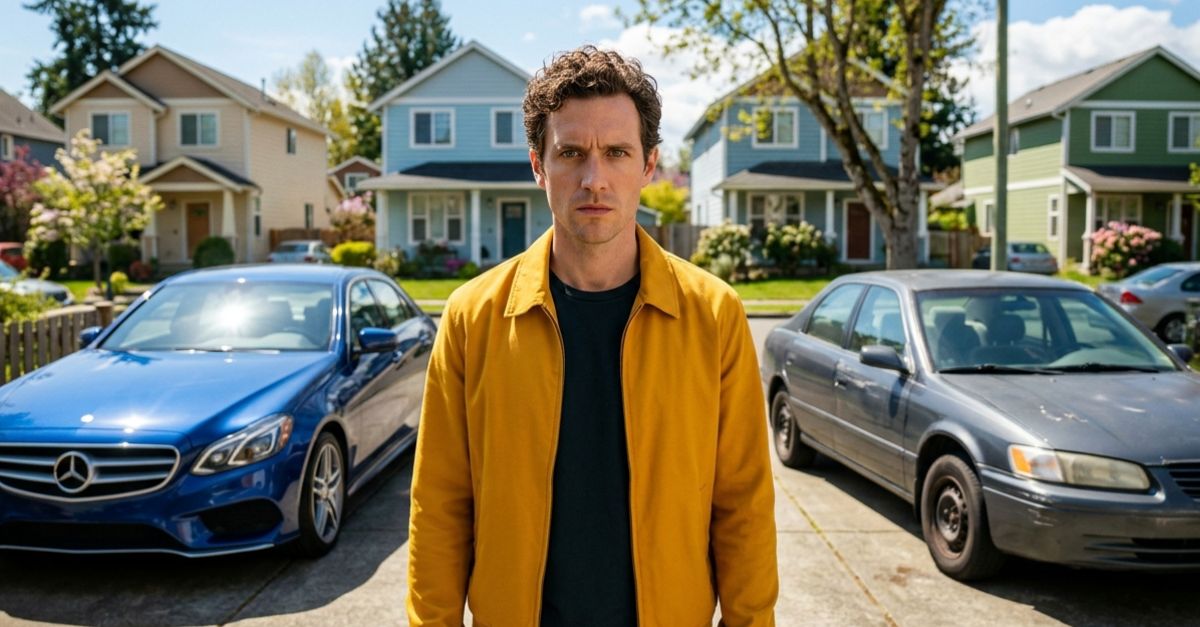
The Used-Car Rule Sounds Smart
You’ve probably heard this advice a lot: Never buy new, because a car loses value the second you drive it off the lot. There is some truth to that. New cars usually drop in value faster at the start than they do later on. That is a big reason many careful shoppers look at used cars first. But saying used is always better is too simple for how the market really works.
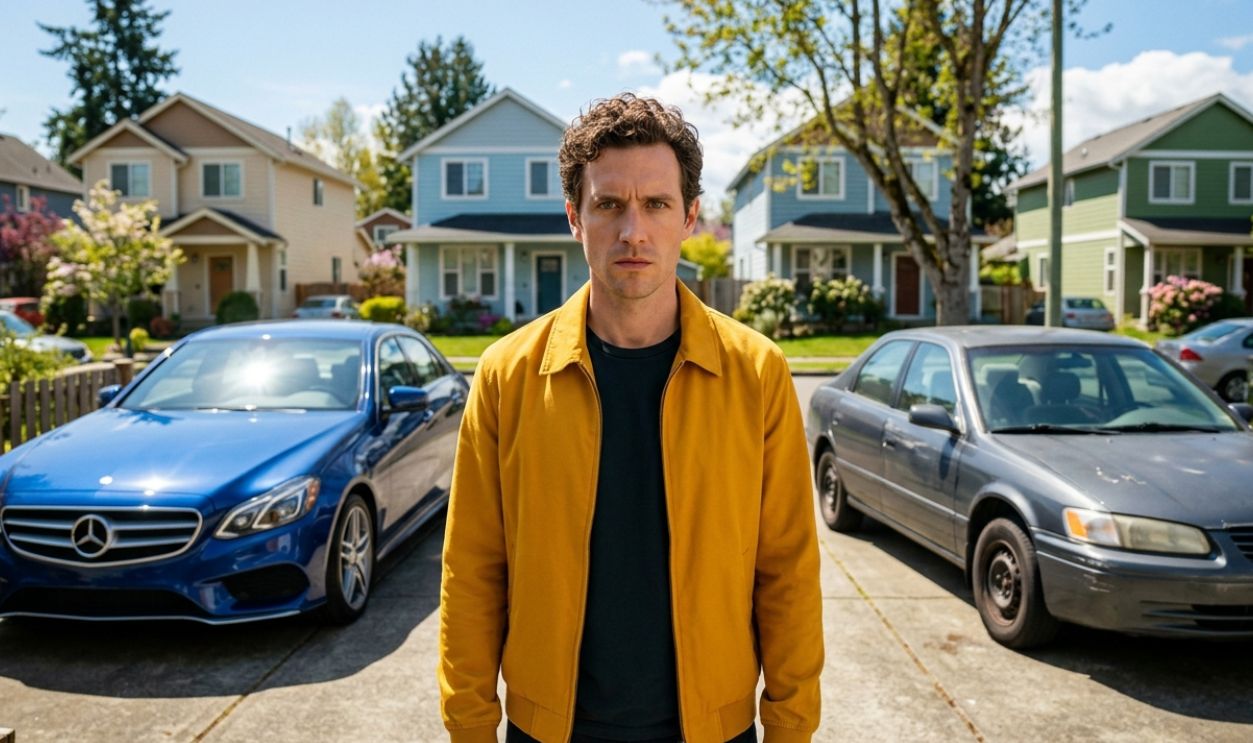
Why People Keep Saying It
The used-car argument is easy to repeat because depreciation is real. Kelley Blue Book notes that new cars can lose a noticeable chunk of their value in the first few years. Used cars can also be cheaper to insure, and in some places they may have lower registration costs. So at first glance, buying used often looks like the clear winner.
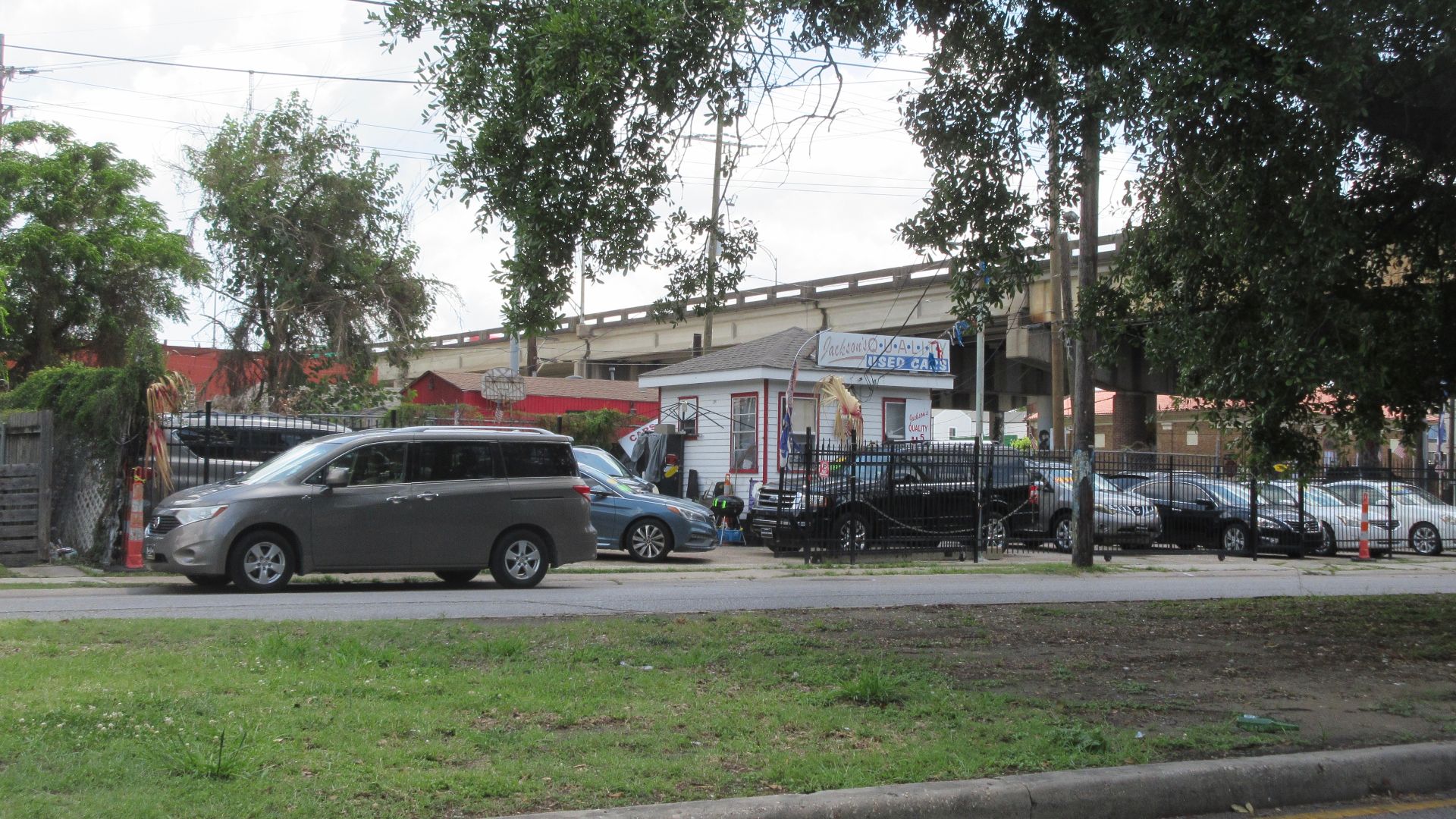 Infrogmation, Wikimedia Commons
Depreciation Matters, But It Is Not Everything
Depreciation matters most if you plan to sell or trade in the car after a short time. If you usually keep a vehicle for 10 years or longer, the gap between new and used can matter less in everyday life. What really counts is total cost of ownership. That includes financing, maintenance, repairs, fuel, insurance, taxes, and resale value. A lower sticker price does not always mean a lower overall cost.
The Market Has Been Weird
Anyone who has shopped for a car in the past few years has seen that used prices do not always follow the old script. During supply shortages, used-car prices jumped and in some cases got very close to new-car prices. That made some lightly used cars hard to justify. When the market changes, old rules do not always hold up.

Sometimes New Cars Cost Barely More
If a one- or two-year-old model costs only a little less than a brand-new one, the new car may be the better deal. You may get a full factory warranty, newer safety features, no unknown history, and often better financing offers. Car companies often give better loan deals on new cars, while used-car rates are usually higher. In that case, paying a bit more upfront can make sense.

Interest Rates Can Change Everything
One thing many shoppers miss is that financing can wipe out part of the used-car savings. Used auto loans often come with higher interest rates than new auto loans. If you finance for several years, that difference can add up fast. So the idea that used is always cheaper should be tested with real loan offers, not guesses.

Warranty Coverage Has Value
A new car usually comes with a full basic warranty and a powertrain warranty. It also gives you the comfort of knowing the whole service history starts with you. That can help you avoid surprise costs in the early years. A used car might still have factory coverage left, or it may be sold as certified pre-owned, but coverage can vary a lot. If you really want to cut repair risk, new has a real advantage.

Certified Pre-Owned Can Be A Good Middle Ground
Certified pre-owned cars are popular because they sit between new and used. These vehicles are usually inspected, fixed up, and sold with some kind of manufacturer-backed warranty. They often cost more than regular used cars but less than brand-new ones. For some buyers, that middle option gives the best balance of savings and peace of mind.
Used Cars Come With More Unknowns
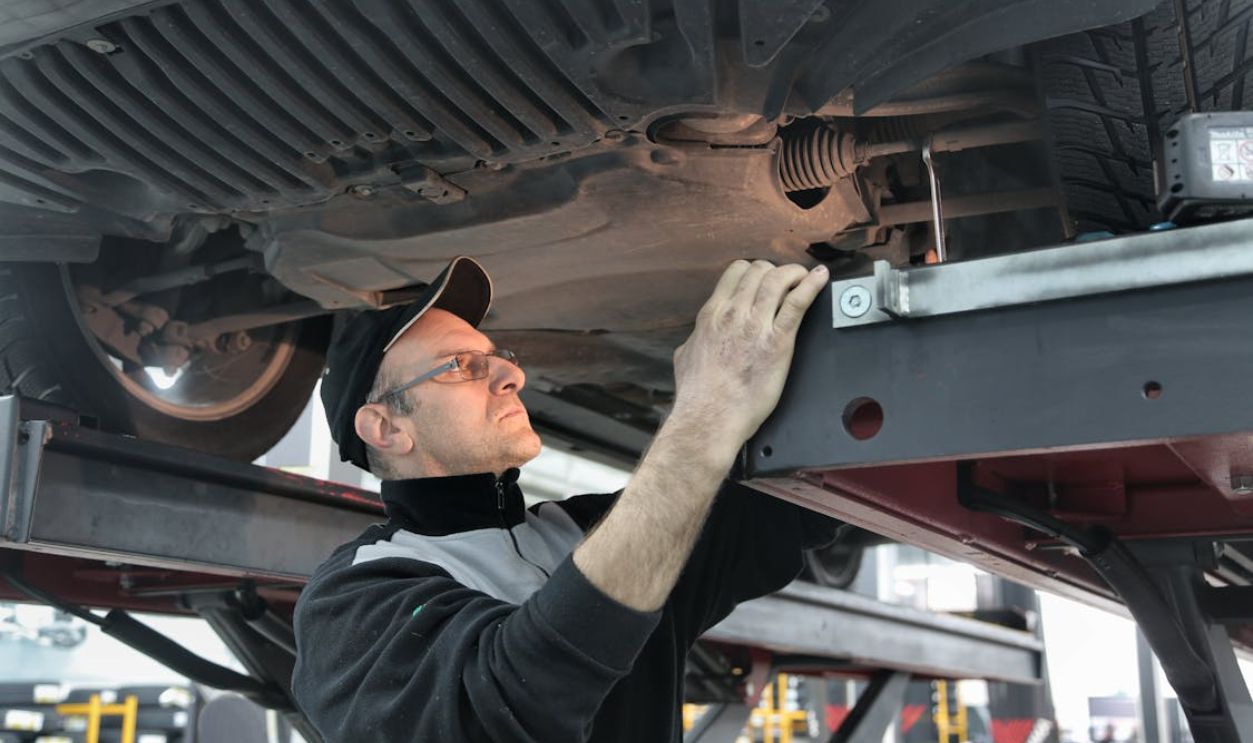
Even with a vehicle history report and a prepurchase inspection, used cars can still hide problems. Not every crash gets reported, not every owner keeps up with maintenance, and not every issue shows up on a short test drive. Experts at Consumer Reports recommend inspections for a reason. Buying used can work out well, but it usually takes more homework and a higher tolerance for risk.
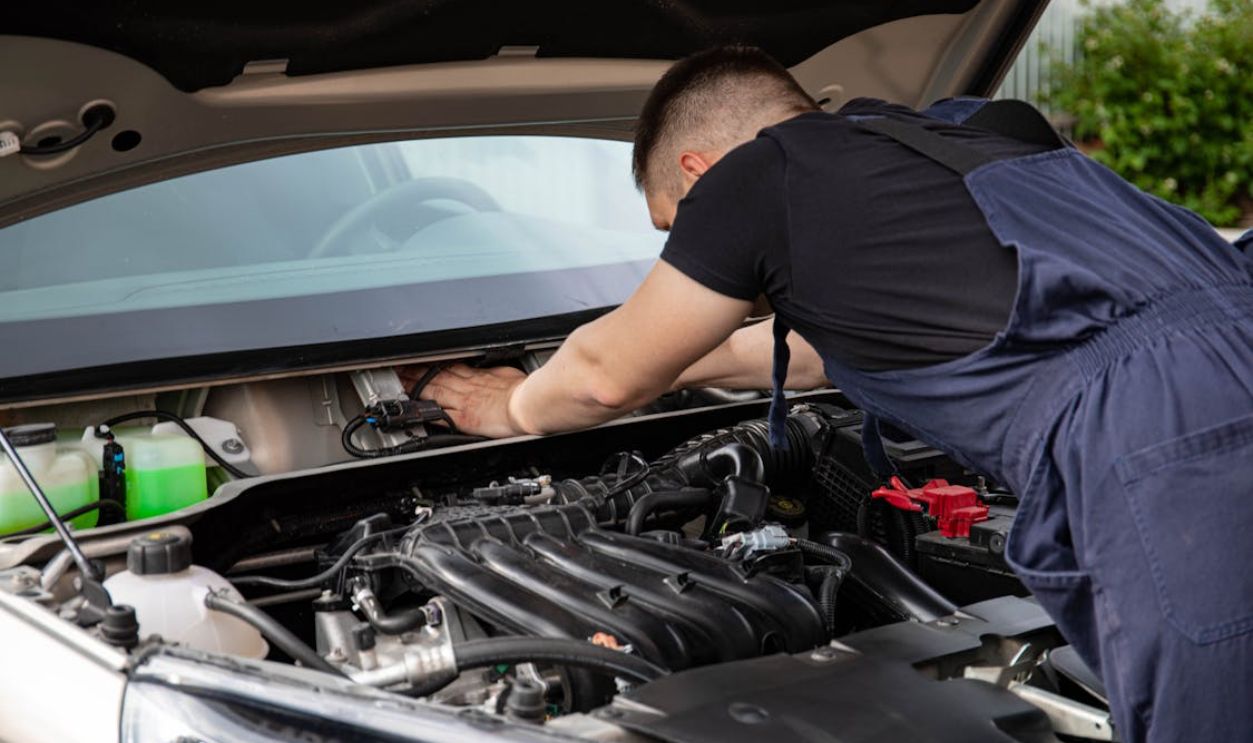
Older Cars Usually Need More Work
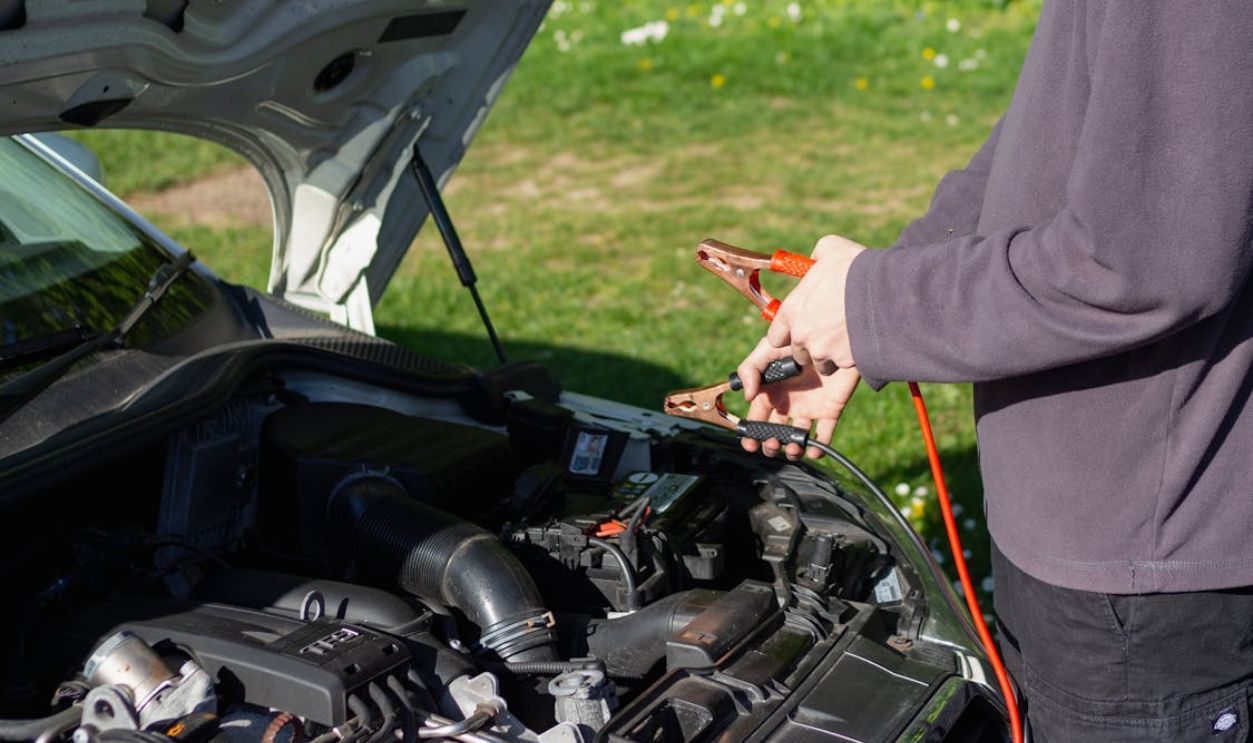
Older vehicles are often cheaper to buy, but they are also more likely to need repairs. Tires, brakes, batteries, suspension parts, and major components wear out over time. Cost trackers like RepairPal show that repair and maintenance costs can rise as a vehicle gets older and racks up more miles. A cheap car is not such a bargain if it keeps ending up in the shop.
 Daniel @ bestjumpstarterreview.com, Pexels
Reliability Depends On The Model
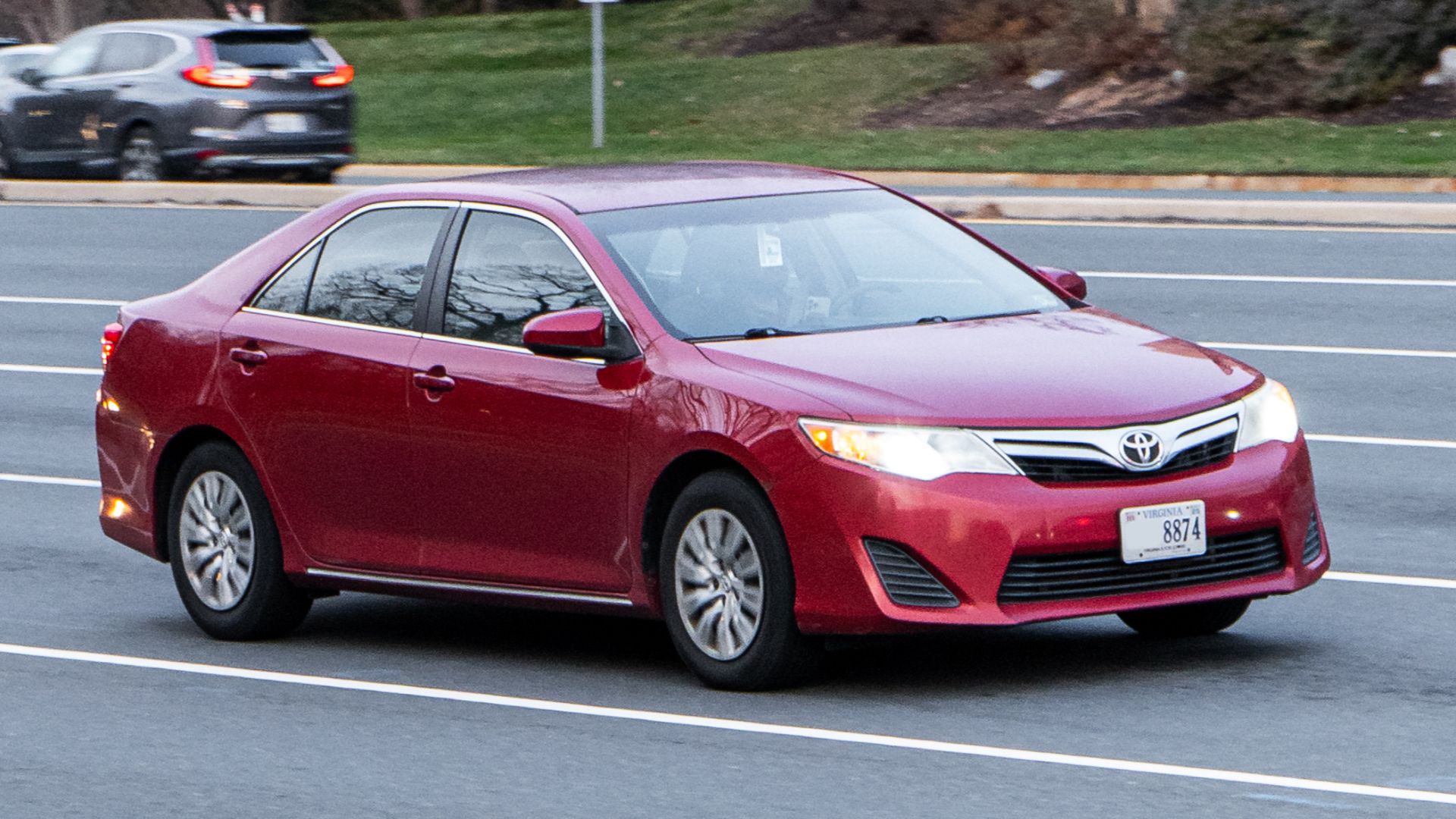
This is where broad advice really starts to break down. A well-kept used Toyota, Honda, or Mazda may be a much better bet than a brand-new car with a weak reliability record. On the other hand, a used luxury vehicle with pricey parts and lots of electronics can become very expensive. Smart buyers compare specific models, years, and engines instead of treating every used car or every new car the same way.
 OWS Photography, Wikimedia Commons
Safety Tech Keeps Getting Better
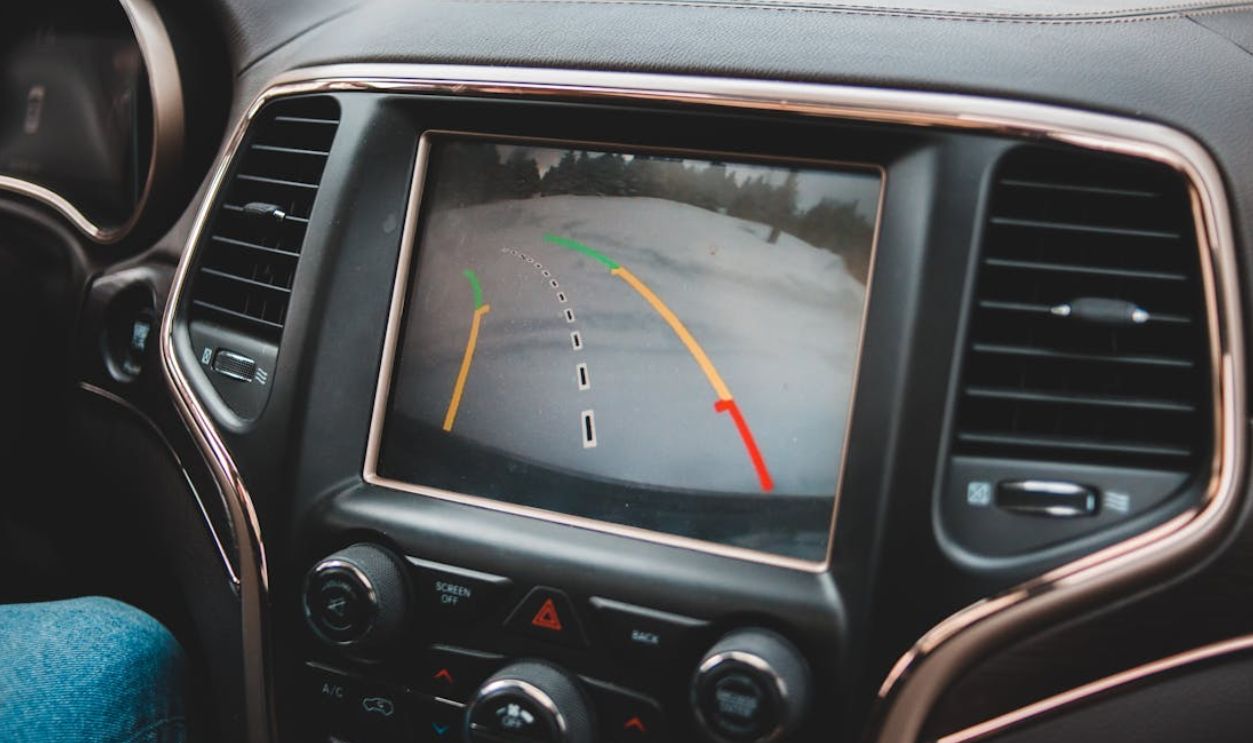
Newer vehicles often come with better driver-assistance features than older ones, and many of those features are now standard. Automatic emergency braking, lane-keeping assist, and stronger crash protection can make a real difference. The Insurance Institute for Highway Safety and NHTSA both show how safety standards and ratings keep changing. If safety matters a lot to you, newer cars have an edge that is hard to ignore.
Fuel Economy Can Shift The Math
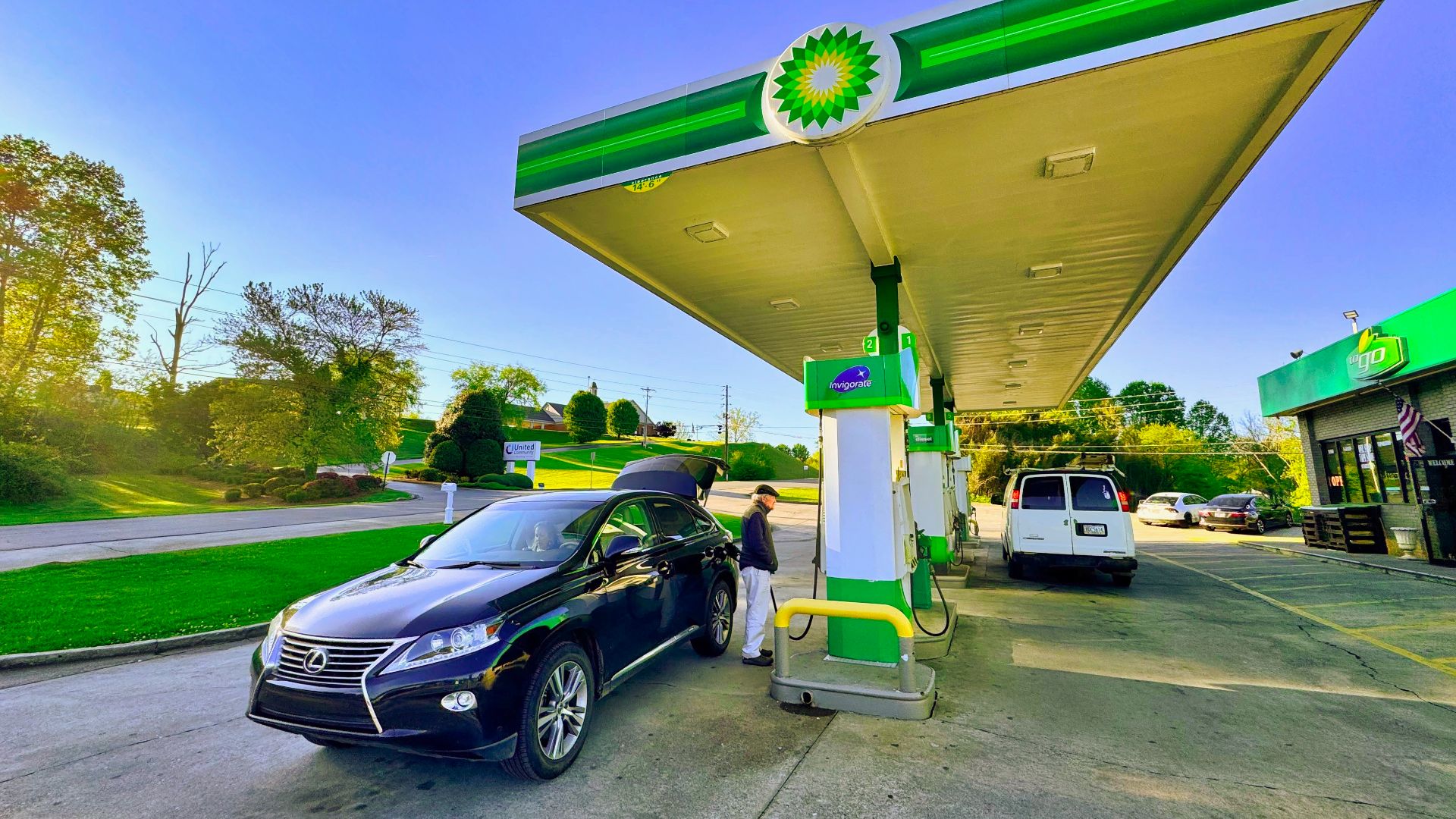
Sometimes a newer car is efficient enough to make up for part of its higher price, especially if you drive a lot. EPA fuel economy data makes it easy to compare old and new models side by side. Hybrid systems have improved a lot, and many newer gas engines use less fuel than older ones. Over time, those savings can become a real factor.
 Harrison Keely, Wikimedia Commons
Electric Vehicles Make The Old Rule Less Useful
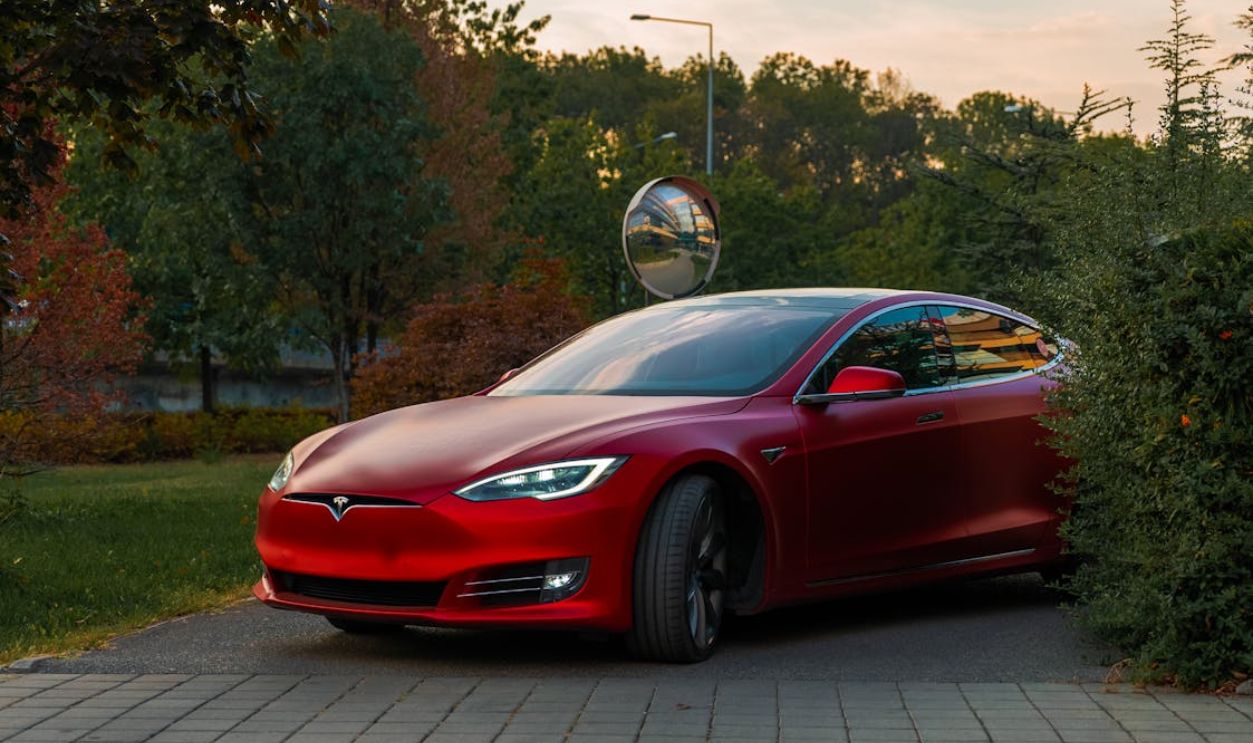
EVs do not fit neatly into the old advice to always buy used. A new EV may qualify for a federal tax credit if it meets the rules, while a used EV may qualify for a different and smaller credit. Battery warranty coverage, charging standards, software updates, and fast-changing technology also matter more here. For EV buyers, the right choice often depends on tax breaks, range needs, and how long they plan to keep the car.
Insurance Costs Are Not Always Obvious
It is true that used cars can be cheaper to insure, but that is not a sure thing. Insurance prices depend on repair costs, theft rates, where you live, your driving record, and the exact vehicle. Some new cars are expensive to fix because of sensors and cameras, while some older cars miss safety features insurers like. The only way to know is to get actual quotes before you buy.

How Long You Keep The Car Matters
If you switch cars every few years, depreciation hits harder and used often makes more sense. If you keep a car for a decade and take care of it, buying new can look a lot better because you spread that early value drop over many years. Long-term owners also get more out of full warranty coverage and a known maintenance history from day one. Your habits matter a lot here.

Cash Buyers And Finance Buyers Face Different Tradeoffs
If you are paying cash, the main questions are price, expected repairs, and resale value. If you are financing, the interest rate and loan term can completely change the picture. A cheaper used car with a high APR may cost more each month than a new car with a promo rate. That is why smart shoppers compare the full out-the-door cost and total loan cost, not just the sticker price.

There Is Also The Opportunity-Cost Argument
People who strongly prefer used cars often say the money saved can be invested somewhere else. That is a fair point, especially if buying used helps you avoid a bigger loan or keeps your monthly budget in better shape. But that only works if you actually keep and use the savings wisely. If a used car turns out unreliable or has to be replaced early, that advantage can shrink fast.

Feelings Matter Too
Not every car decision comes down to a spreadsheet, and that is fine. Some people really like getting a new car in the exact trim and color they want. Others hate the idea of taking the biggest depreciation hit. As long as the choice fits your budget and goals, the emotional side is part of the decision too.

When Buying Used Usually Makes More Sense
Used often wins when you want the lowest upfront price, can pay cash or get a fair loan rate, and are willing to research reliability carefully. It also makes sense if you are looking at models known for lasting a long time without huge repair bills. Buying a car that is a few years old lets someone else take the biggest early depreciation hit. For many practical buyers, that is still a very solid plan.

When Buying New Can Be The Smarter Move
New can be the better choice when used prices are high, financing deals are strong, or you plan to keep the car for a very long time. It also makes sense if you care a lot about warranty coverage, newer safety features, and knowing the full history of the car. Some hybrids and EVs can look even better when tax credits or fuel savings are included. In those cases, buying new is not wasteful at all.

The Best Answer Is A Little Boring
Your friend is not wrong that used cars often offer great value. But saying you should only buy used turns a good rule of thumb into a hard rule that does not always fit real life. The better move is to compare specific vehicles using total ownership cost, loan terms, insurance quotes, warranty coverage, and likely reliability. The smartest car purchase is the one that fits the market, the model, and your own needs.

So, Is Buying New Always A Waste?
No. Buying new can be a splurge, a smart long-term move, or even the most sensible option when prices and incentives line up. Buying used is often a great financial move, but it is not automatically the best choice every time. If you want the best answer, skip the slogans and run the numbers.