The First-Year Car Warning Did Not Come From Nowhere
A first model year usually means new parts, new software, new suppliers, and real-world testing that is only just starting once regular people begin driving the car every day. That doesn't mean every redesigned or all-new car is a mistake, but history shows the risk is usually higher when a vehicle is brand new, and that hasn't changed yet.

Why The Advice Still Gets Repeated
The logic is pretty simple. Engineers can test prototypes for years, but thousands of owners driving in different climates and traffic conditions will always uncover problems that test labs and proving grounds miss. That is why recalls, technical service bulletins, and warranty issues often pile up early in a new generation.

What Counts As A First Model Year
A first model year is usually the first year of a totally new generation, not just a light facelift. It can also mean the first year for an all-new model, a brand-new engine family, or a big shift to new electronics or software. Those changes matter because they create more chances for bugs, defects, and parts that do not play nicely together.

What Consumer Reports Found
Consumer Reports has been one of the most quoted sources on this question for years. In its reliability advice, the publication has repeatedly warned shoppers to be careful with newly redesigned models because they tend to have more problems than carryover vehicles. That guidance comes from years of owner survey data, not just a few famous horror stories.

J.D. Power Saw A Pattern Too
J.D. Power's Vehicle Dependability Study and Initial Quality Study help explain why this advice has stuck around. The company has long tracked problems reported by owners, and vehicles launched with fresh hardware or software often have more early trouble than older, more settled models. Its studies do not say every first-year car is bad, but they do back up the idea that newness and complexity can hurt reliability.

Recalls Often Tell The Story In Public
One reason first-year vehicles get a bad reputation is that their defects show up fast and in plain view. The National Highway Traffic Safety Administration tracks recalls, investigations, and manufacturer notices, and those records make early launch problems easy to spot. When a model starts stacking fixes for electronics, brakes, engines, or airbags, shoppers notice.

The 2013 Ford Escape Is A Good Reminder
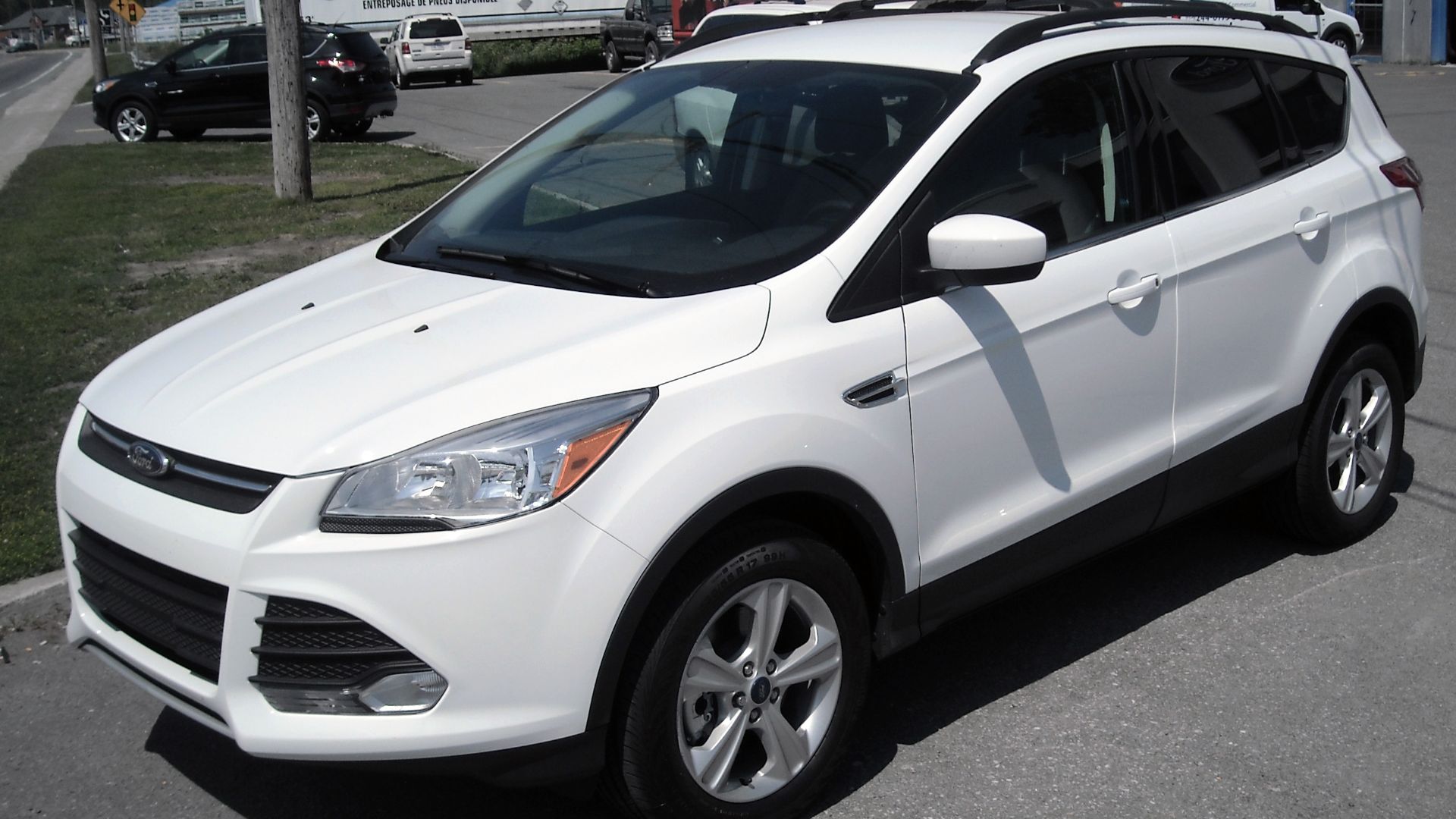
The redesigned 2013 Ford Escape arrived with new styling and new powertrains, but it also became a warning sign. NHTSA records show multiple recalls, including issues involving fuel lines and the risk of engine compartment fires. That does not mean every Escape was a mess, but it is exactly the kind of rough launch that keeps the first-year warning alive.
 Explorationofspace, Wikimedia Commons
The 2011 Ford Fiesta Had A Different Kind Of Problem
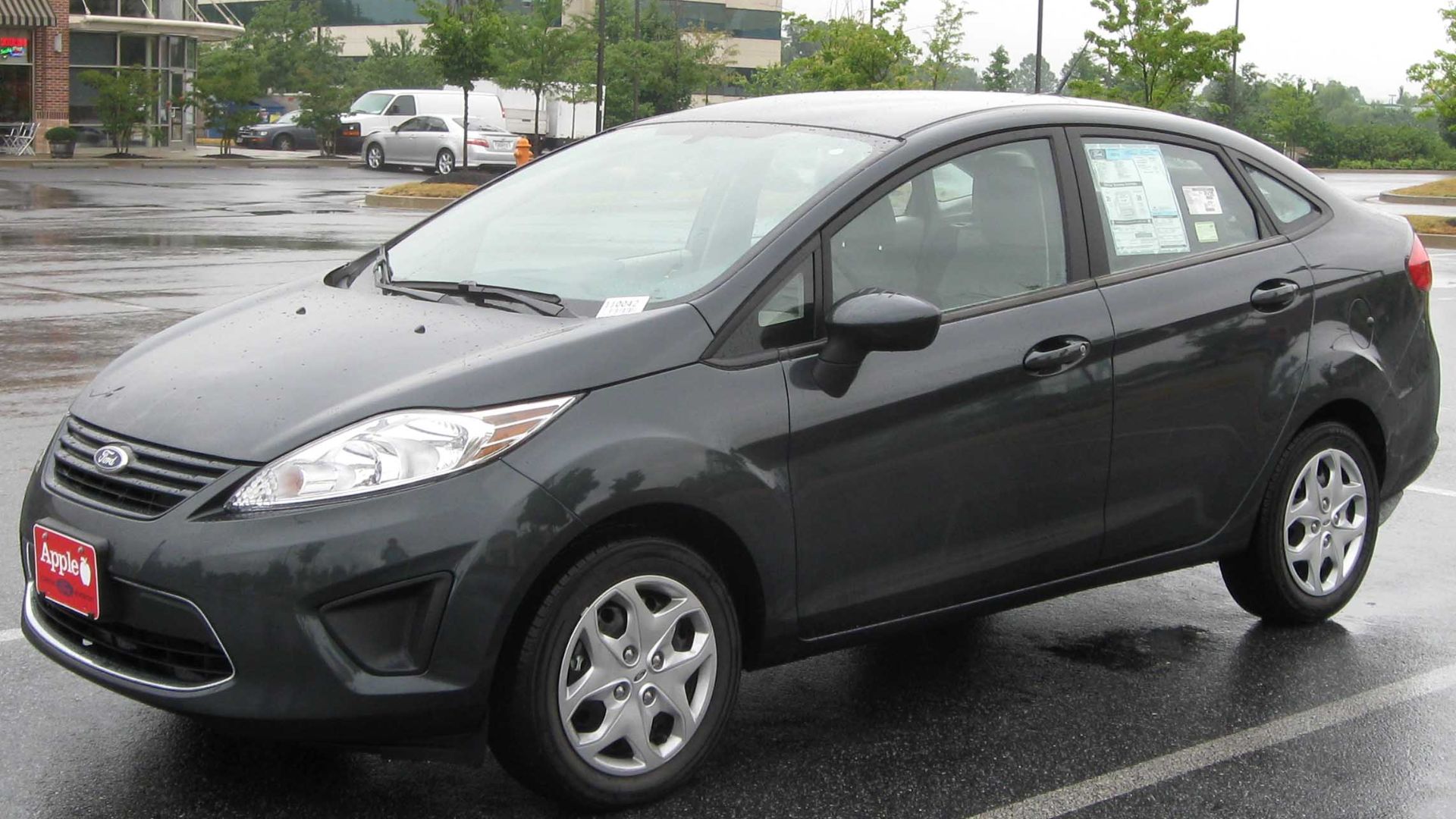
The Fiesta's problem was not one dramatic failure so much as an ongoing drivability headache. Owners widely complained about Ford's PowerShift dual-clutch automatic, and the issue became one of the best-known examples of a modern launch gone wrong. It showed how a promising small car could be dragged down by one ambitious but badly executed new part.
The Ford Focus Followed The Same Script
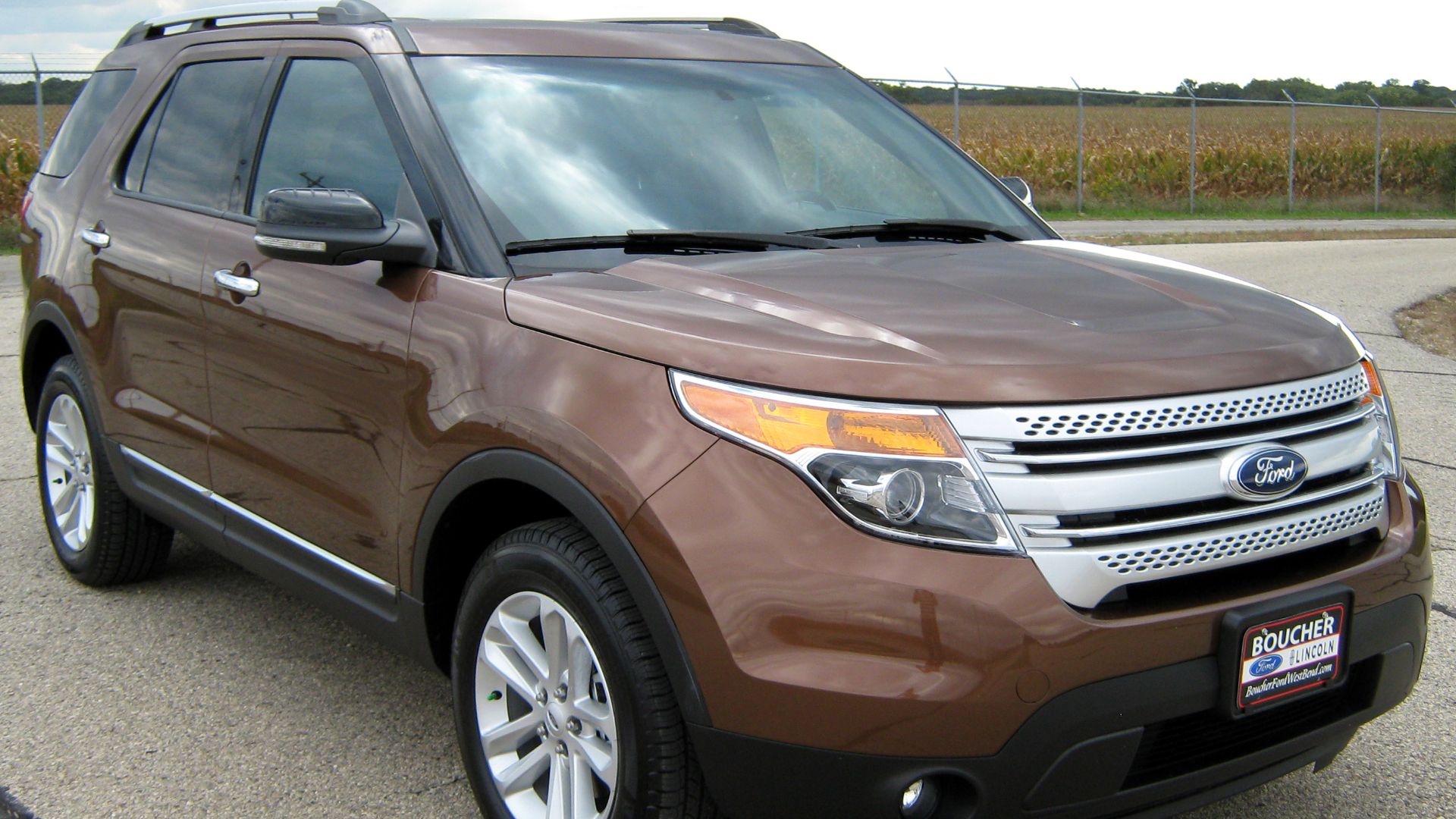
The redesigned 2012 Ford Focus also used the PowerShift transmission and picked up many of the same complaints. Shuddering, hesitation, and inconsistent behavior turned a popular compact into a textbook case of why buyers worry about new technology in an early production run. The issue became serious enough to lead to years of scrutiny, service actions, and legal attention.
 U.S. National Highway Traffic Safety Administration, Wikimedia Commons
Jeep's New Tech Era Had Early Pain Points
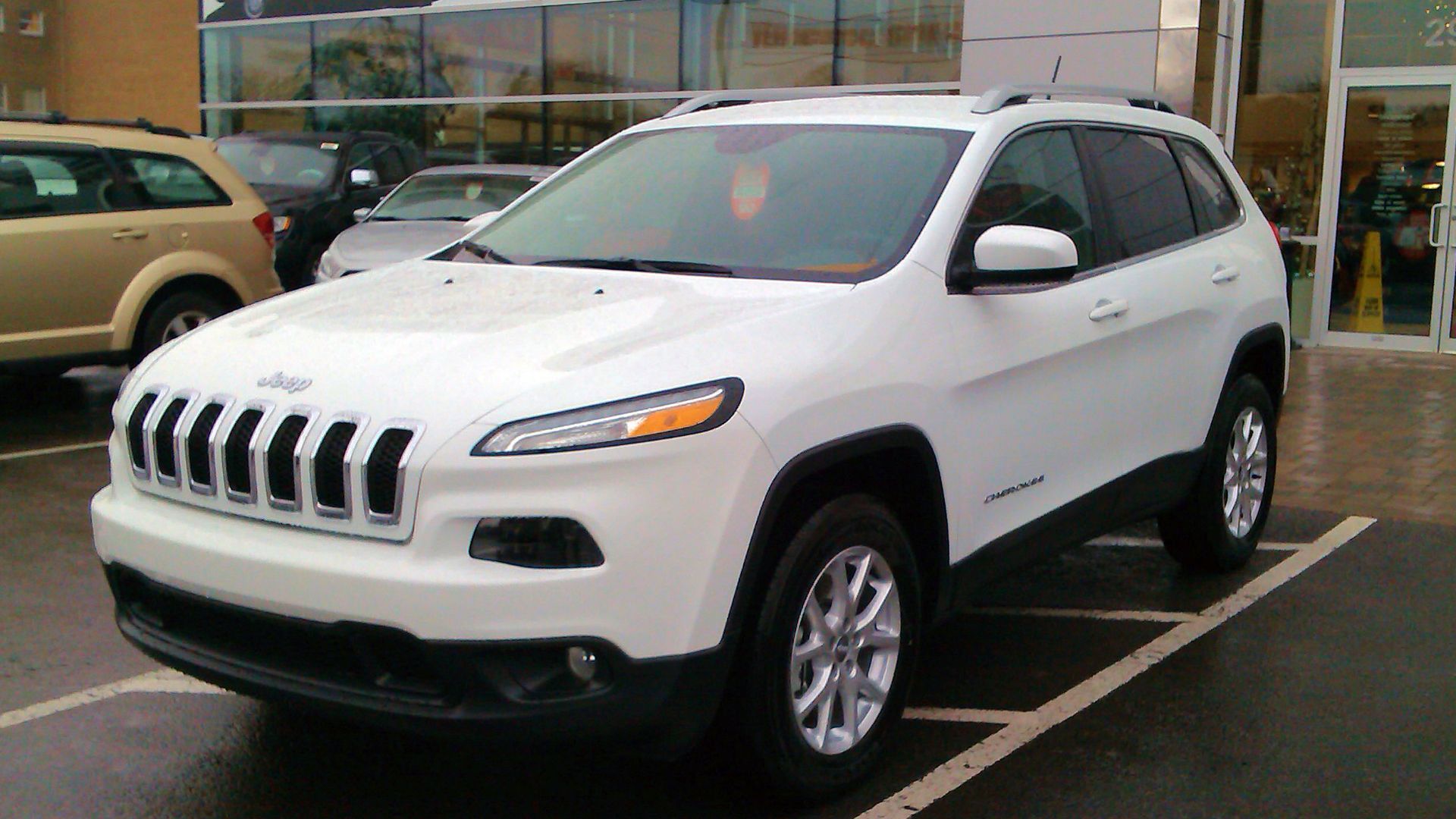
The 2014 Jeep Cherokee stood out not just because it was new, but because it launched with a nine-speed automatic transmission that brought complaints and software-related fixes. Early owners reported strange shifting behavior, and Fiat Chrysler responded with updates. It was another example of how a new platform paired with a new transmission can raise the risk.
The 2022 Tundra Shows This Is Not Ancient History
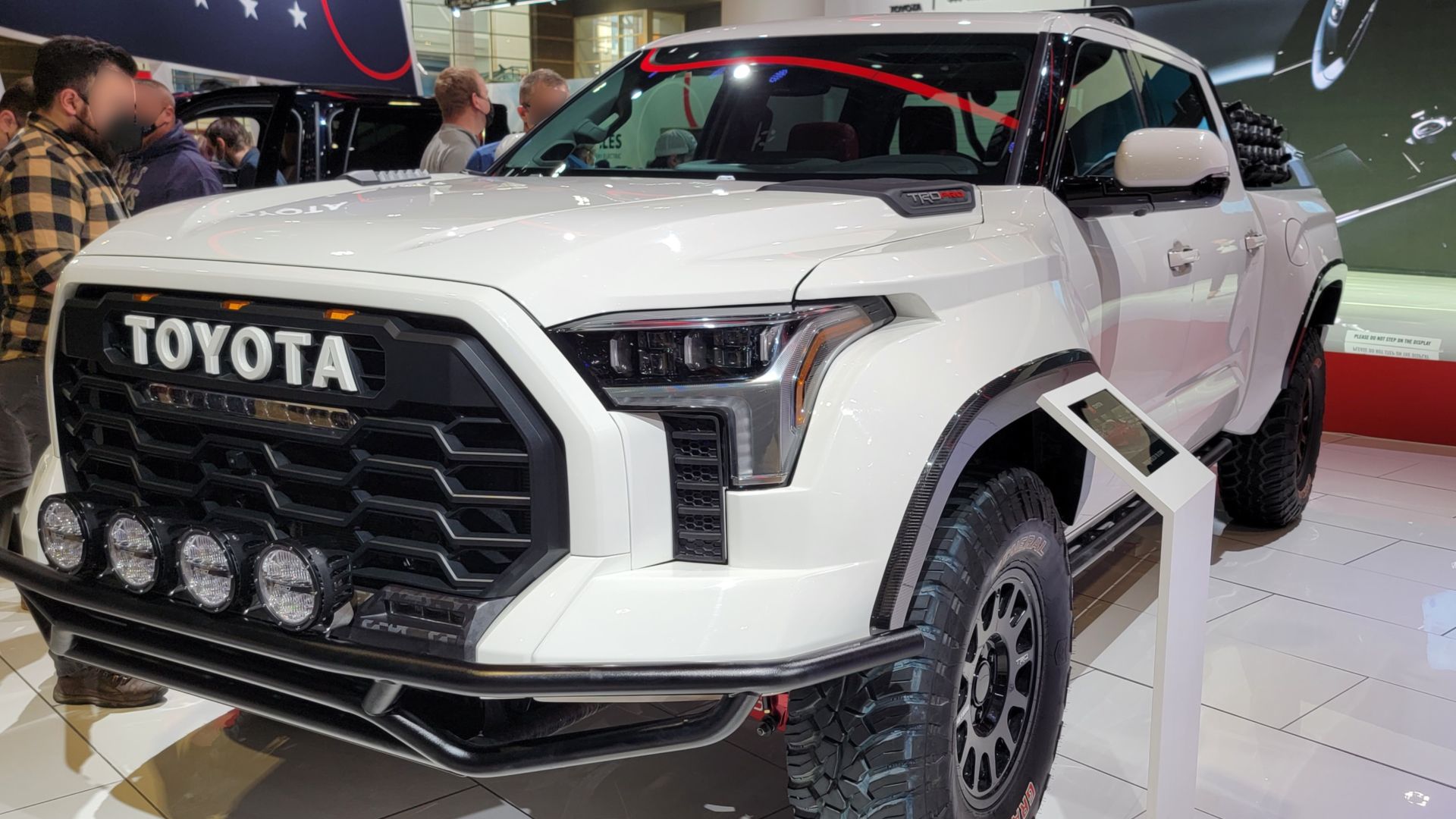
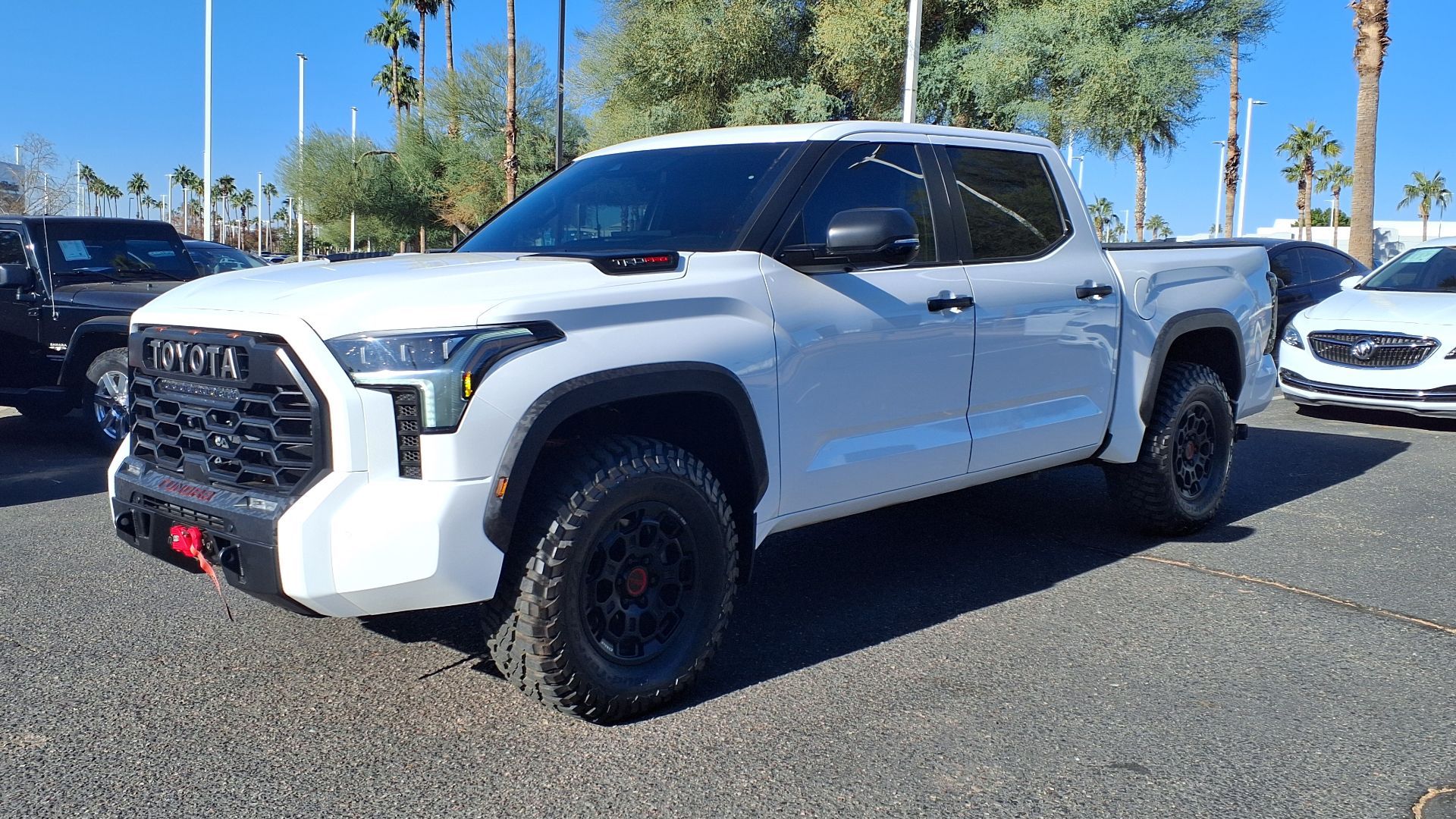
If this sounds like something that only happened years ago, the redesigned 2022 Toyota Tundra says otherwise. Toyota dropped the old V8 for a new twin-turbo V6 family and launched a heavily updated truck. In 2024, Toyota recalled certain 2022-2023 Tundras and Lexus LX models for debris that could remain in the engine during manufacturing, showing that even strong brands can stumble on a new generation.
 UltraTech66, Wikimedia Commons
Even Toyota Is Not Immune
Toyota has one of the strongest reliability reputations in the industry, which is exactly why the Tundra example matters. A company known for careful engineering still ran into a serious issue on a fresh design. That does not wreck Toyota's reputation, but it does weaken the idea that buying first-year is always safe if the badge is trusted enough.
Software Has Changed The Game
Modern cars are packed with computers, and that has made launch quality more complicated. A first-year model today can have problems that would not even have existed in a simpler vehicle from 20 years ago, including infotainment glitches, driver-assistance bugs, sensor calibration issues, and over-the-air update problems. In other words, a car can be mechanically solid and still annoy its owner every week.

Electric Vehicles Add New Variables
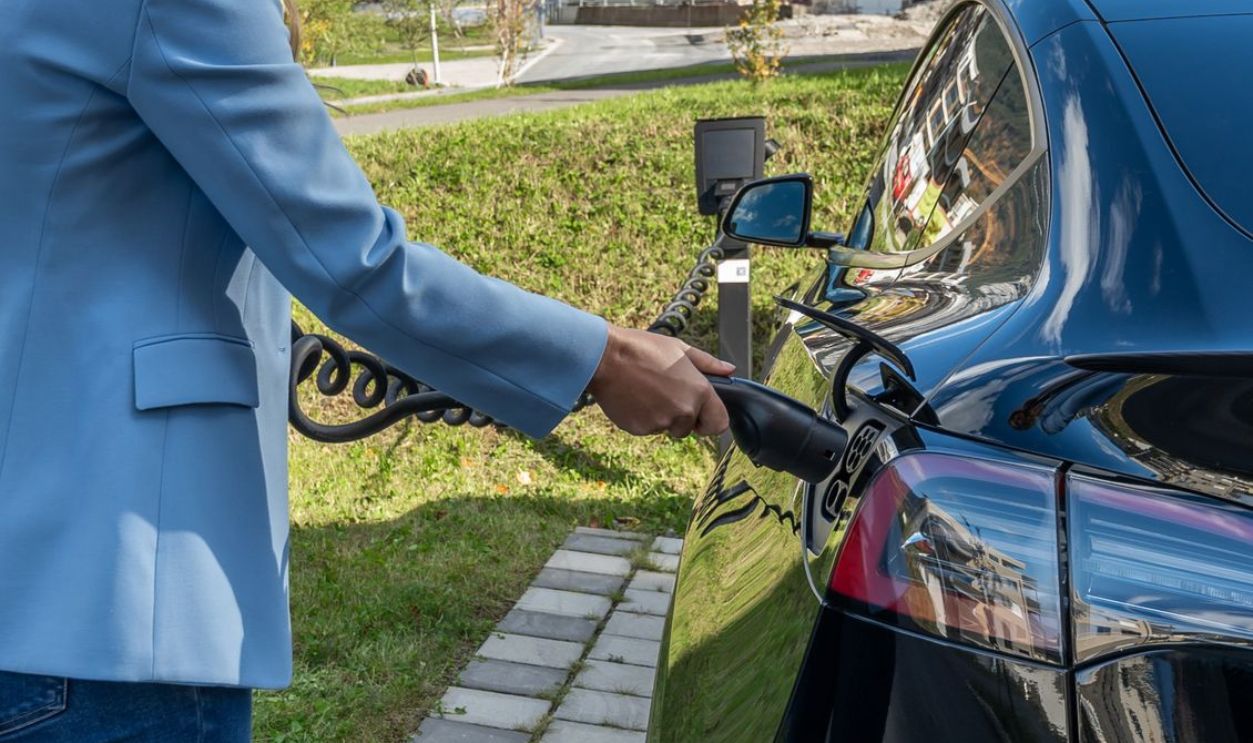
EVs add battery management systems, charging logic, thermal control, and deep software integration to the reliability picture. That does not make them unreliable by default, but it does mean an all-new EV can come with more unknowns than a gas model using proven hardware. For shoppers, that makes first-year caution even more sensible when a manufacturer is still getting comfortable with a new technology stack.
But The Rule Is Not Absolute
This is the part many shoppers miss. A first model year is riskier on average, but that is not the same thing as saying every first-year car is a bad buy. Some launch vehicles are solid from the start, especially when they share major parts with proven models or when the redesign is less radical underneath than it looks on the outside.

Some Brands Manage Change Better Than Others
Track record matters. Automakers with strong quality control, conservative engineering habits, and lots of carryover parts often reduce launch risk. Consumer Reports and J.D. Power data have consistently shown that brand-level reliability patterns are real, even if they are never perfect from one model year to the next.

Carryover Parts Are Your Friend
The safest first-year cars are usually not really starting from scratch. If the engine, transmission, platform pieces, and electronics setup come from vehicles that have already been on the road for a few years, the odds usually improve. If everything is new at once, your risk usually goes up.
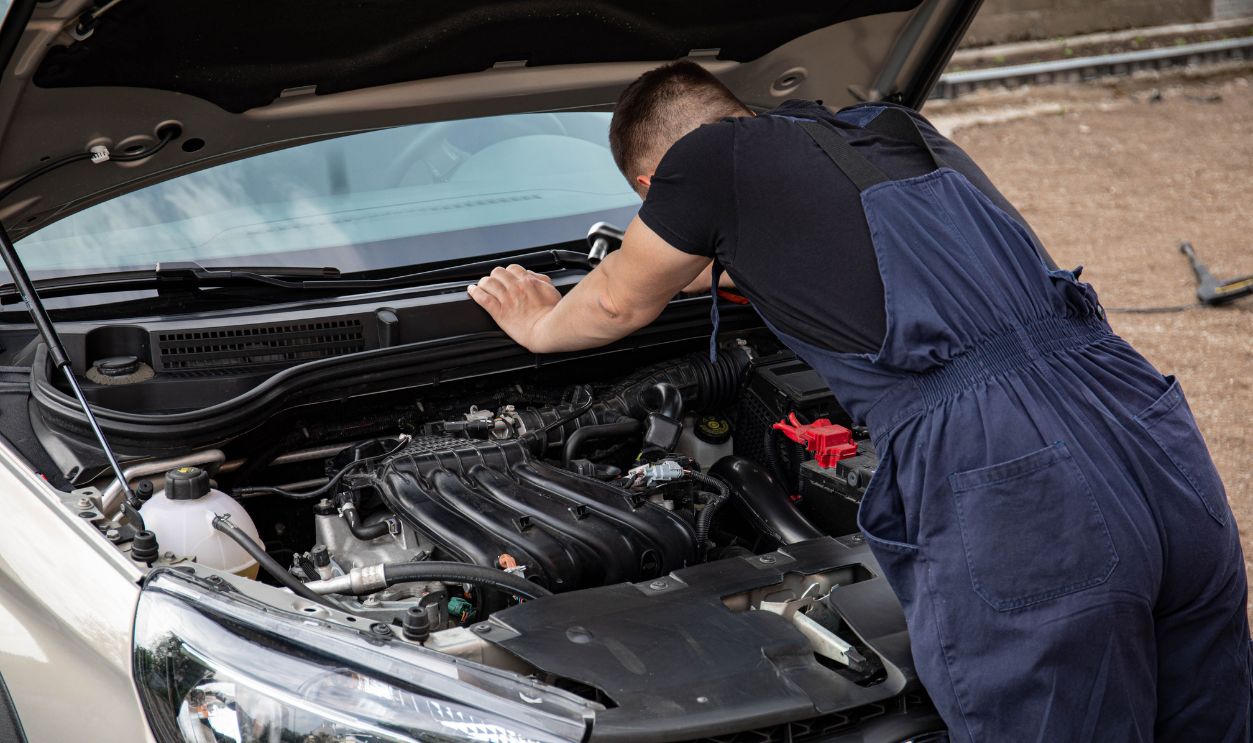
A Mid-Cycle Refresh Is Usually The Safer Bet
If you want the updated styling without being the unpaid test driver, a refresh year is often the sweet spot. By then, the automaker has fixed many of the early bugs, suppliers have settled into production, and service departments know the common problems. That is why so many careful buyers aim for the second, third, or fourth year of a generation.

Why The Second Model Year Often Looks Better
The second year benefits from real customer feedback. Engineers have more warranty data, dealers have reported repeat faults, and software calibrations have usually been updated. In many cases, the second year is the same car you wanted in the first place, just less likely to surprise you in a bad way.

Recalls Are Not Always A Deal Breaker
A recall by itself does not prove a car is a lemon. Some recalls are simple fixes handled quickly, and a model can still be a good long-term buy after the issue is corrected. The key is to look at the kind of defect, how many recalls there were, how serious they were, and whether complaints kept coming afterward.

Look For Technical Service Bulletins Too
Recalls get the headlines, but technical service bulletins can be just as useful. TSBs show patterns that manufacturers and dealers have already identified, even when the issue does not rise to the level of a federal safety recall. If a first-year model has a long list of bulletins for transmission behavior, electrical faults, or warning lights, that tells you something.

Forums Can Help, But Use Them Carefully
Owner forums and model-specific groups can reveal repeat complaints long before formal studies catch up. They are especially useful for spotting infotainment bugs, battery drain, wind noise, and weird intermittent behavior. Still, they can also make rare problems seem bigger than they are, so it is smart to check forum claims against NHTSA complaints, recalls, and major reliability surveys.

Leasing Changes The Math
If you want a new model early, leasing can limit your exposure. A lease shortens the time you own the vehicle and usually keeps you under the factory warranty during the most uncertain years. That does not remove the hassle, but it can keep you from being stuck with a problematic car long after the novelty wears off.

Buying New For The Warranty Can Make Sense
Some shoppers knowingly accept first-year risk because they want the newest safety features, better fuel economy, or a major design improvement. That can be a reasonable choice if the warranty is strong and the model comes from a manufacturer with a decent launch record. At that point, the question is less about whether first-year is risky and more about whether the upside is worth it to you.

How To Vet A First-Year Car Before You Buy
Start by checking NHTSA recall and complaint data, then look at Consumer Reports reliability advice and J.D. Power quality results if they are available. Search for TSBs, read owner discussions, and find out whether the vehicle uses a brand-new engine, transmission, battery system, or software platform. The more major changes you find, the more careful you should be.

The Best Time To Buy Might Be Later In The Model Year
Even within the first model year, build date matters. Vehicles built later often benefit from quiet running changes that fix smaller defects found in early production. If you are set on buying the newest thing on the lot, waiting a few months can be smarter than grabbing one of the very first examples off the truck.

So Is Your Friend Right
Mostly, yes. Buying the first model year of a car is still riskier than buying one with a few years of real-world use behind it, and the evidence from recalls, reliability studies, and owner complaints supports that. But it is not an iron rule, and a careful shopper can still tell the difference between a promising first-year car and one that feels like a rolling beta test.

The Smartest Takeaway For Shoppers
Treat first-year cars the way you would treat any exciting new tech product. Admire them, research them, and do not assume the badge on the hood guarantees perfection. If you want the lowest risk, wait a year or two. If you want the newest design right away, go in with open eyes and do your homework.