Built-In Cameras Are Becoming Common
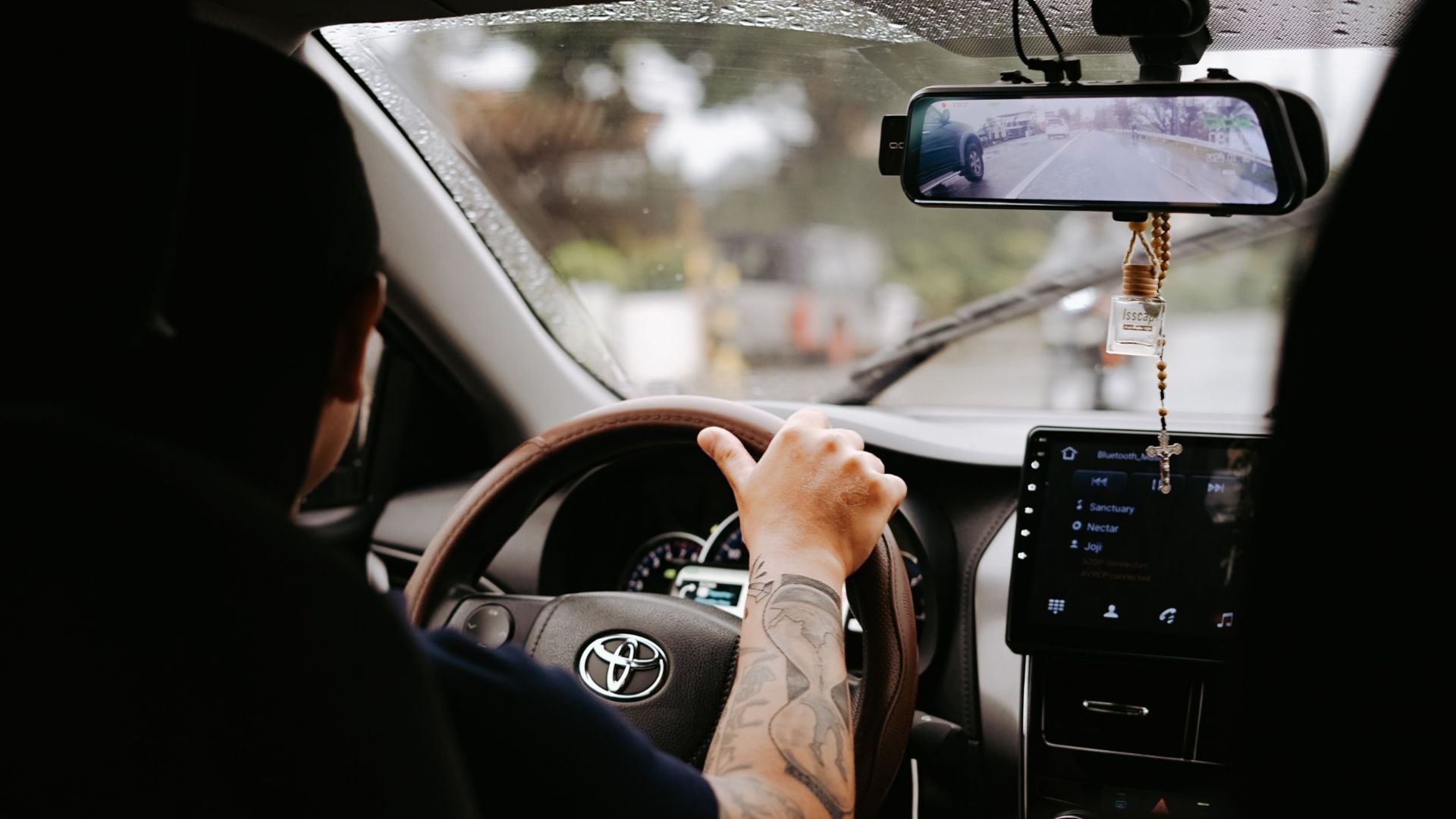
Many new vehicles now include factory-installed cameras that can record while you're driving, parked, or during a collision. Unlike aftermarket dashcams, these systems are often integrated into the vehicle's electronics, making questions about ownership and access more complicated. The answer depends on both the technology and the law.
 DimaBerlin, shutterstock images
The Short Answer Is Usually You
In most situations, the owner or lessee of the vehicle controls footage stored by the vehicle's built-in dashcam. Federal law addressing crash data recorders also generally recognizes the vehicle owner or lessee as the owner of recorded data, although state laws and specific circumstances can affect access.
Dashcam Footage Is Different From A Black Box
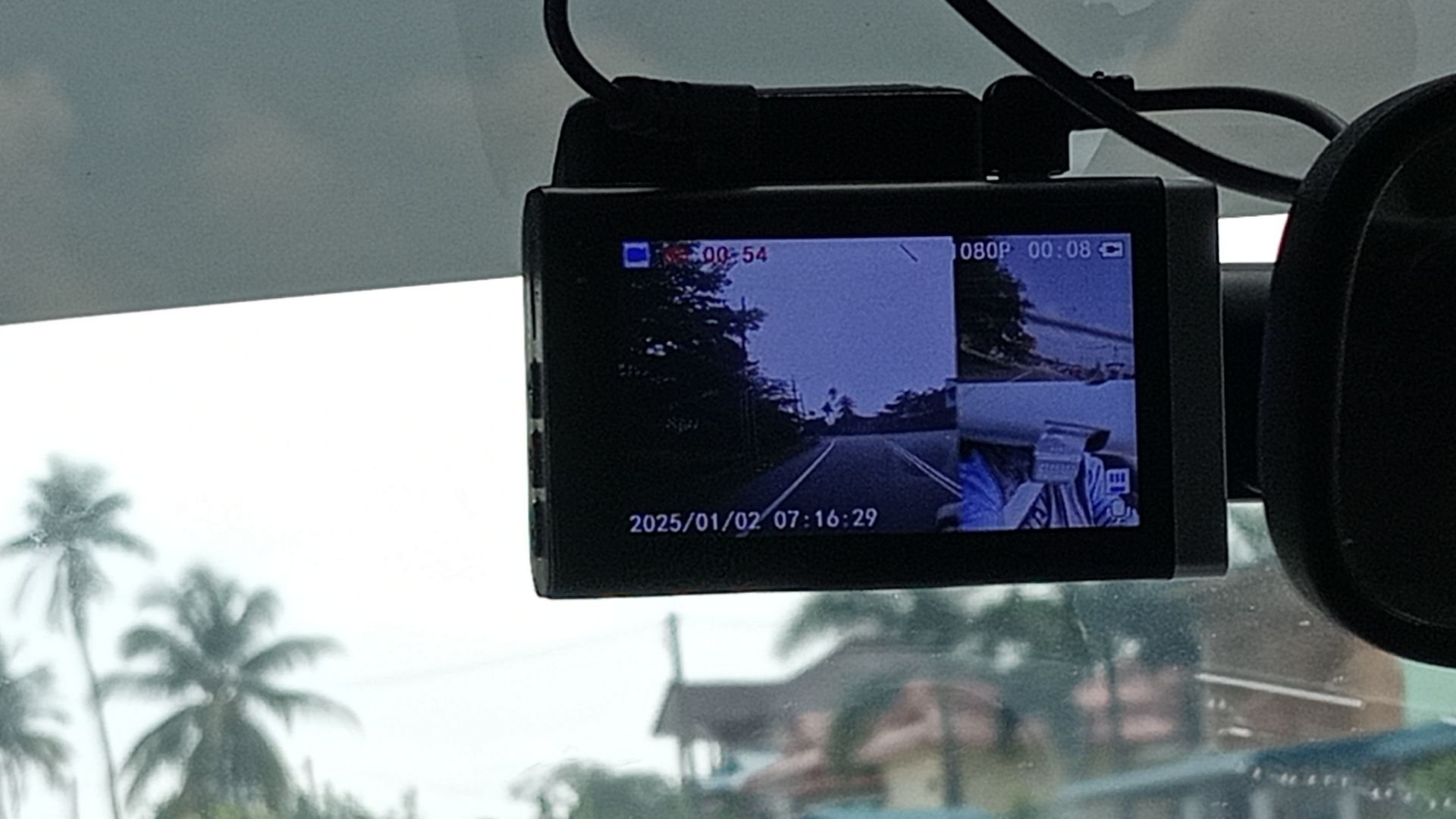
People often confuse dashcam recordings with Event Data Recorder (EDR) information, sometimes called the vehicle's "black box." A dashcam captures video, while an EDR records technical information such as speed, braking, seat belt use, and airbag deployment during certain crashes. They are separate systems with different considerations.
 Danielrayyan09, Wikimedia Commons
Manufacturers Usually Don't Automatically Own Your Videos
A factory-installed camera doesn't automatically give the automaker ownership of your recordings. For example, Nissan states that footage remains on the vehicle's storage, and the company says it cannot access photos or videos stored by its Intelligent Dash Cam system.
Some Systems Store Everything Locally
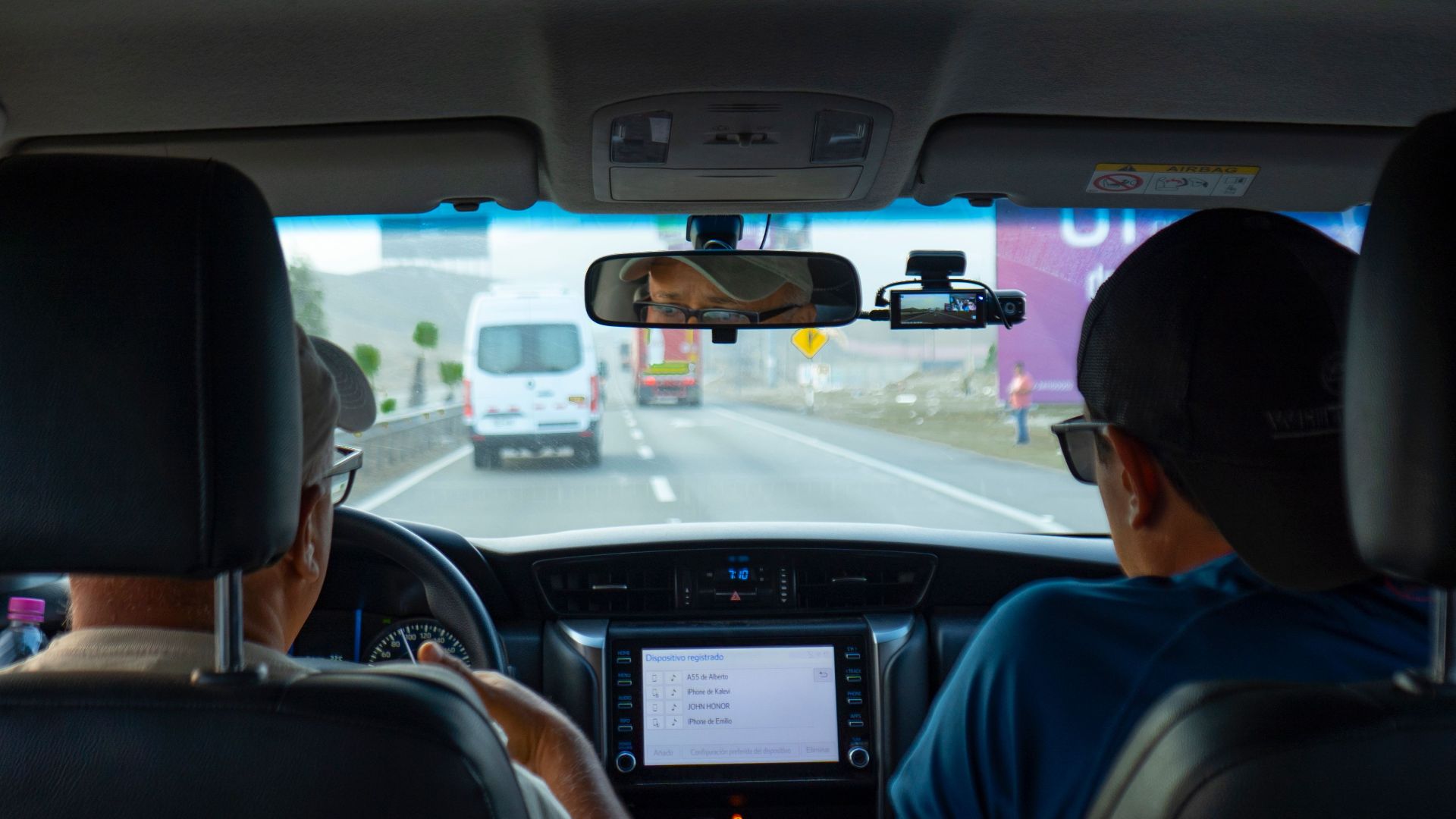
Many built-in dashcams save recordings to an SD card or USB storage inside the vehicle instead of uploading everything to the cloud. Tesla similarly states that Dashcam recordings are stored locally on the vehicle's USB drive rather than being transmitted to the company.
Your Privacy Policy Matters
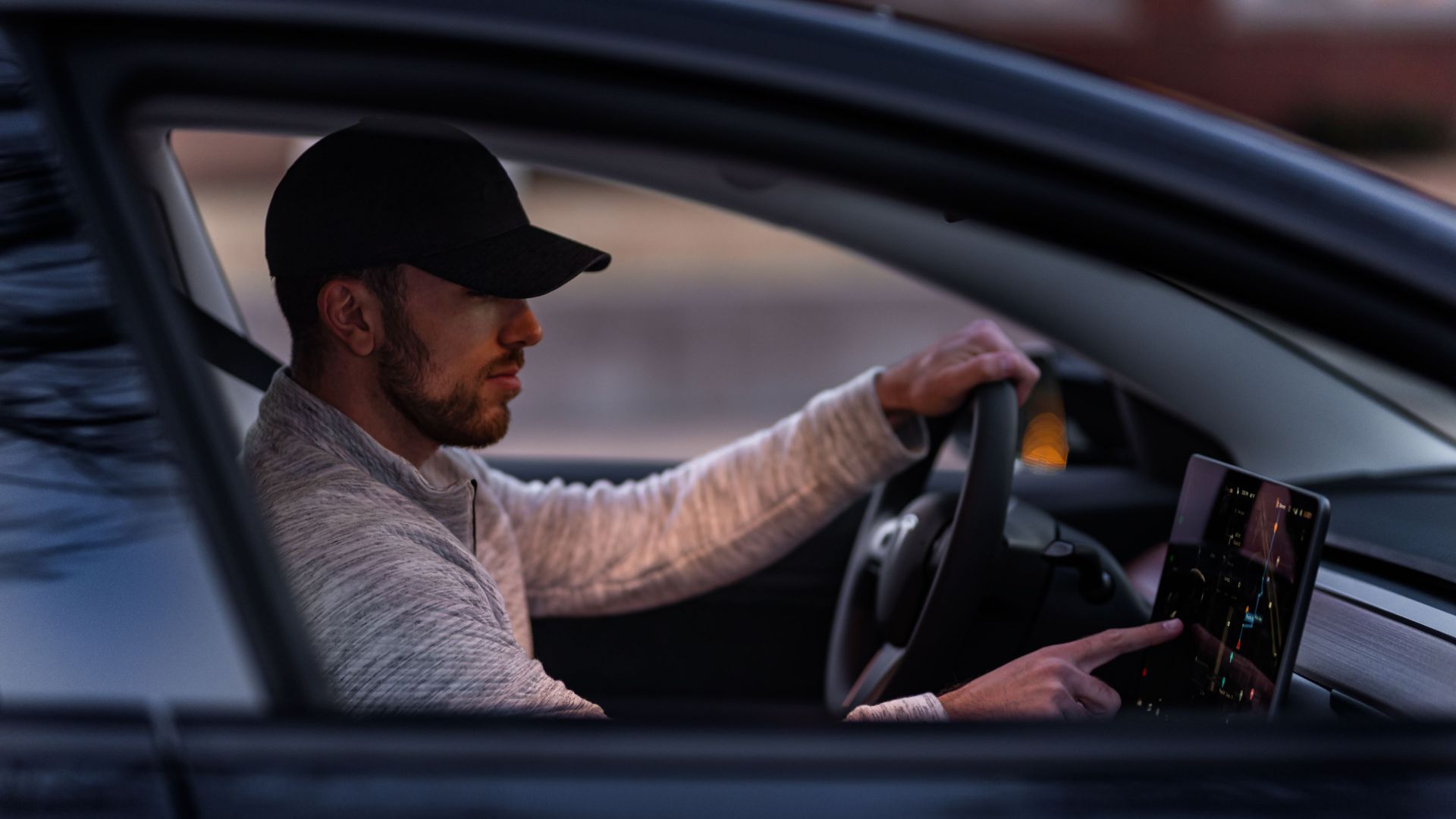
Every manufacturer has its own privacy policy describing what vehicle information may be collected. While locally stored dashcam footage may stay under your control, separate diagnostic or telematics data may still be transmitted if you've agreed to data-sharing features. Reading those settings is important.

Authorities Cannot Always Simply Demand The Video
Law enforcement does not automatically gain unrestricted access to your dashcam footage after every accident. In many situations, officers need your consent, a warrant, a subpoena, or another court basis before compelling access, depending on state and federal law.

Insurance Companies Often Ask For It
After a crash, your insurer may request any available video because it can help establish what happened. You are often free to provide footage voluntarily, and doing so may speed up a claim if the recording clearly supports your version of events.

You May Not Have To Hand It Over Immediately
Even if another driver's insurer asks for your recording, that does not necessarily mean you're legally obligated to provide it immediately. If a dispute reaches litigation, however, a court may order relevant evidence to be produced.

Courts Can Require Production
If dashcam footage becomes important evidence in a lawsuit, courts may compel its production through established procedures. Once litigation begins, intentionally deleting relevant recordings could also create problems.

Deleting Footage Can Backfire
Many systems automatically overwrite older recordings once storage fills up. If you've been involved in an accident, preserving the footage as soon as possible is usually wise because automatic deletion could permanently erase useful evidence.

Selling Your Car Can Leave Videos Behind
Some built-in systems retain recordings on the vehicle unless they're manually deleted. Nissan specifically advises owners to erase photos and videos before selling or transferring the vehicle because otherwise they remain with the car.
 f.t.Photographer, Shutterstock
Shared Vehicles Can Create Complications
Ownership questions become more complicated with leased cars, company vehicles, rental fleets, or family vehicles. Contracts, employer policies, or leasing agreements may specify who controls recordings or who can authorize their release.

The Other Driver Usually Can't Demand A Copy
If another driver's vehicle recorded the collision, you generally cannot obtain that footage simply by asking the manufacturer. Instead, you would usually need the owner's cooperation or processes such as discovery or a court order.

Cloud Features Don't Always Mean Constant Uploads
Some vehicles include connected services that allow owners to review images or retrieve recordings through smartphone apps. That doesn't necessarily mean continuous cloud storage, and many systems still rely primarily on local vehicle storage.
Some Data May Still Reach The Automaker
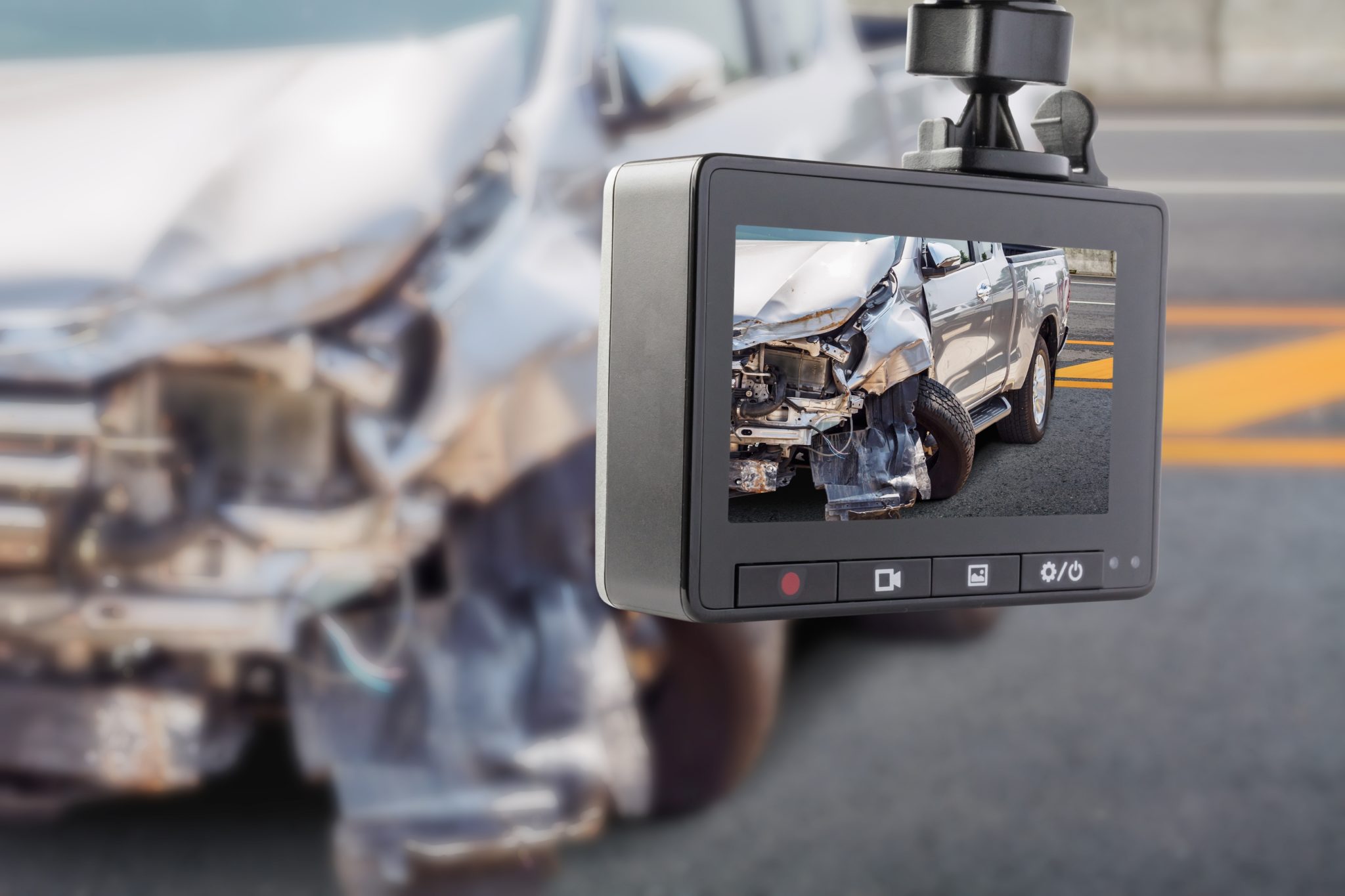
While dashcam videos often remain local, certain diagnostic information, vehicle health reports, or analytics may be transmitted if you've enabled connected services. Companies typically describe these practices in their privacy notices and provide options to manage some data-sharing settings.
Built-In Cameras Don't Always Record Everything
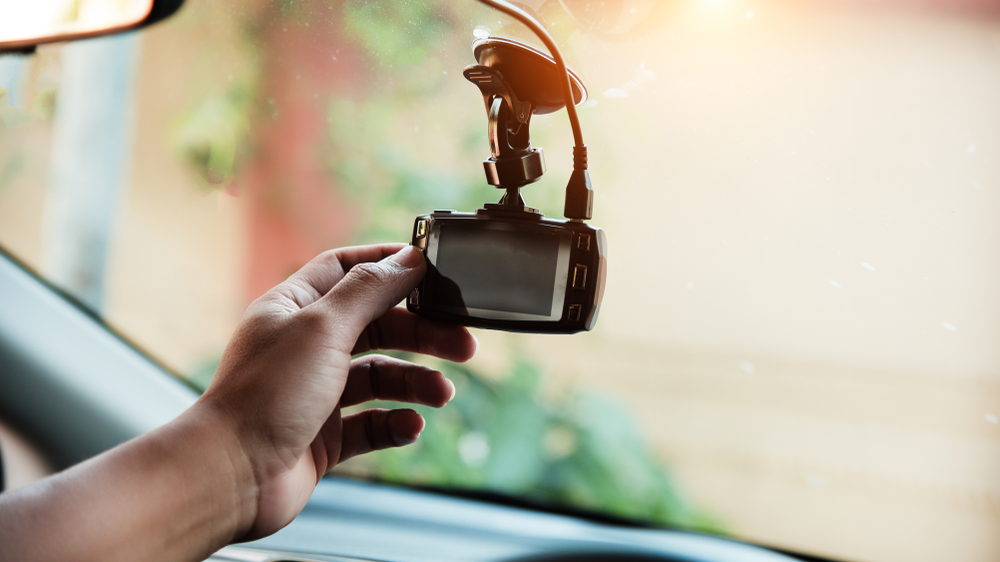
Drivers sometimes assume factory cameras capture every second on the road. In reality, many systems only save clips after impacts, when manually activated, or while specific recording features are enabled.
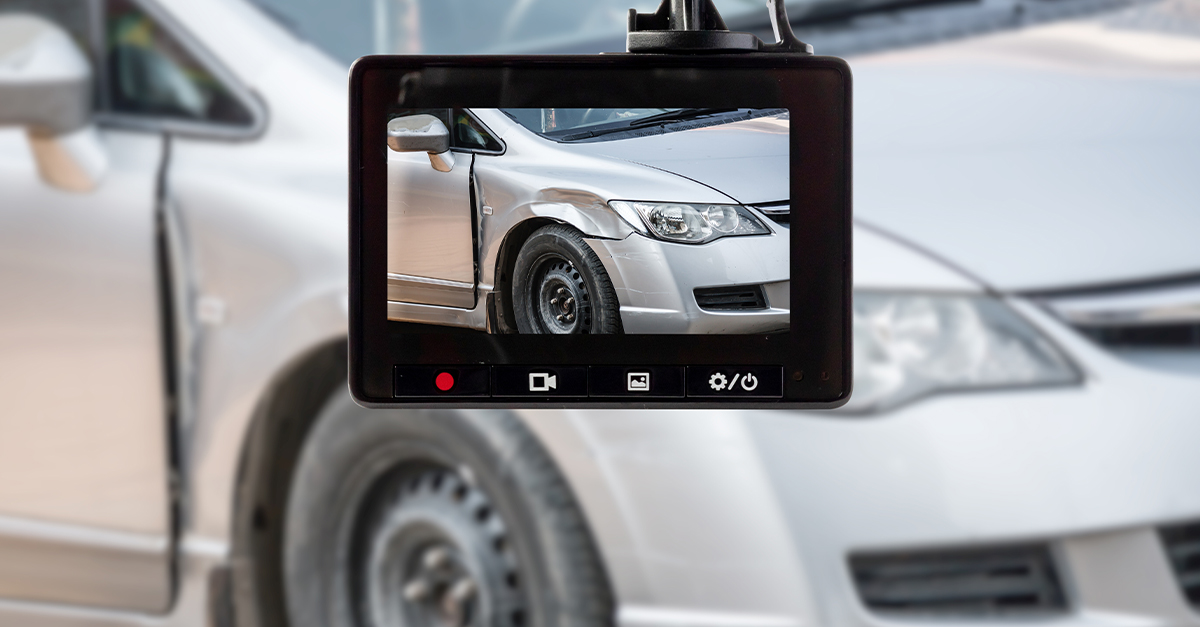
State Laws Can Affect The Outcome
Although federal law addresses Event Data Recorders, states may have additional privacy, evidence, or data-access rules that influence who can retrieve information and under what circumstances. That's one reason similar accidents can involve different procedures depending on where they occur.

Recording Audio May Raise Separate Issues
If your vehicle records sound as well as video, additional state laws regarding audio recording and consent may apply. Some factory systems even allow owners to disable audio recording independently from video recording.
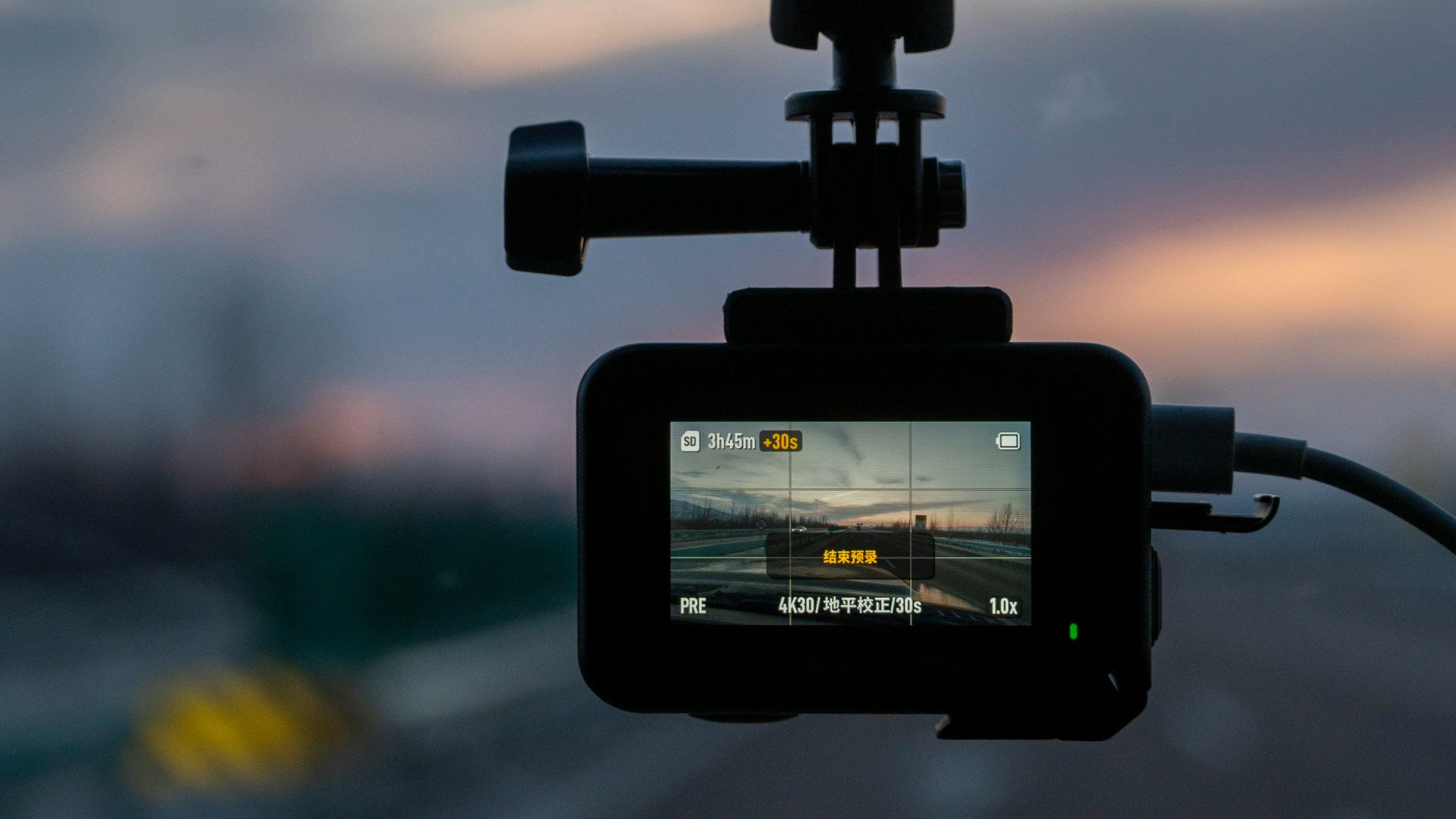
The Best Time To Save The Video Is Immediately
If you're involved in a collision, save the recording before driving extensively or allowing the storage to overwrite itself. Exporting the clip quickly also makes it easier to provide copies to your insurer, attorney, or investigators if needed.
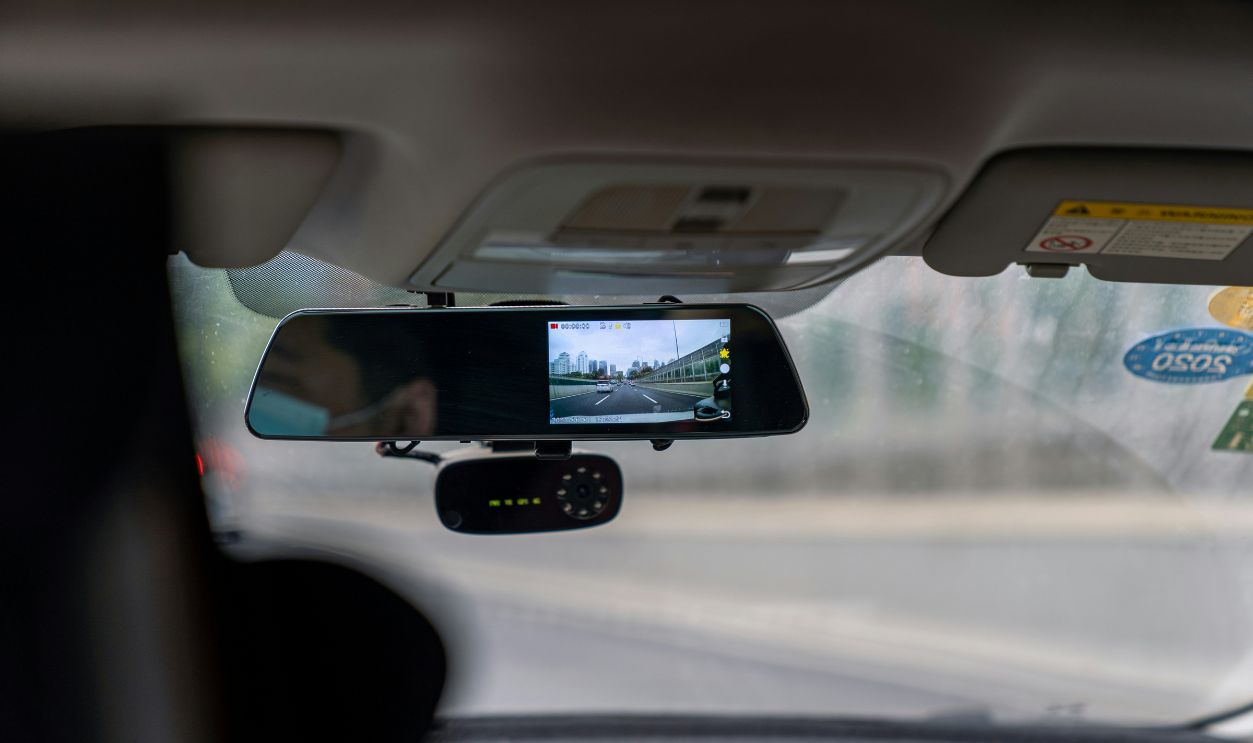
Read Your Owner's Manual Before You Need It
Every manufacturer implements these systems differently. Your owner's manual and privacy policy explain how recordings are stored, how long they're retained, how to retrieve them, and what data the company may receive. Understanding those details before an accident can prevent unpleasant surprises.
You May Also Like:
My extended warranty won’t cover a known defect. Isn’t that what extended warranties are for?