The Price Changed The Second You Said Cash
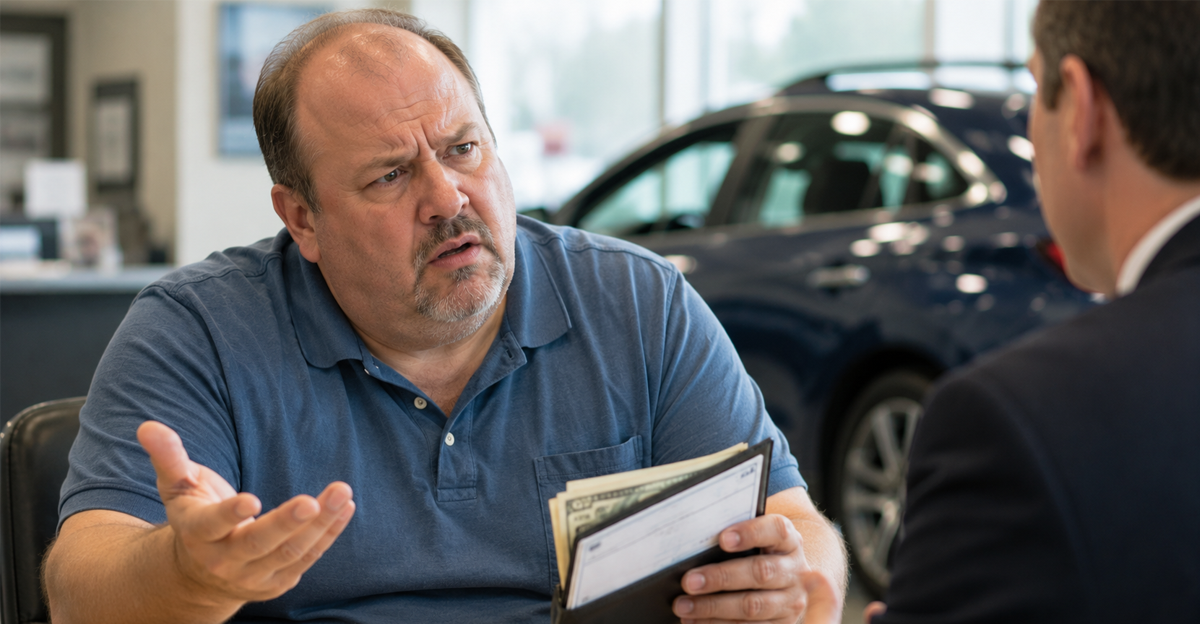
You found the car online, liked the price, and walked into the dealership ready to buy. Then you mentioned that you planned to pay cash, and suddenly the advertised price disappeared. The salesperson says you only get that deal if you finance through them. It sounds shady, but is it actually illegal?
The FTC Has Something To Say About This
This is not just one of those annoying dealership tricks buyers complain about. In March 2026, the Federal Trade Commission warned dozens of dealership groups about misleading vehicle prices. One of the practices it specifically flagged was advertising a price and then requiring the customer to use dealer financing to get it. That puts dealers on much shakier ground than many shoppers realize.

What The Ad Actually Said Matters
There is a big difference between an ad that clearly says "finance with us and save $1,000" and one that simply shows a low price. If the financing requirement is obvious from the beginning, the situation may be perfectly legitimate. If it only appears after you arrive at the dealership, that is much more troubling. The original listing could become very important.

Tiny Fine Print Is Not A Magic Shield
Dealers are allowed to put conditions on certain offers, but those conditions should not be hidden where almost nobody will notice them. A giant advertised price followed by a buried restriction can still mislead shoppers. Regulators tend to care about what an ordinary customer would reasonably believe the offer means. That is why simply pointing to a tiny disclaimer does not always settle the issue.
 Moto Club4AG Miwa, Wikimedia Commons
Financing Discounts Can Be Legitimate
Not every financing-related discount is suspicious. Automakers, lenders, and dealerships sometimes offer genuine incentives to customers who use a particular financing program. Those offers can be perfectly normal when the terms are clear. The trouble starts when a dealer makes a restricted price look like the price everyone can get.

Cash Is Not Always King Anymore
Older car-buying advice often said you should walk in waving cash because dealerships would love you. That is not necessarily how the business works today. Dealers can sometimes make additional money when they arrange your financing. So the person paying cash may actually be less profitable than the customer taking out a loan.

Dealers Can Make Money On Your Loan
When a dealership helps arrange financing, there can be money in that transaction for the dealer. That is one reason the finance office matters so much to the dealership's bottom line. It also explains why some salespeople may suddenly become less excited when you say you already have the money. Their reaction can be financial, not personal.
You Are Allowed To Find Your Own Loan
You do not have to automatically accept whatever financing the dealership offers. Buyers can shop around with banks, credit unions, and other lenders before ever stepping onto the lot. Having another loan offer in hand can make it much easier to compare your options. The car price and the financing are two separate parts of the deal.

Outside Financing Can Look Like Cash
From the dealer's point of view, someone arriving with a loan from their own bank can look a lot like a cash buyer. The dealership still sells the car, but it may not make money arranging the financing. That can explain why some dealers push their own loan offers so aggressively. It still does not mean they can say whatever they want in the advertisement.

Regulators Have Gone After This Exact Problem
This issue has already appeared in major enforcement cases. Federal and state regulators accused one dealership group of advertising low prices and then refusing to honor them unless customers financed through the dealership. Some customers reportedly arrived with their own financing already arranged. That is very close to the situation many buyers complain about today.
 Inside Creative House, Shutterstock
One Dealer Group Paid A Serious Price
That case did not end with a slap on the wrist. A 2026 settlement included refunds for some customers and millions of dollars in penalties. Regulators also restricted the dealership from misleading buyers about prices and financing requirements going forward. In other words, authorities clearly consider this more than harmless salesmanship.

Your State Can Matter A Lot
Car advertising laws are not identical across the country. Federal rules matter, but states can add their own protections for shoppers. Some are especially strict about what dealerships can advertise and when they have to honor a listed price. That means the answer can become even more favorable to the buyer depending on where the dealership is located.
 David Martin , Wikimedia Commons
Massachusetts Is Pretty Clear About It
Massachusetts is one example of a state with tough rules for dealer advertising. State officials have said dealerships generally cannot advertise one price and then simply refuse to sell the vehicle for that amount under the advertised terms. The state has also pushed dealers to include required charges in advertised prices. Buyers there have strong language to point to when a deal suddenly changes.
New York Also Watches Dealer Ads Closely
New York has detailed rules covering how dealers advertise vehicles. The state's guidance says the advertised selling price should generally reflect what the customer will actually pay for the car, aside from certain items such as taxes and registration costs. Restrictions and special qualifications should not come as a surprise. That makes bait-and-switch style pricing risky for dealers there too.
There Is No One Rule For Every Dealership
This is where the issue gets a little less simple. There is no single sentence of law saying every dealership in America must sell every advertised car to every cash buyer. Different states have different rules, and clearly disclosed promotions can be allowed. The real question is usually whether the dealership advertised the deal honestly.

You May See Confusing Advice Online
Anyone researching this topic may run into references to the FTC's CARS Rule. That rule was supposed to address several dealership sales practices but was struck down by a federal appeals court in 2025 because of problems with how it was created. That does not mean deceptive advertising suddenly became legal. Existing consumer protection laws are still very much in play.

Dealers Still Have Rules To Follow
Some dealers may have treated the collapse of the CARS Rule like a major victory, but it was not a free pass. The FTC has continued warning dealerships and taking action over misleading prices. States also continue enforcing their own consumer protection laws. The basic idea remains simple: an advertised deal should not turn into a completely different deal once you arrive.

Get The Real Price Before You Leave Home
One of the smartest things a buyer can do is ask for the full out-the-door price before visiting the dealership. Get it in writing if possible. That makes it harder for fees, conditions, or financing requirements to suddenly appear after you have spent two hours at the showroom. It also gives you something concrete to compare with other dealers.

Ask The Cash Question Directly
Before driving across town, ask one very specific question: "Can I buy this car for the advertised price if I pay cash?" You can also ask whether the same price applies if you bring your own financing. A clear written answer can save a lot of wasted time. If the dealer suddenly becomes vague, that itself may tell you something.
 Rutger van der Maar, Wikimedia Commons
Take Screenshots Before The Ad Changes
Save the listing before you contact the dealership. Capture the advertised price, the vehicle identification or stock number, and any fine print shown on the page. Online listings can be edited or disappear after a car is sold. Having your own copy can be useful if you later need to show what the dealer originally advertised.
Do Not Mix Everything Into One Big Number
Dealership negotiations become confusing fast when the car price, trade-in, monthly payment, and financing all get discussed together. Try to settle the actual price of the vehicle first. Then talk about the loan separately. Otherwise, a good-looking monthly payment can distract from a deal that costs much more overall.

A Preapproved Loan Gives You Leverage
Even if you are willing to finance through the dealership, getting a preapproval from your bank or credit union can help. Now you have something to compare the dealer's offer against. The dealership may beat it, which is great. If it cannot, you already have another option ready.

A Discount Is Not Always A Better Deal
Suppose the dealer really does offer a legitimate financing discount. That does not automatically mean you should take it. A cheaper sticker price can still cost more in the end if the loan is expensive. Compare the interest rate, loan length, and total amount you will pay before getting excited about the discount.

The Finance Office Is Where Things Can Grow
Once the vehicle price is settled, the finance office may offer extra products such as service contracts, GAP coverage, or protection packages. Some buyers want those products and some do not. The important thing is knowing what you are agreeing to and what it costs. Do not let optional extras quietly turn into part of the deal without noticing.

You Are Still Allowed To Walk Away
You do not have to finish the purchase just because you have already spent half the afternoon at the dealership. If the salesperson changes the price, refuses to explain the numbers, or keeps adding new conditions, you can leave. Sometimes the strongest negotiating move is simply being willing to buy somewhere else. Another dealership may offer the same type of car without the headache.
 f.t.Photographer, Shutterstock
You Can Report A Misleading Ad
If you believe a dealership advertised one price and then pulled it away because you would not use its financing, keep your evidence. Consumers can file complaints with the FTC, and state attorneys general or motor vehicle regulators may also handle dealership complaints. Screenshots, emails, texts, and written quotes are much more useful than trying to remember exactly what somebody said. Documentation can turn a frustrating story into something regulators can actually review.
So Can They Really Refuse Your Cash?
A dealership can offer special financing deals when the conditions are clearly disclosed. What it should not do is advertise a price that looks available to everyone and then reveal at the last minute that cash buyers have to pay more. The FTC has specifically warned dealers about tying advertised prices to dealer financing in that way. So if the financing requirement came out of nowhere, you have a good reason to question the deal and possibly walk away.

You May Also Like:
Sources: 1, 2, 3, 4, 5, 6, 7, 8, 9, 10, 11, 12, 13, 14, 15, 16