That “Expires When You Walk Out” Line Sounds Dramatic For A Reason
If a dealership says your trade-in offer vanishes the moment you leave to think about it, they're definitely pulling a pressure tactic. It's meant to keep you in the chair and push you to decide before you compare numbers elsewhere. The good news is that you usually have more leverage, and more time, than the pushy sales guy suggests.

Trade-In Values Do Change, But Not Minute By Minute
Used-car prices can move, and dealerships do update appraisals based on market conditions, auction data, reconditioning costs, and inventory needs. But those shifts usually happen over days or weeks, not because you stepped outside for a few minutes. A claim that the offer dies instantly is usually more about creating urgency than real market math.

What Dealers Are Really Looking At
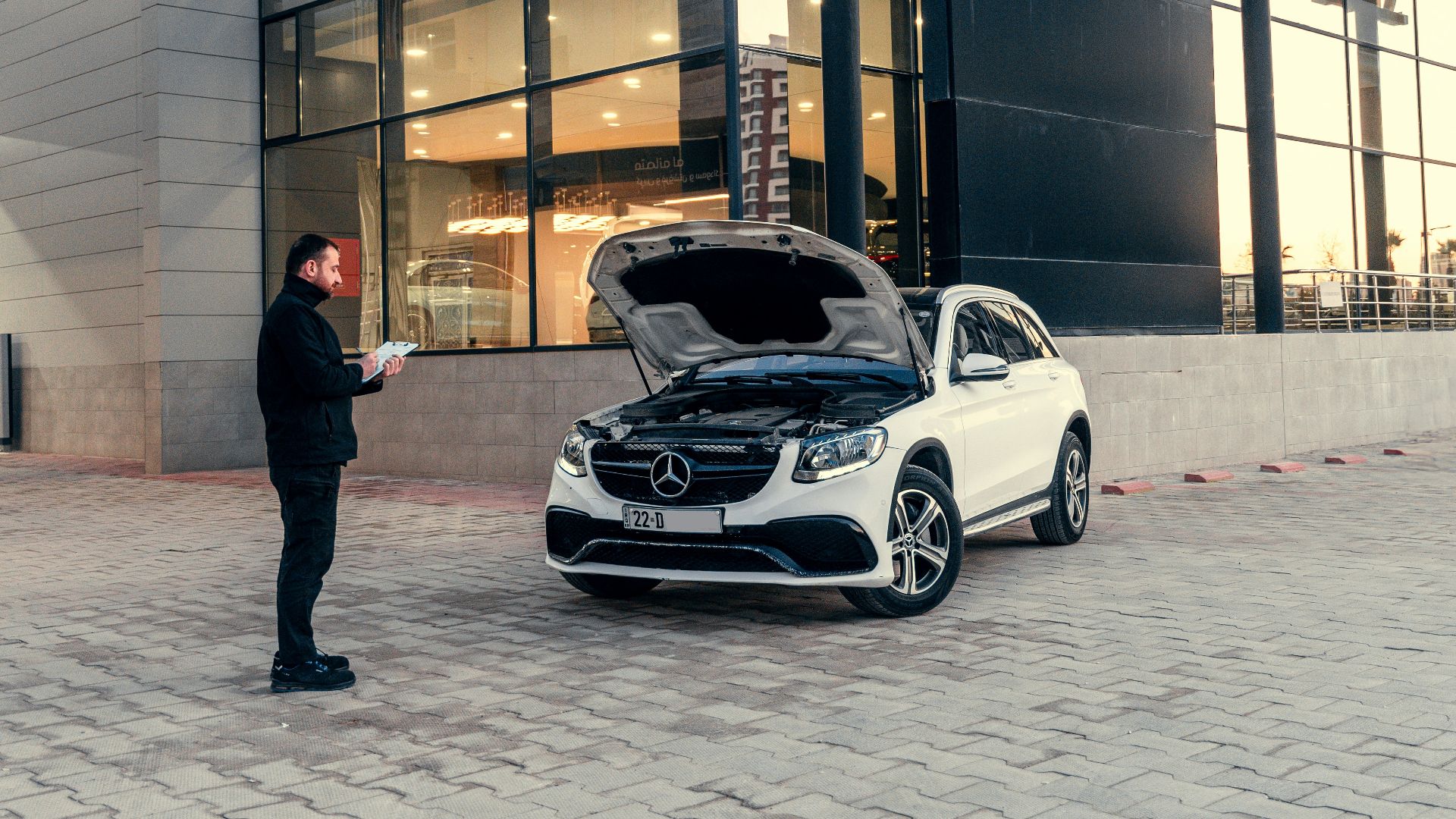
When a dealer appraises your car, they are estimating what it could sell for and subtracting expected costs. Those costs can include transport, detailing, repairs, lot time, and the risk that wholesale prices fall before they resell it. Kelley Blue Book explains that condition, mileage, options, local demand, and vehicle history all affect trade-in value.
The Market Data Behind The Number
Dealers often use tools tied to wholesale and retail market data, including auction trends and valuation guides. Cox Automotive, the parent company of Kelley Blue Book and Manheim, regularly tracks used-vehicle values and has shown that the market can swing over time. That matters, but it does not mean a real appraisal becomes worthless the second you ask for some breathing room.

Why The Pressure Shows Up In The First Place
Car deals are often structured to keep your attention on the monthly payment and the “today only” opportunity. The Federal Trade Commission has warned consumers that auto dealers may use add-ons and pricing tactics that make it harder to compare offers clearly. A disappearing trade-in offer fits neatly into that same high-pressure playbook.

A Fast Decision Helps The Dealer More Than It Helps You
Once you feel rushed, you are less likely to shop your trade, question fees, or separate the price of the new car from the value of the old one. Consumer advocates have long recommended slowing the process down for exactly that reason. If a salesperson acts like time itself is the enemy, that usually helps the store more than the buyer.

The FTC Has Been Paying Attention To Dealer Tactics
In December 2023, the FTC announced its Combating Auto Retail Scams rule, aimed at deceptive pricing and junk fees in car buying. Parts of that rule were later affected by court action, but the agency’s message was still clear. Regulators saw enough troubling conduct in the market to push for tougher guardrails.

There Is A Difference Between A Real Expiration And A Bluff
Sometimes an offer can have a real expiration window. A used-car manager might tie it to a specific appraisal date, a sudden shift in auction values, or an internal inventory target. But “you cannot even go home and sleep on it” is very different from “this figure is good through tomorrow,” and that kind of line should make you skeptical.

Ask A Simple Question And Listen Closely
If the dealership says the number expires when you leave, ask why, specifically. Ask what market input would change in the next hour, who sets that rule, and whether the appraisal can be put in writing with a time and date. Vague answers usually tell you more than the first offer did.

Written Appraisals Matter
A dealership that believes in its number should be willing to write it down, even if it includes an expiration date. That gives you something concrete to compare against CarMax, Carvana, local dealers, or a private-party estimate. If they refuse to document the offer, that tells you something too.

Independent Offers Are Your Best Reality Check
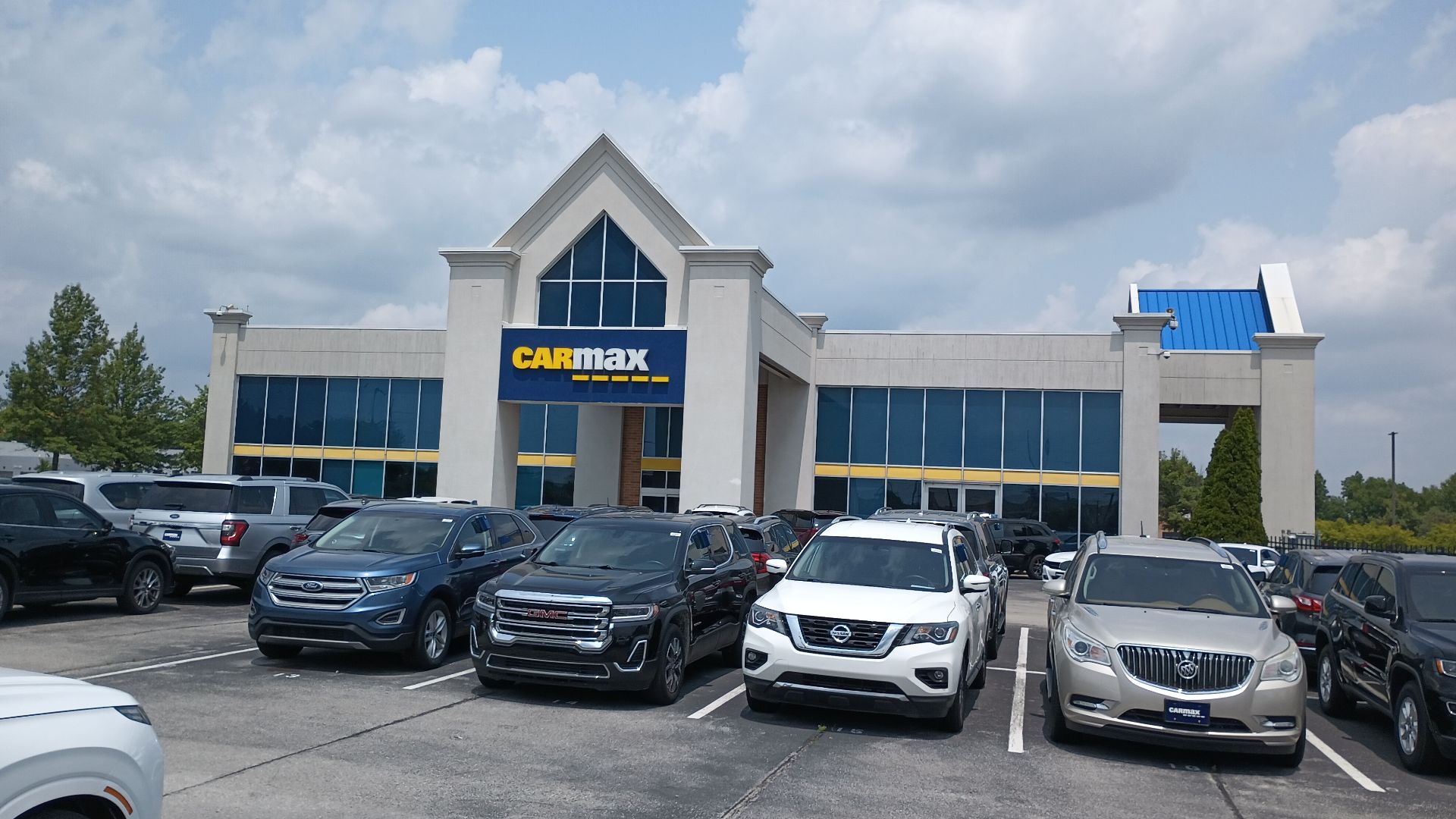
One of the smartest moves is to get a real purchase offer from another buyer before you visit the dealership. CarMax and Carvana both let you get offers, and those offers usually come with a stated validity period. That is very different from a vague “good only while you are sitting in this office” claim.
 deathpallie325, Wikimedia Commons
Even Kelley Blue Book Tells You To Compare
Kelley Blue Book’s consumer guidance encourages shoppers to know their vehicle’s value and compare offers. That advice exists because trade-in numbers can vary a lot from store to store. If one dealer acts like comparison shopping is a problem, that is probably because comparison shopping works.

Your Trade-In And Your Next Car Are Two Separate Deals
This is one of the oldest and most useful rules in car buying. Negotiate the trade-in value separately from the purchase price of the vehicle you are buying, and separately from financing. When everything gets bundled together, it becomes much easier for a store to give with one hand and take with the other.

The Monthly Payment Trap Is Closely Related
A dealer can increase your trade allowance on paper while making up the difference somewhere else through the sale price, fees, or loan terms. The Consumer Financial Protection Bureau has repeatedly urged buyers to focus on the total cost, not just the monthly payment. A higher trade number is not automatically a better deal if the rest of the contract gets worse.

Used-Car Prices Have Been Volatile, But The Pattern Still Matters
Cox Automotive’s Manheim Used Vehicle Value Index has shown major swings since the pandemic-era car shortage. Values surged in 2021 and 2022, then cooled from those highs as supply conditions improved. That is real volatility, but it still does not support the idea that your specific trade value self-destructs in the time it takes to grab lunch.

Condition Can Change An Offer, But You Would Notice Why
If your car suddenly develops a warning light, body damage, or a major mechanical issue, a new appraisal could be justified. The same is true if you forgot to mention accident history or title problems. Those are clear reasons, and they have nothing to do with whether you paused to think.

Tax Rules Can Make Trading In Attractive
In many states, a trade-in can reduce the taxable amount on your next vehicle purchase. That can make accepting a dealer trade more appealing than a private-party sale, even if the raw offer is a bit lower. But tax savings should be worked out calmly, not under a made-up countdown in the showroom.
Some Deadlines Are About Incentives, Not Your Trade
Manufacturer rebates and finance promotions can expire on a specific date, often at month’s end. Those deadlines are real and can affect the overall transaction. Even then, the right response is to explain the exact program and expiration date, not to claim that stepping outside instantly kills your trade appraisal.

End-Of-Month Pressure Is Real Too
Sales teams may be chasing monthly targets for volume, profit, financing, or used-car acquisitions. That can make them especially aggressive near the end of the month. Their deadline may be real for them, but that does not mean you have to accept a rushed deal that does not work for you.

How To Respond Without Starting A Fight
You do not need a speech. A calm response works best: “If the offer is competitive, it should still be competitive after I compare it.” That keeps the tone friendly while making clear that pressure alone will not close the deal.
 f.t.Photographer, Shutterstock
What To Say If You Actually Like The Car
If you want the vehicle but dislike the tactic, ask for a buyer’s order showing the sale price, fees, trade value, and financing terms in writing. Then tell them you will review it and get back to them. Serious buyers do this all the time, and reputable dealers know it.

When A Dealer Might Be Telling A Partial Truth
A store may have a used-car manager on duty who approves stronger numbers during certain hours, or they may be especially motivated to buy your vehicle that day. That can happen. But a professional dealership should be able to explain that clearly, and often can still give you a written offer with a reasonable expiration window.

Why Walking Away Can Be Powerful
If the offer was real, the dealership often calls back. If the offer was mostly a pressure tactic, the urgency usually fades once you leave. Either way, you learn something useful, and you often improve your negotiating position.

Watch For Other Red Flags Around The Same Time
If the disappearing trade-in offer comes with vague fees, payment-only discussions, or resistance to showing numbers on paper, treat the whole deal carefully. Those tactics often travel together. A clean, transparent transaction should not depend on confusion.

Document Everything Before You Decide
Take photos or screenshots of appraisal sheets, online offers, window stickers, and advertised prices. Save texts and emails with quoted figures and dates. Good records make it much easier to compare deals and push back if numbers mysteriously change later.

The Best Practical Move For Most Shoppers
Get at least two outside bids for your current car before negotiating at the dealership. Then compare the full out-the-door price of the replacement vehicle, including fees, taxes, financing, and any trade-in tax credit. Once you do that, the “offer expires if you leave” line usually loses most of its power.

So, Is It Just A Pressure Tactic?
Most of the time, yes. There can be real expiration dates on appraisals, but an instant vanishing act tied to your physical presence in the building is usually a sales tactic meant to rush you. The smartest response is simple: get it in writing, compare it elsewhere, and decide on your own timeline.