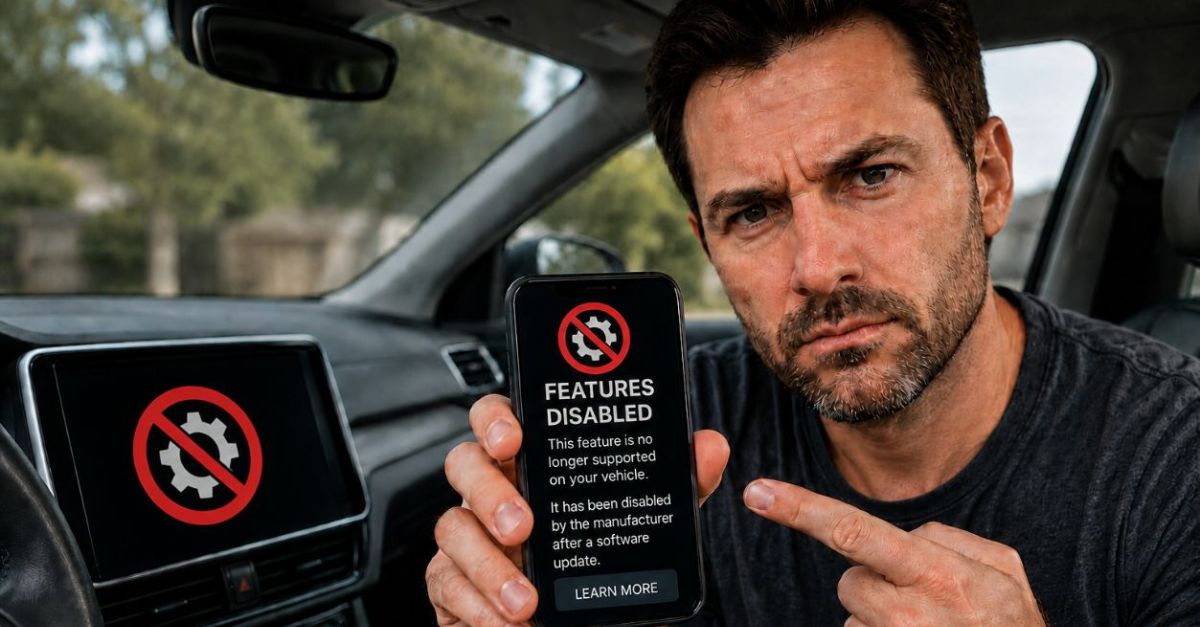
Your Car Got An Update And Lost A Feature
It would have sounded like science fiction a few years ago, but automakers removing features from your new car via software update is now the reality. An automatic update can improve your car one month, then remove a function that you paid for the next. But the fact is, if an automaker says a function is no longer supported, it often can disable it, especially when that feature depends on software, servers, or cellular service.
The Short Answer Is Usually Yes
In many cases, automakers can remove or limit a feature after an update because the fine print gives them room to do it. Owner agreements, connected services terms, and warranty documents often say features can change, be suspended, or end. That does not mean every shutdown is fair or beyond challenge, but it does mean the company often starts from a strong legal position.

Software Changed The Ownership Question
Cars used to be mostly hardware, and hardware was much harder to take away. Modern vehicles depend on code, apps, cloud services, and wireless updates that can change the ownership experience after you buy the car. That shift is why this issue keeps showing up in headlines, lawsuits, and owner forums.

Tesla Helped Make This Debate Famous
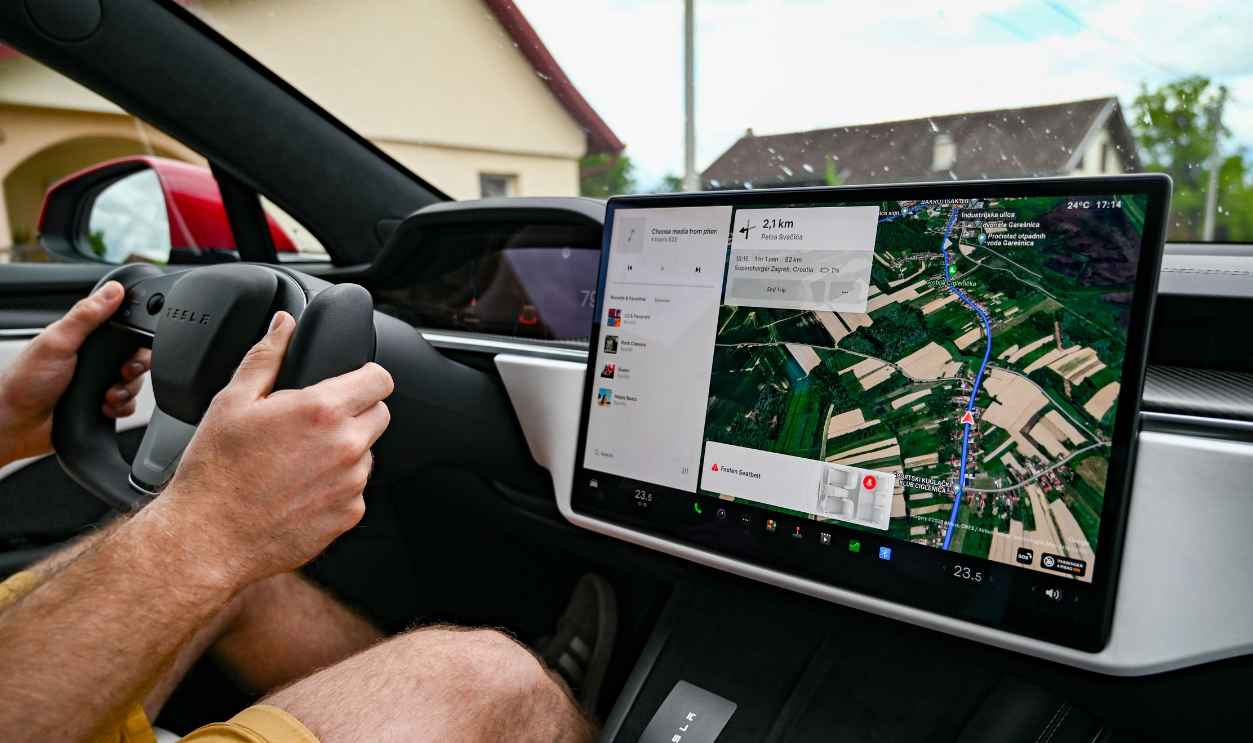
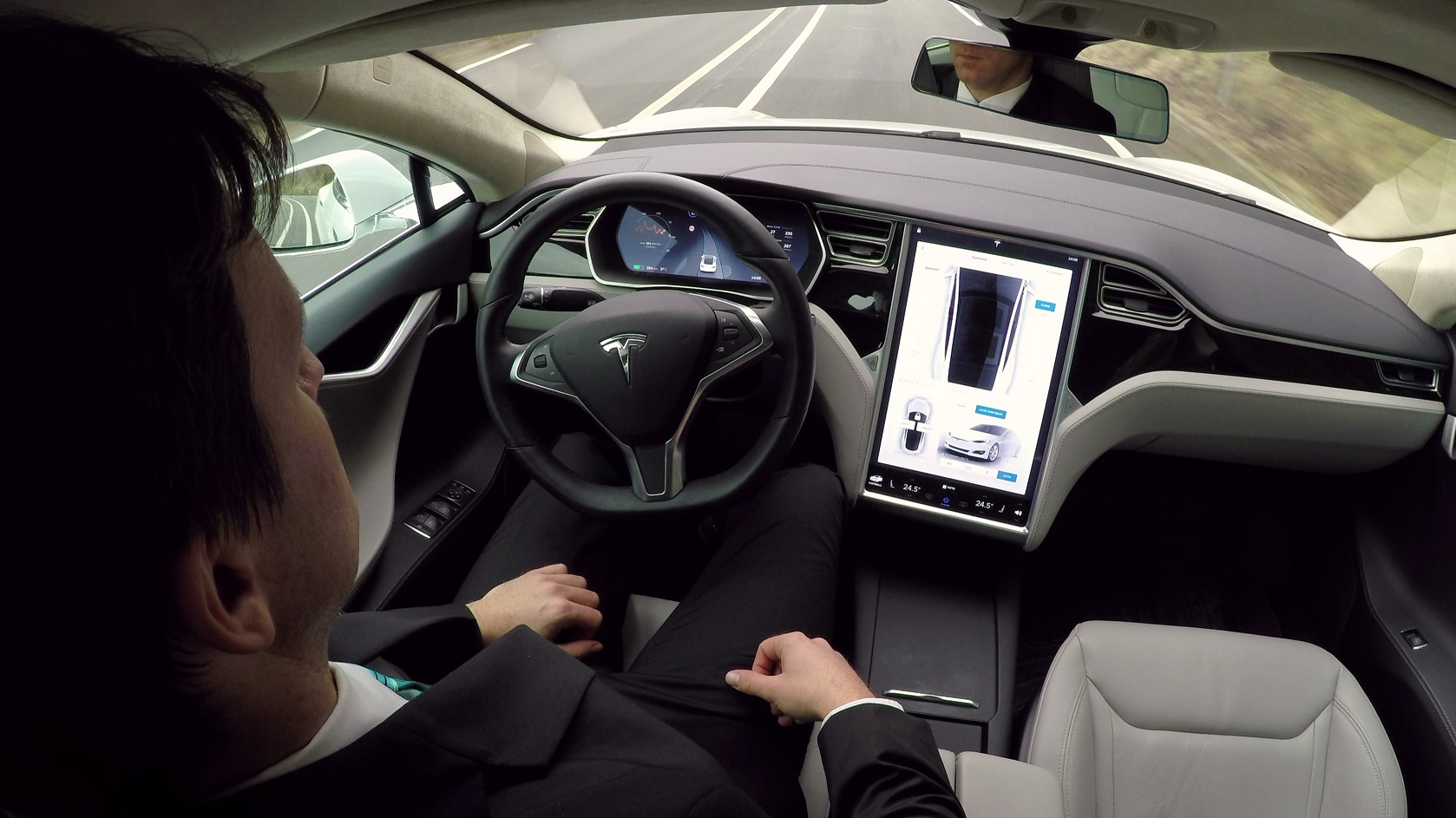
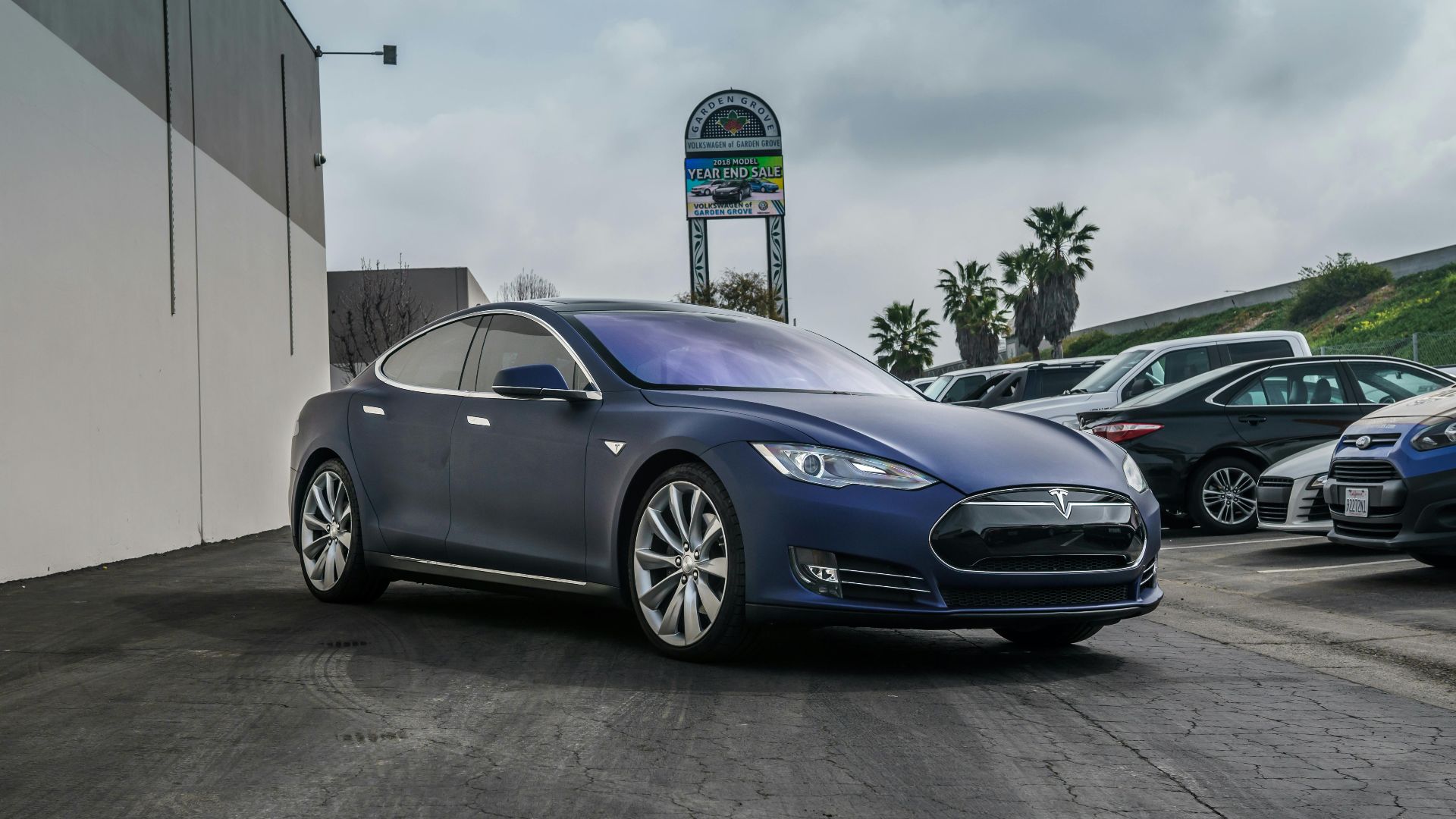
One of the clearest examples surfaced in February 2020, when Jalopnik reported that Tesla had remotely disabled Autopilot and Full Self-Driving capability on a used Model S after a dealership sale. The buyer said those options were listed as included when he bought the car. Tesla later removed them and said they had been enabled by mistake, turning one used-car sale into a bigger argument over what really stays with the car.
Why The Tesla Story Got So Much Attention
The details hit a nerve because the features were already on the vehicle and visible to the buyer at delivery. This was not some future add-on that never arrived. To the owner, it looked like part of the car had simply been switched off after Tesla reviewed its records.
 Tesla Motors Inc., Wikimedia Commons
What Tesla Seemed To Be Saying
According to the reporting, Tesla argued the software packages had not been properly purchased for that vehicle by the used-car dealer. In Tesla's view, it was correcting an error, not taking away something the new owner had a right to keep. That difference matters because it shows how much control an automaker can still have when a feature is licensed software instead of plain hardware.
BMW Turned Heated Seats Into A Subscription Flashpoint
Another controversy landed in July 2022, when The Verge reported that BMW had been offering subscriptions for features including heated seats in some markets through its ConnectedDrive store. The backlash was immediate because heated seats feel like old-school car hardware, not something that should work like a streaming subscription. Even people who never planned to buy a BMW got why this bothered drivers.

BMW Later Backed Off In A Big Way
By September 2023, BMW's board member for sales and marketing told journalists the company had stopped offering subscriptions for functions like heated seats. The executive said customers did not accept the idea. That was a useful reality check because it showed there are limits to what automakers can push, even when the technology makes it possible.
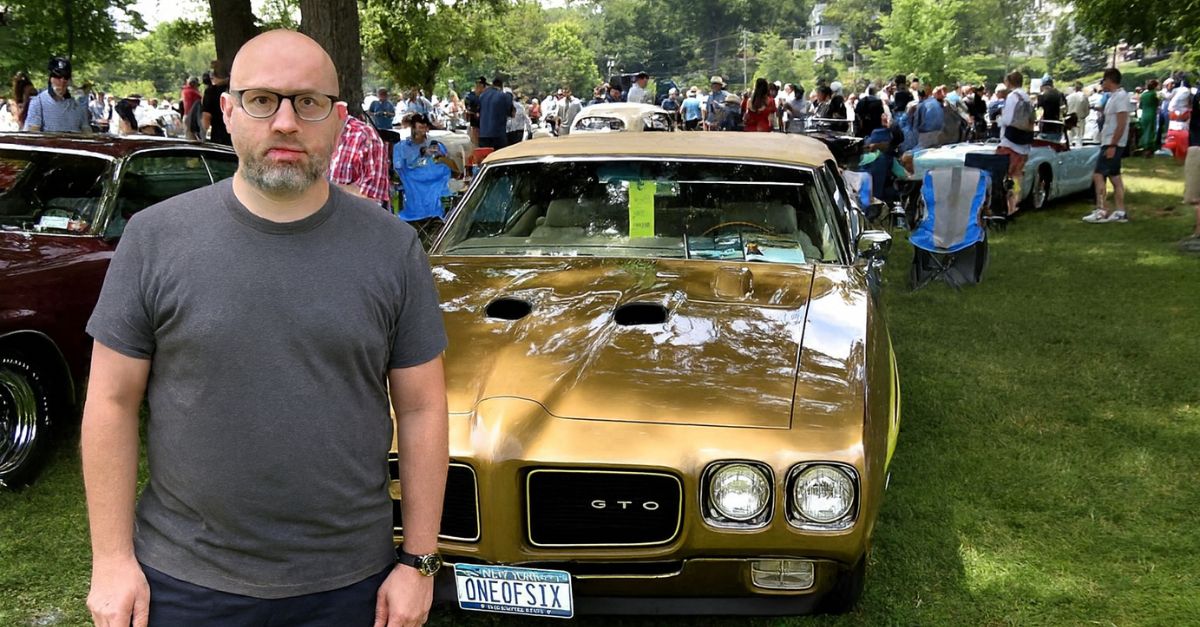
 VanderWolf Images, Shutterstock
When A Feature Depends On A Network, The Risk Goes Up
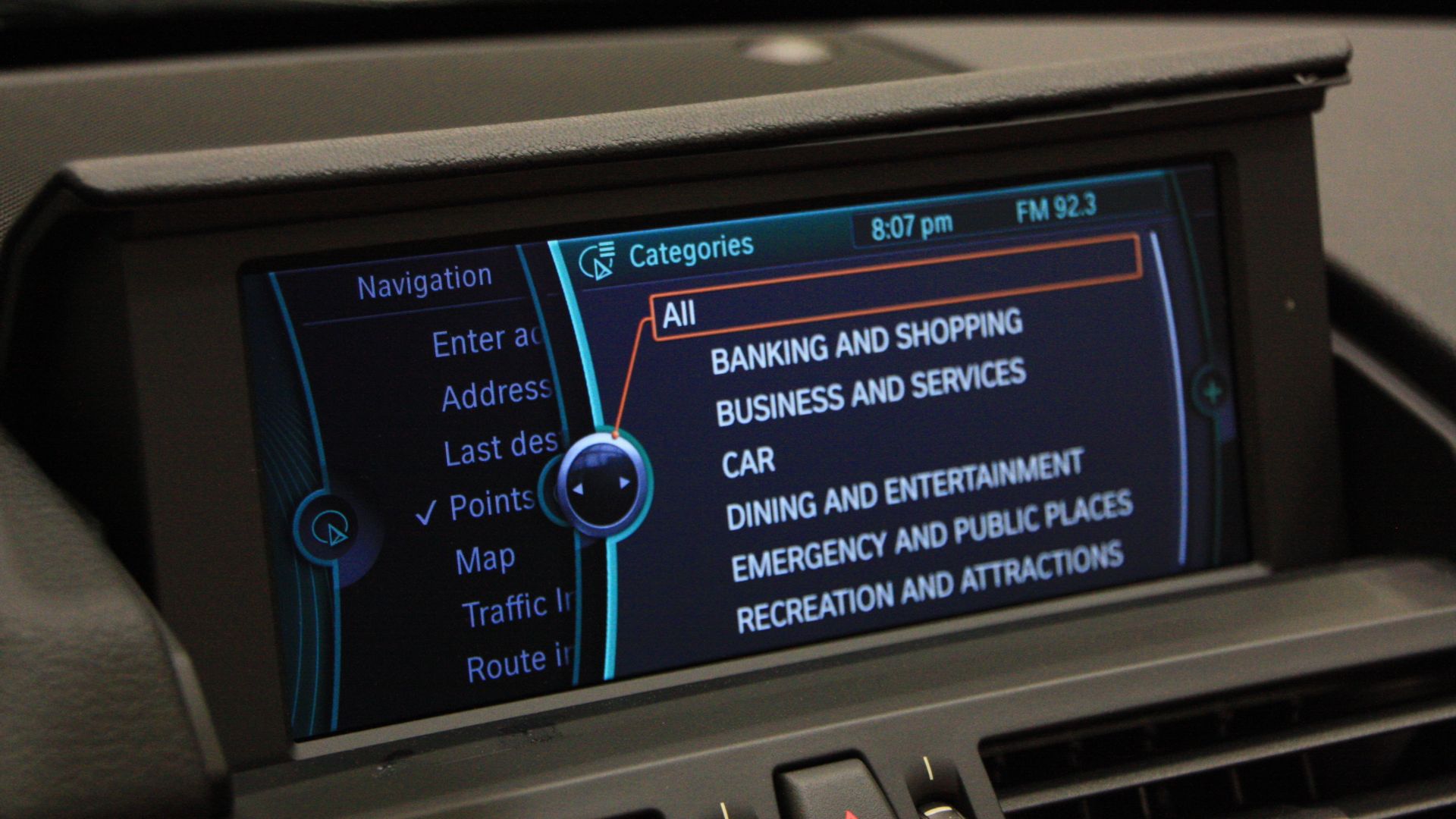
The biggest shutdowns often involve connectivity, not seat heaters. If your car uses 3G cellular service for emergency calling, remote lock and unlock, traffic data, concierge services, or app-based tools, those functions can disappear when carriers retire the network. That is exactly what happened across the industry when AT&T, T-Mobile, and Verizon shut down their 3G networks in 2022.
Consumer Reports Warned Owners Before The Cutoff
In February 2022, Consumer Reports published a broad warning that the 3G shutdown would affect millions of vehicles. The magazine explained that some cars would lose safety, convenience, and infotainment features unless automakers offered an upgrade path. For many owners, this was the first clear sign that a feature they paid for could come with an expiration date tied to telecom infrastructure.
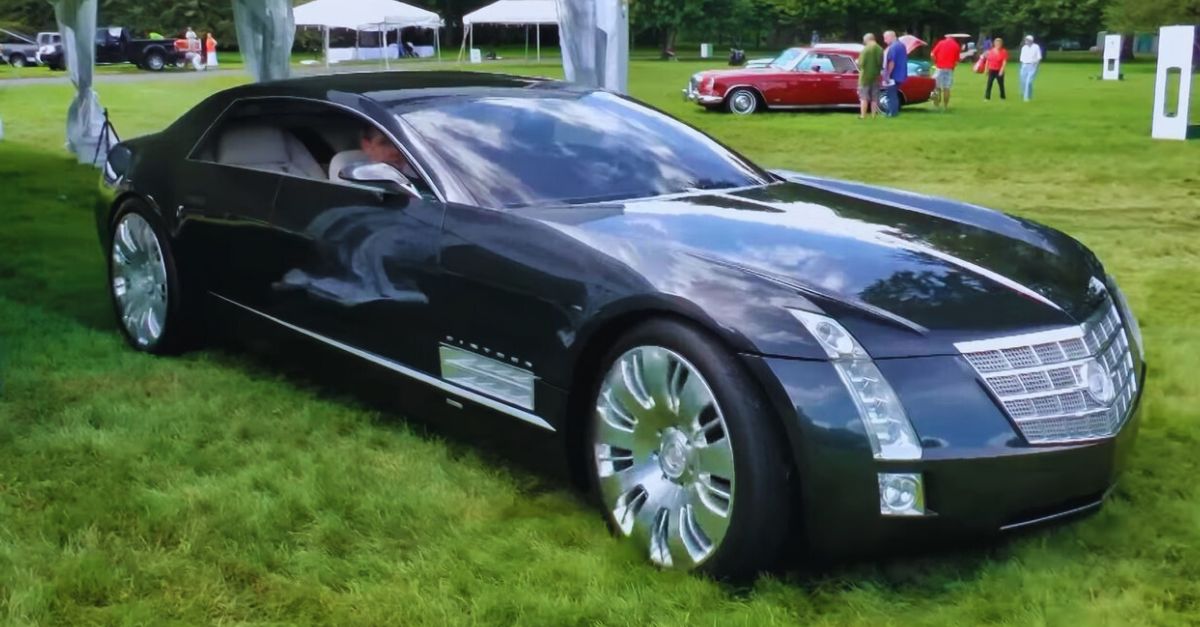
 Tokumeigakarinoaoshima, Wikimedia Commons
Honda Faced Questions About AcuraLink
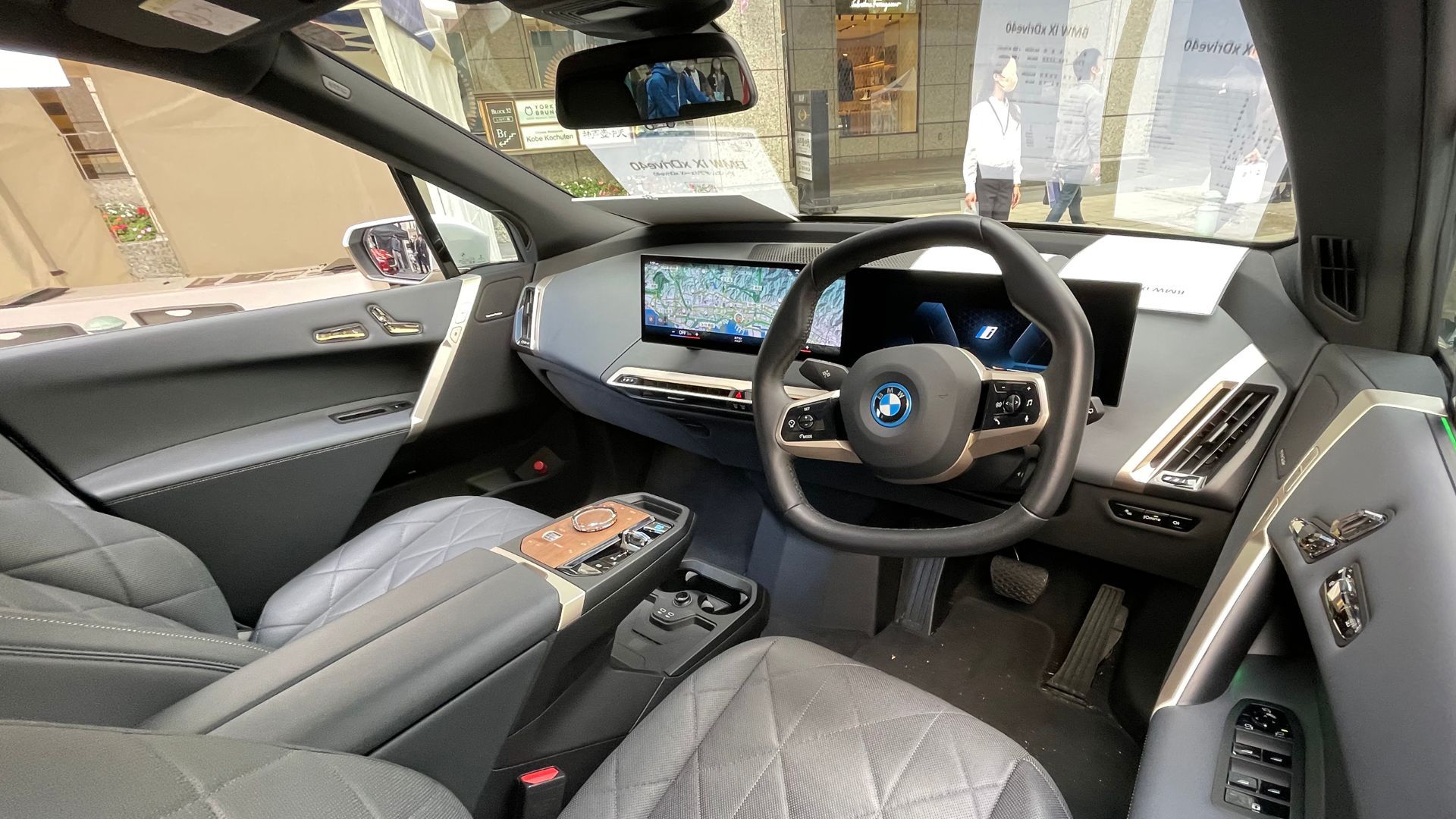
Among the automakers mentioned in 3G shutdown coverage was Honda, whose AcuraLink service was affected for some older vehicles. Features that depended on the older cellular connection were not guaranteed to survive once the network went dark. The cars still drove, of course, but some connected tools and assistance features could disappear for good.
Volkswagen Owners Filed A Lawsuit Over Car-Net
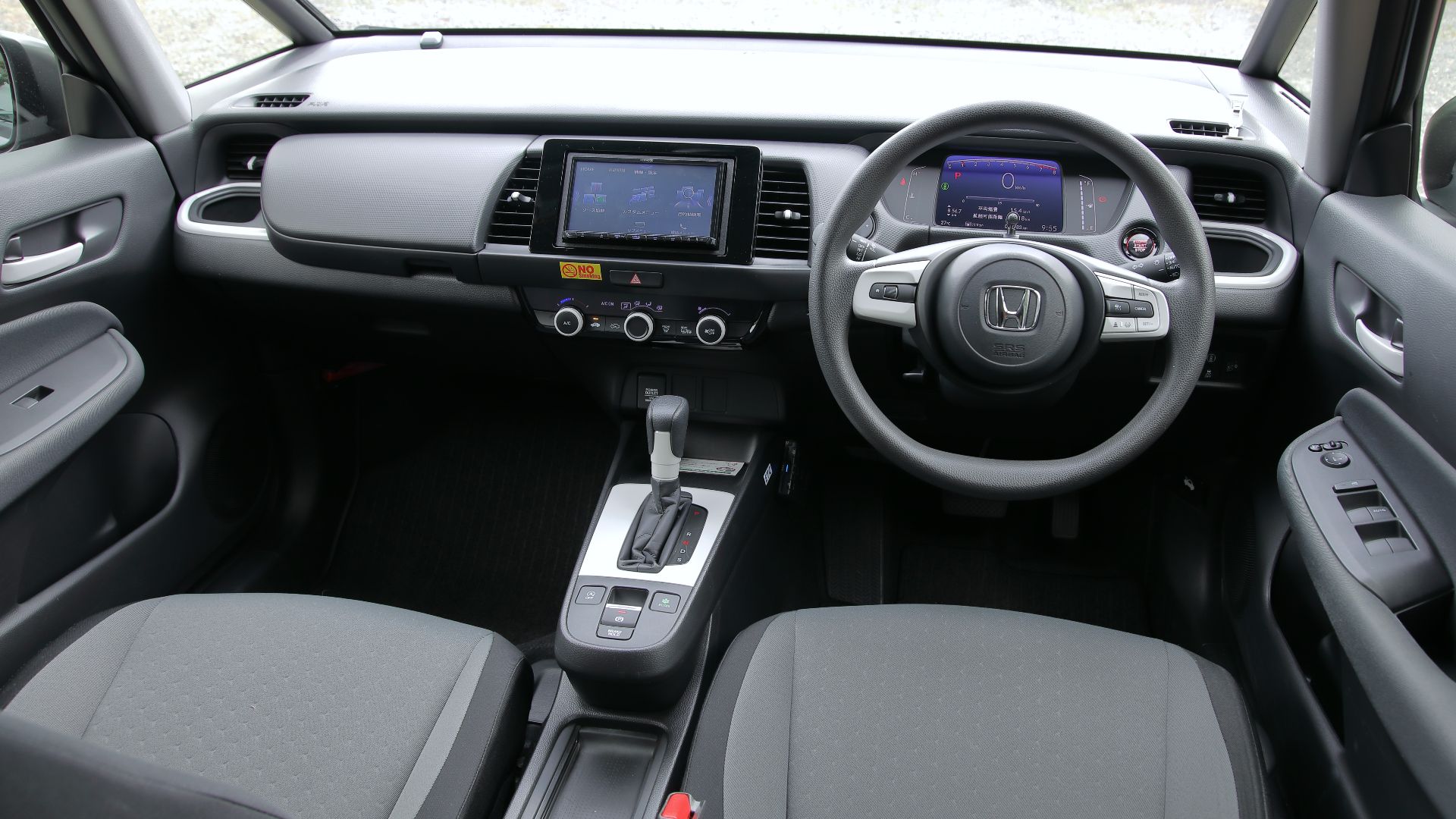
In March 2024, CarComplaints highlighted a proposed class action involving Volkswagen's Car-Net system after the 3G sunset. The suit alleged that owners lost features that had been marketed as part of the vehicle experience, including automatic crash notification and other connected functions. Whether those claims succeed is up to the courts, but the lawsuit shows how fast feature removal can turn into a legal fight when owners believe they paid for more than temporary access.

The Fine Print Usually Talks About Availability
Connected services agreements often say features may become unavailable because of technology changes, coverage gaps, maintenance, or third-party network decisions. That language is there for a reason. It is the automaker's shield when support ends because a supplier changes terms, a carrier shuts down a network, or the company decides keeping the feature alive costs too much.

Over-The-Air Updates Make The Switch Instant
Before over-the-air updates, removing a feature from a sold car was much harder. Now a manufacturer can push new code remotely and change menus, settings, charging behavior, driver-assistance availability, or app support without a dealer visit. That is great when bugs get fixed quickly, but it also means some control stays with the company after the sale.
 Summit Art Creations, Shutterstock
Sometimes The Update Is About Safety Or Compliance
Not every removed function is a cash grab or a broken promise. Automakers sometimes disable or limit a feature because of safety concerns, government rules, or hardware reliability problems. If a camera module, battery part, or communications system cannot support a feature reliably, the manufacturer may decide it is safer to reduce capability than pretend everything still works.

The FTC Has Been Watching Connected Car Practices
Federal regulators have shown growing interest in how automakers handle software and data. In January 2025, the Federal Trade Commission announced an action involving General Motors and OnStar over connected vehicle data collection and sharing. That case was about privacy, not feature shutdowns, but it underscored a bigger point: software-heavy cars now face legal scrutiny that goes far beyond engines, brakes, and bolts.
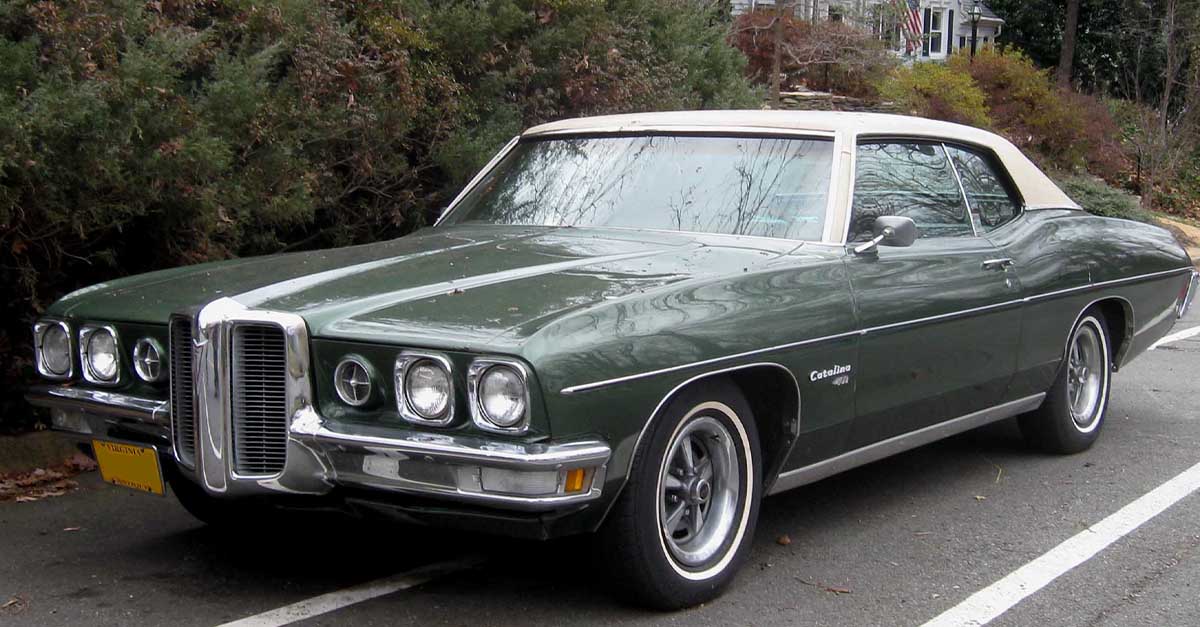
 Charles from Port Chester, New York, Wikimedia Commons
Privacy And Feature Access Are Closely Linked
If a feature works through an app, a telematics unit, or cloud processing, it usually depends on data moving back and forth. That creates two risks for owners. The feature can disappear because the company ends support, and the data practices behind it can become a regulatory problem of their own.

Right To Repair Enters The Conversation
The right-to-repair movement matters here because software locks and remote controls can make independent fixes harder. The FTC's 2021 report Nixing the Fix warned about repair restrictions across many industries. Cars were only part of the story, but the logic fits perfectly when owners cannot maintain or restore software-based features on their own.

Massachusetts Put Automakers On Notice
In 2020, Massachusetts voters approved a ballot measure expanding the state's automotive right-to-repair law to include telematics data access. The issue then moved into court, and in 2023 a federal judge upheld the law against key challenges. The fight was about repair access, not feature shutdowns directly, but it raised the same basic question: who really controls a modern vehicle after it has been sold?

If You Bought A Promise, Advertising Matters
A company has more room to move when a feature is clearly described as a service, a trial, or an optional subscription. It has less room when ads and sales materials strongly suggest the feature is included with the vehicle for the long run. That is why screenshots, brochures, window stickers, order sheets, and dealer emails can become important if a dispute breaks out.

State Consumer Protection Laws Can Still Matter
Even if the contract gives the automaker broad freedom, state consumer protection laws may still give owners a path to complain. The legal question usually turns on whether the marketing was misleading, whether a reasonable buyer would have expected continued use, and whether the company clearly explained the limits. The answer can vary a lot by state and by the exact wording used at the time of sale.

Used-Car Buyers Face Extra Risk
Second and third owners can get stuck in the middle because software entitlements do not always transfer cleanly. The Tesla case became famous for exactly that reason. A feature can look tied to the car, while the manufacturer treats it as tied to an account, a subscription period, or the original purchase record.
Leased Cars Are Different, But Not Immune
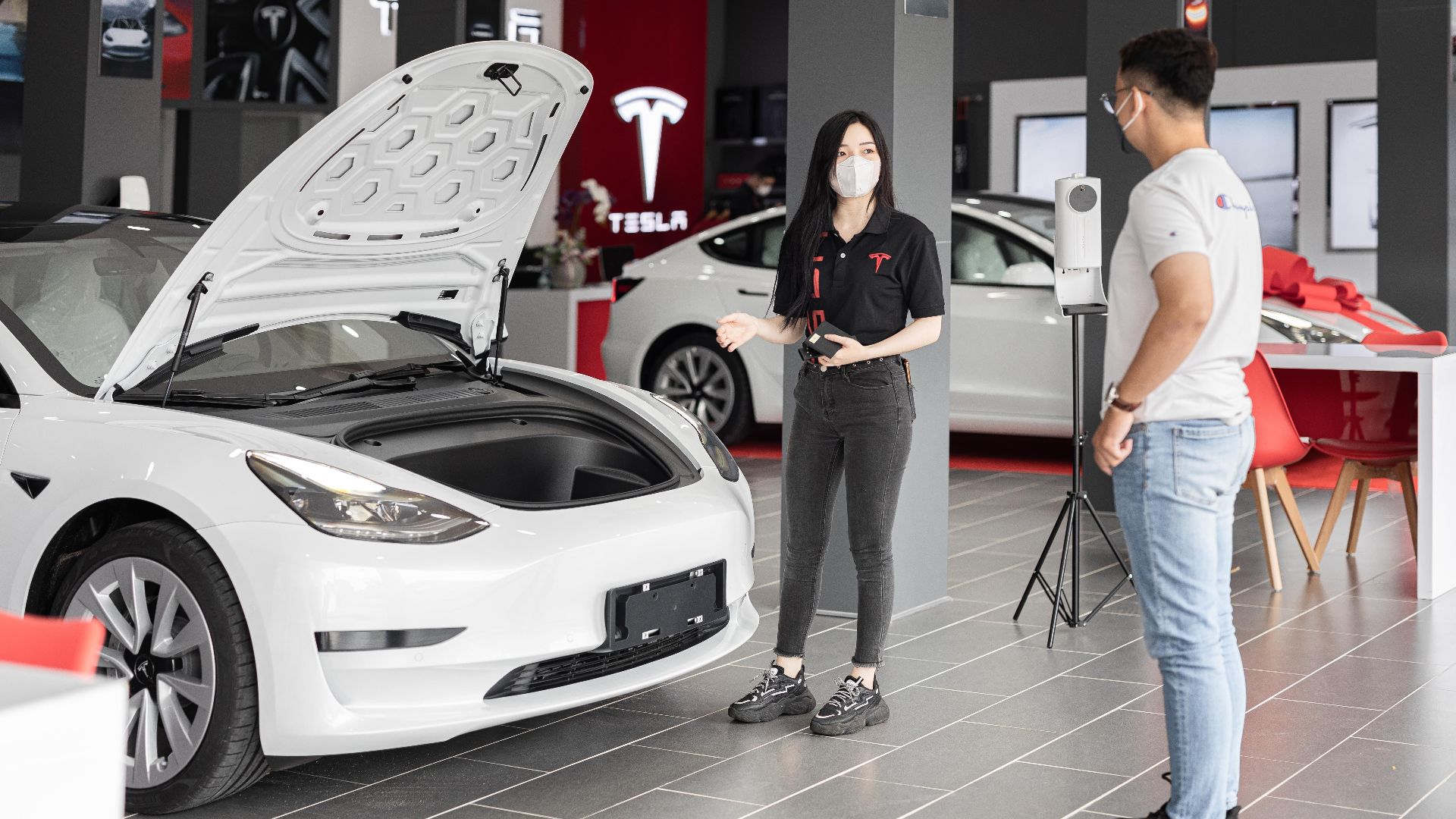
Lease drivers may assume the automaker has wider control because the company still effectively owns the vehicle during the lease term. In practice, that can be true, but disclosure still matters. If a feature was part of the sales pitch for the lease, shutting it off midway through can still draw complaints and regulatory attention.

What You Should Check Before You Update
Read the release notes if they are available, and take screenshots of your current feature list in the car and in the mobile app. Save any messages from the automaker about service changes, hardware sunsets, or subscription shifts. If a favorite function disappears, that paper trail can help show the feature existed and was described a certain way before the update.

What To Do If A Feature Vanishes
Start with the dealer and the automaker's customer service line, but keep your communication in writing whenever you can. Ask whether the change is temporary, whether a hardware retrofit exists, and whether the company will offer compensation, a subscription credit, or a buyback option. If the answer goes nowhere, complaints to your state attorney general, your state consumer agency, the FTC, or the National Highway Traffic Safety Administration may be worth considering, depending on the issue.

Can You Refuse Updates To Avoid Losing Features
Sometimes, but it is not a perfect plan. Skipping updates can leave you without security patches, bug fixes, recall fixes, and compatibility improvements. In some cases, the vehicle may eventually require the update for app functions or service visits, so treating non-updating like a permanent shield can backfire.

The Real Rule Is That Support Has A Shelf Life
The harsh lesson of the software-defined car era is that some features are not sold the way a sunroof or steering wheel is sold. They are licensed, maintained, and dependent on systems outside the car itself. Once you see that, an automaker's power to disable something after an update becomes less surprising, even if it still feels lousy.
So Can They Do That
Usually, yes, especially if the feature depends on software support, mobile networks, cloud services, or subscription terms that reserve the right to change availability. But that is not the whole story, because strong advertising claims, weak disclosures, and state consumer laws can still give owners real arguments. The safest takeaway is simple: if a feature matters to you, find out whether it is permanent hardware, a transferable license, or a service that can quietly expire.