Are Physical Buttons Making A Comeback?
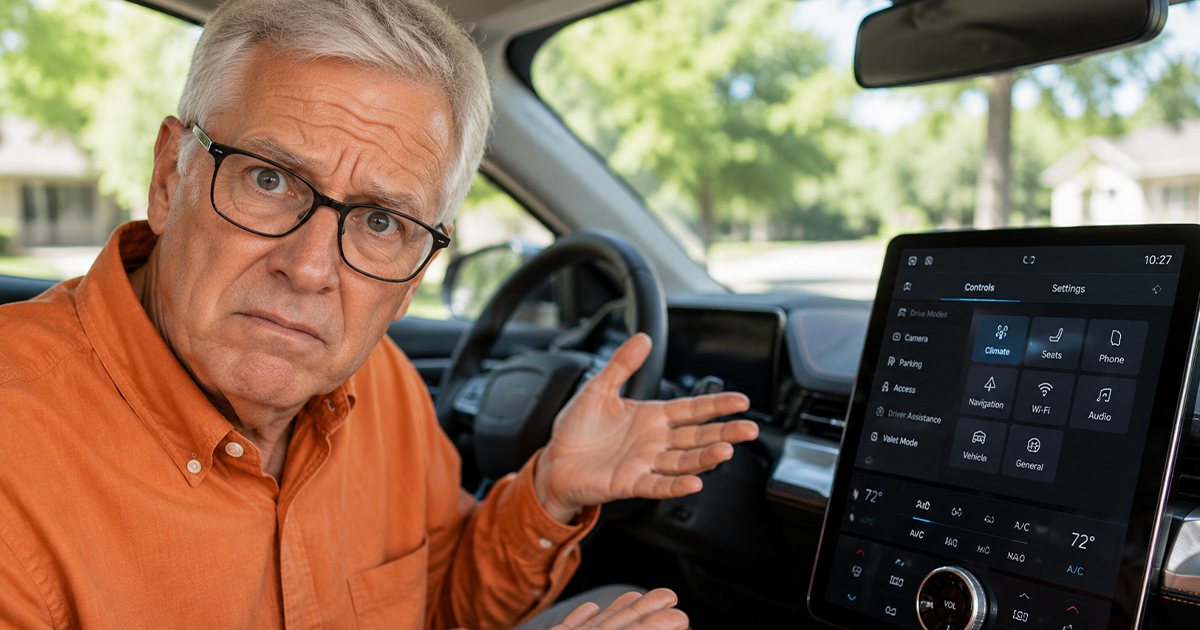
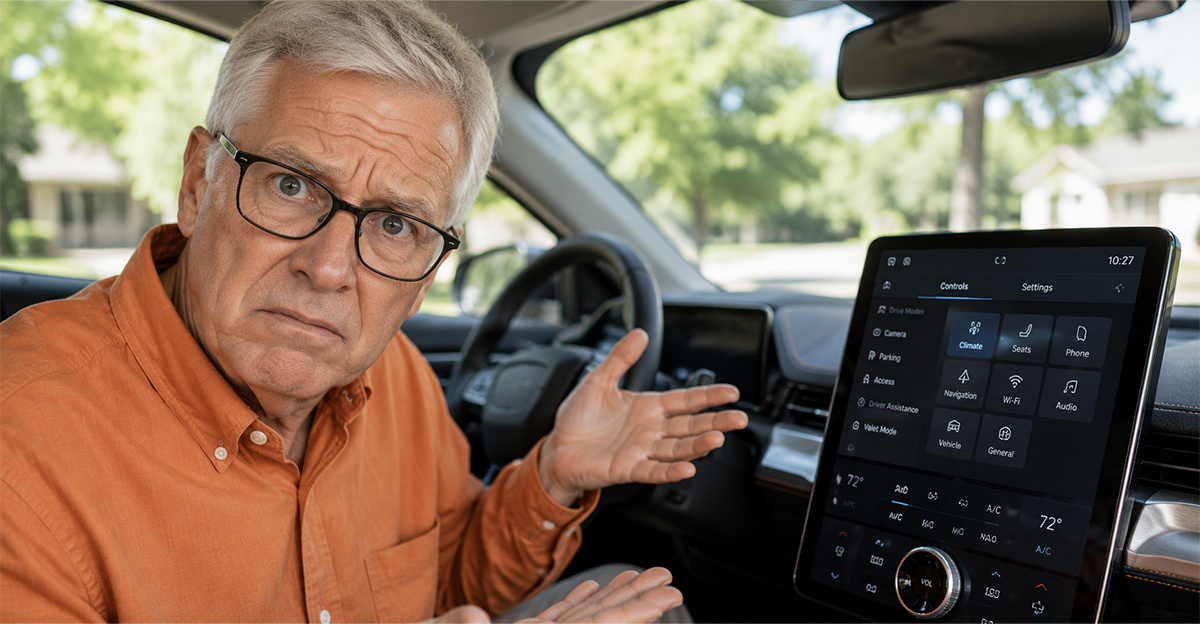
You buy a brand-new vehicle expecting it to feel futuristic. Instead, you find yourself tapping through three different menus just to adjust the heat or turn on the seat warmer. It leaves you wondering whether car companies have gone too far with touchscreens... and whether old-fashioned buttons might actually be making a comeback.
It Didn't Used To Be This Complicated
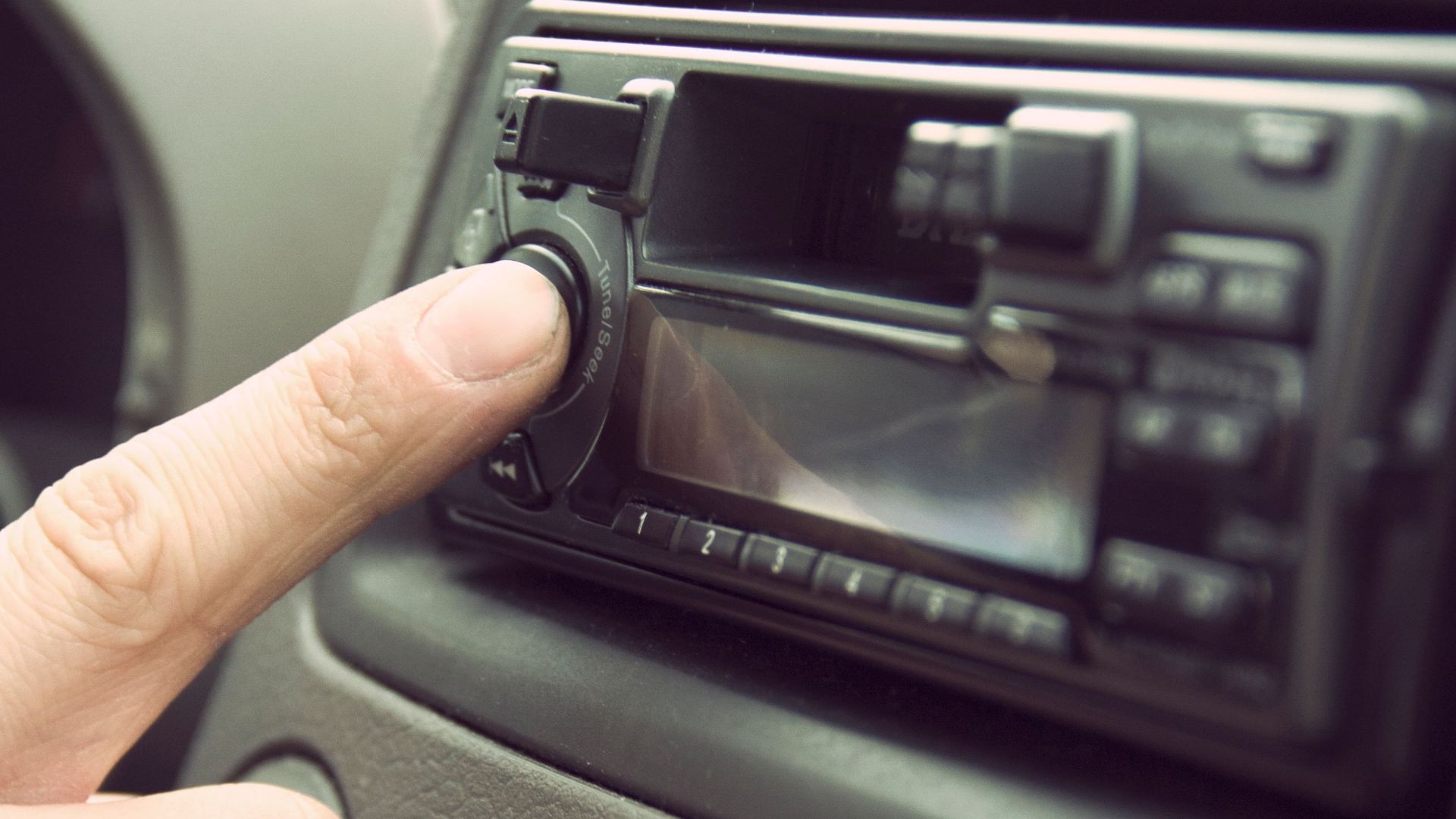
There was a time when you could change the radio station or fan speed without taking your eyes off the road. Your hand simply knew where the button was. Now, even experienced drivers sometimes find themselves hunting through digital menus.
Why Did Everything Move To A Screen?
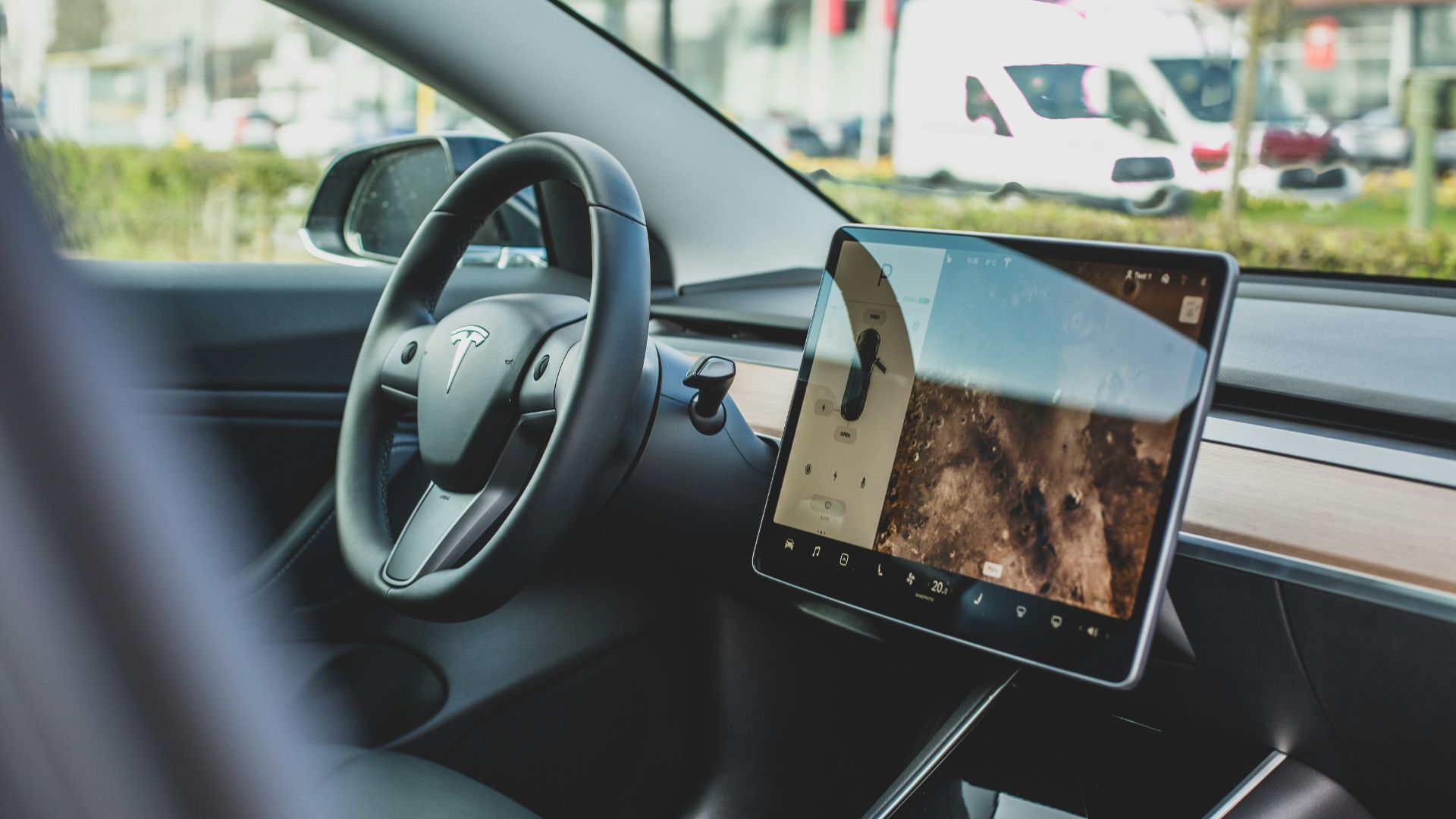
Touchscreens didn't become popular overnight. Automakers saw them as a way to modernize interiors, reduce the number of physical parts, and make vehicles feel more like smartphones.
One Screen Can Replace Dozens Of Parts
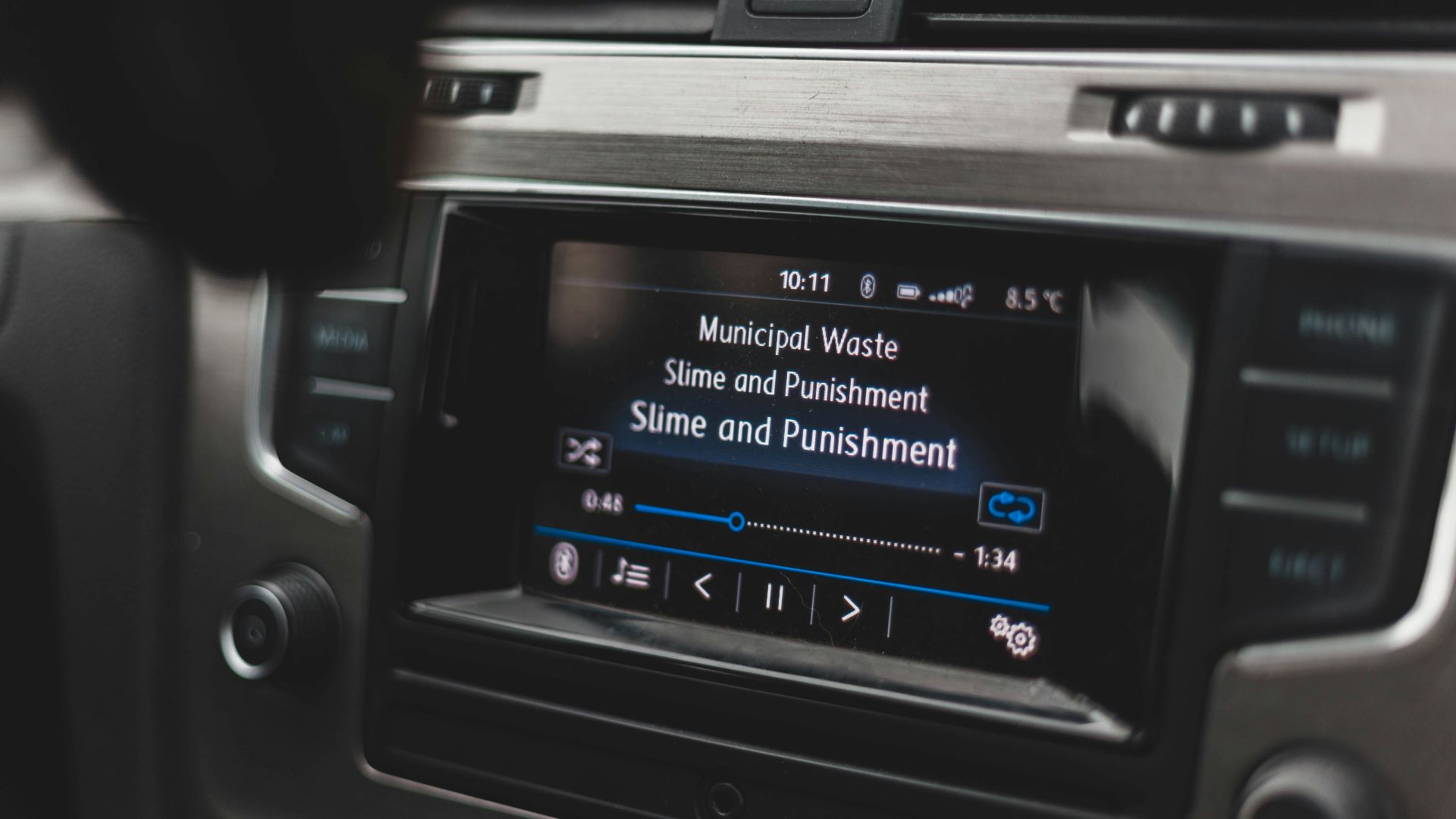
Instead of installing separate buttons, switches, knobs, and wiring for every feature, manufacturers can control many functions through one display. That often reduces production complexity and makes software updates easier.
Drivers Didn't All Celebrate
While the interiors looked cleaner and more high-tech, not everyone loved the change. Many owners quickly realized that simple tasks suddenly required much more attention.
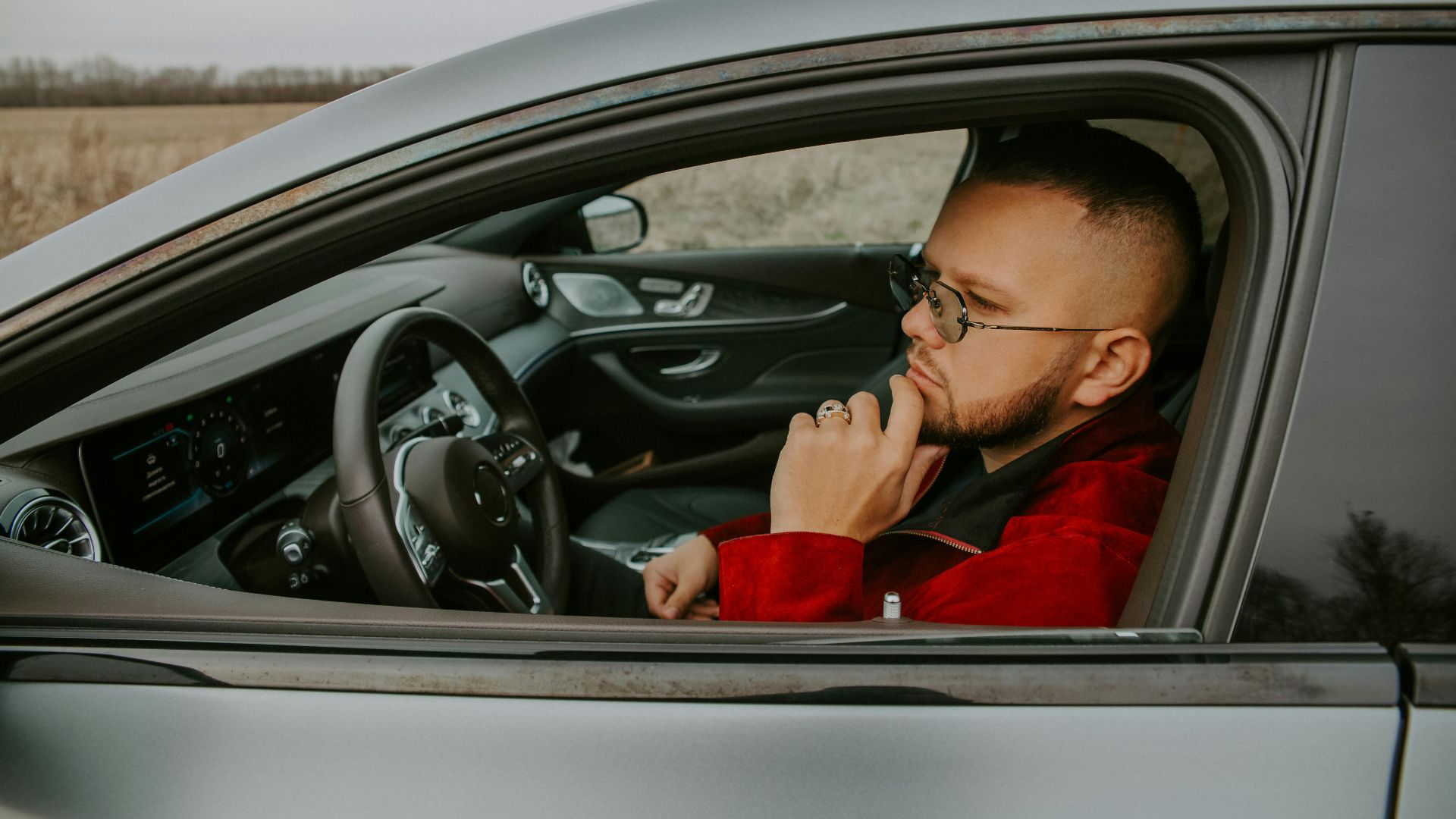
Your Eyes Can Only Look One Place
Looking down at a touchscreen—even for a second or two—means you're not watching the road ahead. At highway speeds, that's a surprisingly long distance to travel without seeing what's happening.
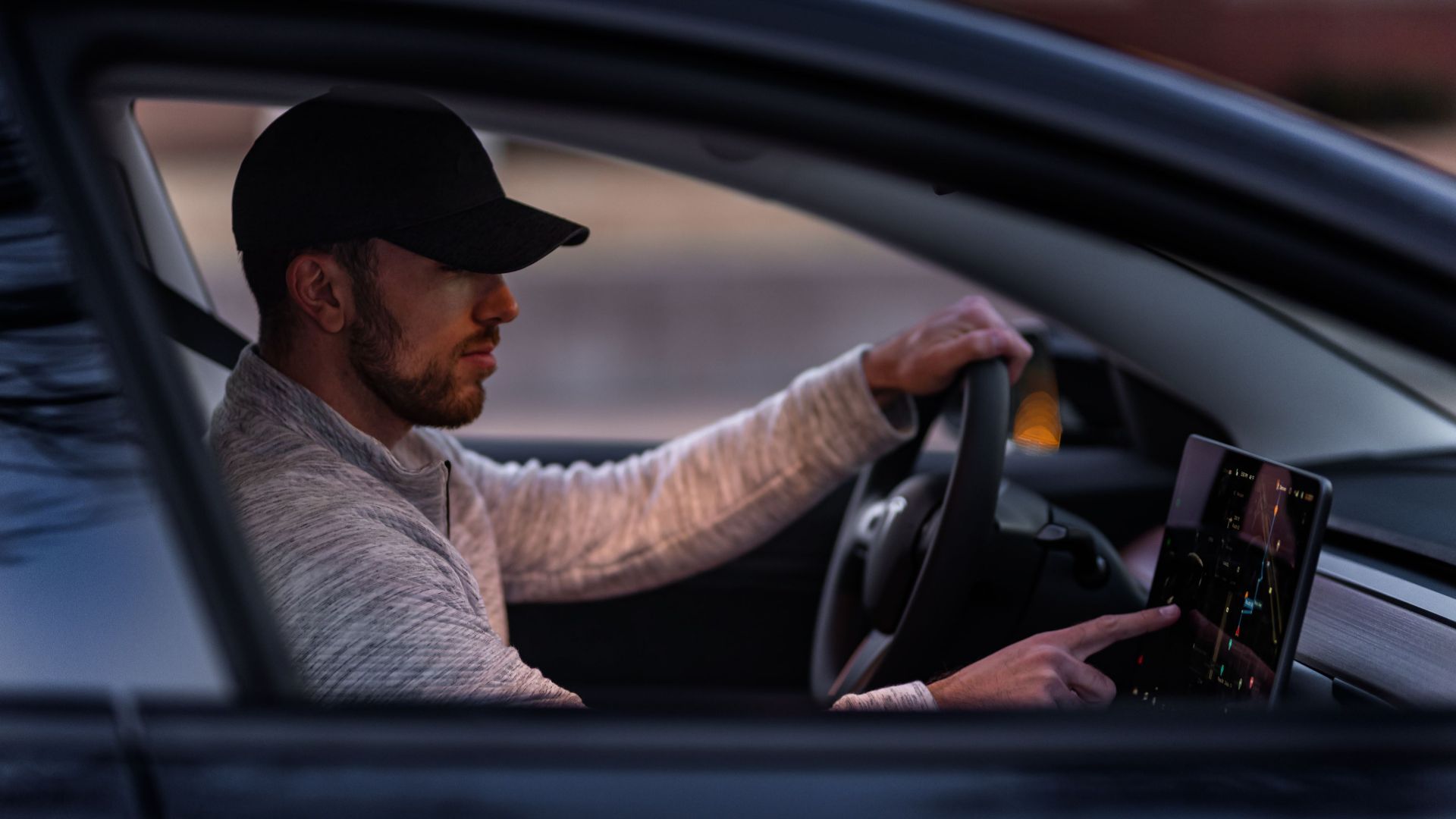
Researchers Started Paying Attention
As touchscreens became more common, researchers began studying whether they distracted drivers more than traditional controls. The results sparked a much larger conversation than many automakers expected.
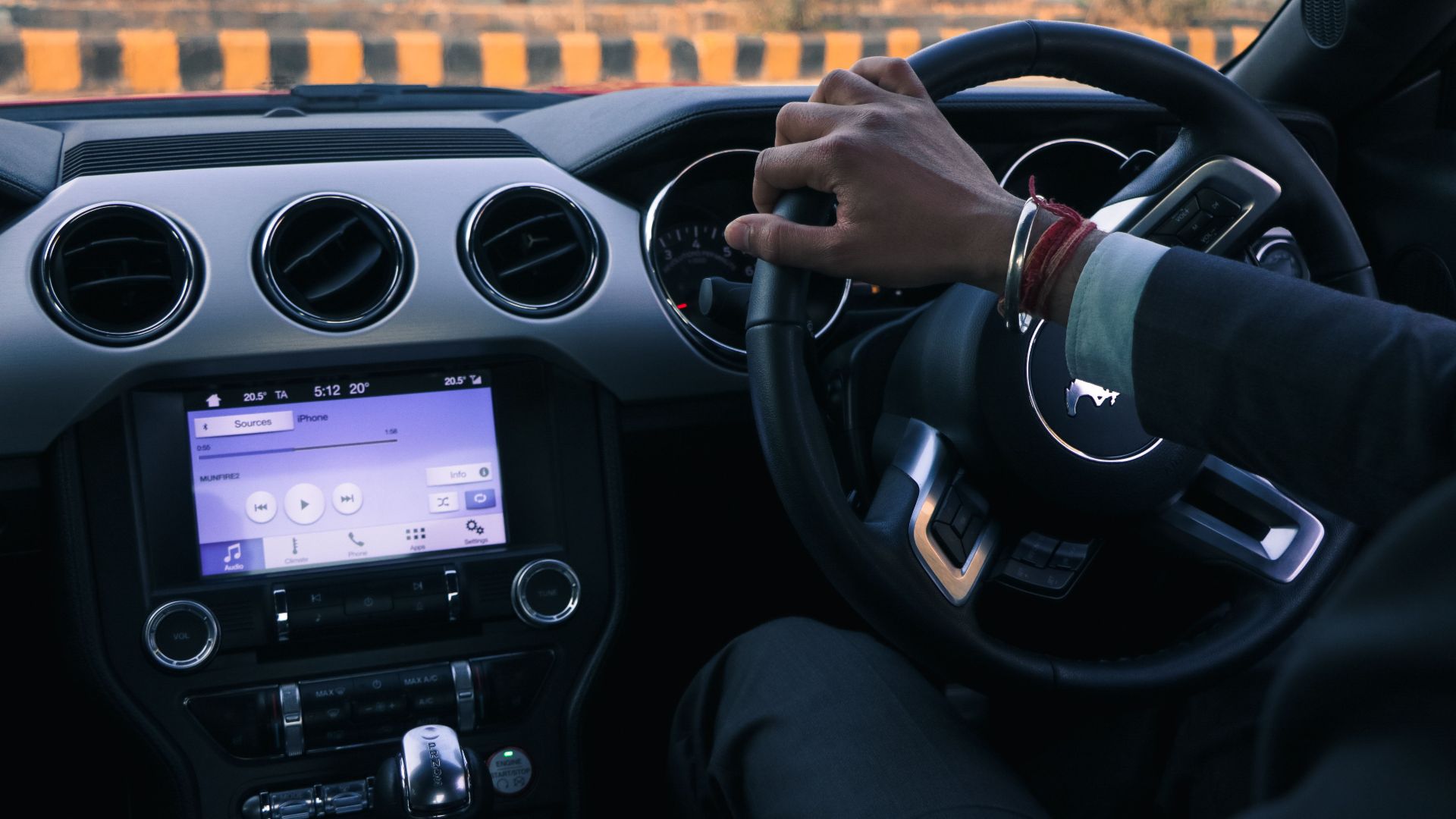
Muscle Memory Matters
One advantage of physical buttons is that drivers eventually memorize where they are. After a while, you don't even have to look. A smooth volume knob or raised temperature button becomes familiar almost without thinking.
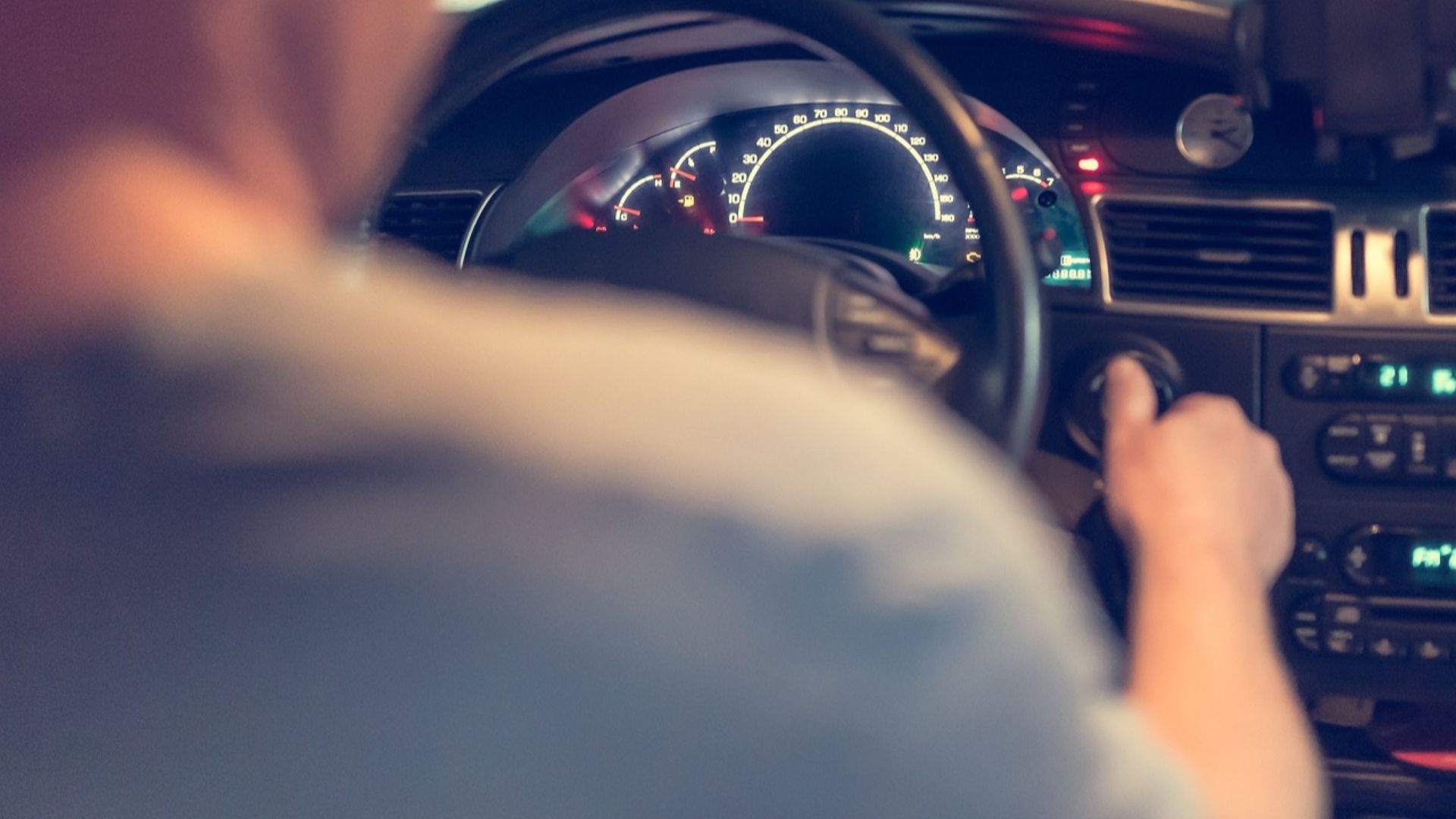
A Flat Screen Doesn't Feel The Same
Every icon on a touchscreen feels exactly like the one beside it. Without texture or physical feedback, many drivers naturally glance down to make sure they're pressing the correct control.
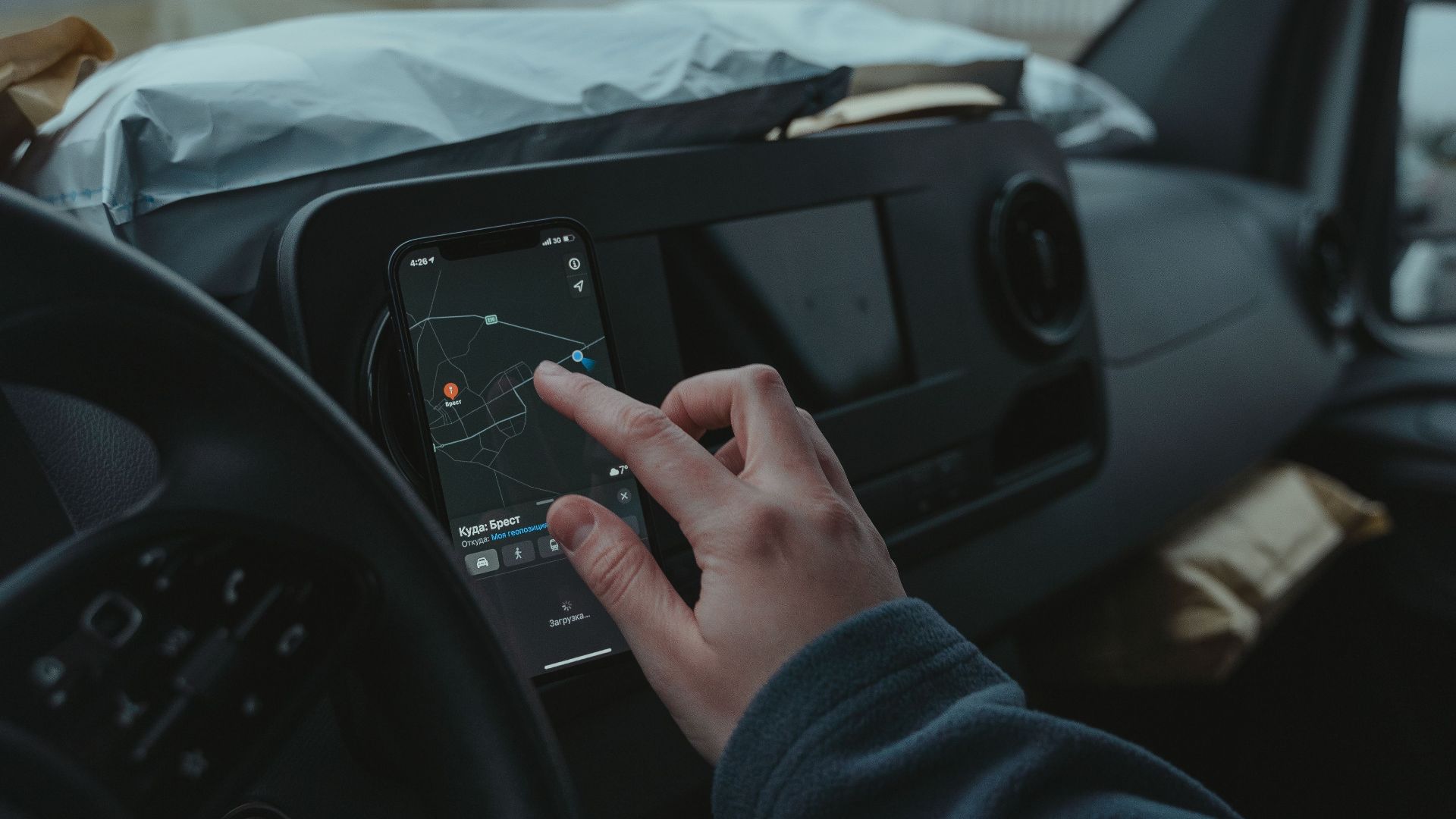
Cold Weather Makes It Worse
Try adjusting a touchscreen while wearing winter gloves. Suddenly, that simple temperature change doesn't feel so simple anymore.
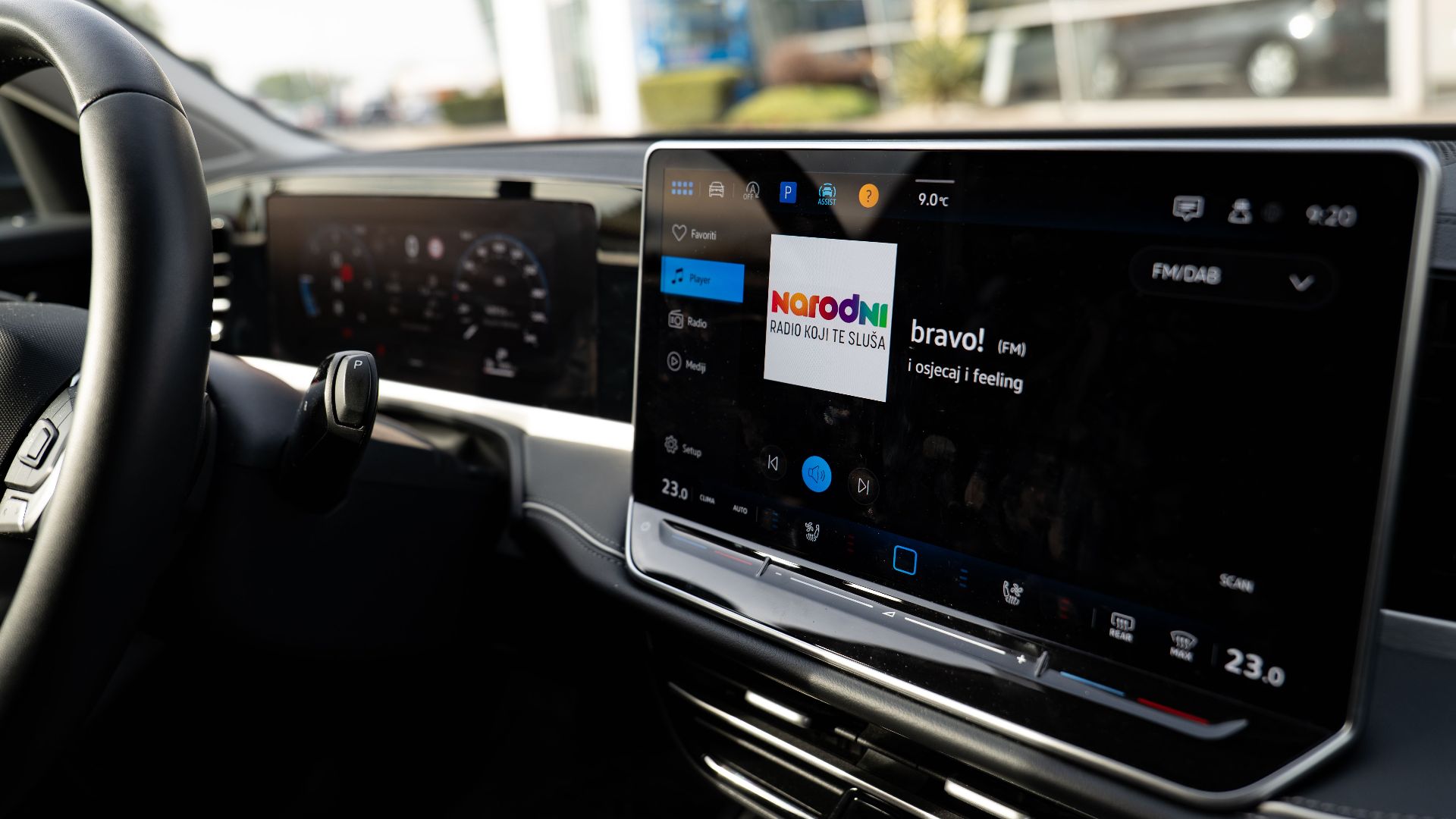
Bumpy Roads Don't Help Either
Anyone who's tried tapping a tiny on-screen icon while driving over rough pavement knows it can feel like playing a very frustrating arcade game.
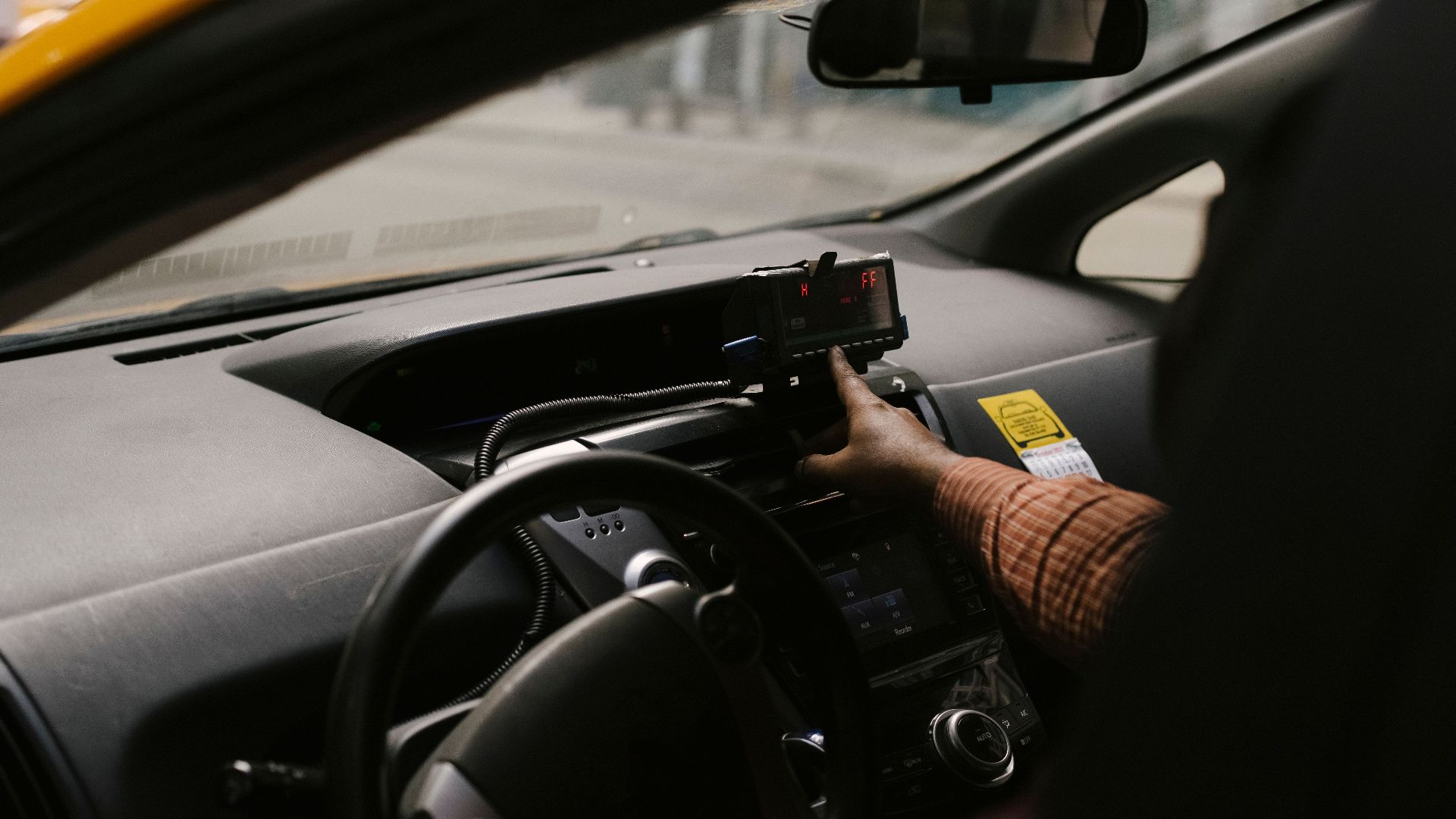
Voice Controls Sound Like The Solution
Automakers hoped voice assistants would eliminate many touchscreen distractions. Sometimes they work brilliantly. Other times they misunderstand 'turn up the heat' and decide you're looking for the nearest Thai restaurant.
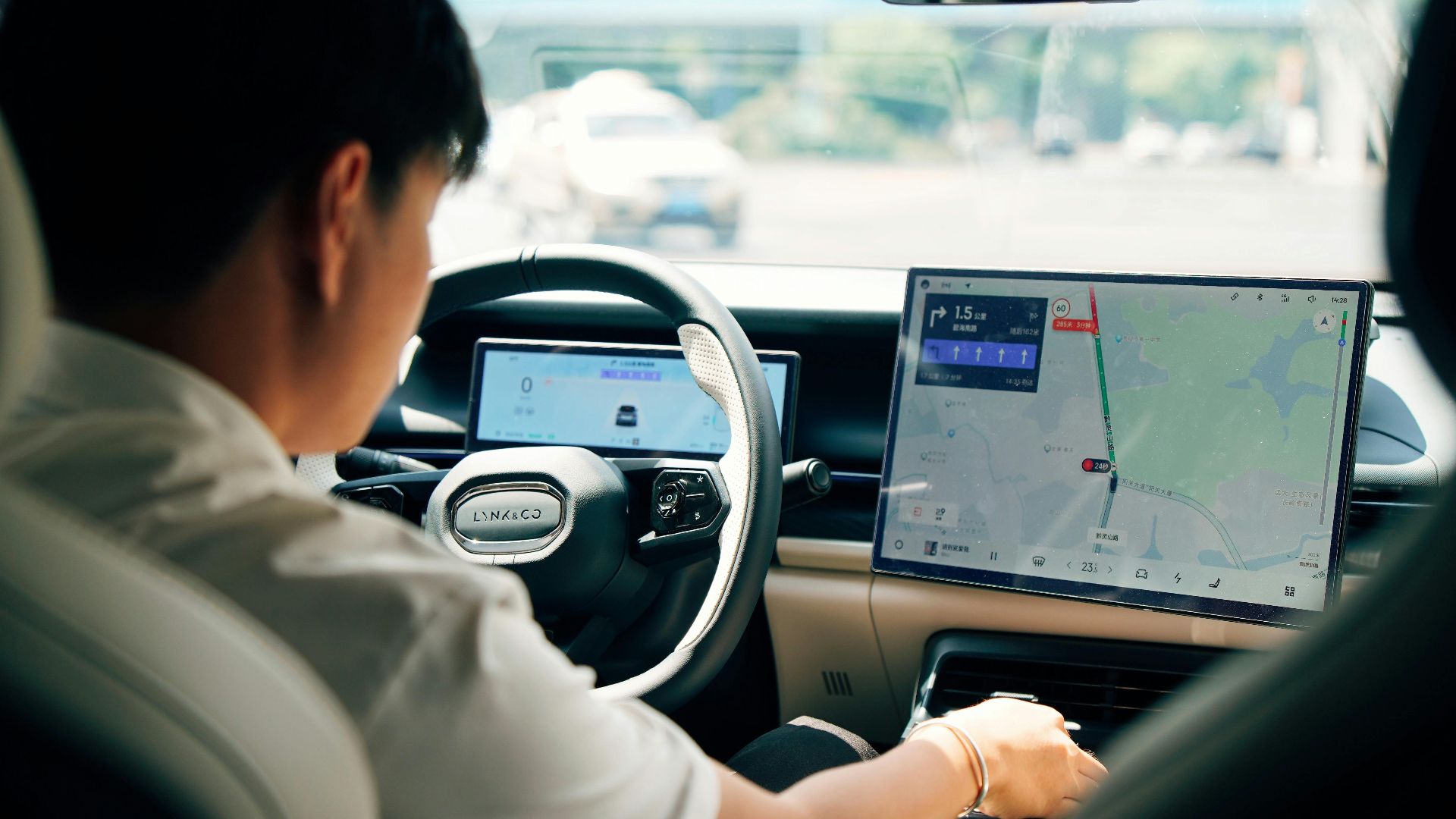
Software Keeps Improving
Modern voice recognition is becoming much better than it was just a few years ago. Even so, many drivers still prefer reaching for a button when they want something to happen immediately.
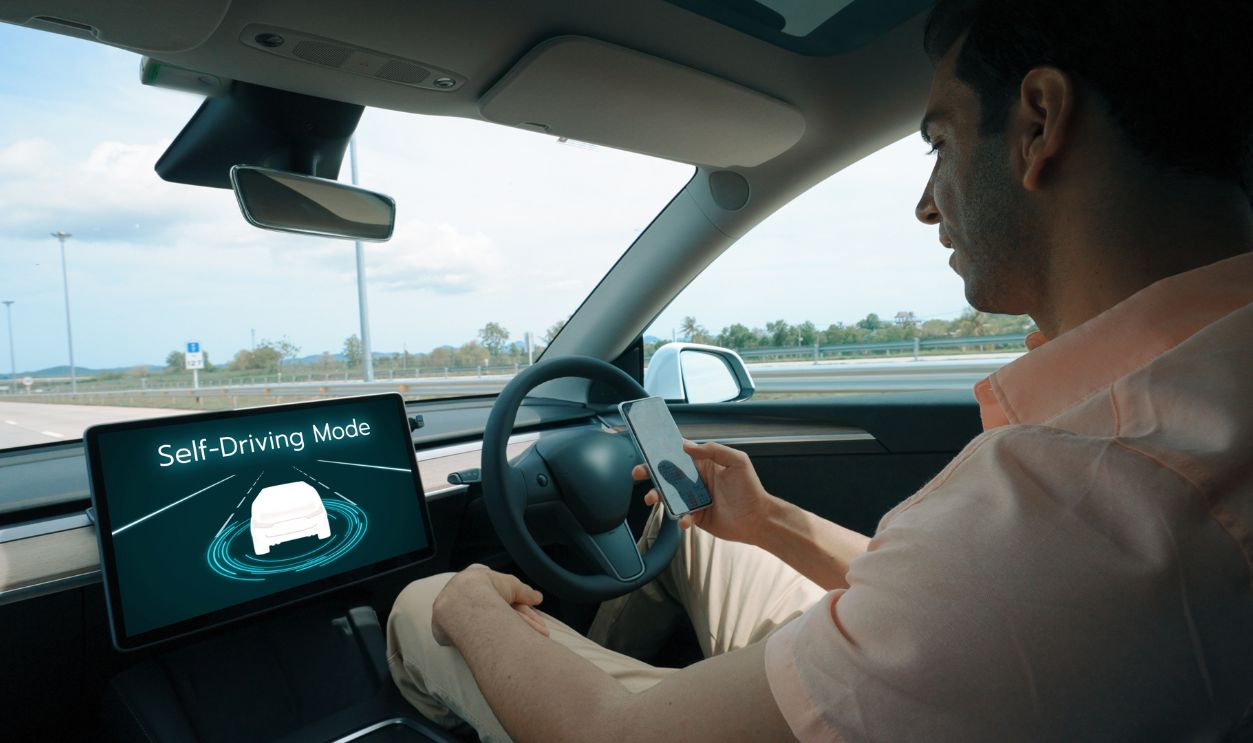 Summit Art Creations, Shutterstock
Safety Experts Began Asking Questions
Organizations studying road safety started looking more closely at how in-car technology affects driver attention. That research continues to influence vehicle design today.
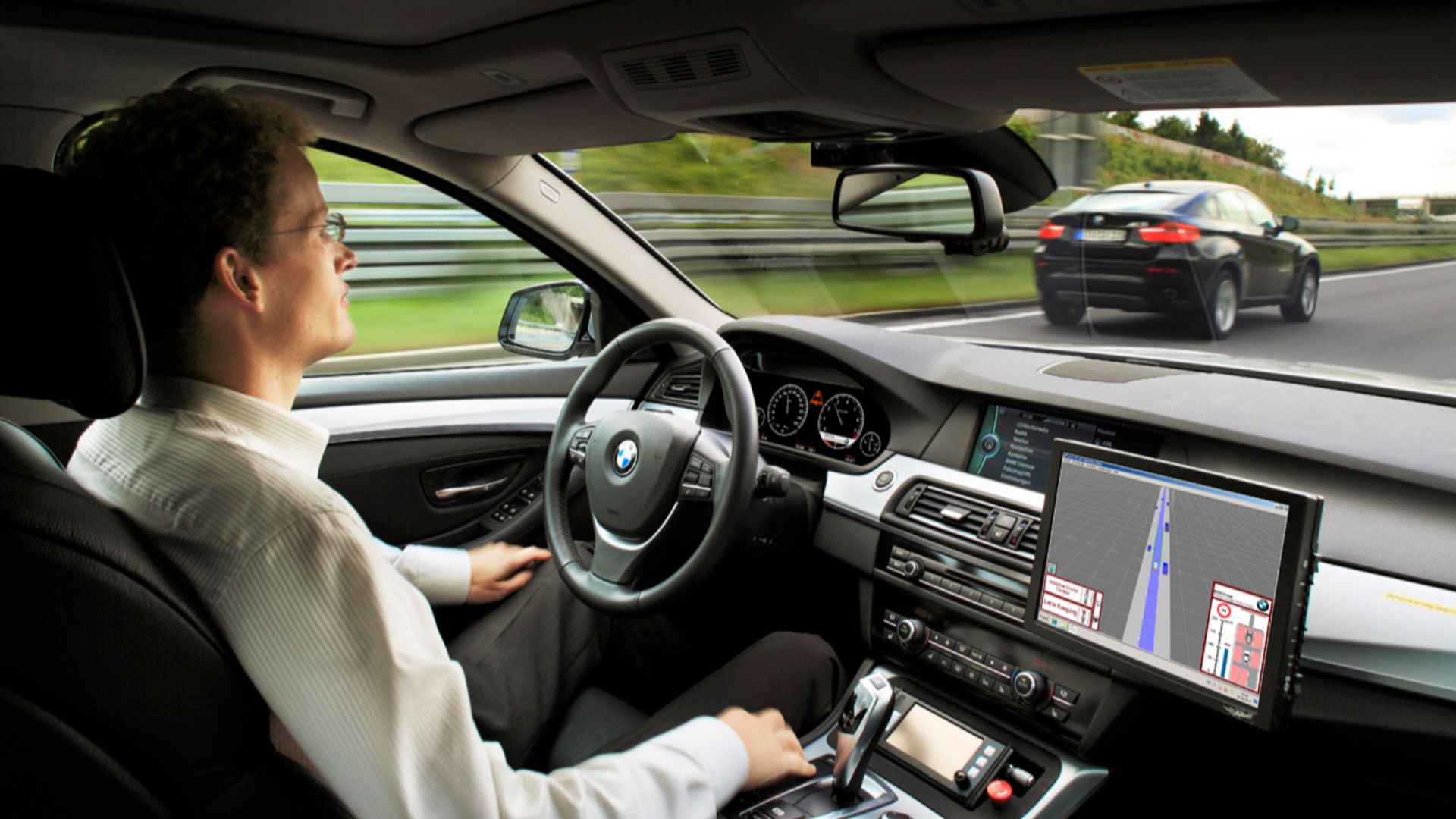 BP63Vincent, Wikimedia Commons
Customers Started Speaking Up
Surveys, owner reviews, and dealership feedback all revealed a similar complaint: many people missed having physical controls for everyday functions.
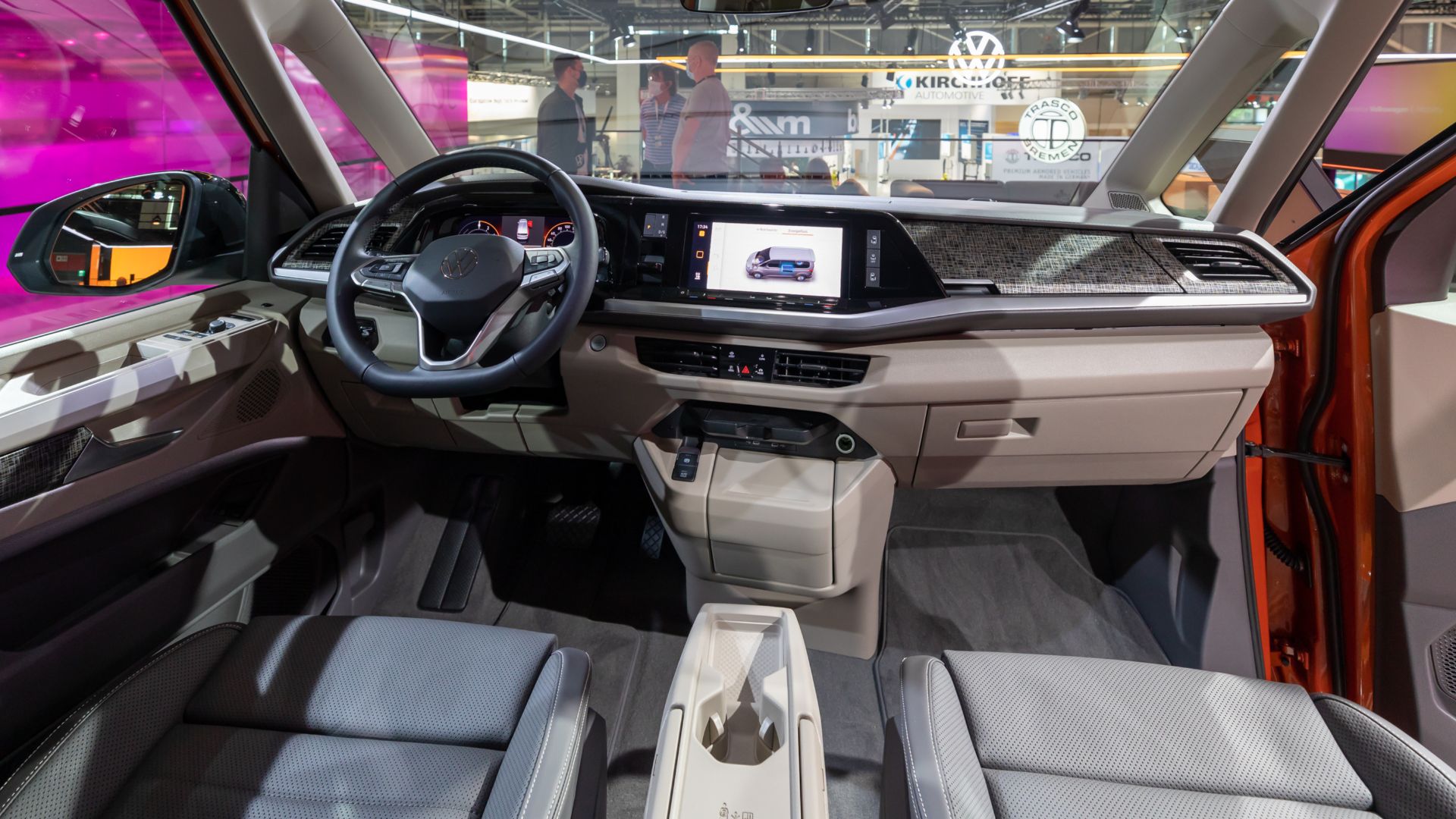 Matti Blume, Wikimedia Commons
Not Every Button Disappeared
Even the most screen-heavy vehicles usually keep a few essential controls, such as hazard lights, window switches, or gear selectors. That wasn't an accident.
 Marek Ślusarczyk (Tupungato) Photo portfolio, Wikimedia Commons
Luxury Doesn't Always Mean Simpler
Ironically, some of the most expensive vehicles have the most complicated interfaces. More technology often means more menus to learn.
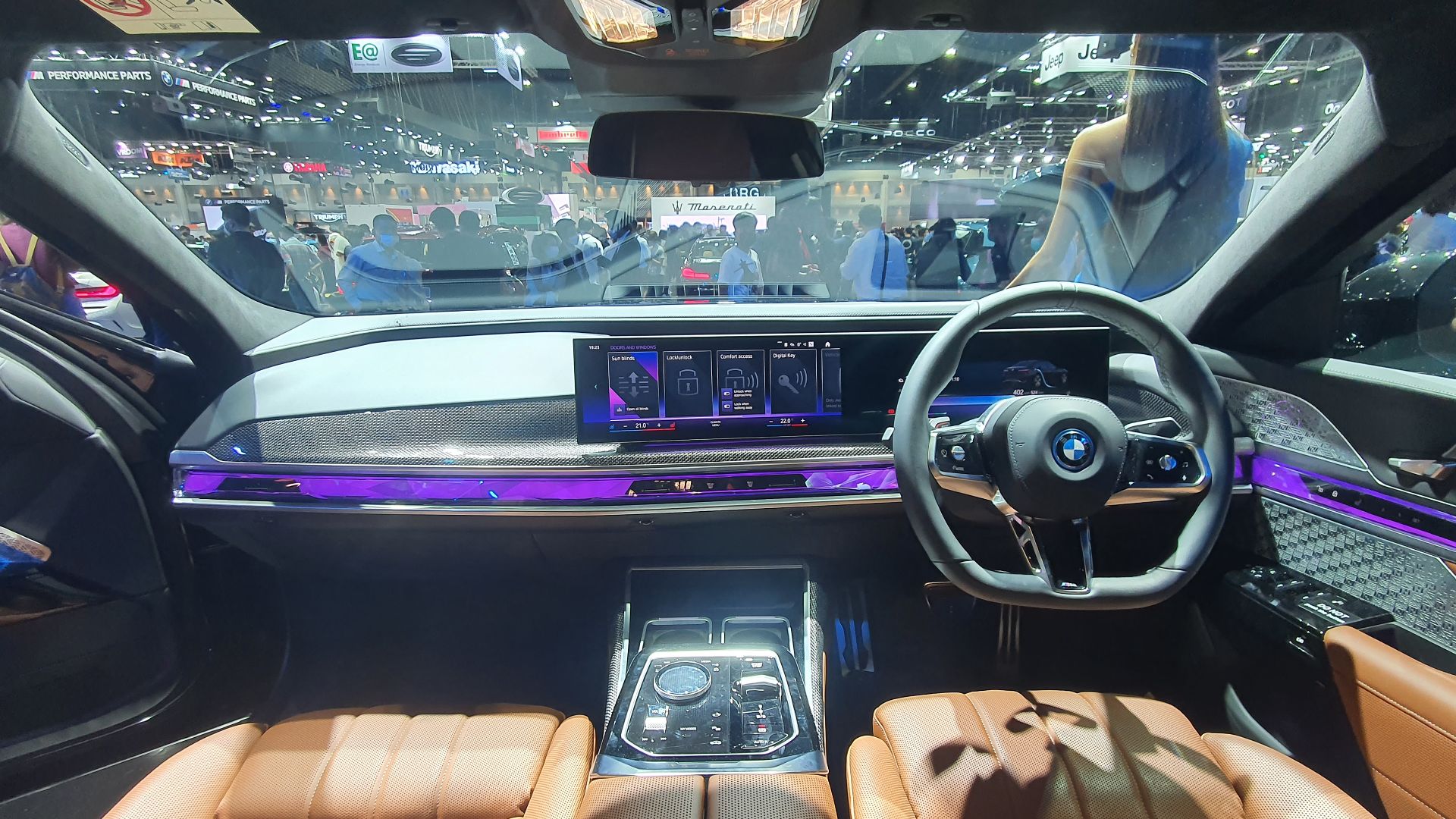
Regulations Are Beginning To Matter
Road safety organizations and regulators have increasingly discussed how vehicle controls affect driver distraction. That conversation is influencing future vehicle design more than many people realize.
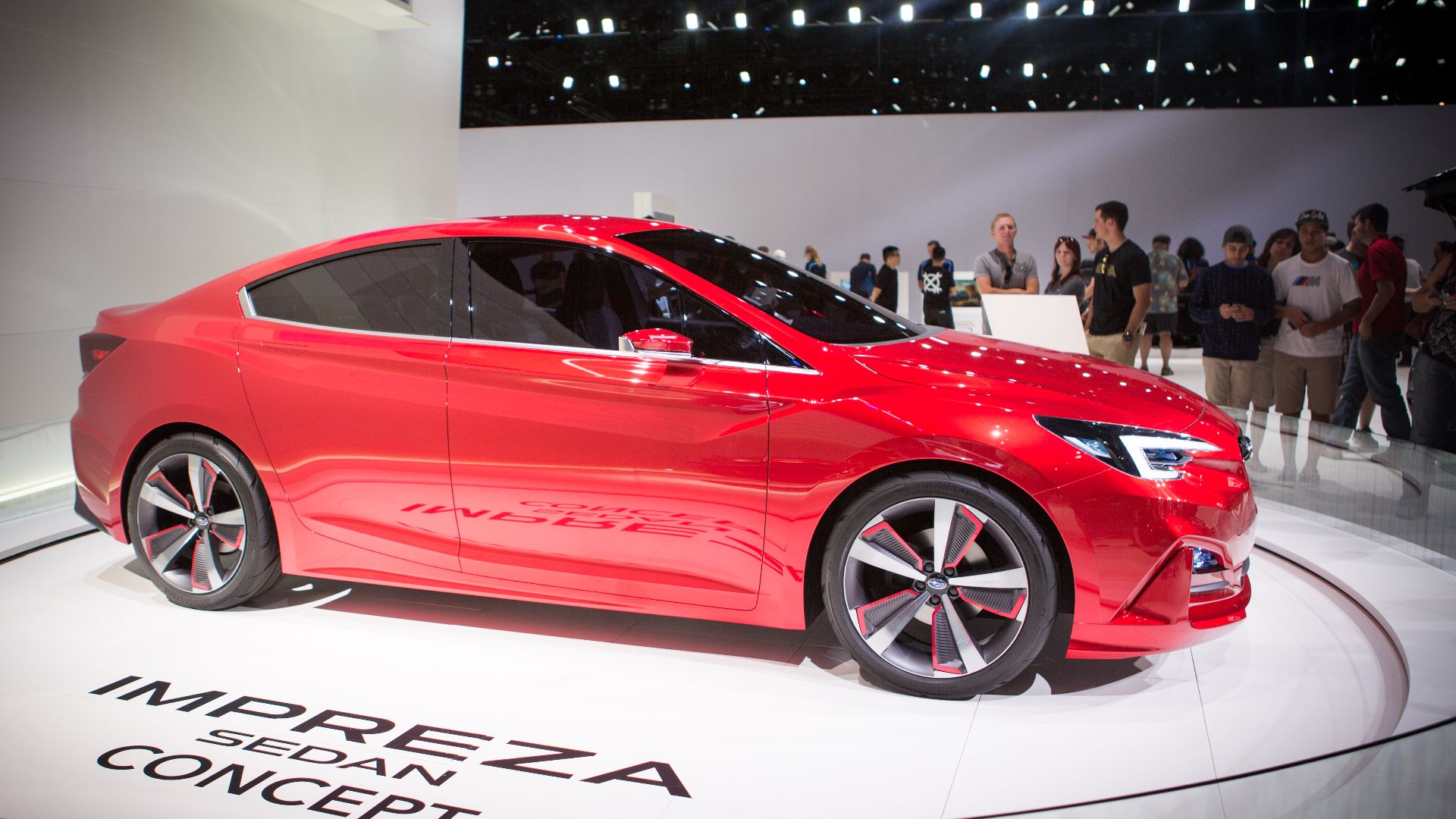 Shelby Asistio from Los Angeles, United States, Wikimedia Commons
Some Companies Quietly Changed Direction
Without making a huge announcement, several automakers began reintroducing physical knobs or dedicated buttons for commonly used features in newer models.
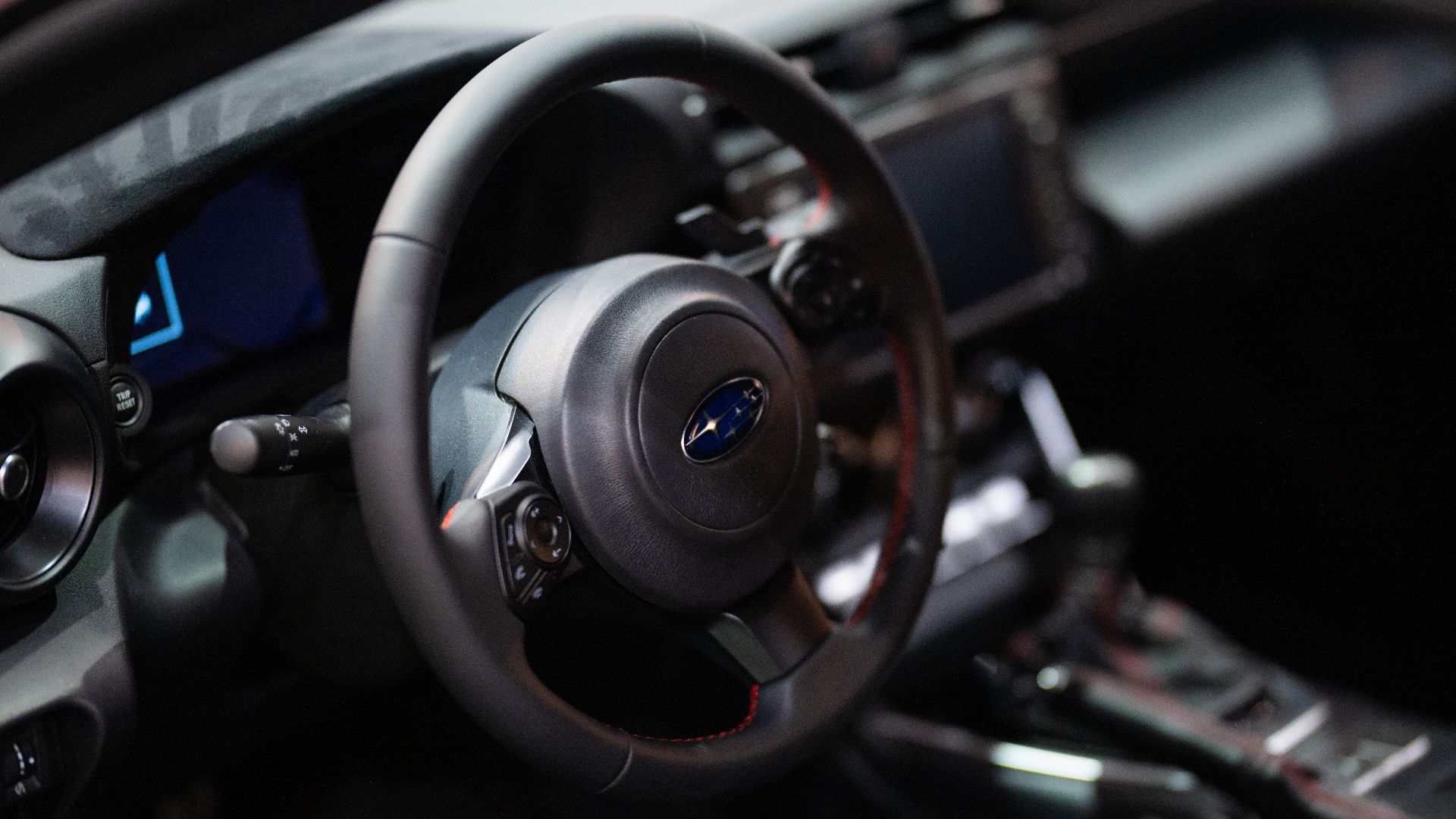
Why The Change?
It wasn't because touchscreens suddenly stopped working. Something else was convincing manufacturers that drivers wanted a different balance.
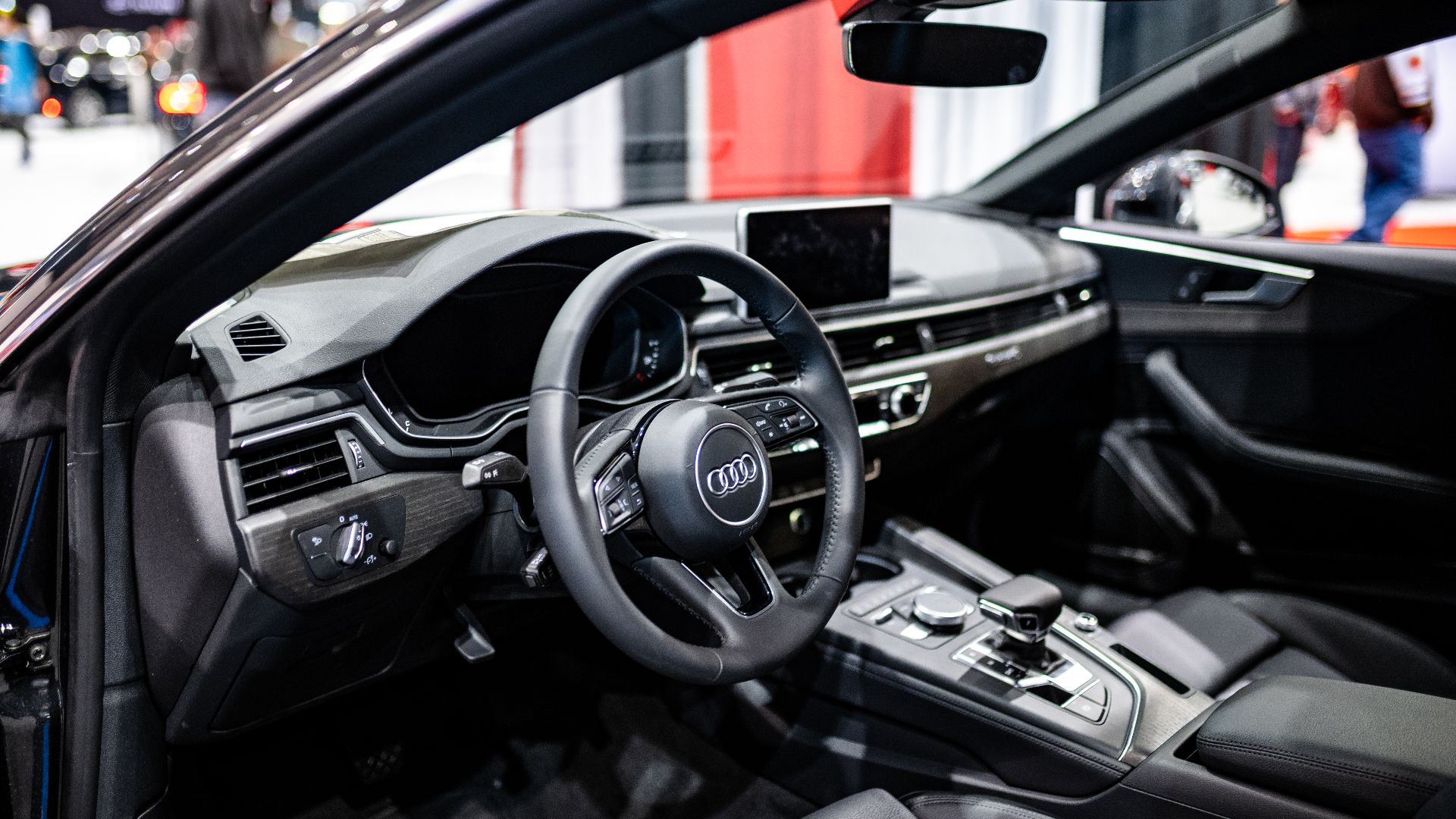
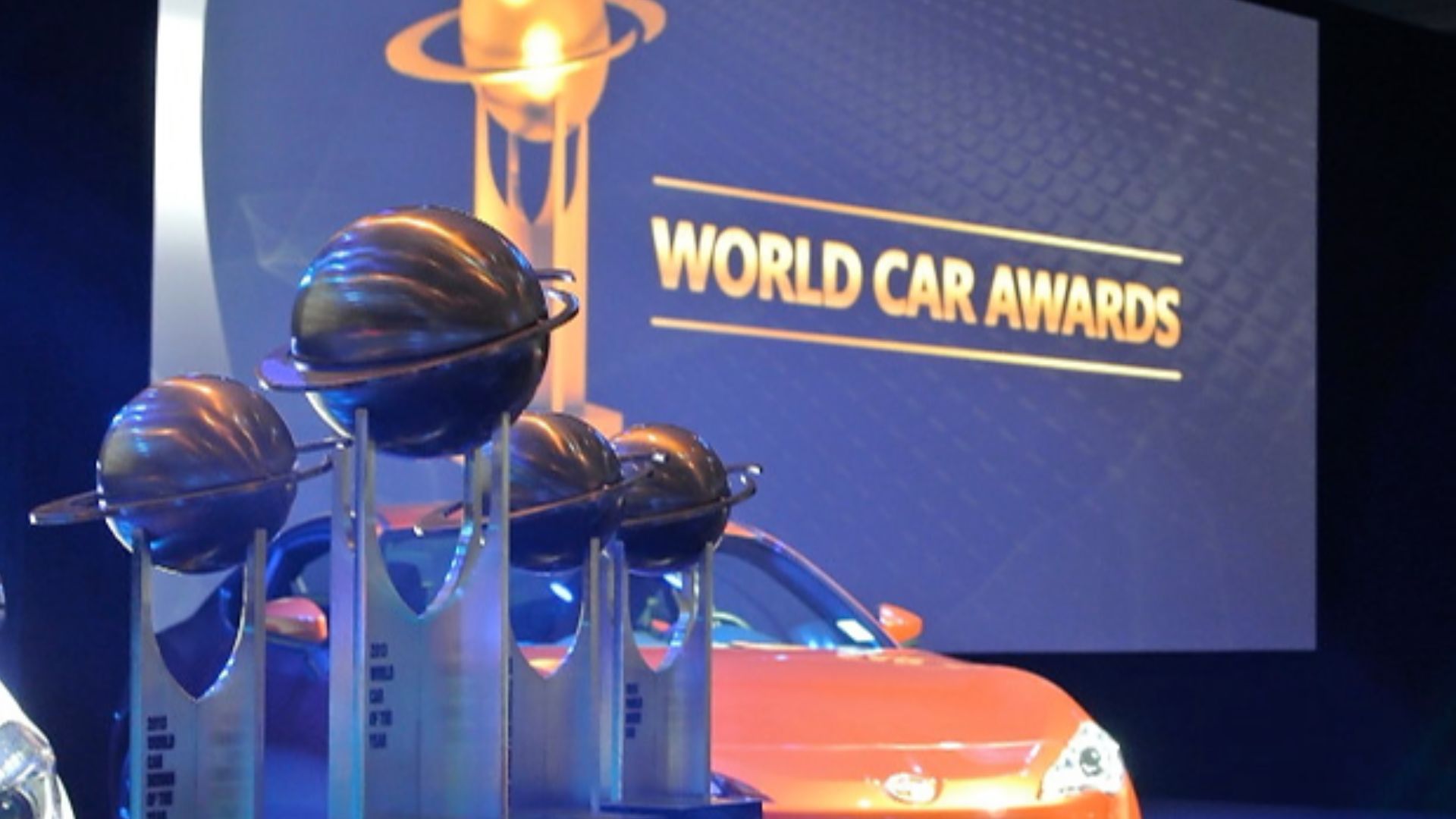
Awards Started Rewarding Simplicity
Some vehicle reviewers and industry organizations began praising interiors that made common controls easier to use rather than simply adding larger screens.
 MotorBlog from Ca, USA, Wikimedia Commons
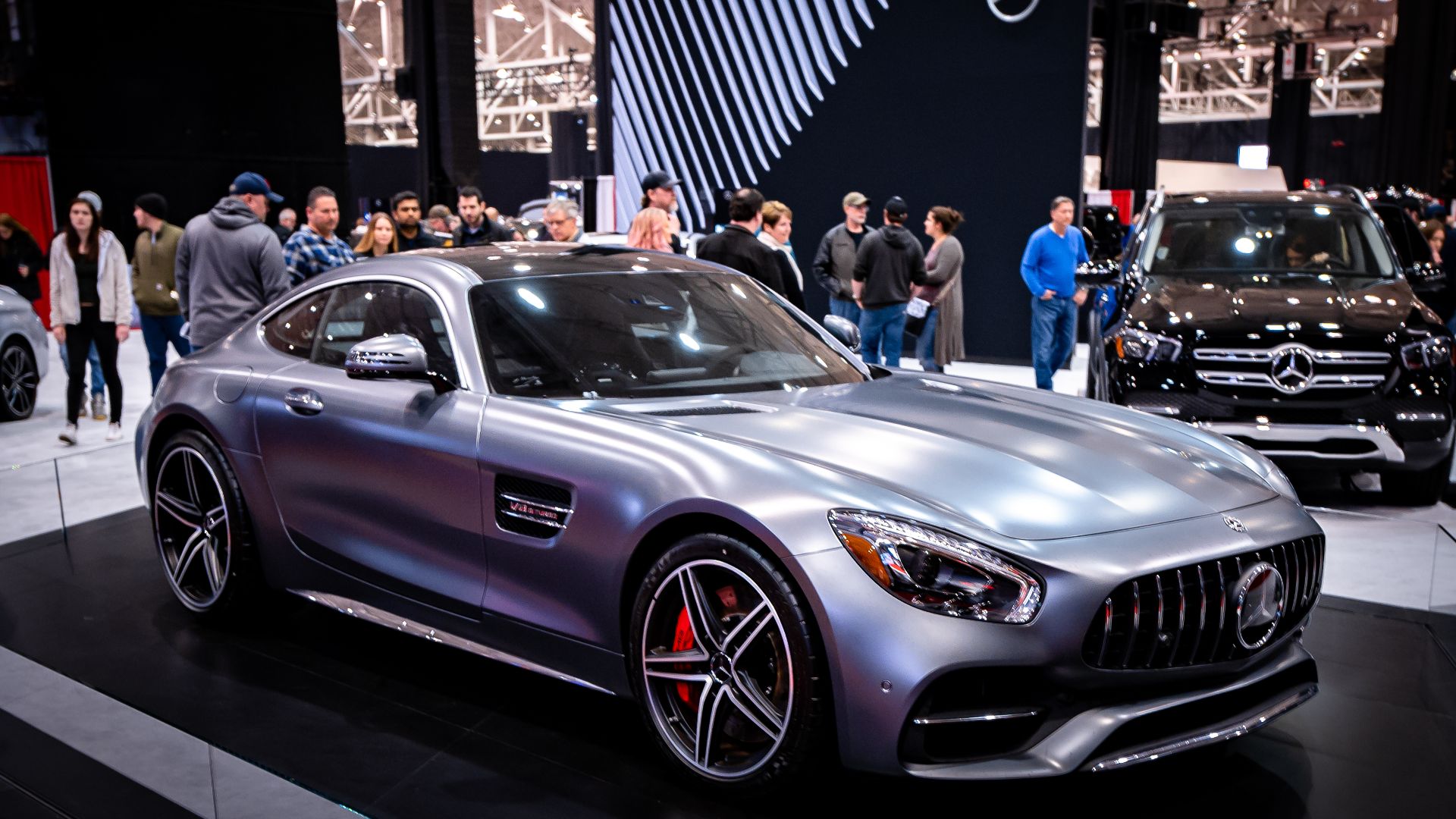
Buyers Vote With Their Wallets
When enough customers repeatedly complain about the same feature—or choose competing vehicles instead—manufacturers pay attention surprisingly quickly.
It's Not Just Older Drivers
Younger drivers who grew up using smartphones have also reported frustration with certain touchscreen-only designs. Convenience on a couch doesn't always translate to convenience behind the wheel.
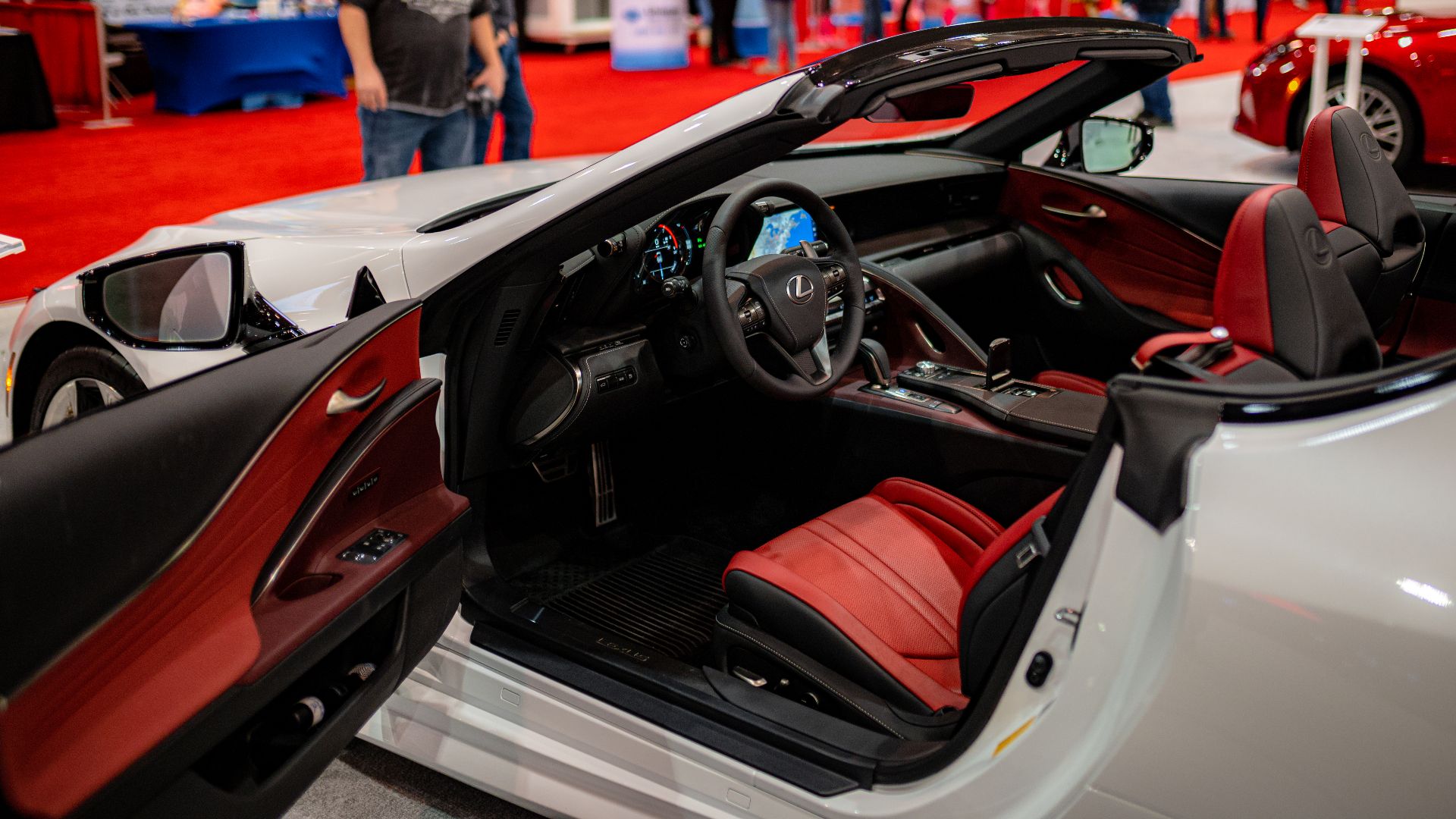
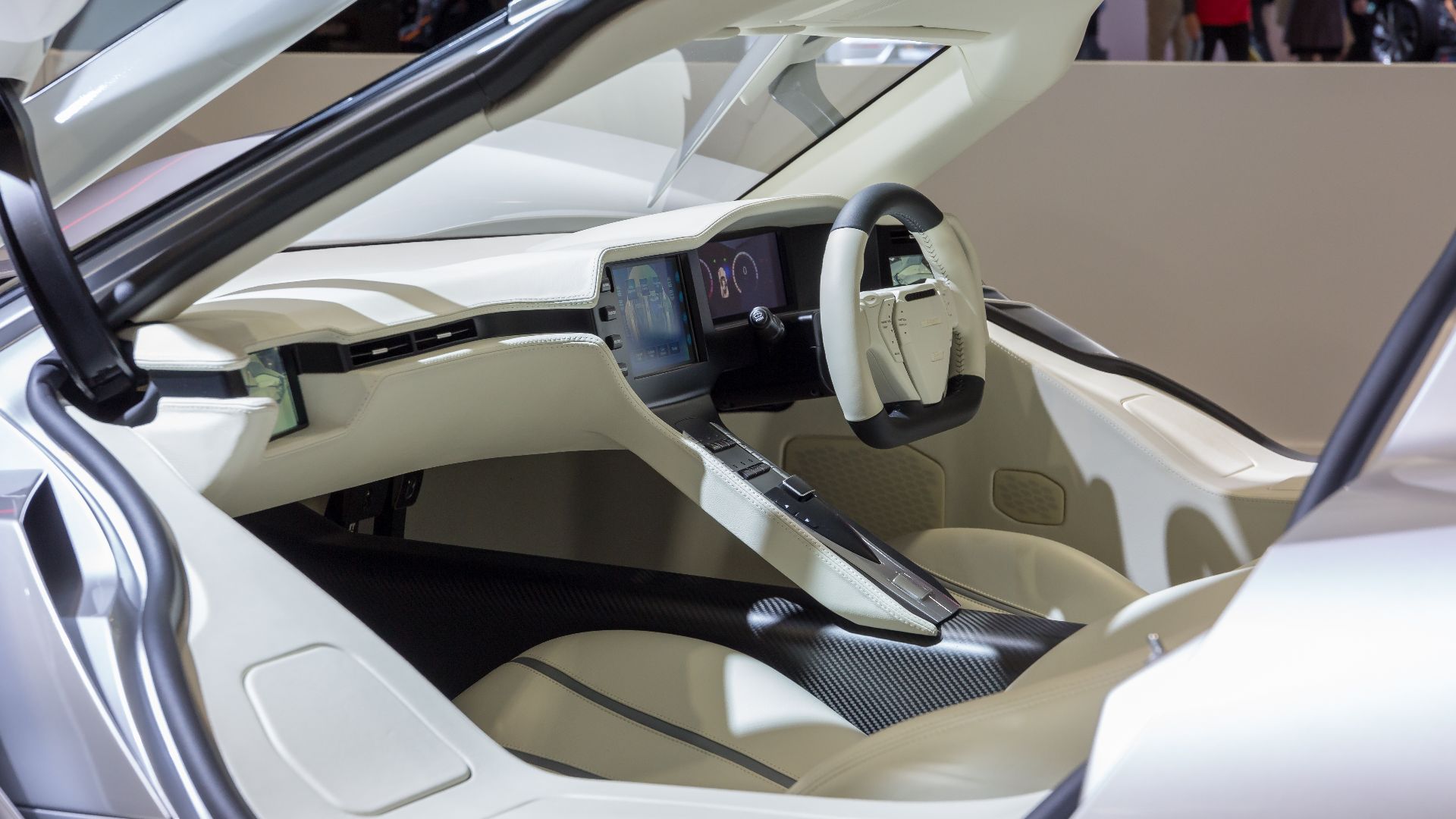
The Future May Be A Mix Of Both
Many designers now believe the best solution isn't choosing between screens and buttons. It's figuring out which functions belong on each.
 Matti Blume, Wikimedia Commons
The Biggest Mistake Automakers Made
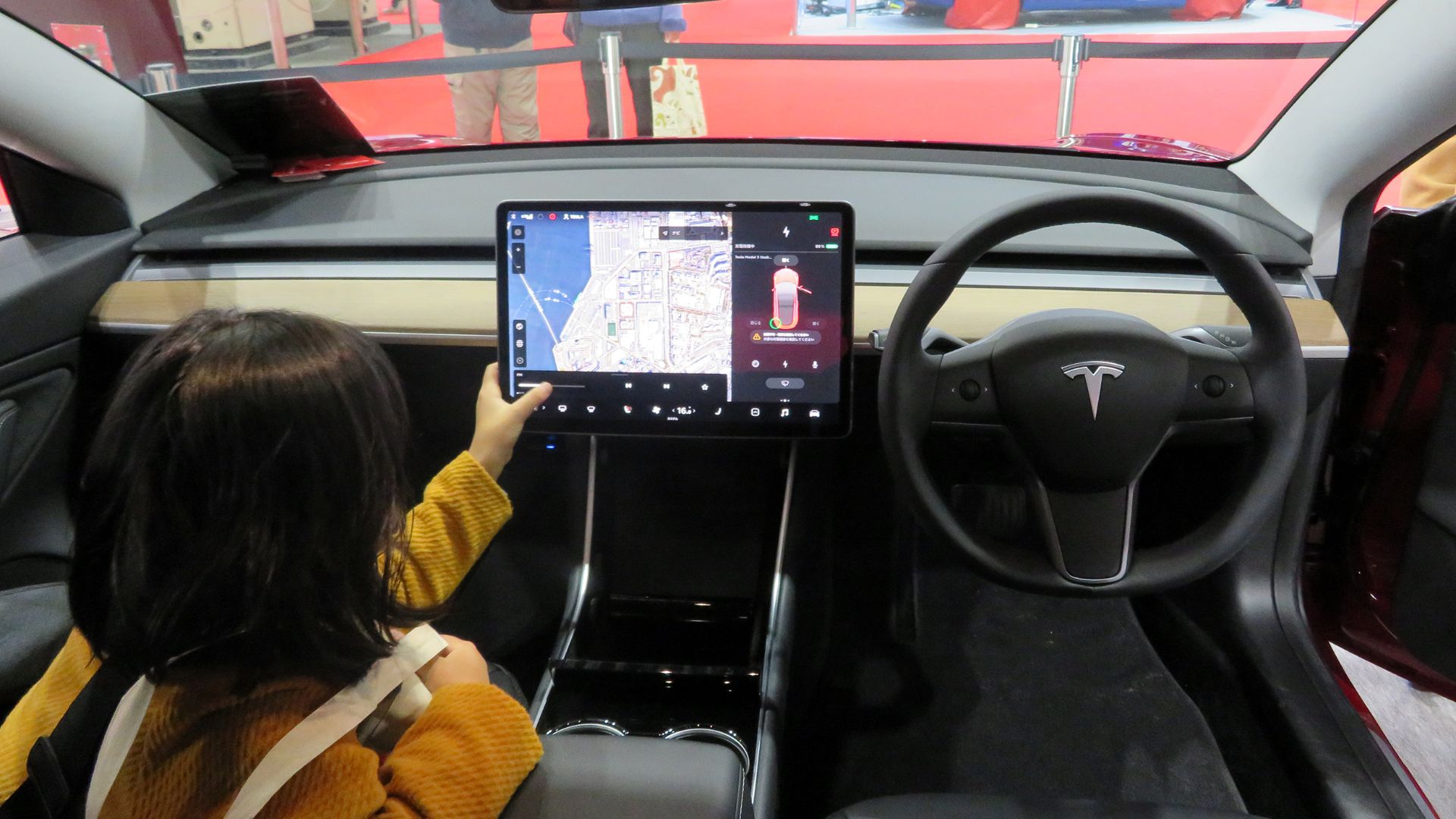
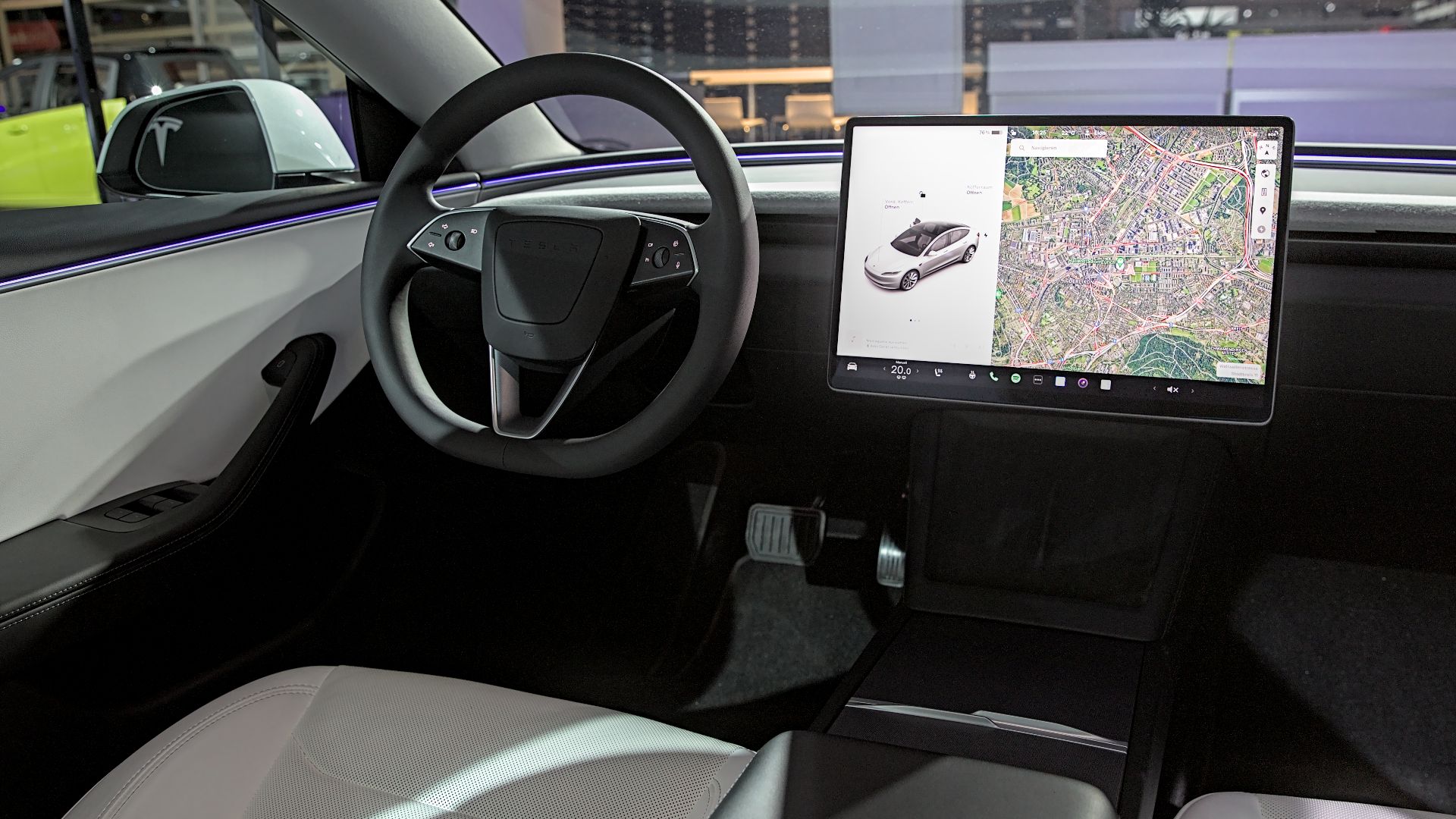
For a while, bigger screens became a selling point all by themselves. But many drivers weren't asking for larger displays—they were asking for easier controls.
 Tokumeigakarinoaoshima, Wikimedia Commons
So... Are Physical Buttons Actually Coming Back?
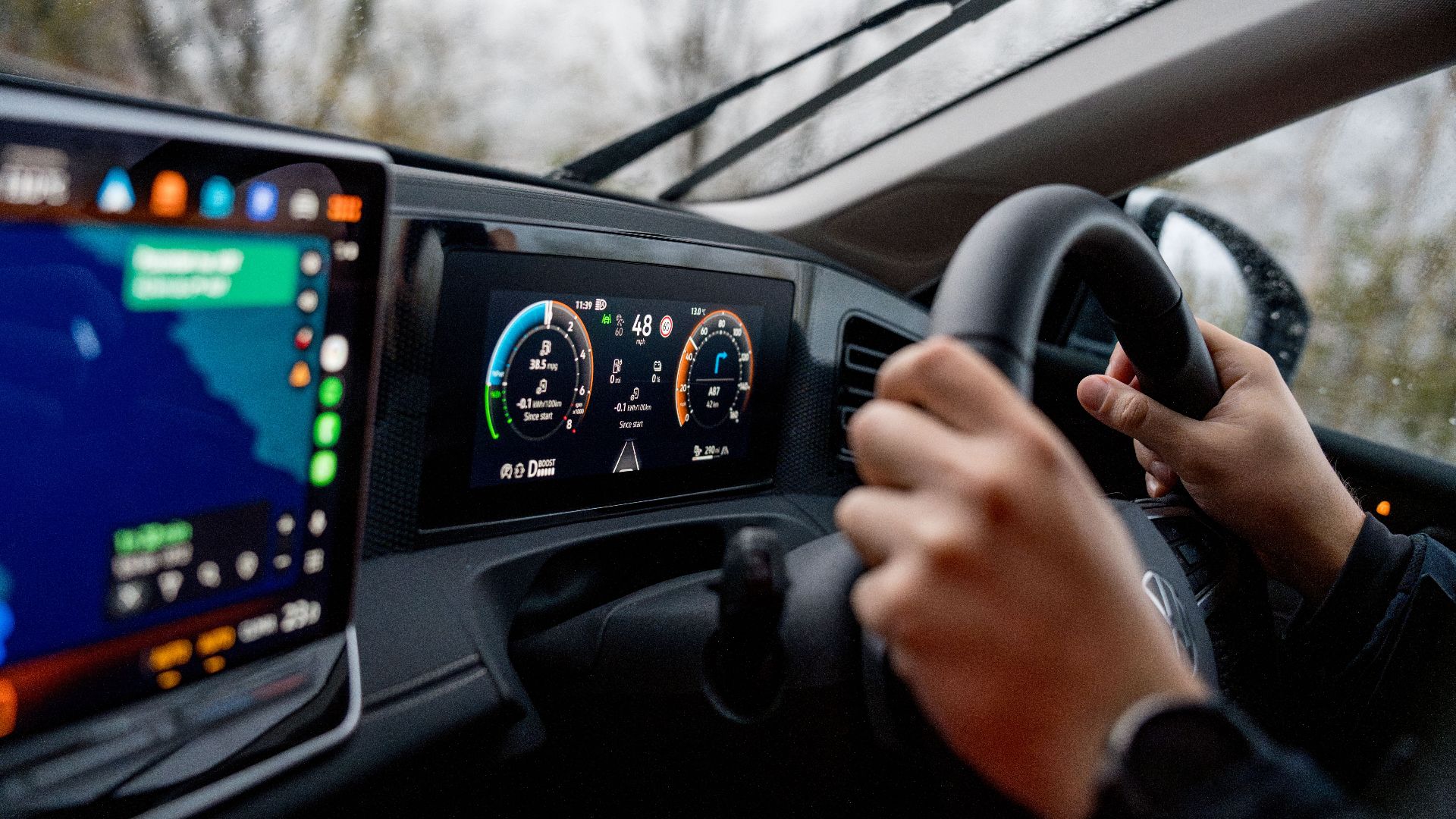
Yes—but probably not everywhere. Many automakers are beginning to bring back physical buttons and knobs for the controls drivers use most often, such as climate settings, volume, and defrost functions. Safety research, customer feedback, and even industry awards have all pushed manufacturers toward finding a better balance between touchscreens and traditional controls.
The Best Technology Is The Kind You Barely Notice
The smartest vehicle isn't necessarily the one with the biggest screen. It's the one that lets you keep your eyes on the road, your hands where they belong, and your attention focused on driving instead of searching through menus.
 Alexander-93, Wikimedia Commons
You May Also Like: