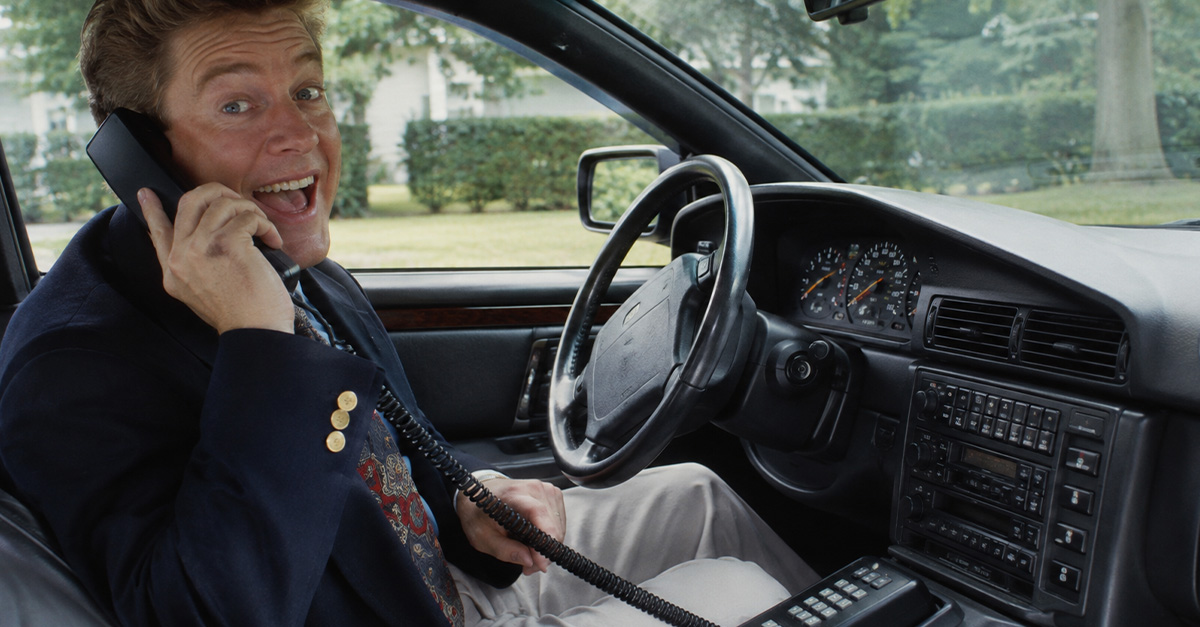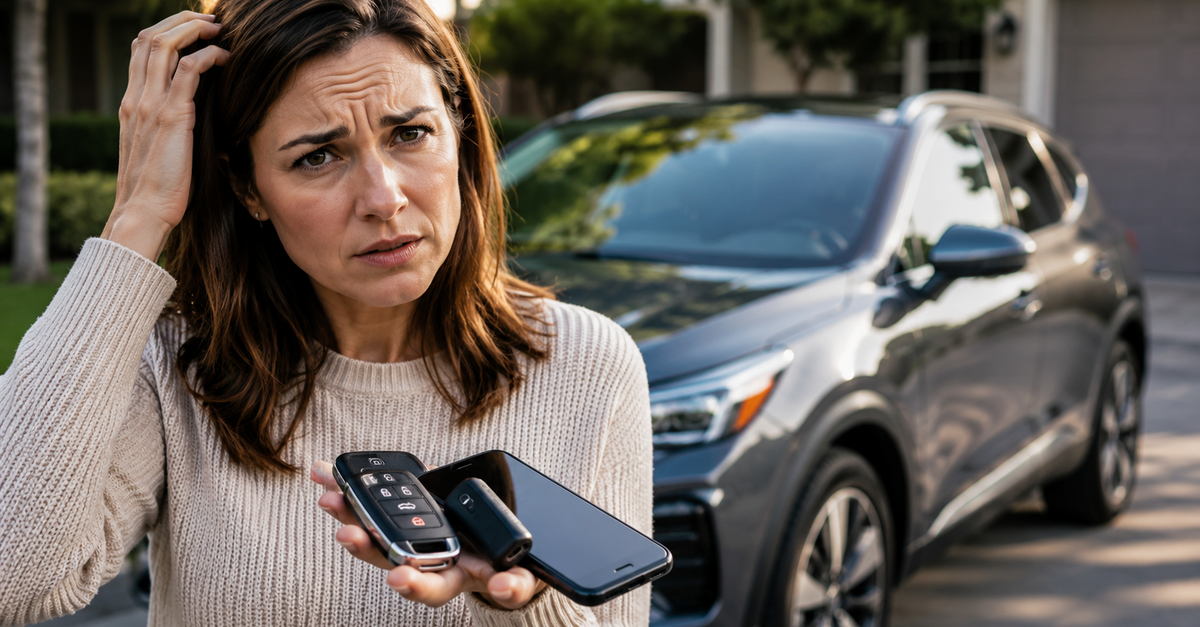
The Car Knows Us, But Not Always Correctly
Modern connected cars can remember far more than a traditional seat position. Driver profiles can store settings for seats, mirrors, climate controls, navigation, media, displays, and driving preferences. That sounds perfect for a shared family vehicle until the wrong profile loads and the car confidently prepares itself for somebody else. Factinate Ltd
One Car Now Has Several Digital Identities
A connected vehicle may have separate identities for the automaker account, infotainment profile, smartphone app, digital key, and individual services. Setting everything up can involve a mobile app, vehicle profile, linked key, online account, and additional applications. Each layer can provide useful personalization, but each also creates another relationship that a household has to configure and understand.
The Profile Is Supposed To Fix Everything
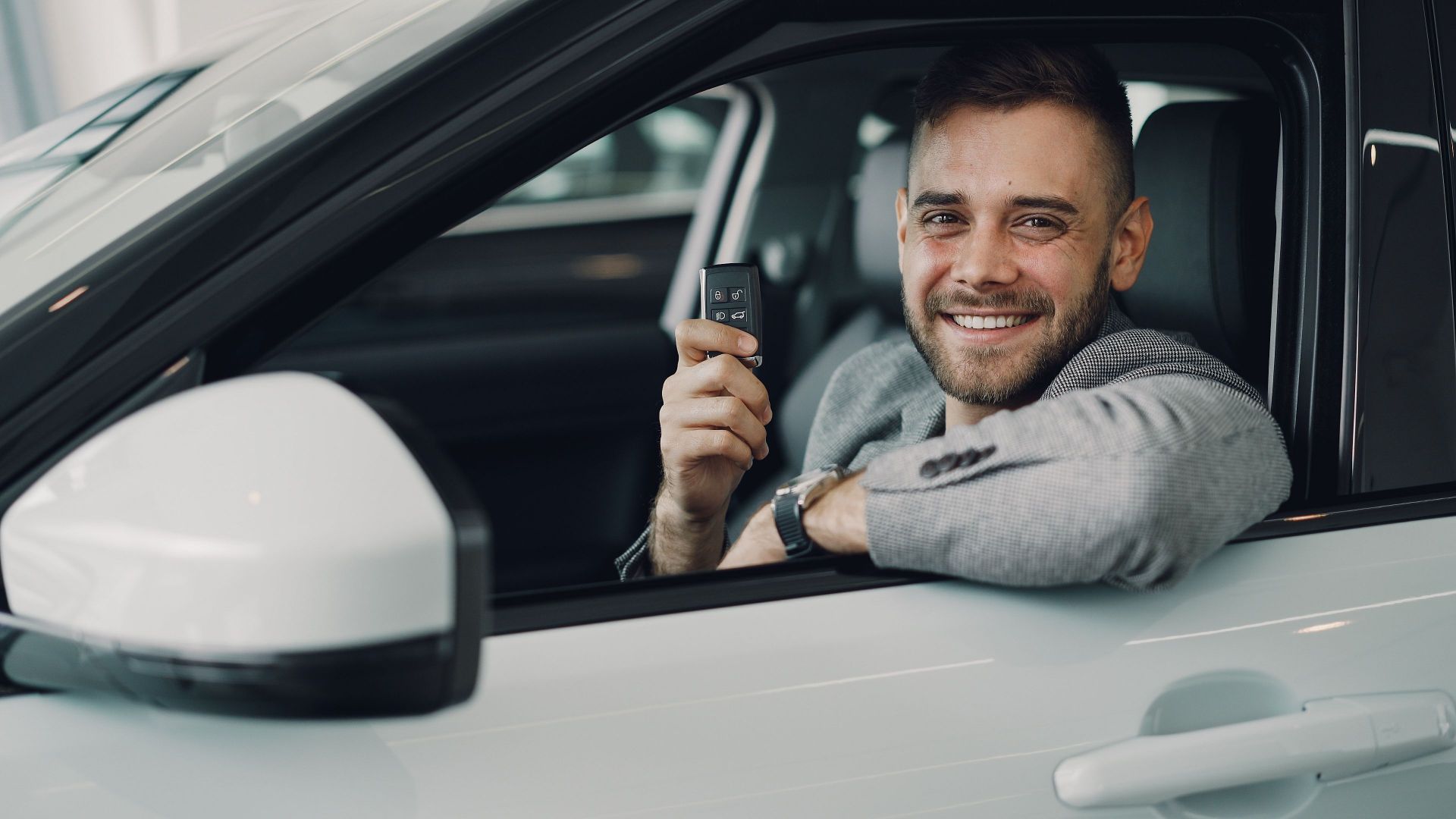
Personal profiles are designed to eliminate repetitive adjustments when several people drive the same vehicle. Some vehicles can automatically select a profile when a linked key or authorized smartphone is detected. When recognition works correctly, the car can feel remarkably personal despite being shared.
Then The Wrong Person Gets Recognized
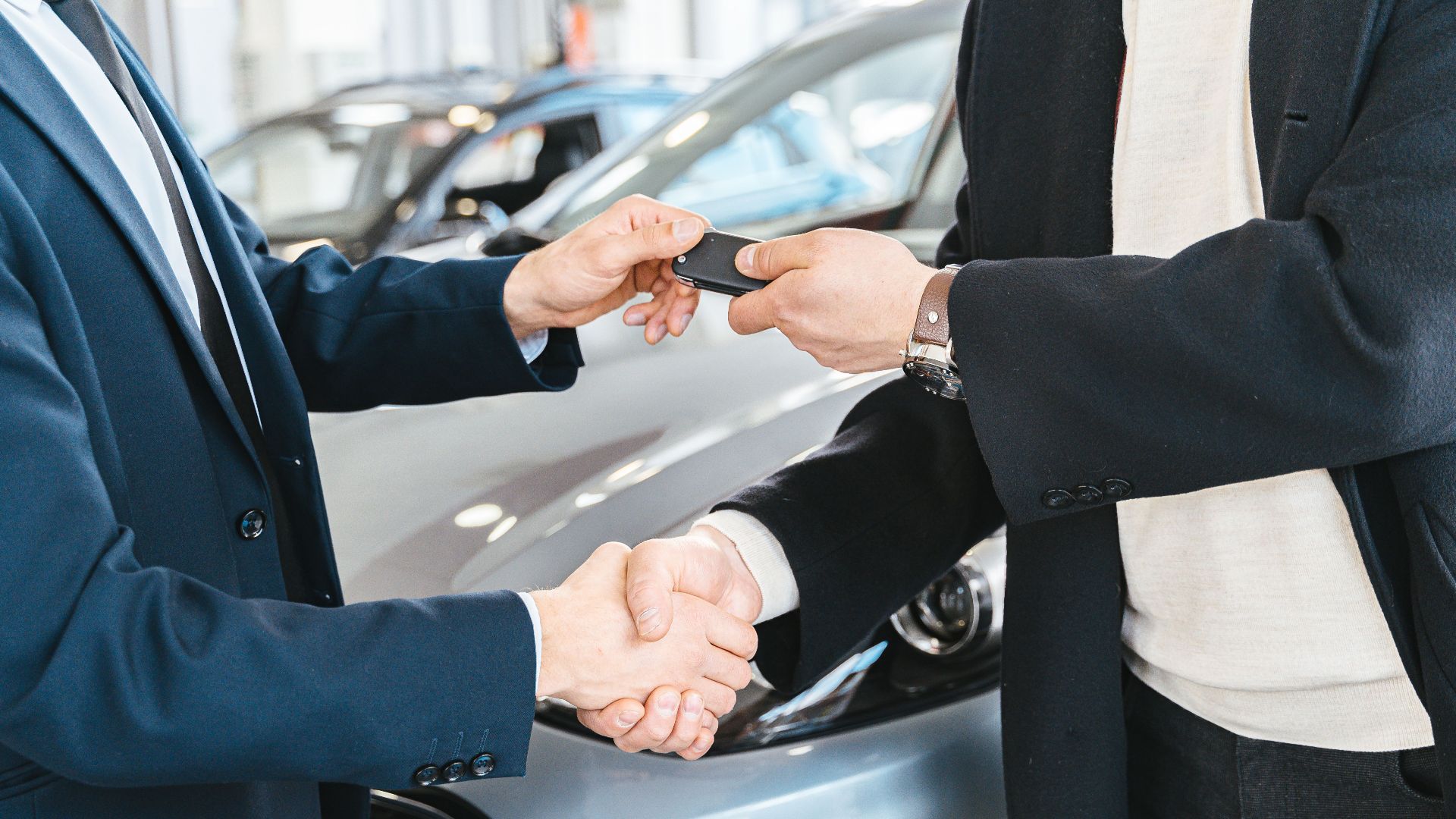
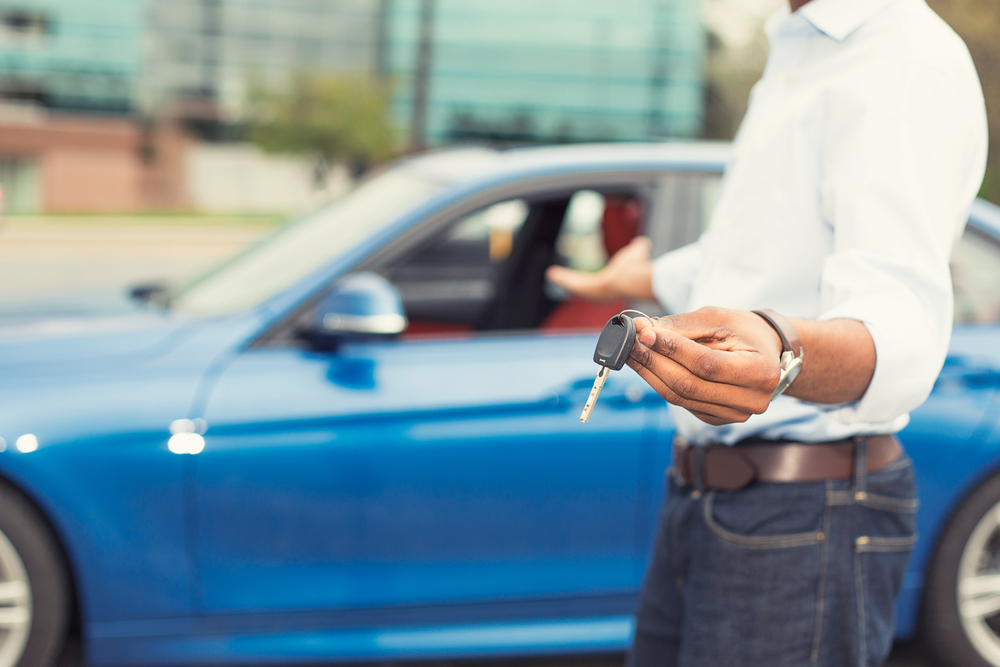
Automatic personalization depends on the vehicle correctly connecting a particular key or device with a particular driver. Some systems allow several keys to be associated with one profile while restricting how individual keys can be linked across profiles. That structure may be logical for the software, although a family still has to organize its keys and profiles accordingly.
 ESB Professional, Shutterstock
The Smartphone Has Become A Key Ring
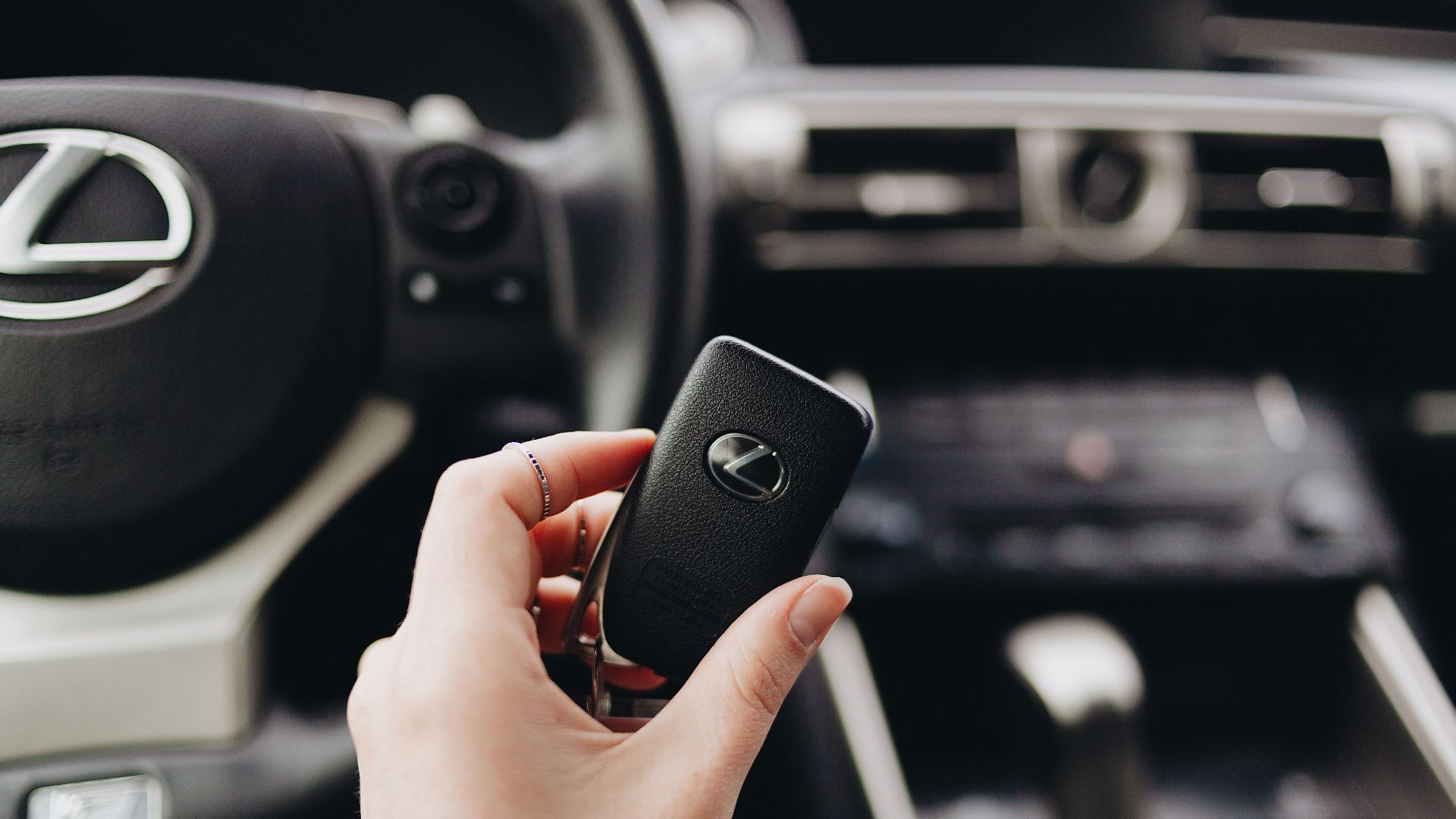
Compatible smartphones can now unlock and start certain vehicles without a conventional key fob. Major smartphone operating systems support digital car keys for compatible vehicles and devices. The physical key has therefore become optional in some situations, but hardware and software compatibility requirements have taken its place.
Compatibility Is The First Catch
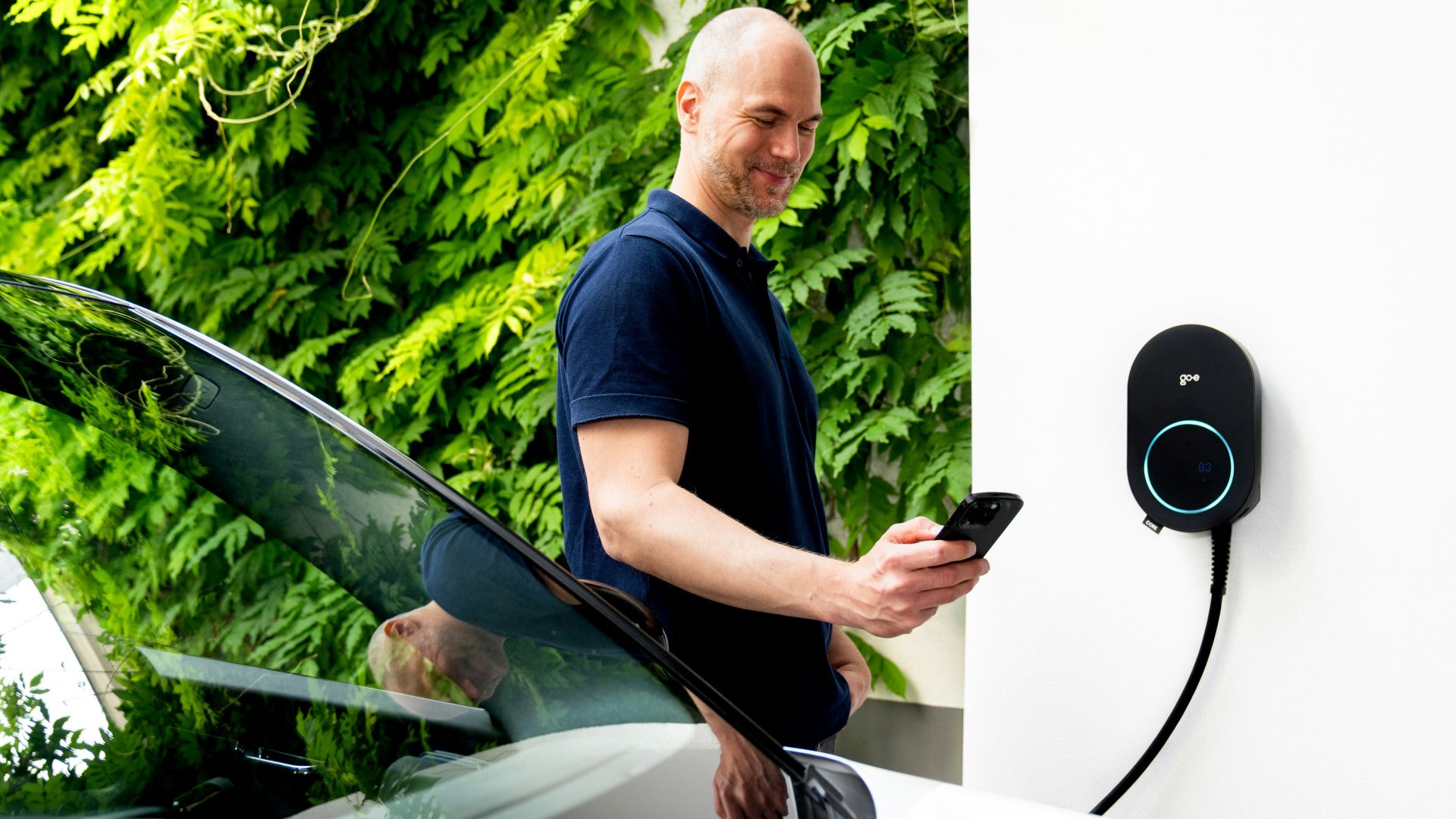
A phone being relatively new does not automatically mean it will work as a digital car key. Digital-key features are limited to selected vehicles, devices, operating-system versions, and markets. Families using a mixture of phones can consequently have different experiences with the same car.
Sharing A Key Is Not Always Instant
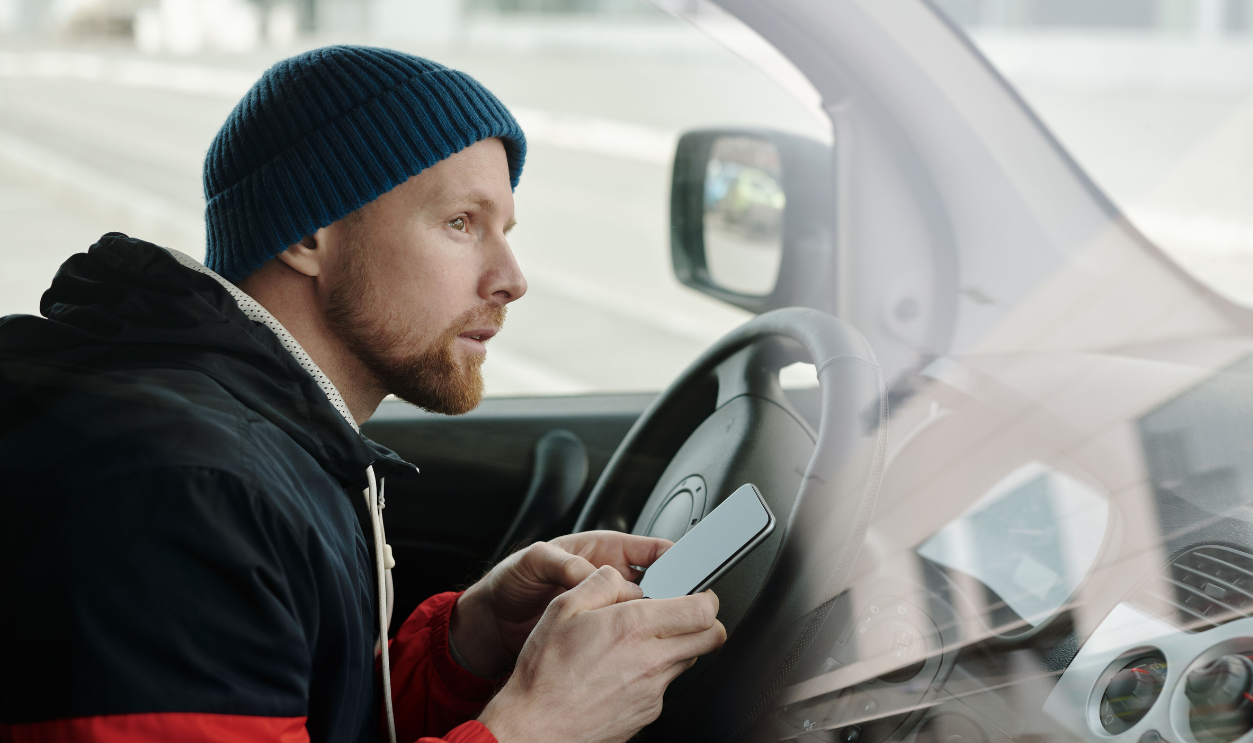
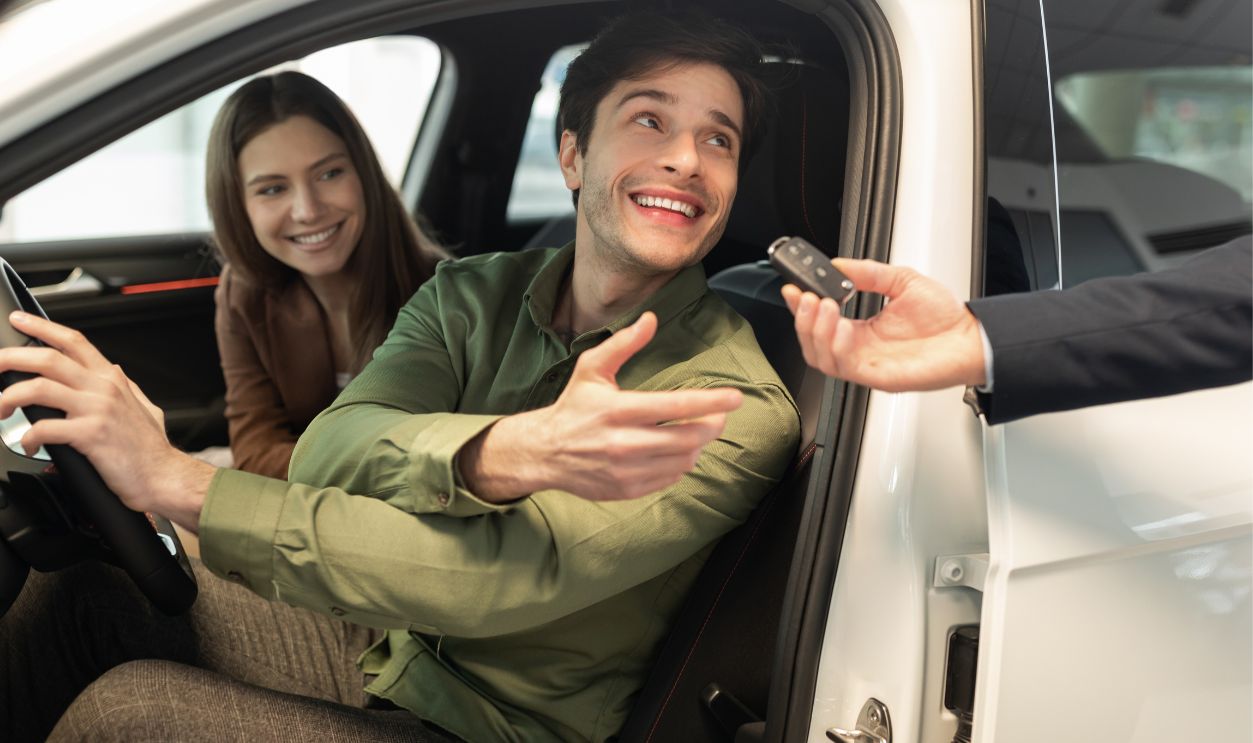
Digital keys are shareable, which should make a family car easier to manage. Depending on the vehicle, a recipient may need to activate a shared key using a physical key, activation code, or the vehicle's display. The person receiving access also needs compatible hardware, so sharing a digital credential can involve more preparation than handing somebody a spare fob.
Digital Keys Come With Sharing Controls
Some smartphone-based car keys can be shared through messaging services or nearby wireless transfers. Owners may also be able to configure permissions or require an activation code for additional security. These controls are valuable, but they demonstrate how a car key has evolved into a managed digital credential.
Standards Are Trying To Untangle The Mess
The automotive and technology industries have developed standards intended to make digital keys work more consistently across mobile devices and vehicles. Current specifications cover technologies including near-field communication, Bluetooth Low Energy, and Ultra Wideband. Wider interoperability could eventually make sharing a connected car less dependent on specific combinations of hardware and software.
 Potashev Aleksandr, Shutterstock
There Is Serious Technology Behind A Tap
The simplicity of tapping a phone against a car hides sophisticated security technology. Modern digital-key standards can combine Bluetooth Low Energy and Ultra Wideband for hands-free access while retaining near-field communication support. These technologies allow compatible devices and vehicles to authenticate each other without making the driver understand the complicated exchange happening in the background.

Security Explains Some Of The Friction
Digital keys cannot simply behave like ordinary Bluetooth accessories because they authorize access to valuable property. Current systems can use cryptographic credentials, secure hardware, and standardized security protocols to authenticate users and devices. Some of the annoying setup steps therefore exist because the vehicle must distinguish an authorized driver from somebody carrying an untrusted device.
Dead Phones Are Less Disastrous Than Expected
Some digital-key systems include provisions for a depleted smartphone battery. Depending on the phone and vehicle, a digital key may remain usable for a limited period after the phone needs charging. That provides an important fallback, although drivers still need to understand whether their particular combination of devices supports the feature.
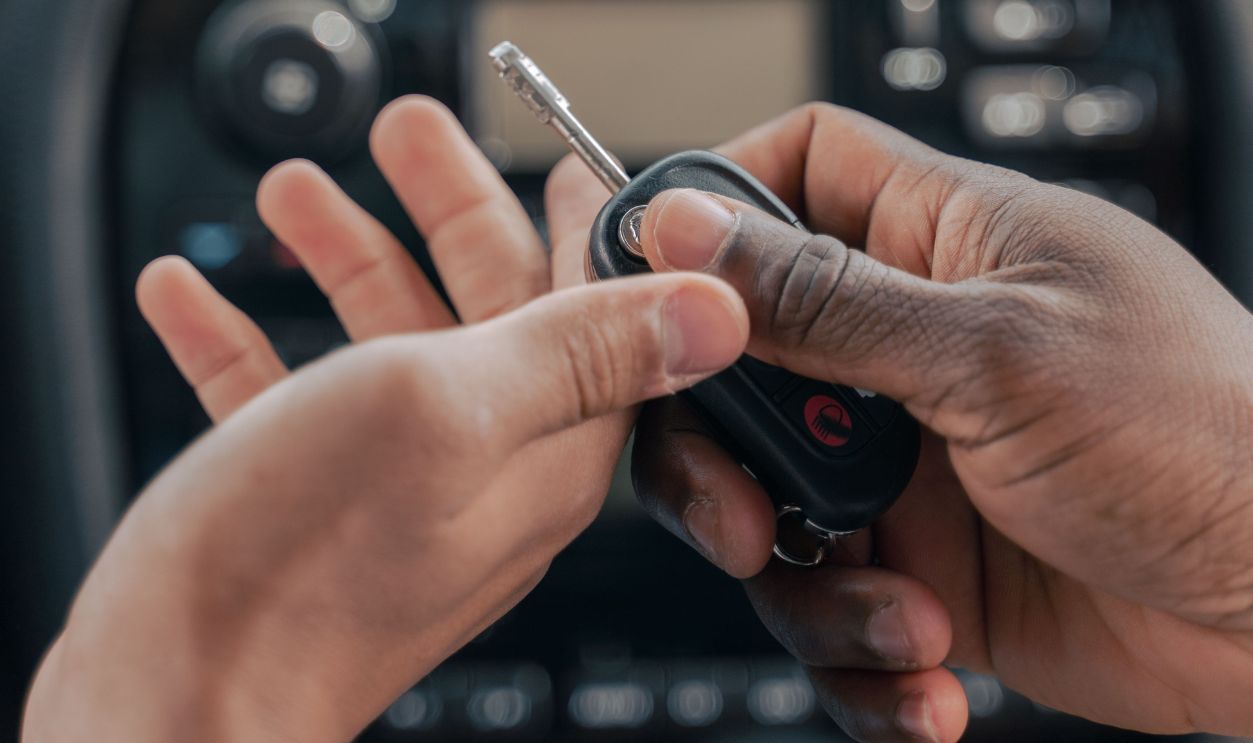
A Physical Backup Still Makes Sense
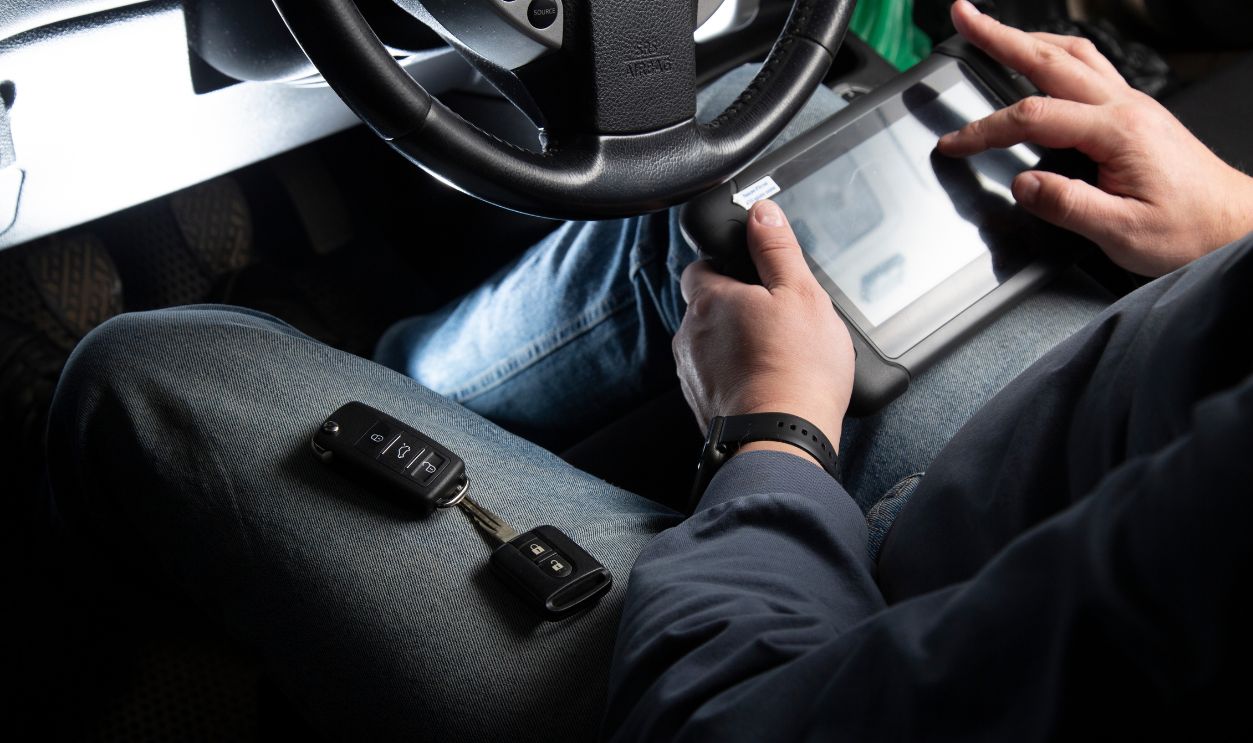
Digital redundancy does not mean families should immediately throw their key fobs in a drawer. Official guidance for digital-key users recommends keeping physical access available because the connection required for a digital key may not always work. A conventional backup is especially sensible when several drivers depend on one vehicle for work, school, appointments, and errands.
Apps Add Another Layer
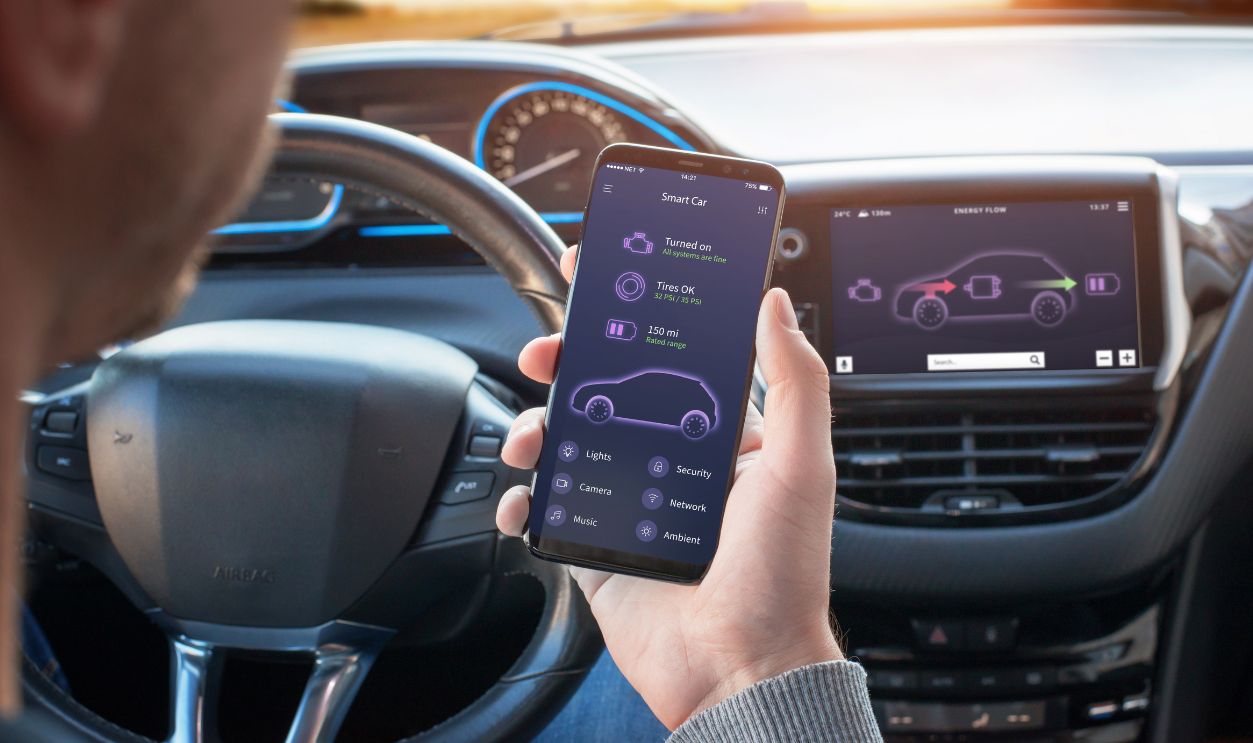
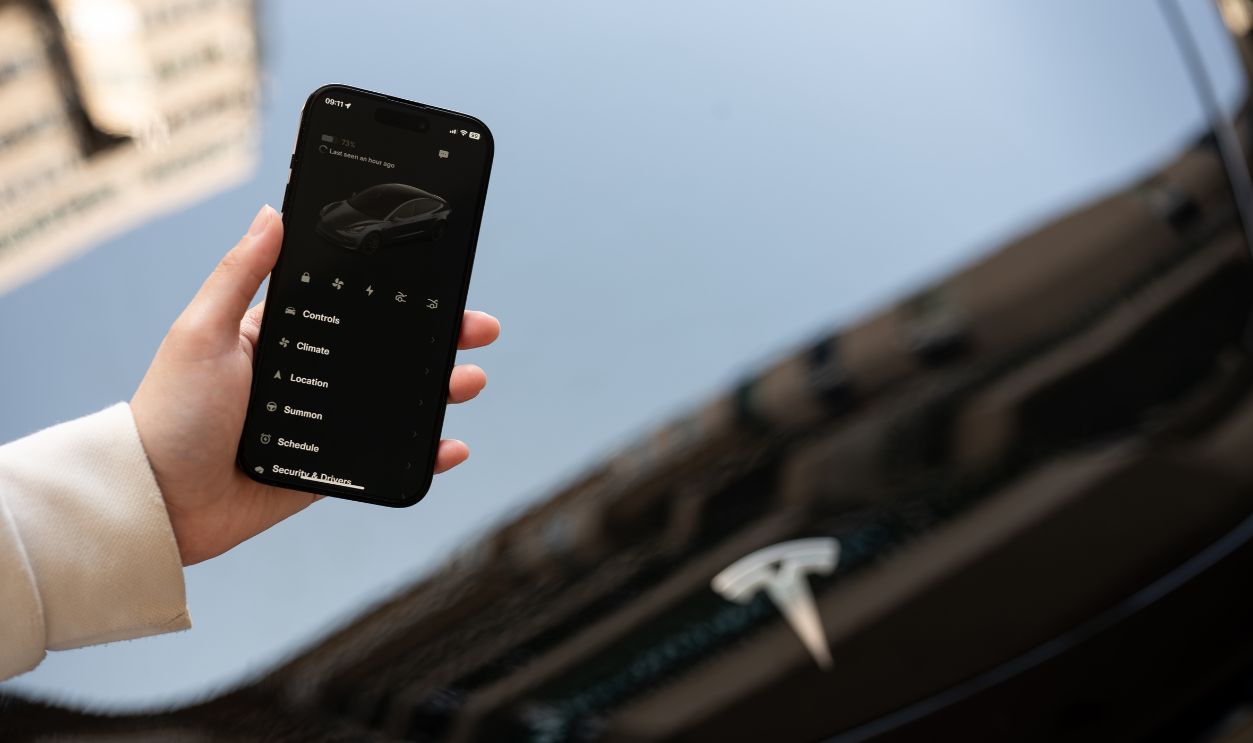
Automaker apps increasingly handle functions that once belonged entirely to the key fob or dashboard. Phone-based vehicle access can require an app, an account, vehicle connectivity, Bluetooth, compatible software, and supported hardware. The advantage is powerful remote control, but the disadvantage is another collection of settings that a household may have to maintain.
Even The Key Can Have A Status
Software-based access introduces conditions that simply did not exist with a metal key. A phone-based credential may be active, incomplete, disconnected, or in the process of being removed. Troubleshooting the family car can therefore start looking surprisingly similar to troubleshooting an online account.

Family Size Can Meet Software Limits
Connected vehicles can impose numerical limits that families never encountered with ordinary keys. Some systems limit the number of phone-based keys or individual driver profiles that can be associated with a vehicle. Those limits may be perfectly adequate for many households, but they prove that sharing now depends partly on software rules.
The Payoff Can Be Genuinely Excellent
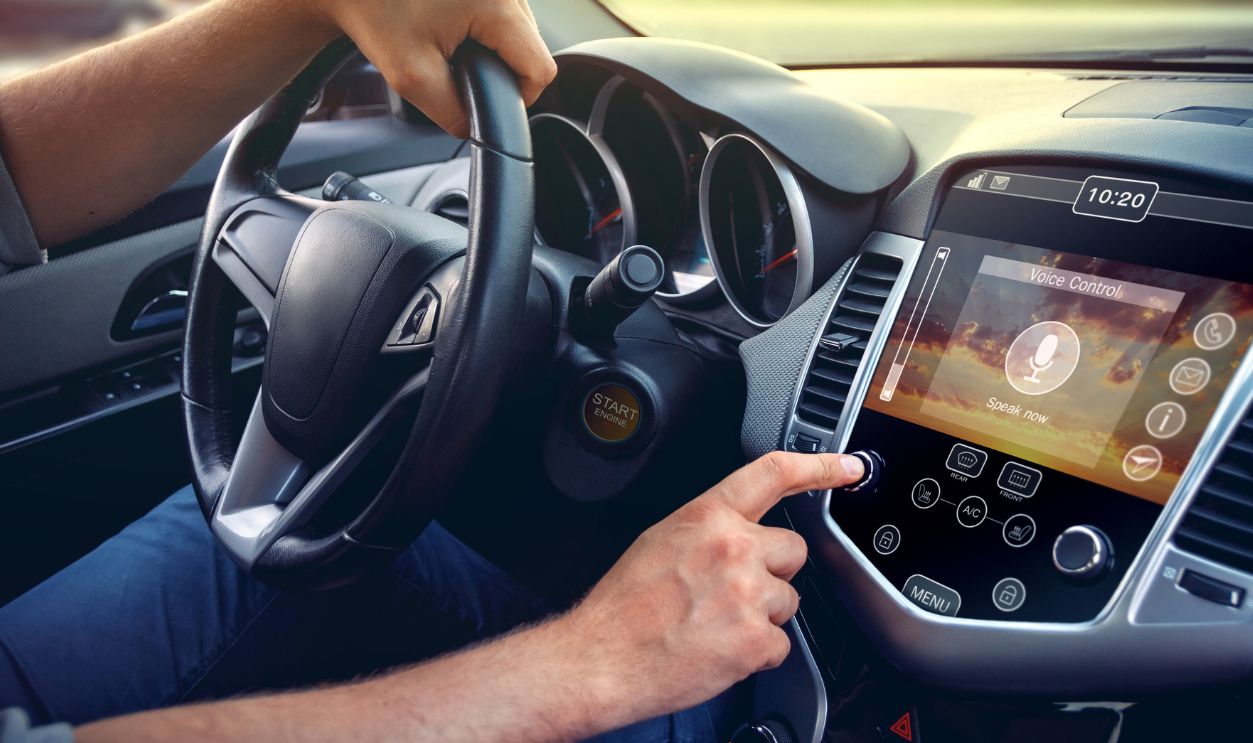
It would be unfair to dismiss personalization as pointless gadgetry. Connected profiles can automatically restore preferences involving seating, temperature, navigation, displays, lighting, and driving settings. For drivers with very different seating positions and preferences, that automation can remove several adjustments from every handoff.
Drivers Actually Like Useful Automation
Consumer research suggests that smart technology itself is not necessarily the problem. A major 2025 automotive technology study found that features involving smart ignition, climate control, and driver preferences ranked among technologies combining relatively few reported problems with high owner satisfaction. The findings suggest that automation works best when it quietly reduces effort rather than demanding additional attention.
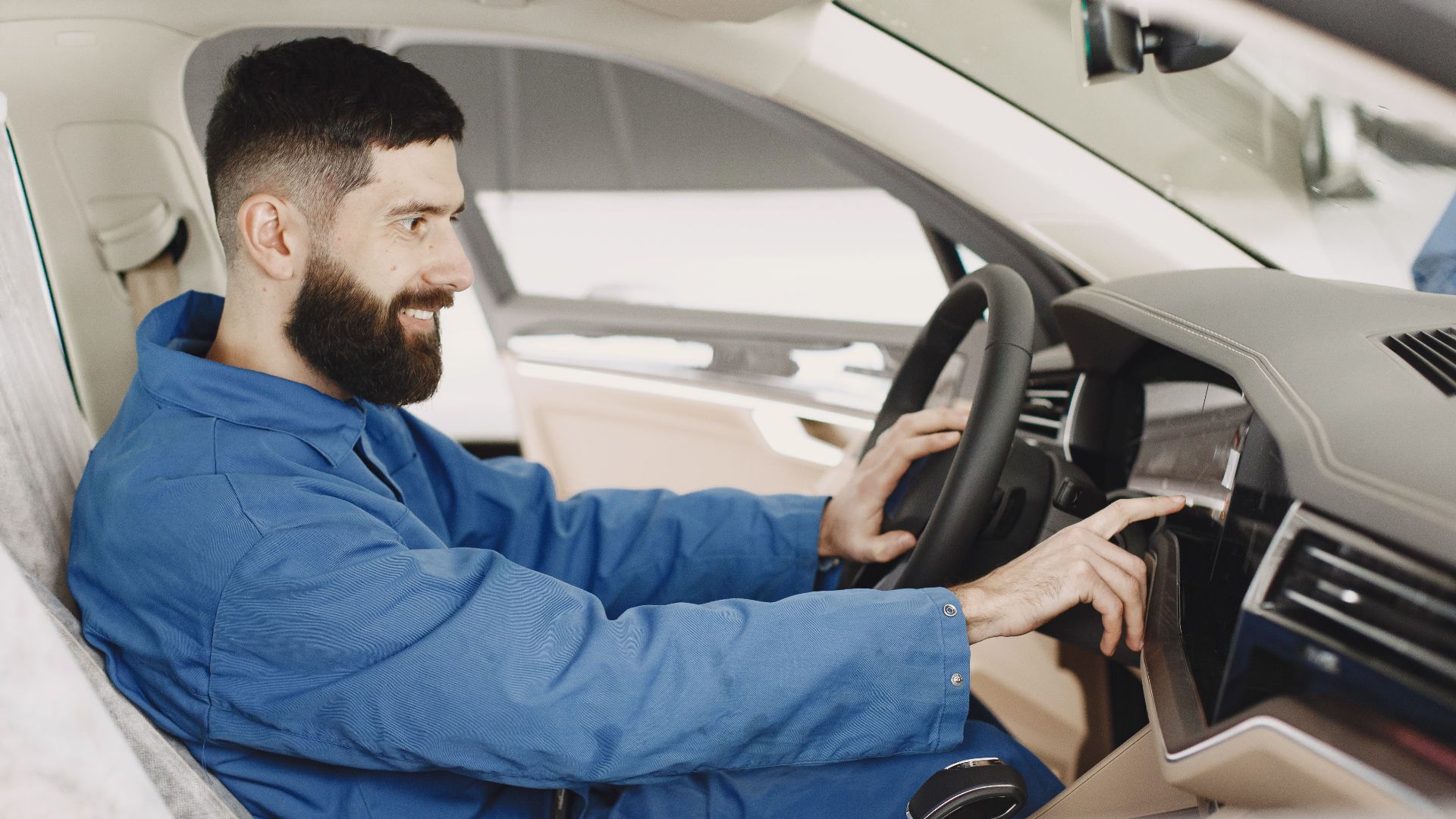
Hidden Features Can Ruin Good Ideas
The same consumer research demonstrates what happens when useful technology becomes difficult to reach. In the study, 38 percent of owners using a dedicated car-wash mode said they needed better instructions, while 15 percent said the feature operated too slowly. A clever capability loses much of its value when drivers have to hunt through menus to find it.
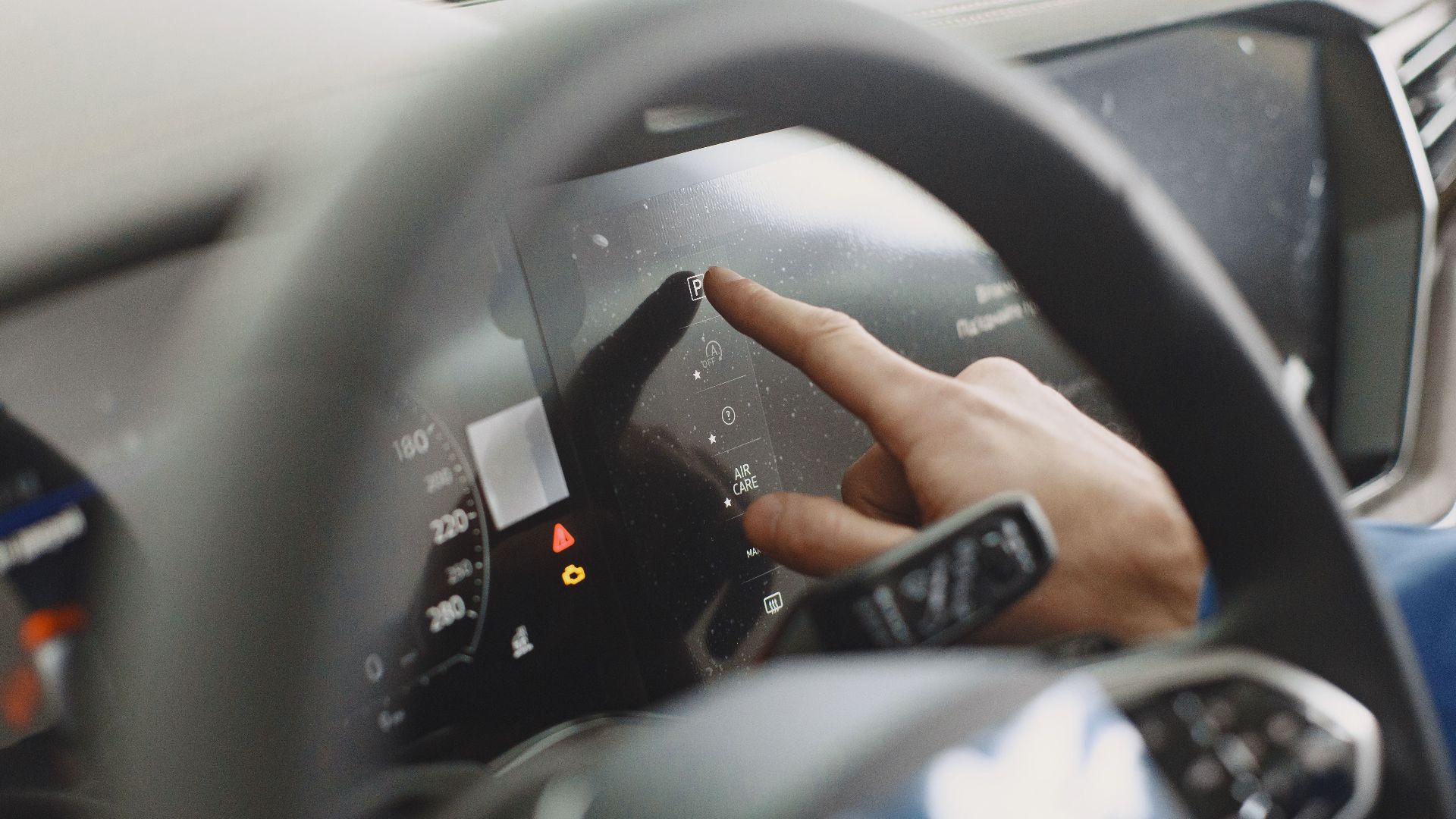
Recognition Technology Is Still Maturing
The weak point increasingly appears to be authentication and recognition rather than the basic idea of personalization. Consumer research has found relatively high problem rates for technologies including biometric authentication, touchless or hidden controls, and direct driver monitoring. That matters to shared-car households because recognizing the correct person is the foundation on which automatic personalization depends.
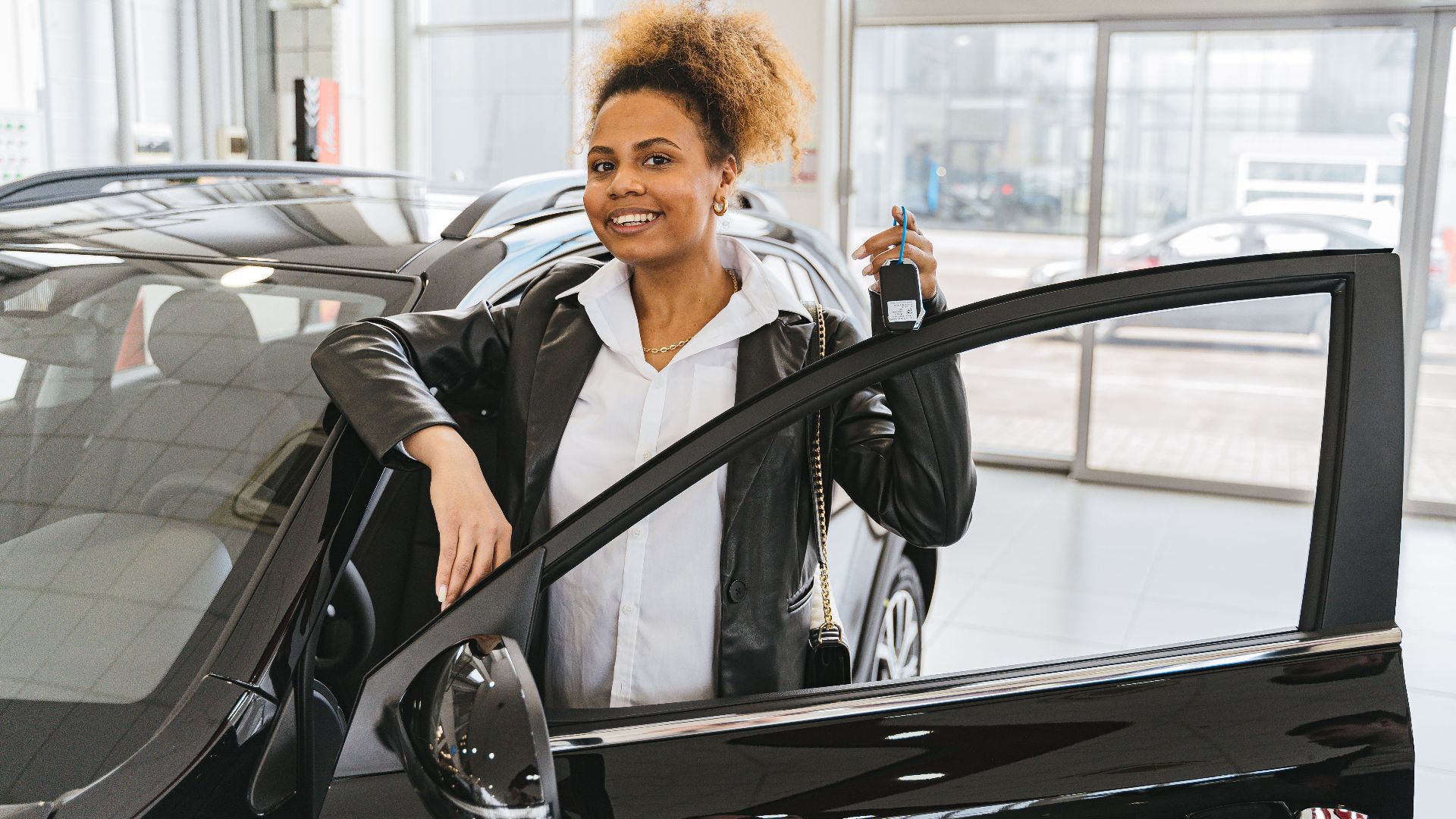
Complexity Matters More Once You Are Moving
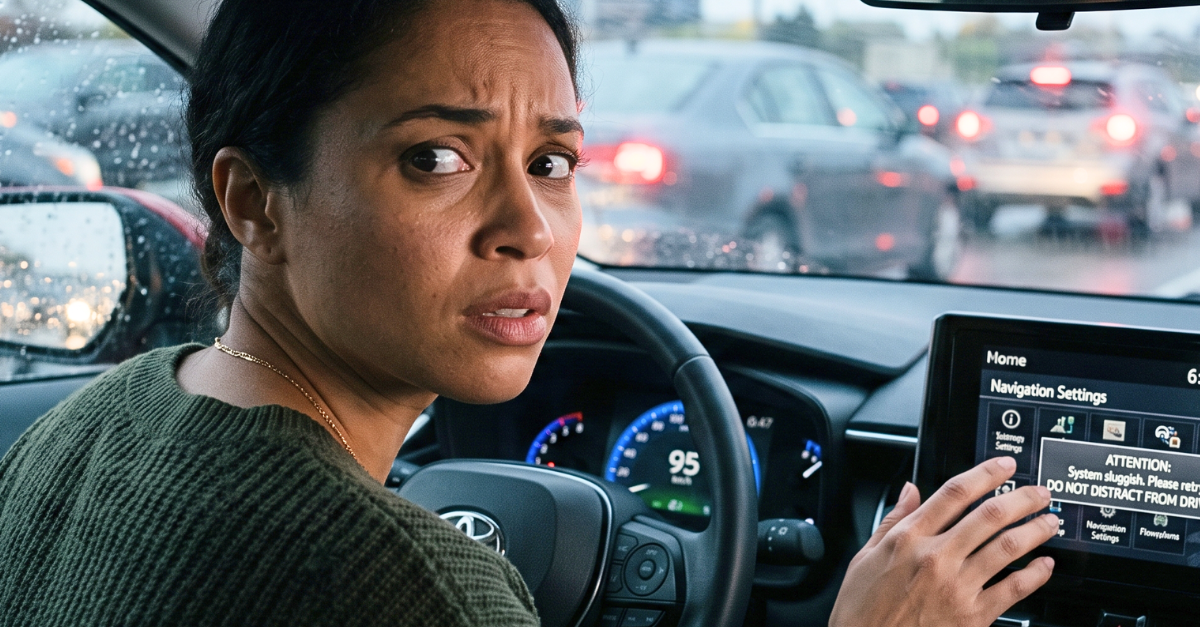
A confusing smartphone app is irritating on the couch, but a confusing interface inside a moving car presents a different concern. Federal road-safety guidance defines distracted driving broadly enough to include interacting with entertainment and navigation systems. Regulators have consequently developed recommendations intended to reduce visual and manual distraction from built-in electronic devices.
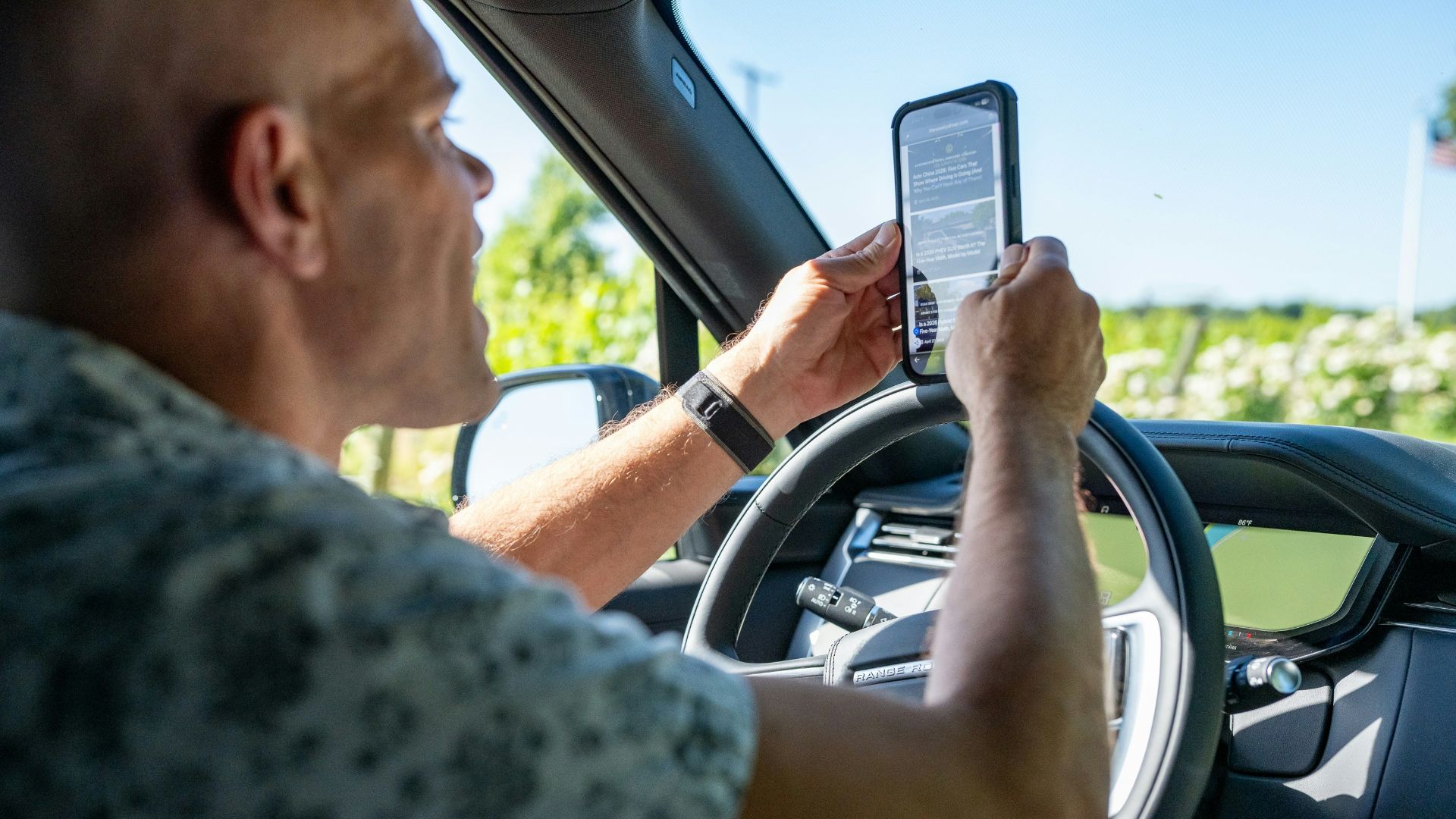
Touchscreens Are Not Automatically Harmless
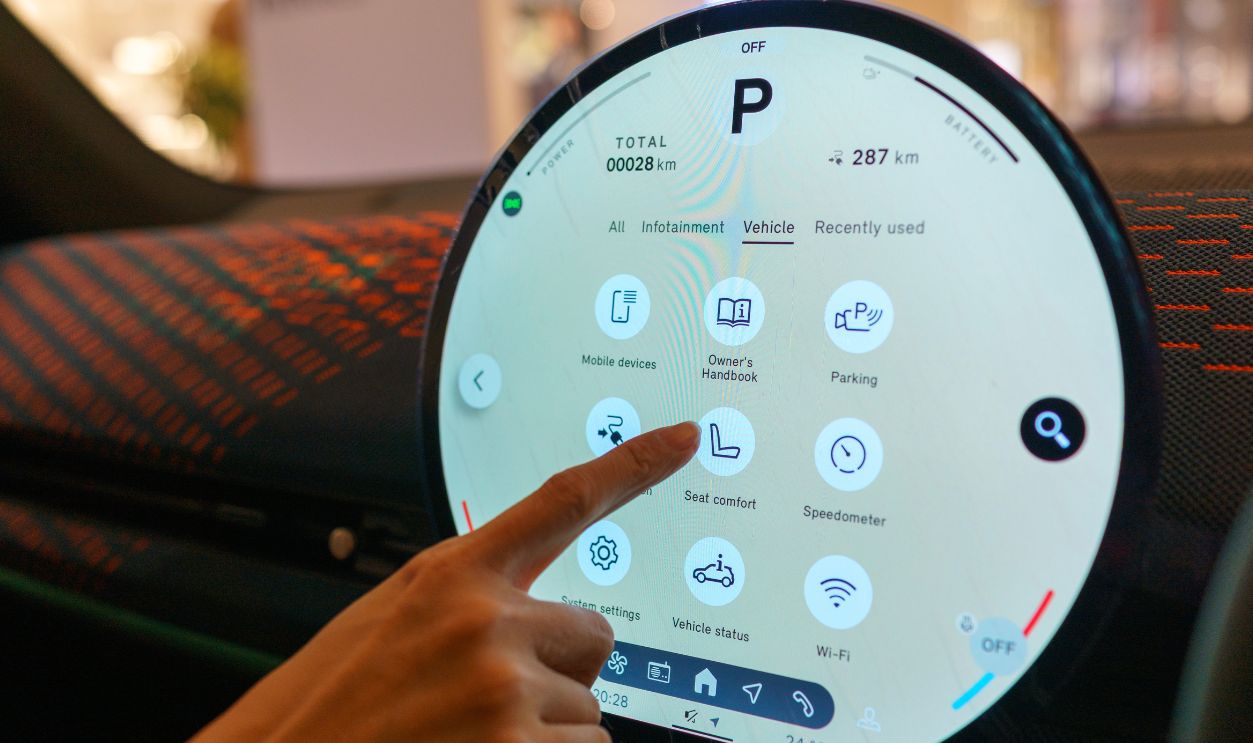
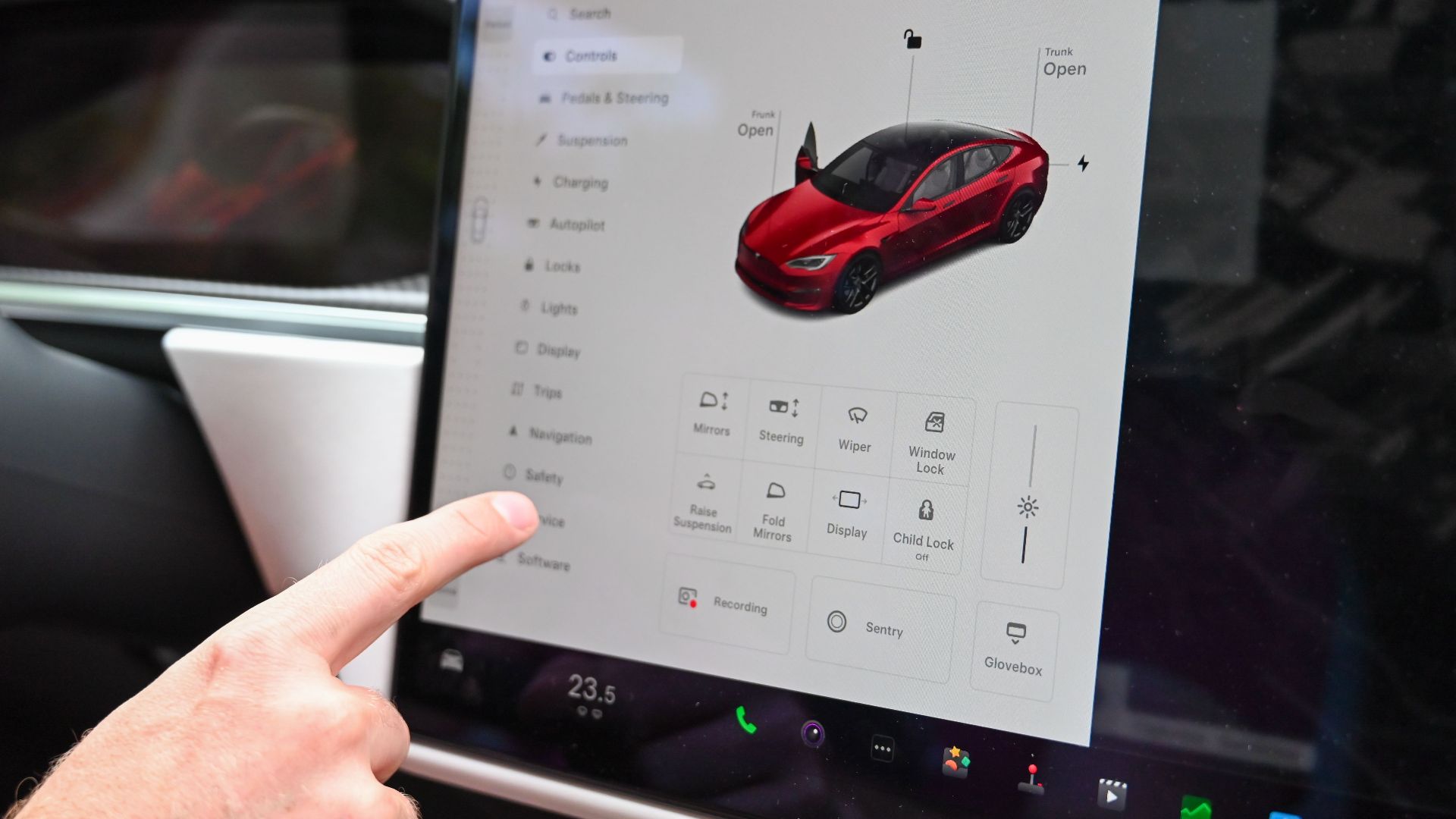
Federal reviews of naturalistic driving research have reported increased crash risk associated with several in-vehicle activities. Research cited by road-safety authorities has associated adjusting an in-vehicle device, including a touchscreen, with greater crash risk than driving without that secondary task. The practical lesson is straightforward: profile corrections and menu hunting are jobs for when the vehicle is safely stopped.
Older Complaints Still Sound Familiar
Complex infotainment systems were frustrating drivers well before digital keys became common. Consumer testing has found that confusing menu structures and tasks requiring multiple steps can increase distraction, while straightforward screens and physical controls can make common functions easier to operate. Today's connected cars have improved dramatically in capability, but interface complexity remains a longstanding design challenge.
Connected Convenience Also Means Connected Data
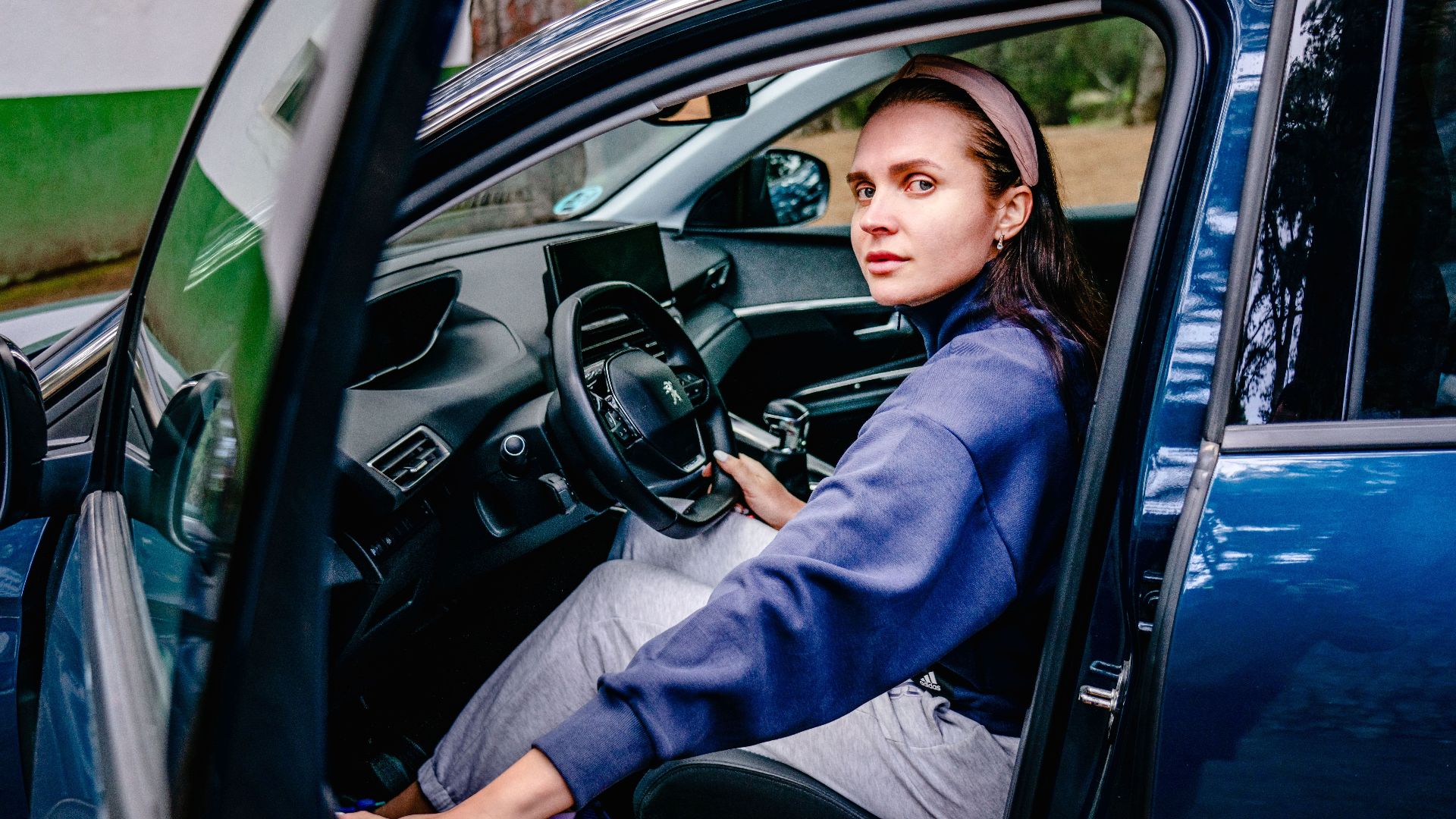
Profiles and apps work partly because modern cars can collect and process substantial amounts of information. Federal consumer-protection authorities note that connected vehicles can collect sensitive information such as location and biometric data. Digital-key services can also process device, usage, performance, security, and account information to provide and maintain their features.
Privacy Is Not A Theoretical Concern
Federal regulators have taken action involving the collection and disclosure of connected-vehicle information. One prominent case concerned allegations that a major automaker collected precise location and driving-behavior information and disclosed information to third parties without adequately informing consumers. The dispute illustrates why drivers should treat connected-car privacy settings as seriously as settings on their phones and computers.
More Software Also Means More Security Work
Cars increasingly depend on networks, sensors, electronic control systems, and complex software. Federal vehicle-safety authorities identify cybersecurity as an important part of ensuring advanced automotive technologies operate as intended while reducing safety risks. Connected convenience therefore comes with a continuing requirement for manufacturers to maintain secure software and communications.
The Best Family Setup Is Usually The Simplest
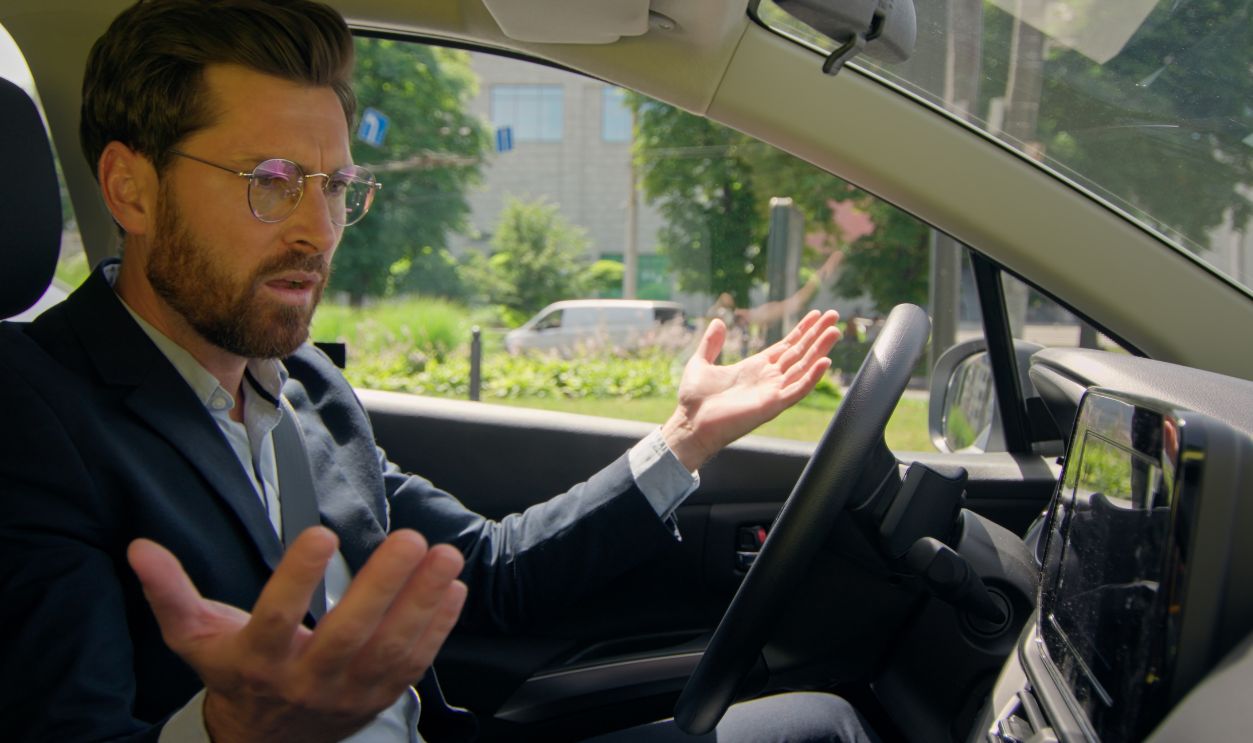
A household does not have to activate every feature merely because the vehicle offers it. Giving regular drivers distinct profiles and credentials, keeping a physical backup available, and completing complicated account setup while parked can reduce everyday confusion. A little organization becomes surprisingly important once the family key ring includes phones, apps, passwords, permissions, and software profiles.

Smart Cars Are Not Impractical Yet
Connected cars can solve real problems for shared households by automatically restoring settings, providing flexible access, and allowing digital credentials to be managed without recovering a physical key. These capabilities are already available across multiple vehicle and smartphone ecosystems. The frustration comes when too many accounts, permissions, compatibility rules, and interfaces stand between the driver and those benefits.
The Smartest Car May Be The One That Disappears
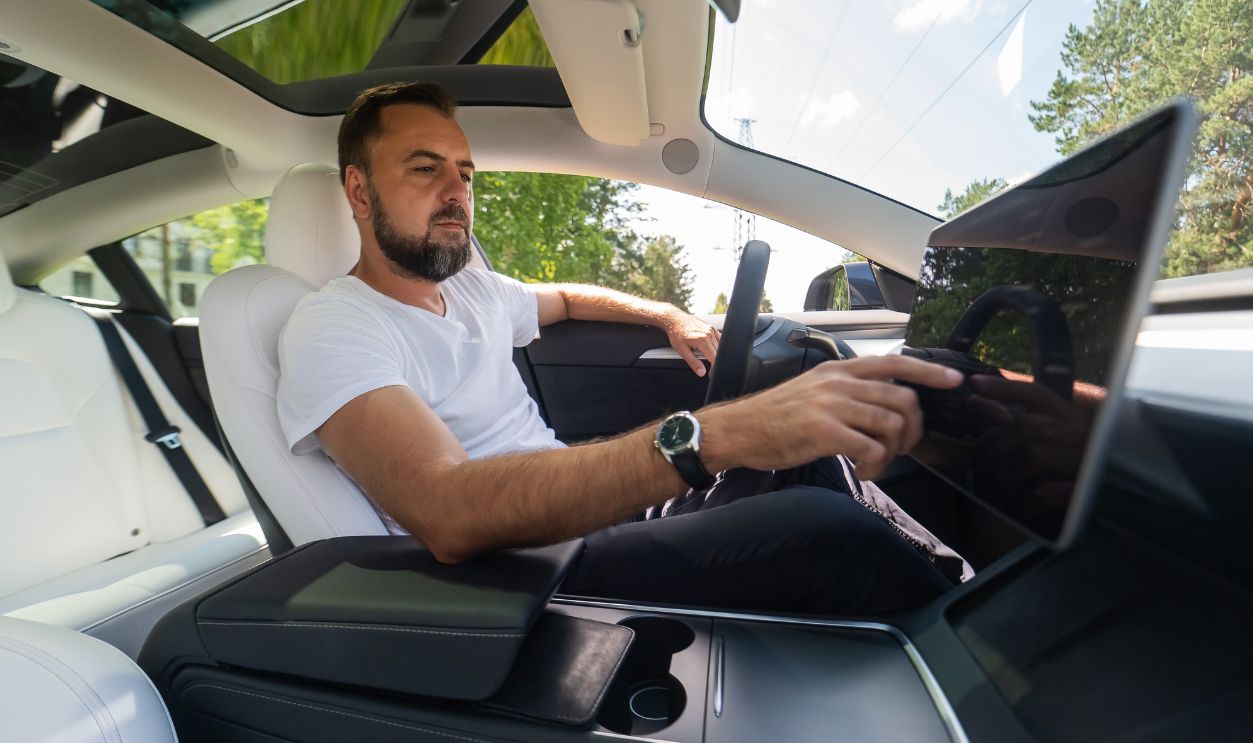
Consumer research offers a useful clue about where connected vehicles need to go next. Smart features tend to work best when they anticipate needs and reduce the driver's workload instead of adding another task. For a family sharing one vehicle, successful technology should quietly identify the driver, load the right settings, accept an authorized key, and get out of the way. Smart cars are practical when their complexity stays behind the screen instead of becoming another family chore.
You May Also Like:
The Most Overrated Cars Today, According To Car Enthusiasts
People With The Largest Car Collections In The World