The Mustang In The Garage
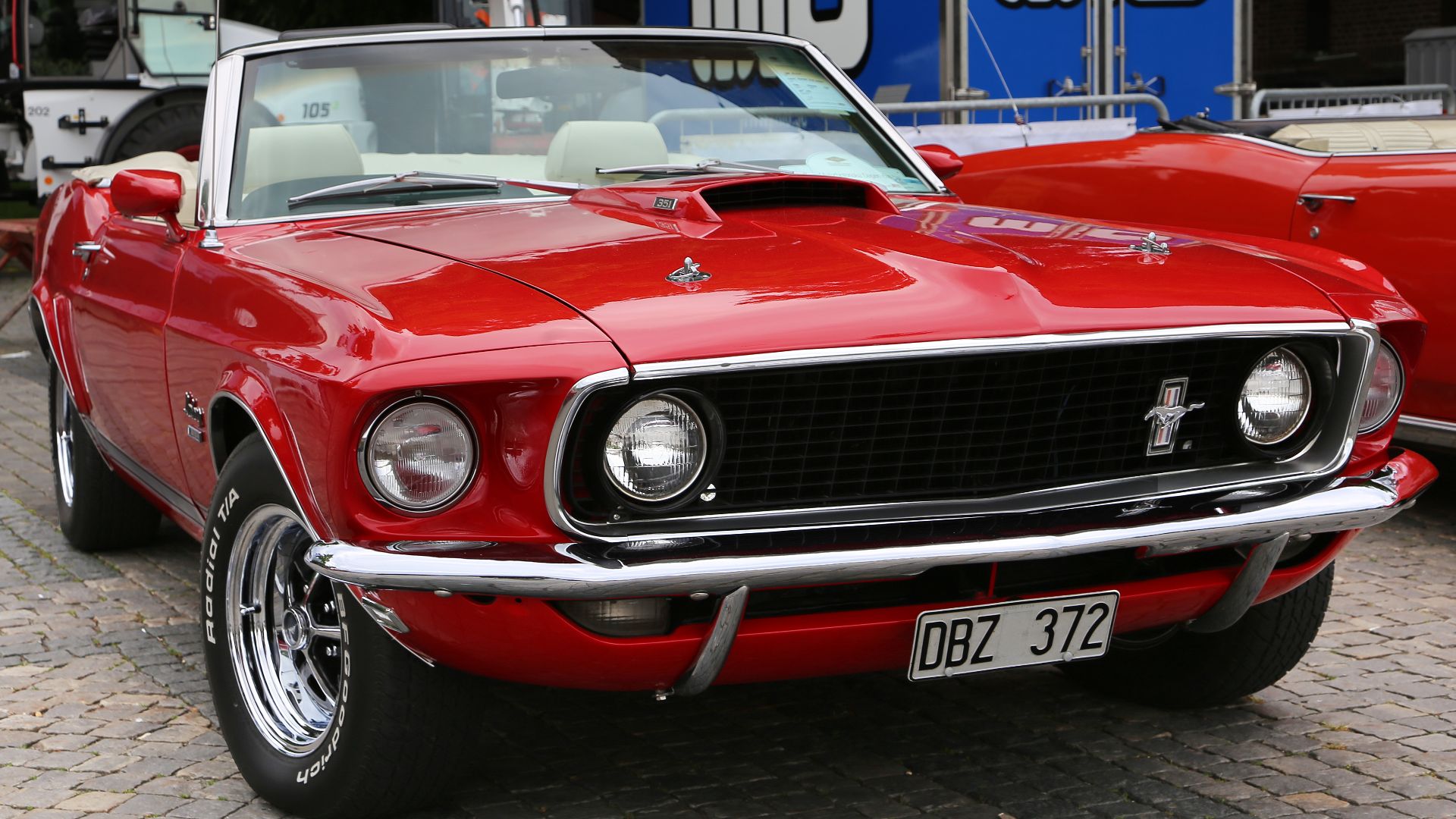
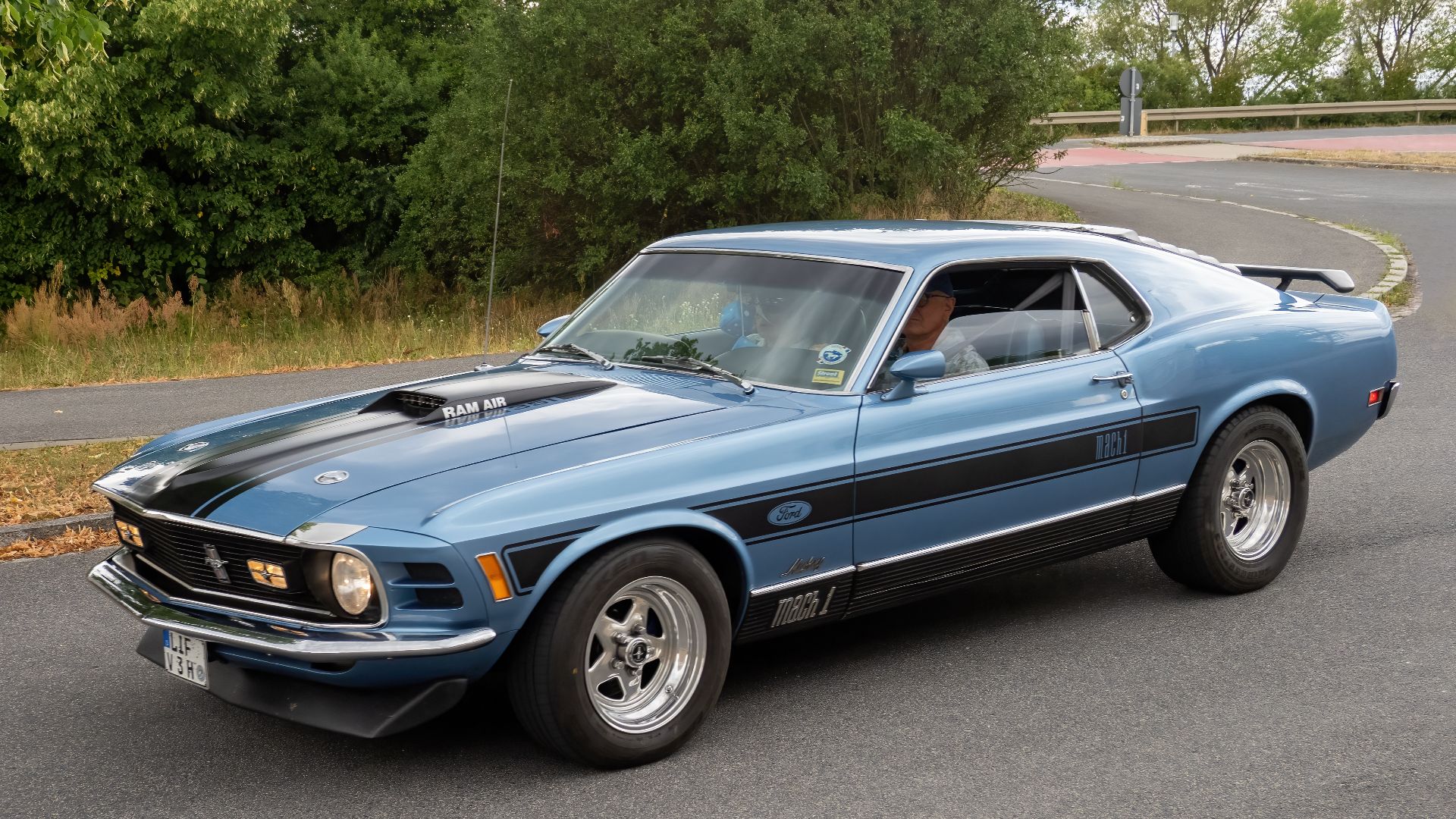
Inheriting a 1969 Ford Mustang sounds like the opening scene of a dream. There it is, sitting in the garage with Dad’s old key, chrome shining, memories baked into the seats. Then the first repair bill arrives, and suddenly that dream has a very real hourly labor rate.

The Emotional Horsepower Is Real
A classic Mustang is not just a car. It is family history on wheels. Every rattle, smell, and scratch can feel connected to a person you loved. That emotional value matters, but unfortunately, your mechanic cannot accept nostalgia as payment.
Welcome To Collector Car Ownership
Owning a collector car is different from owning a regular used car. A modern commuter is expected to start, stop, and behave. A classic expects attention. It wants fluids checked, parts adjusted, and little problems handled before they become expensive mechanical soap operas.
Old Cars Need Constant Conversation
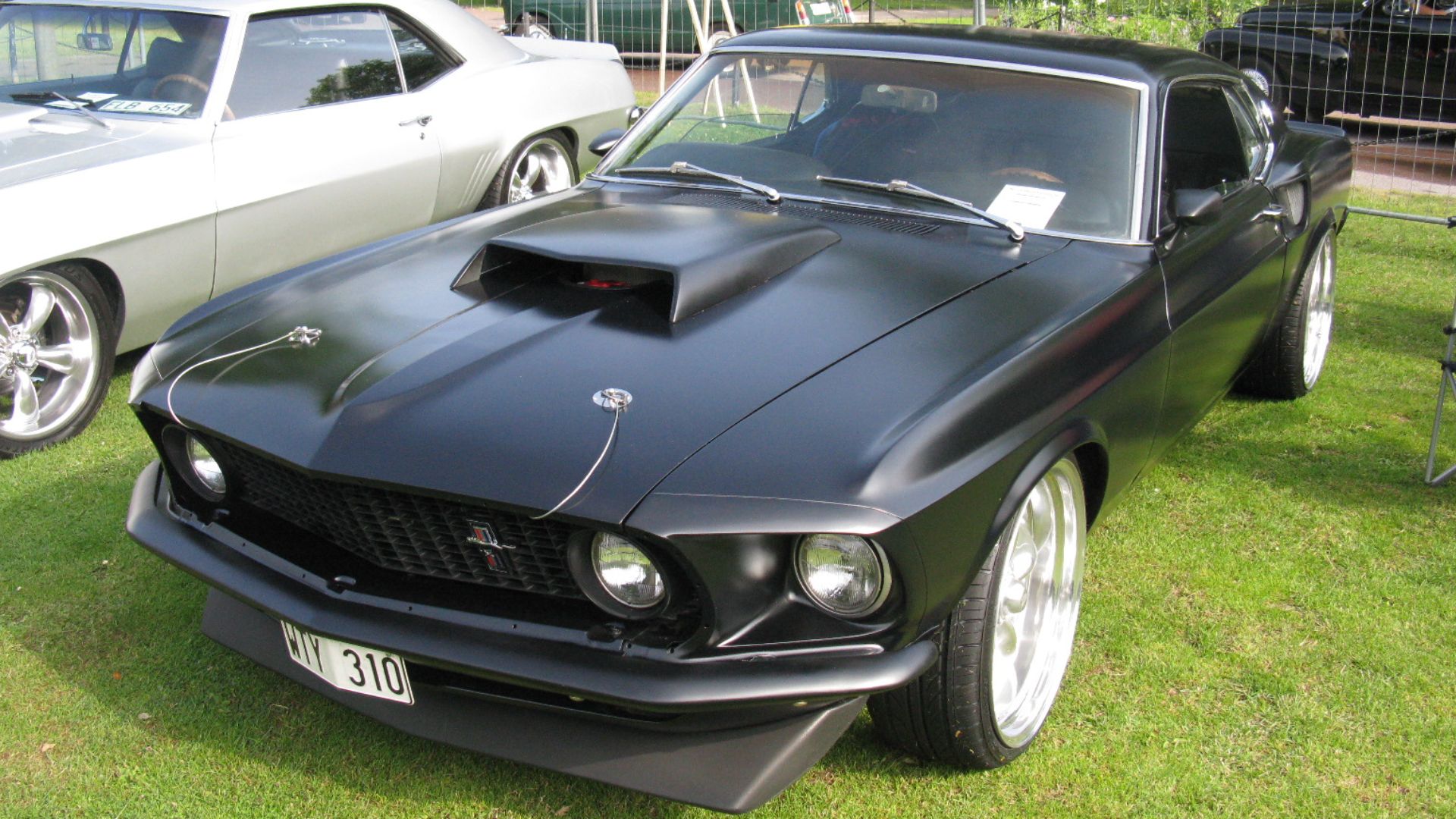
A 1969 Mustang was built in a world of carburetors, points, drum brakes, and simple wiring. That simplicity is charming, but it also means the car needs regular tuning. It does not quietly monitor itself with computers. It complains the old-fashioned way.
 Mustangpelle, Wikimedia Commons
Parts Are Available, But Not Always Cheap
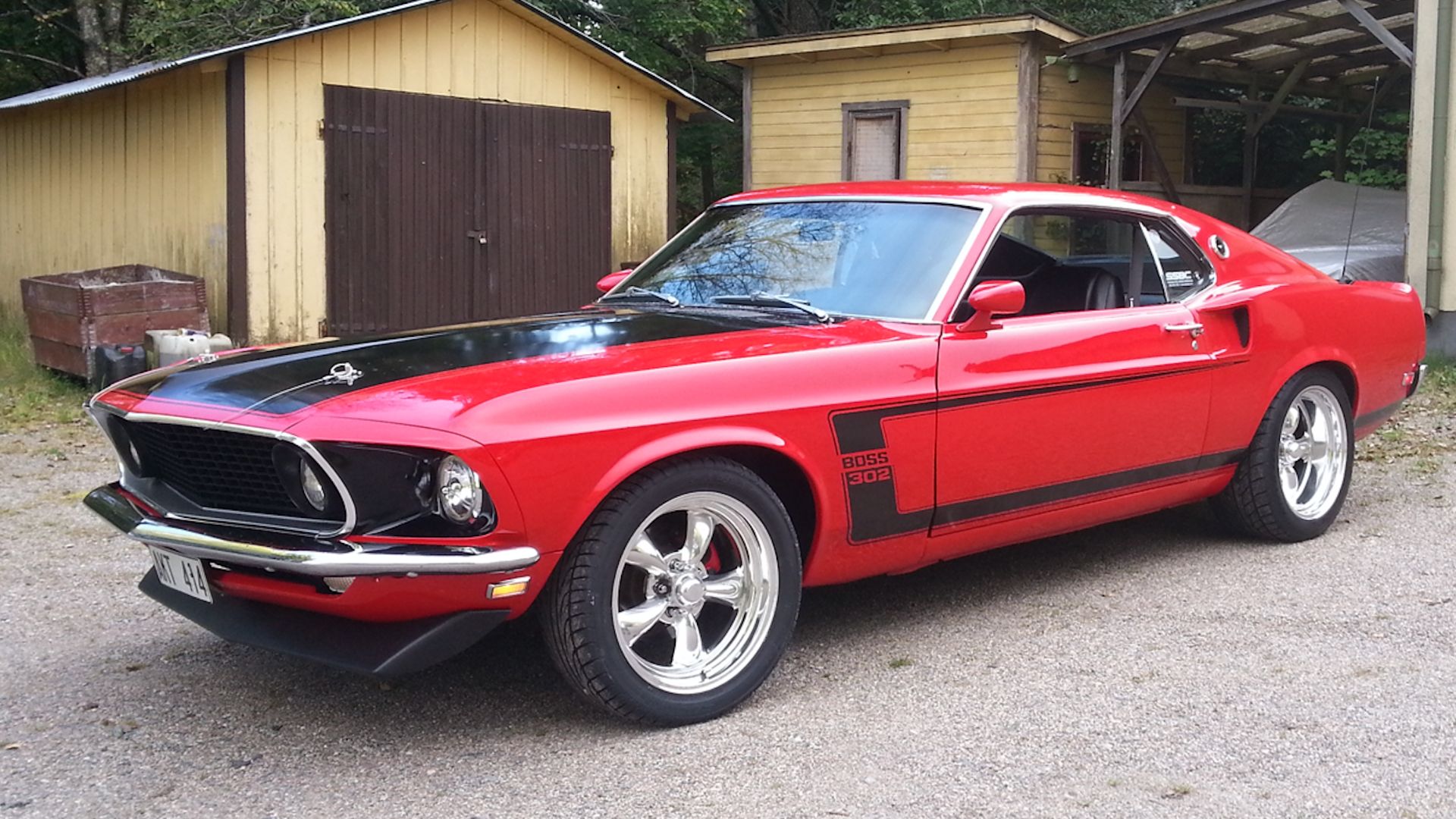
The good news is that Mustangs are among the easiest classics to get parts for. The bad news is that “available” does not always mean “cheap.” Reproduction parts, correct trim, interior pieces, and quality mechanical components can add up faster than expected.
 Stephen Foskett (Wikipedia User: sfoskett), Wikimedia Commons
Labor Is The Sneaky Big Cost
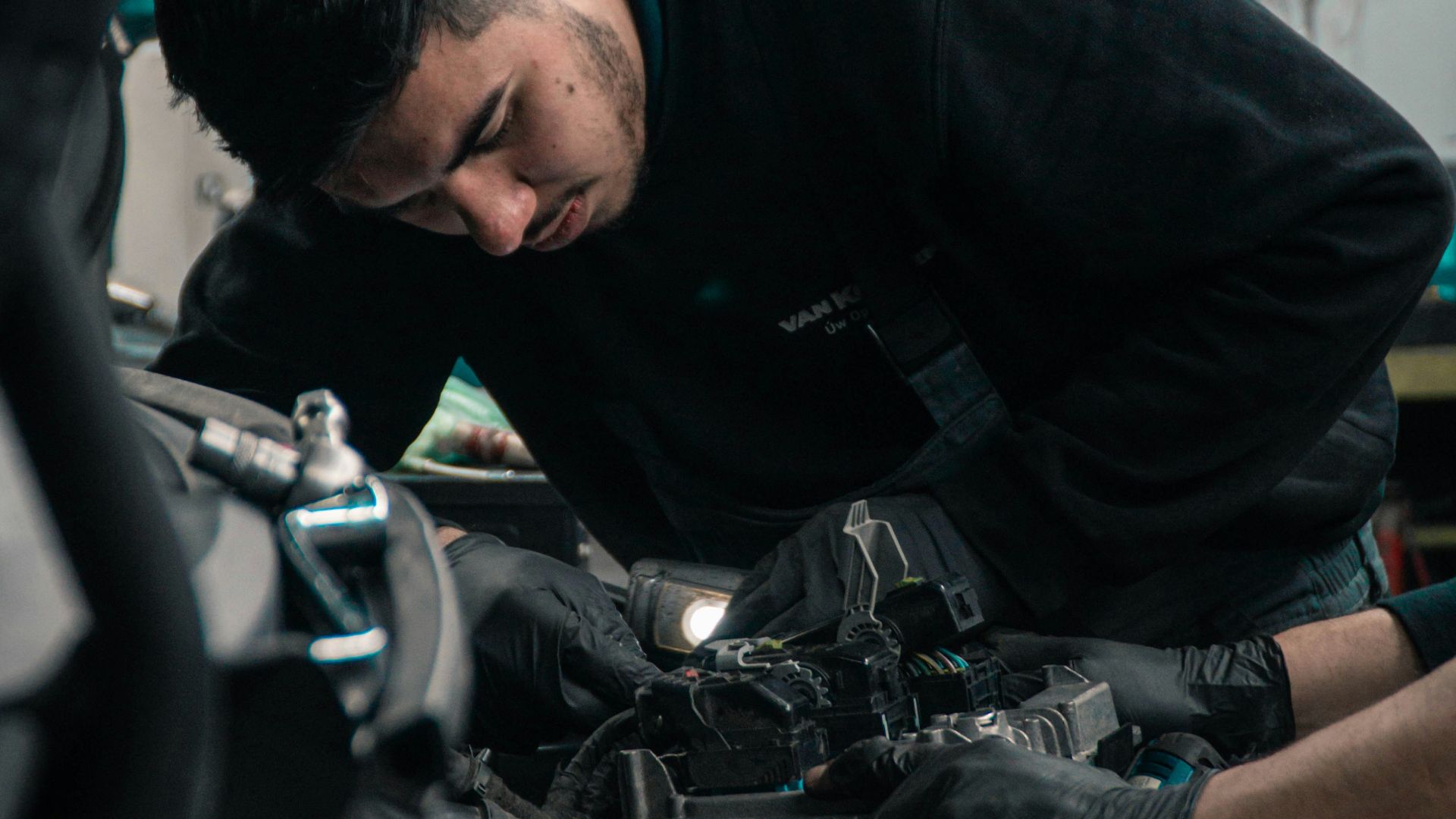
Many people focus on parts prices, but labor is often the real wallet bruiser. Classic cars can be fiddly. Rusted bolts, mystery wiring, old modifications, and previous owner “creativity” all turn simple jobs into long afternoons on a shop clock.

The Mustang Tax Is Real
Because classic Mustangs are popular, there is a whole industry built around them. That helps owners, but popularity also raises expectations. Everyone knows these cars are valuable, so restoration-quality work, correct parts, and experienced specialists often come with premium pricing.
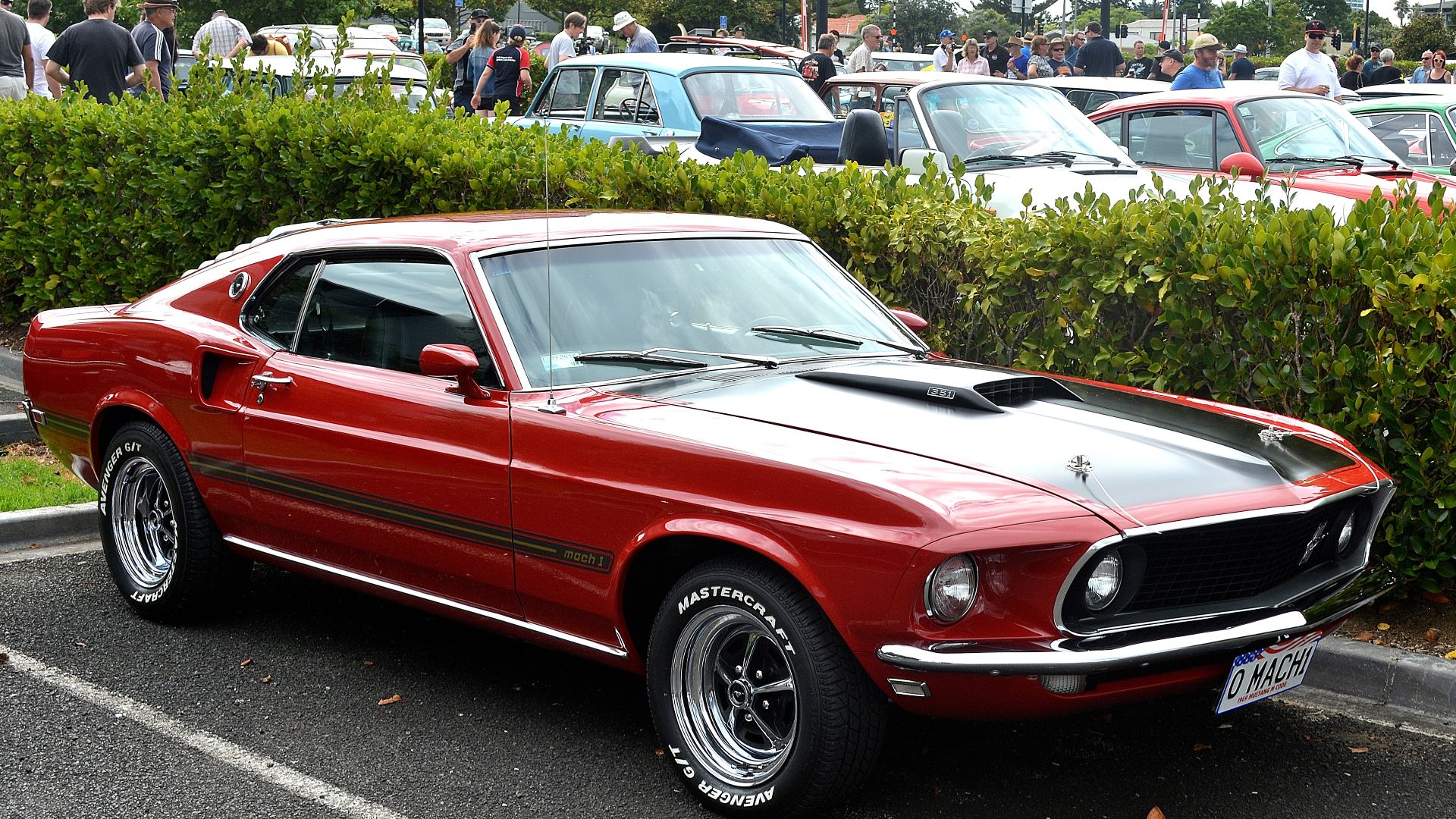 GPS 56 from New Zealand, Wikimedia Commons
Rust Is The Villain
Rust is the monster hiding under the bed. Floors, frame rails, cowl areas, wheel arches, and trunk pans can all suffer. Mechanical repairs are one thing, but bodywork is another universe. Once metal repair begins, costs can gallop away like a spooked horse.
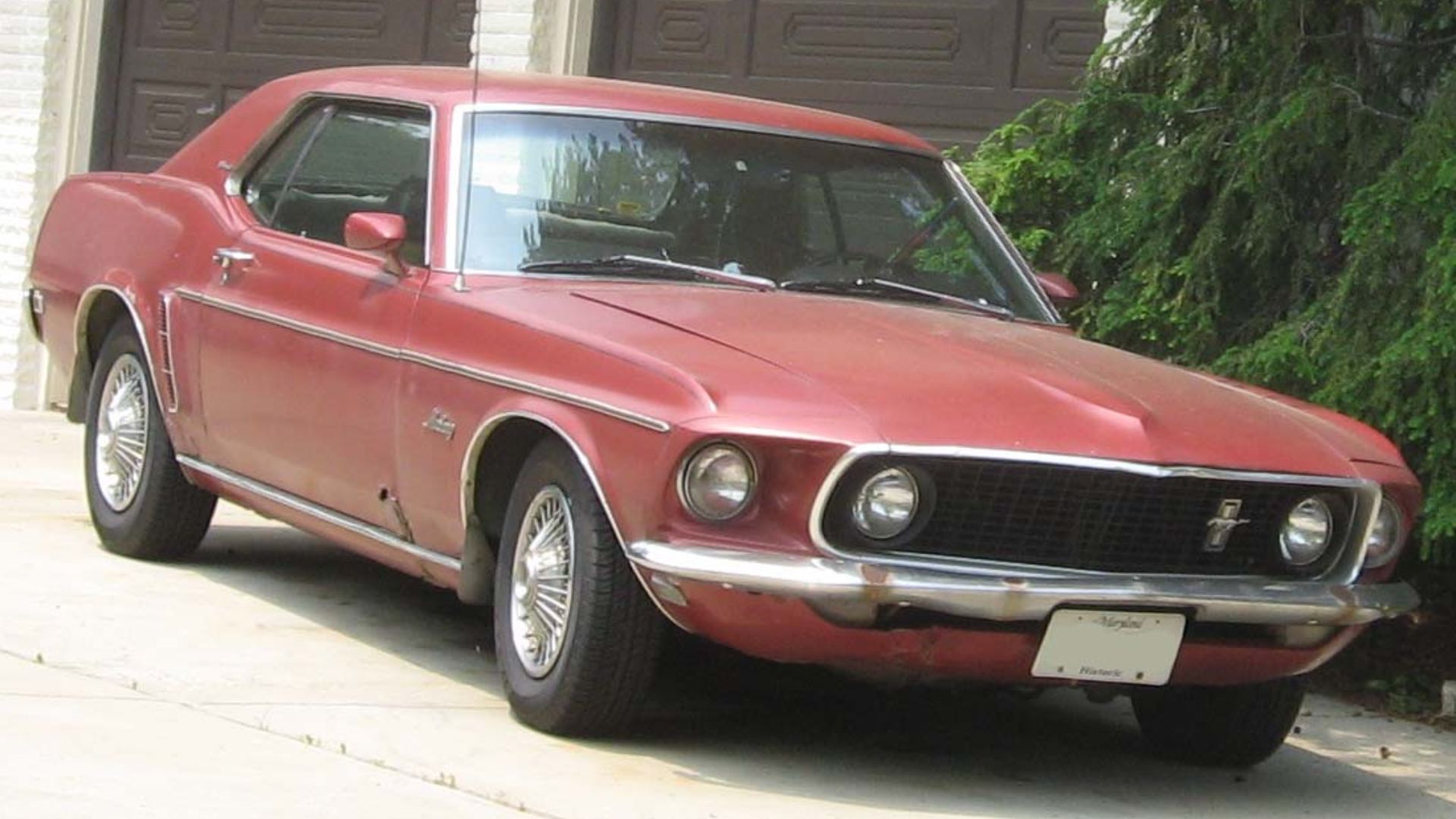
Paint Can Break The Budget
A nice paint job is not just spraying color over old panels. It is sanding, straightening, priming, blocking, correcting gaps, and chasing imperfections. A showy finish can cost more than the entire car did decades ago, especially if rust repair is involved.
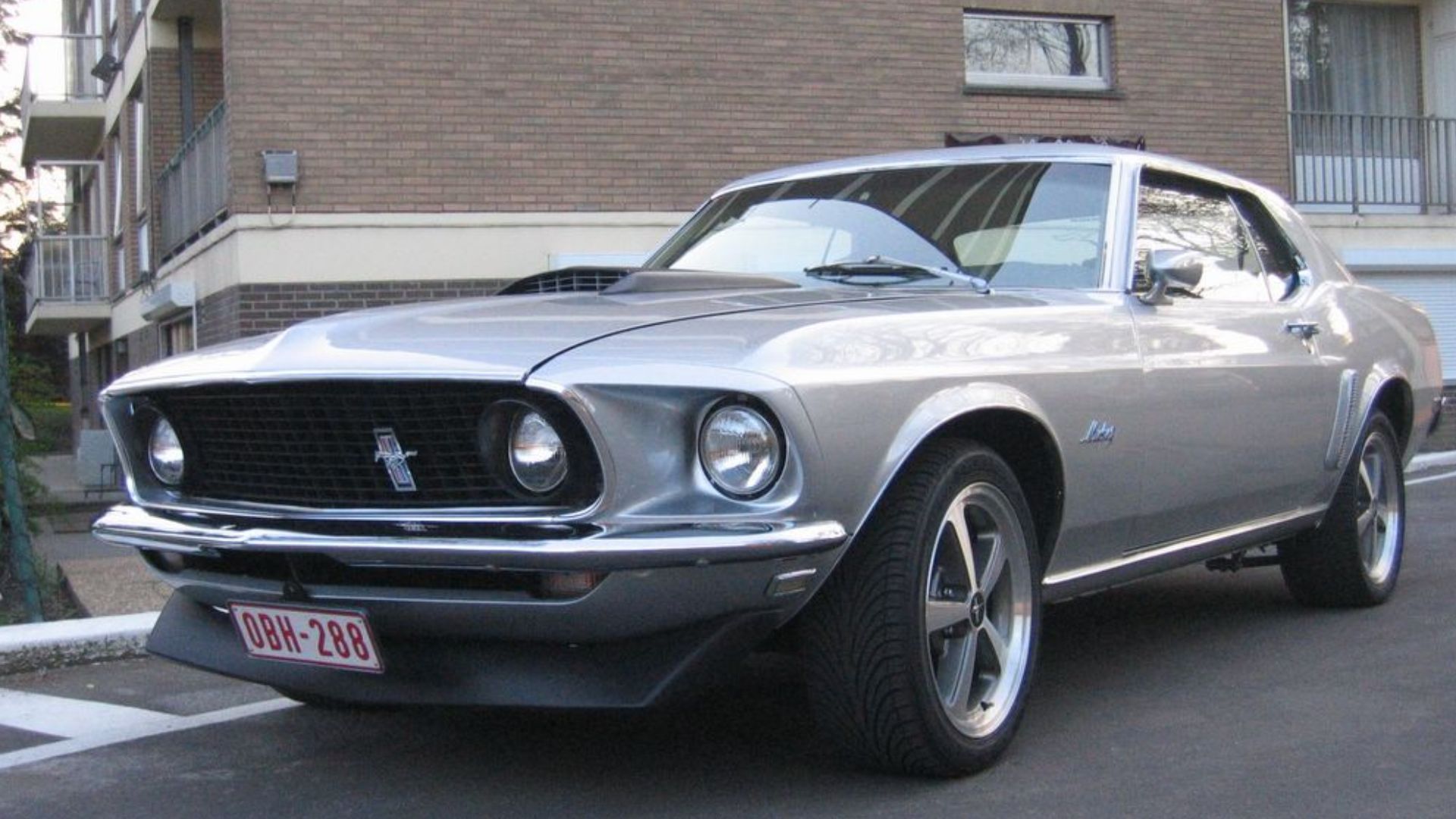
The Engine May Be Simple, Not Free
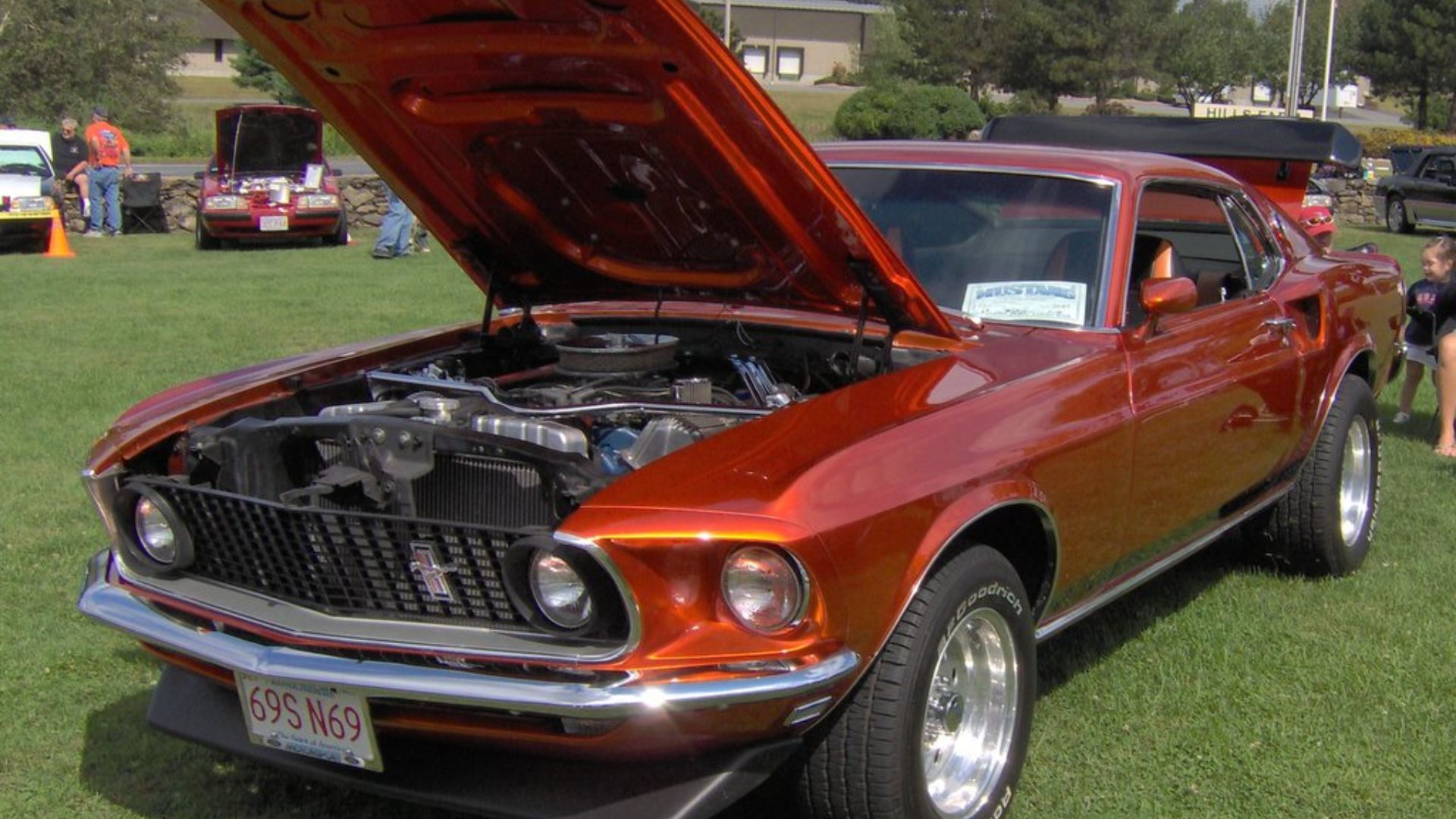
Whether your Mustang has a straight-six, 302, 351, or something hotter, the engine is old. Gaskets dry out, seals leak, carburetors gum up, and cooling systems get tired. Simple engines are easier to understand, but they still need money and care.
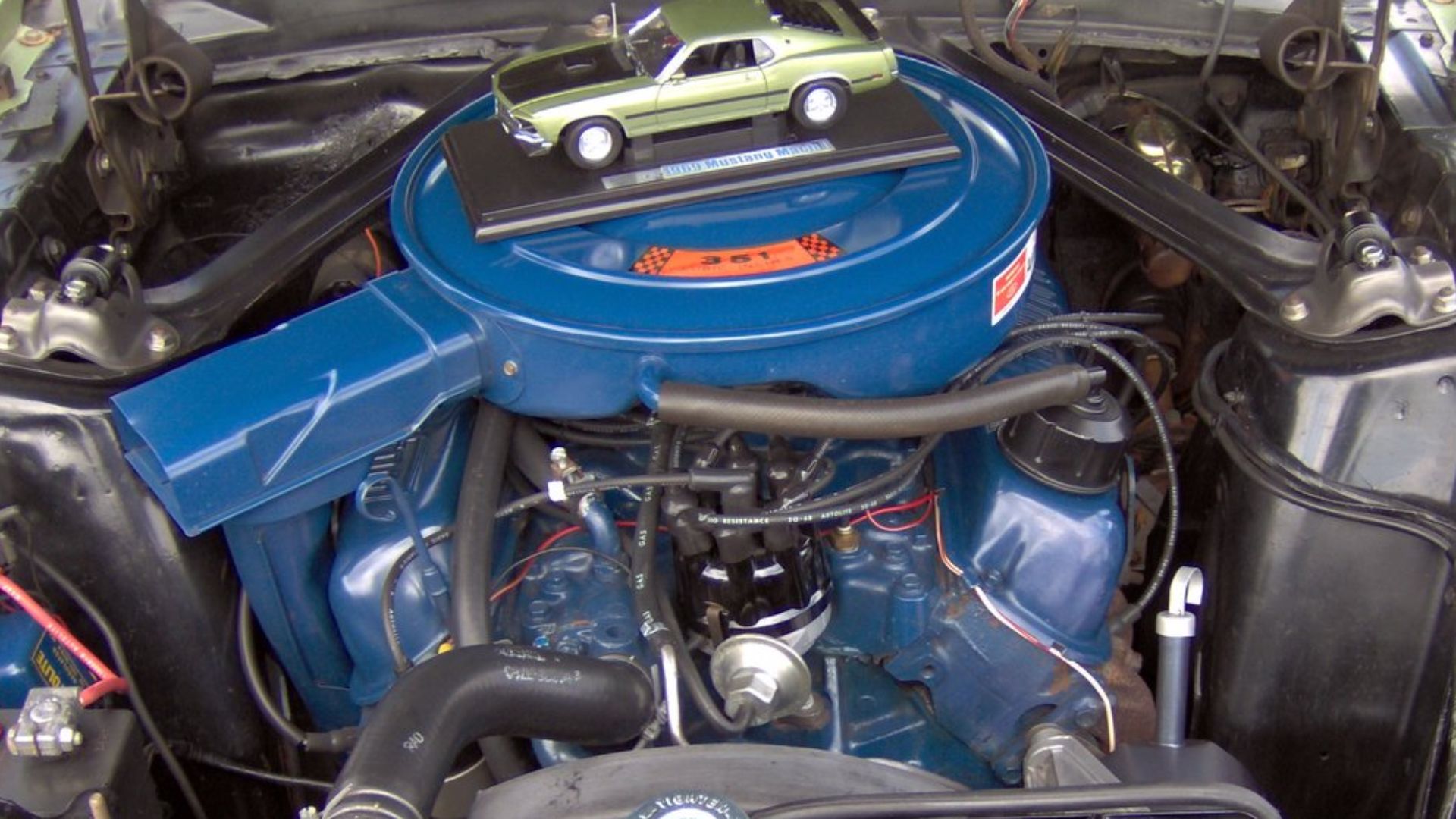 Stephen Foskett (Wikipedia User: sfoskett), Wikimedia Commons
Carburetors Have Personalities
A carburetor can make a classic Mustang feel alive. It can also make cold starts dramatic, idle quality moody, and fuel economy hilarious. When tuned properly, it is wonderful. When ignored, it becomes a tiny metal gremlin pouring gasoline into your patience.
Brakes Deserve Respect
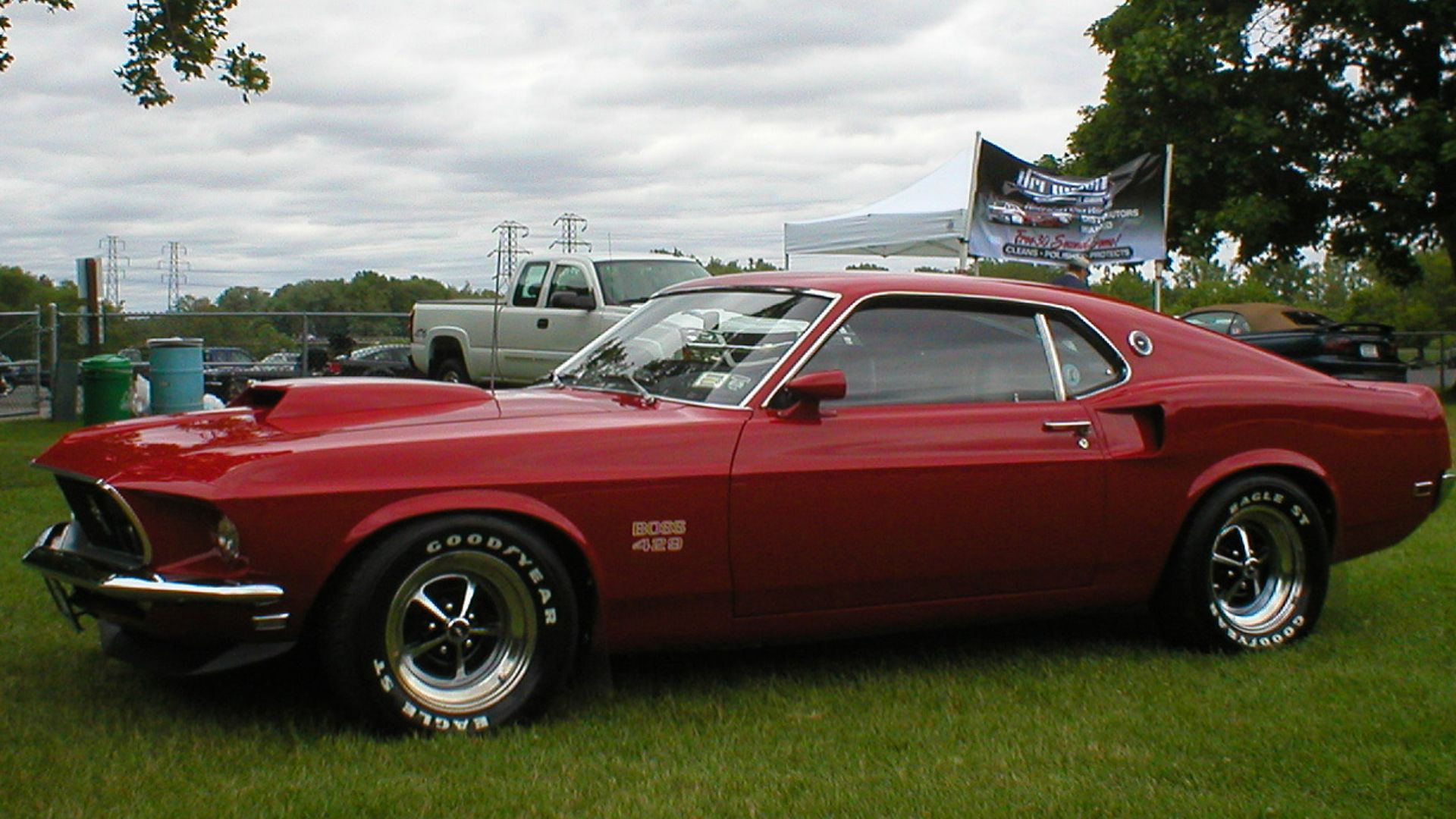
A 1969 Mustang does not stop like a modern car unless upgraded. Drum brakes, old lines, worn master cylinders, and tired hardware all matter. Brake work is not the place to bargain hunt. Stopping is always cooler than explaining why you didn’t.

Suspension Parts Age Quietly
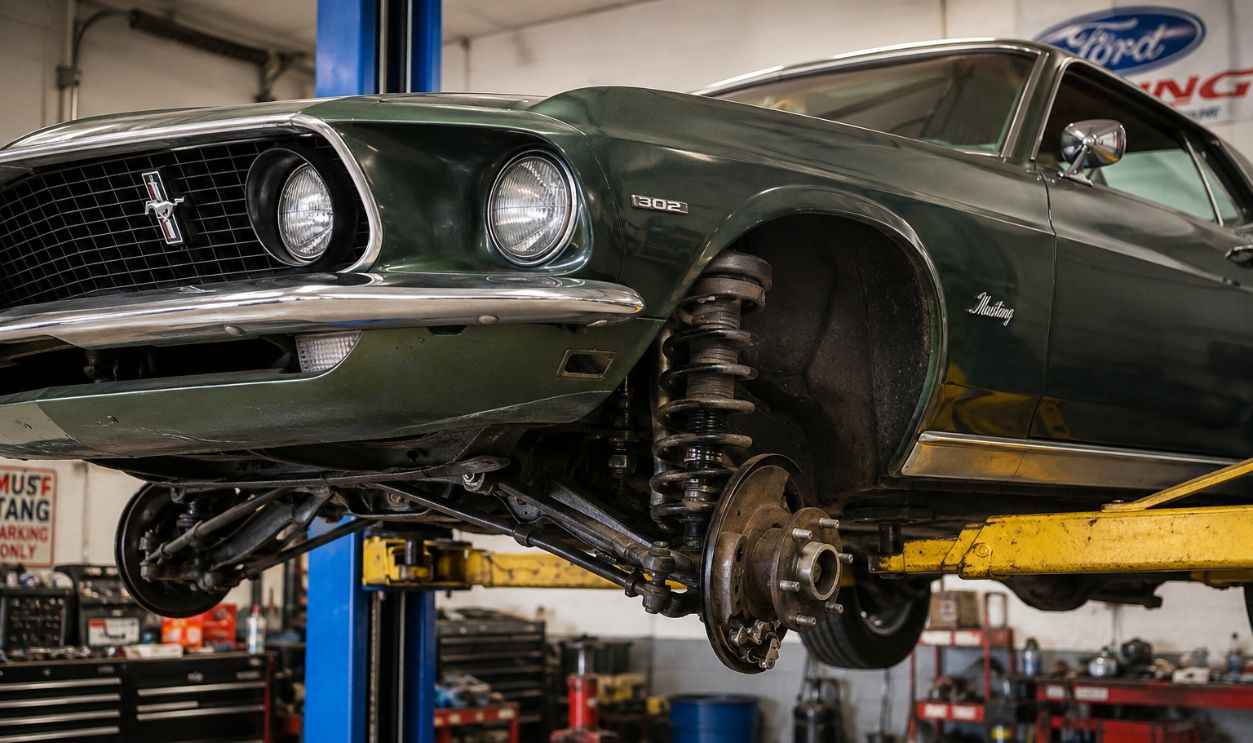
Bushings, shocks, springs, ball joints, and steering components wear slowly until the car feels loose and floaty. Then one day you realize the Mustang is not “vintage-feeling,” it is just tired. Refreshing the suspension can transform the driving experience.
Tires Are More Than Decoration
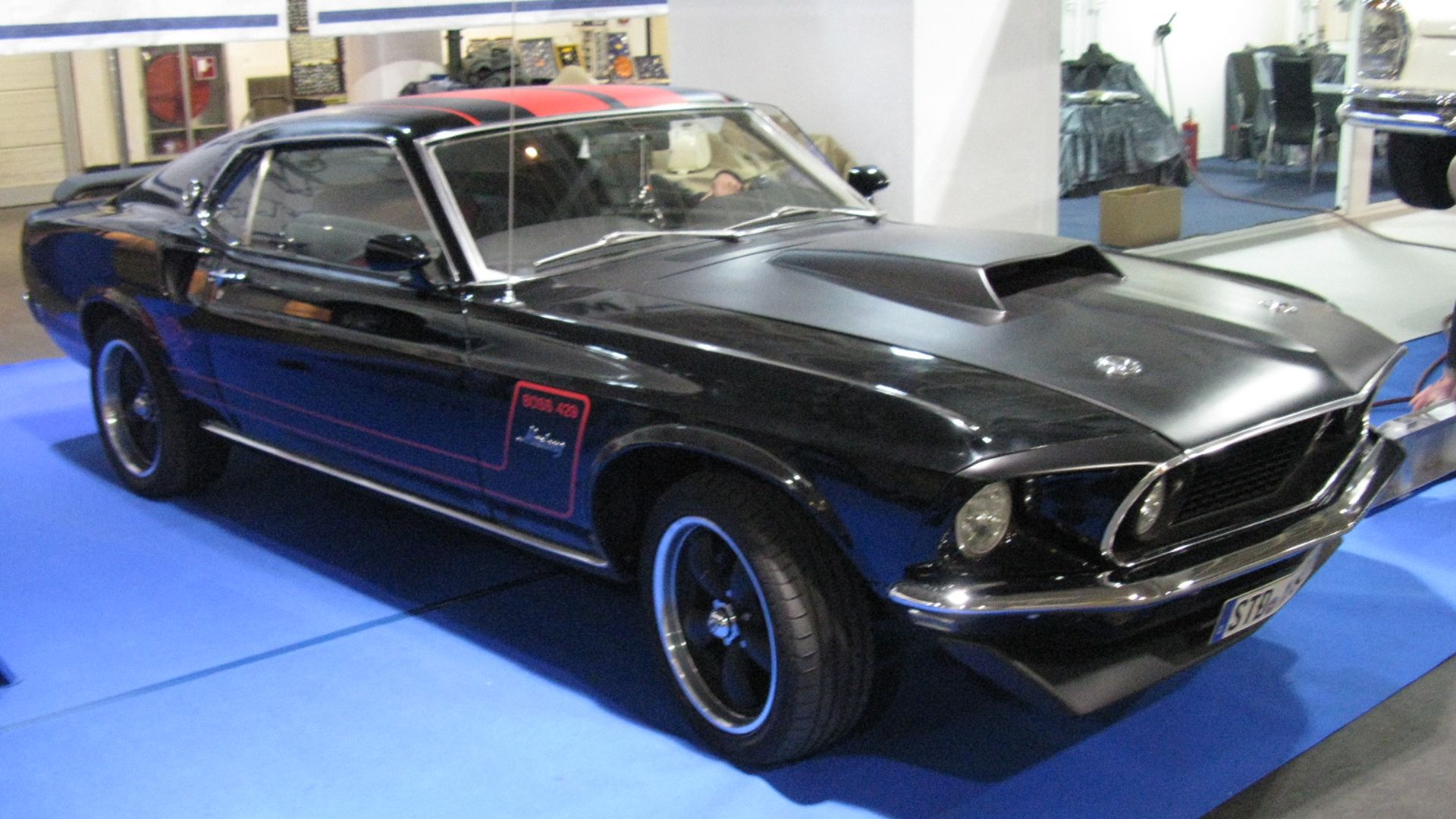
Classic Mustangs often sit for long periods, which is rough on tires. Even if the tread looks fine, old rubber can be unsafe. A new set of proper tires is not glamorous, but it may be the cheapest confidence upgrade you can buy.
Insurance Is Different Too
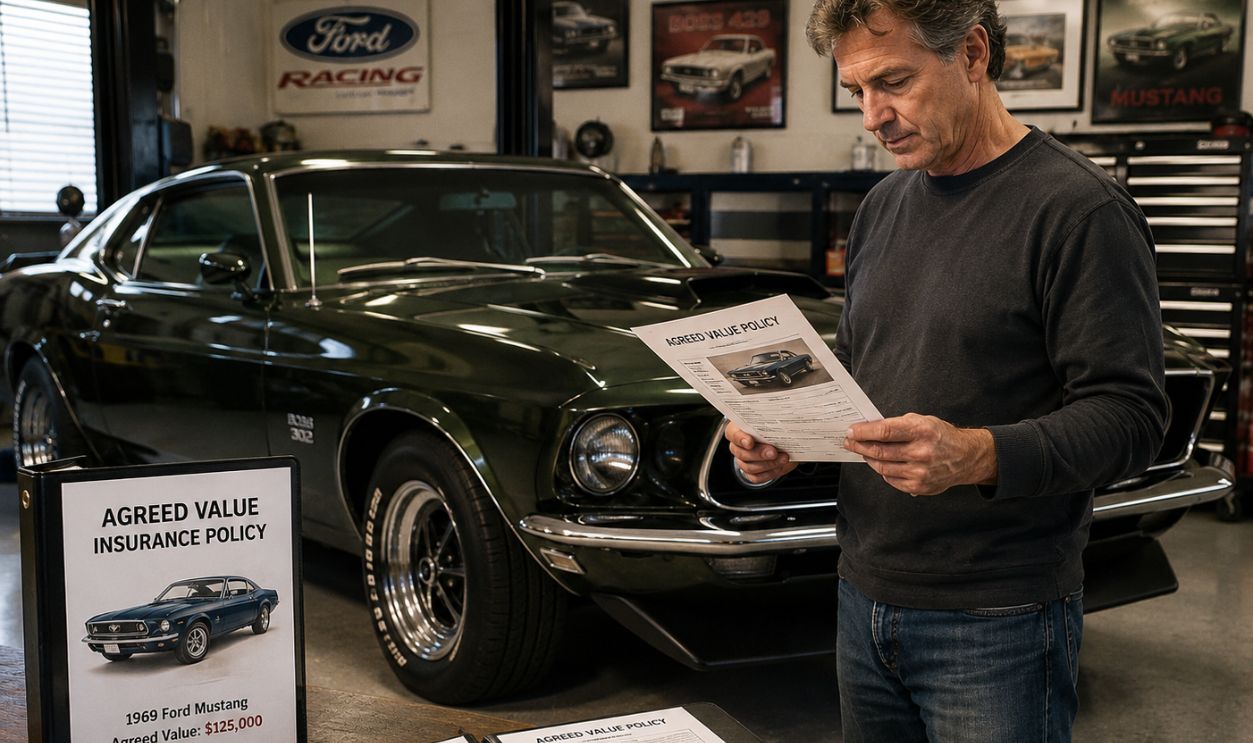
Collector car insurance can be surprisingly reasonable, especially with limited use and agreed-value coverage. But it still needs attention. You want the car insured for what it is actually worth, not what a regular insurance calculator thinks an old Ford should be.
Storage Costs Count
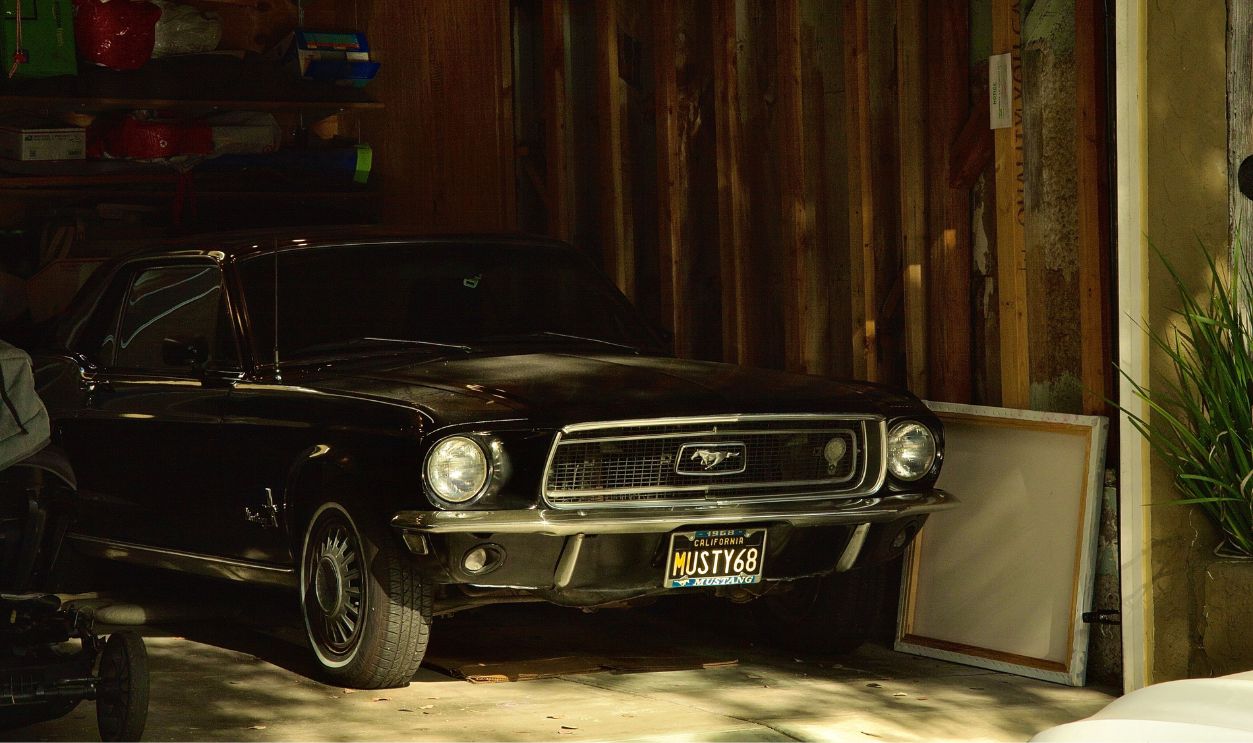
A collector car needs a safe, dry place to live. Moisture, sunlight, rodents, and careless parking neighbors are all enemies. If you are paying for storage, covers, battery tenders, climate control, or security, those costs belong in the real ownership budget.
Driving It Helps
Ironically, letting a classic sit can make it worse. Seals dry, fuel goes stale, batteries die, and brakes stick. Regular short drives keep everything moving and reveal small problems early. A Mustang was not born to be furniture.

Originality Can Get Expensive
If you want the car perfectly original, prepare for detective work. Correct parts, factory-style finishes, proper date codes, and accurate details can get pricey. A driver-quality Mustang is usually cheaper to enjoy than a concours-level museum piece with license plates.
Upgrades Can Save Money Later
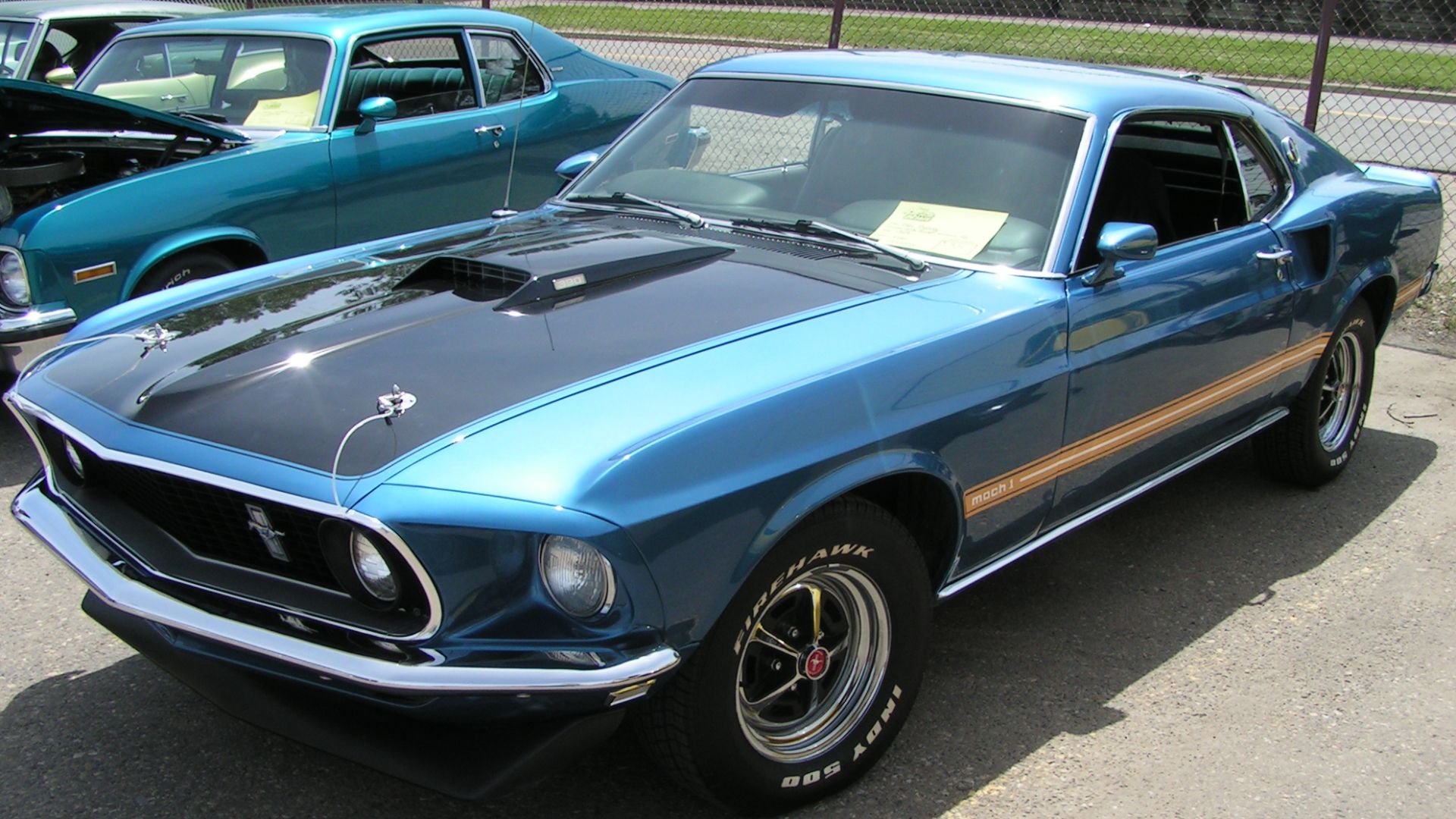
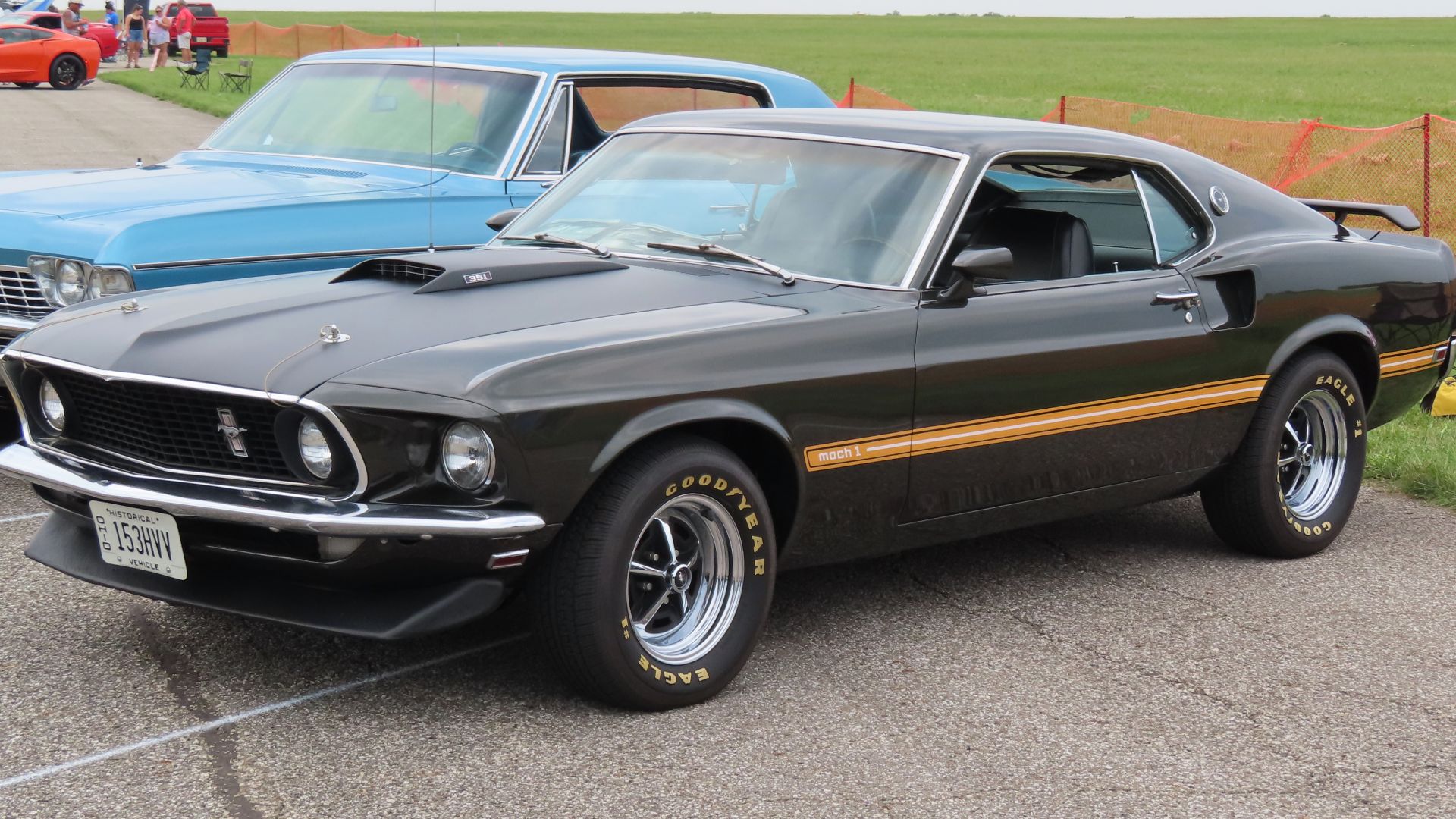
Some upgrades make sense. Electronic ignition, better cooling, front disc brakes, improved lighting, and modern radial tires can make the car easier and safer to use. The trick is choosing upgrades that improve reliability without erasing the car’s character.
 MercurySable99, Wikimedia Commons
DIY Can Help A Lot
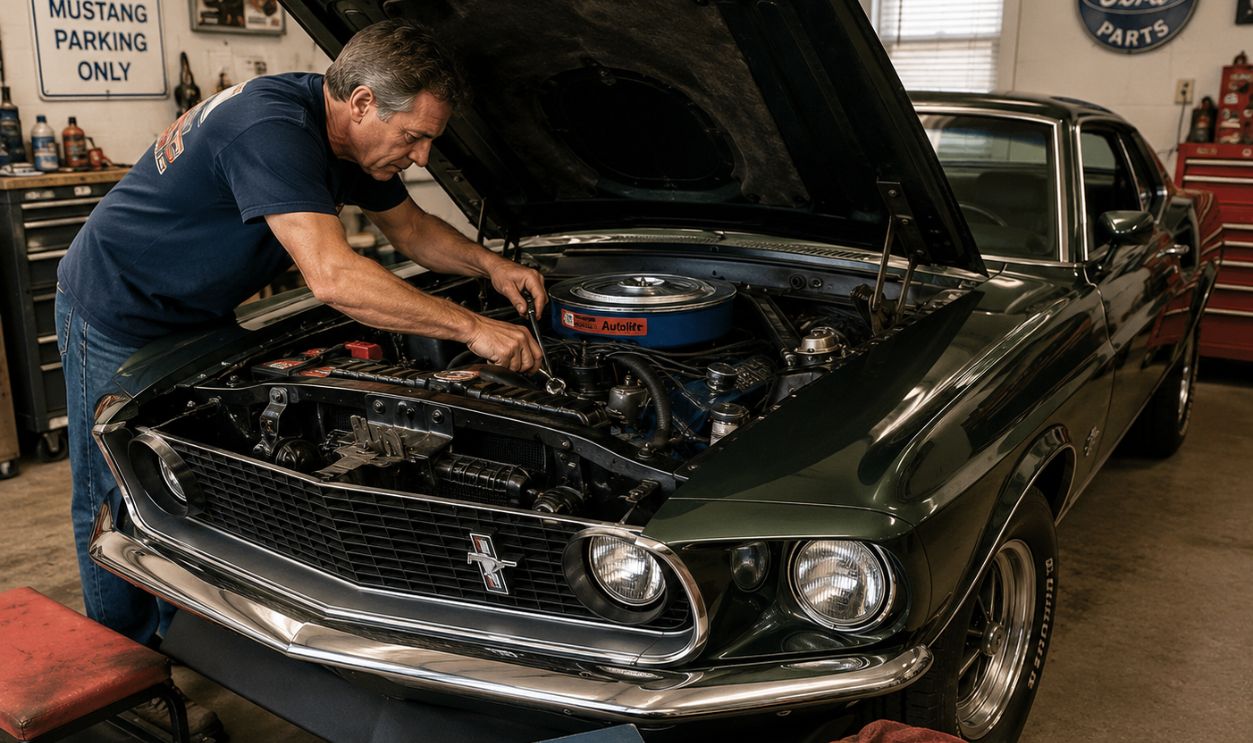
If you are willing to learn, a 1969 Mustang is a friendly classroom. Basic maintenance, tune-ups, fluid changes, and small interior jobs can be done at home with patience. The more you can handle yourself, the less scary ownership becomes.

But Know Your Limits
There is no shame in calling a professional. Brakes, steering, structural rust, electrical nightmares, and engine work can punish guesswork. A classic car rewards confidence, but it also punishes overconfidence with stripped bolts, smoke, and expensive tow truck rides.
Build A Realistic Annual Budget
A sensible owner sets aside money every year, even when nothing is broken. Think of it as a maintenance fund, not an emergency fund. Some years will be calm. Other years will arrive wearing coveralls and carrying a parts catalog.

Not Every Repair Is Urgent
A classic car always has a list. The key is sorting safety issues from cosmetic annoyances. Fix brakes, tires, steering, fuel leaks, and electrical hazards first. The faded trim, squeaky seat, and slightly grumpy radio can wait their turn.
The Car’s Value Matters
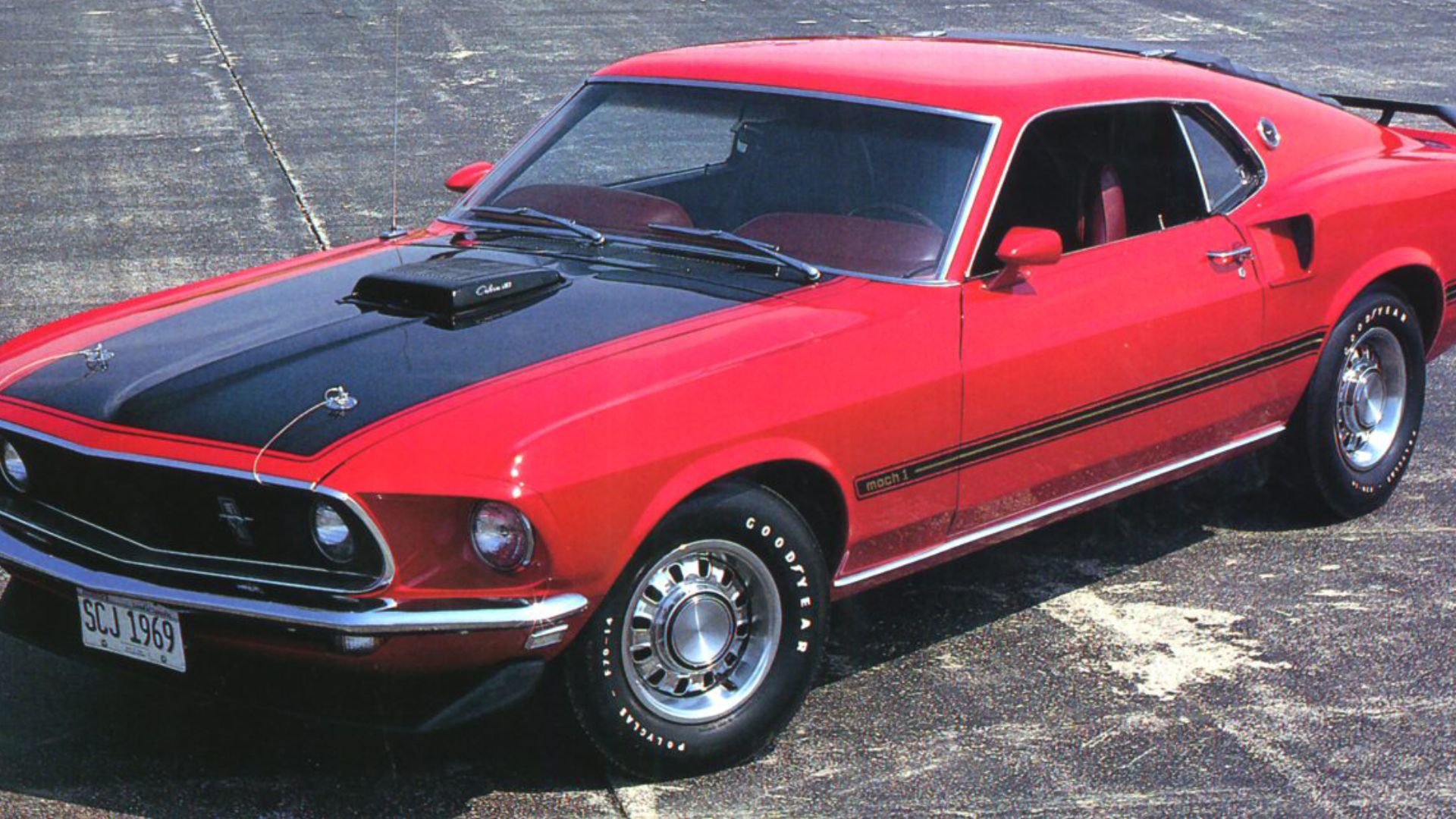
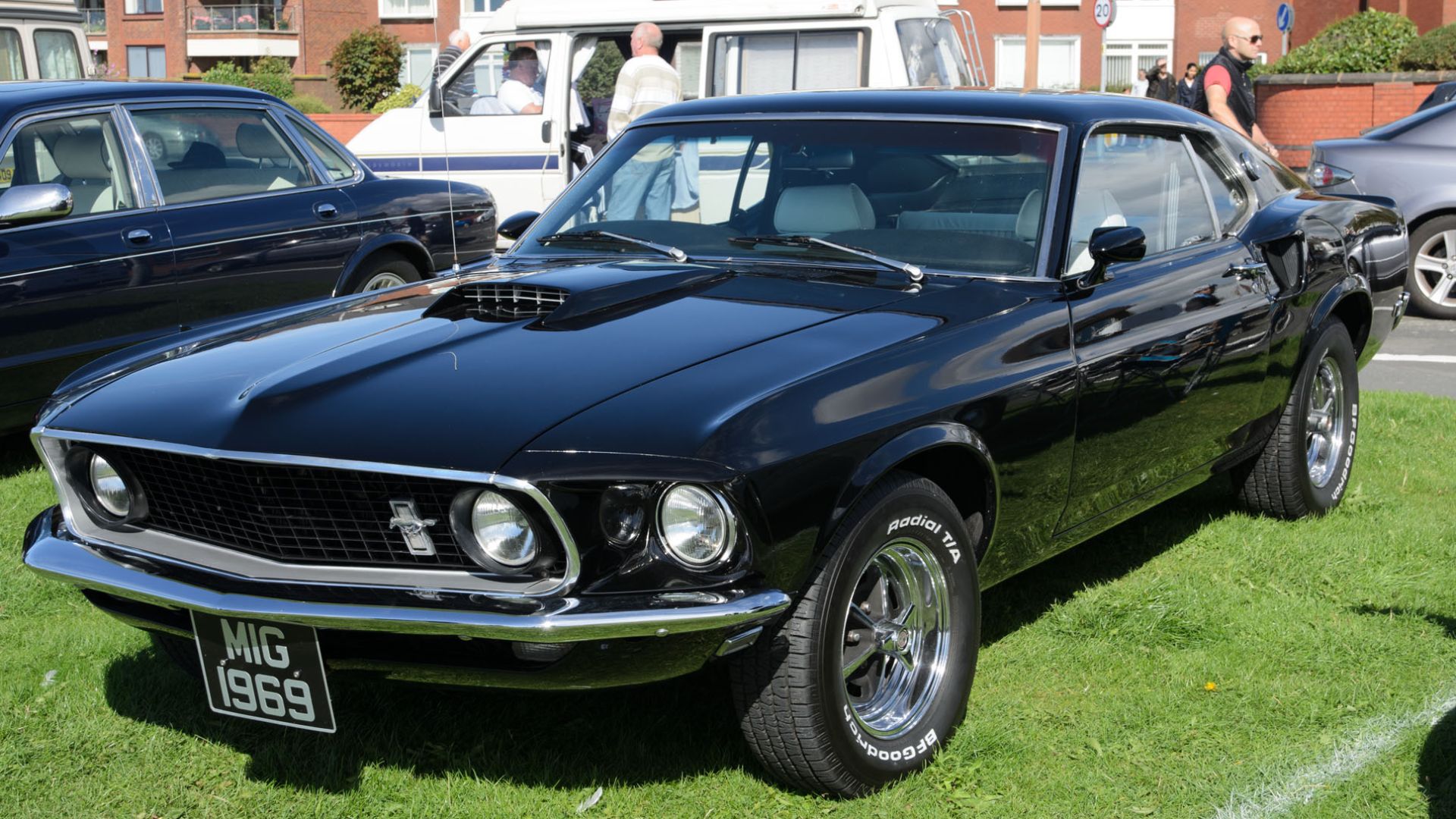
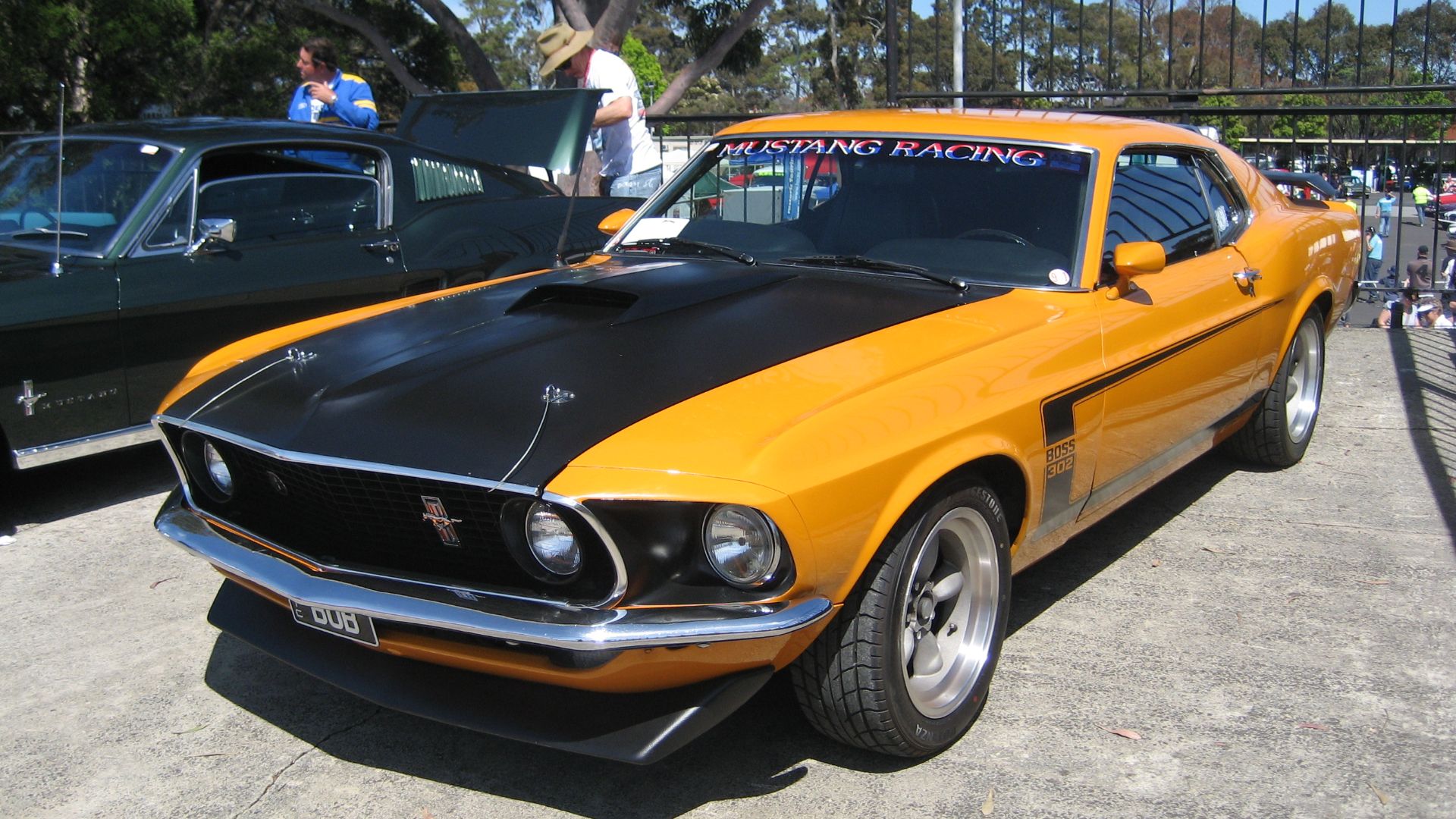
A 1969 Mustang has real collector appeal, but condition, engine, originality, body style, and documentation make a huge difference. Before spending heavily, understand what you have. A rare, well-optioned car may justify bigger investments than a rough base coupe.
 Matt Morgan (original) Tony Patt (cropped), Wikimedia Commons
The Memories Have Value Too
Money is only part of the equation. This was your Dad’s car. That changes everything. The first drive after a repair, the smell of the cabin, the sound of the engine waking up—those moments can be worth more than any spreadsheet admits.
So, Is It Really This Expensive?
Yes, keeping a collector car can absolutely be this expensive. Not because the car is cursed, but because age costs money. You are maintaining a machine, preserving history, and protecting a family heirloom. That is a bigger job than basic transportation.
The Final Verdict
If the Mustang makes you smile every time the garage door opens, it may be worth keeping. Just treat it like a hobby, not a cheap daily driver. Budget honestly, repair smartly, drive it often, and let Dad’s old Mustang keep telling its story.
You May Also Like: