The Surprise Nobody Wants
You thought you scored a great deal on a used car. Then you discovered it had been in a serious collision, something the seller conveniently forgot to mention. Suddenly, that bargain looks considerably less appealing. But can you get your money back?
 PeopleImages, Shutterstock Images
First, Don't Assume You're Stuck With It
Discovering undisclosed collision damage doesn't automatically entitle you to a refund, but it doesn't necessarily mean you're out of options. Your rights depend on where you purchased the vehicle, who sold it, what was disclosed, and what the sales documents actually say.

Find Out Exactly What Happened
Before confronting the seller, establish what happened to the vehicle. Was it a relatively minor repair or a collision involving structural damage? That distinction matters because the severity of the damage can affect the vehicle's safety, value, and potential remedies.

Save The Original Advertisement
Find the listing and save screenshots before it disappears. Pay particular attention to descriptions like "never damaged," "excellent condition," or "clean history." Those statements could become important evidence if the seller's description conflicts with documented repairs.

Read Your Sales Contract Again
Dig out the purchase agreement, bill of sale, warranty paperwork, and any written disclosures. Look for statements about vehicle condition and previous damage. Compare these documents against what you've discovered, paying special attention to any representations the seller made.

Double-Check The Vehicle Identification Number
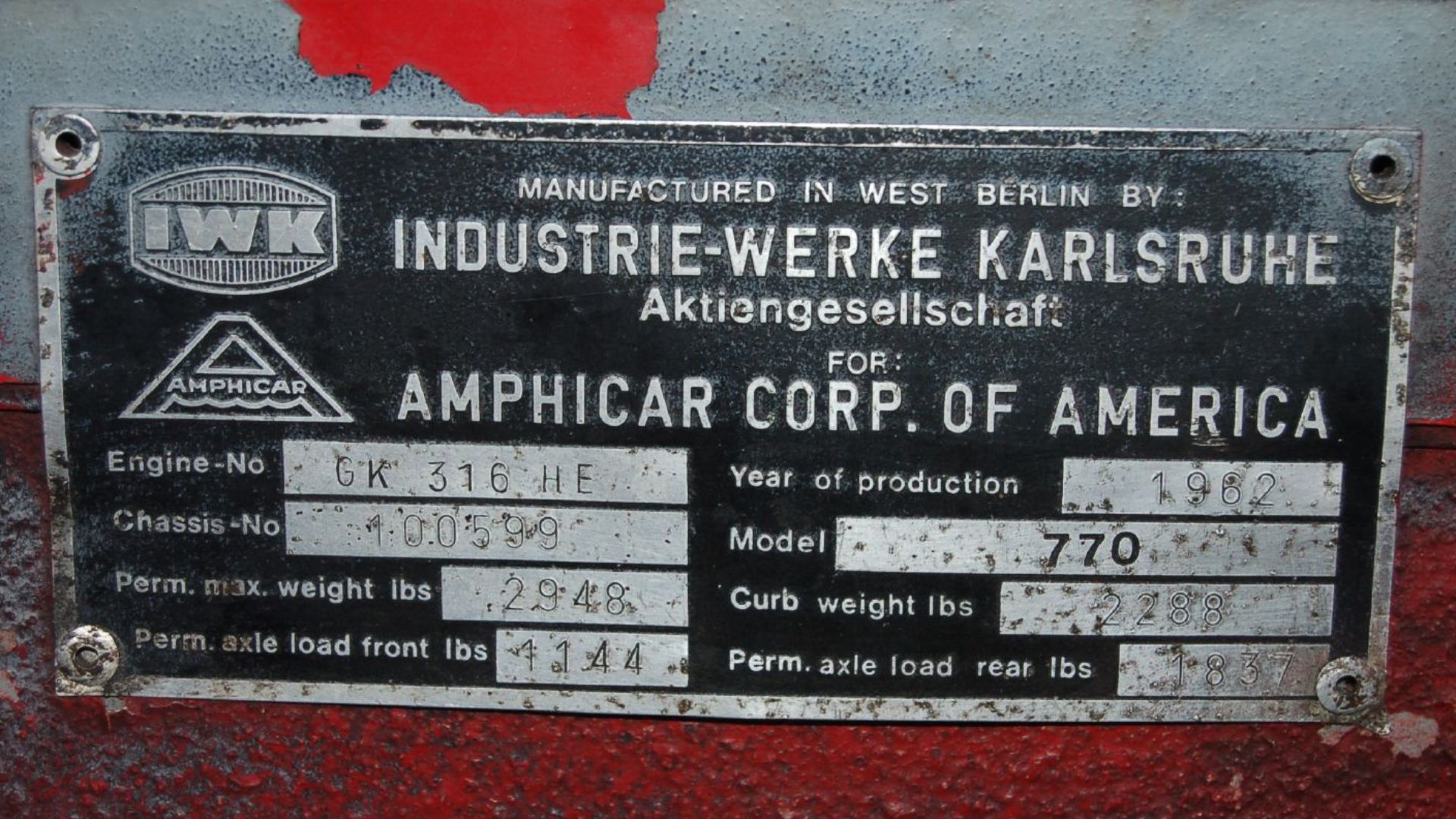
Every vehicle has a unique identification number, commonly called a VIN. Make sure the number on your vehicle matches your paperwork and history reports. A mismatched number could mean you're examining records belonging to an entirely different vehicle.
 Joe Ross from Lansing, Michigan, Wikimedia Commons
Get A Fresh Vehicle History Report
Obtain a report using the vehicle's VIN. Services such as CARFAX and AutoCheck may provide collision records, insurance loss information, title changes, and repair history. Compare the findings with anything the seller supplied before the purchase.

Remember That Reports Aren't Perfect
Here's an uncomfortable reality: a clean CARFAX report doesn't guarantee a collision-free vehicle. Not every repair or damage event gets reported. That's why the Federal Trade Commission recommends independent inspections rather than relying exclusively on vehicle history databases.

Investigate The Title History
The National Motor Vehicle Title Information System provides information about previous titles, salvage classifications, and certain insurance losses. Checking these records can reveal significant damage history that wasn't obvious when you purchased the vehicle. State motor vehicle agencies may hold additional records.

Understand What A Rebuilt Title Means
A rebuilt title generally indicates that a vehicle previously carried a salvage designation before being repaired for road use. Texas officials warn that these vehicles can be worth considerably less than comparable vehicles without salvage histories. Insurance coverage may also prove difficult.

Get An Independent Inspection
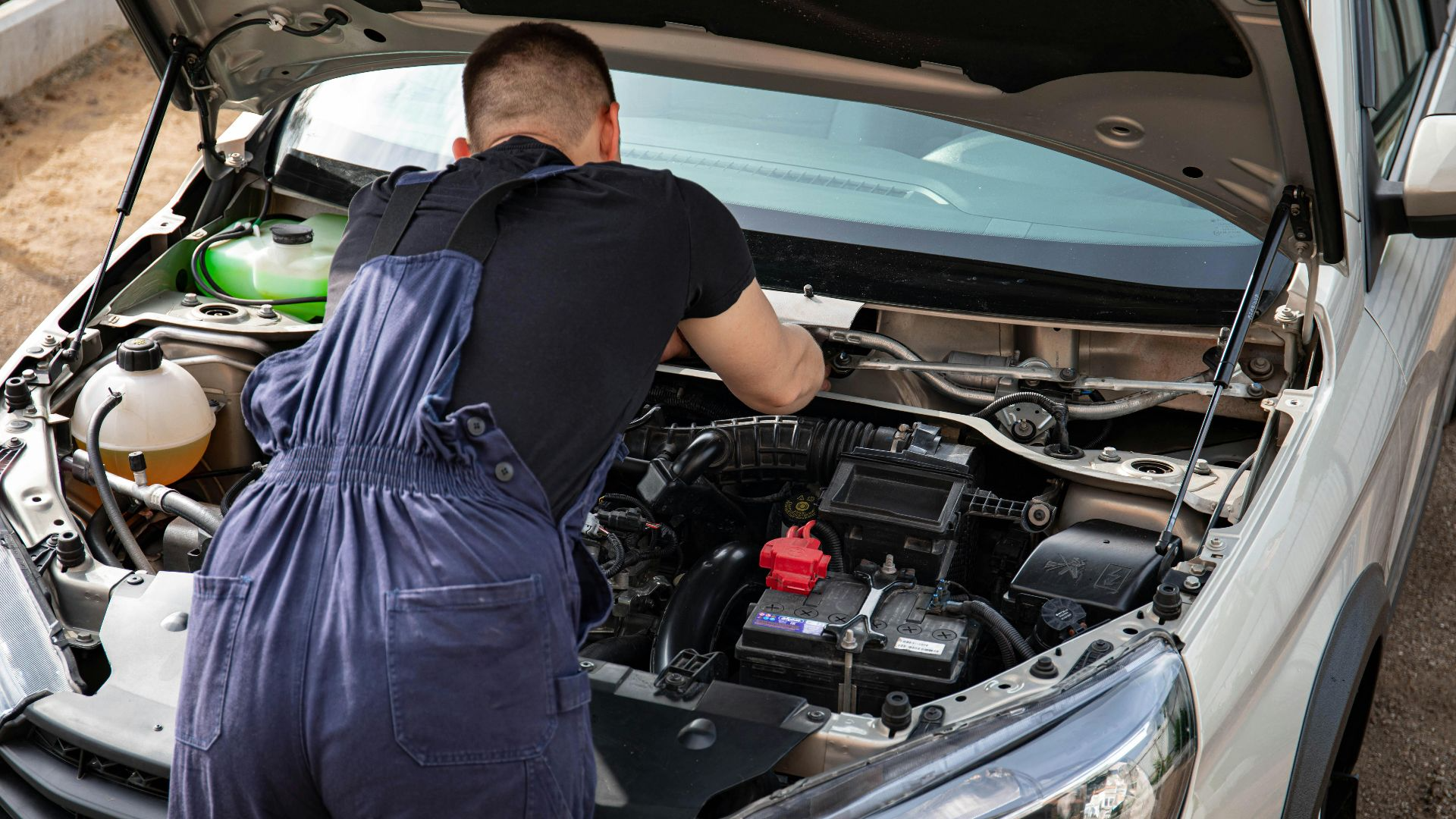
Don't depend entirely on the seller's explanation of the damage. Have a qualified collision repair specialist examine the vehicle, including structural components and previous repairs. Request written findings identifying damage, repair quality, and any work still needed.

Make Safety Your Immediate Priority
Previous structural damage deserves particular attention. Texas transportation officials warn that improperly aligned frames can contribute to problems involving tires, brakes, wheels, and drivetrains. If an inspection identifies potentially unsafe repairs, avoid driving until a qualified professional addresses those concerns.
Ask For The Original Repair Records
Contact the seller and request documentation showing where the collision repairs were completed. Repair invoices may help establish the extent of the damage and identify replaced components. If the seller refuses, keep that response with your other documentation.

Contact Your Insurance Company
North Carolina's Department of Justice recommends asking your insurance agent about earlier claims involving the vehicle. Insurers may have access to relevant claims databases, although information can be limited. Repairs paid for privately might leave no insurance record whatsoever.

Work Out When The Collision Happened
Establishing that the damage predates your purchase is essential. Compare repair dates, title records, and historical reports with the date on your sales agreement. This timeline can help distinguish previously concealed damage from anything occurring under your ownership.

Figure Out What The Seller Actually Promised
There's a meaningful difference between a seller volunteering nothing and explicitly denying previous damage. Save text messages, emails, advertisements, and written answers to your questions. These records could help establish whether you were given inaccurate information before agreeing to buy.

Rules Vary Across State Lines
Disclosure duties depend on the state. North Carolina requires written notice of certain serious damage, while other states use different standards. A seller's silence isn't automatically a violation everywhere.

Even Private Sellers Have Obligations
North Carolina's requirements cover individual sellers as well as dealerships. For qualifying newer vehicles, known collision repairs exceeding 25% of pre-collision value must be disclosed. Other states differ.
 Bodgan Vacarcuic, Shutterstock
Dealer Sales Come With More Protection
Dealership purchases often come with protections unavailable in private sales. New York's used-car lemon law, for example, applies to qualifying dealer purchases, not sales between individuals.

What As Is Actually Means
An "as is" sale generally limits repair warranties where permitted. However, state disclosure requirements still matter. Review the contract rather than assuming those two words settle everything.

The Buyers Guide Matters
Most U.S. dealers must provide an FTC Buyers Guide stating warranty terms. Compare it with your contract. The Guide can take precedence when warranty descriptions conflict.
 f.t.Photographer, Shutterstock
A Certified Label Could Matter
California prohibits labeling certain previously damaged vehicles "certified," including vehicles with known frame damage. If yours carried that label, inspect the certification documents and the dealer's inspection report.

See If A Warranty Helps
Some state warranties address defects rather than undisclosed history itself. New York, for example, provides qualifying used-car buyers certain covered repairs. Check whether your actual problem qualifies.

Calculate The Financial Damage
Request written repair estimates and independent valuations reflecting the collision history. A price difference may support negotiations. Don't claim an exact loss without evidence from qualified sources.

Ask The Seller To Fix Things
Present the documentation calmly and ask for a specific resolution. Possibilities include reversing the sale, reimbursing repairs, or adjusting the price. Any agreement should be recorded.

Make Your Demand In Writing
Explain what you discovered, cite supporting records, and state the remedy you want. Give a reasonable response deadline. Keep copies of the request and any replies.

The Three-Day Rule Isn't Universal
Federal rules don't automatically give dealership buyers three days to return a vehicle. Some state rules or written agreements offer cancellation rights. Check before assuming the deal can be undone.

Take A Dealer Complaint Further
If negotiations fail, contact your state's consumer protection office or motor vehicle regulator. The FTC accepts dealership complaints; the CFPB handles certain auto-financing disputes.

Court Might Be Worth Considering
Small claims court may be available, depending on your financial loss and state limits. Consider professional advice for larger disputes. Meanwhile, keep making required loan payments.

You May Also Like: