
That Cable Deserves A Closer Look.
Charging an EV from a home to a curbside parking space can be legal in some cities, but authorities generally expect the sidewalk to remain safe and accessible for everyone using it. Before filing a complaint, determine whether the cord is using an approved crossing method or simply lying loose across the walking path.
A Charging Cable Can Be A Sidewalk Obstruction
A sidewalk is supposed to provide a usable pedestrian route rather than become an extension of someone’s parking setup. Cities including Washington, D.C., Seattle, and Portland specifically acknowledge that EV charging cords crossing sidewalks can create accessibility or tripping concerns. That means your concern is reasonable even if nobody has actually fallen yet.

Local Rules Decide What Is Allowed
There is no single nationwide rule saying that every residential charging cord across a sidewalk is either legal or illegal. Cities control many aspects of their public rights-of-way and can create specific policies for curbside charging. A setup permitted in Portland might violate the requirements of another municipality.

Some Cities Allow Cables With Conditions
Portland allows qualifying residents to run Level 1 charging cords across sidewalks without a separate permit when detailed requirements are followed. Washington, D.C., also publishes a procedure allowing certain Level 1 cords to cross the public right-of-way. These policies show that crossing a sidewalk is not automatically prohibited.

A Loose Cord Is A Different Story
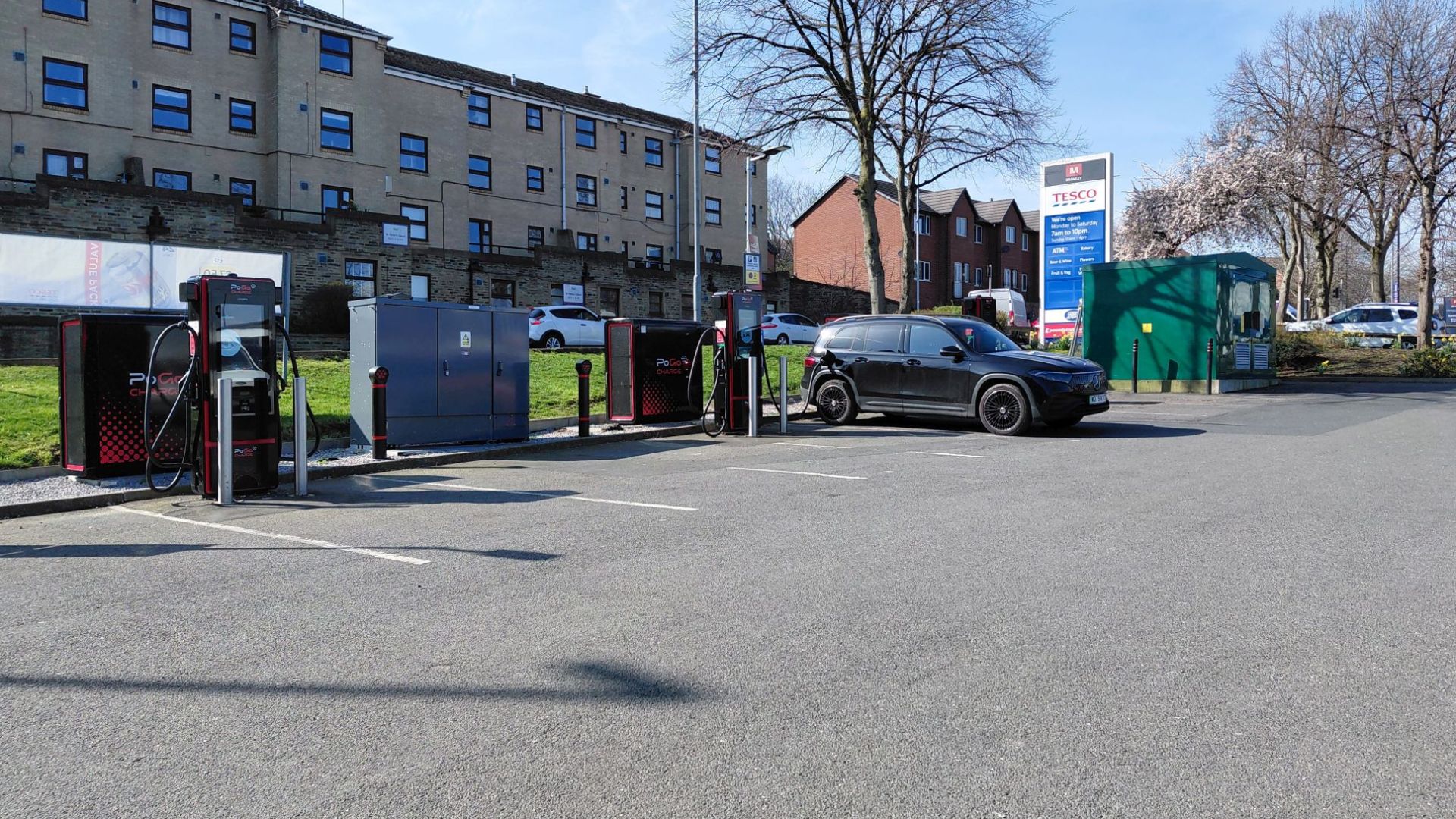
Cities that permit curbside charging generally do not tell residents to throw a bare cable across the pavement. Portland requires an ADA-compliant cord cover when a charging cable crosses a sidewalk or similar hard surface. Seattle also advises residents to use a highly visible, stable, secure, low-angle cable ramp.
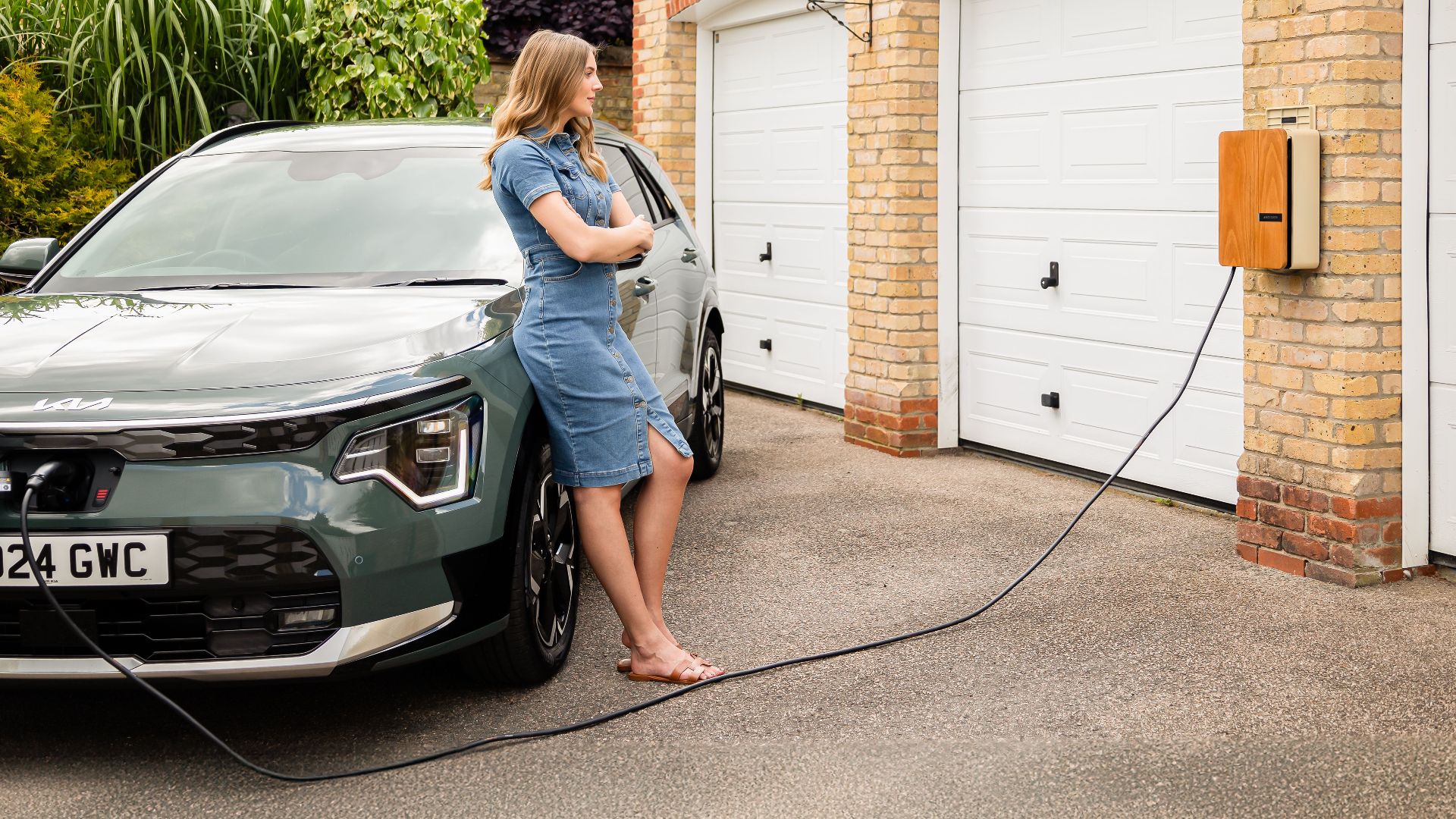
The Cover Has A Real Purpose
A proper cord cover reduces the abrupt change in height created by a thick charging cable. It also makes the crossing more visible and helps keep the cord from shifting underneath pedestrians. That matters to people using wheelchairs, walkers, canes, strollers, and other mobility equipment.
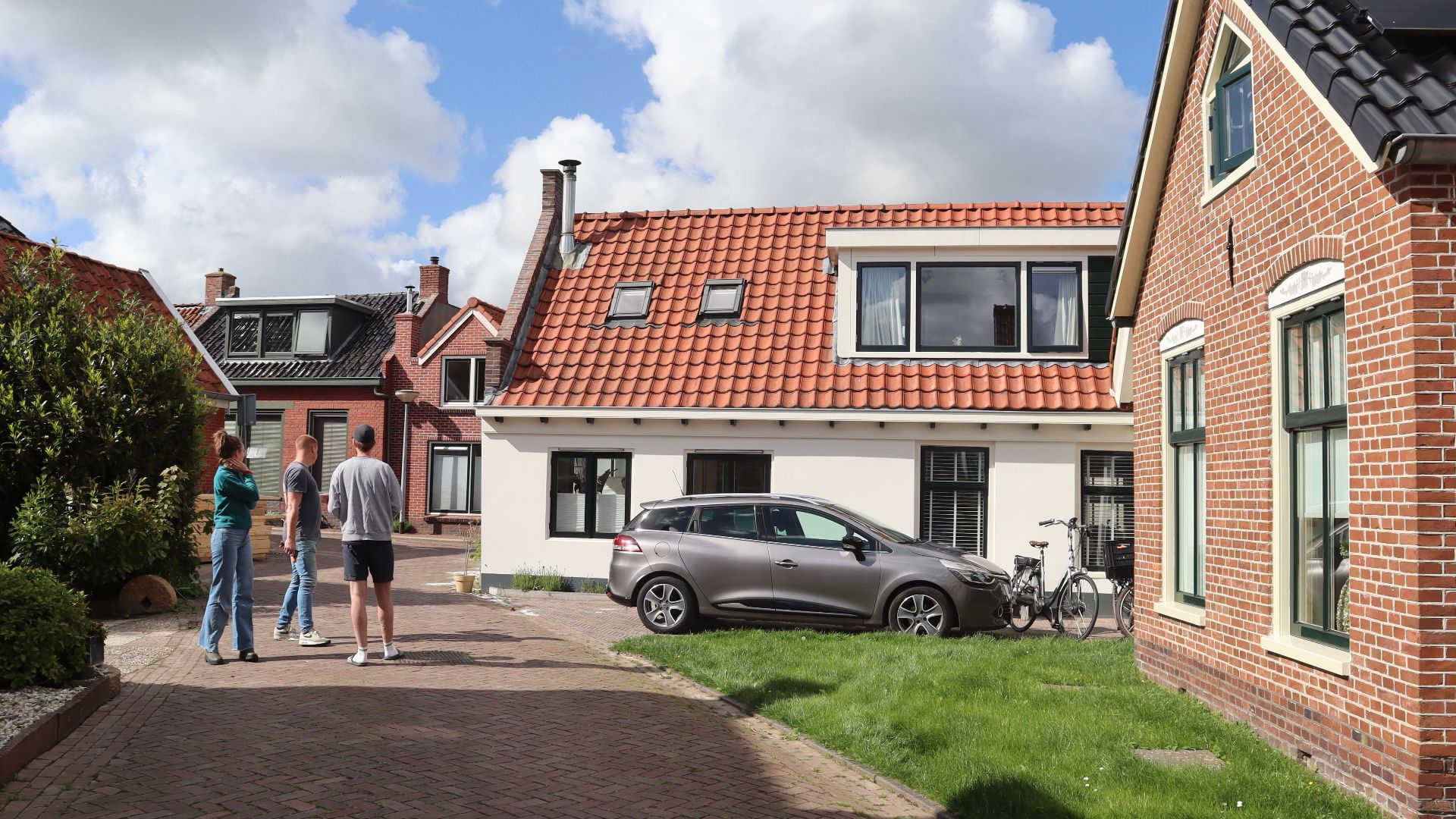
Accessibility Is Bigger Than Trip Prevention
A cable can create trouble without causing someone to fall. A wheelchair caster, walker leg, cane tip, or other mobility device can be stopped or redirected by an obstacle that a pedestrian might simply step over. Federal accessibility guidance treats an unobstructed pedestrian route as an important design requirement.

Public Routes Need Clear Width
The U.S. Access Board’s Public Right-of-Way Accessibility Guidelines establish a 48-inch minimum continuous clear width for most pedestrian access routes covered by those guidelines. The rules are intended to keep public pedestrian paths usable by people with disabilities. Objects placed in the route should not reduce required accessible space.

Charging Guidance Says The Same Thing
The U.S. Access Board specifically addresses charging cables in its EV infrastructure recommendations. It says cables should not block or obstruct accessible routes when stored or connected to vehicles. Cable-management systems are one recommended method for keeping slack away from walking areas.
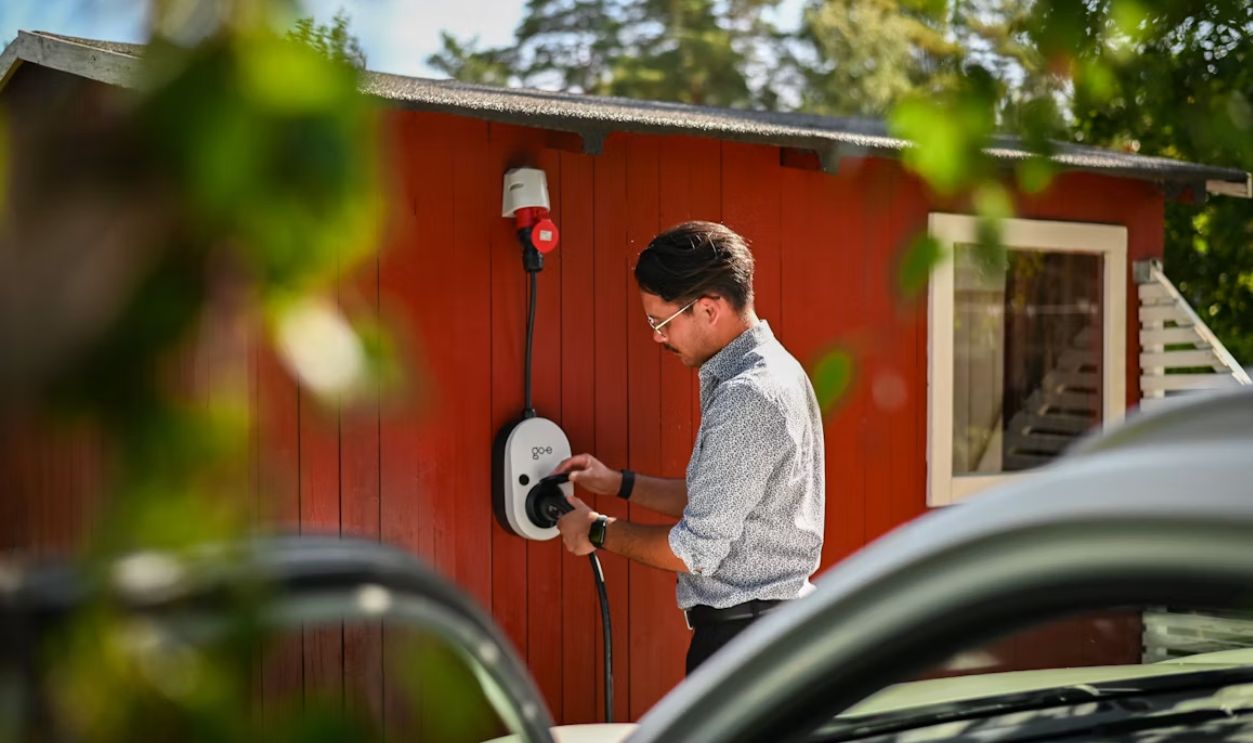
Perpendicular Is Better Than Diagonal
Washington, D.C., instructs residents using its sidewalk-crossing approach to run the charging cord perpendicular to the sidewalk. Seattle gives similar advice. A short straight crossing occupies less of the walking route than a long cable stretched diagonally along it.
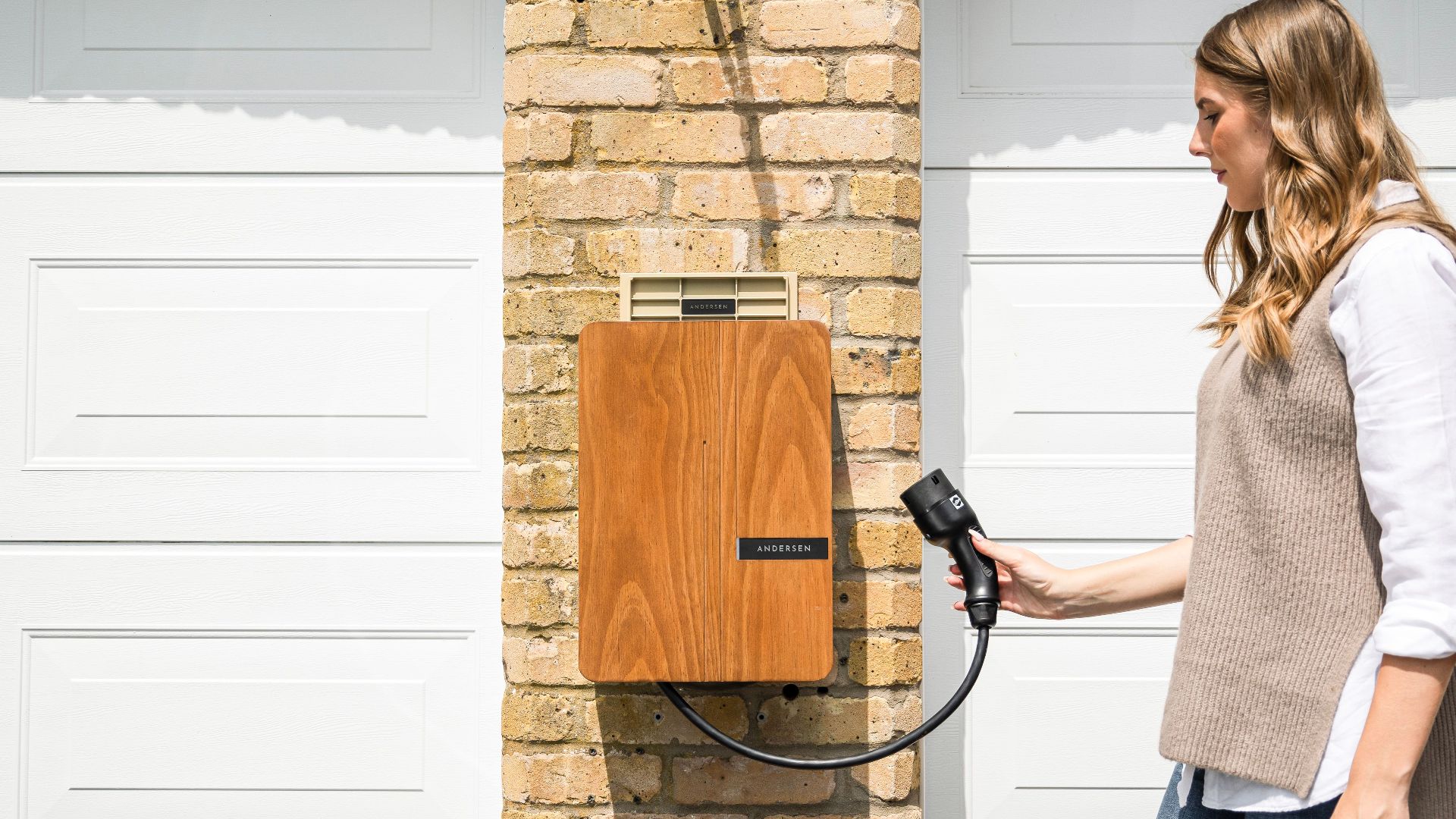
The Equipment Should Disappear After Charging
Washington, D.C., requires charging equipment to be removed from public space when the vehicle is not charging under its residential cord-crossing guidance. Portland likewise requires equipment to be removed from right-of-way areas when it is not actively in use. A cord permanently abandoned across a sidewalk raises a different issue from one deployed carefully for a few hours.
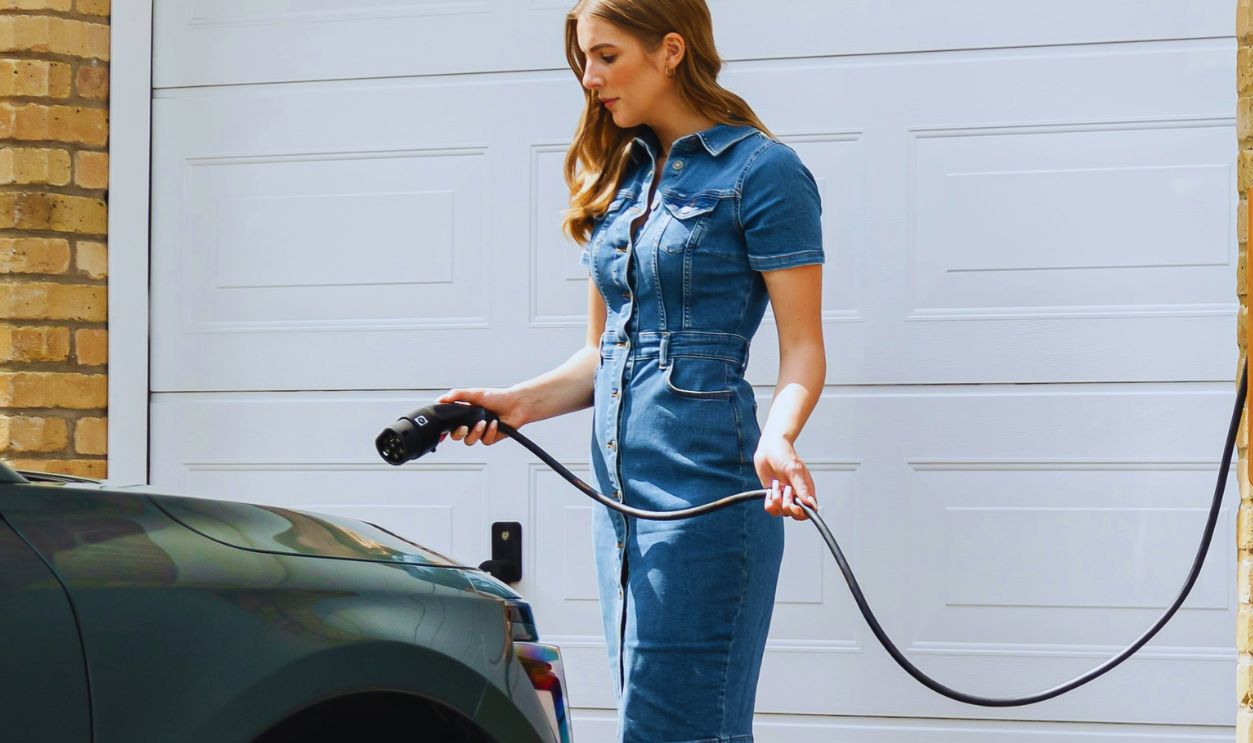
Level 1 And Level 2 Are Not Always Treated Equally
Portland’s residential cord-cover allowance is specifically for Level 1 charging. Washington, D.C., likewise limits its sidewalk-crossing guidance to Level 1 and states that Level 2 cords may not cross the public right-of-way under that program. Local authorities may therefore care about the electrical setup as well as the physical cable.

The Outlet And Circuit Matter Too
The U.S. Department of Energy says EV charging equipment must comply with applicable electrical codes and local regulations. Home Level 2 equipment generally warrants professional installation, and permitting may be required. A sidewalk cover cannot make an improper electrical installation compliant.

Outdoor Charging Itself Is Not Unusual
An EV does not necessarily have to be inside a garage to charge safely. The Department of Energy says properly rated EV charging equipment can be installed outdoors and used in rain. The concern in your situation is primarily how the cable reaches the vehicle and whether that arrangement complies with local requirements.

Multifamily Properties Add Another Layer
Charging at condominiums and apartment buildings can involve electrical capacity, parking rights, common property, and building rules in addition to municipal sidewalk requirements. The Department of Energy notes that multifamily charging involves additional considerations compared with ordinary single-family home charging. A neighbor may therefore need approval from more than one authority.
Find Out Who Controls The Sidewalk
The strip of pavement in front of a condominium may be a public sidewalk or a privately maintained common walkway. That distinction affects who should receive a complaint and which rules apply. Your condo association or property manager should be able to identify whether the area is common property or part of the municipal right-of-way.
Start With What You Can Actually Observe
Look at whether the cable is bare or covered, whether the cover is low and stable, and whether pedestrians can pass without stepping over loose equipment. Notice whether it crosses straight toward the curb or runs along the sidewalk. Those observations are more useful than assuming the setup is illegal because it looks unusual.
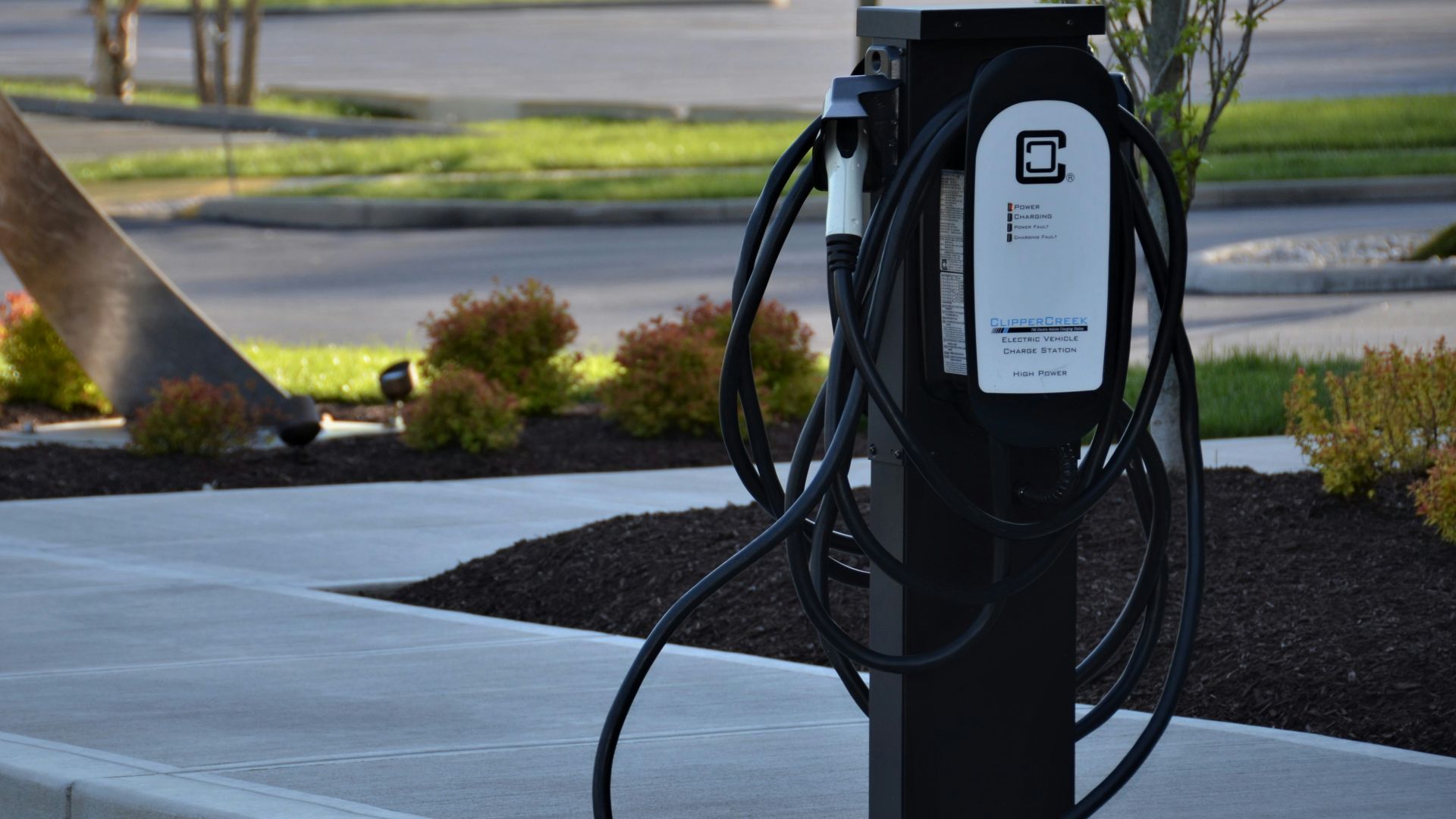
Take A Photo From A Respectful Distance
A photograph can document the layout if you need to ask the property manager or city about it. Capture the cord, sidewalk, curb, and general crossing arrangement without turning the situation into a confrontation. A clear image makes it easier for an official to determine whether the setup matches local guidance.

Do Not Unplug Your Neighbor’s Car
Even if the cord appears improperly placed, moving or disconnecting somebody else’s charging equipment is not a good first response. The underlying problem is a property-management or public-right-of-way question. Let the responsible authority or equipment owner correct the installation.
Talking To The Neighbor May Solve It
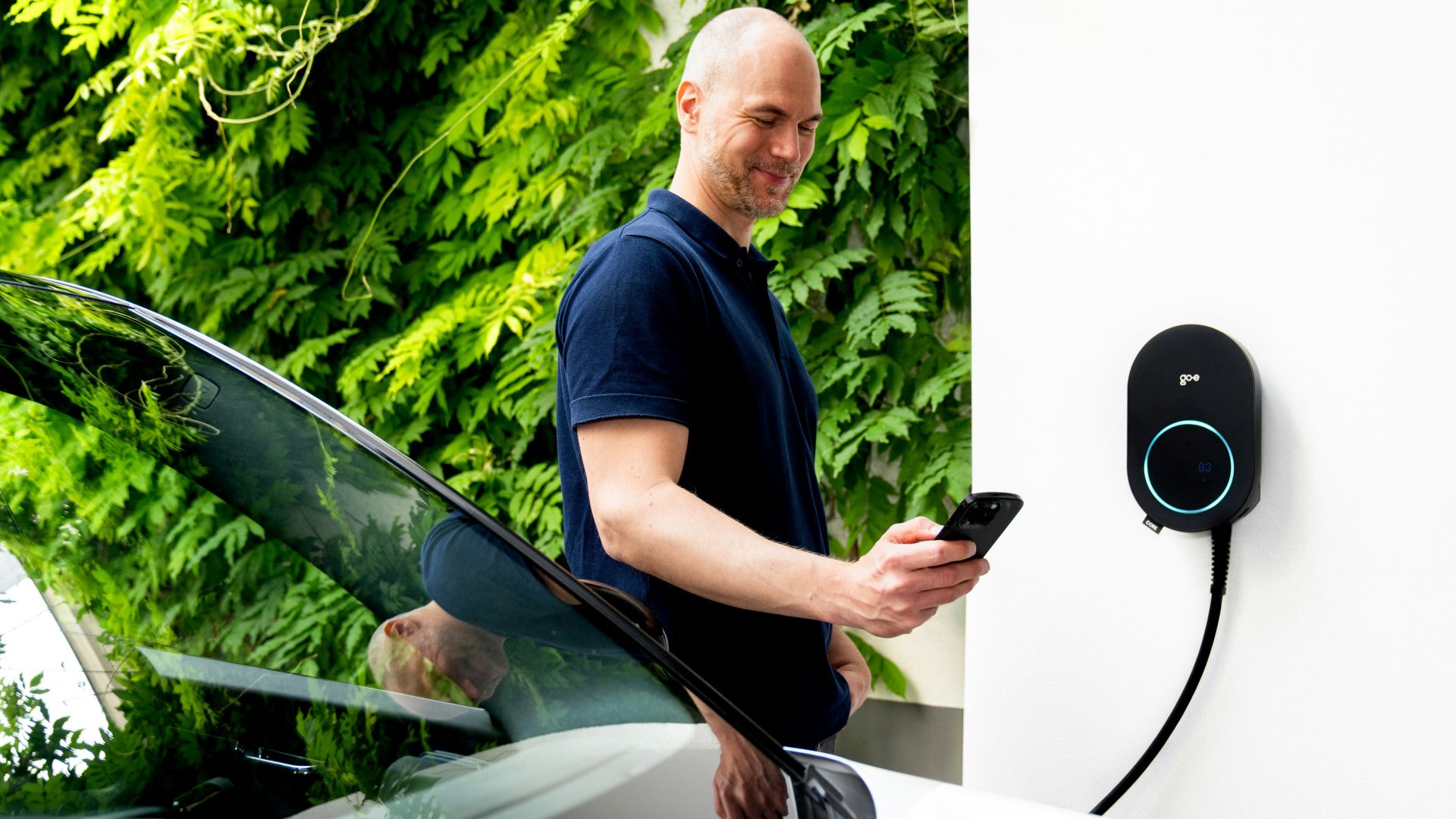
The owner may not realize that the cable presents a problem for other sidewalk users. They may be able to add a compliant cord ramp, reposition the cable, or use another charging arrangement without any formal complaint. A calm conversation can be especially effective when the issue is poor setup rather than deliberate disregard.

The Condo Manager Is A Logical Next Step
If the cable originates from a condominium unit or crosses a common walkway, notify the association or property manager. They can check building rules, common-area requirements, electrical approvals, and any existing EV charging policy. This also avoids turning a shared-property question into a personal dispute between neighbors.

Public Sidewalks Can Be Reported To The City
When an obstruction is in the public right-of-way, the transportation or public-works agency may be the appropriate contact. Portland, for example, operates a specific service for reporting objects blocking streets, sidewalks, and other portions of the right-of-way. Its reporting form even lists extension cords among temporary items that can be reported.

A 311 Report Is Not An Extreme Reaction
Reporting an obstruction does not necessarily mean demanding that someone be punished. A city can determine whether the setup is permitted and explain what correction is required. This is particularly reasonable when the cord repeatedly crosses a busy sidewalk or creates difficulty for someone using a mobility device.

Approved Cord Ramps Change The Situation
If your neighbor is using a locally approved low-profile cover and meeting all other municipal conditions, the mere presence of a charging cord may not justify a complaint. Portland explicitly allows compliant Level 1 curbside charging arrangements in qualifying circumstances. The correct question is whether the installation follows the local standard.
 Stephen Craven , Wikimedia Commons
A Random Rubber Mat May Not Be Enough
Policies that allow cords across public sidewalks can specify the type and geometry of the protective cover. Portland calls for an ADA-compliant cord cover rather than simply anything placed over the cable. Homemade boards, rugs, mats, or improvised covers may introduce their own edges and movement hazards.
Parking Is Usually Still Public
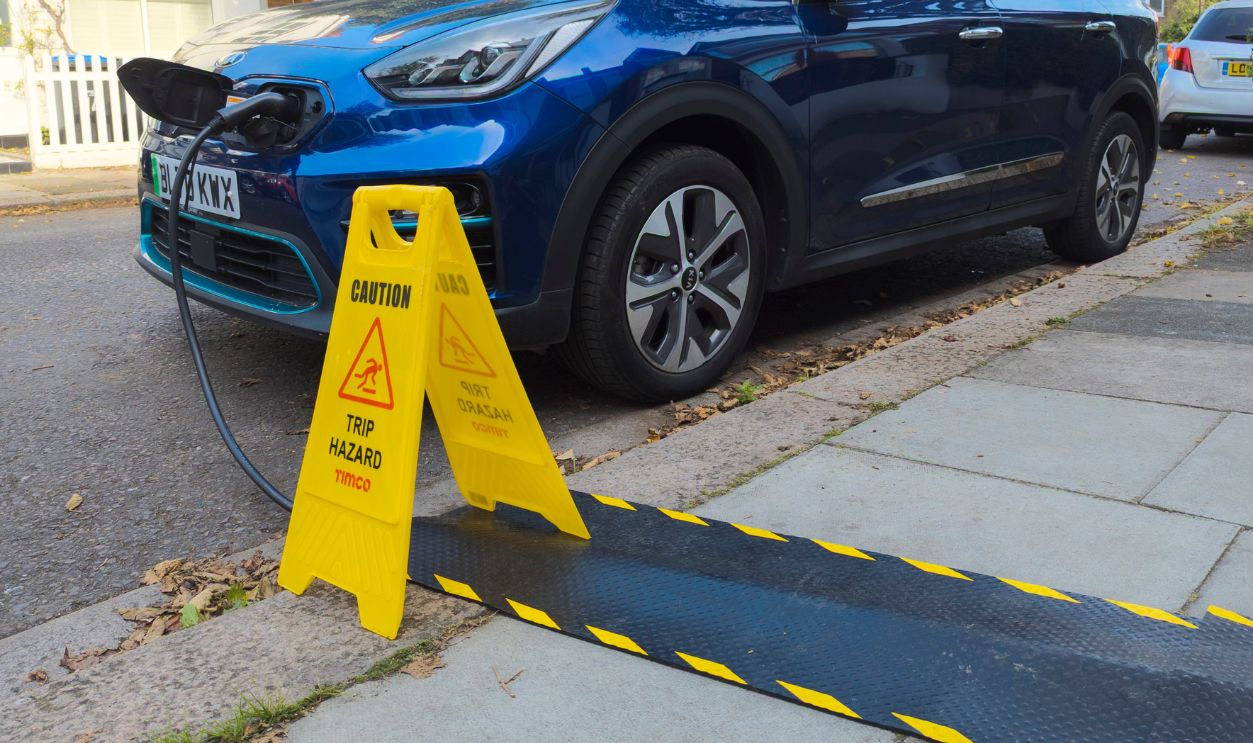
A homeowner generally does not gain ownership of the curbside parking space merely because a charging cord can reach it. Both Portland and Washington, D.C., prohibit residents using their cord-crossing arrangements from reserving the adjacent public parking space for private charging. The charger therefore cannot normally be used as an excuse to claim the street space permanently.
Accessibility Should Carry Extra Weight
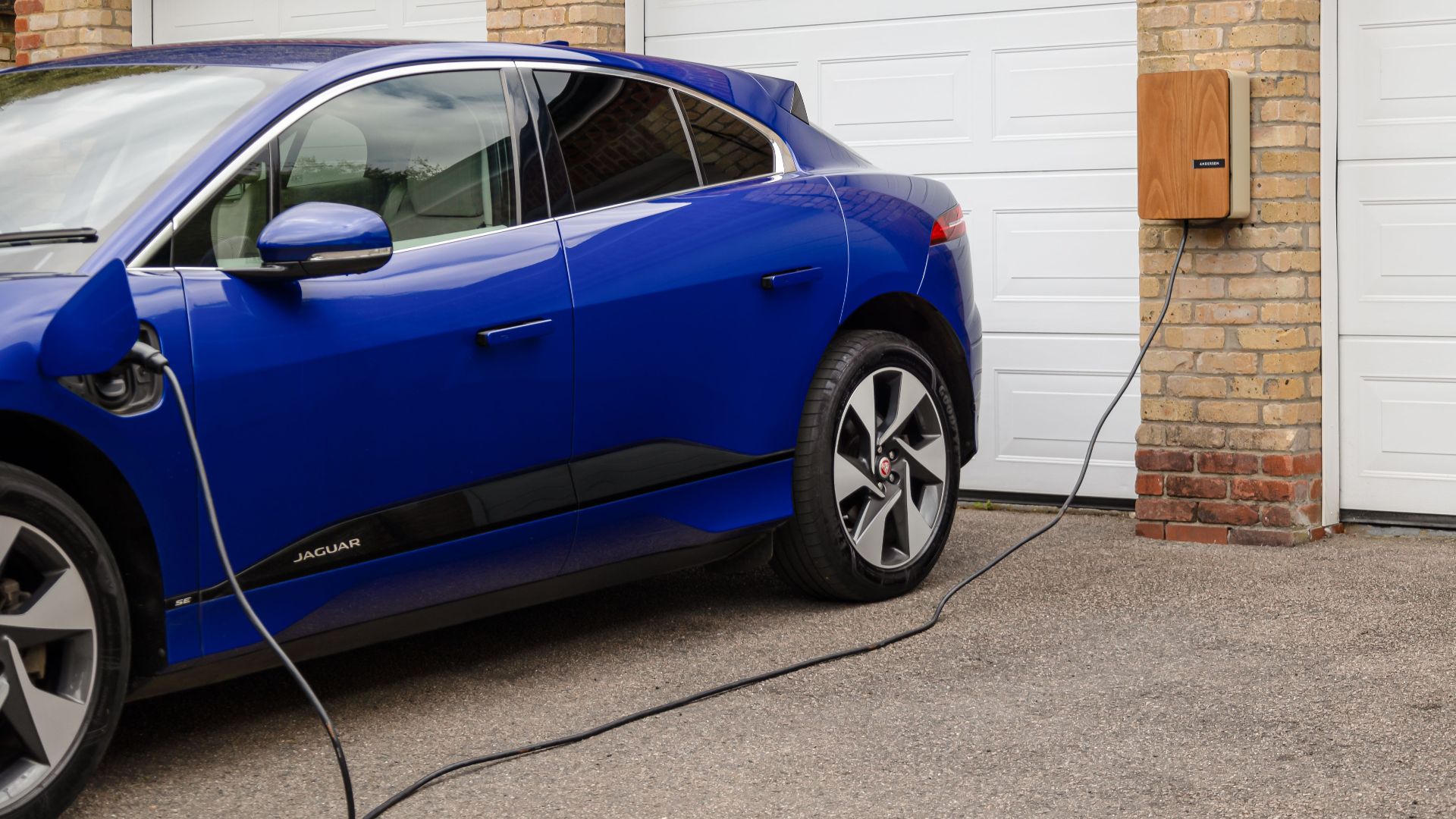
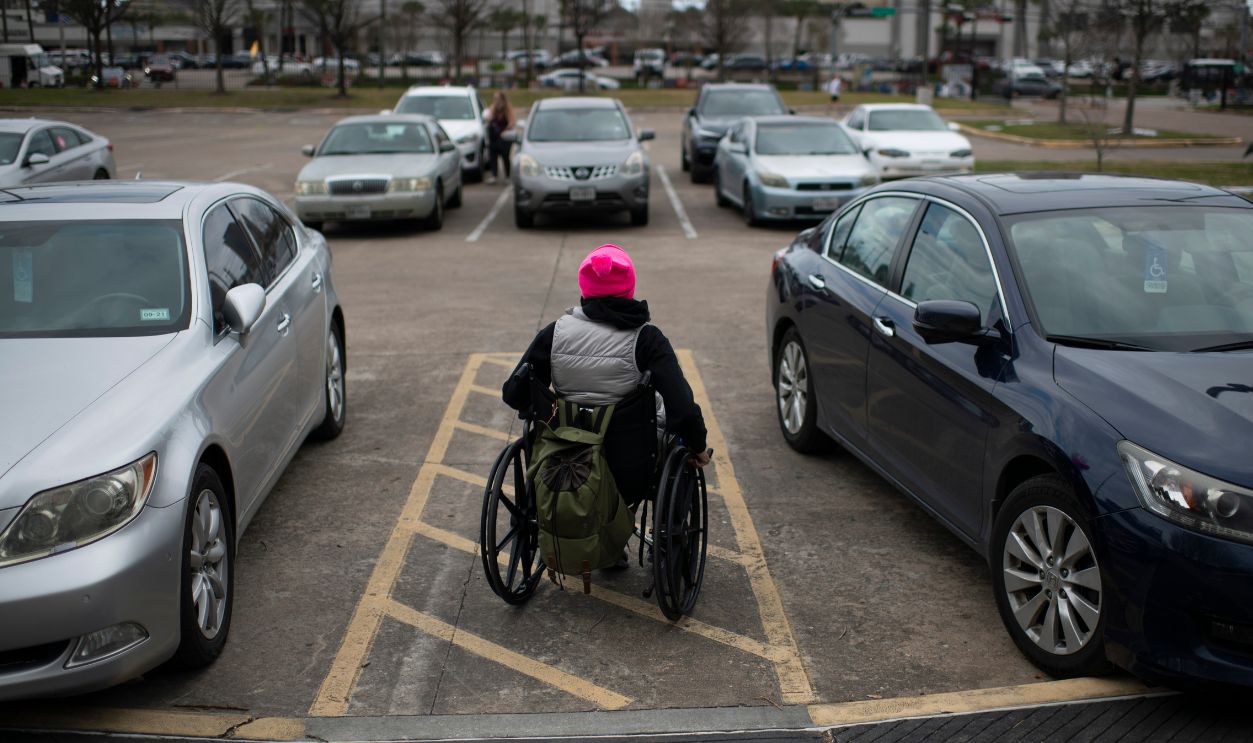
An obstruction that merely annoys one pedestrian can create a genuine barrier for another. Federal guidance emphasizes accessible pedestrian routes and unobstructed movement around EV charging infrastructure. If you know that a neighbor or regular sidewalk user cannot safely get past the cord, that is a strong reason to raise the issue promptly.
 The Washington Post, Getty Images
Repetition Matters
A cable that crosses the sidewalk every night is not a one-time loading or maintenance situation. Repeated use makes it worthwhile to establish whether the arrangement complies with local rules. A permanent routine deserves a permanent safe solution.
Better Designs Already Exist
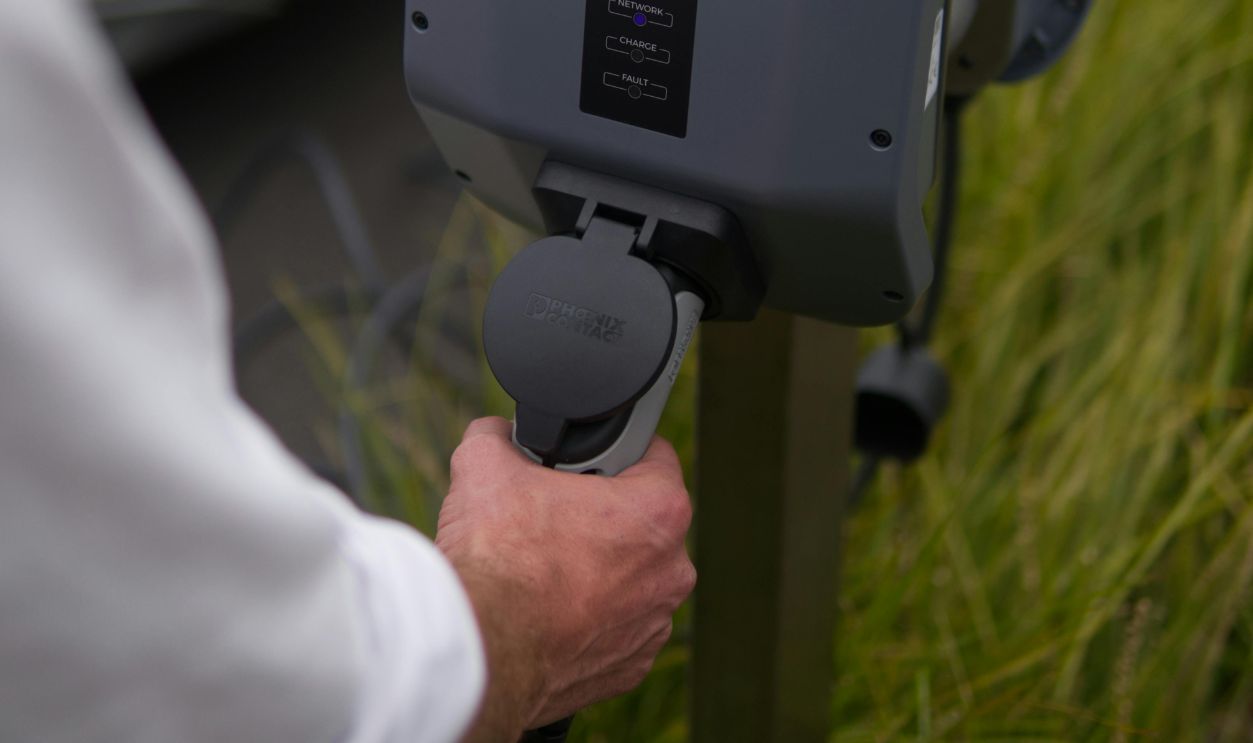
Cities and accessibility agencies encourage approaches that control the cable instead of leaving slack on the walking surface. Low-angle cord covers, cable-management equipment, and purpose-built curbside charging installations can reduce conflicts between EV owners and pedestrians. Charging access and sidewalk access do not have to be competing goals.
The Goal Is Not To Stop EV Charging
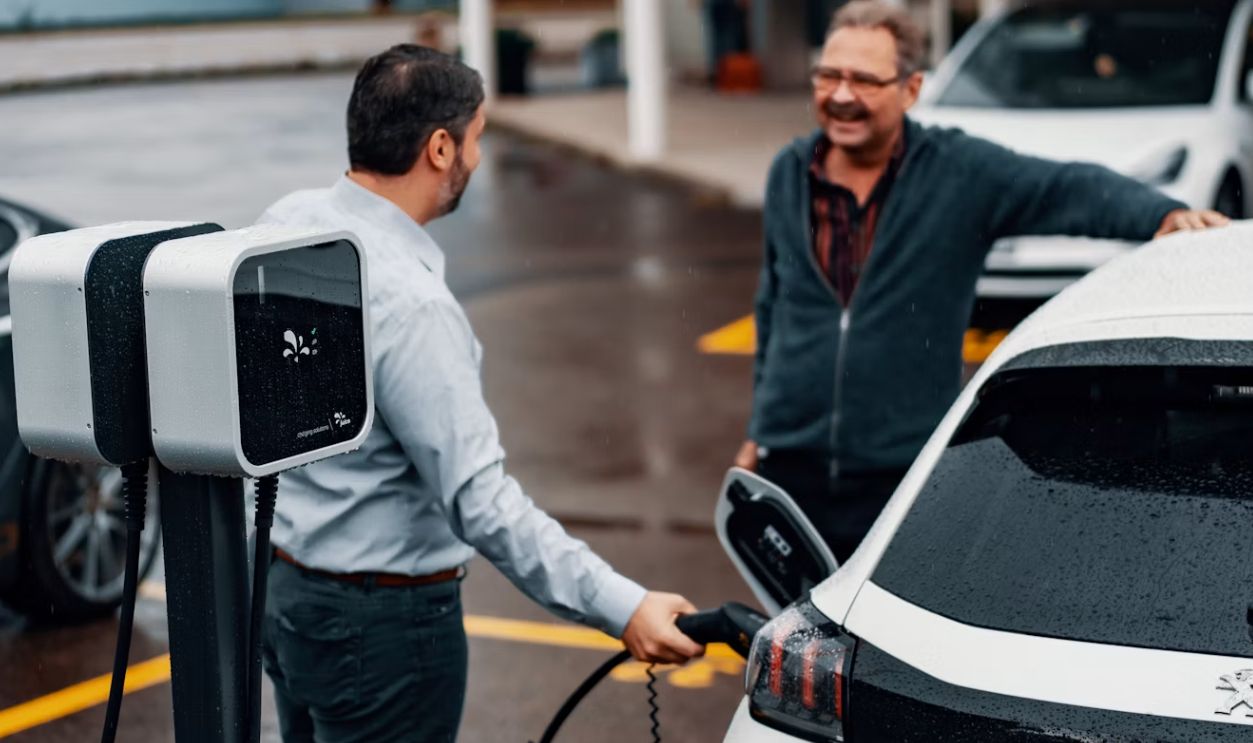
Residents without driveways or garages can face genuine difficulty charging electric vehicles at home. Portland and Washington, D.C., created cord-crossing policies specifically because curbside residents need workable charging options. Those accommodations are designed around the principle that charging should expand without making sidewalks less usable.
Report The Hazard, Not The Neighbor
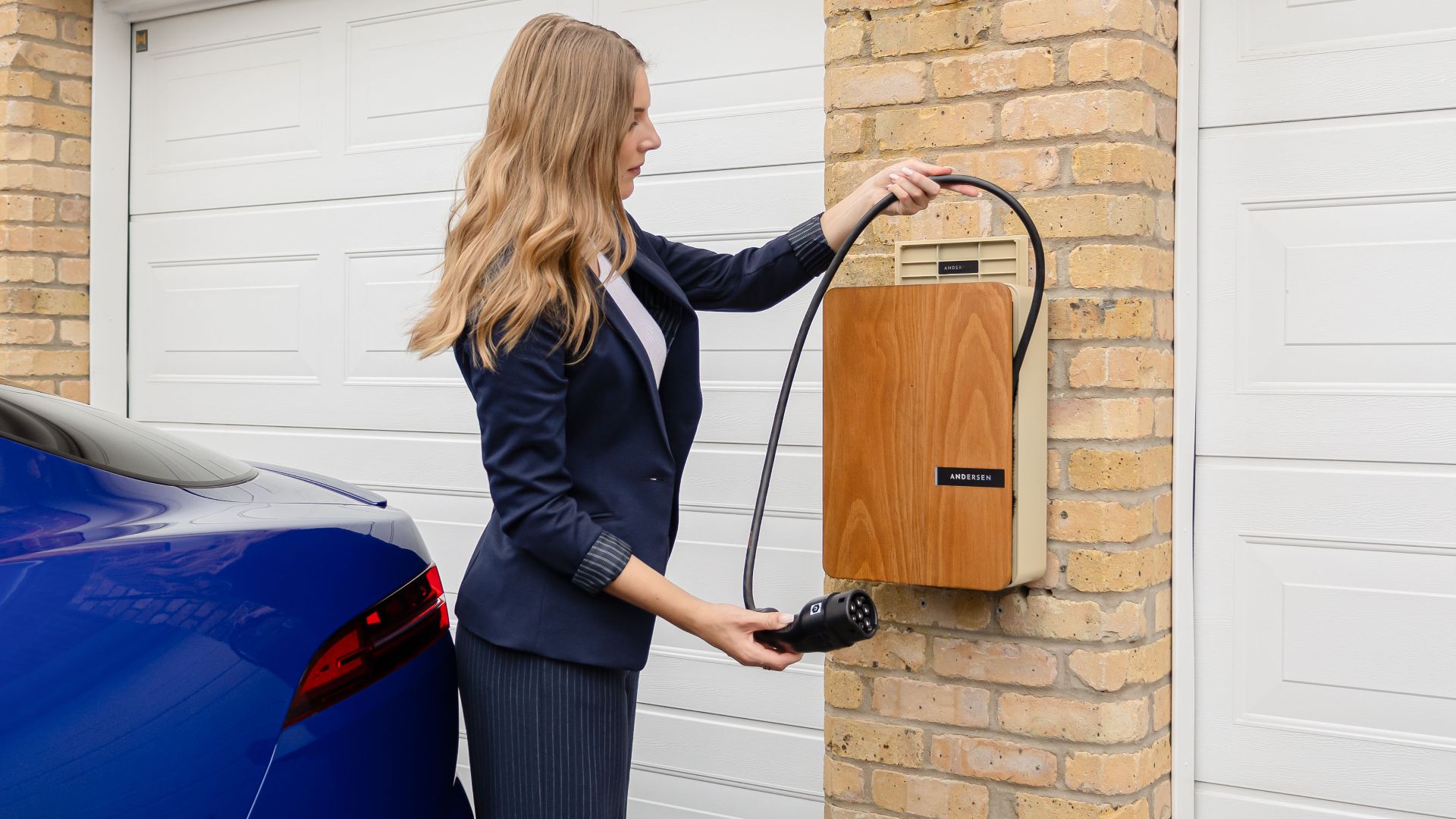
If you contact your association or city, describe the physical condition rather than speculating about the neighbor’s intentions. Explain that a charging cord repeatedly crosses the pedestrian route and note whether it lacks a proper cover or interferes with passage. That gives the responsible authority a straightforward safety and compliance question to evaluate.

Yes, Sometimes You Should Report It
If the cable is bare, unstable, repeatedly obstructs the sidewalk, or clearly creates an accessibility problem, reporting it to the condo manager or appropriate city agency is reasonable. If it uses an approved cover and complies with a local curbside-charging program, the arrangement may be perfectly legitimate. Check the local rule first, but you do not need to wait for somebody to trip before raising a genuine sidewalk-safety concern.

You May Also Like:
Classic Convertibles Everyone Dreams About
Classic Muscle Cars That Are Impossible To Find Now