Shared Chargers Should Not Become Private Parking
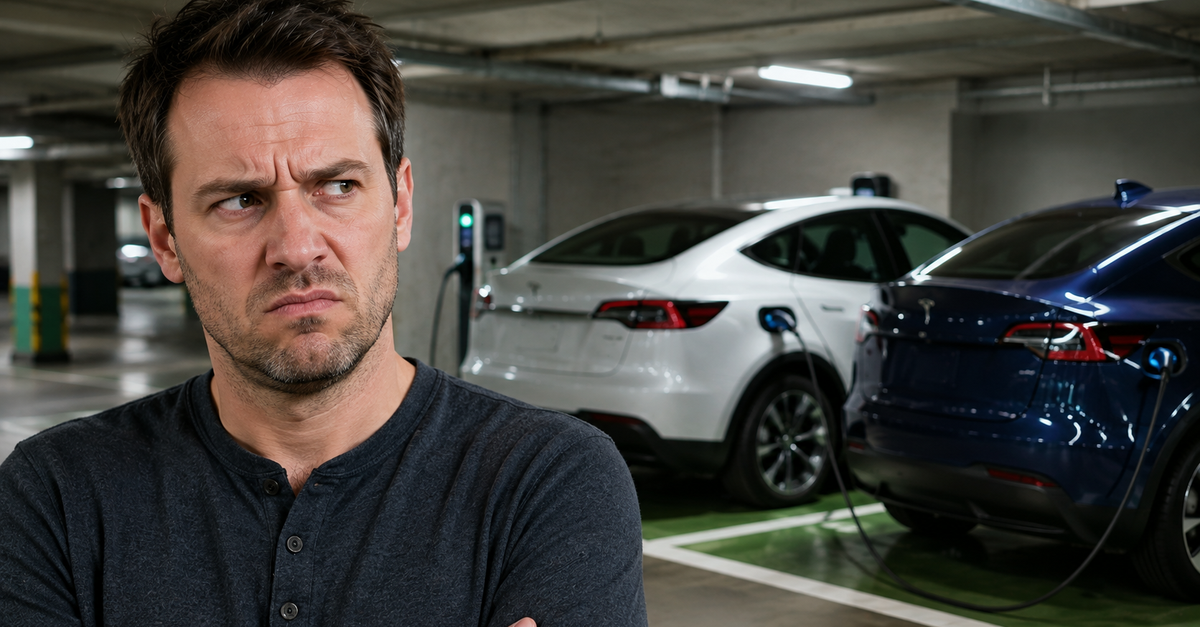
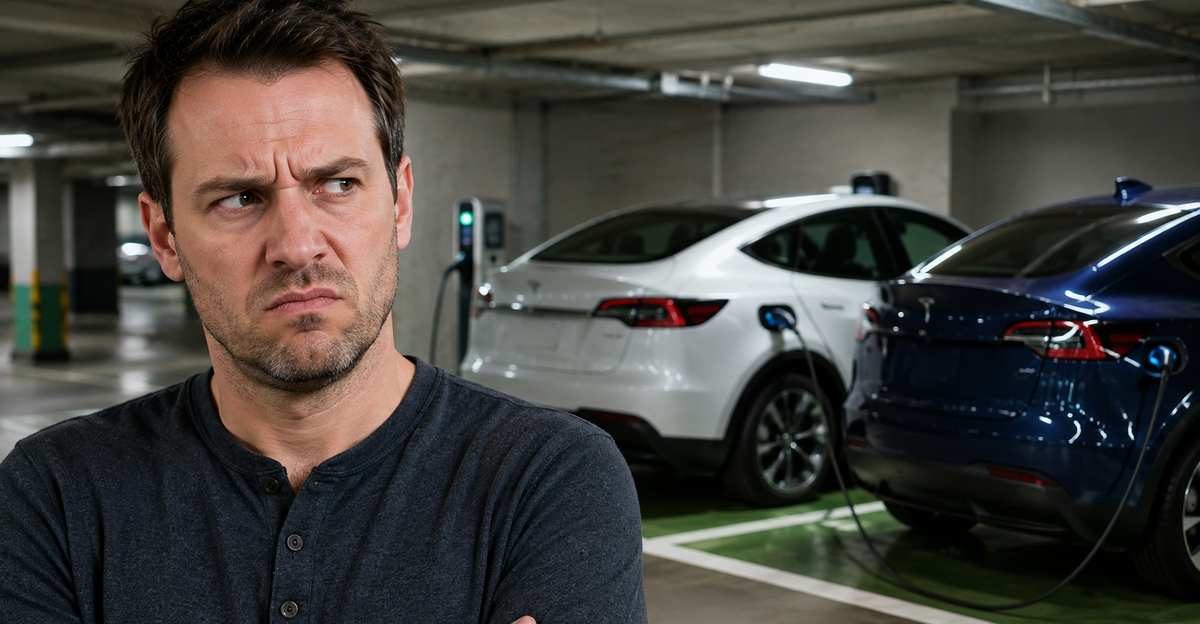
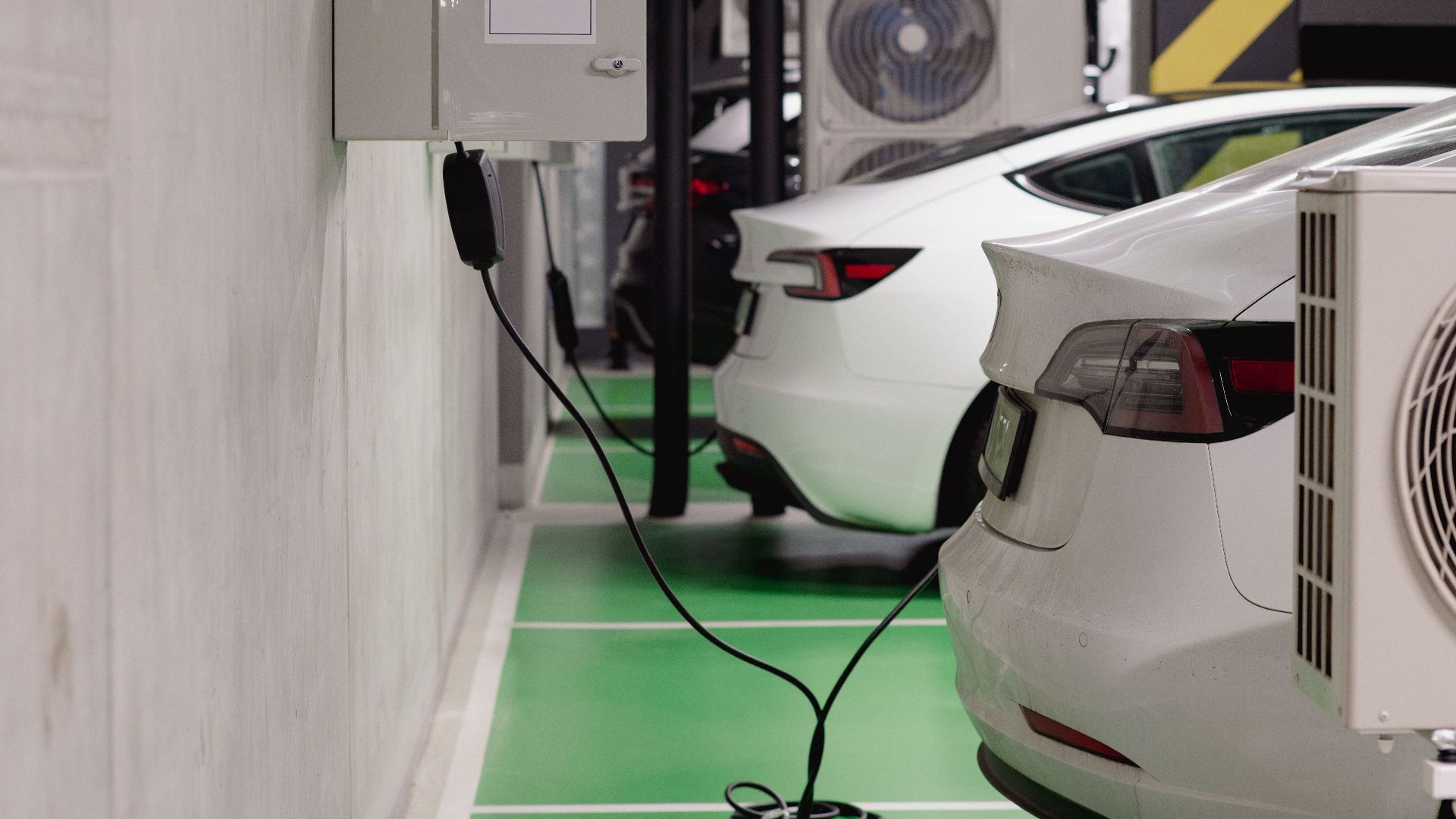
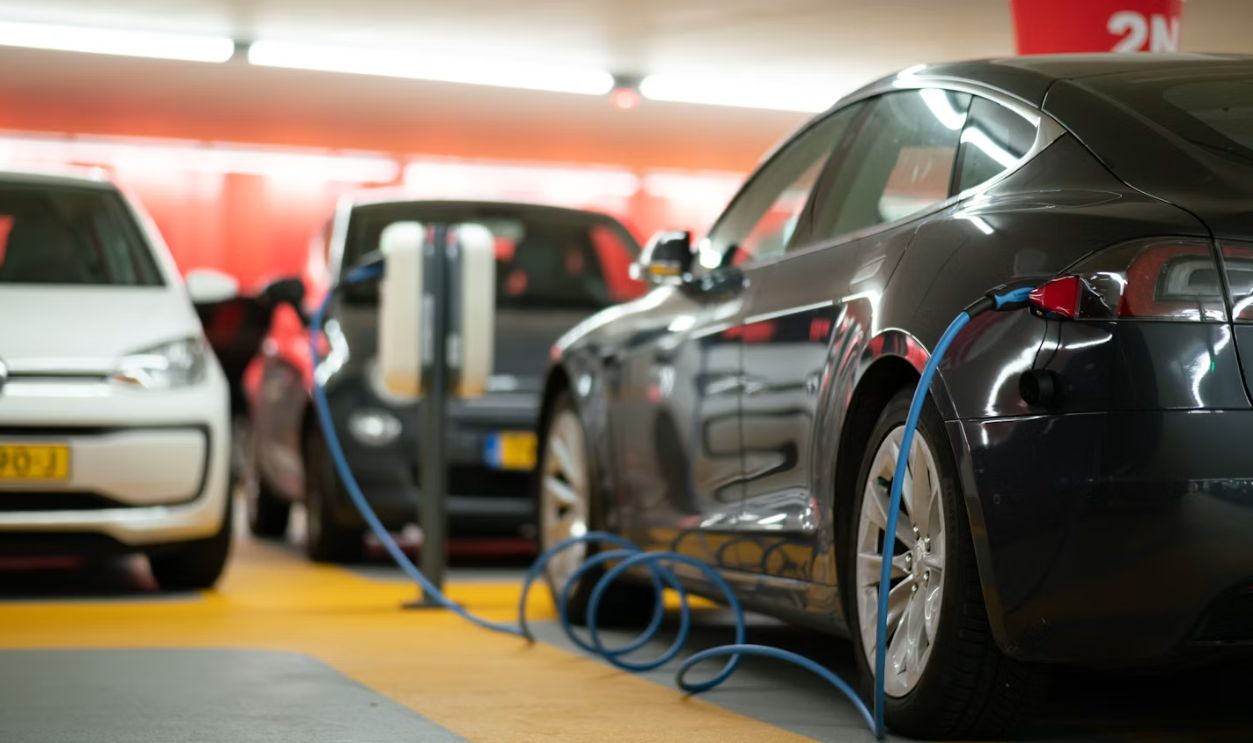
If your condo has only a few EV chargers, seeing the same cars plugged in every evening can get frustrating fast. Shared charging works only when drivers actually share the equipment rather than treating charging stalls like assigned parking spaces. Federal guidance for multifamily properties specifically recommends policies that address how long cars remain at communal chargers.
Yes, Time Limits Can Be An Option
In many U.S. condo communities, an association can establish reasonable rules for shared amenities and common-area parking, although its authority depends on state law and the community's governing documents. The U.S. Department of Energy specifically identifies time limits as one way to manage EV chargers when demand exceeds supply. A condo board should still check its declaration, bylaws, rules, and state condominium statutes before adopting a new restriction.
There Is No Single National Condo Rule
There is no federal law establishing one nationwide charging-time limit for condominium garages. Condominium and homeowners association laws are primarily established at the state level, so the details vary significantly around the country. California, New York, Massachusetts, Washington, Colorado, and Florida are among the states with specific laws addressing EV charging in common-interest or condominium communities.

Shared Chargers And Private Chargers Are Different
The first question is whether those chargers belong to the association for communal use or serve individual owners' assigned parking spaces. Federal multifamily charging guidance distinguishes communal parking chargers from equipment installed at assigned or deeded spaces. Shared chargers naturally require more rules about access because several households may depend on the same equipment.
Federal Guidance Actually Recommends Dwell Limits
A 2024 federal report on multifamily charging says condo boards and property managers should specify policies governing communal chargers. It specifically recommends clearly stated dwell-time restrictions for vehicles that have finished charging. The report also suggests alerts telling drivers when charging is complete so spaces become available to other residents.

Four Hours Is Not A Crazy Starting Point
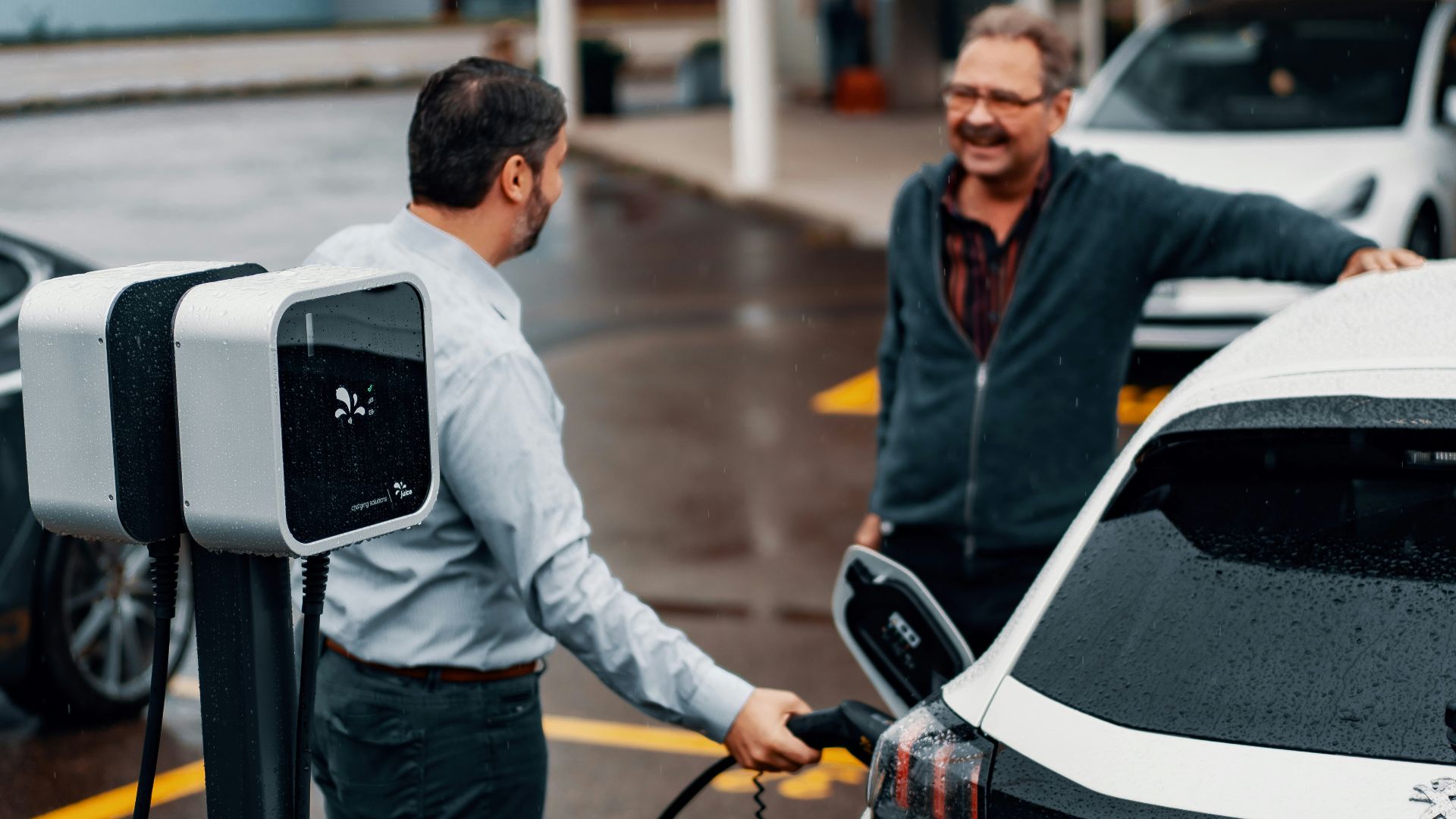
There is no universally correct four-hour limit, but the U.S. Department of Energy has documented charging programs that use four-hour maximums. Some workplace programs provide several hours of charging and then charge an additional hourly fee, while others simply require drivers to move. Although workplace rules do not automatically apply to condos, they provide a useful model for managing a scarce shared charger.
The Charger Speed Should Influence The Rule
A time limit should make sense for the equipment installed in the garage. DOE notes that Level 2 chargers can often serve more than one vehicle in a day, which is why organizations frequently establish sharing policies for them. A rule that is appropriate for a Level 2 station may make less sense for a much slower Level 1 outlet or a much faster DC charger.
Finished Charging Should Mean Finished Parking
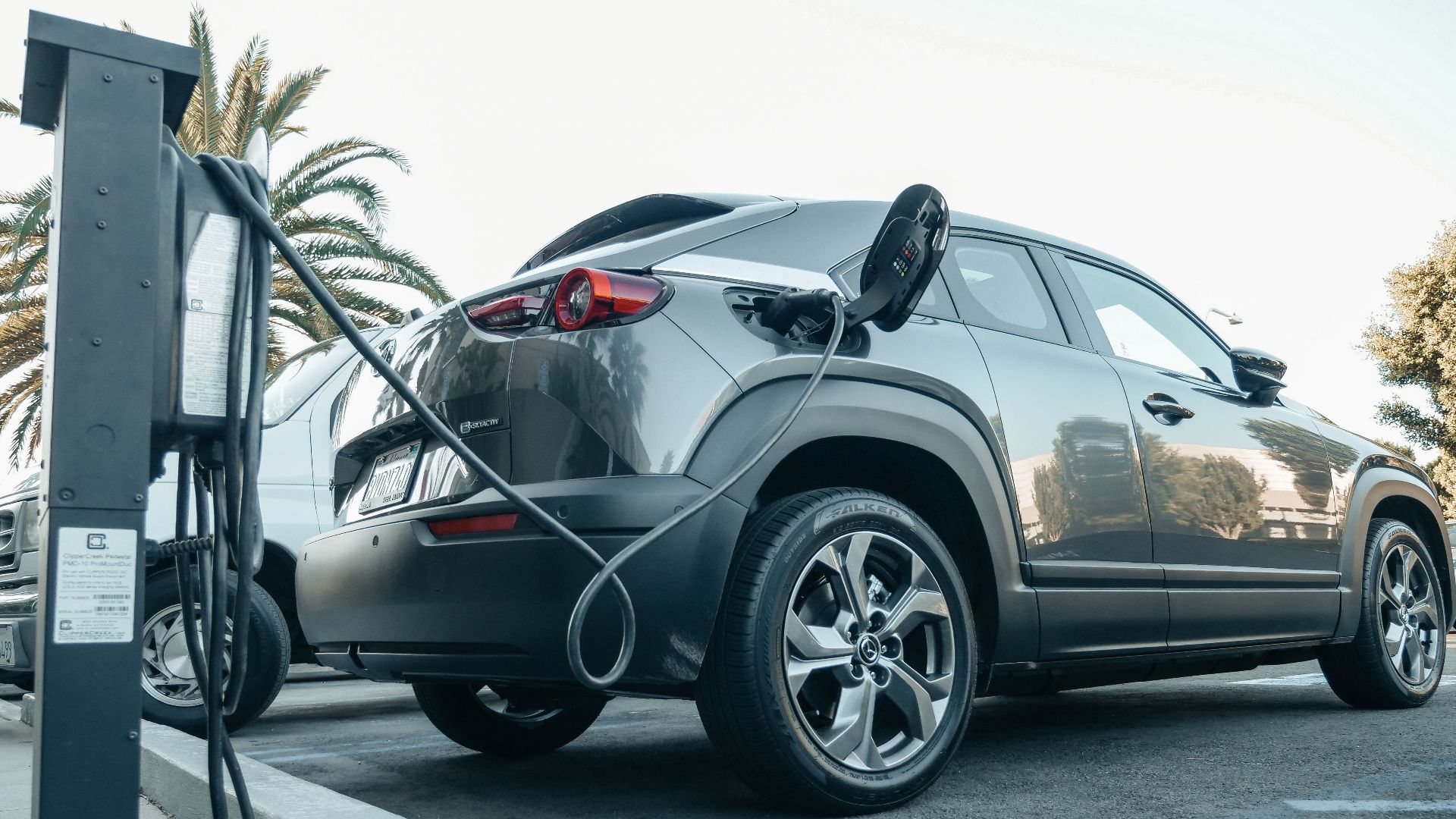
One of the simplest policies is to reserve charging stalls for vehicles that are actively charging. DOE has documented shared charging systems where participants agree that only EVs actively using the equipment may remain in charging spaces. That approach focuses the rule on charger availability rather than how much electricity any particular resident uses.

New York Offers A Useful Example
New York law illustrates how governments are already distinguishing EV parking from actual EV charging. In certain designated charging spaces covered by state law, an EV that is not actively charging may not remain parked there, and an unplugged EV can be presumed not to be charging after a specified period. A private condo garage is not automatically governed by every public-parking provision, but the law shows that an EV badge alone does not necessarily justify occupying a charging stall indefinitely.
An Overstay Fee Can Be More Effective
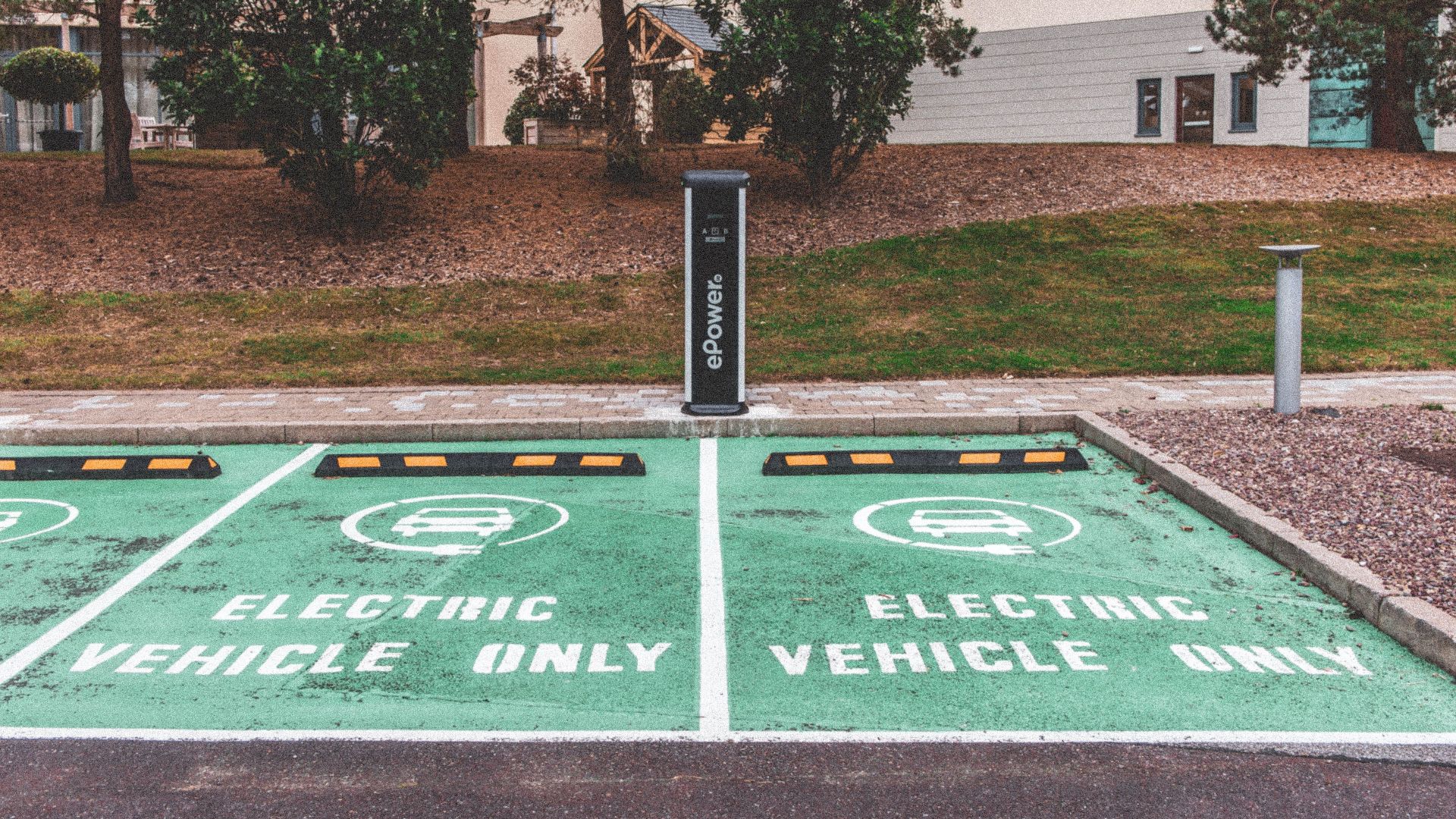
Turning off the electricity after four hours does not make the car disappear from the parking space. An overstay fee gives drivers a financial reason to move after their charging session ends. ChargePoint's U.S. charging system supports time-based overstay rates that can begin after charging is complete or after a maximum connection time is reached.

A Grace Period Makes The Policy Friendlier
Residents cannot always drop what they are doing the moment their car reaches its desired charge level. Charging platforms can apply an overstay fee only after a grace period, which gives the driver time to get downstairs and move. A condo board could adopt the same general idea if its governing documents and applicable law allow it.

The Rules Should Be Clear Before Fees Start
Nobody wants to discover a new parking fee after returning to the garage. DOE guidance emphasizes having clear charging guidelines covering administration, sharing, pricing, and enforcement. A condo should therefore tell residents exactly how long they may stay, when any grace period begins, and what happens after the limit expires.

The Same Rule Should Apply To Everyone
The board should avoid writing a rule that effectively targets the two residents who happen to be causing the current frustration. A neutral policy applying to all users is easier to understand and administer consistently. Clear rules also reduce the likelihood that every charging dispute turns into a personal fight between neighbors.

Reservations Could Replace The Daily Scramble
Time limits are not the only solution when chargers are constantly occupied. DOE describes reservation systems in which drivers book charging time much like employees reserve a conference room. A condo could potentially use an app, online calendar, or building-management system to create similar access periods.

Morning And Evening Slots Are Another Approach
DOE has also documented shared charging arrangements in which one user gets access during one part of the day and another uses the charger later. A residential building could adapt that idea to its own traffic patterns. Evening, overnight, and daytime slots may be easier for some communities than constantly asking owners to monitor whether a charger has opened up.

Technology Can Take Pressure Off The Board
Networked chargers can track sessions and apply pricing rules automatically. ChargePoint, for example, supports energy charges, connection-time charges, session fees, and overstay rates. Automation can reduce the need for a property manager to personally inspect the garage every time someone complains about a parked EV.
State Right-To-Charge Laws Still Matter
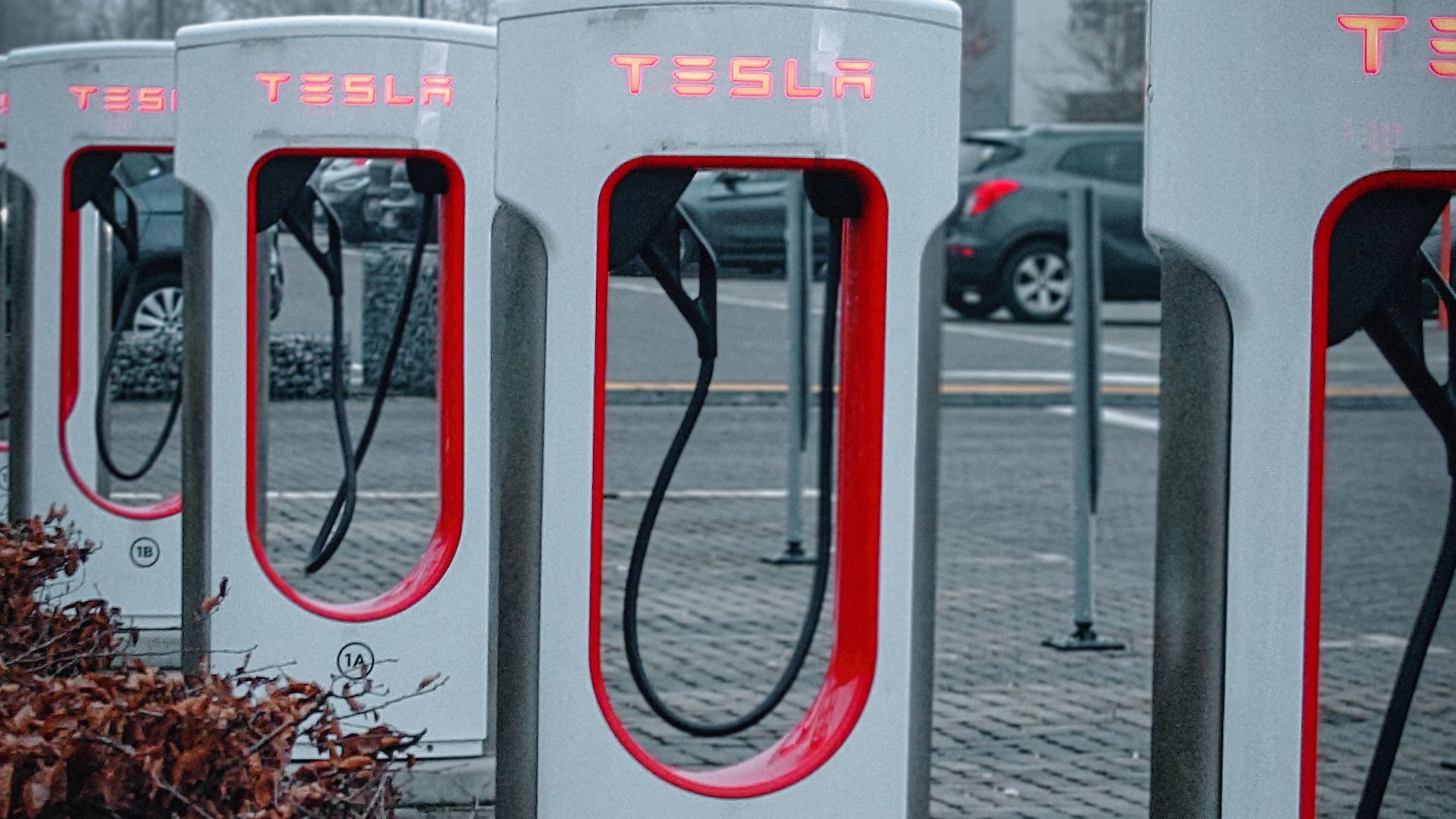
Several states have enacted laws limiting how aggressively condo or HOA boards can restrict an owner's ability to install EV charging equipment. These laws generally focus on chargers in an owner's designated parking space, which is different from regulating turnover at association-owned shared chargers. A board considering new rules should understand that distinction before assuming it can regulate every charging situation the same way.
 https://kaboompics.com/, Pexels
California Protects Owners Who Want Chargers
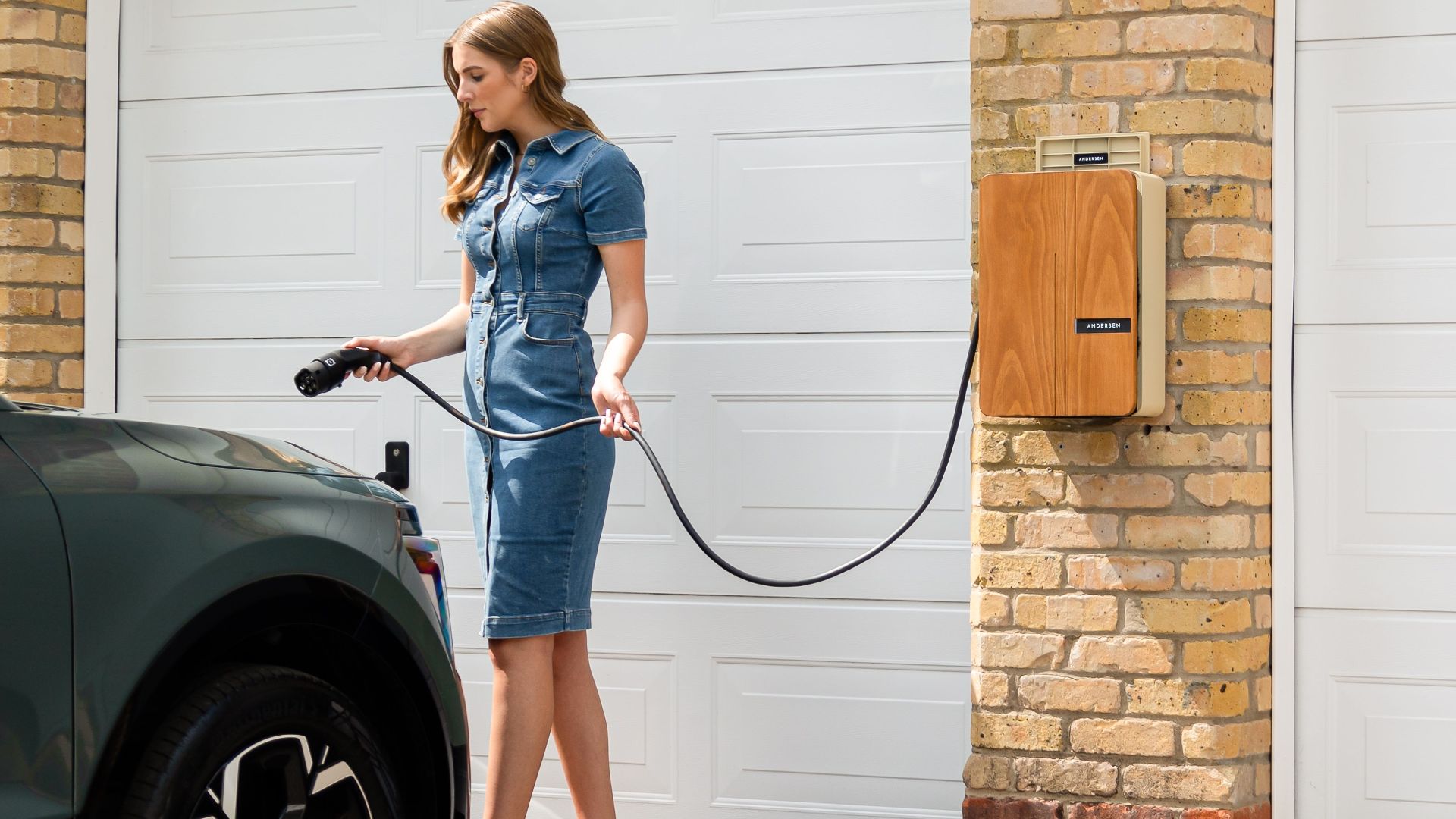
California's rules generally prevent common-interest developments from prohibiting or unreasonably restricting EV charging installations in an owner's designated parking space or unit. Associations can impose reasonable requirements related to installation, safety, insurance, and costs. Those protections do not mean that one resident automatically receives unlimited exclusive use of an association-owned communal charging stall.
Massachusetts Requires Terms Of Use
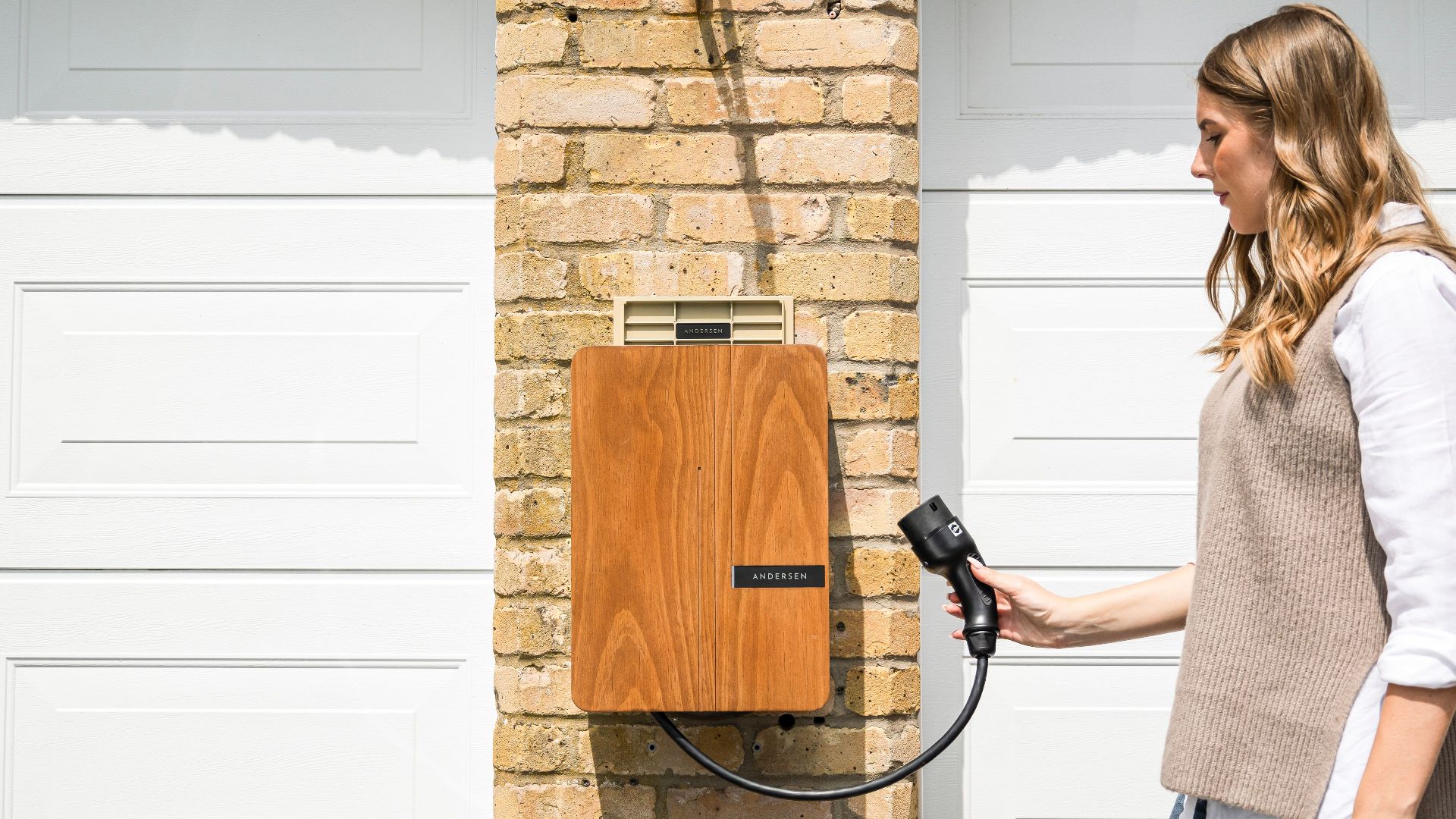
Massachusetts provides an especially relevant example for association-owned chargers. State law allows condominium organizations to install EV charging equipment in common areas under specified procedures. When charging equipment is installed for use by members generally, the condominium organization must establish appropriate terms of use.

Washington Also Allows Reasonable Restrictions
Washington law protects owners who want EV chargers in personal parking spaces, but associations may place reasonable restrictions on chargers situated on association property, in common spaces, or connected to common power supplies. That makes ownership and location of the equipment important when determining what the board can regulate. The precise rule-making process still depends on the association's documents and state requirements.
Florida Protects Personal Charging Too
Florida condominium law similarly prevents associations from simply banning an owner's EV charger in a designated parking space. Owners can be responsible for installation, operation, maintenance, repair, electricity, and related damage. Again, that legal framework concerns owner-installed charging and should not be confused with a communal charger the association operates for everyone.

More Chargers Might Eventually Be Necessary
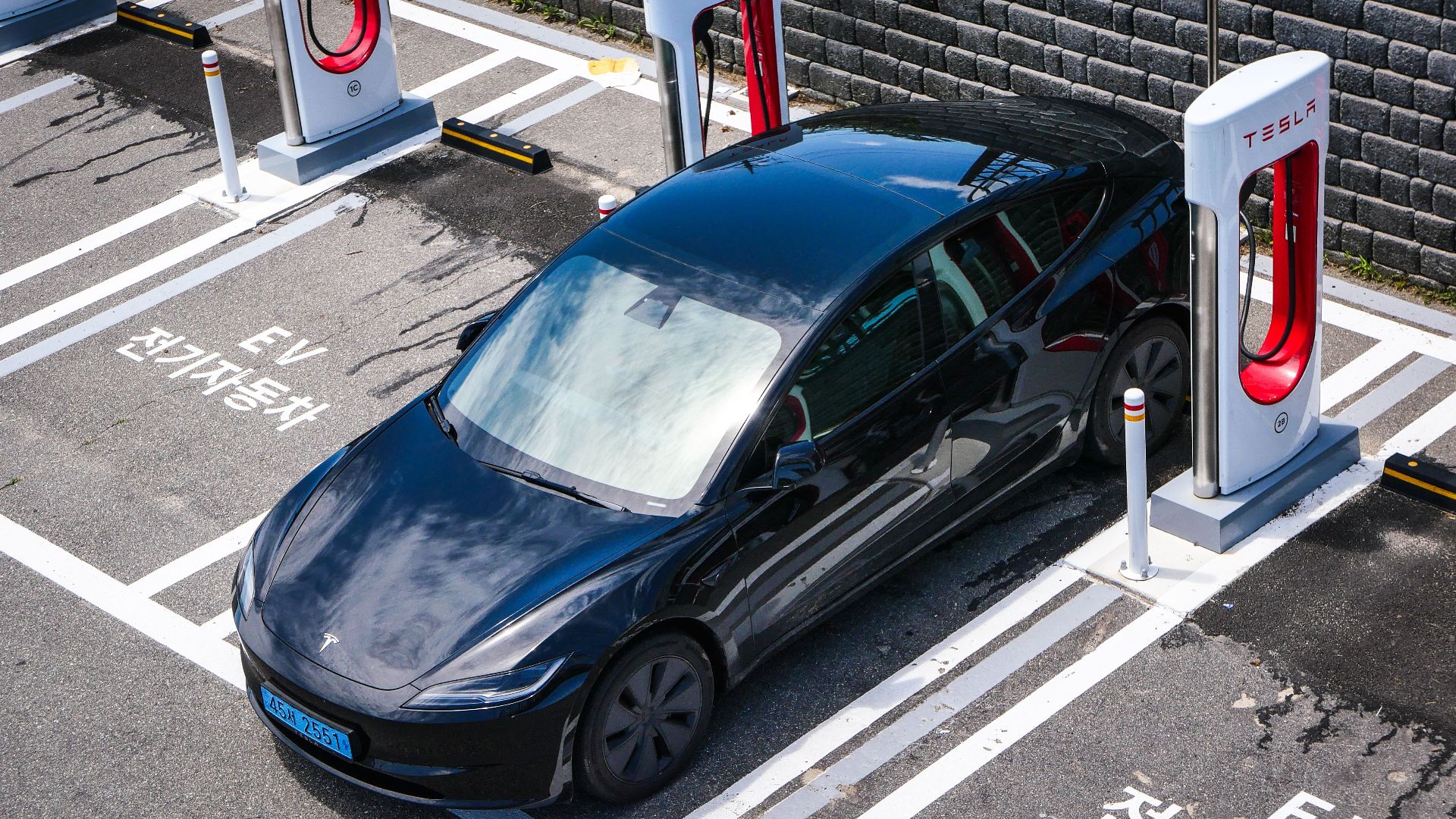
Rules can improve access, but they cannot create additional charging ports. Federal multifamily guidance notes that a few communal chargers can serve several residents, while also emphasizing the need to estimate demand when deciding how many ports to install. If EV ownership in the building keeps increasing, adding capacity may eventually be a better answer than making existing users rotate ever more frequently.
Assigned Chargers Could Reduce The Conflict
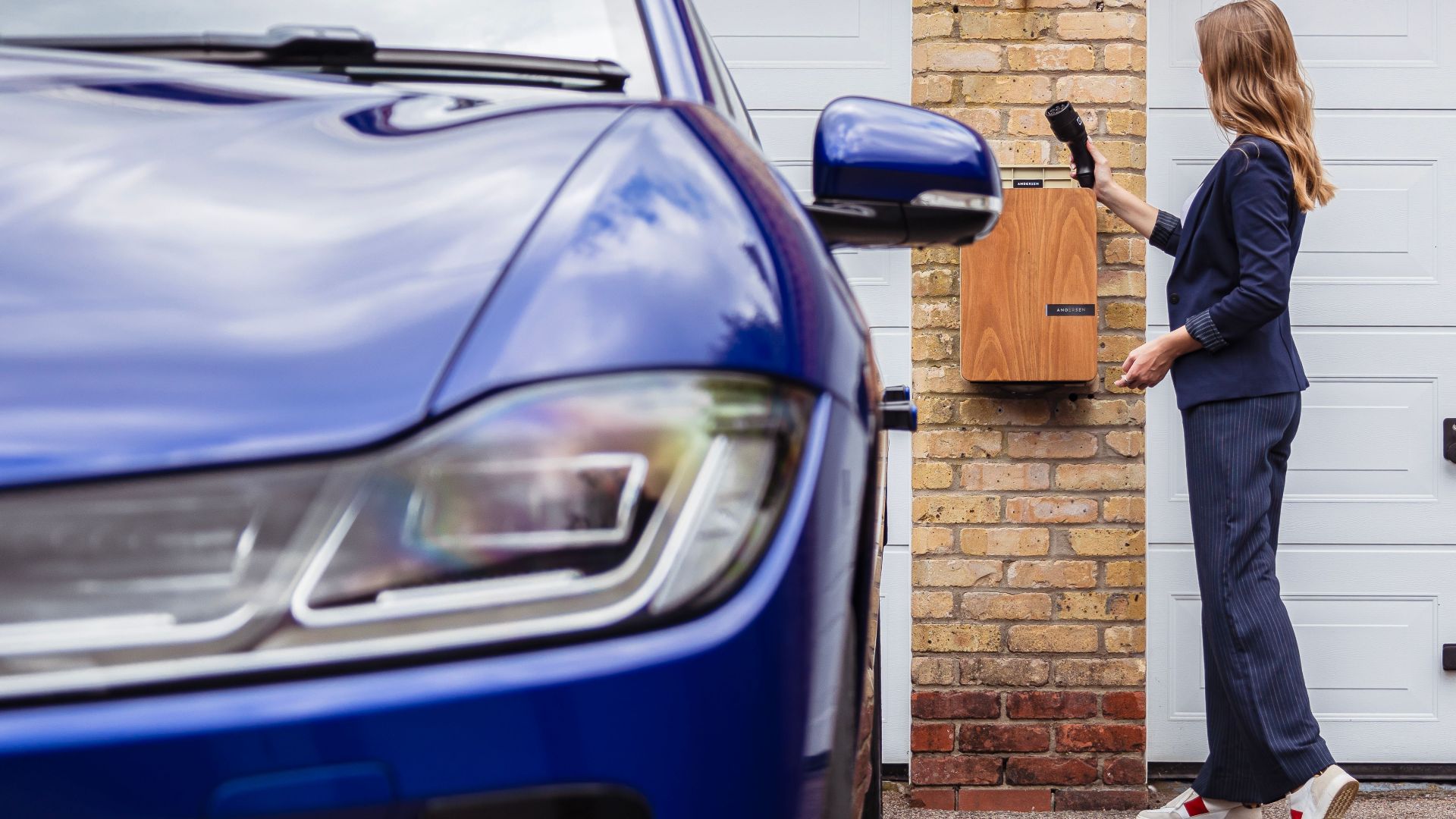
Federal guidance also describes another model in which residents with assigned or deeded parking install individual charging equipment. In some condo buildings, owners pay for the charger, wiring, metering, and upkeep themselves, subject to required board approval. Private charging removes much of the competition associated with a handful of communal spaces.
The Electrical System May Be The Real Bottleneck
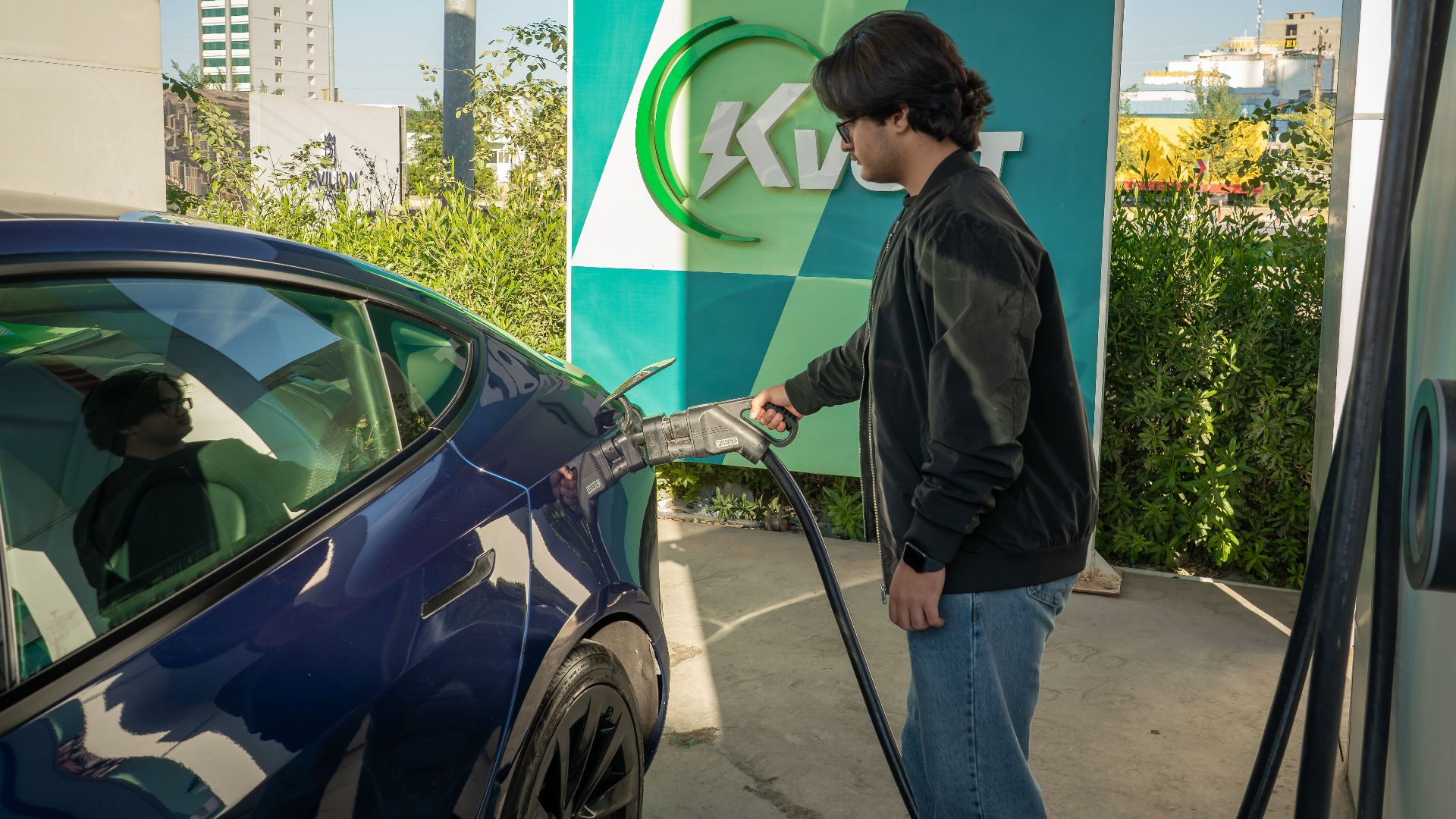
Installing a charger at every parking space is not always as simple as buying more hardware. Multifamily charging projects may require electrical upgrades, new wiring, metering, permits, and coordination among multiple parties. Those practical constraints are one reason shared charging remains common in existing condo buildings.
 Henri Mathieu-Saint-Laurent, Pexels
The Building Should Survey Residents
Before spending money or choosing a new access policy, the association should determine how many residents actually need charging. Federal multifamily guidance specifically recommends resident surveys to estimate the appropriate number of charging ports and help determine the layout of communal charging. A survey can also reveal whether the two visibly frequent users are the entire problem or merely the first sign of much larger demand.

Start By Reading Your Condo Documents
If you want the board to act, begin with the declaration, bylaws, parking rules, EV policy, and any agreement governing the chargers. Those documents can tell you whether the stalls are common property, limited common elements, assigned spaces, or simply parking spaces containing association equipment. State law then determines how those documents and board powers interact.

Give The Board A Concrete Proposal
Instead of simply reporting that two cars are always there, suggest a specific shared-charging policy. A possible framework might include a reasonable charging window, a grace period, notification when charging ends, and an overstay consequence for repeated violations. DOE guidance supports clear time limits, reservation systems, enforcement procedures, and pricing as legitimate tools for managing shared charging demand.

The Bottom Line Is Fair Access
So, can your condo set time limits? In many U.S. communities, a board can establish reasonable terms for association-owned shared chargers, but the precise authority and adoption process depend on state law and the condo's governing documents. Federal multifamily guidance specifically recommends dwell-time restrictions when communal chargers need to serve multiple residents, so asking your board for a neutral time-limit policy is a practical place to start.
You May Also Like:
The Most Overrated Cars Today, According To Car Enthusiasts
People With The Largest Car Collections In The World