The Rule That Catches Owners Off Guard
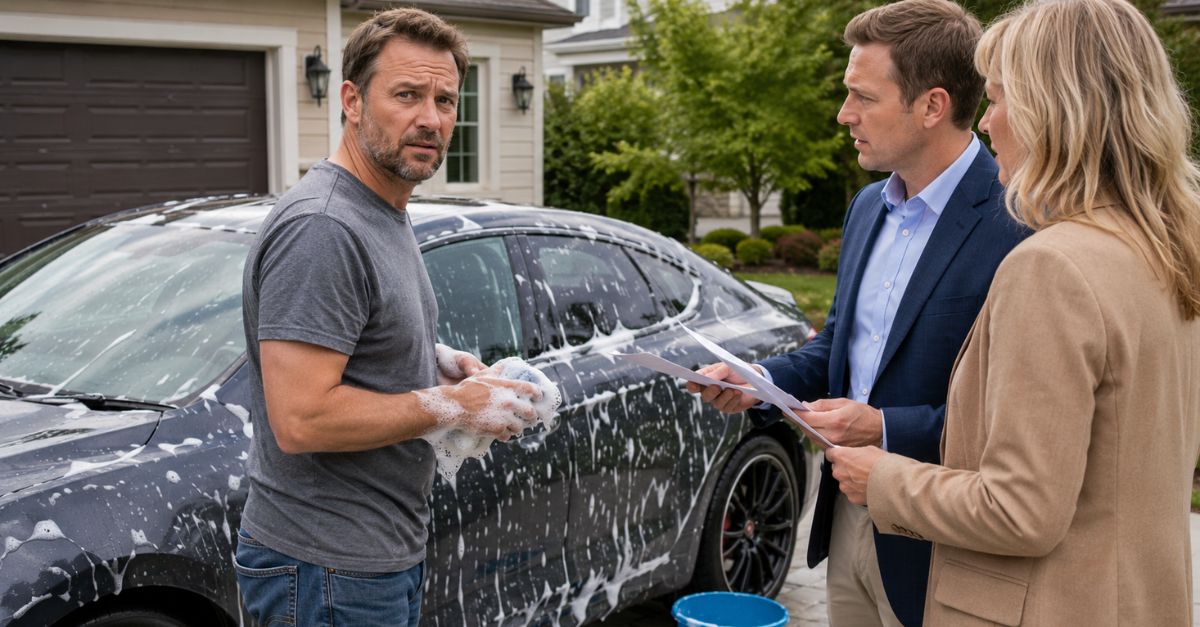
At your new place, you pull into your own driveway, grab a bucket and hose, and then a bright yellow warning letter appears in your mailbox. You've officially entered the HOA club. It might seem ridiculous, but yes, an HOA often can regulate what happens in your driveway—but the real answer depends on where you live and what your governing documents actually say.
Why A Driveway Can Be More Regulated Than You Think
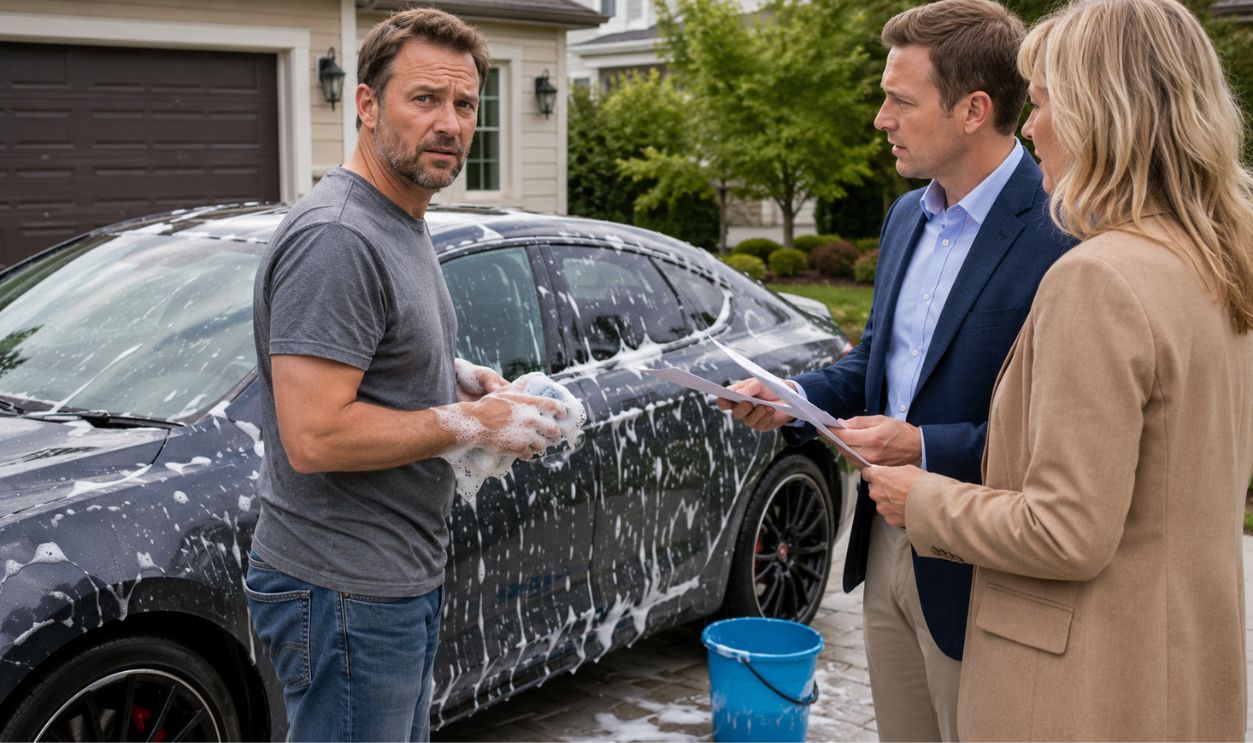
Most people see a driveway as private property and assume that settles it. In an HOA community, the real question is whether the driveway is covered by recorded covenants, conditions, and restrictions, usually called CC&Rs, along with rules adopted by the board. If those documents limit driveway use to parking only, courts and state laws often treat that as enforceable unless the rule conflicts with state law or was adopted the wrong way.

The Governing Documents Are The First Place To Look
The key paperwork usually includes the declaration or CC&Rs, bylaws, and separate rules or architectural guidelines. The Community Associations Institute explains that these documents spell out owners’ rights and the association’s authority. Before arguing with the board, read the exact language and see whether it bans car washing outright or only bars repairs, storage, or activities visible from the street.

Recorded Covenants Usually Carry The Most Weight
There is a big difference between a restriction in a recorded declaration and a policy posted in a newsletter. Recorded CC&Rs usually run with the land and are harder to challenge because buyers take title subject to them. A loosely announced policy with no backing in the governing documents can be much easier to challenge if the HOA tries to fine you.

Boards Do Have Broad Power In Many Communities
State HOA statutes often give associations authority to adopt and enforce rules for common areas and, when the declaration allows it, for lots as well. For example, the Texas Property Code gives property owners’ associations authority to regulate use and enforce restrictive covenants, while also requiring certain notice and procedures. That does not mean every rule is valid, but it does mean owners should take a driveway restriction seriously.

Reasonableness Still Matters
Even when a board has authority, courts in many states still look at whether the HOA acted reasonably and stayed within its documents. The Restatement of the Law of Property has long influenced courts in common-interest community disputes, especially when judges look at whether associations used their discretionary powers fairly. In plain terms, a rule cannot be random, selectively enforced, or totally disconnected from the community’s governing documents.

What HOAs Usually Mean By Parking Only
A parking-only rule often bans vehicle repairs, long-term storage, detailing, fluid changes, and washing in the driveway. Associations usually justify those limits by pointing to neighborhood appearance, stormwater runoff, noise, or congestion. If your community’s language is broad, the board may argue that even a quick rinse is not a parking use.

Why Car Washing Turns Into A Fight
Washing a car sounds harmless, but HOAs often see it as both an appearance issue and an environmental one. Runoff can carry soap, oil residue, and road grime into storm drains, and some local governments regulate what can flow into municipal storm systems. The Environmental Protection Agency explains that storm drains in many communities flow directly to local waters without treatment, which is why runoff rules get so much attention.

Local Water Rules Can Matter Just As Much
Your HOA may not be making this up on its own. Some cities and water districts impose drought restrictions or runoff limits that affect driveway washing, especially during dry seasons or in places with water shortages. If the board can point to a local ordinance or conservation order, its rule starts to look less arbitrary and more like a compliance measure.

California Owners Should Know One Big Exception
California lawmakers drew a firm line on one driveway issue years ago. Under California Civil Code section 4751, associations generally cannot prohibit owners from parking a personal vehicle in their own driveway, with exceptions that include vehicles that block sidewalks or are inconsistent with public health or safety. That law does not automatically protect driveway car washing, but it shows that state law can override HOA preferences on driveway use.
 Sharon Hahn Darlin, Wikimedia Commons
Florida Also Limits Some Parking Restrictions
Florida took a similar step in 2024. Florida Statutes section 720.3075 now says homeowners’ associations may not prohibit a property owner, or certain guests, invitees, tenants, or residents, from parking a personal vehicle, including a pickup truck, in the property owner’s driveway if it is not otherwise prohibited. Again, that rule is about parking, not washing, but it is a reminder that state legislatures sometimes step in when HOA control goes too far.

Parking Protection Does Not Mean Washing Protection
This is where a lot of owners get tripped up. A statute that says your HOA cannot stop you from parking in your driveway does not usually give you the right to use the driveway for every car-related activity. If the declaration or rules separately ban washing, detailing, or maintenance, those restrictions may still hold unless state or local law says otherwise.
 LightField Studios, Shutterstock
Some Rules Are Really About Vehicle Maintenance
Many HOA documents do not mention washing by name. Instead, they ban vehicle servicing, repairs, restoration work, or activities that create unsightly conditions. If the board is stretching a maintenance rule to cover a simple wash, that may be worth pushing back on, especially if the text never actually mentions rinsing or cleaning.

Selective Enforcement Can Be A Strong Defense
If your neighbors regularly wash cars in plain sight and only your household gets cited, that matters. Courts and HOA dispute processes often take selective enforcement seriously because associations are supposed to apply rules consistently. Photos, dates, and copies of prior violation letters can help show whether the board is enforcing a real standard or just singling out one owner.

Procedure Can Make Or Break The Case
Even a valid rule can be tough to enforce if the board skipped the steps required by state law or the governing documents. Many states require notice, a chance for a hearing, and proper rule-adoption procedures before fines can stick. If your HOA issued a penalty without following its own process, you may have a strong procedural argument even if the rule itself exists.

Look Closely At Who Owns The Driveway
In some condos and planned communities, what looks like your driveway may actually be a limited common element or association-maintained area instead of a simple privately owned part of your lot. That matters because the HOA usually has stronger control over common or limited common areas. Your plat, declaration, or resale disclosure packet should make that classification clear.

Architectural Rules Can Reach Everyday Activities
Some associations fold driveway use into architectural or appearance standards. They may ban things like hoses left out, buckets visible from the street, or temporary canopies used for detailing. If your board is relying on aesthetics instead of clear car-washing language, ask for the exact rule and the date it was adopted.

Environmental Claims Should Be Specific
Boards sometimes talk about pollution in very broad terms. That concern can be real, but ask whether there is a local ordinance, utility rule, or stormwater regulation that actually applies in your city or county. If there is no underlying law and the HOA documents say nothing, the board may be relying more on preference than legal necessity.

Fines Are Not Automatic
HOAs usually cannot just make up a dollar amount and slap it onto your account right away. State statutes and governing documents often cap fines, require notice, and give owners a chance to contest violations. In Florida, for example, chapter 720 includes specific hearing procedures before many fines can be imposed by an HOA.

Start With A Paper Trail, Not A Fight
If you get a warning, ask for the exact covenant, rule, guideline, or policy you supposedly violated. Request the adoption date, the enforcement policy, and any hearing rights. A calm written request usually works better than an angry phone call, and it creates a record if the dispute gets worse.

Ask Whether The Rule Was Properly Adopted
Boards usually cannot create brand-new restrictions out of thin air if the declaration requires owner approval for major limits on property use. Some rules can be adopted by the board alone, while others effectively change owners’ property rights and may require a vote. That line depends on state law and the community’s documents, which is why the adoption history matters.

State Agency Guidance Can Help
In states with active consumer guidance on HOAs, official resources can explain the legal setup in plain English. California’s Department of Real Estate, for example, publishes consumer information about common interest developments and governing documents. These materials are not a substitute for legal advice, but they can help you figure out whether your board is operating within a familiar legal framework.

Mediation Is Often Smarter Than Court
HOA fights can get expensive fast, especially when attorney-fee clauses are in play. Many state laws and governing documents encourage or require internal dispute resolution, mediation, or other forms of alternative dispute resolution before a lawsuit. If you want to protect both your wallet and your sanity, a negotiated solution is often the better move.

What To Do If You Still Want To Wash Your Car At Home
There may be practical middle-ground options. You can ask whether the HOA would allow rinseless washing products, commercial mobile detailers who capture wastewater, or washing inside a garage with the door closed if your setup allows it. Some boards are more flexible when owners suggest methods that reduce runoff and avoid a messy look from the street.

When It Is Worth Talking To A Lawyer
If the fines are adding up, the rule seems unsupported, or the board is threatening a lien or legal action, it may be time to talk to a lawyer in your state who handles HOA law. A short consultation can tell you whether the declaration actually supports the restriction and whether the board followed the required process. That matters because HOA disputes often turn on state-specific statutes and very specific wording in the documents.

The Practical Bottom Line
Yes, your HOA may be able to tell you that your driveway is for parking only and that washing your car there breaks the rules. But that power is not unlimited, and the answer depends on the recorded covenants, the board’s rulemaking authority, state statutes, local runoff or drought rules, and whether the HOA enforced the rule properly. The smartest move is to verify the text, check your state law, document everything, and push back calmly if the board is overreaching.