Your $35,000 Car Became $39,000
You agreed on the car, then discovered $4,000 in extras: $1,200 paint protection, $700 window tint, $500 VIN etching, $900 wheel-and-tire protection and $700 theft protection. You never requested any of these options. Before paying, figure out whether these are genuinely optional add-ons or part of the dealer's stated vehicle price.
Add-Ons Are Usually Optional
The Consumer Financial Protection Bureau (CFPB) describes dealer add-ons such as alarm systems, window tinting, tire-and-wheel protection, guaranteed asset (GAP) protection coverage and extended warranties as optional products whose prices can be negotiated. You generally don't have to purchase optional products simply because the dealership would prefer to sell them with the car.
 f.t.Photographer, Shutterstock
Installed Doesn't Mean Accepted
A dealer may say paint protection, tint, wheel locks or another accessory is already installed and therefore cannot be removed. That doesn't automatically establish that you agreed to buy it. The crucial questions include what price was presented to you, what disclosures were made and what you actually agreed to purchase.

Ask For The Breakdown
Don't negotiate against a mysterious $4,000 number. Request an itemized list showing every accessory or product and its individual price. The Federal Trade Commission (FTC) recommends finding out exactly how much you're paying for each add-on, what you're receiving, and getting those answers in writing before completing the purchase.

Get The Price Written
Before visiting a dealership, the FTC recommends requesting the vehicle's out-the-door price in writing. That gives you something concrete to compare against the final paperwork. If a $35,000 written price suddenly becomes $39,000 because of previously undisclosed dealer accessories, you can immediately identify where the deal changed.

Advertising Can Matter
Suppose the dealer advertised a particular vehicle for $35,000 but says you cannot actually purchase that vehicle unless you accept thousands of dollars in dealer-installed extras. Whether that practice violates applicable law depends on the circumstances and your state, but misleading consumers about vehicle prices can create serious consumer-protection concerns.
 Christian Velitchkov, Unsplash
Read Every Contract Line
Before signing, compare the buyer's order, retail installment contract and any separate add-on agreements against the deal you negotiated. The FTC specifically advises making sure your contract lists only the add-ons you agreed to purchase, at the prices you agreed to pay. Don't assume the paperwork matches the conversation.

Watch The Monthly Payment
A salesperson may steer the discussion toward whether you can afford $610 rather than $570 monthly. That can obscure thousands of dollars in extras. The FTC has accused dealerships of "payment packing," in which unwanted add-ons were inserted while keeping customers focused on an agreed monthly-payment figure.

Financing Makes Them Costlier
If you finance $4,000 of accessories, you aren't merely paying another $4,000. You're borrowing that money and potentially paying interest on it for years. The CFPB warns that financing optional add-ons increases both the amount borrowed and the overall amount you ultimately repay.

Don't Confuse Different Extras
Physical accessories are only part of the add-on business. Your paperwork might also contain GAP coverage, a service contract, credit insurance or other protection products. Examine each separately. CFPB guidance says extended warranties, GAP and credit insurance are generally optional rather than requirements for obtaining an auto loan.
 Korawat photo shoot, Shutterstock
GAP Isn't Automatically Required
If somebody tells you GAP is mandatory for financing, ask them to show you where the contract says so and consider confirming directly with the lender. CFPB says GAP is generally optional and notes that prices can vary considerably, giving you good reason to comparison-shop before purchasing it.

Question The Service Contract
An expensive service contract can sound reassuring, but compare its coverage with the manufacturer's warranty before buying. The FTC notes that new vehicles usually already carry manufacturer warranties and warns that service contracts may be included in paperwork without adequate discussion or a buyer fully understanding what was added.

Installed Accessories Are Trickier
There's an important distinction between an optional financial product and physical equipment already attached to a particular vehicle. A dealer may refuse to discount or remove installed equipment and instead decline to sell that particular car at your preferred price. That still doesn't mean you must accept the deal.

You Can Walk Away
If you haven't signed the final purchase agreement, your strongest negotiating tool may be your feet. CFPB specifically advises that consumers can walk away and seek another dealer or lender when pressured to purchase optional products. A comparable vehicle elsewhere may make arguing over $4,000 unnecessary.

Try Another Vehicle
Perhaps the dealer genuinely won't sell that particular car without its already-installed accessories. Ask whether another vehicle with the same trim and equipment is available without them. You may also search competing dealers' inventories. The objective is buying the car you want, not winning an argument over one VIN (vehicle identification number).

Negotiate Extras Separately
You might actually want the tint or wheel protection, just not at the dealer's price. Treat every product as a separate negotiation. CFPB says optional add-on prices can be negotiable, while the FTC notes that many add-ons can also be purchased from independent providers. Compare alternatives before agreeing.

Already Signed Changes Things
If you've already signed and driven home, don't assume the answer is either "you're stuck" or "the dealer must refund everything." Your rights depend on the contract, the specific product, what you authorized and applicable state law. Start by comparing every charge against your signed paperwork.

Some Products May Cancel
Certain optional financial products may have cancellation provisions. CFPB says consumers may have rights to cancel optional add-ons during an auto loan and specifically notes potential refunds involving GAP after selling, refinancing or paying off a loan. Check each product's contract for its particular cancellation and refund rules.

Unauthorized Charges Are Different
Discovering a product you knowingly accepted but later regret is different from discovering something you never authorized. CFPB advises contacting your lender or servicer if your payment includes add-on products you didn't agree to purchase. Preserve contracts, advertisements, emails, texts and screenshots documenting the deal.

Complaints Are An Option
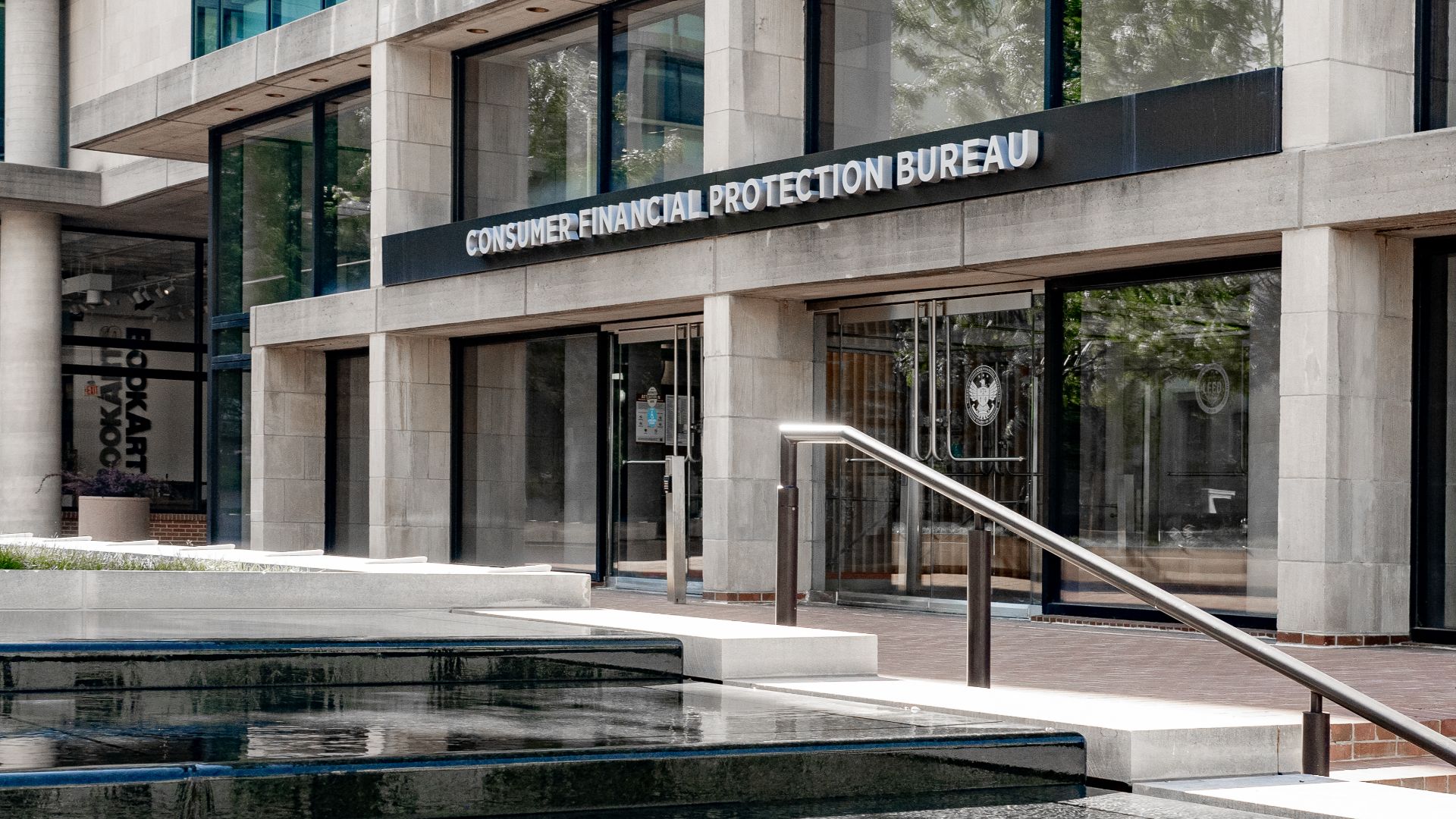
If the dealership won't address allegedly unauthorized or deceptive charges, you can consider complaints to the FTC, CFPB and your state attorney general or consumer-protection agency, depending on the issue. CFPB specifically identifies these avenues when consumers encounter problems involving supposedly optional auto-financing products.
 ajay_suresh, Wikimedia Commons
This Really Does Happen
This isn't merely a hypothetical dealership annoyance. In 2024, the FTC accused dealerships owned by Asbury Automotive of secretly charging customers for unwanted add-ons or falsely saying the products were required. The allegations included consumers being charged hundreds or thousands of dollars for products they hadn't knowingly accepted.

Control The Final Number
Your best defense is establishing the out-the-door price before visiting, rejecting unwanted products explicitly, and last but not least, reading the final paperwork carefully before signing. If $4,000 suddenly appears, stop the transaction and demand an explanation. You don't have to rescue a bad deal simply because you've already spent three hours negotiating it.

You May Also Like:
Car Dealership Tactics That Customers Should Always Question