The Car Is Ready, But Suddenly The Price Isn’t
You signed the paperwork, arranged payment, and thought all that was left was picking up the keys. Then the dealer called with a different amount due at delivery. That’s when a straightforward purchase can turn into a much bigger question about what the signed paperwork actually committed both sides to.
Start With The Signed Bill Of Sale
Before arguing with anyone, pull out every document you signed. Look for the vehicle price, taxes, registration charges, dealer fees, accessories, trade allowance, deposit, financing, and total amount due. The signed paperwork is much more important than a salesperson’s new verbal explanation of what you supposedly owe.

Figure Out Exactly What Changed
Ask the dealer for an itemized breakdown of the additional amount. Don’t accept “there are a few extra fees” as an explanation. You need to know whether the difference comes from taxes, registration, a documentation fee, an accessory, financing, or an entirely new dealer charge.

Some Final Charges Can Be Legitimate
Not every change automatically means the dealership is doing something improper. Actual state taxes, title fees, registration charges, or other government costs may occasionally need to be corrected. The question is whether the new amount reflects a legitimate adjustment or a dealer-created charge that wasn’t part of the agreement.

Dealer-Created Fees Deserve More Scrutiny
Documentation fees, preparation charges, protection packages, VIN etching, paint products, wheel locks, security systems, and service plans are different from government taxes and registration fees. If one of those suddenly appears after the agreed deal was signed, ask why it wasn’t disclosed earlier.
Ask For The New Amount In Writing
If the dealer says more money is due, request a revised itemized buyer’s order or purchase agreement before paying anything. Seeing the change on paper forces the dealership to identify exactly what it wants to add instead of leaving the dispute buried in a vague pickup-day conversation.

Compare It Line By Line
Put the original signed bill of sale beside the new document. Don’t look only at the grand total. Check the selling price, trade-in credit, down payment, interest rate, taxes, fees, accessories, warranties, and amount financed individually.

Watch For Add-Ons You Never Approved
The FTC warns that dealers sometimes try to slip products such as service contracts, GAP coverage, VIN etching, paint protection, and other extras into vehicle transactions. If a product appears that you didn’t request or agree to, challenge it immediately.
 Korawat photo shoot, Shutterstock
“It’s Already Installed” Doesn’t End The Conversation
A dealership may say paint protection, wheel locks, nitrogen-filled tires, anti-theft equipment, or another accessory is already on the vehicle and therefore can’t be removed from the price. That may explain why the dealer wants to sell it, but it doesn’t explain why the charge appeared only after the agreement was signed.

Car And Driver Warns About Exactly This Problem
Car and Driver recommends paying close attention to fees dealers add beyond the negotiated price, particularly preparation charges, documentation fees, accessories, and other dealer-created costs. Some charges are unavoidable, while others can be negotiated or challenged.

MotorTrend Also Warns About Surprise Add-Ons
MotorTrend has described how a seemingly attractive vehicle price can quickly climb once dealer-installed extras are added. Individually, each item may look manageable. Together, they can erase thousands of dollars in discounts.
 f.t.Photographer, Shutterstock
The Out-The-Door Price Is The Number That Matters
Edmunds recommends focusing on the out-the-door price rather than the advertised price alone. That figure should give you the clearest picture of what you’re actually paying once the vehicle price, taxes, registration, fees, and agreed add-ons are included.

A Signed Deal Is Different From A Price Quote
If all you had was an advertisement, email quote, or verbal promise, your legal position can be different from someone who already signed a purchase contract. A signed buyer’s order or retail installment contract may create obligations for both the buyer and dealership.

But The Exact Contract Language Matters
There isn’t one universal rule saying every signed bill of sale works exactly the same way nationwide. State contract law, dealership regulations, financing contingencies, and the language in the agreement can all affect whether the transaction is final.

Check For Dealer Approval Language
Some purchase agreements say the deal remains subject to a dealership manager’s approval, financing approval, lender acceptance, or another contingency. If that language exists, it can affect whether the transaction was truly final when you signed.

Financing Can Complicate The Timing
If the purchase depends on dealer-arranged financing, determine whether the financing was actually approved. Some buyers sign paperwork before the dealer has fully placed the loan with a lender, creating what’s commonly known as conditional or spot delivery.

Don’t Assume There’s A Three-Day Cooling-Off Period
One of the most persistent car-buying myths is that federal law gives buyers three days to cancel any vehicle purchase. A dealership transaction generally doesn’t come with a universal federal three-day right to change your mind simply because you regret signing.

State Law Can Provide Additional Rights
Vehicle dealer laws vary considerably across the country. Some states regulate documentation fees, advertising practices, add-ons, deposits, contract disclosures, or conditional financing more aggressively than others. That’s why the state where the transaction occurred matters.

Buyer’s Remorse And A Dealer Changing The Deal Aren’t The Same
Simply deciding you no longer want the vehicle is very different from discovering that the dealer wants more money than the signed agreement shows. If the dealer is willing to honor the original contract exactly as written, cancelling may be harder.
 trailersoftheeastcoast from Mocksville, USA, Wikimedia Commons
Tell The Dealer You’ll Complete The Original Deal
One useful first response is simple: say you’re prepared to complete the purchase at the price and terms shown on the signed paperwork, but you don’t agree to the newly added charge. That keeps the issue focused on the dealer’s change rather than making it look like ordinary buyer’s remorse.

Put That Position In An Email
Document the dispute before pickup. State the vehicle, VIN if available, signed price, new amount being demanded, and the specific charge you dispute. Ask the dealer to confirm in writing that it will honor the original agreement.

Don’t Sign A Replacement Contract Without Reading It
A dealership may present new paperwork and describe it as a correction or routine update. Read every line before signing. A new signature could make it much harder to argue later that the higher price was never accepted.
 Korawat photo shoot, Shutterstock
Monthly Payments Can Hide The Increase
An extra $1,500 may be presented as only a small increase in the monthly payment. That framing makes a significant price change feel less important. Compare both the total sale price and the amount financed before agreeing to anything new.

Your Deposit May Become Part Of The Fight
If you decide not to complete the transaction, the dealership may argue that your deposit is nonrefundable. Whether it can keep that money depends on the contract and state law, along with why the deal is falling apart.
 Wedmoments.stock, Shutterstock
Don’t Assume “Nonrefundable” Automatically Ends The Argument
A deposit provision may give a dealer substantial leverage when a buyer simply changes their mind. The situation can look different if the dispute arose because the dealership itself demanded materially different terms. Ask the dealer to identify the contract language supporting its position.

Request Any Deposit Refund In Writing
If the dealership refuses to complete the transaction under the signed terms and you’re seeking to walk away, request your deposit back in writing. Include copies of the original contract and the later demand for additional money.

Ask For The General Manager
If the salesperson or finance manager won’t fix the problem, escalate it within the dealership. A general manager or dealer principal may have both more authority and more incentive to resolve a dispute before it becomes a regulator or manufacturer complaint.

The Manufacturer Can Sometimes Add Pressure
Franchised dealerships are usually independently owned businesses, so the automaker may not control the contract. Still, manufacturers often maintain customer-relations departments and may contact a dealer when a buyer complains about pricing or sales practices.

State Consumer Agencies Matter More Than People Realize
If the dealership refuses to explain or remove a questionable charge, contact the agency that regulates auto dealers in your state, your state consumer-protection office, or the state attorney general. USAGov specifically directs complaints about deceptive dealerships to state consumer-protection agencies and the FTC.

You Can Also Report Deceptive Practices To The FTC
The FTC accepts complaints involving deceptive vehicle advertising, hidden charges, and unwanted add-ons. The agency has repeatedly taken enforcement action against dealerships accused of advertising one price and then charging consumers substantially more.
 Rutger van der Maar, Wikimedia Commons
Don’t Pay First And Argue Later Unless You Have To
Once the money is paid and revised documents are signed, your leverage may shrink. If you have the option, resolve the discrepancy before taking delivery. Ask for a corrected buyer’s order showing the exact final amount first.
 Anatoliy Cherkas, Shutterstock
Walking Away Can Still Be A Business Decision
Even when the law doesn’t provide an obvious cancellation right, the dealer may voluntarily release a buyer rather than fight over a disputed transaction. Whether that happens may depend on demand for the vehicle, the deposit, how easily the dealer can resell it, and the strength of your complaint.

The Real Question Is Who Changed The Deal
Finding an unexpected pickup-day charge doesn’t automatically mean you can cancel any signed car purchase. But it also doesn’t mean you should hand over extra money simply because the car is sitting outside waiting for you. Compare the new demand with the signed contract, refuse charges you never agreed to, document everything, and find out what your state’s dealer laws say before signing anything new. The difference between changing your mind and discovering that the dealership changed the deal can be extremely important.
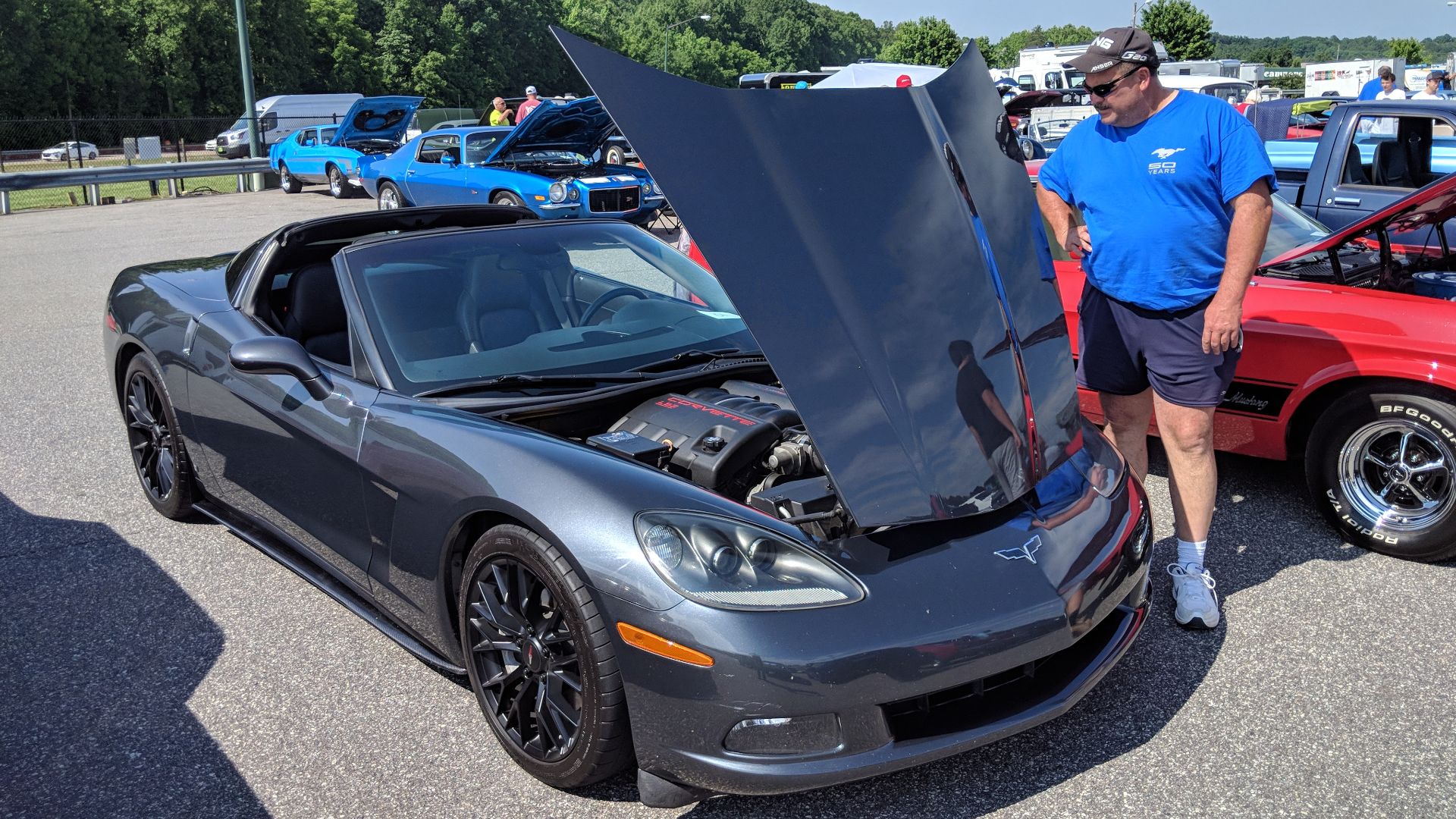 trailersoftheeastcoast from Mocksville, USA, Wikimedia Commons
You May Also Like: