The Myths That Outlive Their Cars
Many drivers still rely on advice that made sense decades ago. Experts warn that old habits can become unsafe when applied to modern vehicles. Let's explore the dangerous misconceptions still circulating today—and explain why these outdated ideas should finally be retired.
Pumping Brakes Like It’s 1975
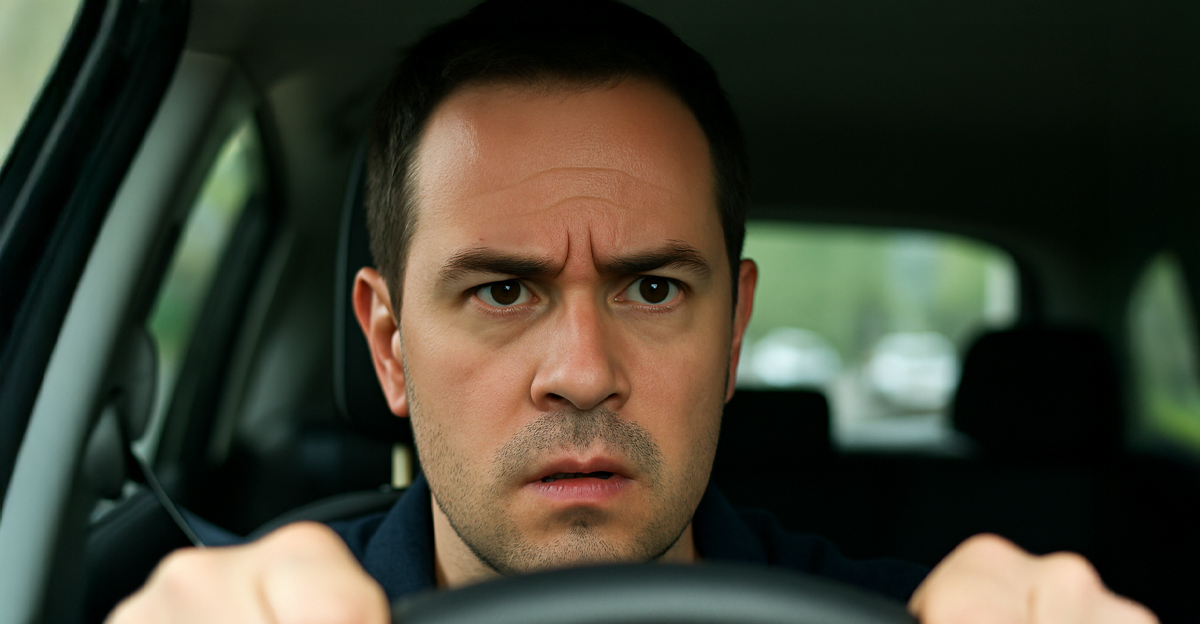
Drivers used to pump brakes to prevent wheel lock. Modern vehicles include ABS systems that already do this automatically. Pumping the brakes today reduces effectiveness. It also increases stopping distance during emergencies.
The “10 and 2” Time Warp
The 10-and-2 hand position worked before airbags existed. Today’s safety systems require lower hand placement. Experts recommend 9-and-3 for better control. This position also reduces injury risk if an airbag deploys.

Premium Gas Fixes Everything
Many drivers believe premium gas improves performance for any vehicle. Most engines are built for regular fuel and gain nothing from higher octane. Experts say premium should only be used if listed in the owner’s manual. Otherwise it wastes money without any benefit.
Warming Up Your Car Forever
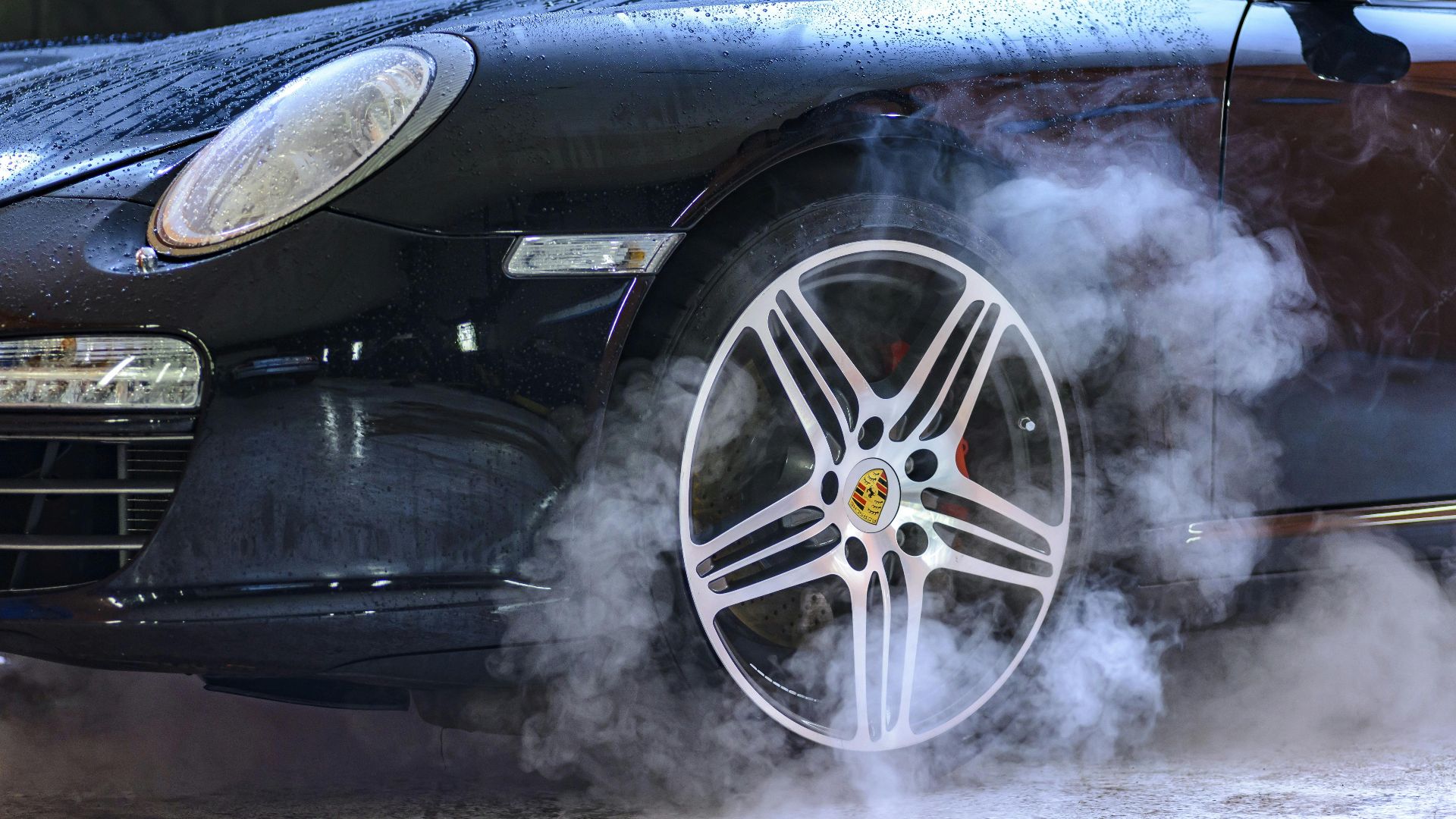
Gasoline engines once needed several minutes to warm up. Modern fuel injection systems work efficiently within seconds. Letting the car idle for long periods wastes fuel. It also adds unnecessary engine wear.

Cranking the Steering Wheel to the Max
Some drivers still hold the steering wheel fully turned during tight maneuvers. This habit strains the power steering pump. Modern systems are stronger but still vulnerable. Experts suggest avoiding full-lock turns whenever possible.

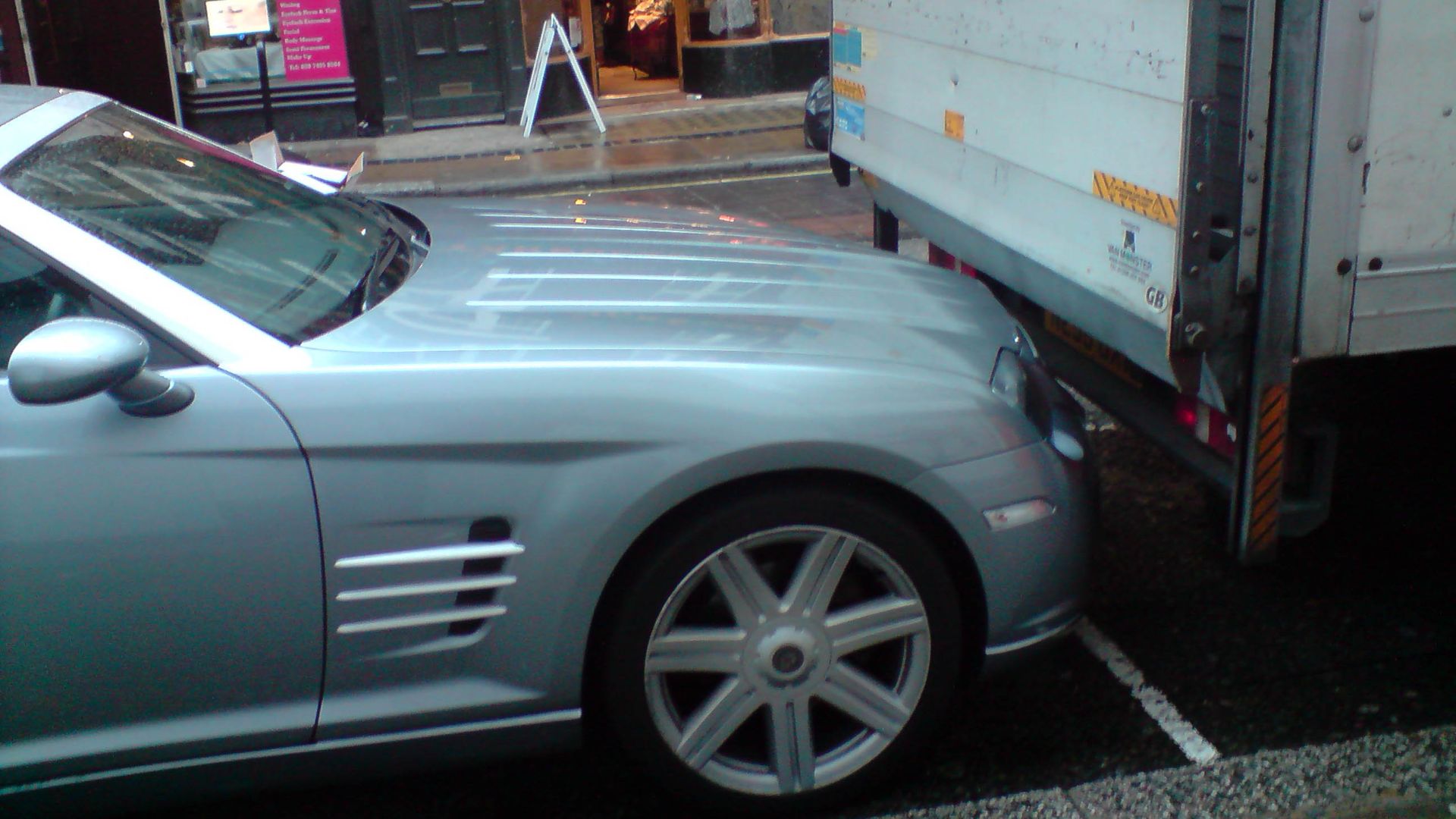
Following Too Closely Like a Movie Cop
Drivers often believe they can react fast enough to tailgate safely. Reaction time never beats physics. Modern traffic densities make tailgating even riskier. Experts urge drivers to maintain a three-second following distance.
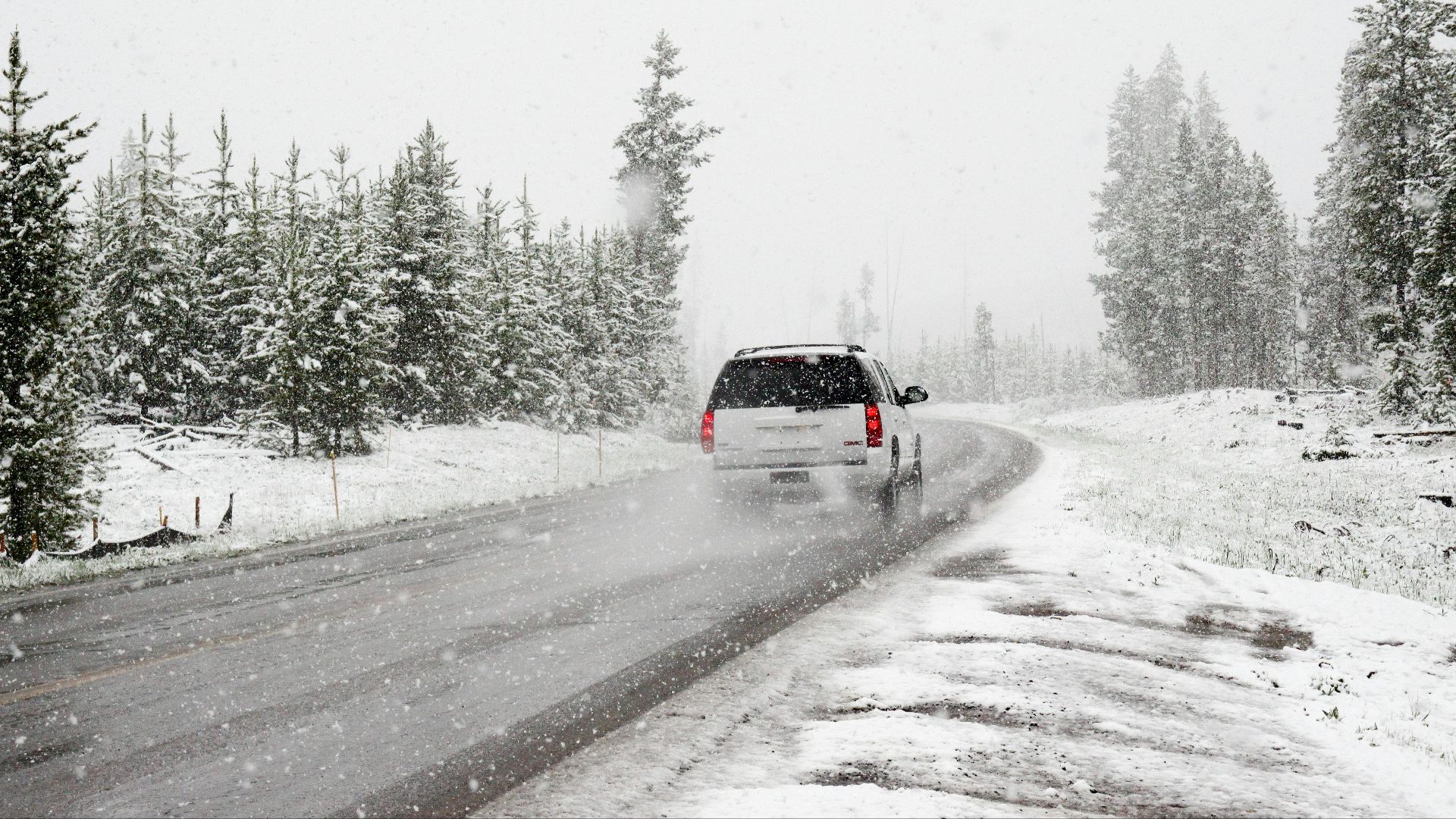
Cruise Control Works in Any Weather
Cruise control helps on dry highways. Some drivers still use it during rain or snow. This reduces control and increases hydroplaning risk. Experts recommend turning it off whenever roads are slippery.
Big Cars Equal Guaranteed Safety
Many drivers assume a larger vehicle always offers more protection. Safety depends on engineering, crash structure, and modern technology. Smaller cars sometimes outperform larger ones in tests. Experts encourage people to compare ratings rather than trust size alone.

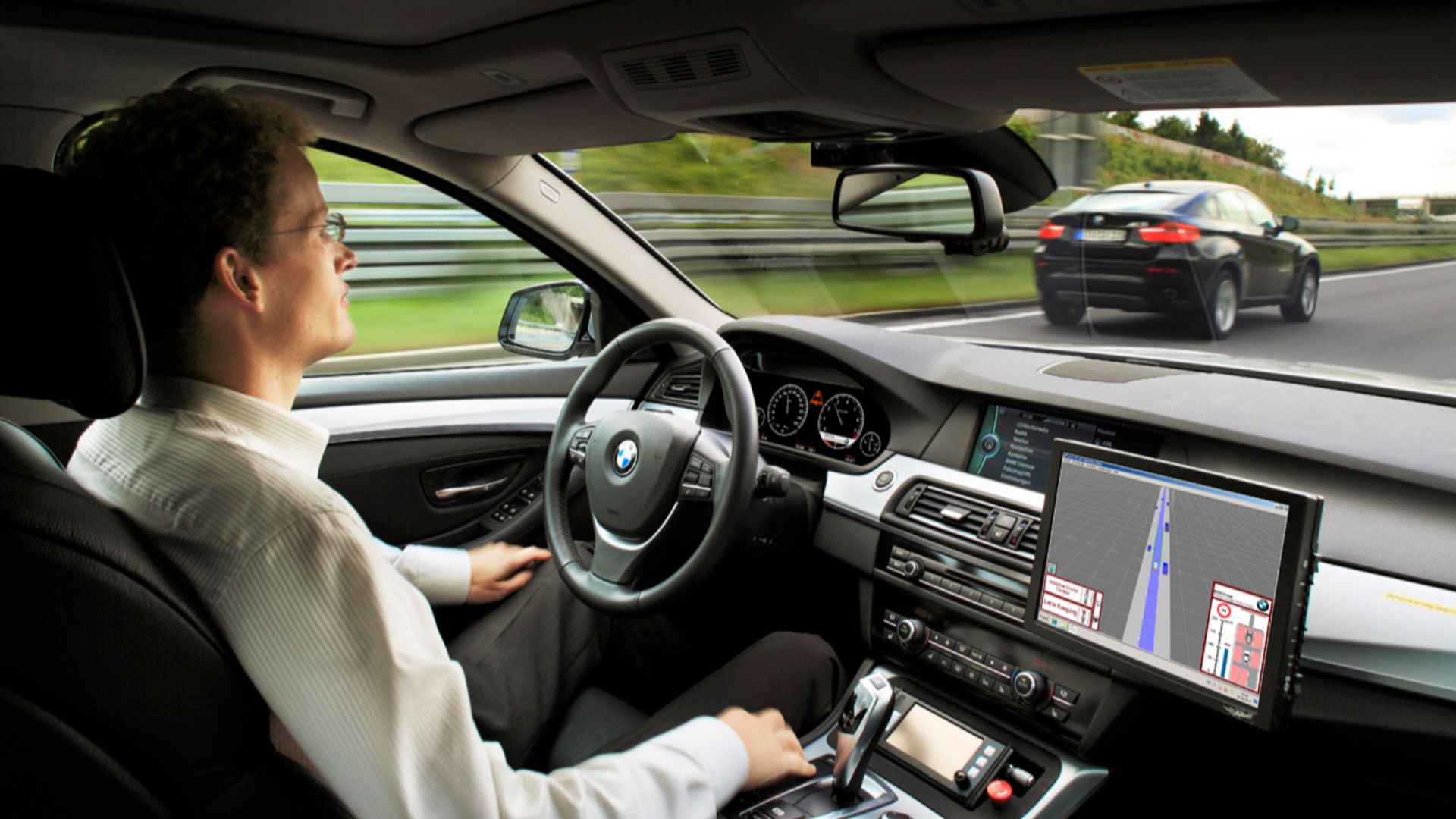
Hands-Free Means Risk-Free
Drivers often believe hands-free phone use eliminates danger. Cognitive distraction still affects reaction time. Studies show drivers lose focus even without touching their phones. Experts warn that “hands-free” is not the same as “safe.”
 BP63Vincent, Wikimedia Commons
Flashing Lights Always Grants Right of Way
Some drivers think flashing headlights gives them automatic priority. This gesture has no legal authority. It can confuse other drivers and lead to collisions. Experts recommend using signals, not assumptions.

Turning Signals Are Optional at Low Speed
Drivers sometimes skip signals when they move slowly. This creates confusion in parking lots and neighborhoods. Turn signals are required in all conditions. Experts say clear communication prevents many low-speed crashes.
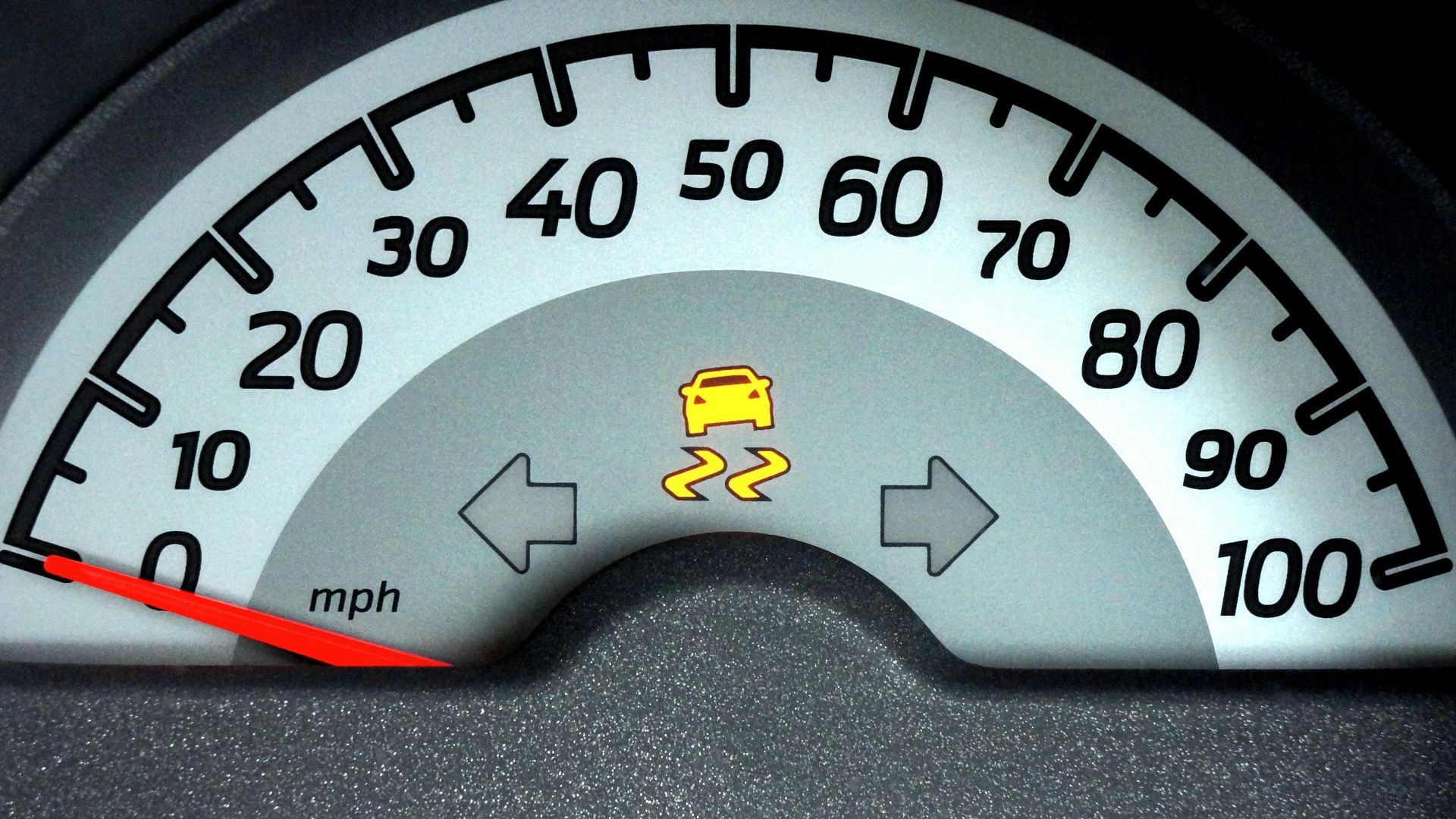
All-Season Tires Handle Every Situation
Many drivers assume all-season tires cover all climates. Winter traction requires specialized rubber and tread patterns. All-season tires lose grip in freezing temperatures. Experts recommend winter tires for regions with regular snow.
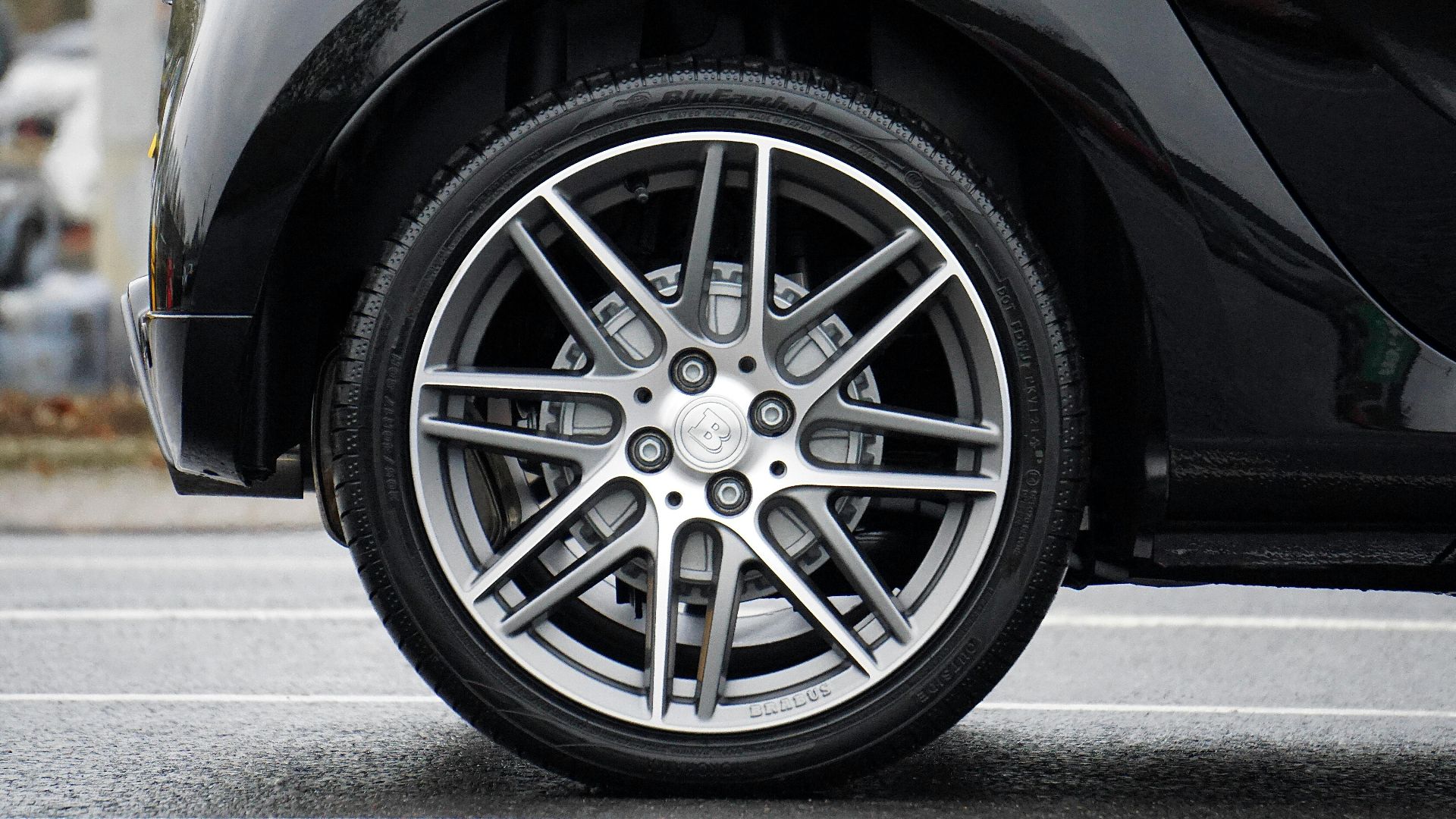
Your Car Needs Oil Changes Every 3,000 Miles
The old rule of 3,000 miles still persists. Modern engines and synthetic oils last much longer. Manufacturers often recommend intervals between 5,000 and 10,000 miles. Experts suggest following the manual, not the myth.
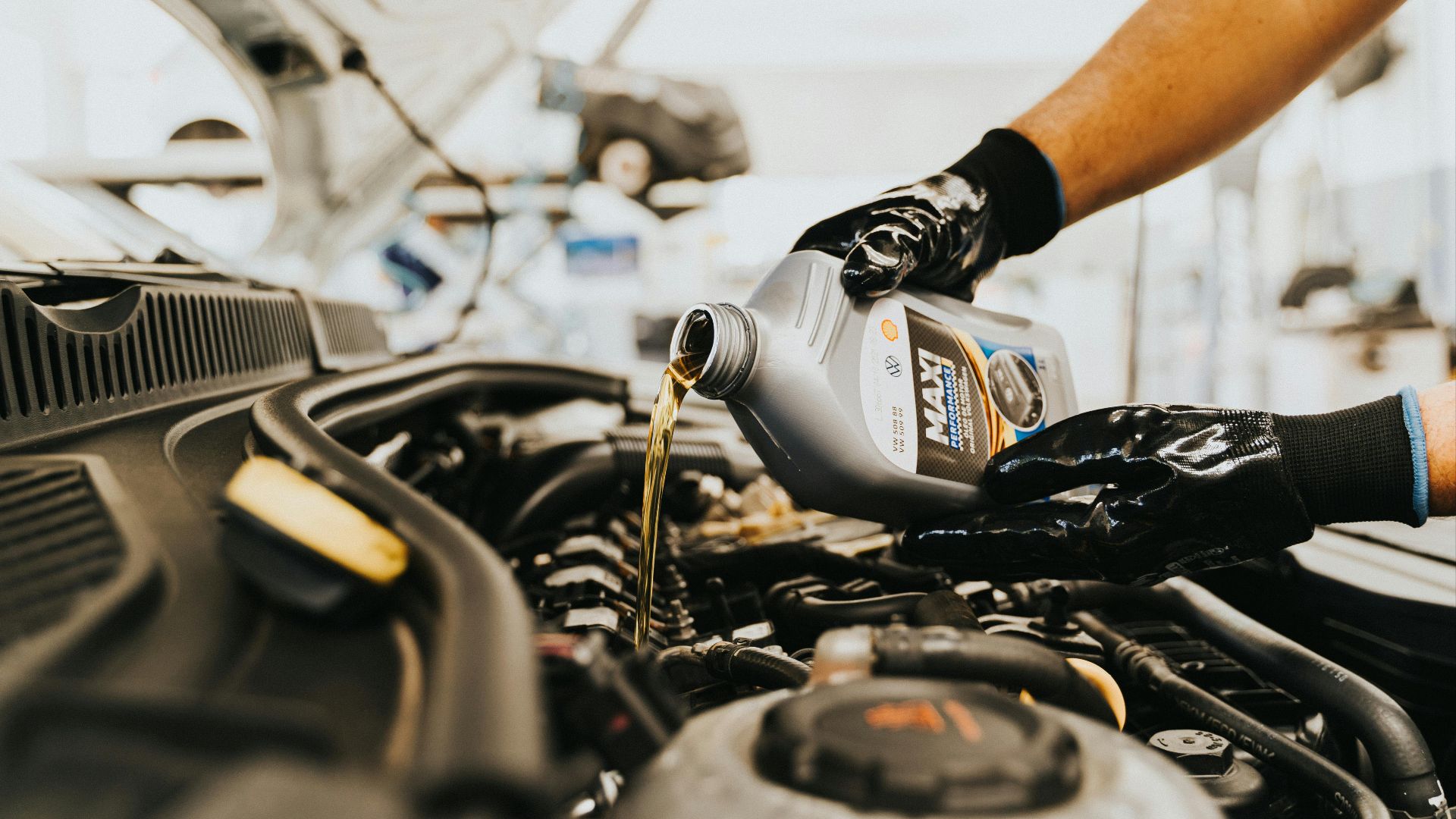
You Should Coast in Neutral to Save Gas
Drivers sometimes shift to neutral on downhills to conserve fuel. Modern engines already reduce fuel use during deceleration. Coasting in neutral removes control and increases risk. Experts say it saves almost no fuel and adds danger.

Turning Off the Engine at Stops Damages It
Many people still think frequent restarts harm the engine. Modern starters are designed for high-cycle use. Start-stop systems reduce emissions without creating extra wear. Experts say turning off the engine at long lights is safe.

A Car That Starts Fine Has a Healthy Battery
Drivers assume a car battery is perfectly healthy if the engine starts. Weak batteries can work intermittently and fail without warning. Modern electronics draw more power than older vehicles. Experts recommend regular testing rather than waiting for failure.
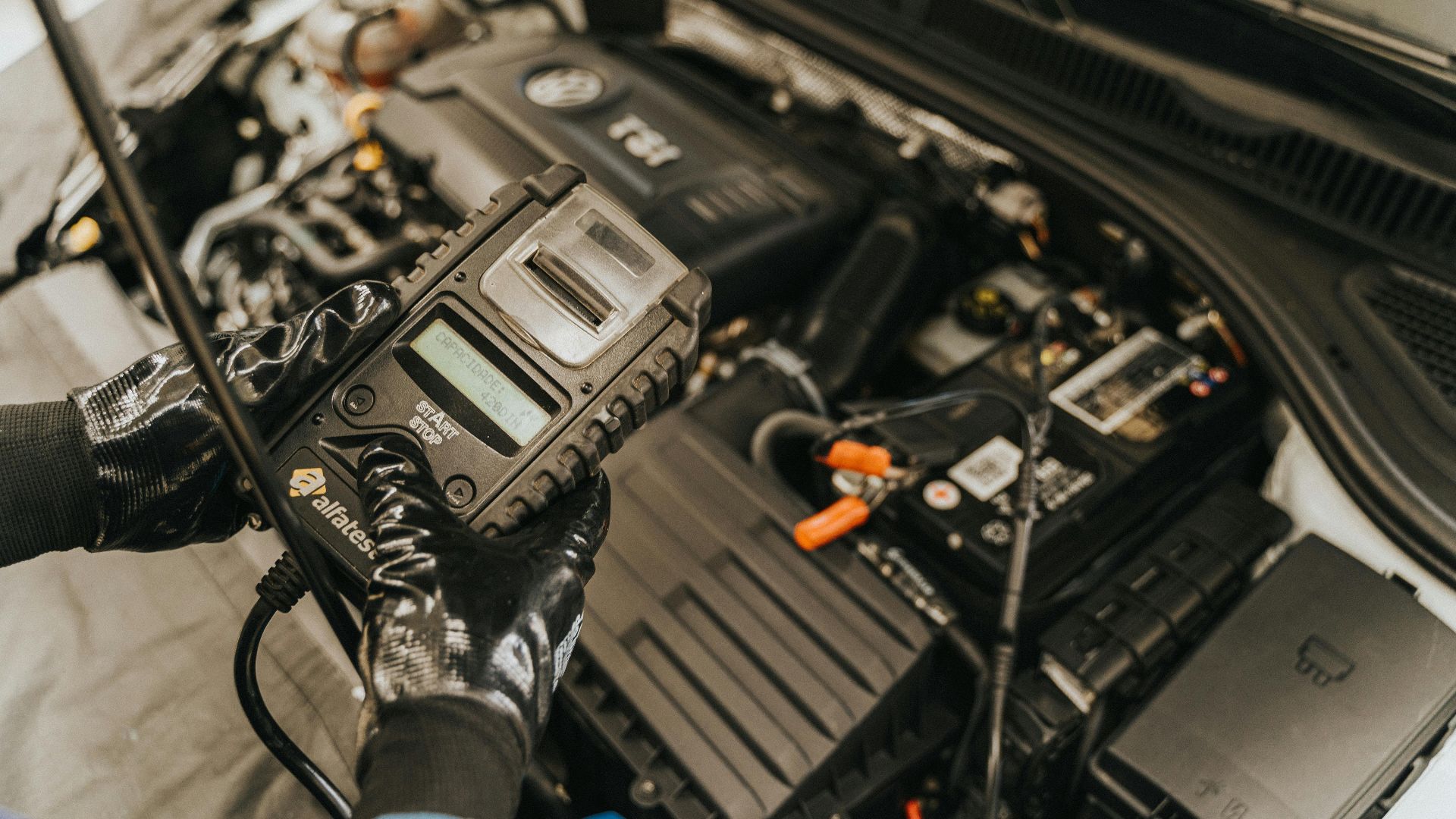
Seat Belts Are Optional for Short Trips
Some drivers skip seat belts on short or slow trips. Most crashes occur close to home. Seat belts prevent serious injuries at any speed. Experts emphasize that short trips still require full safety habits.

Four-Wheel Drive Solves Winter Problems
Drivers often believe four-wheel drive provides complete winter safety. It only improves traction during acceleration. It does not shorten braking distance. Experts warn that confidence can rise faster than actual control.

You Should Ride Out a Tire Blowout
Many drivers think slamming the brakes during a blowout is correct. This causes the car to pull sharply and lose stability. Experts advise gently accelerating to regain control. Braking should wait until the car is steady.
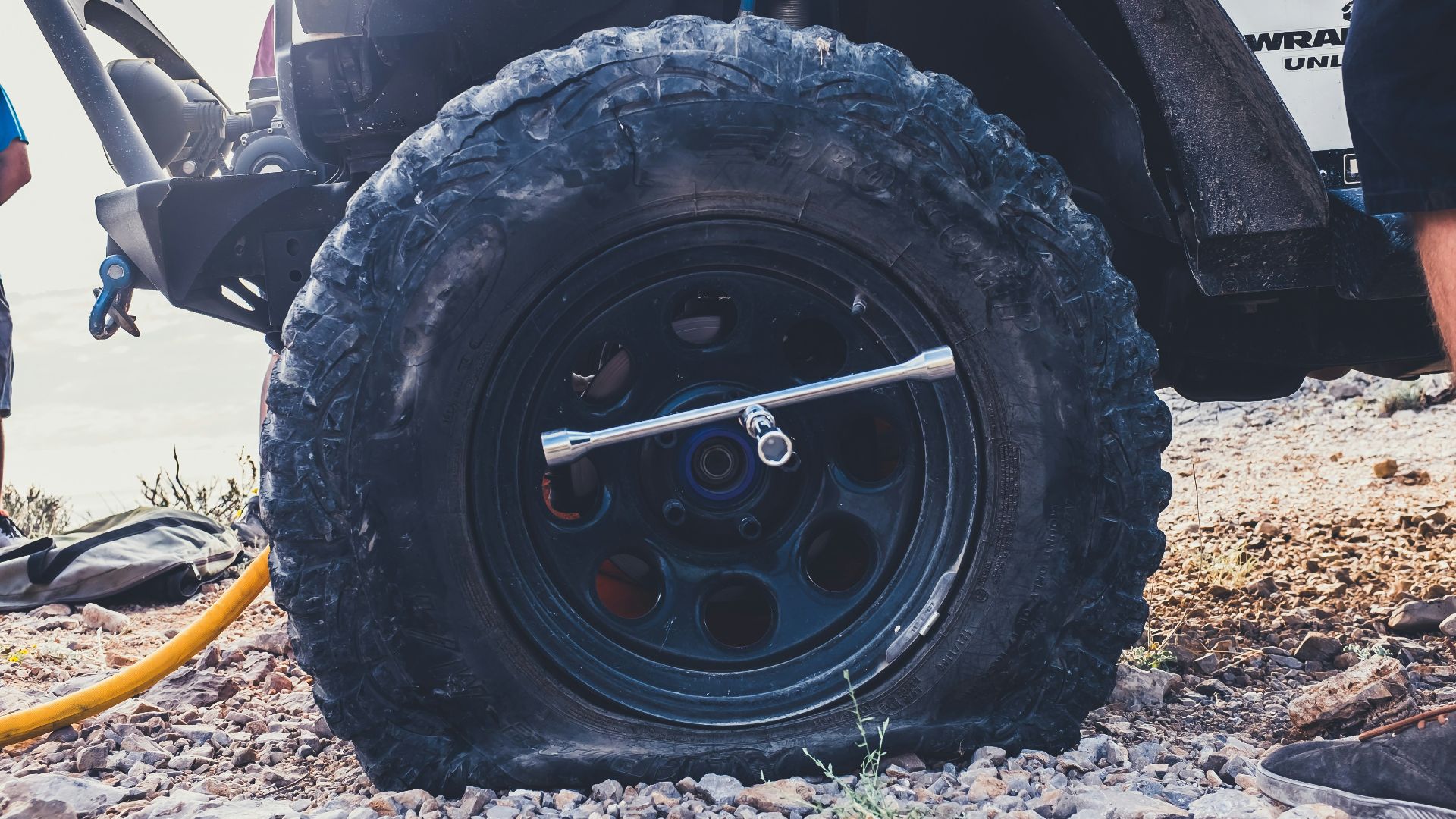
You Can Rely on Your Mirrors Alone
Some drivers trust mirrors completely during lane changes. Mirrors cannot eliminate blind spots. Quick shoulder checks remain essential for safety. Experts caution drivers not to rely solely on rear-view technology.

Headlights Are Only for Nighttime
Drivers sometimes skip headlights at dawn, dusk, or during rain. Low visibility increases accident risk. Running headlights improves visibility for everyone. Experts recommend using them whenever conditions dim.

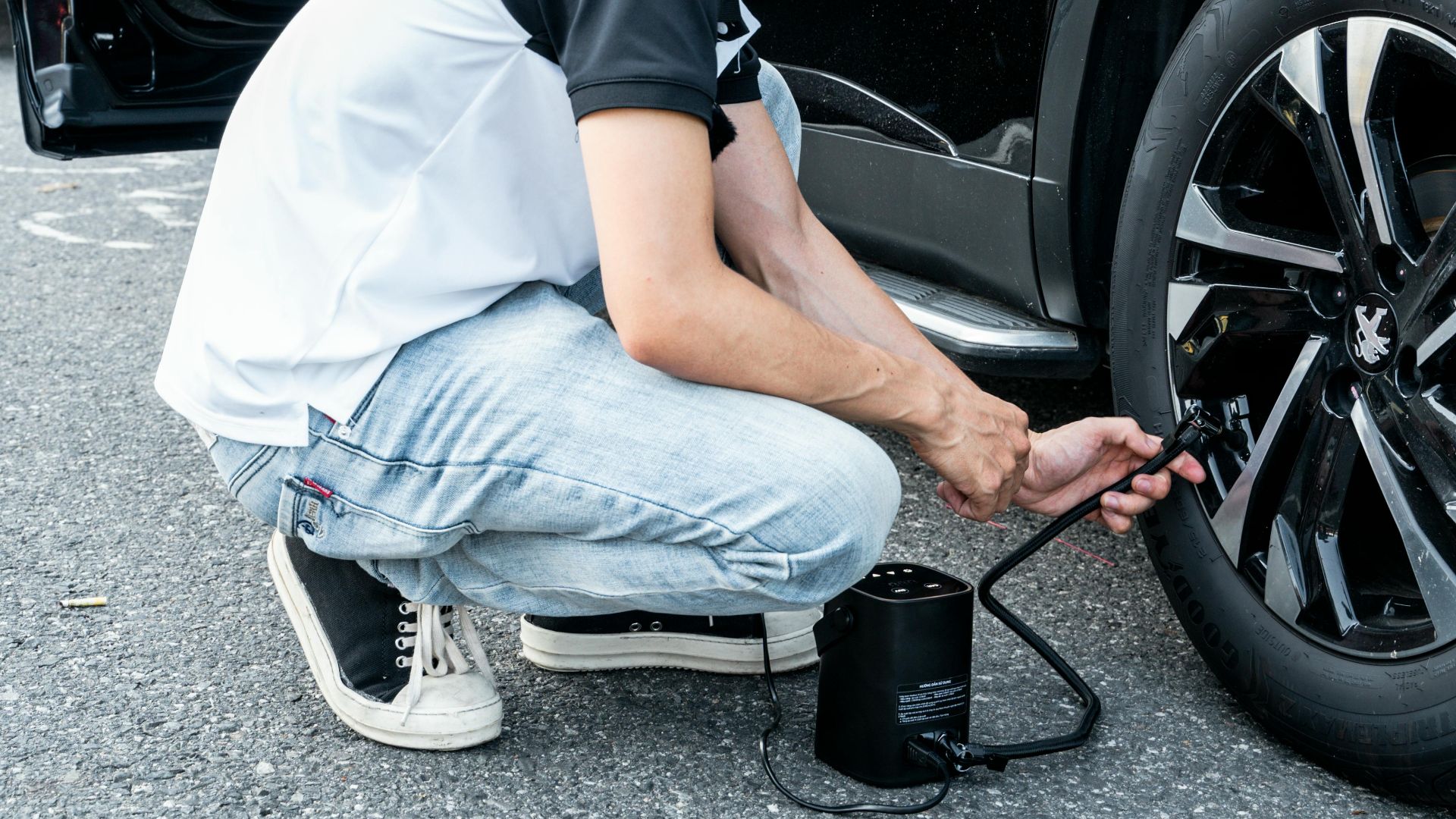
Tires Only Need Attention When Flat
Drivers often ignore tire pressure until a tire looks deflated. Underinflation can occur long before it becomes visible. Poor pressure reduces fuel economy and damages tread. Experts urge monthly pressure checks.
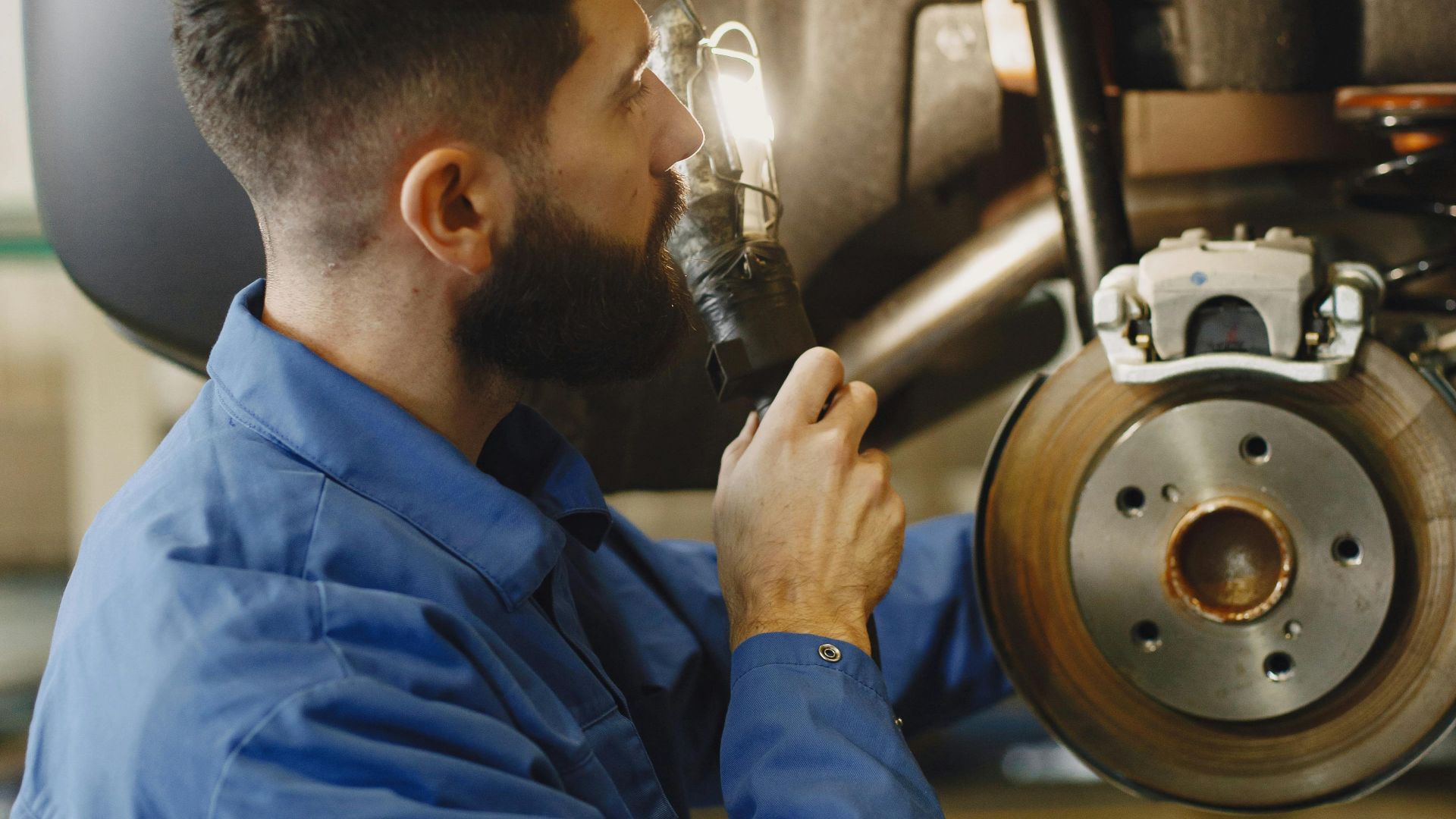
A Car’s Stopping Power Never Changes
Many drivers assume brakes work the same throughout a car’s life. Wear and heat reduce effectiveness. Heavy loads and old brake fluid increase stopping distance. Experts recommend regular brake inspections rather than assuming consistency.
Old Advice Dies Hard—But Safety Evolves
Many driving myths persist because they once made sense. Modern vehicles require new habits based on improved engineering. Experts say staying informed prevents accidents. Drivers who update their knowledge help keep everyone safer.
You May Also Like:
The Dubai Crown Prince’s Off-Road Collection Is Pure Desert Royalty
There's A Hidden Meaning Behind The "98" In The Oldsmobile 98
The Most Iconic Movie Cars & Who Owns Them Today