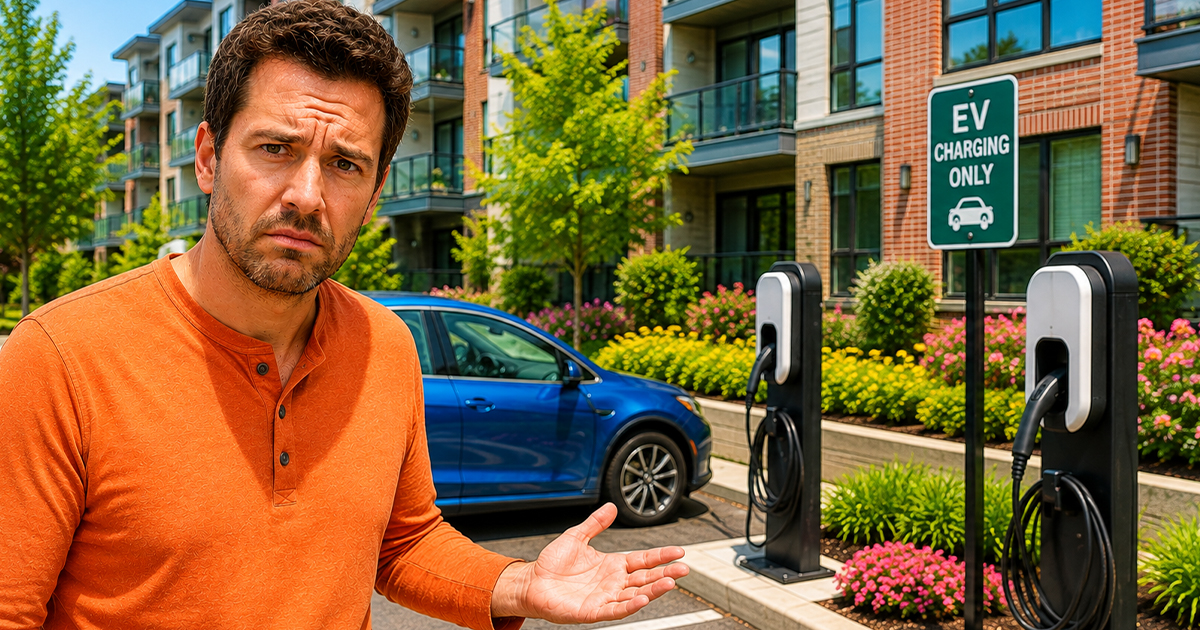
Everyone Paid... But Only A Few Get To Plug In?
Your condo board installed electric vehicle chargers using everyone's condo fees, but only a handful of residents can actually use them. Now you're wondering: can a condo board really spend everyone's money on something that benefits so few people? The answer isn't as obvious as it first seems.

EV Chargers Are Becoming Much More Common
Condominium buildings across North America are adding EV chargers as more people switch to electric vehicles. Some newer buildings even advertise charging stations as a selling feature because many buyers now consider them a desirable amenity.
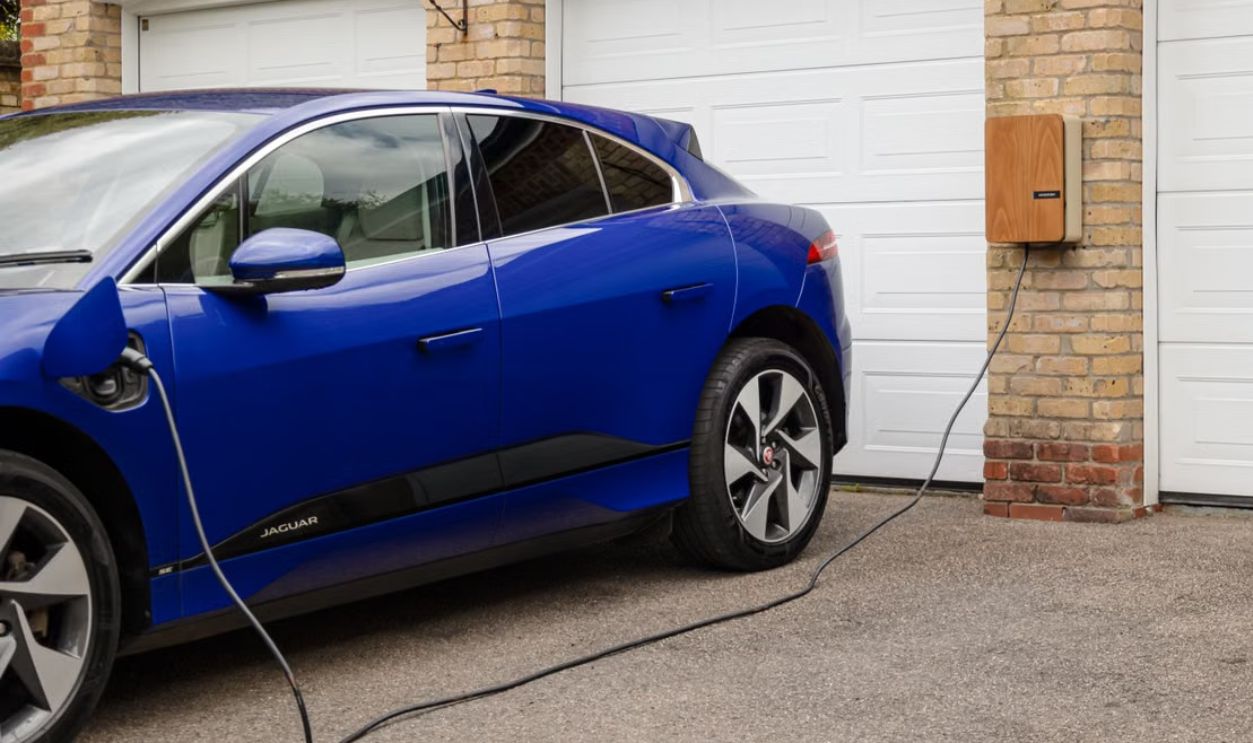
Condo Fees Already Pay For Things You May Never Use
If you don't use the gym, pool, party room, or bike storage, you're probably still helping pay for them. Condo living has always involved sharing the cost of amenities, even when not every resident uses every one.

So Why Does This Feel Different?
Unlike a fitness room or rooftop patio, only residents with electric vehicles can benefit from an EV charger today. If there are only a few charging spots, it can feel like everyone is paying for someone else's convenience.
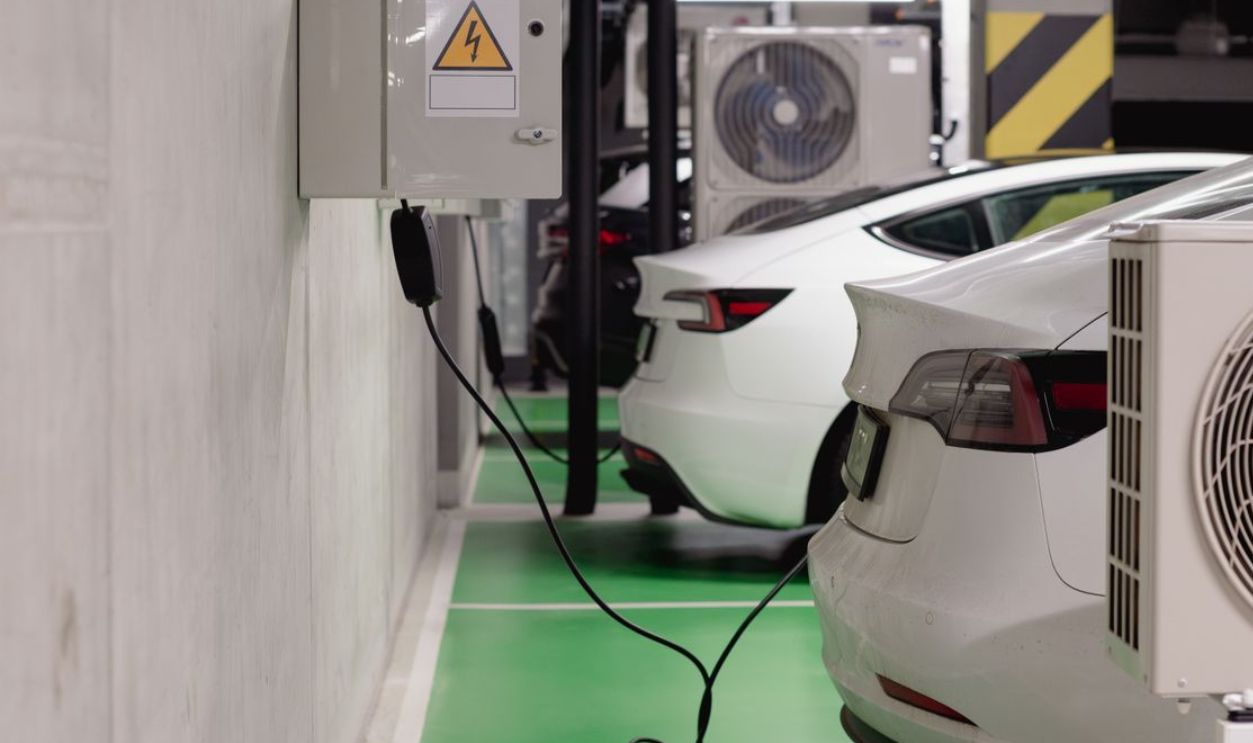
Here's The Question That Really Matters
The bigger issue usually isn't who uses the chargers. It's whether the condo board had the authority to install them using common funds and followed the proper approval process.
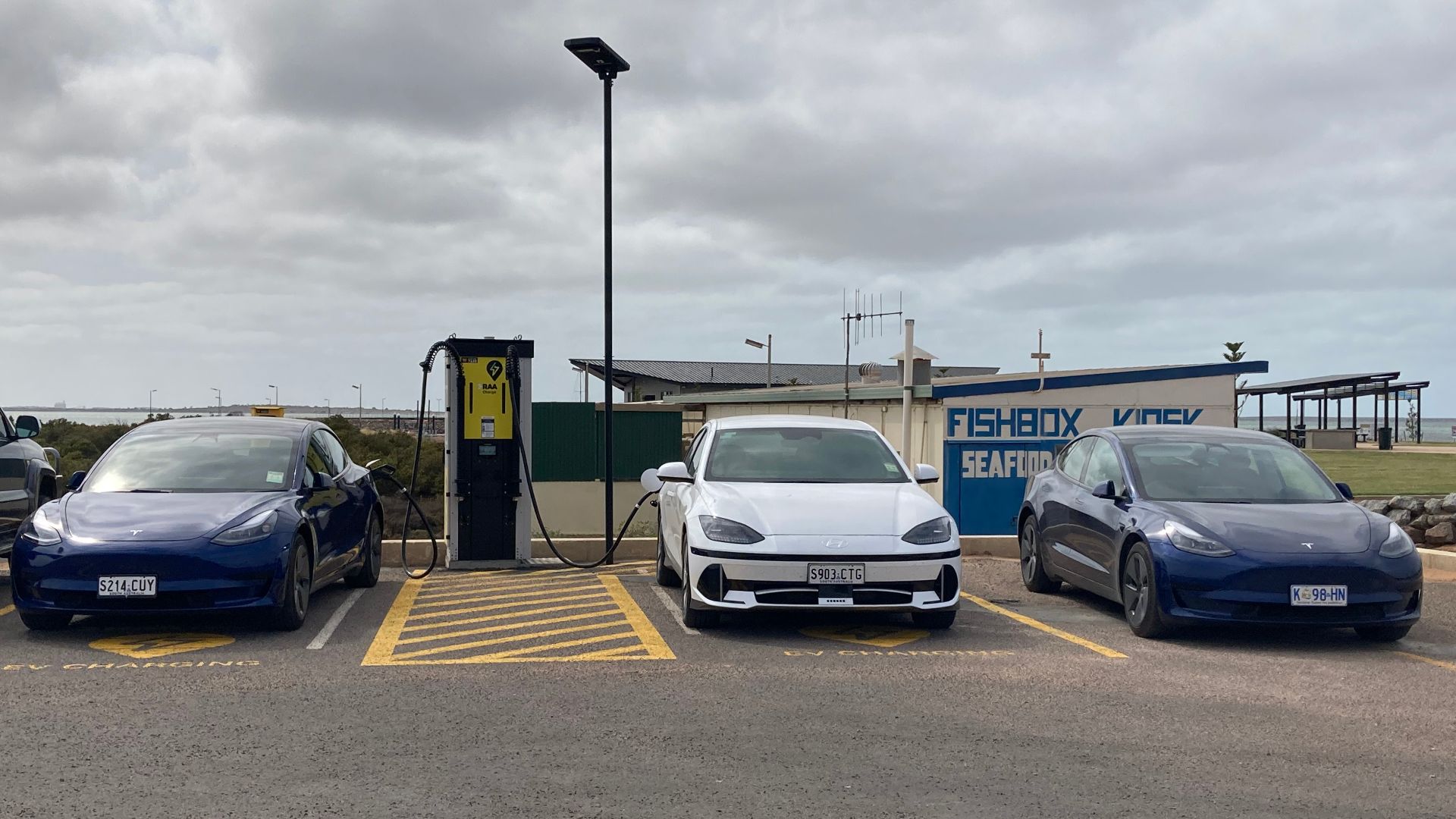
Condo Boards Usually Have Some Flexibility
Boards are generally allowed to make improvements they believe will benefit the condominium over the long term. That doesn't mean every owner has to receive exactly the same benefit from every project.
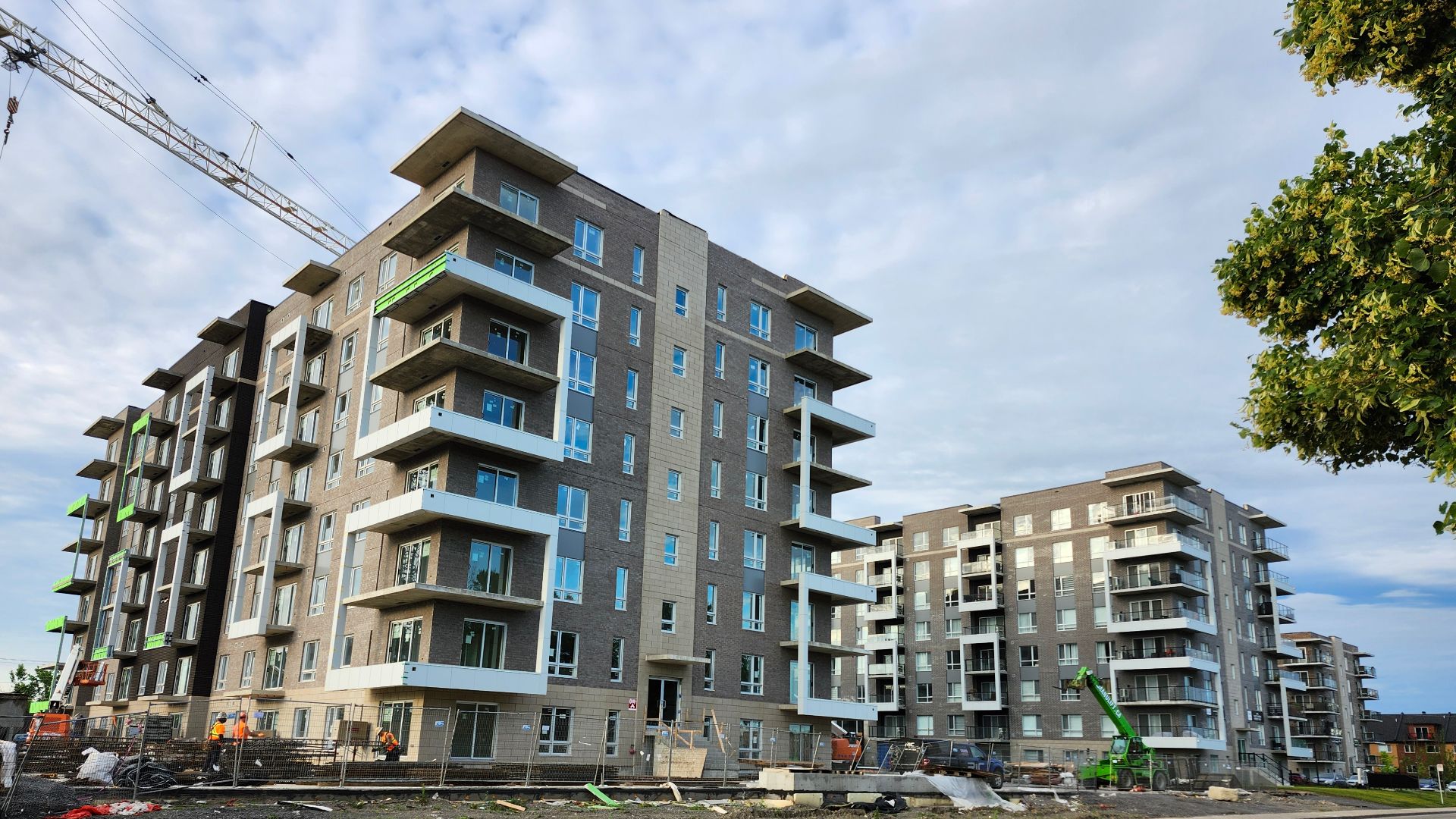
Future Buyers May Benefit Too
Real estate experts have noted that EV-ready buildings are becoming more attractive as electric vehicle ownership continues to grow. Even owners without an EV today may benefit if the building becomes easier to sell in the future.
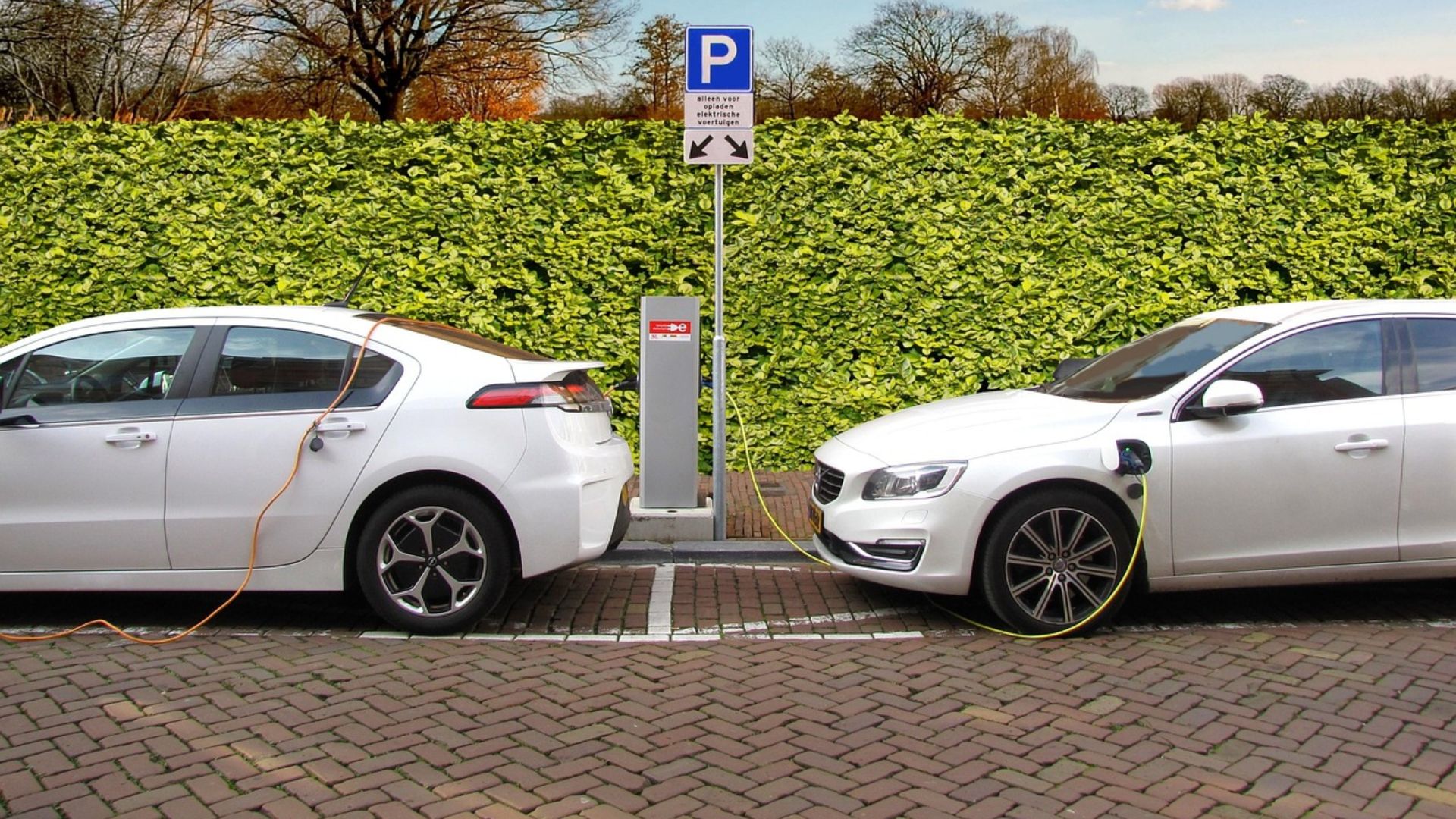
Older Buildings Often Face Challenges
Many older condominiums don't have enough electrical capacity to give every parking space its own charger right away. That's why many buildings install just a few chargers first and expand later if demand increases.
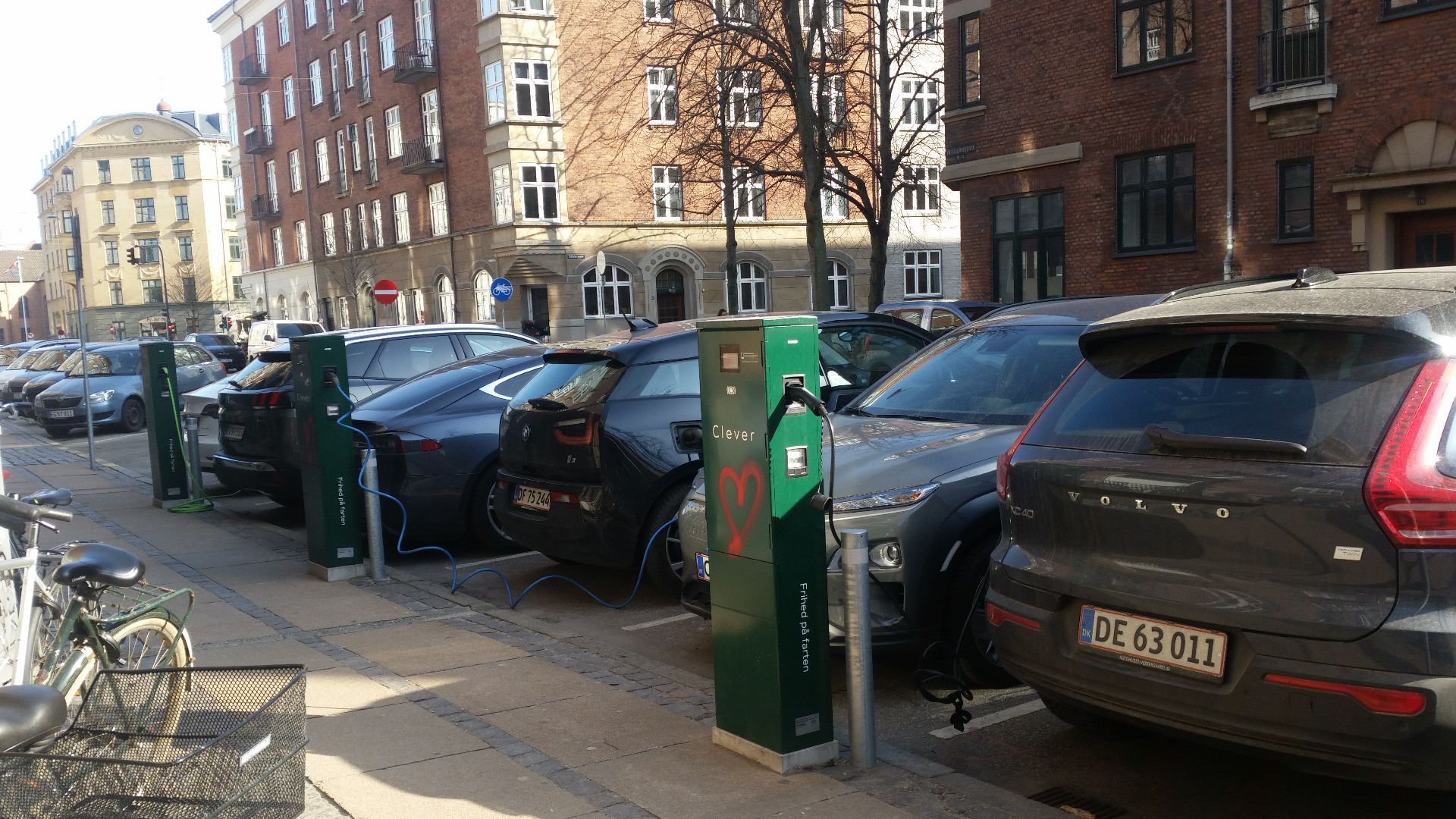
Access Should Still Be Fair
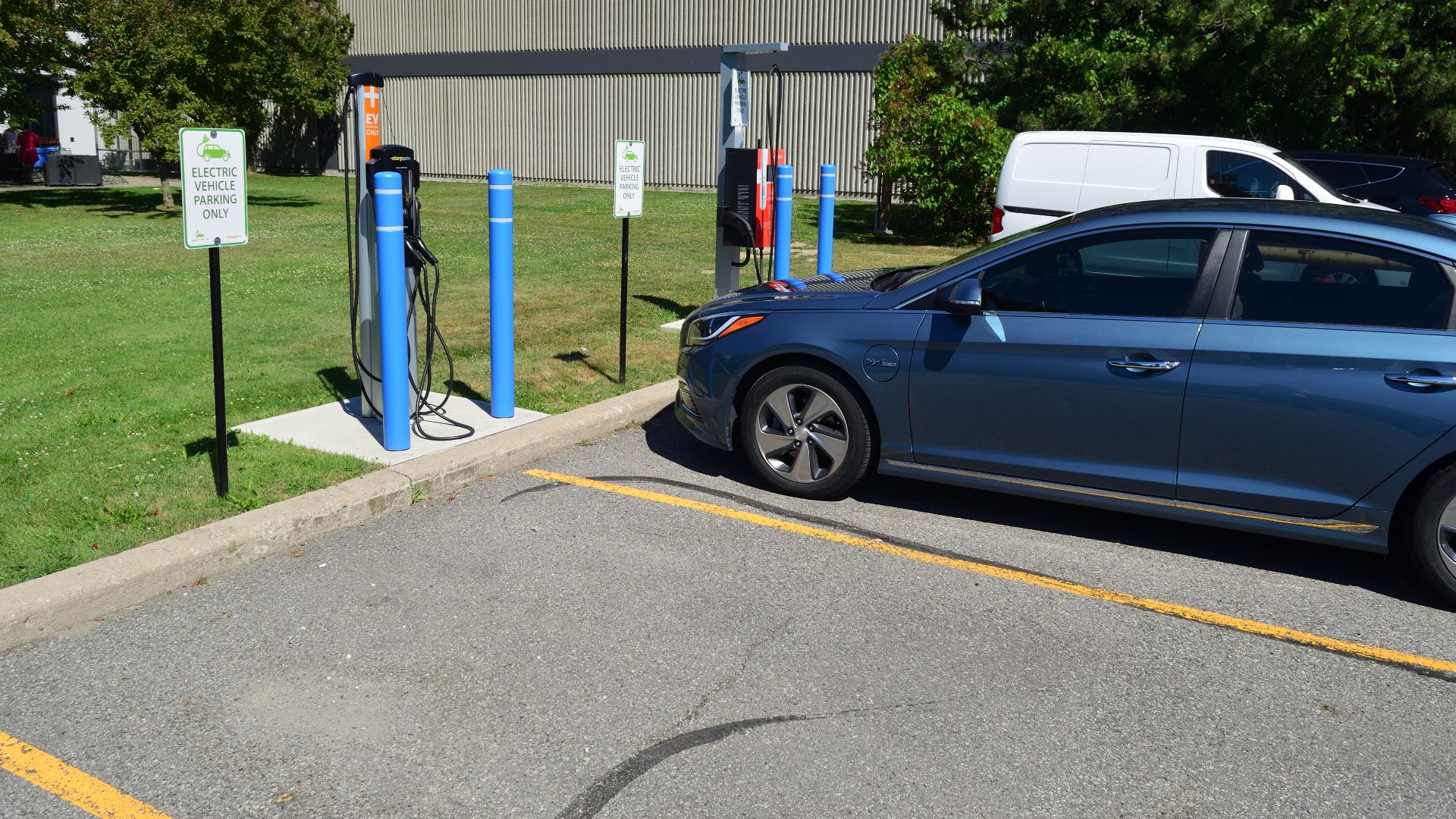
Even if only a few chargers exist today, residents should understand how they're assigned. Some buildings use waiting lists, others assign spaces by application, and some charge users separately for electricity.
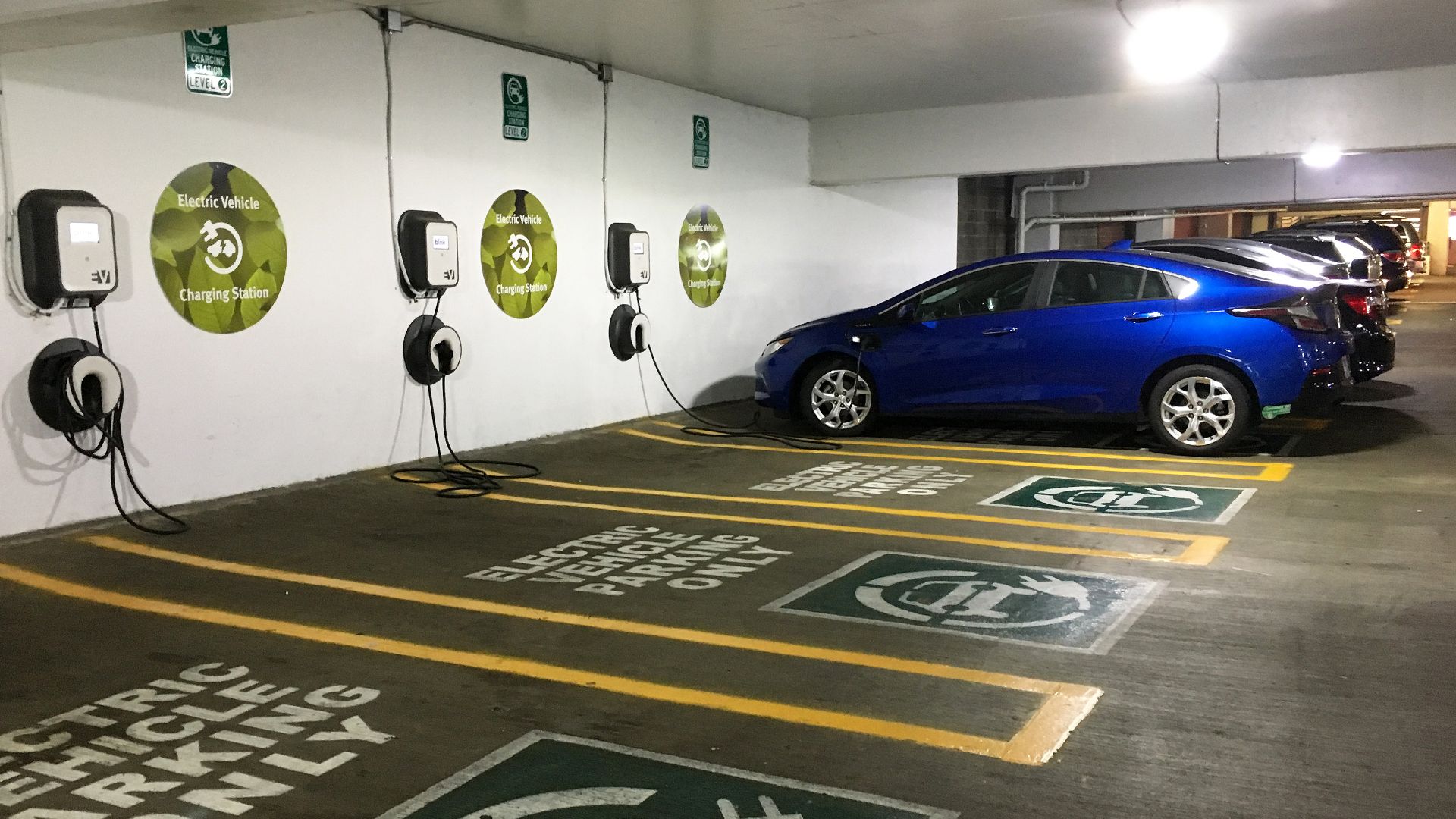
 Raysonho @ Open Grid Scheduler / Grid Engine, Wikimedia Commons
Paying For Electricity Is Usually Separate
Although everyone may have contributed to installing the chargers, the people who actually use them often pay separately for the electricity they consume. That helps avoid having non-EV owners cover someone else's charging costs.
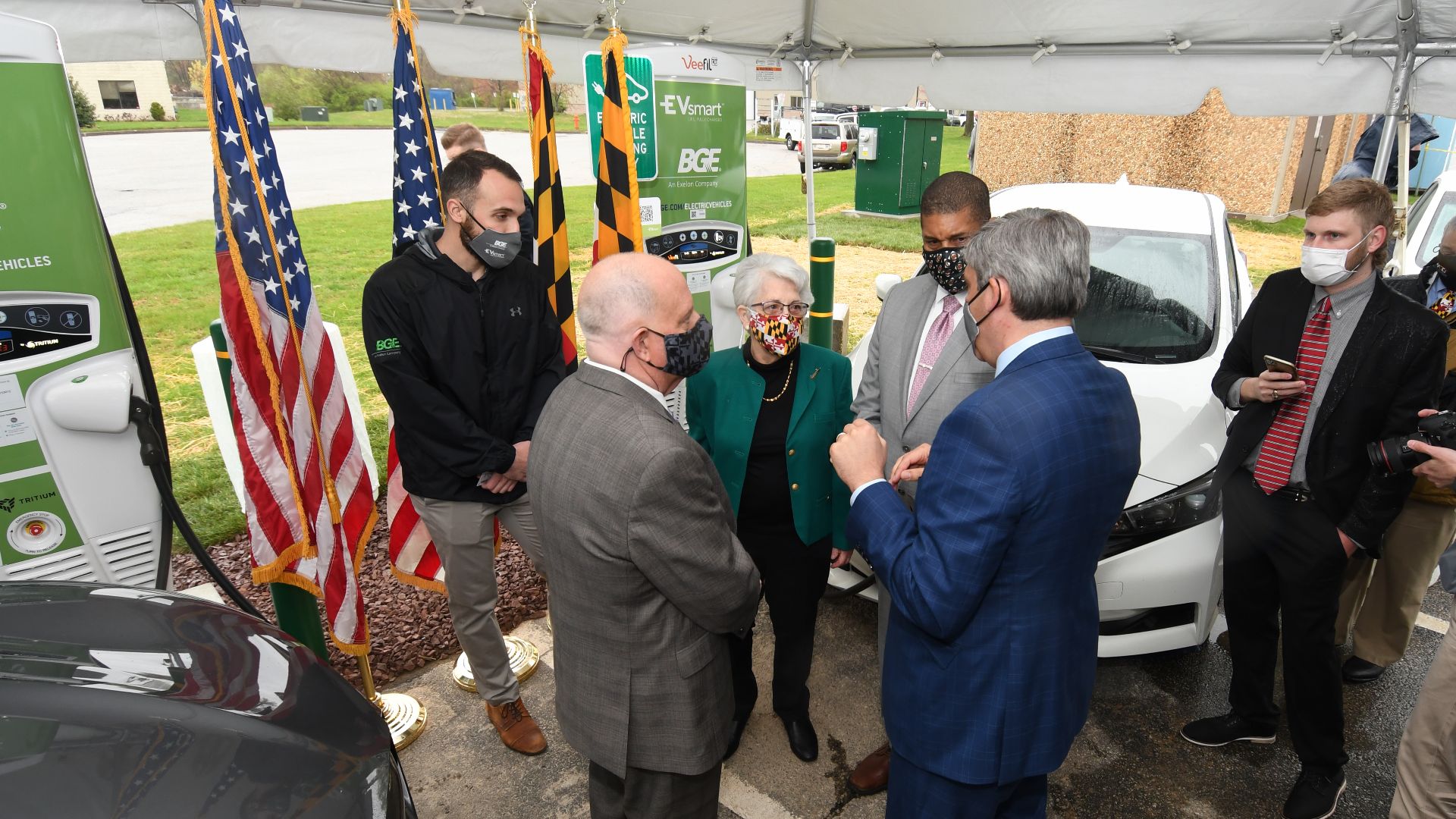
 Mariordo (Mario Roberto Durán Ortiz), Wikimedia Commons
Ask Questions Before Assuming The Worst
If you're unhappy with the project, ask to see the meeting minutes or budget information. You may discover the board explained the reasons for the decision long before construction began.
Communication Makes A Huge Difference
Many condo disputes start because owners feel surprised, not necessarily because the decision itself was unreasonable. Boards that explain projects early often receive much stronger support from residents.

Not Every Improvement Helps Everyone Equally
Some owners never use visitor parking, package lockers, or barbecue areas, yet they still contribute to maintaining them. Condo living often means supporting improvements that benefit the community as a whole.

Your Province Or State Matters
Condominium rules aren't identical everywhere. The board's authority, notice requirements, and approval process depend on the laws where your building is located and on your condo's governing documents.

You Still Have Rights As An Owner
If you believe the board skipped required approvals or ignored its own governing documents, you generally have the right to ask questions, review records, attend meetings, or use your building's dispute process.

This Doesn't Have To Become A Battle
Sometimes residents assume the board acted unfairly when the real issue is simply a lack of communication. Asking respectful questions often clears up misunderstandings much faster than assuming the worst.
Think About Five Years From Now
Today, only a few residents may own electric vehicles. Five years from now, that number could be much higher. Many boards install infrastructure now because it's usually cheaper than rebuilding the electrical system multiple times later.
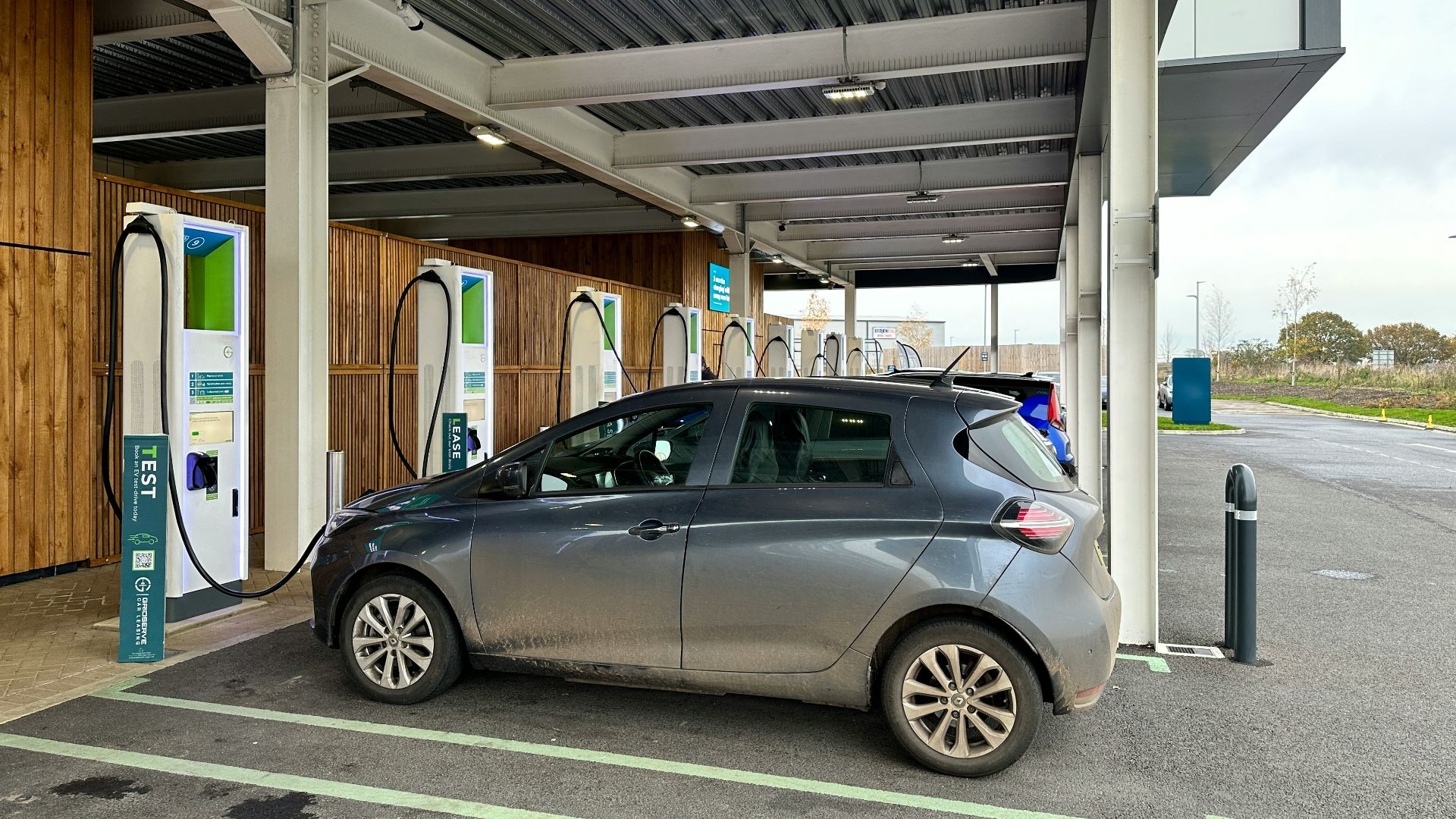
 Hugh Venables , Wikimedia Commons
It's Worth Looking At The Whole Project
Were the chargers intended as an exclusive perk for a few owners, or as the first phase of a larger plan? That answer often changes how fair the project really is.
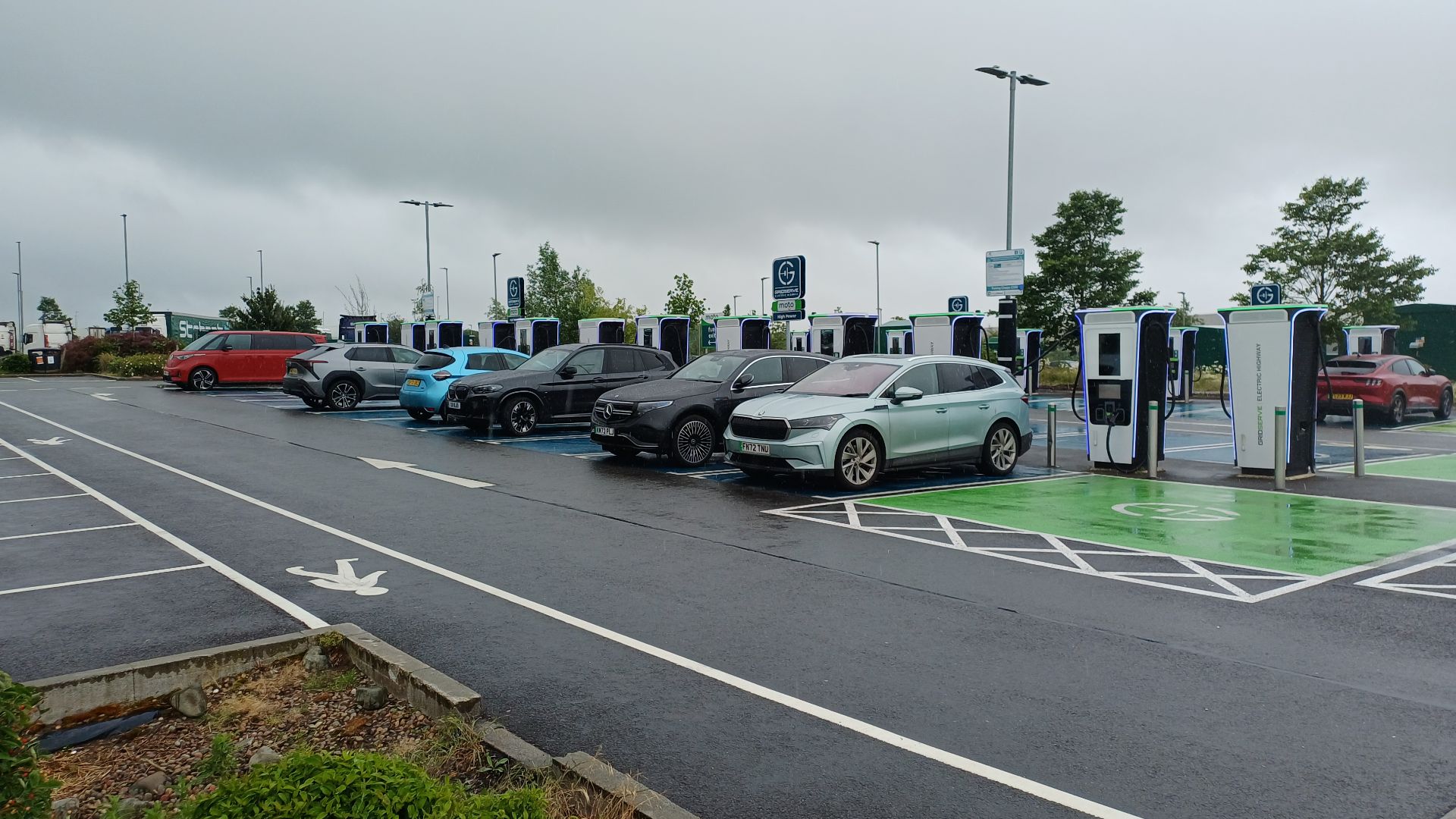
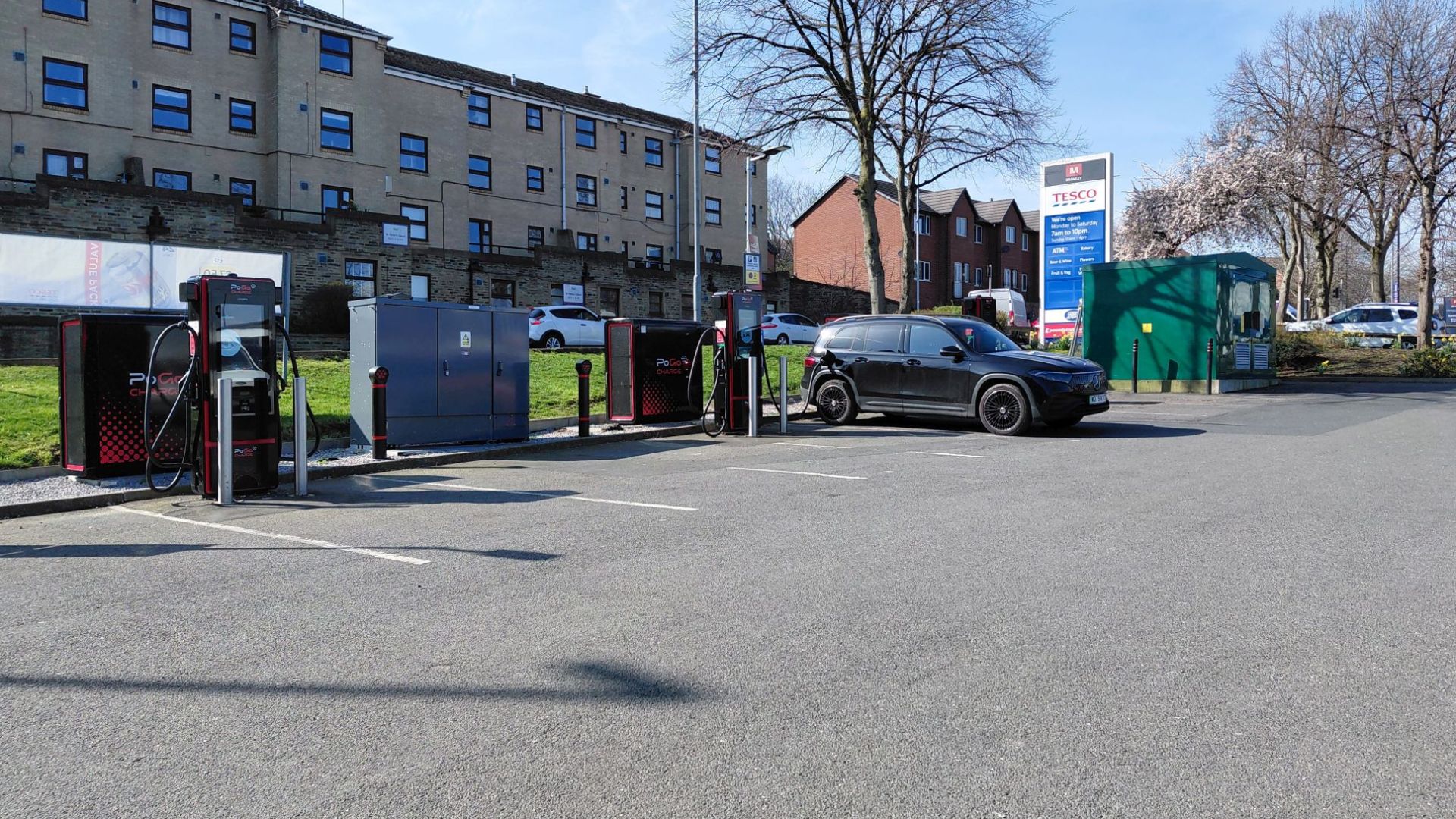 Stephen Craven , Wikimedia Commons
So... Can The Condo Board Do That?
Often, yes. Condo boards can generally use common funds for improvements they reasonably believe will benefit the building over time, even if only some residents immediately use them. The important part is whether they followed the proper rules, acted in good faith, and were transparent about how the decision was made.

Good Communication Solves A Lot Of Condo Problems
If something about the project doesn't seem right, start by asking questions instead of assuming the board acted improperly. Understanding why the chargers were installed—and whether more are planned—will often tell you much more than simply looking at who gets to plug in today.
You May Also Like: