Strange Cars Have A Habit Of Aging Well
Some cars look perfectly ordinary when they arrive, while others seem to have escaped from a design studio several decades too early. The vehicles on this list confused buyers with unconventional shapes, unusual engineering, or features that had rarely appeared on production cars. Years later, many of those strange decisions feel surprisingly relevant as automakers embrace electric power, crossovers, flexible interiors, and daring retro styling. Factinate Ltd
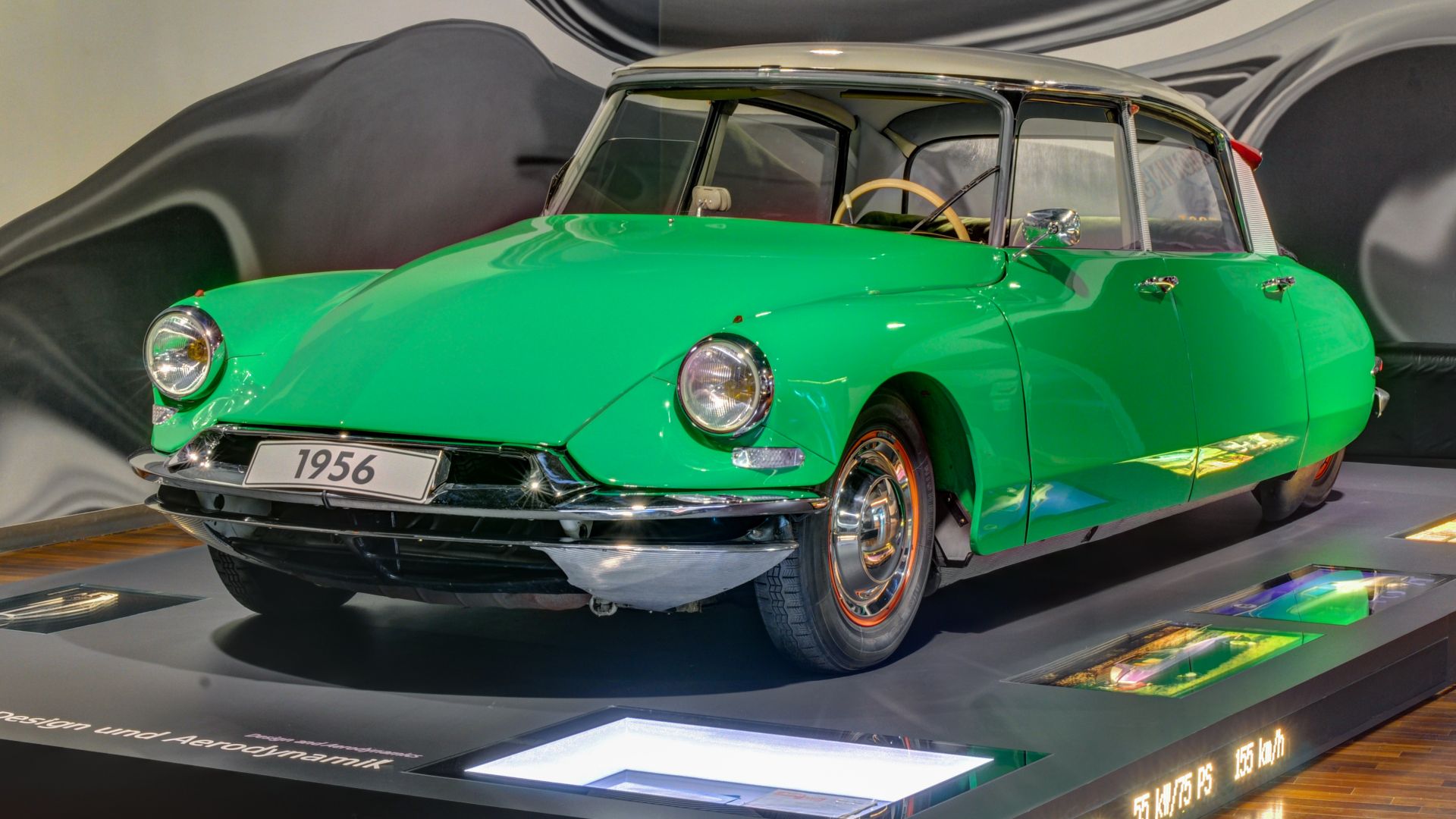
The Citroën DS Looked Like A Spaceship
When the Citroën DS appeared at the 1955 Paris Motor Show, its aerodynamic body looked radically different from the upright sedans surrounding it. Its hydropneumatic suspension delivered an unusually smooth ride, while hydraulic systems assisted the brakes, steering, clutch, and transmission. Later versions even received headlights that turned with the steering, a feature that modern manufacturers eventually revived with adaptive lighting systems.
 Ralf Roletschek, Wikimedia Commons
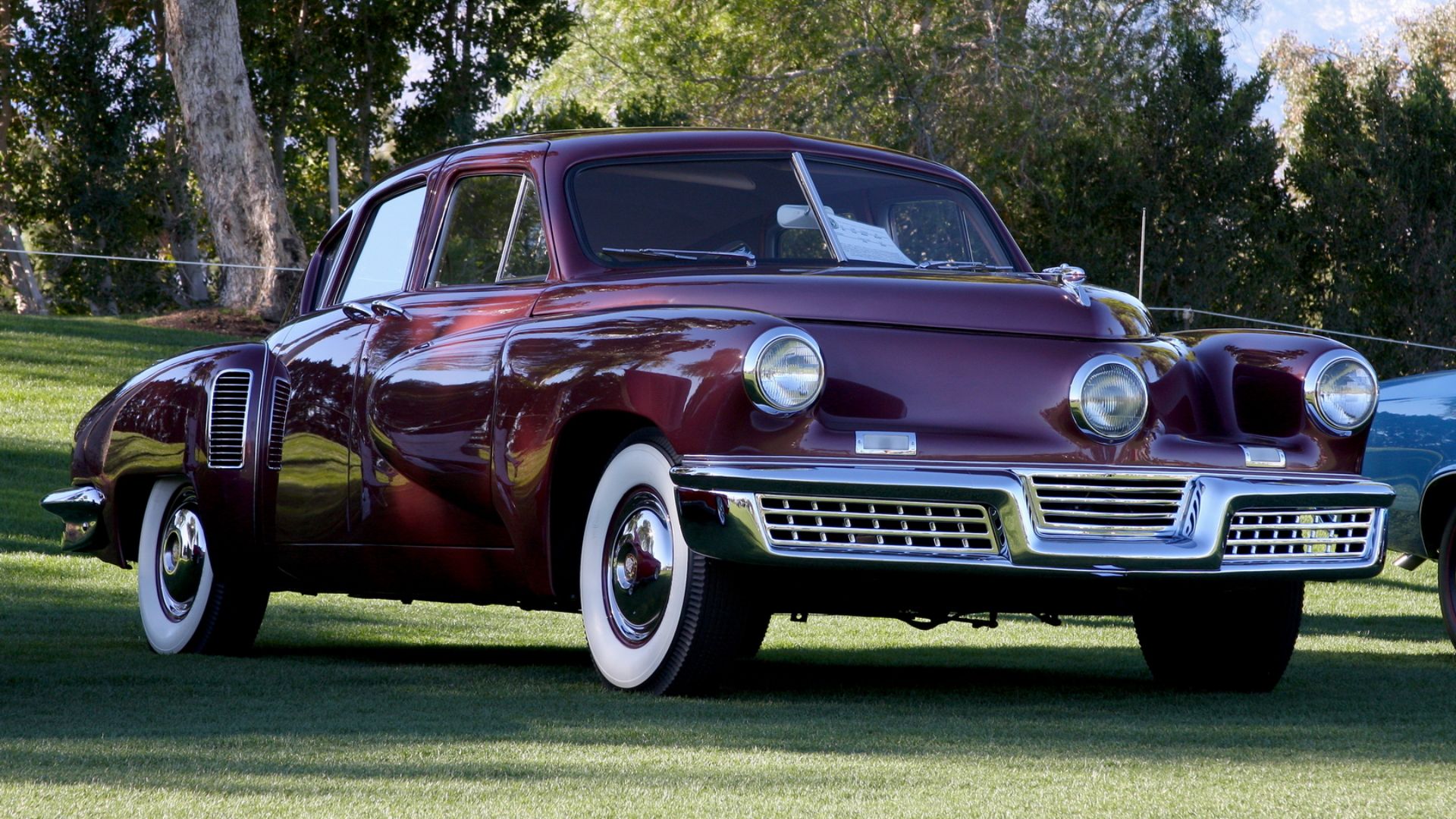
The Tucker 48 Put Safety First
The Tucker 48 arrived with a rear-mounted engine, padded dashboard, pop-out windshield, and a central headlight that turned to illuminate corners. Many of those ideas sounded excessive in an era when passenger safety was rarely a major selling point. Only 51 completed cars were built before Preston Tucker’s company collapsed, but the surviving examples now represent one of the most recognizable American automotive experiments.
The Chrysler Airflow Let The Wind Decide
Introduced for 1934, the Chrysler Airflow used wind-tunnel research to create a smoother, more aerodynamic body than most contemporary cars. Its passenger compartment was positioned farther forward, and its streamlined shape rejected the long hood and separate fender appearance buyers expected. Sales disappointed Chrysler, yet aerodynamic efficiency later became a central part of nearly every new-car development program.
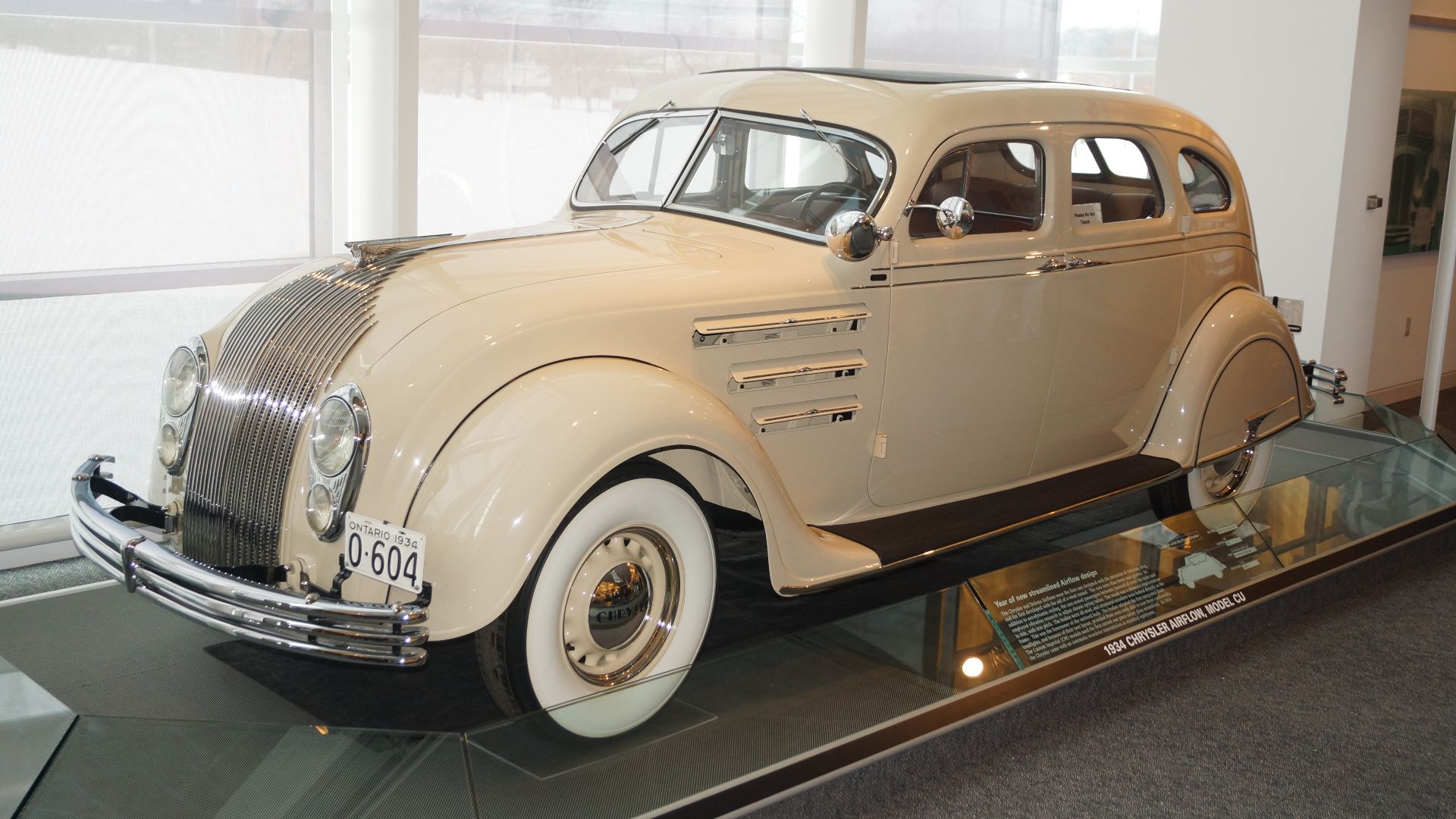 Greg Gjerdingen from Willmar, USA, Wikimedia Commons
The BMW Isetta Turned Its Nose Into A Door
The tiny BMW Isetta did not have conventional side doors because almost the entire front of the car swung open. BMW licensed the basic bubble-car design from Italy’s Iso and installed a single-cylinder motorcycle engine. It looked like a household appliance on wheels, but its compact dimensions, low running costs, and city-friendly packaging now seem remarkably well suited to crowded urban streets.
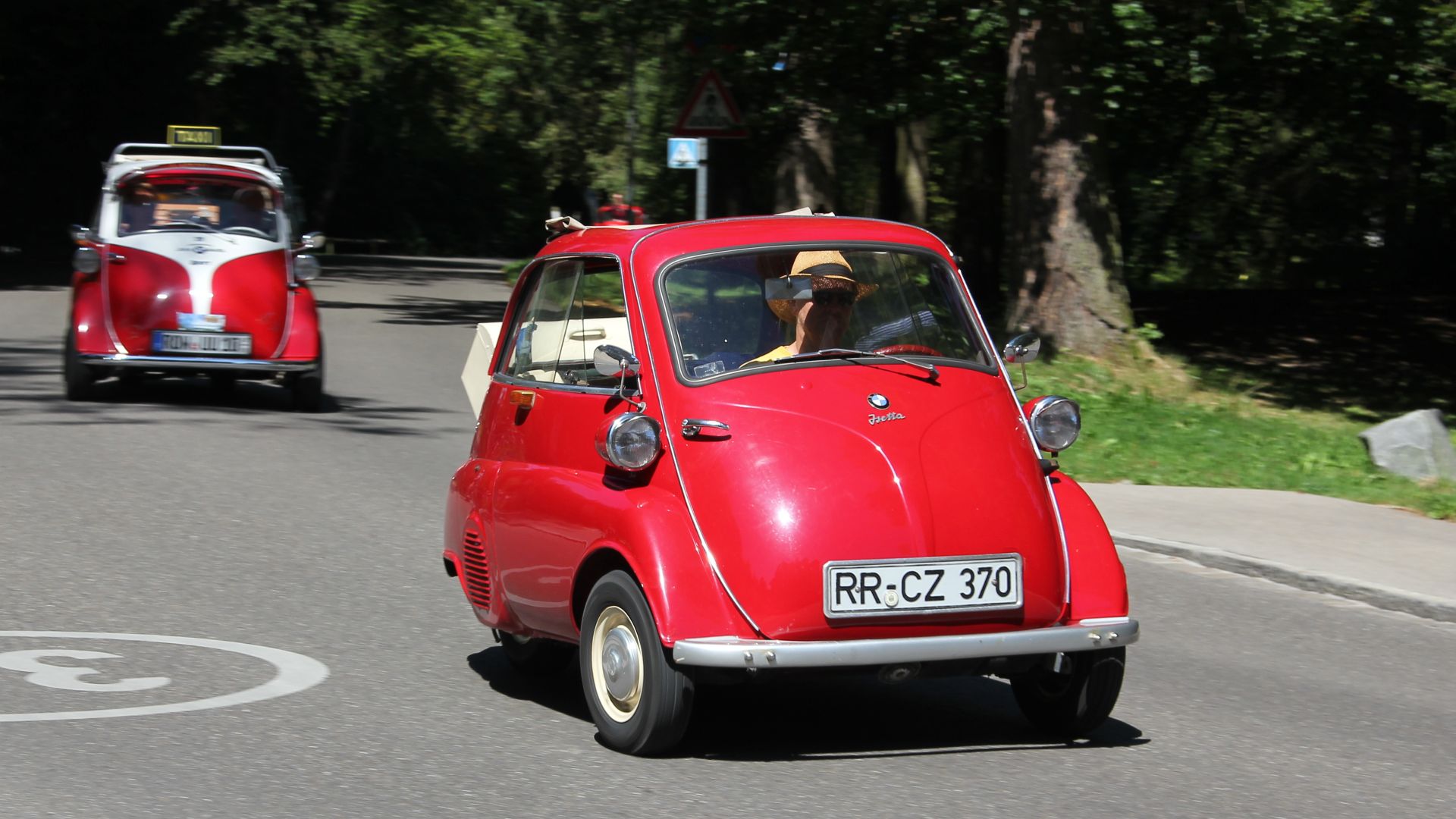 Lothar Spurzem, Wikimedia Commons
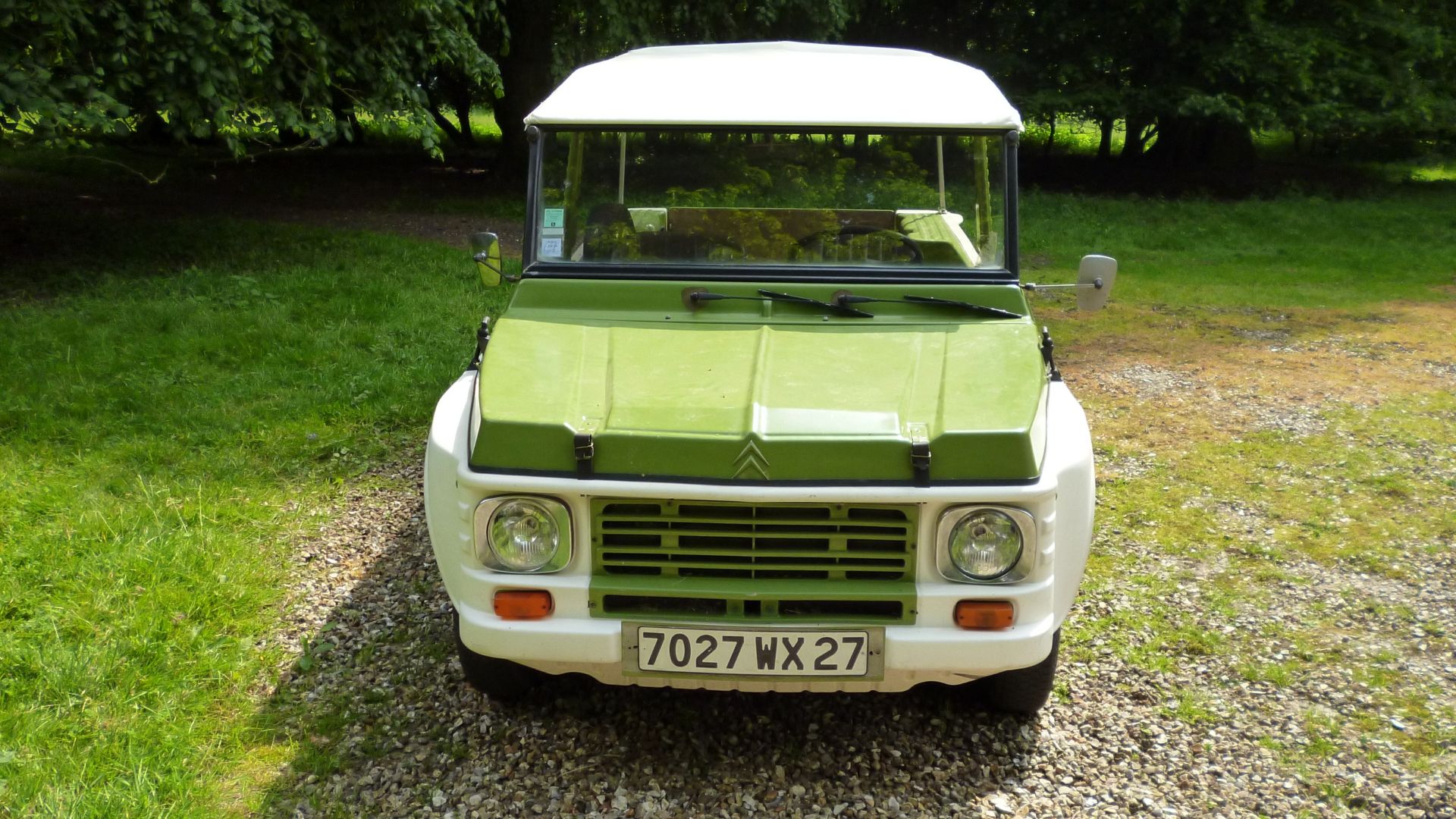
The Citroën Méhari Was Ready For Beach Life
Citroën launched the Méhari in 1968 with lightweight plastic body panels that resisted minor dents and could be cleaned easily. Its simple interior, removable roof, and modular construction made it useful as a recreational vehicle, utility car, and military transport. Modern lifestyle vehicles often promote the same blend of durability, customization, and open-air fun that once made the Méhari look so unconventional.
The Amphicar Refused To Choose
The Amphicar could drive along a road before entering the water and continuing under the power of twin propellers. Steering was handled by the front wheels in both environments, although its performance was modest on land and even slower on water. It was not especially accomplished as either a boat or a car, but it remains one of the most charming attempts to combine two forms of transportation.
 ZorroMothim, Wikimedia Commons
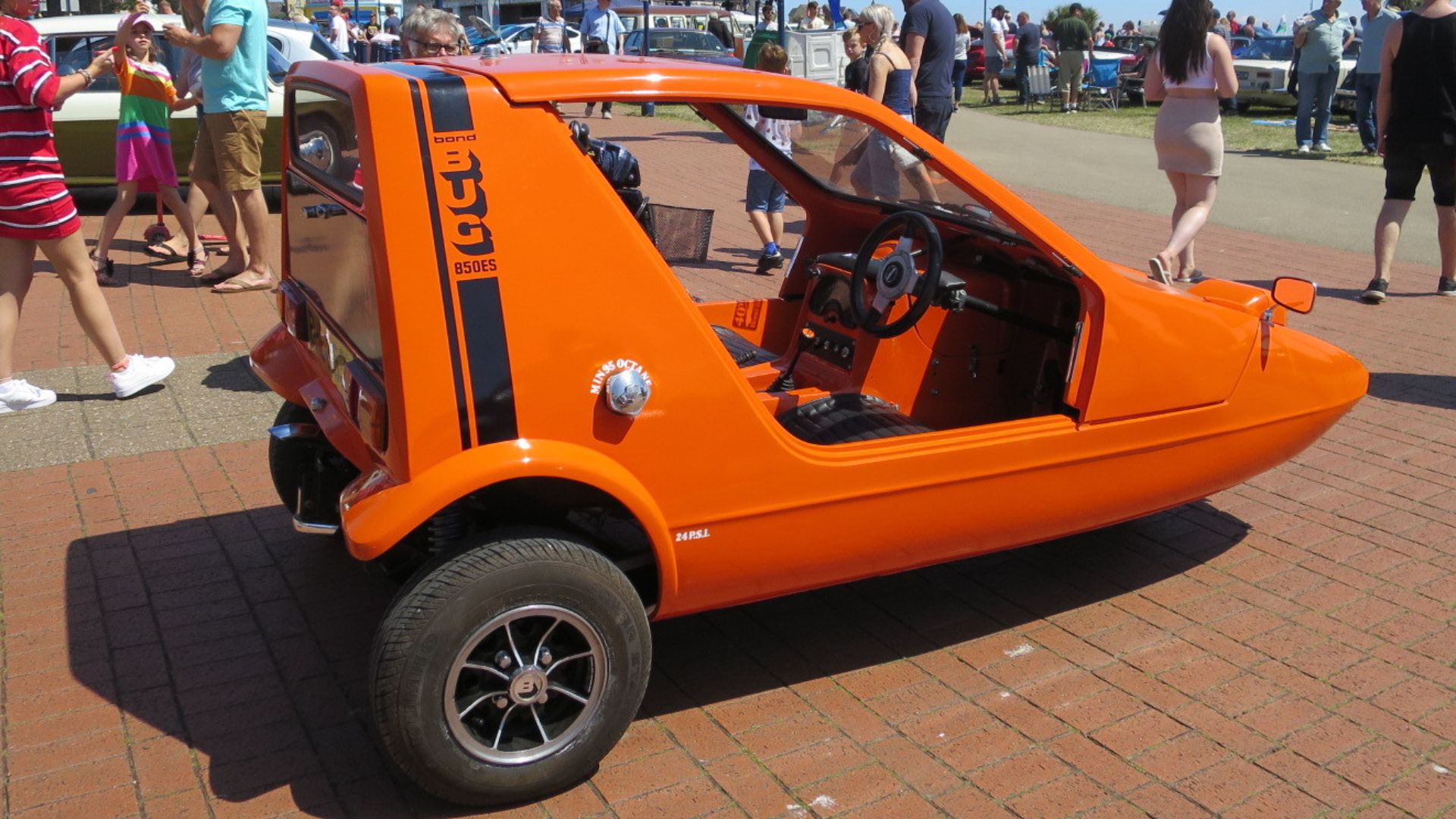
The Bond Bug Made Three Wheels Look Futuristic
Built by Reliant in the early 1970s, the Bond Bug used three wheels, wedge-shaped bodywork, and a canopy that tilted forward instead of ordinary doors. Its bright colors and tiny proportions made it look like a vehicle designed for a science-fiction television series. Three-wheeled urban vehicles are still being proposed today, which makes the Bug’s basic concept seem less absurd than it once did.
The Bricklin SV-1 Took Safety Seriously
The Canadian-built Bricklin SV-1 combined gullwing doors with impact-resistant acrylic body panels and an integrated roll structure. Its name stood for Safety Vehicle One, and the cabin intentionally omitted a cigarette lighter and ashtray. Production problems and expensive construction ended the company’s run, but its mixture of dramatic styling and safety-focused marketing now feels surprisingly modern.
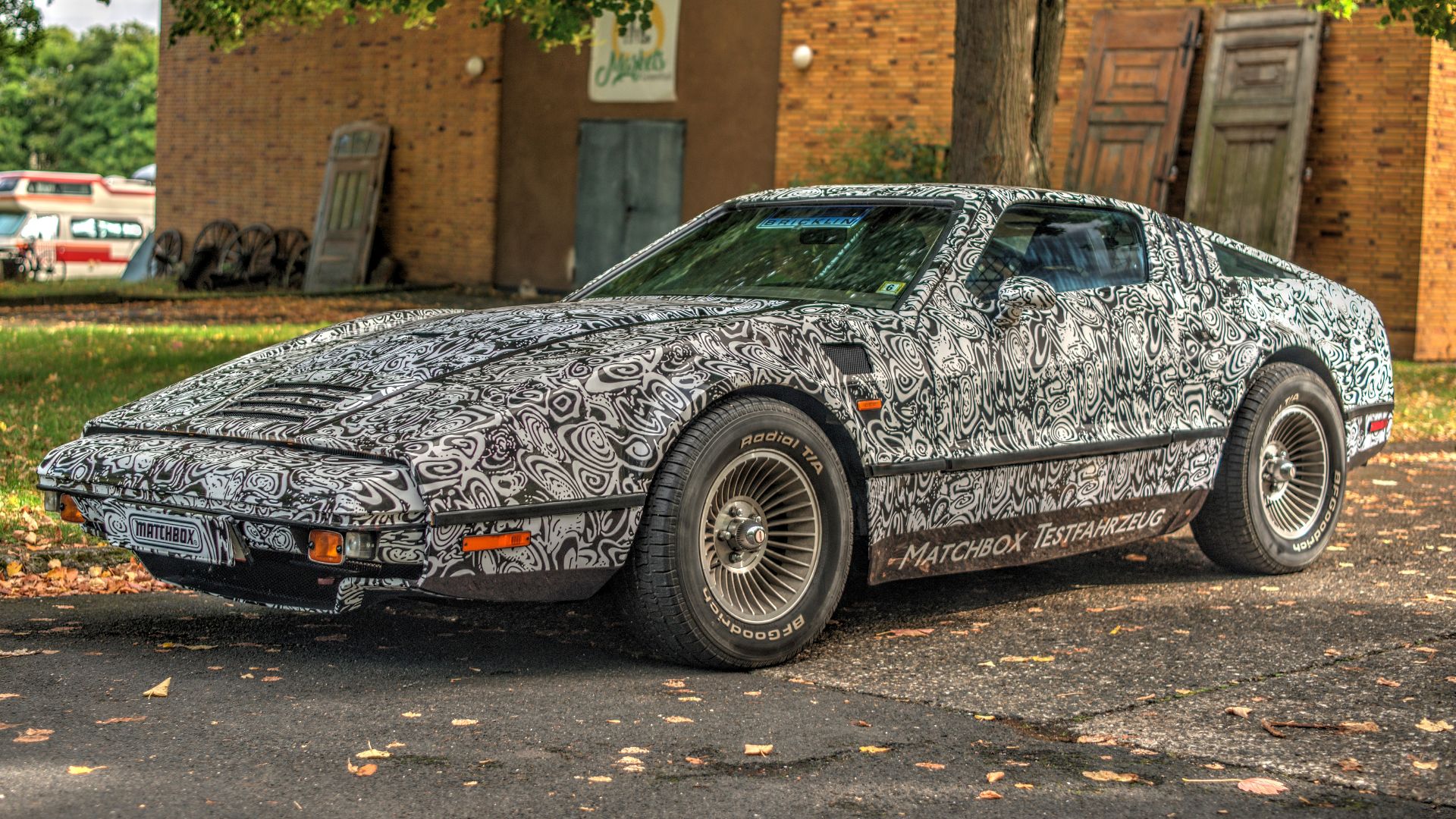 Thomas Vogt from Paderborn, Deutschland, Wikimedia Commons
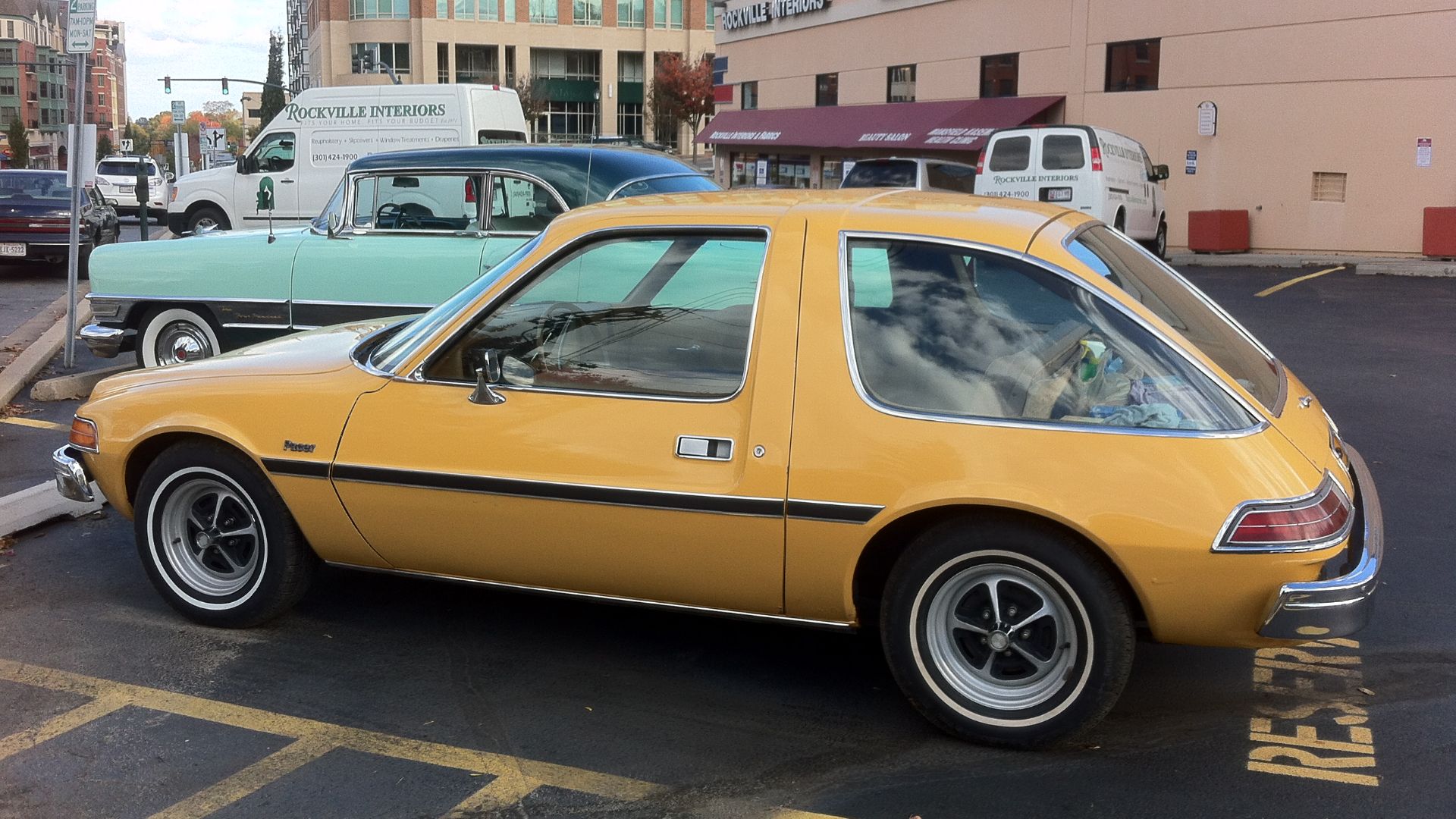
The AMC Pacer Put Everyone In A Fishbowl
AMC promoted the Pacer as a wide small car that provided generous passenger space without the length of a traditional American sedan. Its enormous windows, rounded roof, and unusually broad body made it look unlike anything else introduced during the 1970s. The styling attracted years of jokes, but the Pacer’s airy cabin and distinctive identity are exactly what make surviving examples appealing today.
The Renault 5 Turbo Hid Its Engine Behind You
Renault transformed its modest front-wheel-drive hatchback into the dramatic 5 Turbo by moving the engine behind the front seats. The conversion created a rear-wheel-drive rally machine with greatly widened fenders and an unmistakably aggressive stance. Its combination of a practical hatchback shape and mid-engine performance anticipated the extreme limited-production specials that manufacturers still create for enthusiasts.
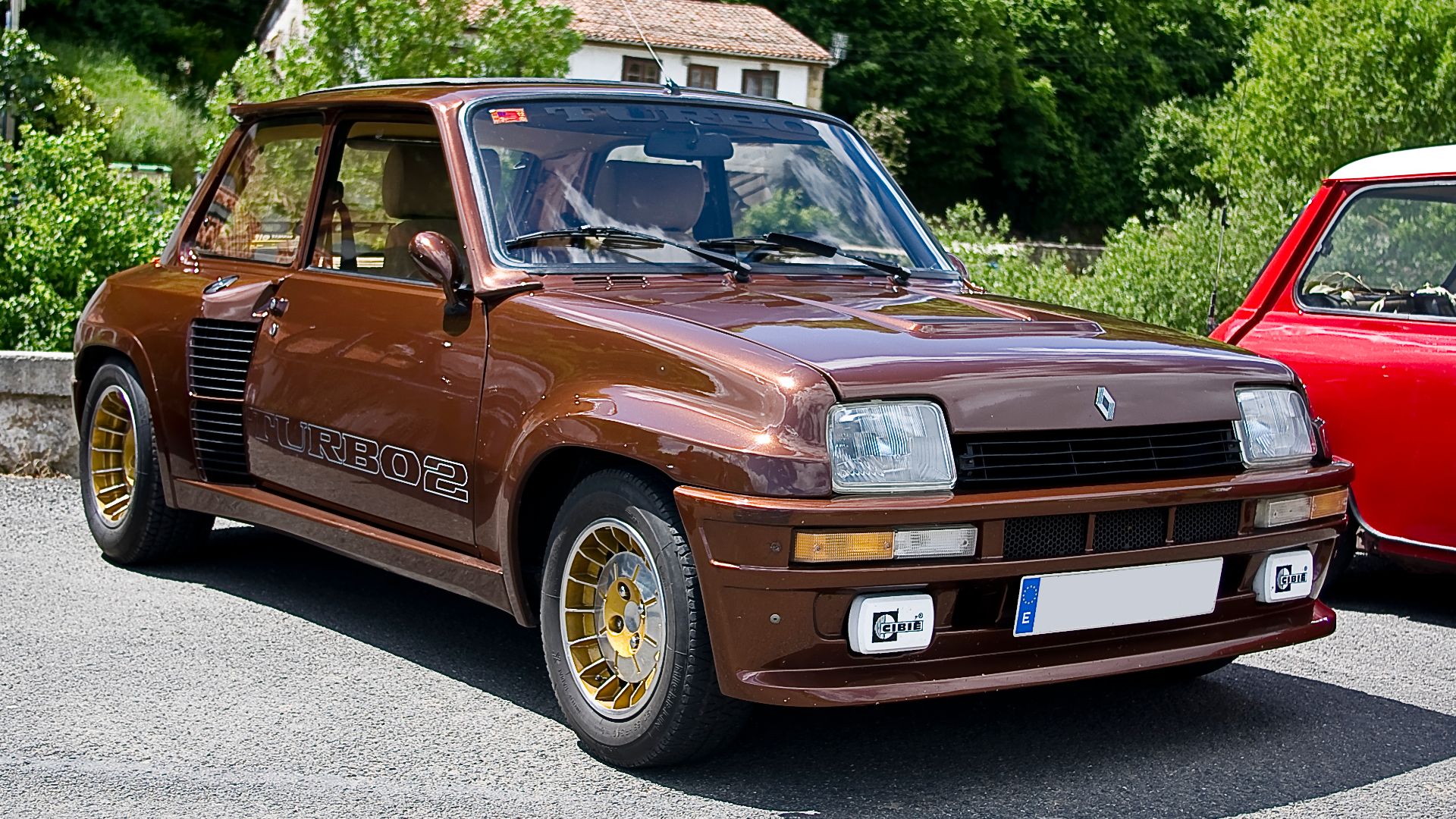 Spanish Coches, Wikimedia Commons
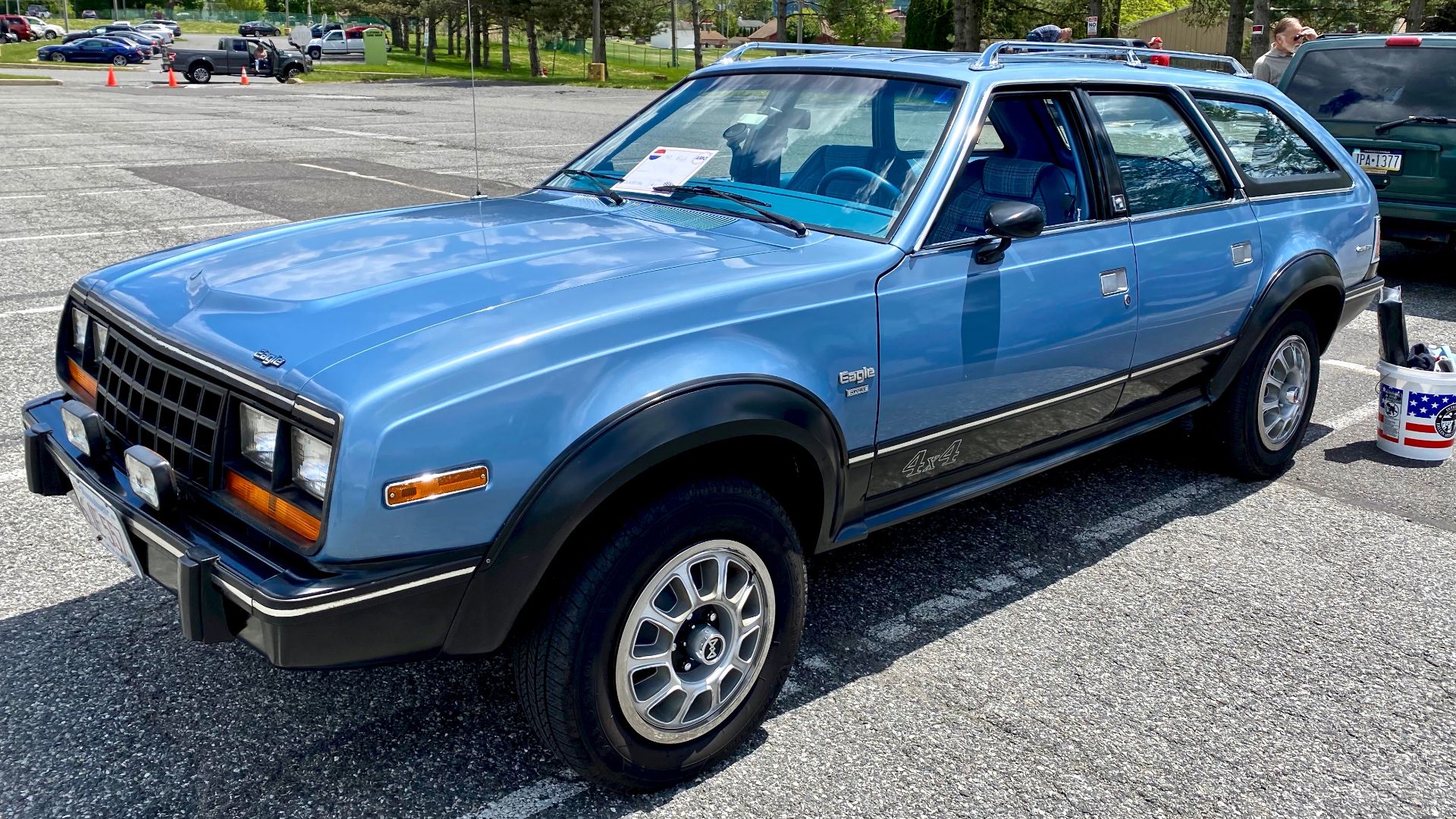
The AMC Eagle Mixed A Car With A 4x4
AMC combined a passenger-car body with elevated ground clearance and four-wheel-drive hardware to create the Eagle. Buyers accustomed to choosing between station wagons and traditional trucks were not sure how to categorize it. The idea looks far less strange now that car-based all-wheel-drive crossovers dominate roads across North America.
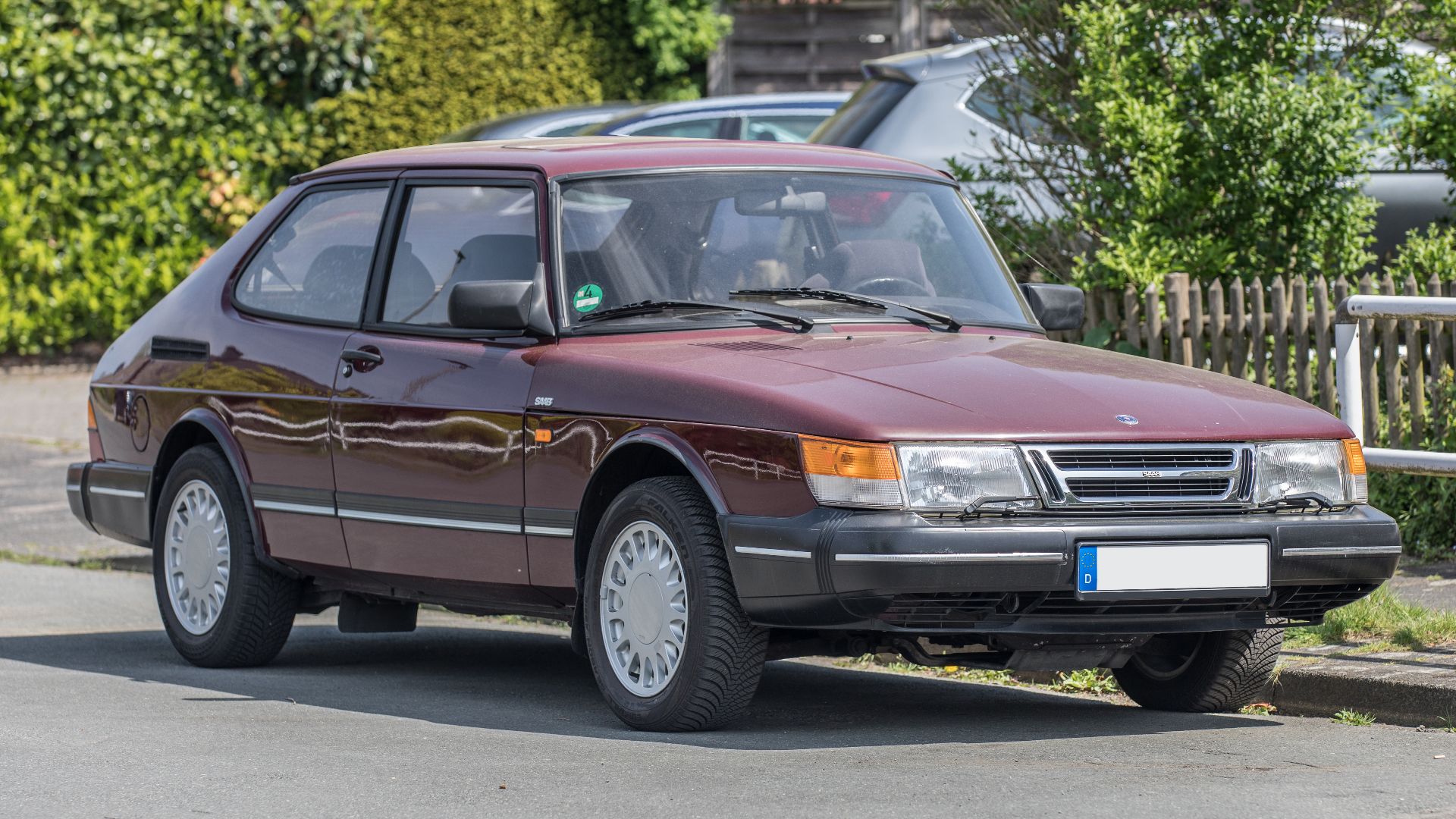
The Saab 900 Made Practicality Look Unusual
The Saab 900 featured a long curved windshield, a steeply sloping rear hatch, and an ignition switch positioned between the front seats. Its wraparound dashboard and aircraft-inspired reputation gave the cabin a distinctly different personality. The car also offered excellent cargo access and useful interior space, proving that unconventional design could serve a practical purpose.
 Johannes Maximilian, Wikimedia Commons
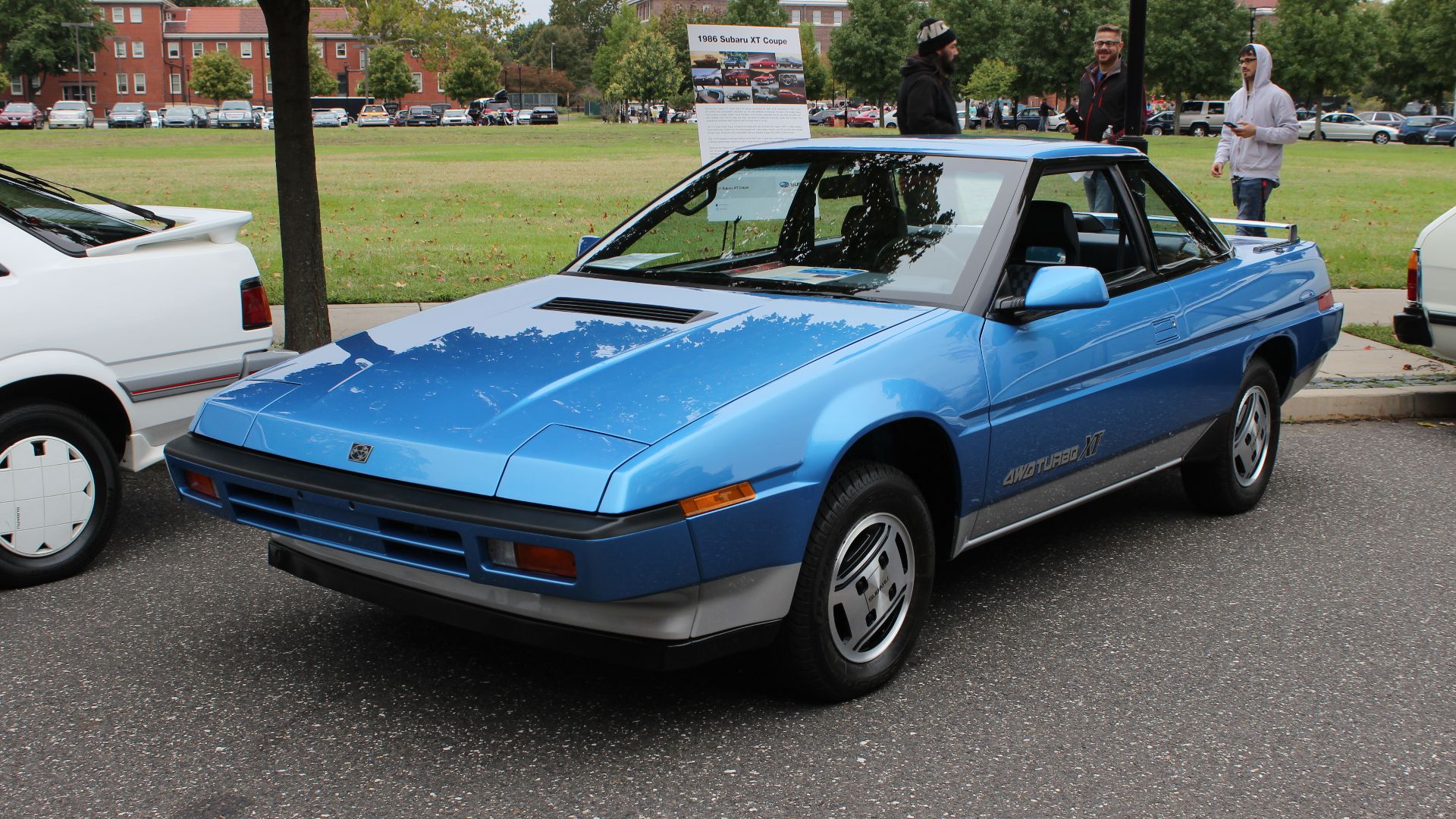
The Subaru XT Came Straight From The Future
Subaru gave the XT a dramatically pointed nose, hidden headlights, unusual steering controls, and one of the lowest drag coefficients among production cars of its era. Some versions offered turbocharging, four-wheel drive, adjustable suspension, and a digital instrument display. Those features sounded exotic in the mid-1980s, but many have become familiar equipment on modern vehicles.
 Jacob Frey 4A, Wikimedia Commons
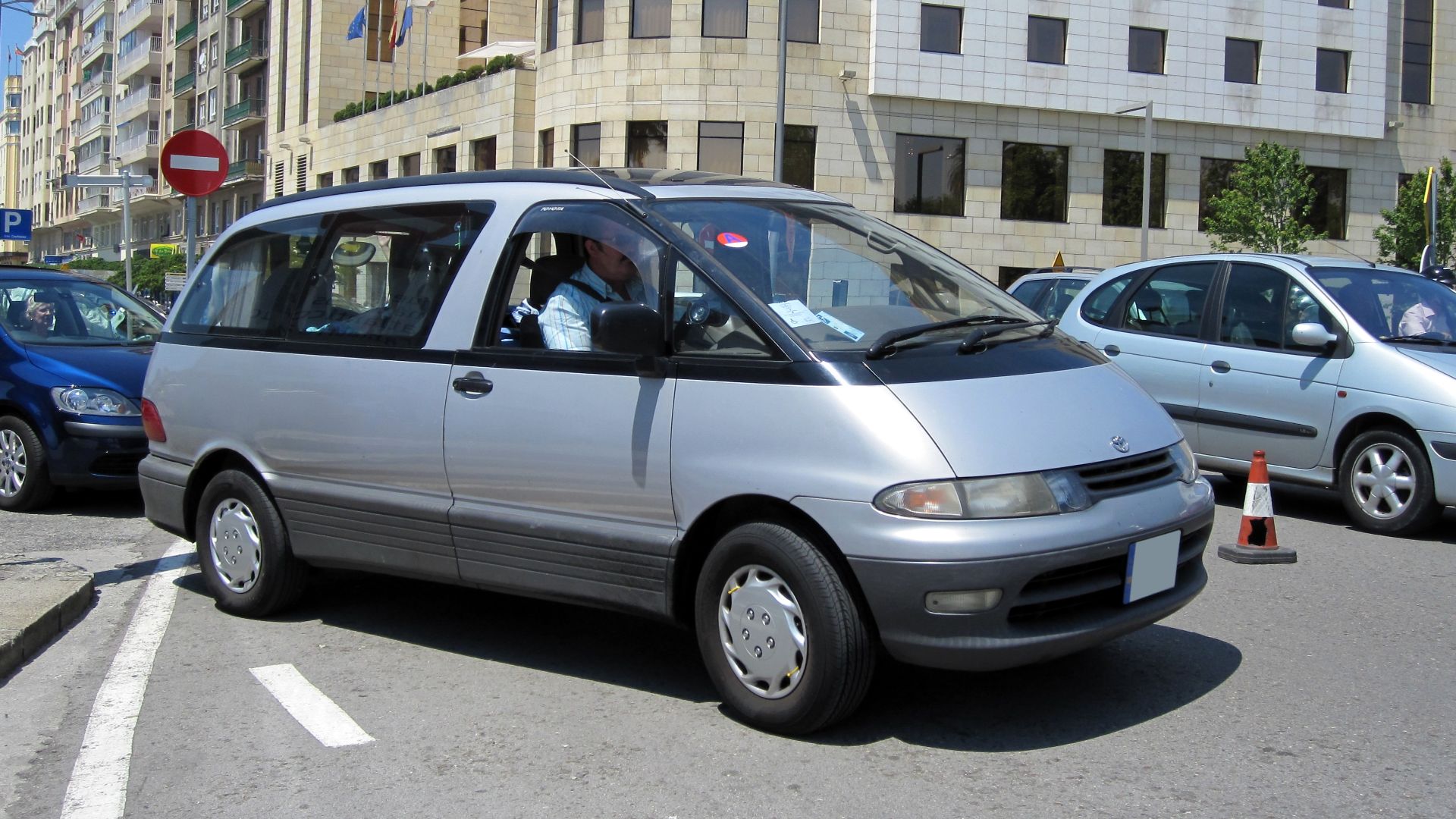
The Toyota Previa Put Its Engine Under The Floor
Toyota introduced the Previa with smooth egg-shaped bodywork and a mid-mounted engine positioned beneath the front seats. That arrangement helped create a spacious cabin, although it also made certain maintenance jobs unusually complicated. Its flowing shape rejected the boxy minivan formula, and the design still looks cleaner than many family vehicles produced decades later.
 Spanish Coches, Wikimedia Commons
The Subaru SVX Hid Its Windows Inside Windows
Designed by Giorgetto Giugiaro, the Subaru SVX used a glass-heavy canopy with smaller opening sections built into the side windows. The unusual arrangement reduced wind disturbance while creating a striking grand-touring appearance. Its styling proved controversial in the early 1990s, but the smooth surfaces and narrow window openings resemble details found on much newer performance cars.
 Tokumeigakarinoaoshima, Wikimedia Commons
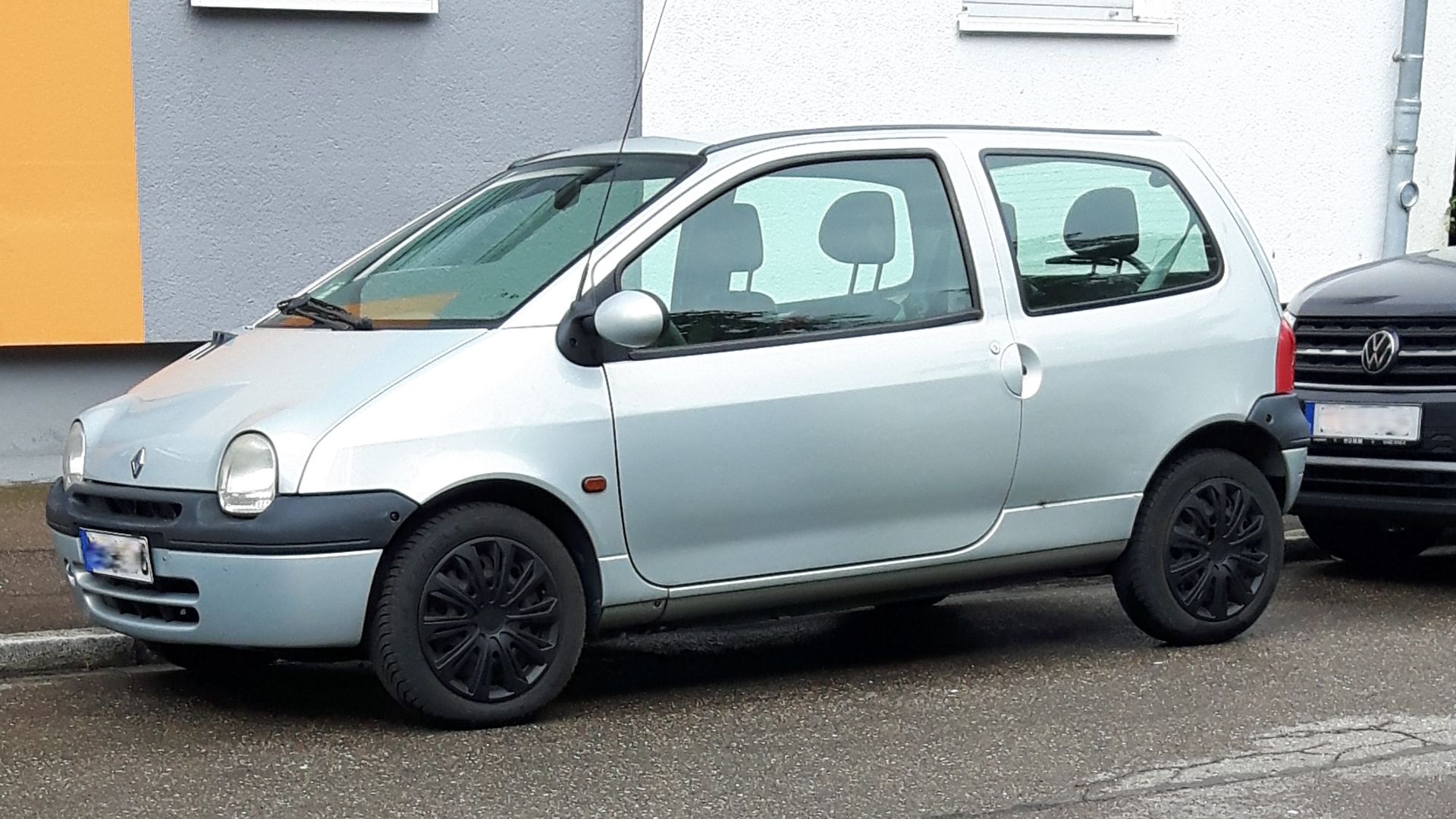
The Renault Twingo Turned Small Into Clever
The original Renault Twingo arrived in 1992 with a cheerful face, a tall one-box body, and an interior designed to maximize flexibility. Its sliding rear seat could prioritize passenger room or luggage space, while the seats could be rearranged to create a resting area. Today’s compact crossovers frequently advertise flexible cabins, but the Twingo was exploring the same idea in a much smaller package.
The Fiat Multipla Prioritized People Over Beauty
The original Fiat Multipla placed six individual seats in two rows of three, giving it remarkable passenger capacity for its short exterior length. Its high headlights, split-window appearance, and bulging body attracted immediate criticism. Inside, however, it provided the sort of clever packaging and family-friendly flexibility that many modern vehicles struggle to match.
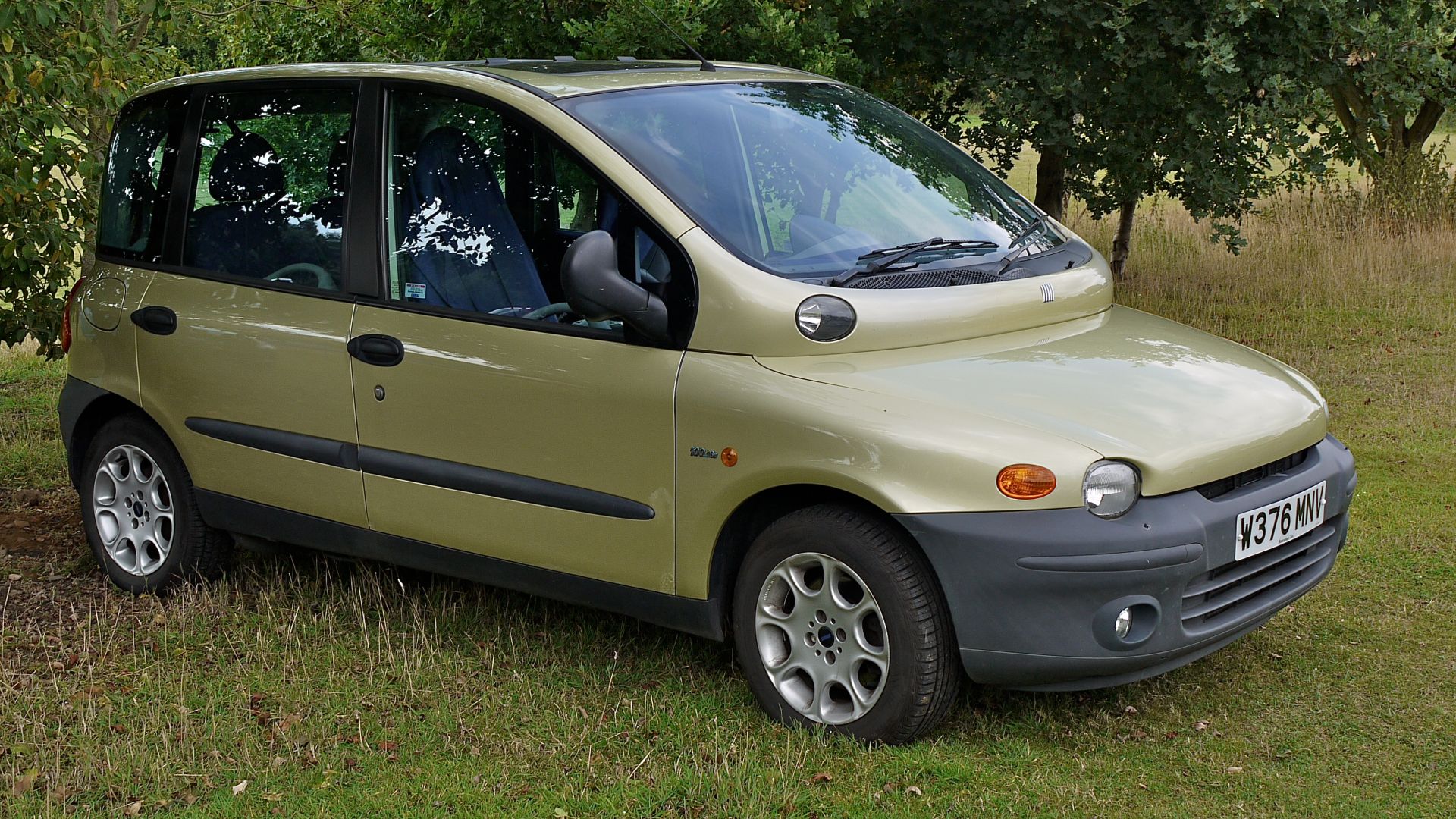 Mick from Northamptonshire, England, Wikimedia Commons
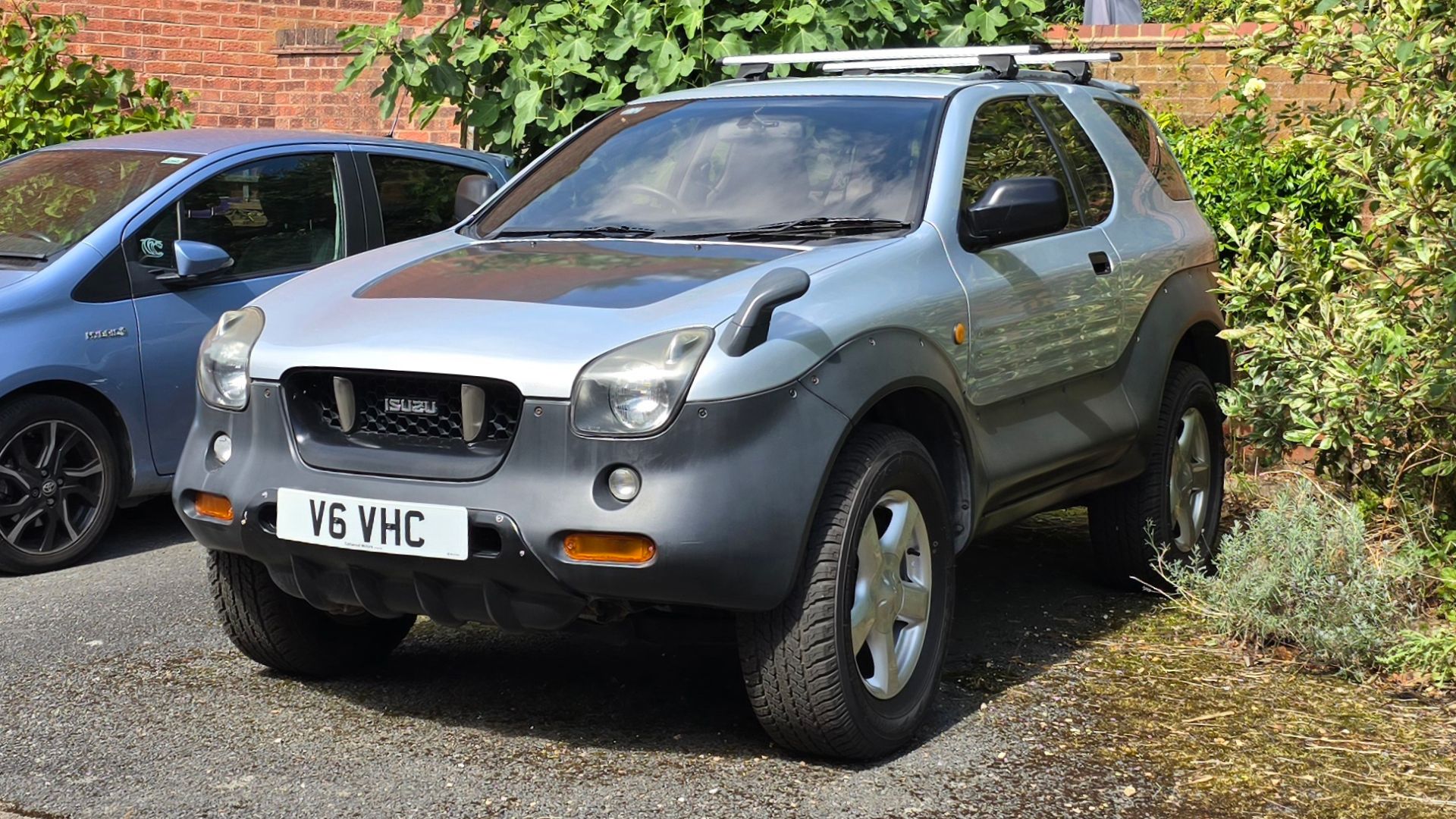
The Isuzu VehiCROSS Escaped From A Concept Stand
The VehiCROSS began as a 1993 Tokyo Motor Show concept before reaching production with surprisingly few visual changes. Its short body, black plastic cladding, external-reservoir shock absorbers, and computer-controlled four-wheel-drive system made it highly unusual in the late 1990s. Similar rugged two-door crossovers and heavily cladded adventure vehicles are much easier to imagine today.
The Pontiac Aztek Predicted The Adventure Crossover
The Pontiac Aztek combined an elevated driving position, hatchback versatility, plastic body cladding, and options designed for outdoor recreation. Its styling was widely criticized, yet owners often praised the interior space and everyday usefulness. Modern crossovers regularly use equally dramatic bodywork while marketing themselves around camping, cycling, and active lifestyles.
 Jackthenissanaltima, Wikimedia Commons
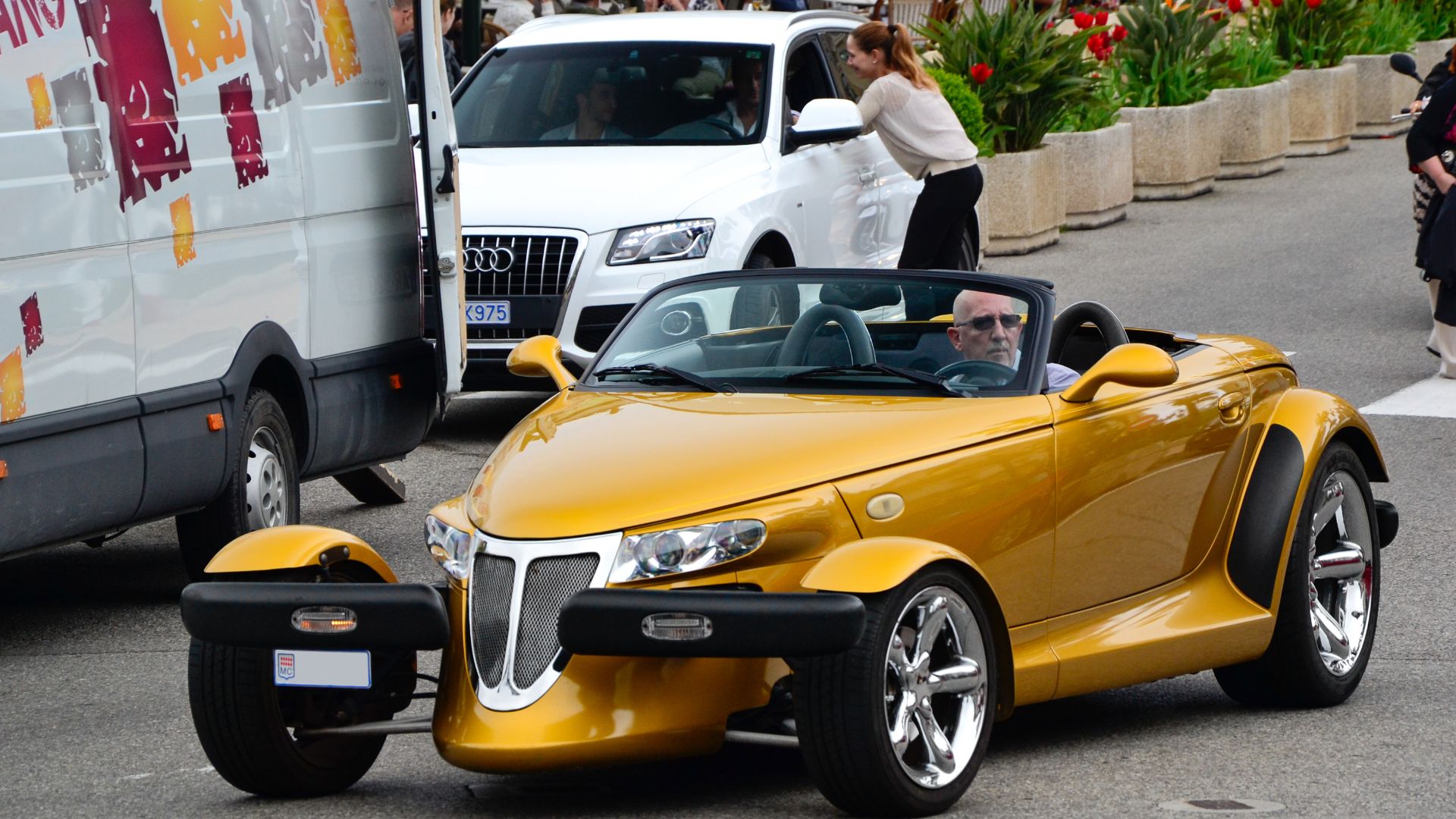
The Plymouth Prowler Made A Hot Rod Modern
The Plymouth Prowler translated the proportions of a 1930s hot rod into a factory-built production car with exposed front suspension and enormous rear tires. Some enthusiasts were disappointed that it used a V6 instead of a V8, but the aluminum-intensive construction was technically ambitious. Its unapologetic retro styling helped prove that manufacturers could turn nostalgic design experiments into showroom vehicles.
 Alexandre Prévot from Nancy, France, Wikimedia Commons
The Renault Avantime Mixed A Coupe With A Minivan
The Renault Avantime combined a tall multipurpose-vehicle body with two long doors, four seats, and the atmosphere of a luxury coupe. Renault and Matra hoped customers would appreciate the commanding seating position without needing a conventional family van. Sales were poor, but its mixture of coupe styling, crossover height, and upscale comfort now resembles categories that manufacturers actively pursue.
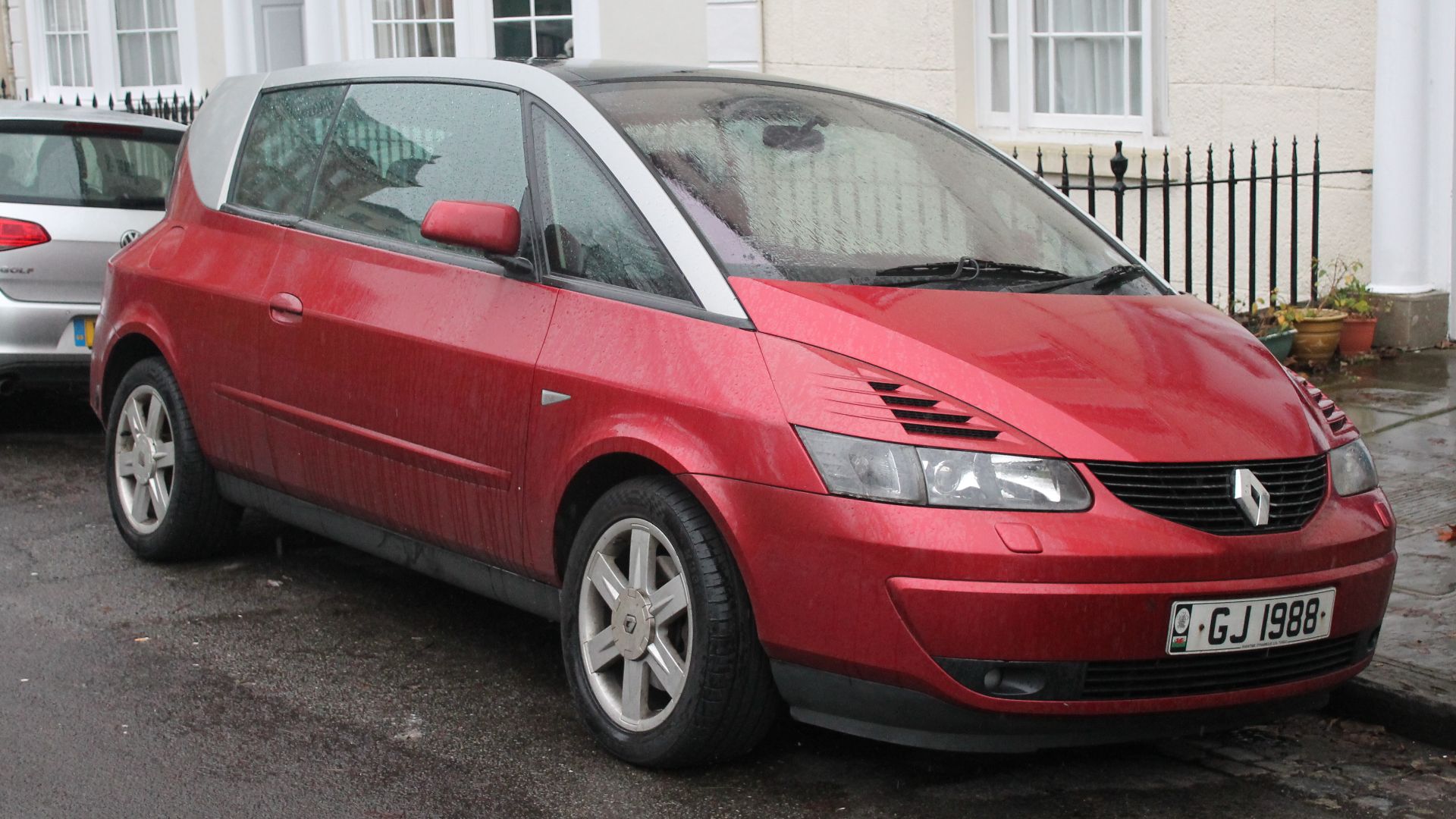 Charlie from United Kingdom, Wikimedia Commons
The Honda Insight Made Efficiency Look Exotic
The first-generation Honda Insight used a lightweight aluminum body, covered rear wheels, and a tapered two-seat shape designed to reduce aerodynamic drag. It became the first gasoline-electric hybrid sold in the United States when it arrived for the 2000 model year. Its unusual appearance announced its efficiency, while many current electrified cars use similarly smooth bodies and carefully managed airflow.
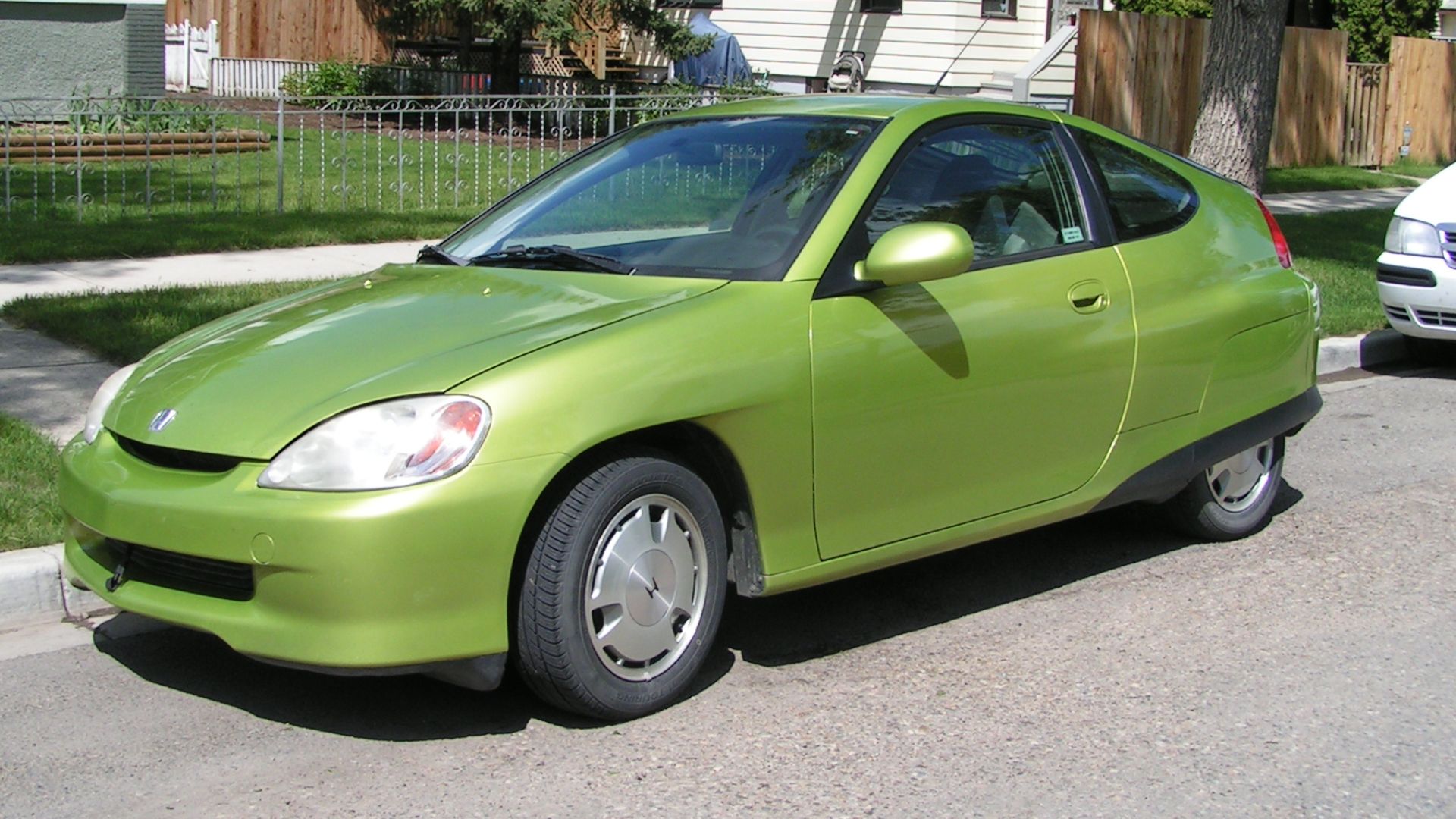 dave_7 from Lethbridge, Canada, Wikimedia Commons
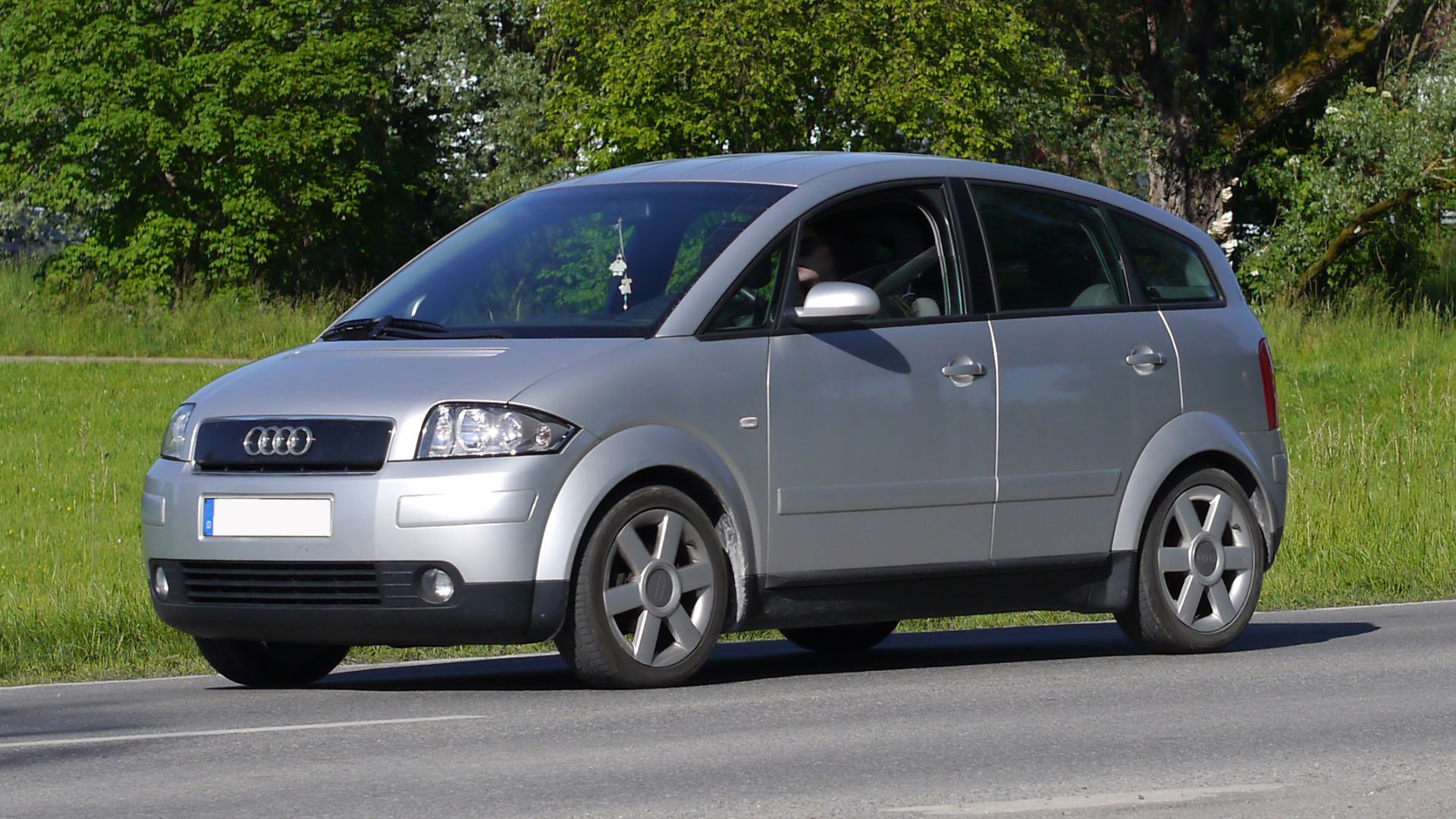
The Audi A2 Put Aluminum In A Small Car
The Audi A2 used an aluminum space-frame structure to reduce weight while preserving useful interior space. Its tall proportions and highly aerodynamic shape polarized buyers, and sales remained below Audi’s expectations. Audi later described the concept as ahead of its time, while surviving examples have developed a loyal following among drivers who appreciate efficient engineering.
The Honda Element Put A Room On Wheels
Honda designed the Element with a tall rectangular body, wide-opening side doors, a flat floor, and rear seats that could fold or swing against the walls. The washable-looking materials and plastic exterior panels made it appear more like recreational equipment than a conventional car. Its combination of compact dimensions and enormous usable space has made well-kept examples especially appealing to campers, pet owners, and outdoor enthusiasts.
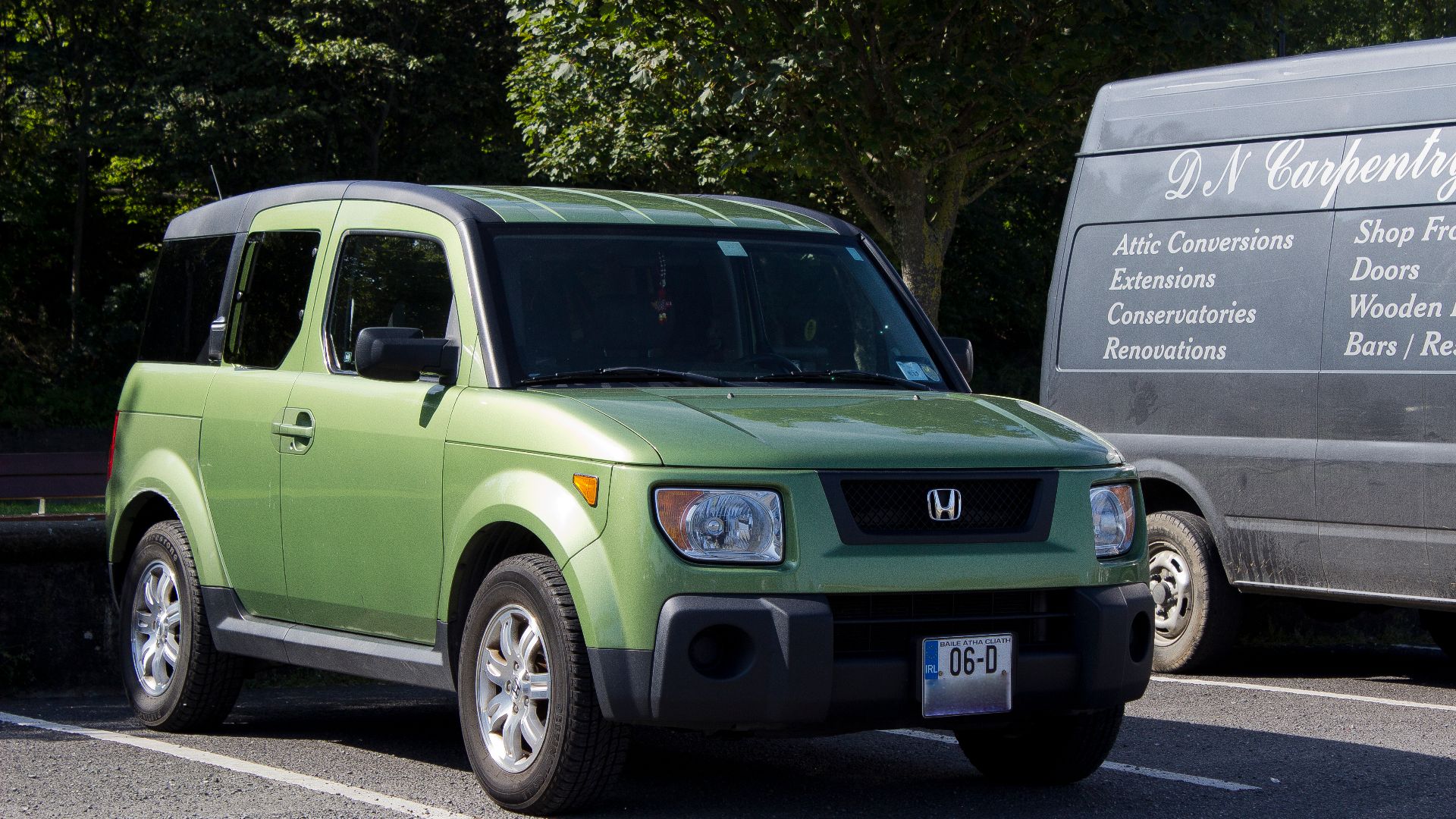 Spanish Coches, Wikimedia Commons
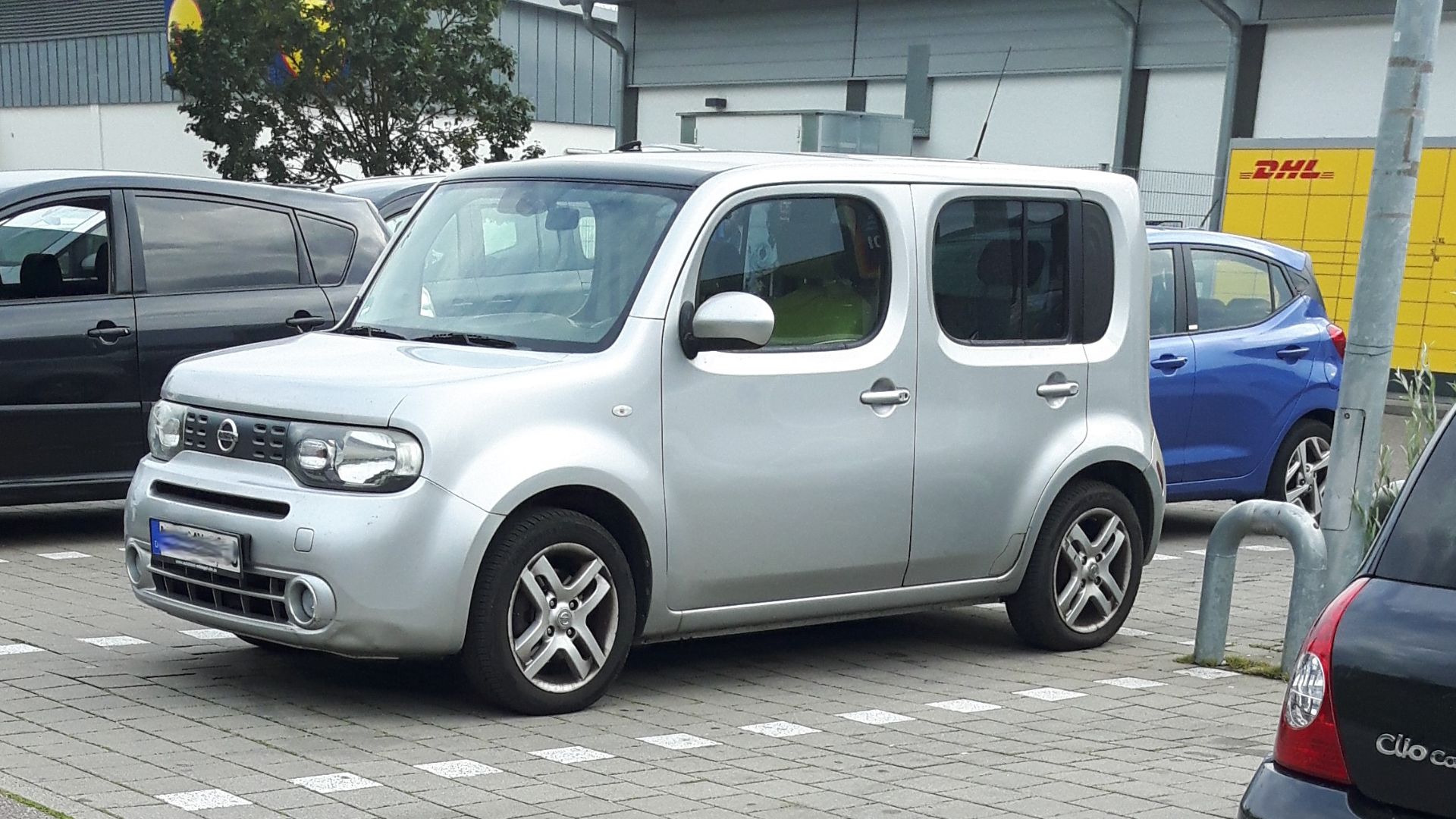
The Nissan Cube Celebrated Being Uneven
The Nissan Cube used an asymmetrical rear window that wrapped around one side of the vehicle. Its upright body, side-hinged rear door, and lounge-inspired interior openly rejected sporty styling. The design looked bizarre to some drivers, yet its focus on comfort, visibility, and personality fits neatly into today’s market for distinctive city cars.
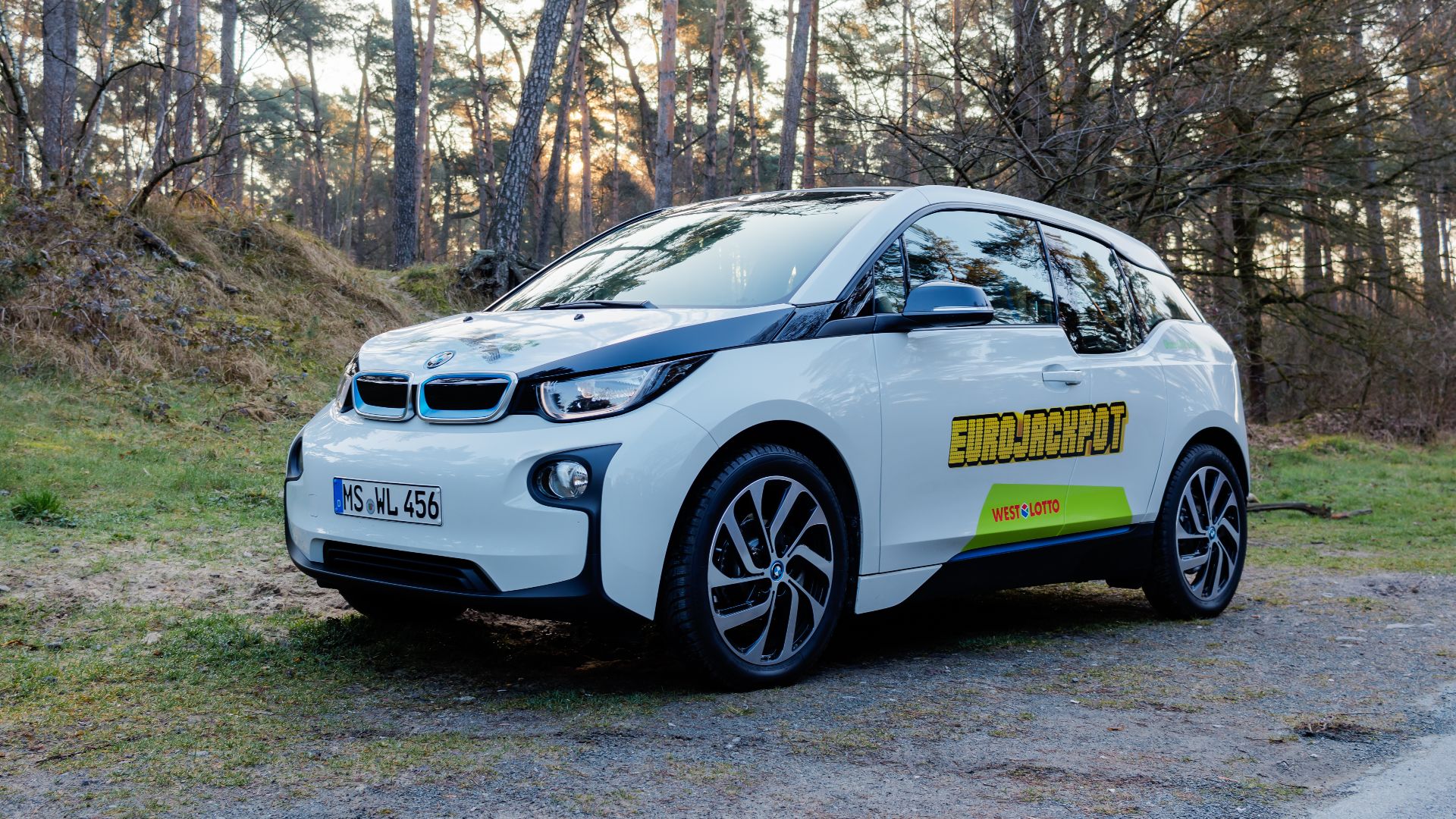
The BMW i3 Reinvented The City Car
BMW introduced the i3 with an electric powertrain, rear-hinged rear doors, narrow tires, and a passenger compartment made from carbon-fiber-reinforced plastic. Its tall body and unconventional interior materials made it look more like a concept than a typical premium hatchback. As manufacturers now pursue lightweight electric platforms and sustainable cabin materials, the i3’s original thinking appears increasingly forward-looking.
 Dietmar Rabich, Wikimedia Commons
Yesterday’s Oddities Became Today’s Inspiration
Not every car on this list succeeded, and several were criticized precisely because they refused to follow familiar formulas. Their designers experimented with aerodynamics, efficient packaging, flexible interiors, electric power, crossover capability, and attention-grabbing shapes. The next time a new vehicle looks impossibly strange, it may be worth remembering how many former punchlines eventually became respected classics.
 Dietmar Rabich, Wikimedia Commons
You May Also Like:
The Most Overrated Cars Today, According To Car Enthusiasts
People With The Largest Car Collections In The World