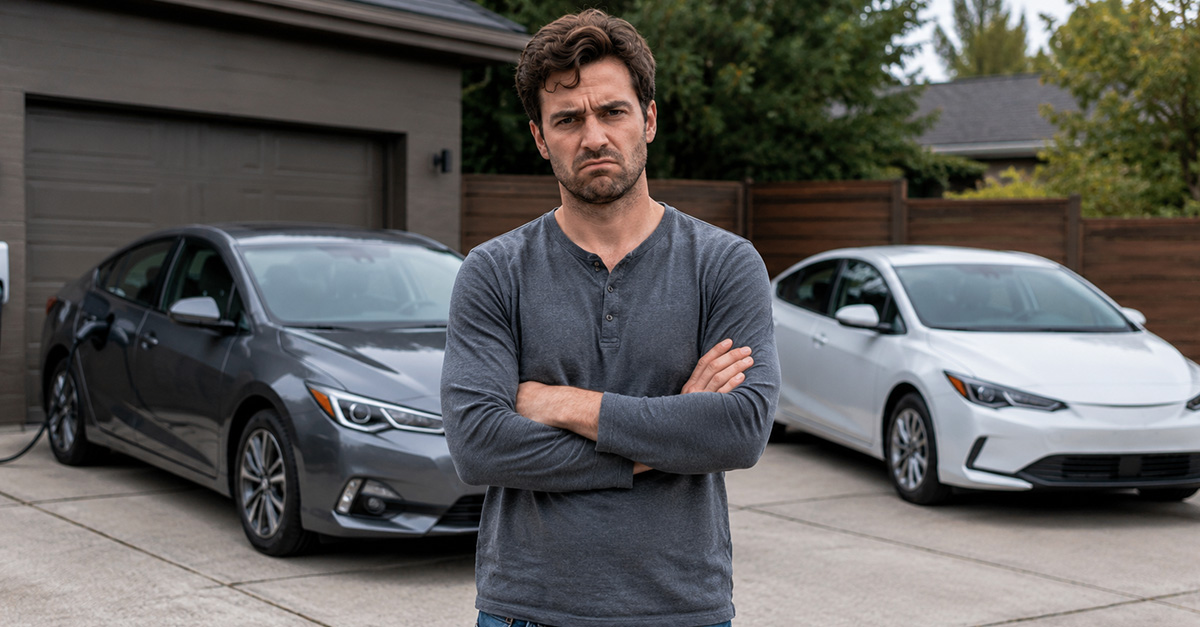
I Thought Talking To My Car Would Be Easier
I bought a newer car expecting smarter technology, but the voice controls quickly became one of its most frustrating features. Simple requests like changing the temperature or finding a nearby gas station often turn into a string of repeated commands and misunderstandings. It made me wonder why automakers keep replacing reliable buttons with systems that still struggle to understand basic speech.
You Are Not Imagining The Frustration
Many drivers report that modern infotainment systems remain one of the most frustrating parts of owning a new vehicle. Industry surveys consistently identify multimedia and infotainment systems as leading sources of owner complaints. Voice recognition problems are often part of that broader experience.
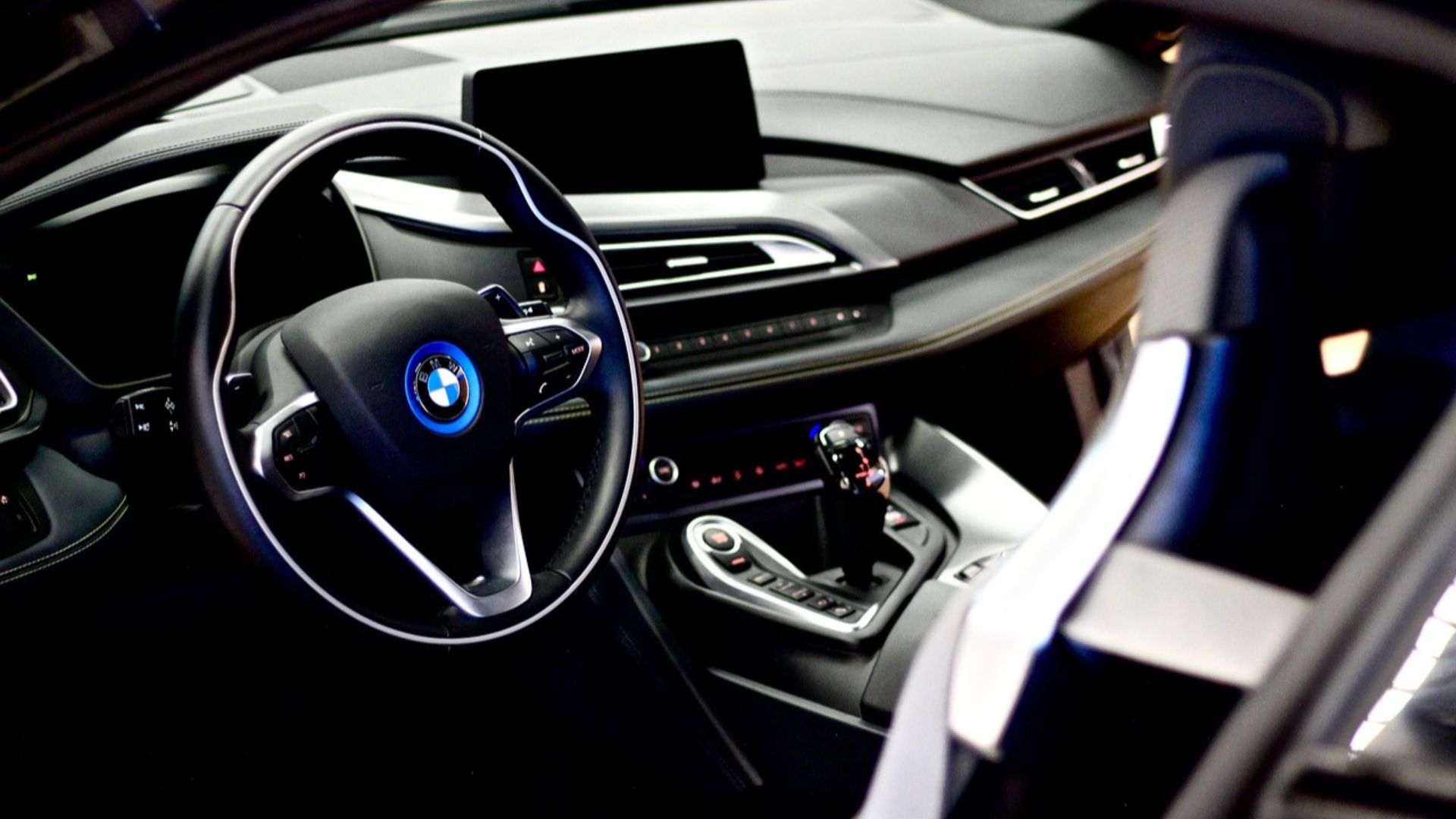
Voice Assistants Promise Safer Driving
The original idea behind automotive voice controls was simple. Drivers could keep their hands on the wheel and eyes on the road while adjusting navigation, media, or climate settings. When everything works properly, that goal is still achievable.
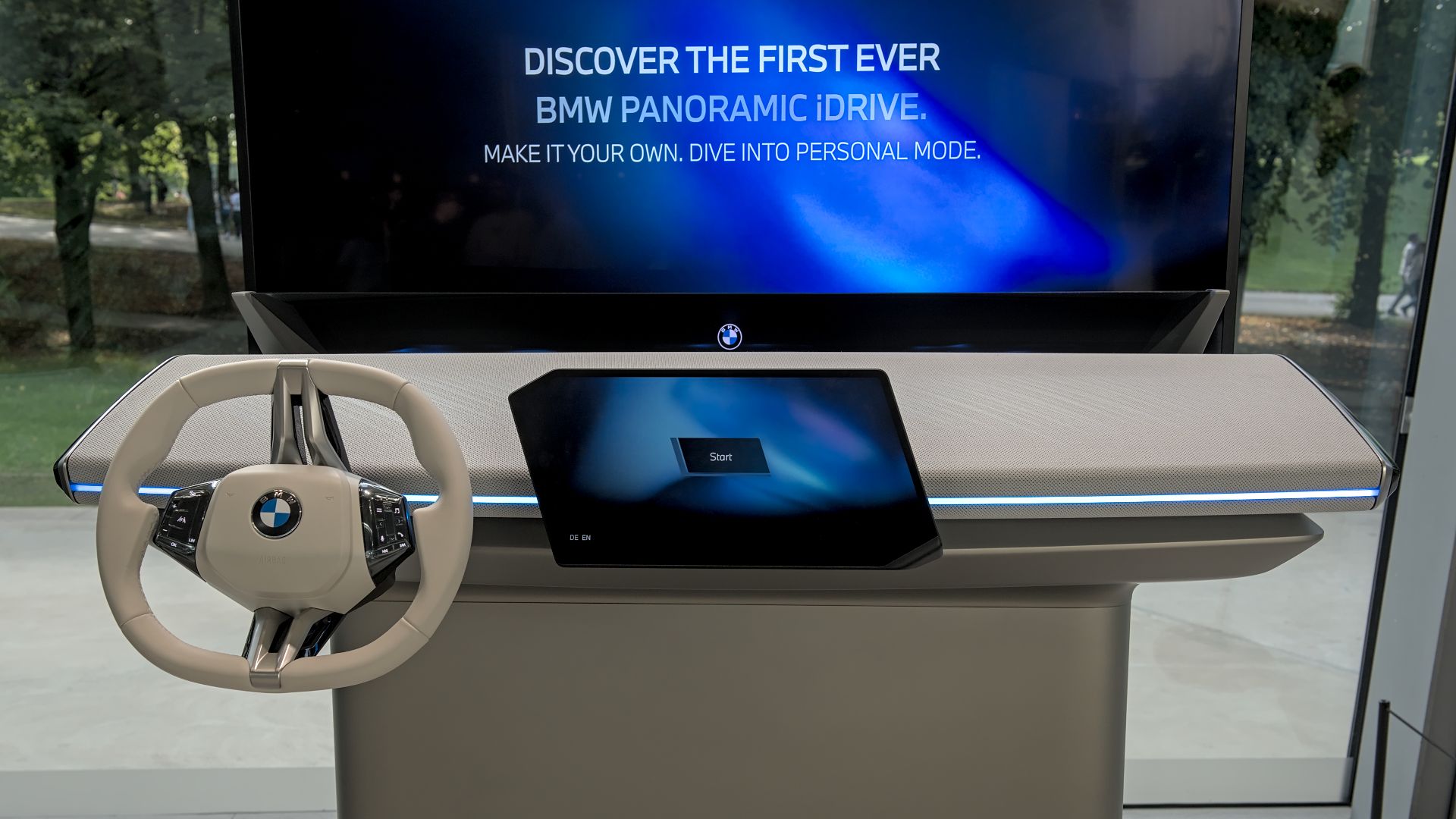 Alexander Migl, Wikimedia Commons
Real World Driving Is Much Harder
Cars operate in noisy environments filled with road noise, passengers, music, open windows, and varying accents. Even small changes in pronunciation or background sounds can affect recognition accuracy. That makes automotive voice systems far more challenging than using a smart speaker in a quiet home.
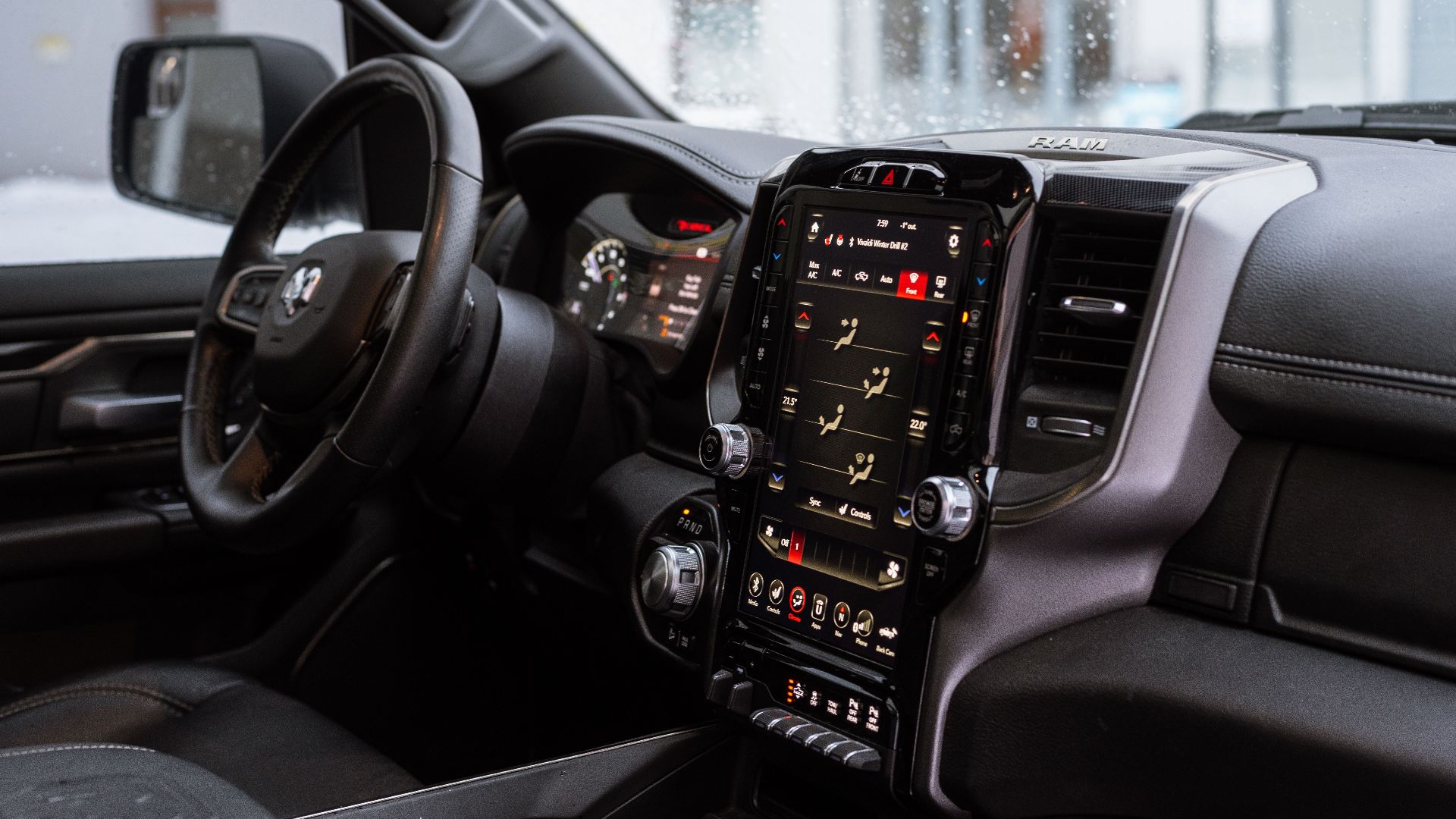
Every Automaker Uses Different Software
There is no universal in-car voice assistant. Some manufacturers build their own systems, while others integrate services such as Amazon Alexa, Google Assistant, or Apple Siri alongside proprietary software. The result is a wide variety of capabilities and performance depending on the vehicle.

Smartphones Changed Driver Expectations
Most people use voice assistants on their phones every day. They naturally expect similar performance inside their vehicles. Unfortunately, many built-in automotive systems still lag behind the speed and flexibility of cloud-based smartphone assistants.
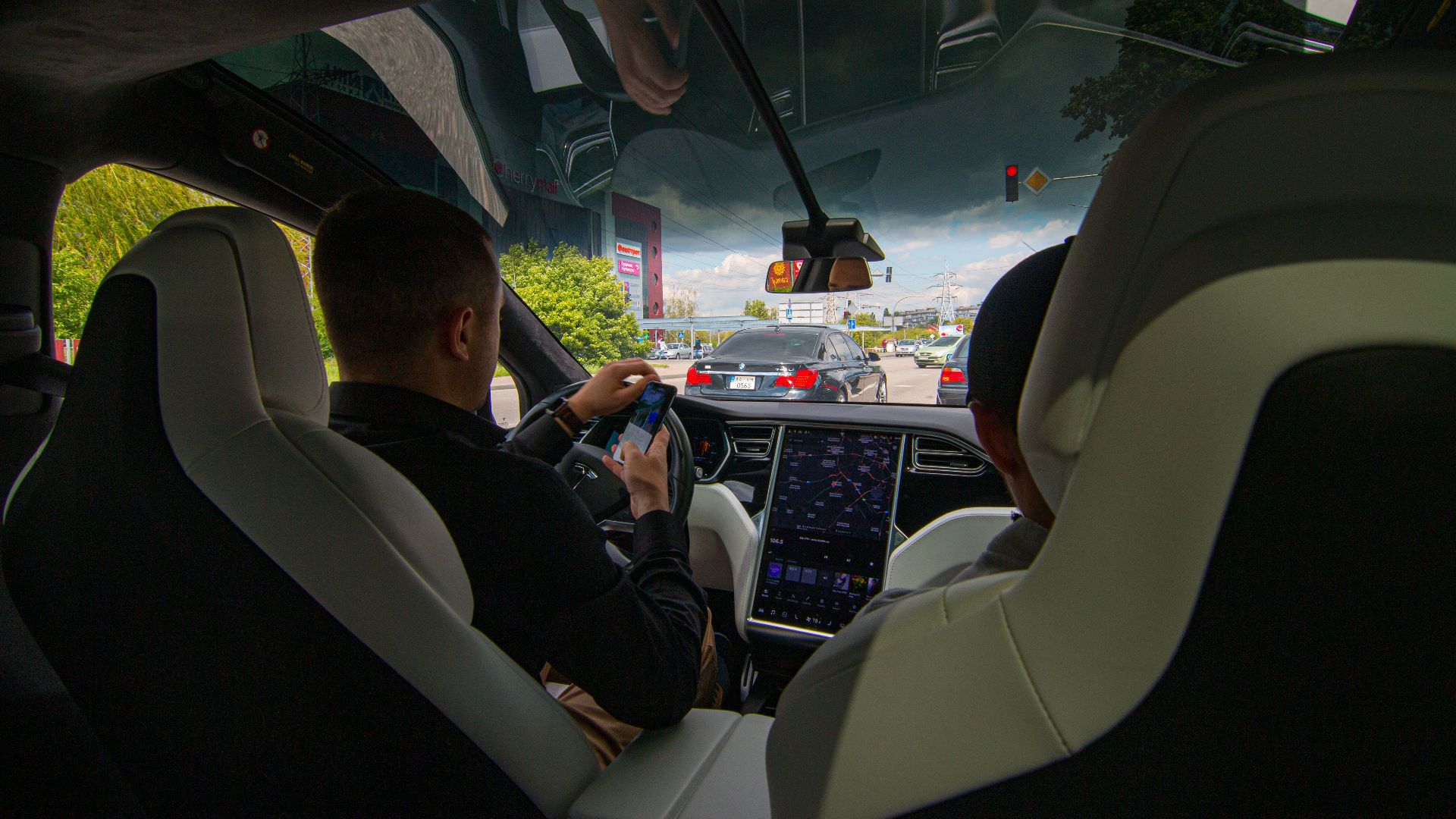
Internet Connections Matter More Than You Think
Many newer vehicles rely on internet connectivity for advanced voice recognition. If the vehicle loses its cellular connection, some commands may become slower or unavailable. Other systems fall back to simpler onboard recognition with more limited vocabulary.
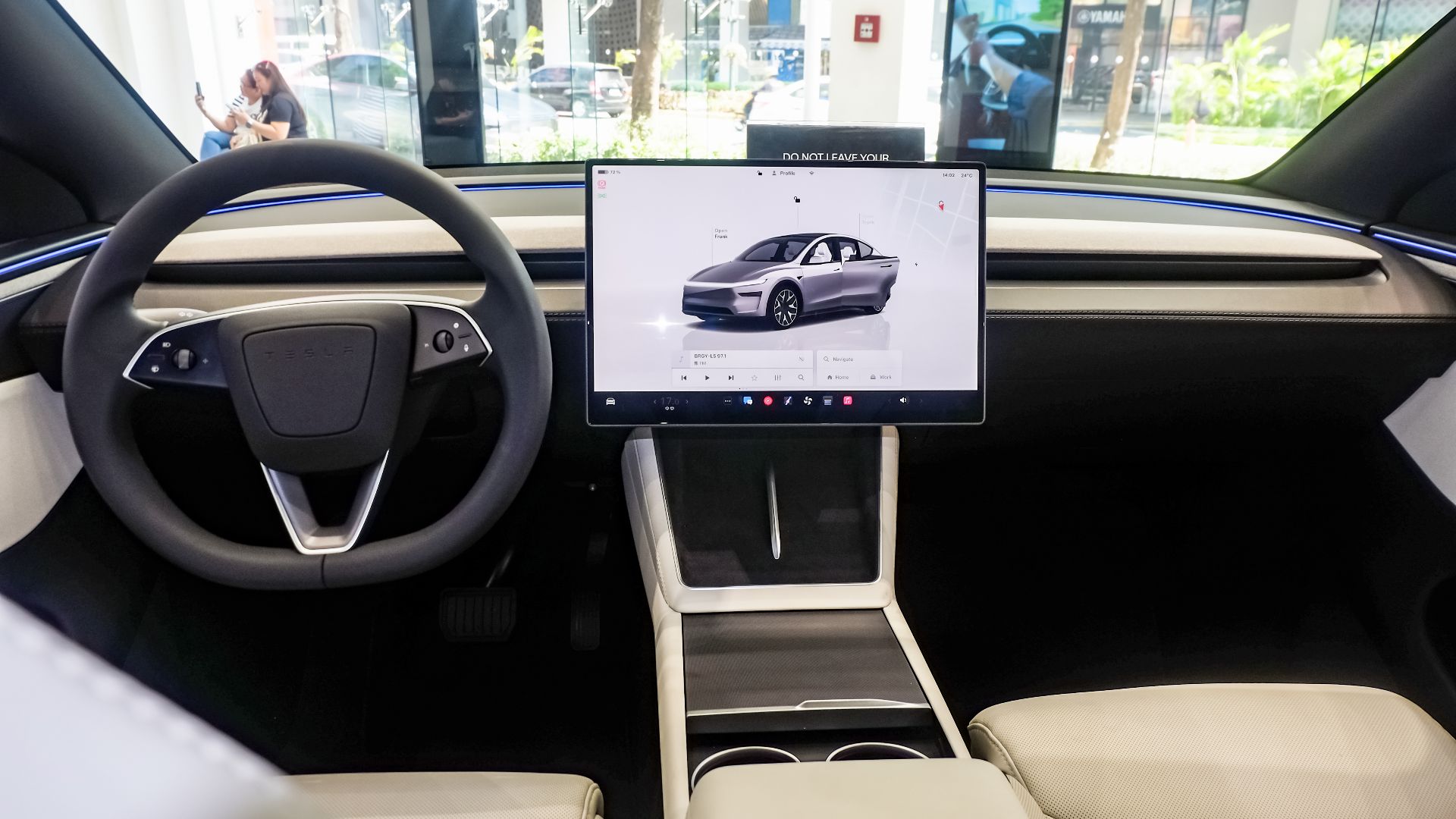 Ethan Llamas, Wikimedia Commons
Simple Commands Usually Work Best
Voice systems generally perform better with predictable requests. Saying "Call John Smith" or "Navigate home" is easier for the software than asking a long conversational question. More complicated requests increase the chance of misunderstanding.
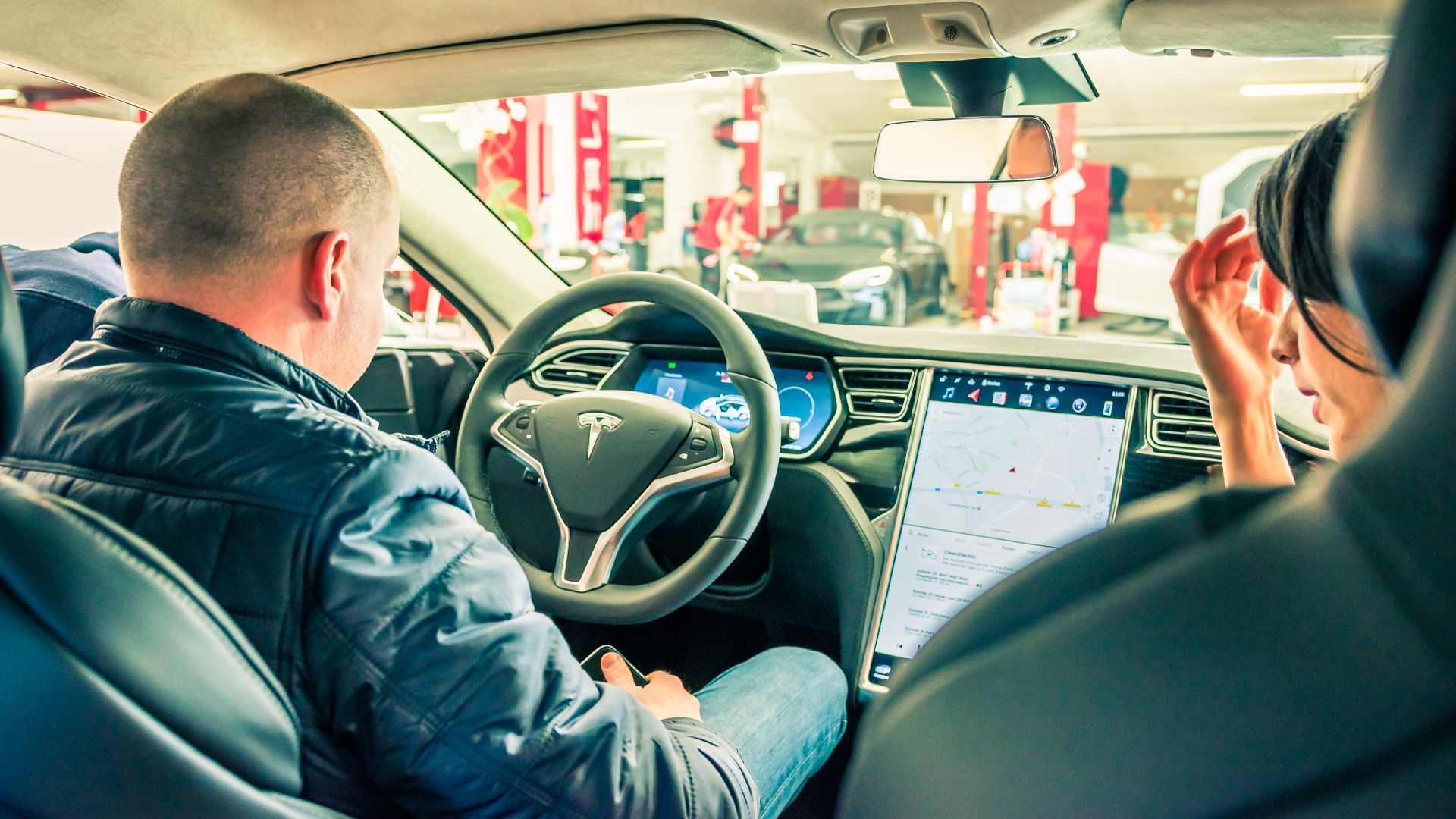 Jakob Härter, Wikimedia Commons
Natural Language Has Improved
Earlier systems required drivers to memorize exact phrases. Newer generations increasingly support natural language, allowing people to speak more conversationally. Artificial intelligence has made these systems more flexible, although performance still varies widely between brands.
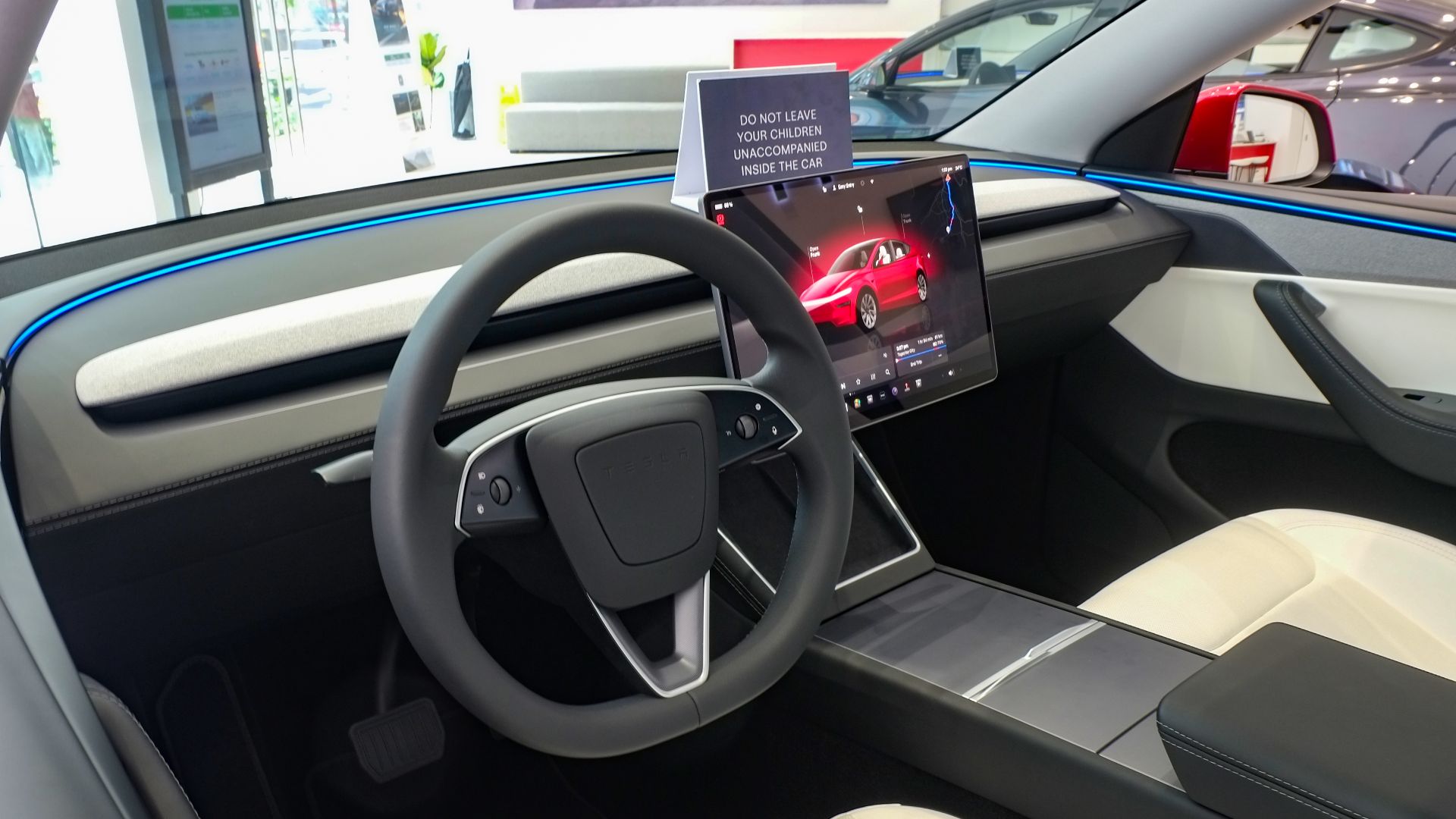 Ethan Llamas, Wikimedia Commons
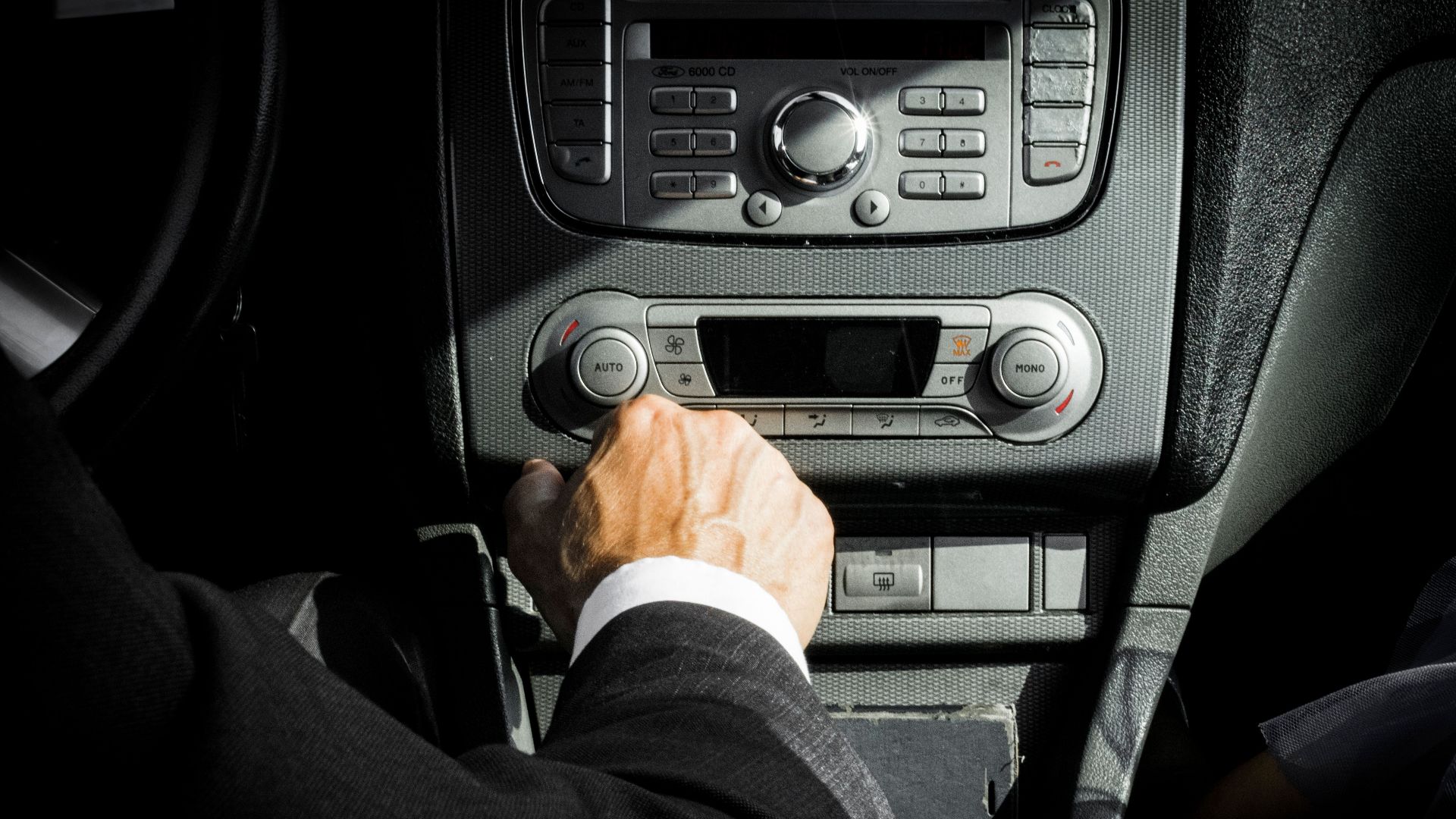
Why Buttons Started Disappearing
Touchscreens and software controls give designers greater flexibility. A single screen can replace dozens of physical switches while allowing new features to be added through software updates. Manufacturers can introduce new features through software updates without adding new physical controls.
Digital Controls Can Reduce Manufacturing Complexity
Replacing numerous physical buttons with a central display can simplify dashboard design. Fewer unique components may reduce manufacturing complexity and make it easier to standardize interiors across multiple vehicle models. Those efficiencies appeal to automakers managing large production volumes.
 Oregon Department of Transportation, Wikimedia Commons
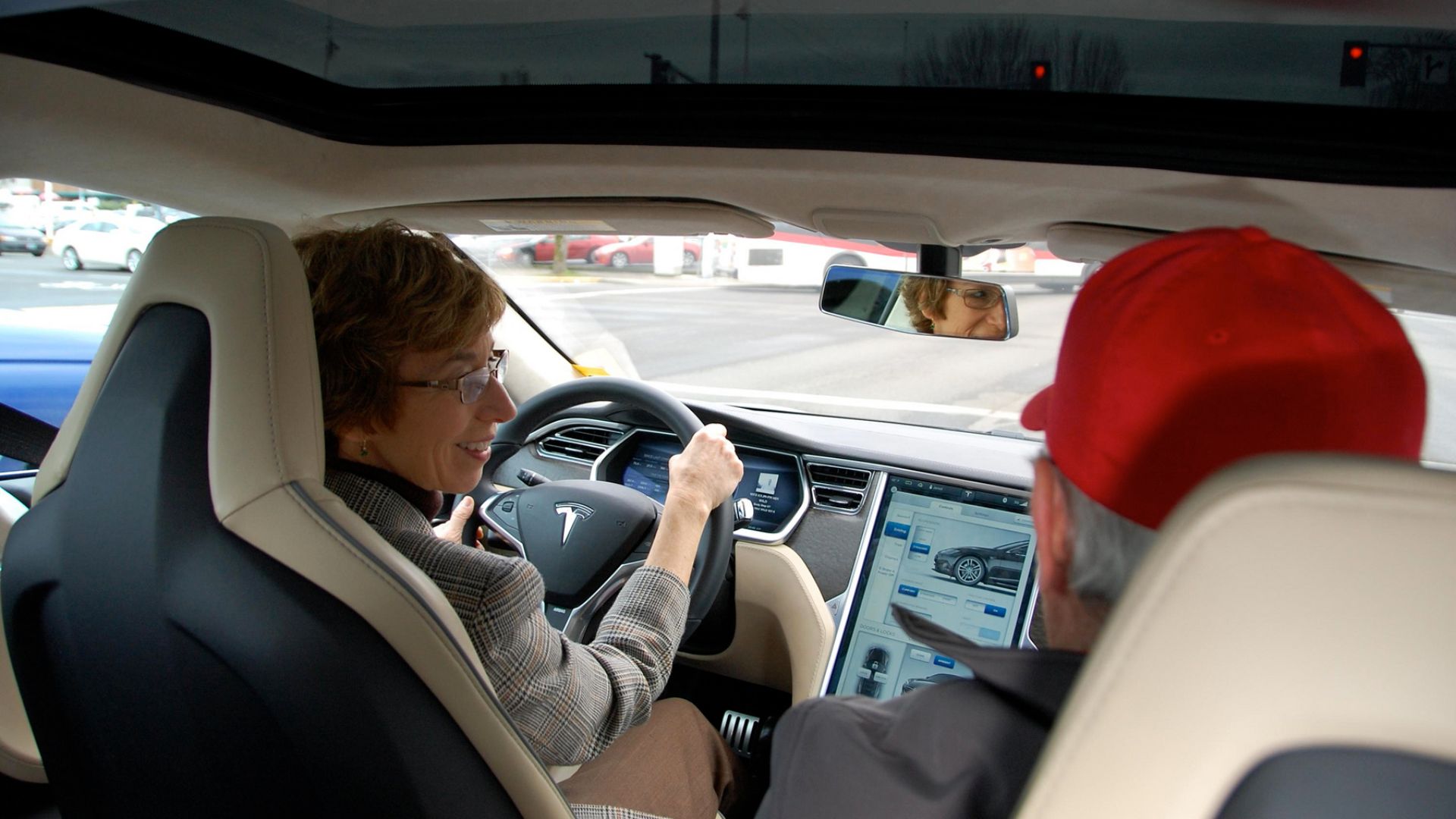
Minimalist Interiors Became Fashionable
Tesla helped popularize clean dashboards with very few physical controls. Other manufacturers followed as consumers increasingly associated large screens with advanced technology. The approach spread rapidly throughout the industry.
 Damian B Oh, Wikimedia Commons
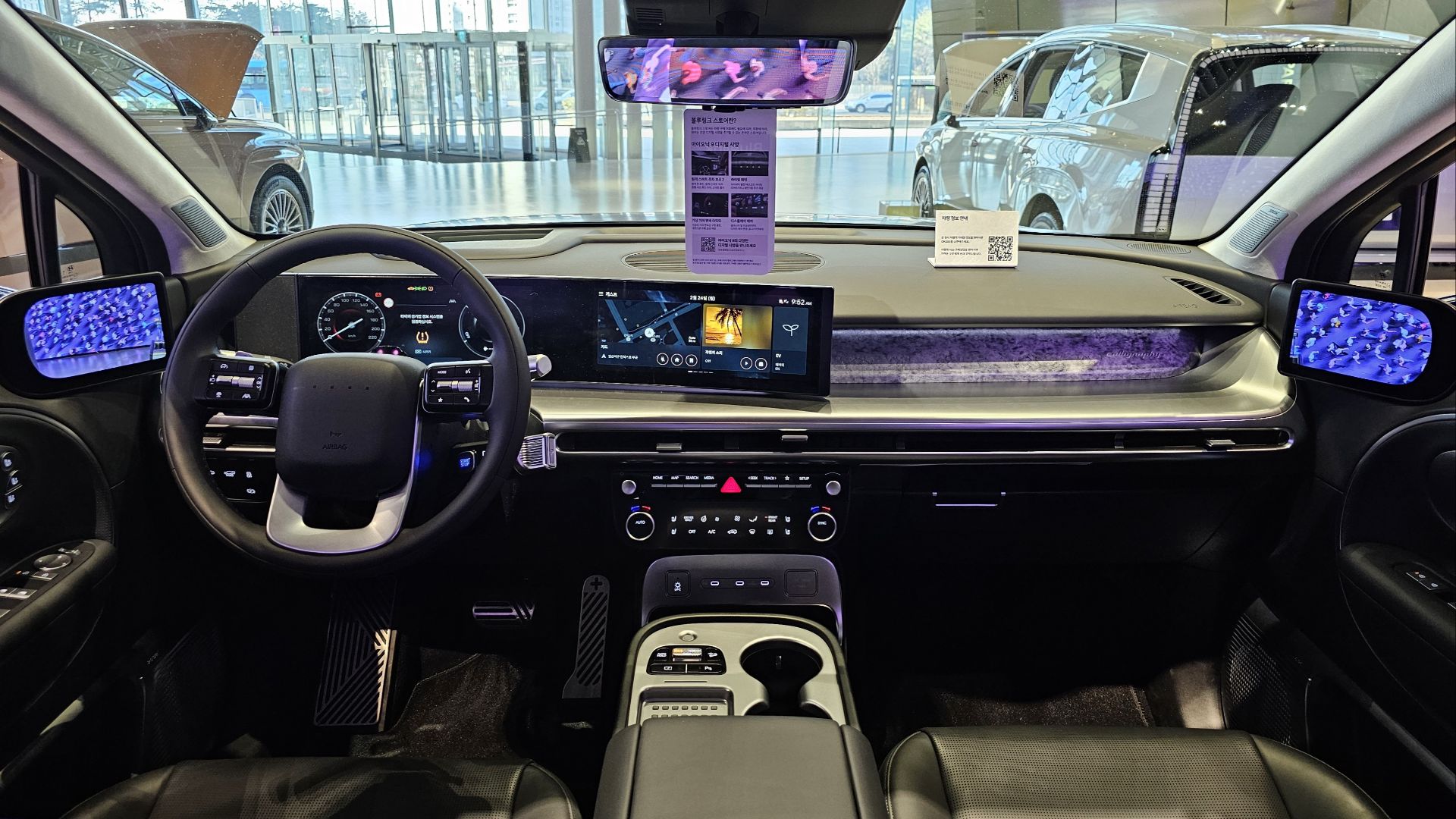
Bigger Screens Became A Selling Point
Large displays are easy to showcase in advertisements and dealership showrooms. They create an immediate impression of modern technology. Buyers often notice a large touchscreen long before evaluating how easy it is to use while driving.
 Tokumeigakarinoaoshima, Wikimedia Commons
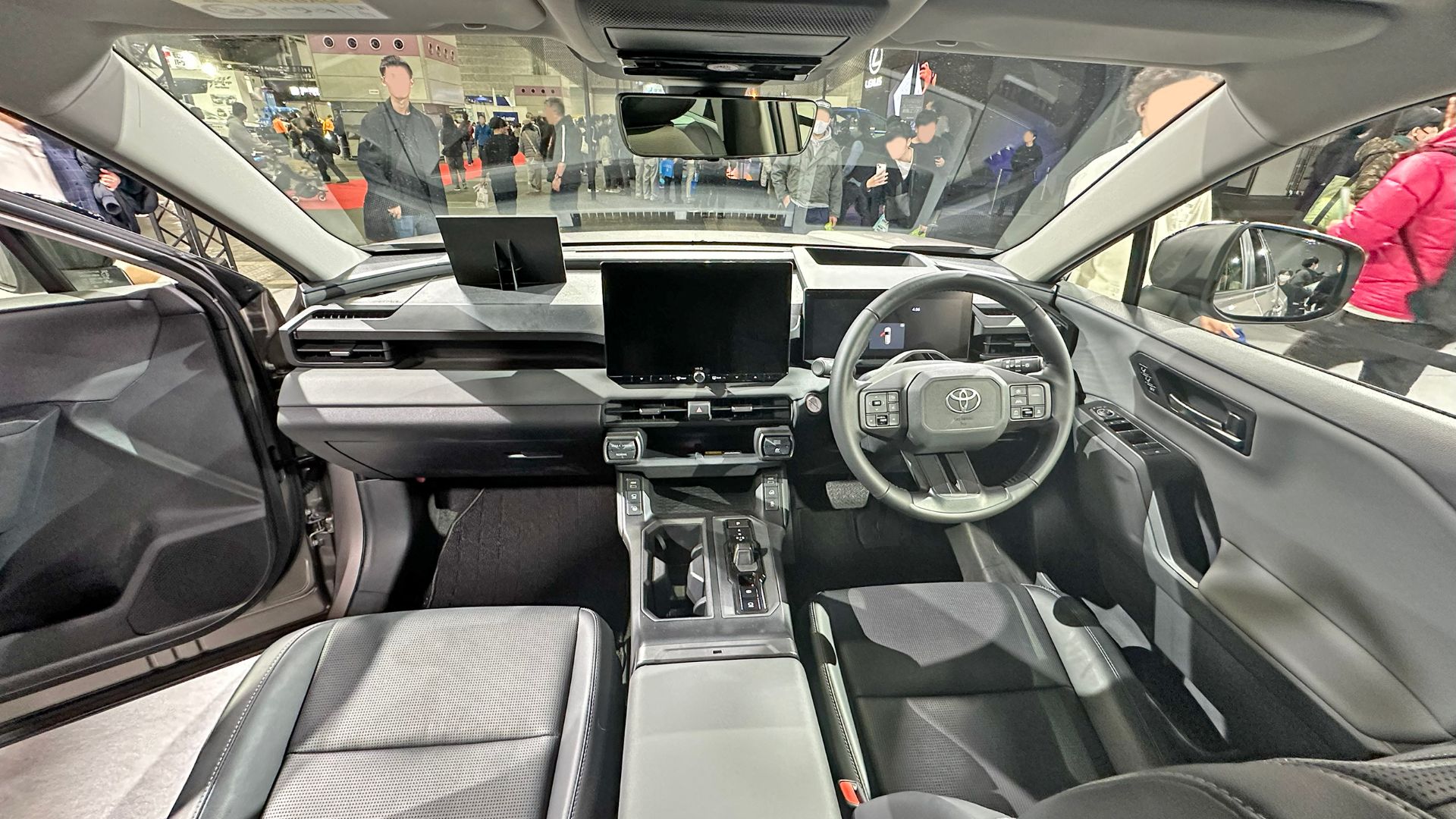
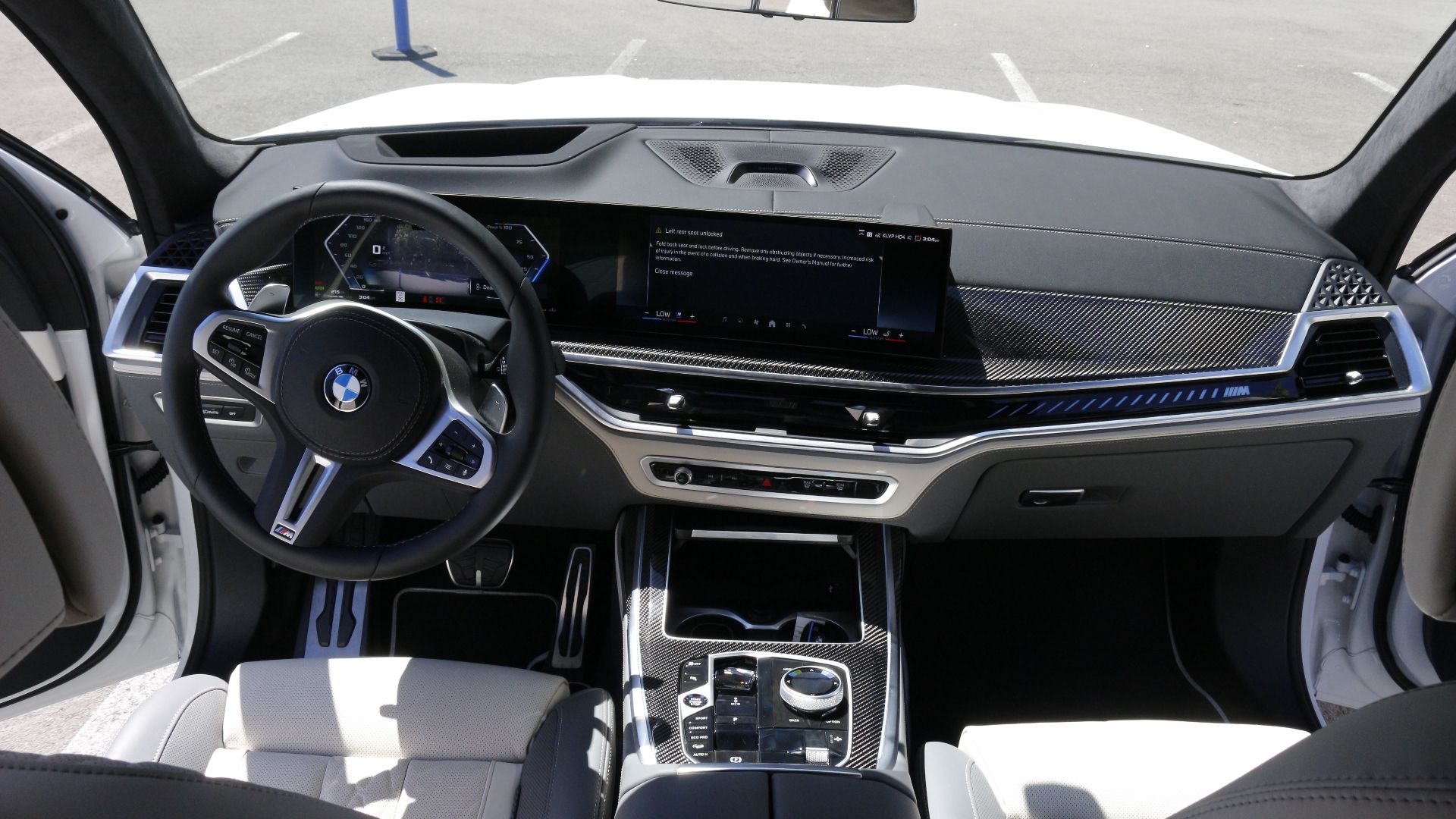
The Downside Appears During Daily Driving
Changing the cabin temperature with a physical knob often takes only a quick touch. Navigating multiple touchscreen menus usually demands more visual attention. Even small tasks can become surprisingly distracting.

Safety Experts Have Raised Concerns
Researchers and safety organizations have increasingly questioned placing essential driving functions inside touchscreen menus. The concern is not that screens are inherently unsafe, but that drivers may need to look away from the road for longer periods to complete basic tasks.
 Pixelatedfacealex, Wikimedia Commons
Europe Is Pushing Back
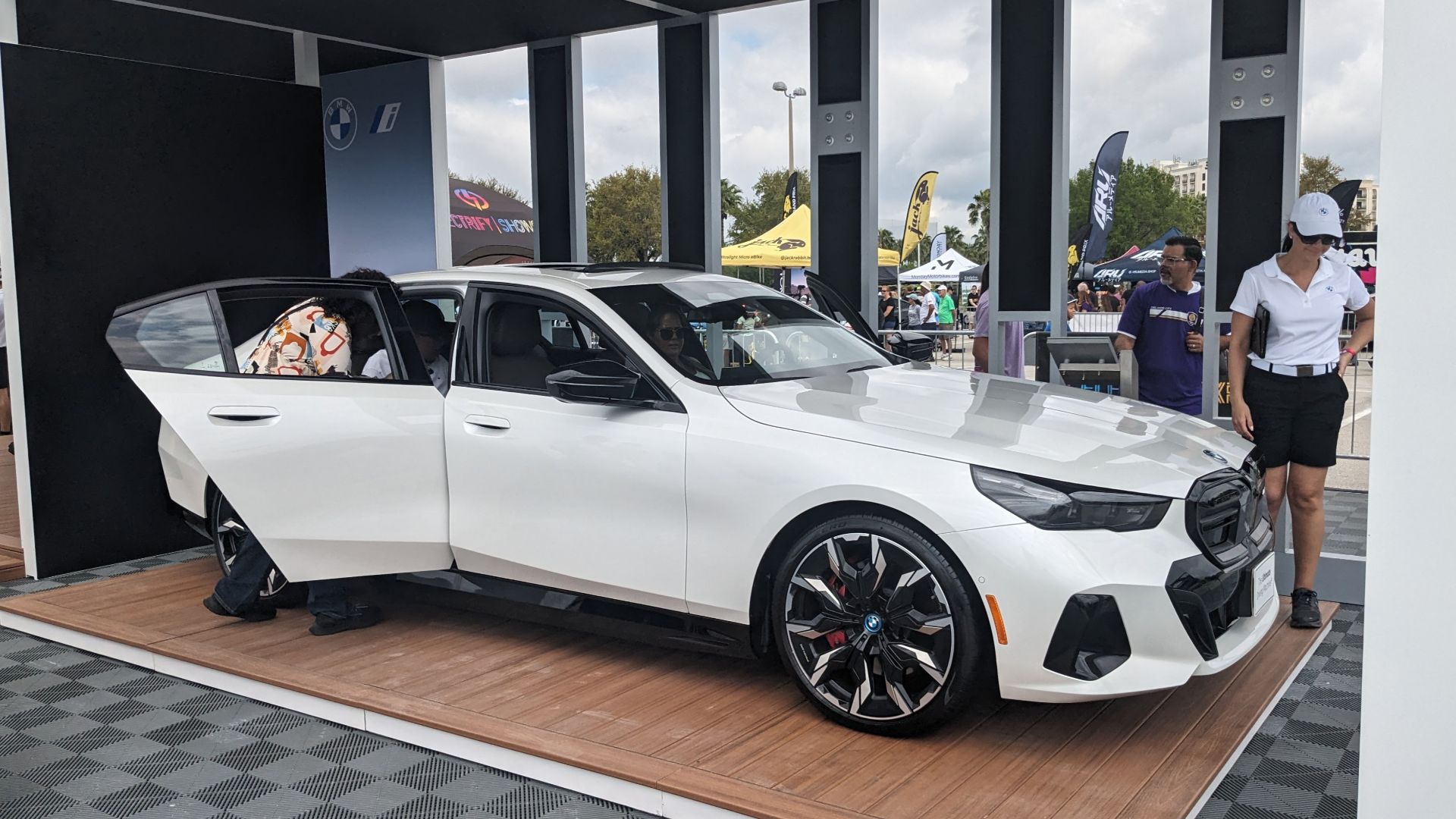
Beginning with its 2026 testing protocols, Euro NCAP encourages manufacturers to provide physical controls for several essential vehicle functions if they want to maximize safety ratings. The organization argues that critical controls should remain easy to locate without searching through digital menus.
 Pokemonprime, Wikimedia Commons
Not Every Button Is Coming Back
Even manufacturers responding to customer feedback are generally adopting a hybrid approach. They are restoring physical controls for frequently used functions while leaving many secondary settings inside touchscreen menus. Complete reversals are uncommon.
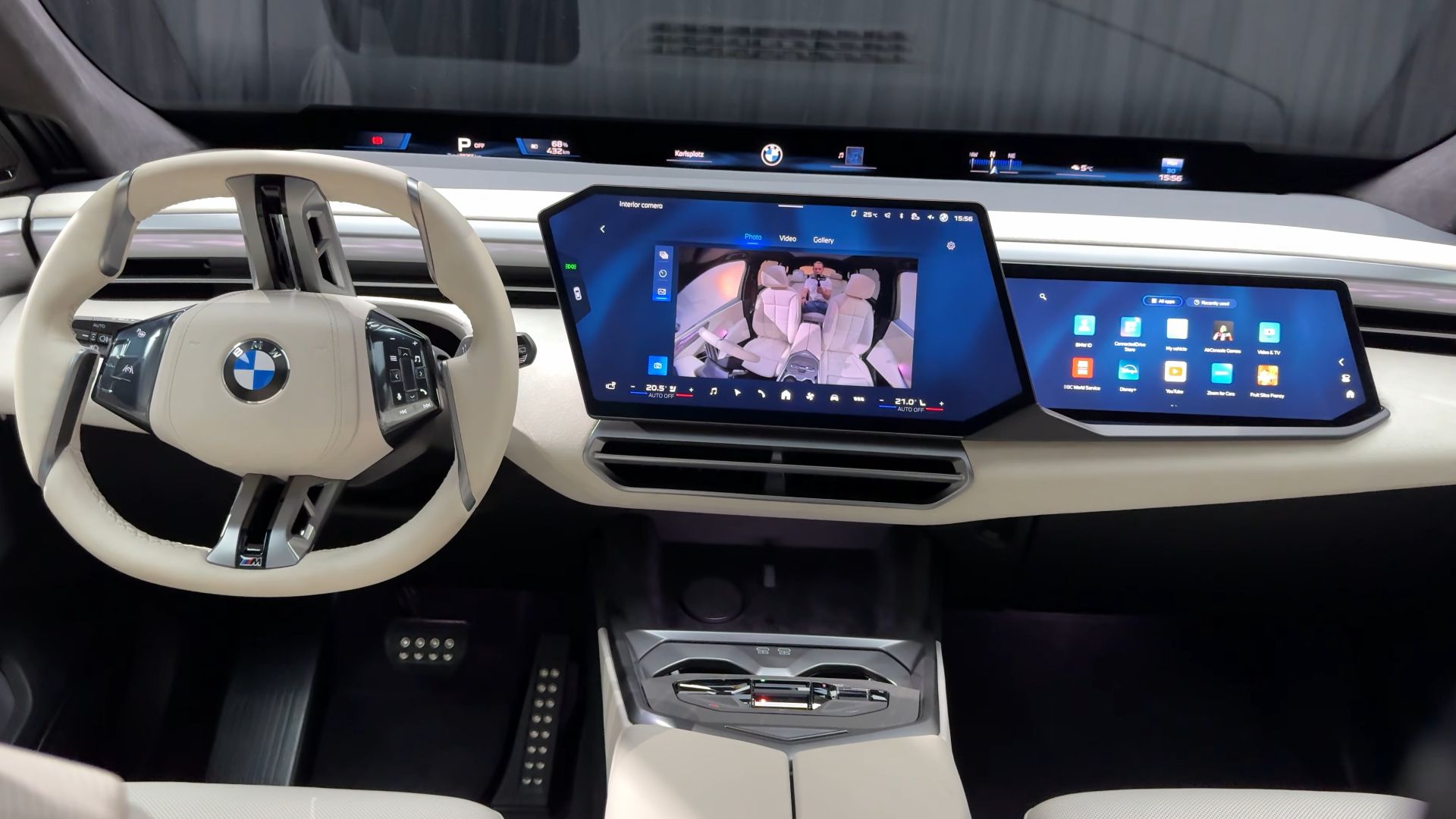
Voice Controls Are Still Improving
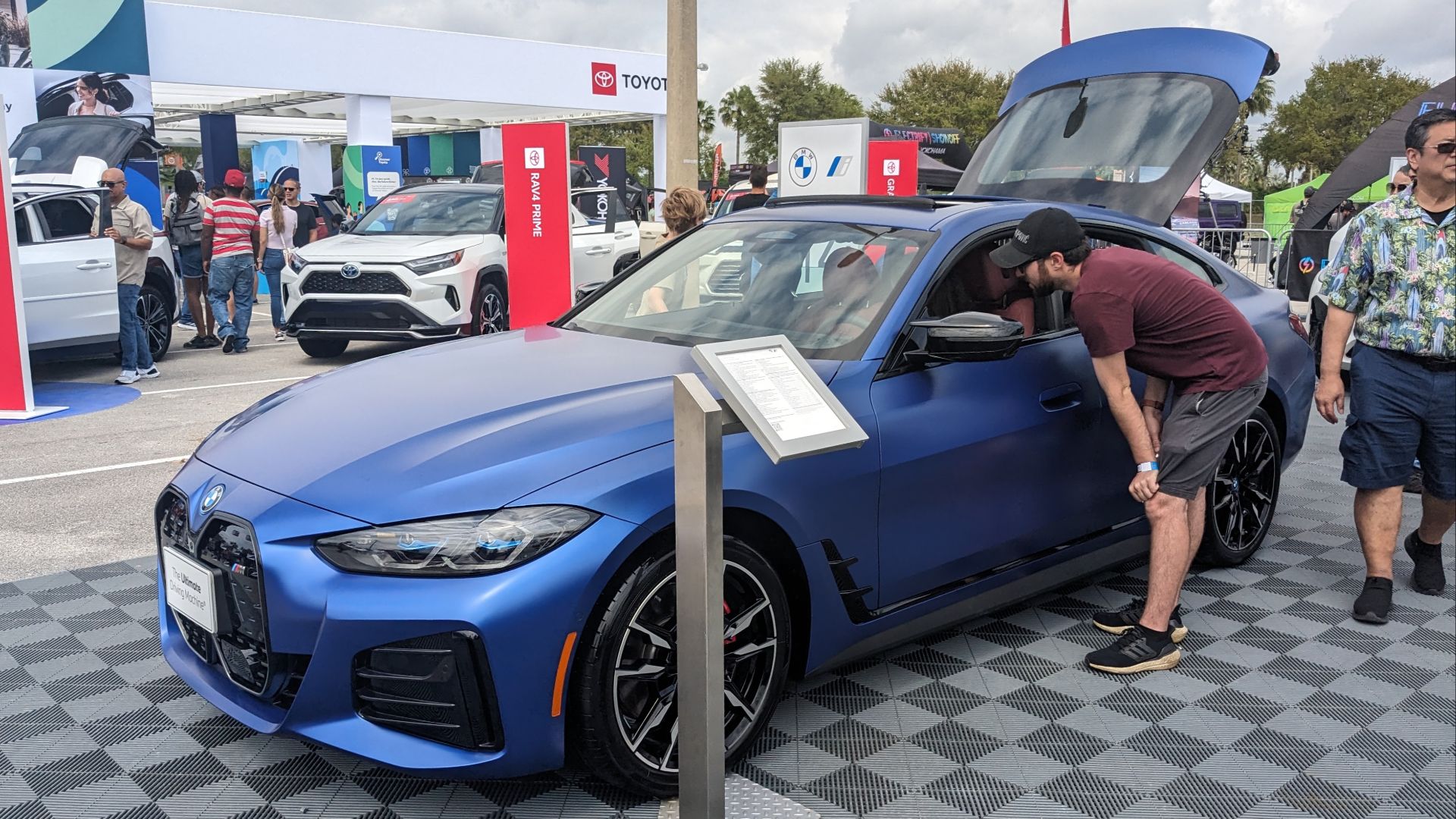
Artificial intelligence has significantly improved speech recognition compared with systems from a decade ago. Some newer vehicles understand conversational requests far better than earlier generations. Software updates continue expanding those capabilities over time.
 Pokemonprime, Wikimedia Commons
Software Updates Can Fix Problems
Unlike older vehicles, many modern cars receive over-the-air software updates. Automakers can improve voice recognition, add new commands, and fix bugs without requiring owners to visit a dealership. That flexibility has become a major advantage of software-defined vehicles.
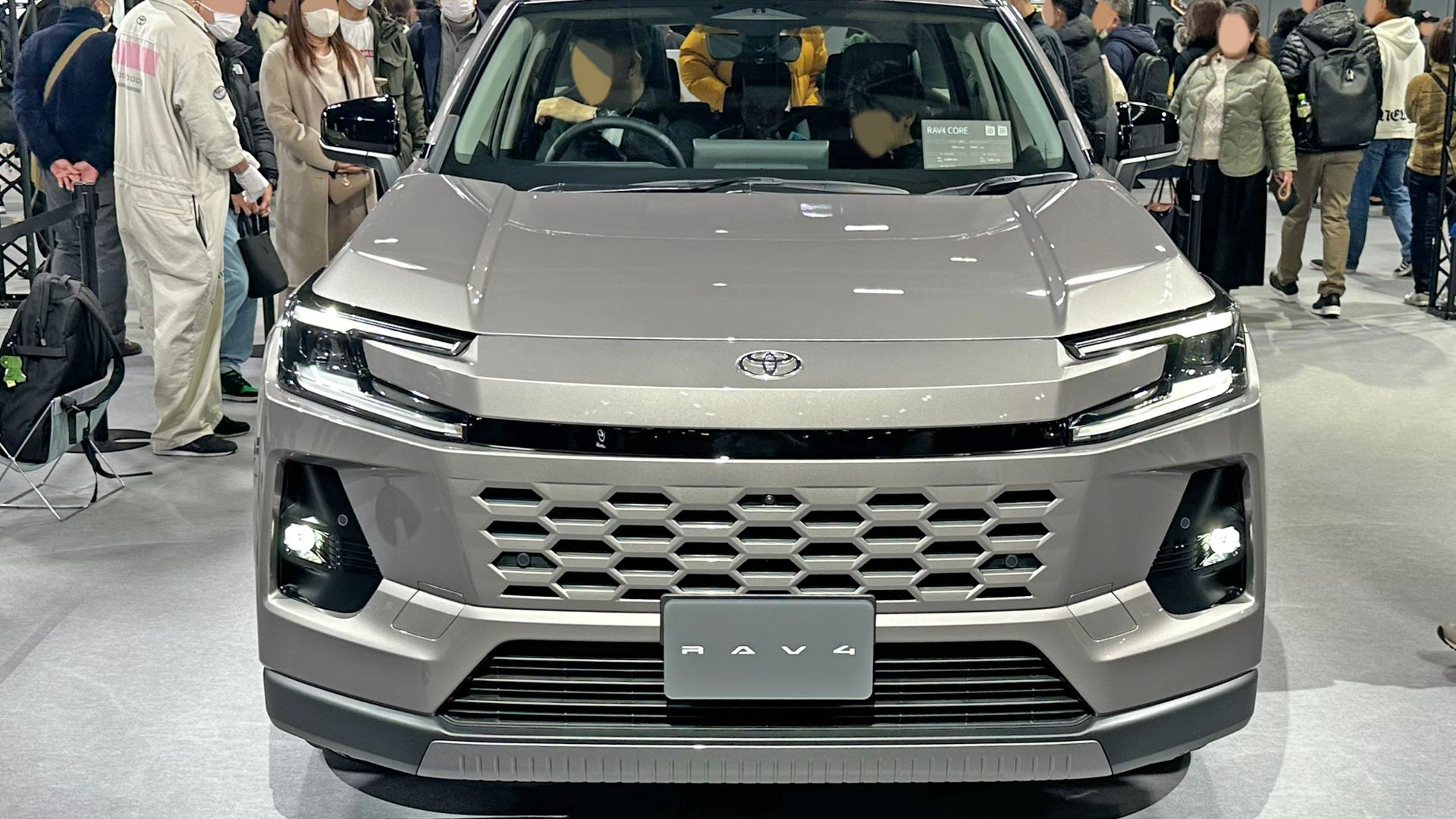 Tokumeigakarinoaoshima, Wikimedia Commons
Privacy Questions Also Matter
Voice commands may be processed differently depending on the manufacturer. Some systems perform more recognition directly inside the vehicle, while others send audio or command data to remote servers for processing. Drivers concerned about privacy should review their vehicle's privacy policy and connected services agreement.
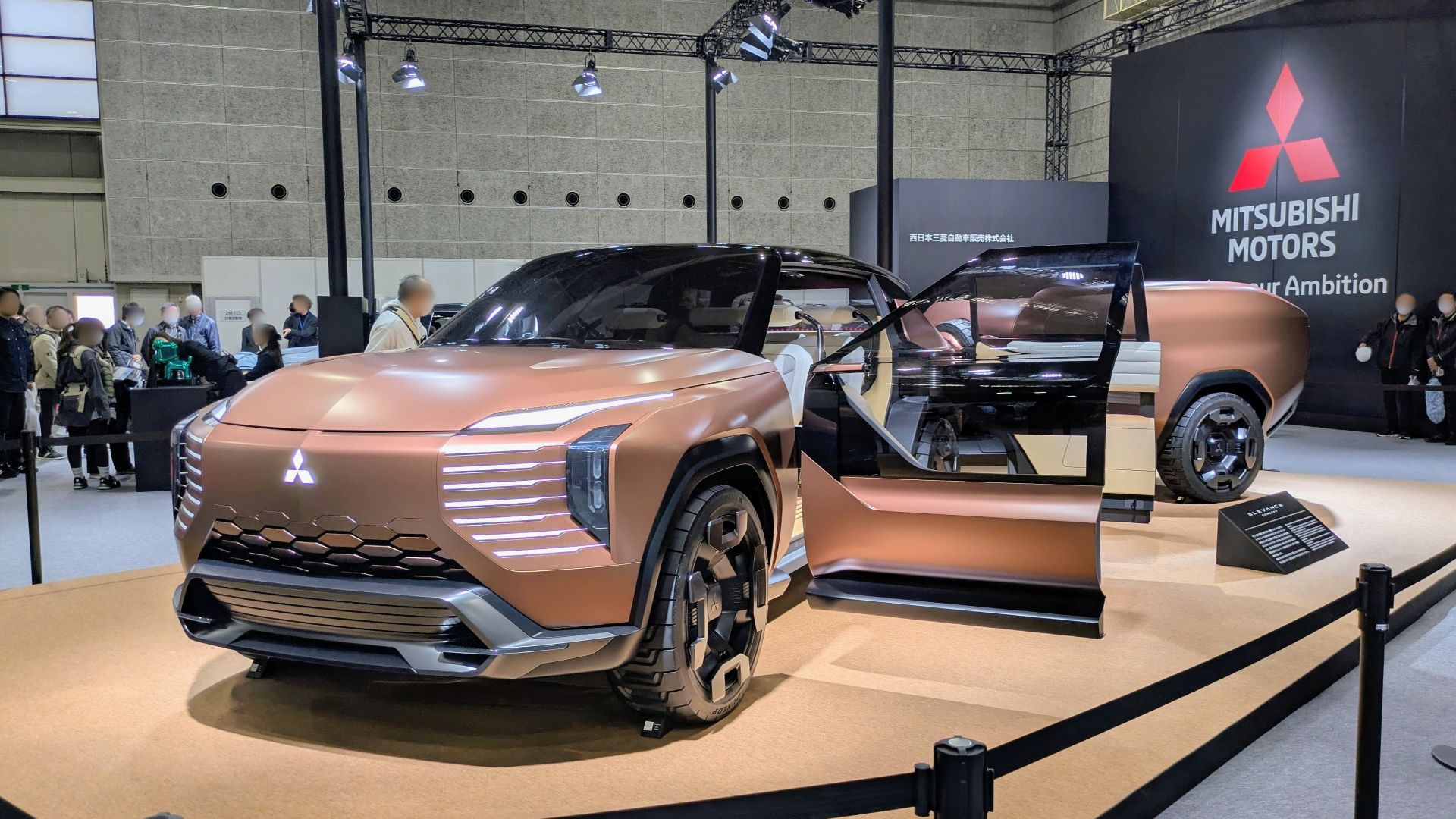
Connectivity Still Causes Headaches
Even when voice recognition itself improves, connected services can introduce new frustrations. Smartphone integration, wireless connectivity, and infotainment software continue to generate a significant number of owner complaints in industry quality surveys.
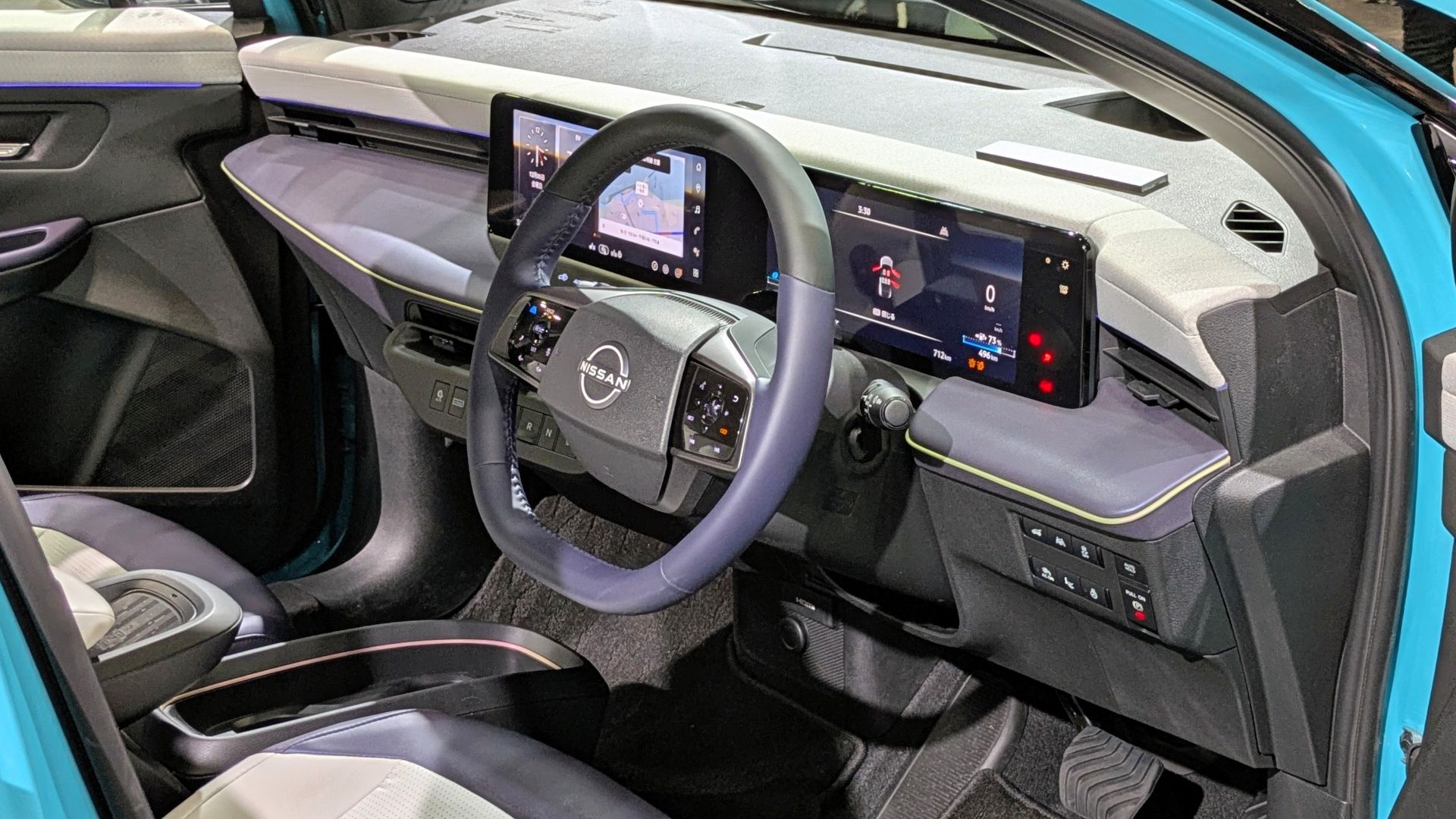
Drivers Often Prefer Muscle Memory
Many people can adjust a familiar volume knob or climate dial without looking. That muscle memory is difficult to duplicate with flat glass touchscreens. Physical controls provide tactile feedback that helps drivers keep their attention on traffic.
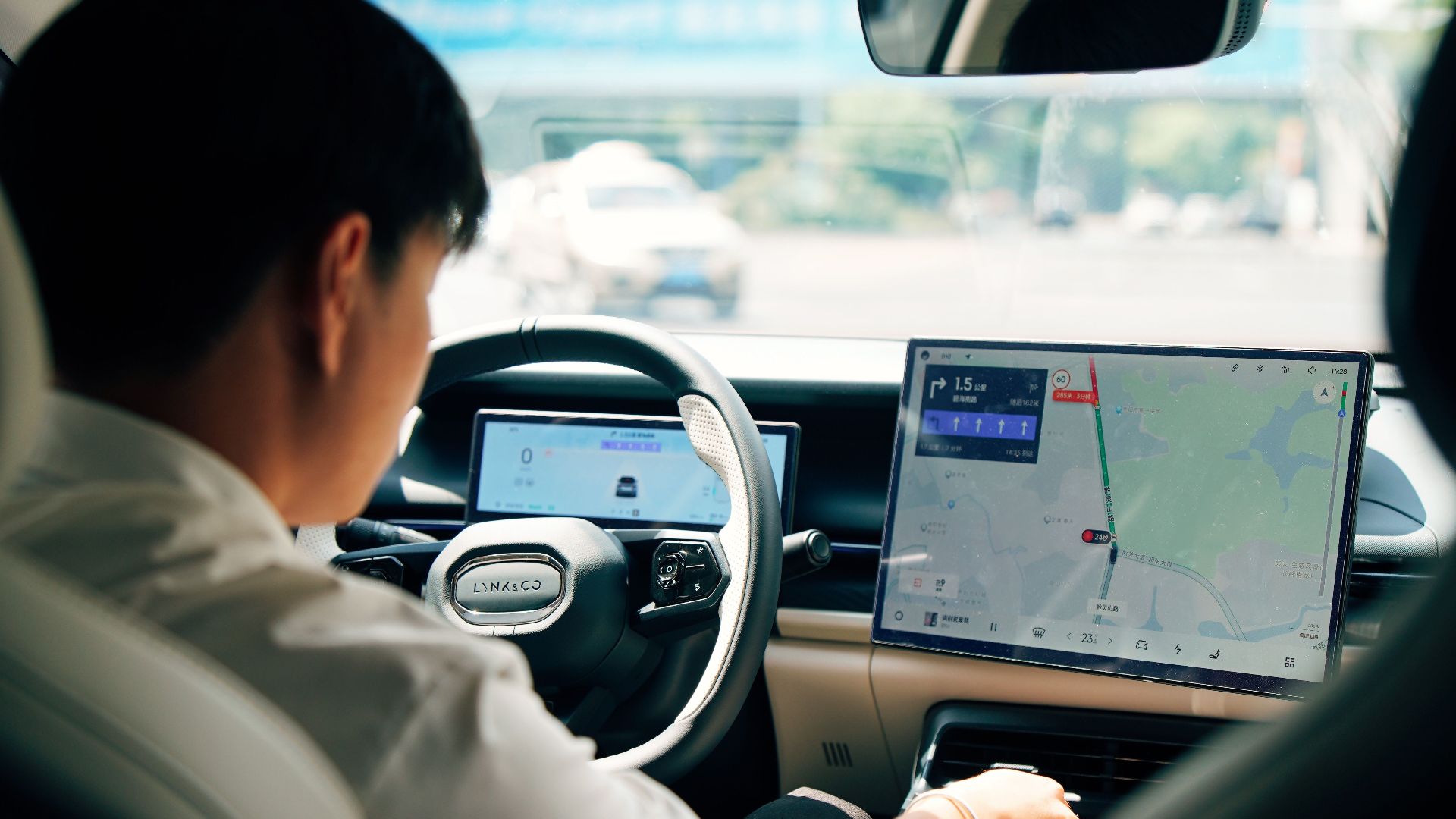
The Best Systems Combine Both Approaches
Many automotive experts now favor mixed control layouts. Voice commands work well for navigation or phone calls, while physical buttons remain useful for frequently adjusted features like volume and temperature. Each method complements the other.
Shopping For A New Car Requires A Test Drive
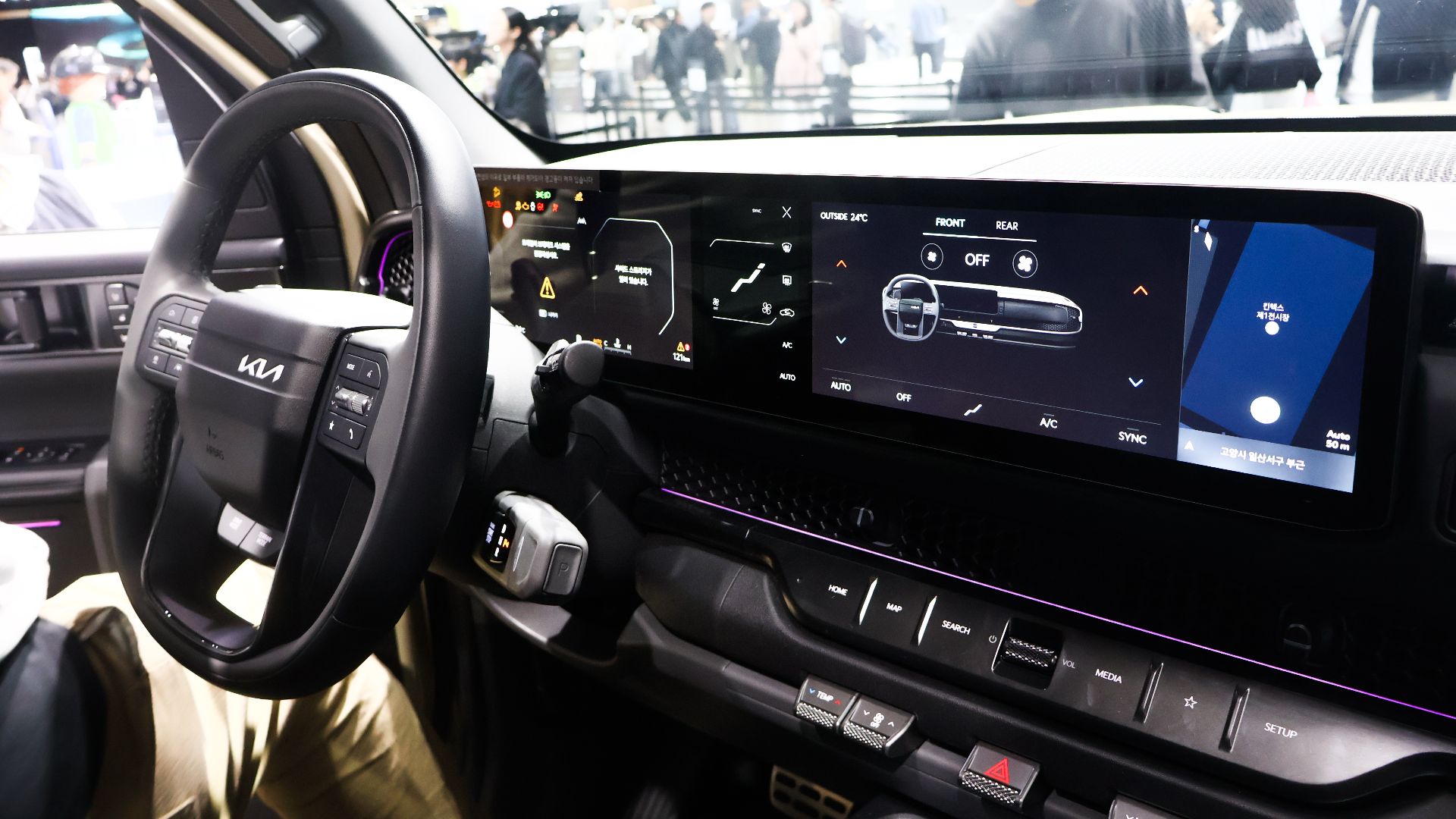
A short drive around the dealership can reveal whether an infotainment system feels intuitive. Try using voice commands, adjusting climate settings, pairing your phone, and changing audio sources before making a purchase. Those daily interactions matter more than screen size.
There Is No Perfect Solution Yet
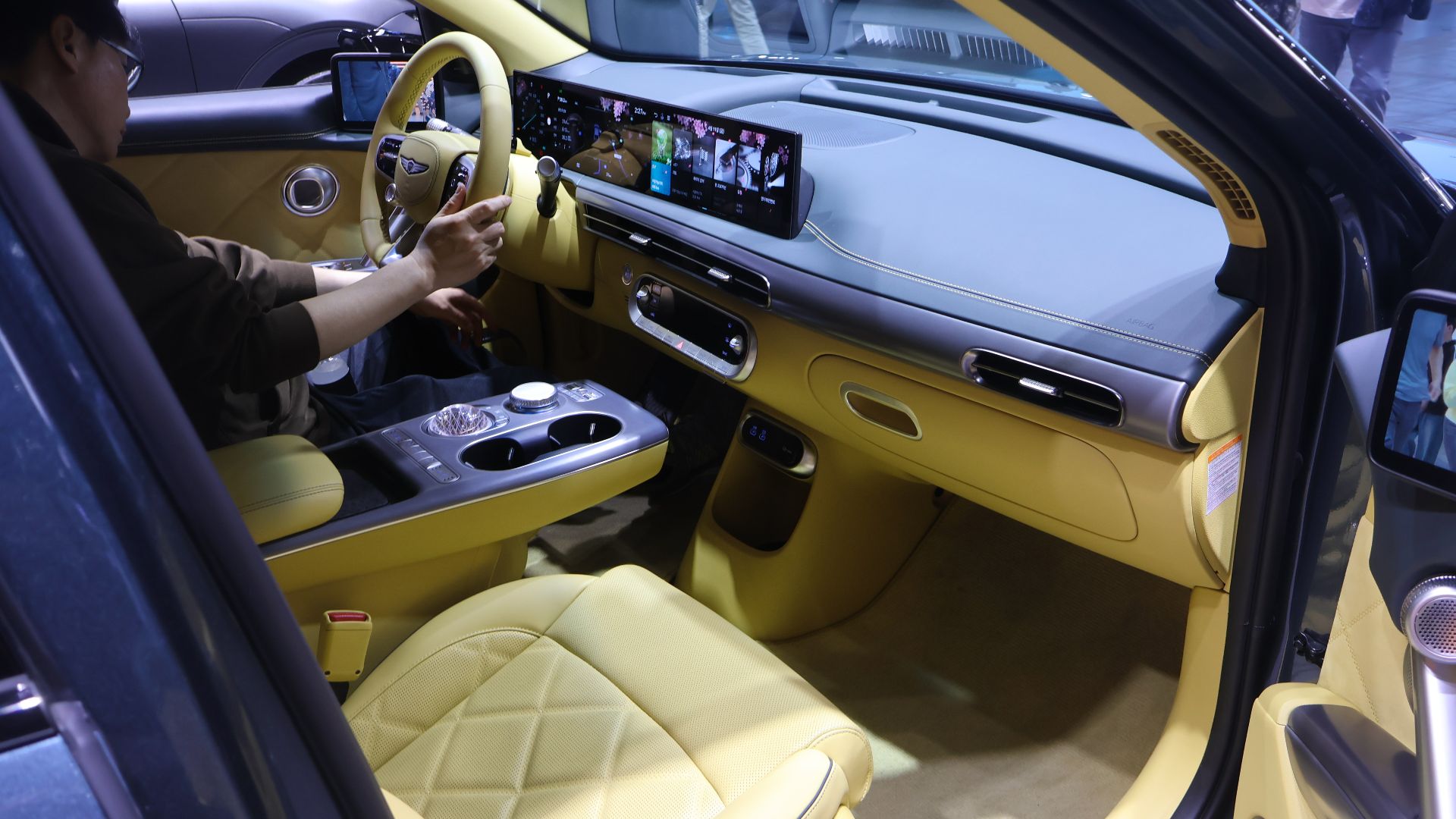
Every control method involves tradeoffs. Physical buttons occupy space and cannot easily change functions, while touchscreens and voice assistants offer flexibility but sometimes create frustration. The challenge is finding the right balance rather than choosing only one approach.
 RuinDig/Yuki Uchida, Wikimedia Commons
The Industry May Already Be Correcting Course
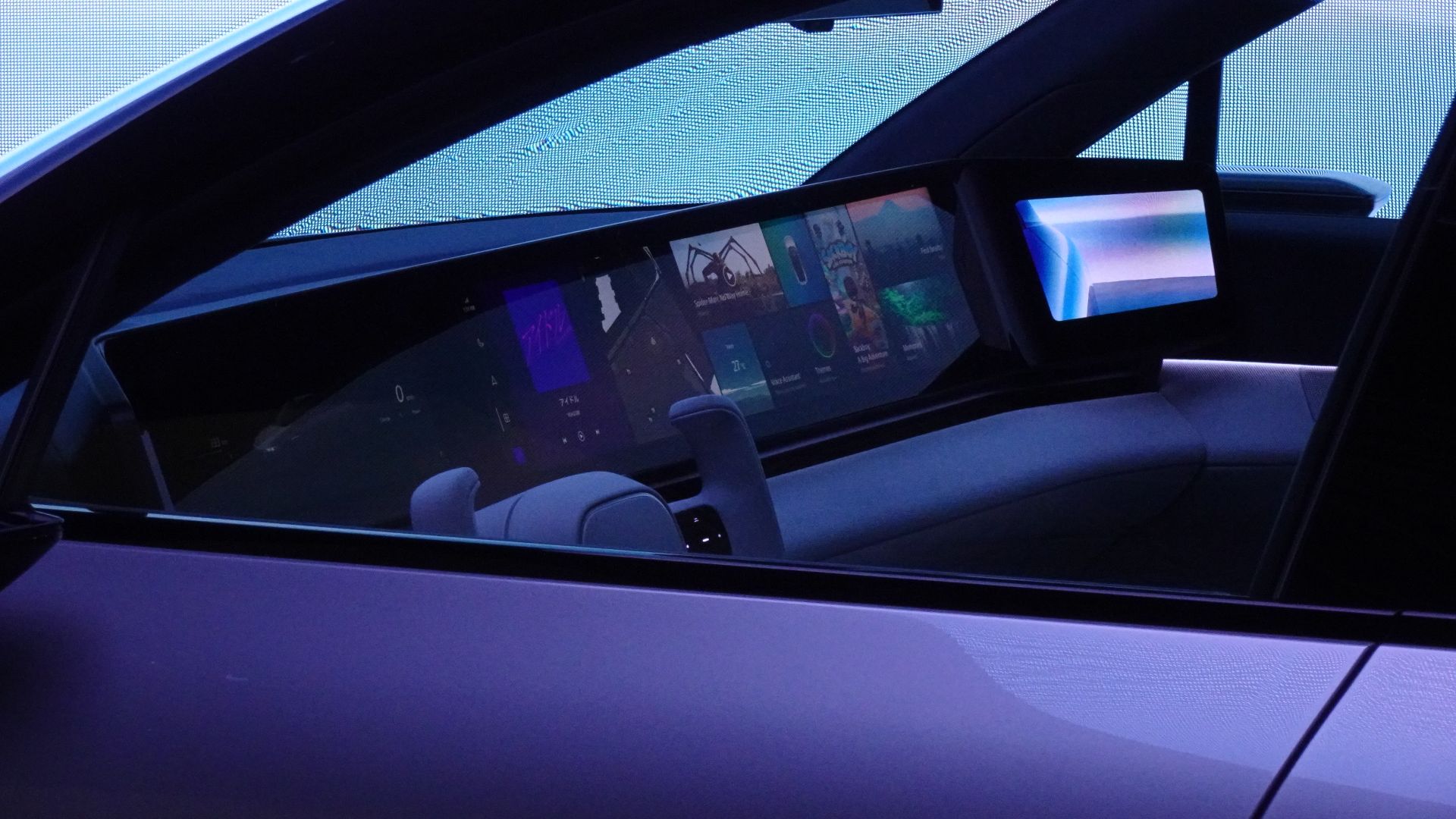
Customer feedback, safety research, and changing testing standards are encouraging many manufacturers to rethink overly simplified interiors. Future vehicles are likely to blend smarter voice assistants with the return of more physical controls for essential functions. Drivers may finally get the convenience they were promised without sacrificing usability.
 Matti Blume, Wikimedia Commons
You May Also Like: