The Deal Looks Tempting
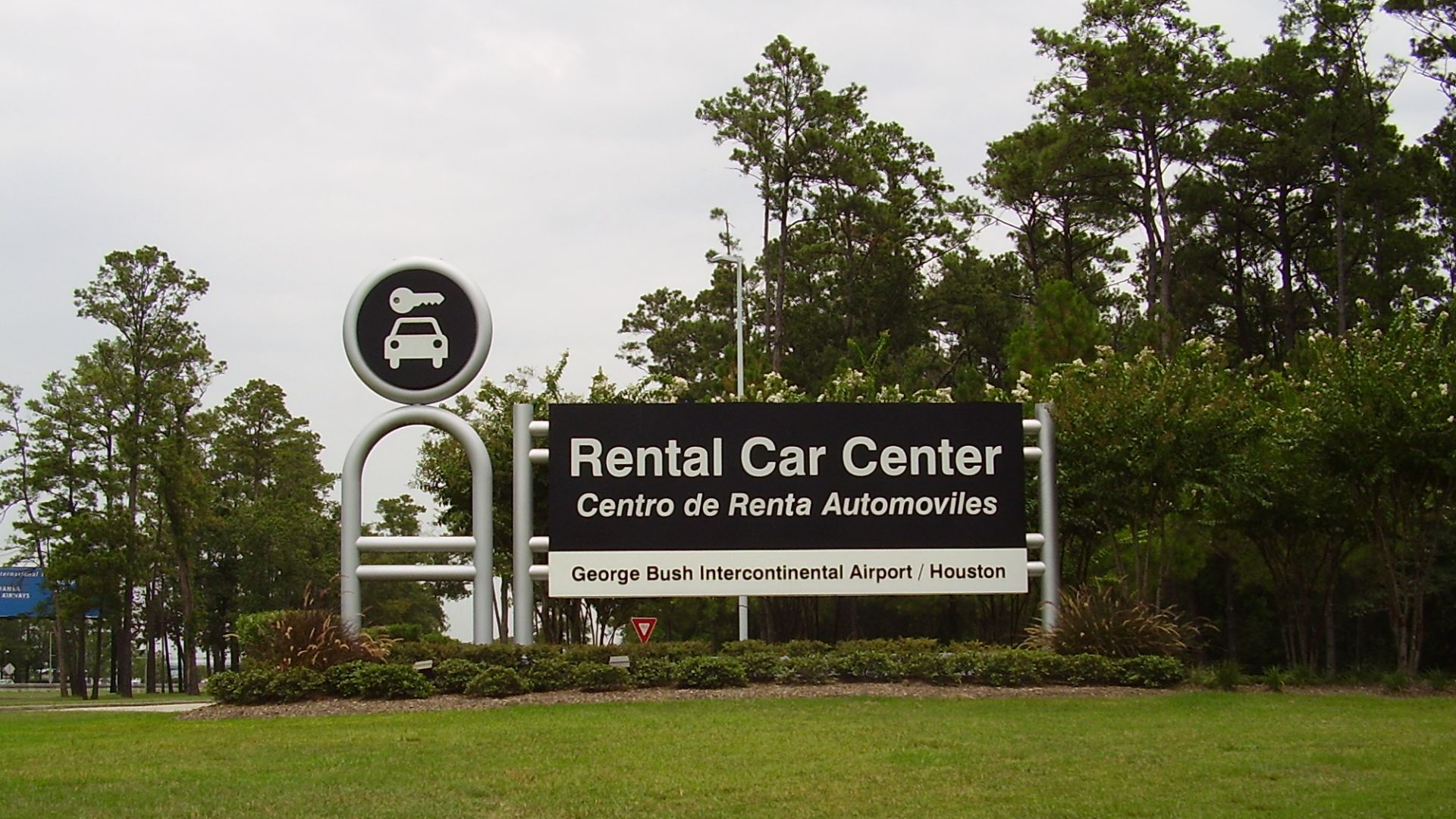
You found a two-year-old car priced well below comparable vehicles, but there is a catch: 50,000 miles and a former life as a rental. That combination doesn't automatically make it a bad purchase, but the discount needs to compensate for real uncertainties and accelerated wear.
Rentals Can Cost Less
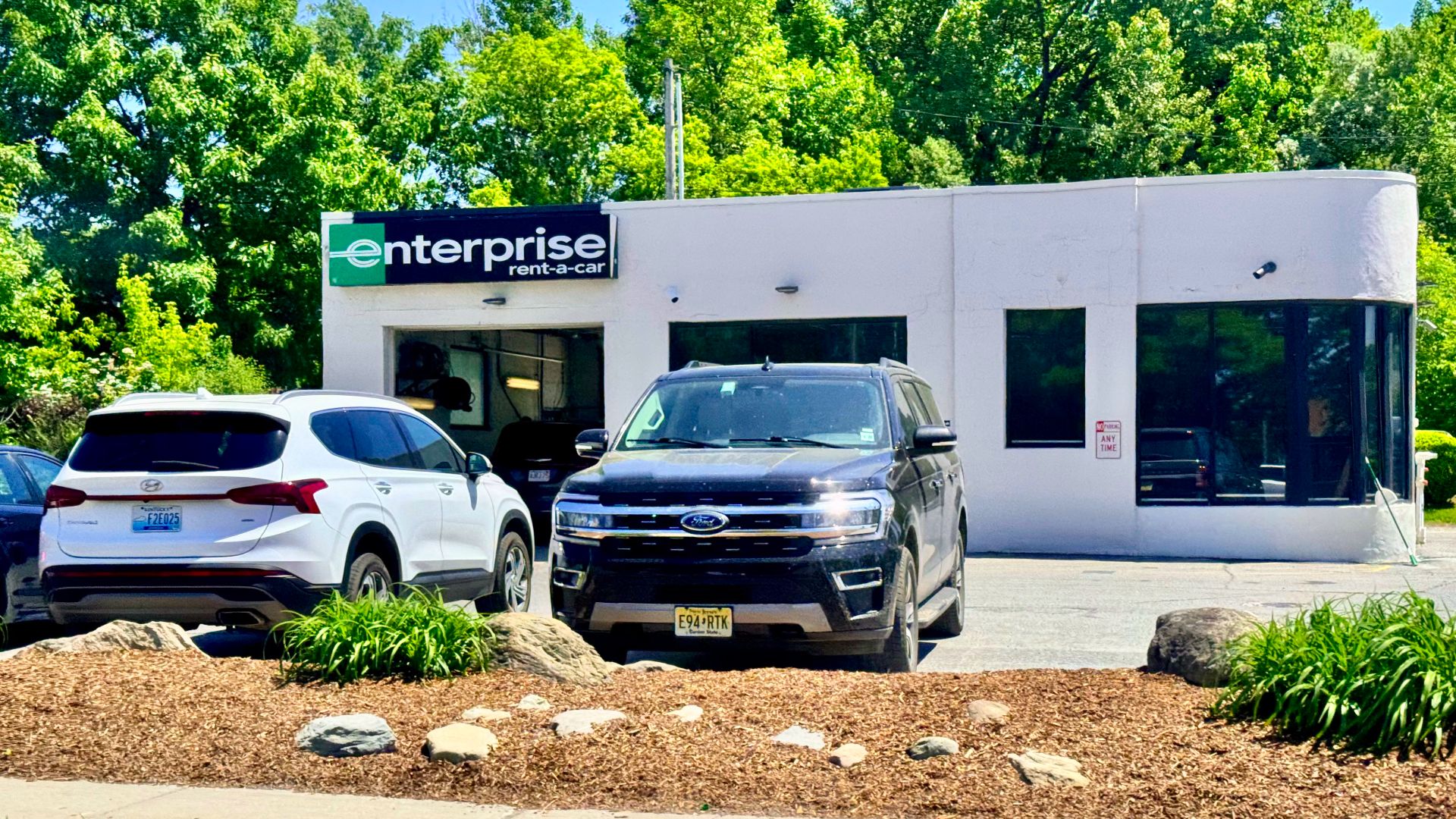
Price is the strongest argument for considering the car. Former rentals can be sold at meaningful discounts compared with similar used vehicles. If the savings are substantial enough to cover near-term maintenance and still leave you ahead, the higher mileage might be an acceptable tradeoff.
 Harrison Keely, Wikimedia Commons
Compare Real Alternatives
Do not evaluate the price in isolation. Compare the rental with privately owned examples of the same model, trim level, drivetrain, and equipment. A $3,000 discount sounds impressive until you discover the rental has fewer features, significantly more mileage, or upcoming maintenance the alternatives have already completed.
 WhisperToMe, Wikimedia Commons
Fifty Thousand Is Significant
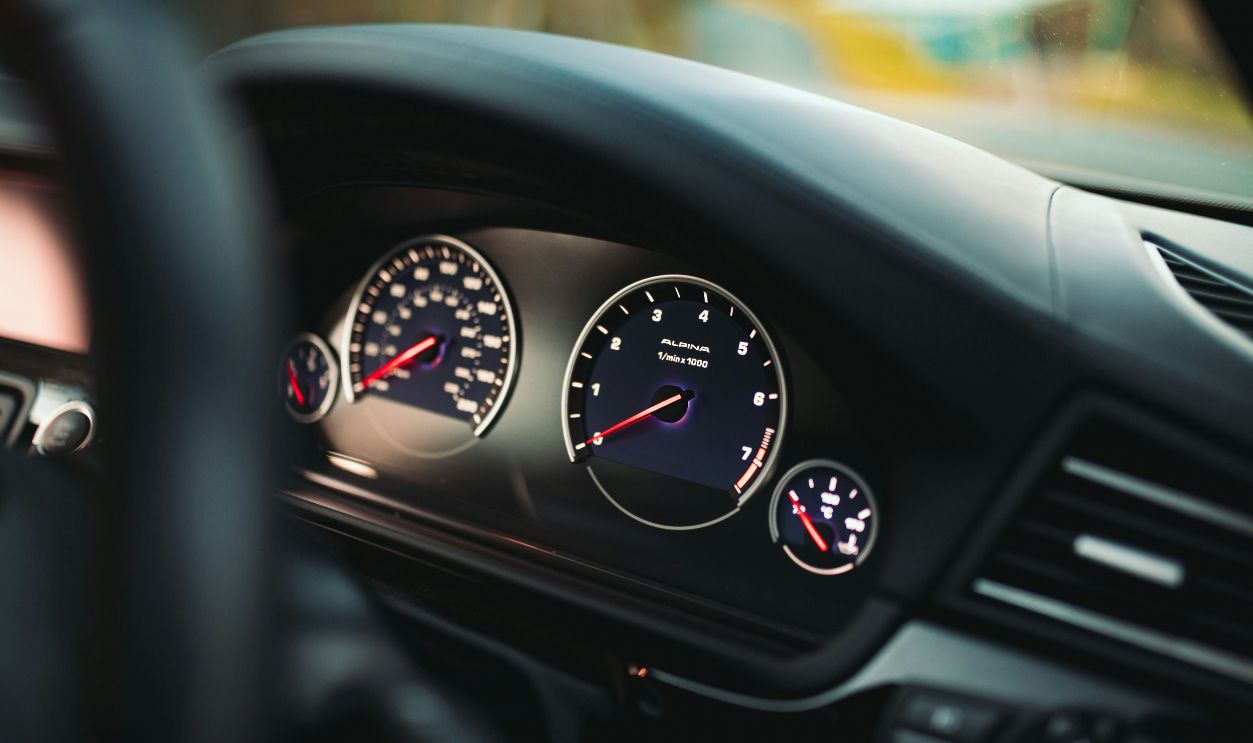
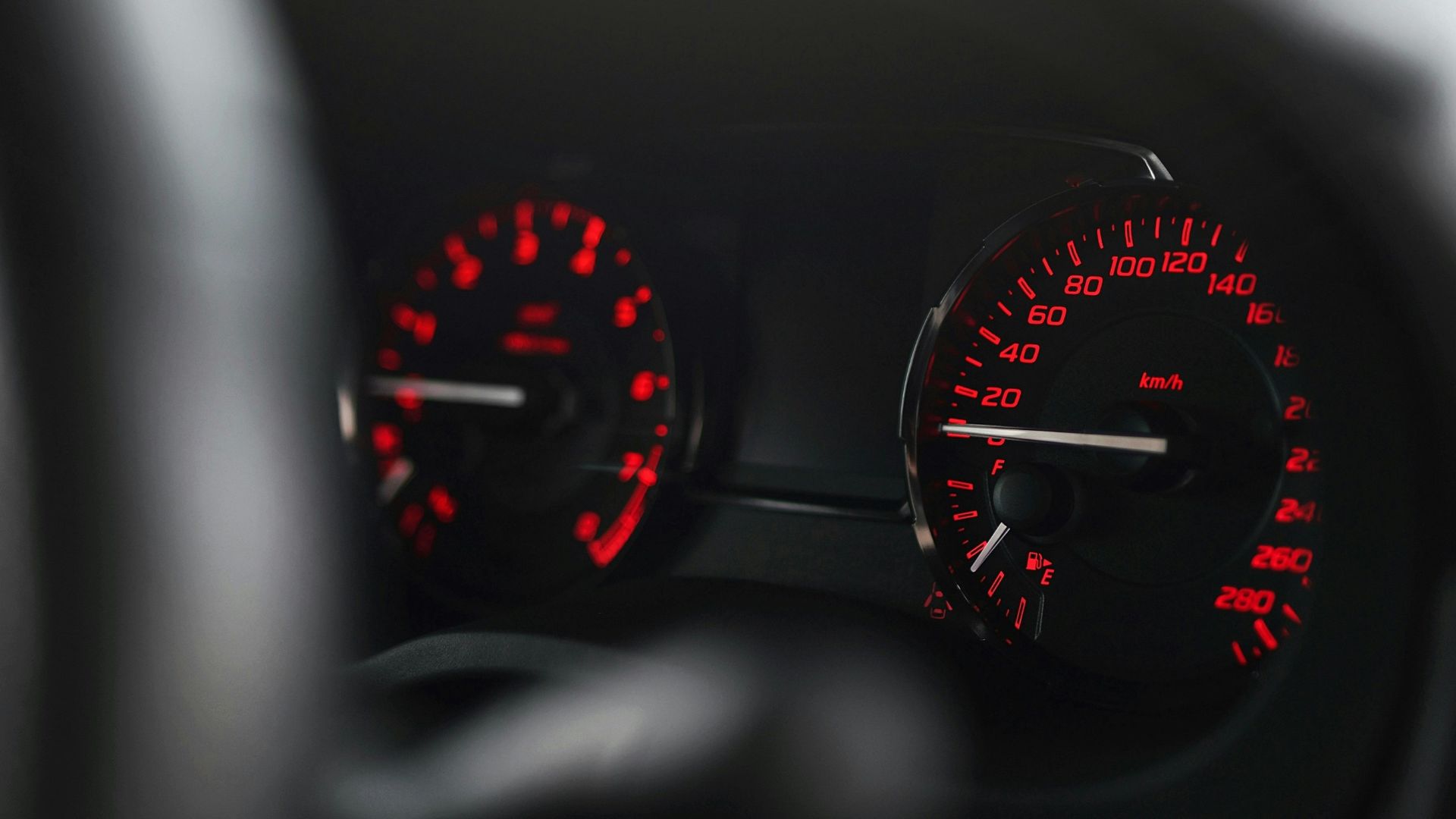
Fifty thousand miles in two years is roughly 25,000 miles annually, so this car has been driven intensively. Mileage alone does not determine a vehicle's future, but higher mileage generally means more component wear and can bring expensive preventive maintenance closer than the car's young age suggests.
Highway Miles May Help
Not every mile is equally punishing. A rental used mainly for long highway trips may have experienced fewer cold starts and less stop-and-go driving than a city car. Unfortunately, without detailed usage records, you probably cannot know whether those 50,000 miles were gentle highway cruising or relentless urban duty.

Many Drivers Used It
The car may have had one registered owner, but potentially dozens or hundreds of drivers. Some renters treat cars carefully, while others may accelerate hard, brake late, hit curbs, or ignore unfamiliar warning lights. The Reddit discussions reflect sharply divided experiences, which is exactly why the individual car matters.
Maintenance Is The Counterargument
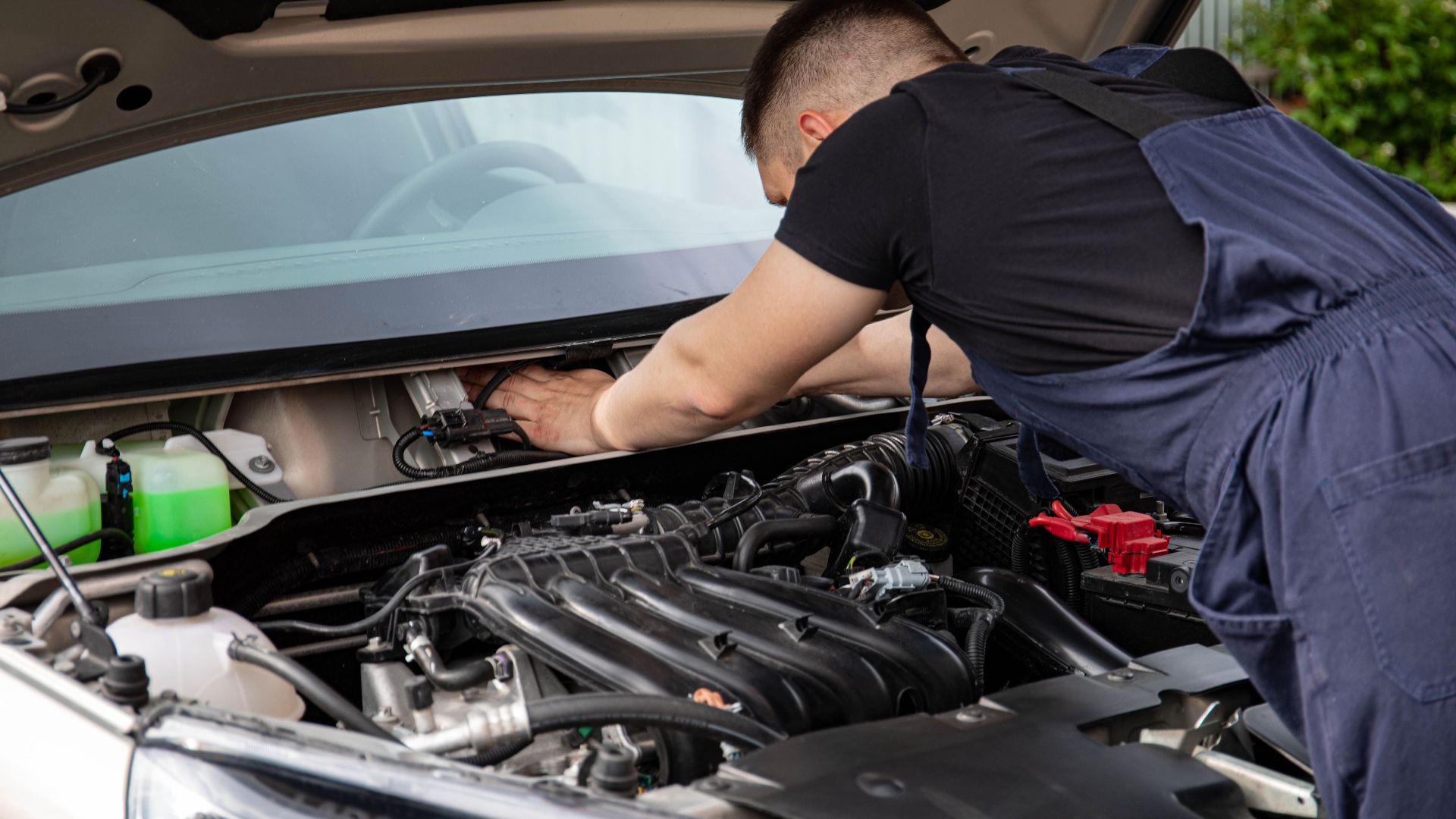
Rental companies have a business incentive to keep cars operational, and a former rental should not automatically be equated with a neglected private car. However, maintenance practices vary, and fleet work performed internally may not always produce the same third-party paper trail buyers expect from privately serviced vehicles.
Ask For Actual Records
Request whatever maintenance documentation exists and compare it with the manufacturer's schedule. Look for evidence of timely oil changes, tire rotations, inspections, and model-specific services. Consumer Reports emphasizes that condition, maintenance, repair records, and vehicle history all matter when evaluating age versus mileage.

Check The Oil History
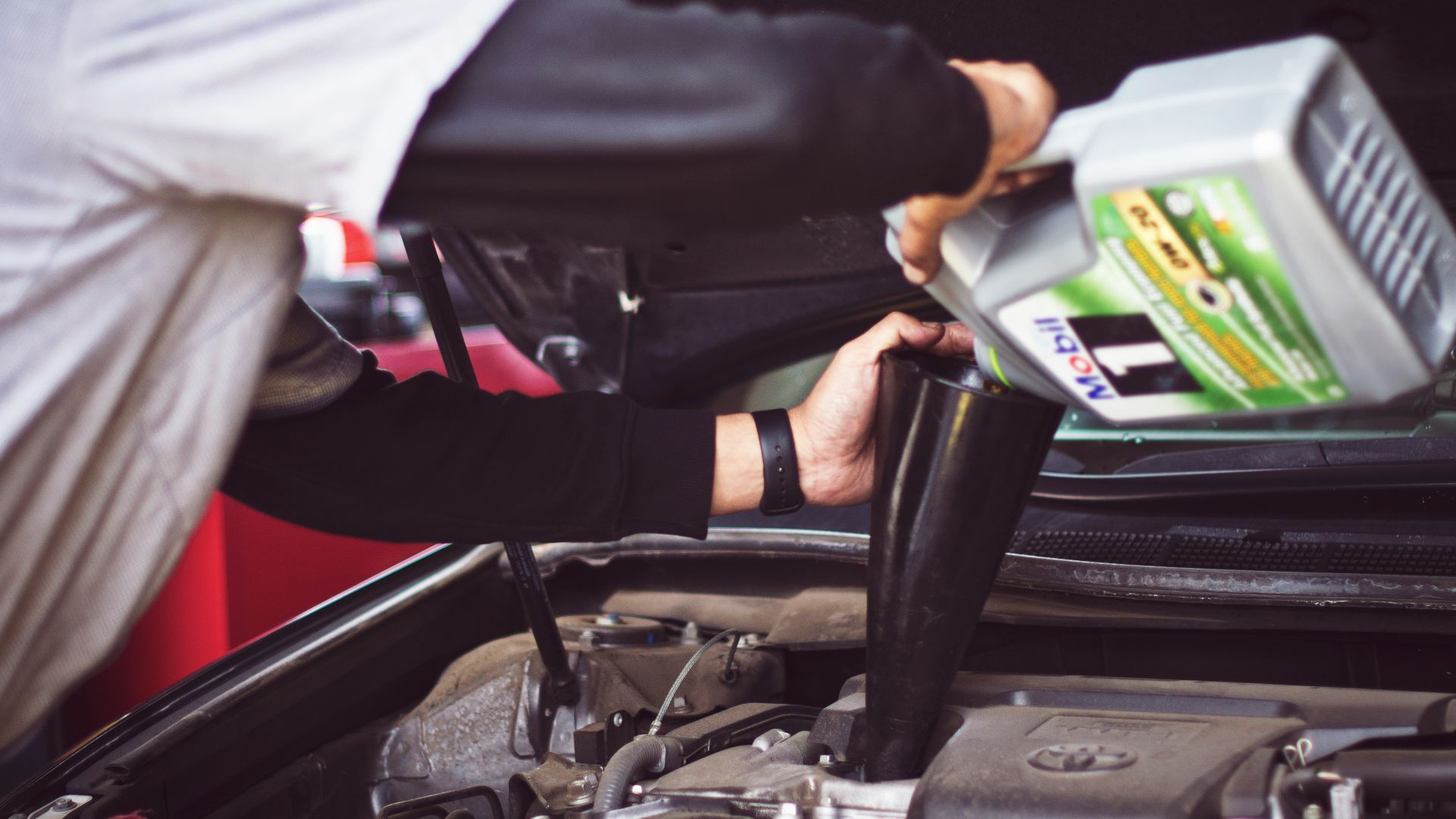
A two-year-old car with 50,000 miles should already have received multiple oil changes. Common oil-change intervals include 5,000, 7,500, and 10,000 miles, although the correct schedule is the manufacturer's recommendation. Missing evidence across such intensive mileage deserves further investigation before purchase.
Inspect Those Brakes Closely
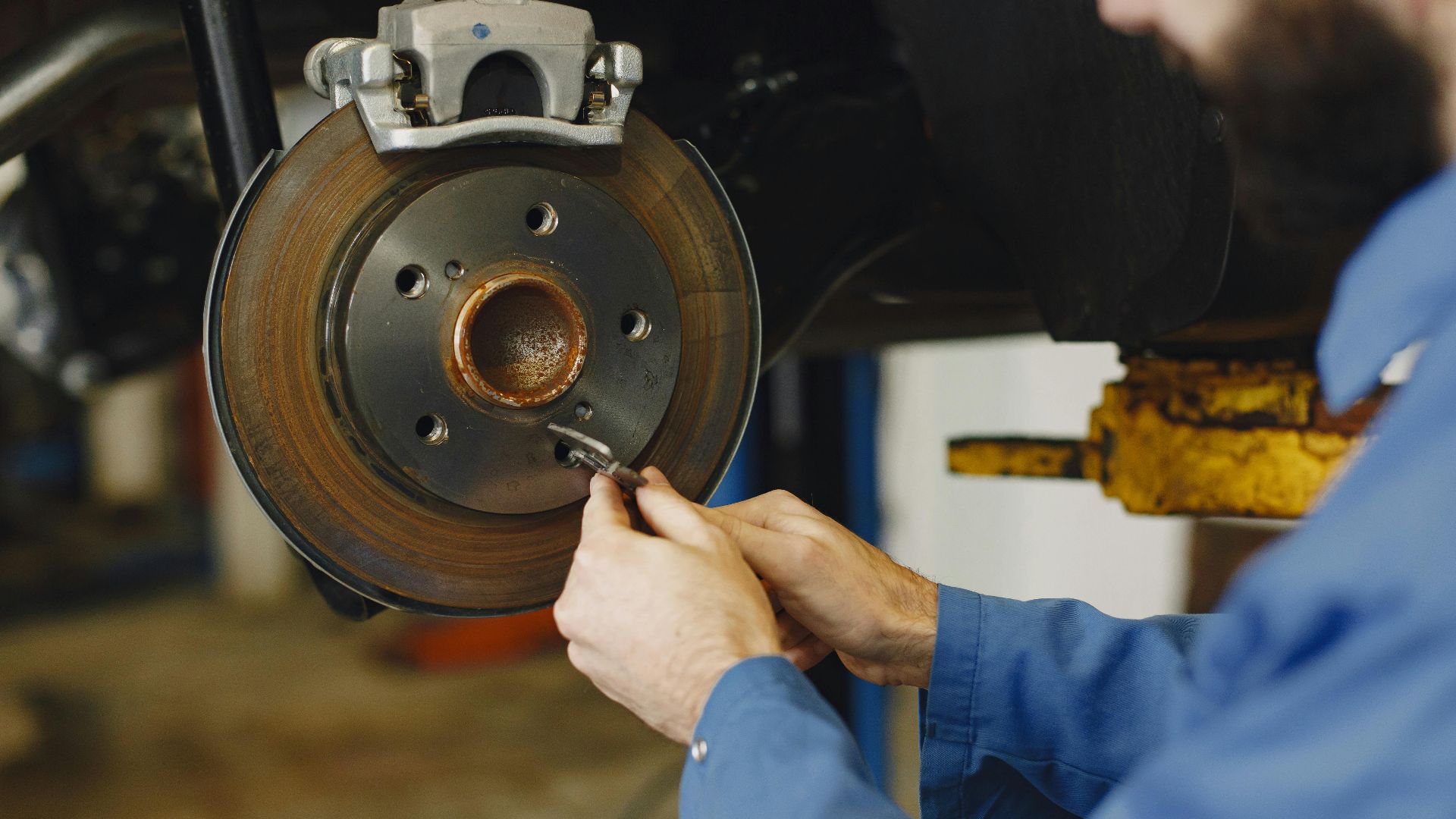
Brake wear deserves special attention on a former rental. Consumer Reports says brake pads and rotors commonly require attention somewhere around 25,000 to 50,000 miles, although actual wear varies widely. At 50,000 miles, determine remaining pad thickness and rotor condition rather than assuming they are fine.
Tires Tell A Story
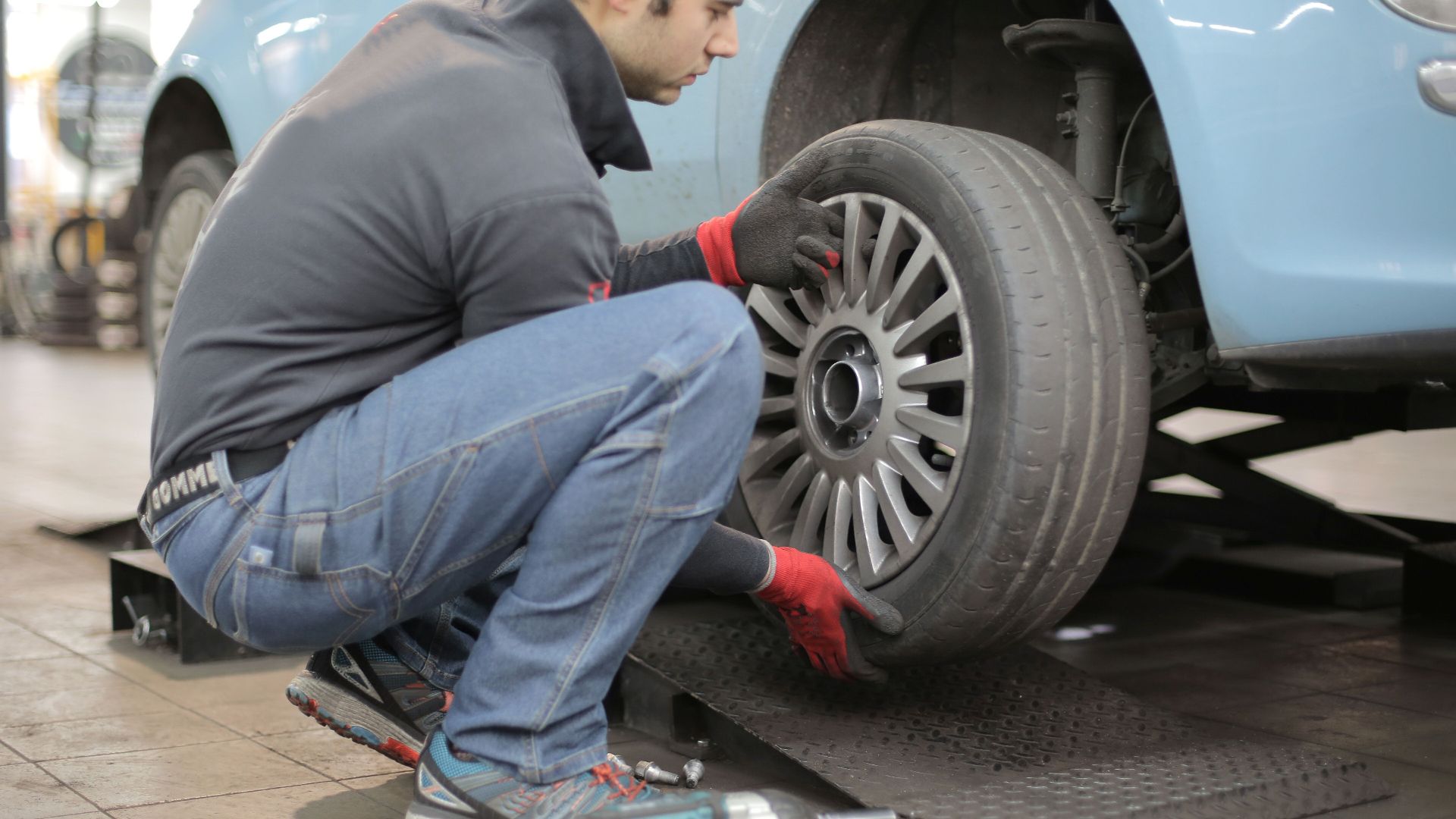
Examine all four tires, not merely whether they technically pass inspection. Uneven tread can indicate alignment or suspension trouble, while mismatched tires may reveal piecemeal replacement. NHTSA advises checking for inadequate tread, cuts, cracks, bulges, irregular wear, and other physical damage.
Measure Remaining Tread
Bring a tread-depth gauge or have the mechanic provide measurements for every tire. AAA recommends checking multiple locations across each tread because uneven readings can expose problems. Tires approaching replacement reduce the car's apparent bargain, especially if you need a complete matching set shortly after purchase.
 Tony Webster, Wikimedia Commons
Look Underneath The Car
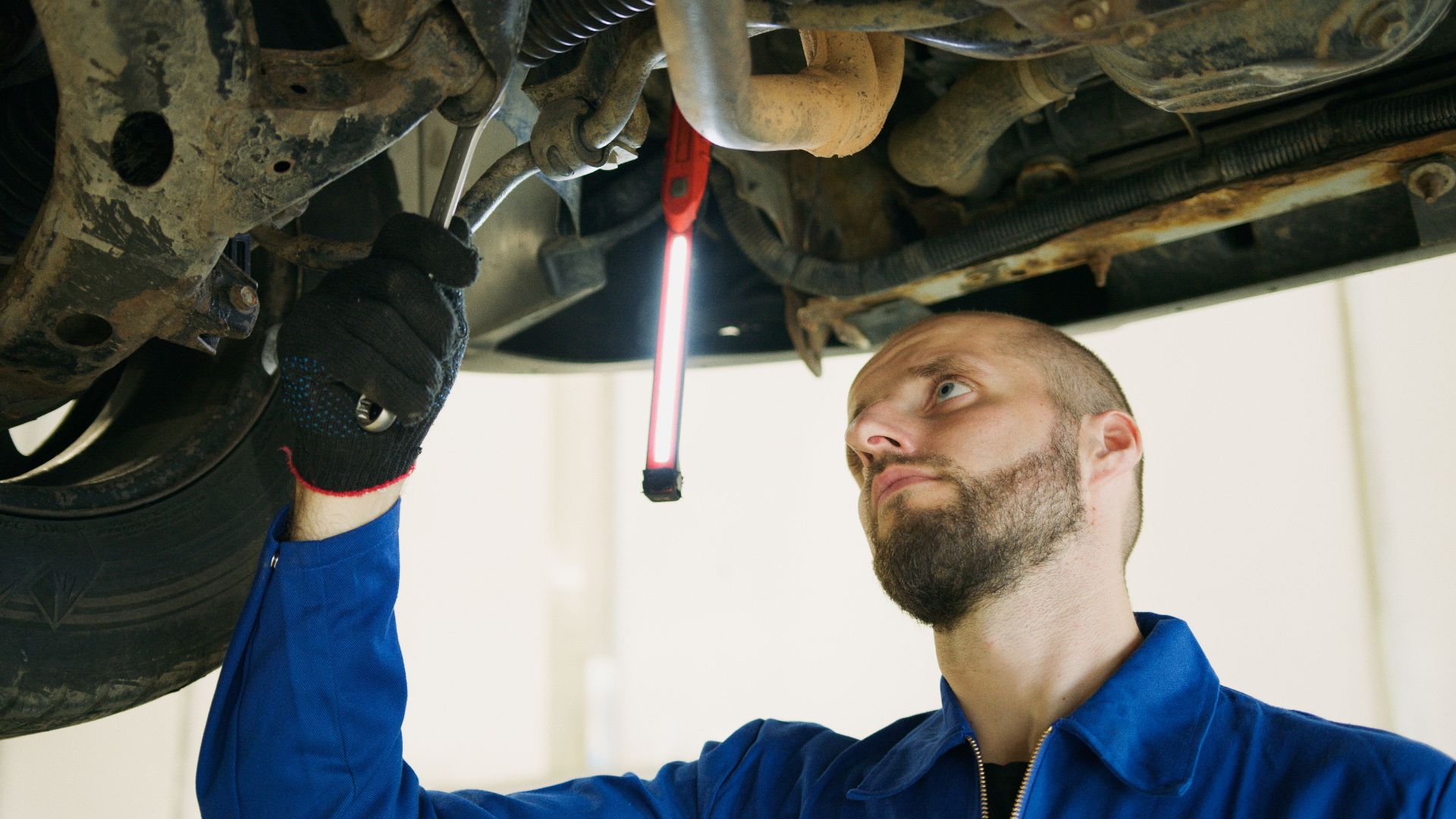
A clean interior and polished paint can make a rental look reassuring, but the underside may tell a different story. Have the inspector check for damaged splash shields, bent wheels, leaking components, scraped underbody panels, and signs that repeated curb or pothole impacts affected alignment or suspension components.
Study The Bodywork
Walk around the vehicle in good daylight and look for mismatched paint, uneven panel gaps, overspray, dents, and poorly repaired bumper damage. AAA recommends checking for mismatched paint that could indicate previous accident repairs, along with rust and damage around vulnerable body areas.

Get The History Report
A vehicle history report can reveal ownership information, reported accidents, repair records, and whether a vehicle was ever declared salvage. The FTC recommends obtaining one before buying, but remember that a clean report is a research tool, not a substitute for inspecting the actual car.

Pay For Independent Inspection
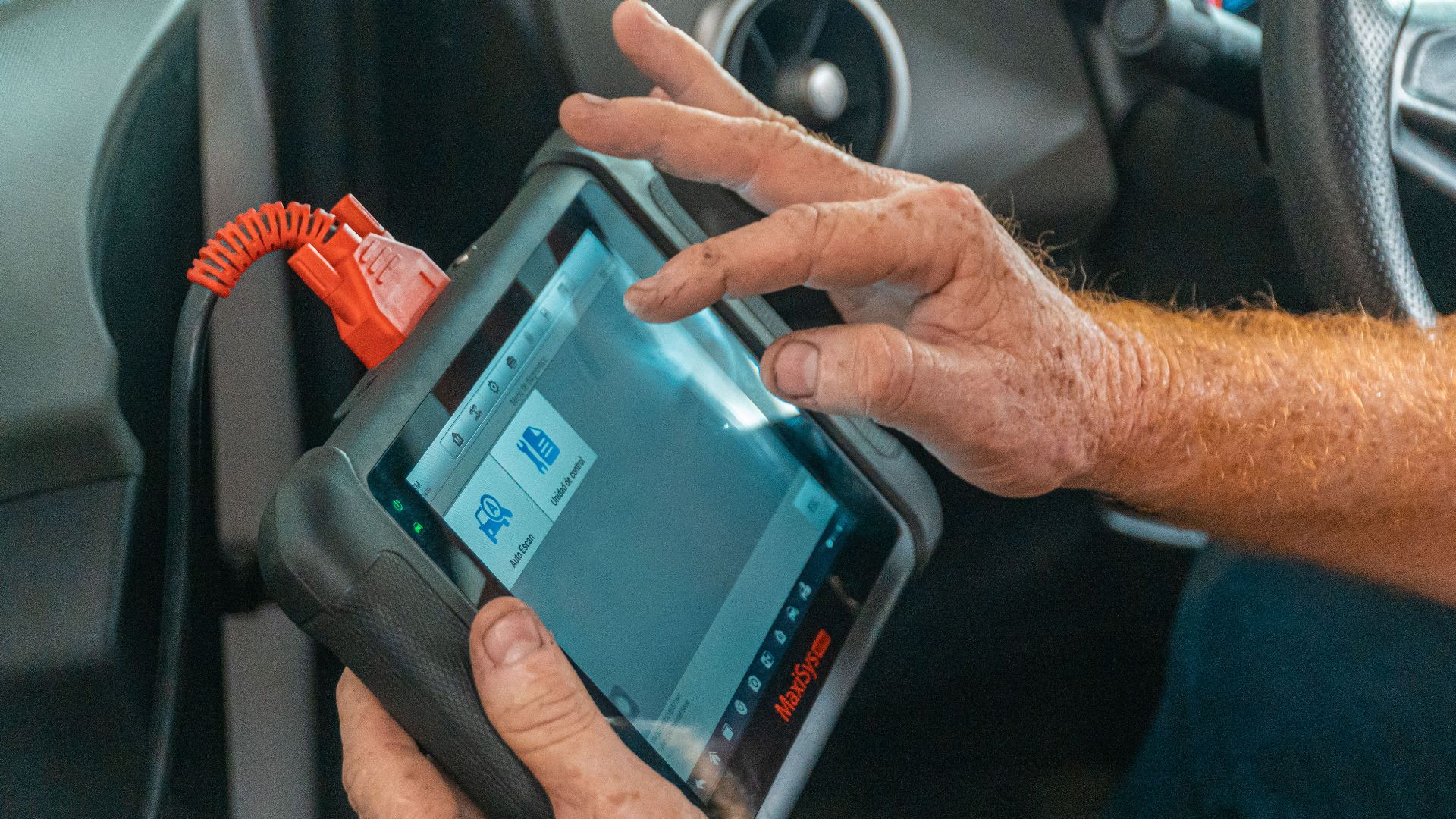
Even if the seller says the car has been inspected, pay an independent mechanic who works for you. The FTC's used-car guidance specifically recommends asking for an independent inspection before purchase. A seller who refuses reasonable inspection access is giving you valuable information about whether to proceed.
 Jose Ricardo Barraza Morachis, Pexels
Drive It Carefully
A proper test drive should include city streets and highway speeds when practical. Pay attention to steering pull, vibration, brake pulsation, unusual noises, delayed transmission responses, and warning lights. AAA notes that pulling to one side can indicate tire, brake, or alignment problems.

Sixty Thousand Comes Quickly
At 50,000 miles, a 60,000-mile maintenance milestone could arrive surprisingly soon. Depending on the manufacturer's schedule, this may involve more extensive inspections or services. AAA describes 60,000 miles as a significant maintenance point, while the owner's manual remains the authority for the specific vehicle.
Budget Beyond Purchase Price
Before celebrating the discount, build a first-year ownership budget. Include possible tires, brakes, fluids, scheduled service, registration, taxes, insurance, and financing interest. A cheaper purchase can become an expensive bargain if several wear items require attention during the first months you own it.

Check Warranty Coverage
A two-year-old car may still have some original factory coverage, but verify the exact terms using the VIN and warranty documents. Do not assume every warranty transfers identically or covers every upcoming repair. Some rental-sale programs also offer additional warranty protection, but terms should be reviewed carefully.

Read The Buyers Guide
For a dealer sale in the United States, examine the FTC Buyers Guide carefully. It indicates whether the vehicle is being sold as is or with warranty coverage and explains the dealer's share of covered repair costs. Get every important promise in writing before signing.

Check For Open Recalls
Run the VIN through NHTSA's recall lookup before buying. The tool can identify unrepaired safety recalls attached to that specific vehicle. Rental history does not eliminate this basic used-car step, and recall repairs are generally handled without charge through the manufacturer's dealer network.
 Mangkorn Danggura, Shutterstock
Consider Your Own Mileage
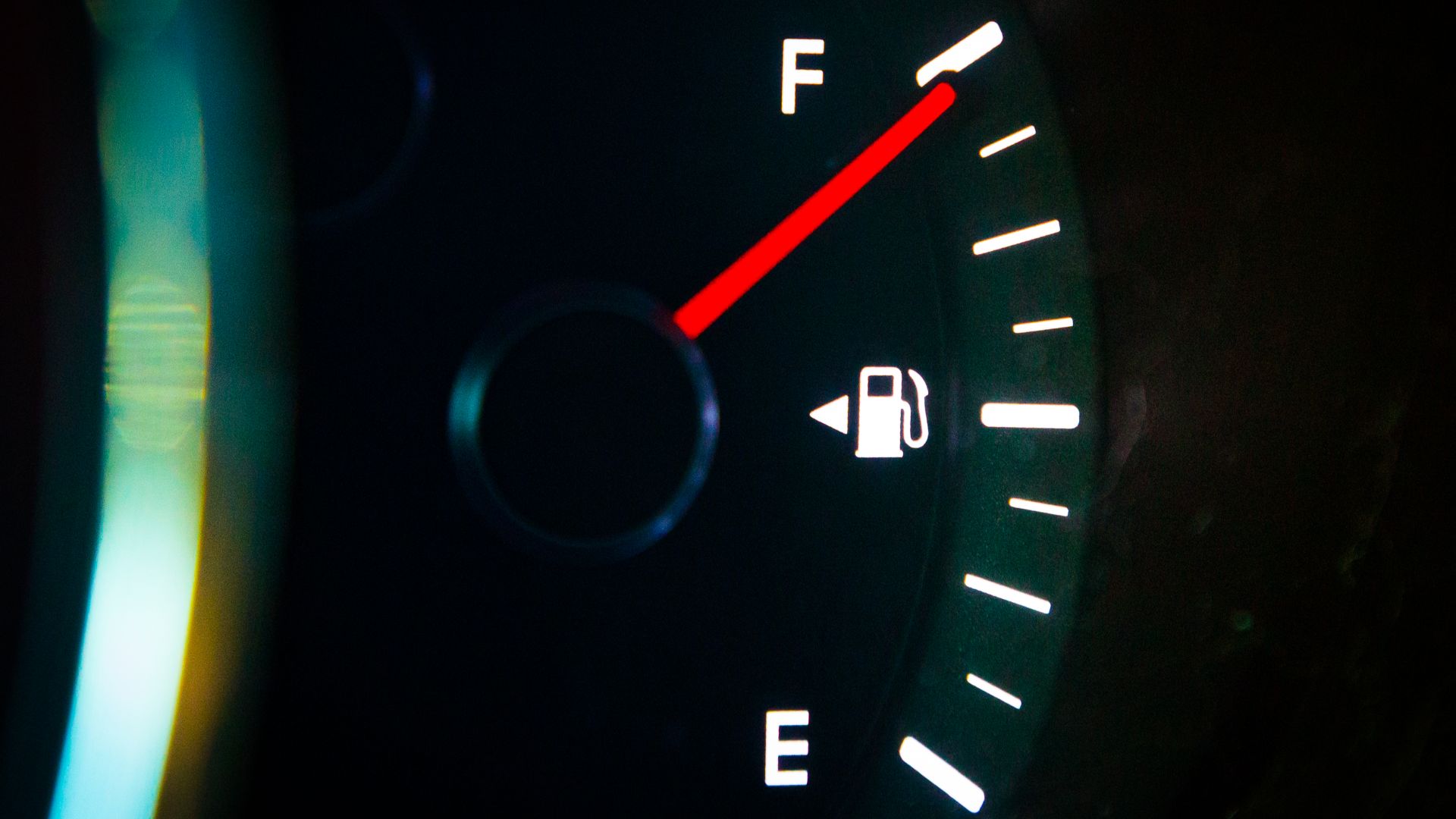
Your driving habits matter. If you work from home and add relatively few miles annually, a newer high-mileage car can make more sense because your ownership may gradually normalize its age-to-mileage relationship. Someone driving 25,000 miles annually, however, could push it into much higher mileage quickly.

Negotiate From Evidence
Use inspection results as numbers, not vague concerns. If the car needs tires, brakes, or scheduled maintenance soon, estimate those expenses and compare the adjusted total with lower-mileage alternatives. The right discount depends on actual condition and upcoming costs, not merely the words "former rental."

So, Should You Buy?
Possibly, but only if the discount is genuinely substantial, the model has a solid reliability record, the history is acceptable, and an independent inspection finds no major concerns. A former rental can be cost-effective, but 50,000 miles means you are buying a young car with mature maintenance needs.

You May Also Like:
I leased a car but moved to a city with great transit. What’s the cheapest way out?