When Buying A New Car Came With Rules
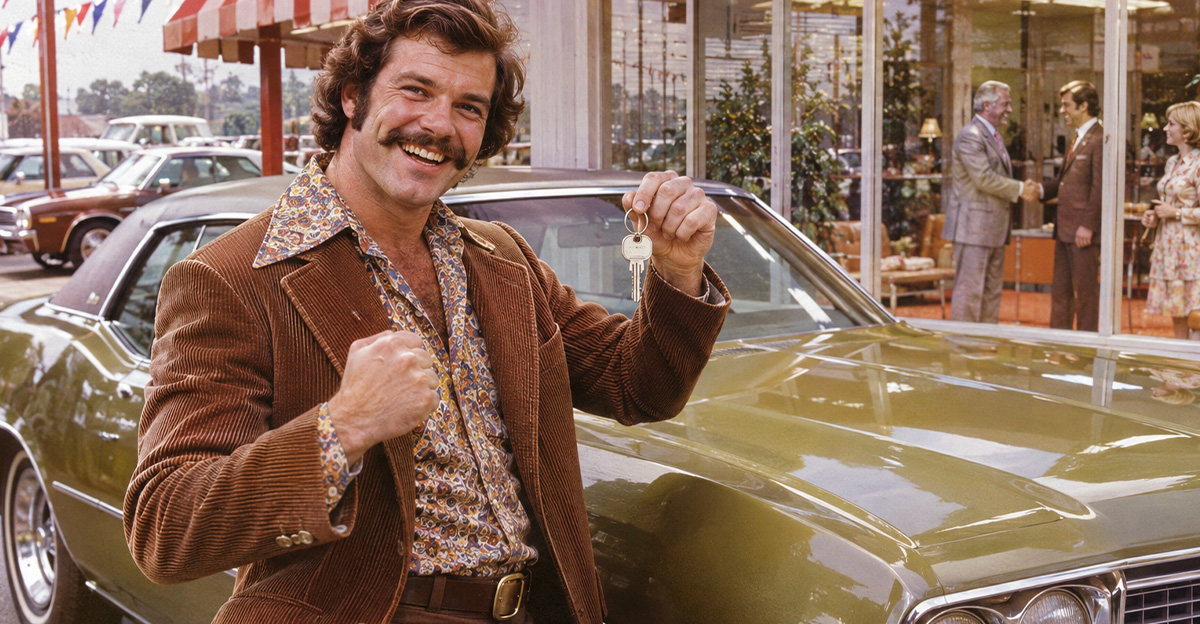
Remember driving your brand-new car off the dealership lot in the 1970s? As tempting as it was to put your foot down and see what that shiny new engine could do, there were some very specific rules to follow first.
The First 500 Miles Were Crucial
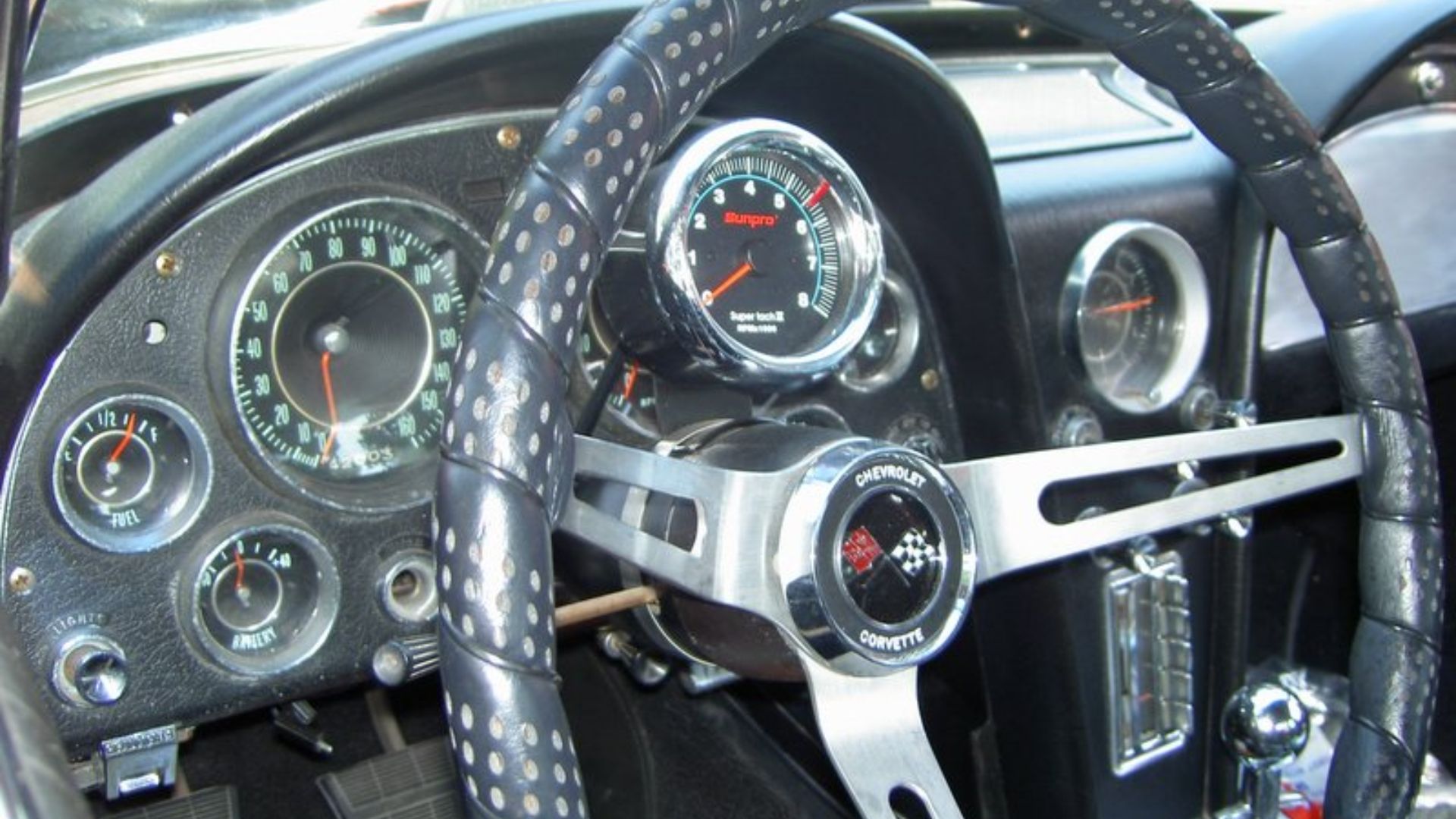
Those first 500 miles were treated with particular care. Chevrolet, among other manufacturers, recommended special driving precautions during this period. For an excited new owner, watching those numbers slowly climb on the odometer required considerable patience.
 Stephen Foskett (Wikipedia User: sfoskett), Wikimedia Commons
Keeping It Under 60 MPH
If you'd bought a brand-new Chevrolet Monte Carlo in 1971, your owner's manual recommended staying at or below 60 MPH for the first 500 miles. That powerful new V8 would have to wait a little longer.
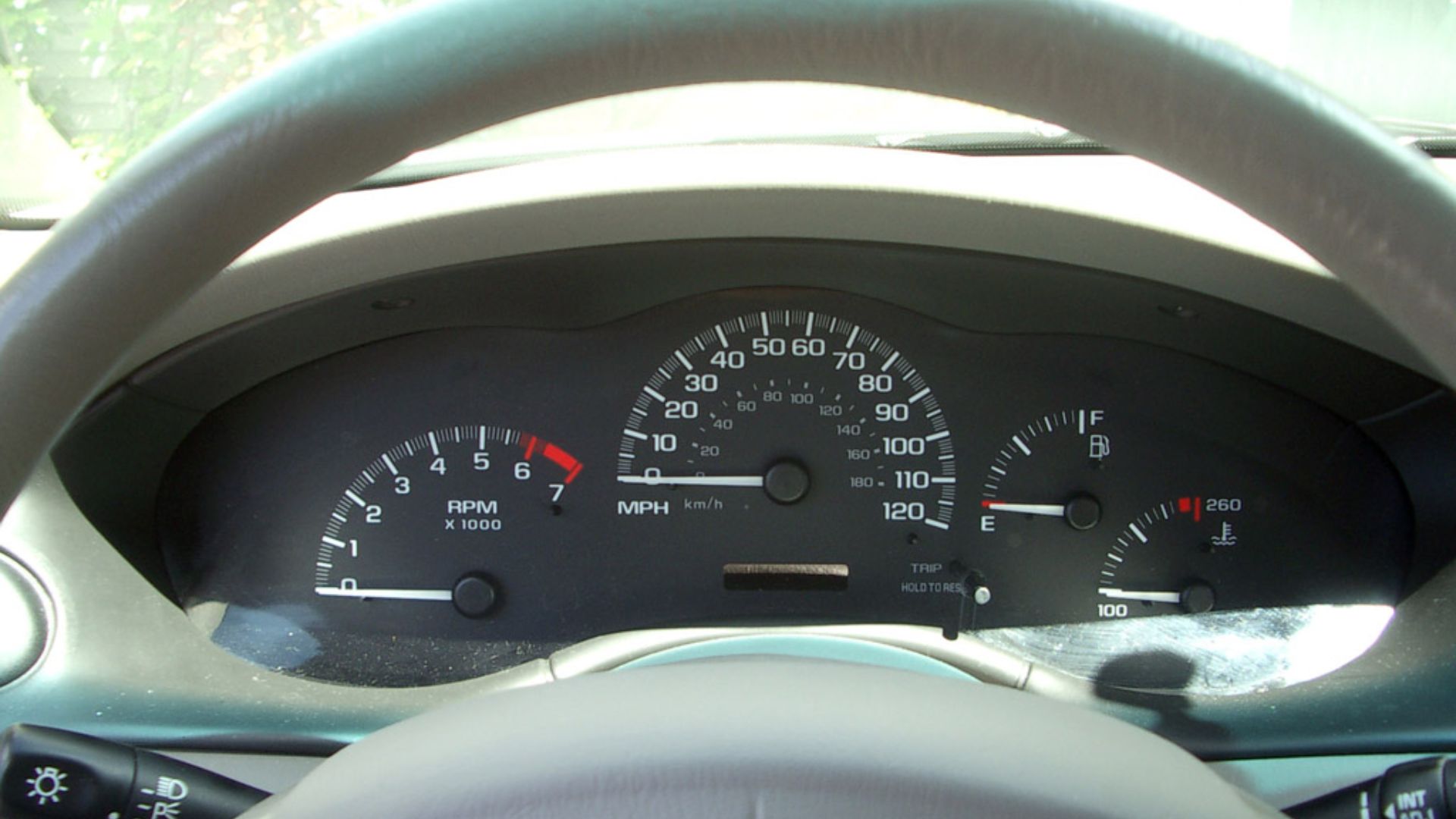
Changing Your Speed Frequently
Driving at the same speed for hours wasn't considered particularly good for a new engine. Manufacturers encouraged owners to vary their speed, allowing the engine to experience different operating conditions as its components settled in.
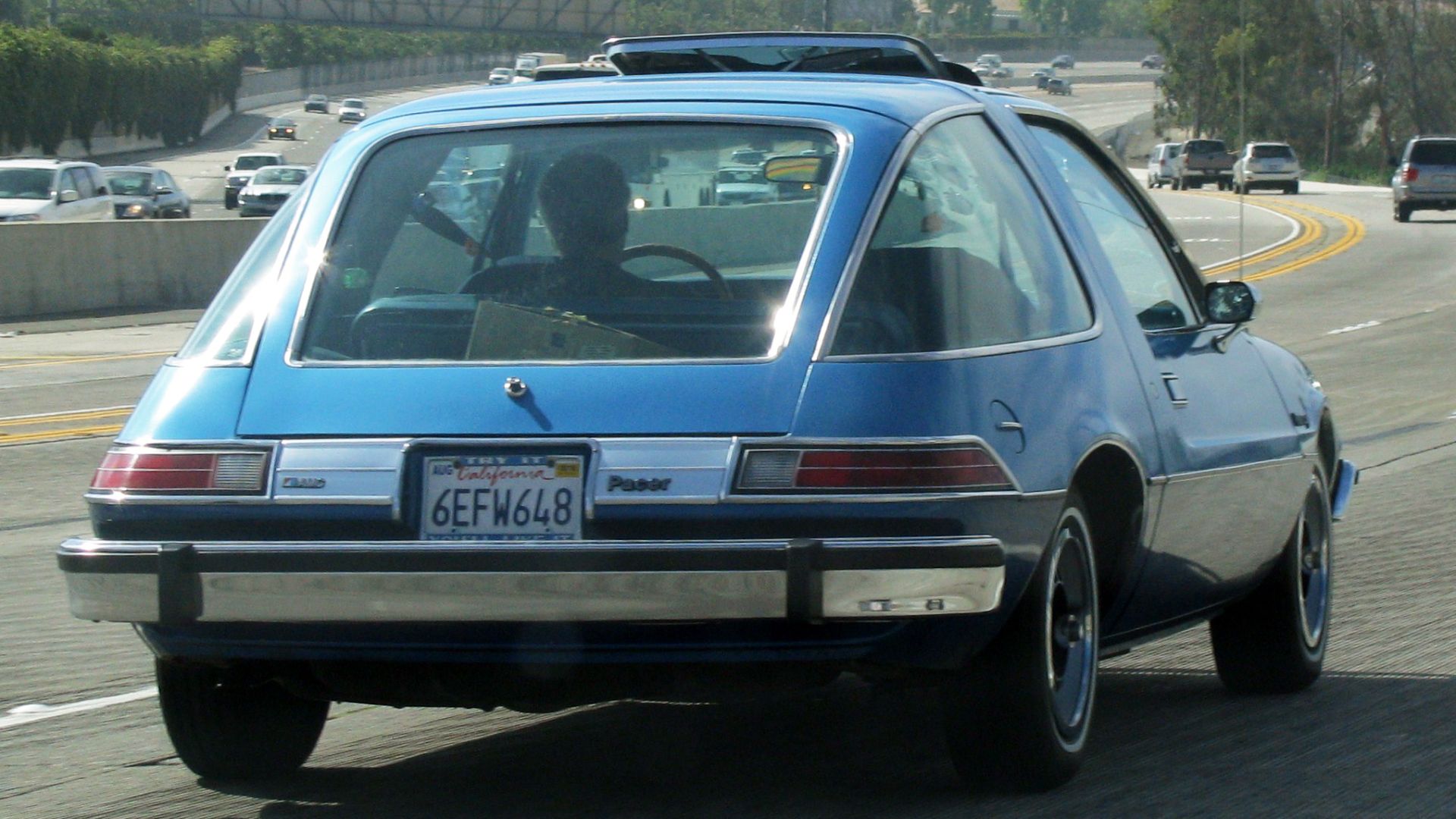 Daniel R. Blume, Wikimedia Commons
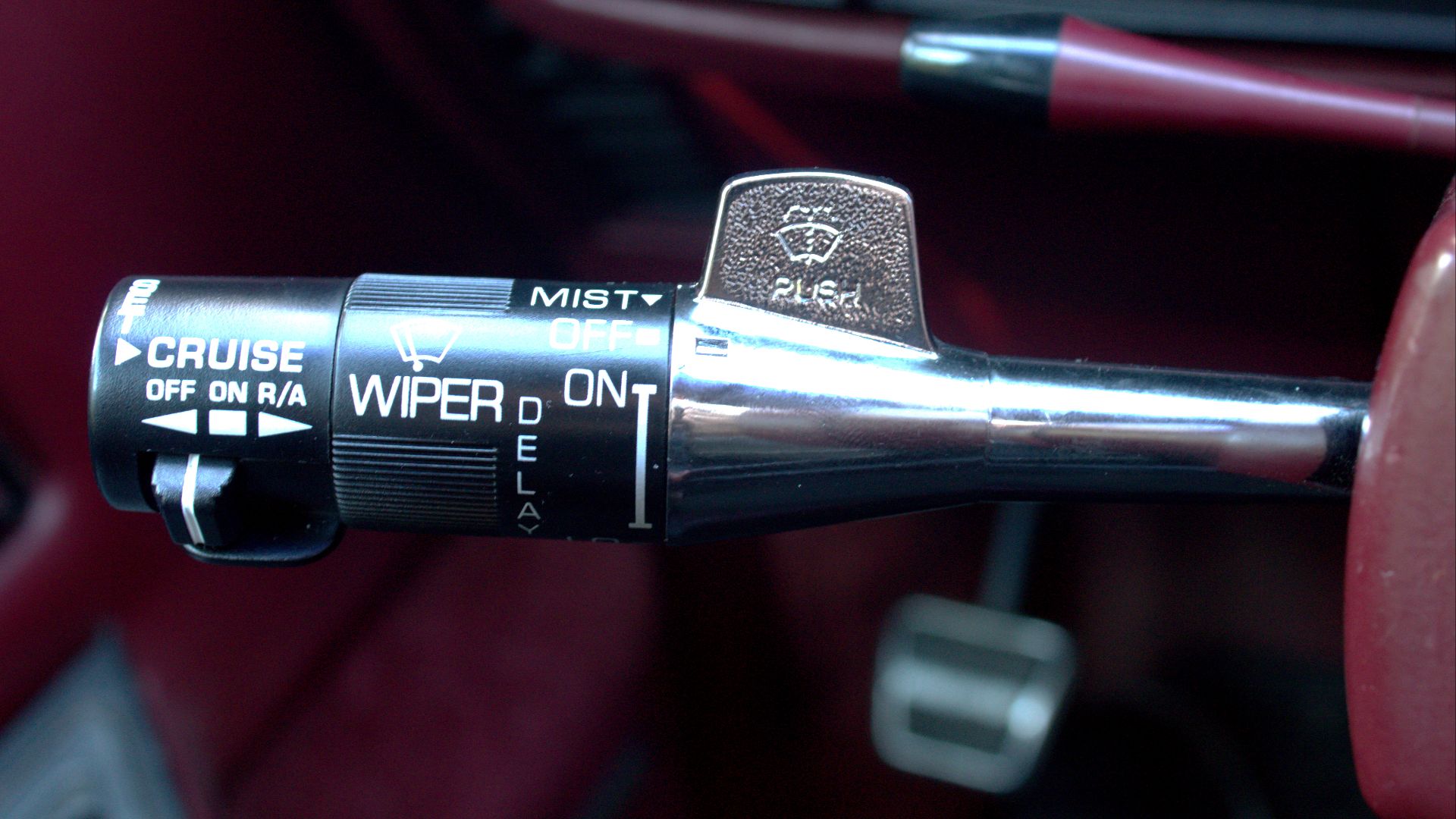
Avoiding Cruise Control
Although cruise control was available on some cars in the 1970s, using it extensively during the break-in period went against manufacturers' advice about maintaining a constant speed. Your right foot still had plenty of work to do.
 Jacek Rużyczka, Wikimedia Commons
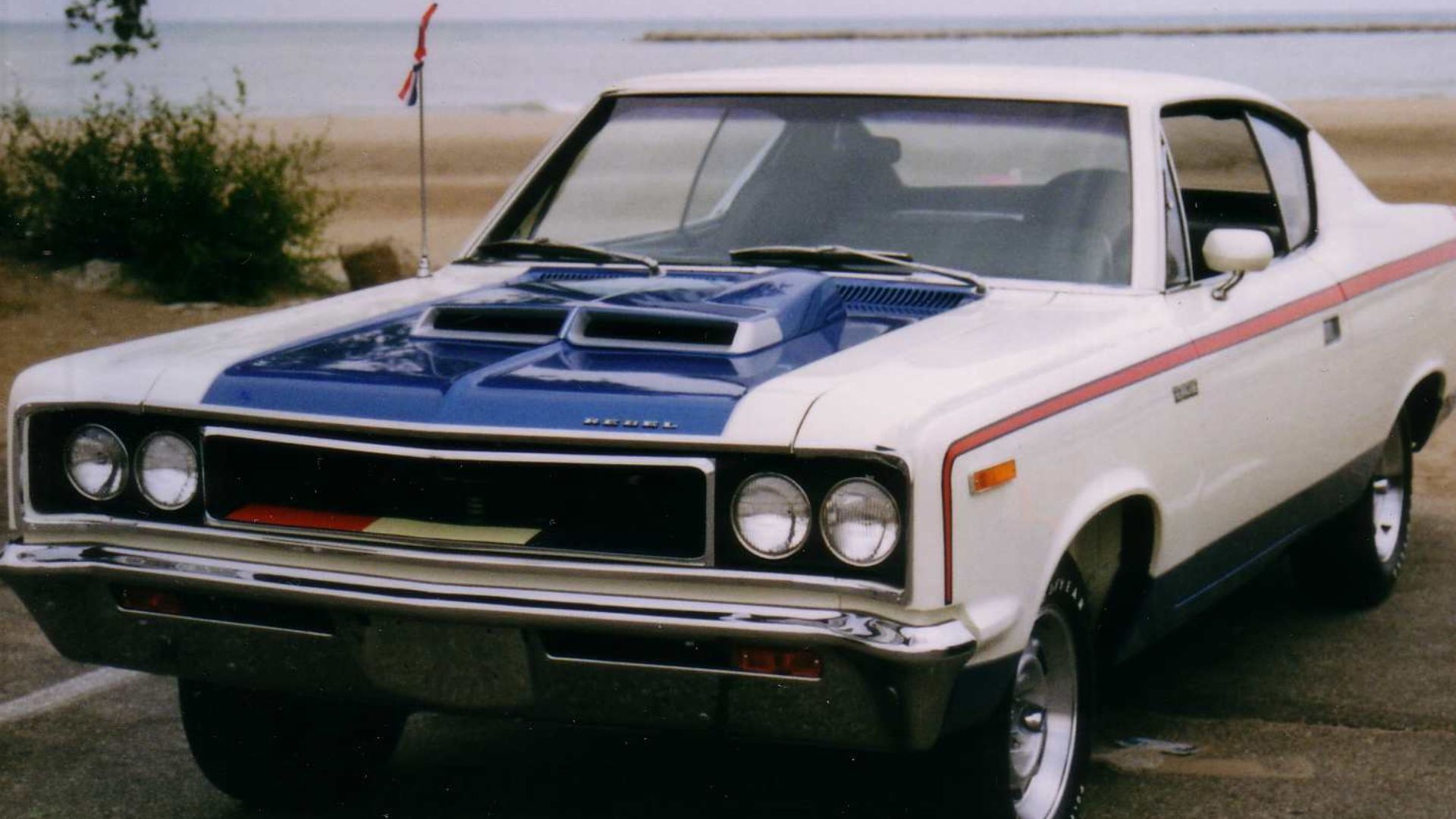
No Racing Away From Traffic Lights
It didn't matter how impressive your new muscle car looked or who pulled up alongside you at the lights. Flooring the accelerator from a standstill was something manufacturers specifically discouraged during those early miles.
Keeping An Eye On The Tachometer
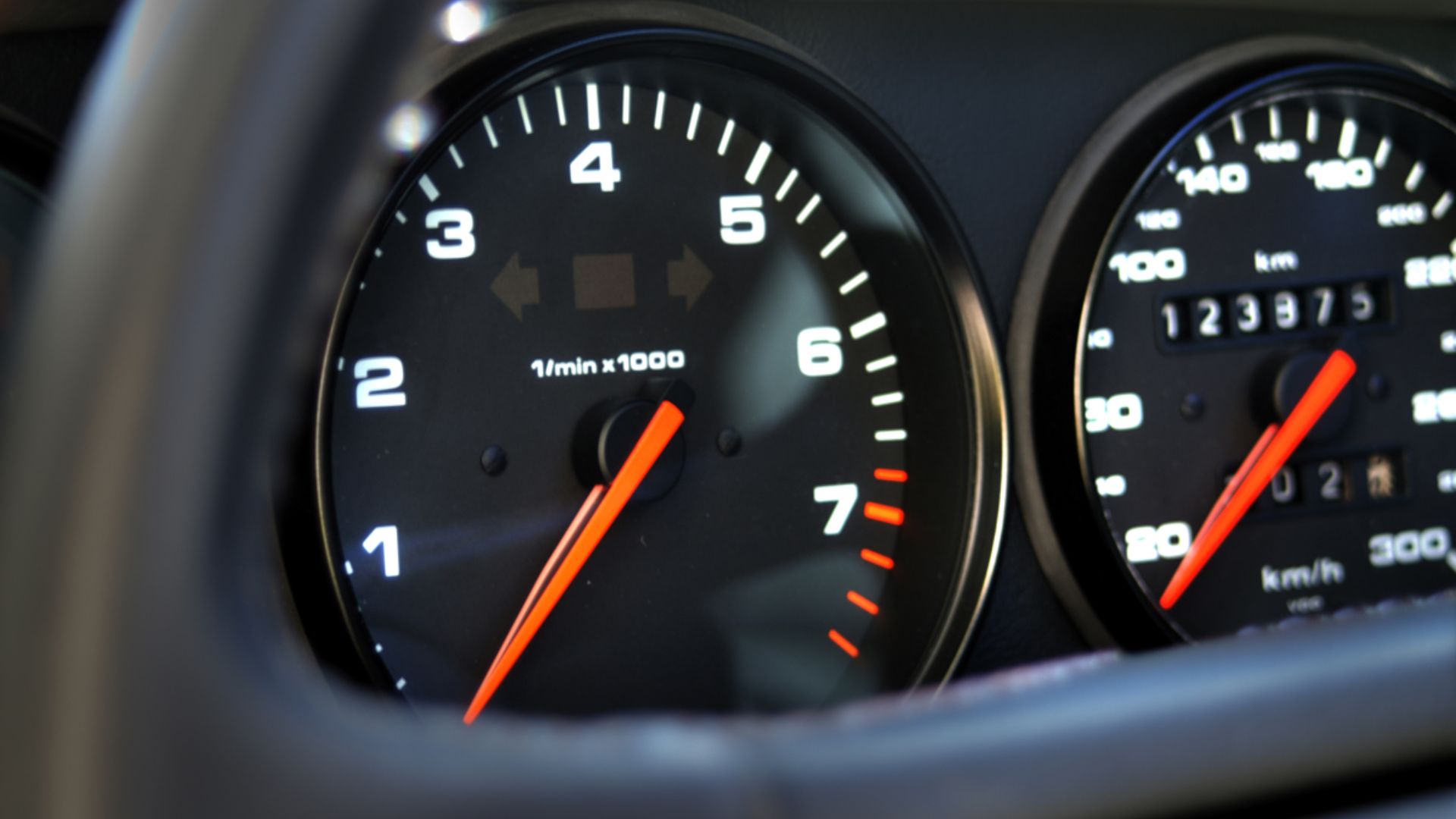
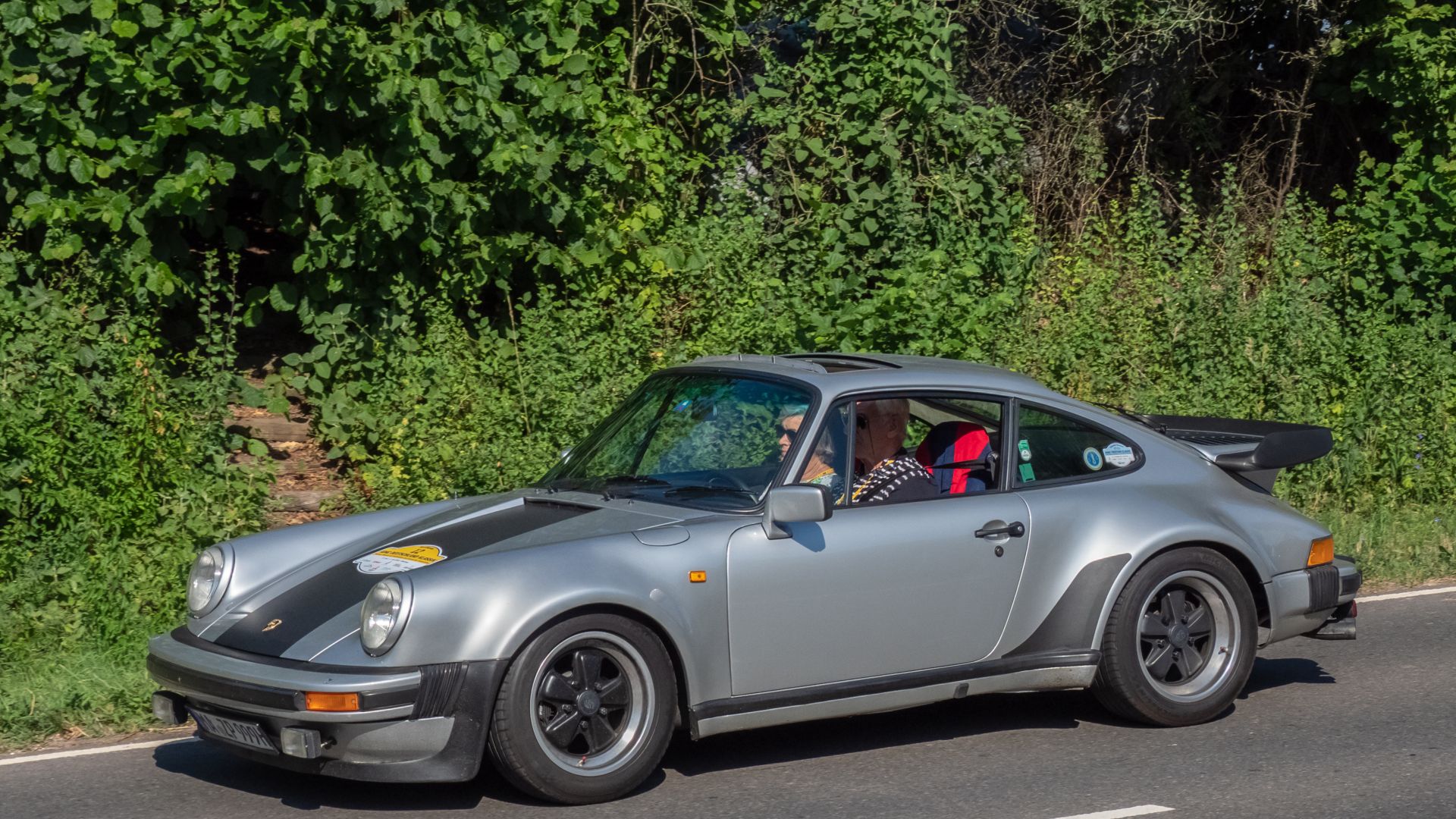
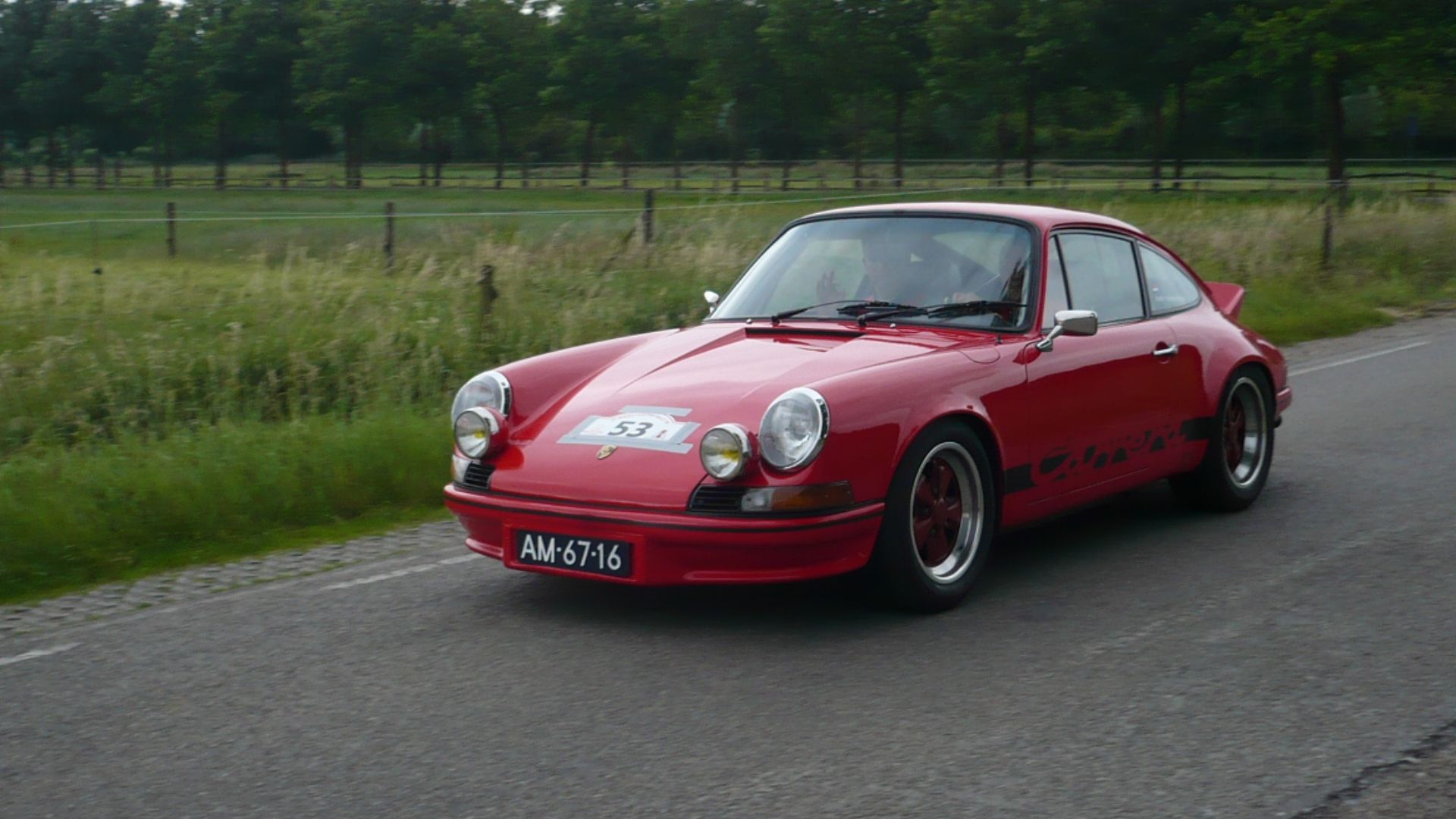
Owners of a new Porsche 911T in 1971 had particularly detailed instructions. For the first 600 miles, they were supposed to keep the engine below 5,000 RPM. Having a tachometer certainly came in handy.
Gradually Increasing Engine Speed
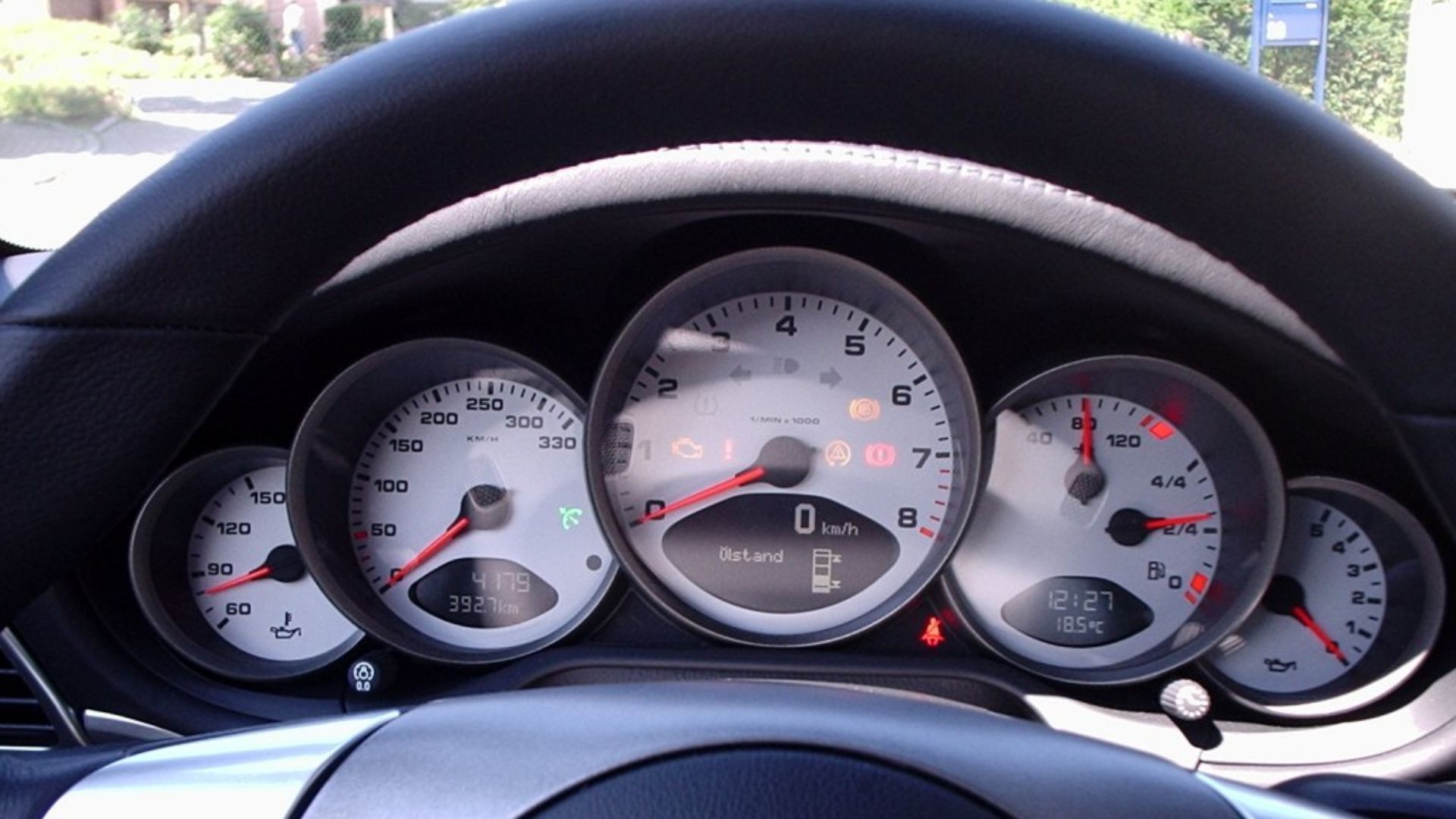
Porsche even provided instructions for gradually increasing engine speeds as the miles accumulated. Between 600 and 1,000 miles, owners could raise their maximum engine speed to 5,500 RPM. Another increase came after that.
Avoiding Full-Throttle Driving
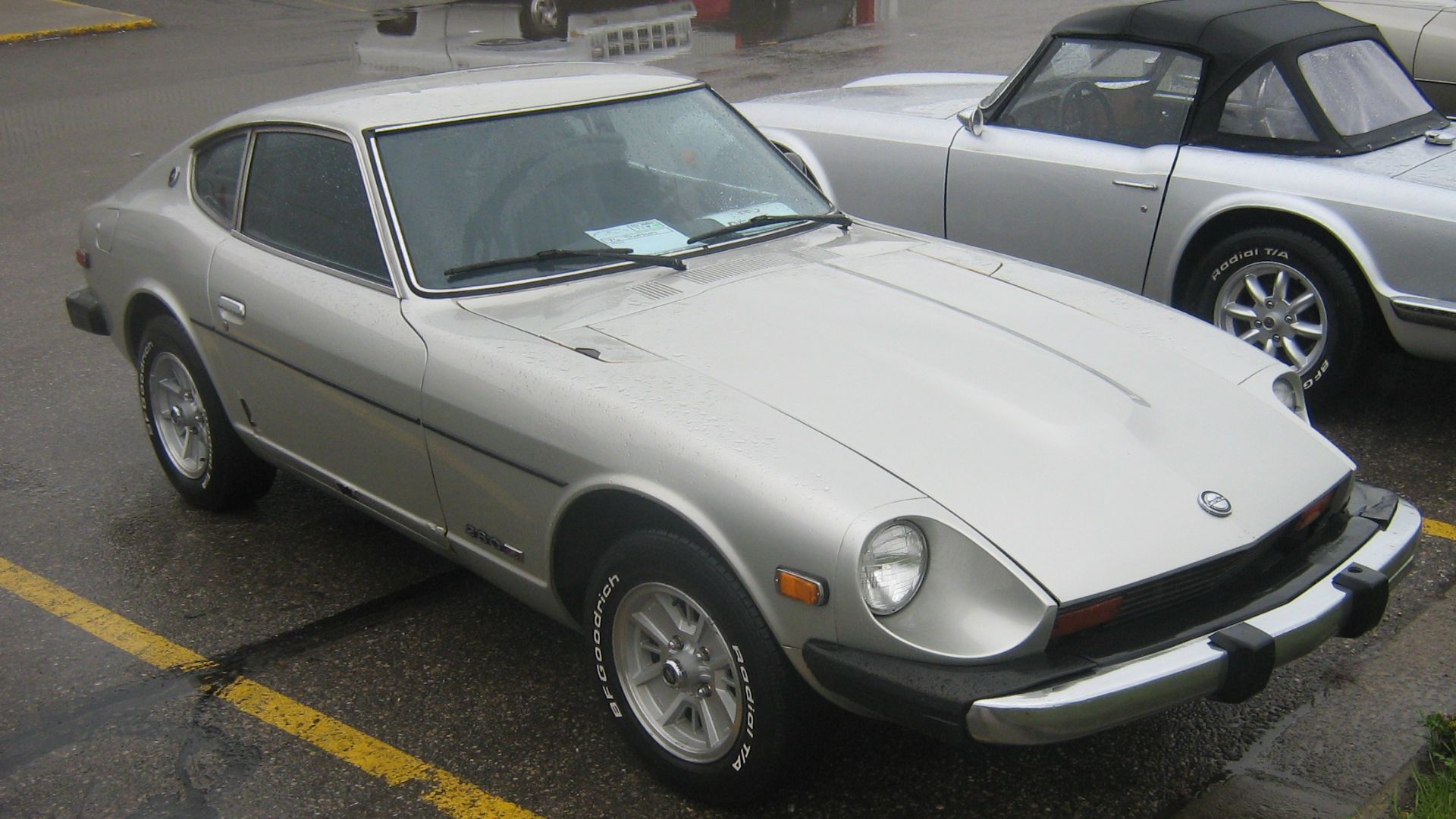
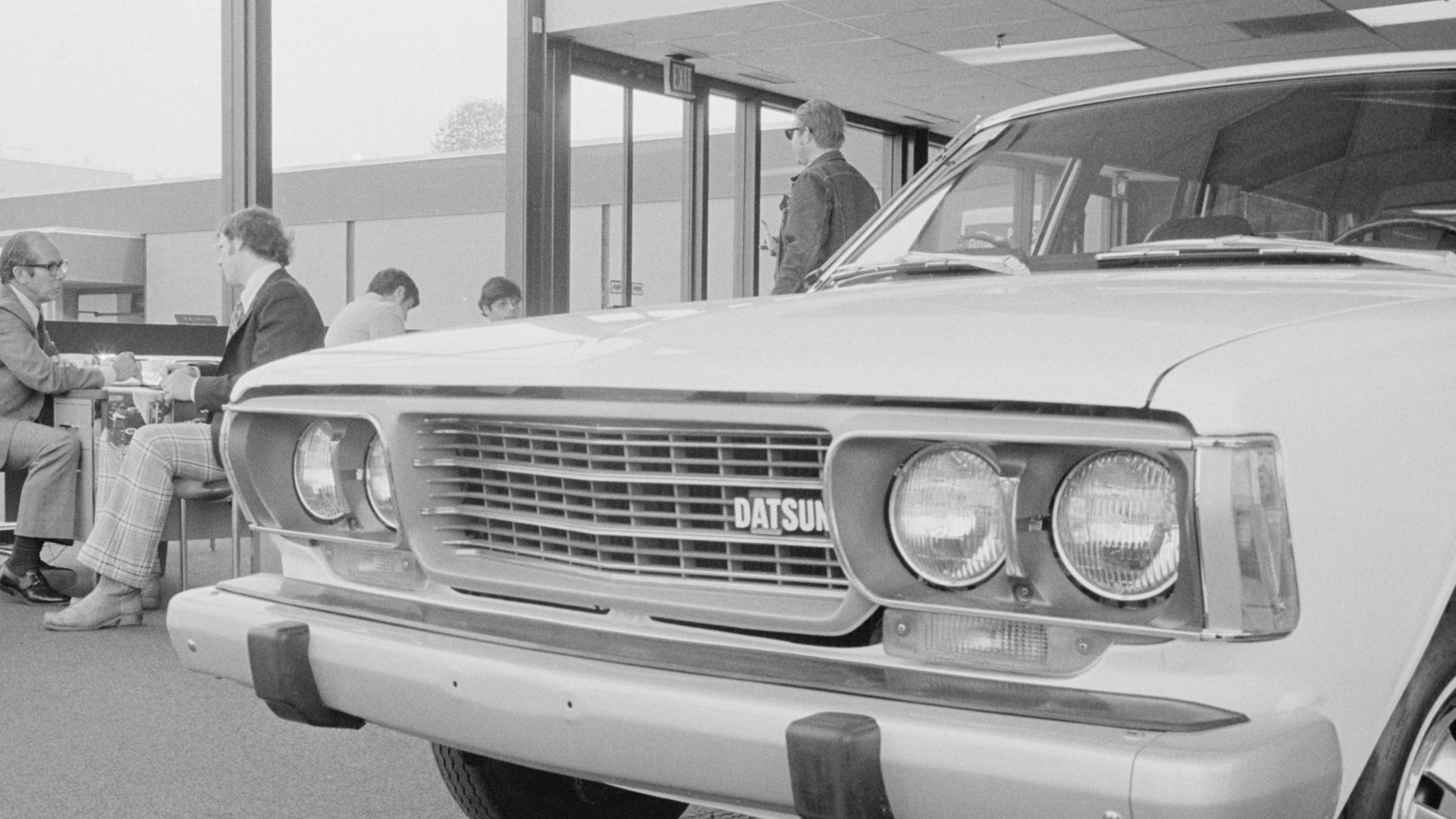
Datsun's 280Z came with instructions discouraging full-throttle driving for the first 1,000 miles. Imagine buying one of the coolest Japanese sports cars of the decade and having to resist discovering what it could really do.
 dave_7 from Lethbridge, Canada, Wikimedia Commons
Not Letting The Engine Struggle
Being gentle with your engine didn't necessarily mean driving as slowly as possible. Making an engine struggle at low RPM in a high gear, otherwise known as lugging, was something manufacturers warned against.
 Phil Simpson, Wikimedia Commons
Downshifting Before Climbing Hills
If you were approaching a steep hill in your brand-new Datsun, the owner's manual encouraged downshifting before the engine began struggling. Learning to anticipate hills was part of looking after your new investment.
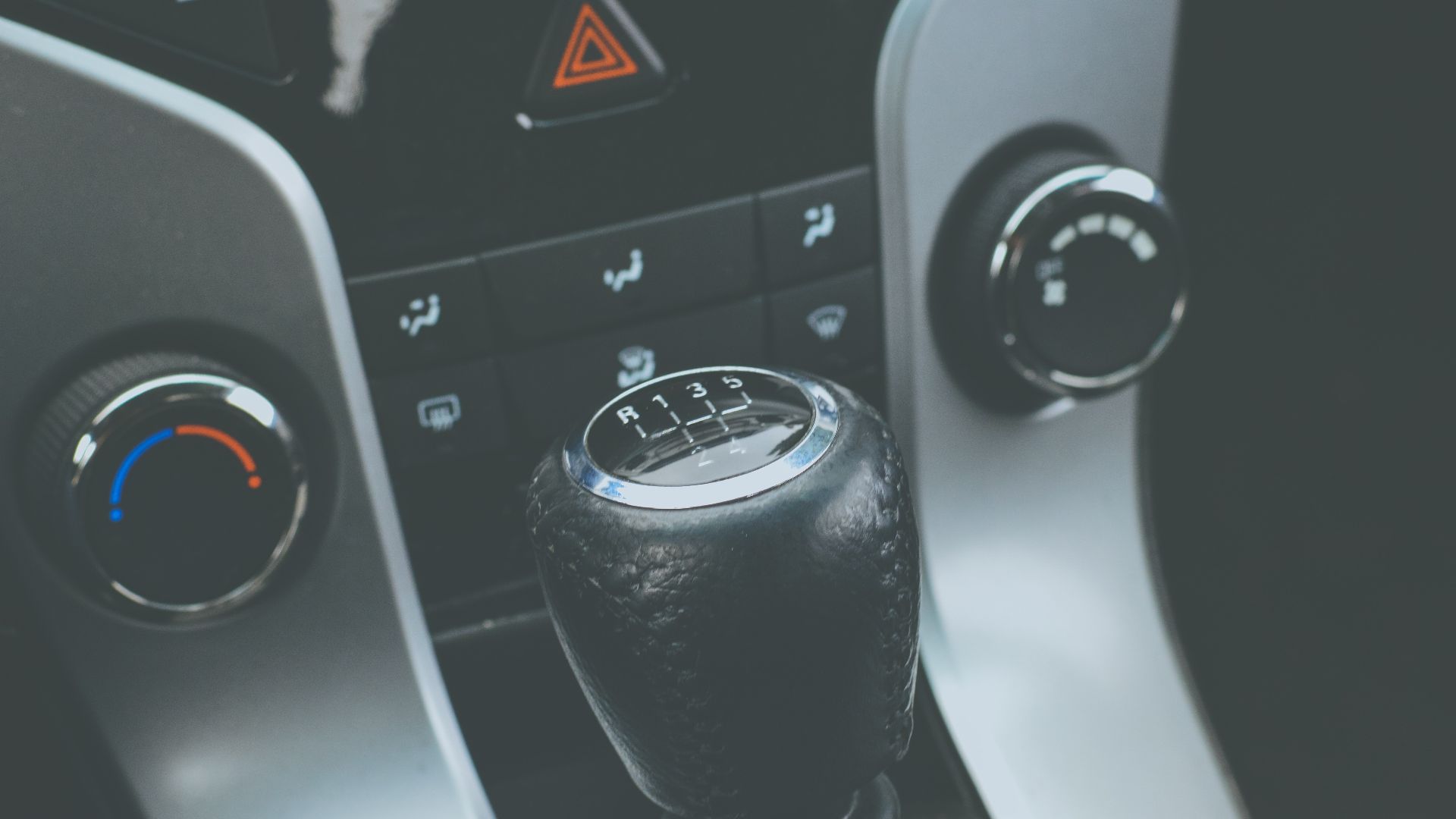
Every Gear Had Its Own Speed Limit
The 1976 Datsun 280Z owner's manual even included recommended break-in speed ranges for individual gears. First gear had a suggested maximum of 25 MPH, while second gear had a suggested maximum of 40 mph.
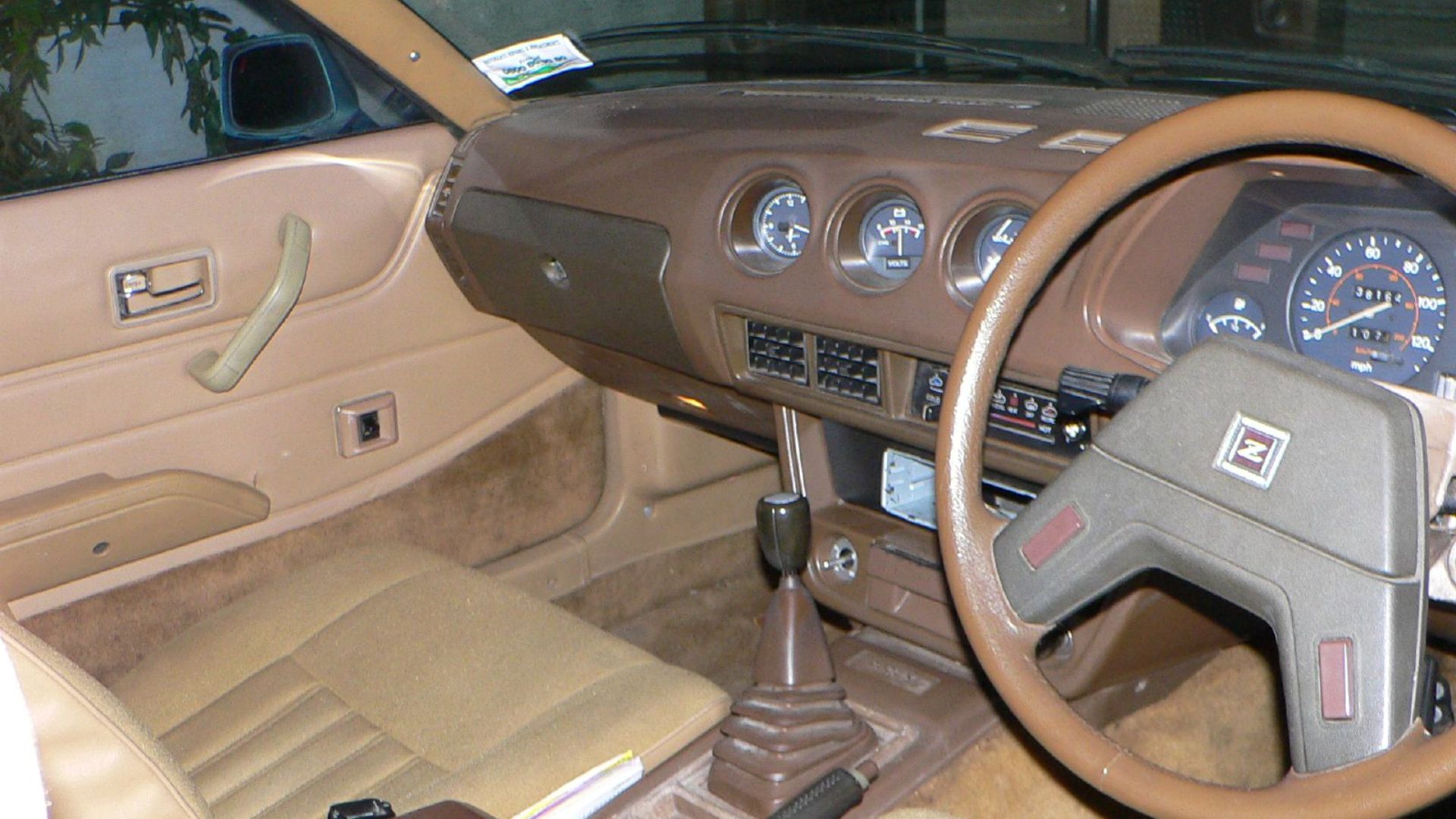
Taking It Easy With A Cold Engine
Especially during those chilly winter mornings, owners were encouraged to drive gently until their engines reached operating temperature. Immediately demanding full power from a cold, brand-new engine was hardly a recipe for mechanical longevity.
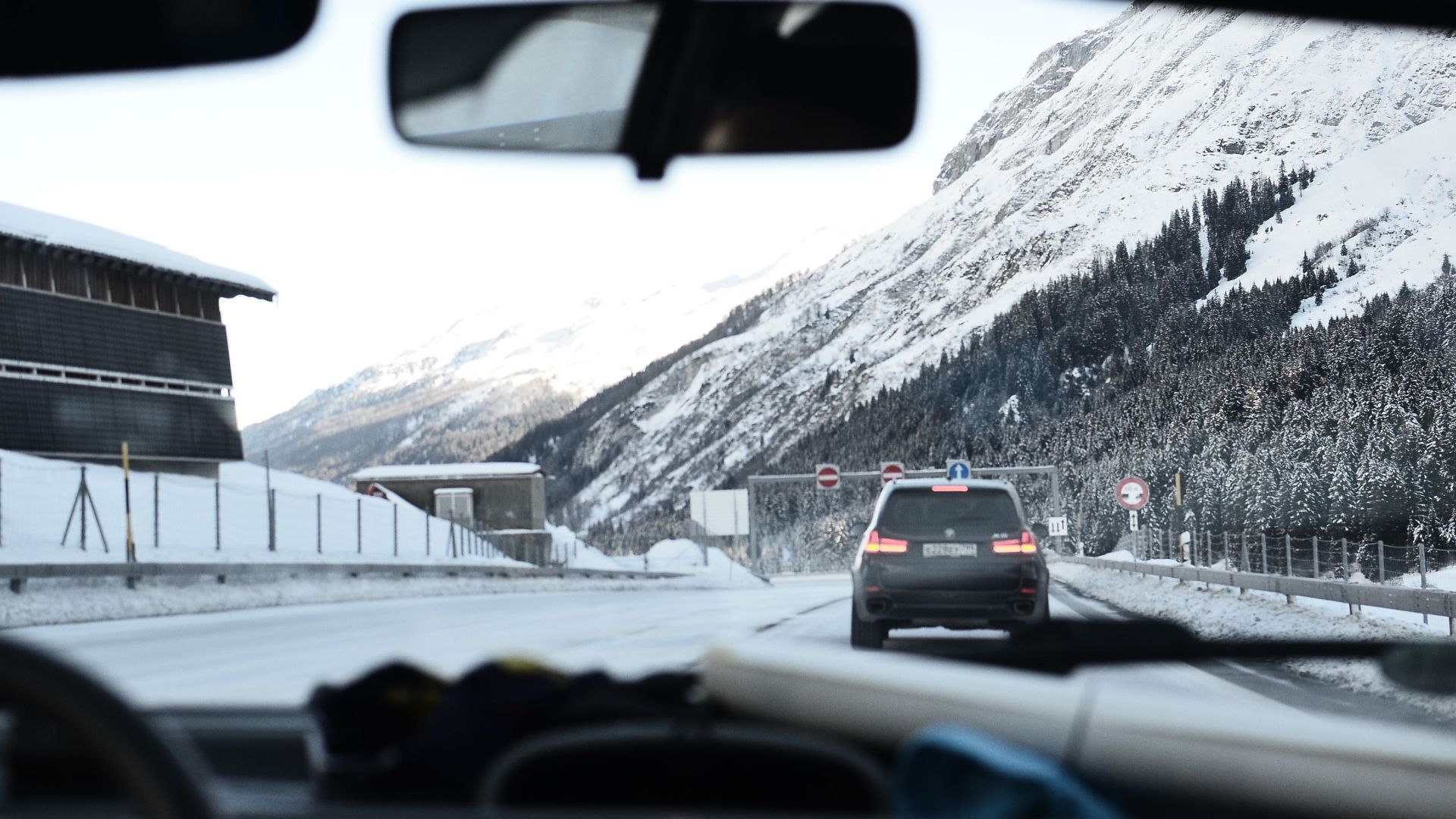
Avoiding Excessive Idling
Some owners might have assumed that leaving their new car running in the driveway would help break in the engine. Datsun specifically discouraged prolonged idling during its recommended break-in period. The car needed to be driven.
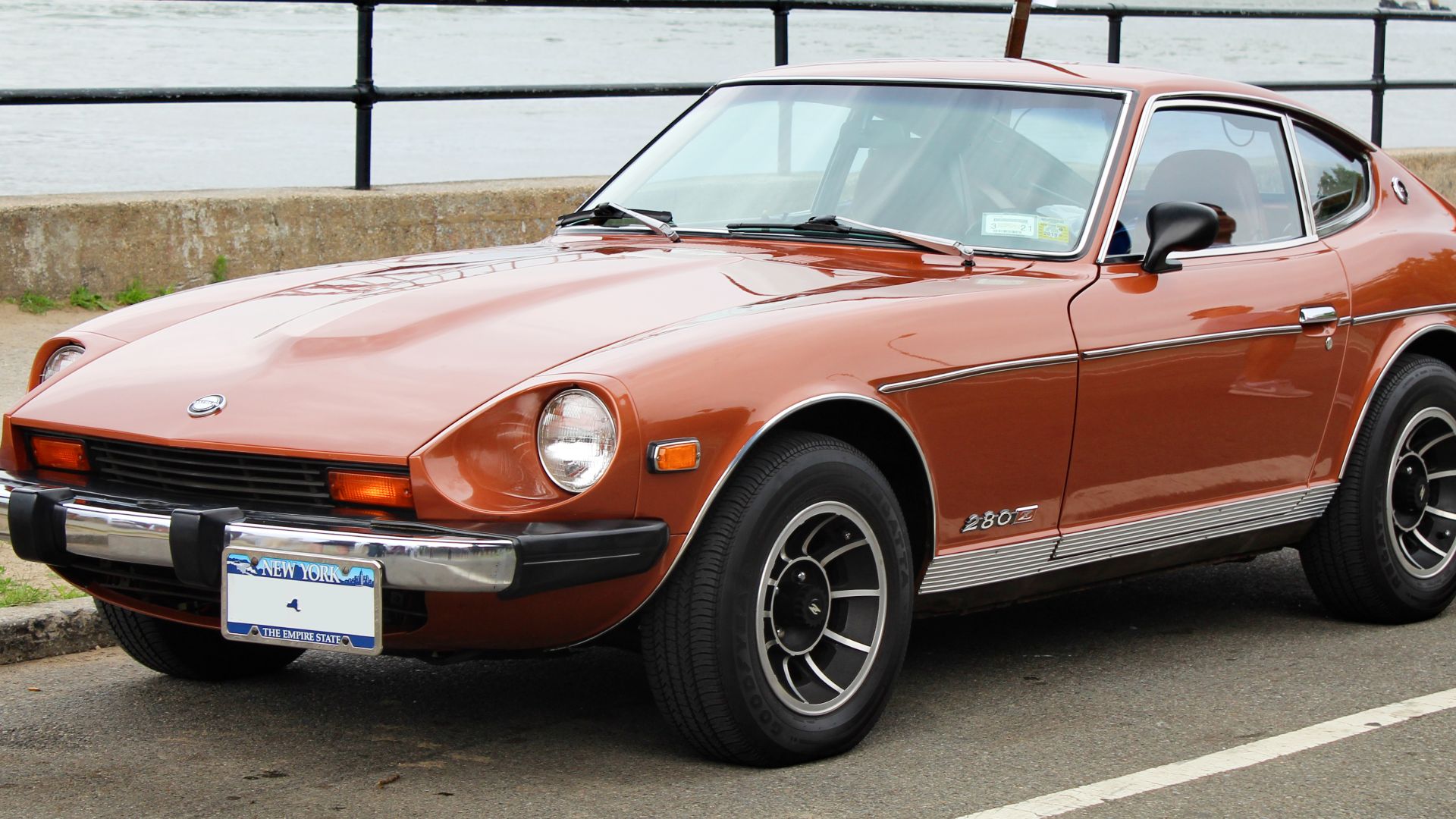
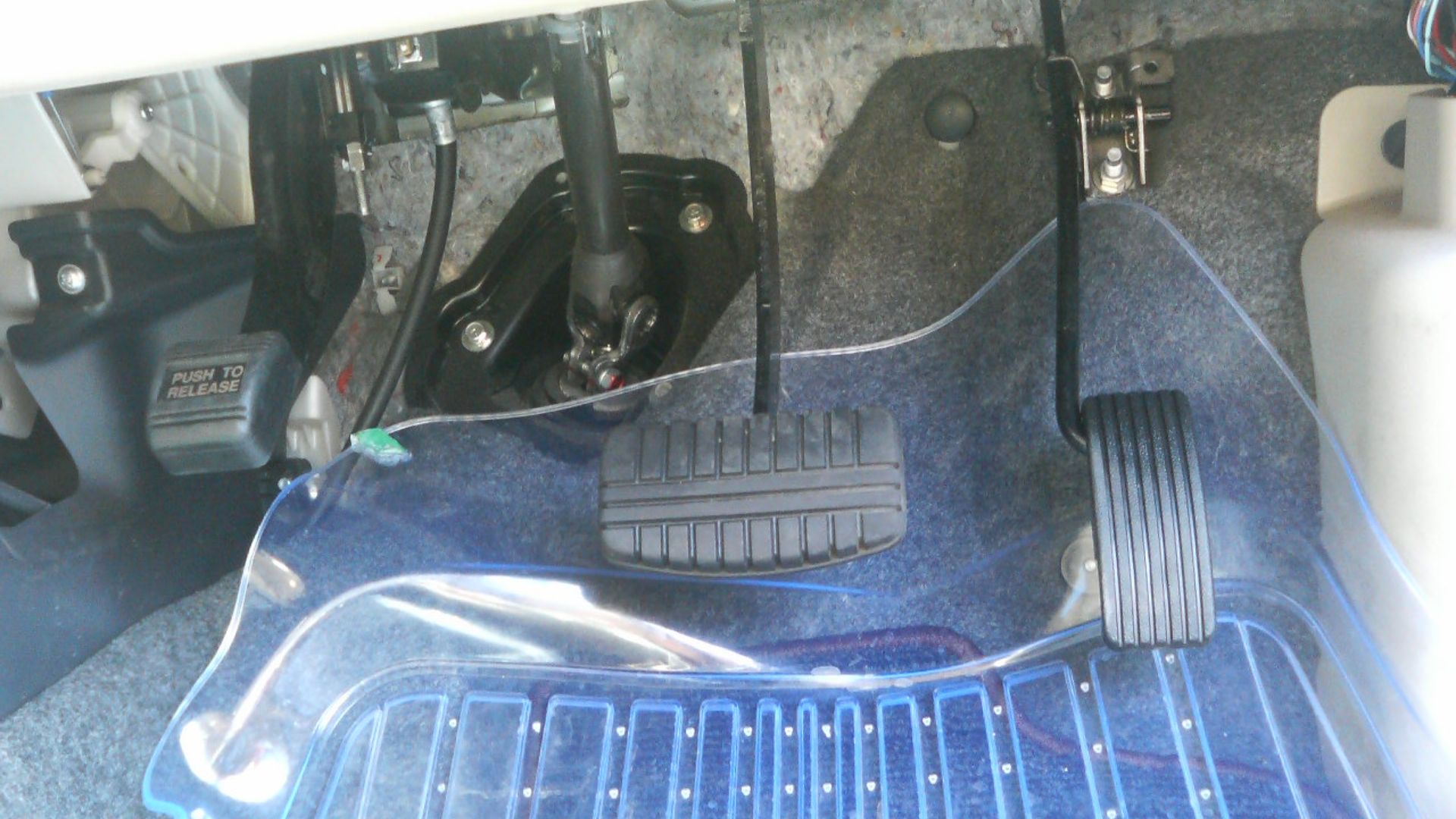
Giving The Brakes Time To Settle In
It wasn't just the engine that needed breaking in. Chevrolet advised owners to be particularly gentle with their brakes during the first 200 miles, except when an emergency required immediate stopping.
 3.2m_pixel_af, Wikimedia Commons
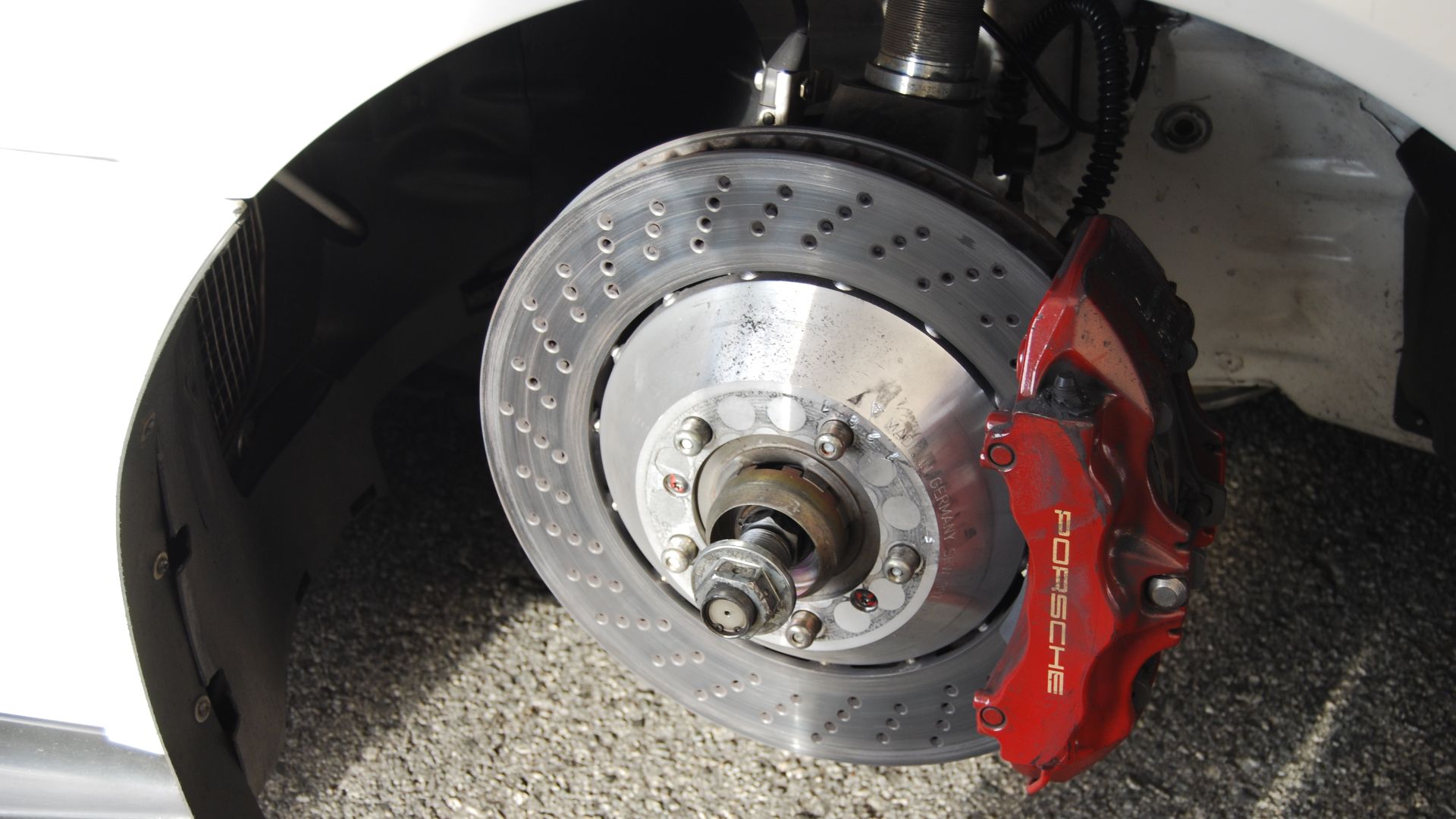
Leaving More Room To Stop
Porsche's 1973 911 owner's manual warned that new brake pads might not deliver their best performance immediately. Drivers were encouraged to allow additional stopping distance during the first 100 to 150 miles of ownership.
 Bill Abbott, Wikimedia Commons
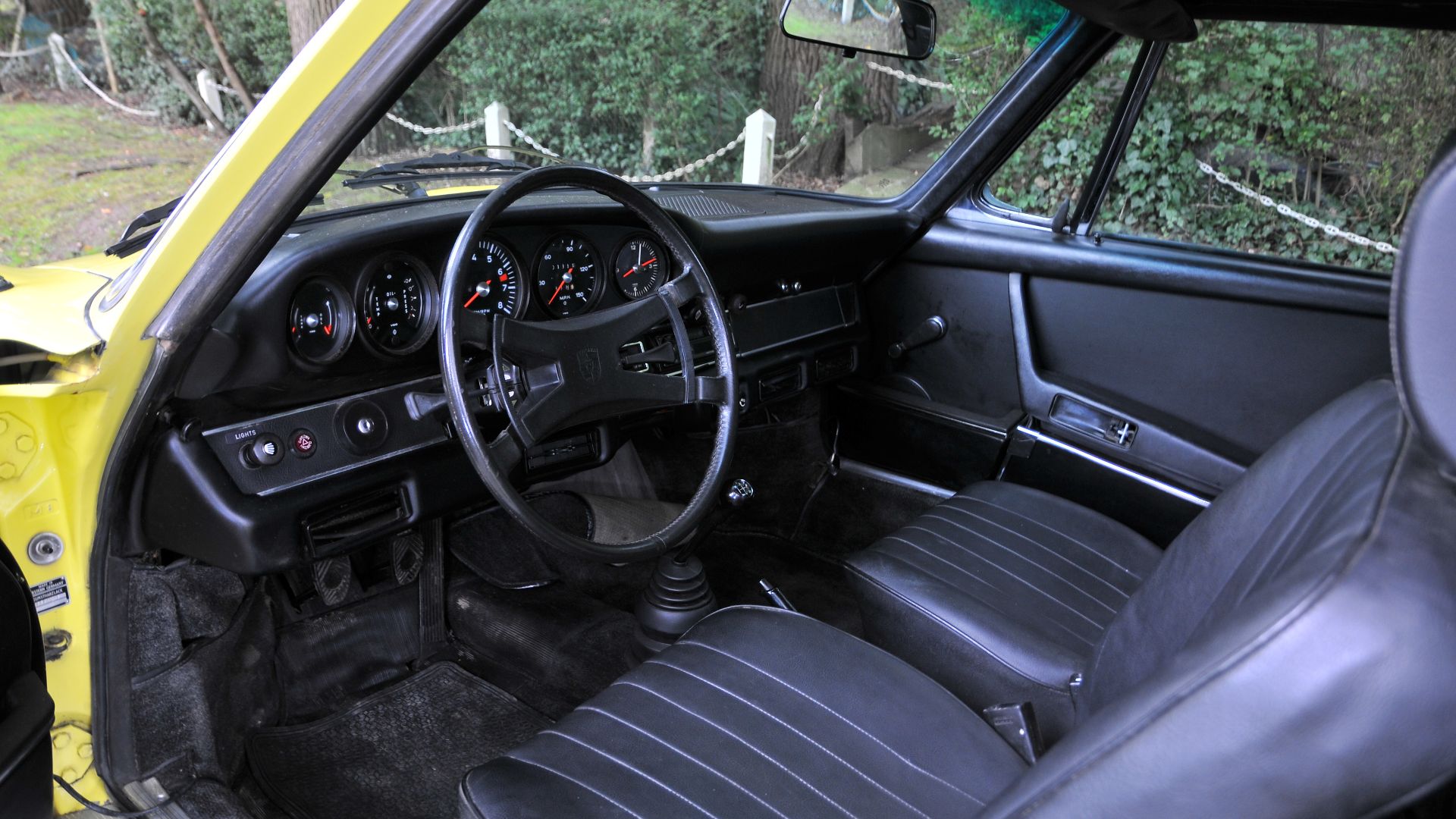
Being Patient With Stiff Controls
Remember how stiff everything could feel in a brand-new car? Porsche even acknowledged that steering and gearshift controls might initially feel somewhat resistant. These characteristics were expected to ease as the car accumulated mileage.
 Tony Harrison, Wikimedia Commons
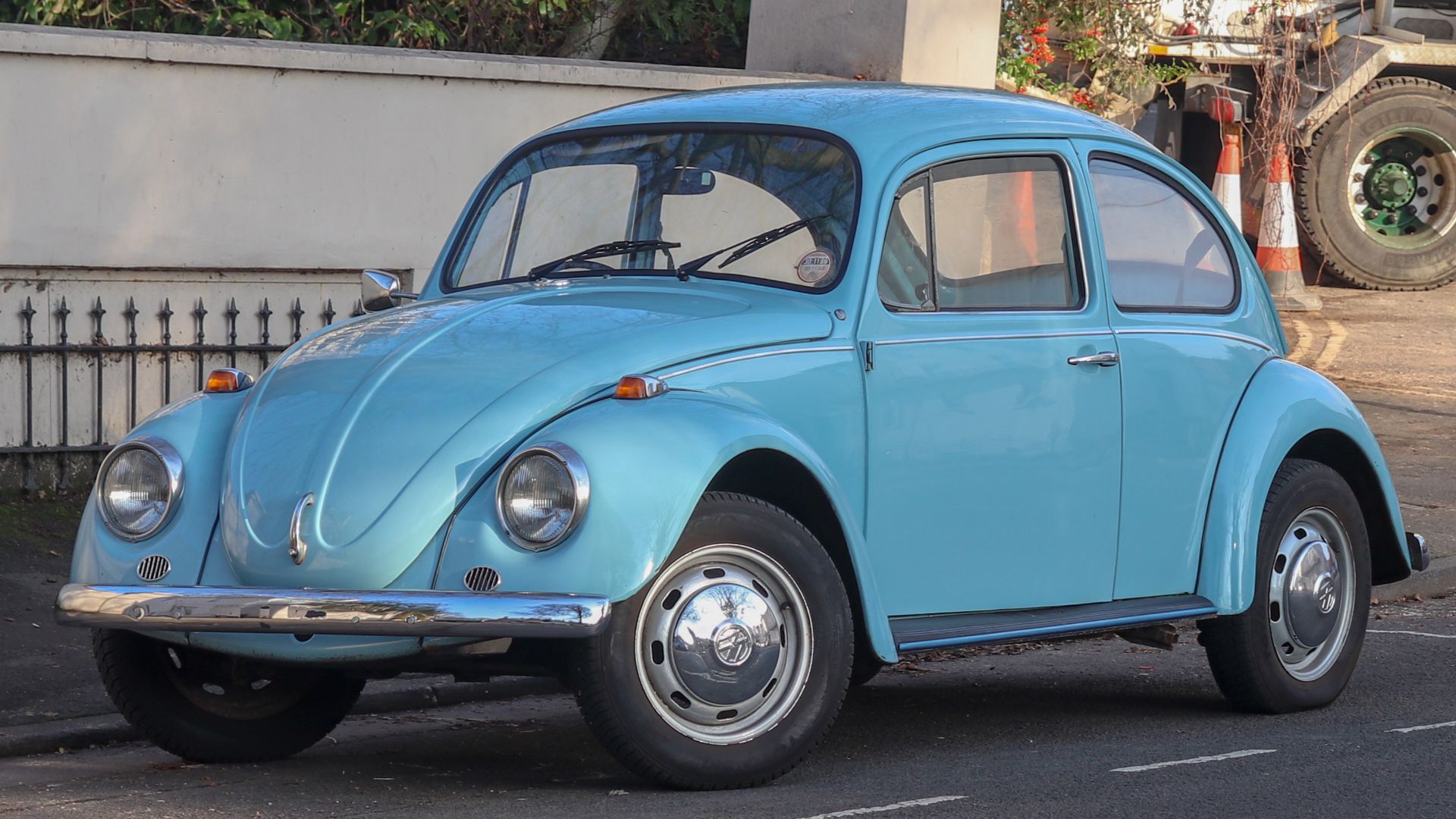
Taking Extra Care With New Tires
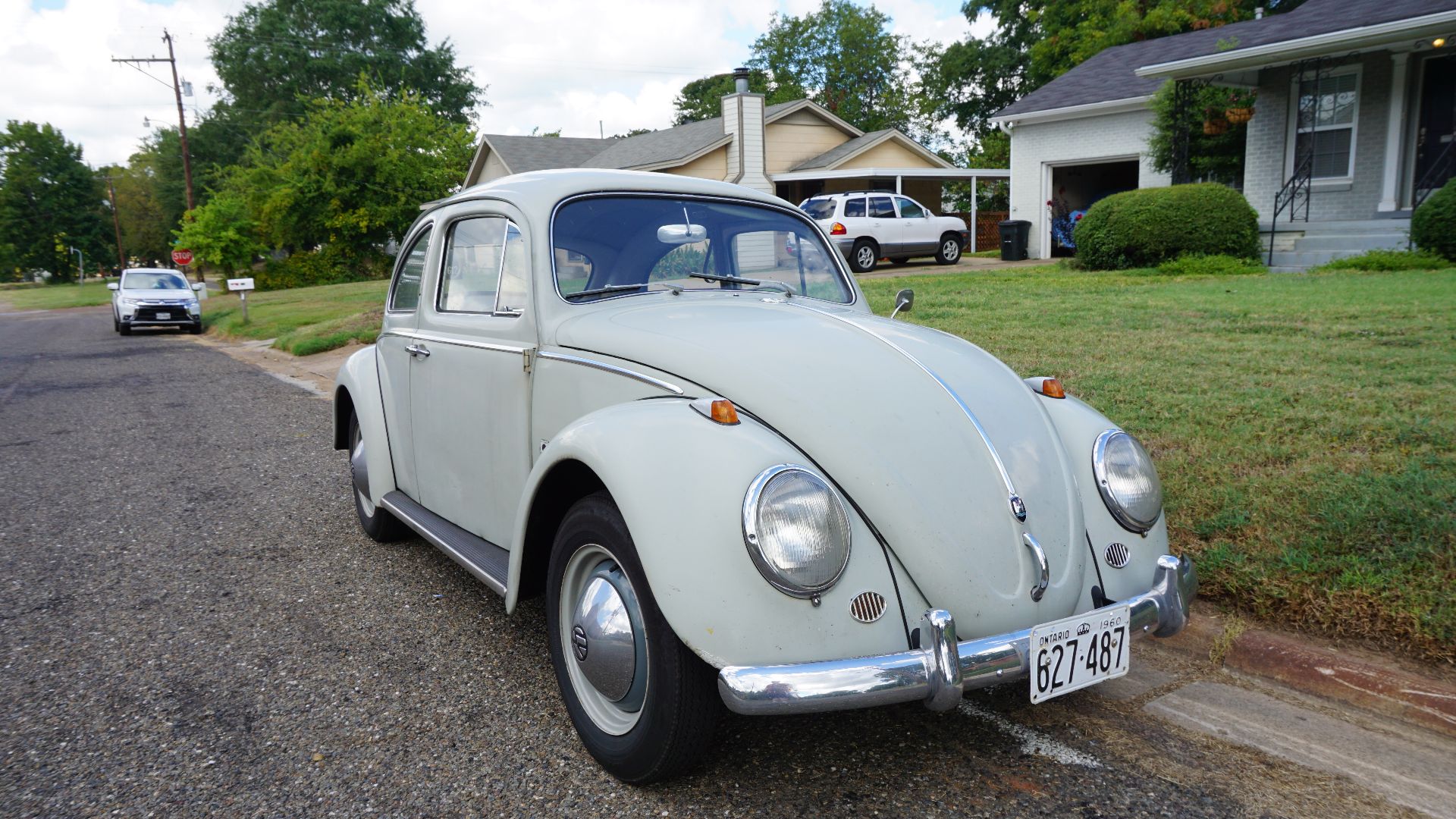
Brand-new tires also needed some time on the road. Volkswagen warned owners in the early 1970s that fresh tires didn't immediately provide their full grip. Even the humble Beetle came with a few precautions.
Checking The Instructions Before Towing
Buying a new station wagon to haul the family's camping trailer was fairly common. However, manufacturers provided separate recommendations regarding towing, meaning that owners needed to consult their manuals before hitching up for a vacation.
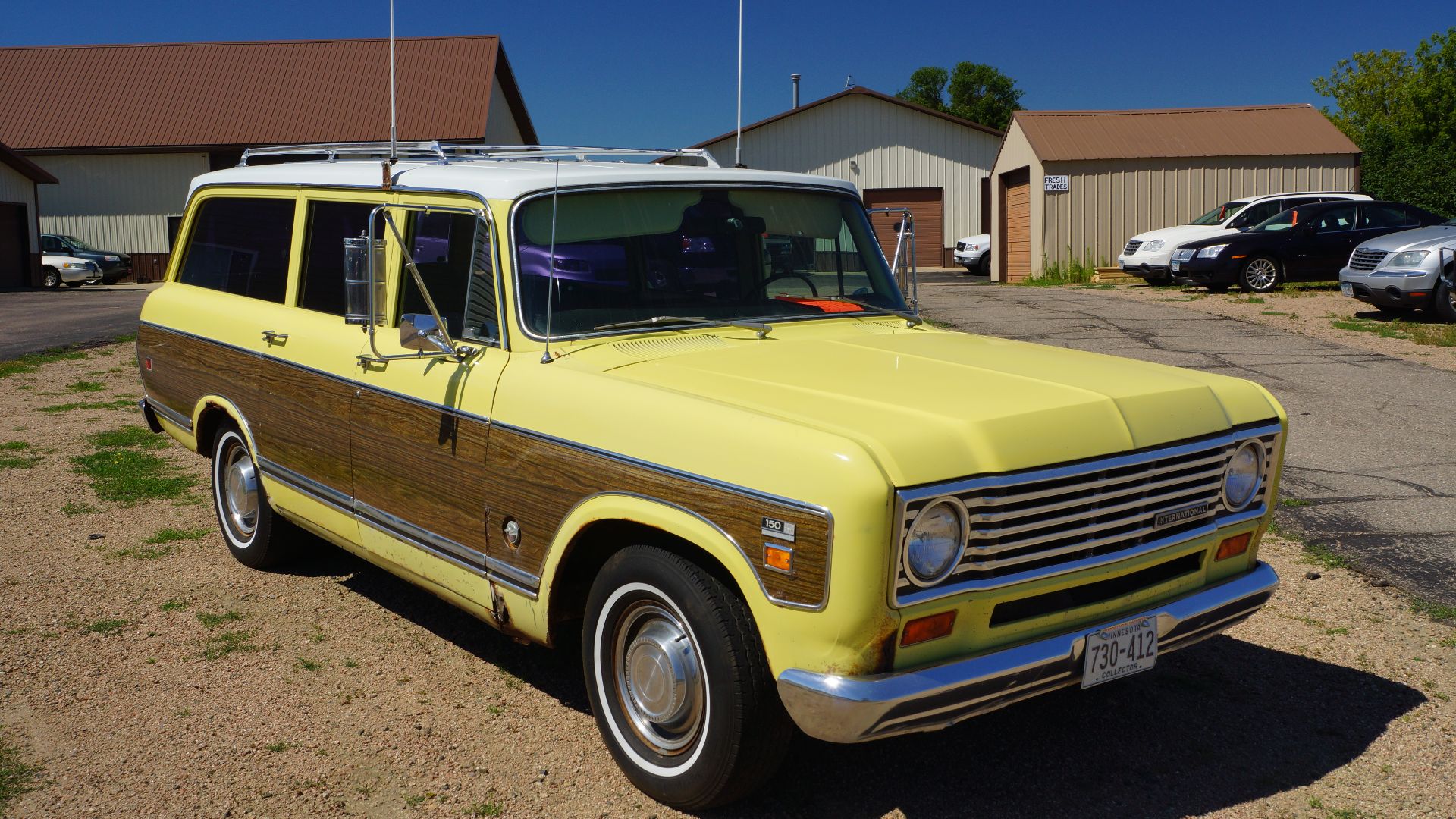 Greg Gjerdingen, Wikimedia Commons
Taking The Car Back For Its First Service
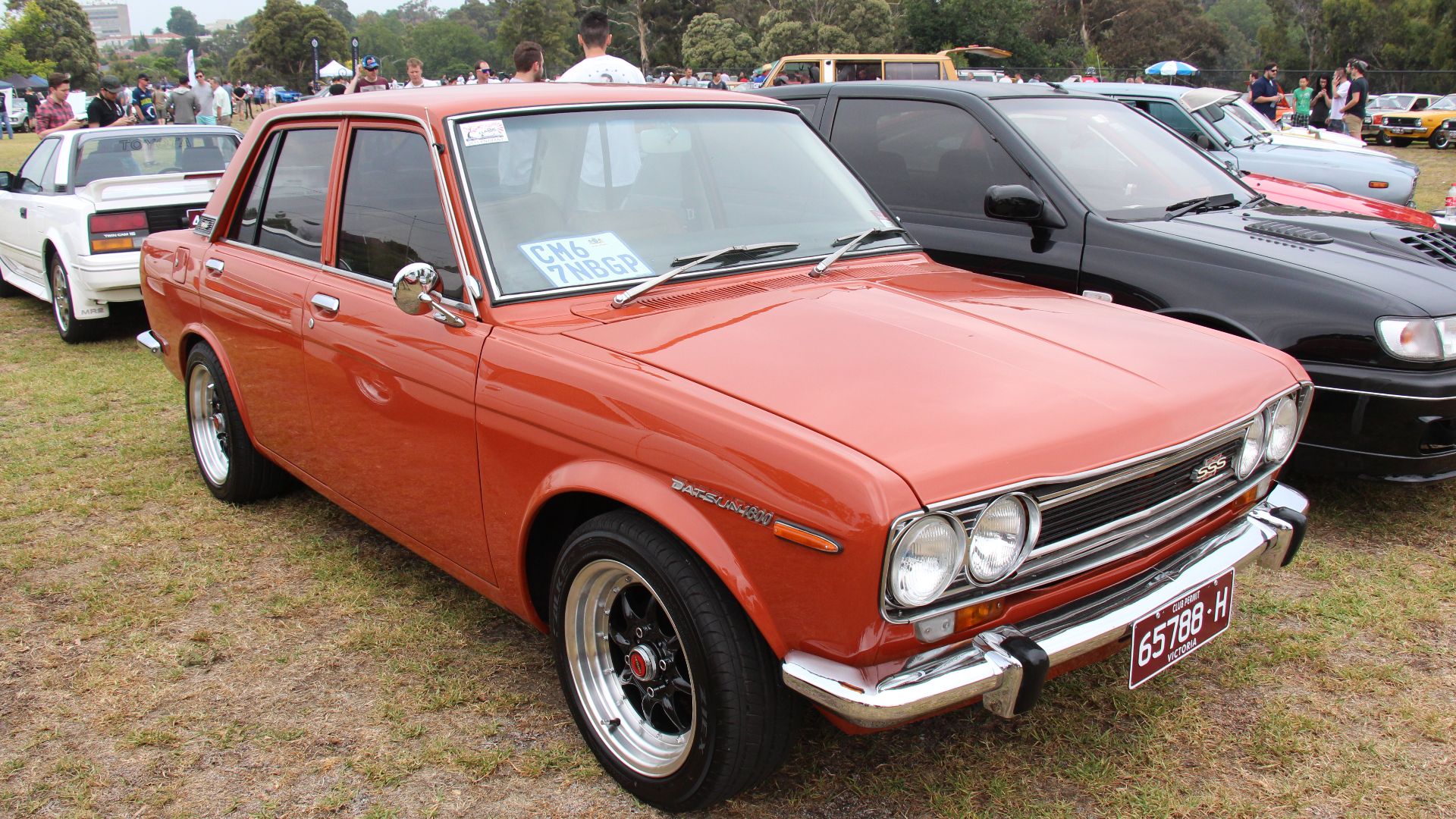
Buying the car wasn't necessarily the last time you'd see the dealership that month. Datsun instructed owners to bring their new vehicles back for a scheduled maintenance inspection after completing their first 1,000 miles.
Changing The Oil After Just 600 Miles
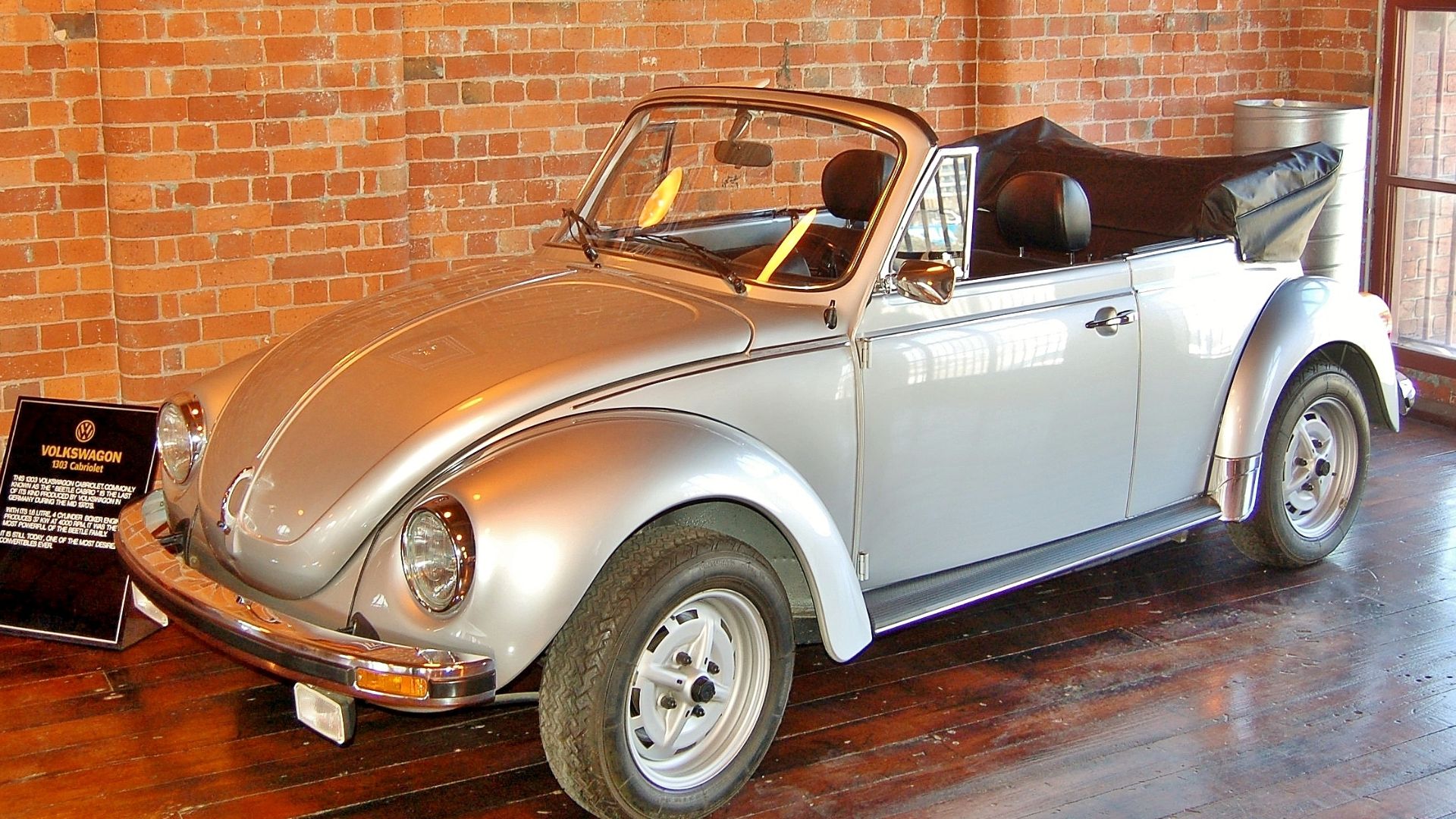
Owners of a 1974 Volkswagen Beetle were expected to have their first oil change and maintenance service performed after 600 miles. Compare that with the several thousand miles many modern cars travel between oil changes.
Getting That First Service Practically Free
Volkswagen didn't charge owners for the labor involved in that initial scheduled service in 1974. Customers only had to cover the cost of lubricants and gaskets. Wouldn't it be nice to see that arrangement more often?
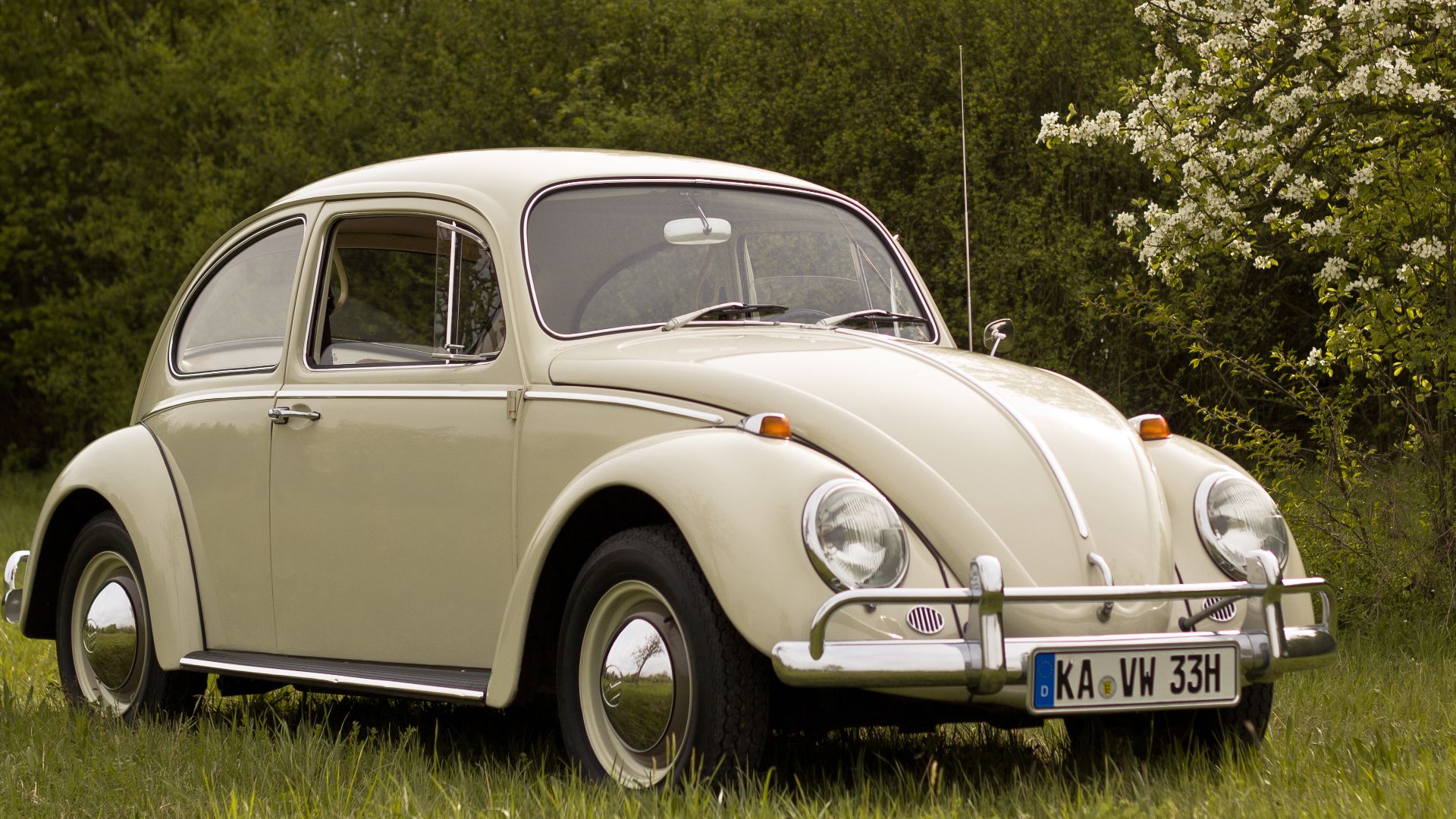 Vwexport1300, Wikimedia Commons
Watching Your Fuel Economy Improve
Datsun warned customers that fuel consumption could fluctuate throughout the first few thousand miles as the engine broke in. Owners shouldn't necessarily judge their new car's fuel economy based on its first few trips.
 Warren K. Leffler, Wikimedia Commons
Different Cars Came With Different Rules
Interestingly, the 1973 Volkswagen Beetle didn't have a formal engine break-in schedule. Volkswagen permitted normal driving speeds from day one, subject to its general driving recommendations. Not every manufacturer approached the process the same way.
 Michael Barera, Wikimedia Commons
Finally Putting Your Foot Down
For owners of a 1971 Porsche 911T, reaching 1,200 miles marked an exciting milestone. Having followed the manufacturer's progressively increasing engine-speed recommendations, they could finally enjoy unrestricted acceleration, wherever it was safe and legal.
Some Break-In Rules Still Exist Today
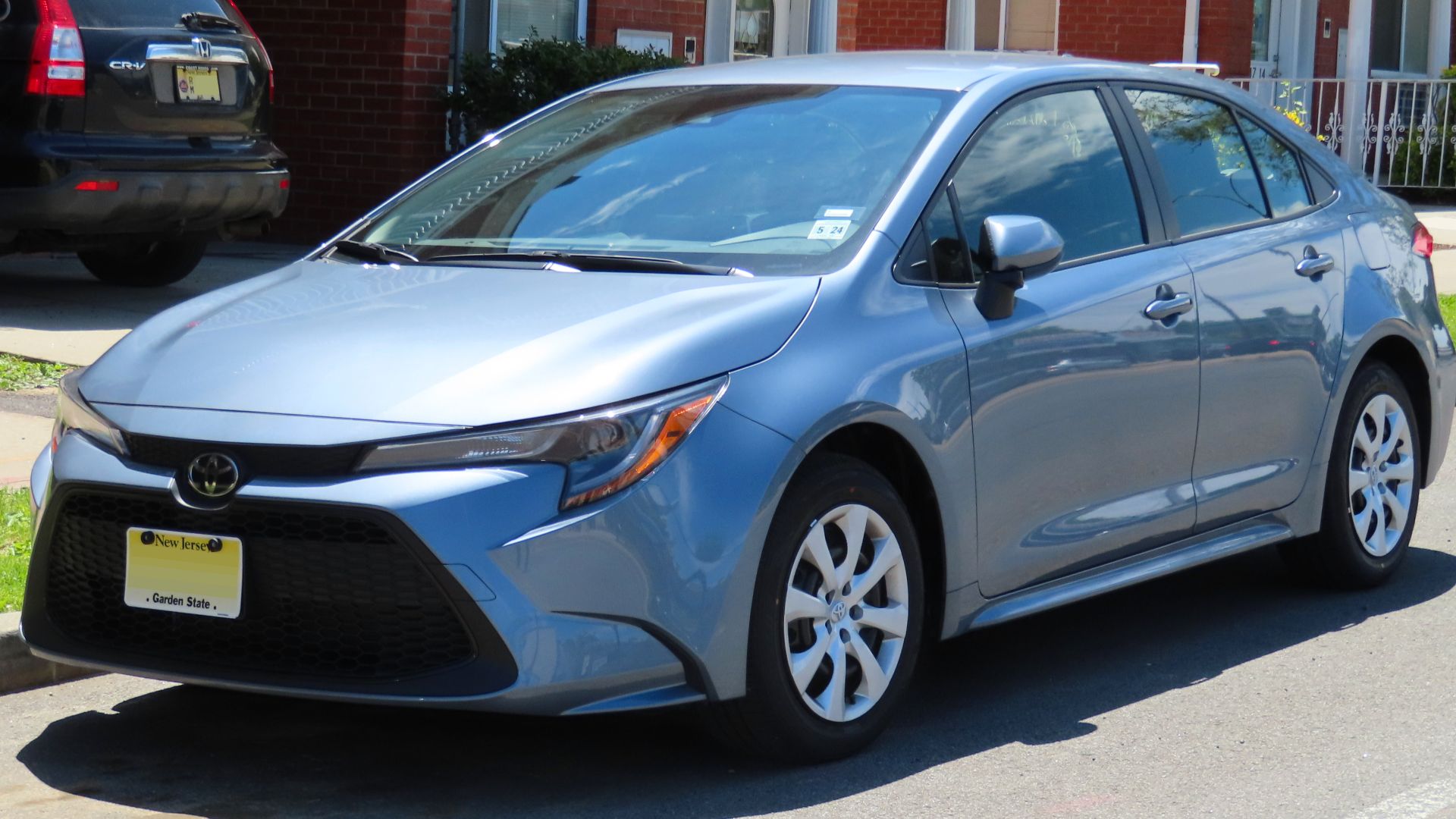
Gen Z drivers might be surprised to discover that break-in procedures haven't disappeared entirely. Some modern Toyota owner's manuals still recommend avoiding sudden acceleration, unnecessary hard braking, prolonged constant speeds, and towing during early ownership.
When Earning Your Horsepower Took Patience
There was something rather satisfying about finally completing your new car's break-in period. After weeks of watching the speedometer, carefully changing gears, and resisting temptation, you could finally enjoy the car you'd been saving up to buy.
 Niels de Wit from Lunteren, The Netherlands, Wikimedia Commons
You May Also Like:
Why Some Automakers Recommend Replacing Parts Based On Time Even When You Barely Drive