Carshoppingmistakes Internal

10 Mistakes To Avoid When Shopping For A New Vehicle


August 25, 2023 | Sammy Tran

10 Mistakes To Avoid When Shopping For A New Vehicle


Buying a new vehicle is an exhilarating experience for many, yet it's also a significant financial commitment. As such, it's crucial to approach the process with knowledge and a clear head to make the best decision. 

Here are 10 common mistakes to avoid when you're in the market for a new ride:

1. Not Doing Your Research

Buyingmistakes Split

Advertisement

Before even setting foot in a dealership, arm yourself with information. Research models, prices, features, and reviews to ensure you're well-informed and can negotiate effectively.

2. Skipping The Test Drive

A couple taking a new car for a test driveAntoni Shkraba, Pexels

Advertisement

It might look perfect, but how does it feel on the road? Never buy a vehicle without taking it for a spin first. This will help you get a sense of its handling, comfort, and potential issues.

3. Forgetting About Total Ownership Costs

Woman in white shirt talking with a man in car dealership.Antoni Shkraba , Pexels

Advertisement

Beyond the sticker price, consider insurance, fuel efficiency, maintenance, and possible financing interest. A car that's cheaper upfront might end up costing you more in the long run.

4. Negotiating On Monthly Payments Alone

A person going over the purchase details of a new car.Witoon, Adobe Stock

Advertisement

Dealers might offer low monthly payments extended over many years, making the car seem affordable. However, this could lead to paying more in interest. Focus on negotiating the total price of the car.

5. Not Checking Your Credit Score
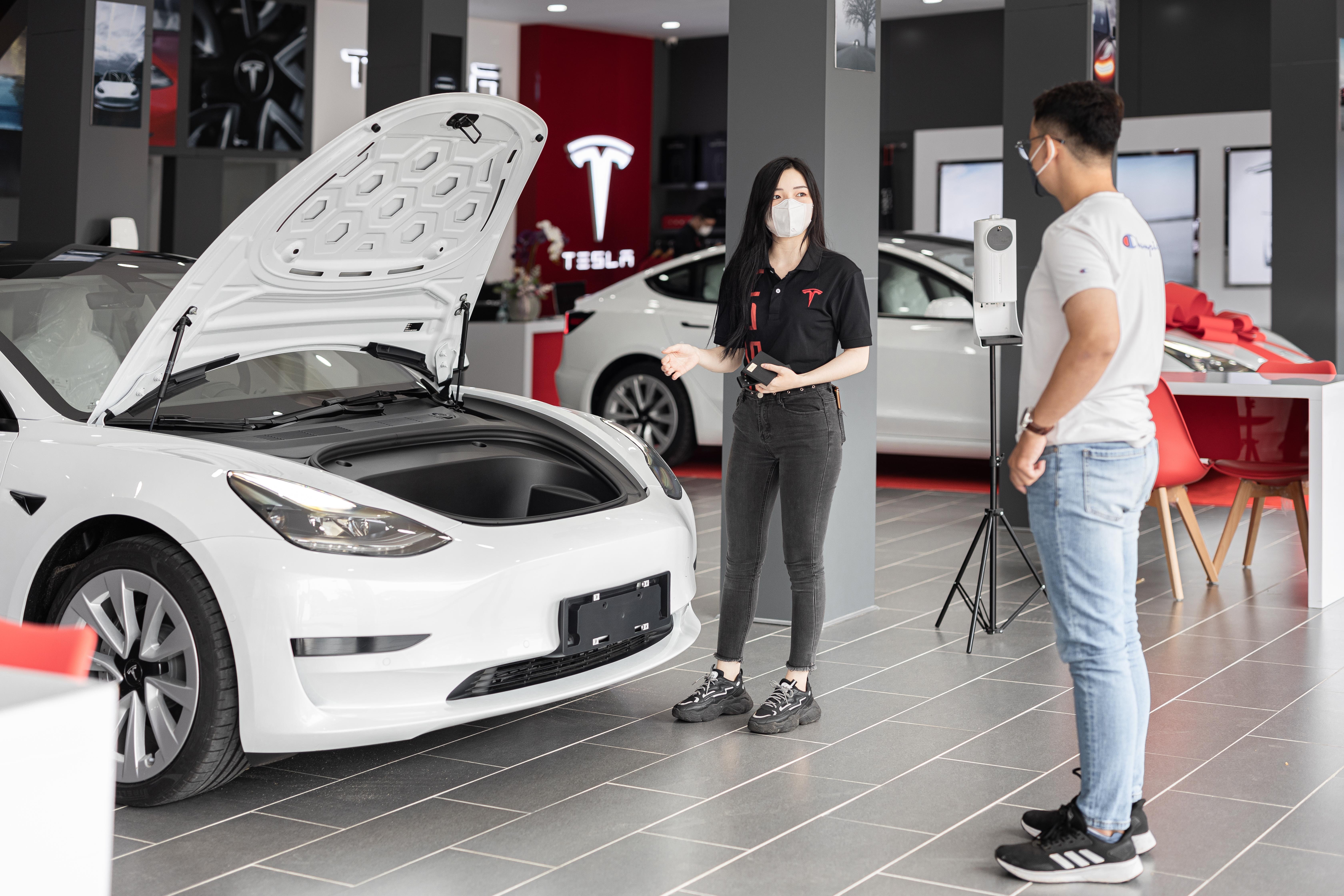
Dealership 2024 Tesla Model 3Screen-Post, Pexels

Advertisement

Your credit score can significantly impact your financing options and interest rates. Knowing it in advance can help you understand what to expect and avoid unpleasant surprises.

6. Being Impulsive

A young woman hugging a brand new carGustavo Fring, Pexels

Advertisement

That shiny, new car might be calling your name, but give it a day or two. This will allow you to think things over without the pressure and ensure you're making the right decision.

7. Not Reviewing The Contract Thoroughly

Buying or selling new or used vehicle with car keys on tableOpat Suvi, Shutterstock

Advertisement

Before signing anything, make sure you understand all the terms, from interest rates to warranties. If something doesn't match what was discussed, don't hesitate to ask.

8. Overlooking Used Cars

A couple looking to buy a carrh2010, Adobe Stock

Advertisement

While there's a certain appeal to brand-new vehicles, don't dismiss used ones. They can offer great value, especially if they're only a few years old and in good condition.

9. Ignoring Future Needs

Family CarAdobe Stock

Advertisement

While that two-seater sports car might be appealing now, will it suit your needs in a few years? Think about future lifestyle changes, such as expanding your family or needing more cargo space.

10. Failing To Check Insurance Rates

Car Insurance SlipPexels

Advertisement

Before finalizing your decision, get insurance quotes for the models you're considering. Some cars might have significantly higher insurance costs due to factors like their theft rate or repair costs.

When shopping for a new vehicle, patience and research are your best allies. Avoid these common pitfalls, and you'll be in a much stronger position to find the perfect car for your needs and budget. Safe driving!

READ MORE

AI-generated image of a man standing in front of an F-150 pickup truck with rear-hinged doors.

Forgotten Pickup Truck Features That Drivers Didn’t Appreciate Until They Couldn't Get Them Anymore

Today’s pickup trucks are stronger, safer, quieter, and far more advanced, but some old features had a kind of honesty drivers didn’t fully appreciate at the time.
August 31, 2026 Quinn Mercer
My friend says plugging an EV in every night ruins the battery

My friend says plugging an EV in every night single night ruins the battery. Is daily charging actually bad for it?

If you have heard that plugging in an EV every night will “ruin” the battery, you are not alone. It sounds believable because battery wear is real, but the claim is too simplistic to be useful. The short answer is that daily charging is usually fine, and in many cases it is exactly what automakers recommend for convenience and battery care.
August 31, 2026 Miles Brucker
AI-generated image of a man worried about market adjustment pricing at the car dealership.

My dealer added a “market adjustment” after I put down a deposit. Is the original price binding?

You agreed on the car, put down a deposit, and thought the hard part was over. Then the dealer added thousands of dollars for a “market adjustment” before delivery. But can they legally do that?
August 31, 2026 Peter Kinney
Factinate LTD

My dealership says I need to pay a diagnostic fee even though the repair should be covered by warranty. Is that normal?

You bring in a car for a problem that feels warranty-related, then the service advisor mentions a diagnostic fee. That moment can feel like a bait and switch, especially if your vehicle is still within the factory warranty period. The short answer is that yes, this can be normal, but whether you should actually have to pay depends on what the diagnosis finds and what your warranty says.
August 31, 2026 Miles Brucker
Facebook  Internal

My son wants to remove his car's catalytic converter because he says it'll sound better. How bad an idea is that?

If your son wants to remove his car’s catalytic converter because he thinks it will sound better, this is one of those ideas that can get expensive fast. In the United States, removing or disabling a catalytic converter on a street-driven car is generally illegal under federal law, and many states enforce their own rules too. It can also bring failed inspections, check engine lights, resale headaches, and a smell that gets old very quickly.
August 31, 2026 Miles Brucker
Preferred Body Shop - Fb

My insurance company wants me to use only its preferred body shop after an accident. Do I actually have to?

You have barely caught your breath after an accident, and then the insurance company says it wants your car taken to one specific body shop. That can sound less like a suggestion and more like an order. The good news is that, in most cases, you do not have to use only the insurer’s preferred shop.
August 31, 2026 Miles Brucker