The Bike That Became A Symbol Of Freedom
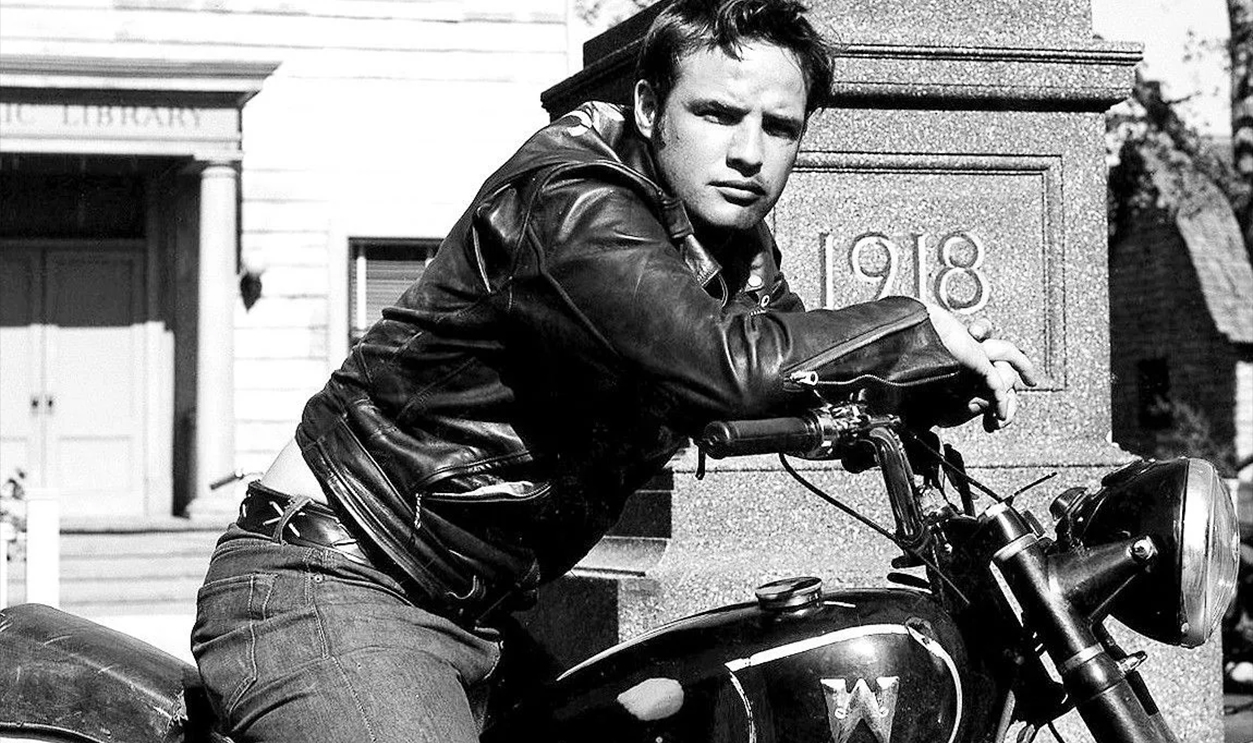
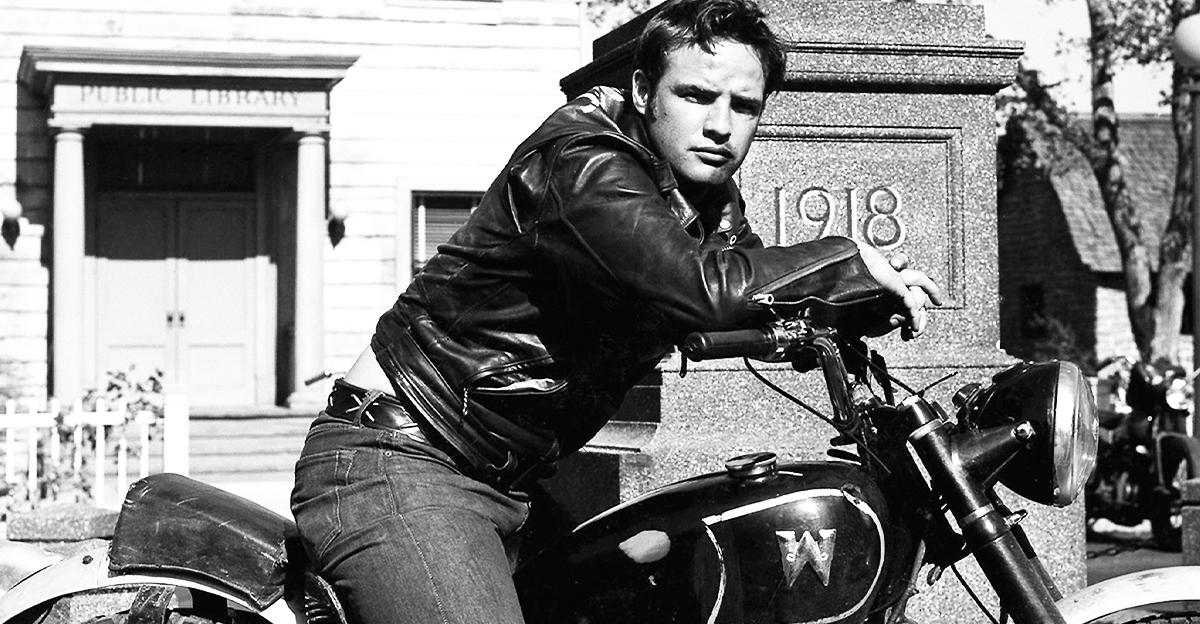
In 1953, a leather-jacketed Marlon Brando, sunglasses on, atop a rumbling British motorcycle, cemented an image so iconic it outlived the film itself. That motorcycle—a Triumph Thunderbird 6T—didn’t just carry his character, Johnny Strabler, across the dusty streets of The Wild One; it became a cultural emblem of rebellion, individuality, and biker cool. But there’s more to this machine than just a cool photo moment. Its history, performance, and cultural impact run deep.
Triumph’s Quest For The American Market
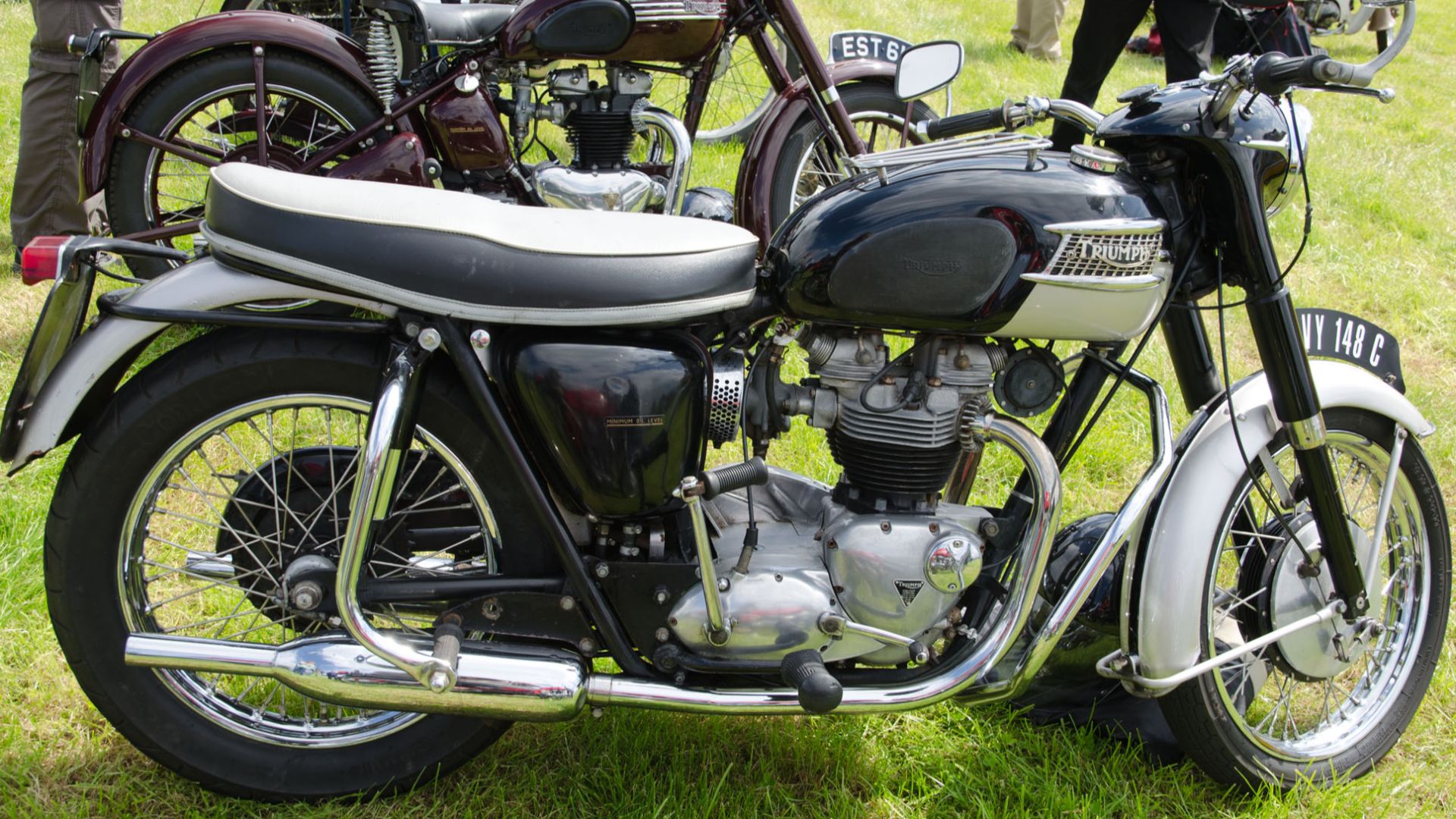
After World War II, Triumph Engineering wanted a bigger, more capable motorcycle to appeal to American riders. Using the successful Speed Twin as a foundation, Triumph increased displacement to 650 cc, prioritizing torque and highway comfort over lightweight efficiency. The result was the Thunderbird 6T, purpose-built for long US roads and heavier riders.
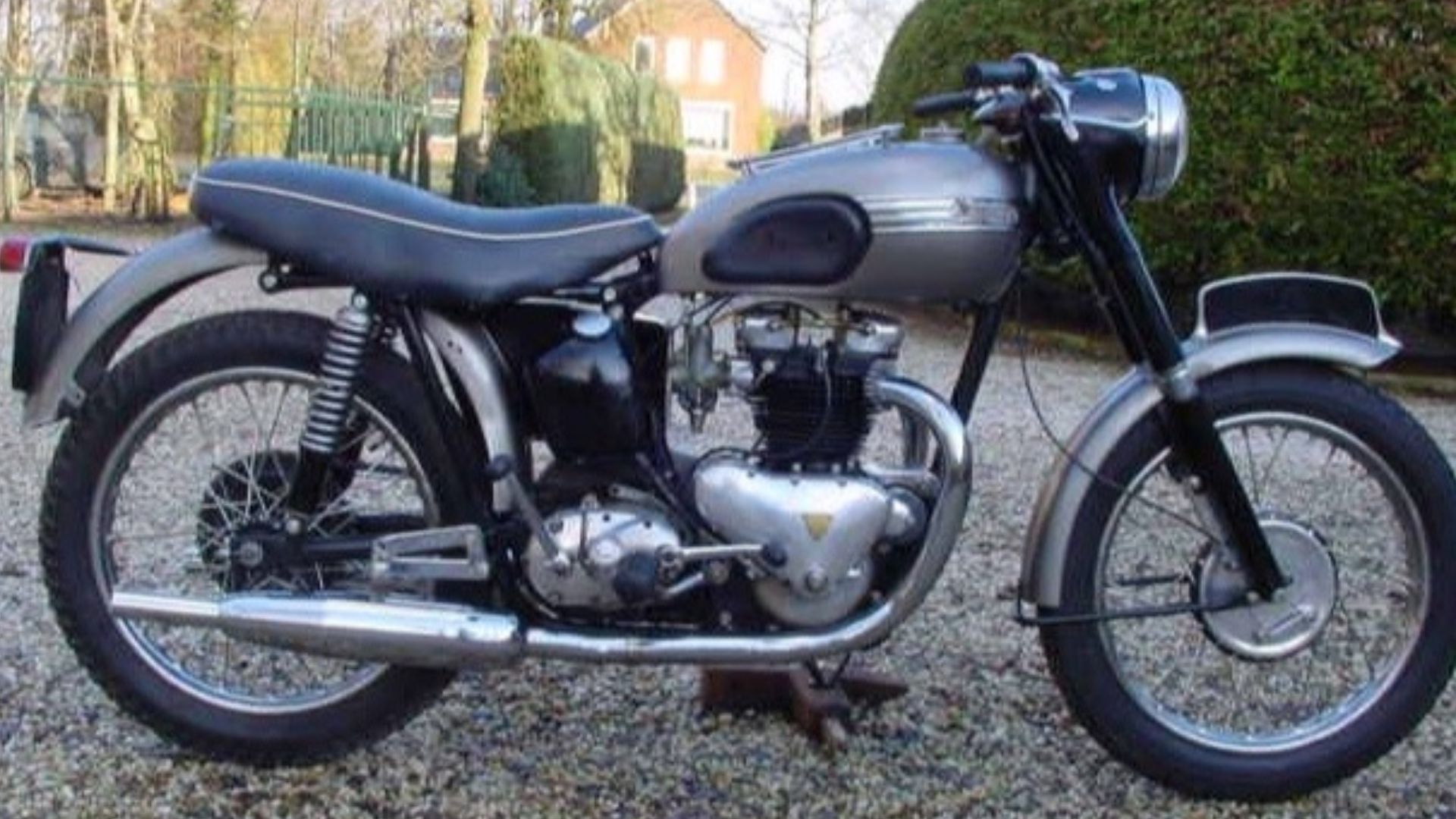 Yesterdays Antique Motorcycles, Wikimedia Commons
What “6T” Means
The “6T” designation referred to Triumph’s 650 cc parallel-twin engine, bored out from the earlier 500 cc design. That four-stroke engine produced roughly 34 horsepower, delivering a wide torque band well suited to American riding conditions. It wasn’t a race motor, but it offered confident cruising, solid midrange pull, and dependable performance that quickly earned respect from riders and law-enforcement agencies alike.
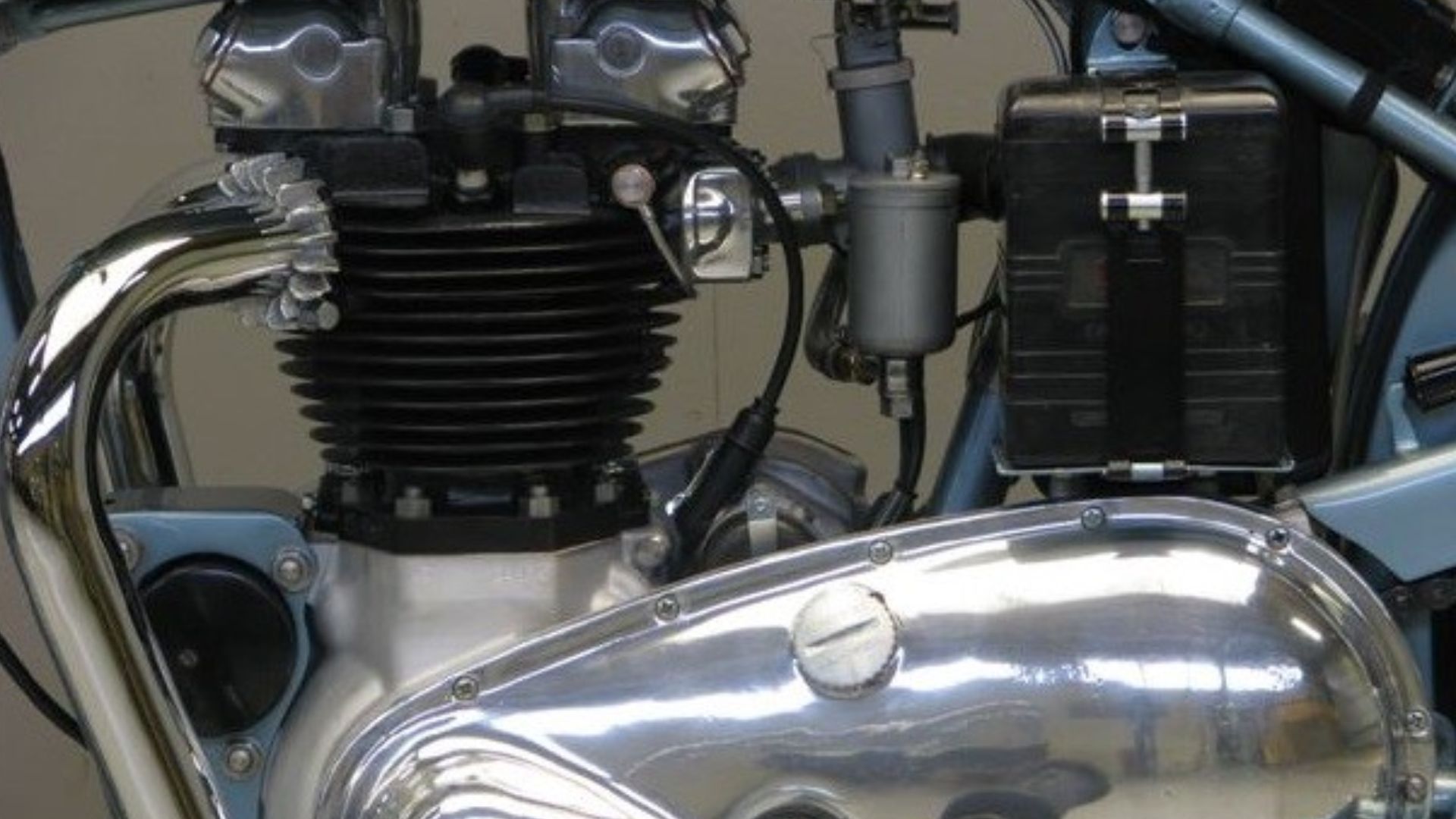 Yesterdays Antique Motorcycles, Wikimedia Commons
When The Thunderbird First Hit The Scene
Introduced in 1949 and produced through 1966, the Thunderbird quickly became one of Triumph’s most important exports. Its larger displacement and smooth power delivery made it especially popular in the United States, where it was embraced for both touring and everyday riding. Triumph even used Thunderbirds in endurance demonstrations to highlight the bike’s reliability.
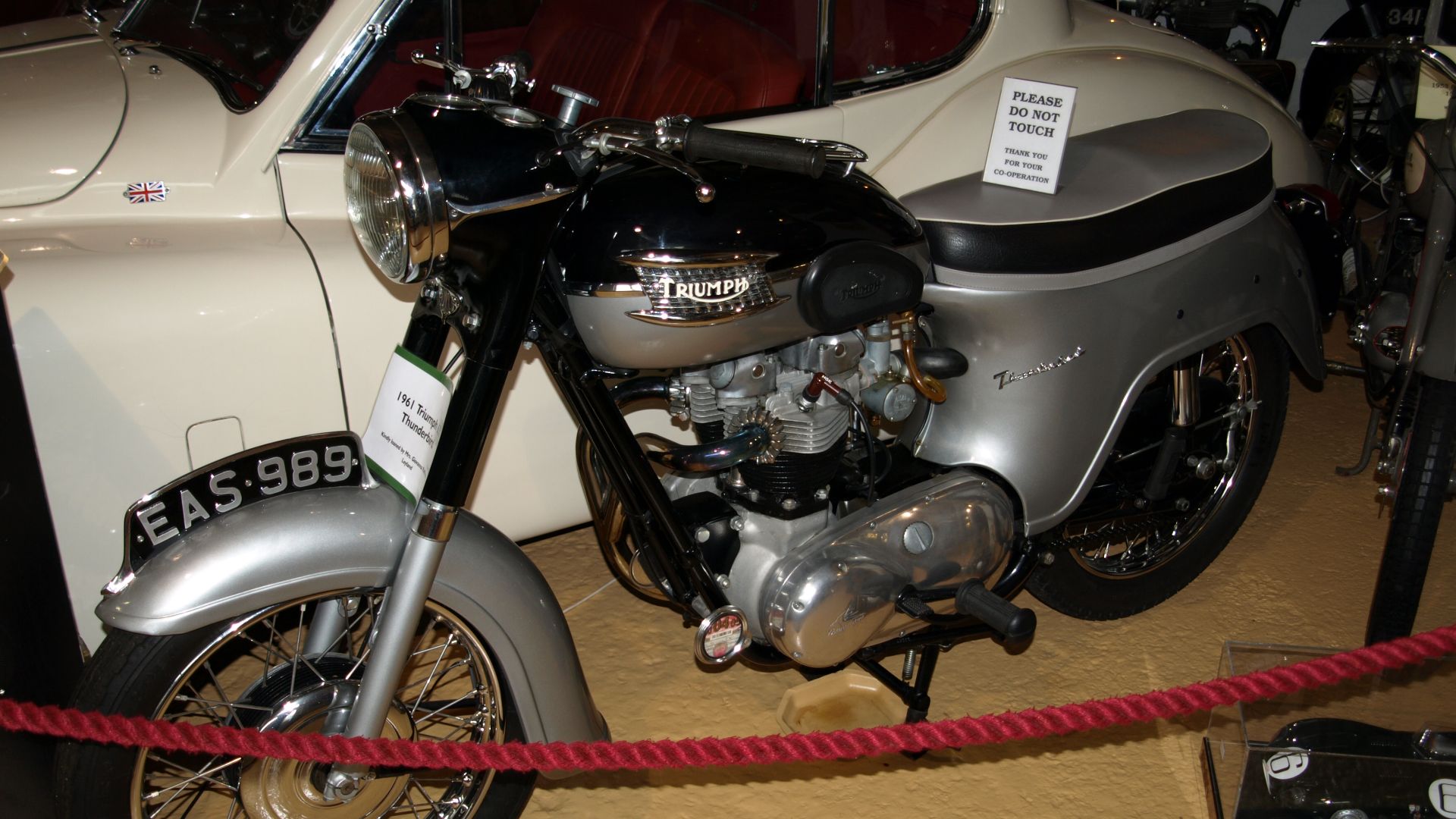
Design Highlights Of A Classic Machine
The Thunderbird’s styling struck a careful balance between elegance and muscle. A long, flat fuel tank, wide handlebars, solo saddle, and a prominent headlamp nacelle gave it presence without excess. It looked serious but approachable—British restraint with just enough attitude to appeal to American riders looking for something different from domestic V-twins.
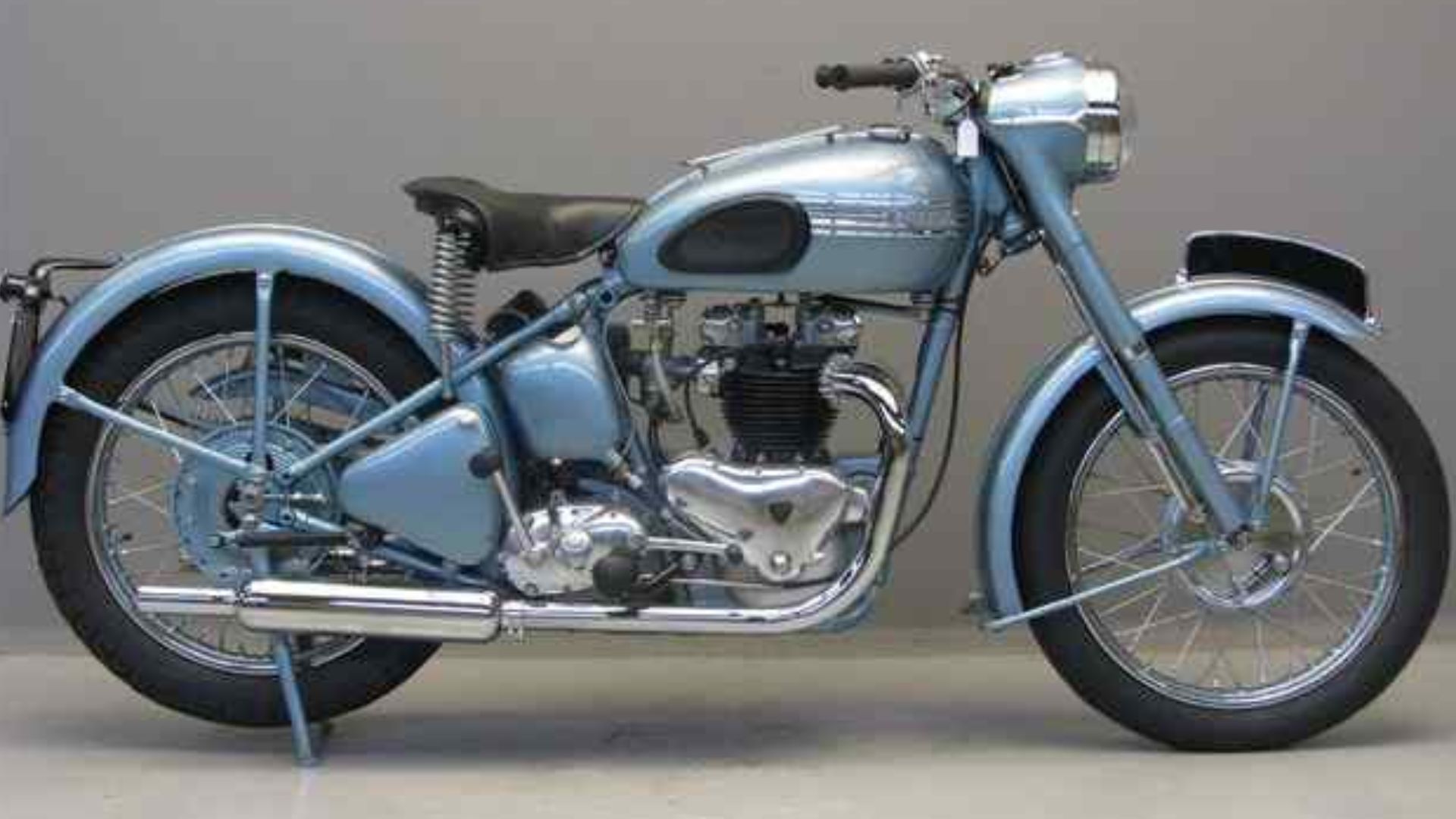 Yesterdays Antique Motorcycles, Wikimedia Commons
Marlon Brando’s Personal Passion For Motorcycles
Brando wasn’t just acting when he swung a leg over the Thunderbird. He was a genuine motorcycle enthusiast who rode regularly off-screen. During filming, he chose to ride his own Triumph rather than a studio-supplied prop, giving the bike and his performance a level of authenticity that couldn’t be faked.
 Unknown authorUnknown author, Wikimedia Commons
The Wild One: When A Motorcycle Became A Character
In The Wild One, Johnny Strabler’s Thunderbird wasn’t just transportation; it was an extension of his personality. The bike reinforced Brando’s aloof, defiant presence, visually separating him from the conformist world around him. The pairing of actor and machine became inseparable in the public imagination.
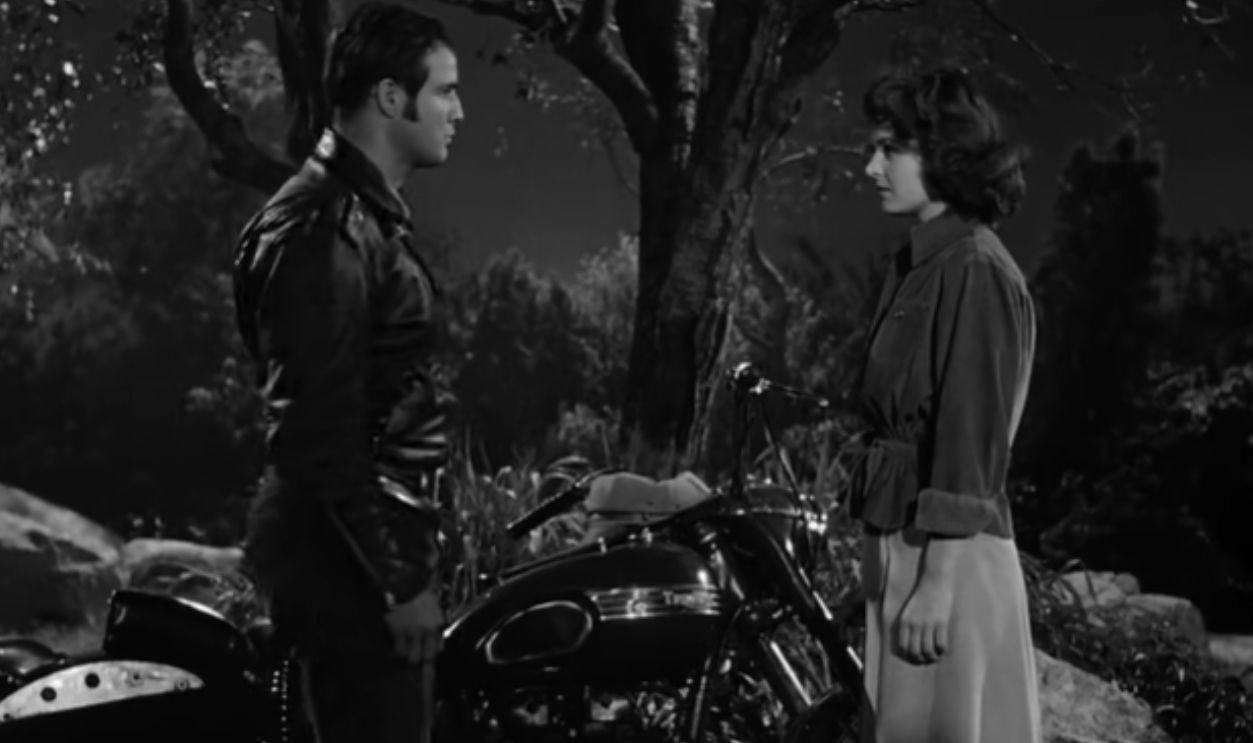 Screenshot from The Wild One, Columbia Pictures (1953)
Triumph’s Initial Reluctance—And Eventual Windfall
Triumph’s US distributors initially worried about associating the brand with an outlaw biker film. Those fears quickly vanished when the movie’s popularity sent Triumph’s profile soaring. What was meant to be cautious branding turned into one of the most effective pieces of accidental marketing in motorcycle history.

Performance In Real Life
Though not a racing motorcycle, the Thunderbird was no slouch. With a claimed top speed approaching 120 mph and a strong torque curve, it was capable of spirited riding and comfortable highway cruising. Riders valued its balance of performance and usability—traits that helped cement its reputation.
Brando’s Image Ignites A Lifestyle
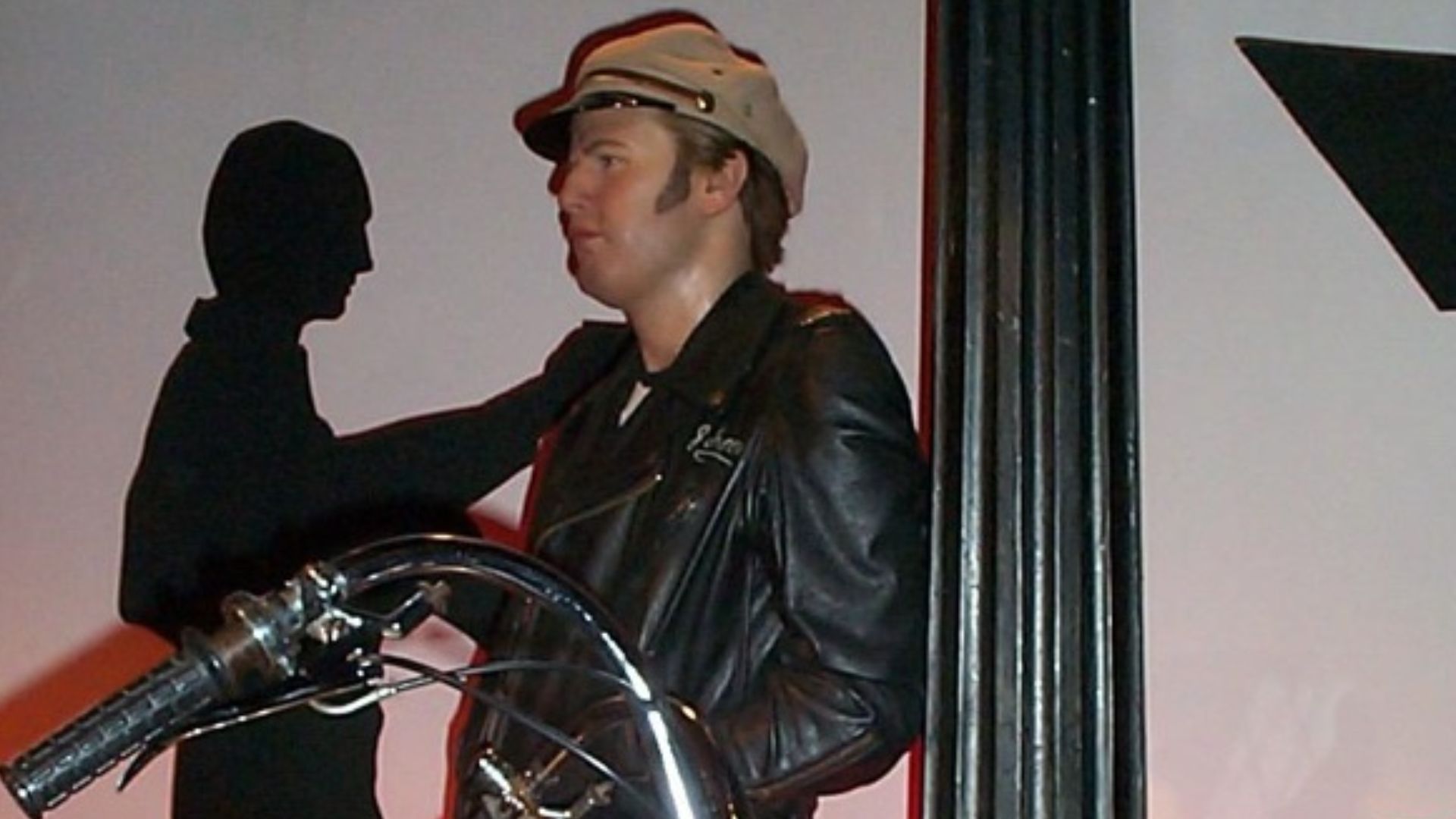
Brando’s on-screen look—leather jacket, denim, boots, and the Thunderbird beneath him—created a visual language that went far beyond the film. It reshaped how motorcycles were perceived, linking them to rebellion, self-expression, and youth culture rather than simple transportation.
 Rich Bowen from Lexington, KY, USA, Wikimedia Commons
Fashion And The Birth Of The Biker Aesthetic
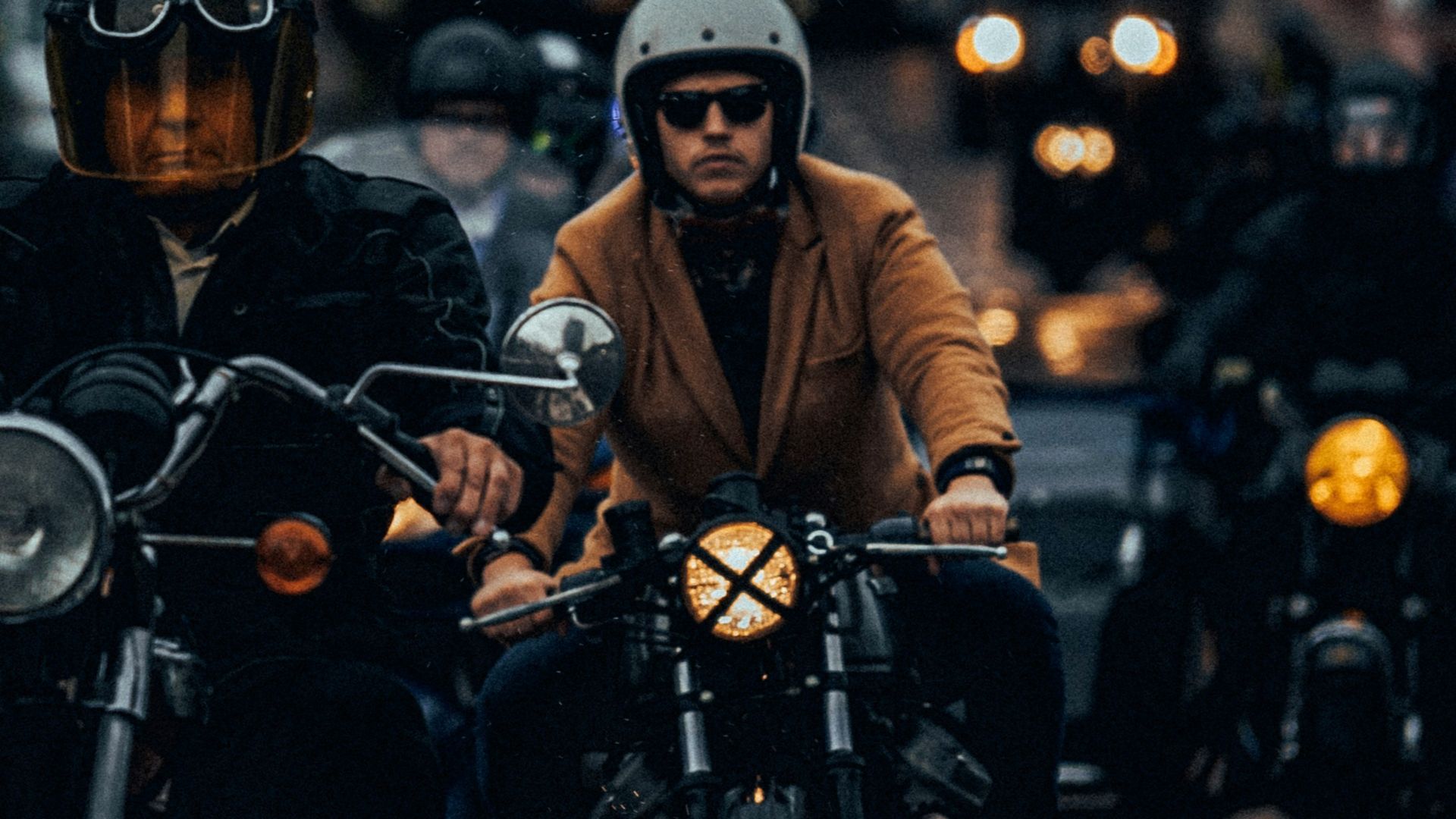
The Wild One effectively standardized the biker look. Leather jackets became cultural shorthand for rebellion, and motorcycles became fashion statements. Riders across the US and beyond adopted the style, cementing the image of the motorcyclist as an anti-establishment figure.
 Tom Reynolds from Melbourne, Australia, Wikimedia Commons
The Thunderbird’s Broader Cultural Impact
The Thunderbird didn’t just benefit Triumph—it helped redefine motorcycles in popular culture. Bikes were no longer seen solely as utilitarian machines. They became symbols of freedom, individuality, and resistance to conformity, opening the door for future biker films and motorcycle-centric storytelling.
Laying The Groundwork For Outlaw Biker Films
The Wild One established narrative and visual tropes that shaped decades of biker cinema. From lone anti-heroes to confrontations with authority, the film’s influence can be traced through countless motorcycle movies that followed.
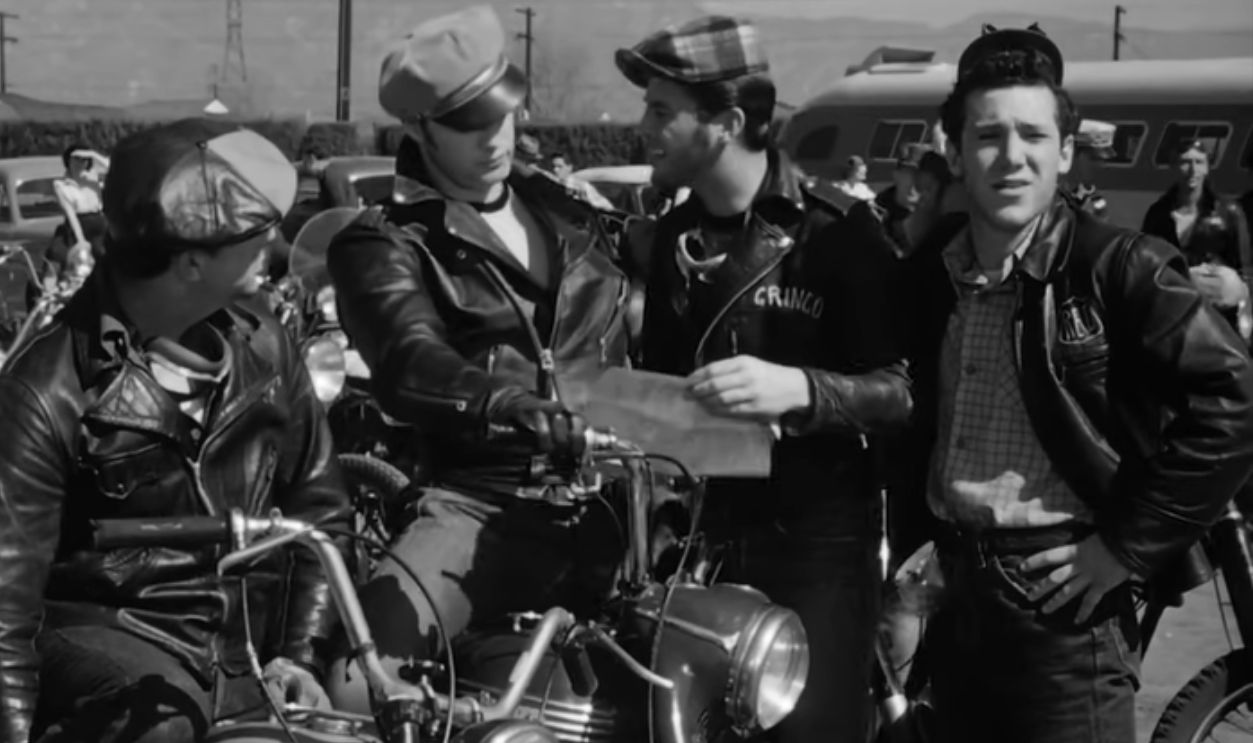 Screenshot from The Wild One, Columbia Pictures (1953)
Why The Image Endured
Audiences connected deeply with Brando’s portrayal because it represented something new: a rejection of postwar conformity and rigid social roles. The Thunderbird amplified that message, making the rebellion tangible and mobile.
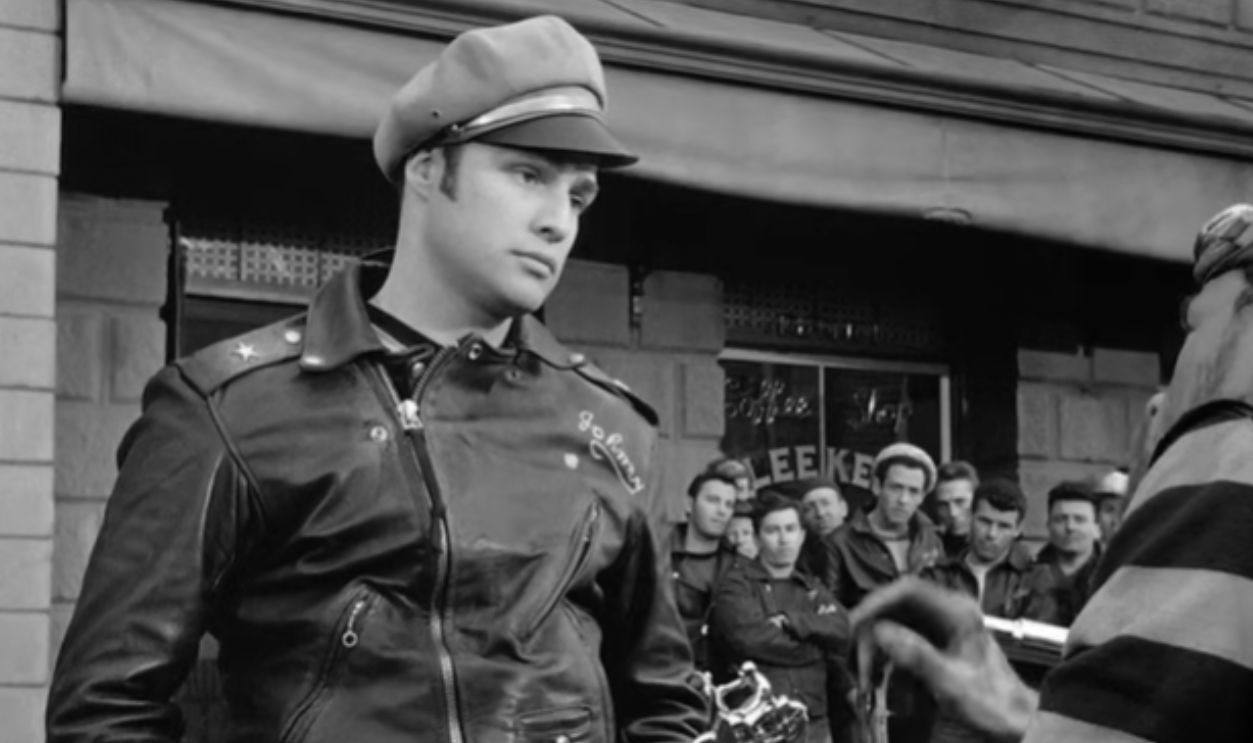 Screenshot from The Wild One, Columbia Pictures (1953)
The Ripple Effect: James Dean, Elvis, And Beyond
Brando’s influence didn’t stop with bikers. Actors and musicians like James Dean and Elvis Presley adopted elements of his rebellious persona, further embedding the motorcycle image into broader pop culture and youth identity.
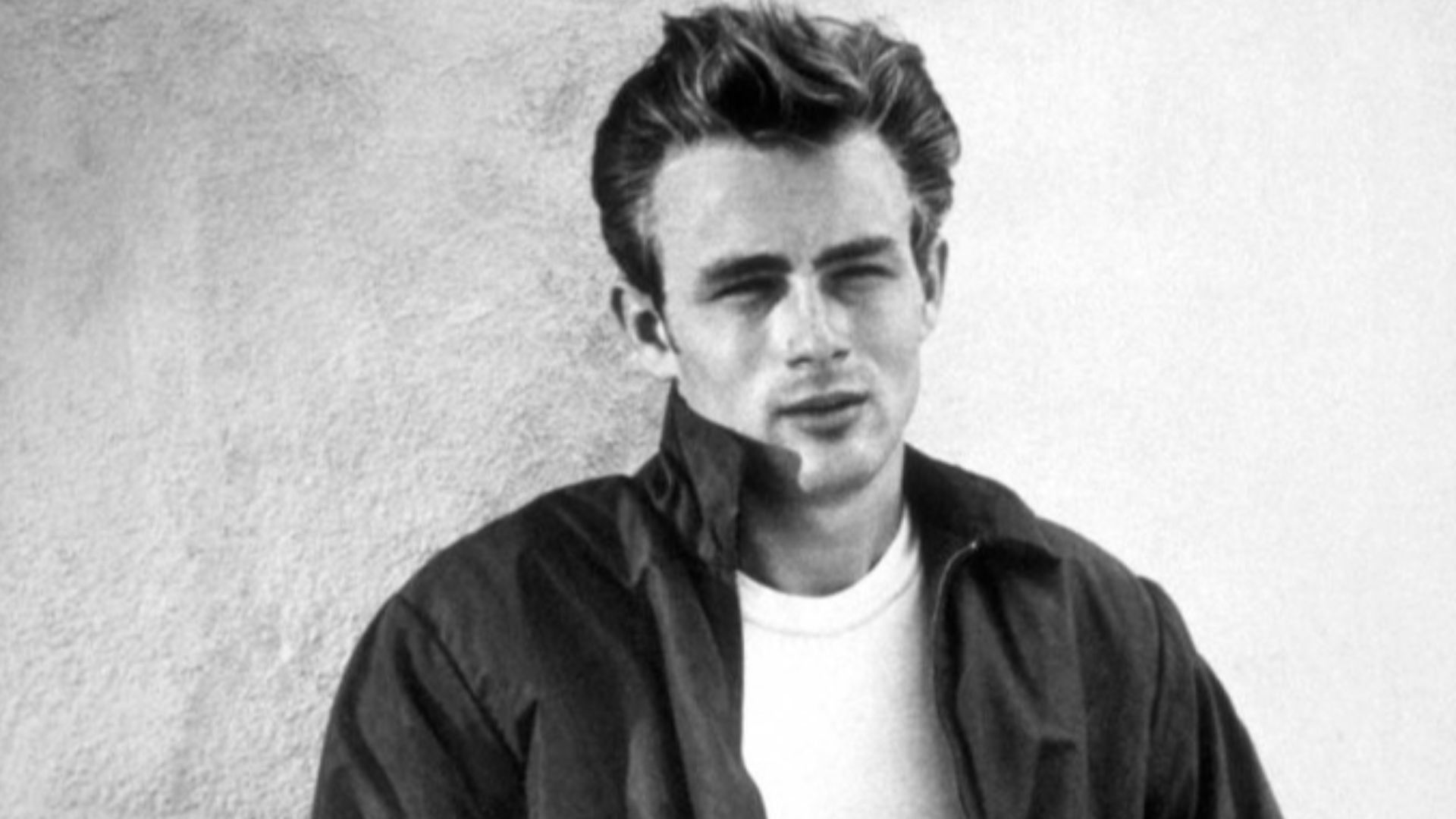 In-house publicity still, Wikimedia Commons
Triumph’s Surge In Popularity
Following the film’s release, Triumph experienced a noticeable boost in American interest. The Thunderbird became aspirational, with buyers drawn not just to its performance, but to what it represented—freedom, attitude, and independence.
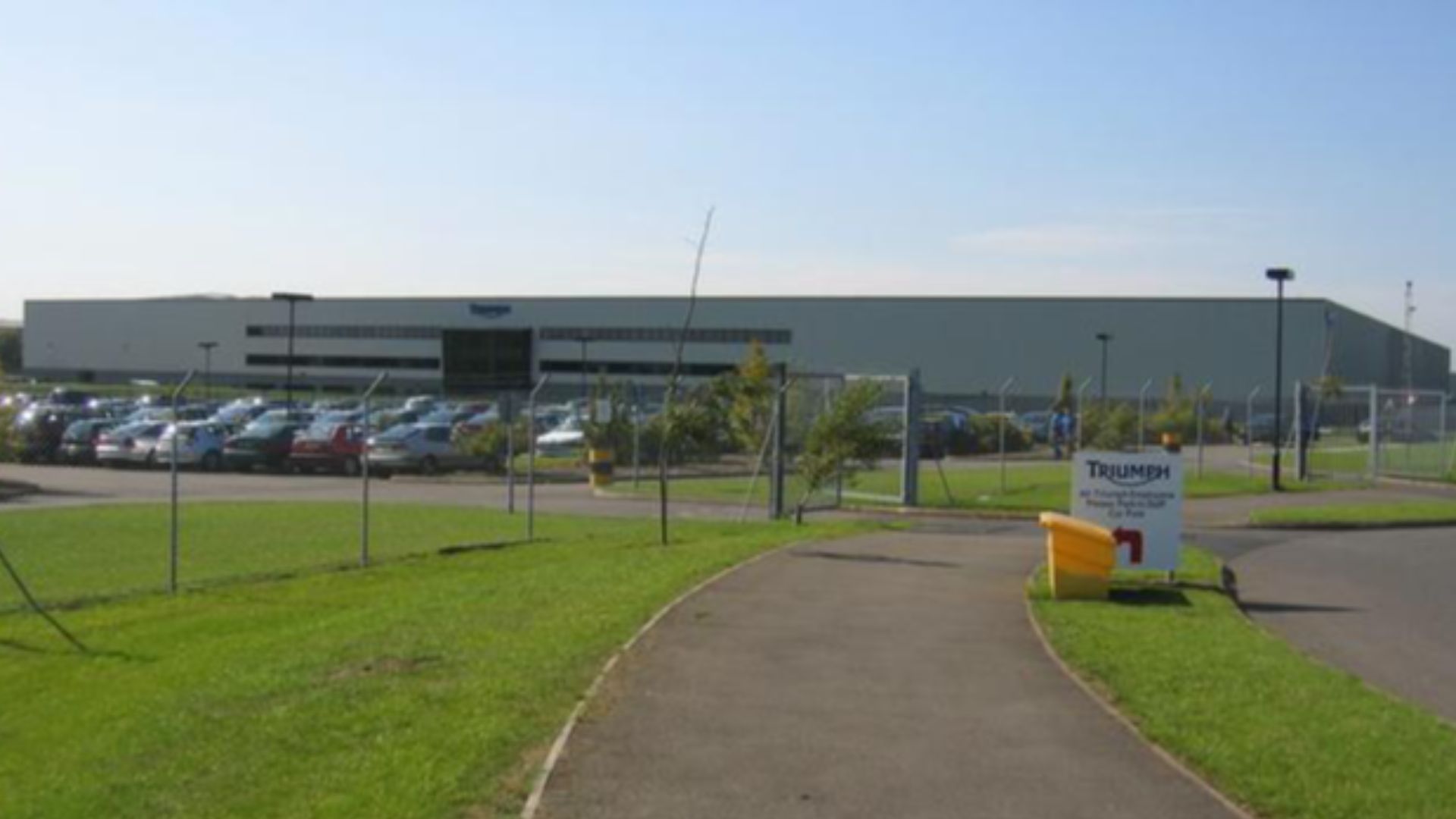 David Stowell, Wikimedia Commons
Brando’s Relationship With The Film’s Legacy
Brando later expressed surprise at how deeply The Wild One resonated with audiences. He hadn’t intended to spark a movement, yet his authentic performance and genuine love of motorcycles turned the role into something far larger than the film itself.
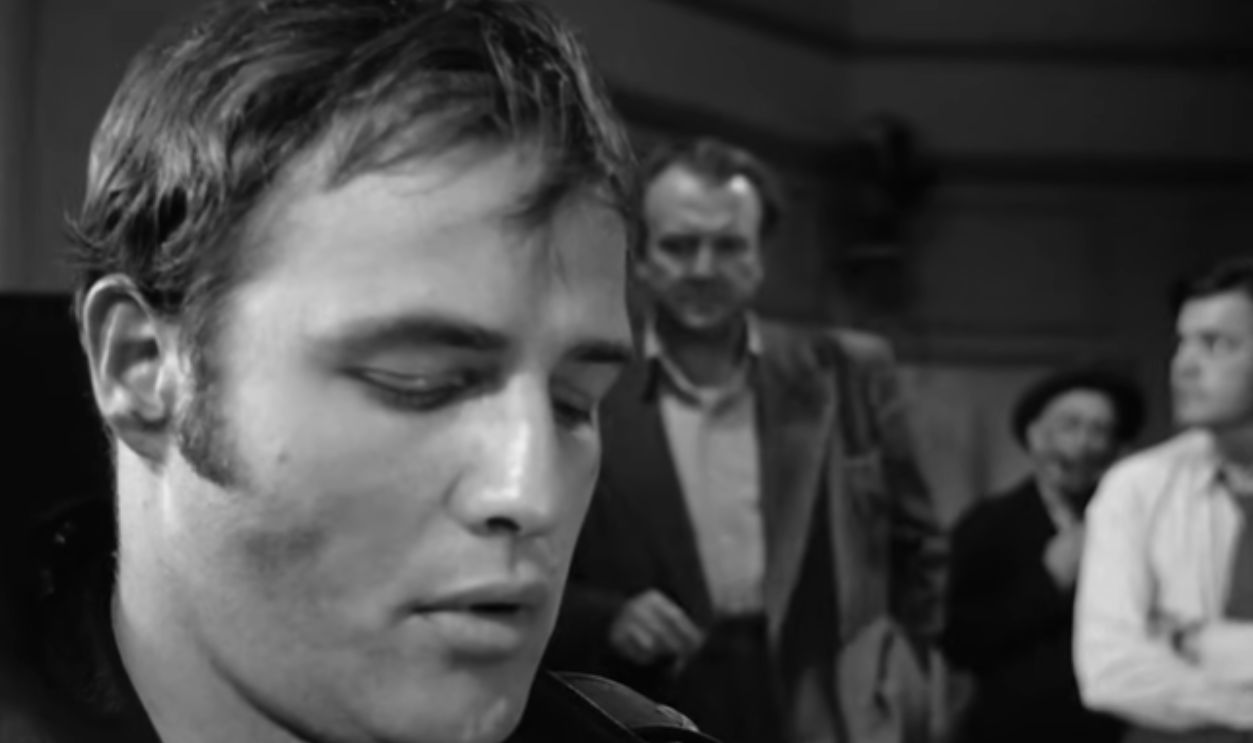 Screenshot from The Wild One, Columbia Pictures (1953)
The Thunderbird’s Long Production Life
The Thunderbird 6T remained in production until 1966, evolving mechanically but never escaping the shadow—or glow—of its cinematic legacy. Its continued desirability among collectors owes much to its association with Brando and the era it defined.
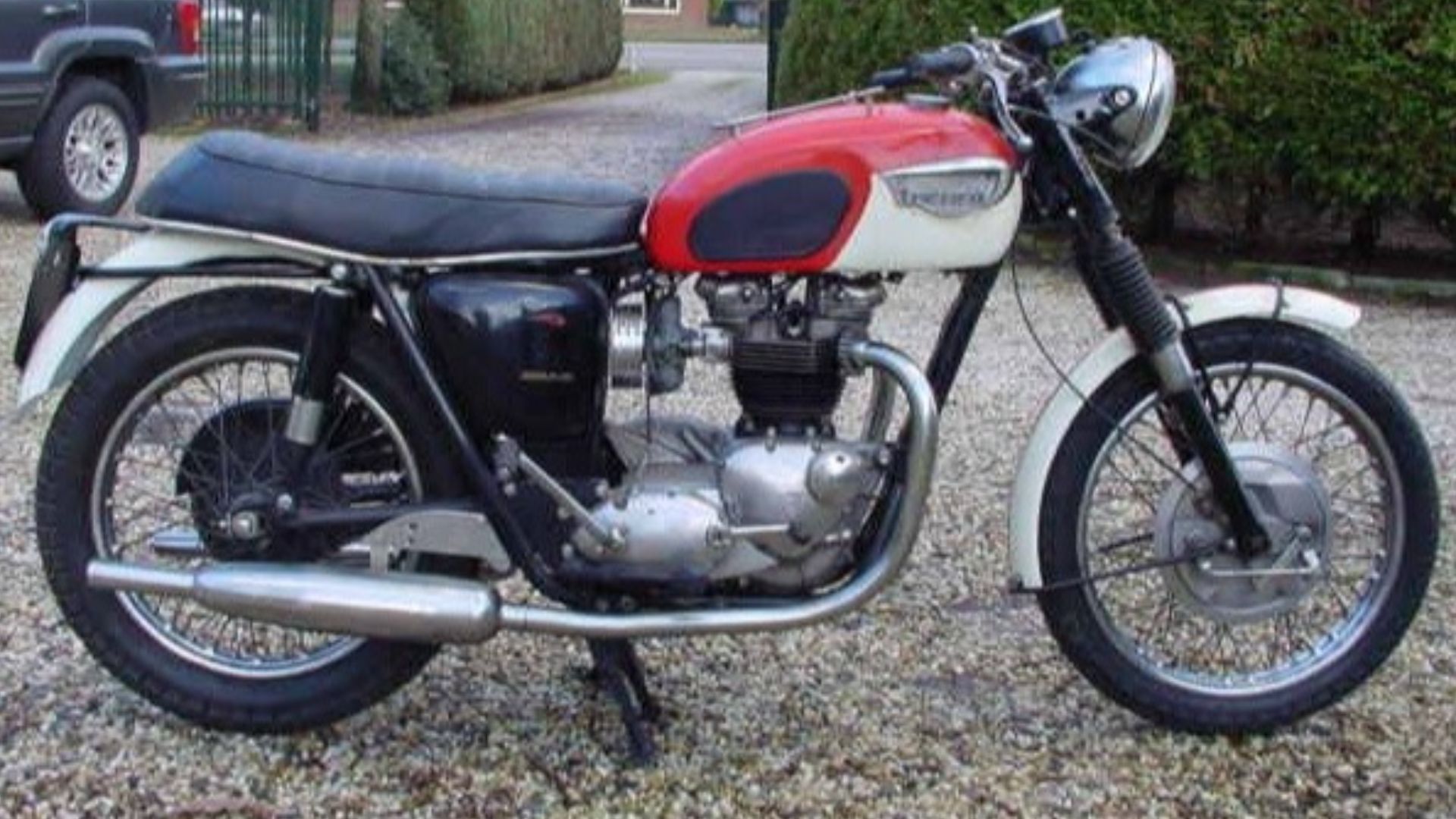 Yesterdays Antique Motorcycles, Wikimedia Commons
Why The Thunderbird’s Legacy Still Matters
Unlike many movie bikes, the Thunderbird wasn’t a fantasy machine. It was real, attainable, and ridden daily by real people. That authenticity is why it remains such a powerful symbol within motorcycle history.
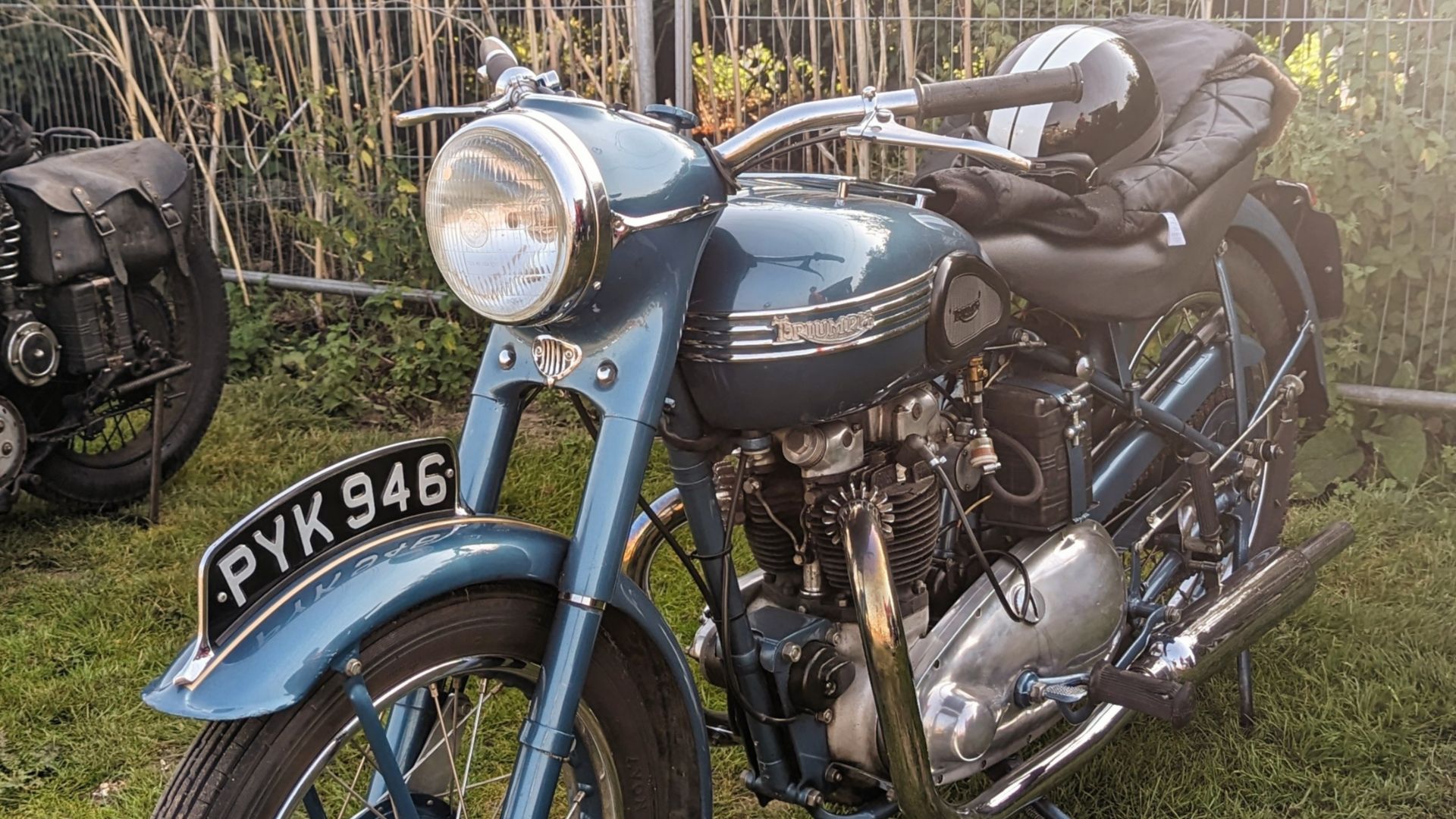
A Motorcycle That Rode Into History
The Triumph Thunderbird 6T may not have been the fastest bike of its time, but paired with the right rider and the right moment, it became immortal. Its legacy is proof that cultural impact often matters more than raw performance figures.
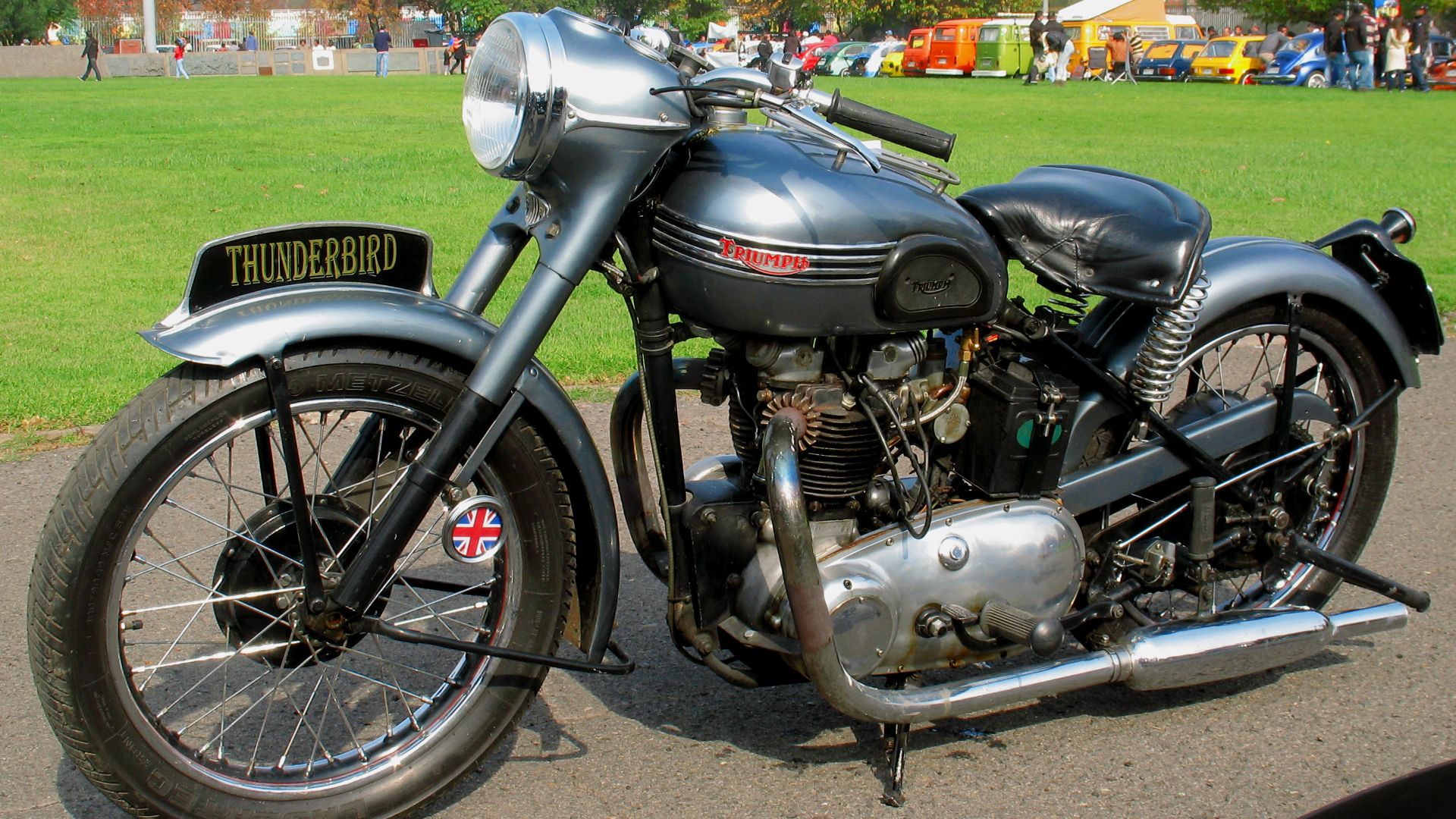 order_242 from Chile, Wikimedia Commons
You May Also Like:
How Café Racers Sparked A Cultural Revolution
The Rise And Fall Of The American Chopper Boom