Bikes We Wish Would Roar Again
Whether it’s a lost legend from the 1940s or a discontinued modern street-fighter, some motorcycles left the scene too soon—or completely faded from memory. Here are 25 bikes that, for style, character, performance, or heritage deserve a fresh look. Ride with us on this nostalgia trip.
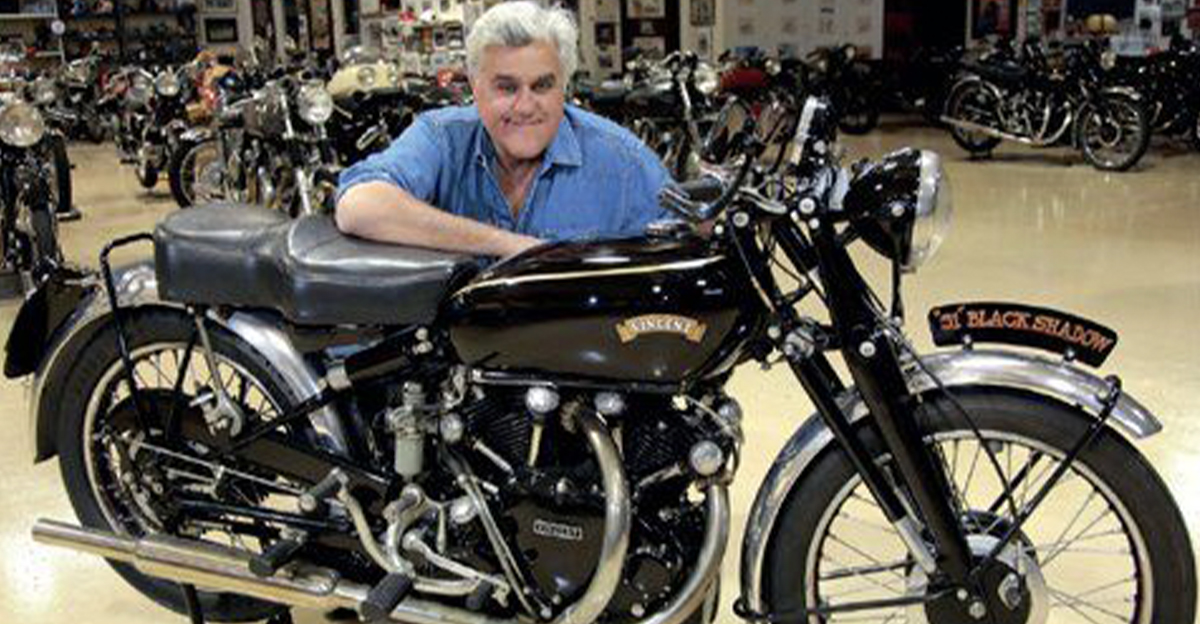
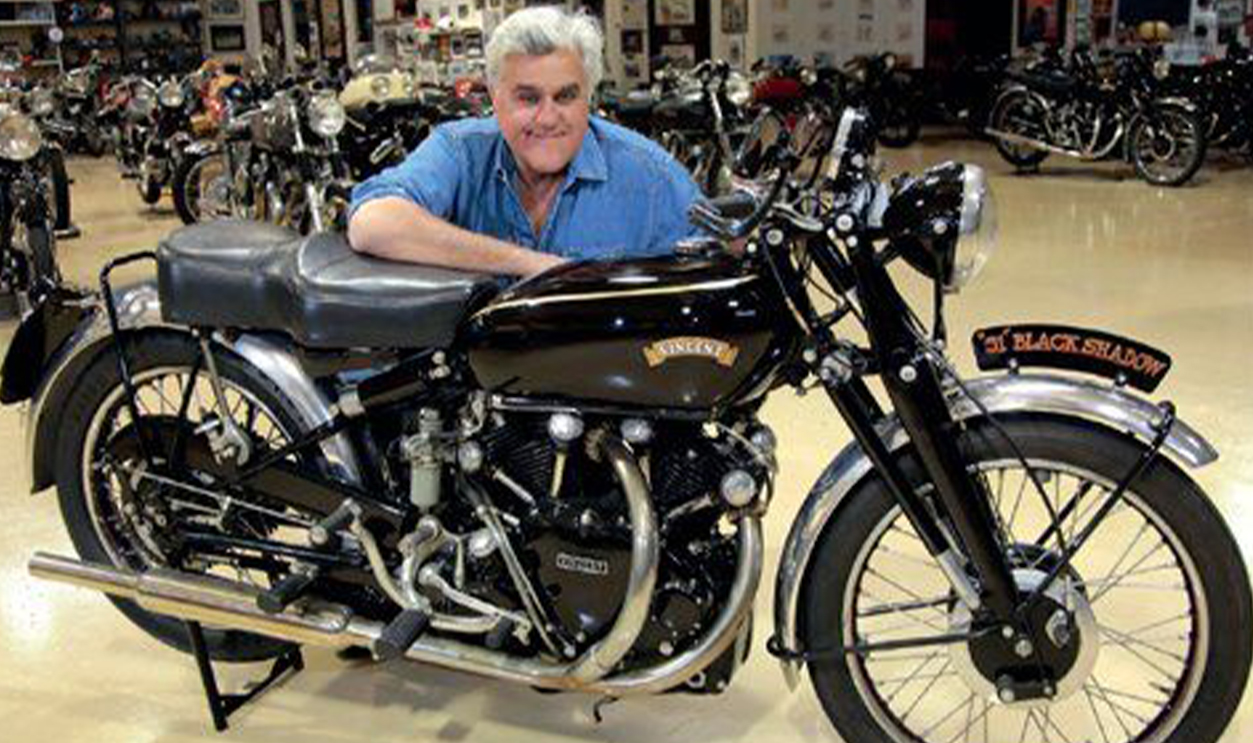
Vincent Black Shadow (1948–1955)
The Black Shadow was the post-war shock to the motorcycle world: a British V-twin that topped 125 mph in an era of 70–80 mph bikes. With a 998cc OHV engine and a distinctive cantilever rear-suspension design, it combined engineering brilliance with timeless style. It’s the kind of machine that still gets hearts racing, and a classic that would destroy expectations if revived with modern reliability and brakes.
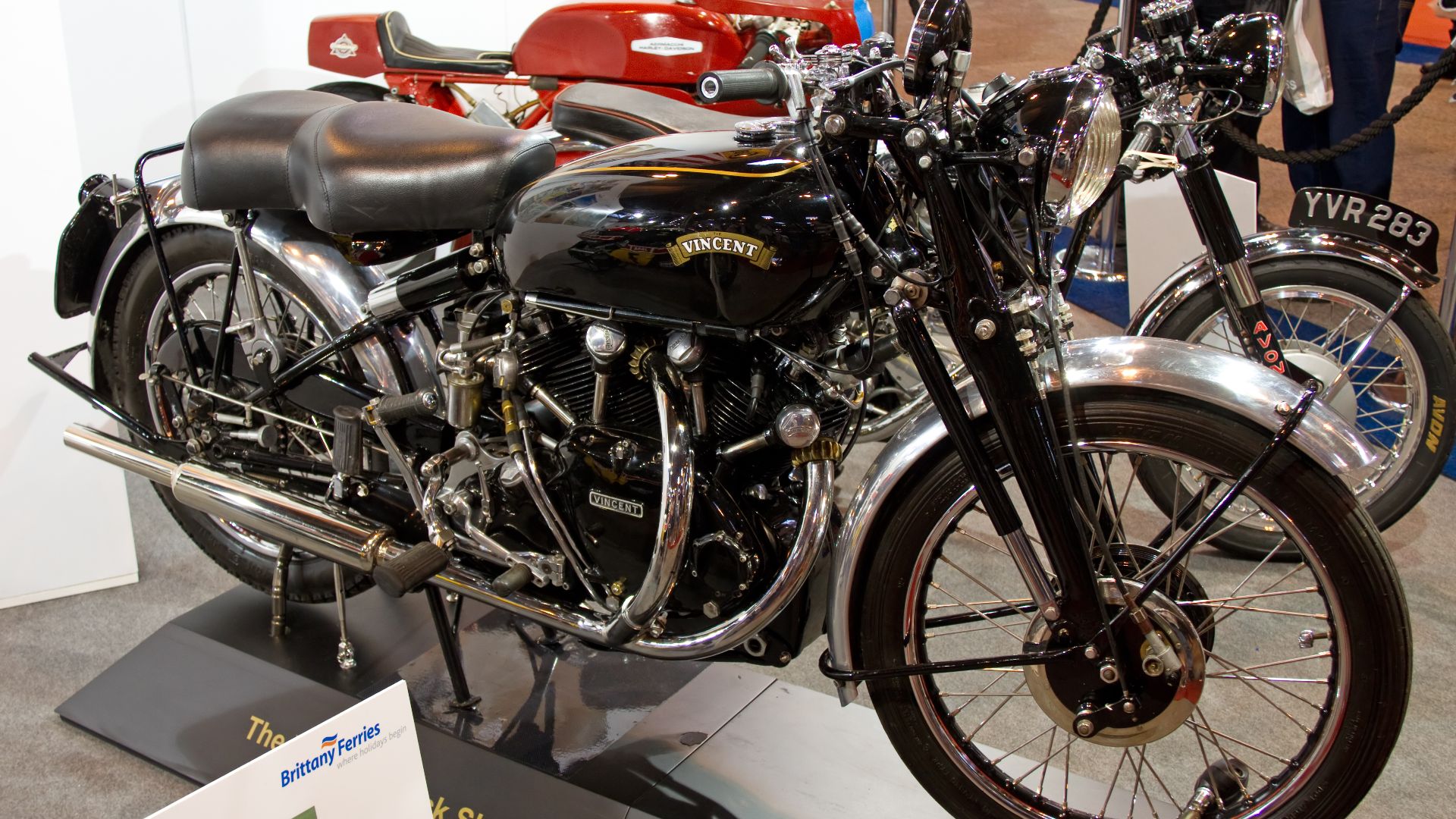 Tony Hisgett from Birmingham, UK, Wikimedia Commons
Ariel Red Hunter (1932–1959)
Ariel’s Red Hunter series once offered affordable British solidity with modest-displacement singles and a classic silhouette. Back when two-wheel transport mattered, these bikes filled the need for reliable, practical machines. Their simplicity, vintage charm and dramatic nostalgia factor make them prime candidates for a modern “heritage reissue” that's clean, minimal, vintage-looking but built with modern components.
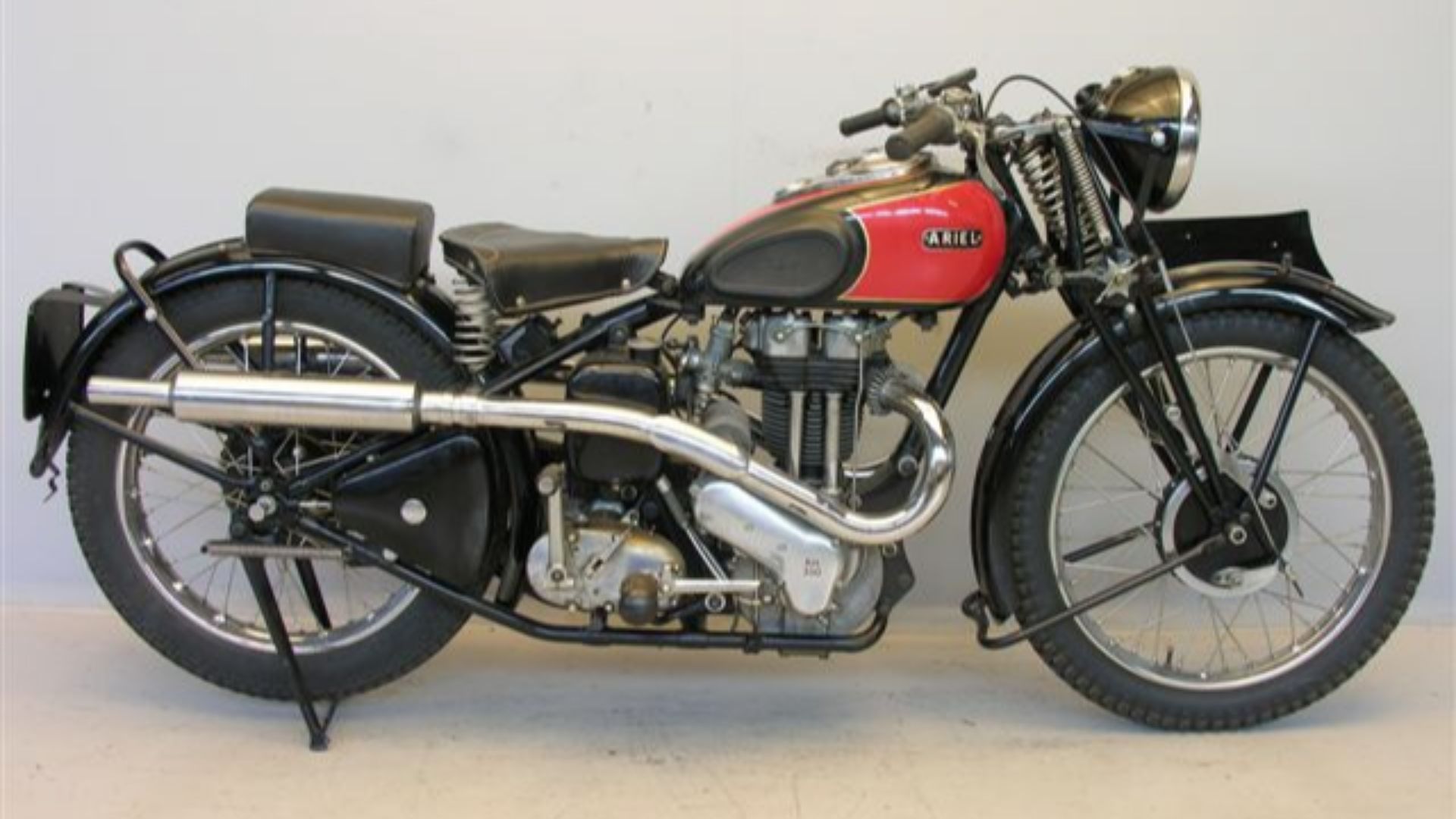 The original uploader was Piero at Dutch Wikipedia., Wikimedia Commons
Harley-Davidson Cross Bones (2008–2011)
The Cross Bones was a nostalgic cruiser that married old-school styling with modern hardware. Its laid-back stance, blacked-out components and V-twin rumble made it visually and sonically appealing. As one of Harley’s most throwback-inspired designs, it’s a bike many miss, especially riders craving Harley attitude without excessive modern plastics or visual clutter.
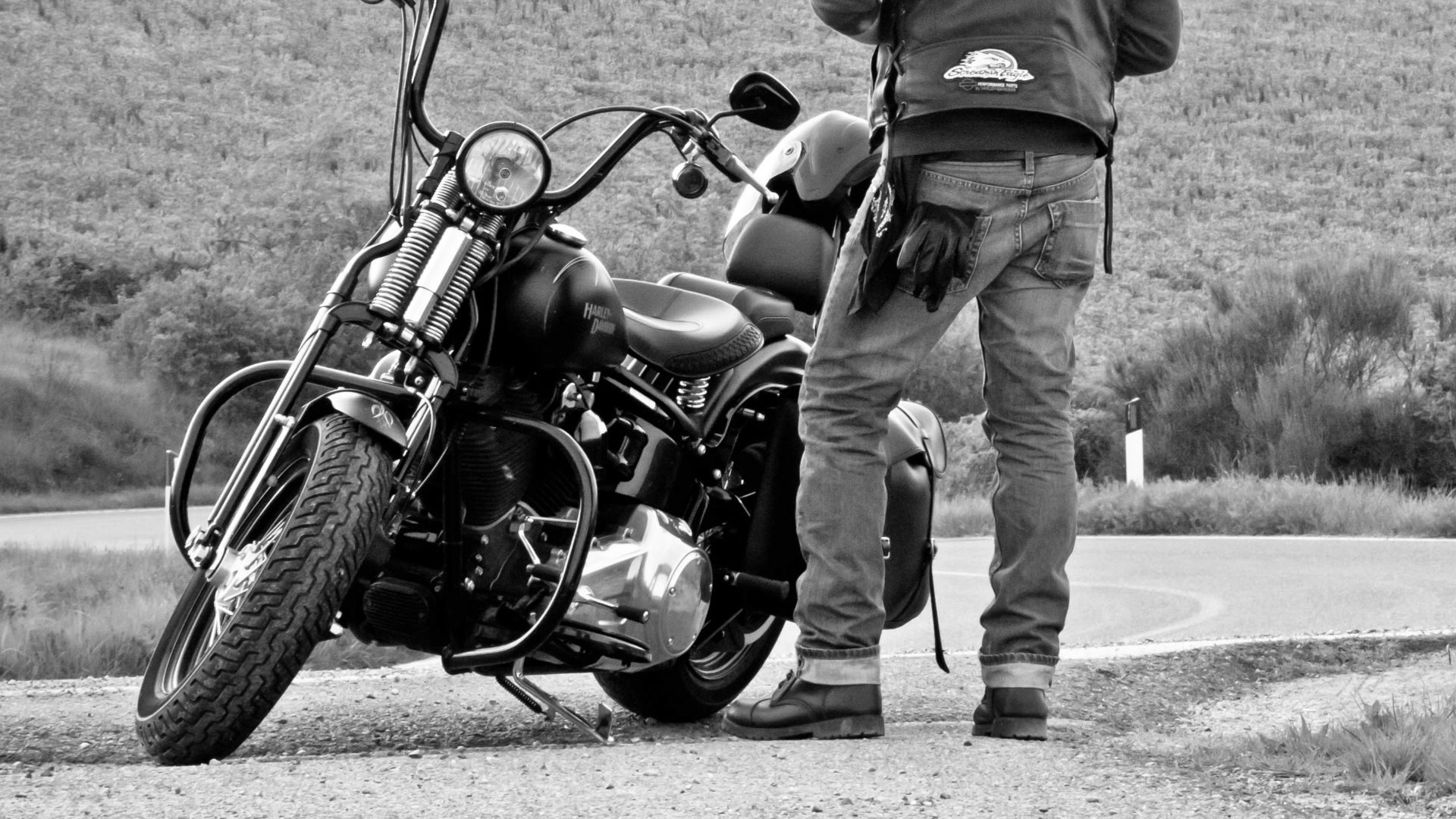 Greta Ceresini from Piacenza, Wikimedia Commons
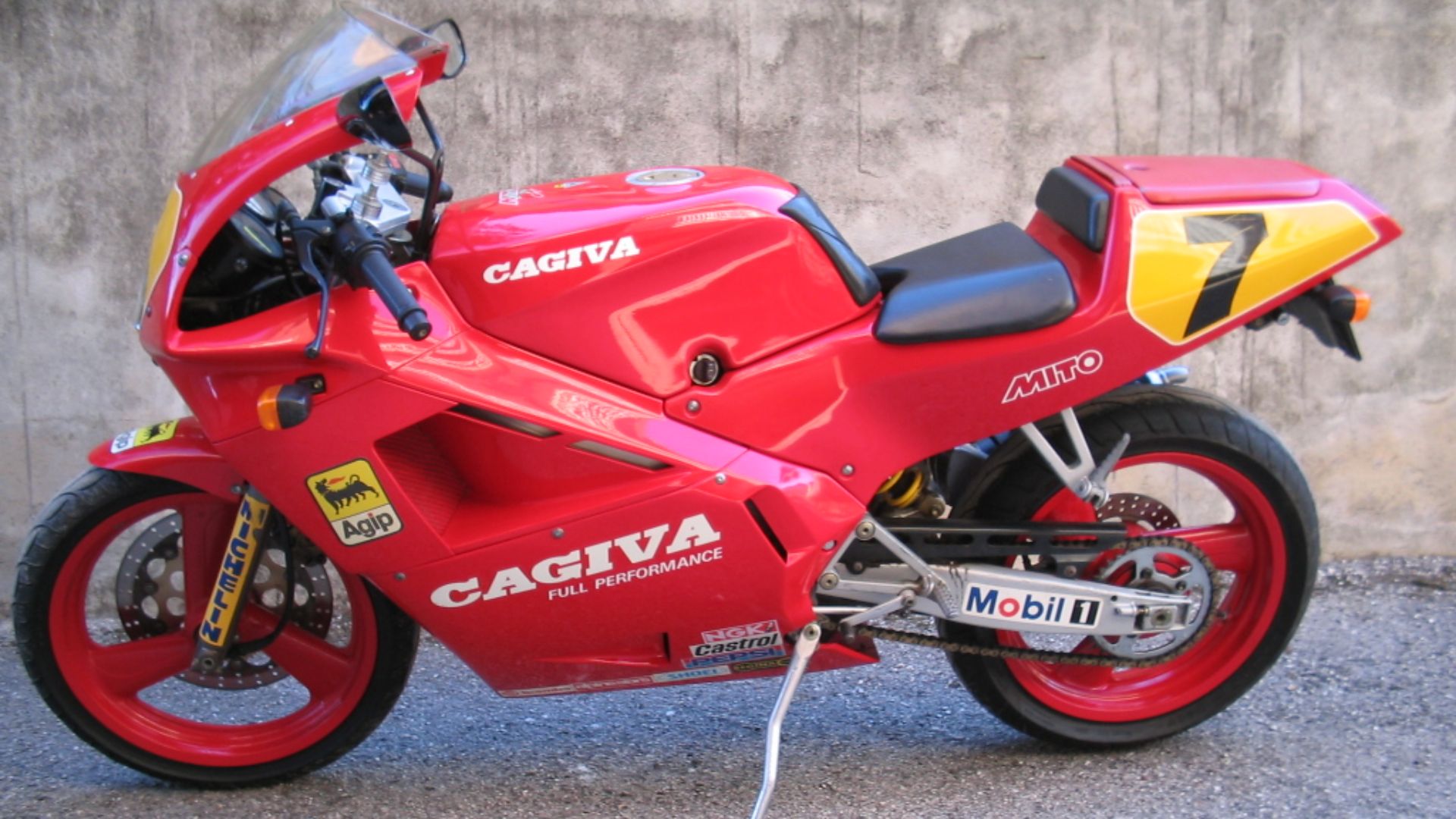
Cagiva Mito (1989–2012)
The Mito, with its sporty Italian styling and nimble 125–250cc-class agility, was a favorite among urban riders and racers in disguise. Light, sharp and fun, the Mito shined in city traffic and on tight canyon roads. A modern remake with updated emissions systems and sport-focused ergonomics could easily bring the Cagiva name back into enthusiast conversations.
 Ballini Matteo, Location: S.S.M. (MC) Italia, Wikimedia Commons
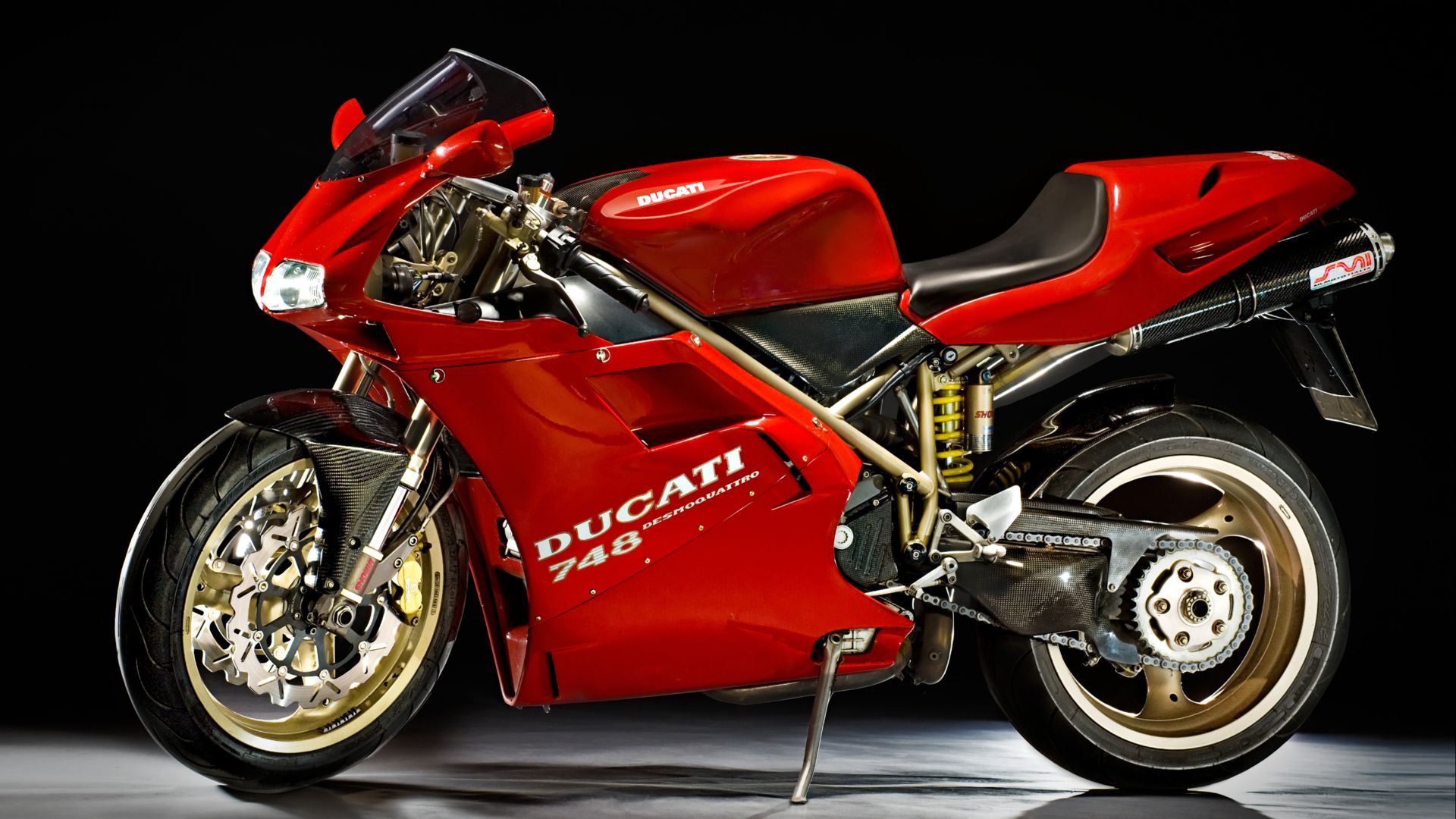
Ducati 748 (1994–2002)
The Ducati 748 was the smaller and more approachable sibling to the 916/996 line—still gorgeous, still track-hungry, but wrapped in a high-revving L-twin that rewarded skilled riders. Its balanced chassis and iconic Tamburini styling earned it a passionate following. Today’s rising demand for vintage-style sportbikes makes the 748 a perfect candidate for a modern tribute.
 Stefan Krause, Germany, Wikimedia Commons
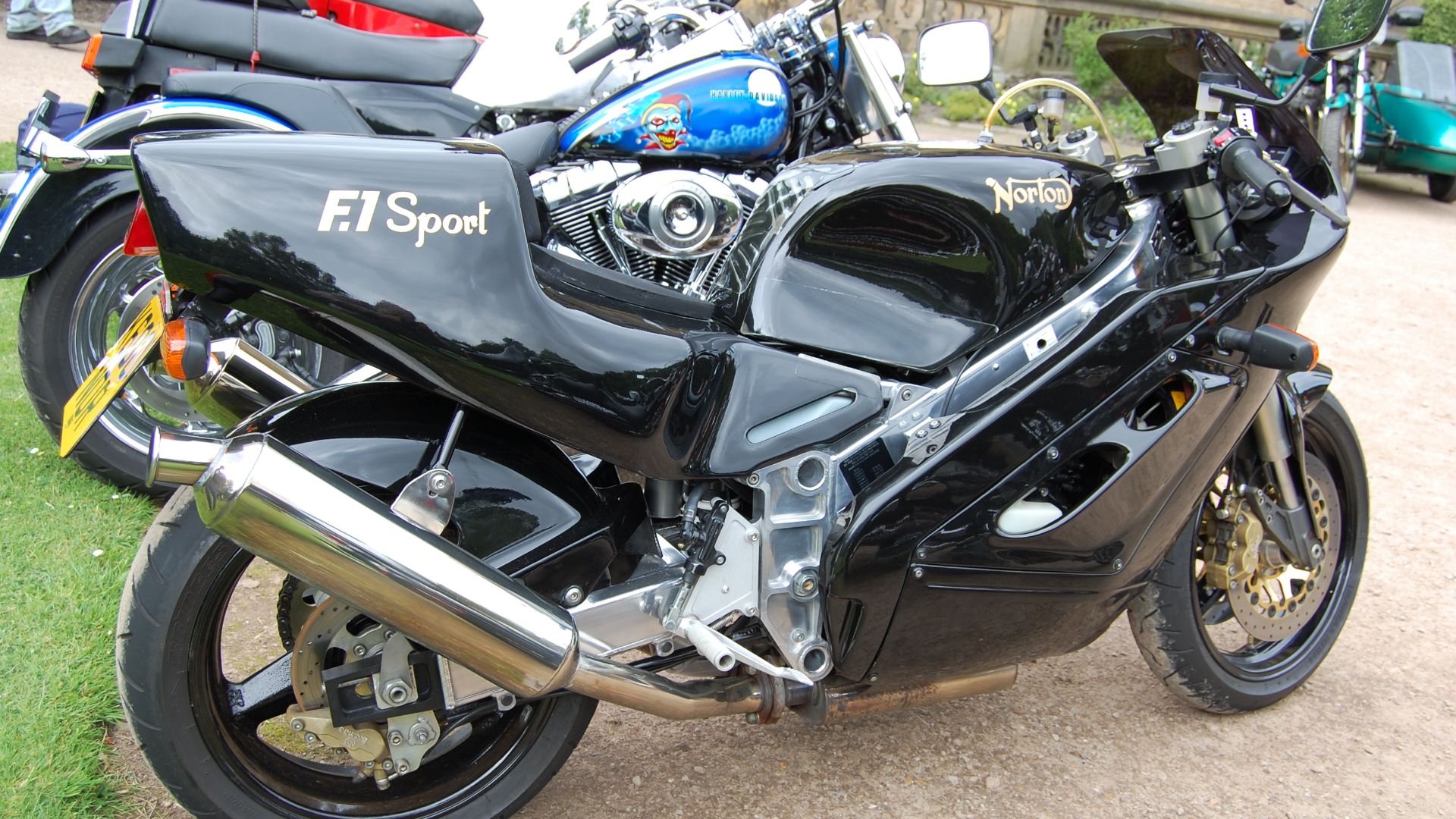
Norton F1 Sport (1990–1994)
The Norton F1 Sport delivered British attitude and distinctive engineering at a time when Japanese superbikes dominated. Its unique styling and motorsport-inspired spirit made it stand out in the early 90s. While Norton’s future has been turbulent, the F1 Sport represents an identity worth exploring again, and a modern revival with the same rebellious flavor could be truly exciting.
 Ronald Saunders from Warrington, UK, Wikimedia Commons
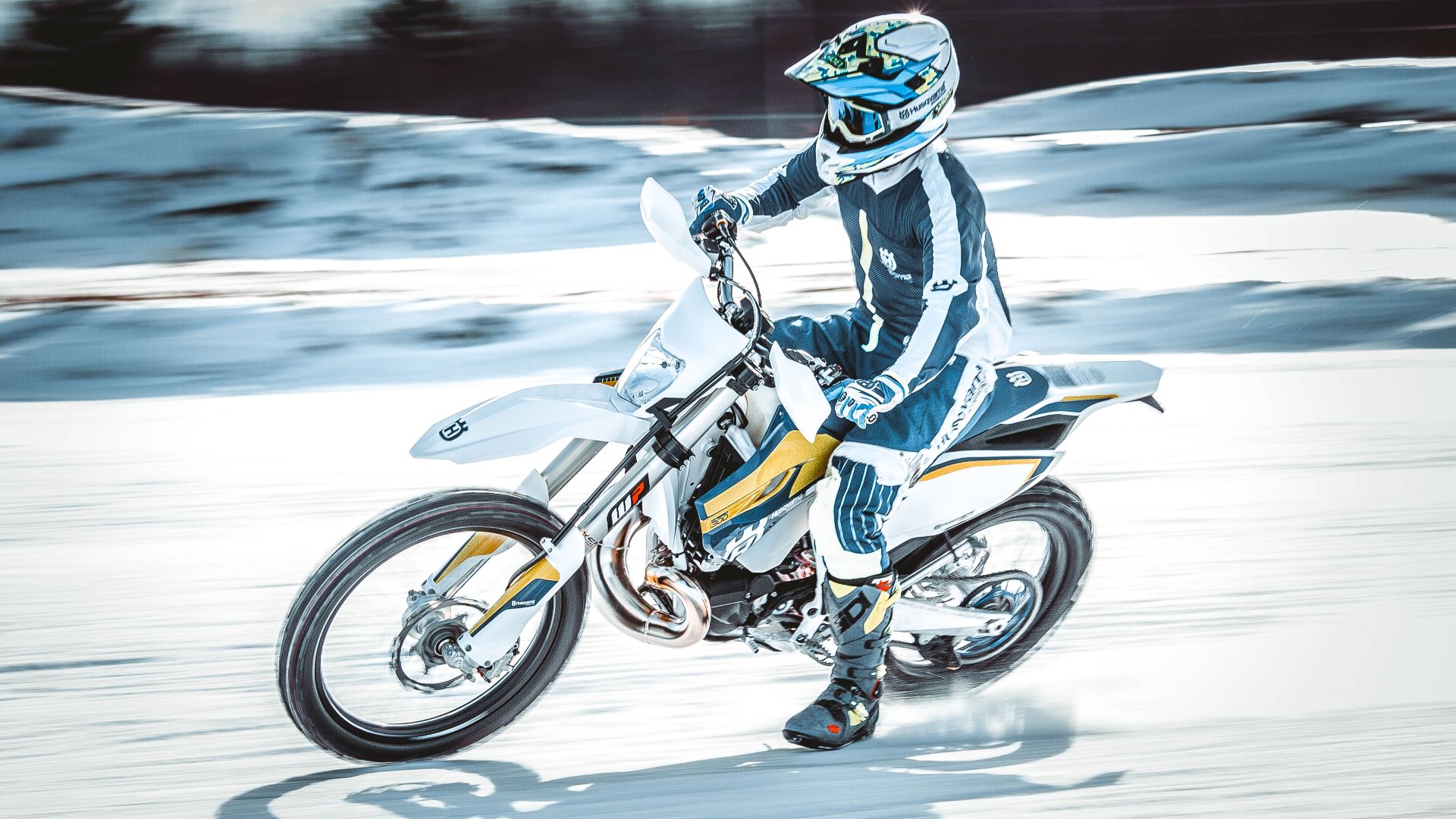
Husqvarna XC500 (1983–1985)
Built for rugged terrain and real-world abuse, the XC500 offered a lightweight frame, simple maintenance and undeniable off-road credibility. Husqvarna was ahead of the curve in the early dual-sport movement, and a modernized XC500—with updated suspension, fueling and electronics—would feel right at home among today’s adventure-focused crowd.
 Eric Michael ericmichael, Wikimedia Commons
Harley-Davidson XR1200 (2008–2013)
The XR1200 took Harley’s racing heritage and adapted it into a surprisingly sporty street machine. With strong mid-range torque, upright ergonomics and a street-tracker aesthetic, it appealed to riders who wanted Harley attitude without the cruiser compromises. In today’s market of retro-sport and street-tracker bikes, an XR1200 comeback would turn heads instantly.
 Ronald Saunders from Warrington, UK, Wikimedia Commons
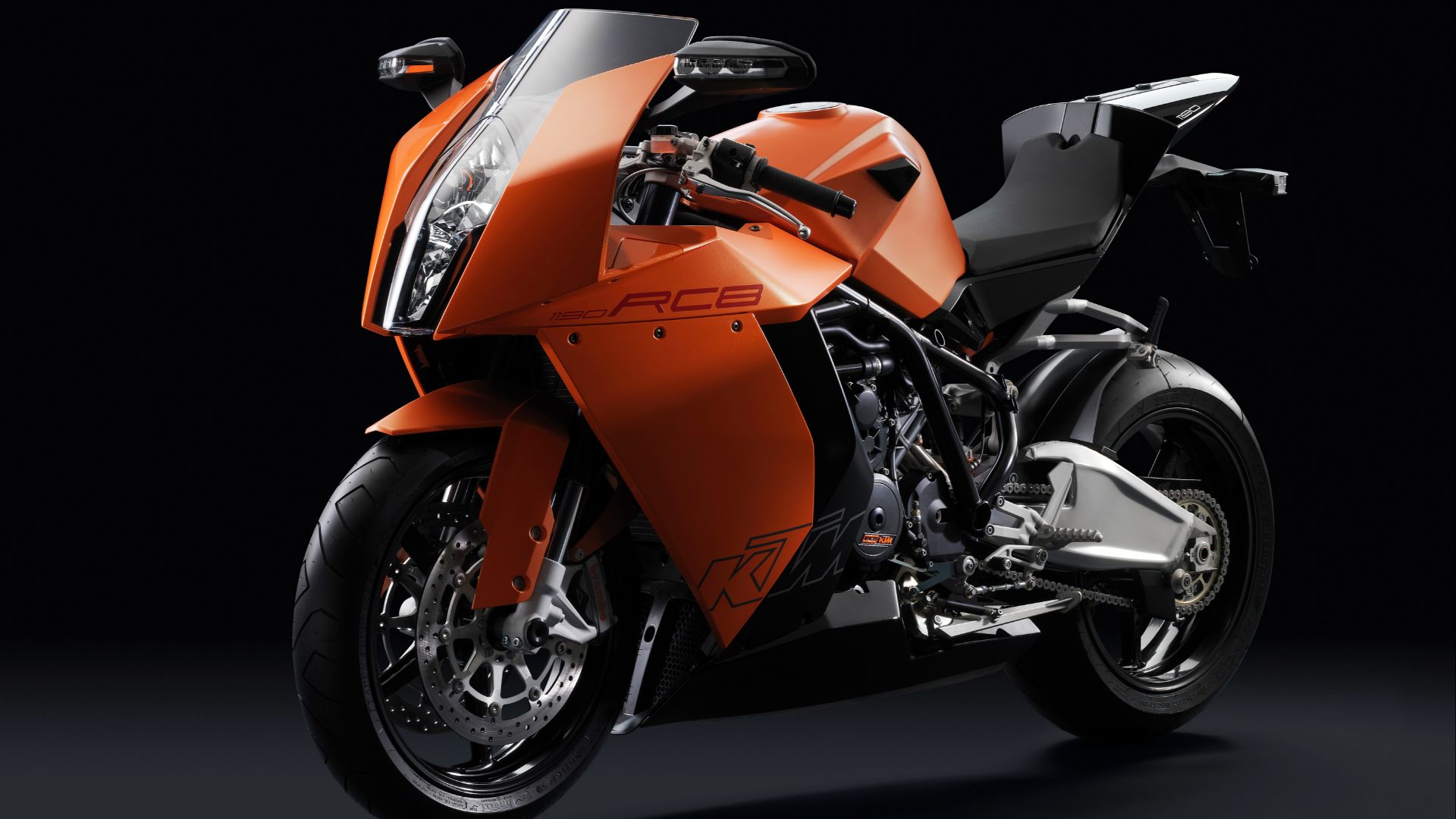
KTM RC8 (2008–2015)
KTM’s RC8 was its first true superbike—edgy, angular and built around a powerful V-twin that delivered massive torque. It had distinctive styling, sharp handling and a character all its own. With modern electronics, rider aids and updated refinement, a revived RC8 could easily shake up today’s superbike field.
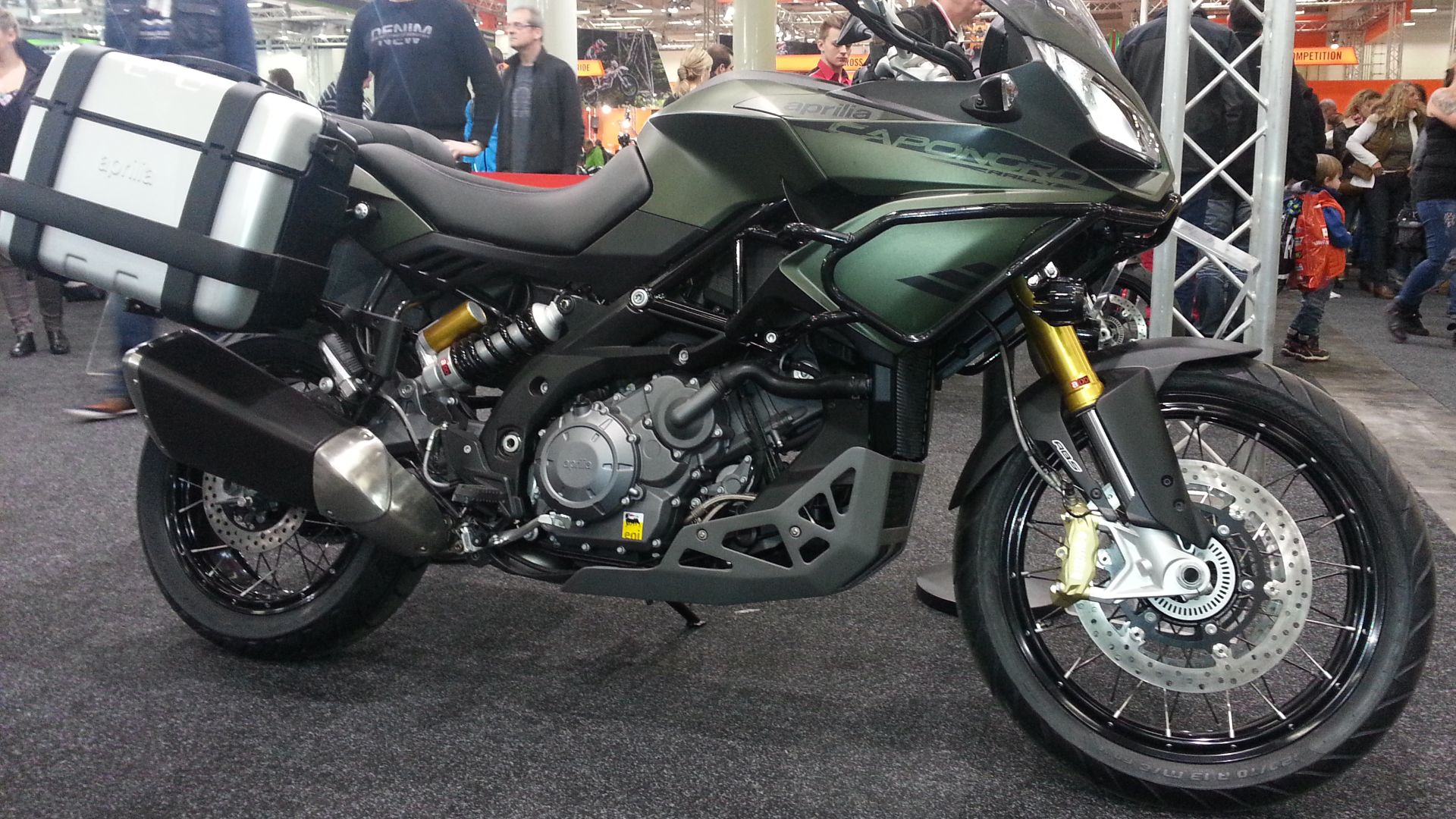
Aprilia Caponord 1200 (2013–2015)
The Caponord 1200 blended adventure-bike comfort with Italian flair. A big V-twin engine provided strong torque, while Aprilia’s electronics gave it modern riding manners. As adventure and sport-touring bikes surge in popularity, a second-generation Caponord (with today’s tech) could become a sweet spot for riders wanting something stylish and versatile.
 San Andreas, Wikimedia Commons
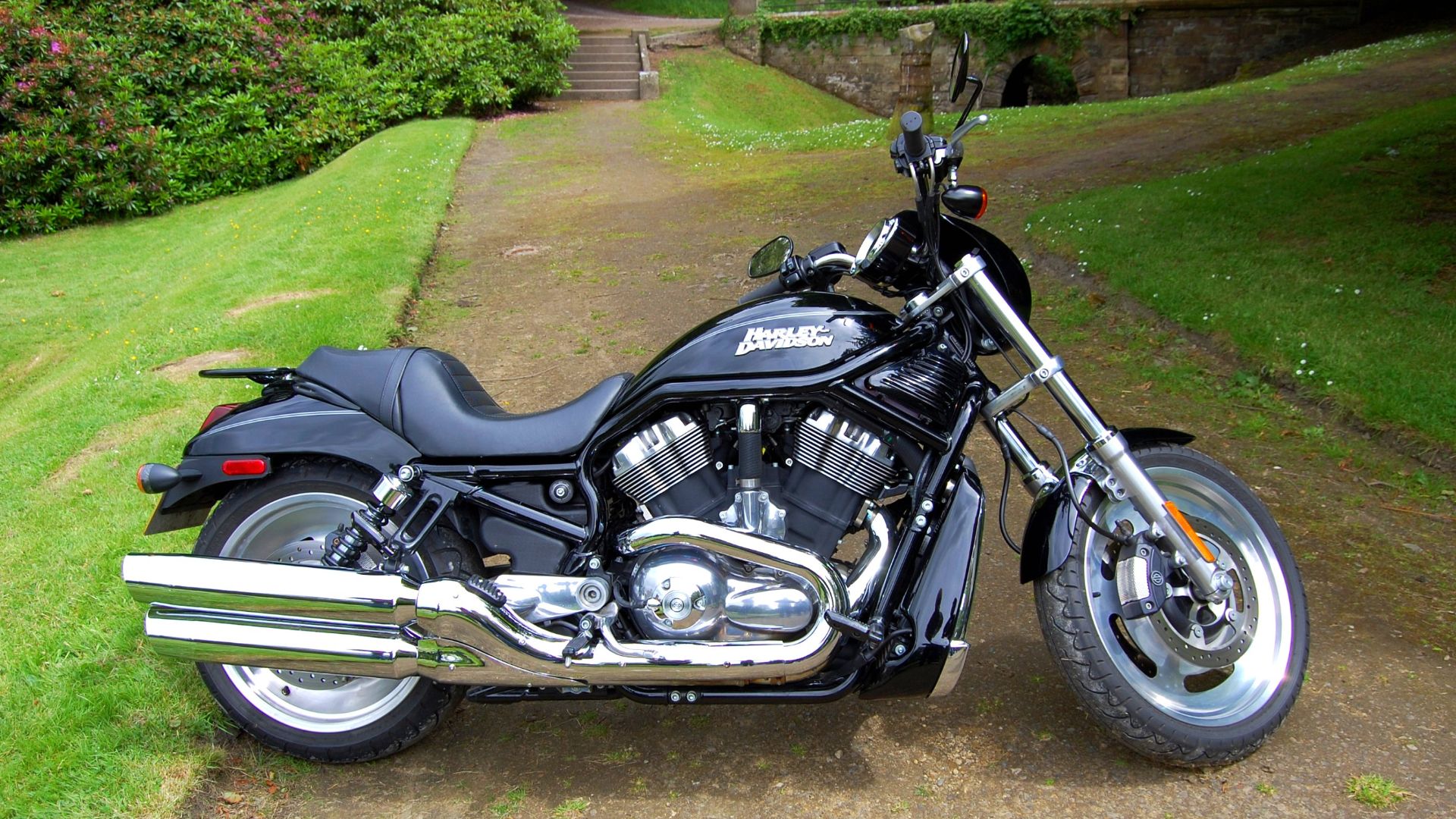
Harley-Davidson VRSC Lineup (2002–2017)
Harley’s VRSC series (including the V-Rod) packed liquid-cooled V-twin muscle wrapped in drag-inspired styling. With Porsche-influenced engineering and a bold silhouette, these bikes were unlike anything Harley had built before or since. As muscle-cruiser fans grow nostalgic, the VRSC’s combination of modern performance and unmistakable presence feels overdue for a modern update.
 Ronald Saunders from Warrington, UK, Wikimedia Commons
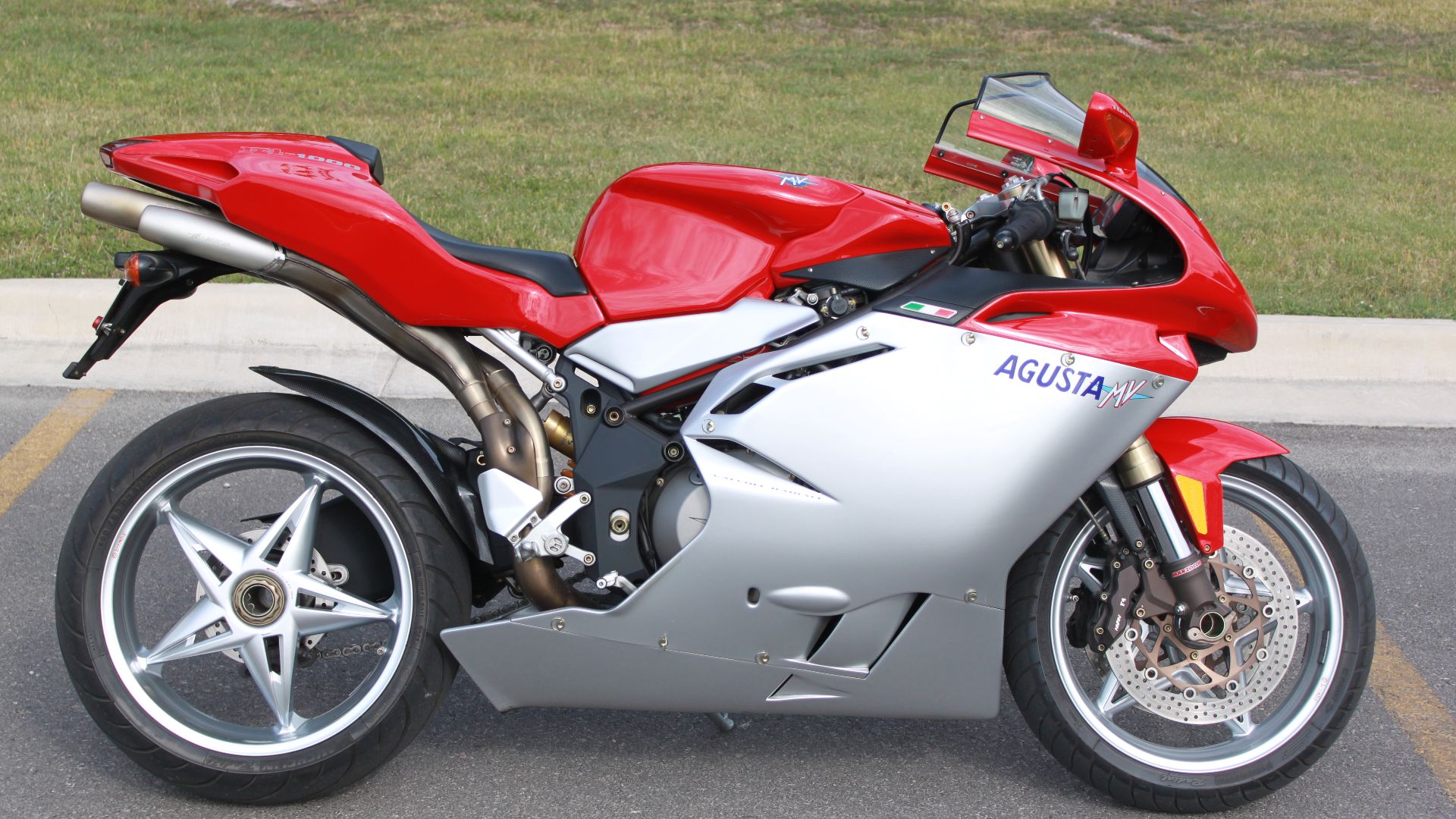
MV Agusta F4 (1999–2018)
One of the most beautiful superbikes ever created, the MV Agusta F4 combined Italian sculpture-like design with high-revving inline-four performance. Special editions pushed nearly 200 hp, and its signature under-seat exhaust and razor-sharp angles made it unmistakable. A new F4, modernized but faithful to the original’s lines, would thrill enthusiasts and collectors alike.
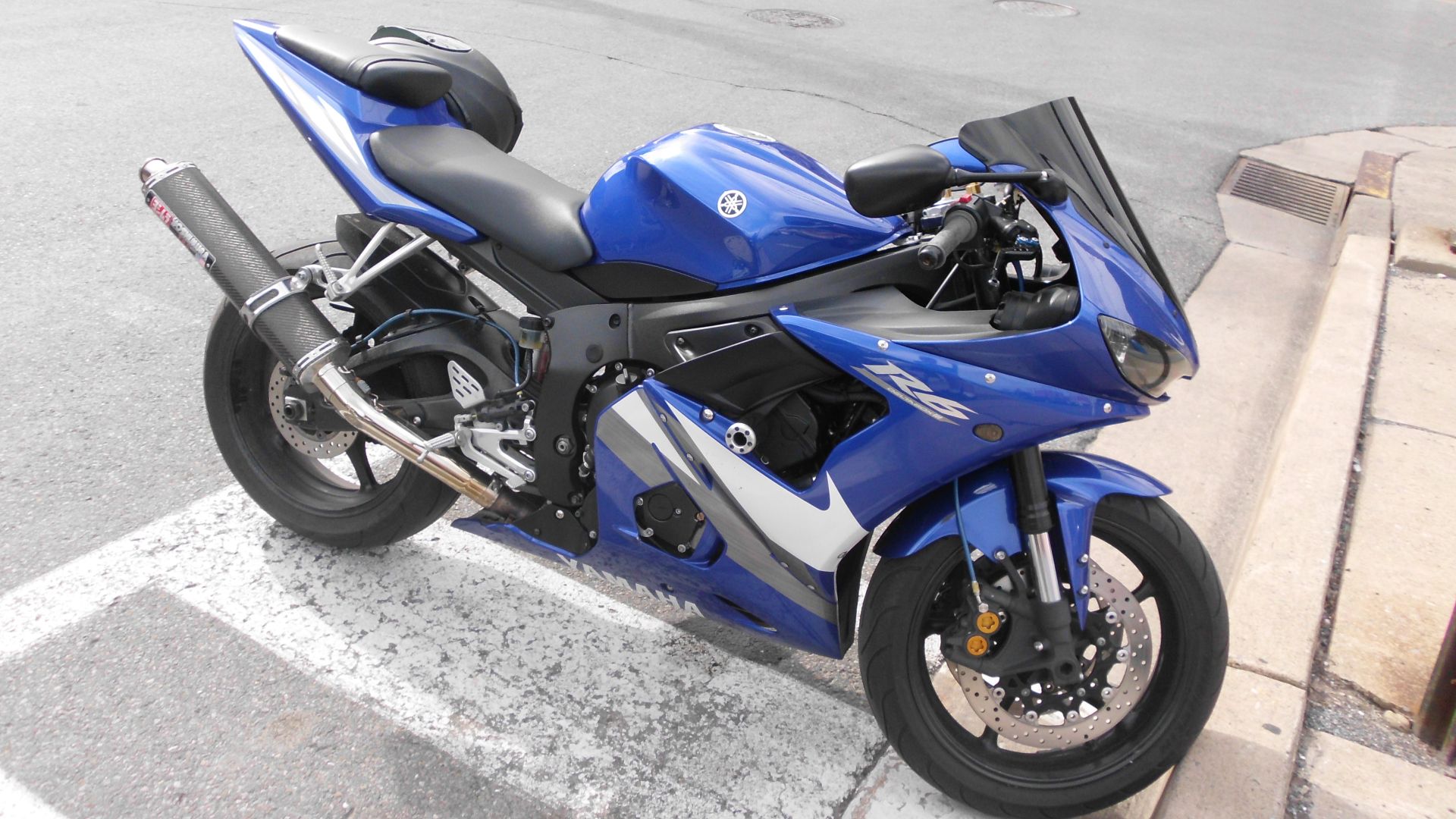
Yamaha YZF-R6 (1999–2020)
The Yamaha R6 dominated the 600cc supersport class for decades thanks to its screaming top-end power, scalpel-like handling and race-bred aerodynamics. When Yamaha discontinued street production in 2020, many mourned the end of an era. A new analog-leaning R6 could bring back the middleweight magic riders still crave.
 Alpacaaviator, Wikimedia Commons
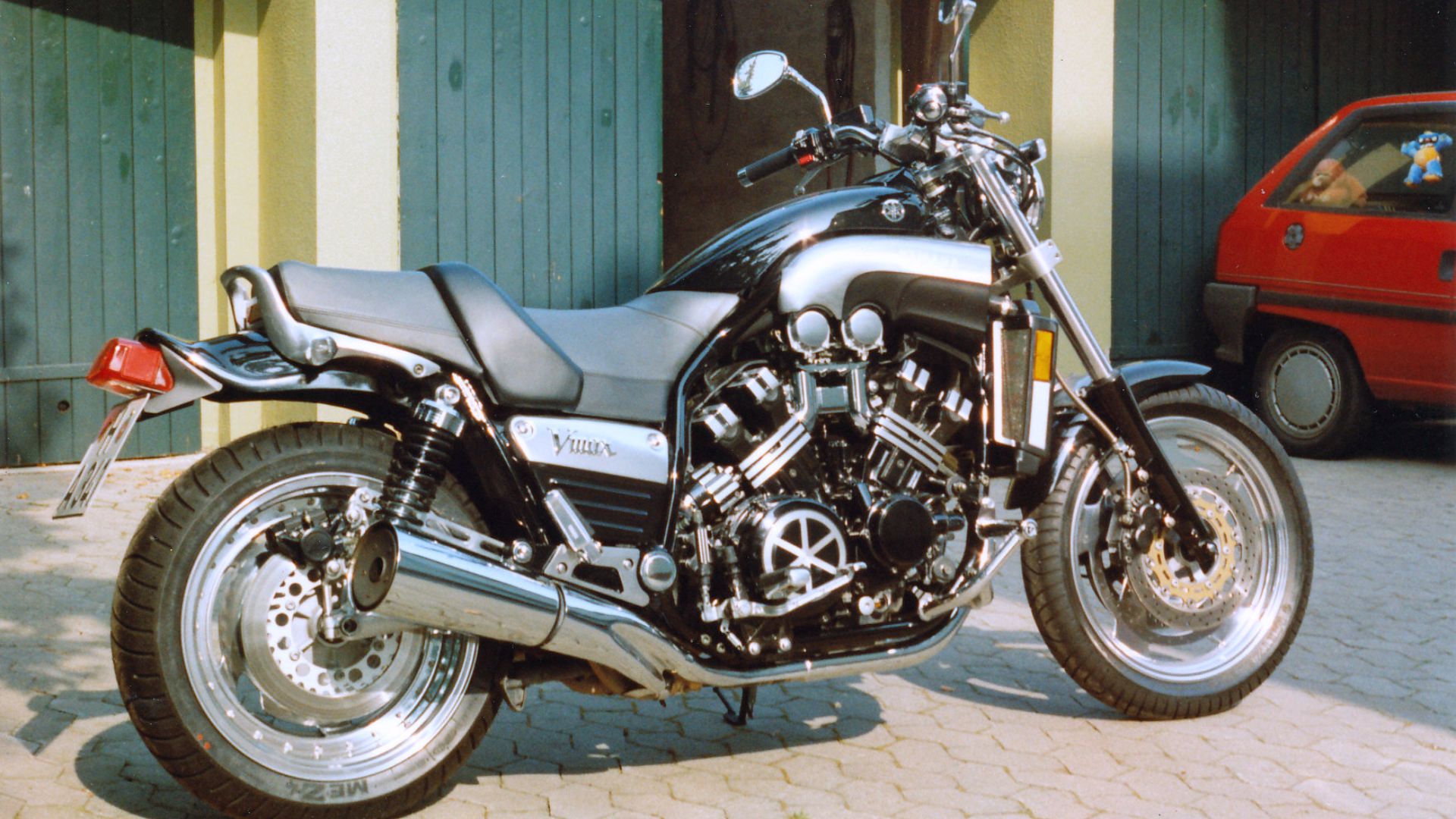
Yamaha V-Max (1985–2020)
The V-Max was pure attitude on two wheels—a V4-powered muscle bike with insane straight-line thrust and unmistakable styling. The combination of torque, raw sound and wide-shouldered presence gave it a cult following. As today’s market explores bold retro-muscle themes, a modern V-Max revival seems like a no-brainer.
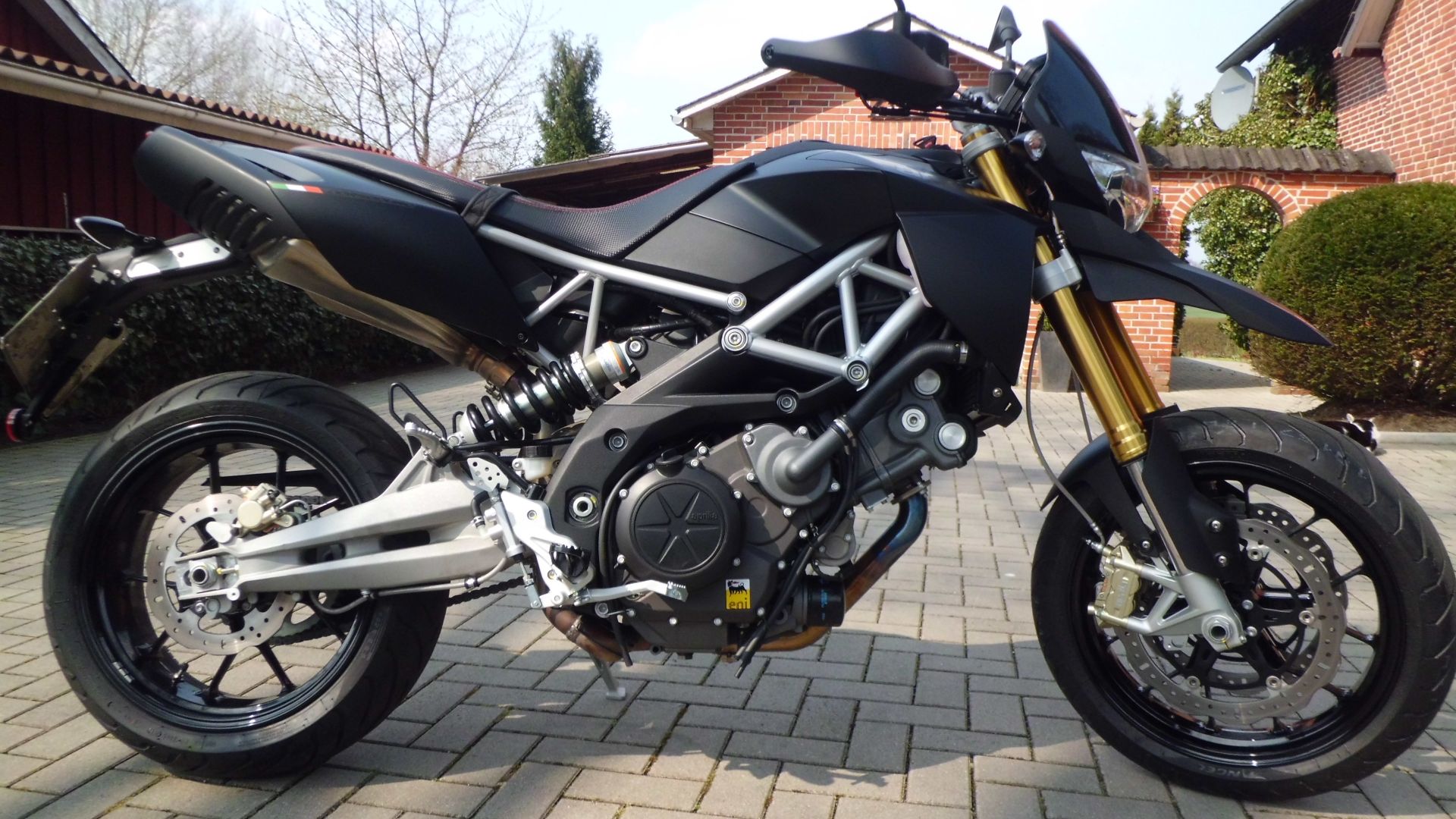
Aprilia Dorsoduro (2008–2021)
The Dorsoduro blended supermoto spirit with daily-friendly ergonomics. With snappy throttle response, agile handling and Italian flair, it delivered big smiles at any speed. As stripped-down, fun-first bikes gain popularity again, there’s plenty of room for a revived Dorsoduro—lighter, meaner, and more refined than ever.
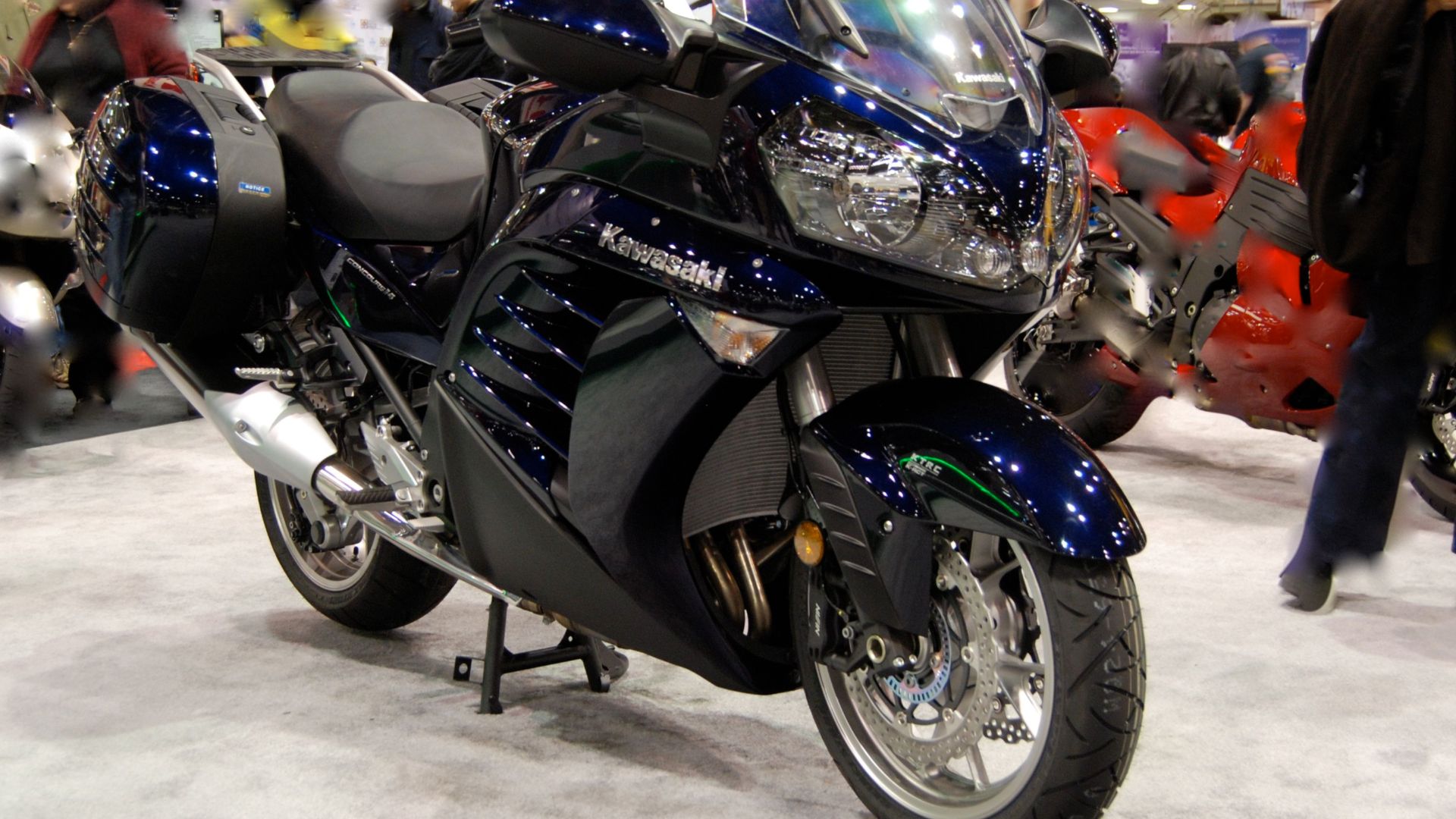
Kawasaki Concours 14 (2007–2022)
A rare blend of power, comfort and bulletproof engineering, the Concours 14 offered big-bore performance with long-haul capability. Its 1,352cc four-cylinder engine delivered silky power, while its sport-touring geometry offered real versatility. With adventure-tourers overshadowing sport-tourers today, a revived Concours could reintroduce riders to the magic of fast, comfortable highway devouring.
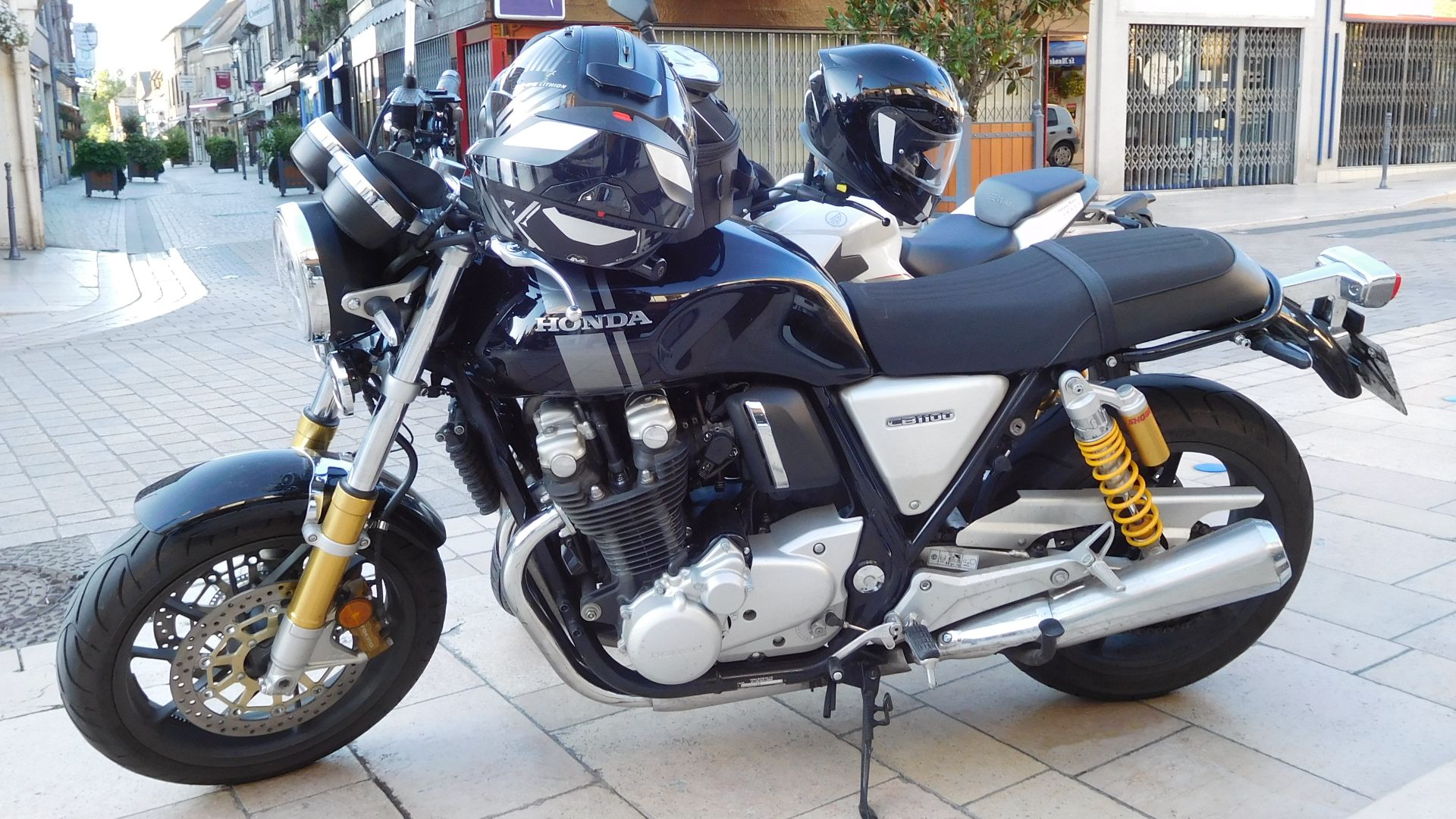
Honda CB1100RS (2010–2022)
The CB1100RS was Honda’s homage to classic air-cooled roadsters. With an inline-four engine, clean tank-to-seat proportions and a minimalist aesthetic, it captured old-school charm with modern reliability. As demand for neo-retro bikes grows, the CB1100RS could easily return as Honda’s elegant alternative to digital-heavy machines.
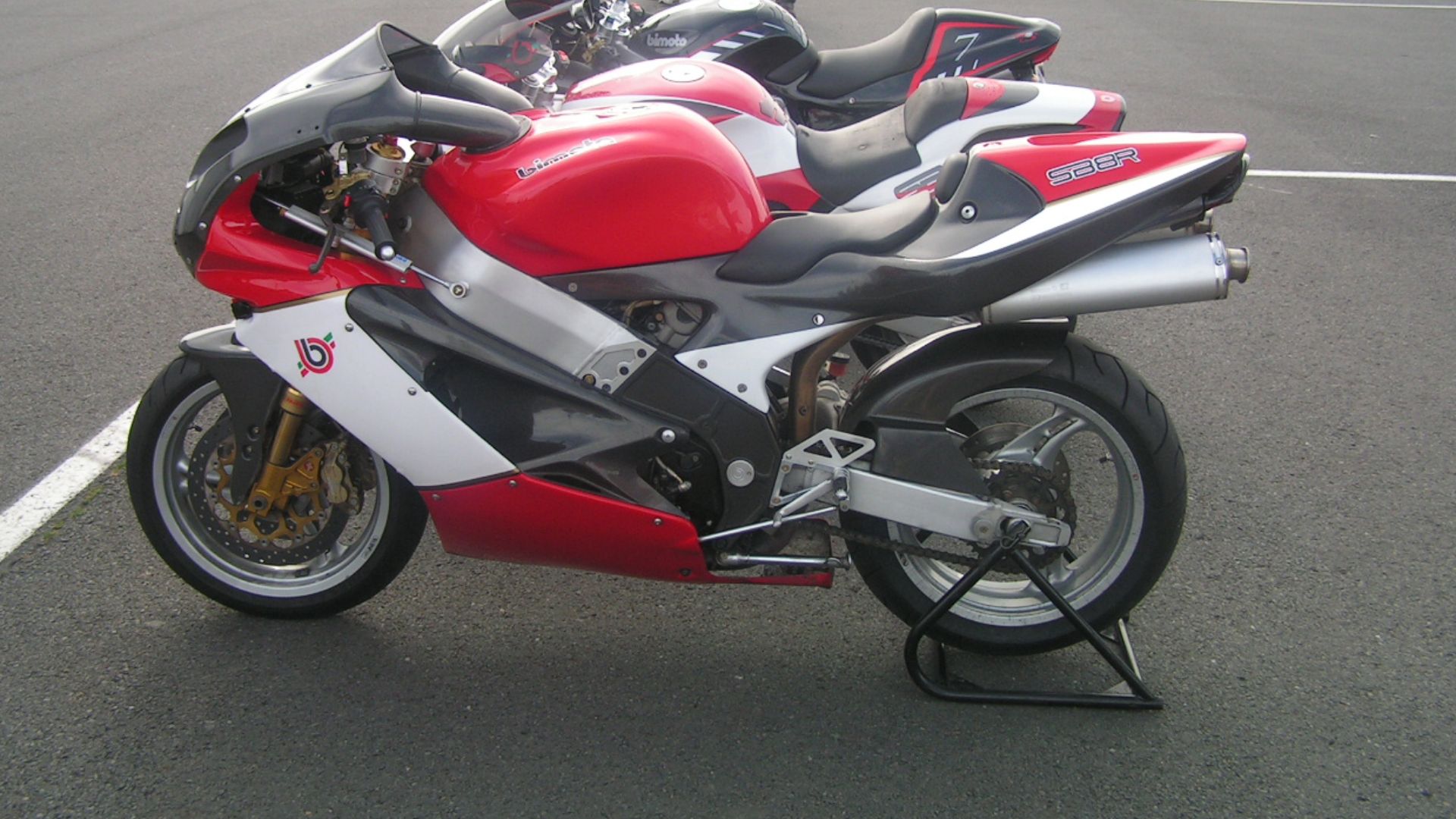
Bimota SB8R (1999–2000)
The SB8R was an exotic limited-production superbike mixing Italian design with Suzuki TL1000R V-twin power. Bimota wrapped that engine in advanced materials, unique geometry and boutique craftsmanship. Because it combined art and performance, the SB8R is exactly the type of machine enthusiasts dream of seeing reimagined with modern components.
 Philippe on fr.wikipedia.org, Wikimedia Commons
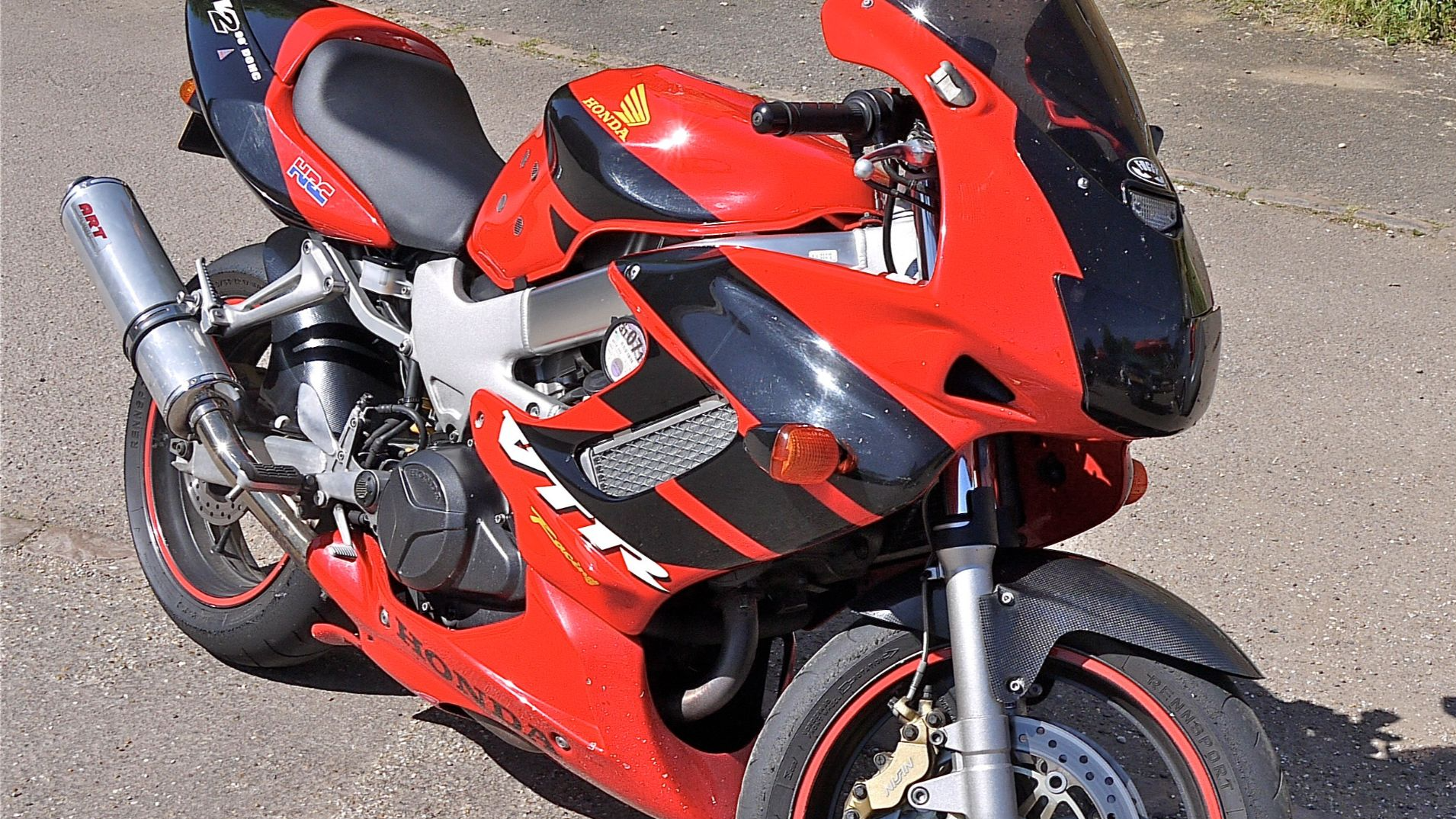
Honda VTR1000 (1997–2005)
Honda’s VTR1000 blended V-twin torque with sportbike agility. It carved out a niche for riders who wanted a manageable liter-class machine without the aggressive ergonomics of pure superbikes. Its durability, smooth throttle response and accessible power delivery created a loyal following. A refreshed VTR would appeal to today’s practical-sport riders.
 Mick from Northamptonshire, England, Wikimedia Commons
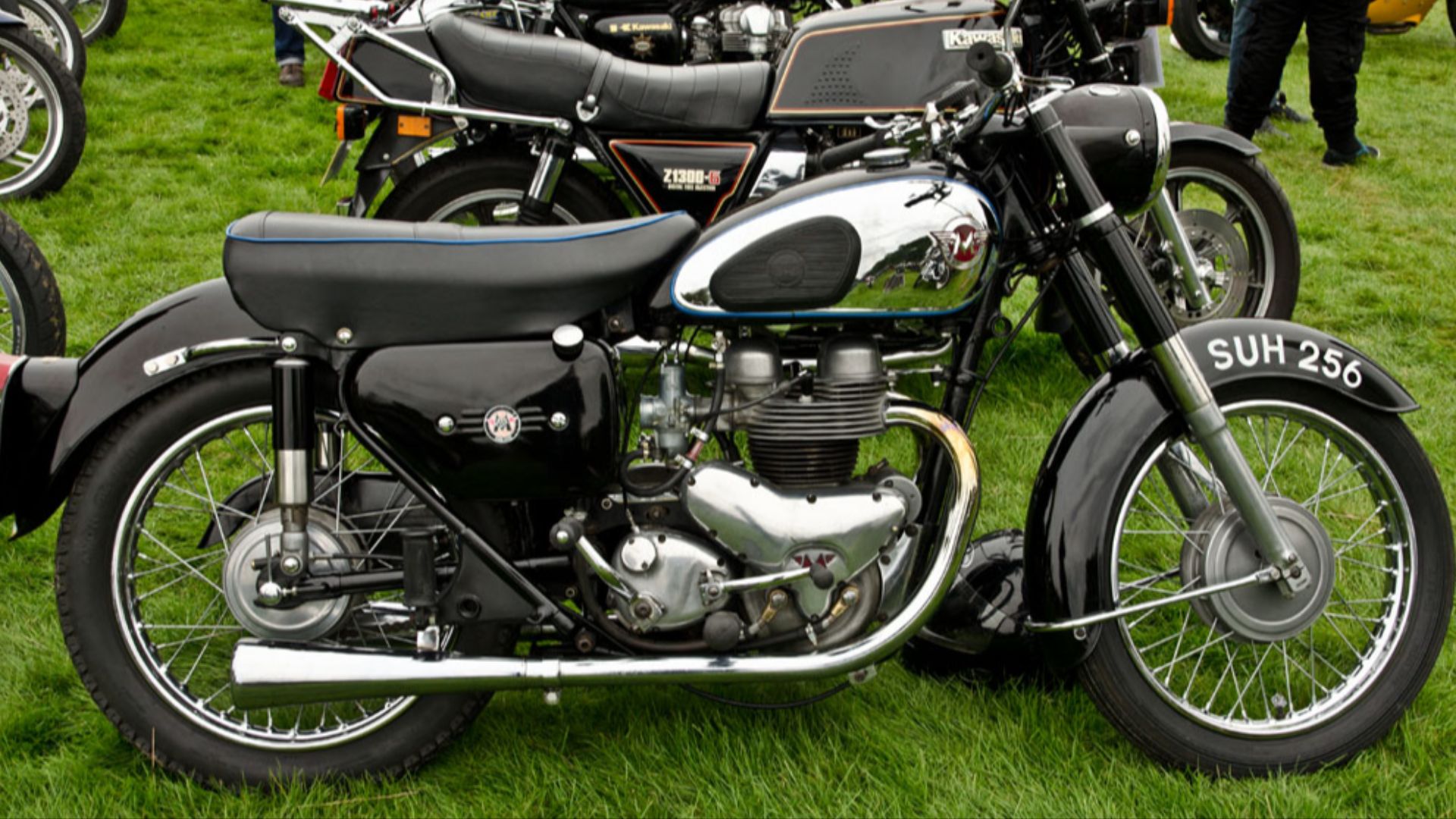
Matchless G11 (1956–1959)
The G11 was a charming British roadster, simple and elegant, with a classic single-cylinder thump. It stands as a snapshot of post-war motorcycling, offering mechanical purity that modern machines sometimes overlook. A revival, built with modern metallurgy and updated brakes, could celebrate retro craftsmanship without sacrificing rideability.
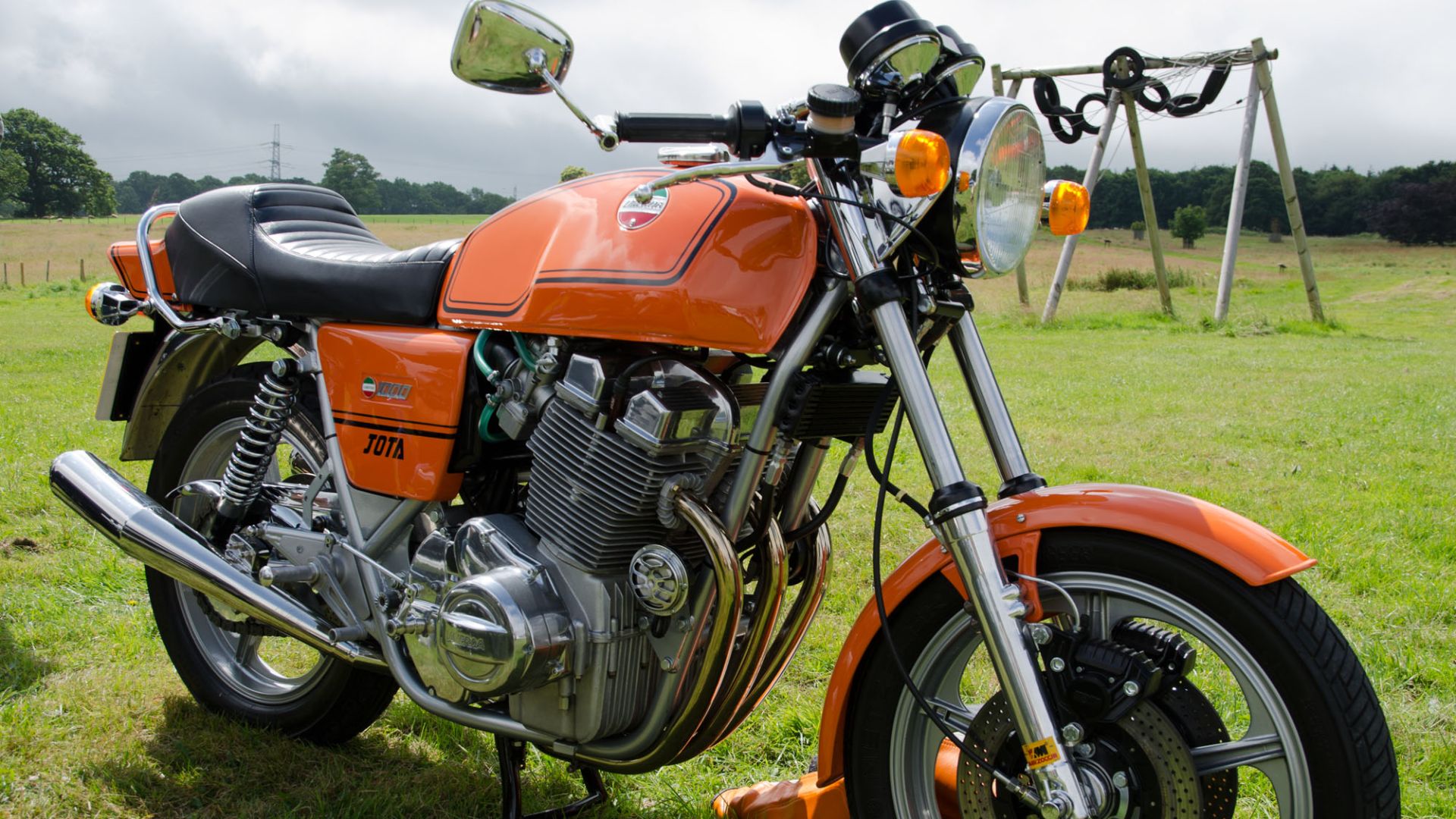
Laverda Jota (1976–1982)
The Jota was a bold Italian triple with power, sound and charisma. Known for its muscular stance, distinctive engine note and impressive performance for its era, it remains a cult favorite. Its combination of rarity, style and road presence makes it perfect for a modern reinterpretation, something that captures its loud, rebellious spirit.
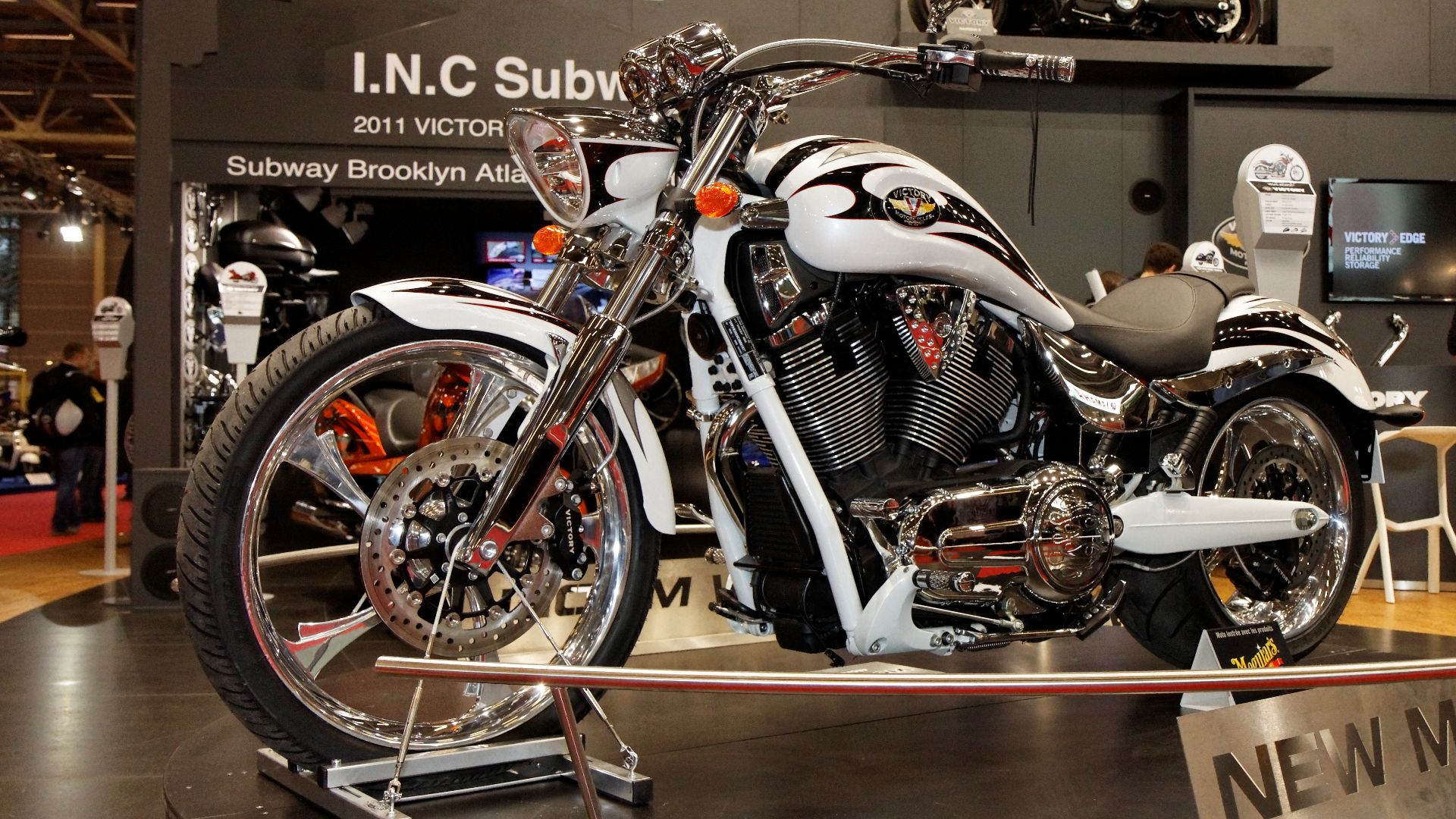
Victory Vegas (2003–2017)
The Victory Vegas offered American-cruiser attitude with modern engineering sensibility. Its V-twin power, clean styling and comfortable geometry gave riders an appealing alternative to mainstream cruiser brands. With Victory gone, the Vegas has gained cult interest. A modern successor would scratch the itch for riders craving American muscle with contemporary refinement.
 Thesupermat, Wikimedia Commons
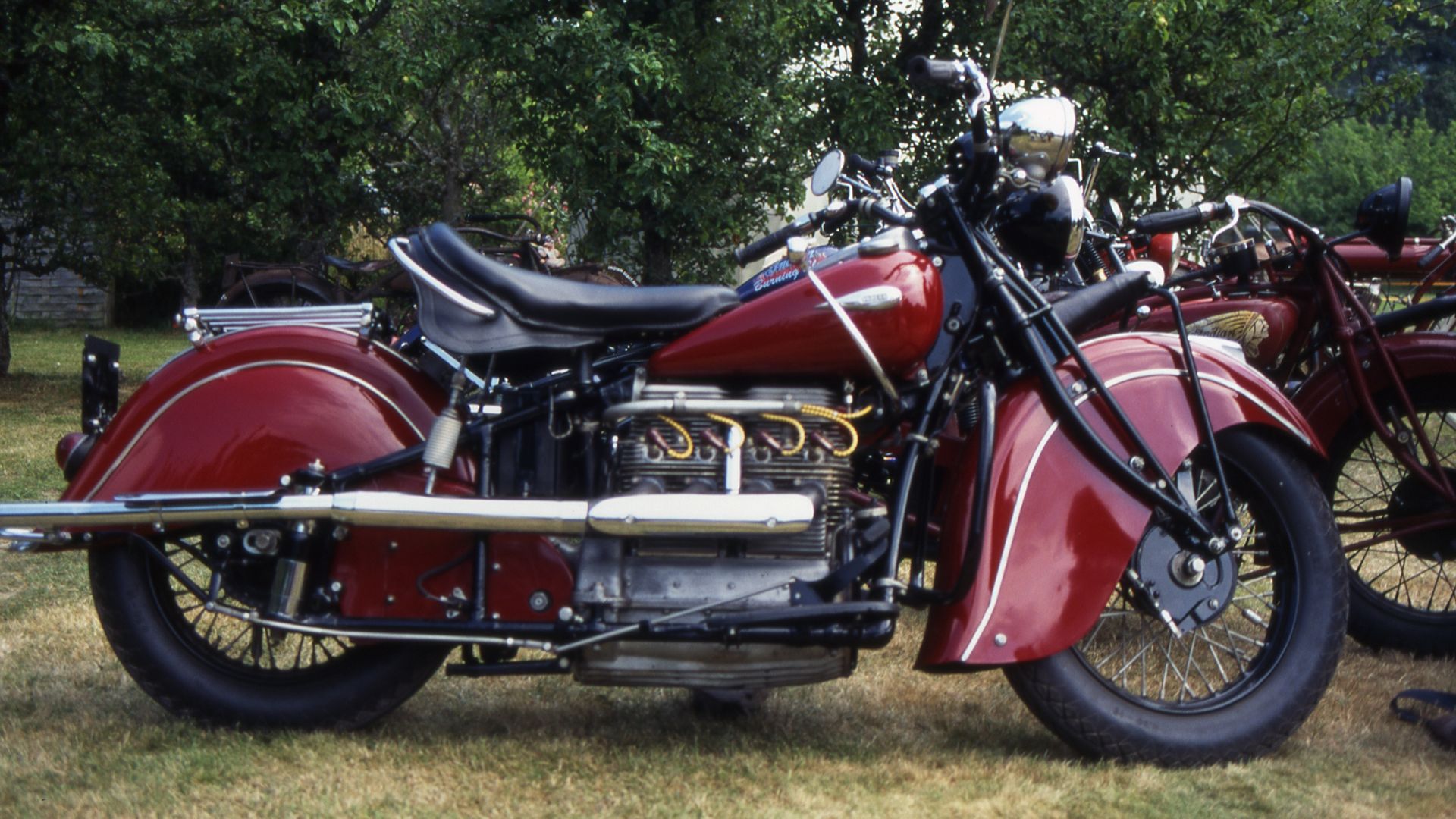
Ace Four (1928–1942)
The Ace Four, with its smooth inline-four and early-20th-century craftsmanship, represents a foundational chapter in motorcycle development. It’s vintage elegance at its purest. While a true revival would be more symbolic than practical, the Ace name deserves a tribute model: retro styling paired with modern safety and reliability.
Bultaco Matador (1964–1975)
Lightweight, responsive and easy to ride, the Matador was a standout dual-sport machine in its day. It was ideal for mixed-use riding long before the dual-sport market exploded. Today’s enthusiasm for simple, user-friendly middleweight bikes could make a modern Matador a refreshing alternative to tech-laden adventure bikes.

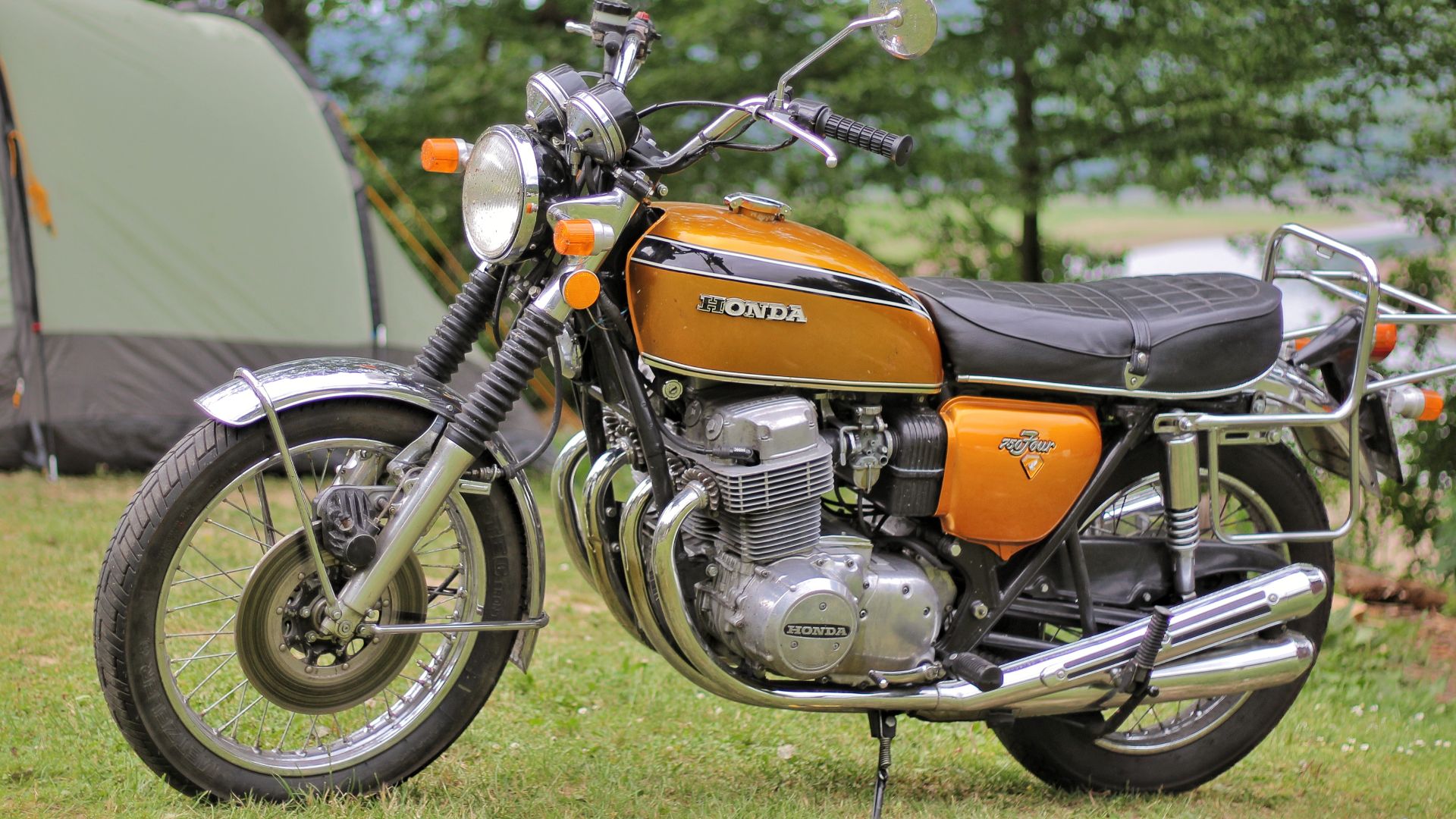
Honda CB750 (1969–1978)
Often called the world’s first true superbike, the CB750 changed everything. Its 736cc inline-four, front disc brake and smooth performance set the blueprint for decades of motorcycle design. With neo-retro bikes thriving, a faithful CB750 revival that’s lean, mechanical and loaded with charm would instantly capture the hearts of riders old and new.
You May Also Like:
Legendary Bikes That Defined The 1970s
22 Legendary Motorcycles That Most People Forgot About